
MyEczema.app guide
Gloves for Cleaning Eczema Hands: Practical Guide
gloves for cleaning eczema hands: practical tips for tracking triggers, building routines, and supporting eczema-prone skin.
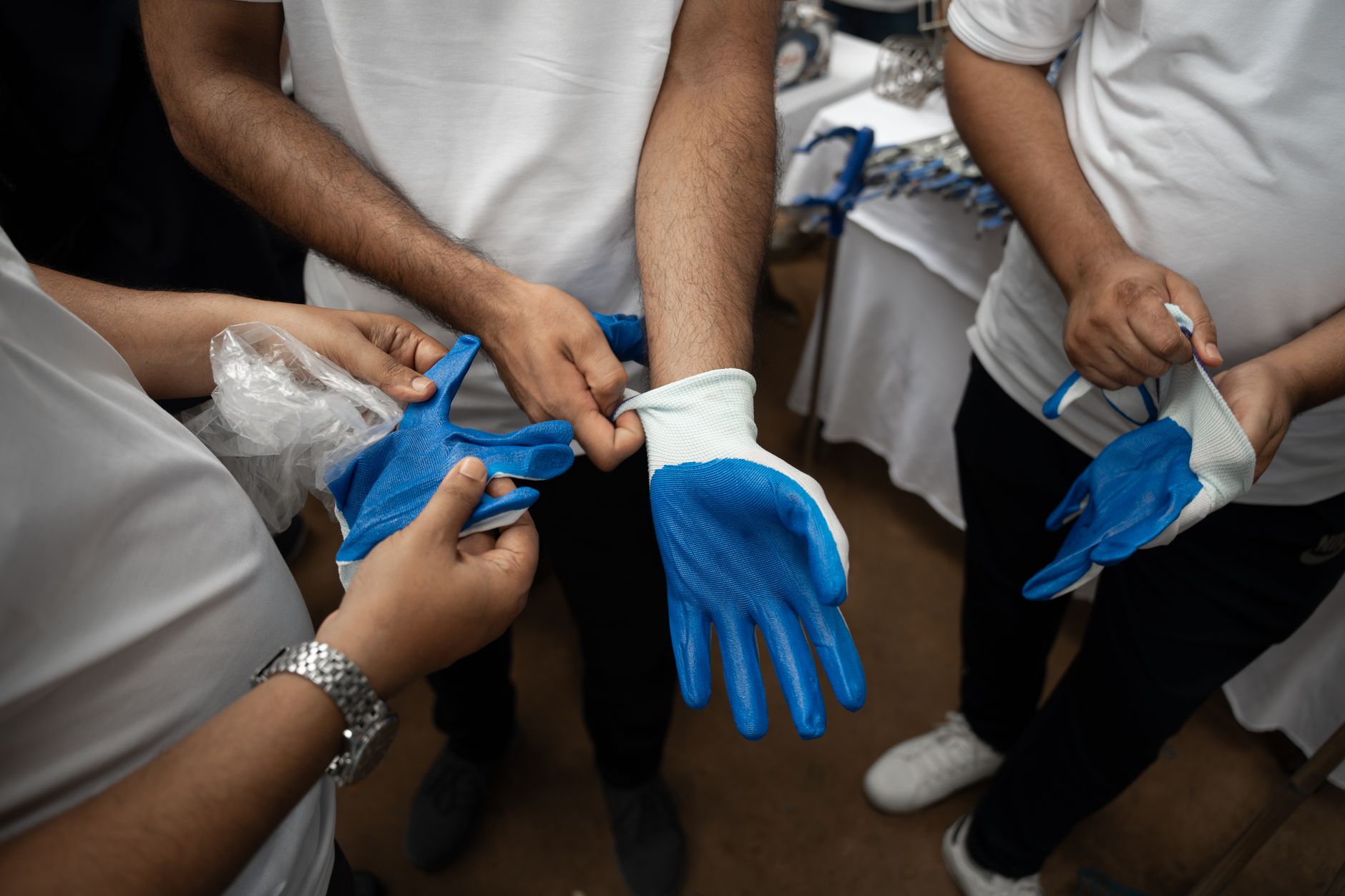
Table of contents
Use this guide as a practical reference and jump to the sections most relevant to you.
- Quick answer
- Key takeaways
- Practical comparison table
- Visual chart
- Related MyEczema.app tool
- Understanding Eczema and Its Impact on Hands
- Types of Gloves for Cleaning
- Best Gloves for Eczema-Prone Hands
- Proper Usage and Maintenance of Gloves
- Importance of Glove Thickness and Fit
- Moisturizing Hands Before and After Glove Use
- Alternative Hand Protection Methods
- Dealing with Glove Allergies and Sensitivity
- Top Glove Recommendations for Eczema-Prone Hands
- Frequently Asked Questions About Gloves for Eczema
- Frequently asked questions
- Sources and further reading
When you have eczema, everyday tasks can sometimes feel like a challenge. Cleaning, in particular, can be tough on your skin. Harsh chemicals, hot water, and rough surfaces can exacerbate eczema symptoms, leading to flare-ups. One practical solution is using the right gloves for cleaning. But with so many options available, how do you choose the best ones for your eczema-prone hands? This guide will help you navigate through the various types of gloves, highlighting the best options to keep your hands protected and comfortable while you clean.
Eczema-prone skin is sensitive and can react to various triggers, including skin barrier disruption, irritants, climate, cleansing habits, allergens, and individual triggers. When it comes to cleaning, your hands are directly exposed to potential irritants, making it crucial to choose the right protective gear. The right gloves can make a significant difference in maintaining your skin’s health and reducing the risk of flare-ups.
In this article, we’ll dive into the specifics of gloves for cleaning eczema hands. We’ll explore different types of gloves, their benefits, and what to look for when making your selection. Whether you’re dealing with mild or severe eczema, finding the right gloves can help you manage your symptoms more effectively and keep your hands in better condition.
Let’s start by looking at the quick answer to the question many of you might be asking: What gloves are best for cleaning when you have eczema-prone hands?
Quick answer
Nitrile gloves are often the best choice for cleaning with eczema-prone hands due to their durability and hypoallergenic properties. They provide a strong barrier against chemicals and irritants without causing allergic reactions, making them a safe and effective option for those with sensitive skin.
Key takeaways
- Nitrile gloves are generally the best option for those with eczema.
- Avoid gloves made from latex to prevent allergic reactions.
- Proper glove usage and maintenance are crucial for effective hand protection.
- Consider glove thickness and fit for maximum comfort and protection.
- Regularly moisturize hands before and after glove use to maintain skin health.
Comparison of Gloves for Cleaning with Eczema-Prone Hands
| Situation | What it may mean | Practical next step |
|---|---|---|
| Need for durable gloves | Nitrile gloves offer superior durability compared to latex and vinyl. | Choose nitrile gloves for long-lasting protection. |
| Allergy to latex | Latex gloves can cause allergic reactions in sensitive individuals. | Opt for nitrile or vinyl gloves as safer alternatives. |
| Thin gloves for dexterity | Thinner gloves may offer better dexterity but less protection. | Balance dexterity needs with protection by choosing medium-thickness gloves. |
| Budget-conscious shopping | Vinyl gloves are often more affordable but less durable. | Consider vinyl gloves for occasional use and nitrile for regular cleaning. |
| Need for extra moisture barrier | Cotton liners can provide an additional moisture barrier under gloves. | Use cotton liners for added protection and comfort. |
Effectiveness of Different Gloves for Eczema-Prone Hands
This visual is an educational guide, not a diagnostic score. Use it to decide what may be worth tracking more consistently for this specific topic.
High durability and hypoallergenic properties make nitrile gloves highly effective.
Risk of allergic reactions reduces their effectiveness for eczema-prone hands.
Affordable but less durable, suitable for occasional use.
Provide extra moisture barrier but should be used with other gloves.
Effective as an alternative or supplement to gloves for hand protection.
Related MyEczema.app tool
Use the Eczema Trigger Identifier
The Eczema Trigger Identifier helps users organize recent changes and possible flare-related patterns such as weather, stress, sweat, sleep, foods, products, and irritants.
For this topic, this tool can help you organize information in a more structured way and turn daily observations into clearer patterns to review over time.
Understanding Eczema and Its Impact on Hands
Eczema is a common skin condition that causes inflammation and irritation. It can manifest in various forms, with atopic dermatitis being the most prevalent. For those with eczema-prone hands, everyday activities like cleaning can exacerbate symptoms. Understanding what eczema is and how it affects the hands is crucial for selecting the right gloves for cleaning eczema hands.
Definition of Eczema
Eczema, also known as atopic dermatitis, is a chronic skin condition characterized by dry, itchy, and inflamed skin. It often appears in flare-ups, which can be triggered by various factors including allergens, irritants, and environmental conditions. While the exact cause of eczema is not fully understood, it is believed to involve a combination of genetic and environmental factors.
Common Symptoms on Hands
When eczema affects the hands, symptoms can include:
- Itching: Persistent and often severe itching is a hallmark symptom.
- Redness: The skin may appear red and inflamed.
- Dryness: Skin can become extremely dry, cracked, and scaly.
- Blisters: Small fluid-filled blisters may develop and eventually crust over.
- Thickening: Chronic eczema can lead to thickened skin, a condition known as lichenification.
Importance of Hand Protection
Protecting your hands is essential when you have eczema. The skin on your hands is particularly vulnerable to irritants and allergens found in cleaning products. Using the right gloves can significantly reduce the risk of flare-ups and help maintain the skin’s barrier function.
When choosing gloves for cleaning eczema hands, consider the following factors:
- Material: Opt for latex-free gloves to avoid allergic reactions. Nitrile and vinyl gloves are excellent alternatives.
- Fit: Ensure the gloves fit well to prevent leaks and provide maximum protection.
- Durability: Choose gloves that are strong enough to withstand the cleaning process without tearing.
For example, nitrile gloves are not only latex-free but also offer excellent resistance to chemicals, making them a top choice for those with eczema. Vinyl gloves, while more affordable, may not provide the same level of chemical resistance but are still a viable option for less intense cleaning tasks.
In addition to wearing gloves, it’s important to:
- Moisturize your hands regularly to keep the skin hydrated.
- Avoid harsh soaps and cleaning agents whenever possible.
- Use eczema-friendly cleaning products that are gentle on the skin.
By understanding the nature of eczema and taking practical steps to protect your hands, you can better manage symptoms and reduce the impact of cleaning on your skin. Selecting the appropriate gloves for cleaning eczema hands is a crucial part of this strategy.
Types of Gloves for Cleaning
When dealing with eczema-prone hands, choosing the right gloves for cleaning is crucial. The wrong type of gloves can exacerbate eczema symptoms, while the right ones can provide essential skin protection. Here, we’ll explore the different types of gloves available for cleaning and how they can help protect your hands.
Latex Gloves
Latex gloves are widely used in cleaning due to their flexibility and strength. However, they are not the best choice for individuals with eczema. Many people with eczema have sensitivities or allergies to latex, which can lead to irritation or allergic reactions.
If you must use latex gloves, opt for powder-free versions. The powder in latex gloves can carry latex proteins, increasing the risk of an allergic reaction. However, even powder-free latex gloves can cause issues for those with latex sensitivities.
Nitrile Gloves
Nitrile gloves are a popular alternative to latex gloves, especially for those with latex allergies. They are made from a synthetic rubber compound, offering similar flexibility and durability without the risk of a latex reaction.
Nitrile gloves are an excellent choice for gloves for cleaning eczema hands. They provide a strong barrier against chemicals and irritants commonly found in cleaning products. Additionally, they are puncture-resistant, making them suitable for more demanding cleaning tasks.
When selecting nitrile gloves, look for those labeled as “latex-free” to ensure they do not contain any latex proteins that could cause a reaction.
Vinyl Gloves
Vinyl gloves are another latex-free option, often used for cleaning. They are generally less expensive than nitrile gloves and provide a decent barrier against water and mild chemicals.
However, vinyl gloves are not as durable as nitrile gloves and can tear easily, especially when exposed to certain chemicals. This makes them less ideal for heavy-duty cleaning tasks. For lighter cleaning jobs or short-term use, vinyl gloves can be a reasonable choice.
Common Mistakes in Glove Selection
When choosing gloves for cleaning, especially if you have eczema-prone hands, it’s important to avoid some common mistakes:
- Assuming all gloves are the same: Different gloves offer different levels of protection. It’s essential to choose the right type based on your needs and sensitivities.
- Ignoring allergies: If you have a known allergy to latex, avoid latex gloves entirely. Always opt for latex-free options like nitrile or vinyl.
- Overlooking durability: Thin or poorly made gloves can tear easily, offering little protection. Invest in high-quality gloves that can withstand the cleaning task at hand.
- Neglecting proper fit: Gloves that are too tight or too loose can be uncomfortable and less effective. Ensure you choose the correct size for a snug yet comfortable fit.
- Reusing disposable gloves: Disposable gloves are designed for single use. Reusing them can compromise their integrity and reduce their effectiveness.
By understanding the different types of gloves available and avoiding these common mistakes, you can better protect your eczema-prone hands while cleaning. Whether you choose nitrile, vinyl, or another type of glove, the key is to select a product that offers adequate protection without causing additional skin irritation.
For those with severe eczema or known allergies, consulting with a dermatologist can provide personalized recommendations on the best gloves for cleaning eczema hands. They can offer insights into your specific triggers and help you find the most suitable options for your needs.
Best Gloves for Eczema-Prone Hands
When it comes to managing eczema, especially on the hands, selecting the right gloves for cleaning is crucial. Gloves act as a barrier between your skin and potential irritants, reducing the risk of flare-ups. Let’s delve into the best options available, ensuring that your hands stay protected while you maintain a clean home.
Benefits of Nitrile Gloves
Nitrile gloves are a top choice for individuals with eczema-prone hands. These gloves offer several advantages:
- Durability: Nitrile gloves are more resistant to punctures and tears compared to other types, making them ideal for heavy-duty cleaning tasks.
- Chemical Resistance: They provide excellent protection against a wide range of chemicals found in cleaning products, reducing the risk of skin irritation.
- Latex-Free: Nitrile gloves are naturally latex-free, which is essential for those with latex allergies or sensitivities.
- Comfort: They fit snugly without being too tight, allowing for ease of movement while cleaning.
For those looking for gloves for cleaning eczema hands, nitrile gloves often emerge as a reliable option due to these benefits.
Why Avoid Latex Gloves
While latex gloves were once a popular choice for cleaning, they are not recommended for individuals with eczema. Here’s why:
- Allergies: Latex can cause allergic reactions in some people, leading to itching, redness, and even severe dermatitis.
- Irritants: The proteins in latex can be irritants, exacerbating eczema symptoms.
- Powdered Gloves: Many latex gloves are powdered to make them easier to put on. However, the powder can contain latex particles, increasing the risk of an allergic reaction.
Given these risks, it’s best to opt for latex-free gloves when searching for suitable gloves for sensitive skin.
Features to Look for in Eczema-Friendly Gloves
When selecting gloves for cleaning, especially if you have eczema, certain features can make a significant difference:
- Material: Choose gloves made from materials like nitrile or vinyl. Both are latex-free and offer good protection.
- Thickness: Thicker gloves provide better protection against chemicals and rough surfaces. However, ensure they are not so thick that they impede your ability to perform tasks efficiently.
- Fit: Gloves should fit snugly but comfortably. Avoid gloves that are too tight, as they can cause discomfort and restrict blood flow.
- Powder-Free: Select powder-free gloves to minimize the risk of irritation.
- Texture: Some gloves come with a textured surface to enhance grip. This can be particularly useful when handling slippery surfaces or tools.
For example, if you’re dealing with a particularly stubborn stain, nitrile gloves with a textured surface can provide the grip you need without compromising on protection.
Real-Life Example: Choosing the Right Gloves
Imagine you’re preparing to clean your kitchen, a task that involves handling various cleaning agents and scrubbing surfaces. You have a history of eczema flare-ups triggered by certain chemicals. In this scenario, nitrile gloves would be your best bet. They offer the durability and chemical resistance needed to protect your skin while you work.
On the other hand, if you’re simply washing dishes by hand, vinyl gloves could suffice. They are less expensive and provide adequate protection for lighter tasks.
Ultimately, the key is to assess the specific cleaning task and choose gloves that offer the right balance of protection and comfort for your eczema-prone hands.
By being mindful of the materials and features of the gloves you use, you can significantly reduce the risk of eczema triggers and maintain healthier skin while keeping your home clean.

Proper Usage and Maintenance of Gloves
When using gloves for cleaning eczema hands, proper usage and maintenance are essential to maximize their effectiveness and longevity. This section will guide you through the correct way to put on gloves, tips for maintaining them, and common mistakes to avoid.
How to Put on Gloves Correctly
Putting on gloves correctly ensures that they provide the best protection for your hands. Here’s a step-by-step guide:
- Wash Your Hands: Before putting on gloves, wash your hands thoroughly with a gentle, fragrance-free soap and lukewarm water. Pat them dry with a soft towel.
- Inspect the Gloves: Check for any tears or defects in the gloves. Even small holes can compromise their protective barrier.
- Putting on the Gloves:
- Hold the glove by the cuff.
- Insert your fingers into the glove, ensuring they are aligned correctly.
- Gently pull the glove up over your hand, smoothing out any wrinkles.
- Repeat the process for the other hand.
- Adjust the Fit: Ensure the gloves fit snugly but comfortably. They should not be too tight, which can cause discomfort, nor too loose, which can allow contaminants to seep in.
Glove Maintenance Tips
Proper maintenance of your gloves extends their lifespan and ensures they remain effective. Here are some tips:
- Store Gloves Properly: Keep gloves in a cool, dry place away from direct sunlight and extreme temperatures. This helps prevent degradation of the material.
- Avoid Contaminants: Store gloves away from chemicals and cleaning products to prevent premature wear.
- Regular Inspection: Check gloves regularly for signs of wear and tear. Replace them if you notice any damage.
- Clean Reusable Gloves: If you use reusable gloves, follow the manufacturer’s instructions for cleaning. Typically, this involves rinsing them with lukewarm water and mild soap, then allowing them to air dry.
Common Mistakes in Glove Usage
Avoiding common mistakes can help you get the most out of your gloves for cleaning eczema hands. Here are some pitfalls to watch out for:
- Reusing Disposable Gloves: Disposable gloves are designed for single use. Reusing them can compromise their integrity and reduce their effectiveness.
- Ignoring Size: Wearing gloves that are too small or too large can lead to discomfort and reduced protection. Always choose the right size for your hands.
- Not Replacing Damaged Gloves: Using gloves with tears or holes can expose your skin to irritants and allergens. Regularly inspect and replace damaged gloves.
- Forgetting to Wash Hands Before and After Use: Washing your hands before putting on gloves ensures they are clean, while washing after removes any residue that may have seeped through the gloves.
- Using Gloves for Extended Periods: Prolonged use of gloves can cause moisture to build up, leading to maceration of the skin. Take breaks and remove gloves when not in use.
By following these guidelines for proper usage and maintenance, you can ensure that your gloves for cleaning eczema hands provide the best possible protection. This not only helps in managing eczema triggers but also promotes overall skin health during cleaning tasks.
Importance of Glove Thickness and Fit
When selecting gloves for cleaning eczema hands, two critical factors to consider are thickness and fit. These elements directly influence the effectiveness of the gloves in protecting your skin and ensuring comfort during use.
How Thickness Affects Protection
The thickness of gloves plays a crucial role in their protective capabilities. Thicker gloves generally offer better protection against harsh chemicals and abrasive materials commonly found in cleaning products. For individuals with eczema, this added layer can help prevent direct contact with irritants that may exacerbate symptoms.
However, it’s important to strike a balance. Extremely thick gloves might make it difficult to perform precise tasks, such as handling small objects or using tools. Therefore, choosing gloves that are thick enough to provide adequate protection but thin enough to allow for dexterity is essential.
Nitrile gloves, for instance, come in various thicknesses. Opt for a thickness that offers a good compromise between protection and ease of use. Typically, gloves with a thickness of around 5-7 mils are a good choice for most cleaning tasks.
Importance of Proper Fit
A proper fit is just as important as the thickness of the gloves. Gloves that are too loose can allow cleaning agents to seep in around the edges, while gloves that are too tight can cause discomfort and restrict movement.
To ensure a proper fit, try on different sizes and brands. Pay attention to how the gloves feel on your hands. They should fit snugly but not be constricting. The gloves should cover your wrists to prevent any exposure of skin in that area, which is often sensitive for those with eczema.
Some brands offer gloves specifically designed for individuals with sensitive skin, which may include features like rolled cuffs to prevent liquid from running down your arms or textured surfaces for better grip.
Common Fitting Issues and Solutions
One common issue people face is finding gloves that fit well on smaller or larger hands. If standard sizes don’t fit, look for brands that offer extended sizing options. Additionally, some gloves are designed to be more form-fitting, which can help achieve a better fit regardless of hand size.
Another issue is the fit around the thumb and fingers. Gloves that are too tight in these areas can cause discomfort and restrict blood flow. Look for gloves with contoured thumb and finger sections for a more ergonomic fit.
If you find that the gloves you’ve chosen still don’t fit quite right, consider using a thin, inner glove layer made from cotton or another soft material. This can help achieve a better fit and add an extra layer of comfort.
In summary, when choosing gloves for cleaning eczema hands, pay close attention to both thickness and fit. These factors will not only enhance the protective benefits of the gloves but also ensure that you can use them comfortably and effectively. Taking the time to find the right gloves can make a significant difference in managing eczema symptoms while performing cleaning tasks.
Moisturizing Hands Before and After Glove Use
When dealing with eczema-prone hands, the importance of moisturizing cannot be overstated. Gloves for cleaning eczema hands can provide a protective barrier, but they can also trap moisture and irritants against the skin, potentially exacerbating eczema symptoms. Proper moisturizing before and after glove use is crucial to maintain skin health and prevent flare-ups.
Best Moisturizers for Eczema-Prone Hands
Choosing the right moisturizer is the first step in effective hand care. For eczema-prone skin, it’s essential to select products that are fragrance-free, hypoallergenic, and specifically formulated for sensitive skin. Look for moisturizers that contain ingredients like ceramides, hyaluronic acid, and glycerin, which help to repair the skin barrier and retain moisture.
- Ceramide-rich creams: These help restore the skin’s natural barrier.
- Hyaluronic acid: This ingredient attracts and retains moisture.
- Glycerin: A humectant that draws moisture into the skin.
- Oat-based lotions: Known for their soothing and anti-inflammatory properties.
How to Moisturize Effectively
Effective moisturizing involves more than just applying cream. Here are some practical steps to ensure your hands receive the maximum benefit from your chosen moisturizer:
- Clean hands: Before applying moisturizer, ensure your hands are clean and dry. This allows the moisturizer to absorb better.
- Gentle application: Use a gentle, circular motion to apply the moisturizer. Avoid rubbing, which can irritate the skin.
- Layering: For extra dry skin, consider layering a lightweight lotion under a richer cream.
- Frequency: Apply moisturizer multiple times a day, especially after washing your hands or removing gloves.
Importance of Pre and Post-Glove Moisturizing
Moisturizing before putting on gloves creates a protective layer between your skin and the glove, reducing friction and irritation. After removing gloves, moisturizing helps to rehydrate the skin and lock in moisture, preventing dryness and potential flare-ups.
Here’s a step-by-step guide to incorporating moisturizing into your glove-wearing routine:
- Before putting on gloves: Apply a generous amount of moisturizer to your hands. Allow it to absorb for a few minutes before donning your gloves. This step is particularly important if you are using latex-free gloves, nitrile gloves, or vinyl gloves, as these materials can still cause some level of irritation.
- During glove use: If you notice your hands feeling dry or irritated while wearing gloves, consider taking a short break to reapply moisturizer. This is especially useful if you are engaged in lengthy cleaning tasks.
- After removing gloves: As soon as you take off your gloves, wash your hands gently with a mild, fragrance-free soap and lukewarm water. Pat your hands dry with a soft towel and immediately apply moisturizer. This helps to rehydrate your skin and protect it from any residual irritants.
Real-life example: Imagine you are using gloves for cleaning eczema hands while doing the dishes. Before you start, apply a thick layer of your preferred moisturizer. While washing dishes, if you feel any discomfort, take a break to reapply. Once you finish, rinse your hands, pat them dry, and moisturize again to keep your skin hydrated and protected.
By incorporating these moisturizing practices into your routine, you can significantly reduce the risk of eczema flare-ups and maintain healthier, more comfortable hands. Remember, consistent care is key when managing eczema-prone skin.
Alternative Hand Protection Methods
While gloves for cleaning eczema hands are a primary defense, alternative methods can also offer effective hand protection. These methods can be used alone or in combination with gloves to enhance overall protection. Here, we explore three effective alternative hand protection methods: barrier creams, cotton liners under gloves, and situations where alternatives might be necessary.
Barrier Creams
Barrier creams are specially formulated to create a protective layer on the skin, shielding it from irritants and moisture. They are particularly useful for individuals with eczema-prone hands who need extra protection during cleaning tasks.
When using barrier creams, it’s important to choose products designed for sensitive skin. Look for creams that are fragrance-free and hypoallergenic to minimize the risk of irritation. Apply the cream generously to your hands before putting on your gloves. This added layer can help prevent the skin from absorbing harsh chemicals found in cleaning products.
For example, if you are planning to clean a bathroom, apply a barrier cream to your hands first. Once the cream has absorbed, put on your preferred gloves—whether they are latex-free, nitrile, or vinyl. This dual protection can significantly reduce the chances of an eczema flare-up.
Cotton Liners Under Gloves
Another effective method is using cotton liners under your gloves. Cotton liners provide an additional layer of comfort and protection, especially if you find that gloves alone cause irritation or chafing.
To use cotton liners, simply place a pair of clean, breathable cotton gloves on your hands before putting on your cleaning gloves. This method not only adds a cushion between your skin and the cleaning gloves but also helps absorb sweat, keeping your hands dry.
For instance, if you are tackling a deep kitchen clean, start by putting on a pair of cotton liners. Then, slip on your preferred cleaning gloves—latex-free, nitrile, or vinyl. The cotton liners will help prevent moisture build-up, which can exacerbate eczema symptoms.
When Alternatives Might Be Necessary
There are situations where gloves alone may not be sufficient, and alternative methods become necessary. This is particularly true if you have severe eczema or are highly sensitive to certain materials.
If you find that even the best gloves for eczema-prone hands are causing irritation, consider the following alternatives:
- Household Cleaning Tips: Delegate cleaning tasks to other household members or hire professional cleaners for particularly demanding jobs. This reduces your direct exposure to irritants.
- Automated Cleaning Tools: Use automated cleaning tools like robotic vacuums or steam cleaners. These can handle a significant portion of the cleaning without requiring you to use gloves.
- Barrier Creams and Cotton Liners Combined: As mentioned earlier, using both barrier creams and cotton liners can offer enhanced protection. This combination can be particularly effective for those with severe eczema.
- Frequent Breaks: If you must clean, take frequent breaks to allow your skin to breathe. Remove your gloves and liners, and apply a soothing, fragrance-free moisturizer to keep your skin hydrated.
For example, if you are cleaning a particularly dirty area and notice your skin becoming irritated, take a break. Remove your gloves and liners, apply a barrier cream, and then put everything back on. This approach allows you to continue cleaning while minimizing the risk of an eczema flare-up.
In summary, while gloves for cleaning eczema hands are a crucial part of protecting your skin, alternative methods like barrier creams, cotton liners, and other protective strategies can offer additional layers of defense. By combining these methods, you can effectively manage eczema triggers and keep your hands healthy during cleaning tasks.
Dealing with Glove Allergies and Sensitivity
When managing eczema-prone hands, selecting the right gloves for cleaning is crucial. However, even the best gloves can sometimes cause allergic reactions or sensitivity. Understanding common allergens, recognizing symptoms, and knowing how to test for allergies can help you find the most suitable gloves for cleaning eczema hands.
Common Glove Allergens
Gloves can contain various substances that may trigger allergic reactions or sensitivities, especially for those with eczema. The most common allergens found in gloves include:
- Latex: Natural rubber latex is a common material in gloves but can cause severe allergic reactions in some individuals.
- Accelerators: Chemicals like thiurams and carbamates, used in the manufacturing of gloves, can cause contact dermatitis.
- Nitrile: Though less common, some people may be allergic to nitrile, a synthetic rubber often used as a latex-free alternative.
- Vinyl: Vinyl gloves are generally considered safe, but they can sometimes contain traces of latex or other irritants.
Symptoms of Glove Allergy
Recognizing the symptoms of a glove allergy is essential for managing eczema-prone hands. Common symptoms include:
- Redness and Rash: The skin may become red, itchy, and develop a rash upon contact with the gloves.
- Swelling: Allergic reactions can cause the skin to swell, particularly around the areas in direct contact with the gloves.
- Blisters: In severe cases, blisters may form on the skin.
- Dryness and Peeling: The skin may become excessively dry and start to peel.
- Itching and Burning: Persistent itching and a burning sensation are common signs of an allergic reaction.
How to Test for Glove Allergies
If you suspect you have an allergy to certain types of gloves, it’s important to identify the specific allergen. Here are practical steps to test for glove allergies:
Patch Testing
Patch testing is a common method used to identify allergens. Here’s how you can do it:
- Choose a Small Area: Select a small, inconspicuous area of skin, such as the inner forearm.
- Wear the Glove: Put on the glove you suspect might be causing the reaction. Ensure it fits snugly but comfortably.
- Monitor for Reactions: Wear the glove for a short period, such as 15-30 minutes, and then remove it. Observe the skin for any signs of redness, itching, or rash.
- Repeat with Different Gloves: Test different types of gloves (latex, nitrile, vinyl) to pinpoint the specific allergen.
Consult a Dermatologist
If you experience severe reactions or are unsure about the results of your patch test, it’s advisable to consult a dermatologist. They can perform more comprehensive allergy testing and provide guidance on the best gloves for cleaning eczema hands.
Practical Steps to Minimize Allergic Reactions
To reduce the risk of allergic reactions when using gloves for cleaning, consider these practical steps:
- Choose Latex-Free Gloves: Opt for nitrile or vinyl gloves if you suspect a latex allergy.
- Check for Accelerator-Free Options: Look for gloves labeled as accelerator-free to minimize the risk of contact dermatitis.
- Use Powder-Free Gloves: Powdered gloves can carry allergens and irritants, so choose powder-free options whenever possible.
- Moisturize Before and After Use: Apply a gentle, fragrance-free moisturizer before putting on gloves and after removing them to keep the skin hydrated and less reactive.
- Rotate Glove Types: If you’re sensitive to certain materials, rotate between different types of gloves to prevent consistent exposure to a single allergen.
Real-Life Example
Jane, a mother of two, noticed her hands becoming increasingly irritated every time she cleaned the house. After some trial and error, she discovered she was allergic to latex gloves. She switched to nitrile gloves and found significant relief. However, she still experienced mild irritation, leading her to try accelerator-free nitrile gloves, which finally resolved her issues.
Decision Points
When dealing with glove allergies and sensitivity, consider these decision points:
- If you experience mild symptoms, try switching to a different type of glove (e.g., from latex to nitrile).
- For severe reactions, seek professional advice from a dermatologist.
- Always read glove labels carefully to avoid known allergens.
- Keep a record of your reactions to different gloves to identify patterns and triggers.
By understanding common allergens, recognizing symptoms, and knowing how to test for glove allergies, you can better manage eczema-prone hands and find the most suitable gloves for cleaning. This proactive approach will help protect your skin and make household cleaning a more comfortable task.
Top Glove Recommendations for Eczema-Prone Hands
When it comes to finding the right gloves for cleaning eczema hands, it’s essential to choose products that offer both protection and comfort. Below, we’ll explore some top-rated nitrile gloves, budget-friendly options, and where to buy eczema-friendly gloves.
Top-Rated Nitrile Gloves
Nitrile gloves are a popular choice for those with eczema because they are latex-free and provide excellent protection against household chemicals. Here are some highly recommended nitrile gloves:
- SafeTouch Nitrile Exam Gloves: These gloves are known for their durability and comfort. They are free from latex and powder, making them suitable for sensitive skin.
- Amazon Brand – Solimo Nitrile Gloves: Offering a balance of quality and affordability, these gloves are a great option for regular cleaning tasks.
- Kimberly-Clark KleenGuard* A40 Nitrile Gloves: These gloves are designed for extended wear and provide superior protection against various cleaning agents.
Budget-Friendly Options
Managing eczema doesn’t have to break the bank. There are several affordable glove options that still offer reliable protection:
- Medline Nitrile Exam Gloves: These gloves are budget-friendly and provide adequate protection for light cleaning tasks.
- Hart nitrile gloves: Known for their affordability and reliability, these gloves are a good choice for everyday use.
- Generic brand nitrile gloves from local pharmacies: Often overlooked, these gloves can be a cost-effective solution without compromising on quality.
Where to Buy Eczema-Friendly Gloves
Finding the right gloves for cleaning eczema hands can be easier when you know where to look. Here are some reliable places to purchase eczema-friendly gloves:
- Online Retailers: Websites like Amazon, Walmart, and eBay offer a wide range of nitrile and vinyl gloves. Reading customer reviews can help you find the best options for your needs.
- Local Pharmacies: Many pharmacies stock nitrile and vinyl gloves. This can be a convenient option for quick purchases.
- Specialty Stores: Stores that cater to medical supplies or allergy-friendly products often carry a variety of gloves suitable for eczema-prone hands.
- Eczema Support Groups: Sometimes, eczema support groups or forums can provide recommendations on where to find the best gloves for sensitive skin.
When selecting gloves for cleaning, it’s important to consider both the material and the fit. Gloves that are too tight can cause irritation, while those that are too loose may not provide adequate protection. Always opt for gloves that fit snugly but comfortably.
In addition to using the right gloves, it’s crucial to moisturize your hands before and after wearing gloves. This helps maintain the skin’s barrier function and prevents dryness and irritation. Look for fragrance-free, hypoallergenic moisturizers to further protect your skin.
By choosing the right gloves and following proper usage and maintenance practices, you can effectively protect your eczema-prone hands while cleaning. Remember, the goal is to find a balance between protection and comfort to ensure your skin remains healthy and irritation-free.
Frequently Asked Questions About Gloves for Eczema
What types of gloves should I avoid if I have eczema?
If you have eczema, it’s crucial to avoid gloves that contain common allergens or irritants. Latex gloves are a frequent trigger for allergic reactions and should be avoided. Instead, opt for latex-free gloves, such as nitrile or vinyl. These alternatives are less likely to cause irritation or allergic reactions, making them a safer choice for those with sensitive skin.
How often should I replace my cleaning gloves?
Regularly replacing your cleaning gloves is essential for maintaining skin health. Gloves can wear out or develop small tears over time, which can compromise their effectiveness. It’s a good practice to inspect your gloves before each use and replace them if you notice any signs of wear. For heavy-duty cleaning tasks, consider replacing your gloves every few uses to ensure they provide adequate protection.
Can I use the same gloves for different cleaning tasks?
While it might be tempting to reuse gloves for various cleaning tasks, it’s generally best to avoid this practice. Different cleaning agents can react with the gloves in unpredictable ways, potentially leading to glove degradation or skin irritation. To protect your hands effectively, use separate pairs of gloves for different cleaning tasks. This approach helps ensure that your gloves remain intact and your skin stays protected.
What should I do if I experience irritation while wearing gloves?
If you notice any signs of irritation, such as redness, itching, or a rash, while wearing gloves, it’s important to stop using them immediately. Remove the gloves and gently wash your hands with a mild, fragrance-free soap. Apply a soothing, eczema-friendly moisturizer to calm the skin. If the irritation persists, consider trying a different type of glove, such as nitrile or vinyl, which are often better tolerated by sensitive skin. If symptoms continue, it may be helpful to consult a dermatologist for further guidance.
Are there any special considerations for washing and drying gloves?
Proper care of your gloves can extend their lifespan and maintain their effectiveness. After each use, rinse your gloves thoroughly with lukewarm water to remove any cleaning residues. Avoid using harsh detergents, as these can degrade the glove material. Allow the gloves to air dry completely before storing them in a cool, dry place. Ensure they are fully dry to prevent the growth of bacteria or mold, which can further irritate eczema-prone skin.
Can I wear gloves for extended periods without causing harm to my skin?
While gloves are an excellent tool for protecting your skin during cleaning, wearing them for extended periods can lead to other issues. Prolonged glove use can cause moisture to build up, creating a breeding ground for bacteria and yeast. This can exacerbate eczema symptoms or lead to other skin infections. To avoid these problems, try to limit glove use to the time required for cleaning tasks. When possible, take breaks to allow your skin to breathe and apply moisturizer to keep it hydrated.
What are the best gloves for cleaning with eczema-prone hands?
For those with eczema-prone hands, the best gloves for cleaning are those that offer a balance of protection and comfort. Nitrile gloves are often recommended due to their durability and hypoallergenic properties. They provide a strong barrier against cleaning agents while being less likely to cause allergic reactions. Vinyl gloves are another good option, especially for lighter cleaning tasks. They are typically more affordable and offer adequate protection for many household cleaning jobs. Always choose gloves that fit well and feel comfortable on your hands to ensure maximum protection and minimize the risk of irritation.
How can I find the right size gloves for my hands?
Finding the right size gloves is crucial for effective protection and comfort. Gloves that are too tight can restrict blood flow and cause discomfort, while those that are too loose may not provide adequate protection. To determine the best size, measure the circumference of your hand at the widest point, usually around the knuckles, excluding the thumb. Use this measurement to select gloves that offer a snug yet comfortable fit. Many glove manufacturers provide size charts to help you choose the right size based on your hand measurements.
Frequently asked questions
Can I use regular household gloves if I have eczema?
Using regular household gloves may pose risks if you have eczema-prone hands. Many standard gloves are made from materials that can cause irritation or allergic reactions. Instead, opt for gloves specifically designed for sensitive skin, such as those made from soft cotton or nitrile. These materials are less likely to cause irritation and can provide a protective barrier against harsh cleaning agents.
When choosing gloves for cleaning eczema hands, it’s essential to consider the materials and how they interact with your skin. Look for gloves that are free from latex and other common irritants. Additionally, ensure the gloves fit well to avoid any unnecessary friction or pressure on your skin.
How often should I replace my cleaning gloves?
To maintain optimal protection for your eczema-prone hands, it’s important to replace your cleaning gloves regularly. Depending on the frequency and intensity of use, gloves should be replaced every few uses or when they show signs of wear and tear. Worn-out gloves can develop holes or become less effective at providing a barrier against irritants.
Keeping a rotation of gloves can help ensure you always have a fresh pair available. Store your gloves in a clean, dry place to extend their lifespan and maintain their effectiveness. Regularly inspecting your gloves for damage can also help you identify when it’s time for a replacement.
Are there any gloves that can cause skin irritation?
Yes, certain glove materials can cause skin irritation, especially for those with eczema. Common irritants include latex, which can trigger allergic reactions, and synthetic materials that may contain chemicals or dyes. To avoid irritation, choose gloves made from hypoallergenic materials like nitrile or soft cotton.
If you experience irritation, try switching to a different type of glove or using cotton liners underneath your cleaning gloves for added protection. Always read the labels and opt for gloves marketed as suitable for sensitive skin or eczema-prone individuals.
Can I wear cotton gloves under my cleaning gloves for extra protection?
Wearing cotton gloves under your cleaning gloves can provide an additional layer of protection for your eczema-prone hands. Cotton liners can help absorb moisture and reduce friction between your skin and the cleaning gloves, minimizing the risk of irritation.
However, ensure the cotton gloves fit well and are clean to avoid any potential issues. Some individuals may find that cotton liners make their hands too warm or sweaty, so it’s important to monitor how your skin reacts and adjust accordingly. If you notice any discomfort or increased irritation, consider trying a different type of liner or adjusting the fit.
What should I do if I experience an allergic reaction to gloves?
If you experience an allergic reaction to gloves, it’s crucial to stop using them immediately and remove the gloves. Wash your hands thoroughly with mild soap and water to remove any residue. Apply a gentle, fragrance-free moisturizer to soothe your skin.
Identify the type of glove that caused the reaction and avoid using similar materials in the future. If the reaction is severe or persists, seek medical advice. Keeping a record of the gloves you’ve used and any reactions can help you avoid similar issues in the future and inform your choices when selecting gloves for cleaning eczema hands.
Are there any natural or homemade glove alternatives for cleaning?
While natural or homemade glove alternatives may seem appealing, they may not provide the same level of protection as commercially available gloves designed for sensitive skin. Options like cotton kitchen towels or cloth gloves can be used in a pinch, but they may not offer adequate protection against harsh cleaning agents.
If you choose to use natural alternatives, ensure they are clean and free from irritants. However, for the best protection, invest in high-quality gloves specifically designed for individuals with eczema. These gloves are made from materials that are less likely to cause irritation and are more durable, providing a reliable barrier against cleaning chemicals.
This article is for educational purposes only and is not medical advice. If symptoms are severe, spreading, painful, infected-looking, or affecting sleep and daily life, speak with a qualified healthcare professional.
Sources and further reading
For medical guidance, always rely on a qualified healthcare professional. These educational resources may help readers learn more:
Image credit: Photo by Galib Rahman Nadim on Pexels. Used under the Pexels License.
Image credit: Photo by SHVETS production on Pexels. Used under the Pexels License.
Image credit: Photo by Towfiqu barbhuiya on Pexels. Used under the Pexels License.