
MyEczema.app guide
How to Moisturize Hands Without Feeling Greasy All Day
moisturize hands without feeling greasy: practical tips for tracking triggers, building routines, and supporting eczema-prone skin.

Table of contents
Use this guide as a practical reference and jump to the sections most relevant to you.
- Quick answer
- Key takeaways
- Practical comparison table
- Visual chart
- Related MyEczema.app tool
- Understanding Hand Moisturization
- Choosing the Right Moisturizer
- Application Techniques
- Incorporating Moisturizer into Your Daily Routine
- Common Mistakes to Avoid
- Additional Tips for Grease-Free Hands
- Special Considerations for Different Skin Types
- Moisturizer Ingredients to Avoid
- DIY Non-Greasy Hand Moisturizers
- Frequently Asked Questions
- Frequently asked questions
- Sources and further reading
If you have eczema, you know how crucial it is to keep your skin moisturized, especially your hands. However, finding the right balance can be tricky. You want to keep your hands soft and hydrated, but you don’t want to feel greasy all day. This challenge is particularly common for those with eczema, as the skin barrier is often compromised, making it harder to retain moisture without excess oil.
The key to moisturize hands without feeling greasy lies in choosing the right product and applying it correctly. Eczema-prone skin can be sensitive to various factors such as skin barrier disruption, irritants, climate, cleansing habits, allergens, and individual triggers. Therefore, it’s essential to find a moisturizer that works well with your skin’s specific needs while avoiding a greasy finish.
In this article, we’ll explore how to moisturize your hands effectively without the unwanted greasiness. We’ll cover the types of moisturizers to look for, the best application techniques, and some common mistakes to avoid. By the end, you’ll have a practical guide to keeping your hands soft, smooth, and grease-free throughout the day.
Quick answer
Choose a lightweight, non-greasy moisturizer and apply it correctly to avoid a greasy feeling throughout the day.
Key takeaways
- Select a lightweight, non-greasy hand moisturizer.
- Apply moisturizer correctly for maximum absorption.
- Incorporate hand care into your daily routine.
- Avoid common mistakes that lead to greasy hands.
- Consider additional tips for maintaining soft hands all day.
Comparison of Non-Greasy Hand Moisturizers
| Situation | What it may mean | Practical next step |
|---|---|---|
| Dry skin | Your skin lacks hydration and may benefit from a lightweight, hydrating formula. | Choose a moisturizer with hyaluronic acid or glycerin. |
| Oily skin | Your skin produces excess oil, which can make moisturizers feel greasier. | Opt for a matte, oil-free moisturizer. |
| Sensitive skin | Your skin is prone to irritation and may react to certain ingredients. | Select a fragrance-free, hypoallergenic moisturizer. |
| Frequent hand washing | Regular hand washing strips away natural oils, leading to dryness. | Use a moisturizer with ceramides to restore the skin barrier. |
| Exposure to harsh chemicals | Chemicals can damage your skin, requiring extra protection and hydration. | Apply a moisturizer with antioxidants like vitamin E. |
Effectiveness of Non-Greasy Hand Moisturizers
This visual is an educational guide, not a diagnostic score. Use it to decide what may be worth tracking more consistently for this specific topic.
Measures how well the moisturizer hydrates the skin without leaving a greasy feel.
Indicates how quickly the moisturizer is absorbed into the skin.
Shows how long the moisturizing effects last after application.
Evaluates the overall comfort and non-greasy sensation on the skin.
Assesses the safety and suitability of the ingredients for different skin types.
Related MyEczema.app tool
Use the Eczema Skincare Routine Planner
The Eczema Skincare Routine Planner helps users organize morning, daytime, and evening routine steps for eczema-prone skin.
For this topic, this tool can help you organize information in a more structured way and turn daily observations into clearer patterns to review over time.
Understanding Hand Moisturization
Moisturizing your hands is more than just a luxury; it’s a crucial part of daily hand care. Our hands are constantly exposed to various elements that can strip them of natural oils, leading to dryness, cracking, and discomfort. Knowing how to moisturize hands without feeling greasy is essential for maintaining healthy, smooth skin. Let’s delve into the importance of hand moisturizing, the common issues with greasy hand creams, and the benefits of using non-greasy moisturizers.
Importance of Hand Moisturizing
Hands are one of the most frequently used parts of our body. They are exposed to water, soap, detergents, and other irritants daily. These elements can strip the skin of its natural oils, leading to dryness and irritation. Regular moisturizing helps to replenish these lost oils, keeping the skin hydrated and protected.
For individuals with eczema, maintaining moisturized hands is even more critical. Eczema can cause the skin to become extremely dry, itchy, and prone to flare-ups. Proper moisturization can help reduce these symptoms, providing relief and improving the overall condition of the skin.
Common Issues with Greasy Hand Creams
Many traditional hand creams are formulated with heavy oils and emollients to provide intense hydration. While these products can be effective, they often leave a greasy residue on the skin. This can be particularly problematic for those who need to frequently wash their hands or use their hands for tasks that require a non-slip grip.
The greasy feeling can also be uncomfortable, making it difficult to wear gloves or handle certain materials. Additionally, some people may find that heavy creams clog their pores, leading to breakouts or exacerbating existing skin conditions.
Benefits of Non-Greasy Moisturizers
Non-greasy moisturizers offer a solution for those looking to keep their hands hydrated without the unpleasant residue. These products are typically formulated with lightweight ingredients that absorb quickly into the skin, providing moisture without leaving a greasy film.
One of the primary benefits of using a non-greasy moisturizer is the convenience it offers. You can apply it throughout the day without worrying about a sticky or oily feeling. This is especially beneficial for individuals who need to maintain clean, dry hands for work or other activities.
Non-greasy moisturizers are also less likely to clog pores, making them a suitable option for those with acne-prone skin. They can be easily incorporated into a daily hand care routine, ensuring that your hands remain soft and smooth without any unwanted side effects.
When choosing a non-greasy moisturizer, look for products labeled as “lightweight,” “fast-absorbing,” or “grease-free.” Ingredients like hyaluronic acid, glycerin, and certain types of ceramides are known for their hydrating properties without leaving a heavy residue.
Incorporating a non-greasy hand lotion into your daily routine can make a significant difference in how your hands feel and look. Whether you’re dealing with dry skin, eczema, or simply want to keep your hands soft and smooth, finding the right moisturizer is key. By understanding the importance of hand moisturizing and the benefits of non-greasy options, you can make informed choices that keep your hands healthy and comfortable all day long.
Choosing the Right Moisturizer
Selecting the right moisturizer is crucial if you want to moisturize hands without feeling greasy. The right product can keep your hands soft and hydrated without that unpleasant oily sensation. Here’s how to choose the best option for your needs.
Key Ingredients to Look For
When browsing for a grease-free hand cream or lightweight moisturizer, pay attention to the ingredients. Some components are known for their hydrating properties without leaving a greasy film.
- Hyaluronic Acid: This ingredient attracts moisture to the skin, providing deep hydration without a greasy feel.
- Glycerin: A humectant that draws moisture from the environment into the skin, keeping it soft and smooth.
- Ceramides: These lipids help to repair the skin barrier, locking in moisture and preventing dryness.
- Aloe Vera: Known for its soothing and hydrating properties, aloe vera can be particularly beneficial for sensitive skin.
- Vitamin E: An antioxidant that helps to protect the skin and maintain its moisture balance.
Types of Non-Greasy Moisturizers
There are several types of moisturizers that are formulated to be lightweight and non-greasy. Understanding these can help you make a more informed choice.
- Lotions: Typically lighter than creams, lotions are water-based and absorb quickly into the skin. They are ideal for daily use and often contain hydrating ingredients like glycerin.
- Serums: Hydrating hand serums are usually very lightweight and fast-absorbing. They often contain a high concentration of active ingredients like hyaluronic acid.
- Gels: Gel-based moisturizers are especially good for oily or combination skin types. They provide hydration without the heavy, greasy feel.
- Oil-Free Creams: Some creams are specifically formulated to be oil-free, offering moisture without the greasy residue. Look for products labeled as “oil-free” or “non-comedogenic.”
How to Read Product Labels
Reading product labels can seem daunting, but it’s a crucial step in finding the right moisturizer. Here’s what to look for:
- Ingredient List: Check the first few ingredients. The order indicates the highest concentration, so you want hydrating ingredients like hyaluronic acid or glycerin near the top.
- Fragrance-Free: If you have sensitive skin, opt for fragrance-free products to avoid potential irritation.
- Hypoallergenic: This label suggests the product is less likely to cause an allergic reaction, making it a safer choice for sensitive skin.
- Dermatologist-Tested: Products that are dermatologist-tested have been evaluated for safety and efficacy, offering an extra layer of assurance.
- SPF: If you’re looking for a daytime moisturizer, consider one with SPF to protect your hands from sun damage.
By understanding these elements, you can make a more informed decision when selecting a moisturizer. Whether you choose a lotion, serum, gel, or oil-free cream, the goal is to find a product that provides effective hydration without the greasy feel. Incorporating a suitable moisturizer into your daily hand care routine will help keep your hands soft, smooth, and comfortable throughout the day.
Application Techniques
Applying moisturizer to your hands is a crucial part of maintaining healthy skin, especially if you’re looking to moisturize hands without feeling greasy. Proper application techniques can make a significant difference in how your skin feels and looks after applying a hand lotion. This section will guide you through a step-by-step application process, provide tips for better absorption, and highlight common mistakes to avoid.
Step-by-Step Application Guide
To effectively apply hand moisturizer, follow these simple steps:
- Wash Your Hands: Start with clean hands. Wash them with a gentle, fragrance-free soap and lukewarm water. Pat your hands dry with a soft towel. Moist, clean skin allows for better absorption of the moisturizer.
- Choose the Right Amount: Take a small amount of moisturizer—about a pea-sized drop for each hand. More is not necessarily better. Excessive amounts can lead to a greasy feeling.
- Apply to Damp Skin: For optimal absorption, apply the moisturizer while your skin is still slightly damp. This helps lock in moisture.
- Massage in Circular Motions: Use your fingertips to massage the moisturizer into your skin in circular motions. Pay extra attention to areas that are often drier, such as the knuckles and the backs of your hands.
- Don’t Forget the Nail Beds: Apply moisturizer around your nails and cuticles. This area can often be neglected but is crucial for overall hand health.
- Allow Time to Absorb: Give your skin a few minutes to absorb the moisturizer before putting on gloves or engaging in activities that might rub the cream off.
Tips for Better Absorption
To maximize the effectiveness of your hand moisturizer and minimize the greasy feeling, consider these additional tips:
- Use a Lightweight Moisturizer: Opt for a grease-free hand cream or a lightweight moisturizer. These formulations are designed to hydrate without leaving a heavy residue.
- Layering Technique: If you find that a single application isn’t enough, try layering. Apply a hydrating hand serum first, followed by a lightweight hand lotion. This can provide deeper moisture without the greasy feel.
- Apply at Night: Moisturizing your hands before bed can be particularly effective. Your skin has more time to absorb the product, and you’re less likely to rub it off.
- Use Gloves: After applying moisturizer, wear cotton gloves overnight. This can help the product penetrate deeper into your skin.
Common Application Mistakes to Avoid
Even with the best products, mistakes in application can lead to less-than-ideal results. Here are some common pitfalls to avoid:
- Over-Application: Using too much product can result in a greasy feeling. Remember, a little goes a long way.
- Rubbing Too Hard: While it’s important to massage the moisturizer in, rubbing too vigorously can cause the product to spread unevenly and may even irritate the skin.
- Skipping Sunscreen: If you’re going outdoors, don’t forget to apply sunscreen after your moisturizer. Some hand creams include SPF, but if yours doesn’t, make sure to add an extra layer of protection.
- Ignoring Dry Patches: Don’t overlook areas that are particularly dry. These spots may require a bit more attention and possibly a richer cream, but always balance it with the goal of avoiding greasiness.
- Not Allowing Absorption Time: Applying moisturizer and immediately putting on gloves or starting an activity can prevent the product from being fully absorbed. Give your skin a few minutes to soak it in.
By following these application techniques, you can effectively moisturize hands without feeling greasy all day. Remember, the key is to use the right amount of a suitable product and apply it correctly. With a bit of practice, you’ll find a routine that works best for your skin and lifestyle.
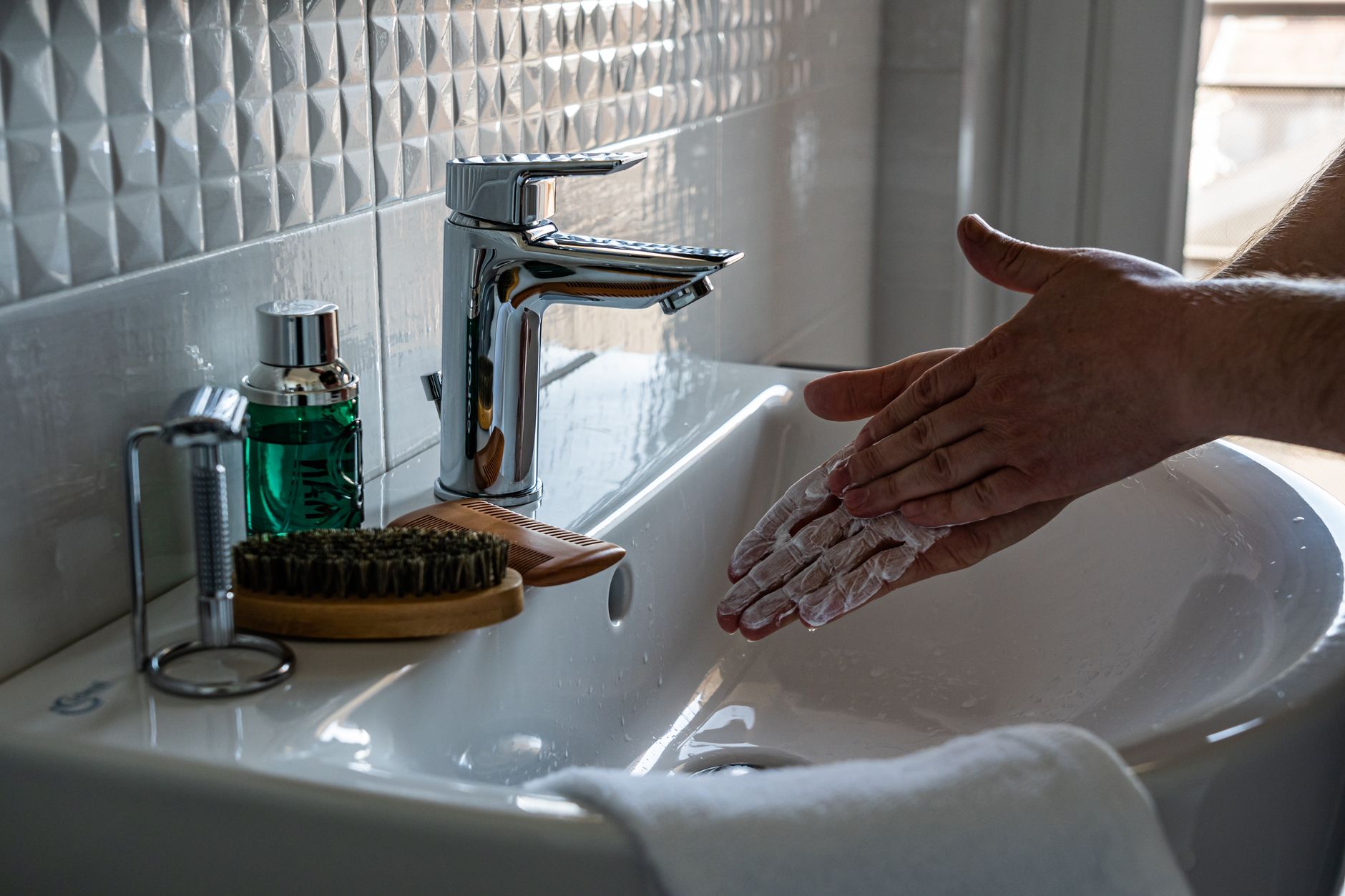
Incorporating Moisturizer into Your Daily Routine
Creating a consistent hand care routine is essential to maintain soft, smooth hands and to avoid the greasy feeling that often comes with using hand creams. By integrating moisturizing into your daily activities, you can effectively manage hand dryness without the unpleasant residue. Here’s how to seamlessly incorporate moisturizer into your routine.
Best Times to Apply Hand Moisturizer
Timing is crucial when it comes to moisturizing your hands. Here are some optimal times to apply your hand lotion:
- Morning Routine: Start your day by applying a lightweight moisturizer. This helps to lock in moisture and protect your skin from the day’s elements.
- After Washing Hands: Every time you wash your hands, follow up with a grease-free hand cream. This prevents moisture loss and keeps your skin hydrated.
- Before Bed: Apply a richer moisturizer before sleeping to give your hands an overnight boost of hydration. Look for products labeled as “night creams” or those with more emollient properties.
- During Breaks at Work: If you have a job that involves frequent handwashing or exposure to dry environments, take short breaks to reapply your moisturizer.
Combining Moisturizer with Other Hand Care Products
To maximize the benefits of your moisturizer, consider combining it with other hand care products:
- Hand Soaps and Moisturizers: Use a gentle, hydrating hand soap that won’t strip your skin of natural oils. Follow with a moisturizing hand lotion to replenish lost moisture.
- Exfoliants: Incorporate a mild exfoliant once or twice a week to remove dead skin cells. After exfoliating, apply a hydrating hand serum to soothe and moisturize the skin.
- Sunscreen: Protect your hands from UV damage by applying a moisturizer with SPF during the day. This dual-action product helps to moisturize while shielding your skin from the sun.
Creating a Hand Care Schedule
A structured hand care schedule can help you stay consistent and see better results. Here’s a sample daily routine you can adapt to your needs:
- Morning:
- Wash hands with a gentle soap.
- Apply a lightweight moisturizer.
- Mid-Morning:
- Reapply moisturizer if hands feel dry.
- Afternoon:
- Wash hands as needed.
- Follow with a grease-free hand cream.
- Evening:
- Wash hands before bed.
- Apply a richer night cream.
By following this schedule, you ensure that your hands are consistently moisturized throughout the day without feeling greasy. Adjust the timing and products based on your specific needs and lifestyle.
Remember, the key to moisturize hands without feeling greasy is choosing the right products and applying them at the right times. With a little planning and consistency, you can enjoy soft, hydrated hands all day long.
Common Mistakes to Avoid
When trying to moisturize hands without feeling greasy, it’s essential to be aware of common mistakes that can hinder your efforts. Avoiding these pitfalls can make a significant difference in how your hands feel throughout the day.
Over-application of Moisturizer
One of the most frequent mistakes is applying too much moisturizer. While it might seem logical that more is better, over-application can lead to a greasy, uncomfortable feeling.
To avoid this, use a lightweight moisturizer or hand lotion specifically designed for daytime use. Apply a small amount—about the size of a pea—and spread it evenly across your hands. This ensures you get adequate moisture without the excess.
For example, if you notice your hands feeling slick or shiny after application, you’ve likely used too much. Adjust by using less product next time and see if that makes a difference.
Using the Wrong Type of Moisturizer
Choosing the right type of moisturizer is crucial. Many people make the mistake of using heavy creams or ointments during the day, which can leave their hands feeling greasy.
Opt for a grease-free hand cream or a hydrating hand serum that absorbs quickly into the skin. These products are formulated to provide moisture without leaving a greasy residue. Look for ingredients like hyaluronic acid, glycerin, or ceramides, which help lock in moisture without weighing your hands down.
If you’re unsure which product to choose, consider testing a few options. Apply them at different times and note how your hands feel throughout the day. This can help you find the perfect balance between moisture and comfort.
Neglecting Hand Hygiene
Another common mistake is neglecting hand hygiene, which can exacerbate the greasy feeling. Dirty hands can make any moisturizer feel heavier and more unpleasant.
Before applying your moisturizer, make sure your hands are clean. Use a gentle, fragrance-free soap and lukewarm water to wash away any dirt, oils, or residues. Pat your hands dry with a soft towel, ensuring they are completely dry before applying your moisturizer.
Incorporating this step into your daily hand care routine not only helps your moisturizer work better but also promotes overall hand health. Clean hands are less likely to feel greasy, even with a bit of moisturizer on them.
By avoiding these common mistakes, you can effectively moisturize hands without feeling greasy all day. Remember, the key is balance—using the right amount of the right product and maintaining good hand hygiene.
Additional Tips for Grease-Free Hands
To maintain moisturized hands without the greasy feeling, it’s important to consider additional tips and techniques that complement your daily routine. These strategies can help ensure that your hands stay soft, smooth, and comfortable throughout the day.
Using Hand Wipes
Hand wipes are a convenient way to keep your hands clean and moisturized on the go. Look for wipes that are specifically designed to moisturize rather than just clean. These wipes often contain lightweight moisturizers and can be a great option for those who need to moisturize hands without feeling greasy.
For example, if you’re at work and your hands feel dry, using a moisturizing hand wipe can quickly refresh them without leaving a greasy residue. Just make sure to choose wipes that are free from harsh chemicals and fragrances to avoid irritating your skin.
Incorporating Hand Exercises
Hand exercises can improve circulation and promote healthier skin. Simple stretches and movements can help your hands feel more relaxed and less tight. Incorporating these exercises into your daily routine can also enhance the effectiveness of your moisturizer.
Try these easy hand exercises:
- Make a fist and hold for five seconds, then release. Repeat ten times.
- Spread your fingers as wide as possible and hold for five seconds. Repeat ten times.
- Rotate your wrists in circles for thirty seconds in each direction.
These exercises can be done anytime, anywhere, and can help your hands feel more supple and less greasy after applying moisturizer.
Choosing the Right Hand Soap
The hand soap you use can significantly impact how your hands feel after washing. Opt for a mild, moisturizing hand soap that won’t strip your skin of its natural oils. Look for soaps that contain ingredients like glycerin, aloe vera, or shea butter.
For instance, if you have eczema, using a soap that is fragrance-free and hypoallergenic can help prevent irritation. This way, when you moisturize your hands afterward, they will absorb the lotion more effectively without feeling greasy.
Layering Moisturizers
Sometimes, using a single moisturizer might not be enough to keep your hands feeling hydrated without the greasy sensation. Consider layering different products to achieve the best results. Start with a lightweight moisturizer or hydrating hand serum, followed by a grease-free hand cream.
For example, apply a few drops of a hydrating hand serum in the morning, let it absorb, and then follow up with a lightweight hand lotion. This method ensures that your hands receive ample moisture without the heavy, greasy feel.
Timing Your Applications
The time of day you apply your moisturizer can also make a difference. Applying moisturizer in the evening before bed allows it to penetrate your skin fully while you sleep. In the morning, a lighter lotion can keep your hands feeling fresh and non-greasy throughout the day.
Additionally, applying moisturizer immediately after washing your hands can lock in moisture. This practice is particularly useful if you wash your hands frequently throughout the day.
Protecting Your Hands
Protecting your hands from harsh elements can prevent them from becoming dry and greasy from over-moisturizing. Wear gloves when doing household chores or gardening to shield your skin from irritants.
For example, if you’re washing dishes, wear gloves to protect your hands from hot water and detergents. This way, you won’t need to apply as much moisturizer to combat dryness, reducing the chances of a greasy feel.
Diet and Hydration
What you eat and drink can also impact your skin’s health. Staying hydrated by drinking plenty of water helps maintain your skin’s moisture levels. Additionally, incorporating foods rich in omega-3 fatty acids, like salmon and flaxseeds, can promote healthy skin.
A balanced diet not only benefits your overall health but also contributes to maintaining moisturized, grease-free hands.
Avoiding Common Irritants
Be mindful of products that may irritate your skin and cause dryness. Harsh chemicals, certain fragrances, and alcohol-based hand sanitizers can strip your skin of its natural oils, leading to increased dryness and the need for more frequent moisturizing.
Opt for gentle, fragrance-free products whenever possible. If you must use hand sanitizer, choose one that contains moisturizers to help offset any drying effects.
By incorporating these additional tips into your daily hand care routine, you can effectively moisturize your hands without the unwanted greasy feeling. Remember, the key is to find a balance that works for your skin type and lifestyle.
Special Considerations for Different Skin Types
When it comes to moisturizing hands without feeling greasy, your skin type plays a crucial role in selecting the right product and technique. Understanding your skin type can help you make informed decisions that enhance the effectiveness of your hand care routine. Let’s explore how to tailor your hand moisturizing approach based on whether you have dry, oily, or sensitive skin.
Moisturizing for Dry Skin
Dry skin often feels rough, tight, and may even crack. For those with dry skin, the goal is to provide intense hydration without the greasy feel. Here are some practical steps:
- Choose a Rich, Hydrating Formula: Opt for a hand lotion or cream that contains ingredients like glycerin, hyaluronic acid, or ceramides. These components help lock in moisture and provide long-lasting hydration.
- Use a Hydrating Hand Serum: Before applying your regular hand lotion, use a hydrating hand serum. Serums are lightweight but packed with moisture-boosting ingredients. They create a base layer that enhances the effectiveness of your moisturizer.
- Apply Generously: Don’t skimp on the amount. Apply a generous layer of moisturizer to ensure your skin gets the hydration it needs. Massage it in thoroughly to avoid any patchy application.
- Moisturize Multiple Times a Day: Dry skin may require more frequent moisturizing. Keep a small bottle of hand lotion at your desk or in your bag for quick touch-ups throughout the day.
For example, if you notice your hands feeling particularly dry after washing them, apply a rich hand cream immediately afterward to seal in moisture.
Moisturizing for Oily Skin
Oily skin can make it challenging to find a hand moisturizer that doesn’t leave a greasy residue. The key is to choose lightweight, non-comedogenic products. Here’s how to moisturize hands without feeling greasy if you have oily skin:
- Select a Lightweight Moisturizer: Look for a grease-free hand cream or lotion labeled as “oil-free” or “non-comedogenic.” These products are designed to hydrate without clogging pores or leaving a shiny finish.
- Incorporate a Gel-Based Lotion: Gel-based lotions are excellent for oily skin. They provide moisture without the heavy, greasy feel. They also absorb quickly, making them ideal for daytime use.
- Use Moisturizing Techniques That Promote Absorption: Pat the moisturizer into your skin rather than rubbing it in. This technique helps the product absorb more effectively and reduces the likelihood of a greasy feel.
- Consider a Hydrating Hand Serum: Similar to dry skin, a hydrating hand serum can be beneficial. It provides essential moisture without the heaviness of a traditional cream.
For instance, if you’re someone who frequently deals with sweaty hands, a gel-based lotion can be a game-changer. It keeps your hands feeling fresh and hydrated without the unwanted shine.
Moisturizing for Sensitive Skin
Sensitive skin requires extra care to avoid irritation while still achieving effective moisturization. Here’s how to moisturize hands without feeling greasy if you have sensitive skin:
- Choose Fragrance-Free Products: Sensitive skin can react to fragrances and other potential irritants. Opt for fragrance-free hand lotions and creams to minimize the risk of irritation.
- Look for Hypoallergenic Formulas: Hypoallergenic products are formulated to be less likely to cause allergic reactions. They are a safe choice for sensitive skin.
- Patch Test New Products: Before incorporating a new moisturizer into your routine, perform a patch test. Apply a small amount to a discreet area of your skin and wait 24 hours to ensure there’s no adverse reaction.
- Use a Barrier Repair Cream: Products containing ceramides and other barrier-repairing ingredients can help strengthen your skin’s natural barrier, making it more resilient and better able to retain moisture.
For example, if you have sensitive skin and notice redness or irritation after using a new hand cream, discontinue use immediately and opt for a different, more gentle product.
By understanding and addressing the specific needs of your skin type, you can effectively moisturize your hands without feeling greasy. Whether you have dry, oily, or sensitive skin, there are products and techniques tailored to your unique requirements. Remember, the goal is to keep your hands hydrated and comfortable throughout the day, enhancing your overall hand care routine.
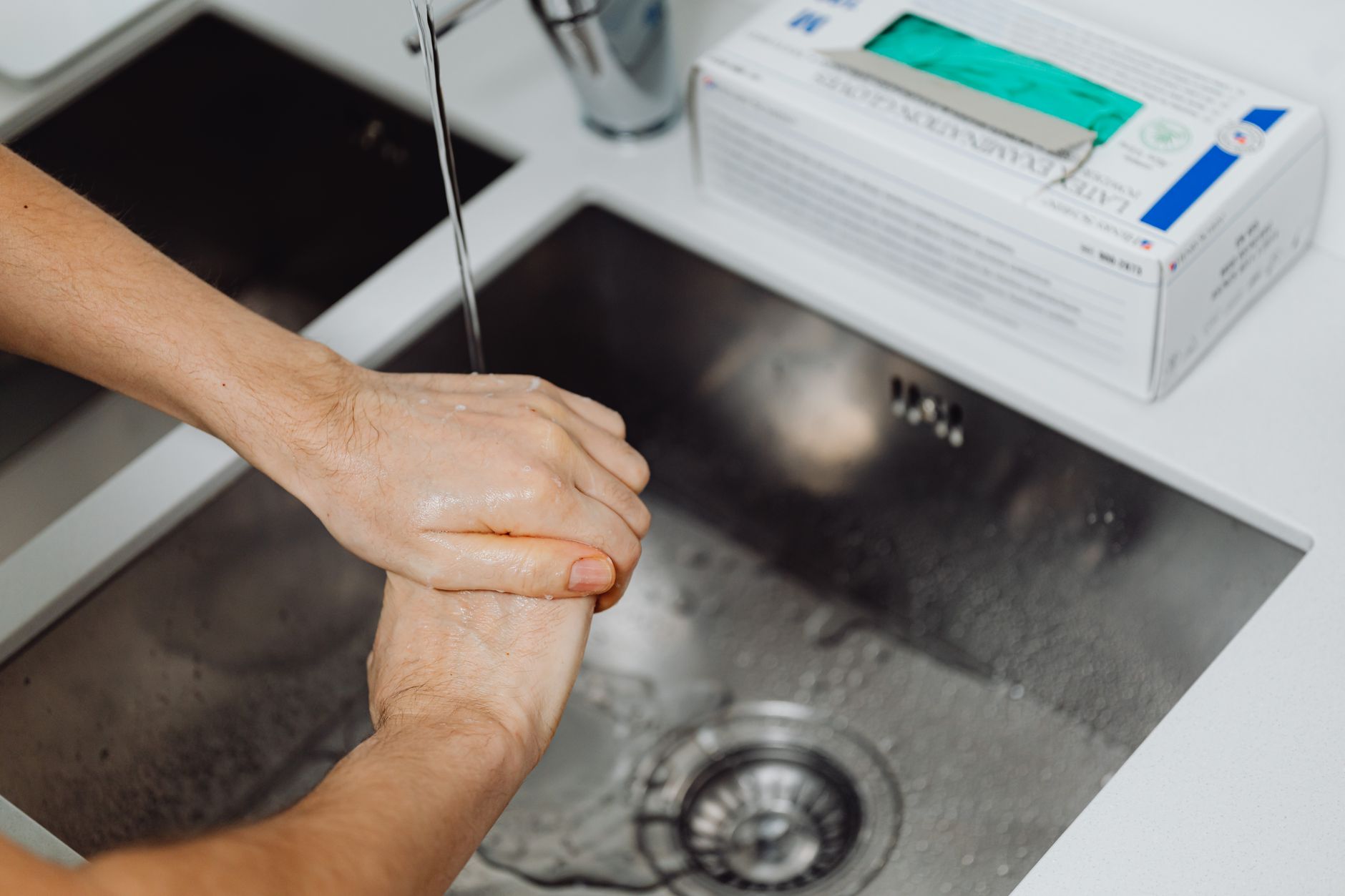
Moisturizer Ingredients to Avoid
When trying to moisturize hands without feeling greasy, it’s essential to know which ingredients might contribute to that unwanted slick feeling. Some components can leave your hands greasy, while others may irritate sensitive skin. Here’s a guide to help you identify and avoid these problematic ingredients.
Common Greasy Ingredients
Certain ingredients are notorious for leaving a greasy residue. While they may offer excellent moisturization, they can be too heavy for daily use, especially if you need your hands to feel fresh and clean.
- Petroleum Jelly: Though effective for sealing in moisture, it can leave hands feeling oily.
- Lanolin: A natural oil from sheep’s wool, lanolin can be very moisturizing but often leaves a greasy film.
- Heavy Oils: Ingredients like coconut oil, mineral oil, and shea butter are highly moisturizing but can be too heavy for some people, leading to a greasy sensation.
- Dimethicone: A silicone-based ingredient that creates a smooth, silky feel but can also leave hands feeling slick.
If you find that your hands feel greasy after applying moisturizer, check the ingredient list for these components. Opting for a lightweight moisturizer or grease-free hand cream might be a better choice for your daily hand care routine.
Potential Irritants
Aside from greasy ingredients, some components can cause irritation, especially for those with sensitive skin or eczema. Avoiding these can help maintain smooth, comfortable hands.
- Fragrances: Synthetic fragrances can be irritating and are often unnecessary in a good hand lotion.
- Preservatives: Ingredients like parabens and formaldehyde donors can cause allergic reactions in some individuals.
- Alcohol: While some formulations use alcohol to help the product dry quickly, it can be drying and irritating to the skin.
- Essential Oils: Though natural, some essential oils can be potent irritants, particularly for those with eczema.
If you experience redness, itching, or a rash after using a hand lotion, it may be worth examining the ingredient list for these potential irritants. Choosing a fragrance-free, hypoallergenic product can often alleviate these issues.
How to Identify Problematic Ingredients
Reading ingredient lists can seem daunting, but it’s a crucial step in finding the right hand lotion that won’t leave you feeling greasy or irritated. Here are some practical steps to help you identify problematic ingredients:
- Check the Top Ingredients: The ingredients are listed in order of concentration, with the highest amounts first. If greasy or irritating ingredients are at the top, the product may not be suitable for you.
- Look for Labels: Terms like “non-greasy,” “lightweight,” or “fragrance-free” can guide you toward better choices. However, always double-check the ingredient list to confirm.
- Patch Test: Before fully committing to a new product, apply a small amount to a discreet area of your skin and wait 24 hours to check for any adverse reactions.
- Consult Reviews: Reading reviews from other users can provide insights into how a product might affect different skin types.
By being mindful of these ingredients, you can make more informed choices about your hand moisturizers. This will help you achieve the goal of keeping your hands moisturized without the unwanted greasiness.
Remember, everyone’s skin is different. What works for one person may not work for another. It may take some trial and error to find the perfect moisturizing hand serum or hand lotion that keeps your hands soft, smooth, and grease-free throughout the day.
DIY Non-Greasy Hand Moisturizers
Creating your own DIY non-greasy hand moisturizers can be both fun and effective. This approach allows you to customize your moisturizer to suit your specific needs, ensuring that you moisturize hands without feeling greasy. Here are some simple DIY recipes, natural ingredients to use, and safety tips for making your own grease-free hand cream.
Simple DIY Recipes
One of the best things about making your own hand moisturizer is the ability to experiment with different ingredients. Here are a few simple DIY recipes that you can try:
Avocado and Olive Oil Hand Cream
- Ingredients: 1 ripe avocado, 1/4 cup olive oil, 1 teaspoon vitamin E oil.
- Instructions: Mash the avocado until it forms a smooth paste. Add the olive oil and vitamin E oil, then mix well. Store in an airtight container and apply as needed.
Coconut Oil and Shea Butter Lotion
- Ingredients: 1/2 cup coconut oil, 1/4 cup shea butter, 10-15 drops of your favorite essential oil (optional).
- Instructions: Melt the coconut oil and shea butter together in a double boiler. Once melted, remove from heat and let it cool slightly. Add essential oils if desired. Pour into a container and let it solidify. Apply a small amount to your hands whenever they feel dry.
Aloe Vera and Honey Hand Balm
- Ingredients: 1/2 cup aloe vera gel, 1 tablespoon honey, 5 drops lavender essential oil.
- Instructions: Mix all ingredients together in a bowl until well combined. Transfer to a small jar and apply generously to your hands.
Natural Ingredients to Use
When creating DIY moisturizers, it’s important to use natural ingredients that are known for their hydrating properties. Here are some common ingredients you might consider:
- Avocado: Rich in vitamins A, D, and E, avocado is excellent for moisturizing and repairing dry skin.
- Olive Oil: A lightweight oil that provides deep moisture without leaving a greasy residue.
- Coconut Oil: Known for its hydrating properties, coconut oil is great for adding moisture to dry hands.
- Shea Butter: A natural emollient that helps lock in moisture and protect the skin.
- Aloe Vera: Soothing and hydrating, aloe vera is perfect for calming irritated skin.
- Honey: A natural humectant that helps draw moisture into the skin.
- Vitamin E Oil: An antioxidant that helps protect the skin and promote healing.
Safety Tips for DIY Moisturizers
While making your own hand moisturizer can be rewarding, it’s important to keep safety in mind. Here are some tips to ensure your DIY moisturizers are safe and effective:
- Patch Test: Always perform a patch test before using a new DIY moisturizer. Apply a small amount to a discreet area of your skin and wait 24 hours to check for any adverse reactions.
- Use Fresh Ingredients: Ensure that all ingredients are fresh and of high quality. Stale or contaminated ingredients can cause skin irritation.
- Store Properly: Keep your DIY moisturizers in airtight containers to prevent oxidation and contamination. Store them in a cool, dark place to maintain their efficacy.
- Avoid Allergens: If you have known allergies, avoid using ingredients that might trigger a reaction. Common allergens include nuts, certain essential oils, and specific fruits.
- Consult a Professional: If you have severe eczema or other skin conditions, consider consulting a dermatologist before trying new DIY recipes. They can provide guidance tailored to your specific needs.
By following these simple recipes and safety tips, you can create effective, non-greasy hand moisturizers that keep your hands soft and hydrated throughout the day. Experiment with different ingredients to find the perfect combination for your skin.
Frequently Asked Questions
Why do some hand lotions feel greasy while others don’t?
The sensation of greasiness in hand lotions often comes down to their formulation. Lotions that feel heavy or greasy typically contain higher levels of oils and waxes. These ingredients can create a protective barrier on the skin, which is beneficial for moisture retention but may leave a greasy feel. On the other hand, lightweight moisturizers and grease-free hand creams often use ingredients like hyaluronic acid, glycerin, and ceramides, which hydrate the skin without leaving a heavy residue.
Can I use a facial moisturizer on my hands?
Yes, you can use a facial moisturizer on your hands, especially if you’re looking to moisturize hands without feeling greasy. Facial moisturizers are often formulated to be lightweight and non-greasy, making them suitable for sensitive areas like the face and hands. However, be mindful that facial moisturizers might not provide the same level of protection as dedicated hand creams, especially if your hands are frequently exposed to harsh conditions.
How often should I moisturize my hands to avoid greasiness?
The frequency of moisturizing your hands depends on your skin type and daily activities. For most people, applying a lightweight moisturizer or hand lotion two to three times a day is sufficient. If your hands are frequently washed or exposed to water, you might need to moisturize more often. The key is to find a balance that keeps your skin hydrated without overdoing it, which can lead to a greasy feel.
Are there any specific ingredients I should look for in a grease-free hand cream?
When searching for a grease-free hand cream, look for products that contain hydrating ingredients like hyaluronic acid, glycerin, and ceramides. These ingredients help to lock in moisture without leaving a greasy residue. Additionally, creams that are labeled as “oil-free” or “non-comedogenic” are good choices for those looking to avoid a heavy feel.
What are some moisturizing techniques to ensure my hands don’t feel greasy?
To ensure your hands don’t feel greasy after moisturizing, consider these techniques:
- Apply in small amounts: Use a pea-sized amount of moisturizer and gently massage it into your hands until fully absorbed.
- Pat, don’t rub: Patting the moisturizer into your skin can help it absorb more quickly and reduce the greasy feel.
- Use a hydrating hand serum: Serums are typically lighter than creams and can provide intense hydration without the greasiness.
- Moisturize after washing hands: Apply moisturizer immediately after washing your hands to lock in moisture while your skin is still damp.
Can wearing gloves while moisturizing help reduce greasiness?
Wearing gloves after applying moisturizer can help the product absorb more quickly into your skin, potentially reducing the greasy feel. Cotton gloves are a good option as they allow your skin to breathe while still providing some occlusion to enhance absorption. However, this method is more commonly used for overnight treatments rather than daily use.
Is it possible to moisturize hands without feeling greasy if I have eczema?
Yes, it is possible to moisturize hands without feeling greasy even if you have eczema. Look for eczema-friendly moisturizers that are specifically formulated to be lightweight yet effective. Ingredients like ceramides, which help to repair the skin barrier, and colloidal oatmeal, which soothes irritation, can be particularly beneficial. It’s important to find a product that hydrates your skin without exacerbating eczema symptoms.
What should I do if I’ve tried multiple moisturizers and still feel greasy?
If you’ve tried several moisturizers and still experience a greasy feel, it might be helpful to consult a dermatologist. They can recommend products tailored to your skin type and concerns. Additionally, consider adjusting your daily hand care routine to include more frequent, but smaller, applications of moisturizer throughout the day. This approach can help maintain hydration without overwhelming your skin with too much product at once.
Are there any lifestyle changes that can help reduce the need for heavy moisturizers?
Yes, certain lifestyle changes can help reduce the need for heavy moisturizers:
- Limit hand washing: Frequent hand washing can strip your skin of natural oils, leading to dryness. Try to limit washing to necessary times and use gentle, fragrance-free soaps.
- Avoid harsh chemicals: Chemicals in cleaning products and detergents can dry out your skin. Wear gloves when handling these substances to protect your hands.
- Stay hydrated: Drinking plenty of water helps keep your skin hydrated from the inside out.
- Use a humidifier: Especially in dry climates or during winter, a humidifier can add moisture to the air, benefiting your skin.
Can diet affect how greasy my hands feel after moisturizing?
While diet primarily affects your skin’s overall health and appearance, certain foods can influence how your skin reacts to moisturizers. Foods rich in omega-3 fatty acids, like salmon and flaxseeds, can help improve your skin’s natural barrier, potentially reducing the need for heavy moisturizers. However, the impact of diet on the greasiness of moisturizers is indirect and varies from person to person.
Frequently asked questions
What are the best ingredients for non-greasy hand moisturizers?
When looking for a non-greasy hand moisturizer, ingredients like hyaluronic acid, glycerin, and ceramides are highly beneficial. Hyaluronic acid attracts moisture to the skin, glycerin helps retain that moisture, and ceramides strengthen the skin barrier. These ingredients work together to moisturize hands without leaving a greasy residue.
Additionally, look for moisturizers containing natural oils like jojoba or sunflower seed oil, which provide hydration without the heavy feel. Avoid products with heavy oils like mineral oil, which can contribute to greasiness. Opting for formulations labeled as “light” or “non-greasy” can also help achieve the desired effect.
How often should I moisturize my hands to avoid greasiness?
The frequency of moisturizing your hands depends on your skin type and daily activities. For those with dry skin, moisturizing twice a day—morning and night—is often effective. If your hands are frequently washed or exposed to harsh conditions, additional applications throughout the day may be necessary.
To avoid greasiness, apply a small amount of moisturizer and gently rub it in until fully absorbed. Pay attention to how your skin feels; if it starts to feel greasy, you may be using too much product. Adjusting the amount and frequency can help maintain moisturized hands without the greasy feel.
Can I use body lotion on my hands?
Yes, you can use body lotion on your hands, but it may not always be the best choice. Body lotions are formulated for larger areas and may contain heavier ingredients that can leave your hands feeling greasy. If you choose to use body lotion, opt for one labeled as “light” or “non-greasy.”
For the best results, consider using a hand-specific moisturizer. These products are designed to cater to the unique needs of hand skin, offering hydration without the greasiness. If you do use body lotion, apply a small amount and ensure it is fully absorbed before proceeding with daily activities.
Are there any side effects of using non-greasy hand moisturizers?
Most non-greasy hand moisturizers are safe for regular use, but some individuals may experience side effects such as mild irritation or allergic reactions. This is usually due to specific ingredients like fragrances or preservatives.
To mitigate potential side effects, choose moisturizers that are fragrance-free and hypoallergenic. If you notice any adverse reactions, discontinue use and consult a healthcare professional. Patch testing a new product on a small area of skin before full application can also help identify any sensitivities.
What should I do if my hands still feel greasy after applying moisturizer?
If your hands still feel greasy after applying moisturizer, you may be using too much product or choosing the wrong formulation. Start by reducing the amount you apply. A pea-sized amount is often sufficient for both hands.
If the greasiness persists, switch to a different moisturizer specifically designed to be non-greasy. Look for products with mattifying agents or those labeled as “oil-free.” Additionally, blotting your hands with a soft cloth after application can help remove excess product and reduce the greasy feel.
Can I wear gloves after applying hand moisturizer?
Wearing gloves after applying hand moisturizer can be beneficial, especially if you want to enhance absorption and provide an occlusive layer to lock in moisture. Cotton gloves are a good option as they allow your skin to breathe while still offering protection.
However, avoid wearing tight or synthetic gloves immediately after application, as they can trap moisture and heat, potentially leading to irritation. If you need to wear gloves for work or other activities, wait a few minutes for the moisturizer to absorb before putting them on. This approach helps maximize the benefits of your moisturizer without causing discomfort.
Use MyEczema.app to track your eczema patterns and daily triggers.
This article is for educational purposes only and is not medical advice. If symptoms are severe, spreading, painful, infected-looking, or affecting sleep and daily life, speak with a qualified healthcare professional.
Sources and further reading
For medical guidance, always rely on a qualified healthcare professional. These educational resources may help readers learn more:
Image credit: Photo by Yaroslav Shuraev on Pexels. Used under the Pexels License.
Image credit: Photo by Castorly Stock on Pexels. Used under the Pexels License.
Image credit: Photo by https://kaboompics.com/ on Pexels. Used under the Pexels License.