
MyEczema.app guide
Sanitizer Hand Eczema: Practical Guide
sanitizer hand eczema: practical tips for tracking triggers, building routines, and supporting eczema-prone skin.

Table of contents
Use this guide as a practical reference and jump to the sections most relevant to you.
- Quick answer
- Key takeaways
- Practical comparison table
- Visual chart
- Related MyEczema.app tool
- Understanding Hand Eczema and Its Triggers
- The Role of Sanitizers in Skin Health
- How Sanitizers Can Worsen Hand Eczema
- Identifying Sanitizer Ingredients That Trigger Eczema
- Alternative Hygiene Practices for Eczema-Prone Hands
- The Importance of Moisturizing After Using Sanitizers
- Creating a Skincare Routine for Eczema-Prone Hands
- When to Consult a Dermatologist for Hand Eczema
- Lifestyle Adjustments to Manage Hand Eczema
- Tracking Your Progress and Adjusting Your Routine
- Frequently asked questions
- Sources and further reading
If you have hand eczema, you know how challenging it can be to keep your skin comfortable and irritation-free. One common concern is whether using sanitizers can make hand eczema worse. This article aims to provide practical, medically cautious insights into how sanitizers affect eczema-prone skin and what you can do to manage it effectively.
Eczema-prone skin is sensitive to various factors, including skin barrier disruption, irritants, climate, cleansing habits, allergens, and individual triggers. Sanitizers, while essential for hygiene, can pose a unique challenge for those with hand eczema. Understanding how they interact with your skin can help you make more informed choices.
In this article, we’ll delve into the specific effects of sanitizers on hand eczema, offering practical tips and advice to help you navigate this issue. We’ll also touch on general eczema background to provide a well-rounded understanding, but our focus will remain on the exact topic of sanitizer hand eczema.
Let’s start by exploring a quick answer to the question: Can sanitizers make hand eczema worse?
Quick answer
Sanitizers can exacerbate hand eczema due to their drying effects. Using gentle, fragrance-free moisturizers can help mitigate this.
Key takeaways
- Sanitizers can strip the skin of natural oils, worsening eczema.
- Frequent hand washing and sanitizing can disrupt the skin barrier.
- Using a gentle, fragrance-free moisturizer after sanitizing is crucial.
- Identifying and avoiding specific ingredients in sanitizers can help manage eczema.
- Consulting a dermatologist for personalized advice is recommended.
Comparing Sanitizer Ingredients and Their Impact on Hand Eczema
| Situation | What it may mean | Practical next step |
|---|---|---|
| Using alcohol-based sanitizers | Increased dryness and irritation | Switch to a gentle, alcohol-free sanitizer |
| Sanitizers with fragrances | Potential allergic reactions | Choose fragrance-free options |
| Frequent hand sanitizing | Disrupted skin barrier | Limit sanitizer use and moisturize regularly |
| Using sanitizers with dyes | Risk of skin discoloration or irritation | Opt for dye-free sanitizers |
| Combining sanitizers with harsh soaps | Severe skin dryness and eczema flare-ups | Use mild soaps and gentle cleansers |
Related MyEczema.app tool
Use the Eczema Skincare Routine Planner
The Eczema Skincare Routine Planner helps users organize morning, daytime, and evening routine steps for eczema-prone skin.
For this topic, this tool can help you organize information in a more structured way and turn daily observations into clearer patterns to review over time.
Understanding Hand Eczema and Its Triggers
Hand eczema is a specific type of eczema that affects the hands. It can manifest as red, itchy, dry, or cracked skin. Unlike other forms of eczema, hand eczema is often triggered by external factors due to the hands’ frequent exposure to various irritants and allergens.
Definition of Hand Eczema
Hand eczema, also known as hand dermatitis, is a skin condition that causes inflammation of the skin on the hands. It can appear as small, itchy bumps, or larger red, scaly patches. The condition can be acute, appearing suddenly, or chronic, lasting for a long time.
The symptoms of hand eczema can vary widely among individuals. Some may experience mild irritation, while others may have severe, painful cracks and blisters. Regardless of the severity, hand eczema can significantly impact daily activities, making simple tasks like washing dishes or turning a doorknob uncomfortable or even painful.
Common Triggers
Understanding the triggers of hand eczema is crucial for managing the condition. Common triggers include:
- Water Exposure: Frequent hand washing or prolonged exposure to water can strip the skin of its natural oils, leading to dryness and irritation.
- Chemicals: Household cleaners, detergents, and other chemicals can irritate the skin and cause flare-ups.
- Allergens: Substances like nickel, fragrances, and certain plants can trigger an allergic reaction, leading to eczema.
- Alcohol-Based Sanitizers: While hand sanitizers are essential for hand hygiene, especially in the current climate, they can exacerbate hand eczema. The alcohol in these sanitizers can dry out the skin, weakening the skin barrier and making it more susceptible to irritants.
- Temperature and Humidity: Cold, dry weather can worsen hand eczema, as can low humidity levels indoors.
For individuals with hand eczema, it’s important to identify specific triggers that worsen their symptoms. Keeping a diary of when flare-ups occur and what activities or exposures preceded them can help pinpoint these triggers.
Importance of Skin Barrier
The skin barrier plays a crucial role in protecting the body from external irritants and allergens. In individuals with hand eczema, this barrier is often compromised, making the skin more susceptible to damage and inflammation.
Maintaining the integrity of the skin barrier is essential for managing hand eczema. This can be achieved through:
- Moisturizing: Regular application of a thick, fragrance-free moisturizer can help restore the skin’s natural oils and strengthen the barrier.
- Avoiding Harsh Chemicals: Using gentle, hypoallergenic soaps and avoiding harsh chemicals can prevent further irritation.
- Protective Gloves: Wearing gloves when doing household chores or working with irritants can protect the skin from direct contact.
- Limiting Water Exposure: Reducing the frequency of hand washing and using lukewarm water can help preserve the skin’s natural oils.
For those using alcohol-based sanitizers, it’s advisable to follow up with a moisturizer to counteract the drying effects of the alcohol. This step is crucial in preventing sanitizer hand eczema from worsening.
In summary, understanding hand eczema and its triggers is the first step in effective management. By identifying specific triggers and taking steps to protect and restore the skin barrier, individuals can reduce the frequency and severity of flare-ups, including those related to sanitizer hand eczema.
The Role of Sanitizers in Skin Health
How Sanitizers Work
Sanitizers, especially alcohol-based ones, are designed to reduce the number of germs on the skin. They contain ingredients like ethanol, isopropanol, or benzalkonium chloride that kill or inhibit the growth of microorganisms. When you apply sanitizer to your hands, these ingredients work quickly to break down the cell walls of bacteria, viruses, and other pathogens, rendering them harmless.
Effects on Skin
While sanitizers are effective at killing germs, they can also have an impact on the skin. Alcohol-based sanitizers can strip away natural oils, leading to dryness and irritation. This is particularly concerning for individuals with eczema, as their skin is already prone to dryness and inflammation. Repeated use of sanitizers can compromise the skin barrier, making it more susceptible to irritants and allergens.
For people dealing with sanitizer hand eczema, the effects can be more pronounced. The skin may become red, itchy, and cracked. In severe cases, it can lead to painful fissures and increased risk of infection. It’s important to understand that while sanitizers are a convenient way to maintain hand hygiene, they are not without their drawbacks, especially for those with sensitive skin conditions like eczema.
Difference Between Hand Washing and Sanitizing
Hand washing with soap and water is often the gold standard for hand hygiene. Soap helps to lift dirt and germs from the skin’s surface, which are then rinsed away with water. This method is generally less harsh on the skin compared to using sanitizers. However, it requires access to running water and soap, which may not always be available.
Sanitizers, on the other hand, offer a quick and easy alternative, especially in situations where hand washing facilities are not readily accessible. They are particularly useful in public places or during outbreaks of contagious illnesses. However, frequent use of sanitizers can lead to skin issues, particularly for those prone to eczema.
Balancing Hand Hygiene and Skin Health
For individuals with eczema, finding a balance between maintaining hand hygiene and protecting skin health is crucial. When possible, opt for hand washing with a gentle, fragrance-free soap. This helps to remove germs without stripping the skin of its natural oils. If hand washing isn’t an option, use an alcohol-based sanitizer sparingly and follow up with a moisturizer to help restore the skin’s moisture barrier.
Consider using a moisturizer specifically designed for sensitive skin or eczema. Look for products that are fragrance-free and contain ingredients like ceramides, which help to strengthen the skin barrier. Applying moisturizer immediately after washing or sanitizing your hands can help mitigate the drying effects of these practices.
Real-Life Examples and Decision Points
Imagine you’re at a grocery store and just finished handling the cart. You have two options: use a sanitizer or find a hand washing station. If you choose to sanitize, make a mental note to apply moisturizer as soon as you get home. On the other hand, if you opt for hand washing, use a gentle soap and pat your hands dry with a soft towel before applying moisturizer.
Another scenario: you’re out for a walk and stop by a café. After paying with your card, you notice your hands feel a bit tacky from the sanitizer provided at the entrance. Instead of reaching for another round of sanitizer, carry a small bottle of moisturizer in your bag to apply on the spot.
These small decisions can make a significant difference in managing sanitizer hand eczema. By being mindful of how and when you use sanitizers, and by consistently moisturizing your skin, you can help maintain both hand hygiene and skin health.
How Sanitizers Can Worsen Hand Eczema
Using sanitizers is a common practice for maintaining hand hygiene, especially in today’s health-conscious environment. However, for individuals with hand eczema, sanitizers can sometimes do more harm than good. Understanding how sanitizers can worsen hand eczema is crucial for managing this condition effectively.
Drying Effects of Sanitizers
One of the primary ways sanitizers can exacerbate hand eczema is through their drying effects. Alcohol-based sanitizers, in particular, are known to strip the skin of its natural oils. This can lead to increased dryness and irritation, which are common triggers for eczema flare-ups.
When the skin becomes excessively dry, it loses its ability to act as a barrier against external irritants. This makes the skin more susceptible to eczema flare-ups. Individuals with hand eczema may notice their symptoms worsening after frequent use of alcohol-based sanitizers.
To mitigate this, it’s important to moisturize the hands thoroughly after using a sanitizer. Look for moisturizers that are specifically designed for sensitive skin and contain ingredients like ceramides, which help to restore the skin’s natural barrier.
Disruption of Skin Barrier
The skin barrier is a crucial component of healthy skin. It protects against environmental irritants and helps retain moisture. Sanitizers, especially those containing alcohol, can disrupt this barrier, making the skin more vulnerable to eczema flare-ups.
When the skin barrier is compromised, it becomes easier for allergens and irritants to penetrate the skin, triggering inflammation and exacerbating eczema symptoms. This is particularly problematic for individuals with hand eczema, as their hands are frequently exposed to various irritants.
To help protect the skin barrier, consider using sanitizers that are specifically formulated for sensitive skin. These products often contain ingredients that help to strengthen the skin barrier while still providing effective sanitization.
Common Ingredients to Avoid
When choosing a sanitizer for individuals with hand eczema, it’s important to be mindful of the ingredients. Certain components can be particularly irritating to eczema-prone skin.
- Alcohol: While effective at killing germs, alcohol can be very drying and irritating to the skin. Look for alcohol-free sanitizers if possible.
- Fragrances: Many sanitizers contain added fragrances, which can be irritants for those with sensitive skin. Opt for unscented options to minimize the risk of irritation.
- Dyes: Similar to fragrances, dyes can also cause irritation. Choose sanitizers that are free from artificial colors.
- Propylene Glycol: This ingredient is often used as a preservative but can be irritating to some individuals. Check the label and avoid products containing propylene glycol if you have sensitive skin.
In addition to avoiding these ingredients, it’s also beneficial to look for sanitizers that contain soothing and moisturizing ingredients. Ingredients like aloe vera, glycerin, and hyaluronic acid can help to counteract the drying effects of sanitizers and keep the skin hydrated.
For example, imagine you’re out shopping and need to sanitize your hands. Instead of reaching for the first sanitizer you see, take a moment to check the label. If it contains alcohol, fragrances, or dyes, consider finding an alternative. Many stores now offer alcohol-free and fragrance-free options that are gentler on the skin.
Another practical step is to keep a travel-sized, eczema-friendly moisturizer in your bag. This way, you can apply it immediately after using a sanitizer, helping to lock in moisture and protect your skin barrier.
In summary, while sanitizers are an essential tool for hand hygiene, they can pose challenges for individuals with hand eczema. By understanding the drying effects of sanitizers, the disruption of the skin barrier, and the common ingredients to avoid, you can make more informed choices that help manage your hand eczema more effectively.
Identifying Sanitizer Ingredients That Trigger Eczema
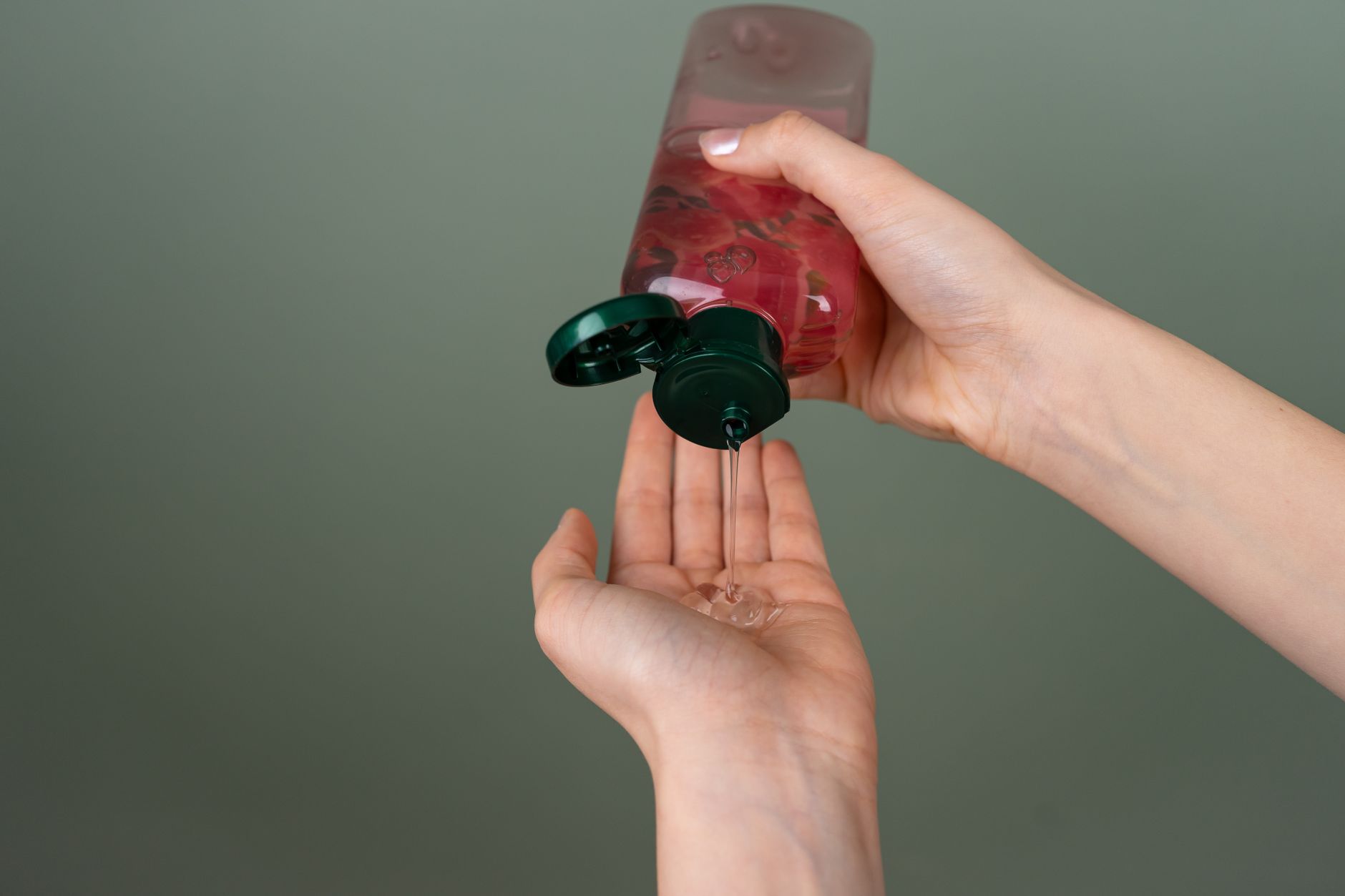
When it comes to sanitizer hand eczema, understanding the specific ingredients in hand sanitizers that may trigger or worsen eczema is crucial. By identifying these ingredients, you can make more informed choices about the products you use, helping to manage your symptoms more effectively.
Alcohol-Based Sanitizers
Alcohol-based sanitizers are widely used for hand hygiene, especially in environments where frequent handwashing is not feasible. However, these sanitizers can be problematic for individuals with eczema. The primary active ingredient in most alcohol-based sanitizers is either ethanol or isopropyl alcohol. These alcohols are effective at killing germs, but they can also strip the skin of its natural oils, leading to dryness and irritation.
For those with eczema, this can exacerbate symptoms, leading to increased itching, redness, and inflammation. The skin barrier, already compromised in eczema, becomes further weakened, making it more susceptible to irritants and allergens.
If you notice that your eczema symptoms worsen after using an alcohol-based sanitizer, it may be beneficial to switch to a non-alcohol-based option or to use the sanitizer sparingly, followed by applying a moisturizer to help restore the skin’s moisture balance.
Fragrances and Dyes
Many hand sanitizers contain added fragrances and dyes to make them more appealing. However, these additives can be significant triggers for eczema flare-ups. Fragrances, in particular, are common allergens and can cause contact dermatitis, a type of eczema triggered by an allergic reaction to a substance that touches the skin.
Dyes, while generally less problematic than fragrances, can still cause irritation in sensitive individuals. Reading the ingredient list on hand sanitizers is essential. Look for products labeled as “fragrance-free” and “dye-free” to minimize the risk of triggering an eczema flare-up.
Consider keeping a journal to track your symptoms and the products you use. This can help you identify specific ingredients that may be causing your eczema to worsen.
Other Irritants
Beyond alcohol, fragrances, and dyes, other ingredients in hand sanitizers can potentially irritate eczema-prone skin. These may include:
- Propylene Glycol: A common additive that can cause skin irritation in some individuals.
- Benzalkonium Chloride: A preservative that can be harsh on sensitive skin.
- Triclosan: An antibacterial agent that has been linked to skin irritation and allergic reactions.
When selecting a hand sanitizer, it’s important to read the label carefully. Opt for products with a simple ingredient list and avoid those with multiple potential irritants. If possible, choose sanitizers that are specifically formulated for sensitive skin or those recommended by dermatologists for eczema patients.
Practical Steps to Minimize Risk
To reduce the likelihood of sanitizer hand eczema, consider the following practical steps:
- Patch Test New Products: Before using a new hand sanitizer extensively, perform a patch test. Apply a small amount to a discreet area of skin, such as the inner forearm, and wait 24-48 hours to check for any adverse reactions.
- Use Moisturizers: After using hand sanitizer, apply a generous amount of moisturizer to help replenish the skin’s moisture barrier. Look for moisturizers that are fragrance-free and designed for sensitive skin.
- Limit Sanitizer Use: Whenever possible, use soap and water to clean your hands instead of sanitizer. This is especially important if you are experiencing a flare-up.
- Consult a Dermatologist: If you are unsure about which products to use or if your eczema is severe, seek advice from a dermatologist. They can provide personalized recommendations based on your specific skin condition.
By being mindful of the ingredients in hand sanitizers and taking proactive steps to protect your skin, you can better manage sanitizer hand eczema and maintain healthier skin.
Alternative Hygiene Practices for Eczema-Prone Hands
For those dealing with sanitizer hand eczema, finding effective yet gentle hand hygiene practices is crucial. While sanitizers offer convenience, their ingredients can often exacerbate eczema symptoms. This section explores alternative hygiene methods that can help maintain hand cleanliness without worsening eczema.
Gentle Hand Washing Techniques
Hand washing is a fundamental practice for hygiene, but traditional methods may not be suitable for eczema-prone skin. Adopting gentle hand washing techniques can make a significant difference.
- Use Lukewarm Water: Hot water can strip the skin of its natural oils, leading to dryness and irritation. Opt for lukewarm water instead.
- Limit Washing Time: Keep hand washing sessions short to minimize exposure to water, which can be drying.
- Pat Dry: After washing, gently pat your hands dry with a soft towel. Avoid vigorous rubbing, which can irritate the skin.
Use of Mild Soaps
The choice of soap is vital for individuals with eczema. Harsh soaps can disrupt the skin barrier, leading to flare-ups.
- Select pH-Balanced Soaps: Look for soaps that are pH-balanced and specifically designed for sensitive skin.
- Avoid Fragrances and Dyes: Fragrances and dyes in soaps can trigger eczema. Choose fragrance-free and dye-free options.
- Test New Soaps: Before fully adopting a new soap, test it on a small area of your skin to ensure it doesn’t cause irritation.
Frequent Moisturizing
Moisturizing is a cornerstone of eczema care, especially for hands frequently exposed to water and cleaning agents.
- Apply Moisturizer Immediately After Washing: This locks in moisture and helps restore the skin barrier.
- Choose Thick, Emollients: Creams or ointments are often more effective than lotions for eczema-prone skin.
- Regular Application: Moisturize your hands multiple times a day, especially after washing or exposure to water.
Incorporating these alternative hygiene practices into your daily routine can help manage sanitizer hand eczema effectively. Remember, the goal is to maintain cleanliness while preserving the integrity of your skin’s barrier. Experiment with different techniques and products to find what works best for your skin.
For example, someone with eczema might find that using a mild, fragrance-free soap and applying a thick moisturizer right after hand washing works well for them. Another person might prefer a specific brand of pH-balanced soap. It’s all about finding what suits your skin best.
Additionally, consider keeping a travel-sized moisturizer in your bag for on-the-go applications. This can be particularly helpful if you’re out and about and need to wash your hands frequently.
In summary, while sanitizers offer a quick solution for hand hygiene, they may not be the best option for those with eczema. By adopting gentle hand washing techniques, using mild soaps, and moisturizing frequently, you can maintain hand hygiene without exacerbating eczema symptoms.
The Importance of Moisturizing After Using Sanitizers
Using sanitizers is essential for maintaining hand hygiene, especially in environments where frequent hand washing with soap and water is not feasible. However, sanitizers, particularly those that are alcohol-based, can strip the skin of its natural oils, leading to dryness and exacerbating sanitizer hand eczema. This is why moisturizing after sanitizing is not just beneficial but necessary for those with eczema.
Choosing the Right Moisturizer
When it comes to managing sanitizer hand eczema, selecting the appropriate moisturizer is crucial. Here are some considerations:
- Ingredients: Look for moisturizers that contain ceramides, hyaluronic acid, and glycerin. These ingredients help to restore and maintain the skin barrier.
- Formulation: Creams and ointments are generally more effective for dry, eczema-prone skin compared to lotions, which can be too light.
- Fragrance-Free: Opt for fragrance-free products to minimize the risk of irritation.
- Hypoallergenic: Choose hypoallergenic moisturizers to reduce the likelihood of allergic reactions.
For example, a person with sanitizer hand eczema might find relief using a thick, fragrance-free cream containing ceramides after each use of an alcohol-based sanitizer.
Application Techniques
How you apply your moisturizer can significantly impact its effectiveness. Follow these steps for optimal results:
- Timing: Apply moisturizer immediately after using a sanitizer while the skin is still damp. This helps to lock in moisture.
- Gentle Massage: Gently massage the moisturizer into the skin using circular motions. Avoid rubbing too hard, as this can irritate eczema-prone skin.
- Frequency: Moisturize your hands multiple times a day, especially after using sanitizers. Keeping a travel-sized moisturizer in your bag can make this easier.
Imagine a healthcare worker who uses sanitizers frequently throughout their shift. They might carry a small tube of moisturizer in their pocket and apply it every time they sanitize their hands, ensuring their skin stays hydrated and less prone to flare-ups.
Benefits of Regular Moisturizing
Regular moisturizing offers several benefits for those dealing with sanitizer hand eczema:
- Hydration: Moisturizers help to hydrate the skin, reducing dryness and itchiness associated with eczema.
- Skin Barrier Repair: Ingredients like ceramides and fatty acids in moisturizers help to repair and strengthen the skin barrier, making it more resilient against irritants.
- Reduced Flare-Ups: Consistent moisturizing can help prevent eczema flare-ups triggered by the use of alcohol-based sanitizers.
- Comfort: Well-moisturized skin feels more comfortable and less tight, improving overall quality of life.
For instance, a student who frequently uses sanitizers during the school day might notice fewer eczema flare-ups by making it a habit to moisturize their hands before and after classes.
In summary, moisturizing after using sanitizers is a simple yet effective strategy to manage sanitizer hand eczema. By choosing the right moisturizer, applying it correctly, and doing so regularly, you can help maintain healthy, hydrated skin even with frequent sanitizer use.
Creating a Skincare Routine for Eczema-Prone Hands
If you’re dealing with sanitizer hand eczema, establishing a consistent and effective skincare routine is crucial. This routine should be tailored to your specific needs, especially if you frequently use alcohol-based sanitizers as part of your hand hygiene practices. Here’s how to create a skincare routine that helps manage eczema flare-ups and supports your skin’s health.
Morning Routine
Starting your day with a gentle skincare routine can set the tone for healthier skin throughout the day. Here’s a step-by-step guide:
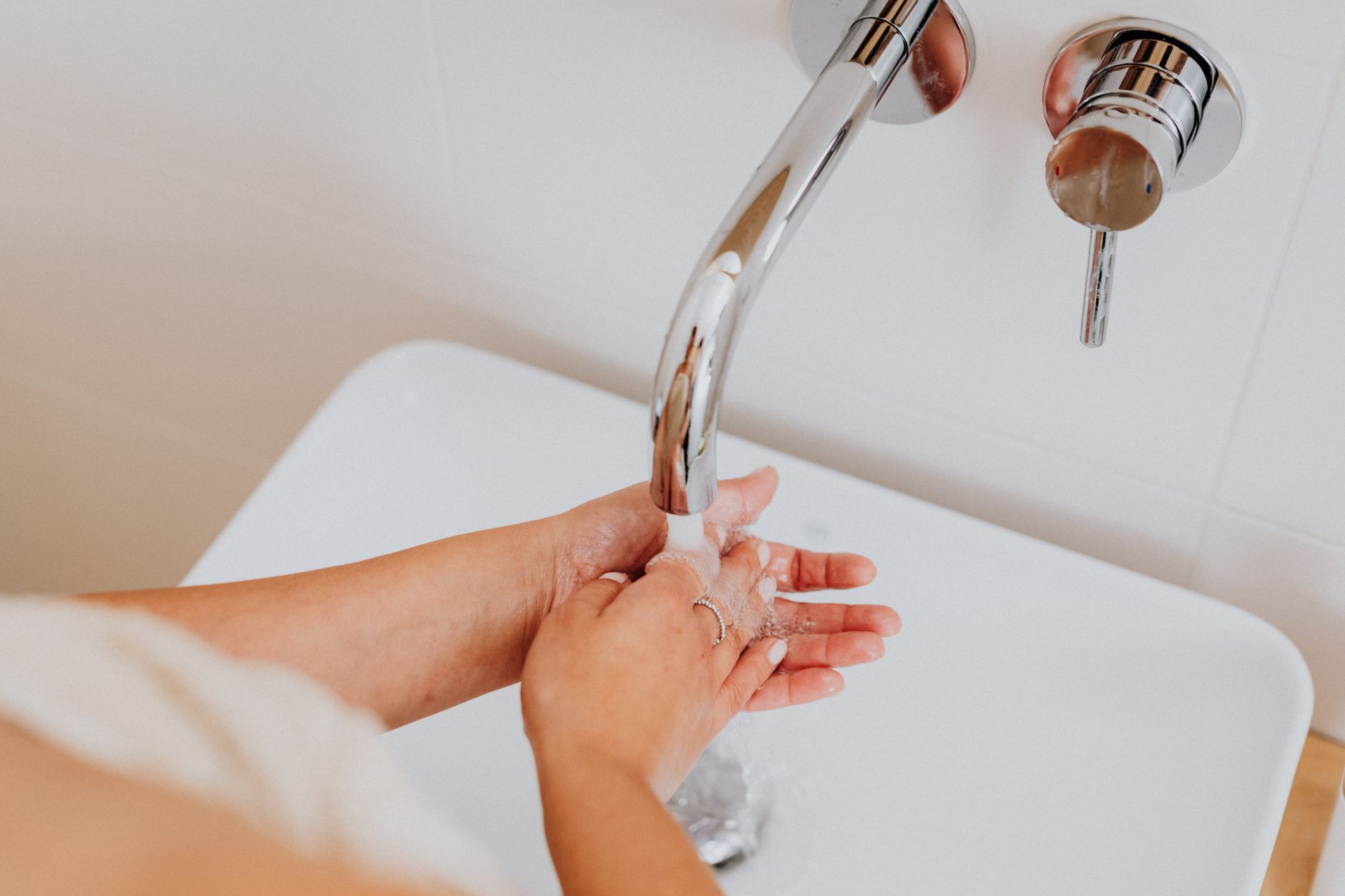
- Gentle Cleanser: Begin with a mild, fragrance-free cleanser. Harsh soaps can strip the skin of its natural oils, exacerbating eczema symptoms. Look for products specifically designed for sensitive skin.
- Lukewarm Water: Use lukewarm water to cleanse your hands. Hot water can further dry out your skin and worsen eczema.
- Pat Dry: After washing, gently pat your hands dry with a soft towel. Avoid rubbing, as this can irritate the skin.
- Moisturizer: Apply a thick, fragrance-free moisturizer immediately after drying your hands. Products containing ceramides can help restore the skin barrier. If you know you’ll be using sanitizers during the day, opt for a moisturizer that offers extra hydration.
Evening Routine
Your evening routine should focus on repairing and protecting your skin overnight. Here’s what to include:
- Double Cleanse: If you’ve used sanitizers throughout the day, it’s a good idea to cleanse your hands again in the evening to remove any residual ingredients that may irritate your skin.
- Intensive Moisturizer: Use a richer, more hydrating moisturizer at night. Creams or ointments are often more effective than lotions for eczema-prone skin. Products with ingredients like hyaluronic acid or glycerin can provide extra moisture.
- Barrier Repair Treatments: Consider using barrier repair treatments, such as those containing lipids or peptides, to help strengthen your skin’s barrier. These can be particularly beneficial if you experience frequent eczema flare-ups.
Incorporating Moisturizers and Treatments
Moisturizers are a cornerstone of eczema care, especially when dealing with sanitizer hand eczema. Here’s how to choose and use them effectively:
- Frequency: Apply moisturizers multiple times a day, especially after washing your hands or using sanitizers. Consistency is key to maintaining skin hydration.
- Ingredients to Look For: Seek out moisturizers with ceramides, hyaluronic acid, and glycerin. These ingredients help lock in moisture and repair the skin barrier.
- Avoid Irritants: Steer clear of products with fragrances, dyes, and alcohol, as these can irritate eczema-prone skin.
Consistency in Skincare
The most effective skincare routine is one that you can stick to consistently. Here are some tips to help you maintain your routine:
- Set Reminders: Use alarms or reminders on your phone to prompt you to apply moisturizers throughout the day.
- Keep Products Accessible: Store your skincare products in places where you’ll see them often, such as your bathroom, workplace, or bag.
- Be Patient: It may take some time to see improvements in your skin. Stay committed to your routine even if you don’t see immediate results.
- Adjust as Needed: Pay attention to how your skin responds to your routine. If you notice any irritation or flare-ups, it may be time to switch products or adjust your routine.
By creating a dedicated skincare routine that includes gentle cleansing, regular moisturizing, and the use of barrier repair treatments, you can better manage sanitizer hand eczema. Consistency and attention to your skin’s needs will help you maintain healthier, more comfortable hands.
When to Consult a Dermatologist for Hand Eczema
Managing hand eczema, especially when exacerbated by sanitizers, can be challenging. Knowing when to seek professional help is crucial for effective management. This section will guide you through the signs that indicate you need professional help, what to expect during a consultation, and the possible treatments and prescriptions a dermatologist might recommend.
Signs You Need Professional Help
While mild cases of hand eczema can often be managed with over-the-counter products and lifestyle changes, there are times when professional intervention is necessary. Here are some signs that it might be time to consult a dermatologist:
- Severe Symptoms: If your hand eczema is causing intense itching, burning, or pain, it may be time to seek professional help.
- Frequent Flare-Ups: If you experience frequent flare-ups despite your best efforts to manage them, a dermatologist can offer more targeted solutions.
- Spreading Symptoms: If the eczema is spreading to other parts of your body, professional evaluation is important.
- No Improvement: If your symptoms do not improve with home care or over-the-counter treatments, a dermatologist can provide a more thorough assessment.
- Secondary Infections: Signs of infection, such as increased redness, swelling, warmth, or pus, require immediate medical attention.
What to Expect During a Consultation
Visiting a dermatologist for hand eczema, particularly sanitizer hand eczema, involves a thorough evaluation. Here’s what you can expect during your consultation:
- Medical History: The dermatologist will ask about your medical history, including any previous skin conditions, family history of eczema, and your current symptoms.
- Symptom Assessment: You’ll be asked to describe your symptoms in detail, including when they started, how often they occur, and what seems to trigger them.
- Physical Examination: The dermatologist will examine your hands to assess the severity and extent of the eczema.
- Discussion of Triggers: You’ll discuss potential triggers, including the use of sanitizers, to identify any specific irritants or allergens.
- Patch Testing: In some cases, patch testing may be recommended to identify specific allergens that could be contributing to your eczema.
Possible Treatments and Prescriptions
Based on your evaluation, the dermatologist may recommend a variety of treatments to help manage your hand eczema. These can include:
- Topical Corticosteroids: These are often prescribed to reduce inflammation and itching. They come in various strengths, depending on the severity of your eczema.
- Topical Calcineurin Inhibitors: These medications can be an alternative to corticosteroids and are particularly useful for sensitive areas like the face and genitals.
- Moisturizers: Prescription-strength moisturizers may be recommended to help repair the skin barrier and keep your skin hydrated.
- Antibiotics: If there is a secondary bacterial infection, antibiotics may be prescribed.
- Antihistamines: These can help reduce itching, especially if it is severe or interferes with sleep.
- Phototherapy: In some cases, light therapy may be recommended to help reduce inflammation and improve symptoms.
- Systemic Medications: For severe cases, oral medications such as immunosuppressants may be prescribed.
It’s important to follow your dermatologist’s recommendations closely and attend all follow-up appointments to monitor your progress and adjust your treatment plan as needed. Remember, managing sanitizer hand eczema effectively often requires a combination of professional care and consistent at-home management.
Lifestyle Adjustments to Manage Hand Eczema
Managing hand eczema, particularly when dealing with the effects of sanitizer hand eczema, requires more than just topical treatments. Lifestyle adjustments play a crucial role in reducing flare-ups and maintaining healthier skin. Here are some practical steps you can take to manage your condition effectively.
Avoiding Known Triggers
Identifying and avoiding triggers is one of the most effective ways to manage hand eczema. For many, alcohol-based sanitizers are a significant trigger. If you notice that your eczema worsens after using sanitizers, consider these steps:
- Use Sanitizer Sparingly: Limit the use of alcohol-based sanitizers to essential moments, such as before eating or after touching public surfaces.
- Opt for Soap and Water: Whenever possible, wash your hands with mild, fragrance-free soap and lukewarm water instead of relying on sanitizers.
- Wear Gloves: When using sanitizers is unavoidable, wear cotton gloves underneath vinyl or nitrile gloves to create a barrier between your skin and the sanitizer.
Additionally, be mindful of other common triggers such as harsh detergents, certain metals (like nickel), and extreme temperatures. Keeping a diary of your activities and noting when flare-ups occur can help you pinpoint specific triggers.
Stress Management
Stress is a well-known exacerbating factor for eczema. High-stress levels can lead to increased inflammation and more frequent flare-ups. Incorporating stress management techniques into your daily routine can help keep eczema in check:
- Practice Mindfulness: Techniques such as meditation, deep breathing exercises, and yoga can help reduce stress levels.
- Regular Exercise: Physical activity is a great way to relieve stress. Even a short daily walk can make a difference.
- Adequate Sleep: Ensure you get enough restful sleep each night. Poor sleep can exacerbate stress and worsen eczema symptoms.
Consider speaking to a counselor or therapist if stress becomes overwhelming. They can provide additional strategies and support tailored to your needs.
Diet and Hydration
While diet alone won’t manage eczema-prone skin, certain foods and hydration levels can influence the severity of your symptoms. Here’s how you can adjust your diet and hydration to support better skin health:
- Stay Hydrated: Drinking plenty of water helps maintain the skin’s moisture levels. Aim for at least eight glasses of water a day.
- Anti-Inflammatory Foods: Incorporate foods rich in omega-3 fatty acids, such as salmon, flaxseeds, and walnuts, which have anti-inflammatory properties.
- Avoid Common Allergens: If you have food allergies that trigger your eczema, avoid these allergens. Common culprits include dairy, eggs, nuts, and wheat.
- Probiotics: Foods like yogurt, kefir, and kimchi contain probiotics that can help balance your gut flora, potentially reducing eczema symptoms.
It’s also beneficial to avoid highly processed foods and excessive sugar, which can contribute to inflammation.
In summary, making these lifestyle adjustments can significantly help in managing hand eczema, especially when dealing with the challenges posed by sanitizers. By avoiding known triggers, managing stress, and maintaining a healthy diet and hydration, you can create a supportive environment for your skin to heal and stay healthy.
Tracking Your Progress and Adjusting Your Routine
Managing sanitizer hand eczema is an ongoing process that requires attention and adaptability. Keeping track of your symptoms and adjusting your skincare routine accordingly can help you better manage your condition and reduce the frequency of flare-ups. Here are some practical steps to help you track your progress and make informed adjustments to your routine.
Keeping a Symptom Diary
One of the most effective ways to manage sanitizer hand eczema is by maintaining a symptom diary. This simple tool can help you identify patterns and triggers that may be contributing to your eczema flare-ups.
- Record Daily Symptoms: Note the severity of your eczema each day. Use a scale of 1 to 10, where 1 is no symptoms and 10 is severe symptoms.
- Log Sanitizer Use: Track when and how often you use alcohol-based sanitizers. Note any changes in your symptoms after using sanitizer.
- Document Other Triggers: Record other potential triggers such as stress, weather changes, or new skincare products.
- Note Improvements: Make a note of any improvements or worsening of symptoms in relation to changes in your routine or environment.
By consistently recording this information, you can start to see patterns emerge. For example, you might notice that your eczema worsens after using sanitizer multiple times a day, or that certain ingredients in your skincare products trigger a flare-up.
Adjusting Skincare Based on Symptoms
Once you have a better understanding of your triggers and patterns, you can start to adjust your skincare routine to better manage your sanitizer hand eczema.
- Moisturize More Frequently: If you notice that your eczema worsens after using sanitizer, increase the frequency of moisturizing. Apply a rich, fragrance-free moisturizer immediately after using sanitizer to help restore the skin barrier.
- Switch to Gentler Sanitizers: Consider using a sanitizer with fewer irritants. Look for alcohol-free or lower-alcohol options that are less likely to dry out your skin.
- Avoid Known Triggers: If certain ingredients in your skincare products seem to worsen your eczema, switch to products that are free from these triggers. Opt for fragrance-free, dye-free, and hypoallergenic products.
- Use Barrier Repair Creams: Incorporate barrier repair creams into your routine. These creams contain ingredients like ceramides and lipids that help strengthen the skin barrier and reduce inflammation.
It’s important to make these adjustments gradually and monitor the effects. Sometimes, what works for one person may not work for another, so it may take some trial and error to find the best routine for you.
Celebrating Small Improvements
Managing sanitizer hand eczema can be challenging, and it’s important to acknowledge and celebrate small improvements along the way. Recognizing progress, no matter how minor, can help maintain your motivation and commitment to your skincare routine.
- Set Achievable Goals: Set small, achievable goals for your eczema management. For example, aim to reduce the severity of your symptoms by one point on your scale within a month.
- Reward Yourself: Celebrate when you reach your goals. This could be as simple as treating yourself to a relaxing activity or a small reward.
- Share Your Progress: Consider sharing your progress with a friend, family member, or support group. Having a support system can provide encouragement and accountability.
Remember, managing eczema is a marathon, not a sprint. By tracking your progress and making informed adjustments to your routine, you can take control of your sanitizer hand eczema and improve your overall skin health.
Frequently asked questions
Can all hand sanitizers worsen hand eczema?
Not all hand sanitizers have the same effect on the skin. Some may be gentler and less likely to exacerbate sanitizer hand eczema. Ingredients like alcohol and certain chemicals can be harsh, but there are formulations designed to be milder. It’s important to read labels and choose products that are specifically labeled as gentle or suitable for sensitive skin.
Testing a small amount on a less sensitive area of your skin before full use can also help determine if a particular sanitizer will irritate your eczema.
What are the best moisturizers to use after sanitizing?
After using sanitizers, it’s crucial to moisturize your hands to help restore the skin’s barrier. Look for gentle, fragrance-free moisturizers that are specifically formulated for sensitive skin. Examples include products containing ceramides, hyaluronic acid, or glycerin. These ingredients help to hydrate and protect the skin without causing irritation.
Applying a thick, emollient-based moisturizer immediately after sanitizing can help mitigate the drying effects of the sanitizer.
How often should I moisturize my hands if I use sanitizers frequently?
If you use sanitizers frequently, it’s advisable to moisturize your hands multiple times a day. Aim to apply moisturizer immediately after sanitizing and then several times throughout the day as needed. Keeping the skin hydrated is key to managing sanitizer hand eczema.
Carry a small tube of moisturizer with you to ensure you can reapply as often as necessary.
Are there any natural alternatives to commercial hand sanitizers?
Yes, there are natural alternatives to commercial hand sanitizers that may be gentler on the skin. One popular option is a homemade sanitizer made with aloe vera gel and essential oils like tea tree or lavender, which have antimicrobial properties. However, it’s important to test these alternatives on a small patch of skin first to ensure they don’t cause irritation.
While natural alternatives can be effective, they may not provide the same level of sanitization as commercial products, so use them with caution.
Can diet affect hand eczema caused by sanitizers?
While diet doesn’t directly cause sanitizer hand eczema, certain foods can influence overall skin health and inflammation levels. Eating a balanced diet rich in anti-inflammatory foods like fruits, vegetables, and omega-3 fatty acids can support skin health. Some individuals may find that avoiding common allergens like dairy or gluten helps reduce eczema symptoms.
It’s important to note that dietary changes should be approached with care and ideally under the guidance of a healthcare professional.
What should I do if my hand eczema worsens despite using moisturizers?
If your hand eczema worsens despite using moisturizers and gentle sanitizers, it’s important to seek professional help. A dermatologist can provide a more detailed assessment and recommend treatments that may include prescription creams, ointments, or other therapies.
They can also help identify any underlying triggers or conditions that may be contributing to your eczema.
This article is for educational purposes only and is not medical advice. If symptoms are severe, spreading, painful, infected-looking, or affecting sleep and daily life, speak with a qualified healthcare professional.
Sources and further reading
For medical guidance, always rely on a qualified healthcare professional. These educational resources may help readers learn more:
Image credit: Photo by Yaroslav Shuraev on Pexels. Used under the Pexels License.
Image credit: Photo by Beyzanur K. on Pexels. Used under the Pexels License.
Image credit: Photo by https://kaboompics.com/ on Pexels. Used under the Pexels License.