
MyEczema.app guide
Finger Cracks Eczema: Practical Guide
finger cracks eczema: Discover why finger cracks keep reopening with eczema and learn practical strategies to manage and heal them effectively.
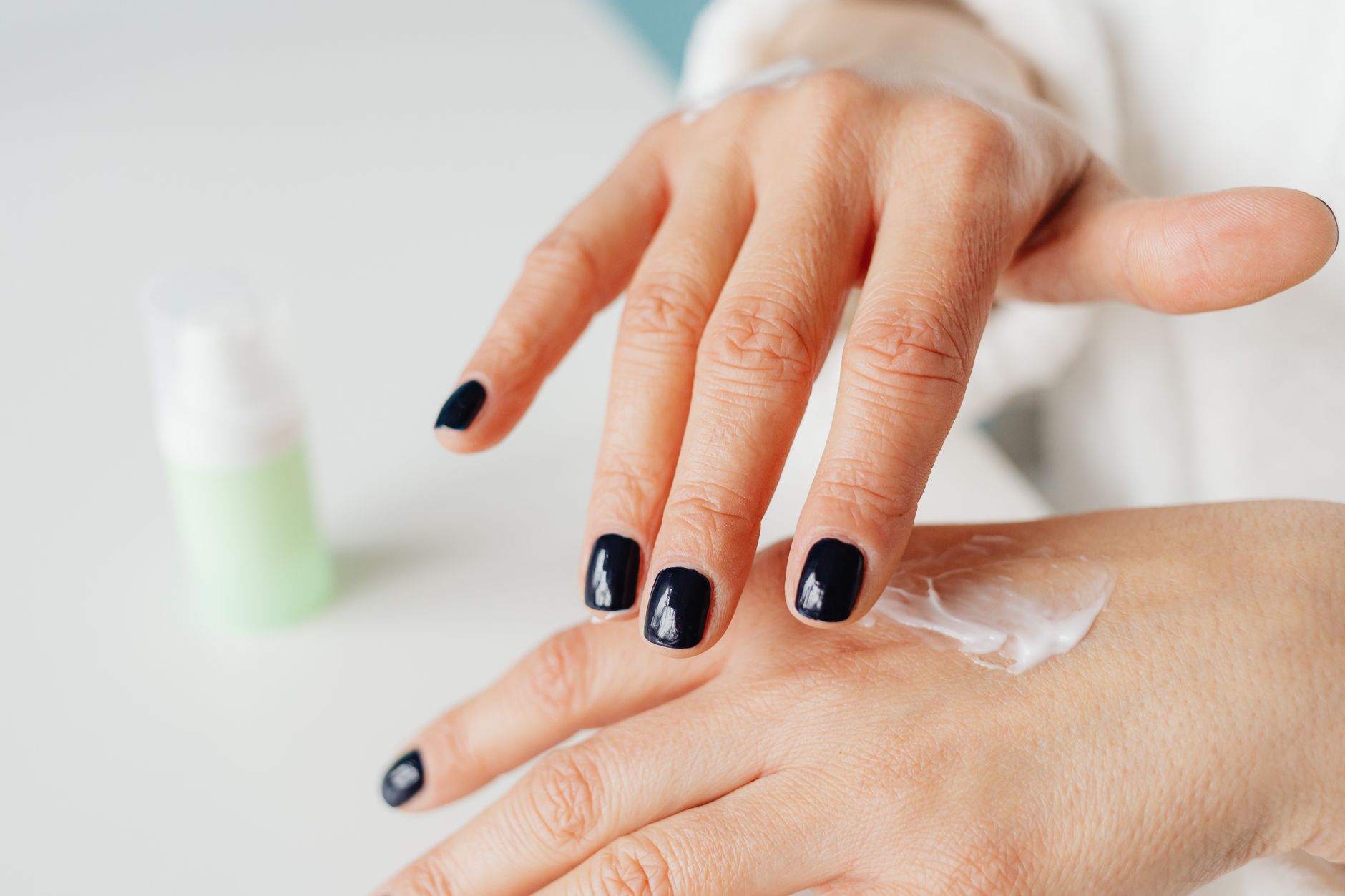
Table of contents
Use this guide as a practical reference and jump to the sections most relevant to you.
- Quick answer
- Key takeaways
- Practical comparison table
- Visual chart
- Related MyEczema.app tool
- Understanding Eczema and Its Impact on the Skin
- Why Finger Cracks Form in Eczema
- Common Triggers for Eczema Finger Cracks
- The Importance of Moisturization in Healing Finger Cracks
- Gentle Skincare Practices for Eczema-Prone Skin
- Proper Wound Care for Eczema Finger Cracks
- Lifestyle Changes to Support Eczema Management
- When to See a Dermatologist for Eczema Finger Cracks
- Real-Life Stories: Managing Eczema Finger Cracks
- The Future of Eczema Treatment and Research
- Frequently asked questions
- Sources and further reading
If you’ve ever dealt with eczema, you know how frustrating it can be when finger cracks seem to reopen no matter how careful you are. This is a common issue for many people with eczema, and understanding why it happens is the first step toward managing it effectively. In this article, we’ll dive deep into the reasons behind persistent finger cracks in eczema and explore practical ways to keep them from reopening. We’ll also touch on general eczema care tips to give you a well-rounded approach to managing this condition.
Eczema-prone skin is often more sensitive and easily irritated, making it susceptible to cracks and fissures, especially on the fingers. These cracks can be painful, itchy, and slow to heal. The good news is that with the right care and attention, you can significantly improve the condition of your skin and reduce the frequency of these painful cracks.
In this guide, we’ll cover everything you need to know about managing finger cracks eczema. From understanding the underlying causes to practical daily care tips, we’ve got you covered. Let’s get started on the path to healthier, happier skin.
Quick answer
Finger cracks in eczema often reopen due to ongoing inflammation and a compromised skin barrier. Consistent moisturization and proper care are essential for healing and preventing these cracks from reappearing.
Key takeaways
- Persistent finger cracks in eczema are primarily due to inflammation and a compromised skin barrier.
- Consistent moisturization is crucial for healing and preventing reopening of cracks.
- Identifying and avoiding triggers can help reduce flare-ups and promote healing.
- Gentle skincare practices and proper wound care are essential for managing eczema-related finger cracks.
- Consulting a dermatologist for personalized treatment plans can significantly improve outcomes.
Common Triggers for Eczema Finger Cracks
| Situation | What it may mean | Practical next step |
|---|---|---|
| Exposure to cold weather | Cold weather can dry out the skin, exacerbating eczema symptoms and leading to cracks. | Use a humidifier indoors and wear gloves outdoors to protect your hands. |
| Contact with irritants | Harsh chemicals and detergents can irritate the skin and cause cracks. | Avoid direct contact with irritants and use protective gloves when necessary. |
| Stress and anxiety | Emotional stress can trigger eczema flare-ups and worsen symptoms. | Practice stress-reducing activities such as yoga, meditation, or deep breathing exercises. |
| Frequent hand washing | Over-washing can strip the skin of natural oils, leading to dryness and cracks. | Use a gentle, fragrance-free soap and moisturize hands after washing. |
| Allergens | Allergens like pollen or pet dander can trigger eczema symptoms. | Identify and avoid known allergens to reduce the risk of flare-ups. |
Effectiveness of Moisturizers for Eczema
This visual is an educational guide, not a diagnostic score. Use it to decide what may be worth tracking more consistently for this specific topic.
High attention
Petroleum-based creams
Highly effective in locking in moisture
High attention
Ceramide-containing lotions
Helps restore the skin barrier
High attention
Oat-based creams
Soothes and hydrates the skin
High attention
Aloe vera gels
Provides cooling relief and hydration
Medium attention
Fragrance-free lotions
Reduces risk of irritation
Related MyEczema.app tool
Use the Daily Trigger Tracker
The Daily Trigger Tracker helps users record symptoms, possible triggers, skin routine, photos, notes, and trends over time.
For this topic, this tool can help you organize information in a more structured way and turn daily observations into clearer patterns to review over time.
Understanding Eczema and Its Impact on the Skin
Eczema, also known as atopic dermatitis, is a chronic skin condition that causes inflammation and irritation. It affects people of all ages but often starts in childhood. Understanding what eczema is and how it impacts the skin, particularly the fingers, is crucial for managing finger cracks eczema effectively.
Definition of Eczema
Eczema is characterized by an overactive immune system response that leads to skin inflammation. This condition is not contagious and varies widely in severity. People with eczema often have a genetic predisposition, meaning it can run in families. Environmental factors and allergens can also trigger or worsen symptoms.
How Eczema Compromises the Skin Barrier
One of the primary functions of healthy skin is to act as a barrier, protecting the body from external irritants and retaining moisture. Eczema disrupts this barrier function. The skin of individuals with eczema tends to be drier and more sensitive. This compromised barrier allows irritants to penetrate more easily and causes the skin to lose moisture more quickly.
In the context of finger cracks eczema, this compromised barrier is particularly problematic. The fingers are constantly exposed to various irritants, such as soaps, detergents, and even the natural oils from our own skin. When the skin barrier is weakened, these irritants can cause further damage, leading to cracks and fissures.
Common Symptoms of Eczema on the Fingers
Eczema on the fingers can manifest in several ways. Common symptoms include:
- Dryness: The skin on the fingertips may feel extremely dry and rough.
- Itching: Persistent itching is a hallmark of eczema. Scratching can exacerbate the condition and lead to cracks.
- Redness and Inflammation: The skin may appear red and swollen, indicating inflammation.
- Cracks and Fissures: Deep cracks can develop, especially at the tips of the fingers. These cracks can be painful and may bleed if they become severe.
- Scaling: The skin may develop scaly patches, which can further compromise the barrier function.
These symptoms can make daily activities challenging. Simple tasks like washing dishes or turning a doorknob can become painful. Moreover, the constant cycle of itching and scratching can lead to a vicious cycle where the skin never gets a chance to heal properly.
Practical Steps for Managing Eczema on the Fingers
Managing finger cracks eczema requires a multifaceted approach. Here are some practical steps you can take:
- Moisturize Regularly: Use a thick, fragrance-free moisturizer several times a day to keep the skin hydrated. Look for products containing ceramides, which help restore the skin barrier.
- Avoid Irritants: Minimize exposure to known irritants. Wear gloves when doing household chores or working with chemicals. Opt for gentle, hypoallergenic soaps and detergents.
- Use Barrier Creams: Apply barrier creams or ointments to protect the skin from moisture loss and external irritants. These can be especially useful before exposure to water or chemicals.
- Keep Nails Trimmed: Short nails reduce the likelihood of accidentally scratching and worsening the cracks.
- Consult a Healthcare Provider: If over-the-counter treatments aren’t effective, seek advice from a dermatologist. They may prescribe topical steroids or other medications to manage inflammation and promote healing.
Real-life example: Jane, a 35-year-old teacher, noticed her fingertips becoming increasingly dry and cracked. After consulting with her dermatologist, she started using a ceramide-rich moisturizer and wearing cotton gloves under rubber ones while cleaning. Within a few weeks, her symptoms improved significantly.
Lifestyle Changes for Long-Term Management
Long-term management of finger cracks eczema often requires lifestyle changes. Here are some strategies to consider:
- Hydration: Drink plenty of water to keep your skin hydrated from the inside out.
- Humidifiers: Use a humidifier in your home, especially during dry winter months, to maintain moisture in the air.
- Stress Management: Stress can exacerbate eczema symptoms. Incorporate stress-reducing activities like yoga, meditation, or regular exercise into your routine.
- Diet: While no specific diet helps manage eczema-prone skin, some people find that avoiding certain foods, like dairy or gluten, helps reduce flare-ups. Consult a nutritionist for personalized advice.
Decision point: If you notice that certain activities or products worsen your symptoms, it may be worth keeping a journal to track these triggers. This can help you make informed decisions about avoiding them in the future.
Understanding eczema and its impact on the skin is the first step in effectively managing finger cracks eczema. By taking proactive measures to protect and moisturize your skin, you can reduce the frequency and severity of cracks and fissures, making daily life more comfortable and manageable.
Why Finger Cracks Form in Eczema
Finger cracks in eczema are a common and frustrating symptom that many individuals experience. Understanding the specific reasons why these cracks form can help in managing and preventing them effectively. Let’s delve into the key factors that contribute to the formation of finger cracks in eczema.
Role of Inflammation in Crack Formation
Inflammation plays a crucial role in the development of finger cracks in eczema. When the skin is inflamed, it becomes more susceptible to damage. Eczema causes the skin to react to various triggers, leading to redness, swelling, and irritation. This inflammatory response weakens the skin’s structure, making it more prone to cracking.
Inflammation also disrupts the normal healing process. The constant cycle of inflammation and repair can lead to the formation of cracks, especially in areas that are frequently used, like the fingertips. Managing inflammation is essential in preventing the recurrence of finger cracks.
Impact of Dry Skin and Itching
Dry skin is a hallmark of eczema, and it significantly contributes to the formation of finger cracks. The skin’s natural oils are often deficient in individuals with eczema, leading to dryness and roughness. When the skin is dry, it loses its elasticity and becomes more susceptible to cracking.
Itching is another major factor. The urge to scratch can lead to repetitive motions that further damage the already compromised skin. Scratching not only exacerbates dryness but also creates micro-tears in the skin, which can deepen into cracks. It’s a vicious cycle where itching leads to scratching, which in turn leads to more cracking.
To break this cycle, it’s important to keep the skin moisturized and avoid scratching. Using a gentle, fragrance-free moisturizer regularly can help maintain the skin’s hydration levels. Additionally, wearing gloves while doing household chores or gardening can protect the skin from further damage.
How Eczema Weakens the Skin’s Protective Layer
Eczema compromises the skin’s protective barrier, making it more vulnerable to external irritants and infections. The skin barrier is responsible for retaining moisture and protecting the body from harmful substances. In eczema, this barrier is often disrupted, leading to increased water loss and decreased protection.
When the skin barrier is weakened, the skin is more likely to crack. The fingertips, being a common area of use and exposure, are particularly susceptible. The constant flexing and bending of the fingers can further stress the already compromised skin, leading to the formation of cracks.
Strengthening the skin barrier is a key step in preventing finger cracks. This can be achieved through the regular use of emollients and barrier repair creams. These products help to restore the skin’s natural oils and improve its protective function.
Practical Steps to Prevent Finger Cracks
Preventing finger cracks in eczema requires a multi-faceted approach. Here are some practical steps you can take:
- Moisturize Regularly: Apply a thick, fragrance-free moisturizer to your hands several times a day, especially after washing your hands or exposure to water.
- Use Barrier Repair Creams: Incorporate creams containing ceramides or other barrier-repairing ingredients into your skincare routine.
- Avoid Harsh Soaps: Use mild, pH-balanced soaps and avoid hot water when washing your hands.
- Wear Gloves: Protect your hands by wearing gloves during household chores, gardening, or any activity that involves prolonged exposure to water or irritants.
- Manage Stress: Stress can trigger eczema flare-ups, so finding ways to manage stress, such as through relaxation techniques or hobbies, can help reduce the frequency of finger cracks.
- Avoid Scratching: Keep your nails short and consider wearing cotton gloves at night to prevent scratching during sleep.
By understanding the specific reasons why finger cracks form in eczema and taking proactive steps to address them, you can better manage this challenging symptom. Remember, consistency is key in maintaining healthy skin and preventing the recurrence of finger cracks.
Common Triggers for Eczema Finger Cracks
Understanding the common triggers for finger cracks eczema is crucial for effective management and prevention. By identifying these triggers, you can take proactive steps to minimize their impact and promote healing. Let’s explore the primary factors that can cause or worsen finger cracks in eczema.
Environmental Factors
Environmental conditions play a significant role in exacerbating eczema symptoms, particularly finger cracks. Two major environmental factors to be aware of are cold weather and low humidity.
Cold Weather
Cold weather can strip the skin of its natural oils, leading to dryness and cracking. When the temperature drops, the air tends to be drier, which can further aggravate eczema. To protect your skin during cold weather:
- Wear gloves: Use cotton gloves under heavier gloves to retain moisture and provide an extra layer of protection.
- Moisturize frequently: Apply a thick, fragrance-free moisturizer to your hands several times a day to combat dryness.
- Avoid long exposure: Limit the time your hands are exposed to cold temperatures.
Low Humidity
Low humidity, whether indoors or outdoors, can lead to dry skin and exacerbate eczema symptoms. Indoor heating during winter can significantly reduce humidity levels. To maintain optimal humidity:
- Use a humidifier: Keep a humidifier in your home, especially in the bedroom, to add moisture to the air.
- Avoid harsh soaps: Use gentle, moisturizing soaps and avoid long, hot showers that can further dry out your skin.
Allergens and Irritants
Exposure to allergens and irritants can trigger eczema flare-ups and cause finger cracks to reopen. Common culprits include certain chemicals, metals, and substances that come into contact with your hands.
Chemicals
Household cleaners, detergents, and solvents can irritate the skin and worsen eczema. To minimize exposure:
- Wear protective gloves: Use gloves when handling cleaning products or doing chores that involve chemicals.
- Choose gentle products: Opt for fragrance-free and hypoallergenic cleaning solutions.
Metals
Some individuals with eczema may have sensitivities to certain metals, such as nickel. This can lead to contact dermatitis and exacerbate finger cracks. To avoid metal-related irritation:
- Check jewelry: Ensure your jewelry is nickel-free or coated with a layer that prevents direct skin contact.
- Be cautious with tools: If you use tools with metal handles, consider wearing gloves or using tools with non-metal grips.
Substances
Certain substances, like wool or synthetic fabrics, can irritate the skin. To reduce irritation:
- Choose soft fabrics: Wear cotton gloves or use soft, breathable materials that won’t aggravate your skin.
- Avoid rough textures: Be mindful of the textures you encounter daily and try to minimize contact with rough or abrasive materials.
Stress and Emotional Factors
Stress and emotional factors can significantly impact eczema, including the formation and reopening of finger cracks. Stress can weaken the immune system and exacerbate inflammation, leading to more severe symptoms.
Managing Stress
Incorporating stress-management techniques into your daily routine can help reduce eczema flare-ups. Consider the following practices:
- Mindfulness and meditation: Engage in mindfulness exercises or meditation to help manage stress levels.
- Regular exercise: Physical activity can reduce stress and improve overall well-being.
- Adequate sleep: Ensure you get enough restful sleep each night to help your body recover and reduce stress.
Seeking Support
Don’t hesitate to seek support from friends, family, or a mental health professional if you’re struggling with stress. Talking about your feelings and concerns can provide relief and help you develop coping strategies.
By recognizing and addressing these common triggers, you can take significant steps toward managing finger cracks eczema more effectively. Remember, everyone’s triggers may vary, so it’s important to pay attention to your body and identify what works best for you.
The Importance of Moisturization in Healing Finger Cracks
When dealing with finger cracks eczema, one of the most effective strategies is consistent and proper moisturization. Moisturizers play a crucial role in healing and preventing finger cracks by restoring the skin’s natural barrier and providing essential hydration.
Types of Moisturizers Suitable for Eczema
Not all moisturizers are created equal, especially when it comes to eczema. For effective management of finger cracks eczema, it’s important to choose the right type of moisturizer. Here are some options:
- Creams and Ointments: These are thicker and provide more intense hydration. Ointments like petroleum jelly are particularly good for sealing in moisture.
- Lotions: While lighter, lotions can still be effective if used frequently. They are easier to apply but may not provide as much moisture as creams or ointments.
- Emollients: These help to soften and smooth the skin. Look for products containing ceramides, which are essential for maintaining the skin barrier.
- Prescription Moisturizers: Sometimes, over-the-counter options may not be enough. Dermatologists can prescribe stronger moisturizers tailored to your specific needs.
Best Practices for Applying Moisturizer
Applying moisturizer correctly can make a significant difference in the healing of finger cracks eczema. Here are some best practices to follow:
- Apply Immediately After Washing: Pat your hands dry with a soft towel and apply moisturizer while the skin is still damp. This helps to lock in moisture.
- Use Gentle, Circular Motions: Apply the moisturizer using gentle, circular motions to ensure even coverage without causing further irritation.
- Focus on Cracked Areas: Pay extra attention to the cracked areas, ensuring they are well-covered. You may need to apply a thicker layer here.
- Avoid Harsh Ingredients: Steer clear of moisturizers containing fragrances, dyes, or alcohol, as these can irritate eczema-prone skin.
Importance of Frequent Reapplication
One of the most critical aspects of managing finger cracks eczema is the frequency of moisturizer application. Eczema skin tends to lose moisture quickly, so reapplication is essential. Here’s why:
- Maintains Hydration: Regular reapplication ensures that your skin stays hydrated throughout the day, reducing the likelihood of cracks reopening.
- Strengthens the Skin Barrier: Consistent moisturization helps to repair and strengthen the skin barrier, making it more resilient against irritants and environmental factors.
- Prevents Flare-Ups: Keeping the skin well-moisturized can help prevent eczema flare-ups, which often lead to the formation of new cracks.
For example, if you work in an environment where your hands are frequently washed or exposed to water, make it a habit to reapply moisturizer every few hours. Carrying a travel-sized tube in your bag can be a lifesaver.
In summary, the consistent and correct use of moisturizers is a cornerstone in the management of finger cracks eczema. By choosing the right type of moisturizer, applying it correctly, and ensuring frequent reapplication, you can significantly improve the healing process and prevent future cracks from forming.
Gentle Skincare Practices for Eczema-Prone Skin
When dealing with finger cracks eczema, adopting gentle skincare practices is essential to prevent irritation and promote healing. The skin on your fingertips is particularly sensitive, and proper care can make a significant difference in managing symptoms and preventing cracks from reopening.
Choosing the Right Soaps and Cleansers
Selecting the appropriate soaps and cleansers is a critical step in maintaining healthy skin, especially for those with eczema. Traditional soaps can be harsh and strip the skin of its natural oils, leading to dryness and irritation. Instead, opt for mild, fragrance-free cleansers specifically designed for sensitive skin.
Look for products labeled as “eczema-friendly” or “hypoallergenic.” These cleansers are formulated to be gentle on the skin and minimize the risk of irritation. Avoid bars of soap, which can be more drying, and choose liquid cleansers that are less likely to cause residue buildup.
For example, using a cleanser with ingredients like ceramides and glycerin can help reinforce the skin barrier and retain moisture. Brands often provide detailed ingredient lists, so take a moment to read and choose wisely.
Avoiding Harsh Chemicals and Fragrances
Harsh chemicals and fragrances can exacerbate eczema symptoms and cause finger cracks to reopen. When selecting skincare products, be vigilant about reading labels and avoiding potential irritants.
Common irritants include:
- Sulfates
- Parabens
- Artificial fragrances
- Alcohol
- Dyes
These ingredients can disrupt the skin barrier and lead to increased sensitivity. Instead, choose products that are free from these irritants. Many eczema-friendly brands offer lines specifically designed to be gentle and soothing for sensitive skin.
In addition to skincare products, be cautious with household cleaners and detergents. When washing dishes or cleaning, wear gloves to protect your skin from coming into direct contact with these potentially harsh substances.
Proper Drying Techniques After Washing
How you dry your skin after washing can significantly impact eczema-prone areas, including your fingertips. Vigorous rubbing with a towel can cause micro-tears and irritation, making finger cracks more likely to reopen.
Instead, adopt a gentle drying technique:
- Gently pat your skin dry with a soft towel. Avoid rubbing or scrubbing.
- Ensure your skin is completely dry before applying moisturizers to prevent trapping moisture, which can lead to maceration (softening and breaking down of skin).
Consider using a soft, absorbent towel made from cotton or bamboo, as these materials are less likely to cause irritation compared to rougher fabrics.
After drying, immediately apply a thick moisturizer to lock in hydration and protect the skin barrier. This step is crucial in preventing dryness and reducing the likelihood of cracks forming or reopening.
Incorporating these gentle skincare practices into your daily routine can help manage finger cracks eczema more effectively. By choosing the right products, avoiding irritants, and adopting proper drying techniques, you can create a skincare regimen that supports healing and prevents further irritation.
Remember, everyone’s skin is different, and what works for one person may not work for another. It may take some trial and error to find the best products and practices for your specific needs. Pay attention to how your skin responds and adjust your routine accordingly.
Consistency is key. Stick with your gentle skincare practices even when your eczema symptoms are under control. Maintaining a consistent routine helps keep your skin barrier strong and reduces the likelihood of flare-ups.
Proper Wound Care for Eczema Finger Cracks
When dealing with finger cracks eczema, proper wound care is crucial to promote healing and prevent further complications. This section will guide you through essential steps to care for existing finger cracks, ensuring they heal effectively and do not keep reopening.
Cleaning and Disinfecting Cracks
The first step in wound care for eczema finger cracks is to keep the affected areas clean and free from infection. Here’s how you can do it:
- Wash Your Hands: Before touching the cracks, wash your hands thoroughly with mild soap and warm water. This reduces the risk of introducing bacteria to the wound.
- Gently Clean the Cracks: Use a saline solution or mild antiseptic to clean the cracks. Avoid harsh chemicals or alcohol-based products, as they can irritate the skin further.
- Pat Dry: After cleaning, pat the area dry with a clean towel. Avoid rubbing, as this can cause additional irritation.
Using Appropriate Bandages and Dressings
Protecting eczema finger cracks with the right bandages and dressings can significantly aid in the healing process. Here are some options:
- Hydrocolloid Dressings: These dressings create a moist environment that promotes healing. They are particularly effective for deeper cracks.
- Silicone Gel Sheets: These can be applied over the cracks to protect them and reduce scarring.
- Non-Stick Pads: Place a non-stick pad over the crack before bandaging to prevent the bandage from sticking to the wound.
- Cotton Gauze: Cover the crack with a layer of cotton gauze to absorb any oozing and protect the area.
- Adhesive Tape: Secure the dressing with hypoallergenic tape to keep it in place without causing irritation.
Remember to change the dressings regularly to maintain cleanliness and promote healing. If you notice any signs of infection, such as increased redness, swelling, or pus, seek medical advice promptly.
Avoiding Picking or Scratching
One of the most challenging aspects of managing finger cracks eczema is resisting the urge to pick or scratch the affected areas. Here’s why it’s important and how you can avoid it:
- Prevent Infection: Picking or scratching can introduce bacteria into the cracks, leading to infection.
- Avoid Further Damage: Scratching can widen the cracks and make them more painful, prolonging the healing process.
- Reduce Inflammation: Constant scratching can exacerbate inflammation and lead to more severe eczema flare-ups.
To help avoid picking or scratching:
- Keep Hands Busy: Engage in activities that keep your hands occupied, such as knitting, drawing, or using a stress ball.
- Wear Gloves: Consider wearing cotton gloves at night to prevent scratching during sleep.
- Use Distraction Techniques: When you feel the urge to scratch, try deep breathing exercises or focus on a different task to divert your attention.
- Apply Topical Treatments: Use prescribed creams or ointments to soothe itching and reduce the urge to scratch.
Incorporating these wound care practices into your daily routine can significantly improve the healing of eczema finger cracks. Remember, patience and consistency are key. If you find that your cracks are not healing or keep reopening, consult a healthcare professional for further guidance and possible prescription treatments.
Lifestyle Changes to Support Eczema Management
When dealing with finger cracks eczema, understanding and implementing lifestyle changes can make a significant difference in managing symptoms and promoting healing. These changes not only help in reducing the recurrence of finger cracks but also contribute to overall eczema management. Let’s explore some practical lifestyle adjustments that can support your journey towards better skin health.
Dietary Considerations
What you eat can influence your skin’s condition, including the health of your finger cracks. While no specific diet can guarantee the prevention of eczema flare-ups, certain dietary choices may help reduce inflammation and support skin barrier function.
- Anti-inflammatory foods: Incorporate more fruits, vegetables, whole grains, and fatty fish like salmon into your diet. These foods are rich in omega-3 fatty acids and antioxidants, which can help reduce inflammation.
- Hydration: Drinking plenty of water is crucial for maintaining skin hydration and overall health. Aim for at least eight glasses of water a day.
- Identifying triggers: Keep a food diary to track any potential food triggers that might exacerbate your eczema. Common culprits include dairy, gluten, and nuts, though triggers can vary from person to person.
Remember, dietary changes should be approached with caution and ideally discussed with a healthcare professional to ensure they align with your overall health needs.
Stress Management Techniques
Stress is a well-known trigger for eczema flare-ups, including those that lead to finger cracks. Incorporating stress management techniques into your daily routine can help keep eczema symptoms at bay.
- Mindfulness and meditation: Practices like mindfulness meditation can help reduce stress levels. Even a few minutes a day can make a difference.
- Regular exercise: Physical activity is a great way to relieve stress. Choose activities you enjoy, whether it’s walking, yoga, or dancing.
- Adequate rest: Ensure you’re getting enough sleep. Poor sleep can exacerbate stress and, in turn, worsen eczema symptoms.
Finding what works best for you is key. Everyone’s stress triggers and relief methods are different, so experiment with various techniques to discover your ideal stress management routine.
Importance of Regular Sleep and Hydration
Both sleep and hydration play critical roles in maintaining healthy skin and managing eczema effectively.
Regular Sleep
Quality sleep is essential for overall health, including skin health. During sleep, your body repairs itself, and this includes your skin.
- Consistent sleep schedule: Try to go to bed and wake up at the same time every day, even on weekends.
- Create a bedtime routine: Wind down before bed with relaxing activities like reading or taking a warm bath.
- Limit screen time: Reduce exposure to screens—phones, tablets, computers—at least an hour before bedtime to improve sleep quality.
If you struggle with sleep, consider speaking with a healthcare provider for advice tailored to your needs.
Hydration
Keeping your body well-hydrated is vital for maintaining the skin’s moisture barrier, which is often compromised in eczema.
- Drink water regularly: Aim for at least eight 8-ounce glasses of water a day.
- Eat hydrating foods: Foods with high water content, like cucumbers, watermelon, and oranges, can also contribute to your hydration.
- Avoid dehydrating drinks: Limit caffeine and alcohol, as they can dehydrate your body.
Incorporating these lifestyle changes can create a supportive environment for your skin to heal and reduce the likelihood of finger cracks reopening. While these adjustments won’t eliminate eczema, they can significantly contribute to managing symptoms and improving your overall quality of life.

When to See a Dermatologist for Eczema Finger Cracks
Managing finger cracks eczema can be challenging, especially when these cracks keep reopening despite your best efforts. Knowing when to seek professional help is crucial for effective management and relief. This section will guide you through the signs that indicate a need for professional evaluation, the types of treatments a dermatologist might recommend, and the importance of following a dermatologist’s advice.
Signs that Indicate a Need for Professional Evaluation
While many cases of eczema can be managed with home care and over-the-counter treatments, there are times when professional help is necessary. Here are some signs that it might be time to see a dermatologist:
- Persistent Cracks: If the cracks on your fingers are not healing despite consistent care, it’s a clear sign to seek professional help.
- Severe Pain or Discomfort: If the cracks are causing significant pain or discomfort, a dermatologist can provide stronger treatments to alleviate symptoms.
- Signs of Infection: Redness, swelling, increased warmth, or pus around the cracks can indicate an infection that requires medical attention.
- Bleeding: Any bleeding from the cracks should be evaluated by a professional to prevent further complications.
- Spreading Rash: If the eczema rash is spreading beyond your fingers to other parts of your hands or body, a dermatologist can help manage it.
- Impact on Daily Activities: If eczema is affecting your ability to perform daily tasks, professional help can offer solutions to improve your quality of life.
Types of Treatments a Dermatologist Might Recommend
Dermatologists have a range of treatments at their disposal to help manage severe or persistent eczema, including finger cracks. These may include:
- Prescription Topical Creams and Ointments: Stronger corticosteroids or other medications that are not available over-the-counter.
- Oral Medications: Antihistamines to reduce itching, or antibiotics if there’s an infection.
- Immunomodulators: Medications that help regulate the immune system to reduce inflammation.
- Phototherapy: Light therapy that can help reduce symptoms in some cases of eczema.
- Injectable Biologics: For severe cases, biologic medications that target specific parts of the immune system may be recommended.
Importance of Following a Dermatologist’s Advice
Once you’ve consulted a dermatologist, it’s essential to follow their advice closely. Here’s why:
- Effective Management: Dermatologists tailor treatments to your specific condition, increasing the likelihood of effective management.
- Avoiding Complications: Following professional advice helps prevent complications such as infections or worsening symptoms.
- Long-Term Relief: Consistent adherence to a dermatologist’s plan can lead to long-term relief and better skin health.
- Monitoring Progress: Regular follow-ups allow the dermatologist to monitor your progress and adjust treatments as needed.
- Education and Support: Dermatologists can provide valuable education on managing eczema, including lifestyle changes and skincare practices.
In conclusion, if you’re struggling with persistent finger cracks eczema, don’t hesitate to seek professional help. A dermatologist can offer specialized treatments and guidance to help you manage your symptoms more effectively and improve your overall skin health.
Real-Life Stories: Managing Eczema Finger Cracks
Living with finger cracks eczema can be challenging, but hearing from others who have faced similar struggles can provide valuable insights and inspiration. In this section, we share real-life stories from individuals who have successfully managed their eczema finger cracks. Their personal anecdotes and strategies offer practical advice and encouragement for those dealing with this frustrating condition.
Personal Anecdotes and Strategies
Sarah, a 34-year-old graphic designer, has dealt with eczema since childhood. Her finger cracks often reopened, causing pain and frustration. “I realized that consistent moisturization was key,” she says. Sarah developed a routine that included applying a thick moisturizer immediately after washing her hands and before bed. She also started using a humidifier in her home to keep the air from drying out her skin.
Another strategy Sarah adopted was wearing cotton gloves over her hands while sleeping. This protected her skin from scratching during the night and helped the moisturizer penetrate deeper. “It took time, but my finger cracks eventually healed and stayed that way,” she notes.
Mike, a 45-year-old teacher, found that identifying and avoiding triggers was crucial. “I noticed that my finger cracks worsened after using certain hand sanitizers,” he explains. By switching to a gentle, fragrance-free sanitizer, Mike saw a significant improvement. He also incorporated a mild, eczema-friendly soap into his hand-washing routine.
Community Support and Resources
Joining an eczema support group proved beneficial for many individuals. Online forums and local meetups allowed them to share experiences, ask questions, and learn from others. “The support from the community was invaluable,” says Lisa, a 29-year-old marketing professional. “I discovered new products and techniques that I wouldn’t have thought of on my own.”
Many found that following eczema-focused social media accounts provided daily tips and motivation. These accounts often shared the latest research, product recommendations, and success stories. “Seeing others manage their eczema gave me hope and practical ideas to try,” Lisa adds.
Encouragement and Motivation for Readers
Dealing with persistent finger cracks eczema can be disheartening, but these stories show that management and improvement are possible. It’s important to remember that everyone’s journey is unique, and what works for one person may not work for another. Patience and persistence are key.
Emma, a 22-year-old student, encourages others not to give up. “It’s easy to feel frustrated when your finger cracks keep reopening, but small changes can make a big difference,” she says. Emma started tracking her flare-ups in a journal to identify patterns and triggers. This helped her make informed decisions about her skincare routine and lifestyle habits.
For those struggling with eczema finger cracks, consider these practical steps:
- Develop a Consistent Skincare Routine: Apply moisturizers regularly and use gentle, eczema-friendly products.
- Protect Your Hands: Wear gloves when doing household chores or exposed to potential irritants.
- Identify Triggers: Keep a journal to track what might be causing your flare-ups.
- Seek Community Support: Join online forums or local groups to share experiences and gain insights.
- Stay Informed: Follow reputable sources for the latest eczema research and tips.
Remember, managing finger cracks eczema is a marathon, not a sprint. With the right strategies and support, you can find relief and keep your skin healthy.
The Future of Eczema Treatment and Research
While current treatments for finger cracks eczema are effective for many, ongoing research aims to uncover new ways to manage and alleviate this challenging condition. Understanding current research trends and potential new treatments can help you stay informed and hopeful about the future of eczema care.
Current Research Trends
Researchers are exploring various avenues to better understand and treat eczema, particularly focusing on the skin barrier and immune system responses. Some of the current trends include:
- Skin Barrier Repair: Studies are investigating how to strengthen the skin barrier to prevent moisture loss and protect against irritants. This is crucial for healing and preventing finger cracks eczema.
- Immune System Modulation: Researchers are looking into ways to modulate the immune system to reduce inflammation and prevent flare-ups.
- Microbiome Studies: The role of the skin microbiome in eczema is a growing area of interest. Understanding the balance of bacteria on the skin may lead to new treatments.
- Genetic Research: Identifying genetic factors that contribute to eczema can help develop personalized treatment plans.
Potential New Treatments on the Horizon
Several promising treatments are in development, offering hope for more effective management of finger cracks eczema:
- Biologics: These are medications that target specific parts of the immune system. Some biologics have shown promise in reducing eczema symptoms and may be particularly useful for severe cases.
- Topical Calcineurin Inhibitors: These medications help reduce inflammation and are being studied for their effectiveness in treating eczema without the side effects of steroids.
- Microneedling: This technique involves creating tiny punctures in the skin to stimulate healing and improve the absorption of topical treatments. It is being explored as a way to enhance the effectiveness of moisturizers and other treatments for finger cracks eczema.
- Probiotics: Research is investigating whether probiotics can help balance the skin microbiome and reduce eczema symptoms.
- Gene Therapy: Although still in early stages, gene therapy holds the potential to correct genetic mutations that contribute to eczema.
How Readers Can Stay Informed About Advancements
Staying informed about the latest research and treatment options can empower you to make the best decisions for managing finger cracks eczema. Here are some practical steps you can take:
- Follow Reputable Sources: Keep up with trusted medical websites, journals, and eczema organizations. Websites like the National Eczema Association and the American Academy of Dermatology provide valuable information.
- Join Support Groups: Online and in-person support groups can be excellent resources for sharing experiences and learning about new treatments. Platforms like Facebook groups or local eczema associations often discuss the latest research and personal experiences.
- Consult with Healthcare Providers: Regular check-ins with your dermatologist can help you stay updated on new treatments and research findings. Don’t hesitate to ask about the latest advancements during your appointments.
- Subscribe to Newsletters: Many eczema organizations and research institutions offer newsletters that highlight recent studies and treatment breakthroughs. Subscribing can keep you informed without requiring constant searching.
- Attend Conferences and Webinars: Eczema conferences and webinars often feature the latest research and expert insights. These events can provide valuable information and networking opportunities.
By staying informed about current research trends and potential new treatments, you can better navigate the challenges of finger cracks eczema and look forward to advancements that may offer more effective management strategies in the future.
Frequently asked questions
What causes finger cracks in eczema?
Finger cracks in eczema primarily arise from inflammation and a compromised skin barrier. Inflammation causes the skin to become dry, itchy, and prone to cracking. A compromised skin barrier allows moisture to escape and irritants to penetrate, exacerbating the condition. Consistent moisturization and gentle skincare can help mitigate these issues.
To manage finger cracks eczema effectively, it’s important to understand that the skin’s natural barrier is weakened in eczema, making it more susceptible to damage. Using appropriate moisturizers and avoiding harsh chemicals can help strengthen this barrier and reduce the likelihood of cracks reopening.
How can I prevent finger cracks from reopening?
Preventing finger cracks from reopening involves consistent moisturization and gentle skincare practices. Apply a thick moisturizer several times a day to keep the skin hydrated. Avoid harsh soaps and detergents, and use lukewarm water when washing your hands. Wearing gloves while doing household chores or exposing your hands to water can also protect the skin.
Incorporating these practices into your daily routine can significantly reduce the frequency of finger cracks eczema. It’s also beneficial to identify and avoid triggers that may worsen your symptoms, such as certain fabrics or environmental factors.
Are there specific moisturizers recommended for eczema?
For eczema, moisturizers with ceramides, hyaluronic acid, and glycerin are particularly effective. These ingredients help to restore the skin’s natural barrier and retain moisture. Avoid moisturizers with fragrances, dyes, and alcohol, as these can irritate the skin. Look for products labeled as “fragrance-free” and “hypoallergenic.”
Using a moisturizer specifically designed for sensitive skin can make a significant difference in managing finger cracks eczema. It’s also helpful to apply moisturizer immediately after bathing to lock in moisture.
Can diet affect eczema finger cracks?
Diet can play a role in eczema symptoms, including finger cracks. Some individuals find that certain foods, such as dairy, eggs, and nuts, can trigger flare-ups. On the other hand, anti-inflammatory foods like fatty fish, fruits, and vegetables may help alleviate symptoms. Keeping a food diary can help identify specific triggers.
While diet alone may not manage eczema-prone skin, it can be a valuable part of a comprehensive management plan. Consulting with a healthcare professional or a dietitian can provide personalized advice tailored to your needs.
When should I see a dermatologist for eczema?
If your eczema symptoms are severe, persistent, or significantly impacting your quality of life, it’s important to see a dermatologist. A dermatologist can provide a professional evaluation and recommend treatments such as prescription creams, oral medications, or light therapy. They can also help you develop a personalized management plan.
Early intervention by a dermatologist can help prevent complications and improve your overall skin health. If you notice signs of infection, such as increased redness, swelling, or pus, seek medical attention promptly.
What are some gentle skincare practices for eczema?
Gentle skincare practices are crucial for managing eczema. Use a mild, fragrance-free cleanser and lukewarm water when bathing. Pat your skin dry gently with a soft towel, and apply moisturizer immediately afterward. Avoid scratching or picking at your skin, as this can lead to further irritation and cracking.
Incorporating these gentle skincare practices into your routine can help reduce the severity of finger cracks eczema and promote healthier skin. It’s also important to be patient and consistent with your skincare regimen for the best results.
Use MyEczema.app to track your eczema patterns and daily triggers.
This article is for educational purposes only and is not medical advice. If symptoms are severe, spreading, painful, infected-looking, or affecting sleep and daily life, speak with a qualified healthcare professional.
Sources and further reading
For medical guidance, always rely on a qualified healthcare professional. These educational resources may help readers learn more:
Image credit: Photo by https://kaboompics.com/ on Pexels. Used under the Pexels License.
Image credit: Photo by Samiran Biswas on Pexels. Used under the Pexels License.
Image credit: Photo by RDNE Stock project on Pexels. Used under the Pexels License.