
MyEczema.app guide
Hand Eczema Flare Under Rings Watches: Practical Guide
hand eczema flare under rings watches: practical tips for tracking triggers, building routines, and supporting eczema-prone skin.
Table of contents
Use this guide as a practical reference and jump to the sections most relevant to you.
- Quick answer
- Key takeaways
- Practical comparison table
- Visual chart
- Related MyEczema.app tool
- Understanding Hand Eczema
- How Rings and Watches Trigger Flare-Ups
- Identifying Metal Allergies
- Moisture and Sweat Factors
- Practical Tips for Managing Flare-Ups
- Alternative Jewelry Options
- Watch Care and Maintenance
- Lifestyle Adjustments
- When to Seek Professional Help
- Tracking and Monitoring Flare-Ups
- Frequently asked questions
- Sources and further reading
If you’ve ever noticed your hand eczema acting up right under your rings or watches, you’re not alone. Many people with eczema find that their symptoms worsen in these specific areas. Understanding why hand eczema flare under rings watches can help you take better care of your skin and reduce discomfort. In this article, we’ll explore the common reasons behind these flare-ups and offer practical tips to manage them.
Hand eczema is a common condition that can be triggered by various factors, including skin barrier disruption, irritants, climate, cleansing habits, allergens, and individual triggers. When it comes to rings and watches, these accessories can exacerbate eczema symptoms due to the constant contact they have with your skin. This article will dive deep into the specific reasons why hand eczema flare under rings watches and provide you with actionable advice to keep your skin calm and comfortable.
Whether you’re dealing with occasional flare-ups or persistent symptoms, understanding the connection between your accessories and your eczema can make a significant difference. By identifying the triggers and implementing the right strategies, you can enjoy wearing your favorite rings and watches without the worry of eczema flare-ups.
Quick answer
Hand eczema can flare under rings or watches due to irritation, metal allergies, or moisture buildup. Proper management can help reduce these flare-ups.
Key takeaways
- Hand eczema can be triggered by irritation from rings or watches.
- Metal allergies may exacerbate eczema symptoms under jewelry.
- Moisture and sweat can worsen eczema under tight-fitting accessories.
- Proper skincare and management strategies can help prevent flare-ups.
- Identifying and avoiding specific triggers is crucial for managing hand eczema.
Common Triggers for Hand Eczema Under Rings and Watches
| Situation | What it may mean | Practical next step |
|---|---|---|
| Wearing a ring with a rough edge | The rough edge can cause mechanical irritation, leading to eczema flare-ups. | Smooth the edge or consider a different ring. |
| Experiencing redness under a watch | The watch material or strap may be causing irritation or allergic reaction. | Try a different watch material or strap. |
| Noticing flare-ups after sweating | Moisture and sweat can exacerbate eczema under tight-fitting accessories. | Use breathable materials and ensure proper ventilation. |
| Developing a rash under a bracelet | The metal in the bracelet may be causing an allergic reaction. | Test for metal allergies and consider hypoallergenic options. |
| Eczema worsening during certain activities | Specific activities may increase sweat and friction, triggering eczema. | Adjust activities and use protective measures. |
Related MyEczema.app tool
Use the Daily Trigger Tracker
The Daily Trigger Tracker helps users record symptoms, possible triggers, skin routine, photos, notes, and trends over time.
For this topic, this tool can help you organize information in a more structured way and turn daily observations into clearer patterns to review over time.
Understanding Hand Eczema
Hand eczema is a specific type of eczema that affects the hands, causing symptoms that can range from mild irritation to severe, painful outbreaks. Understanding the nature of hand eczema is crucial for managing and preventing hand eczema flare under rings watches. This section will explore the definition of hand eczema, its common symptoms, and general triggers, setting the stage for a deeper dive into how rings and watches can exacerbate this condition.
Definition of Hand Eczema
Hand eczema, also known as hand dermatitis, is a form of eczema that specifically targets the hands. It is characterized by inflammation of the skin, leading to symptoms such as redness, itching, and dryness. Unlike other forms of eczema, hand eczema can significantly impact daily activities due to the hands’ essential role in performing various tasks. It can be triggered by a variety of factors, including environmental irritants, allergens, and even certain metals found in jewelry and watches.
Common Symptoms
The symptoms of hand eczema can vary widely among individuals but often include:
- Redness and Inflammation: The skin on the hands may appear red and swollen.
- Itching and Irritation: Persistent itching is a common symptom, often leading to scratching and further skin damage.
- Dryness and Scaling: The skin may become dry, rough, and flaky.
- Blisters and Oozing: In severe cases, blisters may form, sometimes oozing fluid and crusting over.
- Cracking and Fissures: The skin can crack, leading to painful fissures.
General Triggers
Hand eczema can be triggered by a variety of factors, including:
- Allergens: Substances that cause allergic reactions, such as certain metals, can trigger hand eczema.
- Irritants: Chemicals, detergents, and even water can irritate the skin and lead to eczema flare-ups.
- Environmental Factors: Cold weather, low humidity, and frequent hand washing can exacerbate symptoms.
- Stress: Emotional stress can trigger or worsen hand eczema.
- Genetics: A family history of eczema or other atopic conditions can increase the likelihood of developing hand eczema.
Understanding these general triggers is essential, as they often interact with specific triggers like rings and watches to cause hand eczema flare under rings watches. For instance, a person with hand eczema may find that wearing a ring exacerbates their symptoms due to metal allergies or constant irritation from the jewelry rubbing against already sensitive skin.
In the next sections, we will delve deeper into how rings and watches specifically contribute to hand eczema flare-ups, exploring the role of metal allergies, the impact of constant friction, and practical steps to manage and prevent these flare-ups.
How Rings and Watches Trigger Flare-Ups
Hand eczema flare under rings watches is a common issue for many individuals dealing with eczema. Understanding the specific ways rings and watches can cause flare-ups can help manage symptoms more effectively. This section will explore three main factors: mechanical irritation, metal allergies, and moisture buildup.
Mechanical Irritation
Mechanical irritation occurs when rings and watches constantly rub against the skin, causing friction and pressure. This can exacerbate hand eczema symptoms.
For example, a tight ring can create a constant pressure point on the finger, leading to irritation and inflammation. Similarly, a watch strap that is too tight can cause friction on the wrist, making eczema worse.
To mitigate this, consider the following practical steps:
- Adjust Fit: Ensure that rings and watches are not too tight. They should fit comfortably without causing any pressure points.
- Take Breaks: Remove rings and watches periodically, especially during activities that involve a lot of hand movement.
- Use Soft Liners: Place soft liners or cushions under watch straps to reduce friction.
Metal Allergies
Metal allergies, particularly to nickel, are a common trigger for hand eczema flare under rings watches. Many rings and watches contain metals that can cause allergic reactions in sensitive individuals.
Symptoms of a metal allergy can include redness, itching, and a rash around the contact area. If you suspect a metal allergy, it’s important to identify the specific metal causing the reaction.
Here are some steps to manage metal allergies:
- Test for Allergies: Consult a dermatologist for patch testing to identify specific metal allergies.
- Choose Hypoallergenic Jewelry: Opt for jewelry made from hypoallergenic materials such as titanium, sterling silver, or surgical-grade stainless steel.
- Apply Barrier Creams: Use barrier creams or ointments before wearing rings or watches to create a protective layer between the skin and the metal.
Moisture Buildup
Moisture buildup under rings and watches can create a warm, damp environment that exacerbates eczema symptoms. This environment can also promote the growth of bacteria and fungi, leading to infections.
For instance, wearing a ring while washing hands or sweating can trap moisture against the skin, worsening eczema. Similarly, a watch strap can hold sweat and moisture against the wrist, creating an ideal condition for flare-ups.
To prevent moisture buildup, consider these tips:
- Remove Jewelry During Activities: Take off rings and watches when washing hands, swimming, or engaging in sweaty activities.
- Dry Thoroughly: Ensure hands and wrists are completely dry before putting rings and watches back on.
- Use Moisture-Wicking Materials: Choose watch straps made from materials that wick away moisture, such as leather or certain synthetic fabrics.
By understanding and addressing these specific factors—mechanical irritation, metal allergies, and moisture buildup—individuals can better manage hand eczema flare under rings watches. Taking practical steps to adjust fit, choose hypoallergenic materials, and prevent moisture buildup can significantly reduce the frequency and severity of flare-ups.
Identifying Metal Allergies
If you experience hand eczema flare under rings or watches, metal allergies could be the culprit. Understanding which metals might be causing your symptoms is an essential step in managing your condition. This section will guide you through common metal allergens and how to test for them.
Nickel Allergy
Nickel is one of the most common metal allergens. It’s found in many everyday items, including jewelry, watches, and even some clothing fasteners. If you suspect a nickel allergy, you may notice symptoms like redness, itching, and rashes under rings or watches.
To determine if nickel is causing your hand eczema flare under rings or watches, consider the following steps:
- Observation: Pay attention to when and where your symptoms occur. If they consistently appear under items containing nickel, it may indicate an allergy.
- Patch Testing: A dermatologist can perform a patch test to confirm a nickel allergy. Small amounts of various substances, including nickel, are applied to your skin, and your reaction is monitored.
If a nickel allergy is confirmed, opting for nickel-free jewelry and watches can significantly reduce flare-ups.
Cobalt Allergy
Cobalt is another metal that can trigger allergic reactions. It is often found alongside nickel in various alloys. Cobalt allergies can cause similar symptoms to nickel allergies, including redness, itching, and eczema flare-ups.
Here’s how to identify a cobalt allergy:
- Symptom Correlation: Notice if your symptoms worsen when wearing items that may contain cobalt. Cobalt is commonly found in costume jewelry, so keep an eye on reactions in these areas.
- Patch Testing: Like with nickel, a patch test can help identify a cobalt allergy. Your dermatologist will apply cobalt to your skin and monitor for any adverse reactions.
If you are diagnosed with a cobalt allergy, avoiding cobalt-containing items can help manage your symptoms.
Patch Testing
Patch testing is a crucial diagnostic tool for identifying metal allergies that may be causing hand eczema flare under rings or watches. This test involves applying small amounts of various allergens to your skin to see if they trigger a reaction.
Here’s what you can expect during a patch test:
- Preparation: Your dermatologist will clean a small area of your back or arm. They will then apply patches containing different allergens, including common metals like nickel and cobalt.
- Application: The patches are taped to your skin and left in place for 48 hours. You’ll need to avoid activities that might cause excessive sweating or friction during this time.
- Evaluation: After 48 hours, the patches are removed, and your skin is examined for any reactions. You may be asked to return for a follow-up appointment 96 hours after the initial application to check for delayed reactions.
Patch testing is safe and effective, providing valuable information about potential allergens. Once identified, you can take steps to avoid these triggers and manage your hand eczema more effectively.
Practical Steps to Manage Metal Allergies
If patch testing confirms a metal allergy, here are some practical steps you can take to minimize hand eczema flare under rings or watches:
- Choose Hypoallergenic Jewelry: Look for jewelry labeled as hypoallergenic or nickel-free. Titanium and sterling silver are good alternatives.
- Wear Barrier Creams: Applying a barrier cream before putting on rings or watches can create a protective layer between your skin and the metal.
- Regular Skin Care: Keep your skin moisturized to maintain its barrier function. Use gentle, fragrance-free moisturizers to prevent dryness and irritation.
- Avoid Prolonged Contact: Try to minimize the time your skin is in contact with metal items. Remove rings and watches when possible, especially during activities that cause sweating.
By identifying and managing metal allergies, you can significantly reduce the frequency and severity of hand eczema flare under rings or watches. Always consult with a dermatologist for personalized advice and treatment options.
Moisture and Sweat Factors
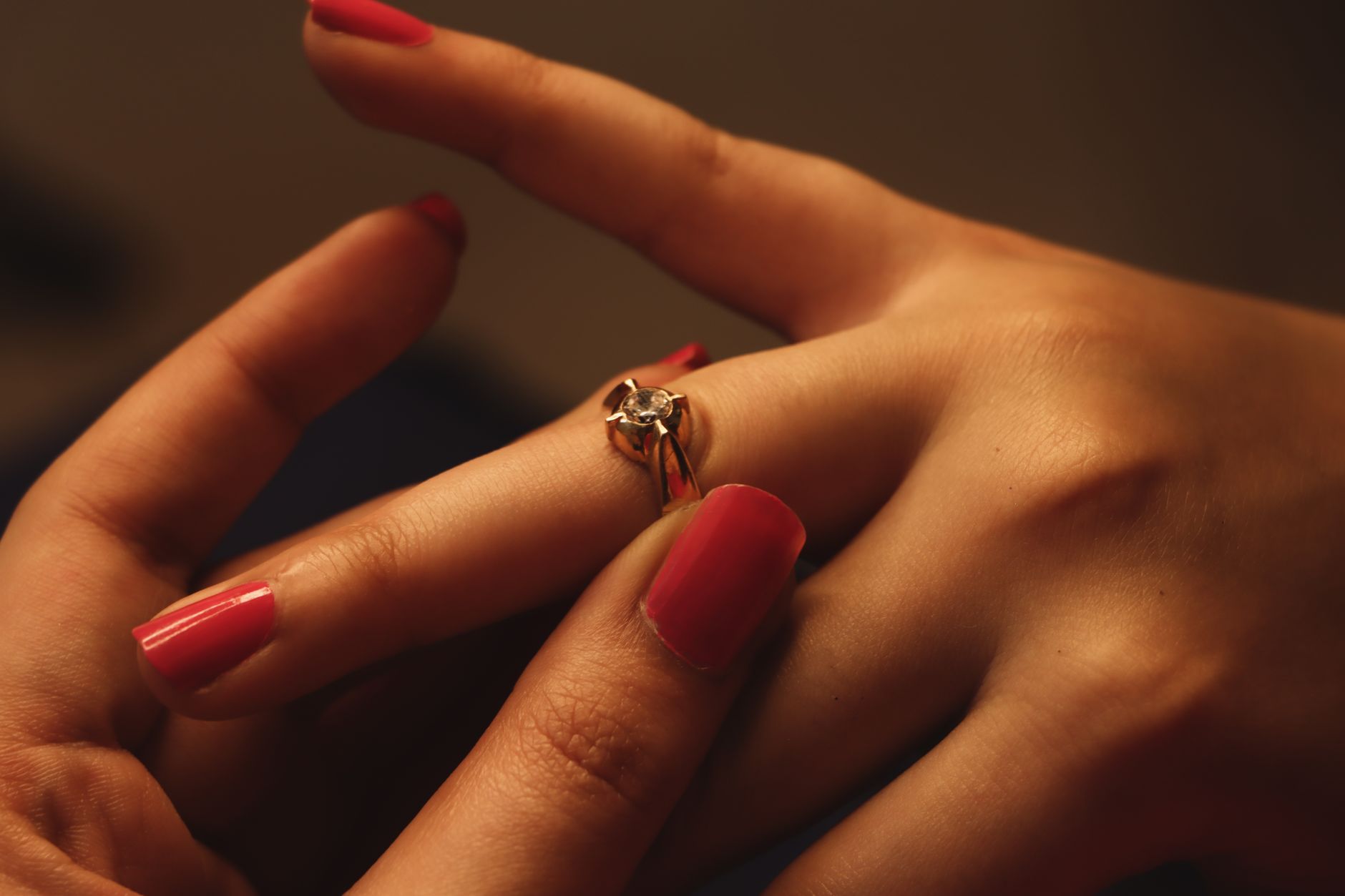
When discussing hand eczema flare under rings watches, it’s essential to consider the roles of moisture and sweat. These elements can significantly exacerbate eczema symptoms, making it crucial to understand their impact and how to manage them effectively.
Effects of Sweat
Sweat is a natural part of the body’s cooling process, but for individuals with eczema, it can be a double-edged sword. When sweat accumulates under rings or watches, it creates a moist environment that can irritate the skin. This irritation can lead to increased inflammation and discomfort, often resulting in a flare-up of eczema symptoms.
For example, wearing a ring or watch during physical activities can cause sweat to pool around the jewelry. This trapped moisture can soften the skin, making it more susceptible to irritation and potential infection. Additionally, the combination of sweat and friction from the jewelry can worsen existing eczema, leading to redness, itching, and even painful cracks in the skin.
Moisture Retention
Moisture retention under rings and watches is another critical factor in exacerbating hand eczema. When these items are worn for extended periods, they can prevent the skin from breathing, leading to increased humidity levels beneath them. This trapped moisture can cause the skin to become macerated, or softened, which can further irritate eczema-prone skin.
Consider a scenario where you wear a watch or ring all day. The constant contact with your skin, combined with the natural oils and sweat your body produces, creates a humid micro-environment. This moisture retention can strip the skin of its natural oils, leading to dryness and increased sensitivity. As a result, the skin barrier is compromised, making it easier for irritants and allergens to penetrate and trigger an eczema flare-up.
Breathable Materials
Choosing the right materials for your jewelry and watches can make a significant difference in managing hand eczema flare under rings watches. Breathable materials allow air to circulate more freely, reducing moisture retention and sweat accumulation.
For instance, opting for watches with mesh bands instead of solid metal or leather can improve air circulation around your wrist. Similarly, selecting rings made from materials like titanium or surgical steel, which are less likely to cause allergic reactions and are more breathable, can help minimize irritation.
Incorporating these breathable materials into your daily routine can help mitigate the effects of moisture and sweat on your eczema. It’s also beneficial to periodically remove rings and watches, especially after physical activity or when you notice increased sweating, to allow your skin to breathe and dry.
Practical Steps to Manage Moisture and Sweat
To effectively manage the impact of moisture and sweat on hand eczema, consider the following practical steps:
- Regularly Clean Jewelry and Watches: Ensure that your rings and watches are clean to prevent the buildup of sweat and oils that can irritate your skin.
- Use Moisture-Wicking Fabrics: Wear moisture-wicking wristbands under your watch to help absorb sweat and keep the area dry.
- Apply Barrier Creams: Use barrier creams or ointments designed for eczema to create a protective layer on your skin, reducing the impact of moisture and sweat.
- Take Breaks from Jewelry: Give your skin regular breaks from wearing rings and watches, especially during activities that cause heavy sweating.
- Moisturize After Sweating: After physical activity, gently pat your skin dry and apply a fragrance-free moisturizer to help restore the skin barrier.
By understanding and addressing the effects of moisture and sweat, you can better manage hand eczema flare under rings watches and improve your overall skin health.
Practical Tips for Managing Flare-Ups
Managing hand eczema flare-ups under rings and watches requires a proactive approach. By incorporating specific routines and making thoughtful choices about jewelry and skincare, you can significantly reduce the frequency and severity of these flare-ups.
Moisturizing Routines
One of the most effective ways to manage hand eczema flare-ups is through consistent moisturizing. Dry skin is a common trigger for eczema, and keeping your hands well-moisturized can help prevent irritation under rings and watches.
- Choose the Right Moisturizer: Opt for a fragrance-free, hypoallergenic moisturizer. Look for products containing ceramides, which help restore the skin’s natural barrier.
- Apply Regularly: Moisturize your hands at least twice a day, and more often if you notice dryness. Pay special attention to areas under rings and watches.
- Use After Washing: Always apply moisturizer after washing your hands to lock in moisture. Use a gentle, eczema-friendly soap to avoid further irritation.
- Overnight Treatment: Consider using a thicker moisturizer or an ointment before bed to provide extra protection and hydration overnight.
Real-life example: Jane, who often experiences hand eczema flare-ups under her wedding ring, found relief by incorporating a twice-daily moisturizing routine with a ceramide-rich cream. She also started using a gentle soap and noticed a significant reduction in irritation.
Choosing the Right Jewelry
The type of jewelry you wear can have a substantial impact on hand eczema flare-ups. Selecting the right materials and styles can help minimize irritation.
- Hypoallergenic Metals: Choose jewelry made from hypoallergenic metals such as titanium, surgical steel, or sterling silver. These materials are less likely to cause allergic reactions.
- Avoid Nickel: Nickel is a common allergen that can exacerbate eczema. Look for jewelry labeled as “nickel-free.”
- Comfortable Fit: Ensure your rings and watches fit comfortably without being too tight. Tight jewelry can cause additional friction and irritation.
- Minimalist Designs: Opt for simple, smooth designs that are less likely to catch on fabrics or cause irritation.
Decision point: If you suspect a metal allergy is contributing to your hand eczema flare-ups, consider getting an allergy test. This can help you identify specific metals to avoid.
Proper Skincare Habits
In addition to moisturizing and choosing the right jewelry, adopting proper skincare habits can help manage hand eczema flare-ups under rings and watches.
- Avoid Harsh Chemicals: Limit exposure to harsh chemicals and detergents, which can strip the skin of its natural oils and exacerbate eczema.
- Protect Your Hands: Wear gloves when doing household chores or working with irritants. Cotton gloves under rubber or latex gloves can provide an extra layer of protection.
- Regular Hand Hygiene: Keep your hands clean to prevent infections, but avoid over-washing, which can dry out the skin. Use lukewarm water and a gentle soap.
- Avoid Scratching: Try to resist the urge to scratch, as this can worsen eczema and lead to broken skin. Keep your nails trimmed to minimize damage if you do scratch.
Real-life example: Tom, who works as a mechanic, started wearing cotton gloves under his work gloves to protect his hands from harsh chemicals. He also began using a gentle soap and moisturizer, which helped reduce his hand eczema flare-ups under his watch.
By integrating these practical tips into your daily routine, you can better manage hand eczema flare-ups under rings and watches. Consistency is key, so make these habits a regular part of your eczema care regimen.
Alternative Jewelry Options
When dealing with hand eczema flare under rings watches, considering alternative jewelry options can be a practical and effective way to reduce irritation and flare-ups. This section explores various hypoallergenic and eczema-friendly jewelry choices that can help manage symptoms while still allowing you to express your personal style.
Hypoallergenic Metals
One of the first steps in finding suitable jewelry is to look for hypoallergenic metals. These metals are less likely to cause allergic reactions or exacerbate eczema symptoms.
- Stainless Steel: Often considered a safe option, stainless steel is durable and resistant to corrosion. Look for surgical-grade stainless steel, which is even more resistant to tarnish and less likely to cause reactions.
- Titanium: Titanium is another excellent choice. It is lightweight, strong, and highly resistant to corrosion. Titanium jewelry is often recommended for people with metal sensitivities.
- Gold: While traditional gold can sometimes cause reactions, 18-karat or 24-karat gold is generally safer. Ensure the gold is solid rather than plated to avoid exposure to underlying metals.
Silicone Bands
Silicone bands offer a comfortable and hypoallergenic alternative to traditional metal jewelry. They are made from medical-grade silicone, which is gentle on the skin and less likely to cause irritation.
- Versatility: Silicone bands come in various colors and styles, making them a versatile option for watches and rings. They can be worn alone or stacked for a unique look.
- Comfort: These bands are flexible and lightweight, providing a comfortable fit that doesn’t put pressure on the skin. This can be particularly beneficial for those with sensitive skin.
- Easy Care: Silicone bands are easy to clean and maintain. Simply wipe them down with a damp cloth to keep them looking new.
Jewelry Care Tips
Proper care of your jewelry can also help prevent hand eczema flare under rings watches. Here are some tips to keep your jewelry in top condition and reduce the risk of irritation:
- Regular Cleaning: Clean your jewelry regularly to remove dirt, oils, and sweat that can accumulate on the surface. Use a mild soap and warm water, and gently scrub with a soft brush.
- Avoid Harsh Chemicals: When cleaning jewelry, avoid using harsh chemicals or abrasive cleaners that can damage the metal or coating.
- Store Properly: Store your jewelry in a dry, cool place to prevent tarnish and corrosion. Use individual pouches or compartments to keep pieces from scratching each other.
- Check for Damage: Regularly inspect your jewelry for signs of wear or damage. Small cracks or chips can expose underlying metals that may cause reactions.
By choosing hypoallergenic metals and silicone bands, and following proper jewelry care tips, you can enjoy wearing jewelry without worrying about hand eczema flare under rings watches. These alternatives not only provide comfort but also allow you to maintain your personal style with confidence.
Real-Life Examples and Decision Points
Consider the story of Jane, who struggled with hand eczema flare under rings watches for years. After switching to titanium rings and silicone watch bands, she noticed a significant reduction in her symptoms. Jane also adopted a regular jewelry cleaning routine, which further helped in managing her eczema.
When deciding on alternative jewelry, think about your daily activities and how different materials might interact with your skin. If you engage in sports or manual labor, silicone bands might offer the durability and comfort you need. For formal occasions, hypoallergenic metals like titanium or gold can provide a elegant and safe option.
Ultimately, the key is to experiment with different materials and styles to find what works best for you. Pay attention to how your skin reacts and make adjustments as needed. With the right jewelry, you can minimize flare-ups and enjoy wearing accessories without compromising your skin’s health.
Watch Care and Maintenance
Maintaining your watch properly can help reduce the likelihood of hand eczema flare under rings watches. By taking a few simple steps, you can ensure that your watch remains clean and less likely to irritate sensitive skin. This section covers essential watch care tips, including material considerations, cleaning routines, and watch strap options.
Watch Material Considerations
The materials used in your watch can significantly impact your skin. Some metals and materials are more likely to cause irritation or allergic reactions. Here are some materials to consider:
- Stainless Steel: Generally hypoallergenic, but some people may still experience irritation.
- Titanium: Known for its durability and hypoallergenic properties, making it a good choice for sensitive skin.
- Ceramic: Non-metallic and highly resistant to scratches and corrosion, ideal for those with metal allergies.
- Leather: Can cause irritation for some individuals, especially if the leather is treated with chemicals.
- Silicone: A flexible and comfortable option that is usually hypoallergenic.
When choosing a watch, opt for materials that are less likely to trigger your eczema. If you’re unsure, consult with a dermatologist to identify any specific allergies you may have.
Cleaning Routines
Regular cleaning of your watch can prevent the buildup of sweat, oils, and bacteria that may exacerbate eczema symptoms. Here’s a simple routine to keep your watch clean:
- Weekly Wipe Down: Use a soft, lint-free cloth to wipe down the watch face and band. This removes sweat and oils that can irritate your skin.
- Monthly Deep Clean: For a deeper clean, mix a small amount of mild soap with warm water. Dip a soft cloth in the solution and gently wipe the watch. Rinse with clean water and dry thoroughly.
- Avoid Harsh Chemicals: Steer clear of abrasive cleaners or chemicals that could damage the watch or leave residue that irritates your skin.
Consistency in cleaning your watch can make a significant difference in reducing eczema flare-ups. Make it a part of your regular skincare routine.
Watch Strap Options
The type of strap your watch has can also influence how it affects your skin. Here are some strap options to consider:
- Metal Bracelets: While stylish, metal bracelets can be problematic for those with metal allergies. If you choose this option, ensure the metal is hypoallergenic.
- Leather Straps: Comfortable but can cause irritation if the leather is of poor quality or treated with chemicals. Look for high-quality, untreated leather if you opt for this material.
- Silicone Straps: A popular choice for those with sensitive skin. Silicone is flexible, durable, and usually hypoallergenic.
- Nylon or Fabric Straps: These can be breathable and comfortable, reducing the likelihood of irritation. Ensure they are easy to clean and dry quickly.
Experiment with different strap materials to find what works best for your skin. If you notice any irritation, switch to a different material immediately.
By paying attention to watch material considerations, establishing a regular cleaning routine, and choosing the right strap, you can minimize the risk of hand eczema flare under rings watches. These simple steps can make a significant difference in managing your eczema symptoms and ensuring your watch remains a comfortable accessory.
Lifestyle Adjustments
Managing hand eczema flare-ups caused by rings and watches requires thoughtful lifestyle adjustments. By making small changes to your daily routines, modifying certain activities, and being mindful of environmental factors, you can significantly reduce the frequency and severity of flare-ups. Here are practical steps you can take:
Daily Routines
Your daily routines play a crucial role in managing hand eczema flare-ups under rings and watches. Consider the following adjustments:
- Morning and Nighttime Rituals: Establish a consistent skincare routine. Cleanse your hands gently with a mild, fragrance-free soap and lukewarm water. Pat your hands dry with a soft towel and apply a thick moisturizer immediately afterward to lock in moisture.
- Frequent Moisturizing: Moisturize your hands several times a day, especially before and after wearing rings or watches. Opt for ointments or creams that contain ceramides, which help restore the skin’s natural barrier.
- Avoiding Harsh Chemicals: Be cautious with household cleaners, detergents, and hand sanitizers. Wear gloves when handling these substances to protect your skin from irritation.
Activity Modifications
Certain activities can exacerbate hand eczema, particularly when wearing rings or watches. Here’s how you can modify your activities to minimize flare-ups:
- Choosing the Right Gloves: When performing tasks that involve water or chemicals, wear gloves made from materials like cotton or vinyl. Avoid latex gloves if you have a latex allergy.
- Limiting Water Exposure: Reduce the time your hands are submerged in water. Use a sponge or cloth to handle dishes and other water-intensive tasks.
- Taking Breaks: If your job or hobbies require prolonged use of your hands, take regular breaks to rest and moisturize your skin. This can help prevent irritation from continuous wear of rings or watches.
Environmental Factors
The environment around you can significantly impact your hand eczema. Pay attention to these environmental factors:
- Humidity Levels: Low humidity can dry out your skin, making it more prone to eczema flare-ups. Use a humidifier in your home, especially during the winter months, to maintain optimal humidity levels.
- Temperature: Extreme temperatures can irritate eczema-prone skin. In cold weather, wear gloves to protect your hands, and in hot weather, avoid excessive sweating by staying in air-conditioned environments when possible.
- Allergens and Irritants: Identify and minimize exposure to common allergens and irritants in your environment. This may include certain metals in jewelry, specific fabrics, or household products.
By incorporating these lifestyle adjustments into your daily routine, you can create a more eczema-friendly environment for your hands. Remember, consistency is key. Small, sustained changes can lead to significant improvements in managing hand eczema flare-ups under rings and watches.
For example, imagine you’re an avid gardener. To protect your hands, you might wear cotton gloves under heavier gardening gloves to reduce direct contact with soil and plants. After gardening, you’d cleanse your hands gently, pat them dry, and apply a rich moisturizer. Over time, these adjustments can help prevent hand eczema flare-ups triggered by your favorite hobby.
Similarly, if you work in a kitchen, wearing vinyl gloves while washing dishes and taking short breaks to moisturize your hands can make a noticeable difference. These practical steps, tailored to your specific activities and environment, can help you manage hand eczema more effectively.
When to Seek Professional Help
While many cases of hand eczema can be managed with self-care strategies, there are times when professional help is necessary. Persistent hand eczema flare under rings watches can significantly impact your daily life, and knowing when to consult a dermatologist is crucial for effective management.
Signs of Severe Eczema
If you experience any of the following symptoms, it may be time to seek professional help:
- Intense Itching: Unrelenting itching that disrupts sleep and daily activities.
- Cracked or Bleeding Skin: Severe dryness leading to cracked skin that may bleed.
- Infection: Signs of infection such as increased redness, warmth, pus, or worsening pain.
- Spreading Rash: The rash is spreading to other areas beyond where the ring or watch contacts the skin.
- No Improvement: No noticeable improvement after several weeks of consistent self-care.
When to See a Doctor
It’s important to consult a dermatologist if:
- Over-the-counter treatments and home remedies are not providing relief.
- The eczema is causing significant discomfort or pain.
- There are signs of infection, such as increased redness, swelling, or pus.
- The condition is affecting your quality of life, making it difficult to perform daily tasks or causing emotional distress.
A dermatologist can offer a more detailed assessment and provide tailored treatment options. They can also perform patch testing to identify specific allergens, including metals commonly found in jewelry and watches.
Professional Treatment Options
A dermatologist may recommend several treatment options depending on the severity and underlying causes of your hand eczema. These can include:
- Prescription Medications: Topical corticosteroids or calcineurin inhibitors to reduce inflammation and itching.
- Antibiotics: If there is a secondary bacterial infection.
- Oral Medications: In severe cases, oral corticosteroids or other systemic treatments may be prescribed.
- Phototherapy: Light therapy to reduce inflammation and itching.
- Allergen Avoidance Strategies: Detailed guidance on avoiding specific triggers, including certain metals in jewelry.
In some cases, a dermatologist may also suggest lifestyle adjustments or refer you to an allergist for further testing.
If you’re experiencing hand eczema flare under rings watches and finding it challenging to manage, don’t hesitate to seek professional help. A dermatologist can provide the expertise needed to develop an effective treatment plan and help you find relief.
Remember, while self-care strategies are valuable, professional guidance is essential for severe or persistent cases. Taking the step to consult a dermatologist can lead to better management of your symptoms and improved quality of life.
Tracking and Monitoring Flare-Ups
Managing hand eczema flare-ups, especially those triggered by rings or watches, can be challenging. One of the most effective ways to gain control over your symptoms is by tracking and monitoring your flare-ups. This practice helps you identify patterns, triggers, and the effectiveness of your management strategies. Let’s delve into how you can start tracking your hand eczema flare-ups and make informed adjustments to your care routine.
Start a Flare-Up Journal
A flare-up journal is a simple yet powerful tool for managing hand eczema. By keeping a detailed record of your symptoms, you can begin to see patterns and correlations that might not be immediately obvious. Here’s how to get started:
- Daily Entries: Record the date, time, and severity of your symptoms each day. Note whether you were wearing rings, watches, or other jewelry when the flare-up occurred.
- Triggers: Make a note of any potential triggers you encountered, such as exposure to certain metals, increased moisture, or specific activities.
- Treatments Used: Document the treatments you applied, including moisturizers, medications, and any home remedies. Note the time of application and any changes in symptoms afterward.
- Environmental Factors: Record environmental conditions such as temperature, humidity, and any recent changes in your routine or environment.
Identifying Patterns
Once you have a few weeks’ worth of entries in your flare-up journal, start looking for patterns. Ask yourself the following questions:
- Are flare-ups more frequent on certain days? This could indicate a weekly routine or habit that triggers your eczema.
- Do symptoms worsen after wearing specific jewelry? If you notice that flare-ups often follow wearing a particular ring or watch, metal allergies might be a factor.
- Is there a correlation with certain activities? Activities that involve increased hand use or exposure to water might exacerbate symptoms.
- How do different treatments affect your symptoms? Some treatments might provide relief, while others might have little to no effect.
By identifying these patterns, you can make more informed decisions about how to manage your hand eczema flare-ups, especially those related to wearing rings or watches.
Adjusting Strategies
Based on the insights gained from your flare-up journal, you can adjust your eczema management strategies. Here are some practical steps you can take:
- Avoid Known Triggers: If certain metals or activities consistently trigger flare-ups, try to minimize exposure to these triggers. For example, switch to hypoallergenic jewelry or wear gloves during activities that aggravate your symptoms.
- Optimize Your Skincare Routine: Use moisturizers and treatments that have proven effective in your journal. Apply them consistently and as directed.
- Modify Jewelry Habits: Consider removing rings and watches during activities that cause sweating or increased hand use. Opt for alternative jewelry options that are less likely to cause irritation.
- Regularly Clean Jewelry: Keep your rings and watches clean to reduce the risk of irritation. Use a soft cloth to wipe away sweat and dirt regularly.
- Consult a Professional: If flare-ups persist despite your efforts, seek advice from a dermatologist. They can provide additional treatments and guidance tailored to your specific needs.
Tracking and monitoring your hand eczema flare-ups is an ongoing process. Regularly review your journal and make adjustments as needed. Over time, you’ll likely find more effective ways to manage your symptoms and reduce the impact of hand eczema flare-ups caused by rings or watches.
Remember, everyone’s eczema is unique, and what works for one person might not work for another. Patience and persistence are key. By staying vigilant and proactive, you can better manage your hand eczema and improve your overall quality of life.
Frequently asked questions
Can all metals cause eczema flare-ups?
Not all metals cause hand eczema flare-ups. Common allergens include nickel, cobalt, and chromium. These metals can be found in various jewelry and watches. When these metals come into contact with the skin, they can trigger an allergic reaction, leading to eczema flare-ups. It’s important to identify which metals you may be allergic to if you experience hand eczema flare under rings watches.
How can I tell if my eczema is caused by my jewelry?
To determine if your jewelry is causing your hand eczema flare-ups, start by noting any patterns. If you notice that your eczema worsens when wearing certain pieces, it could be a trigger. Try removing the jewelry for a few days to see if your symptoms improve. If they do, it’s likely that the jewelry is a contributing factor. Patch testing can also help identify specific allergens.
Are there any safe metals for people with eczema?
Yes, there are hypoallergenic metals that are safer for people with eczema. Titanium, surgical-grade stainless steel, and sterling silver are less likely to cause allergic reactions. These metals are often recommended for individuals who experience hand eczema flare under rings watches. Opting for jewelry made from these materials can help reduce the risk of flare-ups.
What should I do if my eczema worsens under my watch?
If your eczema worsens under your watch, the first step is to remove the watch and clean the affected area with a gentle, fragrance-free cleanser. Apply a soothing moisturizer to help calm the skin. If the irritation persists, consider switching to a watch with a hypoallergenic metal band or a fabric strap. Consulting a healthcare professional for further advice may also be beneficial.
Can changing my watch strap help with eczema?
Changing your watch strap can indeed help manage eczema. Leather, fabric, and silicone straps are generally less irritating than metal bands. These materials allow better air circulation and reduce the likelihood of allergic reactions. If you experience hand eczema flare under rings watches, trying a different strap material might provide relief and prevent further irritation.
Is it necessary to remove all jewelry to manage eczema?
It’s not always necessary to remove all jewelry to manage eczema, but it depends on your specific triggers. If certain metals cause your eczema to flare, avoiding those metals is crucial. However, you can still wear hypoallergenic jewelry without experiencing symptoms. Identifying which materials affect you and making informed choices about your jewelry can help manage your condition effectively.
Use MyEczema.app to track your eczema patterns and daily triggers.
This article is for educational purposes only and is not medical advice. If symptoms are severe, spreading, painful, infected-looking, or affecting sleep and daily life, speak with a qualified healthcare professional.
Sources and further reading
For medical guidance, always rely on a qualified healthcare professional. These educational resources may help readers learn more:
Image credit: Photo by Ron Lach on Pexels. Used under the Pexels License.
Image credit: Photo by Bonaventure Fernandez on Pexels. Used under the Pexels License.
Image credit: Photo by Zeal Creative Studios on Pexels. Used under the Pexels License.