
MyEczema.app guide
Can Dish Soap Trigger Eczema on Hands? Detailed Guide
dish soap trigger eczema on hands: practical tips for tracking triggers, building routines, and supporting eczema-prone skin.
Table of contents
Use this guide as a practical reference and jump to the sections most relevant to you.
- Quick answer
- Key takeaways
- Practical comparison table
- Visual chart
- Related MyEczema.app tool
- Understanding Eczema and Its Triggers
- What’s Inside Your Dish Soap?
- How Dish Soap Can Affect Eczema-Prone Skin
- Identifying Dish Soap as a Trigger for Your Eczema
- Alternative Cleaning Products for Eczema-Prone Hands
- Creating a Hand Care Routine to Manage Eczema
- Best Moisturizers for Eczema-Prone Hands
- Lifestyle Adjustments to Reduce Eczema Flare-Ups
- When to Seek Professional Help for Eczema
- Case Studies and Success Stories
- Frequently asked questions
- Sources and further reading
If you have eczema, you’re likely familiar with the unpredictable nature of flare-ups. One common trigger that often goes unnoticed is dish soap. Many people wonder whether dish soap can trigger eczema on hands, and the answer is not straightforward. This article will dive deep into the relationship between dish soap and hand eczema, offering practical tips and insights to help you manage your symptoms better.
Eczema, also known as atopic dermatitis, is a chronic skin condition characterized by itchy, inflamed skin. The skin barrier of individuals with eczema is often compromised, making it more susceptible to irritants and allergens. When it comes to hand eczema, everyday activities like washing dishes can pose a significant risk. The ingredients in dish soap, such as fragrances, dyes, and preservatives, can disrupt the skin barrier and lead to irritation.
Understanding the specific components of dish soap that may trigger eczema is crucial. By making informed choices about the products you use, you can reduce the likelihood of flare-ups. This article will explore the various factors that contribute to dish soap triggering eczema on hands and provide actionable advice to help you navigate this challenge.
Whether you’re a seasoned eczema warrior or newly diagnosed, this guide aims to equip you with the knowledge you need to keep your hands healthy and comfortable. Let’s get started!
Quick answer
Dish soap can potentially trigger eczema on hands due to its ingredients. Using gentle, fragrance-free soaps can help reduce the risk.
Key takeaways
- Dish soap can exacerbate hand eczema due to its chemical composition.
- Choosing fragrance-free and hypoallergenic soaps can help prevent flare-ups.
- Maintaining proper hand hygiene and moisturizing regularly are crucial for managing eczema.
- Identifying specific irritants in dish soap can help in avoiding triggers.
- Consulting a dermatologist for personalized advice is recommended for severe cases.
Comparing Dish Soaps for Eczema-Prone Skin
| Situation | What it may mean | Practical next step |
|---|---|---|
| Using regular dish soap | Increased risk of eczema flare-ups due to harsh chemicals. | Switch to a gentle, fragrance-free dish soap. |
| Experiencing skin irritation after washing dishes | Possible allergic reaction to dish soap ingredients. | Try a hypoallergenic dish soap and monitor symptoms. |
| No reaction to dish soap | Dish soap may not be a trigger for your eczema. | Continue using current dish soap but remain vigilant for any changes. |
| Severe eczema flare-up after using dish soap | Dish soap is likely a significant trigger. | Avoid dish soap and consult a dermatologist for further advice. |
| Using natural dish soap | Reduced risk of eczema flare-ups due to milder ingredients. | Continue using natural dish soap and maintain good hand care routine. |
Effectiveness of Different Dish Soaps for Eczema-Prone Skin
This visual is an educational guide, not a diagnostic score. Use it to decide what may be worth tracking more consistently for this specific topic.
High risk of triggering eczema due to harsh chemicals.
Moderate risk, better for sensitive skin but still contains some irritants.
Low risk, designed for sensitive skin with fewer allergens.
Very low risk, made with gentle, plant-based ingredients.
No risk, eliminates all potential triggers from dish soap.
Related MyEczema.app tool
Use the Eczema Skincare Routine Planner
The Eczema Skincare Routine Planner helps users organize morning, daytime, and evening routine steps for eczema-prone skin.
For this topic, this tool can help you organize information in a more structured way and turn daily observations into clearer patterns to review over time.
Understanding Eczema and Its Triggers
Eczema, also known as atopic dermatitis, is a common skin condition that causes red, itchy, and often broken skin. It can appear on any part of the body, but it is particularly bothersome when it affects the hands. The skin on our hands is frequently exposed to various substances, including dish soap, which can potentially trigger eczema on hands.
To effectively manage eczema, it’s crucial to understand what it is and what can trigger flare-ups. This understanding can help you take proactive steps to minimize exposure to these triggers and maintain healthier skin.
Definition of Eczema
Eczema is a chronic inflammatory skin condition. The exact cause is not fully understood, but it is believed to be a combination of genetic and environmental factors. People with eczema have a compromised skin barrier, which makes their skin more sensitive and prone to irritation.
The symptoms of eczema can vary but often include:
- Itchy, red skin
- Dry, cracked, or scaly skin
- Blisters that may ooze or crust over when scratched
- Thickened skin
- Darkening of the skin around the eyes
Common Triggers
Eczema flare-ups can be triggered by a variety of factors. Some of the most common triggers include:
- Allergens: Substances like pollen, pet dander, and certain foods.
- Irritants: Harsh chemicals found in soaps, detergents, and cleaning products.
- Environmental Factors: Cold weather, low humidity, and sweat.
- Stress: Emotional stress can exacerbate symptoms.
- Infections: Bacterial, viral, or fungal infections can trigger flare-ups.
When it comes to the hands, one of the most common irritants is dish soap. Frequent hand washing with harsh soaps can strip the skin of its natural oils, leading to dryness and irritation. This can trigger eczema on hands, making symptoms worse.
Importance of Identifying Triggers
Identifying and avoiding triggers is a crucial part of managing eczema. By recognizing what causes your flare-ups, you can take steps to minimize exposure and keep your skin in better condition. For example, if you notice that your eczema worsens after washing dishes, it may be worth considering whether the dish soap is a trigger.
Here are some practical steps you can take to identify and manage triggers:
- Keep a Diary: Record when your eczema flares up and what you were doing or exposed to at that time. This can help you identify patterns and potential triggers.
- Patch Testing: Consult a dermatologist for patch testing to identify specific allergens or irritants that may be causing your eczema.
- Switch Products: Try using milder, fragrance-free soaps and detergents to see if your symptoms improve.
- Moisturize Regularly: Keeping your skin well-moisturized can help strengthen the skin barrier and reduce the likelihood of irritation.
For those who experience eczema triggered by dish soap, it may be helpful to use gloves while washing dishes or to choose a milder, eczema-friendly dish soap. Additionally, rinsing your hands thoroughly and applying a rich moisturizer afterward can help mitigate the drying effects of soap.
Understanding your eczema and its triggers is the first step toward better management. By being mindful of the products you use and the environments you expose your skin to, you can reduce the frequency and severity of flare-ups, leading to more comfortable and healthier skin.
What’s Inside Your Dish Soap?
Understanding the ingredients in dish soap can help you identify whether it might trigger eczema on your hands. Let’s break down the common components and how they might affect your skin.
Common Ingredients in Dish Soap
Dish soaps typically contain a mix of several ingredients designed to cut through grease and clean dishes effectively. Here are some of the most common components:
- Surfactants: These are the primary cleaning agents. They lower the surface tension of water, allowing it to spread out and penetrate grease more effectively. Common surfactants include sodium lauryl sulfate (SLS) and sodium laureth sulfate (SLES).
- Foaming Agents: These create the bubbles you see when you use dish soap. They help trap dirt and grease, making it easier to rinse away.
- Preservatives: These are added to prevent the growth of bacteria and mold in the soap.
- Fragrances: Many dish soaps contain added fragrances to make them smell pleasant.
- Colorants: These are added to give the soap a specific color, making it more appealing.
- Moisturizers: Some dish soaps include moisturizers to help protect your skin while you wash dishes.
Potential Irritants
While dish soap is designed to clean dishes, some of its ingredients can be harsh on the skin, especially for those with eczema. Here are the potential irritants you should be aware of:
- Surfactants: While effective at cleaning, surfactants like SLS and SLES can strip the skin of its natural oils, leading to dryness and irritation. This can exacerbate eczema symptoms.
- Fragrances: Synthetic fragrances are common allergens and can trigger eczema flare-ups. Even natural fragrances can cause irritation in sensitive individuals.
- Preservatives: Some preservatives, such as parabens and formaldehyde releasers, can cause allergic reactions and irritate the skin.
- Dyes: Artificial colorants can also be irritants or allergens, potentially worsening eczema symptoms.
How These Ingredients Affect Skin
The skin on your hands is particularly vulnerable when exposed to dish soap, especially if you have eczema. Here’s how these ingredients can affect your skin:
1. Stripping Natural Oils: Surfactants are excellent at removing grease and dirt, but they can also strip away the natural oils that protect your skin. This leaves your skin dry and more susceptible to irritation and eczema flare-ups.
2. Damaging the Skin Barrier: The skin barrier is your body’s first line of defense against external irritants. When this barrier is compromised, it becomes easier for allergens and irritants to penetrate the skin, triggering eczema symptoms.
3. Causing Allergic Reactions: Fragrances and certain preservatives can cause allergic reactions in some people. These reactions can manifest as redness, itching, and inflammation, worsening eczema.
4. Leading to Dryness and Cracking: Without adequate moisture, the skin can become dry, cracked, and more prone to infections. This is particularly problematic for individuals with eczema, as cracked skin can allow bacteria to enter and cause infections.
To mitigate these effects, consider the following practical steps:
- Choose a Gentle Dish Soap: Look for dish soaps labeled as “hypoallergenic” or “for sensitive skin.” These formulations are less likely to contain harsh surfactants, fragrances, and dyes.
- Wear Protective Gloves: Using gloves while washing dishes can create a barrier between your skin and the soap, reducing direct contact and irritation.
- Moisturize Regularly: After washing dishes, apply a thick moisturizer to help restore your skin’s natural oils and strengthen the skin barrier. Look for moisturizers specifically designed for eczema, which often contain ingredients like ceramides and hyaluronic acid.
- Avoid Hot Water: Hot water can further strip your skin of its natural oils. Use lukewarm water instead to minimize dryness and irritation.
By understanding what’s inside your dish soap and how it can affect your skin, you can make more informed choices to protect your hands and manage eczema more effectively. Always pay attention to how your skin reacts to different products and make adjustments as needed.
How Dish Soap Can Affect Eczema-Prone Skin
When it comes to managing eczema, understanding the impact of everyday products is crucial. One common household item that can influence eczema-prone skin is dish soap. This section will explore how dish soap can affect eczema-prone skin, focusing on the skin barrier function, the impact of dish soap on the skin, and what scientific studies say about the relationship between dish soap and eczema.
Skin Barrier Function
The skin barrier serves as your body’s first line of defense against external irritants and pathogens. For individuals with eczema, this barrier is often compromised, making the skin more susceptible to irritation and inflammation. The skin barrier is composed of lipids, proteins, and natural moisturizing factors that help retain moisture and protect against environmental aggressors.
When the skin barrier is weakened, it becomes easier for irritants to penetrate the skin, leading to flare-ups. This is particularly relevant when considering the effects of dish soap on eczema-prone hands.
Impact of Dish Soap on Skin
Dish soap is formulated to cut through grease and remove stubborn residues from dishes. However, the same properties that make it effective at cleaning can be harsh on the skin. Here’s how dish soap can affect eczema-prone skin:
- Drying Effect: Dish soaps often contain detergents that can strip the skin of its natural oils. This drying effect can exacerbate eczema symptoms, leading to increased itching, redness, and flakiness.
- Chemical Irritants: Many dish soaps contain fragrances, dyes, and preservatives that can act as irritants or allergens. For someone with eczema, these additives can trigger inflammation and worsen symptoms.
- pH Imbalance: The skin has a slightly acidic pH that helps maintain its barrier function. Dish soaps, especially those with a high pH, can disrupt this balance, further compromising the skin’s protective layer.
Real-life example: Imagine you’re washing dishes without gloves. Your hands are repeatedly exposed to the dish soap, which strips away natural oils. Over time, your skin becomes dry and irritated, leading to an eczema flare-up. This scenario underscores the importance of protecting your hands when using dish soap.
Scientific Studies on Dish Soap and Eczema
While there is a wealth of anecdotal evidence suggesting that dish soap can trigger eczema, scientific studies provide valuable insights into this relationship. Research has shown that frequent hand washing with soap, including dish soap, can lead to skin barrier disruption.
A study published in the Journal of the American Academy of Dermatology highlighted that regular exposure to detergents, including dish soap, can increase the risk of developing hand eczema. The study emphasized the importance of using mild, fragrance-free soaps and applying moisturizers to mitigate these effects.
Another research article in the Contact Dermatitis journal found that individuals with a history of eczema are more likely to experience adverse reactions to common household detergents, including dish soap. The study recommended the use of protective gloves and frequent moisturization to prevent flare-ups.
Practical Steps to Minimize Dish Soap’s Impact on Eczema
If you have eczema and find that dish soap triggers your symptoms, there are several practical steps you can take to minimize its impact:
- Wear Gloves: Use cotton gloves under rubber or nitrile gloves to protect your hands while washing dishes. This reduces direct contact with the dish soap.
- Choose Gentle Soaps: Opt for mild, fragrance-free dish soaps that are less likely to irritate your skin. Look for products specifically designed for sensitive skin.
- Moisturize Frequently: Apply a thick moisturizer to your hands before and after washing dishes. Look for moisturizers containing ceramides, which help restore the skin barrier.
- Limit Exposure: Try to limit the time you spend washing dishes. If possible, use a dishwasher to reduce hand exposure to dish soap.
Decision point: If you notice that your eczema worsens after washing dishes, consider switching to a gentler dish soap or increasing your use of protective gloves. Keeping a journal of your symptoms can help you identify patterns and make informed decisions about your hand care routine.
In summary, dish soap can indeed trigger eczema on hands due to its drying effects, chemical irritants, and potential to disrupt the skin’s pH balance. By understanding these impacts and taking proactive steps, you can better manage your eczema and maintain healthier skin.

Identifying Dish Soap as a Trigger for Your Eczema
If you’ve noticed that your eczema flares up after washing dishes, dish soap could be a trigger. Identifying whether dish soap is causing your eczema symptoms can help you take steps to manage and prevent flare-ups. This section will guide you through the process of determining if dish soap is a trigger for your eczema.
Symptoms to Watch For
When trying to identify if dish soap is triggering your eczema, it’s important to pay attention to specific symptoms that appear after exposure. Common symptoms include:
- Redness: Your skin may become red and inflamed after contact with dish soap.
- Itching: You might experience intense itching, which can lead to scratching and further irritation.
- Dryness: Dish soap can strip your skin of its natural oils, leading to dryness and flakiness.
- Rash: Small, raised bumps or a rash may appear on your hands.
- Blisters: In severe cases, blisters may form, which can break and ooze.
These symptoms typically appear within a few hours of exposure to dish soap. If you notice these signs regularly after washing dishes, dish soap may be a trigger for your eczema.
Keeping an Eczema Diary
One effective way to identify if dish soap is triggering your eczema is by keeping an eczema diary. This diary should track your daily activities, especially those involving hand washing, and note any symptoms you experience.
Here’s how to keep an effective eczema diary:
- Record Daily Activities: Note down every time you wash dishes, including the type of dish soap used.
- Note Symptoms: Write down any symptoms you experience after washing dishes, such as redness, itching, or dryness.
- Track Timing: Record the time between washing dishes and the onset of symptoms.
- Identify Patterns: Look for patterns or trends in your diary. For example, do symptoms always appear after using a specific brand of dish soap?
By maintaining an eczema diary, you can gather valuable information that will help you and your healthcare provider identify potential triggers, including dish soap.
Patch Testing for Allergens
Patch testing is a method used to identify specific allergens that may be triggering your eczema. While it’s typically performed by a dermatologist, understanding the process can help you discuss it with your healthcare provider.
Here’s an overview of how patch testing works:
- Preparation: Small amounts of potential allergens, including different types of dish soap, are applied to patches.
- Application: The patches are then placed on your skin, usually on your back, and left for 48 hours.
- Observation: After 48 hours, the patches are removed, and your skin is examined for any reactions.
- Follow-Up: A second examination is usually conducted after another 48 hours to check for delayed reactions.
If you react to a specific dish soap during patch testing, it’s a strong indication that it’s a trigger for your eczema. Your dermatologist can then advise you on the best course of action, which may include avoiding that specific dish soap or using protective measures while washing dishes.
It’s important to remember that while patch testing can provide valuable insights, it should be conducted under the supervision of a healthcare professional to ensure safety and accuracy.
Identifying dish soap as a trigger for your eczema involves observing symptoms, keeping a detailed diary, and possibly undergoing patch testing. By taking these steps, you can better understand your triggers and take proactive measures to manage your eczema effectively.
Alternative Cleaning Products for Eczema-Prone Hands
For those who experience dish soap trigger eczema on hands, finding the right cleaning products can make a significant difference. Traditional dish soaps often contain harsh chemicals and fragrances that can irritate the skin. Fortunately, there are several alternatives that are gentler and more suitable for eczema-prone hands.
Gentle, Fragrance-Free Soaps
One of the best ways to avoid exacerbating eczema is to switch to gentle, fragrance-free soaps. These soaps are formulated to be mild on the skin and free from potential irritants.
- Avoid harsh detergents: Look for soaps that are specifically labeled as “gentle” or “sensitive skin.”
- Check for fragrance-free options: Fragrances can be a common trigger for eczema flare-ups.
- Moisturizing ingredients: Some soaps include moisturizing ingredients like glycerin or ceramides to help maintain the skin barrier.
Examples of gentle, fragrance-free soaps include brands like Cetaphil, Dove Sensitive Skin, and Aveeno. These products are widely available and often recommended by dermatologists for those with eczema.
Natural Cleaning Solutions
Natural cleaning solutions can be an excellent alternative for those concerned about the ingredients in commercial dish soaps. These solutions often use simple, non-irritating ingredients that are less likely to trigger eczema.
- Baking soda and vinegar: A mixture of baking soda and vinegar can effectively clean dishes without harsh chemicals.
- Lemon juice: Lemon juice has natural cleaning properties and can be used to scrub dishes.
- Castile soap: This plant-based soap is gentle and often free from synthetic additives.
To create a natural dish cleaning solution, mix one part vinegar with two parts water in a spray bottle. Add a few drops of essential oil like lavender for a pleasant scent, if desired. This mixture can be used to spray and wipe down dishes and kitchen surfaces.
Products Recommended by Dermatologists
Dermatologists often recommend specific products that are safe for eczema-prone skin. These recommendations are based on clinical testing and patient feedback.
- Free and Clear: This brand offers a variety of gentle, hypoallergenic cleaning products, including dish soap.
- Corsodyl Antibacterial Handwash: While primarily a handwash, its gentle formula can also be used for light dish cleaning.
- Epionce Therapeutics: Known for its skincare products, Epionce also offers gentle cleaning solutions suitable for sensitive skin.
When selecting a product, look for labels that indicate it is “dermatologist-tested” or “recommended by dermatologists.” These products have undergone testing to ensure they are safe for sensitive skin.
Practical Steps for Switching to Alternative Cleaning Products
Making the switch to alternative cleaning products can be straightforward with a few practical steps:
- Read labels carefully: Look for ingredients that are known to be gentle and free from potential irritants.
- Start with small quantities: If trying a new product, start with a small amount to see how your skin reacts.
- Patch test: Apply a small amount of the product to a small area of skin and wait 24 hours to check for any adverse reactions.
- Keep a routine: Consistency is key. Stick with the new product for a few weeks to gauge its effectiveness.
For example, if you decide to try a natural cleaning solution like baking soda and vinegar, start by using it for a few dishes each day. Observe how your hands react over the course of a week before fully committing to this new routine.
Real-Life Examples and Decision Points
Consider the experience of someone who has successfully switched to alternative cleaning products:
Jane, a mother of two, noticed that her eczema flared up every time she did the dishes. After researching, she decided to try a fragrance-free soap recommended by her dermatologist. She also incorporated a natural cleaning solution with baking soda and vinegar for tougher stains. Over time, Jane found that her eczema improved significantly, and she no longer experienced flare-ups while doing the dishes.
When deciding which product to try, consider the following:
- Skin sensitivity: If your skin is highly sensitive, opt for the gentlest options available.
- Cleaning needs: Assess how dirty your dishes typically get and choose a product that matches your cleaning requirements.
- Budget: Some gentle, fragrance-free soaps can be more expensive, so consider your budget when making a choice.
By carefully selecting and testing alternative cleaning products, you can find a solution that works well for your eczema-prone hands, making dishwashing a less stressful task.
Creating a Hand Care Routine to Manage Eczema
Managing eczema on your hands involves a consistent and thoughtful hand care routine. This routine should address the specific challenges posed by dish soap and other potential triggers. By following a structured approach, you can help maintain your skin’s health and reduce the likelihood of flare-ups.
Steps for Gentle Hand Washing
Proper hand washing is crucial, especially if you suspect that dish soap may trigger eczema on your hands. Here’s a step-by-step guide to washing your hands gently:
- Choose the Right Soap: Opt for a mild, fragrance-free soap. Avoid harsh detergents and those containing alcohol or strong fragrances.
- Test New Soaps: Before fully adopting a new soap, test it on a small area of your skin to ensure it doesn’t cause irritation.
- Wet Your Hands: Use lukewarm water. Hot water can strip the skin of its natural oils, exacerbating eczema.
- Lather Gently: Create a lather with the soap by rubbing your hands together. Be gentle to avoid further irritating the skin.
- Rinse Thoroughly: Make sure all soap is washed away. Residual soap can cause irritation.
- Pat Dry: Use a soft towel to pat your hands dry. Avoid vigorous rubbing, which can irritate the skin.
For those who frequently wash dishes by hand, consider wearing cotton gloves over disposable gloves. This can provide an extra layer of protection between your skin and the dish soap.
Moisturizing Techniques
Moisturizing is a vital part of managing eczema, especially on the hands, which are often exposed to various irritants. Here’s how to moisturize effectively:
- Choose the Right Moisturizer: Look for thick, ointment-based moisturizers that contain ingredients like ceramides, which help repair the skin barrier. Avoid lotions, which are too light and may not provide sufficient hydration.
- Apply Immediately After Washing: Moisturize your hands as soon as you finish washing them. This locks in moisture and helps prevent the skin from drying out.
- Reapply Throughout the Day: Keep a moisturizer handy and apply it whenever your hands feel dry. This is particularly important if you wash your hands frequently.
- Use Overnight Treatment: For severe eczema, apply a thick moisturizer before bed and wear cotton gloves to enhance absorption and protect your hands while you sleep.
If you find that certain moisturizers irritate your skin, consult a dermatologist for recommendations tailored to your specific needs.
Importance of Regular Hand Care
Consistency is key when it comes to managing eczema on your hands. Here’s why regular hand care is essential:
- Maintains Skin Barrier: Regular moisturizing and gentle washing help maintain the integrity of your skin’s barrier, which is often compromised in eczema.
- Prevents Flare-Ups: By avoiding harsh soaps and maintaining proper hydration, you can reduce the frequency and severity of eczema flare-ups.
- Promotes Healing: Consistent care allows your skin to heal more effectively between flare-ups.
- Enhances Comfort: Well-moisturized skin is less itchy and less prone to cracking, making daily activities more comfortable.
Incorporating these practices into your daily routine can significantly improve the management of eczema on your hands. Remember, everyone’s skin is different, so it may take some trial and error to find the perfect combination of products and routines that work for you. Patience and persistence are crucial.
Additionally, if you notice that dish soap continues to trigger eczema on your hands despite your best efforts, it may be helpful to speak with a dermatologist. They can offer personalized advice and recommend treatments that might provide relief.
Best Moisturizers for Eczema-Prone Hands
When dealing with dish soap trigger eczema on hands, one of the most effective strategies is using the right moisturizers. Moisturizers help to restore and maintain the skin barrier, which can be compromised by frequent hand washing and exposure to harsh detergents. Here, we explore the types of moisturizers, key ingredients to look for, and practical application tips to help manage eczema-prone hands.
Types of Moisturizers
There are several types of moisturizers available, each with its own benefits. For eczema-prone hands, it’s important to choose a moisturizer that provides long-lasting hydration without causing irritation.
- Creams: Creams are semi-solid and provide a good balance of hydration and protection. They are ideal for daily use and can be particularly effective after washing hands with dish soap.
- Ointments: Ointments are thicker and more occlusive, meaning they form a barrier on the skin to lock in moisture. They are excellent for very dry or severely affected areas.
- Lotions: Lotions are lighter and easier to apply but may not provide as much hydration as creams or ointments. They can be a good option for less severe cases or as a daytime moisturizer.
- Gels: Gel-based moisturizers are lightweight and absorb quickly. They can be a good choice for those who prefer a less greasy feel.
Ingredients to Look For
The ingredients in a moisturizer can significantly impact its effectiveness for eczema-prone skin. Here are some key ingredients to consider:
- Ceramides: These lipids help to restore the skin barrier and retain moisture. Look for moisturizers that contain ceramides for enhanced barrier repair.
- Hyaluronic Acid: This ingredient is known for its ability to hold onto moisture, making it a great addition to any eczema moisturizer.
- Glycerin: Glycerin is a humectant that attracts moisture to the skin, helping to keep it hydrated.
- Aloe Vera: Aloe vera has soothing properties and can help reduce inflammation and irritation.
- Colloidal Oatmeal: Oatmeal can provide relief from itching and help to protect the skin barrier.
- Niacinamide: This form of vitamin B3 can help to strengthen the skin barrier and reduce inflammation.
Application Tips
How you apply your moisturizer can also make a difference in its effectiveness. Follow these tips to get the most out of your eczema moisturizer:
- Apply Immediately After Washing: To lock in moisture, apply your moisturizer right after washing your hands. This helps to prevent the skin from drying out.
- Use Generous Amounts: Don’t be afraid to use a generous amount of moisturizer. Eczema-prone skin often needs more hydration than typical skin.
- Massage Gently: Rub the moisturizer into your skin using gentle, circular motions. This helps the product to absorb better and provides a soothing effect.
- Reapply as Needed: Depending on how dry your hands are, you may need to reapply moisturizer several times a day. Keep a travel-size container handy for on-the-go application.
- Choose Fragrance-Free Options: Fragrances can irritate eczema-prone skin. Opt for fragrance-free moisturizers to minimize the risk of irritation.
- Patch Test New Products: Before using a new moisturizer, do a patch test on a small area of skin to ensure you don’t have an adverse reaction.
By choosing the right type of moisturizer with beneficial ingredients and following proper application techniques, you can help manage dish soap trigger eczema on hands more effectively. Remember, consistency is key. Incorporating a good moisturizer into your daily hand care routine can make a significant difference in keeping your skin hydrated and comfortable.
Lifestyle Adjustments to Reduce Eczema Flare-Ups
Making specific lifestyle adjustments can significantly help reduce the frequency and severity of eczema flare-ups, particularly when it comes to dish soap triggering eczema on hands. By adopting these changes, you can create a more eczema-friendly environment and protect your skin from potential irritants.
Avoiding Harsh Chemicals
One of the most effective ways to prevent dish soap from triggering eczema on hands is to avoid harsh chemicals. Many conventional dish soaps contain detergents, fragrances, and other additives that can irritate sensitive skin.
Look for dish soaps labeled as “hypoallergenic,” “fragrance-free,” or “sensitive skin.” These formulations are typically gentler and less likely to cause irritation. Additionally, consider using natural or DIY dish soap alternatives that are free from synthetic chemicals.
For example, a mixture of baking soda and water can be an effective and gentle way to clean dishes. This simple solution can reduce the risk of eczema flare-ups while keeping your dishes clean.
Wearing Protective Gloves
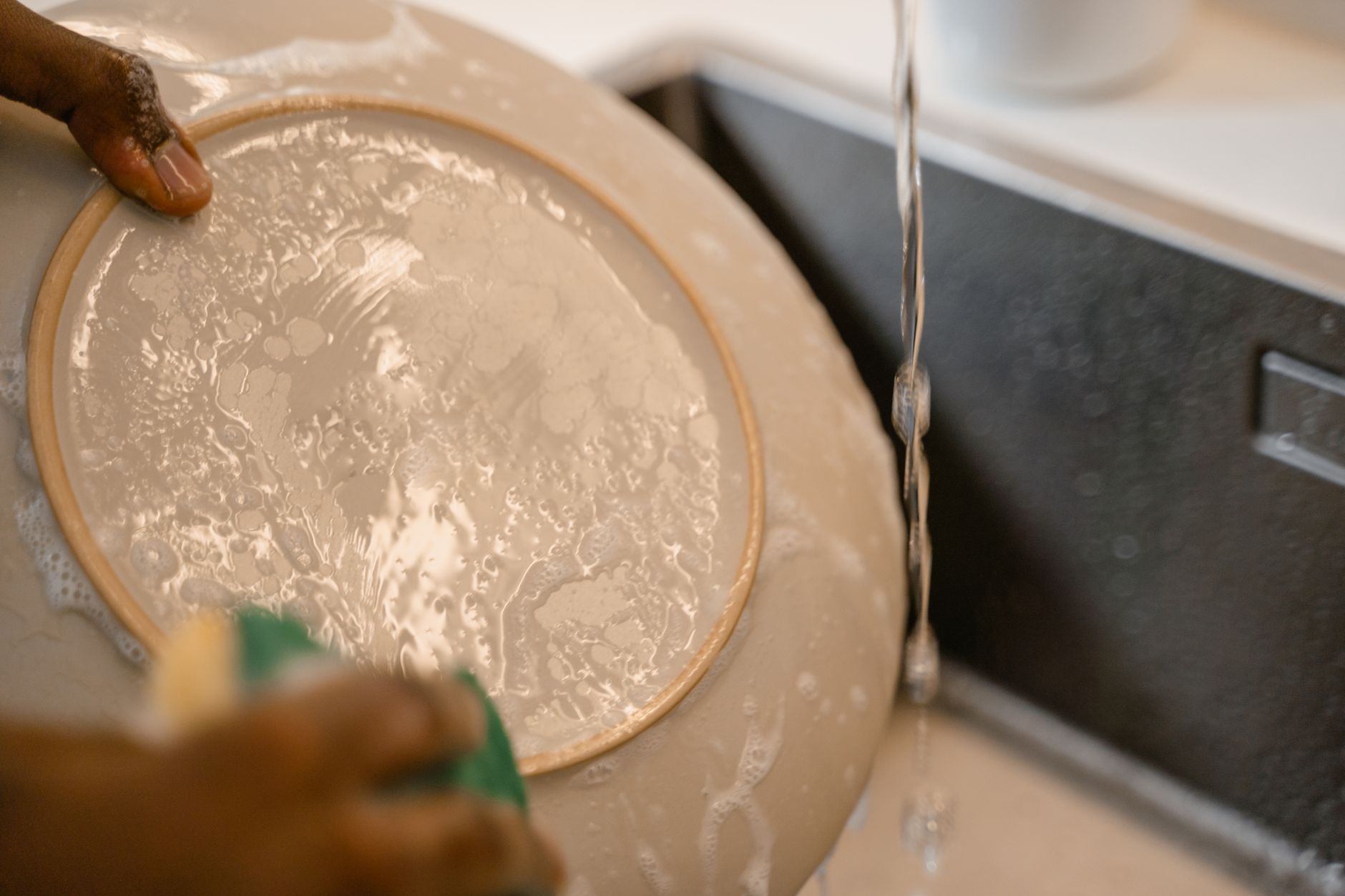
Wearing protective gloves while washing dishes is a practical step to prevent direct contact between your skin and potentially irritating dish soaps. Gloves create a barrier that shields your hands from harsh chemicals and reduces the likelihood of eczema flare-ups.
Choose gloves made from materials that are comfortable and durable, such as nitrile or latex-free options. Cotton gloves worn underneath rubber or vinyl gloves can provide an extra layer of protection and absorb moisture, keeping your hands dry.
It’s important to ensure that gloves fit well and are not too tight, as this can cause discomfort and restrict circulation. Regularly inspect your gloves for wear and tear, replacing them as needed to maintain effective protection.
Managing Stress Levels
Stress is a well-known trigger for eczema flare-ups. When you’re stressed, your body releases hormones that can exacerbate inflammation and irritate your skin. Managing stress levels is crucial for maintaining overall skin health and reducing the frequency of eczema outbreaks.
Incorporate stress-reducing activities into your daily routine, such as meditation, yoga, or deep-breathing exercises. These practices can help calm your mind and body, lowering your stress levels and potentially reducing eczema symptoms.
Additionally, ensure you get adequate sleep, as lack of sleep can increase stress and worsen eczema. Establish a regular sleep schedule and create a relaxing bedtime routine to improve the quality of your sleep.
Engaging in hobbies and activities that you enjoy can also help distract you from stress and promote a sense of well-being. Whether it’s reading, gardening, or spending time with loved ones, finding joy in everyday moments can make a significant difference in managing stress and eczema.
By making these lifestyle adjustments, you can create a more eczema-friendly environment and reduce the likelihood of dish soap triggering eczema on hands. Remember, everyone’s skin is different, so it may take some trial and error to find the best combination of strategies that work for you. Stay patient and persistent, and you’ll likely see improvements in your eczema management over time.
When to Seek Professional Help for Eczema
If you suspect that dish soap is triggering eczema on your hands, it’s essential to know when to seek professional help. While many cases of eczema can be managed with over-the-counter treatments and lifestyle changes, some situations require the expertise of a dermatologist. This section will guide you on recognizing the signs of severe eczema, understanding when over-the-counter treatments aren’t enough, and highlighting the importance of a professional diagnosis.
Signs of Severe Eczema
Severe eczema on the hands can manifest in several ways. If you experience any of the following symptoms, it may be time to consult a dermatologist:
- Intense Itching: Persistent, severe itching that disrupts your daily activities or sleep.
- Cracked or Bleeding Skin: Deep cracks in the skin that may bleed or ooze.
- Widespread Rashes: Eczema spreading beyond your hands to other parts of your body.
- Thickened Skin: Areas of skin that become thick and leathery, a condition known as lichenification.
- Frequent Infections: Recurring skin infections, which can be indicated by increased redness, swelling, or pus.
These signs suggest that your eczema may be more than just a mild irritation and could benefit from professional intervention.
When Over-the-Counter Treatments Aren’t Enough
Many people with eczema find relief using over-the-counter moisturizers, creams, and ointments. However, if these treatments aren’t providing the relief you need, it might be time to seek help from a dermatologist. Consider the following scenarios:
- No Improvement: If your symptoms persist despite consistent use of over-the-counter products.
- Frequent Flare-Ups: If you experience frequent flare-ups that significantly impact your quality of life.
- Sensitivity to Ingredients: If you suspect you might be allergic to ingredients in your current products.
- Combination of Symptoms: If you have a combination of symptoms like itching, redness, and dryness that don’t improve with standard treatments.
A dermatologist can offer prescription-strength medications and tailored treatment plans that may be more effective for your specific case.
Importance of Professional Diagnosis
A professional diagnosis is crucial for several reasons:
- Accurate Identification: A dermatologist can accurately identify whether your symptoms are indeed eczema and not another skin condition. This is particularly important if dish soap is suspected to be a trigger, as other conditions might have similar symptoms.
- Tailored Treatment Plans: Dermatologists can create personalized treatment plans based on the severity and type of your eczema. This might include prescription medications, specialized moisturizers, or other therapies.
- Monitoring Progress: Regular visits to a dermatologist allow for ongoing monitoring of your condition and adjustments to your treatment plan as needed.
- Education and Support: Dermatologists can provide valuable education on managing eczema, including advice on avoiding triggers like certain dish soaps, proper hand care routines, and the importance of maintaining a healthy skin barrier.
For example, if you’ve been using a specific dish soap and notice that your eczema worsens after washing your hands, a dermatologist can help you identify this trigger and recommend alternative cleaning products. They may also suggest specific moisturizers for eczema-prone hands to help strengthen your skin barrier and reduce flare-ups.
In summary, while managing eczema with over-the-counter treatments and lifestyle changes is often effective, recognizing when to seek professional help is vital. Severe symptoms, lack of improvement with standard treatments, and the need for a accurate diagnosis are all good reasons to consult a dermatologist. Their expertise can provide you with the relief and management strategies you need to keep your eczema under control, especially when dish soap seems to be a persistent trigger.
Case Studies and Success Stories
Real-life experiences can offer invaluable insights into managing eczema triggered by dish soap. Hearing about others’ journeys can provide encouragement, practical strategies, and motivation. Below are a few case studies and success stories from individuals who have navigated the challenges of dish soap trigger eczema on hands.
Personal Stories
Sarah, a 32-year-old teacher, noticed her hand eczema worsening after washing dishes. She experimented with different dish soaps but found little relief until she switched to a fragrance-free, hypoallergenic detergent. “It was a game-changer,” she says. “My hands are much calmer now.”
John, a 45-year-old chef, struggled with severe hand eczema due to constant exposure to dish soap. He adopted a rigorous hand care routine, including using gloves while washing dishes and applying a thick moisturizer afterward. “It took time, but my hands are in much better shape now,” he notes.
Effective Strategies Used
These individuals employed various strategies to manage their eczema. Here are some of the most effective ones:
- Switching Detergents: Many found relief by switching to milder, fragrance-free dish soaps. Reading ingredient labels carefully helped them avoid potential irritants.
- Using Gloves: Wearing gloves while washing dishes created a barrier between their skin and the soap, reducing direct contact and irritation.
- Moisturizing Routine: A consistent moisturizing routine was crucial. They used thick, ointment-based moisturizers to help restore their skin barrier.
- Hand Washing Techniques: Rinsing dishes under running water before placing them in the soapy water reduced the amount of soap their hands were exposed to.
- Limiting Exposure: Some individuals limited their dishwashing duties to minimize contact with dish soap.
Encouragement and Motivation
Managing eczema triggered by dish soap can be challenging, but these success stories show that it is possible to find relief. Here are some words of encouragement:
Stay Persistent: Finding the right combination of strategies may take time. Don’t get discouraged if the first few attempts don’t yield immediate results.
Seek Support: Join online communities or local support groups for eczema sufferers. Sharing experiences and tips can be incredibly motivating.
Celebrate Small Wins: Every small improvement is a step in the right direction. Celebrate these victories to stay motivated.
Educate Yourself: Knowledge is power. Understanding your triggers and learning about effective management strategies can empower you to take control of your eczema.
Consult Professionals: Don’t hesitate to seek advice from dermatologists or allergists. They can provide personalized recommendations and support.
Remember, you are not alone in this journey. Many others have successfully managed their eczema triggered by dish soap, and you can too.
Frequently asked questions
Can all dish soaps trigger eczema?
Not all dish soaps are triggers for eczema. Some dish soaps contain harsh chemicals and fragrances that can irritate the skin and potentially trigger eczema symptoms. To identify safe options, look for dish soaps labeled as hypoallergenic, fragrance-free, and dermatologist-tested. Reading ingredient lists can also help you avoid potential irritants.
What are the best dish soaps for eczema-prone skin?
For eczema-prone skin, it’s best to choose dish soaps that are gentle and free from harsh chemicals. Some recommended options include brands that are specifically formulated for sensitive skin. Look for dish soaps that are unscented, dye-free, and contain moisturizing ingredients. It may be helpful to try a few different brands to see which one works best for your skin.
How can I tell if dish soap is triggering my eczema?
If dish soap is triggering your eczema, you may notice symptoms such as increased redness, itching, or dryness on your hands after washing dishes. Keeping an eczema diary can help you track when and where your symptoms occur, making it easier to identify potential triggers like certain dish soaps. Note any changes in your routine or products you use.
Are there natural alternatives to dish soap for cleaning?
Yes, there are natural alternatives to traditional dish soaps that can be effective for cleaning and gentler on eczema-prone skin. Options include using baking soda, white vinegar, or lemon juice mixed with water. These natural solutions can help cut through grease and clean dishes without the harsh chemicals found in many commercial dish soaps.
What should I do if dish soap causes a severe eczema flare-up?
If dish soap causes a severe eczema flare-up, immediately rinse your hands with lukewarm water to remove any residue. Apply a gentle, fragrance-free moisturizer to soothe the skin. If the flare-up persists or worsens, consider seeking medical help. A healthcare professional can provide additional treatment options and advice on managing severe symptoms.
Can children with eczema use dish soap?
Children with eczema can use dish soap, but it’s important to choose a gentle, hypoallergenic formula. Supervise their hand washing to ensure they use a minimal amount and rinse thoroughly. Consider using safer alternatives like natural cleaning solutions for younger children or those with very sensitive skin. Always test a small area first to ensure there is no adverse reaction.
Use MyEczema.app to track your eczema patterns and daily triggers.
This article is for educational purposes only and is not medical advice. If symptoms are severe, spreading, painful, infected-looking, or affecting sleep and daily life, speak with a qualified healthcare professional.
Sources and further reading
For medical guidance, always rely on a qualified healthcare professional. These educational resources may help readers learn more:
Image credit: Photo by Miriam Alonso on Pexels. Used under the Pexels License.
Image credit: Photo by RDNE Stock project on Pexels. Used under the Pexels License.
Image credit: Photo by MART PRODUCTION on Pexels. Used under the Pexels License.