
MyEczema.app guide
How Healthcare Workers Manage Hand Eczema from Washing
hand eczema from washing: Learn how healthcare workers manage hand eczema from frequent washing with practical tips and scientifically accurate advice.
Table of contents
Use this guide as a practical reference and jump to the sections most relevant to you.
- Quick answer
- Key takeaways
- Practical comparison table
- Visual chart
- Related MyEczema.app tool
- Understanding Hand Eczema in Healthcare Workers
- Causes of Hand Eczema from Frequent Washing
- Prevention Strategies for Hand Eczema
- Choosing the Right Cleansers for Sensitive Skin
- Effective Moisturizer Application Techniques
- Proper Glove Usage to Protect Hands
- Handwashing Techniques for Sensitive Skin
- Managing Hand Eczema Flare-Ups
- Seeking Professional Advice for Hand Eczema
- Long-Term Management of Hand Eczema
- Frequently asked questions
- Sources and further reading
Healthcare workers are heroes, dedicating their lives to caring for others. Yet, the very act of washing their hands—a crucial part of their job—can sometimes lead to hand eczema from washing. This condition can make their skin dry, itchy, and uncomfortable. Understanding how to manage hand eczema from washing is essential for maintaining both their health and their ability to provide care.
Eczema-prone skin is particularly sensitive to disruptions in the skin barrier, irritants, climate, cleansing habits, allergens, and individual triggers. For healthcare workers, frequent handwashing is a necessary routine, but it can also be a significant trigger for hand eczema. The good news is that with the right strategies, healthcare workers can manage their symptoms and keep their skin healthy.
In this article, we’ll explore practical ways healthcare workers can manage hand eczema from washing. We’ll look at the importance of using gentle cleansers, the benefits of frequent moisturizer application, and the protective role of gloves. We’ll also touch on general eczema care tips to provide a well-rounded approach to managing this condition.
Quick answer
Healthcare workers manage hand eczema from washing by using gentle cleansers, applying moisturizers frequently, and protecting their skin with gloves when possible.
Key takeaways
- Frequent handwashing can lead to hand eczema in healthcare workers.
- Using mild, fragrance-free cleansers can help prevent skin irritation.
- Regular application of moisturizers is crucial for maintaining skin barrier function.
- Wearing gloves during handwashing and other wet work can protect the skin.
- Consulting a dermatologist for personalized advice is recommended for severe cases.
Handwashing Frequency and Eczema Risk
| Situation | What it may mean | Practical next step |
|---|---|---|
| Washing hands 5-10 times a day | Moderate risk of developing hand eczema | Use gentle cleansers and moisturize regularly |
| Washing hands more than 10 times a day | High risk of developing hand eczema | Consider wearing gloves and consult a dermatologist |
| Using alcohol-based sanitizers frequently | Increased risk due to skin dryness | Alternate with gentle cleansers and moisturize |
| Experiencing frequent hand eczema flare-ups | Need for a more intensive skincare routine | Seek professional advice and adjust skincare regimen |
| No handwashing or infrequent handwashing | Low risk but poor hygiene | Maintain regular handwashing with gentle products |
Related MyEczema.app tool
Use the Eczema Skincare Routine Planner
The Eczema Skincare Routine Planner helps users organize morning, daytime, and evening routine steps for eczema-prone skin.
For this topic, this tool can help you organize information in a more structured way and turn daily observations into clearer patterns to review over time.
Understanding Hand Eczema in Healthcare Workers
Hand eczema, a type of eczema that specifically affects the hands, is a common issue among healthcare workers. This condition can be both uncomfortable and debilitating, impacting the ability to perform essential job functions. Understanding what hand eczema is, why healthcare workers are at a higher risk, and recognizing the common symptoms can help in managing and mitigating its effects.
Definition of Hand Eczema
Hand eczema is a form of dermatitis that causes inflammation of the skin on the hands. It is characterized by symptoms such as redness, itching, dryness, cracking, and sometimes blistering. The condition can be triggered by various factors, including irritants, allergens, and frequent handwashing. Unlike some other forms of eczema, hand eczema is often exacerbated by occupational factors, making it particularly relevant for healthcare workers.
Risk Factors for Healthcare Workers
Healthcare workers face unique challenges that increase their risk of developing hand eczema from washing. These risk factors include:
- Frequent Handwashing: Healthcare settings require rigorous hand hygiene protocols to prevent the spread of infections. This means healthcare workers wash their hands far more often than the general population, leading to repeated exposure to water and detergents.
- Use of Harsh Chemicals: The disinfectants and antiseptics used in healthcare environments can be harsh on the skin. These chemicals can strip the skin of its natural oils, weakening the skin barrier and making it more susceptible to irritation and eczema.
- Wet Work: Many healthcare tasks involve wet work, such as cleaning, surgery, and patient care. Prolonged exposure to water can soften the skin, making it more permeable to irritants and allergens.
- Glove Use: While gloves protect the skin from direct contact with irritants, they can also cause problems. Gloves can trap moisture and sweat against the skin, creating a breeding ground for bacteria and exacerbating eczema symptoms.
Common Symptoms
Recognizing the symptoms of hand eczema is crucial for early intervention. Common symptoms include:
- Redness and Inflammation: The skin on the hands may appear red and swollen.
- Itching and Burning: Persistent itching and a burning sensation are common, often leading to scratching, which can further damage the skin.
- Dryness and Scaling: The skin may become extremely dry, leading to flaking and scaling.
- Cracking and Fissuring: Severe cases can result in deep cracks and fissures in the skin, which can be painful and prone to infection.
- Blisters: In some cases, small fluid-filled blisters may form, which can burst and crust over.
For healthcare workers, these symptoms can significantly impact their ability to perform their duties. The constant need to wash hands and use gloves can exacerbate these symptoms, creating a cycle of irritation and inflammation. Understanding these symptoms and the specific triggers in a healthcare environment is the first step toward effective management of hand eczema from washing.
By being aware of the definition, risk factors, and common symptoms of hand eczema, healthcare workers can take proactive steps to protect their skin. This includes adopting proper handwashing techniques, using moisturizers, and seeking medical advice when necessary. In the following sections, we will explore practical strategies for preventing and managing hand eczema in healthcare settings.
Causes of Hand Eczema from Frequent Washing
Healthcare workers are on the frontlines of patient care, often needing to wash their hands multiple times throughout their shifts. While handwashing is essential for preventing the spread of infections, it can also lead to hand eczema from washing. Understanding the specific causes can help in managing and mitigating this occupational hazard.
Effects of Frequent Handwashing on Skin
Frequent handwashing, especially with soap and water, can strip the skin of its natural oils. These oils, known as lipids, play a crucial role in maintaining the skin’s barrier function. When these lipids are removed, the skin becomes dry, cracked, and more susceptible to irritants and allergens. This compromised barrier can exacerbate existing eczema or trigger new outbreaks.
Moreover, the mechanical action of washing—rubbing and scrubbing—can further irritate the skin. For healthcare workers, who may wash their hands dozens of times a day, this repeated trauma can lead to persistent hand eczema.
Chemical Irritants in Soaps and Sanitizers
Not all handwashing agents are created equal. Many soaps and hand sanitizers contain chemicals that can irritate the skin. Common irritants include:
- Alcohol-based sanitizers: While effective at killing germs, these can be very drying to the skin.
- Fragrances and dyes: These additives can cause allergic reactions in some individuals.
- Preservatives: Ingredients like parabens can be irritants for sensitive skin.
- Detergents: Some soaps contain harsh detergents that strip the skin of its natural oils.
Choosing milder, fragrance-free soaps and sanitizers can help reduce the risk of hand eczema from washing. Some healthcare facilities even provide specialized products designed to be less irritating to the skin.
Importance of Skin Barrier Function
The skin barrier is the outermost layer of the skin, serving as a protective shield against external threats like bacteria, viruses, and irritants. When this barrier is compromised, the skin becomes more vulnerable to eczema triggers.
For healthcare workers, maintaining a healthy skin barrier is crucial. This can be achieved through:
- Moisturizing: Regular application of a good-quality moisturizer can help replenish lost lipids and strengthen the skin barrier. Look for products containing ceramides, which are essential components of the skin’s natural barrier.
- Avoiding harsh chemicals: As mentioned earlier, using gentle, fragrance-free soaps and sanitizers can help protect the skin barrier.
- Proper handwashing techniques: Washing hands correctly—without excessive rubbing or scrubbing—can minimize skin trauma. The Centers for Disease Control and Prevention (CDC) provides guidelines on effective handwashing techniques that are both thorough and gentle.
In addition to these steps, healthcare workers should be aware of their skin’s condition and seek advice from a dermatologist if they notice signs of hand eczema from washing. Early intervention can help manage symptoms and prevent the condition from worsening.
It’s also worth noting that hand eczema is not just a nuisance; it can significantly impact a healthcare worker’s quality of life and ability to perform their job effectively. Therefore, understanding and addressing the causes of hand eczema from washing is not just a matter of comfort but also of occupational health and safety.
In summary, the causes of hand eczema from washing are multifaceted, involving the effects of frequent handwashing, the presence of chemical irritants in soaps and sanitizers, and the critical role of the skin barrier function. By being mindful of these factors and taking proactive steps to protect the skin, healthcare workers can better manage this challenging condition.
Prevention Strategies for Hand Eczema
Healthcare workers are at a higher risk of developing hand eczema from washing due to the frequency and intensity of hand hygiene practices. Implementing effective prevention strategies is crucial to maintaining healthy skin and reducing the likelihood of hand eczema from washing. This section will explore practical steps healthcare workers can take to prevent hand eczema, focusing on choosing the right cleansers, the importance of moisturizers, and glove usage.
Choosing the Right Cleansers
Selecting the appropriate cleanser is a fundamental step in preventing hand eczema from washing. Healthcare workers should opt for mild, fragrance-free, and hypoallergenic cleansers that are specifically designed for sensitive skin. Harsh soaps and detergents can strip the skin of its natural oils, leading to dryness and irritation.
Look for cleansers that contain moisturizing ingredients such as glycerin or ceramides. These ingredients help to replenish the skin’s moisture barrier, which is essential for protecting the skin from irritants and allergens. Additionally, using lukewarm water instead of hot water during handwashing can help preserve the skin’s natural oils.
Importance of Moisturizers
Moisturizers play a critical role in preventing hand eczema from washing by helping to restore and maintain the skin’s moisture barrier. Healthcare workers should apply a generous amount of moisturizer to their hands immediately after washing and drying them. This step is vital in locking in moisture and preventing the skin from becoming dry and cracked.
Choose moisturizers that are fragrance-free and contain ingredients like ceramides, hyaluronic acid, or shea butter, which are known for their hydrating and soothing properties. For added protection, consider using a moisturizer with a physical barrier, such as a cream or ointment, which can provide a longer-lasting moisturizing effect.
It’s also important to moisturize hands throughout the day, especially before and after wearing gloves. This practice helps to counteract the drying effects of frequent handwashing and glove use.
Glove Usage
Wearing gloves is a common practice in healthcare settings to protect hands from harmful substances and prevent the spread of infections. However, prolonged glove use can also contribute to hand eczema from washing. To mitigate this risk, healthcare workers should follow these guidelines:
- Choose the Right Type of Gloves: Use gloves made from materials that are less likely to cause irritation, such as nitrile or vinyl. Avoid latex gloves if you have a latex allergy.
- Change Gloves Frequently: Do not reuse gloves. Change them between patients and after completing tasks that involve contact with bodily fluids or hazardous materials.
- Use Gloves for Wet Work: When performing tasks that involve prolonged exposure to water, such as cleaning or dishwashing, wear gloves to protect your hands from excessive moisture.
- Allow Hands to Breathe: Take breaks from wearing gloves to allow your hands to breathe and recover. This practice can help prevent irritation and maintain the skin’s natural moisture balance.
- Moisturize Before and After Glove Use: Apply moisturizer to your hands before putting on gloves and after removing them to help maintain skin hydration and integrity.
By incorporating these prevention strategies into their daily routines, healthcare workers can significantly reduce their risk of developing hand eczema from washing. It’s important to remember that everyone’s skin is different, and what works for one person may not work for another. If hand eczema persists despite these measures, it may be helpful to consult a dermatologist for personalized advice and treatment options.
Choosing the Right Cleansers for Sensitive Skin
For healthcare workers dealing with hand eczema from washing, selecting the right cleansers is crucial. Frequent handwashing is a necessary part of the job, but it can exacerbate eczema symptoms if not done carefully. Here’s how to choose cleansers that are gentle on sensitive skin while still effective in maintaining hygiene.
Mild and Fragrance-Free Options
One of the first steps in managing hand eczema from washing is to switch to mild and fragrance-free cleansers. Harsh chemicals and fragrances can irritate the skin and worsen eczema symptoms. Look for products specifically labeled as “gentle” or “for sensitive skin.”
For example, cleansers containing ingredients like glycerin, ceramides, and hyaluronic acid can help maintain the skin’s moisture barrier while cleaning. These ingredients are known for their hydrating and soothing properties.
pH-Balanced Cleansers
pH-balanced cleansers are another essential choice for healthcare workers. The skin has a natural pH level of around 5.5, which helps protect it from bacteria and maintain its barrier function. Using a pH-balanced cleanser helps preserve this natural balance.
When selecting a pH-balanced cleanser, check the product label or consult with a dermatologist. Many brands now offer pH-balanced options that are suitable for sensitive skin. These cleansers are less likely to strip the skin of its natural oils, reducing the risk of irritation and flare-ups.
Avoiding Harsh Chemicals
Avoid cleansers with harsh chemicals such as sulfates, parabens, and alcohol. These ingredients can be particularly damaging to the skin, especially for those with hand eczema from washing. Instead, opt for cleansers with a simple, clean ingredient list.
For instance, consider using cleansers that contain natural oils like jojoba or coconut oil. These oils can help moisturize the skin while cleansing, providing a dual benefit for healthcare workers who need to wash their hands frequently.
Practical Steps for Choosing Cleansers
- Read Labels Carefully: Look for terms like “hypoallergenic,” “dermatologist-tested,” and “fragrance-free.” These indicators can help you identify products that are less likely to cause irritation.
- Patch Test New Products: Before incorporating a new cleanser into your routine, perform a patch test. Apply a small amount of the cleanser to a discreet area of skin and wait 24-48 hours to check for any adverse reactions.
- Consult a Dermatologist: If you’re unsure about which cleanser to choose, consult a dermatologist. They can provide personalized recommendations based on your skin type and eczema severity.
- Use Lukewarm Water: When washing your hands, use lukewarm water instead of hot water. Hot water can strip the skin of its natural oils, leading to dryness and irritation.
Real-Life Example
Consider the case of Dr. Jane, a nurse who struggled with hand eczema from washing. After numerous flare-ups, she decided to reevaluate her handwashing routine. Dr. Jane started using a mild, fragrance-free, pH-balanced cleanser recommended by her dermatologist. She also began performing patch tests on new products and avoided any cleansers containing harsh chemicals.
Within a few weeks, Dr. Jane noticed a significant improvement in her hand eczema. Her skin felt less irritated and more moisturized, allowing her to continue her essential work without the constant discomfort of eczema flare-ups.
Scientifically Cautious Explanation
It’s important to understand that while choosing the right cleansers can significantly help manage hand eczema from washing, it may not completely eliminate symptoms. Eczema is a complex condition influenced by various factors, including genetics, environmental triggers, and individual skin sensitivity.
Therefore, it’s essential to approach hand eczema management with a comprehensive strategy that includes proper cleansing, moisturizing, and, when necessary, medical treatment. Always consult with a healthcare professional for personalized advice and treatment options.
By carefully selecting mild, fragrance-free, and pH-balanced cleansers, healthcare workers can better manage hand eczema from washing and maintain the skin’s health and integrity, even with frequent handwashing.
Effective Moisturizer Application Techniques
Healthcare workers face unique challenges when managing hand eczema from washing. Frequent handwashing is essential for infection control, but it can also strip the skin of its natural oils, leading to dryness and irritation. One of the most effective ways to combat this is through the regular and proper application of moisturizers. This section will guide you through the types of moisturizers available, how often to apply them, and the best times to moisturize to maintain a healthy skin barrier.
Types of Moisturizers
Choosing the right type of moisturizer is crucial for preventing and managing hand eczema from washing. Here are some common types:
- Creams: These are semi-solid and provide a good balance of moisture and protection. They are ideal for daily use and can be applied after washing hands.
- Lotions: These are lighter and easier to apply but may not be as effective for very dry skin. They are good for quick applications and can be used under gloves.
- Ointments: These are greasy and provide a thick layer of protection. They are excellent for very dry or cracked skin but can be cumbersome to use during work hours.
- Gels: These are water-based and lightweight, making them suitable for those who prefer a less greasy feel. They are good for quick applications but may not offer as much moisture retention as creams or ointments.
Application Frequency
The frequency of moisturizer application can vary depending on the severity of hand eczema and the individual’s skin type. Here are some general guidelines:
- After Each Handwashing: For those with mild to moderate hand eczema, applying moisturizer immediately after washing hands can help restore lost moisture and protect the skin barrier.
- Multiple Times a Day: For more severe cases, applying moisturizer several times a day, especially before and after shifts, can provide continuous protection.
- Before Bed: Applying a thick layer of moisturizer before bedtime can help repair the skin overnight. This is particularly beneficial for those with very dry or cracked skin.
Best Times to Moisturize
Timing is everything when it comes to moisturizer application. Here are the best times to moisturize to maximize its benefits:
- After Handwashing: This is the most critical time to apply moisturizer. Washing hands removes natural oils, and immediate re-application helps restore moisture.
- Before Starting Work: Applying moisturizer before your shift starts can create a protective barrier against irritants and reduce the risk of hand eczema from washing.
- During Breaks: If possible, take a few minutes during your break to reapply moisturizer. This helps maintain the skin barrier throughout your shift.
- After Work: Once your shift is over, apply a generous amount of moisturizer to help your skin recover from the day’s exposure to irritants.
- Before Bed: As mentioned earlier, applying moisturizer before bed allows it to work overnight, providing extended repair and hydration.
Incorporating these moisturizer application techniques into your daily routine can significantly help in managing hand eczema from washing. Remember, the key is consistency. Regularly moisturizing not only helps prevent the onset of hand eczema but also aids in managing existing symptoms, allowing you to continue performing your essential duties with comfort and confidence.
For those with persistent or severe hand eczema, it may be beneficial to consult a dermatologist. They can provide personalized recommendations and may suggest additional treatments, such as prescribed creams or ointments, to help manage your symptoms effectively.
Proper Glove Usage to Protect Hands
For healthcare workers dealing with hand eczema from washing, proper glove usage is a vital strategy. Gloves act as a barrier, protecting the skin from irritants and allergens. However, using gloves effectively requires understanding the types available, knowing when to wear them, and avoiding common mistakes.
Types of Gloves
Different types of gloves serve various purposes and offer different levels of protection. Here are the main types healthcare workers should be familiar with:
- Latex gloves: These are highly elastic and fit snugly. However, they can cause allergic reactions in some individuals.
- Nitrile gloves: A popular alternative to latex, nitrile gloves are resistant to punctures and do not cause latex allergies. They are suitable for most healthcare tasks.
- Vinyl gloves: These are less expensive but offer less protection than latex or nitrile. They are often used for low-risk tasks.
- Cotton liners: Worn under gloves, cotton liners can absorb sweat and reduce the risk of irritation. They are especially useful for those with sensitive skin.
When to Wear Gloves
Knowing when to wear gloves is crucial for managing hand eczema from washing. Gloves should be worn during tasks that involve:
- Exposure to water: Frequent handwashing and contact with water can weaken the skin barrier. Wearing gloves while washing hands, dishes, or cleaning can help protect the skin.
- Contact with chemicals: Gloves are essential when handling cleaning agents, disinfectants, and other chemicals. This protects the skin from direct exposure to irritants.
- Patient care: Gloves should be worn during patient care to prevent the transmission of infections. This is a standard practice in healthcare settings.
- Handling contaminated materials: When dealing with bodily fluids or contaminated materials, gloves provide a necessary barrier.
It’s also important to change gloves regularly. Worn or damaged gloves can compromise protection and may even contribute to skin irritation.
Common Mistakes in Glove Usage
While gloves are an effective way to protect hands, there are common mistakes that can reduce their effectiveness:
- Wearing gloves for too long: Prolonged glove use can lead to moisture buildup and increased skin irritation. It’s important to remove gloves periodically and allow the skin to breathe.
- Reusing gloves: Gloves are designed for single use. Reusing them can expose the skin to contaminants and reduce their protective barrier.
- Not removing gloves properly: Gloves should be removed carefully to avoid contaminating the hands. Pulling gloves off roughly can cause skin irritation.
- Ignoring skin condition: If the skin underneath gloves is already irritated or damaged, continued glove use can exacerbate the condition. It’s important to assess skin health regularly.
- Neglecting hand hygiene: Gloves are not a substitute for proper handwashing. Hands should be cleaned before and after glove use to remove any contaminants.
To maximize the benefits of glove usage, healthcare workers should:
- Choose the right type of glove for the task.
- Wear gloves during high-risk activities.
- Change gloves regularly and avoid reusing them.
- Remove gloves carefully to prevent skin contamination.
- Maintain good hand hygiene practices even when wearing gloves.
By understanding the types of gloves available, knowing when to wear them, and avoiding common mistakes, healthcare workers can better manage hand eczema from washing. Proper glove usage not only protects the skin but also contributes to overall hand health and comfort.
Handwashing Techniques for Sensitive Skin
For healthcare workers dealing with hand eczema from washing, adopting gentle handwashing techniques is crucial. Proper handwashing minimizes skin irritation and helps maintain the integrity of the skin barrier. Let’s explore a step-by-step guide, the ideal duration for handwashing, and the correct way to dry your hands.
Step-by-Step Handwashing Guide
When washing your hands, it’s important to be thorough yet gentle. Follow these steps to ensure effective hand hygiene without aggravating eczema:
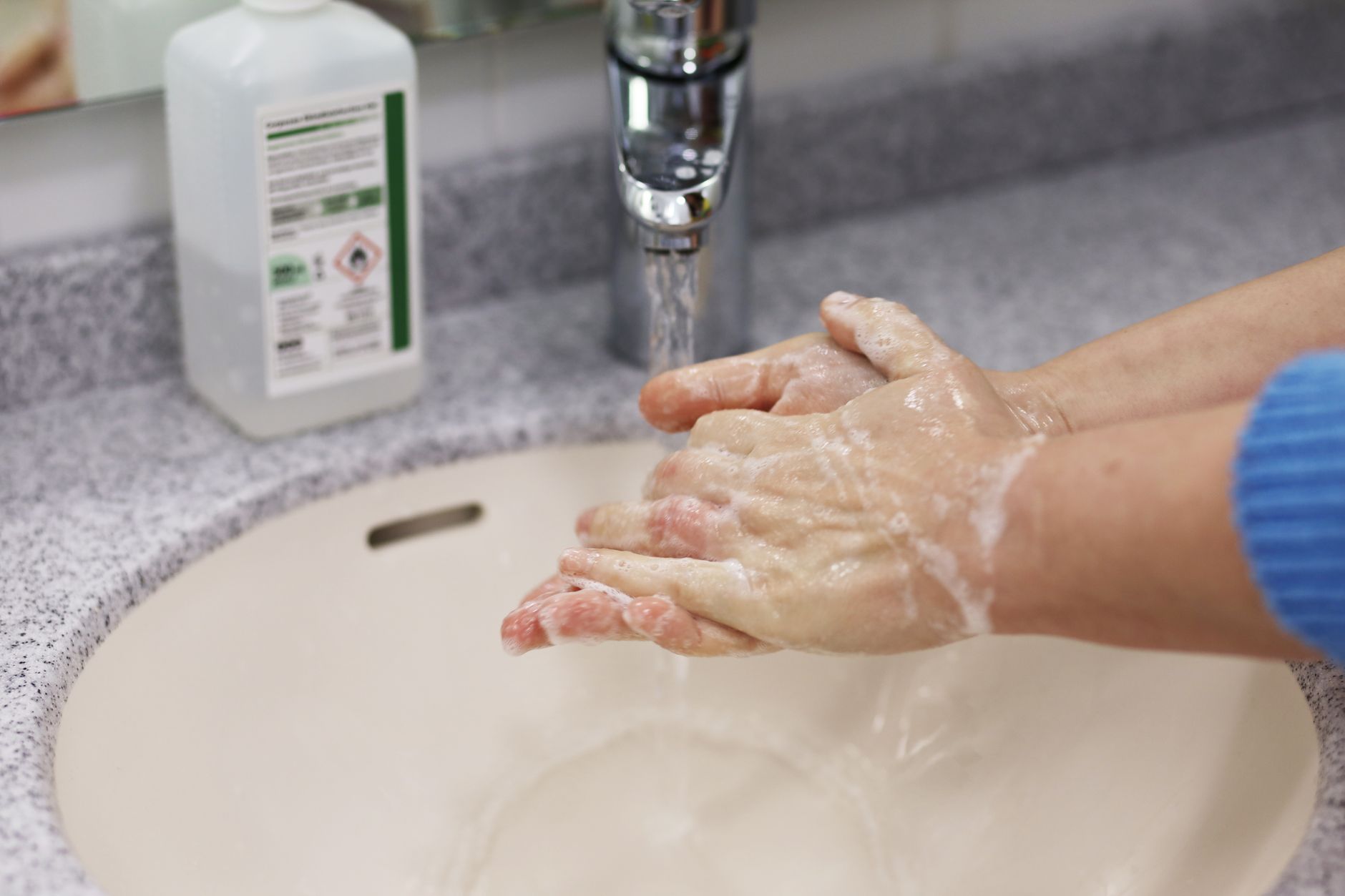
- Wet your hands: Use lukewarm water. Avoid hot water as it can strip the skin of natural oils.
- Apply cleanser: Use a mild, fragrance-free cleanser. Apply a small amount and lather well.
- Wash all surfaces: Rub your hands together, making sure to clean the palms, backs of hands, between fingers, and under nails. Use your fingertips to clean under nails.
- Rinse thoroughly: Rinse all soap off your hands. Residual soap can irritate sensitive skin.
Duration of Handwashing
The Centers for Disease Control and Prevention (CDC) recommends washing hands for at least 20 seconds. This duration ensures that you remove germs effectively without over-exposing your skin to water and cleansers. Use this time to hum the “Happy Birthday” song twice to ensure you wash long enough.
Drying Hands Properly
How you dry your hands is just as important as how you wash them. Improper drying can lead to further irritation. Here’s how to do it right:
- Gently pat dry: Use a clean towel or paper towel to pat your hands dry. Avoid rubbing, as this can irritate the skin.
- Use a soft towel: Choose a soft, lint-free towel to minimize skin friction.
- Avoid harsh dryers: Steer clear of electric hand dryers, which can be too harsh on sensitive skin.
By following these handwashing techniques, healthcare workers can reduce the risk of exacerbating hand eczema from washing. Remember, the goal is to maintain cleanliness while preserving the skin’s natural barrier. Consistent, gentle care is key to managing eczema triggers and promoting overall hand health.
Real-Life Example: Nurse Maria’s Routine
Maria, a nurse with sensitive skin, has incorporated these techniques into her daily routine. She uses a mild, fragrance-free cleanser and ensures she washes her hands for the recommended 20 seconds. After washing, she pats her hands dry with a soft towel and immediately applies a thick moisturizer. This routine helps her manage her hand eczema effectively, allowing her to continue providing excellent patient care without discomfort.
Decision Points for Handwashing
When dealing with hand eczema from washing, it’s important to make informed decisions about your hand hygiene routine:
- Choose the right cleanser: Opt for mild, fragrance-free options to avoid further irritation.
- Monitor handwashing frequency: While frequent handwashing is necessary in healthcare settings, try to limit it to essential times to reduce skin stress.
- Incorporate moisturizers: Apply a rich moisturizer after each handwashing session to help restore the skin barrier.
By carefully selecting handwashing techniques and being mindful of your skin’s needs, you can manage hand eczema from washing more effectively. These practices not only help in preventing flare-ups but also contribute to better overall hand health in the long run.
Managing Hand Eczema Flare-Ups
Even with the best prevention strategies, healthcare workers may still experience flare-ups of hand eczema from washing. When these flare-ups occur, it’s essential to have a plan in place to manage symptoms effectively and prevent further irritation. This section offers strategies for managing hand eczema flare-ups, focusing on immediate relief measures, knowing when to seek medical help, and avoiding triggers during flare-ups.
Immediate Relief Measures
When a flare-up of hand eczema from washing occurs, taking immediate action can help alleviate symptoms and promote healing. Here are some practical steps healthcare workers can take:
- Cold Compresses: Applying a cold compress to the affected area can help reduce inflammation and soothe itching. Wrap a few ice cubes in a clean cloth or use a cold, damp towel for 10-15 minutes.
- Topical Treatments: Use prescribed topical treatments, such as corticosteroid creams or ointments, as directed by a healthcare professional. These can help reduce inflammation and itching.
- Moisturizers: Apply a generous amount of moisturizer to the affected area to help restore the skin barrier and lock in moisture. Look for fragrance-free, hypoallergenic products specifically designed for sensitive skin.
- Avoid Scratching: Itching is a common symptom of hand eczema, but scratching can worsen inflammation and increase the risk of infection. Try to keep the affected area covered with a clean cloth or bandage to prevent scratching.
When to Seek Medical Help
While many cases of hand eczema from washing can be managed with at-home care, there are instances when seeking medical help is necessary. Healthcare workers should consult a dermatologist or healthcare professional if:
- Symptoms persist or worsen despite at-home care.
- There are signs of infection, such as increased redness, warmth, swelling, or pus.
- The eczema is severely impacting daily activities or quality of life.
- There is a suspicion of an allergic reaction to a product or substance.
A healthcare professional can provide a more accurate diagnosis, recommend additional treatments, and offer guidance on managing hand eczema from washing effectively.
Avoiding Triggers During Flare-Ups
During a flare-up of hand eczema from washing, it’s crucial to identify and avoid potential triggers that may exacerbate symptoms. Common triggers include:
- Harsh Soaps and Cleansers: Avoid using harsh soaps or cleansers that can further irritate the skin. Opt for gentle, fragrance-free products specifically formulated for sensitive skin.
- Hot Water: Limit exposure to hot water, as it can strip the skin of its natural oils and exacerbate dryness and irritation. Use lukewarm water for handwashing instead.
- Allergens and Irritants: Identify and avoid any known allergens or irritants that may trigger eczema flare-ups. This may include certain fabrics, chemicals, or environmental factors.
- Stress: Stress can worsen eczema symptoms, so practicing stress-management techniques, such as deep breathing, meditation, or yoga, may help alleviate flare-ups.
By taking proactive steps to manage hand eczema flare-ups and avoiding triggers, healthcare workers can minimize discomfort and promote healing. Remember to consult a healthcare professional for personalized advice and treatment options tailored to your specific needs.
Seeking Professional Advice for Hand Eczema
When dealing with hand eczema from washing, especially in a healthcare setting, it is crucial to recognize when professional help is needed. Healthcare workers are at a higher risk due to the frequent handwashing and use of various cleansing agents. Consulting a healthcare professional can provide personalized strategies and treatments to manage this condition effectively.
When to See a Dermatologist
If you notice persistent symptoms such as severe itching, redness, cracking, or bleeding, it is time to seek professional advice. A dermatologist can offer a more detailed assessment and recommend appropriate treatments. Early intervention is key to preventing the condition from worsening.
Additionally, if over-the-counter creams and lotions are not providing relief, or if the eczema is affecting your ability to perform your job, a visit to a dermatologist is advisable. They can help identify specific triggers and provide a tailored management plan.
Types of Treatments Available
Dermatologists have a range of treatments at their disposal to help manage hand eczema from washing. These may include:
- Topical corticosteroids: These can reduce inflammation and itching. They are often the first line of treatment for mild to moderate eczema.
- Moisturizers: Prescription-strength moisturizers can help repair the skin barrier and keep the skin hydrated.
- Antibiotics: If there is a secondary bacterial infection, antibiotics may be prescribed.
- Immunomodulators: These medications can help reduce the immune response that contributes to eczema.
- Phototherapy: Light therapy can be effective for some patients, though it is usually reserved for more severe cases.
In some cases, a combination of these treatments may be recommended to achieve the best results.
Importance of Follow-Up Care
Managing hand eczema from washing is an ongoing process. Regular follow-up appointments with your dermatologist are essential to monitor your condition and adjust your treatment plan as needed. During these visits, your dermatologist can:
- Assess the effectiveness of current treatments
- Make necessary adjustments to your treatment plan
- Provide additional tips for managing your condition at work
- Address any new symptoms or concerns you may have
Consistency is key. Even if your symptoms improve, it is important to continue with your treatment plan and follow-up appointments to prevent flare-ups.
Real-Life Example: Jane’s Story
Jane, a nurse, started experiencing severe hand eczema after increasing her handwashing frequency during the COVID-19 pandemic. Despite trying various over-the-counter creams, her symptoms persisted. She decided to consult a dermatologist, who prescribed a combination of topical corticosteroids and a specialized moisturizer. Regular follow-up appointments allowed the dermatologist to adjust her treatment as needed. Within a few months, Jane’s symptoms significantly improved, allowing her to continue her job without discomfort.
Decision Points: When to Act
Knowing when to seek professional help can be challenging. Here are some decision points to consider:
- If home remedies and over-the-counter treatments are ineffective
- If symptoms worsen or do not improve after two weeks
- If the eczema affects your daily activities or job performance
- If there are signs of infection, such as increased redness, swelling, or pus
Taking these steps can help you manage hand eczema from washing more effectively and maintain your skin health in a demanding work environment.
Long-Term Management of Hand Eczema
Managing hand eczema from washing is an ongoing process, especially for healthcare workers who must wash their hands frequently. Long-term management involves consistent practices, regular monitoring, and adapting strategies to suit changing needs. This section delves into the essential steps for maintaining healthy skin over time, ensuring that healthcare workers can continue their vital roles without compromising their skin health.
Consistent Skincare Routine
A consistent skincare routine is fundamental in managing hand eczema from washing. This routine should be tailored to the individual’s skin type and the severity of their eczema. Here are some key components:
- Daily Cleansing: Use a mild, fragrance-free cleanser to avoid stripping the skin of its natural oils. Opt for cleansers that are specifically designed for sensitive skin.
- Frequent Moisturizing: Apply a rich, fragrance-free moisturizer multiple times a day. Look for products containing ceramides, which help to reinforce the skin barrier.
- Sun Protection: Even though healthcare workers spend most of their time indoors, sun protection is crucial. Use a broad-spectrum SPF 30 or higher sunscreen on hands when exposed to sunlight.
Consistency is key. Establishing a routine and sticking to it helps maintain the skin’s integrity and reduces the likelihood of flare-ups.
Monitoring Skin Condition
Regularly monitoring the condition of your hands is crucial for early detection of any changes or worsening of hand eczema from washing. This practice allows for timely intervention and adjustments to your skincare routine. Here’s how to effectively monitor your skin:
- Daily Checks: Take a few minutes each day to examine your hands for any signs of redness, dryness, cracking, or inflammation.
- Keep a Journal: Maintain a journal to record any changes in your skin condition, noting any new triggers or patterns. This can be invaluable when discussing your condition with a healthcare provider.
- Photographic Evidence: Take regular photos of your hands to visually track changes over time. This can help you and your healthcare provider assess the effectiveness of your current management strategies.
By staying vigilant and proactive, you can address issues before they escalate, ensuring better long-term management of hand eczema.
Adjusting Strategies as Needed
Hand eczema from washing is not a one-size-fits-all condition. What works for one person may not work for another, and what works today may not work tomorrow. Therefore, it’s essential to be flexible and willing to adjust your strategies as needed. Here are some ways to adapt your approach:
- Change in Cleansers: If you notice that your current cleanser is causing irritation, switch to a gentler alternative. Sometimes, a change in pH or ingredients can make a significant difference.
- Moisturizer Adjustments: If your current moisturizer isn’t providing enough relief, try a heavier cream or one with additional barrier-repairing ingredients like hyaluronic acid or glycerin.
- Incorporate Prescription Treatments: If over-the-counter products aren’t sufficient, consult a dermatologist about prescription-strength treatments. These might include topical corticosteroids or other medicated creams.
- Modify Handwashing Techniques: If traditional handwashing is exacerbating your eczema, explore alternative methods such as using hand sanitizers or wearing gloves over your hands while washing.
Remember, managing hand eczema from washing is a dynamic process. Regularly reassess your routine and be open to making changes to find what works best for you.
Real-Life Examples and Decision Points
To illustrate the practical application of these long-term management strategies, let’s consider a few real-life scenarios:
- Scenario 1: Jane, a nurse, notices her hands are increasingly dry and cracked despite her regular skincare routine. She decides to start using a thicker, ointment-based moisturizer and incorporates a humectant spray to keep her hands hydrated throughout her shift.
- Scenario 2: Mike, a doctor, finds that his hand eczema worsens during the winter months. He begins using a heated humidifier in his home to combat the dry indoor air and switches to a more hydrating cleanser.
- Scenario 3: Sarah, a healthcare worker, experiences a flare-up after switching to a new hand sanitizer at work. She consults her dermatologist, who recommends a different sanitizer and prescribes a topical anti-inflammatory cream to use during flare-ups.
Each of these examples demonstrates the importance of being attentive to your skin’s needs and willing to make adjustments to your routine. By staying proactive and responsive, healthcare workers can effectively manage hand eczema from washing and maintain healthy, functional hands.
Frequently asked questions
What are the first signs of hand eczema?
The early symptoms of hand eczema can include redness, itching, and small, dry patches on the skin. You may notice that your skin feels tight or rough, and there might be slight swelling. If you experience these symptoms, it’s important to take action to prevent them from worsening.
How often should healthcare workers moisturize their hands?
Healthcare workers should moisturize their hands frequently, especially after washing and throughout the day. Aim to apply moisturizer at least three to four times daily, or more if your hands feel dry or itchy. Using a rich, fragrance-free moisturizer can help keep your skin hydrated and reduce the risk of hand eczema from washing.
Can wearing gloves worsen hand eczema?
Wearing gloves can sometimes worsen hand eczema, especially if the gloves are made of materials that cause irritation or if they trap moisture against the skin. It’s important to choose gloves that are gentle on the skin and to remove them periodically to allow your hands to breathe. Cotton liners under gloves can also help absorb moisture and reduce irritation.
Are there any specific moisturizers recommended for hand eczema?
For hand eczema, it’s best to use moisturizers that are fragrance-free, hypoallergenic, and designed for sensitive skin. Look for products containing ceramides or other skin barrier-strengthening ingredients. Creams or ointments are generally more effective than lotions for providing long-lasting hydration.
What should I do if my hand eczema gets worse?
If your hand eczema symptoms worsen, it’s important to take immediate steps to manage the condition. Increase the frequency of moisturizer application, avoid harsh soaps and detergents, and consider using a gentle, fragrance-free cleanser. If symptoms persist, consult a healthcare professional for further guidance and possible prescription treatments.
Can diet affect hand eczema in healthcare workers?
While diet alone may not directly cause hand eczema, certain foods can trigger or exacerbate symptoms in some individuals. Common triggers include dairy, gluten, and highly processed foods. Keeping a food diary can help identify any dietary triggers. Maintaining a balanced diet rich in anti-inflammatory foods may also support overall skin health.
Use MyEczema.app to track your eczema patterns and daily triggers.
This article is for educational purposes only and is not medical advice. If symptoms are severe, spreading, painful, infected-looking, or affecting sleep and daily life, speak with a qualified healthcare professional.
Sources and further reading
For medical guidance, always rely on a qualified healthcare professional. These educational resources may help readers learn more:
Image credit: Photo by Ron Lach on Pexels. Used under the Pexels License.
Image credit: Photo by Jenny K. on Pexels. Used under the Pexels License.
Image credit: Photo by Tessy Agbonome on Pexels. Used under the Pexels License.