
MyEczema.app guide
Can Fragrance in Hair Products Trigger Neck Eczema? Find Out Now
fragrance in hair products trigger neck eczema: practical tips for tracking triggers, building routines, and supporting eczema-prone skin.

Table of contents
Use this guide as a practical reference and jump to the sections most relevant to you.
- Quick answer
- Key takeaways
- Practical comparison table
- Visual chart
- Related MyEczema.app tool
- Understanding Eczema and Its Triggers
- The Role of Fragrance in Skin Sensitivity
- How Hair Products Can Affect Neck Eczema
- Identifying Fragrance Ingredients in Hair Products
- Choosing Fragrance-Free Hair Care Products
- Developing a Safe Hair Care Routine for Eczema
- Managing Eczema Flare-Ups Caused by Fragrances
- When to Consult a Dermatologist for Eczema
- Lifestyle Adjustments to Reduce Eczema Triggers
- Success Stories: Managing Eczema with Fragrance-Free Products
- Frequently asked questions
- Sources and further reading
If you’ve been struggling with neck eczema, you might be surprised to learn that your hair products could be a hidden culprit. Many people with eczema find that certain ingredients in their shampoos, conditioners, and styling products can trigger flare-ups. One of the most common offenders? Fragrance. Yes, that delightful scent in your favorite hair products might be causing your neck eczema to act up. Understanding the connection between fragrance in hair products and neck eczema can help you make more informed choices and potentially reduce those frustrating flare-ups.
Eczema, also known as atopic dermatitis, is a chronic skin condition characterized by itchy, inflamed skin. While the exact cause of eczema is not fully understood, it is known to be influenced by a combination of genetic and environmental factors. For those with eczema-prone skin, everyday products can sometimes exacerbate symptoms. This is particularly true for products that come into contact with sensitive areas, like the neck.
The neck is a common area for eczema to manifest, partly because it is often exposed to potential irritants from hair products. When these products contain fragrance, they can disrupt the skin barrier, leading to irritation and inflammation. In this article, we’ll delve into how fragrance in hair products can trigger neck eczema, offer practical tips for identifying and avoiding these triggers, and suggest some fragrance-free alternatives that might help keep your skin calm and comfortable.
Whether you’re newly diagnosed with eczema or have been managing it for years, understanding the role of fragrance in your hair care routine can be a game-changer. Let’s explore this topic in more detail and discover how you can make your hair care routine work for you, not against you.
Quick answer
Yes, fragrance in hair products can trigger neck eczema. Using fragrance-free products can help reduce the risk of flare-ups.
Key takeaways
- Fragrances in hair products can be a significant trigger for neck eczema.
- Identifying and avoiding specific fragrance ingredients is crucial for managing eczema.
- Switching to fragrance-free hair care products can help prevent eczema flare-ups.
- Proper hair care routines and product selection are essential for sensitive skin.
- Consulting a dermatologist can provide personalized advice for managing eczema.
Comparing Fragranced vs. Fragrance-Free Hair Products
| Situation | What it may mean | Practical next step |
|---|---|---|
| Using fragranced shampoo | Higher risk of neck eczema flare-ups due to fragrance sensitivity. | Switch to a fragrance-free shampoo. |
| Experiencing itching after using conditioner | Possible reaction to fragrance or other ingredients. | Try a fragrance-free conditioner and monitor symptoms. |
| Noticing redness on the neck after styling hair | Transfer of fragranced products from hair to skin. | Use fragrance-free styling products. |
| Frequent eczema flare-ups with no clear cause | Hidden fragrance allergens in hair products. | Review all hair care products for hidden fragrances. |
| Improvement in symptoms after switching products | Fragranced products were likely a trigger. | Continue using fragrance-free products and avoid reintroduction of fragrances. |
Common Fragrance Ingredients to Avoid in Hair Products
This visual is an educational guide, not a diagnostic score. Use it to decide what may be worth tracking more consistently for this specific topic.
Linalool
Common fragrance allergen found in many hair products.
Limonene
Often used for its citrus scent, but can cause skin irritation.
Benzyl Alcohol
Used as a preservative and fragrance component, may trigger eczema.
Eugenol
Found in essential oils, can be a potent irritant for sensitive skin.
Coumarin
Used for its sweet scent, but can cause allergic reactions.
Related MyEczema.app tool
Use the Eczema Trigger Identifier
The Eczema Trigger Identifier helps users organize recent changes and possible flare-related patterns such as weather, stress, sweat, sleep, foods, products, and irritants.
For this topic, this tool can help you organize information in a more structured way and turn daily observations into clearer patterns to review over time.
Understanding Eczema and Its Triggers
Eczema, also known as atopic dermatitis, is a chronic skin condition that causes inflammation, itching, and irritation. It often appears as red, dry, and sometimes broken skin. While the exact cause of eczema is not fully understood, it is believed to be a combination of genetic and environmental factors. One crucial aspect of managing eczema is identifying and avoiding triggers that can exacerbate symptoms.
What is Eczema?
Eczema is characterized by periods of flare-ups and remission. During a flare-up, the skin becomes inflamed, itchy, and may crack or bleed. Common areas affected include the hands, face, neck, and behind the knees. Eczema is not contagious, but it can significantly impact a person’s quality of life due to its persistent and often uncomfortable symptoms.
Common Triggers of Eczema
Triggers vary from person to person, but common ones include:
- Environmental factors: Cold weather, low humidity, and pollution.
- Allergens: Pollen, pet dander, and certain foods.
- Irritants: Harsh soaps, detergents, and certain fabrics.
- Stress: Emotional stress can worsen symptoms.
- Fragrances: Especially in hair products, which can lead to neck eczema.
The Role of Fragrance in Eczema Flare-Ups
Fragrances are a common ingredient in many personal care products, including shampoos, conditioners, and styling products. These fragrances can be synthetic or natural, but either way, they often contain a complex mix of chemicals that can irritate the skin.
For individuals with sensitive skin or fragrance allergies, these chemicals can trigger eczema flare-ups. When fragrance in hair products comes into contact with the skin, particularly the neck area, it can cause redness, itching, and inflammation. This is why understanding the potential of fragrance in hair products to trigger neck eczema is crucial for those managing eczema.
Why Identifying Personal Triggers is Important
Everyone’s skin reacts differently to various substances. What might be a trigger for one person may not affect another. Therefore, it’s essential for individuals with eczema to identify their specific triggers. This process often involves keeping a detailed diary of what products they use, any changes in their environment, and noting when flare-ups occur.
By pinpointing specific triggers like fragrance in hair products, individuals can make informed decisions about the products they use. For example, switching to fragrance-free or hypoallergenic hair care products can significantly reduce the likelihood of neck eczema flare-ups.
Practical Steps to Identify and Avoid Triggers
Here are some practical steps to help identify and avoid triggers:
- Keep a Diary: Record what products you use, any changes in your environment, and when you experience flare-ups.
- Patch Testing: Test new products on a small area of skin before full use to see if they cause a reaction.
- Read Labels Carefully: Look for products labeled as fragrance-free or hypoallergenic.
- Consult a Dermatologist: A professional can help identify specific allergens and recommend suitable products.
In conclusion, understanding eczema and its triggers is the first step toward effective management. For those experiencing neck eczema, being mindful of fragrance in hair products can make a significant difference in reducing flare-ups and improving overall skin health.
The Role of Fragrance in Skin Sensitivity
Fragrances in hair products can play a significant role in triggering neck eczema, especially for those with sensitive skin. Understanding how these fragrances affect the skin can help you make more informed choices about your hair care routine.
How Fragrances Affect the Skin
Fragrances are complex mixtures of chemicals designed to create pleasant scents. However, these same chemicals can irritate the skin, leading to eczema flare-ups. When fragrances come into contact with the skin, they can cause a range of reactions from mild irritation to severe inflammation.
The skin on the neck is particularly sensitive because it is thinner and more exposed than other areas. When hair products containing fragrances are applied, the ingredients can easily transfer from the hair to the neck, leading to irritation. This is especially true if you have eczema, as your skin barrier is already compromised, making it more susceptible to external irritants.
Common Fragrance Allergens
Several common fragrance allergens can trigger eczema. These include:
- Limonene: Often found in citrus-scented products.
- Linalool: Commonly used in floral scents.
- Benzyl Benzoate: A common ingredient in many perfumes and hair products.
- Eugenol: Found in clove and cinnamon scents.
- Coumarin: Used in vanilla and lavender fragrances.
These allergens can cause reactions ranging from mild redness and itching to more severe eczema flare-ups. If you notice that your neck eczema worsens after using certain hair products, it may be worth investigating the fragrance ingredients.
Fragrance Sensitivity in Eczema Patients
People with eczema are often more sensitive to fragrances than those without the condition. This heightened sensitivity is due to the already compromised skin barrier in eczema patients. When the skin barrier is weakened, it becomes easier for irritants like fragrance chemicals to penetrate the skin and cause reactions.
If you have eczema, it’s essential to be vigilant about the products you use. Reading ingredient labels carefully can help you avoid potential triggers. Look for products labeled as “fragrance-free” or “hypoallergenic,” as these are less likely to contain common allergens.
Real-life example: Jane, a 32-year-old with eczema, noticed that her neck eczema would flare up every time she used a particular shampoo. After examining the ingredient list, she discovered it contained several common fragrance allergens. Switching to a fragrance-free shampoo significantly reduced her flare-ups.
Decision point: If you suspect that fragrance in hair products is triggering your neck eczema, consider doing a patch test. Apply a small amount of the product to a discreet area of your skin and wait 24-48 hours to see if any reaction occurs. If you experience redness, itching, or inflammation, it’s likely that the fragrance is a trigger for you.
In conclusion, being aware of how fragrance in hair products can trigger neck eczema is crucial for managing the condition. By understanding common fragrance allergens and being cautious about the products you use, you can help prevent eczema flare-ups and maintain healthier skin.
How Hair Products Can Affect Neck Eczema
When considering the relationship between hair products and neck eczema, it’s essential to understand the specific ways these products can impact the skin. Fragrance in hair products can trigger neck eczema, making it crucial for individuals with sensitive skin to be mindful of their hair care choices.
Transfer of Hair Products to the Neck
One primary way hair products can affect the neck is through direct transfer. After applying shampoo, conditioner, or styling products, these substances can easily migrate to the neck area. This transfer can occur during the application process or as hair naturally falls or moves throughout the day.
For individuals with eczema, this transfer can be problematic. The skin on the neck is often more sensitive than other areas, and the introduction of potentially irritating substances can lead to flare-ups. Even a small amount of product can be enough to trigger a reaction, especially if the product contains fragrance or other common allergens.
Common Ingredients to Avoid
To minimize the risk of fragrance in hair products triggering neck eczema, it’s important to be aware of common ingredients that may cause irritation. Here are some ingredients to avoid:
- Fragrances: Synthetic fragrances are a common cause of skin irritation. Look for products labeled as “fragrance-free” or those that use natural essential oils instead.
- Parabens: These preservatives can be irritating to sensitive skin. Opt for paraben-free formulations.
- Sulfates: Ingredients like sodium lauryl sulfate (SLS) and sodium laureth sulfate (SLES) can be harsh on the skin. Choose sulfate-free products for a gentler option.
- Alcohol: Some hair products contain alcohol, which can dry out the skin and exacerbate eczema symptoms. Look for alcohol-free alternatives.
- Dyes: Artificial colors can be potential irritants. Products without added dyes are often safer for sensitive skin.
Case Studies and Examples
Real-life examples can help illustrate how fragrance in hair products can trigger neck eczema. Consider the following scenarios:
Case Study 1: The New Shampoo
Jane, who has a history of eczema, decided to try a new shampoo advertised for its pleasant fragrance. After a few uses, she noticed redness and itching on her neck. Suspecting the new shampoo, she switched to a fragrance-free, hypoallergenic product. Her symptoms improved significantly, confirming that the fragrance in the shampoo was the culprit.
Case Study 2: The Styling Product
Mike, who often uses hair gel to style his hair, started experiencing eczema flare-ups on his neck. He realized that the gel he was using contained several potential irritants, including fragrance and alcohol. After switching to a fragrance-free, alcohol-free gel, his neck eczema cleared up, highlighting the importance of choosing the right products.
Case Study 3: The Conditioner
Sarah noticed that her neck eczema worsened whenever she used a specific conditioner. Upon closer inspection, she found that the conditioner contained parabens and synthetic fragrances. She decided to try a paraben-free, fragrance-free conditioner and found that her eczema symptoms reduced, indicating that the ingredients in her previous conditioner were triggering her neck eczema.
Practical Steps to Prevent Fragrance-Related Neck Eczema
To protect your neck from eczema flare-ups caused by hair products, consider these practical steps:
- Read Labels Carefully: Before purchasing any hair product, read the ingredient list to avoid potential irritants.
- Choose Fragrance-Free Options: Opt for fragrance-free hair care products to minimize the risk of irritation.
- Test Products First: Apply a small amount of the product to a less sensitive area of your skin before using it on your hair and neck.
- Rinse Thoroughly: Ensure that you rinse all hair products out completely to reduce the amount that transfers to your neck.
- Use a Barrier: Apply a thin layer of moisturizer or barrier cream to your neck before using hair products to create a protective layer.
By being mindful of the hair products you use and their potential impact on your neck, you can help prevent fragrance-related eczema flare-ups. Choosing hypoallergenic, fragrance-free products and taking practical steps to protect your skin can make a significant difference in managing neck eczema.
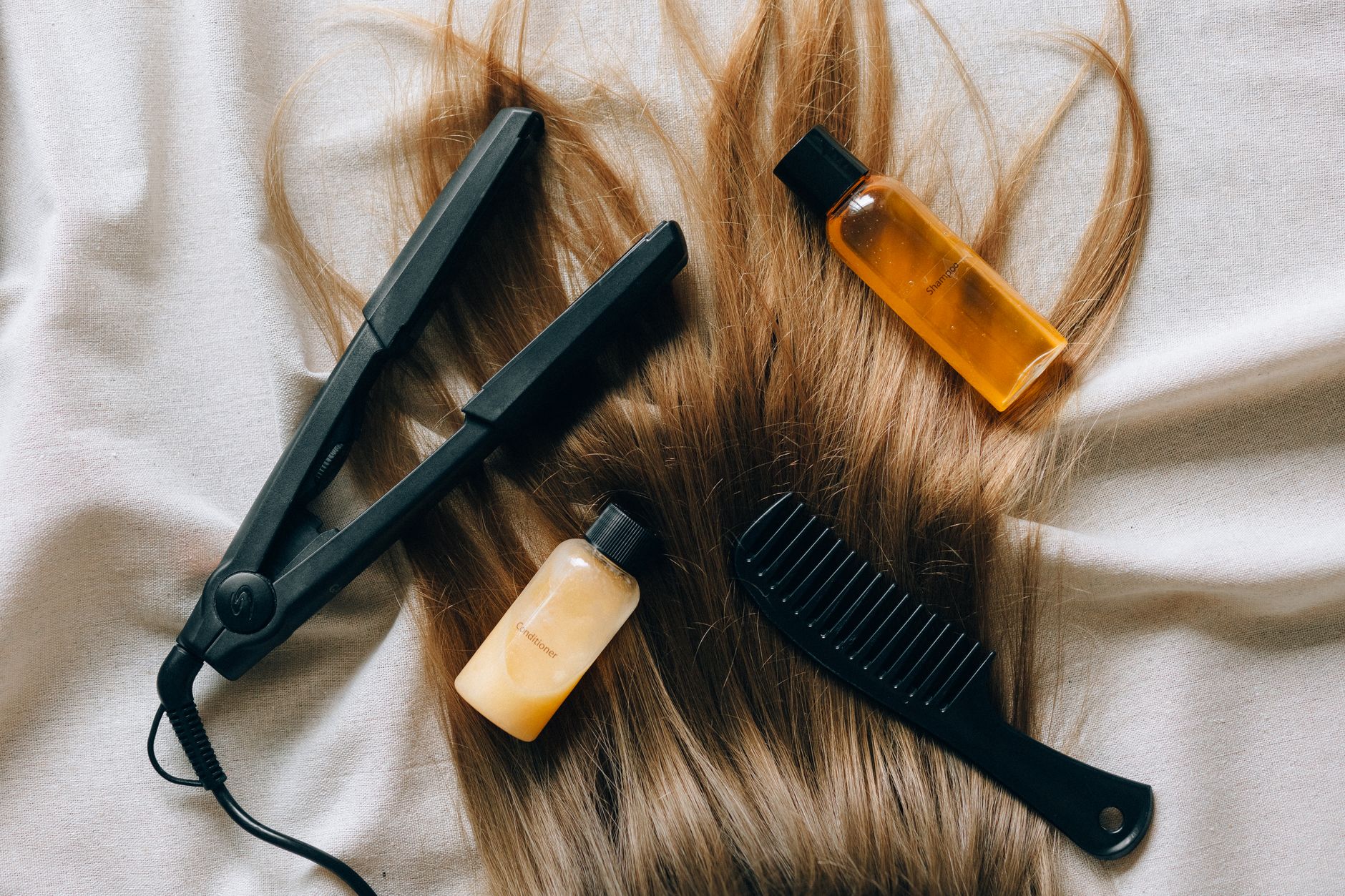
Identifying Fragrance Ingredients in Hair Products
Understanding the ingredients in your hair products is essential if you are dealing with neck eczema. Fragrance in hair products can trigger neck eczema, so being able to read labels and identify potential irritants is crucial. This section will guide you through understanding ingredient lists, common fragrance terms to look for, and tips for choosing safer products.
Understanding Ingredient Lists
Ingredient lists on hair products can seem overwhelming at first glance. However, with a bit of practice, you can become adept at identifying key components that may affect your skin. Ingredients are listed in descending order by quantity, meaning the first few ingredients make up the largest portion of the product.
When looking for fragrance in hair products, pay close attention to the beginning of the ingredient list. Fragrances are often near the top if they are a significant component of the product.
Common Fragrance Terms to Look For
Manufacturers use various terms to describe fragrance ingredients. Here are some common ones to be aware of:
- Parfum: This is the general term for fragrance and can include a mix of natural and synthetic ingredients.
- Fragrance: Similar to “parfum,” this term is used to describe a blend of scent-producing ingredients.
- Aroma: Often used interchangeably with fragrance, though it may imply a more natural scent.
- Essential Oils: While some essential oils are natural, they can still trigger allergies or sensitivities in some individuals.
- Phthalates: These are chemicals used to help fragrance last longer. They are known to cause skin irritation in some people.
- Linalool, Limonene, Eugenol: These are specific fragrance compounds that are common allergens.
If you notice any of these terms on the ingredient list, it’s a good idea to proceed with caution, especially if you have sensitive skin or a history of fragrance allergies.
Tips for Choosing Safer Products
Selecting hair products that are less likely to trigger neck eczema involves a bit of detective work. Here are some practical steps you can take:
- Look for Fragrance-Free Options: Products labeled as “fragrance-free” or “unscented” are your best bet. These products are formulated without added fragrances, reducing the risk of irritation.
- Check for Hypoallergenic Claims: While the term “hypoallergenic” isn’t regulated, products making this claim are often formulated to be gentler on sensitive skin. Look for additional certifications or seals of approval from reputable organizations.
- Read Reviews: Customer reviews can provide valuable insights. People with similar skin concerns often share their experiences, which can help you make an informed decision.
- Patch Test New Products: Before fully incorporating a new product into your routine, do a patch test. Apply a small amount to a discreet area of your skin and wait 24-48 hours to see if any reaction occurs.
- Consult Dermatologist Recommendations: Dermatologists often recommend specific brands or products for individuals with eczema. Checking professional recommendations can guide you toward safer choices.
For example, if you’re considering a new shampoo, start by examining the ingredient list. Suppose you notice terms like “parfum” or “phthalates.” In that case, it may be wise to opt for a different product, especially if you’ve experienced fragrance-related eczema flare-ups in the past.
Another practical approach is to gradually transition your hair care routine. Instead of switching all your products at once, change one item at a time. This way, you can pinpoint which product might be causing any adverse reactions.
Remember, the goal is to find products that keep your hair clean and styled without compromising your skin’s health. Taking the time to read labels and make informed choices can significantly reduce the likelihood of fragrance in hair products triggering neck eczema.
Choosing Fragrance-Free Hair Care Products
For individuals dealing with neck eczema, switching to fragrance-free hair care products can make a significant difference. Fragrance in hair products can trigger neck eczema, making it essential to explore fragrance-free alternatives. This section will delve into the benefits of using fragrance-free products, recommend some trusted brands, and provide tips for making a smooth transition.
Benefits of Fragrance-Free Products
Choosing fragrance-free hair care products offers several advantages, especially for those with sensitive skin or eczema:
- Reduced Irritation: Fragrance-free products are less likely to cause skin irritation, making them ideal for individuals with neck eczema. By eliminating potential irritants, you can help prevent flare-ups.
- Minimized Allergic Reactions: Fragrance allergies are common, and they can exacerbate eczema symptoms. Fragrance-free products reduce the risk of allergic reactions, providing a safer option for daily use.
- Gentler on Skin: Fragrance-free formulations are often designed to be gentler on the skin. This can be particularly beneficial for those with eczema, as harsh ingredients can worsen symptoms.
- Improved Skin Barrier: Using fragrance-free products can help maintain the skin’s natural barrier function. A healthy skin barrier is crucial for preventing moisture loss and protecting against environmental irritants.
Recommended Brands and Products
When selecting fragrance-free hair care products, it’s important to choose reputable brands known for their hypoallergenic formulations. Here are some recommended brands and products:
- Vanicream: Vanicream offers a range of fragrance-free hair care products, including shampoos, conditioners, and styling products. Their formulations are free from common irritants and are suitable for sensitive skin.
- Aveeno: Aveeno provides several fragrance-free options, such as their Pure Renewal Shampoo and Conditioner. These products are designed to be gentle and suitable for those with eczema.
- Neutrogena: Neutrogena’s T/Gel Therapeutic Shampoo is a popular choice for those with sensitive skin. It is fragrance-free and helps manage scalp issues without causing irritation.
- Briogeo: Briogeo offers the Don’t Despair, Repair! Deep Conditioning Mask, which is fragrance-free and enriched with nourishing ingredients to help repair damaged hair.
- OGX: OGX provides a fragrance-free shampoo and conditioner duo that is sulfate-free and gentle on the skin.
Tips for Transitioning to Fragrance-Free
Transitioning to fragrance-free hair care products can be a gradual process. Here are some tips to help you make the switch smoothly:
- Start Slowly: Begin by replacing one product at a time. For example, start with a fragrance-free shampoo and continue using your regular conditioner until you’re comfortable with the change.
- Read Labels Carefully: Always check the ingredient list to ensure the product is truly fragrance-free. Some products may claim to be fragrance-free but still contain hidden fragrances or allergens.
- Patch Test: Before fully committing to a new product, perform a patch test. Apply a small amount to a discreet area of your skin and wait 24-48 hours to check for any adverse reactions.
- Be Patient: It may take some time for your hair and scalp to adjust to new products. Be patient and give your skin a chance to adapt.
- Consult a Dermatologist: If you’re unsure about which products to choose or experience persistent issues, consider consulting a dermatologist. They can provide personalized recommendations based on your skin type and eczema severity.
- Keep a Journal: Track your symptoms and any changes you notice after switching to fragrance-free products. This can help you identify which products work best for you and make informed decisions in the future.
By choosing fragrance-free hair care products, you can reduce the likelihood of fragrance in hair products triggering neck eczema. Taking the time to find the right products and making a gradual transition can lead to healthier hair and calmer skin.
Developing a Safe Hair Care Routine for Eczema
For those with eczema, managing the condition involves careful consideration of various factors, including hair care. Fragrance in hair products can be a significant trigger for neck eczema, making it crucial to develop a hair care routine that minimizes exposure to potential irritants. This section will guide you through a step-by-step hair care routine designed to reduce the risk of eczema flare-ups, with specific tips for washing, conditioning, and avoiding product buildup.
Step-by-Step Hair Care Routine
Creating a safe hair care routine for eczema involves selecting the right products and following a consistent regimen. Here’s a detailed guide to help you get started:
1. Choose the Right Shampoo
Selecting a gentle, fragrance-free shampoo is the first step in your hair care routine. Look for products labeled as hypoallergenic and specifically designed for sensitive skin. These shampoos are formulated to be less irritating and are less likely to contain fragrance in hair products that can trigger neck eczema.
2. Wash Your Hair Gently
When washing your hair, use lukewarm water instead of hot water, which can strip the skin of its natural oils and exacerbate eczema. Apply the shampoo gently, focusing on the scalp and avoiding harsh scrubbing. Rinse thoroughly to ensure no residue is left behind, as product buildup can irritate the skin.
3. Condition Carefully
Conditioners can help keep your hair moisturized, but it’s important to choose a fragrance-free option. Apply the conditioner to the lengths of your hair, avoiding the scalp where possible. Leave it on for the recommended time and rinse thoroughly to prevent any residue from causing irritation.
4. Avoid Product Buildup
Product buildup can clog pores and irritate the skin, potentially leading to eczema flare-ups. To avoid this, use clarifying shampoos once a week to remove any accumulated residue. Additionally, consider using leave-in conditioners or hair oils that are specifically designed for sensitive skin and are free from fragrances.
Tips for Washing and Conditioning
Incorporating a few additional tips into your washing and conditioning routine can further help in managing eczema:
- Limit Washing Frequency: Washing your hair too frequently can strip it of natural oils, leading to dryness and irritation. Aim to wash your hair 2-3 times a week, or as needed, depending on your hair type and activity level.
- Use a Wide-Tooth Comb: After washing, use a wide-tooth comb to detangle your hair gently. This reduces the risk of pulling and irritating the skin on your scalp and neck.
- Pat Dry, Don’t Rub: After rinsing, gently pat your hair dry with a soft towel. Rubbing can cause friction and irritate the skin.
Real-Life Example: Jane’s Hair Care Routine
Jane, who has eczema, noticed that her neck would flare up after using certain hair products. She decided to overhaul her hair care routine by following these steps:
- She switched to a fragrance-free, hypoallergenic shampoo and conditioner.
- She reduced her hair washing frequency to three times a week.
- She incorporated a weekly clarifying shampoo to prevent buildup.
- She started using a leave-in conditioner designed for sensitive skin.
Within a few weeks, Jane noticed a significant reduction in her neck eczema flare-ups, highlighting the importance of a carefully curated hair care routine.
Decision Points: What to Look For in Products
When selecting hair care products, keep these decision points in mind to ensure they are safe for eczema-prone skin:
- Ingredient List: Check the ingredient list for any potential irritants or allergens. Avoid products with added fragrances, dyes, and harsh chemicals.
- Patch Test: Before fully incorporating a new product into your routine, perform a patch test. Apply a small amount of the product to a discreet area of skin and wait 24-48 hours to see if any reaction occurs.
- Consult a Dermatologist: If you’re unsure about which products to use, consult a dermatologist who can recommend eczema-friendly options.
By following a thoughtful and consistent hair care routine, you can significantly reduce the likelihood of fragrance in hair products triggering neck eczema. Remember, the key is to choose gentle, fragrance-free products and to be mindful of how you wash and condition your hair.
Managing Eczema Flare-Ups Caused by Fragrances
Experiencing an eczema flare-up due to fragrance in hair products can be uncomfortable and frustrating. Knowing how to manage these flare-ups is essential for maintaining skin health and reducing discomfort. This section provides practical strategies for managing and soothing eczema flare-ups triggered by fragrances, helping you to navigate these challenging moments more effectively.
Immediate Steps to Take During a Flare-Up
When you notice the signs of a flare-up, such as increased redness, itching, or irritation on your neck, it’s important to act quickly to minimize discomfort and prevent the flare-up from worsening.
- Stop Using Suspected Products: Immediately discontinue using any hair products you suspect might be triggering the flare-up. This includes shampoos, conditioners, hairsprays, and styling products.
- Wash the Affected Area: Gently cleanse your neck with a mild, fragrance-free cleanser to remove any residual product. Pat the area dry with a soft towel.
- Apply a Cool Compress: Place a cool, damp cloth on the affected area to soothe irritation and reduce inflammation. Leave it on for 10-15 minutes.
- Moisturize: Apply a fragrance-free, hypoallergenic moisturizer to keep the skin hydrated and create a protective barrier. Look for products containing ceramides or other skin-soothing ingredients.
Soothing Treatments and Remedies
In addition to immediate steps, there are several treatments and remedies that can help soothe eczema flare-ups caused by fragrances.
- Oatmeal Baths: Taking a colloidal oatmeal bath can help relieve itching and irritation. Add a cup of colloidal oatmeal to lukewarm bathwater and soak for 15-20 minutes.
- Aloe Vera: Aloe vera gel can provide a cooling and soothing effect on irritated skin. Apply a thin layer to the affected area and let it dry naturally.
- Calendula Cream: Calendula has anti-inflammatory properties that can help calm eczema-prone skin. Use a fragrance-free calendula cream to moisturize and soothe the skin.
- Hydrocortisone Cream: For severe itching, a low-potency hydrocortisone cream can provide temporary relief. Use it as directed and avoid long-term use without consulting a healthcare provider.
When to Seek Medical Advice
While many eczema flare-ups can be managed at home, there are times when seeking medical advice is necessary. Consider consulting a healthcare provider if:
- The Flare-Up Is Severe: If the itching, redness, or irritation is severe and does not improve with home care, it’s important to seek professional advice.
- Signs of Infection: Look for signs of infection, such as increased redness, swelling, warmth, or pus. Infections require medical treatment to prevent complications.
- Frequent Flare-Ups: If you experience frequent flare-ups despite avoiding fragranced products, a healthcare provider can help identify other potential triggers and provide a tailored management plan.
- No Improvement: If your symptoms do not improve after a week of home care, it may be time to consult a dermatologist for further evaluation and treatment options.
Managing eczema flare-ups caused by fragrance in hair products requires a proactive approach. By taking immediate steps to address the flare-up, using soothing treatments, and knowing when to seek medical advice, you can effectively manage your symptoms and maintain healthier skin. Remember, everyone’s skin is different, so it may take some trial and error to find the best strategies that work for you.

When to Consult a Dermatologist for Eczema
Managing eczema, especially when it’s triggered by factors like fragrance in hair products, can be complex. While many people find relief through lifestyle changes and over-the-counter treatments, there are times when professional help is necessary. Knowing when to consult a dermatologist can make a significant difference in managing your symptoms effectively.
Signs It’s Time to See a Dermatologist
If you’ve been diligently avoiding fragrance in hair products and following a strict hair care routine but still experience persistent neck eczema, it might be time to seek professional advice. Here are some signs that indicate you should consult a dermatologist:
- Severe Symptoms: If your eczema is causing intense itching, pain, or bleeding, a dermatologist can provide stronger treatments to alleviate these symptoms.
- Frequent Flare-Ups: Consistent eczema flare-ups despite your best efforts to avoid triggers suggest that you might need a more tailored treatment plan.
- Spreading Rash: If the rash is spreading beyond your neck to other parts of your body, professional evaluation is crucial.
- Secondary Infections: Signs of infection, such as increased redness, swelling, or pus, require immediate medical attention.
- Impact on Daily Life: If eczema is affecting your sleep, work, or overall quality of life, a dermatologist can offer solutions to help you manage better.
What to Expect During a Consultation
Visiting a dermatologist for eczema, particularly when it’s linked to fragrance in hair products, involves a thorough evaluation. Here’s what you can expect:
- Medical History: The dermatologist will ask about your medical history, including any previous skin conditions, family history of eczema, and current symptoms.
- Physical Examination: A detailed examination of your skin will be conducted to assess the severity and extent of your eczema.
- Discussion of Triggers: You’ll have the opportunity to discuss potential triggers, including hair products you’ve been using. Bring a list of products you’ve tried and any notes on your symptoms.
- Allergy Testing: In some cases, the dermatologist might recommend patch testing to identify specific allergens, including fragrances, that trigger your eczema.
Potential Treatments and Recommendations
Based on your consultation, the dermatologist may recommend a variety of treatments and lifestyle adjustments to help manage your eczema. These might include:
- Prescription Medications: Topical corticosteroids or other prescription creams can help reduce inflammation and itching. In some cases, oral medications might be prescribed.
- Specialized Skincare Routine: The dermatologist may suggest a specific skincare routine tailored to your needs, including hypoallergenic and fragrance-free products.
- Avoidance Strategies: Further guidance on avoiding fragrance in hair products and other potential triggers will be provided.
- Moisturizers: Recommendations for effective moisturizers that can help keep your skin hydrated and reduce eczema symptoms.
- Follow-Up Appointments: Regular check-ins to monitor your progress and adjust treatments as needed.
Remember, while over-the-counter solutions and home remedies can be effective for many, professional guidance ensures that you receive the most appropriate care for your specific situation. If you’re struggling with neck eczema that seems linked to fragrance in hair products, don’t hesitate to reach out to a dermatologist for expert advice.
Lifestyle Adjustments to Reduce Eczema Triggers
Managing eczema effectively often involves more than just avoiding specific triggers like fragrance in hair products. Making broader lifestyle adjustments can significantly help in reducing the frequency and severity of eczema flare-ups. Here are some practical steps you can take in your daily life to create a more eczema-friendly environment.
Diet and Nutrition Tips
While there is no one-size-fits-all diet for eczema, certain dietary changes may help manage symptoms for some individuals. Incorporating anti-inflammatory foods into your diet can be beneficial. Foods rich in omega-3 fatty acids, such as salmon, flaxseeds, and walnuts, may help reduce inflammation. Additionally, staying well-hydrated is crucial for maintaining skin health. Drinking plenty of water throughout the day can help keep your skin moisturized from the inside out.
Some people with eczema may find that certain foods trigger their symptoms. Common culprits include dairy, gluten, and highly processed foods. Keeping a food diary can help you identify any potential triggers. If you suspect certain foods worsen your eczema, consider consulting a nutritionist who specializes in food sensitivities.
Stress Management Techniques
Stress is a well-known trigger for eczema flare-ups. Finding effective stress management techniques can be a valuable part of your eczema management plan. Mindfulness practices, such as meditation and deep-breathing exercises, can help reduce stress levels. Even a few minutes of mindfulness each day can make a significant difference.
Regular physical activity is another excellent way to manage stress. Engaging in activities you enjoy, whether it’s yoga, walking, or dancing, can help release endorphins, which are natural stress relievers. Additionally, ensuring you get adequate sleep is vital. Poor sleep can exacerbate stress and, in turn, worsen eczema symptoms.
Environmental Adjustments
Creating an eczema-friendly environment at home can make a substantial difference in managing your symptoms. One of the first steps is to maintain a humidity level between 40-50% in your home. Using a humidifier during dry winter months can help keep the air moist, which is beneficial for your skin. Conversely, using a dehumidifier in overly humid environments can prevent excessive moisture, which can also trigger eczema.
Laundry detergents and fabric softeners can sometimes contain fragrances and other irritants that may exacerbate eczema. Opt for hypoallergenic, fragrance-free detergents to wash your bedding and clothing. Additionally, consider using bamboo or cotton bedding, as these materials are less likely to cause irritation compared to synthetic fabrics.
When it comes to hair care, be mindful of where your hair falls when you sleep. If you have long hair, consider tying it back to prevent it from touching your neck. This can reduce the likelihood of fragrance from hair products coming into contact with your skin and triggering a flare-up.
Practical Steps for Daily Life
Incorporating these lifestyle adjustments into your daily routine can create a more supportive environment for managing eczema. Here are some specific steps you can take:
- Meal Planning: Plan your meals around anti-inflammatory foods and avoid known triggers. Prepare meals in advance to ensure you have healthy options readily available.
- Daily Mindfulness: Dedicate a few minutes each day to mindfulness practices. This could be through a guided meditation app, a quiet moment of reflection, or even a short walk in nature.
- Regular Exercise: Find a physical activity you enjoy and make it a part of your weekly routine. Aim for at least 30 minutes of moderate exercise most days of the week.
- Consistent Sleep Schedule: Go to bed and wake up at the same time each day to regulate your body’s internal clock. Create a relaxing bedtime routine to signal to your body that it’s time to wind down.
- Home Environment: Regularly clean your living space to reduce dust and allergens. Use a humidifier or dehumidifier as needed to maintain optimal humidity levels.
By making these lifestyle adjustments, you can create a more supportive environment that minimizes the impact of fragrance in hair products and other potential triggers on your eczema. Remember, small changes can lead to significant improvements in your overall skin health.
Success Stories: Managing Eczema with Fragrance-Free Products
Real-life success stories can offer invaluable insights and inspiration for those struggling with neck eczema triggered by fragrance in hair products. Hearing about others’ journeys and the strategies they’ve employed can provide practical tips, encouragement, and motivation. Below are a few personal anecdotes from individuals who have successfully managed their eczema by switching to fragrance-free hair care products.
Personal Anecdote: Emma’s Journey to Fragrance-Free Hair Care
Emma, a 29-year-old marketing professional, had been dealing with severe neck eczema for years. “I tried countless creams and medications, but nothing seemed to work long-term,” she recalls. It wasn’t until she started investigating potential triggers that she discovered her beloved scented shampoo and conditioner were the culprits.
Emma decided to make the switch to fragrance-free products. “It was a game-changer,” she says. “Within a few weeks, my neck eczema started to clear up. I now use only hypoallergenic, fragrance-free hair care products, and my skin has never been better.”
Tips and Advice from Eczema Sufferers
Many eczema sufferers have found relief by adopting fragrance-free hair care routines. Here are some tips and advice from those who have walked this path:
- Read Labels Carefully: Always check the ingredient list for any hidden fragrances. Look for terms like “parfum,” “fragrance,” or “aroma.” Even products labeled “fragrance-free” can sometimes contain trace amounts of fragrance, so it’s essential to be vigilant.
- Start Slow: If you’re used to scented products, transitioning to fragrance-free options might seem daunting. Start by replacing one product at a time to identify which specific item might be triggering your eczema.
- Moisturize Regularly: Keeping your skin well-moisturized can help reduce the severity of eczema flare-ups. Use a fragrance-free moisturizer on your neck and other affected areas daily.
- Consult a Dermatologist: If you’re unsure about which products to use, consider consulting a dermatologist. They can provide personalized recommendations based on your skin’s needs.
Encouragement and Motivation
Managing eczema, especially when it’s triggered by something as common as fragrance in hair products, can be challenging. However, hearing about others’ successes can offer the encouragement and motivation needed to make the switch.
Take Sarah, for example. After years of struggling with neck eczema, she finally found relief by eliminating fragranced hair products from her routine. “It was a tough adjustment at first,” she admits. “But knowing that I was taking a crucial step towards better skin health kept me going. Now, I’m eczema-free and couldn’t be happier.”
These success stories underscore the importance of being proactive about identifying and eliminating potential triggers. While the journey might be long and filled with trial and error, the end result—clear, comfortable skin—is well worth the effort.
If you’re dealing with neck eczema and suspect that fragrance in hair products might be the cause, take heart. You’re not alone, and there are effective strategies available to help you manage your condition. By learning from others’ experiences and making informed choices, you can take significant steps towards achieving clearer skin.
Frequently asked questions
Can any fragrance trigger neck eczema?
Different individuals may react to different fragrances, and it’s important to identify personal triggers. If you suspect that fragrance in hair products is causing your neck eczema, consider keeping a diary of your symptoms and the products you use. This can help you pinpoint which fragrances may be problematic for you.
Patch testing is another method to determine if a specific fragrance is a trigger. Apply a small amount of the product to a discreet area of your skin and wait 24-48 hours to see if a reaction occurs. Always consult a dermatologist before conducting any tests.
Are all hair products safe for people with eczema?
Hair product formulations vary widely, and not all are suitable for people with eczema. It’s crucial to read labels carefully and look for products specifically designed for sensitive skin. Fragrance-free options are generally safer, but some individuals may still react to other ingredients.
Consider products that are hypoallergenic, dermatologist-tested, and free from common irritants like sulfates, parabens, and artificial colors. Consulting a dermatologist can also provide personalized recommendations.
How can I tell if a hair product contains fragrance?
Reading ingredient lists is key to identifying whether a hair product contains fragrance. Look for terms like “fragrance,” “parfum,” “aroma,” or specific fragrance compounds like “limonene” or “linalool.”
Some products may also list “natural fragrance” or “essential oils,” which can still be irritating for some people with eczema. If in doubt, contact the manufacturer for more information.
What are some good fragrance-free hair care brands?
Several reputable brands offer fragrance-free hair care products. Some well-known options include Vanicream, Aveeno, and La Roche-Posay. These brands are often recommended by dermatologists for their gentle formulations.
Always check the product label to ensure it is truly fragrance-free, as some brands may market their products as “fragrance-free” but still include masking scents.
Can switching to fragrance-free products help manage my eczema?
Switching to fragrance-free products can significantly help manage eczema symptoms, especially if fragrance in hair products is a known trigger for your neck eczema. Reducing exposure to potential irritants can lead to fewer flare-ups and improved skin condition.
However, it’s important to note that managing eczema often requires a multifaceted approach, including proper skincare, avoiding other triggers, and sometimes using medicated treatments as prescribed by a healthcare professional.
What should I do if I experience a severe eczema flare-up?
If you experience a severe eczema flare-up, it’s important to take immediate action. Start by discontinuing any new products you’ve recently introduced. Apply a gentle, fragrance-free moisturizer to soothe the affected area.
Avoid scratching to prevent further irritation and possible infection. If the flare-up persists or worsens, consult a dermatologist for professional advice and possible treatment options. Severe symptoms should always be evaluated by a healthcare professional.
Use MyEczema.app to track your eczema patterns and daily triggers.
This article is for educational purposes only and is not medical advice. If symptoms are severe, spreading, painful, infected-looking, or affecting sleep and daily life, speak with a qualified healthcare professional.
Sources and further reading
For medical guidance, always rely on a qualified healthcare professional. These educational resources may help readers learn more:
Image credit: Photo by Ron Lach on Pexels. Used under the Pexels License.
Image credit: Photo by Nataliya Vaitkevich on Pexels. Used under the Pexels License.
Image credit: Photo by https://kaboompics.com/ on Pexels. Used under the Pexels License.