
MyEczema.app guide
Moisturize Scalp Without Greasy Hair: Practical Guide
moisturize scalp without greasy hair: practical tips for tracking triggers, building routines, and supporting eczema-prone skin.
Table of contents
Use this guide as a practical reference and jump to the sections most relevant to you.
- Quick answer
- Key takeaways
- Practical comparison table
- Visual chart
- Related MyEczema.app tool
- Understanding Scalp Moisture and Greasy Hair
- Choosing the Right Moisturizer for Your Scalp
- Application Techniques to Avoid Greasy Hair
- Incorporating Scalp Exfoliation into Your Routine
- Using Leave-In Conditioners for Added Moisture
- Hair Type Considerations for Scalp Moisturizing
- Top Product Recommendations for Non-Greasy Scalp Moisturizing
- DIY Scalp Treatments for Hydration Without Grease
- Maintaining a Consistent Scalp Care Routine
- Common Mistakes to Avoid When Moisturizing Your Scalp
- Frequently asked questions
- Sources and further reading
Dealing with eczema on the scalp can be particularly challenging, especially when trying to moisturize scalp without greasy hair. The goal is to keep the scalp hydrated and comfortable without ending up with an oily, weighed-down hairdo. This practical guide will walk you through the best ways to achieve this balance, ensuring your scalp gets the moisture it needs while keeping your hair looking fresh and clean.
Eczema-prone skin often suffers from a disrupted skin barrier, making it more sensitive to irritants, climate changes, and even certain cleansing habits. This disruption can lead to dryness, itching, and flaking, particularly on the scalp. Understanding how to properly moisturize your scalp without making your hair greasy is crucial for managing these symptoms effectively.
In this article, we’ll dive into the specifics of choosing the right moisturizers, applying them correctly, and incorporating other scalp care practices that can help you maintain a healthy, balanced scalp. We’ll also touch on general eczema background to provide context, but the main focus will be on practical, actionable tips for moisturizing scalp without greasy hair.
Whether you’re dealing with occasional flare-ups or chronic eczema, these strategies can help you manage your symptoms more effectively and keep your scalp and hair in top condition.
Quick answer
To moisturize scalp without greasy hair, use lightweight, oil-free moisturizers and apply them sparingly. This approach helps keep your scalp hydrated without weighing down your hair.
Key takeaways
- Choose lightweight, oil-free moisturizers for the scalp.
- Apply moisturizers sparingly to avoid excess oil.
- Incorporate scalp exfoliation into your routine to prevent product buildup.
- Consider using leave-in conditioners for added moisture without greasiness.
- Maintain a consistent scalp care routine for optimal results.
Comparing Scalp Moisturizers
| Situation | What it may mean | Practical next step |
|---|---|---|
| Oily scalp | Your scalp produces excess oil, leading to greasiness. | Use oil-free, lightweight moisturizers and exfoliate regularly. |
| Dry scalp | Your scalp lacks moisture, causing flakiness. | Choose hydrating moisturizers with humectants like glycerin. |
| Sensitive scalp | Your scalp reacts to certain ingredients, causing irritation. | Opt for hypoallergenic, fragrance-free moisturizers. |
| Curly hair | Curly hair tends to be drier and may require more moisture. | Use leave-in conditioners and moisture-rich products. |
| Color-treated hair | Color-treated hair may need extra care to maintain moisture. | Use sulfate-free moisturizers and avoid over-washing. |
Effectiveness of Scalp Moisturizers
This visual is an educational guide, not a diagnostic score. Use it to decide what may be worth tracking more consistently for this specific topic.
Highly effective for preventing greasy hair.
Good for adding moisture without weighing hair down.
Essential for removing buildup and improving product absorption.
Great for intense hydration but use sparingly to avoid greasiness.
May cause greasiness; best for dry scalps when used in small amounts.
Related MyEczema.app tool
Use the Eczema Skincare Routine Planner
The Eczema Skincare Routine Planner helps users organize morning, daytime, and evening routine steps for eczema-prone skin.
For this topic, this tool can help you organize information in a more structured way and turn daily observations into clearer patterns to review over time.
Understanding Scalp Moisture and Greasy Hair
The Science Behind Scalp Moisture
To effectively moisturize the scalp without making hair greasy, it’s important to understand the science behind scalp moisture. The scalp, like the rest of the skin, has natural oils produced by sebaceous glands. These oils, known as sebum, help to keep the scalp hydrated and protected. However, the balance of these oils is crucial. Too much sebum can lead to greasy hair, while too little can result in a dry, itchy scalp.
Sebum production is influenced by various factors including genetics, hormonal changes, and environmental conditions. For instance, during puberty, increased hormone levels can stimulate sebum production, often leading to oilier hair. Similarly, stress and certain foods can also affect sebum production.
Common Causes of Greasy Hair
Greasy hair is often a result of overactive sebaceous glands producing excess sebum. Several factors can contribute to this condition:
- Genetics: If your parents have oily hair, you might inherit this trait.
- Hormonal Changes: Fluctuations in hormones, such as those during menstruation or pregnancy, can increase sebum production.
- Diet: High-fat diets can stimulate sebum production.
- Environmental Factors: Humid weather can cause the scalp to produce more oil to maintain moisture balance.
- Hair Products: Using heavy creams, oils, or pomades can add extra grease to your hair.
Understanding these causes can help you identify why your hair might be getting greasy and allow you to take appropriate steps to manage it.
The Importance of Balancing Scalp Hydration
Balancing scalp hydration is key to maintaining healthy hair without it becoming greasy. The goal is to keep the scalp moisturized without overloading it with oils that can transfer to the hair.
A well-hydrated scalp is less likely to produce excess oil as a compensatory mechanism. When the scalp is properly moisturized, it signals to the sebaceous glands that additional oil production is not necessary. This balance is crucial for those looking to moisturize their scalp without greasy hair.
Using a non-greasy moisturizer specifically designed for the scalp can help achieve this balance. These products are formulated to provide essential hydration without the heavy, oily residue that can weigh hair down. Ingredients like hyaluronic acid, glycerin, and lightweight oils (such as jojoba or argan oil) are often found in these moisturizers. They offer hydration without the greasiness.
Practical Steps for Balancing Scalp Hydration
Here are some practical steps to help you moisturize your scalp without making your hair greasy:
- Choose the Right Products: Opt for oil-free scalp treatments or lightweight moisturizers. Look for products labeled as “non-greasy” or “oil-free.”
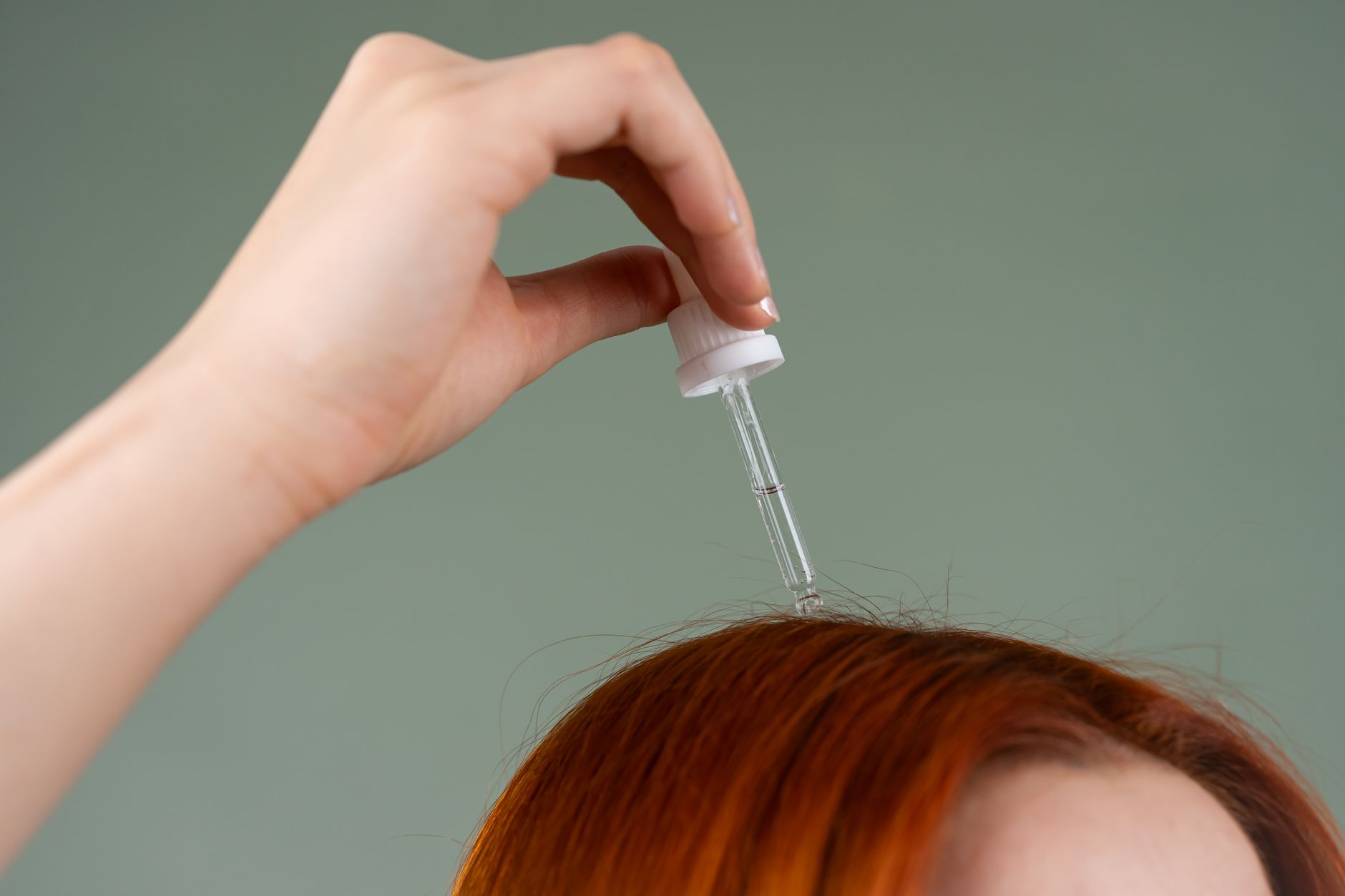
- Apply Sparingly: Use a small amount of moisturizer and focus on the scalp rather than the hair itself. This prevents excess product from traveling down the hair shaft and causing greasiness.
- Incorporate Scalp Exfoliation: Regular exfoliation can help remove dead skin cells and product buildup, allowing moisturizers to penetrate more effectively. Use a gentle scalp scrub once or twice a week.
- Adjust Washing Frequency: Washing your hair too frequently can strip natural oils, leading to overproduction. Find a balance that works for your hair type—whether that’s every other day, twice a week, or another schedule.
- Use a Lightweight Conditioner: If you need to condition your hair, choose a lightweight formula that won’t weigh your scalp down. Apply it only to the mid-lengths and ends of your hair, avoiding the roots.
By following these steps, you can effectively moisturize your scalp without the unwanted side effect of greasy hair. Remember, the key is to find the right balance and use products that cater specifically to your scalp’s needs.
Real-Life Example: Sarah’s Scalp Care Routine
Sarah, a 28-year-old with fine, oily hair, struggled with keeping her scalp moisturized without making her hair look greasy. After trying various products, she found a routine that worked for her:
- She started using a non-greasy moisturizer with hyaluronic acid twice a week, applying it directly to her scalp.
- Sarah incorporated a gentle scalp scrub into her routine, using it once a week to remove buildup.
- She adjusted her washing frequency to every other day, using a sulfate-free shampoo to avoid stripping her scalp of natural oils.
- For conditioning, Sarah opted for a lightweight conditioner, applying it only to the ends of her hair.
Within a few weeks, Sarah noticed a significant improvement. Her scalp felt hydrated and healthy, and her hair looked less greasy. This example illustrates how a tailored scalp care routine can make a difference.
Decision Points: Choosing the Right Products
When selecting products to moisturize your scalp without greasy hair, consider the following decision points:
- Ingredients: Look for ingredients like hyaluronic acid, glycerin, and lightweight oils. Avoid heavy oils and greasy components.
- Product Type: Serums and lotions are often lighter than creams and ointments. Choose formulations that are designed for the scalp.
- Reviews and Recommendations: Read reviews from others with similar hair types and scalp conditions. Recommendations from dermatologists can also be valuable.
By carefully choosing your products and following a consistent scalp care routine, you can achieve a balanced, moisturized scalp without the hassle of greasy hair.
Choosing the Right Moisturizer for Your Scalp
Finding the right moisturizer for your scalp is essential to maintaining healthy, hydrated skin without making your hair greasy. The key is to choose a product that provides adequate moisture while being lightweight enough not to weigh down your hair. This section will guide you through the types of scalp moisturizers available, ingredients to look for in a non-greasy moisturizer, and how to determine your scalp type.
Types of Scalp Moisturizers
Scalp moisturizers come in various forms, each with its own benefits. Here are the most common types:
- Lotions: Lightweight and easy to apply, lotions are ideal for those with fine or thin hair. They provide hydration without leaving a heavy residue.
- Serums: These are ultra-lightweight and often contain potent ingredients that penetrate the scalp quickly. Serums are great for targeted treatment.
- Sprays: Convenient and easy to use, sprays can be applied directly to the scalp. They are often formulated to be non-greasy and fast-absorbing.
- Oils: While traditional oils can be heavy, there are lightweight oils and oil blends specifically designed for the scalp that won’t make your hair greasy.
- Creams: Thicker than lotions, creams offer more intense hydration. They are best for those with very dry scalps but should be used sparingly to avoid greasiness.
Ingredients to Look for in a Non-Greasy Moisturizer
When selecting a moisturizer, pay attention to the ingredients. Here are some key components to look for:
- Hyaluronic Acid: This ingredient attracts moisture to the scalp, providing hydration without a greasy feel.
- Glycerin: A humectant that helps retain moisture in the scalp.
- Ceramides: These lipids help restore the scalp’s natural barrier, keeping it hydrated and protected.
- Jojoba Oil: A lightweight oil that closely resembles the scalp’s natural oils, making it a great non-greasy option.
- Aloe Vera: Known for its soothing properties, aloe vera provides hydration without weighing down the hair.
- Panthenol (Provitamin B5): Helps to strengthen and hydrate the scalp.
Avoid heavy oils like coconut or olive oil unless your scalp is extremely dry, as they can make your hair appear greasy.
How to Determine Your Scalp Type
Understanding your scalp type is crucial in selecting the right moisturizer. Here’s how to determine your scalp type:
- Dry Scalp: Characterized by flakiness, itching, and tightness. Look for moisturizers with hydrating ingredients like hyaluronic acid and glycerin.
- Oily Scalp: If your scalp feels greasy and you notice an oily sheen on your hair, opt for lightweight lotions or serums with oil-absorbing ingredients like salicylic acid.
- Sensitive Scalp: If your scalp is prone to irritation and redness, choose fragrance-free, hypoallergenic products with soothing ingredients like aloe vera and chamomile.
- Normal Scalp: If your scalp doesn’t show any specific issues, a balanced moisturizer with a mix of hydrating and protective ingredients will suffice.
To further narrow down your choice, consider patch-testing new products. Apply a small amount of the moisturizer to a small area of your scalp and wait 24 hours to check for any adverse reactions.
In summary, the right moisturizer for your scalp will depend on your specific scalp type and the ingredients that work best for you. By understanding the different types of moisturizers and the key ingredients to look for, you can find a product that keeps your scalp hydrated without making your hair greasy. Remember, moisturize scalp without greasy hair is achievable with the right product and application technique.
Application Techniques to Avoid Greasy Hair
Proper application of scalp moisturizers is crucial to ensure that your hair remains healthy and free from unwanted greasiness. Even the best non-greasy moisturizer can lead to greasy hair if not applied correctly. This section will guide you through the proper application methods, how much moisturizer to use, and tips for distributing it evenly.
Proper Application Methods
The way you apply your scalp moisturizer can significantly impact the results. Here are some effective methods:
- Sectioning Your Hair: Divide your hair into sections using clips or hair ties. This allows you to focus on smaller areas at a time, ensuring even application.
- Using Your Fingers: Apply the moisturizer directly to your scalp using your fingertips. This method provides better control and allows you to target specific dry areas.
- Massage Technique: Gently massage the moisturizer into your scalp using circular motions. This helps the product absorb better and stimulates blood flow.
- Avoiding the Hair Shaft: Focus on applying the moisturizer only to your scalp, avoiding the hair shafts to prevent greasiness.
How Much Moisturizer to Use
Determining the right amount of moisturizer is key to avoiding greasy hair. Here’s a practical approach:
- Start Small: Begin with a small amount of moisturizer, such as a pea-sized drop, and gradually increase if needed. It’s easier to add more than to remove excess.
- Consider Hair Length and Density: Those with longer or thicker hair may need slightly more moisturizer, but always start with less and adjust accordingly.
- Listen to Your Scalp: Pay attention to how your scalp feels. If it’s still dry after application, you can add a bit more. If it feels oily, you’ve likely used too much.
Tips for Distributing Moisturizer Evenly
Even distribution of moisturizer ensures that your entire scalp benefits without any areas becoming overly greasy. Here are some tips:
- Use a Mirror: If possible, use a mirror to check the back of your scalp. This ensures you don’t miss any spots.
- Work in Sections: As mentioned earlier, working in sections helps you apply the moisturizer more evenly.
- Blend into Hairline: Pay special attention to your hairline, as this area can easily become greasy. Blend the moisturizer gently into this area.
- Avoid Over-Application: If you notice any areas becoming too oily, use a dry shampoo to absorb excess oil without washing your hair.
By following these application techniques, you can effectively moisturize your scalp without making your hair greasy. Remember, the goal is to keep your scalp hydrated while maintaining the health and appearance of your hair. Experiment with different methods and amounts to find what works best for you.
Incorporating these techniques into your scalp care routine will help you achieve the right balance of moisture and avoid the common issue of greasy hair. Whether you choose a lightweight moisturizer or an oil-free scalp treatment, proper application is the key to success.
Incorporating Scalp Exfoliation into Your Routine
Maintaining a well-moisturized scalp is essential for those looking to moisturize scalp without greasy hair. However, simply applying a non-greasy moisturizer might not be enough. Incorporating scalp exfoliation into your routine can make a significant difference. This practice helps remove dead skin cells, product buildup, and excess oil, allowing your scalp to better absorb moisturizers.
Benefits of Scalp Exfoliation
Scalp exfoliation offers several benefits that contribute to a healthier scalp and less greasy hair:
- Improved Product Absorption: Exfoliating your scalp removes the buildup of dead skin cells and old hair products, allowing new treatments to penetrate more effectively.
- Reduced Oiliness: Regular exfoliation helps control excess oil production, making it easier to moisturize scalp without greasy hair.
- Enhanced Blood Circulation: The gentle massage involved in exfoliation can stimulate blood flow to the scalp, promoting healthier hair growth.
- Prevents Clogged Follicles: By clearing away debris, exfoliation helps prevent clogged hair follicles, which can lead to issues like dandruff and scalp irritation.
How to Exfoliate Your Scalp Safely
Exfoliating your scalp might sound daunting, but with the right approach, it can be a simple and beneficial addition to your hair care routine. Here’s how to do it safely:
Choose the Right Exfoliant
There are various ways to exfoliate your scalp, from physical scrubs to chemical exfoliants. Here are some options:
- Physical Exfoliants: These include sugar scrubs or salt scrubs specifically designed for the scalp. They work by physically removing dead skin cells.
- Chemical Exfoliants: Products containing salicylic acid or glycolic acid can dissolve dead skin cells and product buildup without the need for scrubbing.
- Scalp Brushes: Using a soft-bristled scalp brush can help remove buildup and stimulate the scalp.
When choosing an exfoliant, look for products labeled for scalp use to ensure they are gentle and effective.
Prepare Your Scalp
Before exfoliating, it’s a good idea to wash your hair with a gentle shampoo to remove any surface-level dirt and oil. This step ensures that the exfoliant can work more effectively.
Apply the Exfoliant
If using a physical exfoliant, apply a small amount to your damp scalp. Gently massage in circular motions for about 2-3 minutes, focusing on areas with buildup. For chemical exfoliants, follow the product instructions carefully.
Rinse Thoroughly
After exfoliating, rinse your scalp thoroughly with lukewarm water to remove all traces of the exfoliant. Ensure no residue is left behind, as this can lead to irritation.
Follow Up with a Lightweight Moisturizer
After exfoliating, your scalp may feel slightly dry. This is an excellent time to apply a lightweight, non-greasy moisturizer to hydrate and protect your scalp.
Frequency of Scalp Exfoliation
The frequency of scalp exfoliation depends on your individual needs and scalp condition. Here are some general guidelines:
- Oily Scalp: Those with oily scalps may benefit from exfoliating once or twice a week to help manage excess oil and product buildup.
- Dry Scalp: If you have a dry scalp, exfoliate less frequently, about once every 10-14 days, to avoid over-drying.
- Sensitive Scalp: Individuals with sensitive scalps should exfoliate cautiously, perhaps once every two weeks, and opt for gentle, chemical exfoliants.
Always pay attention to how your scalp reacts. If you notice any irritation or increased dryness, reduce the frequency or switch to a gentler exfoliant.
Real-Life Example
Consider Jane, who struggles with an oily scalp and greasy hair. She decides to incorporate scalp exfoliation into her routine. Jane chooses a gentle scalp scrub with natural ingredients and exfoliates once a week. After each session, she applies a lightweight, oil-free moisturizer. Over time, Jane notices that her scalp feels cleaner, and her hair stays fresh longer, allowing her to moisturize scalp without greasy hair more effectively.
Incorporating scalp exfoliation into your hair care routine can significantly enhance the effectiveness of your moisturizers and help you achieve a healthier, less greasy scalp. By choosing the right exfoliant and following a consistent routine, you can enjoy the benefits of a well-maintained scalp without the downside of oily hair.
Using Leave-In Conditioners for Added Moisture
What are Leave-In Conditioners?
Leave-in conditioners are specially formulated products designed to be applied to the hair and scalp without the need for rinsing. Unlike traditional conditioners that are washed out, leave-in conditioners remain in the hair, providing continuous moisture and protection. These products come in various forms, including sprays, creams, and lotions, making them versatile for different hair types and needs.
Benefits of Using Leave-In Conditioners
Incorporating leave-in conditioners into your scalp care routine can offer several benefits, especially if you’re looking to moisturize scalp without greasy hair.
- Hydration: Leave-in conditioners provide essential moisture to the scalp, helping to alleviate dryness and itchiness without the greasiness often associated with heavier oils.
- Protection: These conditioners create a protective barrier on the scalp, shielding it from environmental stressors such as pollution and harsh weather conditions.
- Frizz Control: For those with curly or wavy hair, leave-in conditioners can help reduce frizz, making hair more manageable and easier to style.
- Enhanced Shine: Many leave-in conditioners contain ingredients that add a healthy shine to the hair, making it look vibrant and well-cared-for.
How to Incorporate Leave-In Conditioners into Your Routine
To effectively use leave-in conditioners and achieve the best results, follow these practical steps:
Choose the Right Product
Not all leave-in conditioners are created equal. When selecting a leave-in conditioner, consider the following:
- Ingredients: Look for products with hydrating ingredients like aloe vera, glycerin, and panthenol. Avoid those with heavy oils if you’re concerned about greasiness.
- <Hair Type: Choose a conditioner formulated for your specific hair type. For fine or oily hair, opt for lightweight, oil-free options. For dry or coarse hair, a richer formula might be more suitable.
- Scent: If you’re sensitive to fragrances, look for fragrance-free or lightly scented options to avoid any potential irritation.
Application Technique
Proper application is key to maximizing the benefits of leave-in conditioners while avoiding greasy hair. Here’s how to do it:
- Section Your Hair: Divide your hair into sections to ensure even application. This is particularly useful for those with longer or thicker hair.
- Focus on the Scalp: Apply the leave-in conditioner directly to the scalp, focusing on areas that are particularly dry or itchy. Use your fingertips to gently massage the product into the scalp.
- Distribute Through the Lengths: After treating the scalp, distribute the remaining product through the lengths of your hair. Pay attention to the mid-lengths and ends, where hair tends to be drier.
- Avoid Overloading: Use a small amount of product to start. You can always add more if needed, but it’s easier to avoid greasiness by starting with a conservative amount.
Incorporate into Your Routine
To make leave-in conditioners a staple in your scalp care routine, consider the following tips:
- Post-Wash Application: Apply leave-in conditioner after shampooing and conditioning your hair. This ensures your scalp is clean and ready to absorb the moisture.
- Daily or As Needed: Depending on your hair’s needs, you can use leave-in conditioner daily or a few times a week. Those with particularly dry scalps may benefit from more frequent use.
- Combine with Other Treatments: Leave-in conditioners can be used in conjunction with other scalp treatments, such as scalp exfoliants or oil-free moisturizers, to enhance their effects.
Real-Life Example
Imagine you have a busy morning routine and want to ensure your scalp stays moisturized throughout the day without making your hair greasy. After shampooing and conditioning your hair, take a small amount of your chosen leave-in conditioner and apply it directly to your scalp. Massage it in gently, then distribute the remaining product through your hair. This simple step adds an extra layer of moisture and protection, helping you maintain a healthy scalp without the worry of greasy hair.
Decision Points
When deciding whether to use a leave-in conditioner, consider the following:
- Is your scalp frequently dry or itchy?
- Do you struggle with frizz or flyaways?
- Are you looking for added shine and smoothness in your hair?
If you answered yes to any of these questions, a leave-in conditioner could be a valuable addition to your scalp care routine.
Scientifically Cautious Explanation
Leave-in conditioners work by forming a thin layer on the scalp and hair, which helps to lock in moisture and protect against environmental damage. The key to avoiding greasiness lies in choosing the right product and using it correctly. Lightweight, oil-free formulas are particularly effective for those concerned about greasy hair, as they provide hydration without the heavy residue often associated with traditional oils.
In summary, leave-in conditioners are a practical and effective way to moisturize scalp without greasy hair. By selecting the right product, applying it correctly, and incorporating it into your routine, you can enjoy the benefits of a well-hydrated scalp and healthy-looking hair.
Hair Type Considerations for Scalp Moisturizing
When it comes to moisturizing scalp without greasy hair, understanding your hair type is crucial. Different hair types have unique needs, and tailoring your scalp care routine accordingly can make a significant difference. Let’s explore moisturizing tips for oily, dry, and curly hair.
Moisturizing Tips for Oily Hair
If you have oily hair, you might be wary of adding any extra moisture to your scalp, fearing it will make your hair greasier. However, neglecting scalp hydration can lead to an overproduction of oil as your scalp tries to compensate for dryness.
- Choose a Lightweight Moisturizer: Opt for oil-free or lightweight moisturizers. Products labeled as “oil-free” or “non-comedogenic” are less likely to clog pores and cause greasiness.
- Use a Scalp Serum: Scalp serums are often formulated to provide hydration without adding excess oil. Look for ingredients like hyaluronic acid, which attracts moisture to the scalp without making it oily.
- Apply Sparingly: When applying moisturizer, use a small amount and focus on the scalp rather than the hair. This helps hydrate the scalp without weighing down your hair.
- Incorporate Scalp Exfoliation: Regular exfoliation can help remove excess oil and dead skin cells, allowing your scalp to absorb moisturizers more effectively. Use a gentle scalp scrub once a week.
Moisturizing Tips for Dry Hair
Dry hair often accompanies a dry scalp, which can lead to itching, flaking, and discomfort. Properly hydrating your scalp is essential to maintain healthy hair.
- Select a Hydrating Moisturizer: Look for moisturizers that contain hydrating ingredients like glycerin, panthenol, or ceramides. These ingredients help lock in moisture without making your hair greasy.
- Use a Leave-In Conditioner: Leave-in conditioners provide additional moisture and can be especially beneficial for dry hair. Choose a lightweight formula that won’t weigh your hair down.
- Apply to Damp Hair: After washing your hair, apply moisturizer to damp hair. This helps the product penetrate the scalp more effectively and provides longer-lasting hydration.
- Avoid Over-Washing: Washing your hair too frequently can strip it of natural oils, leading to dryness. Aim to wash your hair 2-3 times a week and use moisturizing shampoos.
Moisturizing Tips for Curly Hair
Curly hair tends to be drier because the natural oils produced by the scalp have a harder time traveling down the hair shaft. This makes moisturizing the scalp even more critical.
- Use a Curl-Friendly Moisturizer: Look for moisturizers specifically designed for curly hair. These products often contain ingredients that provide moisture without weighing down curls.
- Apply to Sectioned Hair: Divide your hair into sections and apply moisturizer to each section, focusing on the scalp. This ensures even distribution and targeted hydration.
- Incorporate a Leave-In Conditioner: Leave-in conditioners are a staple in curly hair care routines. They provide moisture and help define curls without adding grease.
- Use a Spray Moisturizer: For added convenience, use a spray moisturizer that you can apply throughout the day to keep your scalp hydrated without disturbing your hairstyle.
By considering your hair type and choosing the right products and techniques, you can effectively moisturize your scalp without making your hair greasy. Whether you have oily, dry, or curly hair, there are practical steps you can take to maintain a healthy, hydrated scalp while keeping your hair looking its best.
Top Product Recommendations for Non-Greasy Scalp Moisturizing
Finding the right products to moisturize your scalp without making your hair greasy can be challenging. This section provides a curated list of top-rated products designed to offer effective scalp hydration without the unwanted greasiness. We’ll explore the best lightweight moisturizers, top-rated leave-in conditioners, and recommended scalp exfoliators to help you achieve a healthy, moisturized scalp.
Best Lightweight Moisturizers
Lightweight moisturizers are essential for those looking to moisturize their scalp without making their hair greasy. These products are formulated to provide hydration without weighing down the hair.
- Aveeno Pure Renewal Daily Moisturizer SPF 30: This moisturizer is lightweight and non-greasy, making it ideal for daily use. It provides essential hydration while protecting the scalp from sun damage.
- Neutrogena Hydro Boost Water Gel: Known for its lightweight formula, this gel-based moisturizer hydrates the scalp without leaving a greasy residue. It’s perfect for those with oily hair who need extra moisture.
- CeraVe Hydrating Cream Moisturizer: This cream is designed to hydrate the skin without clogging pores. It’s a great option for those looking to moisturize their scalp without the greasiness.
Top-Rated Leave-In Conditioners
Leave-in conditioners are a fantastic way to add moisture to your scalp and hair without the risk of greasiness. These products are designed to be left in the hair, providing continuous hydration throughout the day.
- It’s a 10 Miracle Leave-In Product: This leave-in conditioner is lightweight and non-greasy, making it perfect for daily use. It provides moisture, reduces frizz, and protects the hair from heat damage.
- Olaplex No. 6 Bond Smoother: This leave-in treatment is designed to smooth the hair and scalp, providing moisture without weighing it down. It’s ideal for those with dry or damaged hair.
- Briogeo Don’t Despair, Repair! Lightweight Moisture Cream: This cream is formulated to provide moisture and repair without making the hair greasy. It’s perfect for those looking to moisturize their scalp without the heaviness.
Recommended Scalp Exfoliators
Scalp exfoliation is an important part of any scalp care routine. It helps remove dead skin cells and product buildup, allowing moisturizers to penetrate more effectively. Here are some recommended scalp exfoliators:
- Kérastase Specifique Exfoliant Capillaire: This scalp exfoliator is designed to gently remove buildup and dead skin cells. It’s perfect for those looking to maintain a clean, moisturized scalp.
- Living Proof Restore Cleansing Treatment: This treatment is formulated to cleanse and exfoliate the scalp, removing product buildup and providing moisture. It’s ideal for those with a buildup-prone scalp.
- Briogeo Scalp Revival Charcoal + Coconut Oil Micro-Exfoliating Shampoo: This shampoo is designed to exfoliate the scalp while providing moisture. It’s perfect for those looking to keep their scalp clean and hydrated.
When selecting products to moisturize your scalp without making your hair greasy, it’s important to consider your hair type and specific needs. Lightweight moisturizers and leave-in conditioners are great options for adding hydration without the greasiness, while scalp exfoliators help maintain a clean, moisturized scalp. Incorporating these products into your routine can help you achieve the balance of a healthy, hydrated scalp and manageable hair.
DIY Scalp Treatments for Hydration Without Grease
Creating your own DIY scalp treatments can be a fun and effective way to keep your scalp moisturized without making your hair greasy. These homemade solutions can provide essential hydration while being gentle and non-greasy. Let’s explore some practical and easy-to-make DIY scalp treatments that can help you achieve a healthy, moisturized scalp.
DIY Oil-Free Scalp Mask
An oil-free scalp mask is a fantastic way to hydrate your scalp without the worry of greasy hair. Here’s a simple recipe you can try at home:
- Ingredients:
- 1 tablespoon of plain yogurt
- 1 teaspoon of honey
- 1 teaspoon of aloe vera gel
These ingredients are known for their hydrating and soothing properties. Yogurt contains lactic acid, which can help exfoliate the scalp, while honey and aloe vera provide moisture and nourishment.
To make the mask, simply mix the ingredients together until you have a smooth paste. Apply the mask to your scalp, massaging it in gently. Leave it on for about 20-30 minutes before rinsing it off with lukewarm water. This mask can be used once or twice a week to keep your scalp hydrated and healthy.
Homemade Leave-In Spray
A leave-in spray is another excellent option for those looking to moisturize their scalp without greasy hair. This spray can be easily made at home using common kitchen ingredients.
- Ingredients:
- 1 cup of distilled water
- 1 tablespoon of apple cider vinegar
- 5-10 drops of your favorite essential oil (optional, for scent)
Apple cider vinegar is known for its ability to balance the pH of the scalp, while distilled water ensures that you’re not adding any impurities. Essential oils can add a pleasant scent and additional benefits, depending on the oil you choose.
To make the spray, mix the ingredients in a spray bottle. Shake well before each use. Spritz the solution onto your scalp, focusing on areas that feel dry. You can use this leave-in spray daily or as needed to keep your scalp moisturized.
Natural Exfoliants for the Scalp
Exfoliating your scalp is an important part of a good scalp care routine. It helps remove dead skin cells and product buildup, allowing moisturizers to penetrate more effectively. Here’s a simple DIY exfoliant you can make at home:
- Ingredients:
- 1 tablespoon of brown sugar
- 1 tablespoon of coconut oil or any lightweight oil
Brown sugar acts as a gentle exfoliant, while coconut oil provides moisture. If you prefer an oil-free option, you can use water instead of oil.
Mix the brown sugar and oil (or water) until you have a paste-like consistency. Massage the mixture into your scalp in circular motions for about 5 minutes. Rinse thoroughly with lukewarm water. This exfoliating treatment can be done once a week to keep your scalp clean and ready for moisture.
Incorporating these DIY scalp treatments into your routine can help you moisturize your scalp without the unwanted greasiness. Remember, the key to effective scalp care is consistency. Try different combinations to see what works best for your hair type and scalp needs. With a little experimentation, you can find the perfect balance of hydration and freshness.
Maintaining a Consistent Scalp Care Routine
Consistency is key when it comes to maintaining a healthy scalp and ensuring that your hair doesn’t become greasy while you moisturize. Establishing a routine helps your scalp adapt to the treatments and allows you to monitor what works best for you. Here’s how to create and maintain an effective scalp care routine.
Creating a Scalp Care Schedule
Start by setting a realistic schedule that fits into your lifestyle. This doesn’t have to be complicated. A simple weekly plan can make a significant difference. For instance, you might decide to moisturize your scalp every other day and exfoliate once a week. Write down your schedule and place it somewhere visible, like on your bathroom mirror, to remind you.
Here’s an example of a basic scalp care schedule:
- Monday: Apply a lightweight, non-greasy moisturizer.
- Wednesday: Use a leave-in conditioner.
- Friday: Perform a gentle scalp exfoliation.
- Sunday: Apply a more intensive, oil-free scalp treatment.
Feel free to adjust this schedule based on your hair type and how your scalp responds to different treatments.
Tracking Your Scalp’s Response to Treatments
Keeping track of how your scalp reacts to various treatments is crucial for fine-tuning your routine. You can use a simple journal or a notes app on your phone to record your observations. Note the following:
- Which products you used
- How your scalp felt before and after application
- Any changes in hair greasiness or scalp comfort
- Overall satisfaction with the product
For example, you might notice that a particular non-greasy moisturizer works well for you but makes your scalp feel a bit tight after a few hours. This information can help you decide whether to switch to a different product or adjust the amount you’re using.
Adjusting Your Routine As Needed
Your scalp care needs may change over time due to various factors like seasonal changes, stress levels, or even your diet. It’s important to remain flexible and willing to adjust your routine as needed.
Here are some signs that it might be time to tweak your scalp care regimen:
- Increased Itchiness or Flakiness: If you notice more dandruff or itchiness, you may need to incorporate more frequent exfoliation or switch to a more hydrating product.
- Greasy Hair: If your hair starts to feel greasy sooner than usual, consider reducing the amount of moisturizer you’re using or switching to a lighter formula.
- Dryness or Tightness: If your scalp feels dry or tight after moisturizing, you might need to increase the frequency of your treatments or try a richer, yet still non-greasy, product.
For instance, during the winter months, your scalp might require more hydration due to the dry air. In this case, you might add an extra moisturizing step to your routine or switch to a slightly richer, but still non-greasy, moisturizer.
Remember, the goal of moisturizing your scalp without making your hair greasy is to find a balance that works for you. This might take some trial and error, but with patience and careful observation, you can develop a scalp care routine that keeps your scalp healthy and your hair looking great.
In summary, maintaining a consistent scalp care routine involves creating a schedule, tracking your scalp’s response to treatments, and being willing to make adjustments as needed. By staying attentive to your scalp’s needs and making informed changes, you can achieve optimal scalp hydration without the unwanted greasiness.
Common Mistakes to Avoid When Moisturizing Your Scalp
Moisturizing your scalp is a vital part of scalp care, especially if you aim to maintain scalp hydration without making your hair greasy. However, there are common mistakes that many people make which can undermine their efforts. Understanding these pitfalls can help you effectively moisturize your scalp without the unwanted greasiness.
Over-Moisturizing
One of the most frequent mistakes is over-moisturizing the scalp. While it might seem logical that more moisturizer equals better hydration, this is not always the case. Over-moisturizing can lead to a buildup of product on the scalp, which can then transfer to your hair, making it look greasy and weighed down.
To avoid over-moisturizing, start by using a small amount of moisturizer and gradually increase if necessary. Pay attention to how your scalp and hair respond. If you notice your hair becoming oily quicker than usual, you may be using too much product. Remember, a little goes a long way, especially with potent moisturizers.
Using the Wrong Products
Another common mistake is using the wrong type of products. Not all moisturizers are created equal, and what works for your face or body may not work for your scalp. It’s important to choose products specifically formulated for the scalp, preferably those labeled as non-greasy moisturizer or oil-free scalp treatment.
When selecting a moisturizer, look for ingredients like hyaluronic acid, glycerin, or ceramides, which are known for their hydrating properties without causing greasiness. Avoid heavy oils and butters if you have fine or oily hair, as these can contribute to a greasy appearance.
Additionally, consider your hair type. Those with coarse or curly hair may tolerate heavier moisturizers better than those with fine or straight hair. Reading product reviews and consulting with a dermatologist can also guide you toward the right choice.
Neglecting Scalp Exfoliation
Scalp exfoliation is often overlooked but is a crucial step in maintaining a healthy scalp. Dead skin cells can accumulate on the scalp, creating a barrier that prevents moisturizers from penetrating effectively. This buildup can also mix with your scalp’s natural oils, leading to a greasy appearance.
Incorporating scalp exfoliation into your routine can help remove this buildup, allowing moisturizers to work more efficiently. You can use a scalp scrub once or twice a week, or a soft-bristled brush to gently exfoliate the scalp. Look for products that contain salicylic acid or other exfoliating ingredients to help keep your scalp clean and ready for moisturizing.
However, be cautious not to over-exfoliate, as this can irritate the scalp and lead to more oil production as a protective response. Aim for a balanced approach, exfoliating just enough to keep the scalp clean without causing irritation.
By avoiding these common mistakes—over-moisturizing, using the wrong products, and neglecting scalp exfoliation—you can effectively moisturize your scalp without making your hair greasy. This will help you achieve the desired scalp hydration while maintaining the health and appearance of your hair.
Frequently asked questions
Can I use any moisturizer on my scalp?
Not all moisturizers are suitable for the scalp. Skin moisturizers are often too heavy and can make your hair greasy. Scalp moisturizers are typically lighter and designed to hydrate without weighing down your hair. It’s important to choose a product specifically formulated for the scalp to ensure it moisturizes effectively without causing greasiness.
Look for ingredients like ceramides, hyaluronic acid, and glycerin, which are known to hydrate the scalp without making it oily. Additionally, products labeled as “non-comedogenic” are less likely to clog pores and cause greasiness.
How often should I moisturize my scalp?
The frequency of moisturizing your scalp depends on your scalp type and hair condition. For those with dry scalp, moisturizing every other day or a few times a week may be necessary. If you have an oily scalp, you might only need to moisturize once or twice a week.
Pay attention to how your scalp and hair feel. If your scalp feels dry or itchy, it may be time to moisturize. Conversely, if your scalp feels greasy or your hair looks oily, you may be moisturizing too frequently. Adjust your routine based on your scalp’s needs.
What ingredients should I avoid in scalp moisturizers?
Certain ingredients can make your scalp feel greasy or cause irritation. Avoid heavy oils like mineral oil and petroleum jelly, as they can weigh down your hair and clog pores. Also, steer clear of alcohol-based products, which can dry out your scalp.
Instead, opt for lightweight oils such as jojoba oil, argan oil, or grapeseed oil. These oils provide moisture without leaving a greasy residue. Additionally, look for products with soothing ingredients like aloe vera and chamomile to calm any irritation.
Is it necessary to exfoliate my scalp?
Exfoliating your scalp can be beneficial, especially if you have buildup from hair products or dead skin cells. It helps to remove this buildup, allowing moisturizers to penetrate more effectively. However, it’s important not to over-exfoliate, as this can lead to irritation.
Exfoliate your scalp once a week using a gentle scalp scrub or a soft brush. This will help keep your scalp clean and ready for moisturizing without making your hair greasy.
Can I use leave-in conditioners every day?
Leave-in conditioners can be a great way to keep your scalp moisturized without making your hair greasy. However, using them every day may not be necessary for everyone. If you have very dry hair or scalp, daily use might be beneficial. For those with normal to oily hair, using a leave-in conditioner every other day or a few times a week may be sufficient.
Choose a lightweight leave-in conditioner that won’t weigh down your hair. Look for products with hydrating ingredients like panthenol and natural oils. Always follow the product instructions and adjust your usage based on your hair’s needs.
What should I do if my scalp feels greasy after moisturizing?
If your scalp feels greasy after moisturizing, you may be using too much product or moisturizing too frequently. Start by reducing the amount of moisturizer you use. A small amount, about the size of a pea, is often enough for most scalps.
If you’re still experiencing greasiness, try switching to a lighter moisturizer or reducing the frequency of your moisturizing routine. Additionally, consider using a dry shampoo to absorb excess oil between washes. This can help keep your scalp and hair feeling fresh.
Use MyEczema.app to track your eczema patterns and daily triggers.
This article is for educational purposes only and is not medical advice. If symptoms are severe, spreading, painful, infected-looking, or affecting sleep and daily life, speak with a qualified healthcare professional.
Sources and further reading
For medical guidance, always rely on a qualified healthcare professional. These educational resources may help readers learn more:
Image credit: Photo by Yan Krukau on Pexels. Used under the Pexels License.
Image credit: Photo by Mikhail Nilov on Pexels. Used under the Pexels License.
Image credit: Photo by Beyzanur K. on Pexels. Used under the Pexels License.