
MyEczema.app guide
Facial Eczema Acne Rosacea: Practical Guide
facial eczema acne rosacea: Learn why facial eczema can sometimes look like acne or rosacea, and how to distinguish between these skin conditions.
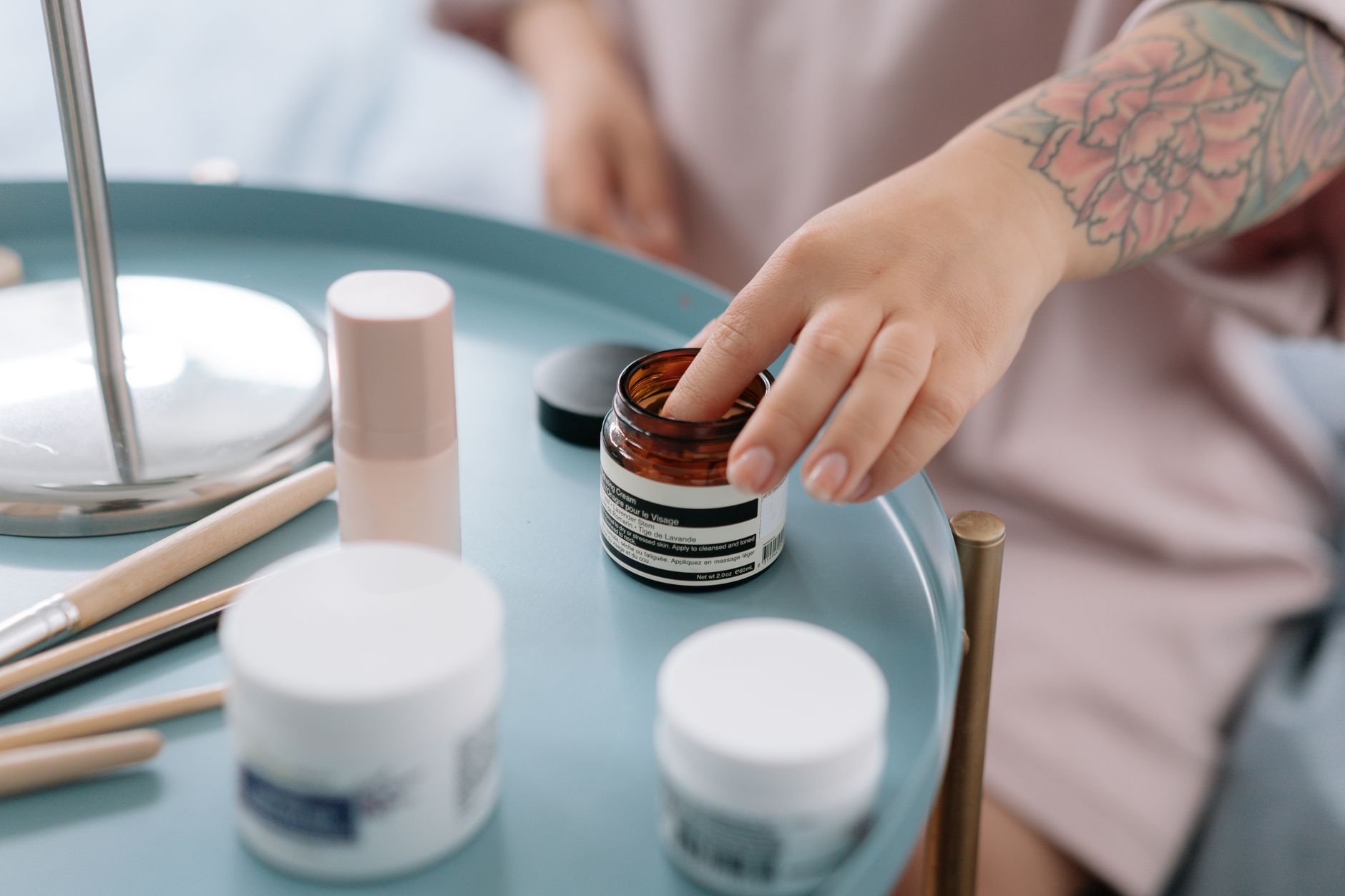
Table of contents
Use this guide as a practical reference and jump to the sections most relevant to you.
- Quick answer
- Key takeaways
- Practical comparison table
- Visual chart
- Related MyEczema.app tool
- Understanding Facial Eczema, Acne, and Rosacea
- Comparing Symptoms: Eczema vs. Acne vs. Rosacea
- What Causes Facial Eczema?
- What Causes Acne?
- What Causes Rosacea?
- How Are These Conditions Diagnosed?
- Treatment Options for Facial Eczema
- Treatment Options for Acne
- Treatment Options for Rosacea
- Prevention Tips for Facial Eczema, Acne, and Rosacea
- Frequently asked questions
- Sources and further reading
Facial eczema can sometimes be a confusing condition, especially when its symptoms resemble those of acne or rosacea. This similarity can lead to misunderstandings and misdiagnoses, making it essential to delve into the specifics of each condition. Understanding the nuances between facial eczema, acne, and rosacea is crucial for effective management and treatment. In this article, we will explore why facial eczema can look like acne or rosacea, how to distinguish between them, and what steps you can take to manage your skin condition effectively.
Eczema-prone skin is particularly sensitive and can be easily affected by various factors such as skin barrier disruption, irritants, climate, cleansing habits, allergens, and individual triggers. When these factors impact the face, the symptoms can sometimes mirror those of acne or rosacea, leading to confusion. It’s important to recognize that while these conditions share some symptoms, their causes and treatments differ significantly.
To navigate this complex landscape, we’ll provide practical insights and tips to help you understand and manage your facial eczema better. Whether you’re dealing with redness, bumps, or irritation, knowing the differences between facial eczema, acne, and rosacea can make a world of difference in your skincare routine and overall skin health.
Quick answer
Facial eczema can mimic acne or rosacea due to similar symptoms like redness and bumps, but they have different causes and treatments. Understanding these differences is key to managing your skin condition effectively.
Key takeaways
- Facial eczema, acne, and rosacea share similar symptoms but have distinct causes.
- Proper diagnosis is crucial for effective treatment.
- Lifestyle and skincare adjustments can help manage all three conditions.
- Consult a dermatologist for accurate diagnosis and personalized treatment plans.
- Understanding the differences can prevent misdiagnosis and inappropriate treatment.
Comparing Facial Eczema, Acne, and Rosacea
| Situation | What it may mean | Practical next step |
|---|---|---|
| Red, itchy patches | Could be facial eczema due to inflammation and irritation. | Use a gentle moisturizer and avoid known triggers. |
| Small, red bumps | May indicate acne due to clogged pores and bacteria. | Try a benzoyl peroxide treatment and maintain a clean skincare routine. |
| Persistent redness and flushing | Likely rosacea due to vascular issues and sensitivity. | Avoid triggers like spicy foods and use a rosacea-friendly moisturizer. |
| Dry, scaly skin | Facial eczema due to moisture loss and irritation. | Apply a thick moisturizer and consider a humidifier. |
| Inflamed, pus-filled spots | Severe acne due to deep pore blockages and infection. | Consult a dermatologist for prescription treatments. |
Common Triggers for Facial Eczema, Acne, and Rosacea
This visual is an educational guide, not a diagnostic score. Use it to decide what may be worth tracking more consistently for this specific topic.
High attention
Stress
A common trigger for all three conditions due to its impact on the immune system and skin health.
Medium attention
Diet
Certain foods can exacerbate symptoms, especially for rosacea and acne.
Medium attention
Weather
Extreme temperatures and humidity can affect skin conditions.
High attention
Skincare Products
Harsh chemicals and fragrances can irritate the skin and trigger flare-ups.
High attention
Hormonal Changes
Particularly relevant for acne and can also affect eczema and rosacea.
Related MyEczema.app tool
Use the Eczema Trigger Identifier
The Eczema Trigger Identifier helps users organize recent changes and possible flare-related patterns such as weather, stress, sweat, sleep, foods, products, and irritants.
For this topic, this tool can help you organize information in a more structured way and turn daily observations into clearer patterns to review over time.
Understanding Facial Eczema, Acne, and Rosacea
Facial skin conditions such as eczema, acne, and rosacea can often appear similar, leading to confusion and misdiagnosis. Understanding the differences between these conditions is crucial for effective management and treatment. This section will provide an overview of facial eczema, acne, and rosacea, highlight the importance of accurate diagnosis, and address common misconceptions.
Overview of Facial Eczema, Acne, and Rosacea
Facial eczema, also known as facial dermatitis, is a type of eczema that affects the skin on the face. It is characterized by red, itchy, and often inflamed skin. Common triggers for facial eczema include allergens, irritants, and environmental factors. Symptoms can vary widely, from mild irritation to severe inflammation.
Acne is a common skin condition that occurs when hair follicles become clogged with oil and dead skin cells. It typically presents as pimples, blackheads, or whiteheads and is often found on the face, neck, chest, and back. Acne can be influenced by hormones, genetics, and certain lifestyle factors.
Rosacea is a chronic skin condition that causes redness and visible blood vessels in your face. It may also produce small, red, pus-filled bumps. These signs and symptoms may flare up for weeks to months and disappear for a time. Rosacea is more common in adults and can be triggered by certain foods, temperature changes, and stress.
Importance of Accurate Diagnosis
Accurate diagnosis of facial eczema, acne, and rosacea is essential for effective management. Misdiagnosis can lead to inappropriate treatments, which may worsen the condition or cause unnecessary side effects. For example, using acne medications on facial eczema can irritate the skin further, while treating rosacea with eczema creams may not address the underlying causes.
A dermatologist can provide a precise diagnosis by examining the skin and considering the patient’s medical history and symptoms. In some cases, additional tests may be necessary to rule out other conditions. Once diagnosed, a tailored treatment plan can be developed to manage symptoms and improve skin health.
Common Misconceptions
There are several misconceptions about facial eczema, acne, and rosacea that can lead to confusion. One common myth is that these conditions are solely caused by poor hygiene. In reality, factors such as genetics, environmental triggers, and hormonal changes play significant roles.
Another misconception is that facial eczema will always look like acne or rosacea. While there can be similarities in appearance, such as redness and inflammation, the underlying causes and triggers differ. For instance, facial eczema is often triggered by allergens or irritants, whereas acne is typically influenced by hormonal changes and clogged pores.
It is also important to note that while over-the-counter treatments may provide relief for mild cases, severe or persistent symptoms should be evaluated by a healthcare professional. Self-diagnosis and treatment can sometimes exacerbate the condition or mask underlying issues.
Practical Steps for Managing Facial Eczema, Acne, and Rosacea
Managing facial eczema, acne, and rosacea involves a combination of proper skincare, avoiding triggers, and following a treatment plan recommended by a healthcare provider. Here are some practical steps:
- Identify Triggers: Keep a journal to track what seems to worsen your symptoms. Common triggers for facial eczema include certain fabrics, soaps, and environmental factors. For acne, look out for hormonal changes, certain foods, and stress. Rosacea can be aggravated by spicy foods, alcohol, and extreme temperatures.
- Gentle Skincare Routine: Use mild, fragrance-free cleansers and moisturizers. Avoid harsh scrubs and abrasives that can irritate the skin. For facial eczema, look for products labeled “eczema-friendly” or recommended by dermatologists.
- Protect Your Skin: Use sunscreen daily to protect your skin from UV rays, which can exacerbate all three conditions. Wear protective clothing when necessary, especially if you have rosacea or facial eczema.
- Consult a Dermatologist: If over-the-counter treatments are not effective, seek professional advice. A dermatologist can provide prescription medications and recommend specialized treatments tailored to your specific condition.
- Stay Informed: Educate yourself about your condition. Understanding facial eczema, acne, and rosacea can help you make informed decisions about your skincare routine and treatment options.
By understanding the differences between facial eczema, acne, and rosacea, and taking practical steps to manage your symptoms, you can improve your skin health and overall well-being. Remember, accurate diagnosis and tailored treatment are key to effectively managing these conditions.
Comparing Symptoms: Eczema vs. Acne vs. Rosacea
Understanding the symptoms of facial eczema, acne, and rosacea is crucial for managing these conditions effectively. Each condition has its unique characteristics, but they can also share some symptoms, leading to confusion. This section will break down the symptoms of each condition, highlighting both the differences and the similarities.
Symptoms of Facial Eczema
Facial eczema, also known as facial dermatitis, presents with several distinct symptoms:
- Itchy Skin: One of the most common symptoms of facial eczema is intense itching. This can lead to scratching, which may worsen the condition.
- Redness: The skin often appears red and inflamed. This redness can be patchy or cover larger areas.
- Dryness: Eczema-affected skin tends to be dry and may appear scaly or rough.
- Blisters: Small fluid-filled blisters may develop, which can break open and crust over.
- Thickened Skin: Chronic eczema can lead to thickened, leathery skin, a condition known as lichenification.
Facial eczema can be triggered by various factors, including allergens, irritants, stress, and changes in weather. Managing these triggers is key to controlling symptoms.
Symptoms of Acne
Acne is a common skin condition that primarily affects the face but can also appear on the back, chest, and shoulders. Its symptoms include:
- Pimples: Acne is characterized by the presence of pimples, which can be red and inflamed.
- Blackheads: These are small, dark spots that occur when pores become clogged with oil and dead skin cells.
- Whiteheads: Similar to blackheads but closed at the surface of the skin, appearing as small white bumps.
- Pustules: These are red, pus-filled spots that can be painful.
- Nodules: Large, solid, painful lumps beneath the surface of the skin.
- Cysts: Painful, pus-filled lumps beneath the surface of the skin that can leave scars.
Acne is often linked to hormonal changes, particularly during adolescence, but can persist into adulthood. It is also influenced by factors like diet, stress, and certain medications.
Symptoms of Rosacea
Rosacea is a chronic skin condition that primarily affects the face. Its symptoms can vary but often include:
- Facial Redness: Persistent redness across the cheeks, nose, and forehead.
- Visible Blood Vessels: Small blood vessels on the face may become visible, a condition known as telangiectasia.
- Bumps and Pimples: Similar to acne, rosacea can cause red, pus-filled bumps.
- Eye Irritation: Rosacea can affect the eyes, causing them to feel irritated, dry, or bloodshot.
- Thickened Skin: In severe cases, the skin, particularly on the nose, can become thickened and bumpy, a condition known as rhinophyma.
Rosacea can be triggered by factors such as sun exposure, stress, spicy foods, alcohol, and hot beverages. Managing these triggers can help control symptoms.
Overlapping Symptoms
While facial eczema, acne, and rosacea have distinct symptoms, there are several overlapping symptoms that can make it challenging to differentiate between them:
- Redness: All three conditions can cause facial redness. In eczema, the redness is often accompanied by itching and dryness. In acne, it is associated with pimples and inflammation. In rosacea, the redness is more persistent and can be accompanied by visible blood vessels.
- Itching: Eczema is primarily characterized by itching, but some people with rosacea may also experience itching, though it is less common.
- Bumps and Pimples: Both acne and rosacea can cause red, pus-filled bumps. However, the triggers and underlying causes differ. Acne is often linked to clogged pores and bacteria, while rosacea is more related to vascular and inflammatory issues.
- Skin Irritation: All three conditions can cause skin irritation, leading to discomfort and a desire to scratch or touch the affected areas.
Given these overlapping symptoms, it is essential to consult a dermatologist for an accurate diagnosis. A dermatologist can help identify the specific condition based on a comprehensive evaluation of symptoms, medical history, and possibly additional tests.
Understanding the nuanced differences and similarities between facial eczema, acne, and rosacea can help individuals make informed decisions about their skincare routines and seek appropriate treatment. For instance, someone with facial eczema might benefit from moisturizers and avoiding triggers, while someone with acne might need topical treatments or medications to manage clogged pores. Those with rosacea might focus on avoiding triggers like sun exposure and using gentle skincare products.
If you suspect you have facial eczema, acne, or rosacea, or if you are experiencing symptoms that overlap these conditions, it is advisable to seek professional advice. A dermatologist can provide a tailored treatment plan to help manage your symptoms effectively.
What Causes Facial Eczema?
Understanding the causes and triggers of facial eczema is crucial for managing this skin condition effectively. Facial eczema can sometimes look like acne or rosacea, making it even more important to grasp what might be causing it. Let’s explore the key factors that contribute to facial eczema, including genetic factors, environmental triggers, and the immune system’s response.
Genetic Factors
One of the primary causes of facial eczema is genetic predisposition. If someone in your family has eczema, you are more likely to develop it as well. This is because certain genes can make your skin more susceptible to irritation and inflammation.
For example, people with a family history of eczema may have a variation in the filaggrin gene, which plays a crucial role in maintaining the skin’s barrier function. When this barrier is compromised, the skin becomes more permeable to irritants and allergens, leading to inflammation and symptoms of facial eczema.
Environmental Triggers
Environmental factors play a significant role in triggering facial eczema. These triggers can vary widely from person to person, but common ones include:
- Climate: Extreme temperatures, whether hot or cold, can exacerbate facial eczema. Dry, cold weather can strip the skin of moisture, while humid conditions can make the skin sweat more, leading to irritation.
- Allergens: Substances like pollen, pet dander, and dust mites can trigger facial eczema in sensitive individuals. These allergens can cause the skin to become red, itchy, and inflamed.
- Irritants: Harsh chemicals found in soaps, detergents, and skincare products can irritate the skin and trigger facial eczema. Even water, especially if it’s hard or chlorinated, can be a culprit.
- Stress: Emotional stress can worsen facial eczema. Stress affects the immune system and can lead to increased inflammation in the skin.
Real-life example: Imagine you’ve just started using a new facial cleanser that contains sulfates. After a few uses, you notice your skin becoming red and itchy. This could be a sign that the cleanser is an irritant triggering your facial eczema.
Immune System Response
The immune system’s response is a critical factor in the development of facial eczema. When the immune system overreacts to a perceived threat—whether it’s an allergen or an irritant—it triggers inflammation in the skin.
This inflammation causes the characteristic symptoms of facial eczema, such as redness, itching, and sometimes even blisters. The immune system’s overreaction can also lead to a cycle of scratching and further irritation, making the condition harder to manage.
For instance, if you have facial eczema that sometimes looks like acne or rosacea, it might be because your immune system is reacting to a specific trigger, causing similar symptoms to these other skin conditions. Understanding this can help you identify and avoid triggers, thereby reducing the frequency and severity of flare-ups.
Practical Steps to Manage Facial Eczema
Now that we’ve explored the causes and triggers of facial eczema, let’s look at some practical steps you can take to manage it:
- Identify Triggers: Keep a diary of your symptoms and possible triggers. Note what you were doing, what products you used, and any environmental changes when your eczema flared up. This can help you pinpoint specific triggers to avoid.
- Use Gentle Skincare Products: Opt for fragrance-free, hypoallergenic skincare products. Look for labels that say “eczema-friendly” or “for sensitive skin.”
- Moisturize Regularly: Keep your skin well-hydrated with a good moisturizer. Apply it immediately after bathing to lock in moisture. Creams and ointments are usually more effective than lotions for eczema-prone skin.
- Avoid Harsh Chemicals: Steer clear of products with alcohol, sulfates, and other harsh chemicals that can irritate your skin.
- Manage Stress: Incorporate stress-reducing activities into your routine, such as yoga, meditation, or even simple breathing exercises. A calm mind can lead to calmer skin.
By understanding the causes and triggers of facial eczema, you can take proactive steps to manage your symptoms and reduce the likelihood of flare-ups. Remember, while facial eczema can sometimes look like acne or rosacea, recognizing its unique triggers and causes can help you better navigate this challenging skin condition.
What Causes Acne?
Understanding what causes acne can help clarify why facial eczema might sometimes resemble acne or rosacea. Acne is a common skin condition that many people experience, especially during their teenage years. However, it can affect individuals of all ages. Recognizing the causes of acne can help you better manage your skin and differentiate between acne and other skin conditions like facial eczema or rosacea.
Hormonal Changes
One of the primary causes of acne is hormonal changes. During puberty, the body experiences a surge in androgens, which are hormones that increase the production of sebum—an oily substance that helps moisturize the skin. While sebum is essential for healthy skin, an excess can lead to clogged pores. These clogged pores can become breeding grounds for bacteria, leading to inflammation and the formation of pimples.
Hormonal fluctuations aren’t limited to puberty. Adults, particularly women, may experience acne flare-ups due to menstrual cycles, pregnancy, or conditions like polycystic ovary syndrome (PCOS). These hormonal changes can increase sebum production and contribute to acne development.
Excess Oil Production
Excess oil production is another significant factor in the development of acne. When the sebaceous glands produce too much sebum, it can mix with dead skin cells and clog pores. This creates an environment where Propionibacterium acnes (P. acnes), a type of bacteria that naturally lives on the skin, can thrive. The presence of P. acnes in clogged pores can lead to inflammation and the formation of acne lesions.
People with oily skin are more prone to acne because their sebaceous glands are more active. However, even those with normal or dry skin can experience acne if their glands produce excess oil due to hormonal changes or other factors.
Bacterial Infection
Bacterial infection plays a crucial role in the development of acne. As mentioned earlier, P. acnes is a common bacterium found on the skin. Under normal circumstances, it doesn’t cause any problems. However, when pores become clogged with sebum and dead skin cells, P. acnes can multiply rapidly.
The bacteria release substances that trigger inflammation, leading to the redness and swelling associated with acne. This inflammation can cause the formation of different types of acne lesions, including blackheads, whiteheads, papules, pustules, nodules, and cysts.
Practical Steps to Manage Acne
While acne and facial eczema are different conditions, understanding the causes of acne can help you better manage your skin, especially if you have facial eczema that resembles acne. Here are some practical steps you can take:
- Maintain a Consistent Skincare Routine: Use gentle, non-comedogenic cleansers to wash your face twice daily. Avoid harsh scrubs that can irritate the skin and exacerbate both acne and eczema.
- Moisturize: Even if you have oily skin, moisturizing is essential. Choose oil-free, fragrance-free moisturizers to keep your skin hydrated without clogging pores.
- Avoid Touching Your Face: Touching your face can transfer oils and bacteria from your hands to your skin, leading to breakouts. Be mindful of this, especially if you have facial eczema that may already be irritated.
- Use Non-Comedogenic Products: When selecting skincare and makeup products, look for those labeled “non-comedogenic,” meaning they won’t clog pores. This is particularly important if you have facial eczema acne rosacea, as you want to avoid products that could worsen either condition.
- Manage Stress: Stress can trigger hormonal changes that lead to increased sebum production and acne breakouts. Incorporate stress-management techniques such as exercise, meditation, or hobbies into your routine.
- Consult a Dermatologist: If you’re unsure whether your skin condition is acne, eczema, or rosacea, or if you’re struggling to manage it, seek professional advice. A dermatologist can provide personalized recommendations and treatments.
By understanding the causes of acne and taking practical steps to manage it, you can better differentiate between acne and facial eczema. This knowledge can help you make informed decisions about your skincare routine and seek appropriate treatments when needed.
What Causes Rosacea?
Understanding the causes of rosacea is essential for managing this condition, especially when it comes to differentiating it from facial eczema and acne. Rosacea is a chronic skin condition that primarily affects the face, causing redness, flushing, and sometimes small, pus-filled bumps. While the exact cause of rosacea remains unknown, several factors are believed to contribute to its development and flare-ups. Let’s explore the main causes and potential triggers of rosacea, and how they relate to facial eczema and acne.
Genetic Predisposition
One of the primary factors believed to contribute to rosacea is genetic predisposition. If you have a family history of rosacea, you may be more likely to develop the condition yourself. This genetic link suggests that certain inherited traits may make your skin more susceptible to the triggers of rosacea.
For those with a genetic predisposition, it’s important to be mindful of other factors that can exacerbate rosacea, such as environmental triggers and lifestyle choices. Understanding your family history can help you take proactive steps to manage your skin health.
Vascular Issues
Rosacea is often associated with vascular issues, meaning problems with the blood vessels in the skin. People with rosacea may have more visible blood vessels, which can lead to the characteristic redness and flushing. This vascular component can be influenced by various factors, including temperature changes, stress, and certain foods and beverages.
If you notice that your facial redness worsens with changes in temperature or after consuming hot drinks, spicy foods, or alcohol, it may be a sign that vascular issues are contributing to your rosacea. Managing these triggers can help reduce the severity of your symptoms.
Environmental Factors
Environmental factors play a significant role in triggering rosacea flare-ups. Common environmental triggers include sunlight, wind, and extreme temperatures. These factors can cause the blood vessels in your skin to dilate, leading to increased redness and inflammation.
To protect your skin from environmental triggers, consider wearing sunscreen with a high SPF, using a broad-brimmed hat, and avoiding prolonged exposure to the sun. In windy conditions, a scarf can provide an additional layer of protection. Being aware of these triggers and taking steps to minimize your exposure can help manage rosacea symptoms.
Practical Steps to Manage Rosacea
While rosacea cannot be improved, there are practical steps you can take to manage its symptoms and reduce the frequency of flare-ups. Here are some strategies to consider:
- Identify and Avoid Triggers: Keep a journal to track your rosacea flare-ups and note any potential triggers. Common triggers include certain foods, stress, and environmental factors. Once you identify your triggers, try to avoid them as much as possible.
- Use Gentle Skincare Products: Choose skincare products that are gentle and free from harsh chemicals, fragrances, and alcohol. Look for products specifically designed for sensitive skin.
- Protect Your Skin from the Sun: Use a broad-spectrum sunscreen with at least SPF 30 every day, even on cloudy days. Sun protection is crucial for managing rosacea, as UV rays can exacerbate symptoms.
- Manage Stress: Stress is a known trigger for rosacea. Incorporate stress-management techniques into your daily routine, such as meditation, yoga, or deep-breathing exercises.
- Avoid Extreme Temperatures: Both hot and cold temperatures can trigger rosacea flare-ups. Dress appropriately for the weather and avoid spending extended periods in extreme temperatures.
By understanding the causes and triggers of rosacea, you can take proactive steps to manage your symptoms and improve your skin’s appearance. If you’re experiencing facial eczema, acne, or rosacea, it’s important to consult with a dermatologist for personalized advice and treatment options. Remember, while rosacea can be challenging to manage, with the right approach, you can minimize its impact on your life.
How Are These Conditions Diagnosed?
Accurate diagnosis is crucial when dealing with facial eczema, acne, and rosacea, as these conditions can often look similar. Misdiagnosis can lead to ineffective treatment and prolonged discomfort. Understanding the diagnostic process can help you make informed decisions about your skincare and seek the right professional help.
Clinical Examination
The first step in diagnosing facial eczema, acne, and rosacea is a thorough clinical examination by a dermatologist. During this examination, the dermatologist will look closely at your skin to identify specific characteristics of each condition.
For facial eczema, the dermatologist will look for red, itchy patches, often accompanied by dry, scaly skin. They might also check for signs of inflammation or infection. Eczema often appears in specific patterns on the face, such as around the eyes or on the cheeks.
When diagnosing acne, the dermatologist will look for comedones (blackheads and whiteheads), pimples, and possibly deeper cysts or nodules. Acne typically appears on areas with higher oil gland activity, like the forehead, nose, and chin.
For rosacea, the dermatologist will look for persistent redness, visible blood vessels, and small red bumps. Rosacea often affects the central part of the face, including the cheeks, nose, and forehead.
Patient History
A detailed patient history is another critical component of the diagnostic process. The dermatologist will ask about your symptoms, their duration, and any factors that seem to trigger or worsen them. They may ask questions like:
- When did you first notice the symptoms?
- Have you experienced any changes in your skin over time?
- Do you have a family history of skin conditions?
- What products do you use on your face?
- Have you noticed any triggers, such as stress, certain foods, or environmental factors?
For facial eczema, the dermatologist might inquire about any known allergens or irritants that could be causing your symptoms. They may also ask about other atopic conditions, such as asthma or hay fever, which often coexist with eczema.
In the case of acne, the dermatologist may ask about your skincare routine, any recent changes in hormonal levels, and your diet. Hormonal fluctuations, certain medications, and high-glycemic diets can all contribute to acne.
For rosacea, the dermatologist will likely ask about your exposure to triggers like sun, wind, extreme temperatures, and certain foods or beverages. They may also inquire about your emotional stress levels, as stress can exacerbate rosacea symptoms.
Diagnostic Tests
While clinical examination and patient history are often sufficient for diagnosing facial eczema, acne, and rosacea, additional diagnostic tests may be necessary in some cases.
For facial eczema, patch testing may be conducted to identify specific allergens that could be causing your symptoms. During patch testing, small amounts of potential allergens are applied to your skin, and your reaction is monitored over several days.
In some cases of acne, a dermatologist may perform a skin culture to check for bacterial infections. This is particularly relevant if your acne is severe or not responding to typical treatments.
For rosacea, diagnostic tests are usually not required. However, if the dermatologist suspects an underlying condition, such as demodex mites or a bacterial infection, they may perform a skin biopsy or other tests to confirm the diagnosis.
Practical Steps for Patients
If you suspect you have facial eczema, acne, or rosacea, here are some practical steps you can take:
- Keep a symptom diary: Note when your symptoms appear, how severe they are, and any potential triggers. This can provide valuable information for your dermatologist.
- Avoid self-diagnosis: While it’s tempting to diagnose yourself based on online research, only a trained professional can provide an accurate diagnosis.
- Be honest with your dermatologist: Provide a complete and accurate history of your symptoms and any potential triggers. This will help your dermatologist make an accurate diagnosis.
- Follow up: If your symptoms persist or worsen despite treatment, follow up with your dermatologist. They may need to adjust your treatment plan or conduct further tests.
Accurate diagnosis is the first step toward effective management of facial eczema, acne, and rosacea. By understanding the diagnostic process and taking practical steps, you can work with your dermatologist to find the best treatment plan for your specific condition.
Treatment Options for Facial Eczema
Facial eczema, often confused with acne or rosacea, requires a tailored approach to treatment. Understanding the available options can help manage symptoms and improve skin health. Let’s explore the primary treatment methods for facial eczema, ensuring you have practical steps to follow.
Topical Treatments
Topical treatments are often the first line of defense against facial eczema. These treatments are applied directly to the skin and can include moisturizers, corticosteroids, and other medicated creams.
- Moisturizers: Keeping the skin hydrated is crucial. Look for fragrance-free, hypoallergenic moisturizers. Applying moisturizer immediately after bathing can help lock in moisture.
- Corticosteroids: These are anti-inflammatory medications that can reduce redness and itching. They come in various strengths, so it’s important to use them as directed by a healthcare professional.
- Calcineurin Inhibitors: Medications like tacrolimus and pimecrolimus can be effective for facial eczema. They work by reducing inflammation without the side effects associated with long-term steroid use.
- Antibiotic or Antifungal Creams: If there’s a secondary infection, your healthcare provider might prescribe these to treat it.
For example, if you notice your facial eczema acne rosacea symptoms flaring up, applying a gentle moisturizer followed by a prescribed corticosteroid cream can help soothe the irritation.
Oral Medications
In some cases, topical treatments alone may not be sufficient. Oral medications can provide additional relief by working from the inside out.
- Antihistamines: These can help reduce itching, especially if allergies are a trigger for your facial eczema.
- Antibiotics: If there’s a bacterial infection, oral antibiotics may be necessary.
- Immunomodulators: Medications like cyclosporine can be used in severe cases to reduce inflammation.
It’s important to consult with a healthcare provider before starting any oral medication to ensure it’s appropriate for your specific situation.
Lifestyle Changes
Making certain lifestyle changes can significantly impact the management of facial eczema. These changes can help reduce triggers and improve overall skin health.
- Identify and Avoid Triggers: Common triggers include certain foods, stress, and environmental factors. Keeping a diary can help you identify what worsens your symptoms.
- Gentle Skincare Routine: Use mild, fragrance-free cleansers and avoid harsh scrubs. Pat your skin dry instead of rubbing it.
- Hydration: Drink plenty of water to keep your skin hydrated from the inside out.
- Stress Management: Practices like yoga, meditation, and regular exercise can help reduce stress, which is a common trigger for facial eczema.
- Protect Your Skin: Use sunscreen with at least SPF 30 to protect your skin from UV rays, which can exacerbate eczema symptoms.
For instance, if you find that your facial eczema worsens during stressful periods, incorporating relaxation techniques into your daily routine might help manage your symptoms more effectively.
In conclusion, managing facial eczema, especially when it resembles acne or rosacea, requires a multifaceted approach. Combining topical treatments, oral medications, and lifestyle changes can provide comprehensive care. Always consult with a healthcare provider to develop a treatment plan tailored to your needs.
Treatment Options for Acne
When dealing with facial eczema that resembles acne or rosacea, it’s crucial to understand the treatment options available for acne. This knowledge can help you better navigate your skincare routine and make informed decisions. Acne treatment typically falls into three main categories: topical treatments, oral medications, and professional treatments. Each category has its own set of options and considerations, especially when facial eczema, acne, and rosacea symptoms overlap.
Topical Treatments
Topical treatments are often the first line of defense against acne. These treatments are applied directly to the skin and can be effective in managing mild to moderate acne. Here are some common topical treatments:
- Benzoyl Peroxide: This over-the-counter (OTC) treatment helps kill acne-causing bacteria and reduces inflammation. It’s important to start with a lower concentration to avoid irritation, especially if you have sensitive skin or facial eczema.
- Salicylic Acid: Another OTC option, salicylic acid helps exfoliate the skin and unclog pores. It can be particularly useful for those with facial eczema acne rosacea, as it is less likely to cause irritation compared to other treatments.
- Retinoids: Derived from Vitamin A, retinoids promote cell turnover and prevent clogged pores. They are available in both OTC and prescription forms. If you have facial eczema, it’s essential to use retinoids cautiously to avoid exacerbating skin irritation.
- Antibiotics: Topical antibiotics like clindamycin can help reduce bacteria on the skin. They are often combined with other treatments for enhanced effectiveness.
When choosing a topical treatment, consider your skin type and any existing conditions like facial eczema. Patch testing new products can help ensure they won’t irritate your skin further.
Oral Medications
For more severe or persistent acne, oral medications may be necessary. These treatments work from within the body to target acne at its source. Common oral medications include:
- Antibiotics: Oral antibiotics like tetracycline and doxycycline can reduce bacteria and inflammation. They are usually prescribed for short-term use to minimize the risk of antibiotic resistance.
- Hormonal Treatments: For women, hormonal treatments like birth control pills or spironolactone can help regulate hormones that contribute to acne. These medications can be particularly beneficial if hormonal fluctuations exacerbate facial eczema acne rosacea.
- Isotretinoin: Also known as Accutane, isotretinoin is a powerful medication reserved for severe, treatment-resistant acne. It reduces oil production and has long-lasting effects. Due to its potent nature, it requires close monitoring by a healthcare provider.
Oral medications should always be prescribed and monitored by a healthcare professional, especially if you have underlying conditions like facial eczema. They can provide guidance on the best treatment plan for your specific needs.
Professional Treatments
In some cases, professional treatments may be recommended to address acne that doesn’t respond to topical or oral medications. These treatments are typically performed by dermatologists and can include:
- Chemical Peels: Chemical peels involve applying a solution to the skin to exfoliate the top layer and promote new skin growth. They can help reduce acne and improve skin texture. However, if you have facial eczema, chemical peels should be approached with caution to avoid further irritation.
- Microdermabrasion: This treatment uses a special instrument to exfoliate the skin and remove dead cells. It can help unclog pores and reduce acne. As with chemical peels, microdermabrasion should be used carefully if you have facial eczema.
- Laser Therapy: Laser treatments target acne-causing bacteria and reduce inflammation. They can also help with scarring from previous acne breakouts. Laser therapy should be discussed thoroughly with a dermatologist, especially if you have facial eczema acne rosacea.
Professional treatments can be effective but require careful consideration, especially for those with facial eczema. Always consult with a dermatologist to determine the best course of action for your skin.
In conclusion, treating acne, particularly when it resembles facial eczema or rosacea, requires a tailored approach. Whether you opt for topical treatments, oral medications, or professional treatments, it’s essential to work closely with a healthcare provider to find the most effective and safe solution for your skin. Remember, what works for one person may not work for another, so patience and persistence are key in finding the right treatment plan.
Treatment Options for Rosacea
Rosacea is a chronic skin condition that often requires ongoing management. The treatment strategies for rosacea aim to reduce symptoms and prevent flare-ups. Understanding the various treatment options available can help individuals with rosacea make informed decisions about their skincare routine. This section will explore topical treatments, oral medications, and the importance of avoiding triggers.
Topical Treatments
Topical treatments are often the first line of defense against rosacea. These treatments are applied directly to the skin and can help reduce redness, inflammation, and other symptoms.
- Azelaic Acid: This medication is effective in reducing redness and inflammation. It can also help with the bumps and pimples associated with rosacea.
- Metronidazole: Available in cream, gel, or lotion form, metronidazole helps reduce redness and inflammation. It is commonly prescribed for mild to moderate rosacea.
- Ivermectin Cream: This treatment targets the Demodex mites that may contribute to rosacea symptoms. It can help reduce redness and inflammation.
- Brimonidine and Oxymetazoline: These alpha-adrenergic agonists provide temporary relief from facial redness by constricting blood vessels.
When using topical treatments, it’s important to follow the prescribed regimen and be patient, as it may take several weeks to see noticeable improvements. Combining these treatments with a gentle skincare routine can enhance their effectiveness.
Oral Medications
For more severe cases of rosacea, oral medications may be necessary. These medications work from within the body to reduce symptoms.
- Antibiotics: Oral antibiotics like doxycycline, minocycline, and tetracycline can help reduce inflammation and kill bacteria that may contribute to rosacea symptoms. These are typically used for short periods due to potential side effects.
- Isotretinoin: This medication is usually reserved for severe, treatment-resistant rosacea. It works by reducing oil production and inflammation.
- Beta-Blockers: Propranolol, a beta-blocker, has shown promise in reducing facial redness associated with rosacea.
It’s essential to work closely with a healthcare provider when using oral medications to monitor for side effects and adjust the treatment plan as needed.
Avoiding Triggers
Identifying and avoiding triggers is a crucial part of managing rosacea. Triggers can vary from person to person, but common ones include:
- Sun Exposure: UV rays can exacerbate rosacea symptoms. Using a broad-spectrum sunscreen with at least SPF 30 and wearing protective clothing can help.
- Extreme Temperatures: Both hot and cold weather can trigger flare-ups. Staying indoors during extreme temperatures and using gentle heating or cooling methods can help.
- Spicy Foods and Alcohol: These can cause facial flushing and worsen rosacea symptoms. Keeping a food diary can help identify specific triggers.
- Stress: Stress is a well-known trigger for many skin conditions, including rosacea. Practicing stress-reduction techniques like meditation, yoga, or deep breathing can be beneficial.
In addition to avoiding triggers, maintaining a consistent skincare routine with gentle, fragrance-free products can help keep rosacea symptoms under control. It’s also important to be mindful of potential irritants, such as harsh chemicals or abrasive scrubs, which can aggravate the skin.
For those dealing with facial eczema, acne, or rosacea, understanding the specific treatment options for each condition is vital. While some treatments may overlap, it’s essential to tailor the approach to the specific symptoms and triggers of each condition. Consulting with a dermatologist can provide personalized recommendations and ensure the most effective management plan.
In summary, managing rosacea involves a combination of topical treatments, oral medications, and avoiding known triggers. By taking a comprehensive approach, individuals can better control their symptoms and improve their quality of life. Remember, consistency and patience are key when managing chronic skin conditions like rosacea.
Prevention Tips for Facial Eczema, Acne, and Rosacea
Preventing flare-ups of facial eczema, acne, and rosacea is crucial for maintaining skin health. While these conditions have different causes and symptoms, some prevention strategies overlap. By focusing on skincare routines, avoiding triggers, and adopting healthy lifestyle habits, you can reduce the likelihood of experiencing uncomfortable symptoms.
Skincare Routines
A consistent and gentle skincare routine is essential for managing facial eczema, acne, and rosacea. Here are some steps to consider:
- Cleansing: Use a mild, fragrance-free cleanser to wash your face twice daily. Harsh soaps can strip the skin of its natural oils, leading to irritation.
- Moisturizing: Apply a hypoallergenic, fragrance-free moisturizer to keep your skin hydrated. For eczema, look for products containing ceramides, which help restore the skin barrier.
- Sun Protection: Use a broad-spectrum SPF 30 or higher sunscreen daily. Sun exposure can exacerbate all three conditions, so protecting your skin is vital.
- Avoid Scrubbing: Gently pat your skin dry after cleansing. Vigorous rubbing can irritate the skin and worsen symptoms.
Avoiding Triggers
Identifying and avoiding triggers can significantly reduce the frequency and severity of flare-ups. Common triggers for facial eczema, acne, and rosacea include:
- Stress: Practice stress-management techniques such as yoga, meditation, or deep-breathing exercises.
- Diet: Some people find that certain foods, like spicy foods or dairy, can trigger flare-ups. Keep a food diary to identify any potential triggers.
- Environmental Factors: Extreme temperatures, humidity, and wind can irritate the skin. Use a humidifier in dry climates and protect your face with a scarf in cold weather.
- Skincare Products: Avoid products with alcohol, fragrances, and harsh chemicals. Opt for gentle, hypoallergenic options.
- Allergens: Common allergens like pollen, dust mites, and pet dander can worsen symptoms. Keep your living space clean and consider using air purifiers.
Healthy Lifestyle Habits
Incorporating healthy habits into your daily routine can support overall skin health and reduce the likelihood of facial eczema, acne, and rosacea flare-ups.
- Hydration: Drink plenty of water to keep your skin hydrated from the inside out.
- Balanced Diet: Eat a diet rich in fruits, vegetables, whole grains, and lean proteins. Omega-3 fatty acids, found in fish like salmon, can help reduce inflammation.
- Regular Exercise: Engage in regular physical activity to improve circulation and reduce stress. However, be mindful of sweating, which can irritate the skin.
- Adequate Sleep: Aim for 7-9 hours of quality sleep per night. Poor sleep can weaken your immune system and increase stress levels, both of which can trigger flare-ups.
By implementing these prevention tips, you can create a supportive environment for your skin, reducing the likelihood of facial eczema, acne, and rosacea flare-ups. Remember, everyone’s skin is different, so it may take some trial and error to find the best routine for you. If you notice persistent or severe symptoms, consult a dermatologist for personalized advice.
Frequently asked questions
Can facial eczema be mistaken for acne?
Facial eczema can sometimes resemble acne due to its red, inflamed appearance and the presence of small bumps or blisters. However, unlike acne, facial eczema often presents with intense itching and may cover larger areas of the face. The texture and distribution of the rash can help differentiate between the two conditions. It’s important to observe the symptoms closely and consider other factors like triggers and personal history.
Misdiagnosis can occur if only the surface symptoms are considered. Consulting a healthcare professional for a thorough evaluation can help clarify whether the condition is facial eczema, acne, or another skin condition like rosacea. Understanding the differences can lead to more appropriate management and relief.
What are the main triggers for facial eczema?
Common triggers for facial eczema include environmental factors such as pollen, dust mites, and pet dander. Skin irritants like certain soaps, shampoos, and cosmetics can also exacerbate symptoms. Stress, weather changes, and sweat can further irritate the skin. Identifying and avoiding these triggers is crucial for managing facial eczema.
Keeping a journal to track when and where symptoms flare up can help pinpoint specific triggers. This awareness allows for better avoidance strategies and more effective management of facial eczema.
How can I tell if my facial rash is eczema, acne, or rosacea?
To differentiate between facial eczema, acne, and rosacea, pay attention to the symptoms and their patterns. Facial eczema often presents with intense itching, redness, and dry, scaly patches. Acne typically shows up as pimples or blackheads, often around the forehead, nose, and chin. Rosacea, on the other hand, may cause persistent redness, visible blood vessels, and small, red bumps.
If you’re unsure about your facial rash, it’s best to consult a dermatologist. They can provide a precise diagnosis and recommend appropriate treatments. Self-assessment can be helpful, but professional evaluation ensures accurate identification and management.
Are there any natural remedies for facial eczema?
Natural remedies can play a supportive role in managing facial eczema. Options include using oatmeal baths to soothe irritated skin, applying aloe vera gel for its cooling and anti-inflammatory properties, and using coconut oil as a moisturizer. These remedies can help alleviate symptoms but should not replace medical treatment.
It’s important to approach natural remedies with caution and consult a healthcare professional before trying them, especially if you have sensitive skin or other health conditions. Combining natural remedies with prescribed treatments often yields the best results.
Can diet affect facial eczema, acne, or rosacea?
Diet can influence the severity of facial eczema, acne, and rosacea. Certain foods, like dairy, gluten, and high-sugar items, may trigger or worsen symptoms in some individuals. Anti-inflammatory foods, such as fruits, vegetables, and omega-3 fatty acids, can help reduce inflammation and improve skin health.
Keeping a food diary to track your diet and symptoms can help identify any correlations. While diet alone may not long-term control these conditions, it can be a valuable part of a comprehensive management plan.
What should I avoid if I have facial eczema?
If you have facial eczema, it’s important to avoid known irritants and triggers. This includes harsh soaps, fragrances, and certain fabrics like wool. Extreme temperatures, both hot and cold, can also exacerbate symptoms. Stress and lack of sleep are additional factors that can worsen facial eczema.
Using gentle, fragrance-free skincare products and wearing soft, breathable clothing can help minimize irritation. Maintaining a consistent skincare routine and managing stress levels are also key components in avoiding flare-ups.
Use MyEczema.app to track your eczema patterns and daily triggers.
This article is for educational purposes only and is not medical advice. If symptoms are severe, spreading, painful, infected-looking, or affecting sleep and daily life, speak with a qualified healthcare professional.
Sources and further reading
For medical guidance, always rely on a qualified healthcare professional. These educational resources may help readers learn more:
Image credit: Photo by Ron Lach on Pexels. Used under the Pexels License.
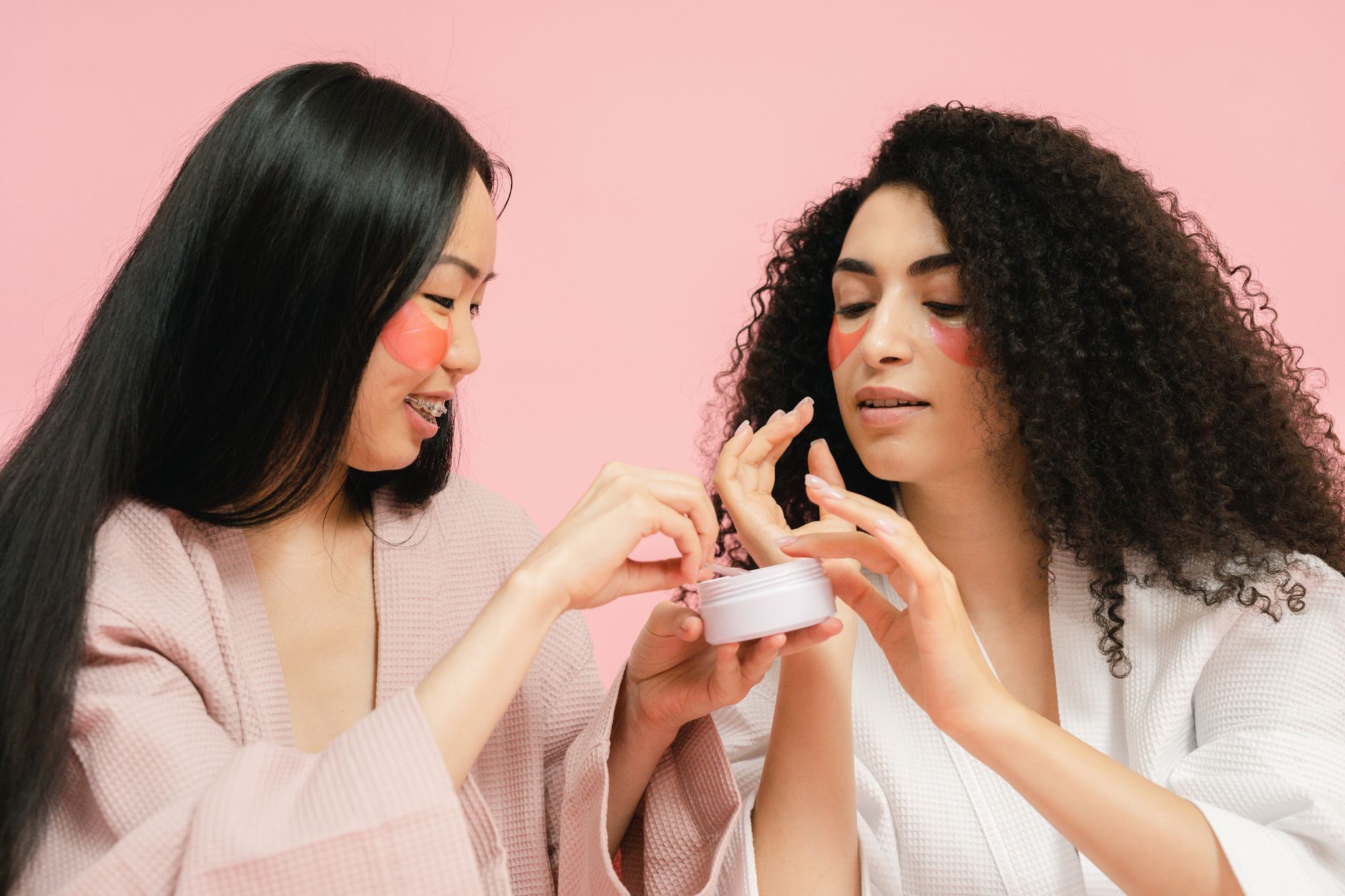
Image credit: Photo by SHVETS production on Pexels. Used under the Pexels License.
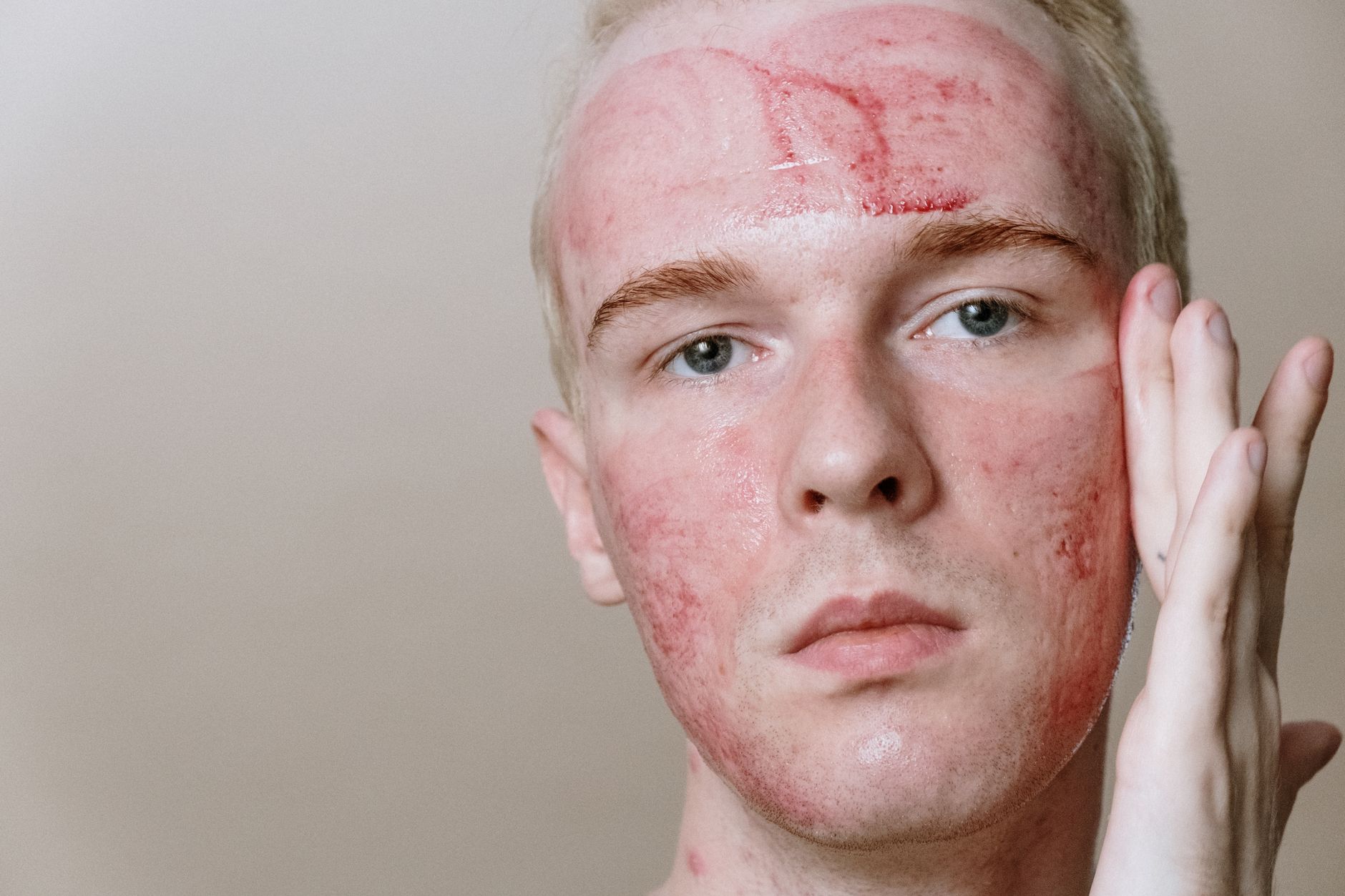
Image credit: Photo by cottonbro studio on Pexels. Used under the Pexels License.