
MyEczema.app guide
Lip Balm Eczema: Practical Guide
lip balm eczema: Discover if lip balm can worsen eczema around the lips. Learn practical tips and scientifically accurate advice for managing lip eczema.
Table of contents
Use this guide as a practical reference and jump to the sections most relevant to you.
- Quick answer
- Key takeaways
- Practical comparison table
- Visual chart
- Related MyEczema.app tool
- Understanding Eczema Around the Lips
- Common Triggers of Lip Eczema
- Ingredients to Avoid in Lip Balms
- Benefits of Using Lip Balm for Eczema
- How to Choose the Right Lip Balm
- Patch Testing New Lip Products
- DIY Lip Balm Recipes for Eczema
- Additional Tips for Managing Lip Eczema
- When to Seek Professional Help
- Success Stories and Personal Experiences
- Frequently asked questions
- Sources and further reading
If you’re dealing with eczema, you know how important it is to choose the right products for your skin. This is especially true when it comes to something as simple as lip balm. For many people, lip balm is a go-to product for keeping lips soft and hydrated. However, for those with eczema, not all lip balms are created equal. In fact, some lip balms can actually make eczema around the lips worse. Understanding how to choose the right lip balm is crucial for managing eczema symptoms effectively.
Eczema-prone skin can be sensitive to a variety of factors, including skin barrier disruption, irritants, climate, cleansing habits, allergens, and individual triggers. When it comes to the lips, these factors can be even more pronounced. The skin around the lips is thinner and more delicate than the skin on other parts of the body, making it more susceptible to irritation and flare-ups. This is why selecting a lip balm that is gentle and free from potential irritants is so important.
In this article, we’ll dive into the specifics of how certain ingredients in lip balms can trigger eczema flare-ups. We’ll also discuss the importance of patch testing new products, the benefits of proper lip moisturizing, and why avoiding harsh chemicals and fragrances is key for sensitive skin. Additionally, we’ll provide practical tips on how to consult a dermatologist for personalized advice on managing eczema around the lips.
Quick answer
Some lip balms can worsen eczema around the lips due to certain ingredients. Choosing the right product is crucial. Look for lip balms that are fragrance-free, hypoallergenic, and specifically designed for sensitive skin. Ingredients like lanolin, beeswax, and certain essential oils can be particularly problematic for those with eczema. Always patch test new products and consult a dermatologist if you’re unsure about what to use.
Key takeaways
- Certain ingredients in lip balms can trigger eczema flare-ups.
- Patch testing is essential before using new lip products.
- Moisturizing lips properly can help manage eczema symptoms.
- Avoiding harsh chemicals and fragrances is key for sensitive skin.
- Consulting a dermatologist can provide personalized advice for eczema care.
Comparing Lip Balms for Eczema
| Situation | What it may mean | Practical next step |
|---|---|---|
| Lip balm contains fragrances | Increased risk of irritation and flare-ups | Switch to a fragrance-free lip balm |
| Lip balm has ceramides | Enhanced skin barrier and moisture retention | Consider using a ceramide-rich lip balm |
| Lip balm includes essential oils | Potential allergen for sensitive skin | Avoid lip balms with essential oils |
| Lip balm is hypoallergenic | Lower risk of allergic reactions | Choose a hypoallergenic lip balm |
| Lip balm has a high SPF | Added protection from sun exposure | Use a lip balm with SPF for added sun protection |
Effectiveness of Lip Balm Ingredients for Eczema
This visual is an educational guide, not a diagnostic score. Use it to decide what may be worth tracking more consistently for this specific topic.
High attention
Ceramides
Excellent for strengthening the skin barrier
High attention
Shea Butter
Highly moisturizing and soothing
Lower attention
Fragrances
High risk of irritation
Lower attention
Essential Oils
Potential allergens
High attention
Hypoallergenic Formula
Reduced risk of allergic reactions
Related MyEczema.app tool
Use the Eczema Skincare Routine Planner
The Eczema Skincare Routine Planner helps users organize morning, daytime, and evening routine steps for eczema-prone skin.
For this topic, this tool can help you organize information in a more structured way and turn daily observations into clearer patterns to review over time.
Understanding Eczema Around the Lips
When discussing lip balm eczema, it’s essential to first understand what eczema around the lips—also known as perioral eczema—actually is. This condition can be particularly bothersome, especially if you frequently use lip balms or other lip products. Let’s delve into the specifics of perioral eczema, its symptoms, and how it differs from other lip conditions.
Definition of Perioral Eczema
Perioral eczema is a type of eczema that specifically affects the area around the lips. Eczema, in general, is a chronic skin condition characterized by inflammation and irritation. When it occurs around the lips, it is often referred to as perioral eczema. This condition can be triggered by various factors, including environmental elements, allergens, and even certain skincare products.
Common Symptoms and Appearance
The symptoms of perioral eczema can vary from person to person but often include:
- Redness: The skin around the lips may appear red and inflamed.
- Itching: There is usually a strong urge to itch the affected area, which can exacerbate the condition.
- Dryness: The skin may feel extremely dry and flaky.
- Scaling: You might notice patches of dry, scaly skin.
- Cracking: In severe cases, the skin may crack and bleed.
- Blisters: Small, fluid-filled blisters can sometimes form.
These symptoms can make the skin around the lips look and feel uncomfortable, often prompting people to reach for lip balms for relief. However, not all lip balms are created equal, and some may even worsen the condition.
How it Differs from Other Lip Conditions
It’s important to distinguish perioral eczema from other lip conditions to ensure you’re using the right treatment. Here are a few common lip conditions and how they differ from perioral eczema:
Cold Sores
Cold sores are caused by the herpes simplex virus and usually appear as small, fluid-filled blisters on or around the lips. Unlike perioral eczema, cold sores are contagious and often come with a tingling or burning sensation before the blisters appear.
Angular Cheilitis
Angular cheilitis is an inflammation of the corners of the mouth. It often presents as cracked, red, and sometimes bleeding skin at the mouth’s corners. While it can coexist with perioral eczema, it is usually caused by a combination of fungal and bacterial infections rather than the immune system’s response seen in eczema.
Allergic Contact Dermatitis
This condition occurs when the skin comes into contact with an allergen, leading to redness, itching, and sometimes blisters. Unlike perioral eczema, which can be triggered by a variety of factors, allergic contact dermatitis is specifically caused by an allergic reaction to a substance—often found in lip products.
Understanding these differences can help you better identify perioral eczema and seek appropriate treatment. Moreover, being aware of the specific symptoms and triggers can guide you in choosing the right lip care products, thereby minimizing the risk of exacerbating lip balm eczema.
In the next section, we’ll explore the role of lip balms in either alleviating or aggravating perioral eczema, providing you with practical tips for selecting eczema-friendly lip products.
Common Triggers of Lip Eczema
When dealing with lip eczema, understanding the common triggers can help you manage and prevent flare-ups more effectively. Lip eczema, like eczema elsewhere, can be influenced by a variety of factors. Identifying these triggers is crucial for maintaining the health of your skin barrier and reducing the likelihood of lip eczema flare-ups.
Environmental Factors
Environmental factors play a significant role in triggering lip eczema. Extreme weather conditions, whether hot and humid or cold and dry, can exacerbate symptoms. For instance, cold weather can strip the skin of its natural oils, leading to dryness and irritation. Conversely, high humidity can cause sweat to accumulate, leading to a breeding ground for bacteria and potential infections.
Wind can also be a culprit. It can dry out the lips quickly, making them more susceptible to eczema flare-ups. If you live in an area with strong winds, consider using a scarf to cover your mouth and lips when going outside. This simple step can provide a protective barrier against the elements.
Allergens and Irritants
Allergens and irritants are common triggers for lip eczema. Certain ingredients in lip balms and other lip care products can cause reactions. Fragrances, preservatives, and artificial colors are frequent offenders. Even seemingly innocuous ingredients like certain essential oils can trigger a reaction in sensitive individuals.
To minimize the risk of irritation, opt for eczema-friendly lip products that are fragrance-free and hypoallergenic. Reading ingredient labels carefully can help you avoid potential triggers. If you suspect a specific ingredient is causing your lip eczema, consider patch testing new products on a small area of skin before full application.
Additionally, be cautious with products that contain known irritants like menthol or eucalyptus, which can cause a stinging sensation and further irritate the skin. When choosing a lip balm, look for those specifically designed for sensitive skin or those recommended by dermatologists for eczema patients.
Dietary Influences
Diet can also influence the severity of lip eczema. Certain foods may trigger or worsen eczema symptoms. Common dietary triggers include dairy, gluten, nuts, and eggs. While these triggers vary from person to person, keeping a food diary can help you identify any correlations between your diet and eczema flare-ups.
Incorporating anti-inflammatory foods into your diet, such as fatty fish, fruits, vegetables, and whole grains, may help reduce the frequency and severity of eczema symptoms. Staying hydrated is also crucial, as dehydration can exacerbate dry skin conditions.
If you notice that certain foods seem to trigger your lip eczema, consider consulting a healthcare professional or a dietitian who specializes in eczema. They can provide personalized advice and help you develop a diet plan that minimizes flare-ups.
In summary, being aware of the common triggers of lip eczema—environmental factors, allergens and irritants, and dietary influences—can significantly help in managing and preventing flare-ups. By taking proactive steps to avoid these triggers and choosing eczema-friendly lip products, you can better protect your skin barrier and maintain healthier lips.
Ingredients to Avoid in Lip Balms
When dealing with lip balm eczema, being aware of the ingredients in your lip care products is crucial. Certain components can exacerbate symptoms and lead to uncomfortable flare-ups. Let’s explore the ingredients you should avoid to keep your lips healthy and your eczema in check.
Fragrances and Essential Oils
Fragrances and essential oils are common culprits in triggering eczema flare-ups. These ingredients can be highly irritating to sensitive skin, especially around the lips where the skin barrier is thinner.
Fragrances in lip balms often contain a mix of chemicals that can cause allergic reactions. Even natural essential oils, while often marketed as safe, can be potent irritants. For instance, peppermint oil and tea tree oil, though beneficial for some conditions, can cause severe reactions in individuals with eczema.
To avoid these triggers, look for lip balms labeled “fragrance-free” or “unscented.” When in doubt, opt for products that list all ingredients transparently. Reading labels carefully can help you steer clear of hidden fragrances.
Parabens and Preservatives
Parabens are a group of preservatives commonly used in cosmetic products to prevent bacterial growth. However, they have been linked to skin irritation and can worsen eczema symptoms.
Other preservatives like benzophenone and formaldehyde releasers (e.g., DMDM hydantoin) can also be problematic. These ingredients can disrupt the skin barrier, making it more susceptible to irritation and inflammation.
Choose lip balms that use natural preservatives like vitamin E (tocopherol) or grapefruit seed extract. These alternatives are less likely to cause irritation. Additionally, some brands offer paraben-free formulations specifically designed for sensitive skin.
Common Allergens
Several common allergens found in lip balms can trigger eczema. These include nuts, cocoa, and certain fruits like mango and lime. Even small amounts of these allergens can cause significant reactions.
For example, shea butter is often praised for its moisturizing properties, but it can be an allergen for some individuals. Similarly, lanolin, derived from wool, is another common allergen that can cause irritation.
To minimize the risk of allergic reactions, read ingredient lists thoroughly. If you have a known allergy, avoid products containing that allergen. Keeping a journal of which products cause reactions can help you identify problematic ingredients over time.
Practical Steps for Choosing Eczema-Friendly Lip Balms
Selecting the right lip balm is a crucial step in managing lip balm eczema. Here are some practical tips to guide you:
- Patch Test New Products: Before applying a new lip balm all over, do a patch test. Apply a small amount to the inside of your wrist and wait 24 hours to check for any adverse reactions.
- Read Labels Carefully: Look for ingredients that are known irritants or allergens. Familiarize yourself with common problematic ingredients to make informed choices.
- Opt for Certified Eczema-Friendly Products: Some brands offer products specifically formulated for eczema-prone skin. These are often free from common irritants and allergens.
- Consult a Dermatologist: If you’re unsure about which products to use, a dermatologist can provide personalized recommendations based on your skin’s specific needs.
By being vigilant about the ingredients in your lip balm, you can significantly reduce the likelihood of eczema flare-ups. Remember, managing eczema around the lips requires a combination of avoiding irritants and using products that support your skin’s health.
Benefits of Using Lip Balm for Eczema
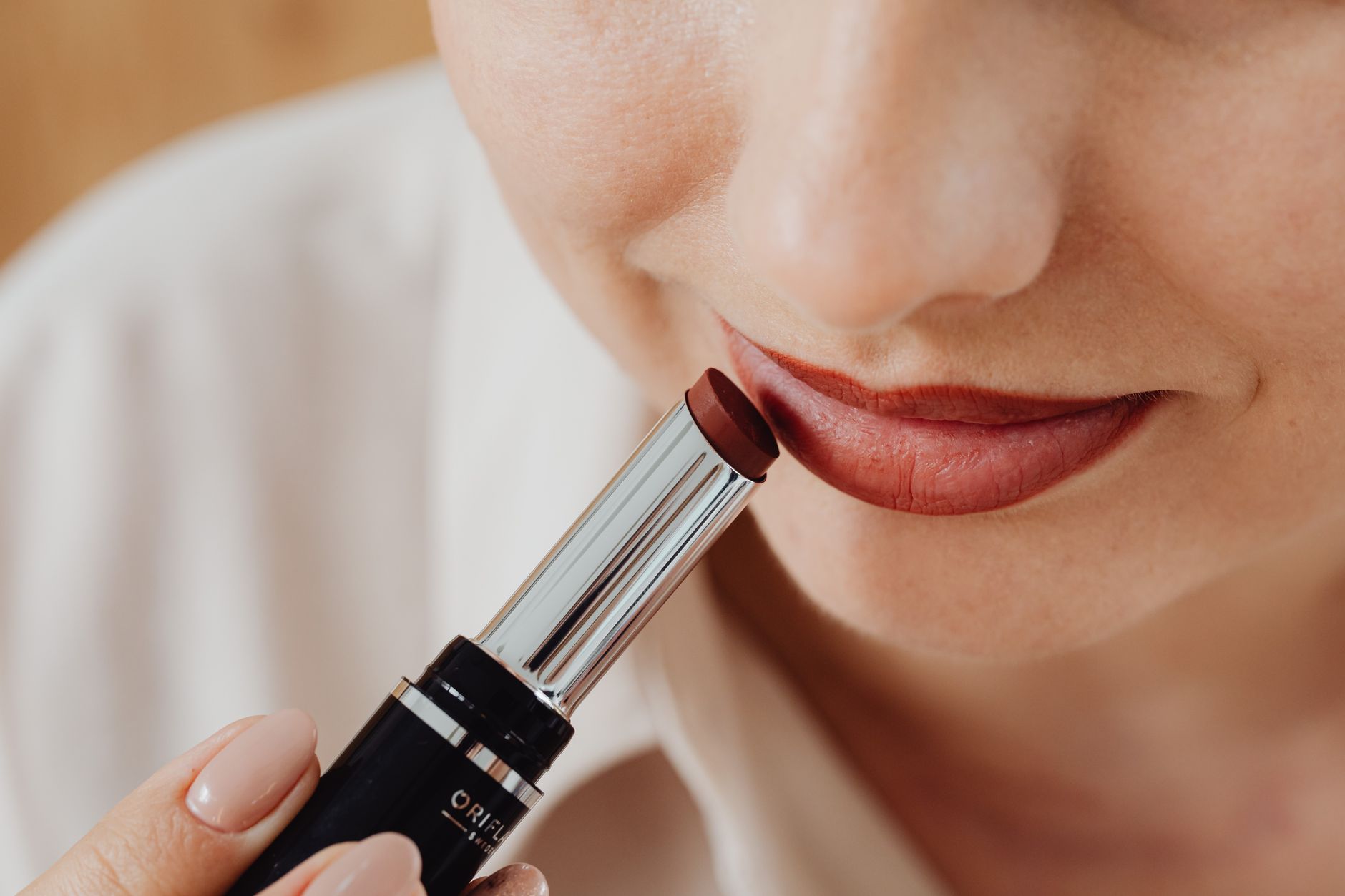
When dealing with eczema around the lips, selecting the right lip balm can significantly help manage symptoms. Lip balms formulated for sensitive skin offer several benefits that can be particularly advantageous for those with eczema. Let’s explore these benefits in detail.
Moisturizing Properties
One of the primary benefits of using a lip balm for eczema is its moisturizing properties. Eczema often leads to dry, cracked skin, which can be especially problematic around the lips. A good lip balm can provide essential hydration, helping to keep the skin around the lips soft and supple.
For instance, lip balms containing ingredients like shea butter, coconut oil, or ceramides are known for their deep moisturizing effects. These ingredients penetrate the skin, providing long-lasting hydration and helping to repair the skin barrier. This is crucial for individuals with eczema, as a compromised skin barrier can exacerbate symptoms and increase the risk of flare-ups.
Protective Barrier
Another significant benefit of using lip balm for eczema is the protective barrier it forms. This barrier helps shield the sensitive skin around the lips from external irritants and environmental factors that can trigger eczema flare-ups.
For example, balms that contain ingredients like beeswax or petroleum jelly create a physical barrier that locks in moisture and protects against dryness. This barrier is particularly beneficial in harsh weather conditions, such as cold, dry winter air or hot, humid summer air, both of which can worsen eczema symptoms.
Additionally, some lip balms are designed to be non-comedogenic, meaning they won’t clog pores. This is important for preventing breakouts and maintaining healthy skin around the lips.
Soothing Ingredients
Many lip balms formulated for eczema-prone skin include soothing ingredients that can help calm irritation and reduce inflammation. Ingredients like aloe vera, chamomile, and calendula are known for their anti-inflammatory and calming properties.
For example, a lip balm containing aloe vera can provide a cooling effect, which can be particularly soothing for irritated skin. Similarly, chamomile and calendula can help reduce redness and swelling, offering relief from the discomfort associated with eczema flare-ups.
It’s important to choose a lip balm that is free from potential irritants and allergens. Reading product labels carefully and opting for hypoallergenic formulations can help avoid triggering eczema symptoms.
Practical Steps for Choosing the Right Lip Balm
Selecting the right lip balm for eczema involves a few practical steps to ensure you’re getting the most benefit without aggravating your condition.
- Read Ingredient Lists: Look for balms with moisturizing and soothing ingredients while avoiding potential irritants like fragrances, dyes, and alcohol.
- Patch Test: Before applying a new lip balm all over, do a patch test on a small area of skin to ensure you don’t have an adverse reaction.
- Consult a Dermatologist: If you’re unsure about which lip balm to choose, consulting a dermatologist can provide personalized recommendations based on your skin’s specific needs.
- Regular Application: Apply the lip balm regularly, especially after washing your face or exposure to harsh weather conditions, to maintain hydration and protection.
Real-Life Example
Consider the case of Jane, who has eczema around her lips. She found that using a lip balm containing shea butter and chamomile significantly reduced her symptoms. By applying the balm multiple times a day, she maintained hydration and created a protective barrier, which helped prevent flare-ups. Jane also avoided lip balms with fragrances and opted for hypoallergenic products, which further minimized her risk of irritation.
In conclusion, the right lip balm can be a valuable tool in managing eczema around the lips. By providing essential hydration, creating a protective barrier, and including soothing ingredients, lip balms can help alleviate symptoms and improve the overall health of the skin. Always remember to choose products carefully and consult with a healthcare professional if you have any concerns.
How to Choose the Right Lip Balm
Selecting the right lip balm is crucial for managing lip balm eczema. With so many products on the market, it can be overwhelming to find one that suits your needs without triggering a flare-up. Here are practical steps to guide you in choosing an eczema-friendly lip balm.
Look for Hypoallergenic Products
One of the first things to look for when choosing a lip balm is whether it is labeled as hypoallergenic. Hypoallergenic products are formulated to minimize the risk of allergic reactions. This is particularly important for individuals with eczema, as their skin is often more sensitive and prone to irritation.
When you see a product labeled as hypoallergenic, it usually means that it has been tested to ensure it is less likely to cause an allergic reaction. However, it’s important to note that “hypoallergenic” is not a regulated term, so it’s still essential to read the ingredient list carefully.
Check for Ceramides and Lipids
Ceramides and lipids play a vital role in maintaining the skin’s barrier function. For those dealing with eczema, strengthening this barrier is key to preventing flare-ups. Look for lip balms that contain ceramides, which help to lock in moisture and protect the skin.
Lipids, such as cholesterol and fatty acids, are also important for repairing and maintaining the skin barrier. Products that include these ingredients can help soothe and protect eczema-prone lips. Examples of such ingredients include shea butter, coconut oil, and lanolin.
Avoid Products with Known Irritants
To prevent lip balm eczema, it’s crucial to avoid products that contain known irritants. Common irritants in lip balms include fragrances, dyes, and certain preservatives. These additives can exacerbate eczema symptoms and lead to discomfort.
Here’s a list of ingredients to avoid:
- Fragrances: Synthetic fragrances can cause irritation. Opt for fragrance-free or naturally scented products.
- Dyes: Artificial colors can be irritants. Choose lip balms that are dye-free or use natural coloring agents.
- Preservatives: Parabens and certain other preservatives can trigger reactions. Look for products that use gentler preservatives or are preservative-free.
- Alcohol: Alcohol can dry out the skin and worsen eczema. Avoid lip balms that list alcohol as an ingredient.
Real-life example: Sarah, who has eczema around her lips, noticed that every time she used a tinted lip balm, her symptoms worsened. After switching to a fragrance-free, dye-free lip balm with ceramides, her lip eczema improved significantly.
Practical Steps for Choosing Lip Balm
Here are some practical steps to help you choose the right lip balm:
- Read Labels Carefully: Take the time to read the ingredient list. Look for hypoallergenic products and those containing ceramides and beneficial lipids.
- Patch Test New Products: Before applying a new lip balm all over, do a patch test. Apply a small amount to a discreet area of your skin and wait 24 hours to see if any reaction occurs.
- Consult with a Dermatologist: If you’re unsure about which products to use, consult with a dermatologist. They can provide personalized recommendations based on your skin’s needs.
- Keep It Simple: Sometimes, less is more. Simple, straightforward formulations are often better for sensitive skin. Avoid products with long lists of ingredients.
By following these guidelines, you can find a lip balm that helps manage lip balm eczema effectively. Remember, what works for one person may not work for another, so it may take some trial and error to find the perfect product for you.
Patch Testing New Lip Products
When dealing with lip balm eczema, it’s crucial to understand how new lip products might affect your skin. Patch testing is a practical method to determine if a lip balm is safe for you. This process involves applying a small amount of the product to a discreet area of your skin to check for any adverse reactions. Let’s delve into the steps, observations, and interpretation of results for patch testing.
Steps for Patch Testing
Patch testing may seem simple, but following the correct steps ensures accurate results. Here’s a step-by-step guide:
- Choose a Test Area: Select a small, inconspicuous area of skin, such as the inner wrist or behind the ear. This area should be free from any existing eczema or irritation.
- Clean the Area: Wash the chosen area with mild soap and water, then pat it dry. Ensure the skin is clean and free from any other products.
- Apply the Lip Balm: Using a clean finger or a cotton swab, apply a small amount of the lip balm to the test area. Make sure the application is thin and even.
- Wait: Allow the product to sit on your skin for 24 to 48 hours. Avoid washing the area or applying other products during this time.
- Observe: After the waiting period, carefully examine the test area for any signs of reaction.
What to Look for During Testing
During the patch test, you should pay close attention to any changes in your skin. Here are the key signs to watch for:
- Redness: Any increase in redness could indicate irritation.
- Itching: If the area starts to itch, it may suggest an allergic reaction.
- Rash or Bumps: The appearance of a rash, bumps, or hives is a clear sign of irritation.
- Swelling: Any swelling in the test area should be noted, as it can indicate a more severe reaction.
- Dryness or Peeling: Changes in skin texture, such as dryness or peeling, may also signal a negative reaction.
How to Interpret Results
Interpreting the results of your patch test is crucial for making informed decisions about using new lip products. Here’s how to understand what your skin is telling you:
- No Reaction: If there are no signs of redness, itching, rash, swelling, or changes in skin texture, the lip balm is likely safe for you to use. However, continue to monitor your lips for any delayed reactions when you start using the product regularly.
- Mild Reaction: If you notice slight redness or minor itching, the product might still be tolerable, but use it with caution. Consider using it less frequently or in smaller amounts.
- Moderate to Severe Reaction: If you experience significant redness, itching, rash, swelling, or other severe symptoms, it’s best to avoid the product altogether. Discontinue use immediately and consider trying a different lip balm.
Remember, everyone’s skin is different, and what works for one person might not work for another. Patch testing is an essential step in finding the right lip balm for your eczema-prone skin. By taking the time to test new products, you can help prevent lip balm eczema flare-ups and keep your lips healthy and comfortable.
DIY Lip Balm Recipes for Eczema
Creating your own lip balm can be a rewarding and effective way to manage lip balm eczema. When you make your own lip balm, you have complete control over the ingredients, ensuring that you avoid potential irritants and use only eczema-friendly components. Below, we’ll explore some natural ingredient suggestions, simple recipe instructions, and tips for safe application.
Natural Ingredient Suggestions
When crafting DIY lip balm for eczema, it’s essential to choose ingredients that are soothing and moisturizing without causing irritation. Here are some natural ingredients that are generally safe and beneficial for eczema-prone lips:
- Shea Butter: Rich in vitamins A and E, shea butter is highly moisturizing and helps to repair the skin barrier.
- Coconut Oil: Known for its antimicrobial properties, coconut oil can help keep lips soft and protected.
- Beeswax: Provides a protective barrier and helps lock in moisture.
- Avocado Oil: Packed with vitamins and fatty acids, avocado oil is excellent for nourishing dry lips.
- Jojoba Oil: Closely resembles the skin’s natural oils, making it a great moisturizer for sensitive skin.
- Vitamin E Oil: Acts as an antioxidant and helps in healing the skin.
Simple Recipe Instructions
Here’s a straightforward recipe to get you started on making your own eczema-friendly lip balm:
Basic DIY Lip Balm Recipe
Ingredients:
- 1 tablespoon shea butter
- 1 tablespoon coconut oil
- 1 teaspoon beeswax pellets
- 1 teaspoon jojoba oil
- A few drops of vitamin E oil
Instructions:
- In a small saucepan, melt the shea butter, coconut oil, and beeswax over low heat. Stir until fully combined.
- Remove from heat and let the mixture cool slightly.
- Add the jojoba oil and vitamin E oil, stirring well to combine.
- Pour the mixture into lip balm tubes or small containers.
- Allow the lip balm to cool and solidify completely before use.
Tips for Safe Application
Applying your DIY lip balm correctly can make a significant difference in managing lip balm eczema. Here are some tips to ensure safe and effective use:
- Patch Test: Before applying the lip balm all over, do a patch test on a small area of skin to ensure you don’t have an allergic reaction to any of the ingredients.
- Clean Lips: Make sure your lips are clean and dry before applying the lip balm. This helps the balm adhere better and work more effectively.
- Gentle Application: Apply a small amount of lip balm gently onto your lips. Avoid over-applying, as this can lead to product buildup.
- Regular Use: Use the lip balm regularly to keep your lips moisturized and prevent dryness, which can exacerbate eczema.
- Avoid Sharing: To prevent the spread of bacteria, avoid sharing your lip balm with others.
- Store Properly: Keep your lip balm in a cool, dry place to maintain its effectiveness and prevent it from melting.
By following these DIY lip balm recipes and application tips, you can create a soothing and effective lip care routine that helps manage lip balm eczema. Remember, everyone’s skin is different, so it may take some trial and error to find the perfect combination of ingredients that work best for you.
Additional Tips for Managing Lip Eczema
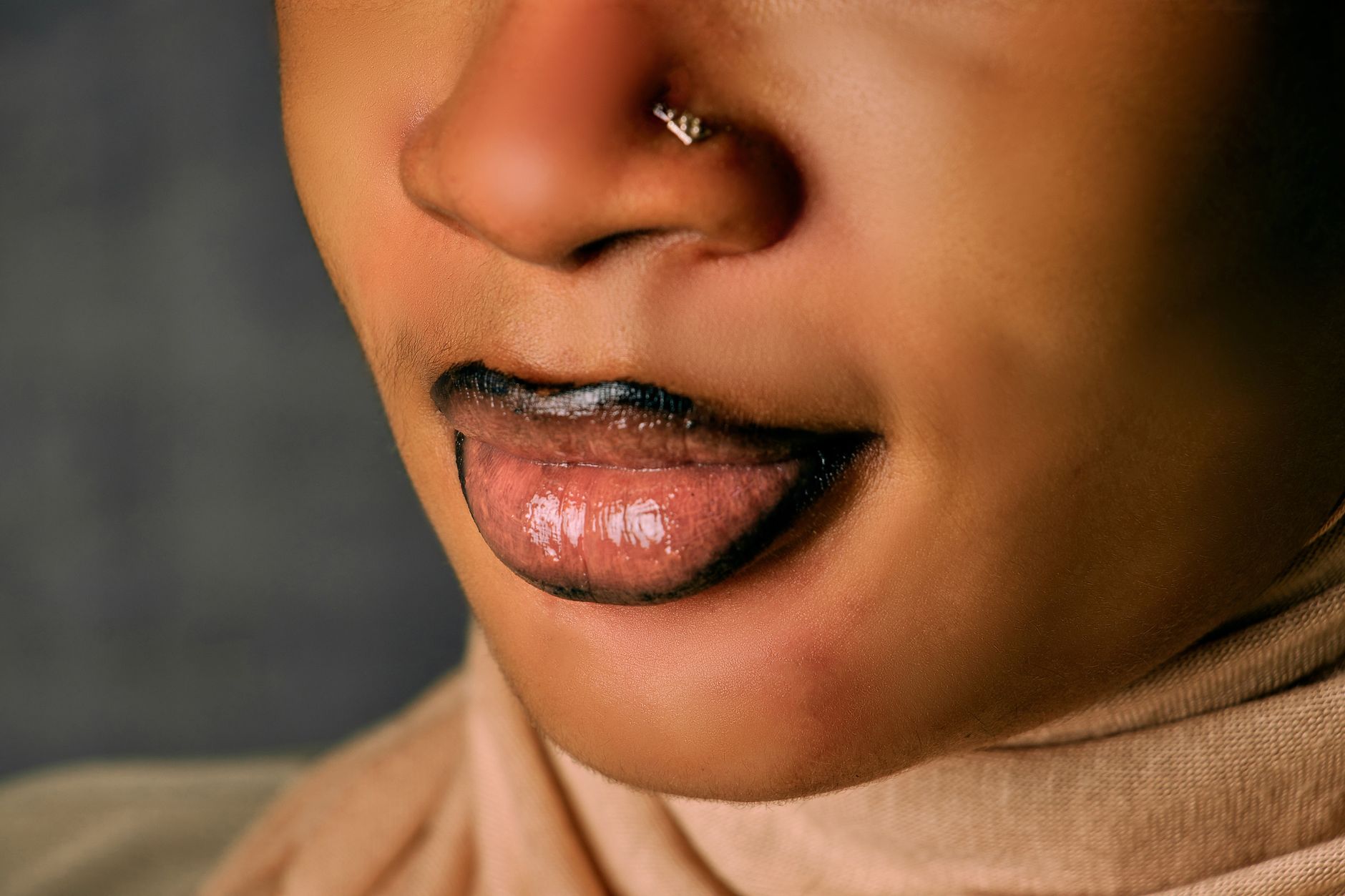
Managing lip eczema effectively requires more than just choosing the right lip balm. Incorporating additional practices into your daily routine can significantly improve your symptoms and overall skin health. Here are some essential tips to help you manage lip eczema more effectively.
Hydration and Diet
Hydration plays a crucial role in maintaining the health of your skin, including your lips. Drinking plenty of water helps keep your skin hydrated from the inside out, which can reduce the likelihood of eczema flare-ups. Aim for at least eight glasses of water a day.
In addition to hydration, your diet can also impact your eczema. Certain foods may trigger inflammation and exacerbate eczema symptoms. Common culprits include dairy, gluten, and highly processed foods. Consider keeping a food diary to identify any potential triggers and discuss them with a healthcare professional.
Incorporate anti-inflammatory foods into your diet, such as fatty fish, nuts, seeds, and fruits and vegetables rich in vitamins and antioxidants. These can help support your skin’s health and may reduce the frequency and severity of eczema flare-ups.
Avoiding Licking Lips
One of the most common habits that can worsen lip eczema is licking your lips. While it may provide temporary relief, saliva can actually dry out your lips further, leading to increased cracking and irritation. This can create a vicious cycle where you feel the need to lick your lips even more.
To break this habit, try to keep a lip balm or eczema-friendly lip product handy at all times. Apply it whenever you feel the urge to lick your lips. This not only provides moisture but also creates a protective barrier that helps retain hydration.
If you find it challenging to stop licking your lips, consider using a reminder, such as setting an alarm on your phone or wearing a bracelet that prompts you to apply lip balm instead.
Regular Skincare Routine
A consistent skincare routine is essential for managing lip eczema. This routine should include gentle cleansing, moisturizing, and protecting your lips.
Start by choosing a mild, fragrance-free cleanser to wash your face and lips. Harsh soaps and cleansers can strip your skin of its natural oils, worsening eczema symptoms. After cleansing, pat your lips dry with a soft towel.
Next, apply a moisturizing lip balm specifically designed for eczema. Look for products that contain ingredients like ceramides, hyaluronic acid, and natural oils to help repair and strengthen the skin barrier. Reapply the lip balm throughout the day, especially after eating or drinking.
Incorporate a lip exfoliant into your routine once or twice a week to remove dead skin cells and prevent buildup. Use a gentle scrub or a soft-bristled toothbrush to avoid irritating your lips further. Follow up with your regular lip balm to lock in moisture.
Protect your lips from environmental factors that can trigger eczema flare-ups. This includes avoiding extreme temperatures, wind, and sun exposure. When going outside, apply a lip balm with SPF to shield your lips from harmful UV rays.
Lastly, be mindful of any changes in your skin and consult a healthcare professional if you notice persistent or severe symptoms. They can provide personalized advice and recommend treatments that may help manage your lip eczema more effectively.
By integrating these additional tips into your daily routine, you can better manage lip eczema and enjoy healthier, more comfortable lips. Remember, consistency is key, and small changes can make a significant difference in your overall skin health.
When to Seek Professional Help
When dealing with lip eczema, it’s essential to know when to seek professional help. While many cases of lip eczema can be managed with home remedies and over-the-counter products, there are times when consulting a dermatologist is necessary. Understanding the signs of severe eczema, recognizing when home remedies aren’t enough, and appreciating the importance of a professional diagnosis can help you make informed decisions about your lip care.
Signs of Severe Eczema
Severe eczema around the lips can manifest in several ways. If you notice any of the following signs, it may be time to seek professional help:
- Persistent Symptoms: If your lip eczema doesn’t improve after several weeks of using recommended treatments, it may indicate a more severe condition.
- Intense Itching and Pain: Severe itching and pain that disrupt your daily activities or sleep should be evaluated by a professional.
- Blisters and Open Sores: The presence of blisters, oozing, or open sores can increase the risk of infection and requires medical attention.
- Spreading Rash: If the rash spreads beyond the lips to other areas of the face or body, it may be a sign of a more extensive eczema flare-up.
- Secondary Infections: Signs of infection, such as increased redness, warmth, swelling, or pus, necessitate professional evaluation.
When Home Remedies Aren’t Enough
While home remedies and over-the-counter lip balms can be effective for mild to moderate lip eczema, there are instances where they may not provide sufficient relief. Consider seeking professional help if:
- No Improvement: If you’ve tried various eczema-friendly lip products and home remedies without seeing any improvement, a dermatologist can offer more targeted treatments.
- Frequent Flare-Ups: If you experience frequent eczema flare-ups around your lips, a dermatologist can help identify triggers and develop a long-term management plan.
- Sensitivity to Ingredients: If you suspect you’re sensitive or allergic to certain ingredients in your lip balm, a dermatologist can perform patch testing to identify the culprits.
- Underlying Conditions: If you have other skin conditions, such as rosacea or psoriasis, that coexist with your lip eczema, professional guidance is crucial for comprehensive care.
Importance of Professional Diagnosis
A professional diagnosis from a dermatologist is vital for several reasons:
- Accurate Diagnosis: A dermatologist can provide an accurate diagnosis, distinguishing eczema from other lip conditions that may have similar symptoms, such as allergic reactions or infections.
- Tailored Treatment Plan: Based on your specific symptoms and skin type, a dermatologist can create a personalized treatment plan that may include prescription medications, such as topical corticosteroids or immunomodulators.
- Monitoring Progress: Regular follow-up appointments allow the dermatologist to monitor your progress and adjust the treatment plan as needed.
- Education and Support: Dermatologists can provide valuable education on managing lip eczema, including tips on avoiding triggers, proper lip care techniques, and the importance of maintaining the skin barrier.
In summary, while many cases of lip eczema can be effectively managed with home remedies and over-the-counter products, recognizing when to seek professional help is crucial. Signs of severe eczema, the ineffectiveness of home remedies, and the need for an accurate diagnosis are all valid reasons to consult a dermatologist. Professional guidance ensures you receive the most appropriate and effective treatment for your lip eczema, helping you achieve better control and relief.
Success Stories and Personal Experiences
Understanding how others manage their lip eczema can provide valuable insights and encouragement. Real-life experiences and success stories highlight the practical steps people take to alleviate symptoms and maintain healthy lips. This section delves into inspirational stories, practical advice from users, and the importance of community support and resources.
Inspirational Stories
Many individuals have found effective ways to manage their lip eczema, often after trying various products and routines. One such story is that of Sarah, who struggled with severe lip eczema for years. After numerous failed attempts with conventional lip balms, she discovered a specialized eczema-friendly lip product that significantly reduced her symptoms. Sarah’s journey underscores the importance of persistence and the potential benefits of trying different lip care eczema solutions.
Another inspiring story comes from Mark, who incorporated a consistent lip care routine into his daily life. By using a gentle, fragrance-free lip balm and avoiding known triggers, Mark was able to keep his lip eczema under control. His experience shows that a dedicated approach to lip care can make a significant difference.
Practical Advice from Users
Users often share practical tips that have helped them manage their lip eczema. One common piece of advice is to keep lips moisturized at all times. Using a thick, emollient-rich lip balm can create a protective barrier, helping to prevent dryness and irritation. Many users recommend applying lip balm frequently throughout the day, especially in dry or cold weather.
Another tip is to avoid licking the lips, a habit that can exacerbate eczema. Instead, users suggest keeping a lip balm handy to address dryness promptly. Some individuals find that using a humidifier at home helps maintain overall skin moisture, which can be particularly beneficial for those with eczema.
Diet also plays a role for some people. Users have reported that certain foods, such as dairy or gluten, can trigger eczema flare-ups. Keeping a food diary to identify potential triggers can be a helpful strategy.
Community Support and Resources
Joining support groups and online communities can provide emotional support and practical advice. Platforms like social media groups, forums, and eczema-specific websites allow individuals to share their experiences and learn from others facing similar challenges. These communities often offer recommendations for eczema-friendly lip products, discuss the latest research, and provide a space for users to ask questions and seek advice.
Educational resources, such as webinars and articles from reputable sources, can also be invaluable. Many eczema organizations offer guides and tips specifically tailored to managing eczema, including lip eczema. These resources can help individuals stay informed about the latest developments in eczema treatment and prevention.
Additionally, consulting with healthcare professionals, such as dermatologists or allergists, can provide personalized advice and treatment options. These experts can offer insights into the best lip balm eczema products and strategies for managing symptoms effectively.
In conclusion, hearing success stories and practical advice from others can be incredibly motivating and informative. By learning from the experiences of those who have successfully managed their lip eczema, individuals can find new strategies and products that may work for them. Community support and resources play a crucial role in this journey, offering both emotional and practical assistance.
Frequently asked questions
Can any lip balm make eczema worse?
Yes, certain types of lip balms can worsen eczema around the lips. Lip balms containing fragrances, artificial colors, or alcohol can irritate sensitive skin, leading to increased redness, itching, and inflammation. It’s important to choose lip balms specifically formulated for sensitive skin or those labeled as hypoallergenic to minimize the risk of irritation.
Additionally, some individuals with eczema may have specific allergies to certain ingredients commonly found in lip balms, such as lanolin or certain preservatives. Reading ingredient lists carefully and opting for products with fewer, simpler ingredients can help reduce the likelihood of exacerbating eczema symptoms.
What are the best ingredients for eczema-friendly lip balms?
For those dealing with lip eczema, lip balms containing natural, soothing ingredients are often the best choice. Look for lip balms with ingredients like shea butter, coconut oil, aloe vera, and ceramides. These ingredients help to moisturize and protect the skin without causing irritation.
Avoiding products with artificial fragrances, dyes, and alcohol is also crucial. Some eczema-friendly lip balms may also include anti-inflammatory ingredients like chamomile or calendula, which can help soothe irritated skin.
How often should I apply lip balm if I have eczema?
When managing eczema around the lips, it’s important to keep the area well-moisturized. Applying lip balm frequently throughout the day can help maintain a protective barrier and prevent the skin from becoming dry and cracked. Aim to apply lip balm every few hours, or more often if your lips feel dry or irritated.
Carrying a lip balm with you can make it easier to apply as needed, especially in dry or windy conditions that can exacerbate eczema symptoms. Remember, consistent moisturization is key to managing eczema-prone skin.
Are there any natural remedies for lip eczema?
Yes, there are several natural remedies that can help manage lip eczema. Applying a thin layer of pure coconut oil or shea butter can provide intense moisturization. Honey, known for its antibacterial properties, can also be gently applied to the lips to soothe irritation.
Aloe vera gel, either from the plant directly or in a pure gel form, can be cooling and soothing for inflamed skin. Always perform a patch test before trying new natural remedies to ensure you don’t have an allergic reaction.
Can diet affect lip eczema?
Diet can play a role in managing eczema symptoms, including those around the lips. Certain foods may trigger eczema flare-ups in some individuals. Common triggers include dairy, gluten, nuts, and eggs. Keeping a food diary can help identify specific dietary triggers that may be worsening your lip eczema.
Incorporating anti-inflammatory foods like fruits, vegetables, and omega-3 rich foods into your diet may help reduce inflammation and improve eczema symptoms. However, dietary changes should be approached cautiously and ideally under the guidance of a healthcare professional.
What should I do if my lip eczema doesn’t improve with lip balm?
If your lip eczema persists despite using eczema-friendly lip balms, it may be time to seek further advice. Consider consulting a dermatologist who can provide a more detailed assessment and recommend treatments tailored to your specific needs.
They may suggest prescription-strength moisturizers, topical corticosteroids, or other treatments to help manage your symptoms. Remember, persistent or severe eczema should be evaluated by a healthcare professional to rule out other potential causes and to ensure proper management.
Use MyEczema.app to track your eczema patterns and daily triggers.
This article is for educational purposes only and is not medical advice. If symptoms are severe, spreading, painful, infected-looking, or affecting sleep and daily life, speak with a qualified healthcare professional.
Sources and further reading
For medical guidance, always rely on a qualified healthcare professional. These educational resources may help readers learn more:
Image credit: Photo by Ron Lach on Pexels. Used under the Pexels License.
Image credit: Photo by https://kaboompics.com/ on Pexels. Used under the Pexels License.
Image credit: Photo by Salis A Muhammad on Pexels. Used under the Pexels License.