
MyEczema.app guide
Effective Night Routine for Dry Cracked Eczema Hands
night routine for dry cracked eczema hands: practical tips for tracking triggers, building routines, and supporting eczema-prone skin.
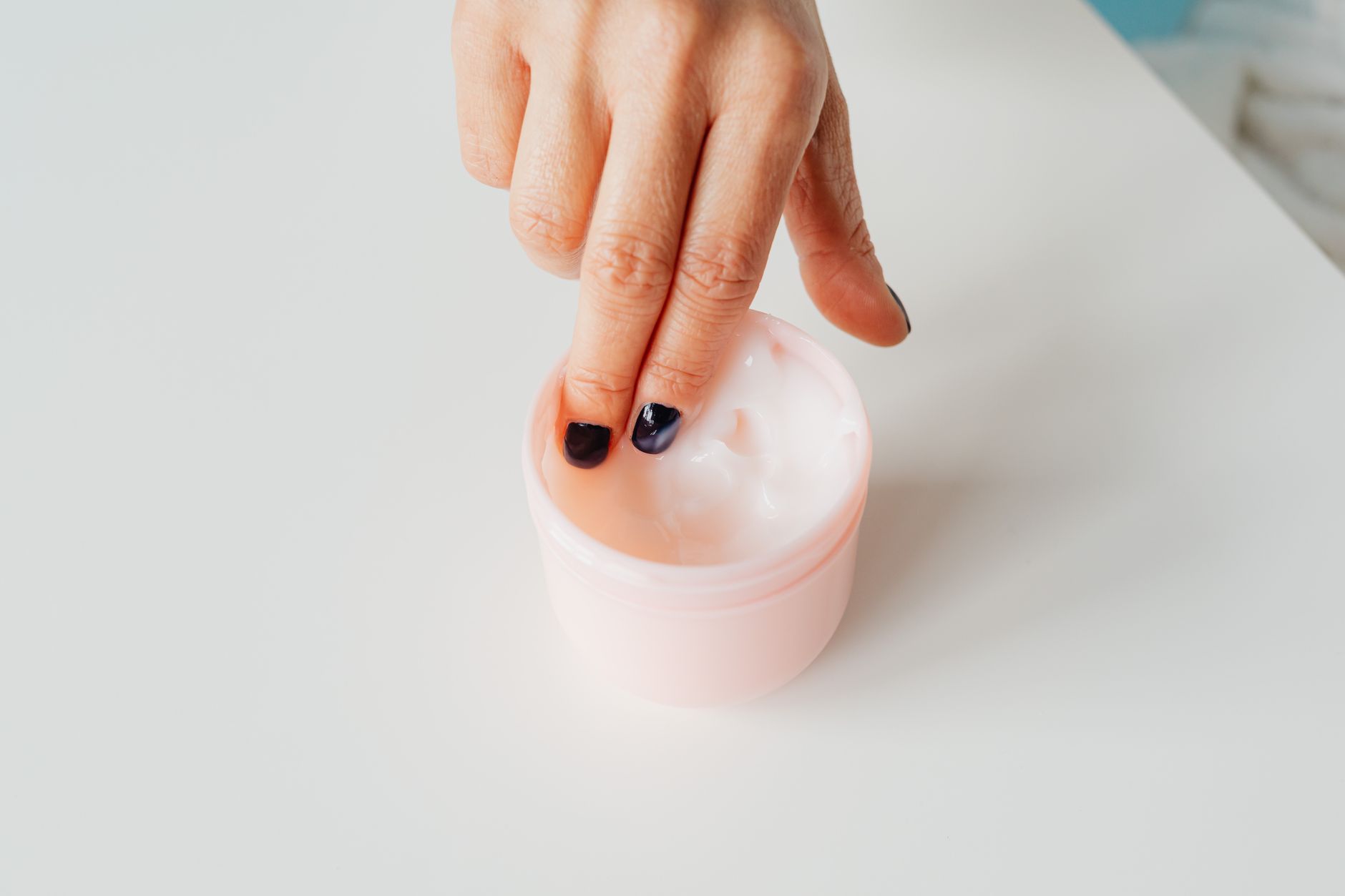
Table of contents
Use this guide as a practical reference and jump to the sections most relevant to you.
- Quick answer
- Key takeaways
- Practical comparison table
- Visual chart
- Related MyEczema.app tool
- Understanding Eczema on Hands
- The Importance of a Night Routine for Eczema Hands
- Gentle Cleansing for Eczema Hands
- Effective Moisturizing Techniques for Eczema Hands
- Protective Measures to Enhance Healing
- Incorporating Humectants into Your Night Routine
- Avoiding Common Triggers at Night
- Tracking Your Progress and Adjusting Your Routine
- Additional Tips for Managing Eczema Hands at Night
- When to Consult a Dermatologist
- Frequently asked questions
- Sources and further reading
If you’re dealing with dry, cracked eczema hands, you know how challenging it can be to find relief. An effective night routine can make a significant difference in managing symptoms and promoting healing. In this article, we’ll explore a comprehensive night routine for dry cracked eczema hands, offering practical tips and advice to help you achieve better comfort and skin health. We’ll cover gentle cleansing, targeted moisturizing, and protective measures that can be incorporated into your nightly regimen.
Eczema-prone skin is often affected by a disrupted skin barrier, which can be exacerbated by irritants, climate changes, cleansing habits, allergens, and individual triggers. This makes it crucial to adopt a consistent and careful approach to skincare, especially at night when your skin has the opportunity to repair and regenerate. By focusing on a tailored night routine for dry cracked eczema hands, you can help soothe irritation, lock in moisture, and protect your skin from further damage.
In the following sections, we’ll delve into the specifics of creating an effective night routine for your eczema-prone hands. We’ll discuss the importance of each step and offer practical examples to help you implement these practices in your daily life. Remember, while this routine can significantly help manage symptoms, it’s always important to consult with a dermatologist for personalized advice and treatment options.
Let’s get started on transforming your nighttime skincare routine to better support your dry, cracked eczema hands.
Quick answer
A night routine for dry cracked eczema hands involves gentle cleansing, targeted moisturizing, and protective measures to promote healing and comfort.
Key takeaways
- Proper cleansing is essential to remove irritants without stripping the skin.
- Using thick, occlusive moisturizers can help lock in moisture and protect the skin overnight.
- Protective measures such as gloves can prevent further damage and enhance healing.
- Consistency in following the night routine is crucial for managing eczema symptoms.
- Consulting a dermatologist can provide personalized advice and treatment options.
Comparing Moisturizers for Eczema Hands
| Situation | What it may mean | Practical next step |
|---|---|---|
| Mild eczema | Your skin may benefit from lighter, fragrance-free moisturizers. | Try a gentle lotion or cream with ceramides. |
| Moderate eczema | Your skin may need a thicker, more occlusive moisturizer. | Use a cream or ointment with ingredients like petroleum jelly or shea butter. |
| Severe eczema | Your skin may require prescription-strength moisturizers or treatments. | Consult a dermatologist for specialized treatment options. |
| Flare-ups | Your skin may need immediate relief from intense itching and inflammation. | Apply a thick ointment and consider using anti-itch creams. |
| Dry climate | Your skin may lose moisture quickly in dry environments. | Use a humidifier and apply a rich moisturizer frequently. |
Related MyEczema.app tool
Use the Eczema Skincare Routine Planner
The Eczema Skincare Routine Planner helps users organize morning, daytime, and evening routine steps for eczema-prone skin.
For this topic, this tool can help you organize information in a more structured way and turn daily observations into clearer patterns to review over time.
Understanding Eczema on Hands
Eczema is a chronic skin condition that causes inflammation, redness, itching, and irritation. When it affects the hands, it can significantly impact daily activities and overall quality of life. Understanding what eczema is and how it specifically affects the hands is crucial for managing symptoms and developing an effective night routine for dry cracked eczema hands.
Definition of Eczema
Eczema, also known as atopic dermatitis, is a common skin condition characterized by inflamed, itchy, and often cracked skin. It is often linked to a genetic predisposition and can be triggered by various environmental factors. Eczema is not contagious and varies in severity from mild to severe.
Common Symptoms of Hand Eczema
When eczema affects the hands, the symptoms can be particularly troublesome. Common symptoms include:
- Itching: Persistent and often intense itching is a hallmark symptom.
- Redness: The skin may appear red and inflamed.
- Dryness: The skin can become extremely dry, leading to cracking and peeling.
- Blisters: Small fluid-filled blisters may develop, which can break open and ooze.
- Thickened Skin: Chronic inflammation can cause the skin to become thick and leathery.
- Pain: In severe cases, the skin may become painful and sensitive to touch.
These symptoms can make simple tasks like washing dishes, typing, or even holding a pen challenging. Therefore, finding relief through a consistent night routine for dry cracked eczema hands is essential.
How Eczema Differs on Hands Compared to Other Body Parts
Eczema on the hands presents unique challenges compared to other parts of the body. Here’s how:
- Frequent Use: Hands are constantly in use, making it difficult to avoid triggers and irritants.
- Exposure to Elements: Hands are often exposed to water, detergents, and other chemicals, which can exacerbate symptoms.
- Visibility: Hand eczema is highly visible, which can lead to self-consciousness and social anxiety.
- Functional Impact: The condition can significantly impact daily functioning, affecting work, hobbies, and personal care.
Because of these factors, managing hand eczema requires a tailored approach. A dedicated night routine for dry cracked eczema hands can help soothe symptoms, promote healing, and prevent flare-ups.
In the next sections, we will delve into specific steps and products that can be incorporated into your nightly regimen to manage hand eczema effectively. By understanding the unique challenges that hand eczema presents, you can better appreciate the importance of a consistent and thoughtful skincare routine.
The Importance of a Night Routine for Eczema Hands
A dedicated night routine for dry cracked eczema hands can significantly enhance eczema relief and overall hand health. Nighttime is a crucial period for skin repair and regeneration. By implementing a consistent night routine, you can provide your skin with the optimal conditions it needs to heal and prevent flare-ups. Let’s explore the benefits of a consistent night routine, how nighttime care can enhance skin healing, and common mistakes to avoid in nighttime eczema care.
Benefits of a Consistent Night Routine
Establishing a consistent night routine for your hands can yield numerous benefits. When you follow a regular schedule, your skin becomes accustomed to the care it receives, leading to more predictable and positive outcomes. Here are some key advantages:
- Enhanced Moisturization: Applying moisturizers at night allows them to work more effectively. The skin has a chance to absorb the products while you sleep, leading to better hydration.
- Reduced Itching: A well-moisturized skin barrier is less likely to itch. Reducing nighttime itching can lead to better sleep quality, which is essential for overall health.
- Improved Skin Barrier: Consistent use of barrier-repair ingredients can strengthen the skin’s natural defenses, making it more resilient against irritants and environmental factors.
- Prevention of Flare-Ups: A regular night routine can help prevent eczema flare-ups by keeping the skin in optimal condition.
How Nighttime Care Can Enhance Skin Healing
The skin undergoes a series of repair processes during the night. Implementing specific nighttime care practices can significantly enhance these natural healing mechanisms. Here’s how:
- Increased Cellular Activity: At night, the skin experiences heightened cellular activity. Applying moisturizers and treatments during this time can maximize their effectiveness.
- Reduction of External Irritants: During sleep, your hands are less exposed to external irritants, allowing the skin to focus on healing without additional stress.
- Optimal Absorption: The cooler nighttime temperatures can help certain ingredients penetrate the skin more effectively. This is particularly true for occlusive moisturizers that create a protective barrier.
- Promotion of Skin Regeneration: The body’s natural healing processes are more active at night. Supporting these processes with proper care can lead to faster and more effective healing.
Common Mistakes in Nighttime Eczema Care
While a night routine is beneficial, there are common mistakes that can undermine its effectiveness. Being aware of these pitfalls can help you maximize the benefits of your nighttime eczema care:
- Inconsistent Application: Skipping nights or applying products inconsistently can prevent the skin from reaping the full benefits of a night routine.
- Using Harsh Products: Some nighttime treatments may contain ingredients that are too harsh for eczema-prone skin. Always choose gentle, fragrance-free products.
- Neglecting Hand Hygiene: Failing to clean your hands before applying moisturizers can leave behind irritants and bacteria, which can exacerbate eczema symptoms.
- Over-Exfoliation: While exfoliation can be beneficial, doing it too frequently, especially at night, can strip the skin of its natural oils and worsen eczema.
- Ignoring Environmental Factors: Keeping your sleeping environment humid and cool can support skin healing. Dry air can exacerbate eczema, so consider using a humidifier.
By understanding the importance of a night routine for dry cracked eczema hands, you can take proactive steps to improve your skin’s health. Consistency, proper product selection, and awareness of common mistakes are key components in achieving effective eczema relief and prevention. Remember, the goal is to create an environment where your skin can heal and regenerate optimally, leading to fewer flare-ups and better overall hand health.
Gentle Cleansing for Eczema Hands
Incorporating a night routine for dry cracked eczema hands involves several essential steps, starting with gentle cleansing. This process is critical in maintaining the health of your skin and preventing eczema flare-ups. Let’s explore how to choose the right cleanser, the step-by-step cleansing process, and what harsh ingredients to avoid.
Choosing the Right Cleanser
Selecting an appropriate cleanser is the first step in a gentle cleansing routine for eczema-prone hands. Look for products specifically designed for sensitive skin. These cleansers are typically free from harsh chemicals, fragrances, and dyes that can irritate the skin.
- pH-balanced: Opt for a cleanser that is pH-balanced, as this helps maintain the natural acidity of the skin, which is crucial for protecting against infections and irritations.
- Moisturizing ingredients: Ingredients like glycerin, ceramides, and hyaluronic acid can help retain moisture in the skin, which is beneficial for dry, cracked eczema hands.
- Fragrance-free: Fragrances can be a common irritant for those with eczema. Choosing a fragrance-free cleanser can help reduce the risk of irritation.
Step-by-Step Cleansing Process
The way you cleanse your hands can significantly impact the health of your skin. Follow these steps to ensure a gentle yet effective cleansing process:
- Wet your hands: Start by wetting your hands with lukewarm water. Avoid hot water, as it can strip the skin of its natural oils.
- Apply cleanser: Dispense a small amount of your chosen cleanser onto your palm. Remember, a little goes a long way.
- Gently massage: Use your fingertips to gently massage the cleanser into your skin. Focus on any areas where eczema is present, but be careful not to scrub too hard.
- Rinse thoroughly: Rinse your hands thoroughly with lukewarm water to ensure all cleanser is removed. Residual cleanser can cause irritation.
- Pat dry: Gently pat your hands dry with a soft towel. Avoid rubbing, as this can irritate the skin.
Avoiding Harsh Ingredients
To maintain the integrity of your skin and prevent eczema flare-ups, it’s crucial to avoid cleansers with harsh ingredients. Here are some common culprits to watch out for:
- Sulfates: These foaming agents can be drying and irritating to the skin. Look for sulfate-free options.
- Alcohol: Alcohol can be very drying and may exacerbate eczema symptoms. Avoid cleansers that list alcohol as a primary ingredient.
- Artificial fragrances: As mentioned earlier, artificial fragrances can be irritants. Stick to fragrance-free products or those with natural, soothing scents.
- Parabens: While the research on parabens is ongoing, some people with eczema find that paraben-free products are gentler on their skin.
By choosing the right cleanser and following a gentle cleansing process, you can effectively manage dry, cracked eczema hands as part of your nightly routine. Remember, the goal is to cleanse without causing additional irritation, setting the stage for effective eczema relief and prevention.
Effective Moisturizing Techniques for Eczema Hands
Creating a night routine for dry cracked eczema hands involves more than just choosing the right moisturizer. It requires understanding the types of moisturizers suitable for eczema, the best application techniques, and the role of occlusive moisturizers. Let’s dive into these aspects to help you develop a more effective night routine for your eczema-prone hands.
Types of Moisturizers Suitable for Eczema
When it comes to managing eczema, not all moisturizers are created equal. For a night routine aimed at relieving dry, cracked eczema hands, it’s essential to choose products specifically formulated for sensitive skin.
- Creams and Ointments: These are thicker than lotions and provide more intense moisturization. Look for products containing ceramides, which help restore the skin’s natural barrier.
- Lotions: While lighter, some lotions can still offer good moisturization. Opt for those with added humectants like glycerin or hyaluronic acid to help attract moisture to the skin.
- Specialty Eczema Creams: Products designed for eczema often contain ingredients like colloidal oatmeal, which can soothe irritation, or niacinamide, which can help reduce inflammation.
It’s also beneficial to avoid moisturizers with fragrances, dyes, or alcohol, as these can irritate eczema-prone skin further.
Application Techniques for Maximum Effectiveness
How you apply your moisturizer can significantly impact its effectiveness. Here are some practical steps to ensure you’re getting the most out of your night routine for dry cracked eczema hands:
- Clean and Dry: Start with clean, slightly damp hands. This helps the moisturizer penetrate better. Pat your hands dry with a soft towel; avoid rubbing, which can irritate the skin.
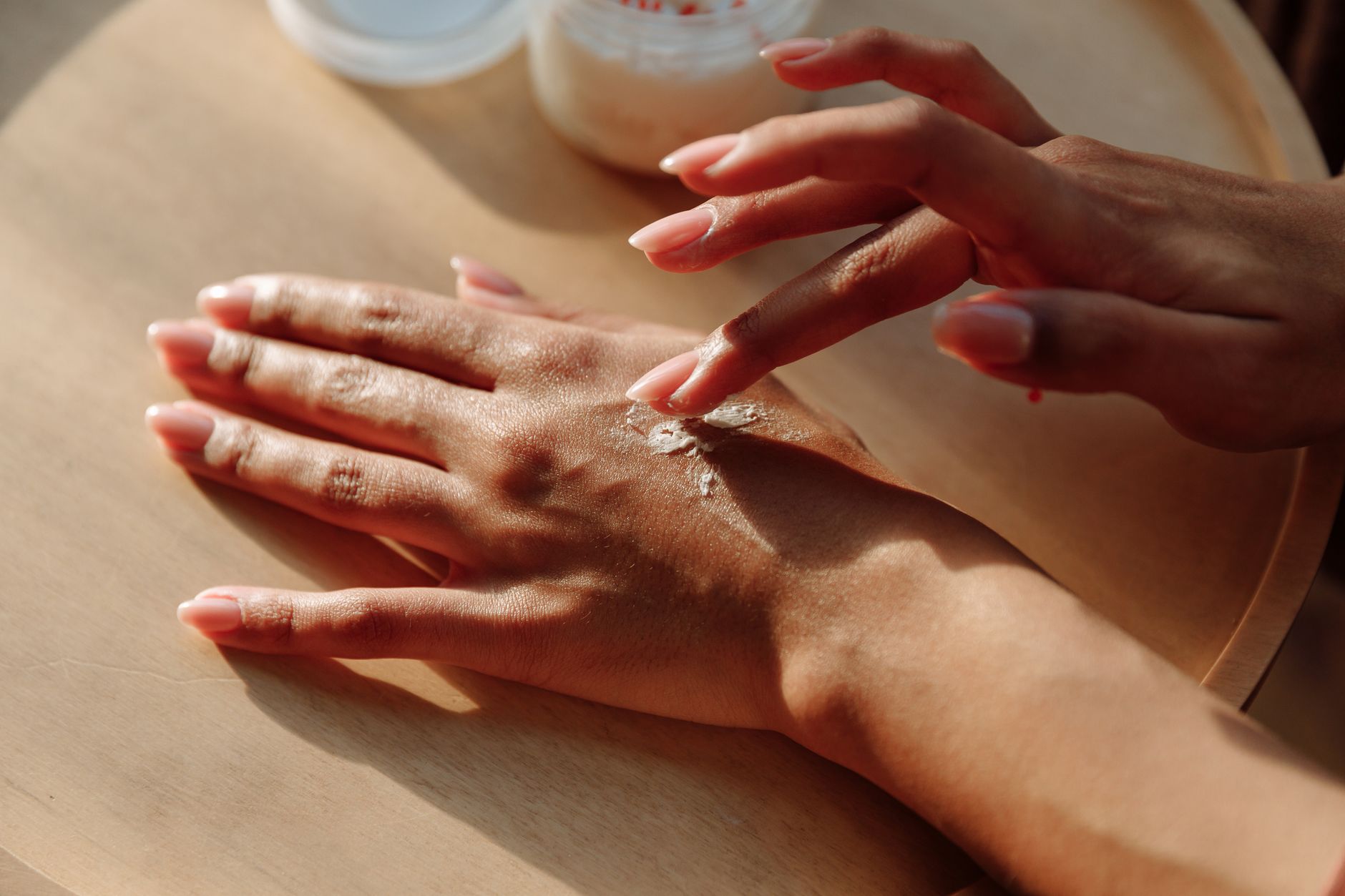
- Apply Generously: Don’t skimp on the amount. Apply a generous layer of moisturizer to ensure all areas, especially the cracks and crevices, are covered.
- Massage In: Gently massage the moisturizer into your skin using circular motions. This helps improve blood circulation and encourages better absorption.
- Use Your Hands: If your hands are too sore to massage, use your other hand to apply the moisturizer. This reduces the risk of further irritation.
Remember, the goal is to create a barrier that locks in moisture and protects your skin overnight.
The Role of Occlusive Moisturizers
Occlusive moisturizers play a crucial role in a night routine for dry cracked eczema hands. These products work by forming a physical barrier on the skin’s surface, which helps prevent moisture loss.
- Petroleum Jelly: A classic choice, petroleum jelly is effective at locking in moisture. It’s also inexpensive and widely available.
- Silicone-Based Products: These can provide a longer-lasting barrier compared to petroleum jelly. Look for products containing dimethicone or cyclomethicone.
- Combination Products: Some moisturizers combine humectants (to attract moisture) with occlusives (to lock it in). These can be particularly effective for eczema hands.
For an added layer of protection, consider wearing cotton gloves after applying your moisturizer. This can help keep the product in place and provide an extra barrier against the elements.
Incorporating these moisturizing techniques into your night routine can significantly improve the condition of your eczema hands. Remember, consistency is key. Even if you don’t see immediate results, sticking with your routine can lead to gradual improvements in skin hydration and overall hand health.
Lastly, if you find that your eczema hands are not responding well to over-the-counter treatments, it may be helpful to consult a dermatologist. They can offer personalized advice and recommend prescription-strength moisturizers or other treatments that might be more suitable for your specific needs.
Protective Measures to Enhance Healing
When dealing with dry, cracked eczema hands, the importance of a night routine for dry cracked eczema hands cannot be overstated. While cleansing and moisturizing are crucial steps, additional protective measures can significantly enhance the healing process. Implementing these measures helps shield your hands from irritants and environmental factors that could exacerbate eczema symptoms.
Using Gloves to Protect Hands
Wearing gloves is a practical step in your night routine for dry cracked eczema hands. Gloves create a barrier between your skin and potential irritants, allowing your hands to remain moisturized and protected throughout the night.
For those with eczema, it’s essential to choose gloves that are gentle on the skin. Cotton gloves are a popular choice because they allow the skin to breathe while providing a layer of protection. You can place these gloves over your hands after applying moisturizer to lock in hydration.
Another option is to wear silk or satin gloves, which are smooth and less likely to cause friction. These materials are also breathable, making them comfortable for overnight use.
Choosing the Right Type of Gloves
Selecting the appropriate type of gloves is crucial for effective eczema relief. Here are some considerations:
- Material: Opt for soft, breathable materials like cotton, silk, or satin. Avoid materials that may cause irritation or allergic reactions.
- Fit: Gloves should fit snugly but not too tight. A proper fit ensures that the gloves stay in place without causing discomfort.
- Purpose: If you’re using gloves primarily for moisturizing, cotton gloves are usually sufficient. For added protection against external irritants, consider wearing a second layer of gloves made from a more durable material like nylon or vinyl.
Experiment with different types of gloves to find what works best for you. Some people may find that a combination of materials provides the most comfort and protection.
Other Protective Accessories
In addition to gloves, there are other protective accessories that can be beneficial in your night routine for dry cracked eczema hands.
One such accessory is a hand mask. Hand masks are typically made from fabric and are designed to be worn overnight. They often come infused with moisturizing ingredients, providing an extra layer of hydration while you sleep.
Another option is using bandages or wraps. For particularly severe eczema flare-ups, covering your hands with a soft, non-stick bandage can help protect the skin and prevent scratching. Ensure that the bandage is not too tight to avoid restricting circulation.
Some individuals find that wearing compression gloves can be helpful. These gloves apply gentle pressure to the hands, which may reduce itching and inflammation. However, it’s important to use them cautiously and ensure they are not too tight.
Lastly, consider using a humidifier in your bedroom. Dry air can exacerbate eczema symptoms, so maintaining a moist environment can be beneficial. A humidifier adds moisture to the air, helping to keep your skin hydrated throughout the night.
Incorporating these protective measures into your night routine for dry cracked eczema hands can make a significant difference in managing symptoms and promoting healing. Remember that everyone’s skin is different, so it may take some trial and error to find the best combination of protective accessories that work for you.
By taking these extra steps to protect and heal your eczema hands overnight, you can wake up feeling more comfortable and better equipped to face the day. Consistency is key, so make these protective measures a regular part of your eczema skincare routine.
Incorporating Humectants into Your Night Routine
When creating a night routine for dry cracked eczema hands, understanding the role of humectants is essential. Humectants are ingredients that help your skin retain moisture by drawing water from the environment and your deeper skin layers. This makes them a valuable addition to any eczema skincare regimen.
What are Humectants?
Humectants are substances that attract and retain water. They work by pulling moisture from the air and the lower layers of your skin to the outermost layer, known as the stratum corneum. This helps keep your skin hydrated and can be particularly beneficial for individuals with eczema, whose skin tends to be drier and more prone to cracking.
Common Humectants for Eczema Care
Several humectants are commonly used in eczema care products. Here are a few you might encounter:
- Glycerin: A popular humectant found in many moisturizers. It’s effective at drawing moisture into the skin and is generally well-tolerated.
- Hyaluronic Acid: Known for its ability to hold up to 1,000 times its weight in water, hyaluronic acid is a powerful humectant that can provide intense hydration.
- Urea: Often used in eczema treatments, urea not only attracts moisture but also helps exfoliate the skin, removing dead skin cells that can clog pores and exacerbate eczema symptoms.
- Aloe Vera: This natural humectant is soothing and hydrating, making it a good choice for sensitive skin.
How to Incorporate Humectants into Your Routine
Incorporating humectants into your night routine for dry cracked eczema hands involves a few simple steps. Here’s how you can do it effectively:
Step 1: Cleanse Gently
Before applying any humectant-rich products, ensure your hands are clean. Use a mild, fragrance-free cleanser to remove any dirt or debris without stripping your skin of its natural oils.
Step 2: Apply a Humectant-Rich Moisturizer
Choose a moisturizer that lists glycerin, hyaluronic acid, or urea as key ingredients. Apply a generous amount to your hands, focusing on areas that are particularly dry or cracked. Massage the moisturizer in until it is fully absorbed.
Step 3: Use Occlusives for Added Protection
To lock in the moisture provided by humectants, consider using an occlusive product. Occlusives form a barrier on the skin’s surface, preventing water loss. Common occlusives include petroleum jelly, dimethicone, and lanolin. Apply a thin layer of your chosen occlusive over the humectant-rich moisturizer.
Step 4: Wear Protective Gloves
To further protect your hands overnight, wear cotton gloves. This will help keep the moisturizers and occlusives in place and provide an additional layer of protection against friction and external irritants.
Real-Life Example: Jane’s Night Routine
Jane, who struggles with dry, cracked eczema hands, has found success with a simple yet effective night routine. After cleansing her hands with a gentle, fragrance-free cleanser, she applies a moisturizer rich in glycerin and hyaluronic acid. She then tops it off with a layer of petroleum jelly and wears cotton gloves to bed. By morning, her hands feel softer and more hydrated, reducing the frequency of painful cracks and flare-ups.
Decision Points: Choosing the Right Humectants
Not all humectants work the same for everyone. It’s important to experiment to find what works best for your skin. If you find that one humectant causes irritation, try another. For instance, if glycerin doesn’t agree with your skin, you might find better results with hyaluronic acid or aloe vera.
Additionally, consider the climate you live in. In very dry environments, you might need more potent humectants like hyaluronic acid to combat the lack of ambient moisture. In more humid climates, lighter humectants like glycerin might be sufficient.
Incorporating humectants into your night routine for dry cracked eczema hands can make a significant difference in managing symptoms and promoting healing. By understanding how these ingredients work and how to use them effectively, you can create a more comfortable and manageable eczema care regimen.
Avoiding Common Triggers at Night
A well-rounded night routine for dry cracked eczema hands involves more than just moisturizing and protecting your skin. It also requires identifying and avoiding common triggers that can exacerbate eczema symptoms during nighttime hours. Understanding and managing these triggers can significantly enhance eczema relief and contribute to better overall hand health.
Common Nighttime Triggers
Several factors can trigger or worsen eczema symptoms at night. These triggers vary from person to person, but some common ones include:
- Allergens: Dust mites, pet dander, and certain fabrics can irritate eczema-prone skin.
- Temperature and Humidity: Both extremely hot and cold environments, as well as low humidity, can dry out the skin and worsen eczema.
- Stress: Emotional stress and anxiety can lead to eczema flare-ups.
- Certain Foods: While not directly a nighttime trigger, consuming certain foods before bed that you are sensitive to can lead to eczema symptoms during the night.
- Scratching: The urge to scratch can intensify at night, leading to further skin damage and inflammation.
How to Identify Your Personal Triggers
Identifying your specific triggers is a crucial step in managing eczema. Keeping a detailed journal can help you track what might be causing your eczema to flare up. Note down:
- What you ate before bedtime
- Any new products you used on your skin
- The temperature and humidity levels in your bedroom
- Any stressful events or emotions you experienced
- How much you scratched during the night
Over time, patterns may emerge that can help you pinpoint your triggers.
Practical Tips to Avoid Triggers at Night
Once you’ve identified potential triggers, taking steps to avoid them can make a significant difference in your eczema management. Here are some practical tips:
Controlling Allergens
To minimize exposure to allergens:
- Use hypoallergenic bedding and pillowcases.
- Wash your bedding in hot water weekly to kill dust mites.
- Keep pets out of the bedroom if you’re allergic to them.
Managing Temperature and Humidity
To create an optimal sleeping environment:
- Use a humidifier to maintain moisture in the air, especially during dry winter months.
- Keep your bedroom at a comfortable temperature, ideally between 60-67°F (15-19°C).
Reducing Stress
Incorporate relaxation techniques into your nightly routine to help manage stress:
- Practice mindfulness or meditation before bed.
- Engage in light stretching or yoga.
- Read a book or listen to calming music.
Avoiding Late-Night Foods
If certain foods trigger your eczema, try to avoid eating them close to bedtime. Common eczema-triggering foods include:
- Dairy products
- Gluten
- Processed foods
- High-sugar items
Preventing Scratching
To reduce the urge to scratch during the night:
- Wear cotton gloves to bed to prevent direct contact with your hands.
- Apply a thick moisturizer or ointment before sleeping to keep your skin hydrated.
- Keep your nails short to minimize skin damage from scratching.
By incorporating these strategies into your night routine for dry cracked eczema hands, you can create a more eczema-friendly environment and reduce the likelihood of nighttime flare-ups. Remember, everyone’s eczema is unique, so it may take some trial and error to find what works best for you.

Tracking Your Progress and Adjusting Your Routine
Implementing a night routine for dry cracked eczema hands is a proactive step toward managing symptoms and promoting healing. However, it’s equally important to track your progress and make adjustments as needed. This ensures that your routine remains effective and responsive to your skin’s changing needs.
How to Track Eczema Symptoms
Monitoring your eczema symptoms is crucial for understanding the effectiveness of your night routine. Here are some practical steps to help you track your progress:
- Symptom Journal: Keep a daily journal to record the severity of your symptoms. Note the appearance of your skin, any itching or pain, and how often flare-ups occur. Use a scale (e.g., 1 to 10) to rate the intensity of symptoms.
- Photographs: Take regular photos of your hands to visually document changes. This can be particularly helpful for comparing before-and-after results.
- Moisturizer Usage: Track how often you apply moisturizer and any changes in the type of products you use. This can help you identify what works best for your skin.
- Triggers: Note any potential triggers that may exacerbate your symptoms, such as certain foods, environmental factors, or stress. This can help you avoid these triggers in the future.
Signs Your Routine is Working
Recognizing the signs that your night routine is effective can be encouraging and motivating. Here are some positive indicators to look for:
- Reduced Itching and Pain: If you notice a decrease in itching and pain, it’s a good sign that your routine is helping to soothe your skin.
- Improved Skin Appearance: Look for smoother, less cracked skin. Your hands should appear more hydrated and less inflamed.
- Fewer Flare-Ups: A decrease in the frequency and severity of eczema flare-ups indicates that your routine is likely effective.
- Enhanced Comfort: If your hands feel more comfortable throughout the day, it suggests that your nighttime care is making a difference.
When to Consult a Dermatologist
While tracking your progress, it’s important to know when to seek professional advice. Here are some scenarios where consulting a dermatologist is advisable:
- No Improvement: If you don’t see any improvement in your symptoms after several weeks of following your night routine, it may be time to consult a dermatologist. They can offer additional treatments or adjust your routine.
- Severe Symptoms: If your eczema is severe, with intense itching, bleeding, or widespread rash, professional help is essential. A dermatologist can provide stronger treatments and guidance.
- Secondary Infections: Signs of infection, such as increased redness, warmth, pus, or spreading rash, require immediate medical attention. Infections can complicate eczema and need prompt treatment.
- Allergic Reactions: If you experience an allergic reaction to any products in your routine, such as increased redness or swelling, stop using the product and consult a dermatologist.
- Uncertainty About Triggers: If you’re unsure about what’s triggering your eczema, a dermatologist can help identify potential causes and recommend appropriate changes.
Remember, a night routine for dry cracked eczema hands is a dynamic process. Regularly assessing your progress and making necessary adjustments ensures that you’re providing the best possible care for your skin. By staying attentive to your symptoms and seeking professional advice when needed, you can effectively manage your eczema and promote healthier, more comfortable hands.
Additional Tips for Managing Eczema Hands at Night
Establishing a consistent night routine for dry cracked eczema hands can significantly improve your symptoms and overall skin health. However, there are additional steps you can take to further support your eczema care. These include lifestyle changes, dietary considerations, and stress management techniques. Let’s explore how these elements can enhance the effectiveness of your night routine.
Lifestyle Changes to Support Eczema Care
Lifestyle changes play a crucial role in managing eczema. Here are some practical steps you can incorporate into your daily routine:
- Hydration: Drinking plenty of water helps keep your skin hydrated from the inside out. Aim for at least eight glasses of water a day.
- Avoiding Irritants: Be mindful of the products you use. Opt for gentle, fragrance-free soaps and detergents. When cleaning your hands, use lukewarm water instead of hot water to prevent further drying.
- Wearing Gloves: Protect your hands by wearing gloves when doing household chores or working with irritants. Cotton gloves under rubber or latex gloves can provide an extra layer of protection.
- Regular Breaks: If your job involves frequent hand washing or exposure to irritants, take regular breaks to moisturize your hands. This can help prevent the skin from becoming too dry and cracked.
Dietary Considerations
While there is no one-size-fits-all diet for eczema, certain dietary changes may help reduce inflammation and improve skin health. Consider the following tips:
- Anti-Inflammatory Foods: Incorporate foods rich in omega-3 fatty acids, such as salmon, flaxseeds, and walnuts, into your diet. These can help reduce inflammation.
- Avoiding Triggers: Some individuals find that certain foods, like dairy or gluten, trigger their eczema. Keep a food diary to identify any potential triggers and discuss them with a healthcare provider.
- Probiotics: Probiotics can help maintain a healthy gut, which may, in turn, benefit your skin. Consider adding yogurt, kefir, or fermented vegetables to your diet.
Stress Management Techniques
Stress can exacerbate eczema symptoms, making it essential to incorporate stress management techniques into your routine. Here are some effective methods:
- Mindfulness and Meditation: Practice mindfulness or meditation to help reduce stress levels. Even a few minutes a day can make a significant difference.
- Regular Exercise: Engage in regular physical activity, such as walking, yoga, or swimming, to help manage stress and improve overall well-being.
- Adequate Sleep: Ensure you get enough restful sleep each night. Poor sleep can worsen eczema symptoms, so establish a relaxing bedtime routine to help you wind down.
- Support Networks: Connect with friends, family, or support groups to share your experiences and gain emotional support. Talking about your challenges can help alleviate stress.
By incorporating these additional tips into your night routine for dry cracked eczema hands, you can create a comprehensive approach to managing your eczema. Remember, consistency is key. Small, sustainable changes can lead to significant improvements in your skin health over time.
When to Consult a Dermatologist
While a consistent night routine for dry cracked eczema hands can significantly improve your symptoms, there are times when professional help is necessary. Knowing when to consult a dermatologist is crucial for managing persistent or severe eczema effectively.
Signs it’s time to see a dermatologist
If your eczema symptoms do not improve with your current routine or if they worsen, it may be time to seek professional advice. Here are some signs that indicate you should consult a dermatologist:
- Severe itching or pain: If your hands are extremely itchy or painful, it could indicate a more severe form of eczema that requires medical intervention.
- Infection: Signs of infection include increased redness, swelling, warmth, or pus. Infections need prompt treatment to prevent complications.
- Blisters or open sores: If your eczema leads to blisters or open sores, a dermatologist can provide appropriate treatment to promote healing and prevent infection.
- Sleep disturbances: If eczema symptoms are keeping you awake at night, professional help can offer solutions to improve your sleep and overall well-being.
- Impact on daily activities: If eczema is affecting your ability to perform daily tasks, a dermatologist can help you find a more effective treatment plan.
What to expect during a dermatologist visit
Visiting a dermatologist for your eczema can be a straightforward process. Here’s what you can expect during your appointment:
- Medical history: The dermatologist will ask about your medical history, including any previous treatments you’ve tried and how your symptoms have evolved.
- Physical examination: They will examine your hands to assess the severity and type of eczema you have.
- Discussion of symptoms: Be prepared to discuss your symptoms in detail, including when they occur, how they affect your daily life, and any triggers you’ve noticed.
- Treatment plan: Based on their assessment, the dermatologist will recommend a treatment plan tailored to your needs. This may include prescription medications, changes to your current routine, or additional therapies.
Potential treatment options
Dermatologists have a range of treatment options to help manage eczema. These may include:
- Topical corticosteroids: These are often prescribed to reduce inflammation and itching. They come in various strengths, depending on the severity of your eczema.
- Topical calcineurin inhibitors: These medications can be an alternative to corticosteroids and are particularly useful for sensitive areas like the face and hands.
- Moisturizers: Prescription-strength moisturizers may be recommended to enhance the effectiveness of your current routine.
- Antibiotics: If there is a secondary bacterial infection, antibiotics may be prescribed.
- Phototherapy: This treatment involves exposing the skin to controlled amounts of natural sunlight or artificial UV light to reduce symptoms.
- Oral medications: In some cases, oral medications may be necessary to manage severe eczema.
It’s important to follow your dermatologist’s recommendations closely and maintain open communication about your progress. Regular follow-up appointments can help ensure that your treatment plan is working and allow for adjustments if needed.
Remember, while a consistent night routine for dry cracked eczema hands is essential, professional guidance can provide additional support and more effective management of your symptoms.
Frequently asked questions
What is the best moisturizer for eczema hands?
The best moisturizers for eczema hands are those that are fragrance-free, hypoallergenic, and specifically designed for sensitive skin. Look for products that contain ceramides, hyaluronic acid, and glycerin, as these ingredients help to restore the skin barrier and retain moisture. Creams and ointments are generally more effective than lotions because they provide a thicker layer of hydration. Some recommended brands include Cetaphil, Eucerin, and Vanicream.
When choosing a moisturizer for your night routine for dry cracked eczema hands, it’s important to apply it generously and frequently to keep the skin hydrated throughout the night. Avoid products with alcohol, dyes, or harsh chemicals, as these can further irritate the skin.
How often should I moisturize my eczema hands at night?
For optimal results, moisturize your eczema hands at night every evening. The frequency can vary depending on the severity of your eczema and how dry your skin is. Some people may need to apply moisturizer multiple times throughout the night if their hands become dry. Pay attention to how your skin feels and adjust the frequency as needed.
Incorporating a consistent night routine for dry cracked eczema hands can help maintain moisture and reduce symptoms. Be sure to apply moisturizer after washing your hands and before bed to lock in hydration overnight.
Can I use regular hand soap if I have eczema?
Regular hand soap may contain harsh chemicals and fragrances that can irritate eczema-prone skin. It’s best to use a gentle, fragrance-free soap specifically formulated for sensitive skin. Look for soaps that are labeled as “eczema-friendly” or “hypoallergenic.”
When washing your hands, use lukewarm water and avoid scrubbing too hard. After washing, pat your hands dry with a soft towel and immediately apply a moisturizer to help retain moisture. This will help protect your skin and make your night routine for dry cracked eczema hands more effective.
Are there any foods I should avoid to help manage my eczema?
While diet alone may not manage eczema-prone skin, certain foods can trigger flare-ups in some individuals. Common dietary triggers include dairy, eggs, nuts, soy, and wheat. It’s important to maintain a balanced diet and pay attention to how your body reacts to different foods.
If you suspect that certain foods are worsening your eczema, consider keeping a food diary to track your intake and symptoms. This can help you identify potential triggers and make informed decisions about your diet. Always consult with a healthcare professional before making significant changes to your diet.
How can I tell if my eczema is getting worse at night?
Signs that your eczema may be worsening at night include increased redness, swelling, itching, and the appearance of new patches or blisters. You may also notice that your skin feels tighter or more painful.
If you experience these symptoms, it’s important to reassess your night routine for dry cracked eczema hands. Ensure you are using the right moisturizers, avoiding irritants, and maintaining good skin care practices. If symptoms persist, consider seeking advice from a healthcare professional.
What should I do if my eczema hands don’t improve with a night routine?
If your eczema hands don’t show improvement despite following a consistent night routine, it may be time to seek professional help. A dermatologist can provide a more detailed assessment and recommend treatments that may be more effective for your specific condition.
In the meantime, continue to follow your night routine for dry cracked eczema hands and avoid known triggers. Keep a journal of your symptoms and any changes you notice, as this information can be helpful during your appointment with a healthcare professional.
Use MyEczema.app to track your eczema patterns and daily triggers.
This article is for educational purposes only and is not medical advice. If symptoms are severe, spreading, painful, infected-looking, or affecting sleep and daily life, speak with a qualified healthcare professional.
Sources and further reading
For medical guidance, always rely on a qualified healthcare professional. These educational resources may help readers learn more:
Image credit: Photo by https://kaboompics.com/ on Pexels. Used under the Pexels License.
Image credit: Photo by Thirdman on Pexels. Used under the Pexels License.
Image credit: Photo by cottonbro studio on Pexels. Used under the Pexels License.