
MyEczema.app guide
Why Does Eczema Behind the Ears Crack or Peel?
eczema behind the ears crack or peel: practical tips for tracking triggers, building routines, and supporting eczema-prone skin.

Table of contents
Use this guide as a practical reference and jump to the sections most relevant to you.
- Quick answer
- Key takeaways
- Practical comparison table
- Visual chart
- Related MyEczema.app tool
- Understanding Eczema Behind the Ears
- Why Does Eczema Behind the Ears Crack or Peel?
- Common Triggers for Eczema Flare-Ups Behind the Ears
- The Importance of Moisturization for Eczema Behind the Ears
- Creating a Gentle Skincare Routine for Eczema Behind the Ears
- How to Avoid Common Triggers for Eczema Behind the Ears
- When to Seek Professional Help for Eczema Behind the Ears
- Lifestyle Changes to Manage Eczema Behind the Ears
- Tracking Symptoms and Flare-Ups
- Finding Support and Community
- Frequently asked questions
- Sources and further reading
Eczema, a chronic skin condition characterized by inflammation and irritation, can affect various parts of the body, including the area behind the ears. When eczema behind the ears cracks or peels, it can be particularly uncomfortable and concerning. Understanding why this happens and how to manage it is crucial for anyone dealing with this specific issue. This article will explore the reasons behind the cracking and peeling of eczema in this sensitive area and provide practical tips to help manage these symptoms effectively.
Eczema-prone skin is often more sensitive and reactive to various factors such as skin barrier disruption, irritants, climate, cleansing habits, allergens, and individual triggers. The skin behind the ears is especially delicate and can be easily irritated by everyday activities and products. When the skin in this area becomes dry, it can crack and peel, leading to further discomfort and potential infection. Proper care and moisturization are essential to maintain the skin’s integrity and reduce these symptoms.
In this article, we will delve into the specific reasons why eczema behind the ears might crack or peel. We will discuss the importance of maintaining proper hydration, identifying potential triggers, and adopting gentle skincare routines. Additionally, we will provide practical advice on how to manage and alleviate these symptoms, ensuring that you can care for your skin effectively without exacerbating the condition.
Remember, while this article offers helpful insights and tips, it is always important to consult with a healthcare professional for personalized advice and treatment plans. Now, let’s explore why eczema behind the ears cracks or peels and what you can do about it.
Quick answer
Eczema behind the ears can crack or peel due to dryness, irritation, or improper skincare. Proper moisturization and gentle care can help manage these symptoms.
Key takeaways
- Eczema behind the ears often cracks or peels due to dryness and irritation.
- Proper moisturization is crucial in managing eczema symptoms in this area.
- Identifying and avoiding triggers can help prevent flare-ups.
- Gentle skincare routines are essential to reduce cracking and peeling.
- Consulting a dermatologist can provide personalized treatment plans.
Common Triggers and Management Tips for Eczema Behind the Ears
| Situation | What it may mean | Practical next step |
|---|---|---|
| Exposure to allergens | Increased risk of flare-ups | Identify and avoid specific allergens |
| Dry weather | Increased skin dryness | Use a humidifier and moisturize more frequently |
| Stress | Potential trigger for flare-ups | Practice stress-reduction techniques |
| Harsh skincare products | Irritation and worsening symptoms | Switch to gentle, fragrance-free products |
| Frequent scratching | Increased risk of cracking and peeling | Use gentle reminders to avoid scratching |
Effectiveness of Moisturizers for Eczema Behind the Ears
This visual is an educational guide, not a diagnostic score. Use it to decide what may be worth tracking more consistently for this specific topic.
Highly effective in locking in moisture
Excellent for restoring skin barrier
Good for sensitive skin, but may be greasy
Soothing, but may not be as effective for severe dryness
Least effective for long-term moisture retention
Related MyEczema.app tool
Use the Daily Trigger Tracker
The Daily Trigger Tracker helps users record symptoms, possible triggers, skin routine, photos, notes, and trends over time.
For this topic, this tool can help you organize information in a more structured way and turn daily observations into clearer patterns to review over time.
Understanding Eczema Behind the Ears
Eczema, also known as atopic dermatitis, is a common skin condition characterized by inflammation, itching, and often, a rash. The exact cause of eczema is not fully understood, but it is believed to be a combination of genetic and environmental factors. When it comes to eczema behind the ears, understanding the specific nature of this condition can help in managing and alleviating symptoms.
Definition of Eczema
Eczema is a chronic skin condition that results in patches of skin becoming inflamed, itchy, cracked, and rough. It often appears as red or brownish-gray patches, depending on your skin tone. The itchiness can be intense, leading to scratching, which can further irritate the skin and cause it to crack or peel.
Common Areas Affected by Eczema
Eczema can appear on any part of the body, but it commonly affects areas such as the hands, face, inside the elbows, behind the knees, and the neck. The skin behind the ears is another area where eczema frequently occurs. This is partly due to the unique characteristics of the skin in this region.
Why the Area Behind the Ears is Prone to Eczema
The skin behind the ears has several features that make it particularly susceptible to eczema. Here are a few reasons:
- Thin Skin: The skin behind the ears is relatively thin compared to other areas of the body. This thinness makes it more vulnerable to irritation and inflammation.
- Moisture and Heat: The area behind the ears can trap moisture and heat, creating an environment where eczema can thrive. This is especially true if you wear headphones or have long hair that covers the ears.
- Exposure to Irritants: Products like shampoos, soaps, and even certain metals in jewelry or glasses can come into contact with the skin behind the ears, potentially triggering an eczema flare-up.
- Friction: Activities that involve rubbing or pressing against the ears, such as sleeping on your side or wearing tight headbands, can exacerbate eczema symptoms.
When eczema behind the ears becomes severe, the skin may crack or peel. This is often a result of persistent itching and scratching, which damages the skin’s surface. Cracked or peeling skin not only looks uncomfortable but can also be painful and more susceptible to infection.
To manage eczema behind the ears effectively, it’s important to understand these contributing factors. By identifying and minimizing exposure to irritants, keeping the area clean and moisturized, and avoiding scratching, you can help prevent the skin from cracking or peeling. If you notice your eczema behind the ears is starting to crack or peel, it may be a sign that your current management strategies need adjustment.
For example, if you frequently wear headphones, consider taking breaks to allow the skin to breathe. Using hypoallergenic, fragrance-free products can also reduce the risk of irritation. Additionally, applying a gentle, fragrance-free moisturizer regularly can help maintain the skin’s barrier function and reduce the likelihood of cracking or peeling.
In summary, eczema behind the ears can crack or peel due to a combination of thin skin, moisture, heat, irritants, and friction. By understanding these factors and taking proactive steps to manage them, you can help keep your skin healthy and reduce the discomfort associated with eczema.
Why Does Eczema Behind the Ears Crack or Peel?
Eczema behind the ears can be particularly troublesome, often leading to cracking and peeling skin. Understanding why this happens can help you manage symptoms more effectively and find relief. Let’s explore the specific reasons why eczema behind the ears crack or peel, focusing on the unique factors that contribute to this issue.
Dryness and its Role in Eczema
One of the primary reasons eczema behind the ears cracks or peels is due to dryness. Eczema-prone skin tends to be dry, and the area behind the ears is no exception. This dryness can exacerbate the condition, leading to more severe symptoms.
The skin behind the ears is often exposed to various elements that can strip away natural oils, such as wind, sun, and even certain hair products. When the skin loses its natural moisture barrier, it becomes more susceptible to cracking and peeling. This is especially true for individuals with eczema, whose skin is already compromised.
To combat this, it’s crucial to keep the skin well-moisturized. Using a gentle, fragrance-free moisturizer specifically designed for eczema can help lock in moisture and prevent the skin from becoming too dry. Applying moisturizer regularly, especially after washing or exposure to harsh elements, can make a significant difference.
Irritation from Scratching or Rubbing
Another common cause of cracking and peeling in eczema behind the ears is irritation from scratching or rubbing. Itching is a hallmark symptom of eczema, and the area behind the ears is particularly sensitive. When you scratch or rub this area, you can damage the already fragile skin, leading to cracks and peels.
Scratching not only breaks the skin but also introduces bacteria, which can lead to infections. This can further complicate the eczema and make the symptoms worse. To avoid this, try to resist the urge to scratch. If the itching becomes unbearable, consider using a cool compress or applying a soothing lotion to calm the area.
Wearing loose-fitting clothing and avoiding tight hairstyles that pull on the ears can also help reduce irritation. If you find it difficult to stop scratching, talking to a healthcare provider about possible treatments or therapies can be beneficial.
Impact of Environmental Factors
Environmental factors play a significant role in why eczema behind the ears cracks or peels. The skin behind the ears is often exposed to a variety of irritants and allergens that can trigger flare-ups.
For instance, pollen, pet dander, and dust mites can all exacerbate eczema symptoms. If you spend time outdoors during high pollen seasons or have pets, these allergens can settle behind your ears, leading to increased itching and scratching.
Additionally, changes in weather can affect eczema. Cold, dry air in the winter can strip the skin of moisture, while hot, humid weather can cause sweating, which can also irritate the skin. Being aware of these environmental triggers and taking steps to minimize exposure can help manage symptoms.
For example, using a humidifier in dry weather can help maintain moisture levels in the air, which in turn keeps your skin hydrated. Wearing a hat or scarf to cover your ears during extreme weather conditions can also provide a protective barrier against environmental irritants.
Practical Steps for Managing Eczema Behind the Ears
Managing eczema behind the ears requires a combination of careful skincare and environmental management. Here are some practical steps you can take:
- Moisturize Regularly: Use a fragrance-free, hypoallergenic moisturizer to keep the skin behind your ears hydrated. Apply it several times a day, especially after washing or exposure to harsh elements.
- Avoid Irritants: Be mindful of products that come into contact with your ears, such as hair products, headphones, and even certain fabrics. Opt for gentle, eczema-friendly alternatives.
- Protect Your Skin: Wear protective clothing or accessories to shield your ears from environmental irritants. This can include hats, scarves, or even specially designed ear covers.
- Resist Scratching: Find ways to manage itching without scratching. Cool compresses, soothing lotions, and distraction techniques can help you avoid damaging your skin.
- Stay Informed: Keep track of what triggers your eczema flare-ups. This can help you avoid these triggers and manage your symptoms more effectively.
By understanding the specific reasons why eczema behind the ears cracks or peels, you can take targeted steps to manage your symptoms and find relief. Remember, everyone’s eczema is different, so it may take some trial and error to find what works best for you. Always consult with a healthcare provider for personalized advice and treatment options.
Common Triggers for Eczema Flare-Ups Behind the Ears
Understanding what triggers eczema flare-ups behind the ears is crucial for managing symptoms and preventing the skin from cracking or peeling. By identifying and avoiding these triggers, you can help maintain the skin’s integrity and reduce discomfort. Let’s explore some common triggers that can worsen eczema behind the ears.
Allergens and Irritants
Allergens and irritants are significant contributors to eczema flare-ups, including those behind the ears. These substances can provoke an immune response, leading to inflammation and exacerbation of symptoms.
- Nickel: Many earrings contain nickel, a common allergen. If you have a nickel allergy, wearing such jewelry can cause a severe reaction, leading to eczema behind the ears. Opt for hypoallergenic earrings made from materials like titanium or surgical steel.
- Hair Products: Shampoos, conditioners, and hairsprays can contain fragrances and chemicals that irritate the skin. When these products come into contact with the area behind your ears, they can trigger eczema. Choose fragrance-free and hypoallergenic hair care products to minimize this risk.
- Soaps and Detergents: Harsh soaps and detergents can strip the skin of its natural oils, leading to dryness and irritation. Using gentle, fragrance-free cleansers can help prevent eczema flare-ups.
To identify specific allergens, consider keeping a detailed diary of your activities, products used, and any resulting symptoms. This can help you pinpoint the exact triggers and take appropriate steps to avoid them.
Weather Changes
Weather changes can significantly impact eczema, especially behind the ears. Both hot and cold weather can exacerbate symptoms, leading to cracking and peeling skin.
- Cold Weather: In colder months, the air tends to be drier, which can lead to skin dryness and eczema flare-ups. Additionally, heating systems can further dry out the air indoors. Using a humidifier can help maintain moisture levels and protect the skin behind your ears.
- Hot Weather: While you might think that warmer weather would be beneficial, excessive sweating can irritate the skin and worsen eczema. Ensure you stay cool and dry, and avoid overheating, which can lead to increased sweating and subsequent irritation.
When going outdoors, protect the area behind your ears with appropriate clothing. In cold weather, consider wearing a scarf or hood to shield your ears from the elements. In hot weather, a lightweight hat can provide some relief from the sun and help keep the area cool.
Stress and Emotional Factors
Stress and emotional factors play a significant role in eczema flare-ups. The skin and the nervous system are closely connected, and emotional stress can trigger or worsen eczema symptoms.
- Stress Management: Incorporating stress-relief practices into your daily routine can help manage eczema. Techniques such as mindfulness, meditation, yoga, and deep-breathing exercises can reduce stress levels and, in turn, help prevent flare-ups.
- Sleep: Ensure you get adequate sleep, as lack of sleep can increase stress levels and exacerbate eczema. Create a calming bedtime routine to help you relax and improve your sleep quality.
It’s also important to be aware of any emotional triggers that might worsen your eczema. Keeping a journal to track your emotional state and any corresponding eczema symptoms can help you identify patterns and take proactive steps to manage stress.
By understanding and addressing these common triggers, you can better manage eczema behind the ears and reduce the likelihood of the skin cracking or peeling. Remember, everyone’s triggers may vary, so it’s essential to pay attention to your body and make adjustments as needed.
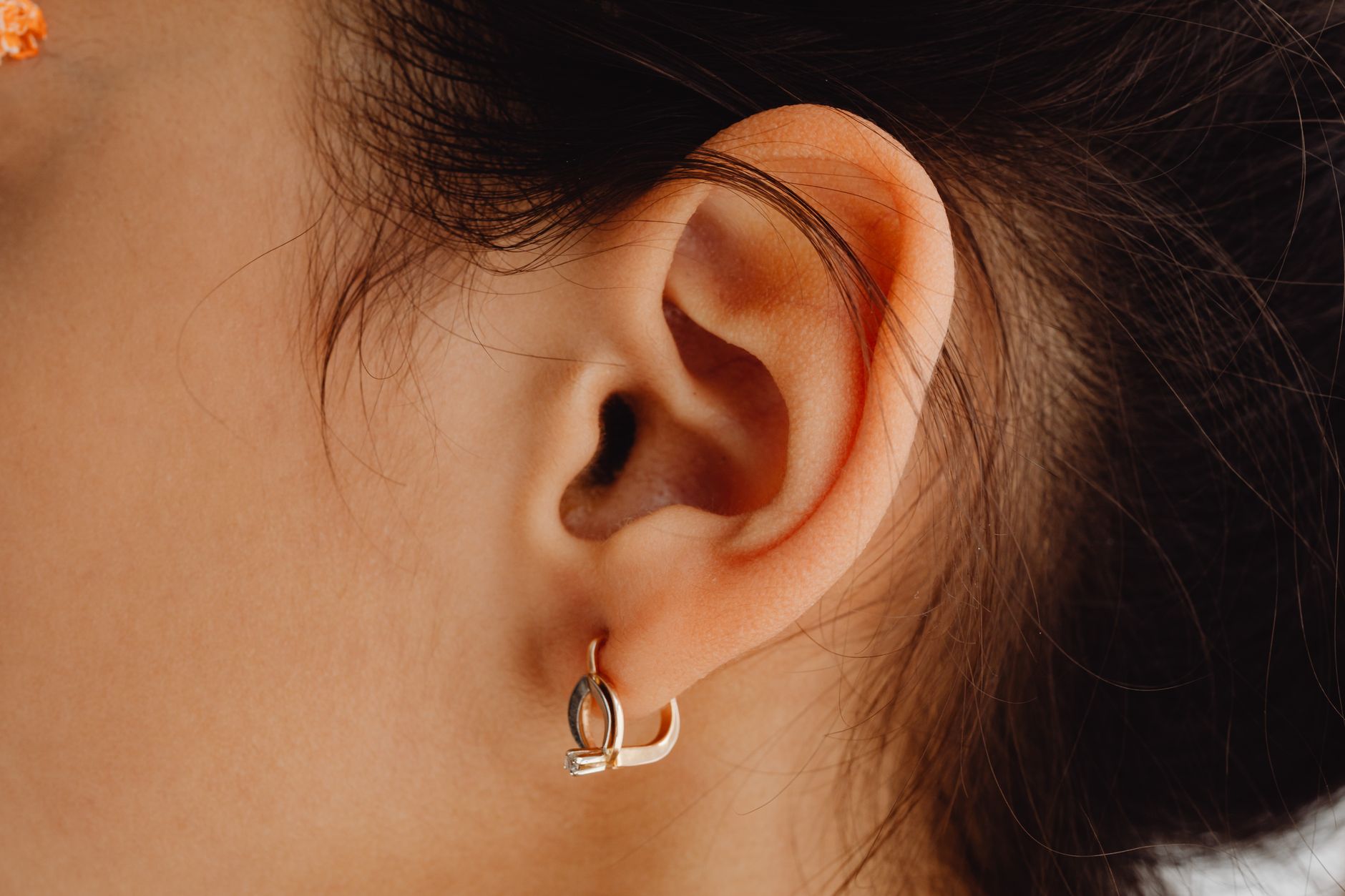
The Importance of Moisturization for Eczema Behind the Ears
Moisturization is a crucial aspect of managing eczema behind the ears, especially when dealing with symptoms like cracking and peeling. Proper moisturization can help alleviate discomfort and promote healing. Let’s delve into the types of moisturizers suitable for eczema, how to apply them effectively, and the frequency of moisturization needed to manage eczema behind the ears.
Types of Moisturizers Suitable for Eczema
When it comes to eczema, not all moisturizers are created equal. For eczema behind the ears, it’s important to choose products that are specifically designed for sensitive skin. Here are some types of moisturizers that are generally suitable:
- Emollients: These are lipid-based moisturizers that help to soften and hydrate the skin. Examples include petroleum jelly and mineral oil. They form a protective barrier on the skin, which can be particularly beneficial for eczema behind the ears.
- Humectants: These moisturizers attract moisture from the environment and hold it in the skin. Common humectants include glycerin and hyaluronic acid. They are excellent for keeping the skin hydrated.
- Occlusives: These form a barrier on the skin to prevent water loss. Examples include lanolin and dimethicone. They are particularly useful for locking in moisture.
- Combination Products: Many moisturizers combine emollients, humectants, and occlusives to provide comprehensive hydration. Look for products labeled “for sensitive skin” or “for eczema.”
Avoid moisturizers with fragrances, dyes, and other potential irritants, as these can exacerbate eczema symptoms.
How to Apply Moisturizers Effectively
The way you apply moisturizer can significantly impact its effectiveness. Here are some tips for applying moisturizer to eczema behind the ears:
- Cleanse Gently: Before applying moisturizer, gently cleanse the area with a mild, fragrance-free cleanser. Pat the skin dry with a soft towel.
- Apply Immediately: Apply moisturizer immediately after cleansing while the skin is still slightly damp. This helps to lock in moisture.
- Use Enough Product: Apply a generous amount of moisturizer to ensure the skin is fully covered. A little goes a long way, but you want to make sure the area is well-hydrated.
- Massage In: Gently massage the moisturizer into the skin using upward strokes. This helps the product absorb better and provides additional comfort.
- Reapply as Needed: If the eczema behind the ears is particularly severe, you may need to reapply moisturizer throughout the day to keep the skin hydrated.
For those experiencing eczema behind the ears crack or peel, it’s important to be gentle to avoid further irritation.
Frequency of Moisturization
The frequency of moisturization depends on the severity of your eczema and your skin’s needs. Here are some general guidelines:
- Daily Routine: For mild eczema, applying moisturizer once or twice a day is usually sufficient. However, if you notice your eczema behind the ears crack or peel, you may need to increase the frequency.
- After Washing: Always apply moisturizer after washing your face or taking a shower. Water can strip the skin of its natural oils, making it more prone to dryness and irritation.
- Throughout the Day: If you find that your eczema symptoms worsen during the day, carry a travel-sized moisturizer with you to reapply as needed.
Consistency is key when it comes to moisturization. Making it a habit to moisturize regularly can help prevent the skin from becoming dry and cracked, reducing the likelihood of eczema flare-ups behind the ears.
In summary, proper moisturization is essential for managing eczema behind the ears, particularly when dealing with symptoms like cracking and peeling. By choosing the right type of moisturizer, applying it effectively, and maintaining a consistent routine, you can help keep your skin hydrated and reduce discomfort. Remember, if your eczema symptoms persist or worsen, it’s important to consult a healthcare professional for personalized advice and treatment options.
Creating a Gentle Skincare Routine for Eczema Behind the Ears
Eczema behind the ears can be particularly challenging to manage, especially when it starts to crack or peel. Crafting a gentle skincare routine is essential to help soothe and protect this delicate area. Let’s explore how you can create an effective routine that minimizes irritation and promotes healing.
Choosing the Right Cleansers
Selecting the appropriate cleanser is the first step in a gentle skincare routine for eczema behind the ears. Look for products that are specifically formulated for sensitive skin. Ingredients to seek out include:
- Ceramides: These help to restore the skin’s natural barrier.
- Glycerin: A humectant that attracts moisture to the skin.
- Aloe Vera: Known for its soothing and anti-inflammatory properties.
Avoid cleansers with harsh detergents, fragrances, and alcohol, as these can strip the skin of its natural oils and exacerbate eczema symptoms. Opt for fragrance-free, hypoallergenic options to reduce the risk of irritation.
Avoiding Harsh Products
When dealing with eczema behind the ears, it’s crucial to steer clear of products that could potentially worsen your condition. This includes:
- Exfoliating scrubs: Physical exfoliants can be too abrasive for sensitive skin.
- Alcohol-based toners: These can dry out the skin and cause further irritation.
- Heavy perfumes: Fragrances can trigger allergic reactions and inflammation.
Be mindful of the ingredients in your skincare and hair care products. Even shampoos and conditioners can come into contact with the skin behind your ears, so choose gentle, sulfate-free formulas.
Incorporating Gentle Exfoliation
While harsh exfoliants are a no-go, gentle exfoliation can help remove dead skin cells without causing irritation. Consider these methods:
- Chemical exfoliants: Look for products containing mild acids like lactic acid or glycolic acid. These can help slough off dead skin cells without the roughness of physical scrubs.
- Enzyme-based exfoliants: These use natural enzymes to gently dissolve dead skin cells. Papaya and pineapple are common ingredients in these products.
When exfoliating, always be gentle. Use your fingertips instead of a rough brush and limit exfoliation to once or twice a week to avoid over-stimulating the skin.
In addition to these steps, remember to:
- Patch test new products on a small area of skin before full application to ensure there is no adverse reaction.
- Use lukewarm water when cleansing to avoid stripping the skin of its natural oils.
- Gently pat the skin dry with a soft towel rather than rubbing, which can cause further irritation.
By carefully selecting your cleansers, avoiding harsh products, and incorporating gentle exfoliation, you can create a skincare routine that helps manage eczema behind the ears. This approach can reduce the likelihood of the skin cracking or peeling, providing relief and promoting a healthier skin barrier.
How to Avoid Common Triggers for Eczema Behind the Ears
Managing eczema behind the ears involves more than just treating the symptoms. A critical part of effective management is identifying and avoiding triggers that can cause eczema behind the ears to crack or peel. This section will provide practical tips to help you avoid common triggers and maintain healthier skin.
Identifying Personal Triggers
Everyone’s skin is different, and what triggers eczema in one person may not affect another. Keeping a detailed diary can help you identify your personal triggers. Note down what you eat, the products you use, environmental conditions, and any activities that seem to worsen your eczema behind the ears.
For example, if you notice that your eczema flares up after using a new shampoo or after being in a particularly dry environment, these could be potential triggers. Once identified, you can take steps to avoid these triggers and reduce the likelihood of eczema behind the ears cracking or peeling.
Making Environmental Changes
The environment plays a significant role in eczema flare-ups. Making a few changes at home can create a more eczema-friendly environment.
- Humidify the Air: Dry air can exacerbate eczema symptoms. Using a humidifier, especially in the winter, can help maintain moisture in the air and on your skin.
- Avoid Extreme Temperatures: Both hot and cold environments can trigger eczema. Try to keep your home at a comfortable temperature and protect your skin when going outdoors.
- Use Gentle Laundry Detergents: Harsh detergents can irritate the skin. Opt for fragrance-free, hypoallergenic detergents when washing your clothes and towels.
Using Protective Measures
Protecting your skin from potential irritants is crucial in managing eczema behind the ears. Here are some practical steps you can take:
- Wear Protective Clothing: If you’re going to be in an environment with known irritants, such as chlorine in a swimming pool, wear a swim cap to protect your ears. For windy or cold weather, consider wearing a scarf to cover your ears.
- Use Barrier Creams: Applying a barrier cream can help protect your skin from irritants. Look for products specifically designed for sensitive skin.
- Be Mindful of Hair Products: Hair products like shampoos, conditioners, and styling products can come into contact with the skin behind your ears. Choose products labeled as “fragrance-free” and “hypoallergenic” to minimize the risk of irritation.
By taking these proactive steps, you can significantly reduce the frequency and severity of eczema flare-ups behind the ears. Remember, managing eczema is a continuous process, and what works for you may change over time. Stay attentive to your skin’s needs and be willing to adjust your routine as necessary.
In addition to avoiding triggers, maintaining a consistent skincare routine and keeping the skin well-moisturized are essential components of eczema care. If you find that eczema behind the ears continues to crack or peel despite your best efforts, consider consulting a healthcare professional for further guidance and treatment options.
When to Seek Professional Help for Eczema Behind the Ears
While managing eczema behind the ears can often be handled with home care, there are times when professional help is necessary. Recognizing when to seek help from a dermatologist can make a significant difference in managing eczema behind the ears crack or peel effectively.
Signs that Indicate a Need for Professional Help
If you notice any of the following signs, it may be time to consult a dermatologist:
- Severe Symptoms: If the eczema behind your ears is causing intense itching, pain, or significant discomfort, professional help is essential.
- Cracking or Peeling: When the skin starts to crack or peel severely, it can lead to further complications, including infection.
- Signs of Infection: Look out for increased redness, warmth, swelling, or pus, which may indicate a bacterial or fungal infection.
- No Improvement: If your eczema behind the ears doesn’t improve with home care or over-the-counter treatments, it’s time to seek professional advice.
- Spreading Rash: If the rash is spreading to other areas, it could be a sign that the condition is worsening and needs medical attention.
Types of Treatments a Dermatologist Might Recommend
A dermatologist can offer a range of treatments tailored to your specific needs. These may include:
- Prescription Medications: These can include stronger topical corticosteroids, calcineurin inhibitors, or other medications to reduce inflammation and itching.
- Antibiotics or Antifungals: If an infection is present, your dermatologist may prescribe antibiotics or antifungal medications.
- Moisturizers and Emollients: Specialized products may be recommended to help keep the skin hydrated and reduce cracking and peeling.
- Phototherapy: In some cases, light therapy may be suggested to help manage severe eczema symptoms.
- Allergen Testing: If allergies are suspected to be a trigger, your dermatologist might recommend allergy testing to identify specific allergens.
Importance of Follow-Up Care
Once you start treatment, follow-up care is crucial. Regular appointments with your dermatologist will help monitor your progress and make any necessary adjustments to your treatment plan. Here’s why follow-up care is important:
- Monitoring Progress: Regular check-ups allow your dermatologist to see how well the treatment is working and if any changes are needed.
- Preventing Complications: Ongoing care helps catch potential issues early, such as infections or adverse reactions to medications.
- Adjusting Treatment: Your dermatologist can tweak your treatment plan based on your response, ensuring you get the best possible care.
- Education and Support: Follow-up visits provide an opportunity to ask questions, get tips on managing eczema behind the ears, and receive support.
In summary, knowing when to seek professional help for eczema behind the ears can help you manage the condition more effectively and prevent complications. If you notice severe symptoms, signs of infection, or if home care isn’t helping, don’t hesitate to consult a dermatologist. With the right treatment and follow-up care, you can find relief and keep your skin healthy.

Lifestyle Changes to Manage Eczema Behind the Ears
Managing eczema behind the ears that crack or peel involves more than just topical treatments. Making certain lifestyle changes can significantly help in controlling symptoms and reducing flare-ups. Here are some practical steps you can take to manage your condition more effectively.
Dietary Considerations
What you eat can influence your eczema symptoms. While there is no one-size-fits-all diet for eczema, some people find that certain foods can trigger or worsen their symptoms.
- Identify Trigger Foods: Keep a food diary to track what you eat and any subsequent eczema flare-ups. Common triggers include dairy, nuts, eggs, and gluten. If you notice a pattern, consider reducing or eliminating these foods from your diet.
- Incorporate Anti-Inflammatory Foods: Foods rich in omega-3 fatty acids, like salmon, flaxseeds, and walnuts, can help reduce inflammation. Fruits and vegetables high in antioxidants, such as berries and leafy greens, may also be beneficial.
- Stay Hydrated: Drinking plenty of water helps keep your skin hydrated from the inside out, which can be particularly beneficial for managing eczema symptoms.
Stress Management Techniques
Stress is a well-known trigger for eczema flare-ups. Finding effective ways to manage stress can help keep your symptoms under control.
- Mindfulness and Meditation: Practices like mindfulness and meditation can help reduce stress levels. Even a few minutes a day can make a difference.
- Regular Breaks: If your job or daily activities are particularly stressful, take regular breaks to relax and recharge. This could be as simple as taking a short walk or practicing deep-breathing exercises.
- Hobbies and Interests: Engage in activities that you enjoy and that help you relax. Whether it’s reading, gardening, or playing a musical instrument, finding joy in your daily routine can help manage stress.
Regular Exercise
Physical activity is another crucial aspect of managing eczema, especially if it tends to crack or peel behind the ears.
- Choose the Right Activities: Opt for low-impact exercises like walking, swimming, or yoga. These activities are less likely to cause sweating and irritation, which can exacerbate eczema symptoms.
- Post-Exercise Care: After exercising, take a lukewarm shower to cleanse your skin and remove sweat. Pat your skin dry gently and apply a moisturizer to keep the skin hydrated.
- Consistency is Key: Aim for at least 30 minutes of moderate exercise most days of the week. Consistency will help you reap the long-term benefits for both your physical and mental well-being.
By incorporating these lifestyle changes, you can create a more eczema-friendly environment for your skin, particularly behind the ears where eczema tends to crack or peel. Remember, it’s essential to consult with a healthcare provider before making any significant changes to your diet or exercise routine, especially if you have other health conditions.
Tracking Symptoms and Flare-Ups
Managing eczema behind the ears can be challenging, especially when it starts to crack or peel. One effective way to gain control over this condition is by tracking your symptoms and flare-ups. This practice not only helps you understand your eczema better but also aids healthcare providers in offering more tailored advice and treatments.
Using a Symptom Diary
A symptom diary is a simple yet powerful tool for tracking eczema behind the ears. By consistently recording your symptoms, you create a detailed log that can reveal patterns and triggers you might not otherwise notice.
To start a symptom diary, you can use a notebook, a smartphone app, or even a spreadsheet. The key is to be consistent and detailed. Here’s what you should include:
- Date and Time: Note when the symptoms appear.
- Symptoms: Describe what you’re experiencing—itching, redness, cracking, or peeling.
- Severity: Rate the intensity of your symptoms on a scale of 1 to 10.
- Triggers: Record any potential triggers you encountered, such as new skincare products, environmental changes, or stress.
- Treatments Used: Log any medications or home remedies you applied.
Identifying Patterns and Triggers
Over time, reviewing your symptom diary can help you identify patterns and potential triggers for eczema behind the ears crack or peel. For example, you might notice that your symptoms worsen after using a certain shampoo or during periods of high stress.
Look for common themes in your entries. Ask yourself questions like:
- Do my symptoms flare up during certain seasons?
- Is there a correlation between my diet and eczema flare-ups?
- Do specific activities, like swimming or wearing certain types of headphones, exacerbate my symptoms?
Identifying these patterns can empower you to make informed decisions about your lifestyle and skincare routine. For instance, if you find that your eczema worsens after swimming, you might decide to rinse your ears thoroughly with fresh water afterward and apply a gentle moisturizer.
Sharing Information with Healthcare Providers
One of the most valuable aspects of tracking your symptoms is the ability to share this information with your healthcare provider. A detailed symptom diary can offer insights that might not be apparent during a brief office visit.
When you meet with your healthcare provider, bring your symptom diary to discuss:
- Frequent Symptoms: Highlight the most common symptoms you experience.
- Severity Trends: Show any patterns in the severity of your symptoms over time.
- Potential Triggers: Share any suspected triggers you’ve identified.
- Treatment Effectiveness: Discuss which treatments have been most effective and which haven’t made a difference.
This collaborative approach can lead to more effective management strategies. Your healthcare provider might suggest adjustments to your current treatment plan or recommend additional interventions based on your diary entries.
In summary, tracking symptoms and flare-ups is a crucial part of managing eczema behind the ears. By using a symptom diary, identifying patterns and triggers, and sharing this information with your healthcare provider, you can take a proactive approach to your eczema care. This not only helps in managing current symptoms but also in preventing future flare-ups.
Finding Support and Community
Dealing with eczema behind the ears can be a challenging and isolating experience, especially when the skin cracks or peels. It’s important to remember that you are not alone. Finding support and connecting with others who understand what you’re going through can make a significant difference in managing your condition.
Online and Offline Support Groups
There are numerous online and offline support groups dedicated to helping individuals with eczema. These groups provide a platform for sharing experiences, exchanging tips, and offering emotional support. Online forums, social media groups, and dedicated websites can be valuable resources. They allow you to connect with people from around the world who are dealing with similar issues.
Offline support groups, often organized by local hospitals, clinics, or community centers, offer face-to-face interactions. These meetings can be particularly beneficial as they provide a sense of community and the opportunity to ask questions in real-time.
Benefits of Sharing Experiences
Sharing your experiences with eczema behind the ears can be incredibly beneficial. When you talk about your struggles, you may find that others have similar stories, which can be comforting. Hearing about different management strategies and treatments that have worked for others can provide new ideas and hope.
Additionally, sharing your journey can help you process your own emotions and experiences. It can be therapeutic to talk about the challenges you face, whether it’s dealing with cracked or peeling skin, identifying triggers, or managing flare-ups.
Resources for Further Information
Support groups and communities are also excellent resources for further information about eczema behind the ears. Members often share articles, research findings, and product recommendations. This can help you stay informed about the latest developments in eczema care and management.
For instance, you might learn about new moisturizers that are particularly effective for sensitive skin behind the ears, or discover tips for avoiding common triggers that can cause eczema to crack or peel. These shared resources can be invaluable in helping you find relief and improve your quality of life.
In conclusion, finding support and community is a crucial aspect of managing eczema behind the ears. Whether you choose to join an online forum or attend a local support group, connecting with others who understand your struggles can provide emotional support, practical advice, and a sense of belonging. Remember, managing eczema behind the ears is a journey, and having a supportive community can make it a little less daunting.
Frequently asked questions
What are the first signs of eczema behind the ears?
The initial symptoms of eczema behind the ears often include redness, itching, and slight swelling. You may notice small, raised bumps that can be itchy and uncomfortable. Over time, if not managed properly, the skin may become dry and rough, leading to cracking and peeling.
How often should I moisturize the area behind my ears if I have eczema?
For eczema behind the ears, it’s important to moisturize the area at least twice a day. Use a gentle, fragrance-free moisturizer to keep the skin hydrated and reduce the likelihood of cracking and peeling. Apply moisturizer after washing your face or when the area feels dry.
Can certain foods trigger eczema behind the ears?
While the relationship between diet and eczema is complex, some individuals may find that certain foods can trigger flare-ups. Common culprits include dairy, eggs, nuts, and wheat. Keeping a food diary can help you identify any potential triggers that may worsen eczema behind the ears.
Is it safe to use over-the-counter creams for eczema behind the ears?
Over-the-counter creams can be safe and effective for managing eczema behind the ears. Look for products containing ingredients like ceramides, hyaluronic acid, or colloidal oatmeal. Always perform a patch test before using a new product to ensure it doesn’t irritate your skin further.
What should I do if my eczema behind the ears gets infected?
If your eczema behind the ears becomes infected, it’s crucial to seek medical attention. Signs of infection include increased redness, swelling, warmth, and pus. A healthcare professional may prescribe antibiotics or recommend other treatments to help clear the infection and manage your eczema symptoms.
Are there any natural remedies that can help with eczema behind the ears?
Some natural remedies may offer relief for eczema behind the ears. Aloe vera, coconut oil, and chamomile can be soothing for the skin. However, it’s important to use these remedies with caution and consult with a healthcare professional, as they may not be suitable for everyone and could potentially cause irritation.
Use MyEczema.app to track your eczema patterns and daily triggers.
This article is for educational purposes only and is not medical advice. If symptoms are severe, spreading, painful, infected-looking, or affecting sleep and daily life, speak with a qualified healthcare professional.
Sources and further reading
For medical guidance, always rely on a qualified healthcare professional. These educational resources may help readers learn more:
Image credit: Photo by SHVETS production on Pexels. Used under the Pexels License.
Image credit: Photo by https://kaboompics.com/ on Pexels. Used under the Pexels License.
Image credit: Photo by Zulfugar Karimov on Pexels. Used under the Pexels License.