
MyEczema.app guide
Headphones Irritate Ear Eczema: Practical Guide
headphones irritate ear eczema: practical tips for tracking triggers, building routines, and supporting eczema-prone skin.

Table of contents
Use this guide as a practical reference and jump to the sections most relevant to you.
- Quick answer
- Key takeaways
- Practical comparison table
- Visual chart
- Related MyEczema.app tool
- Understanding Ear Eczema
- How Headphones Can Affect Ear Eczema
- Earbuds and Their Impact on Ear Eczema
- Choosing Eczema-Friendly Headphones
- Ear Care Tips for Eczema Sufferers
- Maintaining Headphones and Earbuds
- Protective Measures for Eczema
- Alternative Audio Solutions
- When to Seek Professional Help
- Personal Stories and Experiences
- Frequently asked questions
- Sources and further reading
Living with eczema can present a unique set of challenges, especially when it comes to everyday activities and the use of common devices. One such challenge is the potential for headphones and earbuds to irritate ear eczema. This can be a frustrating experience, as these devices are often essential for communication, entertainment, and work. Understanding how headphones irritate ear eczema and taking steps to mitigate this issue can make a significant difference in managing symptoms and improving comfort.
Eczema-prone skin is particularly sensitive to disruptions in the skin barrier, irritants, climate changes, cleansing habits, allergens, and individual triggers. When it comes to the ears, the use of headphones and earbuds can exacerbate these sensitivities. The friction caused by these devices, coupled with potential allergens found in their materials, can lead to increased irritation and flare-ups. However, with the right knowledge and precautions, it is possible to minimize these effects and enjoy using your audio devices without discomfort.
In this article, we will delve into the specifics of how headphones irritate ear eczema, explore the factors that contribute to this issue, and provide practical tips for choosing and using audio devices that are less likely to cause irritation. We will also discuss general ear care practices and the importance of consulting a dermatologist for personalized advice. By the end of this guide, you will have a better understanding of how to manage ear eczema when using headphones and earbuds, helping you to maintain comfort and reduce flare-ups.
Quick answer
Headphones and earbuds can irritate ear eczema due to friction and potential allergens. Choosing the right devices and managing eczema can help reduce symptoms.
Key takeaways
- Headphones and earbuds can exacerbate ear eczema through friction and allergens.
- Choosing hypoallergenic and comfortable audio devices is crucial for eczema sufferers.
- Proper ear care and maintenance of devices can help prevent irritation.
- Moisturizing the ears and using protective barriers can reduce eczema flare-ups.
- Consulting a dermatologist for personalized advice is recommended for severe cases.
Comparing Headphones and Earbuds for Eczema Sufferers
| Situation | What it may mean | Practical next step |
|---|---|---|
| Using over-ear headphones | Reduced direct contact with the ear, potentially less irritation. | Choose over-ear headphones with hypoallergenic materials. |
| Wearing in-ear earbuds | Increased risk of irritation due to direct contact and potential allergens. | Use earbud covers or liners to create a barrier. |
| Prolonged use of any audio device | Higher chance of heat and moisture buildup, leading to irritation. | Take regular breaks and ensure proper ventilation. |
| Not cleaning headphones regularly | Accumulation of dirt and oils, which can worsen eczema. | Establish a cleaning routine for your devices. |
| Experiencing severe irritation | Possible need for professional intervention. | Consult a dermatologist for advice and treatment options. |
Related MyEczema.app tool
Use the Daily Trigger Tracker
The Daily Trigger Tracker helps users record symptoms, possible triggers, skin routine, photos, notes, and trends over time.
For this topic, this tool can help you organize information in a more structured way and turn daily observations into clearer patterns to review over time.
Understanding Ear Eczema
Ear eczema is a specific type of eczema that affects the skin of the ear. This condition can cause discomfort and irritation, and understanding its nature and symptoms is crucial for managing it effectively. Let’s delve into what ear eczema is, its common symptoms, and how it differs from other skin conditions.
Definition of Ear Eczema
Ear eczema, also known as eczematous otitis externa, is a form of eczema that specifically targets the skin of the ear. It is characterized by inflammation, itching, and often a rash. The ear is a sensitive area, and when affected by eczema, it can lead to significant discomfort. This condition can affect any part of the ear, including the outer ear, ear canal, and even the area behind the ear.
Common Symptoms of Ear Eczema
Recognizing the symptoms of ear eczema is the first step in managing the condition. The symptoms can vary in intensity and may include:
- Itching: One of the most common symptoms is intense itching. This can be persistent and may worsen at night.
- Redness: The skin around the ear may become red and inflamed.
- Dryness: The skin can become dry and scaly, which may lead to cracking.
- Flaking: You might notice white or yellowish flakes around the ear.
- Thickening of the Skin: Over time, the skin may become thicker and leathery.
- Oozing or Crusting: In more severe cases, the skin may ooze fluid or develop crusts.
- Pain or Discomfort: The affected area may be painful, especially if scratched or irritated.
These symptoms can be exacerbated by certain triggers, including the use of headphones or earbuds. When these devices come into contact with irritated skin, they can worsen the symptoms and lead to eczema flare-ups.
How Ear Eczema Differs from Other Skin Conditions
It’s important to distinguish ear eczema from other skin conditions that might affect the ear. Here are a few common differences:
- Ear Infections: Unlike ear infections, which are often caused by bacteria or fungi, ear eczema is a chronic skin condition. Ear infections typically involve pain, discharge, and sometimes hearing loss, whereas eczema primarily causes itching and skin changes.
- Psoriasis: Psoriasis can also affect the ear, but it usually presents with well-defined, silvery scales. Eczema, on the other hand, tends to have a more irregular appearance with redness and flaking.
- Contact Dermatitis: This is an allergic reaction to something that touches the skin. While contact dermatitis can cause similar symptoms to eczema, it is usually triggered by a specific allergen and may clear up once the allergen is removed. Eczema is a chronic condition with various triggers.
Understanding these differences can help in identifying ear eczema and seeking appropriate management strategies. For instance, if headphones irritate ear eczema, it’s essential to find eczema-friendly headphones that minimize contact with the affected skin.
In summary, ear eczema is a specific type of eczema that affects the skin of the ear, causing symptoms like itching, redness, and dryness. It differs from other skin conditions by its chronic nature and specific symptoms. Being aware of these aspects can help in better managing the condition, especially when dealing with potential triggers like headphones or earbuds.
How Headphones Can Affect Ear Eczema
Understanding how headphones can irritate ear eczema is crucial for anyone dealing with this condition. Ear eczema can be uncomfortable and frustrating, and the last thing you want is for your headphones to make it worse. Let’s delve into the specific ways headphones can affect ear eczema and what you can do to minimize irritation.
Friction Caused by Headphones
One of the primary ways headphones can irritate ear eczema is through friction. When you wear headphones, they constantly rub against your ears. This repeated friction can exacerbate eczema symptoms, leading to increased redness, itching, and even broken skin. For individuals with sensitive skin, this can be particularly problematic.
To mitigate this issue, consider using over-ear headphones instead of in-ear earbuds. Over-ear headphones distribute pressure more evenly and reduce direct contact with the ear canal. Additionally, look for headphones with soft, padded ear cups that provide a gentler fit.
Potential Allergens in Headphone Materials
Another factor to consider is the materials used in headphones. Some people with ear eczema may have allergies to certain materials, such as nickel, latex, or specific types of plastic. These allergens can trigger eczema flare-ups, making symptoms worse.
When choosing headphones, read the product descriptions carefully to identify the materials used. Opt for headphones made from hypoallergenic materials, such as stainless steel, silicone, or memory foam. If you’re unsure about a specific material, patch-testing a small area of skin before prolonged use can help determine if it causes a reaction.
Heat and Moisture Buildup from Prolonged Use
Prolonged use of headphones can lead to heat and moisture buildup, creating an environment conducive to eczema flare-ups. When headphones trap warmth and sweat against your ears, it can worsen inflammation and itching.
To combat this, take regular breaks from wearing headphones, especially during extended listening sessions. Allow your ears to breathe and cool down. Additionally, consider using headphones with breathable ear cups or those designed to wick away moisture. This can help keep your ears dry and reduce the likelihood of irritation.
Practical Steps to Minimize Irritation
Here are some practical steps you can take to minimize the impact of headphones on your ear eczema:
- Choose the Right Type of Headphones: Over-ear headphones are generally less irritating than in-ear earbuds. Look for models with soft, padded ear cups.
- Check for Hypoallergenic Materials: Avoid headphones made from materials you know you’re allergic to. Stainless steel, silicone, and memory foam are good alternatives.
- Take Regular Breaks: Give your ears a rest every few hours to prevent heat and moisture buildup.
- Keep Ears Clean and Dry: After using headphones, gently clean your ears and ensure they are completely dry before putting the headphones back on.
- Moisturize: Apply a gentle, fragrance-free moisturizer to your ears before and after using headphones to keep the skin hydrated and less prone to irritation.
Real-Life Examples and Decision Points
Imagine you’re an avid music lover who enjoys long listening sessions. You notice that your ear eczema worsens after wearing your favorite in-ear earbuds. In this case, switching to over-ear headphones with memory foam ear cups might provide relief. Additionally, if you suspect a material allergy, trying headphones made from stainless steel or silicone could make a significant difference.
Another example is someone who works in a noisy environment and needs to wear headphones for extended periods. Taking regular breaks and ensuring the headphones have breathable ear cups can help manage eczema symptoms and maintain comfort throughout the day.
By understanding how headphones can irritate ear eczema and taking proactive steps to choose the right headphones and care for your ears, you can enjoy your favorite audio content without exacerbating your eczema symptoms. Always pay attention to how your ears feel and adjust your headphone use accordingly.
Earbuds and Their Impact on Ear Eczema
When it comes to headphones irritate ear eczema, earbuds present a unique set of challenges. Understanding how earbuds can affect ear eczema is crucial for those seeking to minimize discomfort and irritation.
In-ear vs. Over-ear Earbuds
Earbuds come in two main styles: in-ear and over-ear. Each type has distinct characteristics that can influence ear eczema.
In-ear earbuds are designed to fit snugly inside the ear canal. While they offer superior sound quality and noise isolation, they can also cause increased friction and pressure on the ear skin. This constant contact can exacerbate eczema symptoms, leading to itching, redness, and potential flare-ups.
Over-ear earbuds, on the other hand, rest outside the ear canal and are typically connected by a headband. They reduce direct contact with the ear skin, which can be beneficial for individuals with eczema. However, the headband and ear cushions can still cause irritation if not chosen carefully.
Materials Commonly Used in Earbuds
The materials used in earbuds play a significant role in how they interact with eczema-prone skin. Common materials include silicone, rubber, plastic, and metal.
Silicone is often used for its flexibility and comfort. It is generally hypoallergenic and less likely to cause irritation. However, some individuals may still experience sensitivity.
Rubber ear tips are another popular choice. They provide a good seal but can sometimes harbor moisture and bacteria, potentially leading to infections that may worsen eczema.
Plastic and metal components can sometimes cause allergic reactions in sensitive individuals. It’s important to check for any signs of irritation if using earbuds with these materials.
Tips for Minimizing Irritation from Earbuds
To reduce the risk of headphones irritate ear eczema, consider the following practical steps:
- Choose the Right Fit: Ensure that your earbuds fit comfortably without causing excessive pressure. Experiment with different sizes and styles to find what works best for you.
- Opt for Hypoallergenic Materials: Look for earbuds made from silicone or other hypoallergenic materials to minimize the risk of allergic reactions.
- Keep Earbuds Clean: Regularly clean your earbuds to prevent the buildup of moisture, dirt, and bacteria. Use a mild soap and water solution or alcohol wipes, ensuring they are completely dry before use.
- Use Earbud Covers: Consider using earbud covers made from soft, breathable materials to create a barrier between your skin and the earbuds.
- Limit Usage Time: Take breaks during prolonged use to allow your ears to rest and recover. This can help prevent prolonged irritation.
- Moisturize: Apply a gentle, fragrance-free moisturizer to your ears before and after using earbuds to keep the skin hydrated and less prone to irritation.
- Monitor for Signs of Irritation: Pay attention to any changes in your skin, such as increased redness, itching, or flaking. If you notice these symptoms, consider switching to a different type of earbud or reducing usage.
For example, Sarah, who has mild ear eczema, found that switching from rubber to silicone ear tips significantly reduced her irritation. She also noticed that taking short breaks during her commute helped her ears feel more comfortable.
In another case, John, who experiences severe eczema flare-ups, opted for over-ear earbuds with memory foam cushions. He found that they provided a more comfortable fit and reduced direct contact with his sensitive ear skin.
By being mindful of the type of earbuds you use and taking steps to minimize irritation, you can enjoy your music or calls without exacerbating your ear eczema. Always listen to your body and make adjustments as needed to find the best solution for your unique situation.
Choosing Eczema-Friendly Headphones
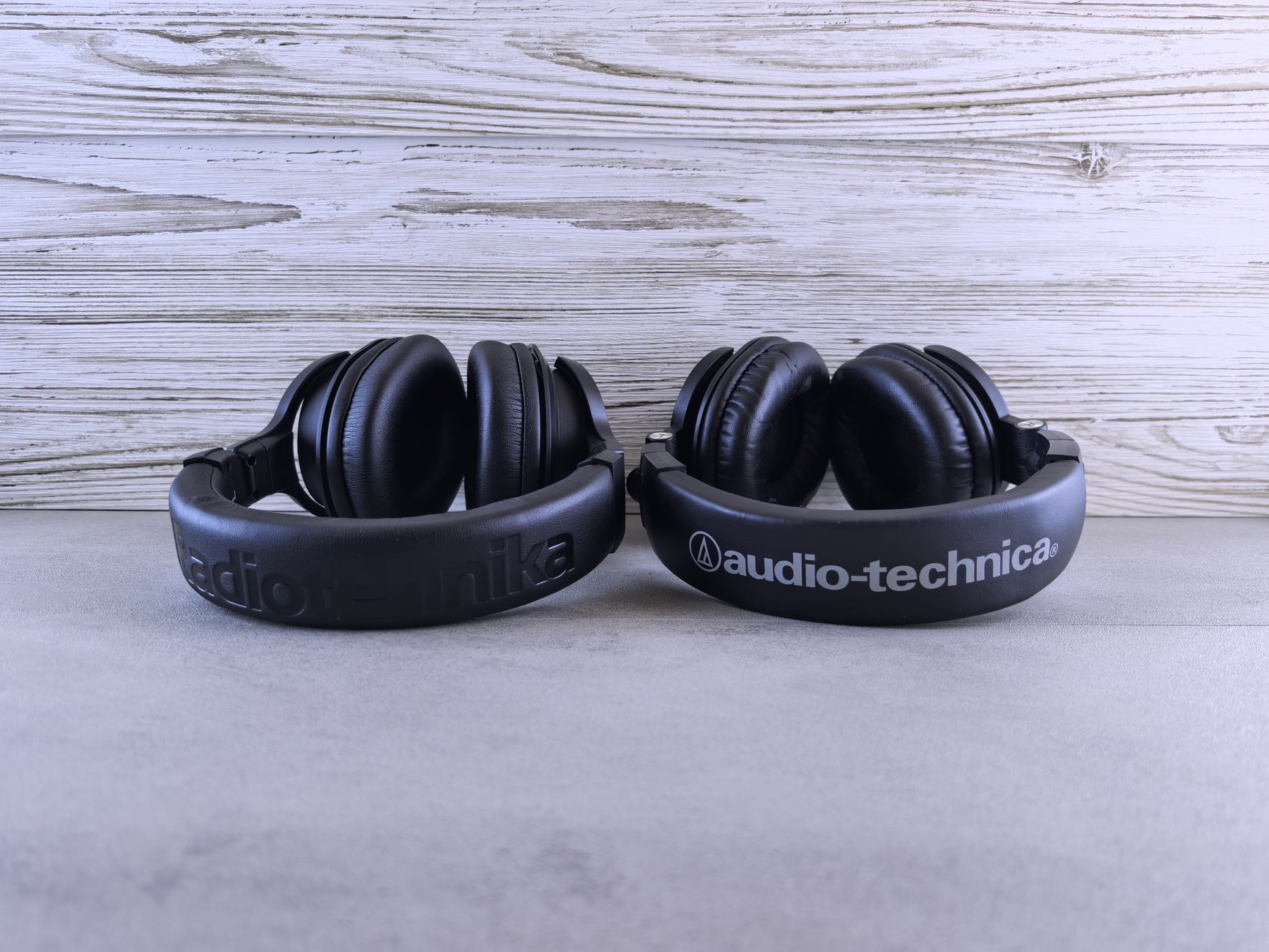
For those with ear eczema, finding the right headphones can make a significant difference in comfort and symptom management. When headphones irritate ear eczema, the results can be frustrating and painful. This section will guide you through selecting headphones that are less likely to exacerbate your ear eczema.
Features to Look for in Eczema-Friendly Headphones
When searching for headphones that won’t aggravate your ear eczema, certain features stand out. Here are some important considerations:
- Material: Opt for headphones made from hypoallergenic materials. Leather, memory foam, and certain types of plastic are generally better choices than metal or rubber, which can sometimes cause irritation.
- Cushioning: Look for headphones with ample, soft cushioning around the ear cups. Memory foam padding can conform to the shape of your ears, reducing pressure points that might otherwise irritate eczema-prone skin.
- Adjustability: Adjustable headphones allow you to find the perfect fit. A snug but not tight fit can prevent the headphones from moving around and causing friction, which can worsen eczema symptoms.
- Wire Management: For over-ear headphones, consider models with well-designed wire management systems. This prevents wires from rubbing against your ears and causing additional irritation.
- Wireless Options: Wireless headphones eliminate the need for cords, reducing the risk of irritation from wires brushing against sensitive skin.
Recommended Brands and Models
While individual experiences may vary, some brands and models are frequently recommended for those with sensitive skin or ear eczema:
- Bose QuietComfort Series: Known for their comfortable fit and excellent noise cancellation, these headphones often come with memory foam ear cups.
- Sony WH-1000XM4: These wireless headphones are praised for their comfort and adjustable fit, making them a popular choice among users with eczema.
- Sennheiser HD 450BT: These wireless headphones offer a comfortable fit with soft ear pads, suitable for prolonged use.
- Audio-Technica ATH-M50x: While these are wired headphones, they are known for their comfortable fit and durable build, making them a good option for those who prefer wired models.
It’s always a good idea to read reviews from other eczema sufferers to get a sense of how these models might work for you.
How to Test Headphones for Comfort and Safety
Before committing to a pair of headphones, it’s essential to test them for comfort and safety. Here’s a practical approach:
- Try Before You Buy: If possible, visit a store where you can try on different models. Wear them for at least 15-20 minutes to gauge comfort.
- Check for Pressure Points: Pay attention to any areas where the headphones might press too firmly against your ears. These pressure points can lead to irritation.
- Assess Movement: Move your head around while wearing the headphones to see if they stay in place or if they shift and cause friction.
- Evaluate Material Feel: Rub the materials against your skin to ensure they don’t cause any immediate irritation. Some materials might feel fine at first but could lead to eczema flare-ups over time.
- Consider a Trial Period: If you’re purchasing online, opt for brands that offer a generous return policy. This allows you to try the headphones at home and return them if they don’t meet your comfort needs.
By carefully selecting and testing headphones, you can minimize the risk of them irritating your ear eczema. Remember, what works for one person might not work for another, so it’s important to take your time and find the best fit for your specific needs.
Ear Care Tips for Eczema Sufferers
For those dealing with ear eczema, proper ear care is essential to manage symptoms and avoid flare-ups. This section provides practical tips to help you maintain healthy ears and reduce the likelihood of headphones irritate ear eczema issues.
Daily Ear Cleaning Routines
Keeping your ears clean is crucial, but it’s important to do it gently to avoid irritating your eczema. Here are some steps to follow:
- Use a Soft Cloth: Instead of cotton swabs, which can push wax further into the ear and cause irritation, use a soft cloth to gently wipe the outer ear.
- Avoid Harsh Chemicals: Use mild, fragrance-free soaps and avoid alcohol-based cleaners, which can dry out the skin and worsen eczema.
- Regular Checks: Make it a habit to check your ears regularly for any signs of irritation or infection, especially if you frequently use headphones or earbuds.
Moisturizing the Ears
Moisturizing is a key part of managing eczema, and this includes the ears. Dry skin can exacerbate eczema symptoms, so keeping the skin hydrated is vital.
- Choose the Right Moisturizer: Opt for a fragrance-free, hypoallergenic moisturizer specifically designed for sensitive skin. Products containing ceramides can be particularly effective.
- Apply Gently: Use your fingertips to apply a small amount of moisturizer to the outer ear. Be gentle to avoid any irritation.
- Regular Application: Make moisturizing a daily habit, especially after cleaning your ears or removing headphones.
Avoiding Common Irritants
Identifying and avoiding common irritants can help prevent eczema flare-ups. Here are some practical steps:
- Check Materials: If you use headphones or earbuds, ensure they are made from hypoallergenic materials. Look for options that are specifically marketed as eczema-friendly.
- Limit Usage Time: Try to limit the amount of time you spend wearing headphones or earbuds. Take regular breaks to give your ears a rest.
- Be Mindful of Metals: Some people with eczema are sensitive to certain metals. If your headphones have metal components, consider switching to a pair with plastic or coated metal parts.
- Avoid Sweating with Headphones On: Exercise or other activities that cause sweating can lead to increased moisture and potential irritation. Consider using sweat-wicking headbands or taking off your headphones during such activities.
By incorporating these ear care tips into your daily routine, you can help manage your eczema symptoms more effectively. Remember, everyone’s skin is different, so it may take some trial and error to find what works best for you. If you notice persistent irritation or severe symptoms, it’s important to consult a healthcare professional for personalized advice.
Real-Life Example: Sarah’s Story
Sarah, a college student, often used over-ear headphones for studying and listening to music. She noticed that her ear eczema would flare up whenever she wore them for extended periods. After adopting a gentle ear cleaning routine, regularly moisturizing her ears, and limiting her headphone use, Sarah saw a significant improvement in her symptoms. She also switched to eczema-friendly headphones, which further helped in reducing irritation.
By being mindful of your ear care and making small adjustments, you can enjoy using headphones without worrying about aggravating your eczema.
Maintaining Headphones and Earbuds
Maintaining your headphones and earbuds is crucial to prevent headphones irritate ear eczema and to ensure that your audio devices remain in good working condition. Regular cleaning and proper storage can significantly reduce the risk of eczema flare-ups. This section will guide you through the essential steps to keep your headphones and earbuds clean and well-maintained.
Cleaning Routines for Headphones and Earbuds
Regular cleaning of your headphones and earbuds is essential to remove dirt, oils, and bacteria that can exacerbate ear eczema. Here’s a step-by-step guide to cleaning your audio devices:
- Detachable Earbuds: If your earbuds are detachable, remove them from the main unit. This makes cleaning easier and more thorough.
- Soft Brush or Cotton Swab: Use a soft brush or a cotton swab to gently clean the earbud tips. Pay special attention to the areas that come into contact with your ears.
- Mild Soap and Water: Mix a small amount of mild soap with water. Dip a soft cloth or cotton swab into the solution and gently wipe down the earbud tips and the headphone cushions.
- Rinse and Dry: Rinse the earbuds with clean water to remove any soap residue. Pat them dry with a clean, soft cloth. Allow them to air dry completely before reassembling or using them.
- Headphone Cushions: Remove the cushions if possible. Wash them with mild soap and water. Allow them to air dry thoroughly before reattaching.
- Electronic Parts: Avoid getting water on the electronic parts of your headphones. Use a dry cloth to gently wipe down the exterior.
Regular cleaning, ideally once a week, helps maintain hygiene and reduces the likelihood of headphones irritate ear eczema.
Storing Devices Properly
Proper storage of your headphones and earbuds is another critical aspect of maintenance. Here’s how you can store your devices to keep them in optimal condition:
- Carrying Case: Invest in a carrying case for your headphones and earbuds. This protects them from dust, dirt, and physical damage when not in use.
- Avoid Tangling: Wrap the headphone cords neatly to avoid tangling. This not only keeps the cords in good condition but also makes it easier to use the headphones without frustration.
- Cool, Dry Place: Store your headphones in a cool, dry place. Avoid leaving them in direct sunlight or in a hot car, as heat can damage the materials and electronics.
- Organized Storage: Keep your earbuds and headphones organized. Use small containers or pouches to separate different pairs, making it easier to find the one you need.
Proper storage not only prolongs the life of your devices but also ensures they remain clean and free from irritants that could headphones irritate ear eczema.
When to Replace Worn-Out Devices
Knowing when to replace your headphones and earbuds is vital for both your hearing health and to prevent eczema flare-ups. Here are some signs that it’s time to get a new pair:
- Worn-Out Cushions: If the ear cushions or earbud tips are worn out, cracked, or showing signs of wear, it’s time to replace them. Worn-out cushions can cause discomfort and may harbor more dirt and bacteria.
- Sound Quality Deterioration: If you notice a significant drop in sound quality, it might be time for a new pair. Poor sound quality can lead to you turning up the volume, which is not good for your ears.
- Physical Damage: Any physical damage to the headphones, such as frayed cords or broken parts, should prompt you to consider a replacement. Damaged devices can be more irritating to your ears.
- Frequent Eczema Flare-Ups: If you experience frequent eczema flare-ups after using a particular pair of headphones or earbuds, it might be best to switch to a new, eczema-friendly model.
Replacing worn-out devices ensures that you are using clean, comfortable, and efficient audio equipment, which can help prevent headphones irritate ear eczema.
By following these maintenance tips, you can keep your headphones and earbuds in top condition, reducing the risk of eczema flare-ups and ensuring a more comfortable listening experience. Remember, a little care goes a long way in managing eczema symptoms and enjoying your favorite music without irritation.
Protective Measures for Eczema
If you’re dealing with ear eczema, it’s essential to take protective measures to minimize the risk of flare-ups caused by headphones and earbuds. By incorporating simple strategies into your routine, you can help keep your eczema under control and enjoy your favorite audio devices without discomfort. Here are some practical steps you can take.
Using Earbud Covers or Liners
One effective way to protect your ears from irritation is by using earbud covers or liners. These accessories create a barrier between your skin and the earbuds, reducing direct contact and friction. Look for covers made from hypoallergenic materials like silicone or memory foam, which are gentle on sensitive skin.
Earbud covers come in various sizes, so it’s important to choose the right fit for your earbuds. Too loose, and they may fall out; too tight, and they could cause discomfort. Experiment with different sizes to find what works best for you. Some covers even have built-in filters to reduce the risk of ear infections, providing an added layer of protection.
Applying Protective Creams or Ointments
Before putting on your headphones or earbuds, consider applying a thin layer of protective cream or ointment to your ears. Look for products specifically designed for sensitive skin, such as those containing ingredients like ceramides, glycerin, or colloidal oatmeal. These ingredients help to moisturize and strengthen the skin barrier, reducing the likelihood of irritation.
Avoid using heavy, greasy creams that could attract dirt and bacteria, as this may exacerbate your eczema. Instead, opt for lightweight, fragrance-free options that won’t clog your pores. Apply the cream or ointment at least 15 minutes before using your audio devices to allow it to absorb into your skin.
Avoiding Tight-Fitting Headphones
Tight-fitting headphones can exacerbate ear eczema by causing friction and pressure on the skin. When shopping for headphones, look for models with adjustable headbands and cushioned ear cups that provide a snug yet comfortable fit. Over-ear headphones are generally a better choice than in-ear models for those with eczema, as they don’t make direct contact with the ear canal.
If you must use earbuds, try to limit your listening time to reduce the risk of irritation. Take breaks every hour or so to give your ears a rest. Additionally, avoid sharing headphones or earbuds with others, as this can introduce bacteria and increase the likelihood of infections, which may worsen your eczema.
Choosing the Right Audio Devices
When selecting headphones or earbuds, consider opting for models specifically designed with sensitive skin in mind. Some manufacturers offer eczema-friendly options with hypoallergenic materials and breathable designs. Reading reviews from other eczema sufferers can also help you find the best products for your needs.
Wireless headphones and earbuds can be a good choice, as they eliminate the need for cords that may tug on your ears and cause irritation. Look for models with a secure fit that won’t easily fall out during movement.
Maintaining Good Ear Hygiene
Keeping your ears clean and dry is crucial for managing ear eczema. After using headphones or earbuds, gently wipe your ears with a soft, damp cloth to remove any sweat, oil, or debris that may have accumulated. Avoid using cotton swabs or other sharp objects, as these can damage the delicate skin inside your ear canal and worsen your eczema.
If you’re prone to ear infections, consider using an over-the-counter ear drying aid after swimming or showering. These products help to remove excess moisture from the ear canal, reducing the risk of infection and irritation.
Monitoring for Signs of Irritation
Pay close attention to your ears for any signs of irritation or flare-ups. If you notice redness, itching, or increased dryness, it may be a sign that your headphones or earbuds are contributing to your eczema. In these cases, it’s important to take a break from using your audio devices and allow your ears to heal.
If your symptoms persist or worsen, consider consulting a healthcare professional. They can provide personalized advice and recommend treatments to help manage your eczema. Remember, everyone’s skin is different, and what works for one person may not work for another. Be patient and persistent in finding the right combination of protective measures and products that work for you.
By incorporating these protective measures into your routine, you can help minimize the risk of headphones irritating ear eczema and enjoy your favorite audio content with greater comfort. Remember, it’s all about finding the right balance between protecting your skin and enjoying your devices.
Alternative Audio Solutions
For individuals dealing with ear eczema, finding audio solutions that minimize irritation is crucial. Traditional headphones and earbuds can exacerbate symptoms, making it important to explore other options. This section delves into alternative audio solutions that may be gentler on eczema-prone ears.
Bone Conduction Headphones
Bone conduction headphones are an innovative solution for those concerned about headphones irritating ear eczema. Unlike traditional headphones that rest on or in the ear, bone conduction headphones transmit sound through the cheekbones to the inner ear. This means they don’t touch the ear canal, reducing the risk of irritation.
These headphones are particularly beneficial for individuals who experience flare-ups from prolonged use of conventional headphones. They are also useful during activities like sports or outdoor adventures where traditional headphones might not stay in place.
When choosing bone conduction headphones, look for models with adjustable straps to ensure a comfortable fit. It’s also important to consider the sound quality, as some models may not offer the same clarity as traditional headphones.
Wireless Speakers
Another alternative to consider is the use of wireless speakers. These devices allow you to enjoy audio without any direct contact with your ears. Whether you’re at home, in the office, or in a shared space, wireless speakers can provide a comfortable listening experience.
For personal use, smaller portable speakers can be placed near you, ensuring you can hear audio without the need for headphones. In shared environments, such as living rooms or study areas, larger wireless speakers can distribute sound evenly throughout the space.
While wireless speakers are a great option, it’s important to be mindful of volume levels. Prolonged exposure to loud sounds can still affect your hearing, so it’s advisable to keep the volume at a moderate level.
Earbuds with Adjustable Fit
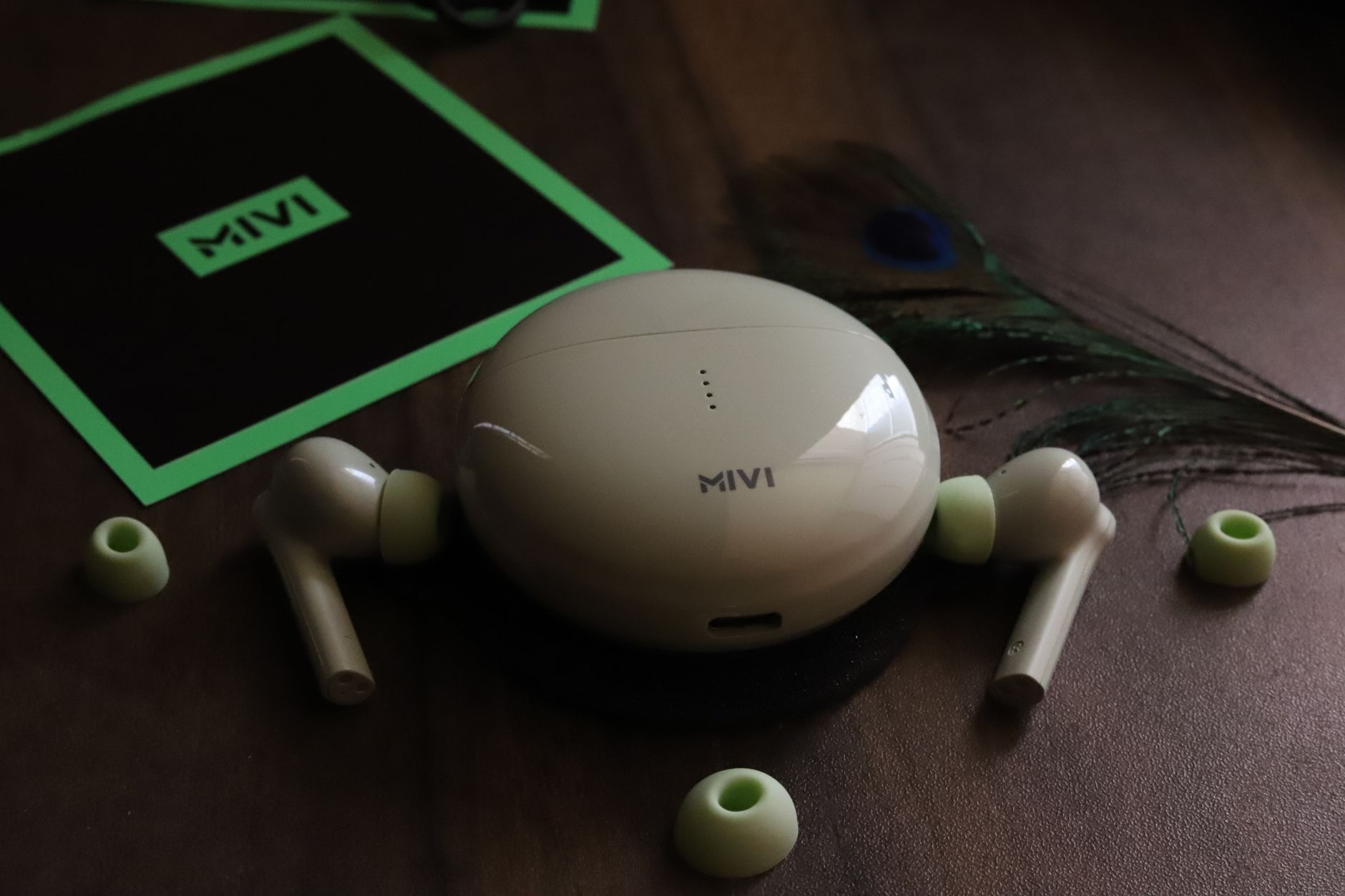
If you prefer the convenience of earbuds but are concerned about headphones irritating ear eczema, consider earbuds with an adjustable fit. These earbuds come with various tip sizes and shapes, allowing you to find the most comfortable and secure fit for your ears.
Adjustable fit earbuds reduce the pressure and friction that can lead to eczema flare-ups. They are also designed to stay in place during movement, making them suitable for everyday use and physical activities.
When selecting earbuds, try different tip options to see which provides the best fit and comfort. Some models even offer memory foam tips that conform to the shape of your ear, providing a custom fit that minimizes irritation.
Practical Steps for Choosing Alternative Audio Solutions
Transitioning to alternative audio solutions requires some consideration to ensure you find the best fit for your needs. Here are some practical steps to guide you:
- Research Models: Look into different brands and models of bone conduction headphones, wireless speakers, and adjustable fit earbuds. Read reviews from other eczema sufferers to gauge their effectiveness.
- Try Before You Buy: If possible, visit a store where you can try out different devices. This hands-on experience can help you determine which option feels most comfortable.
- Consult with a Specialist: Speak with an audiologist or a dermatologist who understands your eczema triggers. They can provide recommendations based on your specific needs.
- Test in Different Scenarios: Once you’ve chosen a device, test it in various situations—at home, during exercise, or while commuting—to ensure it meets your expectations.
Real-Life Examples
Many individuals with ear eczema have successfully switched to alternative audio solutions. For instance, Sarah, an avid runner, found that bone conduction headphones allowed her to enjoy her music without exacerbating her eczema. Similarly, John, who works from home, uses wireless speakers to create a comfortable listening environment without any ear irritation.
These examples illustrate that with the right audio solution, you can manage your eczema symptoms while still enjoying your favorite sounds.
Decision Points
When deciding on an alternative audio solution, consider the following:
- Activity Level: If you’re highly active, bone conduction headphones might be the best choice due to their stability during movement.
- Environment: For shared or larger spaces, wireless speakers offer a convenient solution without the need for personal headphones.
- Preference: If you prefer the traditional earbud style, opt for models with adjustable fits to minimize irritation.
By carefully evaluating your needs and trying different options, you can find an audio solution that works well for your eczema-prone ears.
When to Seek Professional Help
Dealing with ear eczema can be challenging, especially when it seems to be triggered or aggravated by headphones or earbuds. While many cases of ear eczema can be managed with home remedies and careful ear care, there are times when professional help is necessary. Understanding when to seek professional help can make a significant difference in managing your symptoms and preventing severe flare-ups.
Signs of Severe Ear Eczema
Severe ear eczema may present with more intense and persistent symptoms. If you notice any of the following signs, it might be time to consult a dermatologist:
- Intense Itching and Pain: If the itching and pain are severe and persistent, it may indicate a more serious condition that requires professional intervention.
- Blisters and Oozing: The formation of blisters that ooze fluid can be a sign of a severe flare-up. This can lead to infections if not properly treated.
- Thickened Skin: Chronic scratching can cause the skin to become thickened and leathery, a condition known as lichenification. This often requires professional treatment.
- Spreading Rash: If the rash is spreading beyond the ears to other parts of your body, it’s important to seek medical advice.
- Signs of Infection: Redness, swelling, increased warmth, and pus are signs that an infection may be present, necessitating professional care.
When Home Remedies Are Not Effective
If you’ve tried various home remedies and lifestyle changes to manage your ear eczema but haven’t seen improvement, it’s time to consider professional help. Home remedies might include:
- Using hypoallergenic, eczema-friendly headphones or earbuds.
- Keeping the ears clean and moisturized.
- Avoiding known triggers such as certain metals or materials.
- Applying over-the-counter creams or ointments.
If these measures don’t help alleviate your symptoms, a dermatologist can provide more targeted treatments.
Professional Treatments and Interventions
A dermatologist can offer a range of treatments to help manage severe ear eczema. These may include:
- Prescription Medications: Topical corticosteroids, calcineurin inhibitors, or other prescription creams can be more effective than over-the-counter options.
- Oral Medications: In some cases, oral medications such as antihistamines or antibiotics may be prescribed to manage symptoms or treat infections.
- Phototherapy: Light therapy can be effective for some individuals with eczema. A dermatologist can determine if this is a suitable option for you.
- Patch Testing: If contact dermatitis is suspected, a dermatologist may perform patch testing to identify specific allergens that could be contributing to your ear eczema.
- Professional Cleaning: An audiologist or dermatologist can safely clean your ears if buildup or infection is present, which might be difficult to manage at home.
Additionally, a professional can provide personalized advice on managing your headphones irritate ear eczema and recommend specific products that are less likely to cause irritation.
Real-life example: Jane, a frequent headphone user, noticed her ear eczema worsening despite trying various home remedies. After consulting a dermatologist, she was prescribed a topical corticosteroid and advised to switch to eczema-friendly headphones. Within a few weeks, her symptoms significantly improved.
In summary, while many cases of ear eczema can be managed with home care, recognizing the signs of severe eczema and knowing when home remedies are not effective are crucial. Seeking professional help ensures you receive the appropriate treatment and management strategies to alleviate your symptoms and improve your quality of life.
Personal Stories and Experiences
When it comes to understanding how headphones irritate ear eczema, personal experiences can offer invaluable insights. Real-life anecdotes from individuals dealing with ear eczema provide practical tips, highlight common challenges, and suggest effective solutions. This section shares stories from the community to help others navigate their own experiences with headphones and earbuds.
Anecdotes from Eczema Sufferers
Many people with ear eczema have encountered issues when using headphones or earbuds. Here are a few stories that illustrate the challenges and solutions they’ve found:
- Sarah’s Story: Sarah, a college student, noticed that her ear eczema flared up whenever she used her wired earbuds. She found that the constant friction and pressure from the earbuds aggravated her sensitive skin. After switching to over-ear headphones with soft, hypoallergenic ear pads, she experienced fewer flare-ups.
- Mike’s Experience: Mike, a frequent traveler, relies on noise-canceling headphones to block out airport noise. However, he found that the tight fit of these headphones worsened his eczema. He started using a thin layer of medical-grade silicone sleeves on the ear cups, which reduced irritation and provided a more comfortable fit.
- Lila’s Tip: Lila, an audiophile, loves using high-quality earbuds but struggles with ear eczema. She discovered that using earbuds with memory foam tips significantly reduced her discomfort. Additionally, she applies a gentle, fragrance-free moisturizer to her ears before using her earbuds to create a protective barrier.
Tips and Tricks Shared by the Community
The eczema community is a valuable resource for tips and tricks on managing ear eczema when using headphones or earbuds. Here are some practical suggestions shared by individuals who have found ways to minimize irritation:
- Rotate Your Headphones: Many people find that rotating between different types of headphones—over-ear, on-ear, and earbuds—helps prevent consistent pressure on the same areas, reducing the risk of flare-ups.
- Use Protective Covers: Applying medical-grade silicone or foam covers to headphones and earbuds can create a softer interface between the device and your skin, minimizing friction and pressure.
- Keep Your Ears Dry: Moisture can exacerbate eczema. After showering or sweating, make sure your ears are completely dry before putting on headphones or earbuds.
- Choose Hypoallergenic Materials: Look for headphones and earbuds made from hypoallergenic materials. Some brands offer models specifically designed for sensitive skin.
- Limit Usage Time: Taking regular breaks from wearing headphones can give your ears a chance to recover and reduce the likelihood of irritation.
Common Challenges and Solutions
Individuals with ear eczema often face specific challenges when using headphones or earbuds. Here are some common issues and the solutions that have worked for many:
- Challenge: Constant Irritation
Many people find that the constant contact between headphones or earbuds and their ears leads to persistent irritation. Solution: Using headphones with adjustable ear cups and opting for models with breathable materials can help. Additionally, incorporating short breaks during prolonged use can prevent ongoing irritation.
- Challenge: Flare-Ups from Sweat
Sweat can worsen eczema, especially during workouts. Solution: Using sweat-wicking headphones designed for athletic use can help keep your ears dry. Additionally, applying a thin layer of eczema-friendly moisturizer before exercising can create a protective barrier.
- Challenge: Sensitivity to Materials
Some individuals are sensitive to certain materials commonly used in headphones and earbuds. Solution: Look for devices made from hypoallergenic materials like memory foam, silicone, or medical-grade plastics. Reading reviews and checking product descriptions can help identify suitable options.
- Challenge: Finding the Right Fit
A poor fit can lead to increased pressure and friction, aggravating eczema. Solution: Experiment with different types of headphones to find the best fit. Over-ear headphones with adjustable ear cups often provide a more comfortable and secure fit compared to on-ear or in-ear models.
By sharing these personal stories and experiences, we hope to provide practical guidance for managing ear eczema when using headphones and earbuds. Remember, what works for one person may not work for another, so it’s essential to experiment and find the solutions that best suit your needs.
Frequently asked questions
Can all headphones cause ear eczema?
Not all headphones cause ear eczema, but certain types and materials may exacerbate symptoms. Headphones that are tight-fitting, made from synthetic materials, or that trap heat and moisture can increase irritation. It’s important to choose headphones that are gentle on the skin and allow for adequate airflow.
If you find that your headphones irritate your ear eczema, consider trying different styles or brands. Look for options that are specifically designed to be comfortable and hypoallergenic.
Are wireless earbuds better for eczema?
Wireless earbuds can be a good option for eczema sufferers as they often have a more open design that allows for better airflow. However, it’s important to choose earbuds made from hypoallergenic materials and ensure they fit comfortably without causing pressure points.
While wireless earbuds may reduce some irritation compared to traditional over-ear headphones, it’s still essential to clean them regularly and avoid wearing them for extended periods to prevent exacerbating eczema symptoms.
How often should I clean my headphones to prevent eczema?
To prevent eczema flare-ups, it’s recommended to clean your headphones at least once a week. Use a gentle cleaner or a mixture of water and vinegar to wipe down the ear cups and any areas that come into contact with your skin.
Regular cleaning helps remove oils, sweat, and bacteria that can worsen eczema. Additionally, consider using disposable ear tips if your headphones come with them, as these can be replaced frequently to maintain hygiene.
Can I use over-the-counter creams on my ears?
Over-the-counter creams can be safe and effective for treating mild ear eczema, but it’s important to choose products specifically formulated for the face and ears. Look for creams that are fragrance-free and hypoallergenic to minimize the risk of further irritation.
If your eczema is severe or doesn’t improve with over-the-counter treatments, it’s advisable to consult a dermatologist for a more tailored treatment plan. They can provide prescription-strength creams or other therapies to help manage your symptoms.
What are the best materials for eczema-friendly headphones?
The best materials for eczema-friendly headphones are those that are hypoallergenic and gentle on the skin. Look for headphones made from leather, memory foam, or breathable fabrics like cotton or bamboo.
Avoid headphones with metal components that can cause allergic reactions or synthetic materials that may trap heat and moisture. Additionally, ensure the headphones have adjustable straps to prevent pressure points and allow for a comfortable fit.
Should I avoid all headphones if I have ear eczema?
You don’t need to avoid all headphones if you have ear eczema, but it’s important to choose the right type and wear them responsibly. Opt for headphones that are designed to be comfortable and gentle on the skin.
Take regular breaks when using headphones to allow your ears to breathe, and avoid wearing them for extended periods. By making these adjustments, you can enjoy your audio devices without exacerbating your eczema symptoms.
Use MyEczema.app to track your eczema patterns and daily triggers.
This article is for educational purposes only and is not medical advice. If symptoms are severe, spreading, painful, infected-looking, or affecting sleep and daily life, speak with a qualified healthcare professional.
Sources and further reading
For medical guidance, always rely on a qualified healthcare professional. These educational resources may help readers learn more:
Image credit: Photo by Miriam Alonso on Pexels. Used under the Pexels License.
Image credit: Photo by Andrey Matveev on Pexels. Used under the Pexels License.
Image credit: Photo by Darshan Dave on Pexels. Used under the Pexels License.