
MyEczema.app guide
Hand Eczema Contact Allergy: Practical Guide
hand eczema contact allergy: practical tips for tracking triggers, building routines, and supporting eczema-prone skin.

Table of contents
Use this guide as a practical reference and jump to the sections most relevant to you.
- Quick answer
- Key takeaways
- Practical comparison table
- Visual chart
- Related MyEczema.app tool
- Understanding Hand Eczema and Its Causes
- Recognizing Symptoms of Contact Allergy in Hand Eczema
- Common Allergens That Trigger Hand Eczema
- When to Seek Evaluation for Contact Allergy
- The Diagnostic Process: Patch Testing for Contact Allergy
- Managing Hand Eczema When Contact Allergy Is Suspected
- Workplace Considerations for Hand Eczema and Contact Allergy
- Lifestyle Adjustments to Reduce Hand Eczema Flare-Ups
- Long-Term Management Strategies for Hand Eczema
- Tracking patterns in a simple and useful way
- Frequently asked questions
- Sources and further reading
Hand eczema can be a challenging condition to manage, especially when symptoms persist despite standard treatments. One important aspect to consider is whether hand eczema contact allergy might be playing a role. Understanding the potential triggers and evaluating for contact allergies can be crucial in finding effective management strategies. In this article, we’ll explore when and why hand eczema should be evaluated for contact allergy, and what steps you can take to identify and manage potential allergens.
Eczema-prone skin is often more sensitive and reactive to various factors, including skin barrier disruption, irritants, climate, cleansing habits, allergens, and individual triggers. When it comes to hand eczema, the hands are frequently exposed to a wide range of potential irritants and allergens, making them particularly susceptible to contact allergies. Recognizing the signs that suggest a contact allergy and seeking appropriate evaluation can lead to better control of symptoms and improved quality of life.
In this guide, we’ll delve into the specifics of hand eczema contact allergy, discussing common allergens, the importance of patch testing, and practical tips for managing and avoiding triggers. Whether you’re dealing with persistent hand eczema or suspect that allergens might be contributing to your symptoms, this article aims to provide you with valuable insights and actionable advice.
Quick answer
Hand eczema should be evaluated for contact allergy if symptoms persist despite standard treatments or if there’s a suspected exposure to potential allergens. Identifying and avoiding these allergens can significantly improve symptom management.
Key takeaways
- Persistent hand eczema may indicate a contact allergy.
- Common allergens include metals, chemicals, and certain fabrics.
- Patch testing is a key diagnostic tool for identifying allergens.
- Avoiding identified allergens is crucial for managing hand eczema.
- Consistent skincare and moisturizing are essential for symptom relief.
Common Allergens and Their Sources in Hand Eczema
| Situation | What it may mean | Practical next step |
|---|---|---|
| Nickel allergy | Reaction to metal objects like jewelry, keys, or tools. | Avoid nickel-containing items or use barrier creams. |
| Fragrance allergy | Reaction to scented products like soaps, lotions, or perfumes. | Choose fragrance-free products and read labels carefully. |
| Latex allergy | Reaction to latex gloves or products containing latex. | Use latex-free gloves and inform healthcare providers. |
| Preservative allergy | Reaction to preservatives in skincare products or medications. | Look for products labeled ‘preservative-free’ or consult a dermatologist. |
| Plant allergy | Reaction to plants like poison ivy or certain flowers. | Avoid contact with known allergenic plants and wear protective clothing. |
Effectiveness of Management Strategies for Hand Eczema
This visual is an educational guide, not a diagnostic score. Use it to decide what may be worth tracking more consistently for this specific topic.
Highly effective when allergens are identified and avoided.
Essential for maintaining skin barrier and reducing dryness.
Effective in preventing direct contact with irritants and allergens.
Important for overall skin health and eczema management.
Can help reduce flare-ups triggered by stress.
Related MyEczema.app tool
Use the Daily Trigger Tracker
The Daily Trigger Tracker helps users record symptoms, possible triggers, skin routine, photos, notes, and trends over time.
For this topic, this tool can help you organize information in a more structured way and turn daily observations into clearer patterns to review over time.
Understanding Hand Eczema and Its Causes
Hand eczema, also known as hand dermatitis, is a common skin condition that causes inflammation and irritation on the hands. It can manifest as redness, itching, dryness, and sometimes blisters or cracks in the skin. To manage hand eczema effectively, it’s crucial to understand its causes, particularly the distinction between irritant and allergic contact dermatitis. This understanding can guide you in seeking appropriate care and avoiding triggers.
Definition of Hand Eczema
Hand eczema is a type of eczema that specifically affects the hands. It can be triggered by various factors, including environmental irritants, allergens, and even genetic predisposition. The condition can significantly impact daily activities, making it essential to identify the specific causes and seek targeted management strategies.
Common Triggers and Irritants
Several factors can contribute to the development of hand eczema. Common triggers include:
- Water Exposure: Frequent hand washing or prolonged exposure to water can strip the skin of its natural oils, leading to dryness and irritation.
- Chemicals: Household cleaners, detergents, and industrial chemicals can irritate the skin and trigger eczema flare-ups.
- Allergens: Substances like nickel, fragrances, and certain preservatives can cause allergic reactions in sensitive individuals.
- Temperature Extremes: Both hot and cold environments can exacerbate hand eczema symptoms.
- Frequent Hand Sanitizing: The use of alcohol-based hand sanitizers, especially during times of increased hygiene awareness, can dry out the skin.
Difference Between Irritant and Allergic Contact Dermatitis
Hand eczema can be broadly categorized into two types: irritant contact dermatitis and allergic contact dermatitis. Understanding the difference between these two types is crucial for effective management.
Irritant Contact Dermatitis
Irritant contact dermatitis is the most common form of hand eczema. It occurs when the skin is repeatedly exposed to irritants that damage the skin barrier. Unlike allergic reactions, irritant contact dermatitis does not involve the immune system.
Common irritants include:
- Soaps and detergents
- Solvents
- Acids and alkalis
- Frequent hand washing
Symptoms of irritant contact dermatitis often include:
- Redness
- Dryness
- Cracking
- Blisters
Practical steps to manage irritant contact dermatitis include:
- Avoiding known irritants
- Using gentle, fragrance-free cleansers
- Applying moisturizers regularly
- Wearing protective gloves when handling irritants
Allergic Contact Dermatitis
Allergic contact dermatitis occurs when the immune system reacts to an allergen that comes into contact with the skin. This type of hand eczema involves a delayed hypersensitivity reaction, meaning symptoms may not appear until hours or even days after exposure.
Common allergens include:
- Nickel (found in jewelry and metal objects)
- Fragrances
- Preservatives in cosmetics and skincare products
- Certain plants (e.g., poison ivy)
Symptoms of allergic contact dermatitis can include:
- Itching
- Redness
- Swelling
- Blisters
If you suspect allergic contact dermatitis, it’s important to identify and avoid the allergen. This may involve:
- Keeping a detailed diary of exposures and symptoms
- Consulting a dermatologist for patch testing
- Switching to hypoallergenic products
When to Evaluate for Contact Allergy
If your hand eczema does not improve with standard eczema care or if it repeatedly flares up, it may be time to evaluate for contact allergy. Patch testing, a common diagnostic procedure performed by dermatologists, can help identify specific allergens that may be triggering your symptoms.
Consider seeking evaluation for contact allergy if:
- Your symptoms persist despite avoiding known irritants
- You experience severe or recurrent flare-ups
- Symptoms appear after exposure to new products or environments
- There is a history of allergic reactions to certain substances
Patch testing involves applying small amounts of potential allergens to the skin and monitoring for reactions. This can provide valuable insights into the specific triggers of your hand eczema, allowing for more targeted avoidance and management strategies.
In conclusion, understanding the causes of hand eczema and distinguishing between irritant and allergic contact dermatitis is essential for effective management. By identifying and avoiding triggers, and seeking professional evaluation when necessary, you can better control your symptoms and improve your quality of life.
Recognizing Symptoms of Contact Allergy in Hand Eczema
When dealing with hand eczema, it’s crucial to understand whether your symptoms might be due to a contact allergy. Recognizing the symptoms of hand eczema contact allergy early can help you manage your condition more effectively and seek appropriate evaluations.
Common Symptoms of Allergic Contact Dermatitis
Allergic contact dermatitis (ACD) occurs when your skin reacts to an allergen—a substance that triggers an immune response. Common symptoms include:
- Itching: Often intense and persistent.
- Redness: The affected area may appear red and inflamed.
- Rash: Small bumps or blisters may form.
- Swelling: The skin might feel tight and swollen.
- Dryness and Scaling: The skin can become dry, flaky, and may crack.
These symptoms can vary in severity and may worsen with repeated exposure to the allergen.
How Symptoms Differ from Irritant Contact Dermatitis
It’s important to distinguish between allergic contact dermatitis and irritant contact dermatitis (ICD). While both conditions cause hand eczema, their triggers and symptoms can differ:
- Irritant Contact Dermatitis: This type of eczema is caused by direct skin irritation from substances like soaps, detergents, or solvents. Symptoms often include:
- Dryness
- Cracking
- Pain or burning sensation
- Less itching compared to ACD
- Allergic Contact Dermatitis: This is an immune response to an allergen. Symptoms tend to be more pronounced and include:
- Intense itching
- Redness and swelling
- Blisters or vesicles
- Possible spread beyond the initial contact area
Understanding these differences can help you and your healthcare provider determine the best course of action.
Importance of Recognizing Early Signs
Early recognition of hand eczema contact allergy symptoms is vital for several reasons:
- Prompt Treatment: Identifying an allergic reaction early allows for quicker intervention, which can help manage symptoms and prevent them from worsening.
- Avoidance of Allergens: Once you know what triggers your allergic reaction, you can take steps to avoid these allergens, reducing the likelihood of future flare-ups.
- Patch Testing: Early recognition may prompt you to seek patch testing, a diagnostic procedure that can identify specific allergens causing your reaction.
For example, if you notice that your hand eczema worsens after using a new laundry detergent, it might be worth considering whether you have developed an allergy to one of its ingredients. Keeping a symptom diary can help you track patterns and identify potential triggers.
Practical Steps for Recognizing Symptoms
Here are some practical steps to help you recognize the symptoms of hand eczema contact allergy:
- Monitor Changes: Pay attention to any changes in your skin’s appearance or sensations. Note when symptoms start and what activities you were doing.
- Keep a Diary: Record your symptoms, including when they occur, their severity, and any potential triggers. This can provide valuable information for your healthcare provider.
- Consult a Professional: If you suspect a contact allergy, consult a dermatologist. They can perform patch testing to identify specific allergens.
- Educate Yourself: Learn about common allergens that can cause hand eczema. This knowledge can help you make informed decisions about the products you use.
For instance, if you work in a profession that requires frequent hand washing or exposure to chemicals, be particularly vigilant about any new symptoms. Early recognition can lead to better management of your hand eczema and improved quality of life.
In summary, recognizing the symptoms of hand eczema contact allergy is a critical step in managing your condition. By understanding the differences between allergic and irritant contact dermatitis and taking practical steps to identify triggers, you can work towards more effective eczema care and prevention.
Common Allergens That Trigger Hand Eczema
When dealing with hand eczema, identifying the specific allergens responsible for triggering symptoms can be crucial. Understanding common allergens that cause hand eczema can help in managing symptoms and avoiding flare-ups. This section explores the most common allergens associated with hand eczema, including metals, chemicals, and natural substances.
Metals: Nickel, Cobalt, and Chromium
Metals are prevalent allergens that can cause hand eczema, particularly in individuals with frequent exposure to metallic objects.
- Nickel: Commonly found in jewelry, coins, and everyday items like zippers and buttons. Nickel allergy is one of the most frequent causes of contact dermatitis. If you notice eczema flare-ups after wearing jewelry or handling metal objects, nickel could be the culprit.
- Cobalt: Often found in combination with nickel in alloys, cobalt can also trigger hand eczema. It is used in various industrial applications and can be present in certain types of pottery and paints.
- Chromium: Found in stainless steel, leather tanning, and some cements, chromium can cause allergic reactions. People working in construction or those frequently exposed to leather products may be at higher risk.
If you suspect a metal allergy, consider avoiding direct contact with these metals. Using barrier creams or wearing gloves can help protect your hands.
Chemicals: Preservatives, Fragrances, and Rubber Accelerators
Chemicals are another significant category of allergens that can lead to hand eczema. These are often found in everyday products and can cause irritant contact dermatitis or allergic contact dermatitis.
- Preservatives: Common in cosmetics, skincare products, and cleaning agents. Examples include parabens and formaldehyde releasers. Reading product labels and opting for fragrance-free, hypoallergenic options can reduce exposure.
- Fragrances: Found in many personal care products, fragrances can be potent allergens. Look for products labeled “fragrance-free” or “unscented” to minimize risk.
- Rubber accelerators: Used in the manufacturing of rubber products like gloves. Thiurams and carbamates are common accelerators that can cause allergic reactions. If you experience hand eczema after wearing rubber gloves, consider switching to vinyl or nitrile gloves.
Being mindful of the ingredients in the products you use can help prevent eczema flare-ups. When in doubt, patch testing can confirm specific allergies.
Plants and Natural Substances: Poison Ivy, Latex
Natural substances, including plants and latex, can also trigger hand eczema.
- Poison Ivy: Contact with poison ivy can cause a severe allergic reaction, leading to itchy, blistered skin. Avoiding areas where poison ivy grows and wearing protective clothing can help prevent exposure.
- Latex: Found in gloves, balloons, and various medical products, latex is a common allergen. If you experience hand eczema after using latex products, switch to latex-free alternatives. Many hospitals and workplaces now offer latex-free options to accommodate those with allergies.
Understanding these common allergens can empower you to make informed choices about the products you use and the environments you frequent. If you suspect a contact allergy is contributing to your hand eczema, consulting a healthcare professional for patch testing is a practical step. Identifying and avoiding specific allergens can significantly improve your hand eczema management and overall quality of life.
When to Seek Evaluation for Contact Allergy
If you are dealing with hand eczema, it’s important to be aware of when to seek professional evaluation for a potential contact allergy. Understanding the right time to consult a healthcare provider can help you manage your symptoms more effectively and improve your overall hand eczema care.
Persistent or Worsening Symptoms
One of the primary indicators that you should seek evaluation for hand eczema contact allergy is if your symptoms are persistent or worsening despite your current treatments. If you find that your hand dermatitis is not improving or is getting worse, it may be time to consider the possibility of a contact allergy.
For example, if you have been using over-the-counter creams and ointments as recommended but still experience eczema flare-ups, this could suggest an underlying allergen is at play. Persistent redness, itching, scaling, or blistering on your hands should prompt a visit to a healthcare provider.
It’s also crucial to monitor any changes in the pattern or severity of your symptoms. If you notice that your hand eczema is becoming more frequent or intense, this could be a sign that you are reacting to a specific allergen.
Suspected Exposure to New Allergens
Another important reason to seek evaluation is if you suspect exposure to new allergens. Hand eczema contact allergy can be triggered by various substances, and identifying these allergens is key to managing your condition.
Consider recent changes in your environment or routine that might have introduced new potential allergens. For instance, if you have started using a new skincare product, detergent, or even changed your workplace, these could be sources of new allergens.
Real-life example: Imagine you recently switched to a new hand soap at work and noticed your hand eczema symptoms worsening shortly after. This could indicate an allergic reaction to an ingredient in the new soap. In such cases, it’s advisable to consult a healthcare provider for further evaluation.
Ineffectiveness of Standard Treatments
If standard treatments for hand eczema are proving ineffective, it may be time to explore the possibility of a contact allergy. Standard treatments typically include moisturizers, emollients, and sometimes topical corticosteroids. However, if these treatments do not provide relief, an allergen might be the culprit.
For instance, if you have been diligently following your eczema care routine but still experience persistent symptoms, it’s worth discussing with a healthcare provider. They may recommend patch testing to identify specific allergens triggering your hand eczema.
Patch testing is a common method used to diagnose contact allergies. During this test, small amounts of potential allergens are applied to your skin, usually on your back, and covered with patches. After a few days, the patches are removed, and your skin is examined for reactions. This can help pinpoint the exact allergens causing your hand eczema.
Practical Steps to Take
When considering an evaluation for hand eczema contact allergy, here are some practical steps you can take:
- Keep a Symptom Diary: Track your symptoms, noting when they occur, their severity, and any potential triggers. This can provide valuable information for your healthcare provider.
- List Recent Changes: Make a list of any recent changes in your environment, products you use, or new exposures that might be contributing to your symptoms.
- Consult a Dermatologist: Schedule an appointment with a dermatologist who specializes in eczema and contact dermatitis. They can perform a thorough evaluation and recommend appropriate tests, such as patch testing.
- Discuss Treatment Options: During your appointment, discuss all treatment options available, including avoidance of identified allergens, medications, and other therapies.
By being proactive and seeking evaluation when necessary, you can better manage your hand eczema and reduce the impact of contact allergies on your daily life. Remember, early intervention and accurate diagnosis are crucial for effective eczema management.
The Diagnostic Process: Patch Testing for Contact Allergy
When dealing with persistent or recurrent hand eczema, it’s crucial to identify if a contact allergy is contributing to the condition. This is where patch testing comes into play. Understanding the patch testing process and its importance can help individuals with hand eczema make informed decisions about their eczema care and management.
What is Patch Testing?
Patch testing is a medical procedure used to determine if certain substances are causing an allergic reaction in your skin. It is a key diagnostic tool in identifying contact allergies that may be triggering or exacerbating hand eczema. During the test, small amounts of potential allergens are applied to patches, which are then placed on your skin. The patches remain in place for a specified period, usually 48 hours, to observe any allergic reactions.
How Patch Testing is Performed
The patch testing process involves several steps:
- Preparation: Before the test, your healthcare provider will discuss your medical history and any medications you are taking. It’s important to inform them about any skin conditions, recent treatments, or medications that could affect the test results.
- Application of Patches: Small amounts of potential allergens are applied to adhesive patches. These patches are then carefully placed on your back or another area of your body. The patches are secured to stay in place during the testing period.
- Waiting Period: You will need to wait for 48 hours with the patches on your skin. It’s important to avoid activities that might cause excessive sweating or friction in the test area during this time.
- First Reading: After 48 hours, the patches are removed, and a healthcare professional will examine your skin for any reactions. Redness, swelling, or blisters may indicate an allergic reaction to one or more of the tested substances.
- Second Reading: A follow-up examination is typically conducted 2 to 4 days after the patches are removed. This allows time for late-phase reactions to become apparent, providing a more comprehensive assessment of potential allergens.
Interpreting Patch Test Results
Understanding the results of a patch test is crucial for effective eczema management. Here’s what you need to know:
- Positive Reaction: If you have a positive reaction to one or more substances, it indicates that you are allergic to those specific allergens. This information is vital for avoiding these substances in your daily life to prevent eczema flare-ups.
- Negative Reaction: A negative reaction means that the tested substances did not cause an allergic response. However, it’s important to note that patch testing may not identify all possible allergens. If symptoms persist, further evaluation may be necessary.
- Irritant Reactions: Sometimes, substances can cause irritation without being true allergens. Your healthcare provider will help distinguish between irritant reactions and true allergic reactions.
Once the allergens are identified, your healthcare provider can offer guidance on how to avoid these substances in your daily routine. This might involve changes in personal care products, workplace materials, or household items. For example, if you are allergic to nickel, you may need to avoid jewelry containing this metal or use protective gloves when handling items that might contain nickel.
Patch testing is a valuable tool in the diagnosis and management of hand eczema contact allergy. By identifying specific allergens, individuals can take proactive steps to avoid these triggers, leading to better control of their condition and improved quality of life. If you suspect that your hand eczema might be due to a contact allergy, discussing patch testing with your healthcare provider is an important step towards effective eczema care.
Managing Hand Eczema When Contact Allergy Is Suspected
If you suspect that your hand eczema is caused by a contact allergy, managing your condition effectively becomes a matter of identifying and avoiding allergens, using gentle skincare products, and incorporating moisturizers into your daily routine. This section will provide practical tips to help you navigate these steps, ensuring you can manage your hand eczema more effectively.
Avoiding Identified Allergens
The first and most crucial step in managing hand eczema related to contact allergy is to identify and avoid the allergens that trigger your symptoms. This process often begins with patch testing, as discussed in previous sections. Once you know what you’re allergic to, the next step is to minimize your exposure to these substances.
For example, if you’re allergic to nickel, you might need to avoid jewelry made from this metal. If your hand eczema contact allergy is triggered by certain chemicals in cleaning products, you may need to switch to hypoallergenic alternatives. Reading labels carefully and being aware of the ingredients in the products you use can make a significant difference.
In some cases, avoiding allergens might require making changes at your workplace. If you work in an environment where you’re regularly exposed to allergens, consider talking to your employer about possible accommodations, such as using protective gloves or switching to different tasks.
Using Gentle Skincare Products
When dealing with hand eczema, especially if a contact allergy is involved, it’s essential to choose skincare products that are gentle and free from potential allergens. This means avoiding products with fragrances, dyes, and other additives that could irritate your skin further.
Look for moisturizers and soaps labeled as “hypoallergenic” or “for sensitive skin.” These products are typically formulated to be less likely to cause allergic reactions. It’s also a good idea to opt for products that contain ceramides, which help to restore the skin’s natural barrier.
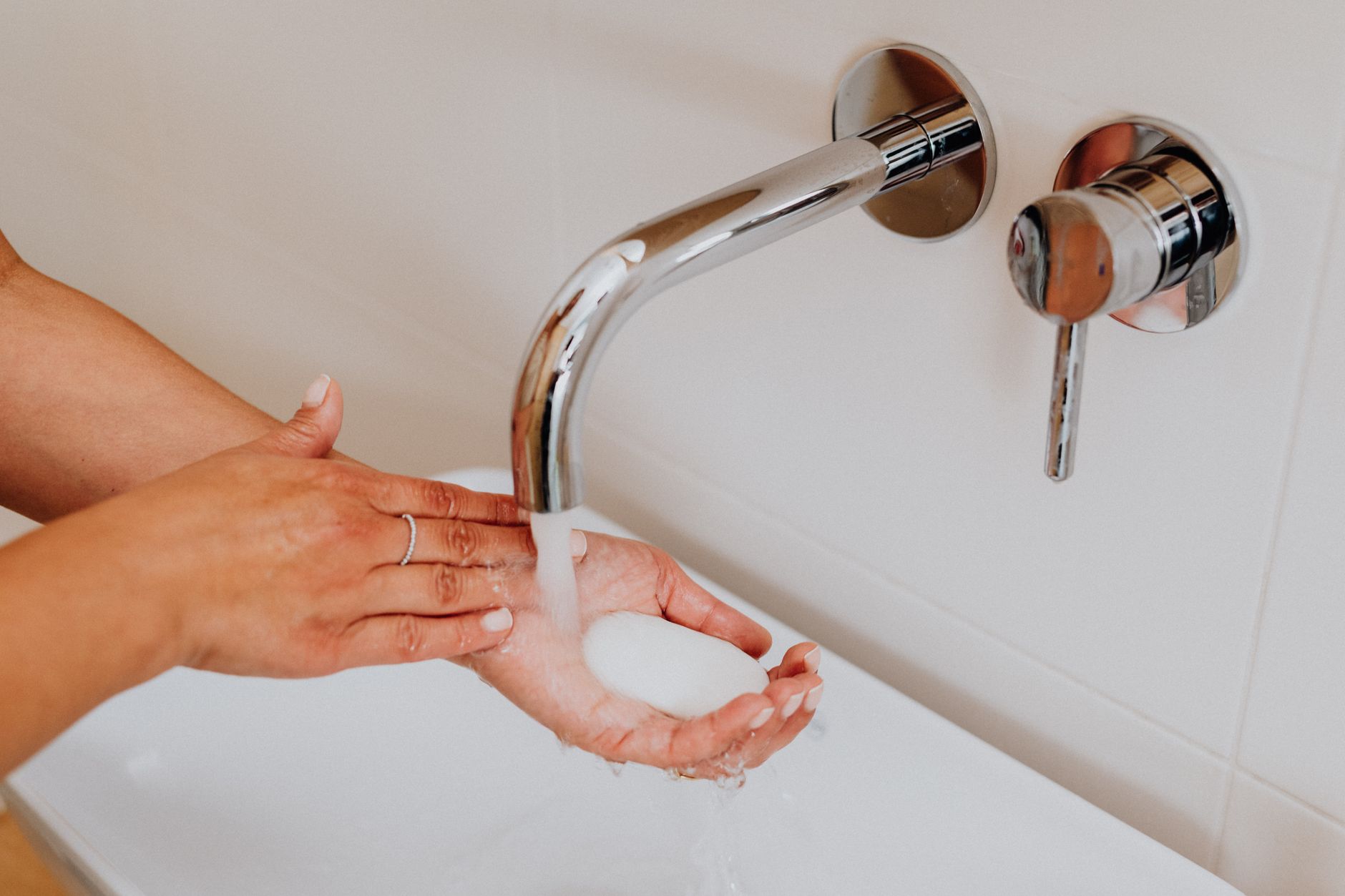
When washing your hands, use lukewarm water and a mild, fragrance-free soap. Pat your hands dry with a soft towel, rather than rubbing, to avoid further irritation. Remember, the goal is to clean your hands without stripping them of their natural oils.
Incorporating Moisturizers into Daily Routine
Moisturizing is a critical component of managing hand eczema, particularly when contact allergy is a factor. Moisturizers help to hydrate the skin, repair the skin barrier, and reduce the risk of flare-ups.
It’s important to moisturize your hands regularly, especially after washing them or exposure to water. Look for thick, emollient-based moisturizers that provide a protective layer over your skin. Products containing ingredients like glycerin, hyaluronic acid, and shea butter can be particularly beneficial.
Consider applying moisturizer several times a day, and don’t forget to moisturize your hands before going to bed. This can help to lock in moisture overnight, giving your skin a chance to repair itself while you sleep.
In addition to regular moisturizing, you might also benefit from using a hand cream specifically designed for eczema. These creams often contain ingredients that not only hydrate the skin but also help to reduce inflammation and itching.
Real-Life Example: Managing Hand Eczema at Work
Imagine you work in a salon and your hand eczema contact allergy is triggered by certain chemicals in the hair products you use. To manage your condition, you might need to:
- Wear gloves when handling chemicals to minimize direct contact.
- Use a gentle, fragrance-free hand wash specifically designed for sensitive skin.
- Apply a thick, emollient-based moisturizer immediately after washing your hands and throughout the day.
- Discuss with your employer the possibility of using alternative products that are less likely to trigger your allergy.
By taking these steps, you can significantly reduce the impact of hand eczema on your daily life and work.
Remember, managing hand eczema when contact allergy is suspected requires a proactive approach. By avoiding identified allergens, using gentle skincare products, and incorporating moisturizers into your daily routine, you can help to keep your symptoms under control and improve your overall skin health.
Workplace Considerations for Hand Eczema and Contact Allergy
When dealing with hand eczema, workplace considerations play a crucial role in managing symptoms and preventing flare-ups. Understanding and identifying potential allergens in the work environment is the first step toward effective management. This section will explore how to identify workplace allergens, use protective measures like gloves and barriers, and communicate effectively with employers about hand eczema management.
Identifying Workplace Allergens
Identifying workplace allergens is essential for managing hand eczema contact allergy. Common allergens in various work environments include chemicals, metals, and certain types of gloves. For example, healthcare workers might be exposed to latex or disinfectants, while those in the beauty industry may encounter hair dyes or nail products.
To identify potential allergens:
- Keep a detailed log of your symptoms and any activities or products you use at work.
- Consult with an occupational health specialist or a dermatologist who can help pinpoint specific allergens.
- Consider patch testing, which can identify specific substances that trigger your eczema.
Using Protective Gloves and Barriers
Protective gloves and barriers are vital in preventing direct contact with allergens. However, choosing the right type of gloves is crucial. For instance, if you are allergic to latex, using nitrile or vinyl gloves may be more suitable.
Here are some practical tips for using gloves:
- Wear gloves whenever you handle potential allergens.
- Use cotton gloves underneath rubber or plastic gloves to absorb sweat and reduce irritation.
- Regularly clean and replace gloves to maintain their effectiveness.
- Avoid wearing gloves for extended periods to prevent skin maceration, which can worsen eczema.
In addition to gloves, using barrier creams can create a protective layer on the skin, reducing the risk of irritation from allergens.
Communicating with Employers About Eczema Management
Open communication with your employer is crucial for managing hand eczema in the workplace. Employers can provide accommodations that help you avoid allergens and reduce the risk of flare-ups.
Consider these steps when discussing hand eczema with your employer:
- Provide information about your condition and how it affects your work.
- Request necessary accommodations, such as using specific types of gloves or avoiding certain chemicals.
- Discuss the possibility of job modifications or temporary reassignment to a less allergen-exposed environment.
- Keep your employer informed about any changes in your condition or new allergens identified.
For example, if you work in a salon and are allergic to certain hair products, your employer might allow you to use alternative, hypoallergenic products or assign you to a role with less exposure.
Employers may also benefit from educating themselves about hand eczema and contact allergy. Providing them with resources or suggesting they consult with an occupational health specialist can foster a more supportive work environment.
By identifying workplace allergens, using appropriate protective measures, and maintaining open communication with employers, individuals with hand eczema can better manage their condition and reduce the risk of contact allergy flare-ups. These steps not only improve daily comfort but also contribute to long-term eczema care and prevention.
Lifestyle Adjustments to Reduce Hand Eczema Flare-Ups
When managing hand eczema, especially if contact allergy is a concern, making certain lifestyle adjustments can significantly help reduce flare-ups. These changes focus on minimizing exposure to potential allergens and irritants, promoting better skin health, and enhancing overall well-being. Here are some practical steps you can take:
Avoiding Harsh Soaps and Detergents
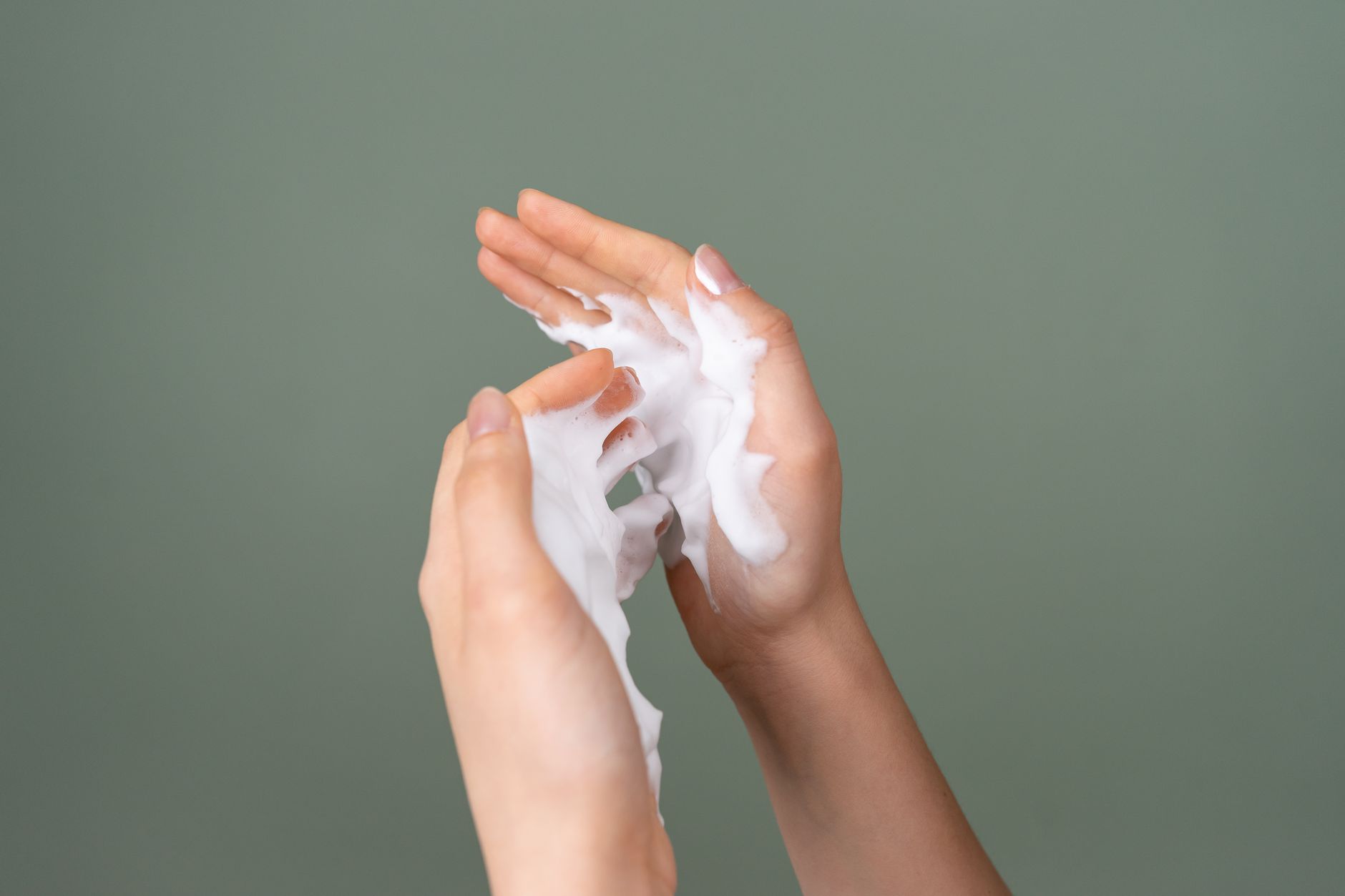
One of the first adjustments to consider is the type of soaps and detergents you use. Many conventional soaps contain harsh chemicals that can irritate the skin and exacerbate hand eczema contact allergy symptoms.
- Switch to gentle, fragrance-free soaps: Look for soaps specifically designed for sensitive skin. These are usually free from fragrances, dyes, and other potential irritants.
- Use mild detergents for laundry: When washing clothes, opt for hypoallergenic detergents. This is particularly important for items that come into direct contact with your skin, such as underwear and bedding.
- Consider soap substitutes: Products like emulsifying ointments or aqueous cream can be gentler on the skin compared to traditional soaps.
Maintaining Proper Hand Hygiene
Good hand hygiene is crucial, especially in preventing infections that can complicate hand eczema. However, frequent hand washing can also strip the skin of its natural oils, leading to dryness and irritation.
- Use lukewarm water: Hot water can be drying, so opt for lukewarm water when washing your hands.
- Limit hand washing duration: Try to keep hand washing sessions short to minimize skin exposure to water.
- Moisturize after washing: Apply a fragrance-free, hypoallergenic moisturizer immediately after washing your hands to help restore the skin’s moisture barrier.
Incorporating Stress-Reduction Techniques
Stress is a well-known trigger for eczema flare-ups, including hand eczema. Managing stress can therefore be an important part of your eczema care routine.
- Practice mindfulness and relaxation techniques: Activities such as yoga, meditation, and deep-breathing exercises can help reduce stress levels.
- Engage in regular physical activity: Exercise is a great way to relieve stress. Even a short daily walk can make a difference.
- Seek support: Talking to friends, family, or a counselor can provide emotional support and help you manage stress more effectively.
By making these lifestyle adjustments, you can create a more eczema-friendly environment for your hands. Remember, the goal is to reduce exposure to potential allergens and irritants while promoting overall skin health. These changes, combined with proper medical care and treatment, can help manage hand eczema more effectively and reduce the frequency of flare-ups.
Real-Life Example: Adjusting to New Products
Consider the case of Jane, who noticed her hand eczema worsened after switching to a new laundry detergent. After reading about the importance of using mild, hypoallergenic products, she decided to switch back to her old detergent. Within a few weeks, she noticed a significant improvement in her hand eczema symptoms. This example highlights how small changes in daily routines can have a big impact on managing hand eczema contact allergy.
Decision Points: When to Re-evaluate Your Routine
It’s important to regularly assess your lifestyle adjustments to ensure they are effectively managing your hand eczema. If you notice no improvement or a worsening of symptoms, it may be time to re-evaluate your routine. This could involve trying different products, seeking further medical advice, or considering additional lifestyle changes.
In conclusion, making informed lifestyle adjustments is a crucial part of managing hand eczema, particularly when contact allergy is involved. By avoiding harsh soaps and detergents, maintaining proper hand hygiene, and incorporating stress-reduction techniques, you can create a more supportive environment for your skin and reduce the likelihood of eczema flare-ups.
Long-Term Management Strategies for Hand Eczema
Managing hand eczema, particularly when it involves contact allergy, requires a thoughtful and consistent approach. Long-term strategies are essential to maintain control over symptoms and prevent frequent flare-ups. This section outlines practical steps for the ongoing management of hand eczema, with a focus on contact allergy.
Regular Follow-Ups with Healthcare Providers
Consistent follow-ups with healthcare providers are crucial for effectively managing hand eczema. These visits allow for the ongoing assessment of your condition and the adjustment of your treatment plan as needed. During these appointments, discuss any changes in symptoms, new triggers you may have identified, and the effectiveness of your current management strategies.
Your healthcare provider can offer valuable insights and may recommend additional tests or treatments. For instance, if your hand eczema contact allergy seems to be worsening or not responding to initial treatments, your provider might suggest further patch testing to identify new or previously undetected allergens.
Keeping a Symptom Diary
A symptom diary is an invaluable tool for managing hand eczema. By regularly recording your symptoms, triggers, and any changes in your routine or environment, you can identify patterns and potential triggers that may not be immediately obvious.
In your diary, note the following:
- The date and time of each flare-up
- The severity of the symptoms
- Any recent exposures to potential allergens or irritants
- Changes in your skincare routine or use of new products
- Stress levels and any significant life events
Reviewing your diary with your healthcare provider can help pinpoint specific triggers and inform more targeted management strategies.
Educating Oneself About Eczema Triggers and Management
Knowledge is power when it comes to managing hand eczema. Educating yourself about common triggers and effective management techniques can empower you to take proactive steps in your care.
Here are some key areas to focus on:
- Common Allergens: Familiarize yourself with common allergens that can trigger hand eczema, such as nickel, fragrances, and certain preservatives. Understanding these can help you avoid them in your daily life.
- Irritants: Learn about common irritants, such as harsh soaps, detergents, and certain fabrics, which can exacerbate hand eczema. Opt for gentle, fragrance-free products whenever possible.
- Moisturizers: Discover the importance of regular moisturization in managing hand eczema. Look for moisturizers that are specifically designed for sensitive skin and free from common allergens.
- Protective Measures: Explore protective measures such as wearing gloves when handling irritants or allergens. Cotton gloves under rubber or latex gloves can provide an extra layer of protection.
Additionally, staying informed about the latest research and developments in eczema care can provide new insights and potential treatments. Join support groups or online communities where you can share experiences and learn from others dealing with similar issues.
By committing to regular follow-ups, maintaining a symptom diary, and continuously educating yourself about hand eczema and its triggers, you can develop a robust long-term management plan. This proactive approach not only helps in controlling symptoms but also enhances your overall quality of life.
Tracking patterns in a simple and useful way
If you’re dealing with hand eczema, understanding and tracking patterns can be a game-changer. By identifying what triggers your symptoms, you can take proactive steps to manage and reduce flare-ups. This section will guide you through simple, practical steps to track patterns effectively, helping you gain insights into your hand eczema contact allergy.
Why Tracking Patterns Matters
Tracking patterns helps you:
- Identify specific triggers that cause your hand eczema to flare up.
- Make informed decisions about lifestyle and product changes.
- Communicate effectively with healthcare professionals about your symptoms and triggers.
- Develop a personalized hand eczema care plan.
Simple Practical Steps to Track Patterns
1. Keep a Symptom Diary
A symptom diary is a powerful tool for tracking hand eczema patterns. Here’s how to get started:
- Record Daily Symptoms: Note the date, time, and severity of your symptoms each day. Use a scale of 1 to 10 to rate the severity.
- Log Activities and Exposures: Write down what you were doing and any potential triggers you encountered, such as new skincare products, cleaning agents, or changes in your environment.
- Note Environmental Factors: Include details about the weather, humidity levels, and any other environmental conditions that might affect your skin.
2. Use a Tracking App
Several apps are designed to help you track eczema symptoms and potential triggers. These apps often provide additional features like reminders and analysis tools. Look for an app that allows you to:
- Log symptoms and severity.
- Record potential triggers and activities.
- Generate reports to share with your healthcare provider.
3. Identify Patterns and Triggers
Once you’ve been tracking for a few weeks, review your diary or app data to identify patterns. Look for:
- Consistency: Are there specific activities or exposures that consistently precede a flare-up?
- Timing: How long after exposure do symptoms appear?
- Severity: Are certain triggers associated with more severe symptoms?
Reader-Friendly Troubleshooting
What to Do If You Identify a Trigger
If you identify a trigger, take immediate action to minimize exposure:
- Avoid the Trigger: If possible, eliminate the trigger from your environment. For example, switch to a different skincare product or use gloves when handling irritants.
- Use Protective Measures: Wear gloves to protect your hands from irritants and allergens. Choose gloves made from materials that your skin tolerates well, such as cotton or nitrile.
- Moisturize Regularly: Keep your hands well-moisturized to strengthen the skin barrier. Look for fragrance-free, hypoallergenic moisturizers.
When to Speak with a Healthcare Professional
While tracking patterns can provide valuable insights, it’s important to consult a healthcare professional if:
- Your symptoms are severe or worsening despite your efforts.
- You’re unsure about potential triggers or need help identifying them.
- You suspect a contact allergy and need patch testing.
- You experience frequent eczema flare-ups that disrupt your daily life.
A dermatologist or allergist can provide a more detailed evaluation, recommend appropriate tests like patch testing, and offer personalized advice for managing your hand eczema.
Real-Life Example: Sarah’s Journey
Sarah noticed her hand eczema worsened after gardening. By keeping a symptom diary, she identified that using a new fertilizer triggered her symptoms. She switched to a different brand and wore gloves while gardening. Over time, her symptoms improved significantly.
Conclusion
Tracking patterns in a simple and useful way can empower you to take control of your hand eczema. By identifying triggers and making informed changes, you can reduce flare-ups and improve your quality of life. Remember, if you need help, don’t hesitate to speak with a healthcare professional for guidance and support.
Frequently asked questions
What are the first signs of a contact allergy in hand eczema?
The first signs of a contact allergy in hand eczema may include redness, itching, and a rash that appears on the hands. These symptoms can be localized to specific areas where contact with the allergen occurred. For instance, if you are allergic to a particular ingredient in hand soap, you might notice symptoms on the areas of your hands that come into contact with the soap. It’s important to pay attention to these initial signs and consider whether they are related to specific exposures.
In some cases, the symptoms may worsen over time or spread to other parts of the hands. If you notice these signs, it may be helpful to keep a detailed log of your activities and exposures to identify potential triggers. Consulting a healthcare professional for further evaluation can also provide clarity and help in managing the condition.
How is patch testing performed for hand eczema?
Patch testing is a common method used to identify specific allergens that may be causing hand eczema. During the procedure, small amounts of various potential allergens are applied to patches, which are then taped to the skin, usually on the back. These patches remain in place for 48 hours. After this period, the patches are removed, and the skin is examined for any reactions.
A second reading is typically done a few days later to check for delayed reactions. If redness, swelling, or other signs of irritation appear at the site of a patch, it suggests an allergy to that particular substance. This detailed process helps in pinpointing the exact allergens responsible for hand eczema, allowing for more targeted management strategies.
Can hand eczema be managed if it’s caused by a contact allergy?
Yes, hand eczema caused by a contact allergy can be managed effectively with the right approach. The first step is identifying the specific allergen through methods like patch testing. Once identified, avoiding the allergen is crucial. This may involve changes in personal care products, workplace materials, or other everyday items.
In addition to avoidance, treatment often includes the use of topical corticosteroids or other prescribed medications to reduce inflammation and itching. Moisturizers and barrier creams can also be beneficial in protecting the skin and maintaining its integrity. Regular follow-ups with a healthcare professional can help in adjusting the management plan as needed.
What are some common workplace allergens that can trigger hand eczema?
Common workplace allergens that can trigger hand eczema include chemicals found in cleaning products, solvents, and industrial chemicals. For healthcare workers, allergens may include latex, disinfectants, and antiseptics. In the food industry, allergens can be found in certain foods, spices, and preservatives.
Other potential allergens include metals (like nickel in tools or equipment), fragrances in office supplies, and even certain types of paper or adhesives. Identifying and minimizing exposure to these allergens is key in managing hand eczema in a work environment.
How can I protect my hands at work if I have hand eczema?
Protecting your hands at work when you have hand eczema involves a combination of avoidance and barrier protection. Start by identifying and eliminating or reducing exposure to known allergens. Use gloves made from materials that do not trigger your eczema, such as cotton-lined vinyl or nitrile gloves.
Apply a barrier cream before putting on gloves to create an additional layer of protection. After work, gently clean your hands and apply a thick moisturizer to help restore the skin’s barrier. It’s also beneficial to take regular breaks to allow your hands to rest and recover from prolonged glove use.
Are there any natural remedies that can help with hand eczema?
While natural remedies cannot replace medical treatment, they can complement it and provide relief for hand eczema symptoms. Oatmeal baths can soothe irritated skin, and applying aloe vera gel may help reduce inflammation. Coconut oil and shea butter are natural moisturizers that can help keep the skin hydrated.
It’s important to note that natural remedies should be used with caution, as some individuals may be sensitive to certain ingredients. Always perform a patch test before applying any new remedy to a larger area of skin. Consulting with a healthcare professional before trying natural remedies is also advisable to ensure they are safe and appropriate for your specific situation.
Use MyEczema.app to track your eczema patterns and daily triggers.
This article is for educational purposes only and is not medical advice. If symptoms are severe, spreading, painful, infected-looking, or affecting sleep and daily life, speak with a qualified healthcare professional.
Sources and further reading
For medical guidance, always rely on a qualified healthcare professional. These educational resources may help readers learn more:
Image credit: Photo by KATRIN BOLOVTSOVA on Pexels. Used under the Pexels License.
Image credit: Photo by https://kaboompics.com/ on Pexels. Used under the Pexels License.
Image credit: Photo by Beyzanur K. on Pexels. Used under the Pexels License.