
MyEczema.app guide
Can Sweat Inside Gloves Worsen Hand Eczema? Detailed Guide
sweat inside gloves worsen hand eczema: Discover how sweat inside gloves can worsen hand eczema and learn practical tips to manage and reduce flare-ups.
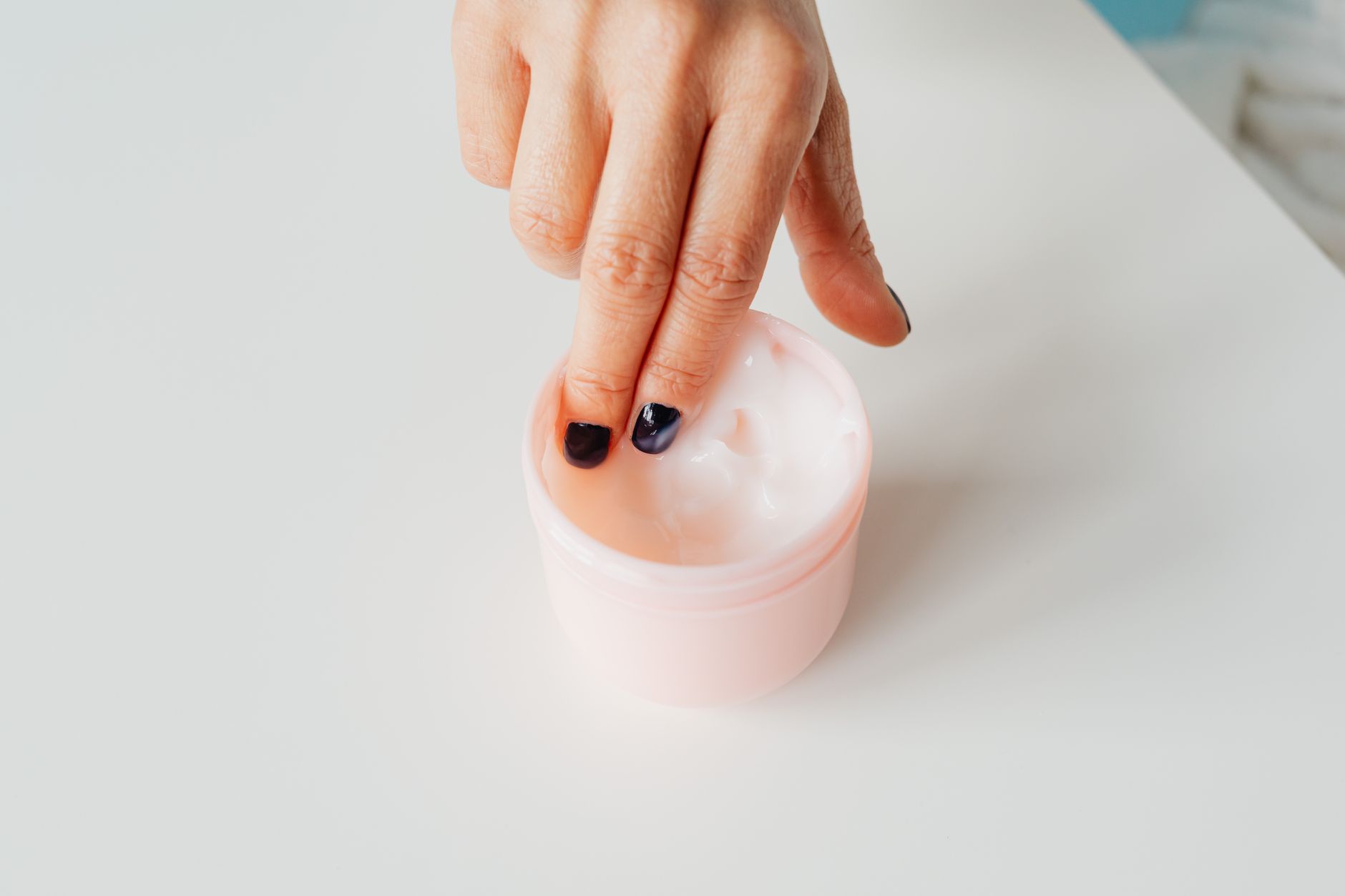
Table of contents
Use this guide as a practical reference and jump to the sections most relevant to you.
- Quick answer
- Key takeaways
- Practical comparison table
- Visual chart
- Related MyEczema.app tool
- Understanding Hand Eczema and Its Triggers
- The Role of Sweat in Worsening Hand Eczema
- How Gloves Can Contribute to Eczema Flare-Ups
- Choosing the Right Gloves to Minimize Eczema
- Maintaining Glove Hygiene to Prevent Eczema
- The Importance of Moisturizing Skin Under Gloves
- Effective Strategies for Managing Sweat Inside Gloves
- Alternative Hand Protection Methods for Eczema-Prone Skin
- When to Seek Professional Help for Hand Eczema
- Creating a Personalized Care Plan for Hand Eczema
- Frequently asked questions
- Sources and further reading
If you’ve been dealing with hand eczema, you know how frustrating it can be to find relief. One often overlooked factor that can exacerbate hand eczema is the sweat that accumulates inside gloves. Whether you’re wearing gloves for work, protection, or warmth, understanding how sweat inside gloves can worsen hand eczema is crucial for managing your symptoms effectively.
Eczema-prone skin is sensitive to various factors, including skin barrier disruption, irritants, climate, cleansing habits, allergens, and individual triggers. When it comes to hand eczema, the combination of sweat and gloves can create a perfect storm for irritation and flare-ups. In this detailed guide, we’ll explore the relationship between sweat inside gloves and hand eczema, offering practical tips to help you manage your symptoms better.
We’ll delve into why sweat inside gloves can be problematic, the types of gloves that are less likely to cause issues, and strategies for maintaining proper glove hygiene. Additionally, we’ll discuss the importance of moisturizers, the role of sweat triggers, and when to seek professional advice from a dermatologist. By the end of this article, you’ll have a clearer understanding of how to mitigate the effects of sweat inside gloves on your hand eczema.
Quick answer
Sweat inside gloves can worsen hand eczema by creating a moist environment that irritates the skin. Proper glove care and moisture management are essential to prevent flare-ups.
Key takeaways
- Sweat inside gloves can create a moist environment that worsens hand eczema.
- Choosing the right gloves and maintaining proper hygiene can help manage symptoms.
- Regular use of moisturizers and avoiding prolonged glove use are crucial.
- Identifying and managing sweat triggers can reduce eczema flare-ups.
- Consulting a dermatologist for personalized advice is recommended.
Comparing Glove Materials for Eczema-Prone Hands
| Situation | What it may mean | Practical next step |
|---|---|---|
| Using cotton gloves | Cotton is breathable but may retain moisture, potentially worsening eczema. | Consider using cotton gloves with a moisture-wicking liner. |
| Wearing latex gloves | Latex can cause allergic reactions and trap sweat, leading to irritation. | Switch to nitrile or vinyl gloves if latex causes issues. |
| Using leather gloves | Leather is less breathable and may hold sweat against the skin. | Opt for gloves with leather exteriors and breathable linings. |
| Wearing synthetic gloves | Synthetic materials may be less breathable and trap heat and sweat. | Choose gloves made from a blend of natural and synthetic materials for better breathability. |
| Using gloves with a moisture-wicking liner | Moisture-wicking liners can help manage sweat and reduce eczema flare-ups. | Incorporate gloves with moisture-wicking technology into your routine. |
Effectiveness of Different Glove Materials in Managing Hand Eczema
This visual is an educational guide, not a diagnostic score. Use it to decide what may be worth tracking more consistently for this specific topic.
Breathable but may retain moisture.
Risk of allergic reactions and moisture retention.
Less likely to cause allergic reactions and better breathability.
Good alternative to latex, moderately breathable.
Provides protection with improved breathability.
Related MyEczema.app tool
Use the Eczema Trigger Identifier
The Eczema Trigger Identifier helps users organize recent changes and possible flare-related patterns such as weather, stress, sweat, sleep, foods, products, and irritants.
For this topic, this tool can help you organize information in a more structured way and turn daily observations into clearer patterns to review over time.
Understanding Hand Eczema and Its Triggers
Hand eczema, also known as hand dermatitis, is a common skin condition that causes inflammation, itching, and irritation on the hands. It can significantly impact daily activities and quality of life. To manage hand eczema effectively, it’s crucial to understand the condition and its triggers, including how sweat inside gloves can worsen hand eczema.
Definition of Hand Eczema
Hand eczema is a type of eczema that specifically affects the hands. It can manifest as red, dry, cracked, or blistered skin. The symptoms can range from mild to severe and may come and go over time. Hand eczema can be categorized into different types, including irritant contact dermatitis, allergic contact dermatitis, and atopic dermatitis, among others.
Common Triggers
Identifying and avoiding triggers is a key part of managing hand eczema. Common triggers include:
- Irritants: Harsh chemicals, detergents, and solvents can damage the skin barrier and lead to irritation.
- Allergens: Substances like nickel, certain fragrances, and preservatives can cause allergic reactions.
- Frequent Hand Washing: Over-washing can strip the skin of its natural oils, leading to dryness and irritation.
- Moisture: Prolonged exposure to water or sweat can weaken the skin barrier.
- Temperature Extremes: Both hot and cold environments can exacerbate symptoms.
- Stress: Emotional stress can trigger or worsen eczema flare-ups.
Importance of Identifying Triggers
Understanding what triggers your hand eczema is essential for effective management. By pinpointing specific triggers, you can take steps to avoid them and reduce the frequency and severity of flare-ups. For instance, if you notice that wearing gloves leads to increased sweating and subsequent eczema flare-ups, it may be beneficial to explore alternative glove materials or improve glove hygiene.
The Role of Sweat in Hand Eczema
Sweat itself is not inherently harmful, but when trapped inside gloves, it can create a moist environment that exacerbates hand eczema. The combination of sweat and gloves can lead to several issues:
- Moisture Retention: Gloves can trap sweat against the skin, leading to increased moisture levels that weaken the skin barrier.
- Bacterial Growth: A warm, moist environment can promote bacterial growth, which may lead to infections and further irritate the skin.
- Increased Itching and Inflammation: The moisture from sweat can cause the skin to become more sensitive and reactive, leading to increased itching and inflammation.
Practical Steps to Manage Sweat Inside Gloves
If you find that sweat inside gloves worsens your hand eczema, consider these practical steps to manage the issue:
- Choose Breathable Materials: Opt for gloves made from breathable materials like cotton or those specifically designed to wick away moisture. This can help reduce the amount of sweat trapped against your skin.
- Rotate Gloves: If you need to wear gloves for extended periods, consider rotating between different pairs to allow each pair to dry thoroughly between uses.
- Use Glove Liners: Wearing a thin, breathable liner inside your gloves can help absorb sweat and provide an additional layer of protection.
- Frequent Changes: Change your gloves regularly, especially if they become damp. This can help maintain a drier environment for your hands.
- Moisturizer Application: Apply a thick moisturizer before putting on gloves to create a protective barrier against moisture.
Real-Life Example
Imagine you work in a kitchen and need to wear gloves to protect your hands from hot water and cleaning agents. You notice that after a few hours, your gloves become sweaty, and your hand eczema worsens. By switching to gloves made from a moisture-wicking material and changing them more frequently, you may find relief from the exacerbated symptoms.
Decision Points
When dealing with hand eczema and the issue of sweat inside gloves, consider the following decision points:
- Assess the materials of your current gloves and consider switching to more breathable options.
- Evaluate your glove usage habits and identify opportunities to reduce moisture buildup.
- Consult with a dermatologist for personalized advice on managing your hand eczema triggers.
By understanding hand eczema and its triggers, including the impact of sweat inside gloves, you can take proactive steps to manage your symptoms more effectively. This knowledge empowers you to make informed decisions about your glove use and overall hand care routine.
The Role of Sweat in Worsening Hand Eczema
How Sweat Affects Skin
Sweat is a natural part of our body’s cooling mechanism. When we engage in physical activity or experience hot environments, our body produces sweat to regulate temperature. However, for individuals with hand eczema, sweat can become a significant concern. The skin on our hands is delicate, and the constant exposure to moisture from sweat can exacerbate existing eczema symptoms.
When sweat accumulates inside gloves, it creates a moist environment. This moisture can soften the skin, making it more susceptible to irritation and inflammation. Moreover, sweat contains salts and other substances that can further irritate the skin, leading to increased redness, itchiness, and discomfort.
Moisture and Skin Irritation
The relationship between moisture and skin irritation is well-documented. Excessive moisture can compromise the skin’s natural barrier function. This barrier is crucial for protecting the skin from external irritants and retaining moisture. When the barrier is weakened, the skin becomes more vulnerable to irritants and allergens, which can trigger or worsen eczema flare-ups.
Wearing gloves can trap sweat against the skin, creating a humid environment that fosters bacterial and fungal growth. This can lead to infections, which further irritate the skin and complicate eczema management. Therefore, managing sweat inside gloves is essential for individuals dealing with hand eczema.
Scientific Explanation
From a scientific perspective, sweat inside gloves can worsen hand eczema through several mechanisms. Firstly, the increased moisture levels can lead to maceration, a condition where the skin becomes waterlogged and starts to break down. This compromises the integrity of the skin, making it easier for irritants to penetrate and cause inflammation.
Secondly, sweat contains various components, including salts, urea, and ammonia, which can be irritating to the skin. When these substances are trapped against the skin for prolonged periods, they can cause chemical irritation, leading to redness, itching, and exacerbation of eczema symptoms.
Additionally, the warm, moist environment created by sweat inside gloves is ideal for the growth of microorganisms. Bacteria and fungi thrive in such conditions, which can lead to secondary infections. These infections can further inflame the skin and make eczema management more challenging.
Practical Steps to Manage Sweat Inside Gloves
To mitigate the effects of sweat inside gloves and prevent the worsening of hand eczema, consider the following practical steps:
- Choose Breathable Glove Materials: Opt for gloves made from breathable materials such as cotton or those with moisture-wicking properties. These materials help to keep the skin dry by allowing sweat to evaporate more efficiently.
- Use Liner Gloves: Wearing a thin, moisture-wicking liner glove underneath your regular gloves can help to absorb sweat and keep the skin drier. This added layer can make a significant difference in managing sweat.
- Take Breaks: If possible, take regular breaks to remove your gloves and allow your hands to air out. This helps to reduce moisture buildup and gives your skin a chance to breathe.
- Apply Barrier Creams: Before putting on gloves, apply a barrier cream or moisturizer specifically designed for eczema-prone skin. This can help to protect the skin from moisture and irritants.
- Maintain Glove Hygiene: Regularly wash your gloves to prevent the buildup of sweat, dirt, and bacteria. Clean gloves are less likely to cause irritation and infections.
Real-Life Examples and Decision Points
Consider the example of a healthcare worker who must wear gloves for extended periods. To manage sweat inside gloves and prevent hand eczema from worsening, they might choose to wear cotton gloves underneath their nitrile gloves. Additionally, they could take short breaks throughout their shift to remove the gloves and let their hands air out.
Another example is a gardener who spends hours outdoors. They might opt for gloves with moisture-wicking properties and apply a barrier cream before starting their work. Taking breaks to remove the gloves and allowing the hands to dry can also help manage sweat effectively.
In both scenarios, the key is to stay mindful of the moisture levels inside the gloves and take proactive steps to keep the skin dry and protected. By doing so, individuals can reduce the likelihood of sweat inside gloves worsening their hand eczema.
In conclusion, understanding the role of sweat in worsening hand eczema is crucial for effective management. By choosing the right glove materials, using liner gloves, taking regular breaks, applying barrier creams, and maintaining glove hygiene, individuals can better manage sweat and reduce the risk of exacerbating their eczema symptoms.
How Gloves Can Contribute to Eczema Flare-Ups
Gloves are often essential for protecting hands from irritants and harsh environments, yet they can also contribute to eczema flare-ups, particularly when sweat accumulates inside them. Understanding how gloves interact with hand eczema is crucial for managing symptoms effectively. This section explores the types of gloves, materials, and common mistakes that can exacerbate eczema, focusing on how sweat inside gloves can worsen hand eczema.
Types of Gloves
Different types of gloves serve various purposes and offer different levels of protection. For individuals with eczema, choosing the right type of glove is essential. Here are some common types:
- Cotton Gloves: Often used as a liner under other gloves to absorb sweat and provide an extra layer of protection.
- Nitrile Gloves: Popular in medical and industrial settings, these gloves are durable and resistant to chemicals.
- Latex Gloves: Common in healthcare, but can cause allergic reactions in some individuals.
- Vinyl Gloves: Typically used for low-risk tasks, but offer less protection than nitrile or latex.
- Leather Gloves: Useful for physical labor, but may not be suitable for tasks requiring dexterity.
Glove Materials
The material of the glove plays a significant role in how it affects eczema-prone skin. Some materials are more breathable and allow moisture to escape, while others can trap sweat and exacerbate symptoms.
- Breathable Materials: Cotton and some synthetic blends are more breathable, reducing the likelihood of sweat buildup. These materials help maintain a drier environment, which is beneficial for eczema-prone skin.
- Non-Breathable Materials: Latex, nitrile, and vinyl are less breathable and can trap heat and moisture, leading to increased sweating and potential flare-ups. When these materials are used, it’s crucial to consider wearing a cotton liner to absorb sweat.
Common Mistakes with Glove Use
Misusing gloves can inadvertently worsen hand eczema. Here are some common mistakes to avoid:
- Wearing Gloves for Extended Periods: Prolonged use of gloves, especially non-breathable ones, can lead to excessive sweating and skin irritation. It’s important to take breaks and allow the skin to breathe.
- Neglecting Glove Hygiene: Reusing dirty or damp gloves can introduce bacteria and irritants to the skin, exacerbating eczema. Always ensure gloves are clean and dry before reuse.
- Failing to Use Liners: Not using cotton liners with non-breathable gloves can result in sweat accumulation, which can worsen hand eczema. Liners help absorb moisture and reduce friction.
- Ignoring Skin Barrier Health: Wearing gloves on already compromised skin can further damage the skin barrier. Ensure the skin is moisturized and in good condition before glove use.
To illustrate, consider someone who works in a kitchen and wears nitrile gloves to handle food. If they don’t use a cotton liner, their hands may become sweaty and irritated, leading to eczema flare-ups. By adding a cotton liner, they can manage sweat more effectively and reduce the risk of irritation.
Another example is a gardener who wears leather gloves to protect their hands while working with plants and soil. If the gardener wears the same gloves without cleaning them regularly, dirt and oils can accumulate, leading to skin irritation. Ensuring gloves are clean and dry between uses can help prevent this issue.
In summary, the relationship between gloves and eczema is complex, but understanding the types of gloves, materials, and common mistakes can help individuals manage their symptoms more effectively. By making informed choices and adopting good glove hygiene practices, it’s possible to reduce the risk of sweat inside gloves worsening hand eczema.
Choosing the Right Gloves to Minimize Eczema
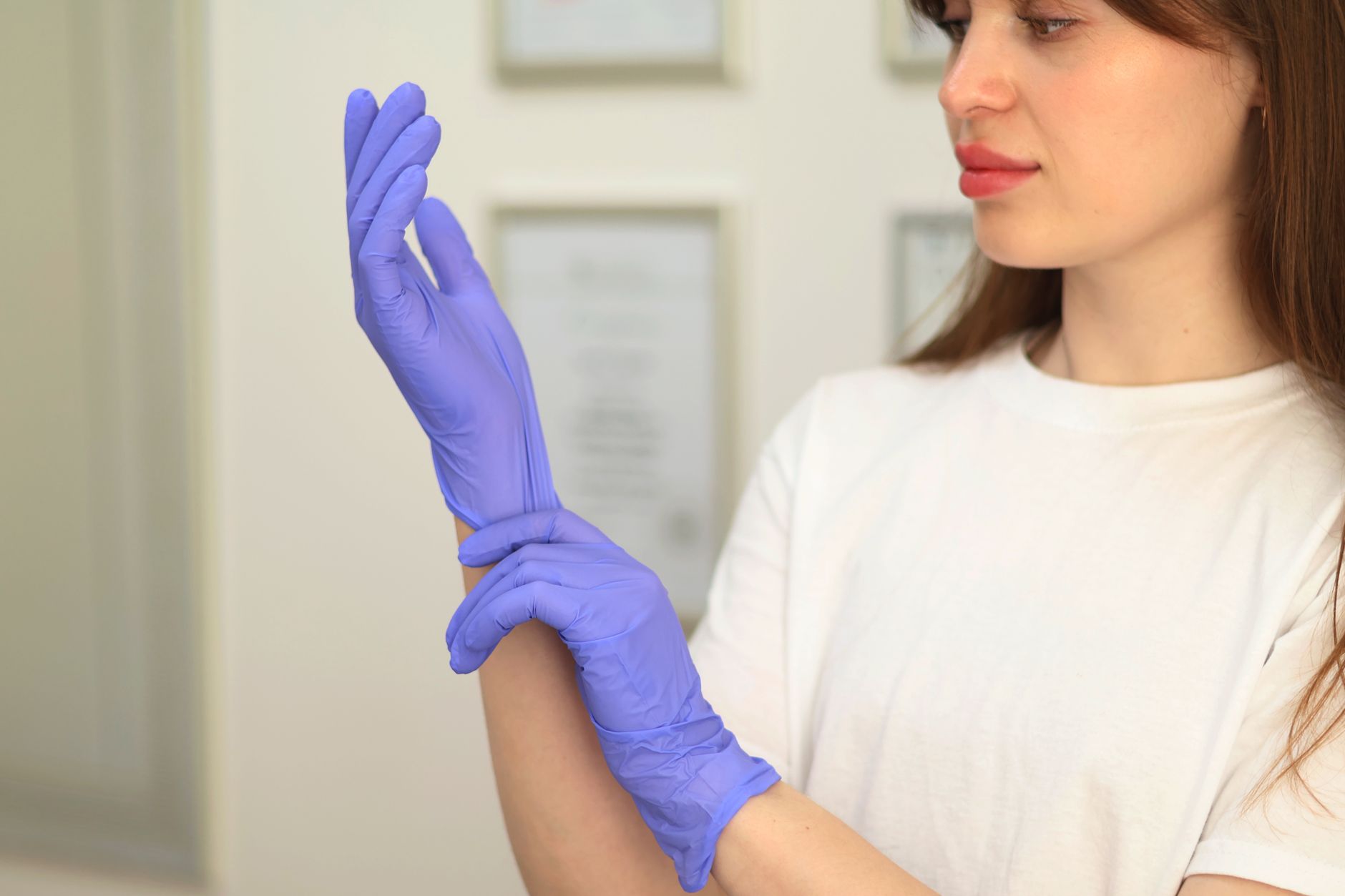
When dealing with hand eczema, the type of gloves you choose can significantly impact your skin’s condition. Sweat inside gloves can worsen hand eczema, making it essential to select gloves that promote breathability, proper fit, and easy maintenance. Let’s explore these factors in detail to help you make informed decisions.
Breathable Materials
One of the most crucial aspects of choosing gloves to minimize eczema is ensuring they are made from breathable materials. Breathable gloves allow air to circulate, reducing the buildup of heat and moisture that can exacerbate eczema symptoms.
Cotton gloves are a popular choice because they are soft, comfortable, and allow air to pass through. However, for tasks that require more durability, consider gloves made from synthetic materials like polyester or nylon blends that offer breathability without compromising on strength.
For those who need to wear gloves for extended periods, such as healthcare workers or those in food service, gloves with a cotton lining can provide an extra layer of comfort and breathability. These liners can be washed regularly, maintaining hygiene and reducing the risk of sweat buildup.
Glove Fit
The fit of your gloves plays a significant role in managing eczema. Gloves that are too tight can restrict blood flow and cause irritation, while gloves that are too loose can allow excessive sweat to accumulate.
When trying on gloves, ensure they fit snugly but comfortably. They should not feel constricting or leave marks on your skin. A proper fit helps in evenly distributing sweat and reducing friction, which can otherwise irritate eczema-prone skin.
For tasks that require dexterity, such as typing or handling small objects, consider gloves with a close fit around the fingertips. This design helps maintain sensitivity and reduces the likelihood of sweat pooling in the palms.
Glove Maintenance Tips
Regular maintenance of your gloves is essential to prevent the buildup of sweat, bacteria, and irritants that can worsen hand eczema. Here are some practical tips to keep your gloves clean and hygienic:
- Wash Frequently: Wash your gloves after each use, especially if they come into contact with chemicals, dirt, or sweat. Use mild detergent and follow the manufacturer’s instructions for care.
- Air Dry: Avoid using a dryer, as high heat can damage the material. Instead, air dry your gloves in a well-ventilated area to maintain their integrity and breathability.
- Store Properly: Keep your gloves in a clean, dry place. Avoid storing them in damp environments, as this can promote the growth of mold and bacteria.
- Rotate Gloves: If you use gloves daily, consider having multiple pairs. Rotating them allows each pair to dry completely before reuse, reducing the risk of sweat and bacteria buildup.
- Inspect Regularly: Check your gloves for signs of wear and tear. Damaged gloves can irritate your skin and are less effective at managing sweat. Replace them as needed to ensure optimal protection.
Incorporating these practices into your routine can help maintain glove hygiene and reduce the likelihood of sweat inside gloves worsening hand eczema. Remember, the goal is to create a barrier that protects your skin without causing additional irritation.
By choosing the right gloves—those made from breathable materials, with a proper fit, and maintained regularly—you can significantly reduce the impact of sweat on your hand eczema. These steps not only help in managing current symptoms but also contribute to long-term skin health.
Maintaining Glove Hygiene to Prevent Eczema
Maintaining glove hygiene is crucial for those who experience hand eczema, especially when considering how sweat inside gloves worsen hand eczema. Proper cleaning, drying, and storage of gloves can significantly reduce the likelihood of flare-ups. Here are some practical tips to help you keep your gloves clean and dry, thereby minimizing the risk of exacerbating your eczema.
Regular Cleaning Routines
Regularly cleaning your gloves is essential to prevent the buildup of sweat, bacteria, and other irritants that can trigger eczema. Depending on the type of gloves you use, the cleaning process may vary.
- Cotton Gloves: These can typically be machine-washed in cold water with a gentle detergent. Avoid using bleach or harsh chemicals, as these can irritate your skin further.
- Nylon or Latex Gloves: Hand-wash these in lukewarm water with mild soap. Rinse thoroughly to ensure no soap residue remains, as this can be irritating.
- Leather Gloves: Wipe these down with a damp cloth and mild soap. Allow them to air dry naturally.
After cleaning, make sure your gloves are completely dry before storing them or wearing them again. Moisture left inside gloves can create a breeding ground for bacteria and fungi, which can worsen eczema.
Drying Methods
Proper drying of gloves is just as important as cleaning them. Moisture trapped inside gloves can lead to increased sweating, which in turn can exacerbate hand eczema. Here are some effective drying methods:
- Air Drying: Lay your gloves flat in a well-ventilated area. Avoid direct sunlight, as this can degrade the material over time.
- Stuffed Drying: For gloves that may lose their shape when laid flat, stuff them with newspaper or a soft cloth to maintain their form while they dry.
- Dehumidifiers: If you live in a particularly humid environment, consider using a dehumidifier in the room where you store your gloves. This can help reduce overall moisture levels.
Avoid using a dryer, as the heat can damage the glove material and may not effectively remove all moisture.
Storage Tips
Proper storage of gloves is another critical factor in maintaining their hygiene and, by extension, your skin health. Here are some storage tips to consider:
- Ventilated Containers: Store your gloves in breathable containers, such as cotton bags or mesh pouches. This allows any remaining moisture to evaporate.
- Avoid Plastic Bags: While plastic bags may seem convenient, they trap moisture and can create a humid environment that promotes bacterial growth.
- Rotate Gloves: If you use gloves frequently, consider having multiple pairs. Rotating them allows each pair to dry completely before being worn again.
- Keep in a Cool, Dry Place: Store your gloves in a cool, dry location away from direct sunlight and heat sources.
By incorporating these cleaning, drying, and storage practices into your routine, you can significantly reduce the chances of sweat inside gloves worsening hand eczema. Remember, the goal is to keep your gloves as clean and dry as possible to create a less irritating environment for your skin.
In addition to these hygiene practices, it’s also beneficial to choose gloves made from materials that allow your skin to breathe. Cotton and other natural fibers are generally better at wicking away moisture compared to synthetic materials. This can help manage sweat more effectively and reduce the risk of eczema flare-ups.
Lastly, pay attention to how your skin reacts to different glove materials and hygiene practices. Everyone’s skin is different, and what works for one person may not work for another. Keeping a journal of your experiences can help you identify what methods are most effective for you in preventing eczema triggered by sweat inside gloves.
The Importance of Moisturizing Skin Under Gloves
Moisturizing your skin before putting on gloves is a crucial step in preventing hand eczema. Proper moisturization helps maintain the skin’s natural barrier, reducing the likelihood of irritation and flare-ups caused by sweat inside gloves. This section will explore the types of moisturizers available, application techniques, and the frequency of use to keep your skin healthy and protected.
Types of Moisturizers
There are various types of moisturizers that can be effective in preventing sweat inside gloves from worsening hand eczema. These include:
- Creams: These are thicker than lotions and provide longer-lasting hydration. They are ideal for dry and sensitive skin.
- Lotions: Lighter than creams, lotions are easily absorbed and suitable for normal to oily skin.
- Ointments: These are the heaviest and most occlusive, providing a protective barrier that locks in moisture. They are excellent for very dry or damaged skin.
- Gels: These are water-based and lightweight, making them suitable for oily skin or those who prefer a non-greasy feel.
When selecting a moisturizer, look for products that are fragrance-free, hypoallergenic, and specifically formulated for sensitive skin. Ingredients like ceramides, hyaluronic acid, and glycerin can be particularly beneficial for reinforcing the skin barrier.
Application Techniques
The way you apply moisturizer can significantly impact its effectiveness. Here are some practical steps to ensure you get the most out of your moisturizer:
- Cleanse First: Wash your hands with a gentle, fragrance-free soap and pat them dry. This removes any dirt or oils that could interfere with moisturizer absorption.
- Apply Generously: Use a sufficient amount of moisturizer to cover all areas of your hands thoroughly. A little goes a long way, but ensure you don’t skimp.
- Massage In: Gently massage the moisturizer into your skin using circular motions. This helps improve absorption and ensures even coverage.
- Focus on Dry Areas: Pay extra attention to areas prone to dryness, such as the knuckles and fingertips. These spots often need a bit more care.
- Allow to Absorb: Give the moisturizer a few minutes to absorb into your skin before putting on your gloves. This ensures it forms a protective layer rather than being wiped away.
Frequency of Use
Consistency is key when it comes to moisturizing to prevent sweat inside gloves from worsening hand eczema. Here’s how often you should moisturize:
- Before Wearing Gloves: Always apply moisturizer before putting on gloves. This creates a protective barrier between your skin and the glove material.
- After Removing Gloves: Reapply moisturizer as soon as you take off your gloves. This helps rehydrate your skin and repair any moisture lost during wear.
- Throughout the Day: If you notice your hands feeling dry or tight, reapply moisturizer. This is especially important if you are frequently putting on and taking off gloves.
Incorporating moisturizer into your daily routine can make a significant difference in managing hand eczema. By choosing the right type of moisturizer, applying it correctly, and maintaining a consistent schedule, you can help protect your skin from the effects of sweat inside gloves and reduce the likelihood of eczema flare-ups.
For example, imagine you are a healthcare worker who needs to wear gloves for extended periods. Before starting your shift, wash your hands, apply a generous amount of a thick ointment, and allow it to absorb. Throughout your shift, take breaks to reapply moisturizer if needed. After your shift, remove your gloves, wash your hands again, and reapply moisturizer to keep your skin hydrated and protected.
By following these steps, you can help ensure that sweat inside gloves does not worsen your hand eczema, allowing you to maintain healthy skin even during prolonged glove use.
Effective Strategies for Managing Sweat Inside Gloves
Managing sweat inside gloves is crucial for those dealing with hand eczema. Excessive sweat can create a moist environment that exacerbates eczema symptoms. This section offers practical strategies to control sweat, ensuring your hands remain comfortable and your eczema is less likely to flare up.
Using Antiperspirants
Applying an antiperspirant to your hands before putting on gloves can significantly reduce sweat production. Look for antiperspirants that are gentle on the skin, especially those formulated for sensitive skin.
Here’s a simple step-by-step guide:
- Choose a gentle, alcohol-free antiperspirant.
- Apply a small amount to your palms and fingers.
- Allow it to dry completely before putting on your gloves.
Remember, antiperspirants work by blocking sweat glands, so it’s essential to use them consistently for the best results. However, if you experience any irritation, discontinue use and consult a healthcare professional.
Choosing Breathable Fabrics
The material of your gloves plays a significant role in managing sweat. Opt for gloves made from breathable fabrics that allow air to circulate, reducing the likelihood of sweat buildup.
Consider these fabric options:
- Cotton: Cotton gloves are soft, breathable, and allow your skin to breathe. They are ideal for everyday use.
- Bamboo: Bamboo fabric is naturally breathable and has antimicrobial properties, which can help keep your hands dry and odor-free.
- Wool: While wool can be warm, it is excellent at wicking away moisture. It’s a good option for colder weather.
Avoid synthetic materials like polyester, which can trap heat and moisture, leading to increased sweating and potential eczema flare-ups.
Incorporating Sweat-Wicking Technologies
Modern glove technologies have advanced to include sweat-wicking properties. These gloves are designed to draw moisture away from your skin, keeping it dry and comfortable.
Here’s how sweat-wicking gloves can benefit you:
- Moisture Management: Sweat-wicking gloves pull moisture away from your skin, reducing the damp environment that can worsen eczema.
- Comfort: These gloves keep your hands dry, preventing the clammy feeling often associated with excessive sweating.
- Odor Control: By managing moisture, sweat-wicking gloves also help control odor, making them more pleasant to wear for extended periods.
When selecting sweat-wicking gloves, look for those specifically designed for sensitive skin or those with eczema. Brands often highlight these features in their product descriptions.
Practical Tips for Managing Sweat
In addition to the strategies mentioned above, here are some practical tips to help manage sweat inside gloves:
- Change Gloves Regularly: If you find your gloves becoming damp, change them as soon as possible to keep your hands dry.
- Layer Wisely: If you need to wear multiple layers of gloves, ensure the innermost layer is made from a breathable material to allow sweat to escape.
- Keep Hands Cool: Avoid activities that cause your hands to overheat. If you’re engaging in physical activity, take breaks to remove your gloves and let your hands air out.
- Moisturize Properly: While moisturizing is essential, ensure your hands are thoroughly dry before putting on gloves to prevent moisture buildup.
By implementing these strategies, you can effectively manage sweat inside gloves, creating a more comfortable environment for your hands and reducing the likelihood of eczema flare-ups. Remember, everyone’s skin is different, so it may take some trial and error to find the best combination of products and practices that work for you.
Alternative Hand Protection Methods for Eczema-Prone Skin
For individuals dealing with hand eczema, the discomfort and irritation caused by sweat inside gloves can be a significant issue. While gloves are often necessary for protection, they can exacerbate symptoms. Fortunately, there are alternative hand protection methods that can be effective without the drawbacks of traditional gloves. This section explores these alternatives, focusing on barrier creams, silicone gloves, and hand wraps.
Barrier Creams
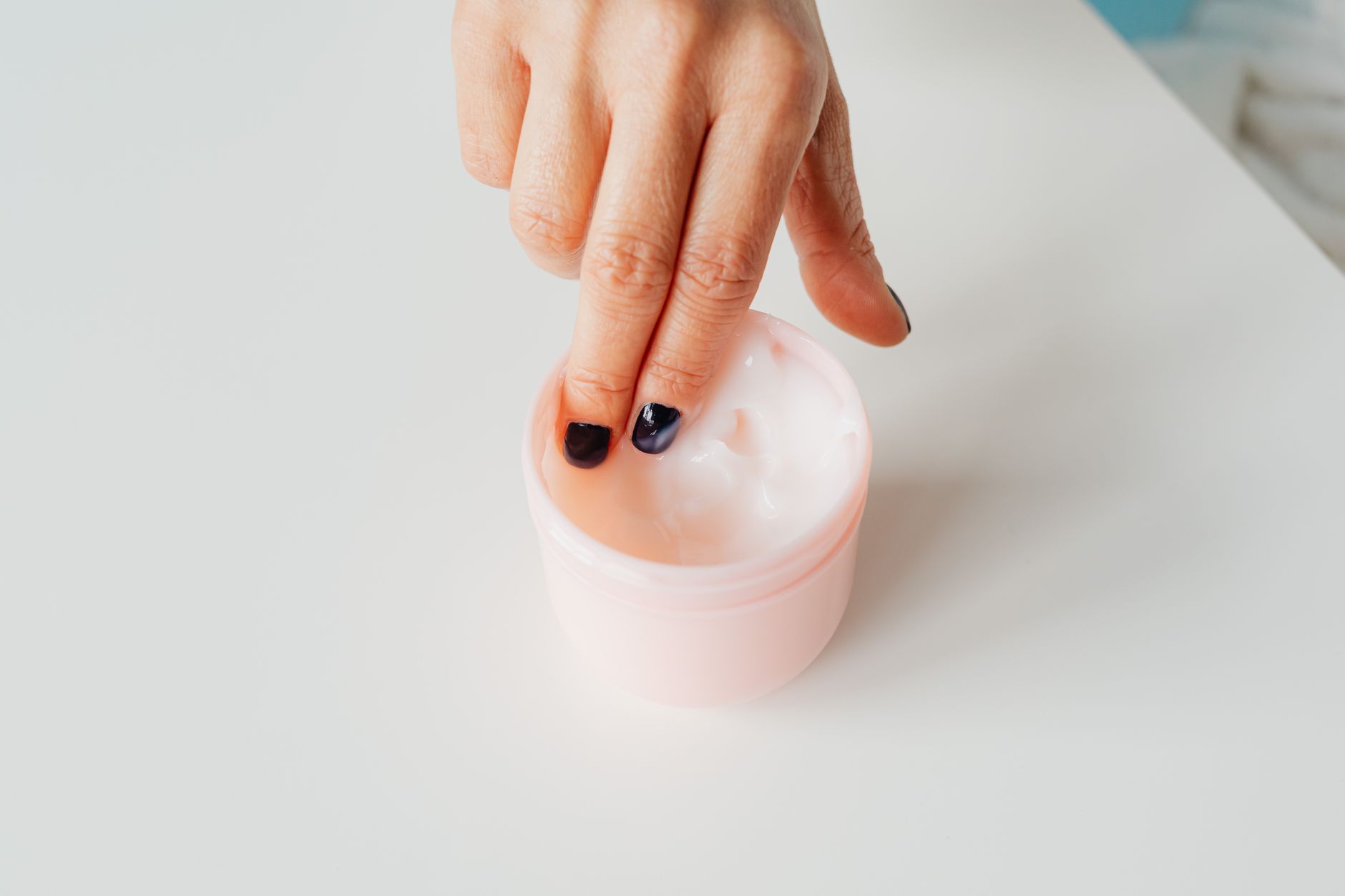
Barrier creams are a popular alternative for protecting eczema-prone skin. These creams create a protective layer on the skin, shielding it from irritants and moisture without the need for gloves. Here’s how they work and how to use them effectively:
- Application: Apply a generous amount of barrier cream to clean, dry hands. Ensure even coverage, paying extra attention to areas prone to eczema flare-ups.
- Reapplication: Reapply the cream as needed, especially after washing your hands or if your hands come into contact with water or irritants.
- Choosing the Right Cream: Look for barrier creams specifically designed for sensitive skin. Ingredients like ceramides, lanolin, and dimethicone are often beneficial.
Barrier creams can be particularly useful in situations where gloves are impractical, such as during short household tasks or when handling food.
Silicone Gloves
Silicone gloves offer a breathable alternative to traditional rubber or latex gloves. They are designed to be more comfortable and less likely to cause sweat buildup, which can worsen hand eczema. Here’s what you need to know about using silicone gloves:
- Breathability: Silicone gloves allow air to circulate, reducing the risk of sweat accumulation. This can help prevent the exacerbation of eczema symptoms.
- Comfort: These gloves are often more flexible and comfortable to wear for extended periods, making them a good option for tasks that require prolonged hand protection.
- Maintenance: Clean silicone gloves regularly to prevent the buildup of bacteria and irritants. Hand wash them with mild soap and water, and allow them to air dry completely before reuse.
Silicone gloves are available in various sizes and can be used for a range of activities, from dishwashing to gardening.
Hand Wraps
Hand wraps provide another alternative for protecting eczema-prone skin. These wraps are typically made from soft, breathable materials that allow the skin to breathe while offering protection. Here’s how to use hand wraps effectively:
- Material: Choose wraps made from cotton or other breathable fabrics. Avoid materials that may cause irritation or trap moisture.
- Application: Wrap your hands gently but securely. Ensure the wraps are snug enough to stay in place but not so tight that they restrict circulation.
- Moisturizing: Apply a moisturizer or barrier cream before wrapping your hands to provide an extra layer of protection and hydration.
Hand wraps can be particularly useful at night to prevent scratching during sleep, which can worsen eczema symptoms.
Practical Steps for Choosing the Right Alternative
When selecting an alternative hand protection method, consider the following steps to ensure you choose the best option for your needs:
- Assess Your Needs: Determine the specific activities for which you need hand protection. Consider the level of exposure to water, chemicals, or other irritants.
- Test Different Options: Try out different barrier creams, silicone gloves, and hand wraps to see which ones provide the best comfort and protection for your skin.
- Consult a Dermatologist: If you’re unsure which alternative is best for you, consult a dermatologist. They can provide personalized recommendations based on your skin’s specific needs.
By exploring these alternative hand protection methods, you can find a solution that works for you without the discomfort and irritation caused by sweat inside traditional gloves. Whether you choose barrier creams, silicone gloves, or hand wraps, the key is to find a method that keeps your skin protected and comfortable.
When to Seek Professional Help for Hand Eczema
While managing sweat inside gloves that worsen hand eczema is crucial, there are times when self-care and at-home treatments may not be enough. Recognizing when to seek professional help is vital for maintaining your skin health and preventing severe flare-ups.
Signs of Severe Eczema
If you notice any of the following signs, it may be time to consult a dermatologist:
- Persistent Itching and Discomfort: If your hand eczema causes relentless itching that disrupts your daily activities or sleep, professional intervention may be necessary.
- Spreading Rash: If the rash spreads beyond your hands to other parts of your body, it’s a sign that the condition may be more severe.
- Blisters and Oozing: The presence of blisters that break open and ooze fluid can indicate a more severe form of eczema that requires medical attention.
- Thickened Skin: Chronic scratching can lead to thickened, leathery skin, a condition known as lichenification, which often requires professional treatment.
- Infection Signs: Redness, warmth, pus, or increased pain can signal a secondary infection, necessitating immediate medical care.
Professional Treatments
Dermatologists can offer a range of treatments to help manage severe hand eczema, including:
- Topical Corticosteroids: These anti-inflammatory creams or ointments can reduce itching and inflammation.
- Calcineurin Inhibitors: These medications can be effective for those who do not respond well to corticosteroids.
- Phototherapy: Controlled exposure to ultraviolet light can help reduce symptoms.
- Systemic Medications: In severe cases, oral medications may be prescribed to manage symptoms.
- Allergen Patch Testing: Identifying specific allergens that trigger your eczema can help in avoiding them.
When Self-Care Is Not Enough
Even with diligent self-care practices, such as maintaining glove hygiene and managing sweat, some individuals may still experience persistent or worsening symptoms. This is particularly true if you’re frequently wearing gloves for work or other activities, which can exacerbate the issue of sweat inside gloves worsening hand eczema.
Consider seeking professional help if:
- You’ve tried various over-the-counter treatments without success.
- Your symptoms significantly impact your quality of life.
- You suspect an infection or other complications.
- You need guidance on advanced sweat management techniques or glove materials.
A dermatologist can provide personalized advice and treatment plans tailored to your specific needs, helping you achieve better control over your hand eczema.
Remember, while self-care is essential, professional help can offer additional strategies and treatments that may not be available over-the-counter. Don’t hesitate to seek help if you feel your condition is not improving with home treatments alone.
Creating a Personalized Care Plan for Hand Eczema
Managing hand eczema effectively often requires a tailored approach. Given the complexities of eczema and its triggers, a personalized care plan can make a significant difference. This section will guide you through the steps of creating a care plan that addresses your unique needs, especially concerning sweat inside gloves worsening hand eczema.
Tracking Symptoms
The first step in creating a personalized care plan is to track your symptoms. Keeping a detailed log can help you identify patterns and triggers. Here’s how you can do it:
- Daily Log: Record the time of day, activities you were engaged in, and the type of gloves you wore. Note any changes in your eczema symptoms, such as increased redness, itching, or dryness.
- Trigger Identification: Pay special attention to when you notice sweat inside your gloves. Note if this correlates with worsening symptoms.
- Environment Factors: Include environmental conditions such as temperature and humidity, as these can affect sweat production.
Adjusting Routines
Once you have a clearer picture of your symptoms and potential triggers, you can start adjusting your routines to minimize flare-ups. Here are some practical steps:
- Glove Selection: Choose gloves made from breathable materials to reduce sweat accumulation. Cotton-lined gloves can be a good option for everyday use.
- Glove Rotation: If you wear gloves frequently, rotate between different pairs to allow them to air out and reduce bacterial growth.
- Moisturizing: Apply a thick moisturizer to your hands before putting on gloves. This can help create a protective barrier and reduce irritation from sweat.
- Breaks from Gloves: Take regular breaks to allow your skin to breathe, especially if you notice increased sweating.
Consulting Healthcare Providers
While self-monitoring and adjustments are crucial, consulting healthcare providers can offer additional insights and support. Here’s how they can help:
- Dermatologist Visits: Regular check-ups with a dermatologist can help you understand your eczema better. They can offer specific advice on managing sweat inside gloves and recommend suitable treatments.
- Allergist Consultation: If you suspect allergies are contributing to your eczema, an allergist can perform tests to identify specific triggers.
- Pharmacist Advice: Pharmacists can provide information on over-the-counter treatments and recommend products that are safe for use under gloves.
Creating a personalized care plan involves ongoing observation and adaptation. By tracking your symptoms, adjusting your routines, and seeking professional advice, you can develop a strategy that effectively manages your hand eczema, particularly when dealing with the challenge of sweat inside gloves worsening hand eczema.
Remember, what works for one person may not work for another. It’s essential to be patient and persistent in finding the right combination of strategies that suit your individual needs.
Frequently asked questions
Can any type of glove worsen hand eczema?
Yes, certain types of gloves can worsen hand eczema. Synthetic materials like latex, nitrile, and neoprene are more likely to cause irritation, especially if you have sensitive skin or allergies. Cotton-lined gloves can trap moisture, leading to increased sweat inside gloves, which can worsen hand eczema. Opt for gloves made from soft, breathable materials like pure cotton or bamboo to minimize irritation.
How often should I clean my gloves to prevent eczema?
To prevent sweat inside gloves from worsening hand eczema, it’s important to clean your gloves regularly. Wash cotton gloves after each use with mild detergent and let them air dry. For rubber or latex gloves, rinse them thoroughly after each use and store them in a well-ventilated area. Regularly cleaning your gloves helps reduce the buildup of sweat and bacteria, which can exacerbate eczema symptoms.
Are there any gloves specifically designed for eczema-prone skin?
Yes, there are gloves specifically designed for eczema-prone skin. Look for gloves labeled as “eczema-friendly” or “dermatologist-recommended.” These gloves are often made from soft, breathable materials like pure cotton or bamboo and are free from dyes and chemicals that can irritate the skin. You can find these gloves online or in stores that specialize in eczema care products.
What are the best moisturizers to use under gloves?
Using a moisturizer under gloves can help protect your skin from irritation and keep it hydrated. Look for thick, ointment-based moisturizers like petroleum jelly or ceramide-rich creams. Apply a generous amount of moisturizer to your hands before putting on gloves. This creates a barrier that can help prevent sweat inside gloves from worsening hand eczema and keeps your skin soft and hydrated.
Can antiperspirants help reduce sweat inside gloves?
Antiperspirants can be effective in reducing sweat inside gloves, which may help lessen the irritation of hand eczema. Apply a small amount of antiperspirant to your hands before wearing gloves. This can help control sweat production and keep your hands drier. However, be cautious with antiperspirants if you have sensitive skin, as they can sometimes cause irritation. Test a small area first to ensure it doesn’t worsen your eczema.
When should I see a dermatologist for hand eczema?
If you notice that your hand eczema is not improving with home care or if it’s becoming more severe, it’s important to see a dermatologist. Signs that indicate professional help is needed include persistent redness, severe itching, painful cracks or blisters, and signs of infection such as increased redness, warmth, or pus. A dermatologist can provide a proper evaluation and recommend treatments to help manage your symptoms effectively.
Use MyEczema.app to track your eczema patterns and daily triggers.
This article is for educational purposes only and is not medical advice. If symptoms are severe, spreading, painful, infected-looking, or affecting sleep and daily life, speak with a qualified healthcare professional.
Sources and further reading
For medical guidance, always rely on a qualified healthcare professional. These educational resources may help readers learn more:
Image credit: Photo by https://kaboompics.com/ on Pexels. Used under the Pexels License.
Image credit: Photo by Anna Keibalo on Pexels. Used under the Pexels License.
Image credit: Photo by https://kaboompics.com/ on Pexels. Used under the Pexels License.