
MyEczema.app guide
Common Eczema Irritants Around the Mouth: What to Avoid
eczema irritants around the mouth: practical tips for tracking triggers, building routines, and supporting eczema-prone skin.
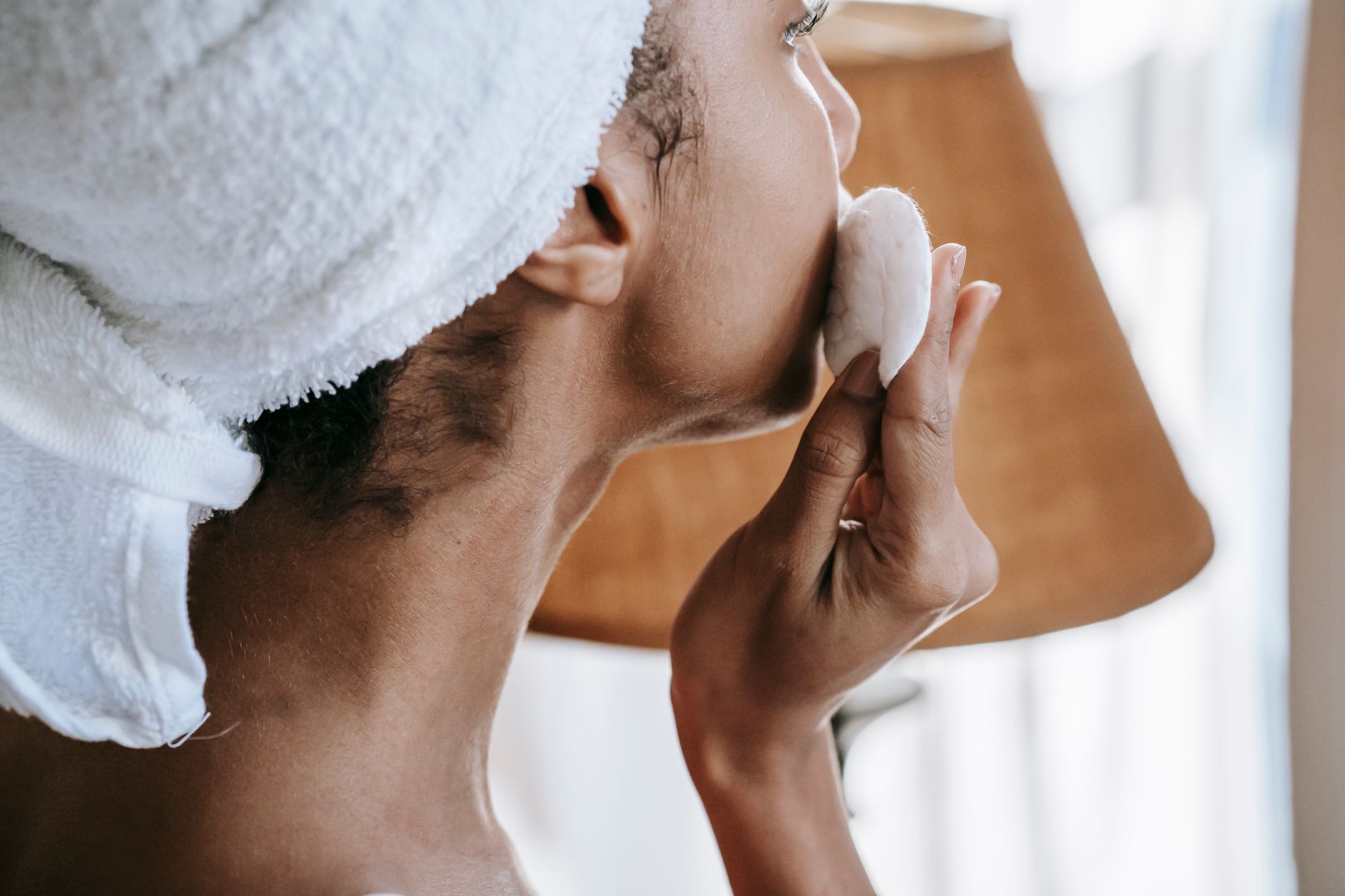
Table of contents
Use this guide as a practical reference and jump to the sections most relevant to you.
- Quick answer
- Key takeaways
- Practical comparison table
- Visual chart
- Related MyEczema.app tool
- Understanding Eczema Around the Mouth
- The Role of Fragrances and Essential Oils
- Alcohol: A Common Eczema Irritants
- Preservatives: Hidden Eczema Triggers
- Natural Doesn’t Always Mean Safe
- How to Read Labels for Eczema-Friendly Products
- Safe Alternatives for Eczema-Prone Skin
- Creating an Eczema-Friendly Daily Routine
- Managing Eczema Flare-Ups Around the Mouth
- Tracking patterns in a simple and useful way
- Frequently asked questions
- Sources and further reading
Eczema, a condition characterized by dry, itchy, and inflamed skin, can be particularly troublesome when it appears around the mouth. This sensitive area is often exposed to a variety of potential irritants, which can exacerbate symptoms. Understanding what ingredients commonly irritate eczema around the mouth is essential for managing this condition effectively. In this article, we’ll explore the specific irritants that can affect eczema-prone skin in this area, offering practical advice on how to avoid them and manage symptoms.
Eczema-prone skin is more susceptible to irritation due to a disrupted skin barrier, which makes it easier for irritants to penetrate and cause inflammation. Factors such as climate, cleansing habits, allergens, and individual triggers can all play a role in exacerbating eczema symptoms. When it comes to the area around the mouth, common irritants include fragrances, alcohol, and certain preservatives. These ingredients can be found in a variety of products, from toothpaste and lip balm to skincare and even certain foods.
To help you navigate the complexities of managing eczema around the mouth, we’ll delve into the specific ingredients that are known to cause irritation. By identifying and avoiding these eczema irritants around the mouth, you can take significant steps toward alleviating discomfort and improving the health of your skin. Remember, while we provide helpful information, it’s important to continue any prescribed treatments and consult with a healthcare professional for personalized advice.
Quick answer
Common irritants around the mouth include fragrances, alcohol, and certain preservatives. Avoiding these can help manage eczema symptoms.
Key takeaways
- Fragrances and essential oils can exacerbate eczema around the mouth.
- Alcohol-based products should be avoided to prevent irritation.
- Preservatives like parabens and formaldehyde releasers can trigger eczema.
- Natural doesn’t always mean safe; some natural ingredients can also irritate eczema.
- Reading labels and choosing eczema-friendly products is crucial for managing symptoms.
Common Irritants vs. Safe Alternatives
| Situation | What it may mean | Practical next step |
|---|---|---|
| Using a scented lip balm | Fragrances can irritate eczema around the mouth. | Switch to a fragrance-free lip balm. |
| Applying an alcohol-based toner | Alcohol can dry out the skin and worsen eczema. | Use a gentle, alcohol-free toner. |
| Using a product with parabens | Parabens are common preservatives that can trigger eczema. | Choose products labeled paraben-free. |
| Applying a natural product with citrus extracts | Some natural ingredients can still irritate eczema. | Opt for eczema-friendly natural products without citrus extracts. |
| Using a product with formaldehyde releasers | Formaldehyde releasers can cause skin irritation. | Select products free from formaldehyde releasers. |
Eczema-Friendly Ingredient Scores
This visual is an educational guide, not a diagnostic score. Use it to decide what may be worth tracking more consistently for this specific topic.
Fragrance-Free
Avoiding fragrances reduces the risk of irritation.
Alcohol-Free
Alcohol-free products are gentler on eczema-prone skin.
Paraben-Free
Paraben-free products are less likely to trigger eczema.
Natural Ingredients
Choose natural ingredients carefully to avoid irritation.
Formaldehyde Releaser-Free
Avoiding formaldehyde releasers helps prevent skin irritation.
Related MyEczema.app tool
Use the Daily Trigger Tracker
The Daily Trigger Tracker helps users record symptoms, possible triggers, skin routine, photos, notes, and trends over time.
For this topic, this tool can help you organize information in a more structured way and turn daily observations into clearer patterns to review over time.
Understanding Eczema Around the Mouth
Eczema, a chronic skin condition characterized by inflamed, itchy, and often broken skin, can manifest in various parts of the body. One particularly sensitive area is around the mouth. This section aims to introduce the topic of eczema around the mouth and explain why it is crucial to identify and avoid certain irritants in this region.
Overview of Eczema
Eczema, also known as atopic dermatitis, affects millions of people worldwide. It is often linked to a combination of genetic and environmental factors. The condition causes the skin to become dry, itchy, and prone to infection. While eczema can appear anywhere on the body, certain areas are more susceptible to irritation and flare-ups.
Specific Challenges of Eczema Around the Mouth
The skin around the mouth is particularly delicate and sensitive. This area is frequently exposed to a variety of substances, including foods, saliva, and skincare products. These exposures can exacerbate eczema symptoms, leading to increased inflammation, redness, and discomfort. Understanding the specific challenges of eczema in this region is essential for effective management.
Importance of Identifying and Avoiding Irritants
One of the most effective ways to manage eczema around the mouth is by identifying and avoiding potential irritants. Eczema irritants around the mouth can vary widely, from certain foods to specific ingredients in skincare products. By being mindful of these triggers, individuals can reduce the frequency and severity of flare-ups.
For instance, some people may experience worsening symptoms after eating spicy foods or citrus fruits. Others might find that certain toothpaste or lip balms aggravate their condition. Being aware of these eczema triggers to avoid is a crucial step in eczema management tips.
In addition to dietary and product-related irritants, environmental factors can also play a role. For example, cold weather or low humidity can dry out the skin, making it more susceptible to eczema flare-ups. Using eczema-friendly products and maintaining a consistent skincare routine can help mitigate these effects.
It’s also important to note that what irritates one person’s eczema may not affect another. Keeping a detailed journal of foods, products, and environmental conditions can help identify personal triggers. This proactive approach is a key component of eczema prevention.
In summary, understanding the specific challenges of eczema around the mouth and the importance of identifying and avoiding irritants is vital for managing this condition effectively. By taking a cautious and informed approach to skincare and lifestyle choices, individuals can reduce the impact of eczema on their daily lives.
In the following sections, we will delve deeper into the common irritants that can exacerbate eczema around the mouth, offering practical advice on how to navigate these challenges. Whether it’s choosing the right eczema-friendly products or making dietary adjustments, every step counts in the journey toward better eczema management.
The Role of Fragrances and Essential Oils
Fragrances and essential oils are common ingredients that can irritate eczema around the mouth. Understanding their impact is crucial for managing eczema flare-ups in this sensitive area. Let’s delve into the specifics of these eczema irritants around the mouth and how to navigate them.
Common Fragrance Ingredients to Avoid
Fragrances in skincare products can be a hidden source of irritation. Many fragrances contain a mix of chemicals that can trigger eczema. Here are some common fragrance ingredients to be cautious of:
- Linalool: Often found in lavender and other floral scents.
- Limonene: Commonly used in citrus-scented products.
- Benzyl Alcohol: A preservative that can also act as a fragrance.
- Eugenol: Found in clove and cinnamon scents.
- Coumarin: Used in vanilla and tonka bean fragrances.
These ingredients can be listed under generic terms like “parfum” or “fragrance” on product labels, making it challenging to identify them. Reading ingredient lists carefully is essential for those with sensitive skin.
How Essential Oils Can Trigger Eczema
Essential oils are concentrated plant extracts often used for their aromatic qualities and purported therapeutic benefits. However, they can also be potent eczema irritants around the mouth. Here’s why:
Essential oils are highly concentrated, and even small amounts can cause significant reactions in sensitive individuals. They can be particularly problematic for those with eczema because:
- High Potency: The concentration of active compounds in essential oils can be much higher than in other products, increasing the risk of irritation.
- Allergenic Potential: Many essential oils contain allergens that can trigger eczema flare-ups. For example, tea tree oil, while popular for its antimicrobial properties, can cause allergic reactions in some people.
- Sensitization: Repeated exposure to certain essential oils can lead to increased sensitivity over time, making eczema symptoms worse.
It’s important to approach essential oils with caution, especially if you have a history of eczema flare-ups. Patch testing new products, even those marketed as natural or eczema-friendly, is a good practice.
Practical Tips for Fragrance-Free Skincare
Choosing fragrance-free products is one of the best ways to avoid eczema irritants around the mouth. Here are some practical steps to help you make eczema-friendly choices:
- Read Labels Carefully: Look for products labeled “fragrance-free” or “unscented.” Be wary of terms like “natural fragrance” or “essential oil blend,” as these can still contain irritating ingredients.
- Opt for Hypoallergenic Products: Hypoallergenic products are formulated to minimize the risk of allergic reactions. They are often free from common irritants like fragrances and dyes.
- Choose Simple Ingredient Lists: Products with fewer ingredients are less likely to contain hidden irritants. Aim for products with five to ten ingredients rather than lengthy lists.
- Test New Products: Before incorporating a new product into your routine, test it on a small area of skin, away from the mouth, to ensure it doesn’t cause a reaction.
- Consider Eczema-Friendly Brands: Some brands specialize in eczema-friendly products. Research and reviews can help you find reliable options.
For example, when selecting a lip balm, choose one that is specifically designed for sensitive skin and free from fragrances and essential oils. Brands that offer eczema-friendly products often provide detailed ingredient information and may even have certifications from eczema associations.
In summary, being mindful of fragrances and essential oils in your skincare routine can significantly reduce the risk of eczema flare-ups around the mouth. By opting for fragrance-free, hypoallergenic products and carefully reading ingredient lists, you can create a safer skincare regimen that helps manage eczema more effectively.
Alcohol: A Common Eczema Irritants
When it comes to managing eczema around the mouth, understanding the potential irritants is crucial. One of the most common culprits is alcohol. Alcohol-based products can exacerbate eczema symptoms, leading to increased irritation and discomfort. Let’s delve into why alcohol is problematic for eczema-prone skin and explore some alternatives.
Types of Alcohol in Skincare Products
Alcohol can appear in various forms in skincare products. The most common types include:
- Ethanol: Often found in toners and astringents.
- Isopropyl Alcohol: Commonly used in rubbing alcohol and some hand sanitizers.
- SD Alcohol: A generic term for denatured alcohol, often found in lotions and creams.
- Benzyl Alcohol: Used as a preservative in many cosmetic products.
- Fragrance Alcohols: Including compounds like phenoxyethanol, which are used to enhance scent.
These alcohols can be harsh on the skin, especially for those with eczema.
How Alcohol Dries Out the Skin
Alcohol is a drying agent. When applied to the skin, it evaporates quickly, which can strip away natural oils and moisture. This process leaves the skin feeling tight and dry, which is particularly problematic for individuals with eczema. Dry skin can lead to:
- Increased itching
- Flaking and scaling
- Cracking and bleeding in severe cases
For eczema around the mouth, this can be especially uncomfortable and painful. The skin in this area is already sensitive, and alcohol can exacerbate these sensitivities, leading to more frequent eczema flare-ups.
Alternatives to Alcohol-Based Products
Thankfully, there are plenty of eczema-friendly products that do not contain alcohol. When choosing skincare items, look for the following alternatives:
- Alcohol-Free Toner: Opt for toners that are specifically labeled as alcohol-free. These often contain soothing ingredients like aloe vera or chamomile.
- Gentle Cleansers: Use mild, fragrance-free cleansers that are designed for sensitive skin. Ingredients like ceramides and hyaluronic acid can help maintain the skin’s moisture barrier.
- Moisturizers: Choose thick, emollient-rich moisturizers. Look for products containing ingredients like shea butter, glycerin, and oatmeal, which help lock in moisture.
- Hand Sanitizers: If you must use hand sanitizer, choose one that is alcohol-free. Many brands now offer sanitizers with benzalkonium chloride or other non-alcohol-based antimicrobial agents.
When shopping for eczema-friendly products, always read the ingredient list carefully. Avoid products that list any form of alcohol near the top of the list, as this indicates a higher concentration.
For example, if you’re dealing with eczema around the mouth, consider switching to an alcohol-free lip balm. Many lip balms contain alcohol to help the product spread easily, but this can dry out the delicate skin around your mouth. Instead, choose a balm with emollient ingredients like lanolin or beeswax.
Another practical step is to be cautious with over-the-counter medications. Some topical creams and ointments contain alcohol as a solvent. Always check the ingredient list and consult with a healthcare provider if you’re unsure about a product.
In summary, alcohol is a common irritant that can worsen eczema around the mouth. By being mindful of the products you use and opting for alcohol-free alternatives, you can help prevent eczema flare-ups and maintain healthier, more comfortable skin.
Preservatives: Hidden Eczema Triggers
When it comes to managing eczema around the mouth, understanding the role of preservatives is crucial. Preservatives are added to skincare products to extend shelf life by preventing bacterial growth. However, certain preservatives can exacerbate eczema symptoms, making it important to be vigilant about what you apply to your skin.
Parabens and Their Effects on Eczema
Parabens are a group of preservatives commonly found in many skincare and cosmetic products. While they are effective at preventing microbial growth, they can be problematic for individuals with eczema. Parabens have been linked to skin irritation and may trigger eczema flare-ups.
For those dealing with eczema around the mouth, parabens can be particularly troublesome. The skin in this area is delicate and more prone to irritation. Products containing parabens, such as certain toothpastes, lip balms, and facial creams, can lead to increased redness, itching, and discomfort.
To avoid parabens, look for products labeled “paraben-free.” Reading ingredient lists carefully can help you identify and steer clear of these potential eczema irritants around the mouth.
Formaldehyde Releasers and Skin Irritation
Formaldehyde releasers are another category of preservatives that can pose issues for eczema-prone skin. These chemicals release formaldehyde, which is a known irritant and can exacerbate eczema symptoms.
Common formaldehyde releasers include quaternium-15, DMDM hydantoin, and diazolidinyl urea. These ingredients are often found in toothpaste, mouthwash, and certain skincare products. For individuals with eczema, exposure to these preservatives can lead to increased inflammation and discomfort around the mouth.
To minimize the risk of irritation, opt for products that are free from formaldehyde releasers. Many eczema-friendly products are now available, specifically formulated to be gentle on sensitive skin.
Safe Preservative Alternatives
Fortunately, there are safer preservative alternatives that can be used in eczema-friendly products. These alternatives are less likely to cause irritation and can help maintain product integrity without compromising skin health.
- Phenoxyethanol: A common alternative to parabens, phenoxyethanol is generally considered safe for most people with eczema. However, it’s always a good idea to patch test new products to ensure they don’t cause a reaction.
- Caprylyl Glycol: This ingredient is both a preservative and a moisturizer, making it a dual-benefit addition to eczema-friendly products. It is typically well-tolerated by sensitive skin.
- Ethylhexylglycerin: Often used in combination with other preservatives, ethylhexylglycerin helps boost the effectiveness of the preservative system while being gentle on the skin.
When shopping for eczema-friendly products, look for these safer preservative alternatives. Brands that prioritize eczema skincare often list these ingredients prominently, making it easier for you to make informed choices.
In addition to choosing the right preservatives, it’s important to adopt a holistic approach to eczema management. This includes maintaining a consistent skincare routine, avoiding known triggers, and seeking out products specifically designed for eczema-prone skin.
For example, if you experience eczema around the mouth, consider switching to a paraben-free, fragrance-free toothpaste and lip balm. These small changes can make a significant difference in reducing irritation and preventing flare-ups.
Remember, everyone’s skin is different, and what works for one person may not work for another. Keeping a skincare journal can help you track which products and ingredients trigger your eczema, allowing you to make more informed decisions about your eczema prevention strategy.
Natural Doesn’t Always Mean Safe
When searching for eczema-friendly products, many people turn to natural ingredients, believing they are inherently safer. However, it’s essential to understand that “natural” doesn’t always equate to “safe,” especially when dealing with eczema irritants around the mouth. Some natural ingredients can still cause irritation and exacerbate eczema symptoms.
Common Natural Irritants
Several natural ingredients are known to trigger eczema flare-ups. These include:
- Citrus Extracts: While citrus fruits are nutritious, their extracts can be highly irritating to sensitive skin. Ingredients like lemon, lime, and orange extracts should be avoided in products used around the mouth.
- Menthol and Camphor: Often found in natural cooling products, these ingredients can cause stinging and irritation on eczema-prone skin.
- Eucalyptus Oil: Though popular in aromatherapy, eucalyptus oil can be a potent irritant for those with eczema.
- Tea Tree Oil: Despite its antimicrobial properties, tea tree oil can cause allergic reactions and irritation in some individuals.
- Nut Oils: Oils derived from nuts, such as almond or walnut oil, can trigger allergic reactions and should be used with caution.
How to Read Labels for Hidden Irritants
Reading product labels carefully is crucial to avoid eczema irritants around the mouth. Here are some tips to help you identify potential triggers:
- Look for “Fragrance-Free” Labels: Products labeled as “fragrance-free” are less likely to contain hidden irritants. However, be cautious of terms like “fragrance from natural essential oils,” as these can still include problematic ingredients.
- Check for Specific Allergens: If you have known allergies, look for these on the ingredient list. Common allergens include nuts, citrus, and specific essential oils.
- Be Wary of “Natural” Claims: The term “natural” is not regulated, so it doesn’t guarantee a product is safe for eczema. Always read the full ingredient list.
- Research Ingredients: Use resources like the EWG Skin Deep Database to learn more about specific ingredients and their potential to cause irritation.
Choosing Truly Eczema-Friendly Natural Products
Selecting the right natural products for eczema-prone skin requires careful consideration. Here are some steps to ensure you’re choosing eczema-friendly options:
- Opt for Certified Products: Look for products certified by organizations like the National Eczema Association (NEA). These certifications indicate that the product has been tested and deemed safe for eczema-prone skin.
- Choose Simple Ingredient Lists: Products with fewer ingredients are less likely to contain hidden irritants. Aim for formulations with five to ten ingredients.
- Patch Test New Products: Before applying a new product to a large area, perform a patch test. Apply a small amount to a discreet area of skin and wait 24-48 hours to check for any adverse reactions.
- Consult with a Dermatologist: If you’re unsure about an ingredient, consult with a dermatologist who specializes in eczema. They can provide personalized recommendations based on your skin’s needs.
- Read Reviews and Seek Recommendations: Look for reviews from other eczema sufferers. Online forums and support groups can be valuable resources for finding products that work well for sensitive skin.
In conclusion, while natural ingredients can offer many benefits, they are not automatically safe for everyone, especially those with eczema. By understanding common natural irritants, reading labels carefully, and choosing certified, simple, and tested products, you can better manage eczema around the mouth and reduce the risk of flare-ups.
How to Read Labels for Eczema-Friendly Products
Choosing the right products is crucial for managing eczema, especially when dealing with eczema irritants around the mouth. Reading labels carefully can help you identify safe and effective products. Here’s how to navigate ingredient lists and make informed choices.
Key Ingredients to Look For and Avoid
When scanning labels for eczema-friendly products, certain ingredients stand out as either beneficial or potentially harmful. Here are some key ingredients to be aware of:
- Look for: Products labeled “fragrance-free,” “hypoallergenic,” or “for sensitive skin.” Ingredients like ceramides, glycerin, and hyaluronic acid are often beneficial for eczema-prone skin.
- Avoid: Common irritants include fragrances, essential oils, alcohol, and certain preservatives like parabens and formaldehyde releasers. These can exacerbate eczema symptoms around the mouth.
Understanding INCI Names
Ingredients on product labels are listed using International Nomenclature of Cosmetic Ingredients (INCI) names. Understanding these names can help you identify potential irritants.
For example:
- Parfum or Fragrance indicates the presence of fragrance, which can be a trigger for eczema.
- Alcohol or Ethanol suggests the product contains drying alcohol, which may irritate eczema-prone skin.
- Parabens (such as methylparaben, propylparaben) are preservatives that some people with eczema may react to.
Practical Tips for Label Reading
Reading labels doesn’t have to be overwhelming. Here are some practical steps to help you choose eczema-friendly products:
- Start with the basics: Look for products specifically designed for sensitive skin or those marketed towards eczema sufferers. These often have simpler ingredient lists.
- Check the top ingredients: The first few ingredients listed are used in the highest concentrations. If potential irritants are at the top, it may be best to avoid the product.
- Beware of “natural” claims: Just because a product is labeled “natural” doesn’t mean it’s safe for eczema. Always check the ingredient list for potential irritants.
- Look for certifications: Certifications like “Eczema Association for Science and Education (EASE) Seal of Acceptance” can indicate that a product has been reviewed for eczema-friendliness.
- Patch test new products: Before using a new product on your face, do a patch test on a small area of skin to ensure it doesn’t cause a reaction.
For instance, if you’re considering a new lip balm, check the label for ingredients like beeswax, shea butter, and vitamin E, which are generally safe for eczema. Avoid products with menthol, camphor, or artificial fragrances, as these can irritate the delicate skin around the mouth.
Another example is choosing a toothpaste. Opt for brands that offer fluoride-free and SLS-free options, as these ingredients can sometimes exacerbate eczema symptoms. Look for toothpastes with simple, recognizable ingredients like calcium carbonate and xylitol.
By taking the time to read labels and understand ingredient lists, you can better navigate the world of skincare and make choices that support your eczema management. This careful approach can help reduce the risk of eczema flare-ups and keep the skin around your mouth healthy and comfortable.
Safe Alternatives for Eczema-Prone Skin
Finding safe alternatives for eczema-prone skin is crucial to managing eczema irritants around the mouth. By switching to eczema-friendly products and avoiding known triggers, you can significantly reduce the frequency and severity of flare-ups. Here, we explore some practical and effective alternatives that can help keep your skin calm and irritation-free.
Eczema-Friendly Skincare Products
When selecting skincare products for eczema-prone skin, it’s important to choose formulations that are free from common irritants. Look for products labeled as “fragrance-free,” “hypoallergenic,” and “dermatologist-tested.”
Some key ingredients to seek out include:
- Ceramides: These lipids help restore the skin barrier and retain moisture.
- Aloe Vera: Known for its soothing and anti-inflammatory properties.
- Colloidal Oatmeal: Provides relief from itching and irritation.
- Shea Butter: Offers deep moisturization without clogging pores.
Examples of trusted brands that offer eczema-friendly products include Cetaphil, Vanicream, and Aveeno. Always check the ingredient list to ensure the product is free from potential eczema irritants around the mouth.
DIY Eczema-Safe Recipes
Creating your own skincare products can be a rewarding way to ensure you’re using only safe, eczema-friendly ingredients. Here are a couple of simple DIY recipes you can try:
DIY Oatmeal Bath
Oatmeal baths can soothe irritated skin and provide relief from eczema symptoms. To make your own oatmeal bath:
- Grind 1 cup of plain, unflavored oats into a fine powder using a blender or food processor.
- Sprinkle the oat powder into a warm bath and stir well to disperse it.
- Soak in the bath for 15-20 minutes.
- Pat your skin dry with a soft towel after the bath.
This simple treatment can help reduce itching and inflammation.
DIY Aloe Vera and Honey Mask
Aloe vera and honey have natural soothing and moisturizing properties. To create this mask:
- Mix 2 tablespoons of aloe vera gel with 1 tablespoon of raw honey.
- Apply the mixture to your face, avoiding the eye area.
- Leave it on for 15-20 minutes.
- Rinse off with lukewarm water and pat your skin dry.
This mask can help hydrate and calm irritated skin.
Recommended Brands for Eczema Care
Several brands specialize in creating products tailored for eczema-prone skin. Here are some recommended brands to consider:
Cetaphil
Cetaphil offers a range of gentle, fragrance-free products suitable for sensitive skin. Their moisturizing lotions and cleansers are popular choices among those with eczema.
Vanicream
Vanicream products are free from dyes, fragrances, and other common allergens. Their moisturizers and cleansers are designed to be gentle on eczema-prone skin.
Aveeno
Aveeno incorporates natural ingredients like colloidal oatmeal into their products. Their eczema therapy line is specifically formulated to soothe and protect sensitive skin.
First Aid Beauty
First Aid Beauty offers a variety of products that are free from fragrances, dyes, and other potential irritants. Their Ultra Repair Cream is a popular choice for intense moisturization.
La Roche-Posay
La Roche-Posay creates products that are dermatologist-recommended and suitable for sensitive skin. Their Lipikar line is particularly beneficial for those with eczema.
When choosing products, always read the labels carefully to ensure they are free from potential eczema irritants around the mouth. Additionally, consider patch-testing new products on a small area of skin before applying them more broadly to ensure they don’t cause a reaction.
By opting for these safe alternatives, you can better manage your eczema and reduce the likelihood of flare-ups. Remember, consistency is key, so incorporating these eczema-friendly products into your daily skincare routine can make a significant difference in the health and comfort of your skin.
Creating an Eczema-Friendly Daily Routine
Building an effective daily routine is essential for managing eczema around the mouth. By carefully selecting products and incorporating safe practices, you can minimize exposure to eczema irritants around the mouth and help maintain calm, healthy skin.
Morning and Evening Routines
A consistent morning and evening routine can help prevent eczema flare-ups. Here’s a step-by-step guide to crafting an eczema-friendly daily regimen:
Morning Routine
- Gentle Cleansing: Start with a mild, fragrance-free cleanser. Avoid harsh soaps or products containing alcohol, as these can strip the skin of its natural oils and exacerbate eczema symptoms. Look for eczema-friendly products specifically designed for sensitive skin.
- Moisturizing: After cleansing, apply a thick, fragrance-free moisturizer. Opt for products containing ceramides or other hydrating ingredients to help restore the skin’s barrier function. This step is crucial in preventing dryness and irritation.
- Sun Protection: If you’re going outside, apply a broad-spectrum, mineral-based sunscreen. Chemical sunscreens can sometimes irritate eczema-prone skin, so mineral options with zinc oxide or titanium dioxide are generally safer.
Evening Routine
- Double Cleansing: Begin with an oil-based cleanser to remove makeup and sunscreen, followed by a gentle, fragrance-free cleanser to ensure all residues are washed away. This double-cleansing method helps keep pores clear and reduces the risk of irritation.
- Hydrating Serum: Apply a hydrating serum free from common irritants. Ingredients like hyaluronic acid can help lock in moisture without causing irritation.
- Intensive Moisturizing: Finish with a richer moisturizer to help repair the skin barrier overnight. Products containing ingredients like colloidal oatmeal or shea butter can provide extra nourishment.
Incorporating Safe Products
Choosing the right products is key to avoiding eczema irritants around the mouth. Here are some tips for selecting safe, eczema-friendly products:
- Read Labels Carefully: Look for products labeled “fragrance-free,” “hypoallergenic,” or “for sensitive skin.” Avoid those containing alcohol, artificial fragrances, and harsh preservatives.
- Patch Test New Products: Before incorporating a new product into your routine, perform a patch test. Apply a small amount to a discreet area of skin and wait 24-48 hours to check for any adverse reactions.
- Consult a Dermatologist: If you’re unsure about which products to use, consult a dermatologist who specializes in eczema. They can recommend specific brands and formulations that are safe for your skin.
Additional Tips for Maintaining Eczema-Friendly Skin
Beyond your daily routine, several additional practices can help you manage eczema around the mouth effectively:
- Avoid Hot Water: When washing your face or hands, use lukewarm water instead of hot water, which can strip the skin of its natural oils and worsen eczema.
- Be Mindful of Diet: While no specific diet helps manage eczema-prone skin, certain foods may trigger flare-ups in some individuals. Common triggers include dairy, gluten, and nuts. Keeping a food diary can help you identify any dietary triggers.
- Manage Stress: Stress can exacerbate eczema symptoms. Incorporate stress-reducing activities into your daily routine, such as yoga, meditation, or simply taking a few minutes each day to relax and breathe.
- Stay Hydrated: Drinking plenty of water helps keep your skin hydrated from the inside out. Aim for at least eight glasses of water a day.
- Use a Humidifier: Dry air can worsen eczema. Using a humidifier in your home, especially during the winter months, can help maintain moisture in the air and on your skin.
By following these steps and being mindful of potential eczema irritants around the mouth, you can create a daily routine that supports healthy, calm skin. Remember, consistency is key, and it may take some time to find the perfect combination of products and practices that work for you.
Managing Eczema Flare-Ups Around the Mouth
Eczema flare-ups around the mouth can be particularly uncomfortable and noticeable. Managing these flare-ups effectively is crucial for maintaining comfort and confidence. This section provides practical advice on how to manage and soothe eczema flare-ups in this sensitive area, focusing on both immediate relief measures and long-term management strategies.
Immediate Relief Measures
When an eczema flare-up occurs around the mouth, taking immediate action can help alleviate discomfort and prevent the situation from worsening. Here are some steps you can take:
- Cold Compress: Applying a cold compress can help reduce inflammation and soothe irritated skin. Wrap a few ice cubes in a clean cloth and gently place it on the affected area for a few minutes.
- Moisturize: Use a gentle, eczema-friendly moisturizer to hydrate the skin. Look for products free from common irritants and fragrances. Applying moisturizer immediately after a bath or shower can lock in moisture.
- Avoid Touching or Scratching: Itching can exacerbate eczema symptoms. Try to keep your hands away from the affected area. If necessary, wear gloves or use a barrier, like a soft cloth, to prevent scratching.
- Hydration: Drink plenty of water to keep your skin hydrated from the inside out. Hydrated skin is less prone to irritation and flare-ups.
Long-Term Management Strategies
While immediate relief measures are essential, long-term strategies are crucial for preventing frequent eczema flare-ups around the mouth. Here are some effective strategies:
- Identify and Avoid Triggers: Keep a journal to track what might be triggering your eczema. Common triggers include certain foods, environmental factors, and skincare products. Once identified, try to avoid these triggers as much as possible.
- Gentle Skincare Routine: Adopt a gentle skincare routine using eczema-friendly products. Avoid harsh soaps and opt for fragrance-free, hypoallergenic cleansers and moisturizers. Reading labels carefully can help you avoid potential irritants.
- Protective Barrier: Using a protective barrier cream can help shield the skin around your mouth from irritants. These creams create a barrier that prevents moisture loss and protects against external irritants.
- Healthy Diet: A balanced diet rich in anti-inflammatory foods can support overall skin health. Foods high in omega-3 fatty acids, like salmon and flaxseeds, can be particularly beneficial.
- Stress Management: Stress can exacerbate eczema symptoms. Incorporate stress-reducing activities into your routine, such as yoga, meditation, or spending time in nature.
When to Seek Professional Help
While many eczema flare-ups can be managed at home, there are times when professional help is necessary. Consider seeking medical advice if:
- Severe Symptoms: If your eczema around the mouth is severe, with intense itching, bleeding, or oozing, it’s important to consult a healthcare provider.
- No Improvement: If your flare-ups do not improve with home care or over-the-counter treatments, a dermatologist can provide further guidance and prescription options.
- Frequent Flare-Ups: If you experience frequent eczema flare-ups, a healthcare provider can help identify underlying triggers and develop a comprehensive management plan.
- Secondary Infections: Signs of a secondary infection, such as increased redness, warmth, or pus, require medical attention to prevent complications.
Managing eczema flare-ups around the mouth involves a combination of immediate relief measures and long-term strategies. By identifying and avoiding triggers, adopting a gentle skincare routine, and seeking professional help when needed, you can effectively manage eczema and improve your quality of life.
Tracking patterns in a simple and useful way
Identifying and avoiding eczema irritants around the mouth is a critical step in managing this condition. However, knowing which specific triggers affect you can be challenging. Tracking patterns is a practical approach to gaining insights into what might be causing your eczema flare-ups. Here are some simple, reader-friendly troubleshooting steps you can take to track and understand your eczema patterns.
Start a Symptom Journal
One of the most effective ways to track patterns is by maintaining a symptom journal. This can be a simple notebook or a digital app where you record daily information about your eczema. Note the following:
- Date and Time: When did the flare-up occur?
- Severity: How severe was the flare-up on a scale of 1 to 10?
- Location: Where on your face did the flare-up appear?
- Triggers: What products did you use that day? Did you eat any new foods? Were you exposed to any potential allergens?
- Relief Measures: What did you do to alleviate the symptoms?
Over time, patterns may emerge that can help you identify specific eczema irritants around the mouth.
Use a Simple Rating System
To make tracking easier, use a simple rating system for your symptoms. For example:
- 1-3: Mild symptoms, such as slight redness or minor itching.
- 4-6: Moderate symptoms, including noticeable redness, itching, and some discomfort.
- 7-10: Severe symptoms, such as intense itching, significant redness, swelling, or oozing.
This rating system allows you to quickly assess the severity of your eczema and note any changes over time.
Identify Potential Triggers
While tracking your symptoms, pay close attention to potential triggers. Common eczema irritants around the mouth include certain skincare products, foods, and environmental factors. Here are some examples:
- Skincare Products: Note any new creams, lotions, or makeup you’ve started using.
- Foods: Record any new or unusual foods you’ve eaten, especially those known to trigger eczema, such as dairy, nuts, or gluten.
- Environmental Factors: Take note of changes in weather, humidity, or exposure to irritants like smoke or pollution.
By identifying these potential triggers, you can make more informed decisions about what to avoid.
Experiment with Elimination
Once you’ve identified potential triggers, consider an elimination approach. This involves removing suspected irritants from your routine one at a time to see if your symptoms improve. For example:
- Stop using a specific lipstick or lip balm for a week and observe any changes.
- Avoid a particular food, such as dairy, for a week and note the results.
This method can help you pinpoint exact eczema irritants around the mouth and make necessary adjustments to your routine.
Consult a Healthcare Professional
While tracking patterns can provide valuable insights, it’s important to consult a healthcare professional for a comprehensive evaluation. They can offer additional guidance, recommend eczema-friendly products, and suggest further steps for managing your condition. If you notice severe or persistent symptoms, seek professional advice promptly.
Practical Tips for Tracking
Here are some additional tips to make tracking patterns more effective:
- Be Consistent: Record your symptoms and potential triggers daily, even on days when you feel fine.
- Use Technology: Consider using apps designed for tracking eczema symptoms. These can offer reminders and make data analysis easier.
- Share with Your Doctor: Bring your symptom journal to appointments to discuss patterns and get professional insights.
By taking these simple practical steps, you can better understand your eczema and make informed decisions to avoid irritants and manage flare-ups effectively.
Frequently asked questions
What are the most common irritants for eczema around the mouth?
The most common irritants for eczema around the mouth include fragrances, alcohol, and preservatives. Fragrances can be particularly harsh and may exacerbate eczema symptoms. Alcohol can dry out the skin, making eczema worse. Preservatives, such as parabens, can also trigger irritation. It’s important to read product labels carefully and avoid these ingredients to help manage eczema irritants around the mouth.
How can I tell if a product is safe for eczema-prone skin?
To determine if a product is safe for eczema-prone skin, look for labels that say “fragrance-free,” “hypoallergenic,” or “for sensitive skin.” Additionally, check the ingredient list for potential irritants like alcohol, fragrances, and certain preservatives. Products specifically designed for eczema often highlight these features to help you make an informed choice.
Are there any natural ingredients I should avoid if I have eczema?
Yes, some natural ingredients can still irritate eczema-prone skin. Essential oils, for example, can be potent and may cause a reaction. Citrus extracts and certain nuts can also be problematic. When choosing natural products, look for those that are specifically formulated for sensitive skin and free from common allergens.
What should I do if I experience a flare-up around my mouth?
If you experience a flare-up around your mouth, immediately stop using any new products you’ve recently introduced. Gently cleanse the area with a mild, fragrance-free cleanser and apply a soothing, fragrance-free moisturizer. If the flare-up persists, consider using a gentle topical treatment recommended by a healthcare professional. Keeping a diary of your symptoms and triggers can also help identify what might be causing the flare-ups.
Can diet affect eczema around the mouth?
Diet can play a role in eczema symptoms for some individuals. Common food triggers include dairy, eggs, nuts, and gluten. Keeping a food diary can help you identify any correlations between your diet and eczema flare-ups. If you suspect certain foods are triggering your symptoms, consider consulting a healthcare professional for personalized advice.
Where can I find support and resources for managing eczema?
There are many resources available to help you manage eczema. Online communities, such as forums and social media groups, can provide support and share experiences. Professional organizations like the National Eczema Association offer educational materials and resources. Additionally, tracking apps like MyEczema.app can help you monitor your symptoms and identify patterns.
Use MyEczema.app to track your eczema patterns and daily triggers.
This article is for educational purposes only and is not medical advice. If symptoms are severe, spreading, painful, infected-looking, or affecting sleep and daily life, speak with a qualified healthcare professional.
Sources and further reading
For medical guidance, always rely on a qualified healthcare professional. These educational resources may help readers learn more:
Image credit: Photo by Sora Shimazaki on Pexels. Used under the Pexels License.
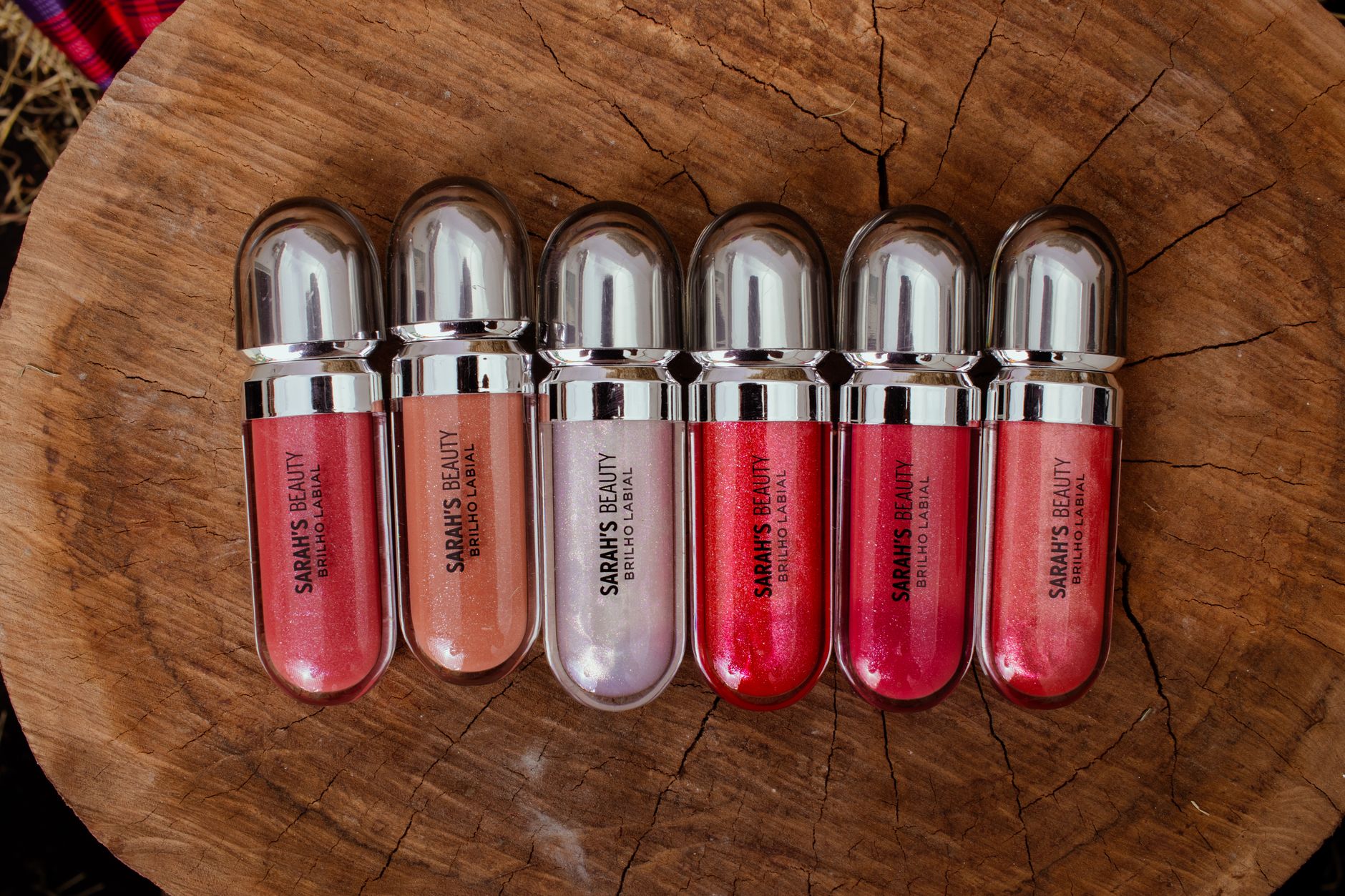
Image credit: Photo by pedro furtado on Pexels. Used under the Pexels License.
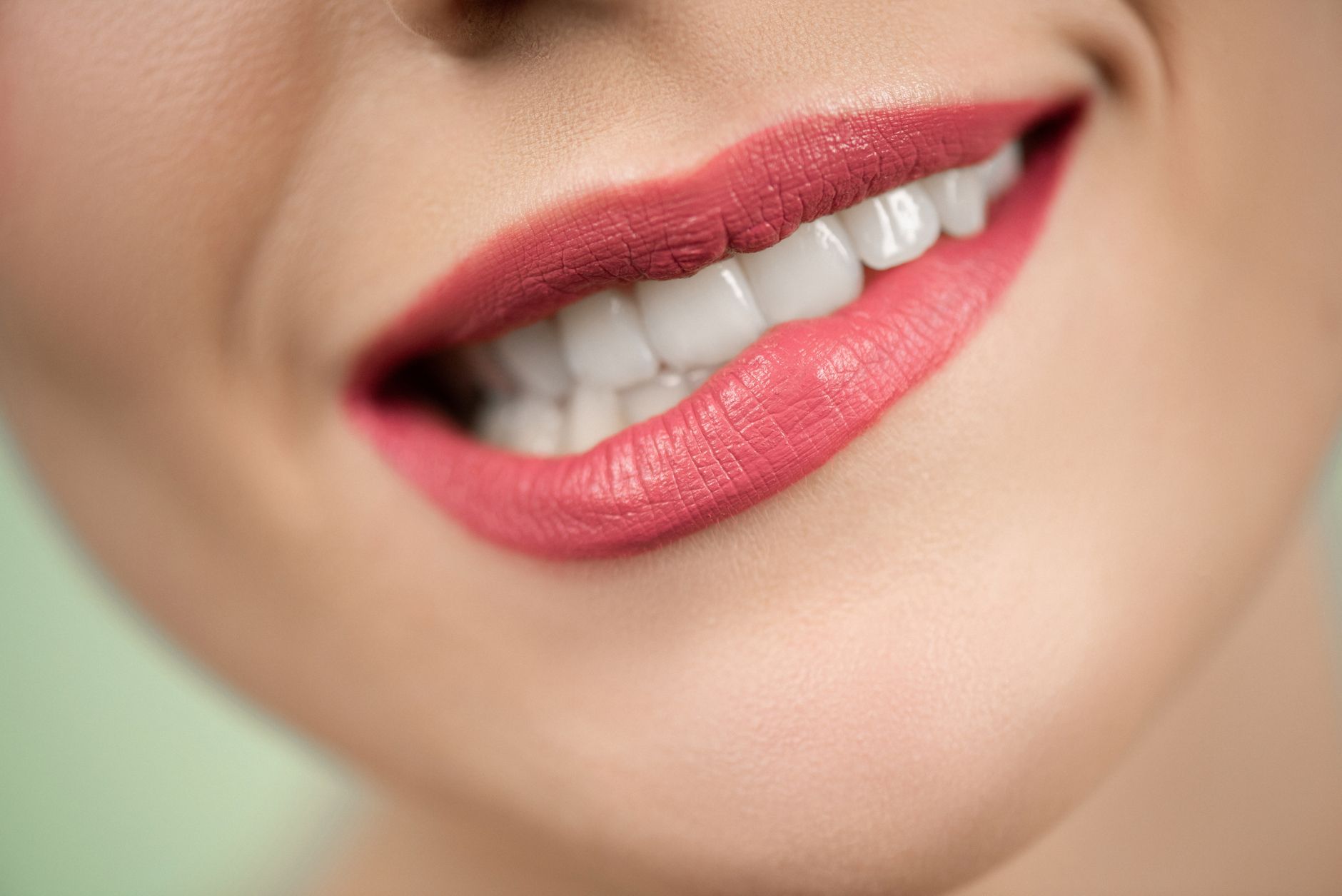
Image credit: Photo by Shiny Diamond on Pexels. Used under the Pexels License.