
MyEczema.app guide
Makeup Sunscreen Trigger Facial Eczema: Practical Guide
makeup sunscreen trigger facial eczema: practical tips for tracking triggers, building routines, and supporting eczema-prone skin.
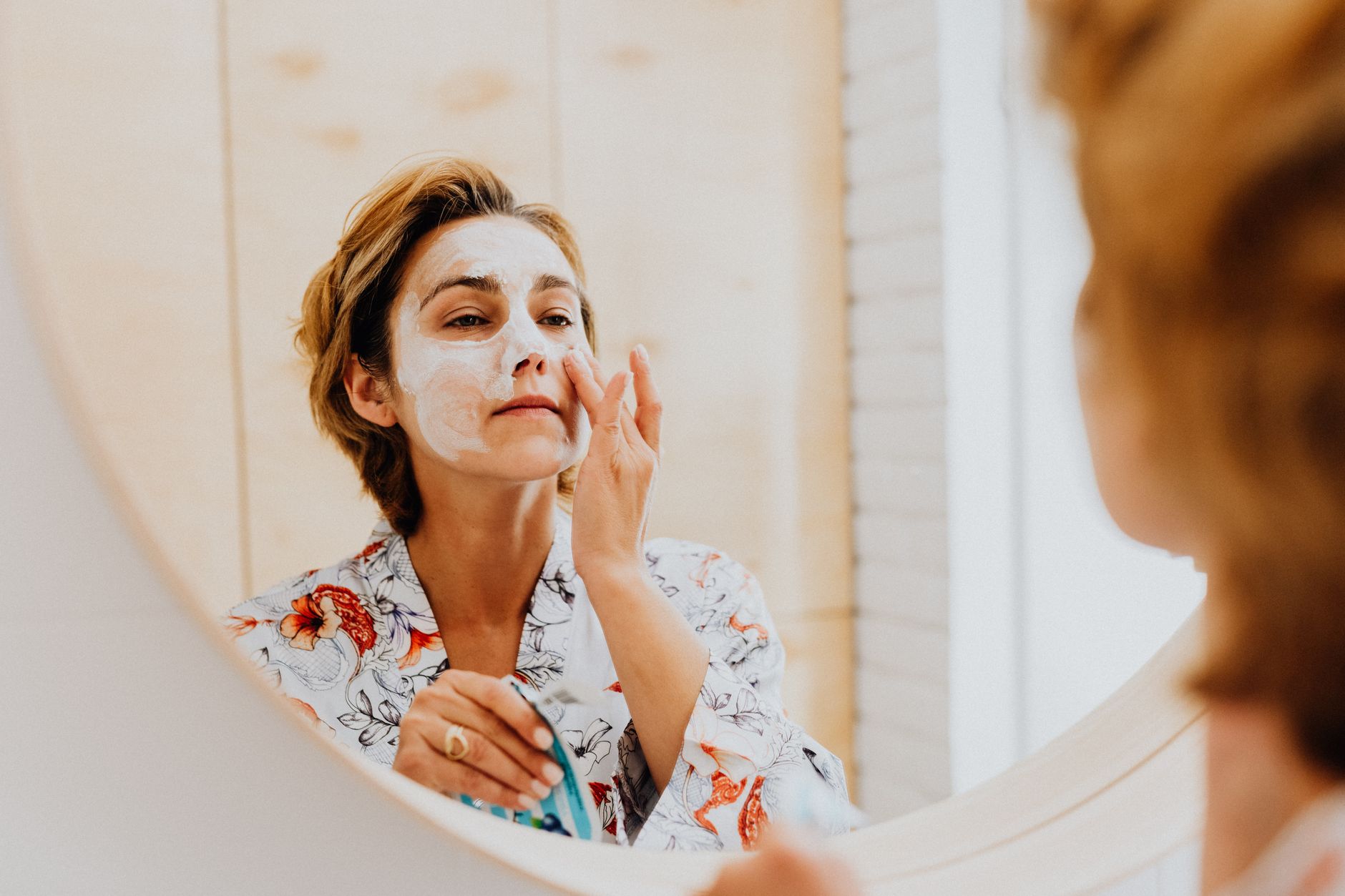
Table of contents
Use this guide as a practical reference and jump to the sections most relevant to you.
- Quick answer
- Key takeaways
- Practical comparison table
- Visual chart
- Related MyEczema.app tool
- Understanding Facial Eczema
- How Makeup Can Trigger Facial Eczema
- Can Sunscreen Trigger Facial Eczema?
- The Importance of Patch Testing New Products
- Choosing Hypoallergenic and Fragrance-Free Products
- Creating a Safe Skincare Routine for Eczema
- Managing Facial Eczema Flare-Ups
- When to Consult a Dermatologist
- Lifestyle Changes to Help Manage Eczema
- Frequently Asked Questions About Makeup, Sunscreen, and Eczema
- Frequently asked questions
- Sources and further reading
Living with eczema, especially facial eczema, can be challenging. The skin on our face is particularly sensitive and prone to flare-ups due to various factors, including the products we apply to it. Two common culprits that can exacerbate facial eczema are makeup and sunscreen. Understanding how these products can trigger eczema and learning how to choose safer alternatives is crucial for managing symptoms and maintaining healthy skin.
Eczema-prone skin is often more sensitive to irritants and allergens. This heightened sensitivity means that everyday products, like makeup and sunscreen, can sometimes cause adverse reactions. The skin barrier of individuals with eczema is typically compromised, making it easier for irritants to penetrate and cause inflammation. This disruption can lead to redness, itching, and discomfort.
When it comes to makeup sunscreen trigger facial eczema, it’s important to be mindful of the ingredients in these products. Certain chemicals, fragrances, and preservatives can irritate the skin and trigger eczema flare-ups. However, with careful selection and a bit of knowledge, it is possible to find products that are gentler on the skin and less likely to cause irritation.
In this article, we will explore the relationship between makeup, sunscreen, and facial eczema. We will discuss how to identify potential triggers, the importance of patch testing, and tips for creating a consistent skincare routine that supports healthy skin. By the end, you’ll have a better understanding of how to navigate the world of cosmetics and sun protection with eczema-prone skin.
Quick answer
Yes, certain makeup and sunscreen products can trigger facial eczema. Choosing hypoallergenic and fragrance-free options can help prevent flare-ups.
Key takeaways
- Certain ingredients in makeup and sunscreen can trigger facial eczema.
- Hypoallergenic and fragrance-free products are safer for eczema-prone skin.
- Patch testing new products can help identify potential triggers.
- A consistent skincare routine is essential for managing facial eczema.
- Consult a dermatologist for personalized advice on eczema-friendly products.
Comparing Makeup and Sunscreen Ingredients for Eczema-Prone Skin
| Situation | What it may mean | Practical next step |
|---|---|---|
| Using makeup with fragrance | Increased risk of irritation and flare-ups | Switch to fragrance-free makeup |
| Applying sunscreen with chemical filters | Potential skin sensitivity and irritation | Opt for mineral sunscreen with physical filters |
| Patch testing new products | Identifying safe products and avoiding triggers | Perform regular patch tests before full use |
| Experiencing a flare-up after using new makeup | The product may contain problematic ingredients | Discontinue use and consult a dermatologist |
| Using hypoallergenic products | Reduced risk of eczema triggers | Continue using hypoallergenic and fragrance-free products |
Related MyEczema.app tool
Use the Eczema Skincare Routine Planner
The Eczema Skincare Routine Planner helps users organize morning, daytime, and evening routine steps for eczema-prone skin.
For this topic, this tool can help you organize information in a more structured way and turn daily observations into clearer patterns to review over time.
Understanding Facial Eczema
Facial eczema, a specific type of eczema that appears on the face, can be particularly challenging to manage. This condition often results in red, itchy, and sometimes painful patches on the skin. Understanding facial eczema and its potential triggers, such as makeup and sunscreen, is crucial for effective management.
Definition of Facial Eczema
Facial eczema is a form of atopic dermatitis, which is a chronic inflammatory skin condition. It is characterized by dry, itchy, and often red or brownish-gray patches. These patches can appear anywhere on the face, including the cheeks, forehead, and around the eyes. The skin may also become scaly, crusty, or thickened over time.
Common Triggers of Facial Eczema
Several factors can trigger facial eczema flare-ups. These triggers can vary from person to person but commonly include:
- Allergens: Substances like pollen, pet dander, and certain foods can provoke an eczema reaction.
- Irritants: Harsh chemicals in skincare products, detergents, and even some fabrics can irritate the skin.
- Environmental Factors: Cold weather, low humidity, and sweat can exacerbate symptoms.
- Stress: Emotional stress can trigger or worsen eczema symptoms.
- Cosmetics and Sunscreens: Certain ingredients in makeup and sunscreen can trigger facial eczema.
Importance of Identifying Specific Triggers
Identifying specific triggers is essential for managing facial eczema effectively. By recognizing what causes your eczema to flare, you can take steps to avoid these triggers and reduce the frequency and severity of outbreaks. For instance, if you notice that your facial eczema worsens after applying certain cosmetics or sunscreens, it may be beneficial to switch to hypoallergenic or fragrance-free products.
One practical step is to maintain a eczema skincare routine that includes only products specifically designed for sensitive skin. Look for labels indicating “hypoallergenic makeup” or “fragrance-free sunscreen” to minimize the risk of triggering a flare-up. Additionally, patch testing cosmetics before full application can help identify potential irritants. Apply a small amount of the product to a discreet area of your skin and wait 24-48 hours to see if any reaction occurs.
Real-life example: Sarah, a 28-year-old with facial eczema, noticed her symptoms worsened whenever she used a particular brand of foundation. After switching to a hypoallergenic makeup line and conducting patch tests, she found a foundation that did not trigger her eczema. This simple change significantly improved her skin condition.
Another important aspect is understanding the ingredients in your skincare products. Opt for eczema-friendly skincare products that contain natural ingredients known to soothe and protect the skin. Ingredients like oatmeal, aloe vera, and shea butter are often gentle and beneficial for eczema-prone skin.
In summary, understanding facial eczema and its common triggers, including makeup and sunscreen, is the first step toward effective management. By identifying and avoiding specific triggers, you can help keep your facial eczema under control and enjoy clearer, more comfortable skin.
How Makeup Can Trigger Facial Eczema
For individuals with facial eczema, choosing the right makeup is more than a cosmetic concern—it’s a health necessity. Certain ingredients in makeup can exacerbate eczema symptoms, leading to discomfort and flare-ups. Understanding which ingredients to avoid and how to select eczema-friendly makeup can help manage symptoms effectively.
Common Problematic Ingredients in Makeup
Several ingredients commonly found in makeup can trigger eczema flare-ups. These include:
- Fragrances: Synthetic fragrances are a frequent culprit. They can irritate sensitive skin and provoke allergic reactions.
- Parabens: Used as preservatives, parabens can cause skin irritation and are often found in makeup products.
- Dyes: Artificial colors can be harsh on eczema-prone skin, leading to redness and irritation.
- Alcohol: Present in many makeup products, alcohol can dry out the skin and worsen eczema symptoms.
- Essential Oils: While natural, some essential oils can be irritating to sensitive skin.
How These Ingredients Affect Eczema-Prone Skin
When individuals with eczema use makeup containing these problematic ingredients, they may experience a range of adverse reactions. The skin barrier in eczema is already compromised, making it more susceptible to irritation. Fragrances and dyes can cause allergic reactions, leading to redness, itching, and inflammation. Parabens and alcohol can strip the skin of its natural oils, exacerbating dryness and itchiness. Essential oils, despite being natural, can sometimes trigger sensitivities, leading to flare-ups.
For example, someone with eczema might notice that after applying a scented foundation, their skin becomes red and itchy. This reaction is likely due to the synthetic fragrances and dyes in the product, which irritate the already sensitive skin.
Tips for Choosing Eczema-Friendly Makeup
Selecting the right makeup for eczema-prone skin requires careful consideration of product ingredients and formulations. Here are some practical tips to help you choose eczema-friendly makeup:
- Look for Hypoallergenic Products: Opt for makeup labeled as hypoallergenic, which typically means they are formulated to minimize the risk of allergic reactions.
- Choose Fragrance-Free Options: Fragrance-free makeup reduces the risk of irritation. Many brands now offer fragrance-free versions of their products.
- Read Ingredient Lists: Before purchasing, check the ingredient list for potential irritants like parabens, dyes, and alcohol. Products labeled as “free from” these ingredients are usually safer choices.
- Patch Test New Products: Always perform a patch test before using a new makeup product. Apply a small amount to a discreet area of your skin and wait 24-48 hours to check for any adverse reactions.
- Consider Natural and Organic Brands: Some natural and organic makeup brands use fewer synthetic ingredients and more eczema-friendly, natural ingredients. However, be cautious with essential oils even in natural products.
- Moisturize Before Applying Makeup: Ensure your skin is well-moisturized before applying makeup. A good moisturizer can create a barrier that helps protect your skin from potential irritants in the makeup.
For instance, if you’re looking for a new foundation, start by researching brands that offer hypoallergenic and fragrance-free options. Read reviews from other eczema sufferers to see which products they recommend. Once you’ve narrowed down your choices, perform a patch test to ensure the product won’t trigger a flare-up.
In addition to choosing the right products, incorporating eczema-friendly skincare into your routine can further help manage symptoms. Using gentle, fragrance-free cleansers and moisturizers can keep your skin in optimal condition, making it less reactive to makeup.
Remember, everyone’s skin is different, and what works for one person may not work for another. It may take some trial and error to find the perfect makeup products that work for your eczema-prone skin. Patience and persistence are key.
Can Sunscreen Trigger Facial Eczema?
For individuals with facial eczema, understanding the potential impact of makeup sunscreen trigger facial eczema is crucial. Sunscreen, while essential for protecting the skin from harmful UV rays, can sometimes exacerbate eczema symptoms. This section explores the relationship between sunscreen and facial eczema, offering practical guidance on how to navigate this challenge.
Ingredients in Sunscreen That May Cause Eczema
Sunscreens contain a variety of ingredients, some of which may trigger eczema flare-ups. Common culprits include:
- Chemical filters: Ingredients like oxybenzone and octinoxate can cause irritation.
- Fragrances: Even unscented sunscreens may contain masking fragrances that can irritate sensitive skin.
- Preservatives: Parabens and other preservatives can be problematic for eczema-prone skin.
- Alcohol: Some sunscreens contain alcohol, which can dry out the skin and worsen eczema.
It’s important to read labels carefully and opt for sunscreens that are specifically formulated for sensitive skin.
The Importance of Sun Protection for Eczema Patients
Despite the potential for sunscreen to trigger eczema, sun protection is vital for individuals with eczema. UV rays can exacerbate eczema symptoms and lead to skin damage. Therefore, finding a balance between sun protection and skin sensitivity is key.
Sun exposure can also cause photosensitivity in some eczema patients, making it even more important to use appropriate sun protection. This can include wearing protective clothing, seeking shade, and using broad-spectrum sunscreens.
How to Select a Suitable Sunscreen for Eczema-Prone Skin
Choosing the right sunscreen for eczema-prone skin involves careful consideration of ingredients and formulation. Here are some practical steps to help you select a suitable sunscreen:
- Look for hypoallergenic formulations: Opt for sunscreens labeled as hypoallergenic or specifically designed for sensitive skin.
- Choose mineral sunscreens: Mineral sunscreens containing zinc oxide or titanium dioxide are less likely to cause irritation compared to chemical sunscreens.
- Avoid fragrances and dyes: Select fragrance-free and dye-free sunscreens to minimize the risk of irritation.
- Patch test new products: Before applying a new sunscreen to your face, perform a patch test on a small area of skin to check for any adverse reactions.
- Consider eczema-friendly brands: Some brands specialize in eczema-friendly skincare products, including sunscreens.
For example, a person with facial eczema might try a mineral sunscreen with zinc oxide, ensuring it is fragrance-free and specifically marketed for sensitive skin. If the initial application causes no irritation, they can confidently use it as part of their daily routine.
Real-Life Example: Navigating Sunscreen Choices
Imagine Sarah, who has facial eczema, is planning a day at the beach. She knows the importance of sun protection but is wary of triggering a flare-up. Sarah decides to visit a dermatologist who recommends a mineral sunscreen with zinc oxide. She purchases a fragrance-free, hypoallergenic option and performs a patch test on her arm. After confirming no adverse reaction, Sarah feels confident applying the sunscreen to her face before heading to the beach.
Throughout the day, Sarah reapplys the sunscreen as needed, ensuring her skin remains protected without experiencing any irritation. This careful approach allows her to enjoy the sun while managing her eczema effectively.
Incorporating Sunscreen into Your Eczema Skincare Routine
Integrating sunscreen into your eczema skincare routine requires a thoughtful approach. Here are some tips to help you:
- Moisturize first: Apply a gentle, eczema-friendly moisturizer before using sunscreen to create a protective barrier.
- Use a thick layer: Ensure you apply a sufficient amount of sunscreen to cover all exposed areas adequately.
- Reapply regularly: Reapply sunscreen every two hours, or more frequently if swimming or sweating.
- Combine with other protective measures: Wear protective clothing, hats, and seek shade when possible to reduce direct sun exposure.
By carefully selecting and applying sunscreen, individuals with facial eczema can protect their skin from harmful UV rays without triggering flare-ups. This balanced approach ensures both sun protection and skin comfort.
The Importance of Patch Testing New Products
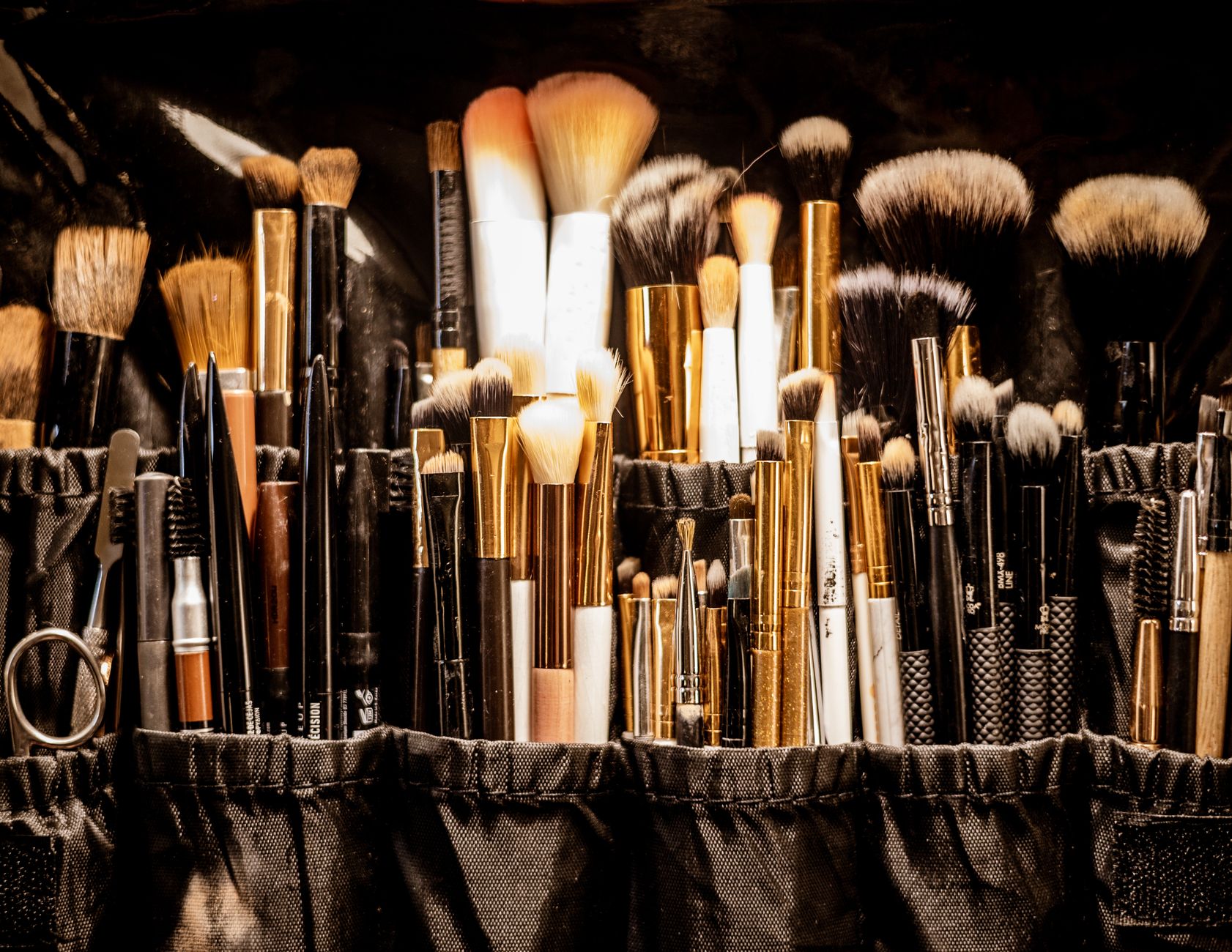
When dealing with makeup sunscreen trigger facial eczema, one of the most crucial steps you can take is patch testing new products. This simple yet effective method helps you determine whether a product is likely to irritate your skin or trigger an eczema flare-up. Let’s delve into the steps to perform a patch test, how to interpret the results, and common mistakes to avoid.
Steps to Perform a Patch Test
Patch testing is a straightforward process, but it requires patience and careful observation. Here’s how to do it:
- Choose a Small Area: Select a small, inconspicuous area of skin, such as the inside of your wrist or behind your ear. These areas are sensitive but not as visible as your face.
- Apply a Small Amount: Using a cotton swab or clean fingertip, apply a small amount of the product to the chosen area. Ensure the application is thin and even.
- Wait 24-48 Hours: Allow the product to sit on your skin for at least 24 to 48 hours. Avoid washing the area during this time.
- Observe the Skin: After the waiting period, carefully observe the area for any signs of irritation, such as redness, itching, swelling, or a rash.
How to Interpret Patch Test Results
Understanding the results of your patch test is crucial for making informed decisions about your skincare routine. Here’s what different outcomes might mean:
- No Reaction: If there is no visible reaction after 48 hours, the product is likely safe for you to use. However, continue to monitor your skin for a few days to ensure no delayed reaction occurs.
- Mild Reaction: If you experience slight redness or mild itching, the product may still be tolerable, but use it with caution. Consider using it less frequently or in smaller amounts.
- Severe Reaction: If you notice significant redness, swelling, intense itching, or a rash, the product is likely not suitable for your skin. Avoid using it, especially on your face where eczema is more sensitive.
Common Mistakes to Avoid During Patch Testing
While patch testing seems simple, there are common mistakes that can lead to inaccurate results. Be mindful of these pitfalls:
- Testing on Irritated Skin: Avoid patch testing on skin that is already irritated or experiencing an eczema flare-up. This can skew the results and make it difficult to determine if the product is the cause of irritation.
- Using Too Much Product: Applying an excessive amount of product can overwhelm your skin and lead to false positives. A small, thin layer is sufficient.
- Not Waiting Long Enough: Patience is key. Ensure you wait at least 24 to 48 hours before evaluating the results. Premature assessment can miss delayed reactions.
- Testing Multiple Products at Once: It’s best to test one product at a time. Testing multiple products simultaneously can make it difficult to identify which product is causing a reaction.
Patch testing is an invaluable tool for those navigating the complexities of makeup sunscreen trigger facial eczema. By carefully selecting products and observing your skin’s reactions, you can build a safer, more effective eczema-friendly skincare routine. Remember, what works for one person may not work for another, so personalized testing is essential.
For those looking to expand their eczema-friendly product arsenal, consider exploring hypoallergenic makeup and fragrance-free sunscreen. These options are often formulated with sensitive skin in mind and may be less likely to trigger eczema flare-ups. Always remember to patch test new products, even if they are marketed as eczema-friendly, to ensure they suit your unique skin needs.
Choosing Hypoallergenic and Fragrance-Free Products
When dealing with makeup sunscreen trigger facial eczema, choosing the right products can make a significant difference. Hypoallergenic and fragrance-free options are often recommended to minimize the risk of irritation and flare-ups. Let’s explore the benefits of these products and how to identify and select the best options for your skin.
Benefits of Hypoallergenic Products
Hypoallergenic products are formulated to be less likely to cause allergic reactions. For individuals with eczema, this can mean fewer flare-ups and less irritation. Here are some key benefits:
- Reduced Risk of Allergic Reactions: Hypoallergenic products are typically free from common allergens like fragrances, dyes, and certain preservatives.
- Gentler on Sensitive Skin: These products are often designed with sensitive skin in mind, making them a safer choice for those with eczema.
- Minimized Irritation: Using hypoallergenic makeup and sunscreen can help prevent the itching, redness, and inflammation associated with eczema flare-ups.
Identifying Fragrance-Free Options
Fragrances are a common trigger for eczema. When looking for fragrance-free products, keep these tips in mind:
- Read Labels Carefully: Look for terms like “fragrance-free,” “unscented,” or “no added fragrance.” Be cautious of terms like “fragrance-masking” as they may still contain fragrance ingredients.
- Check for Hidden Fragrances: Some products may list fragrances under different names. Ingredients ending in “-one” or “-al” are often fragrance components.
- Consult with a Dermatologist: If you’re unsure about a product’s ingredients, a dermatologist can provide guidance on safe options.
Recommended Brands for Eczema-Friendly Makeup and Sunscreen
Several brands specialize in creating products that are gentle on eczema-prone skin. Here are some recommended brands to consider:
Eczema-Friendly Makeup Brands
- Mineral Fusion: Known for its mineral-based, hypoallergenic makeup. Many products are free from fragrance, parabens, and phthalates.
- Tarte Cosmetics: Offers a range of hypoallergenic and fragrance-free makeup options suitable for sensitive skin.
- Ilia Beauty: Focuses on clean, non-toxic ingredients. Their products are often free from common irritants.
Eczema-Friendly Sunscreen Brands
- EltaMD: Provides mineral-based sunscreens that are fragrance-free and designed for sensitive skin.
- Neutrogena: Offers a variety of hypoallergenic and fragrance-free sunscreen options, including their Sheer Zinc line.
- Aveeno: Known for its natural ingredients and gentle formulations. Their Protect + Hydrate line is a popular choice for sensitive skin.
When selecting products, it’s also beneficial to perform patch testing. Apply a small amount of the product to a discreet area of your skin and wait 24-48 hours to check for any adverse reactions. This step can help you identify potential triggers before incorporating new products into your routine.
Incorporating hypoallergenic and fragrance-free products into your skincare routine can significantly reduce the likelihood of makeup sunscreen trigger facial eczema. By carefully choosing your products and performing patch tests, you can find safe and effective options that work for your skin.
Remember, everyone’s skin is different, and what works for one person may not work for another. It may take some trial and error to find the perfect products for your skin. Always consult with a healthcare provider if you experience severe reactions or if your eczema symptoms worsen.
Creating a Safe Skincare Routine for Eczema
For those who experience makeup sunscreen trigger facial eczema, crafting a skincare routine that minimizes potential triggers is crucial. This section provides a step-by-step guide to help you develop a safe and effective skincare routine tailored to your needs.
Morning Skincare Routine
Starting your day with a gentle skincare routine can set the tone for the rest of the day. Here’s a simple morning routine to consider:
- Cleanse: Use a mild, fragrance-free cleanser to remove any overnight oils and impurities. Avoid harsh soaps that can strip your skin of its natural moisture.
- Moisturize: Apply a hypoallergenic, fragrance-free moisturizer to keep your skin hydrated. Look for products containing natural ingredients like ceramides or hyaluronic acid, which help to strengthen the skin barrier.
- Sun Protection: If you plan to be outdoors, apply a fragrance-free sunscreen with at least SPF 30. Ensure it is labeled as hypoallergenic and free from common irritants.
Evening Skincare Routine
Your evening routine should focus on repairing and nourishing your skin after a day of exposure to potential irritants.
- Remove Makeup and Sunscreen: Use a gentle makeup remover followed by a mild cleanser to thoroughly remove all traces of makeup and sunscreen. Consider using micellar water, which is often less irritating than traditional makeup removers.
- Moisturize: Apply a rich, hypoallergenic moisturizer to lock in hydration overnight. Products containing ingredients like shea butter or glycerin can be particularly beneficial.
- Targeted Treatments: If your dermatologist has recommended any targeted treatments for eczema, such as a mild corticosteroid cream or a prescribed moisturizer, apply them as directed.
Importance of Moisturizing
Moisturizing is a cornerstone of managing eczema, especially when dealing with potential triggers like makeup and sunscreen. Here’s why it’s so important:
- Hydration: Moisturizers help to hydrate the skin, reducing dryness and itchiness that can exacerbate eczema symptoms.
- Skin Barrier: Regular moisturizing strengthens the skin’s barrier, making it more resilient against irritants and allergens.
- Reduced Inflammation: Well-moisturized skin is less likely to become inflamed, which can help prevent flare-ups triggered by makeup or sunscreen.
Avoiding Harsh Chemicals and Irritants
When selecting skincare products, it’s essential to avoid harsh chemicals and irritants that can trigger eczema flare-ups. Here are some common culprits to watch out for:
- Fragrances: Many skincare products contain added fragrances, which can be irritating to sensitive skin. Opt for fragrance-free options whenever possible.
- Alcohol: Products containing alcohol can be drying and irritating. Check ingredient lists and avoid those with high alcohol content.
- Parabens and Sulfates: These preservatives and cleansing agents can be harsh on the skin. Look for paraben-free and sulfate-free products.
- Dyes: Colored products may contain dyes that can cause irritation. Stick to products with natural or no added color.
By carefully selecting your skincare products and following a consistent routine, you can minimize the risk of makeup sunscreen trigger facial eczema. Remember, patch testing new products is always a good idea to ensure they won’t irritate your skin. If you’re unsure about any product, consult with a dermatologist for personalized recommendations.
Incorporating hypoallergenic and fragrance-free products into your routine can make a significant difference. Look for labels that indicate these features and consider products specifically designed for sensitive skin. Additionally, exploring natural ingredients can offer gentle yet effective solutions for managing eczema.
Creating a safe skincare routine is an ongoing process. Pay attention to how your skin reacts to different products and adjust your routine as needed. Consistency and patience are key to finding what works best for you.
Managing Facial Eczema Flare-Ups
Experiencing a flare-up of facial eczema can be distressing, especially if it’s triggered by makeup or sunscreen. Knowing how to manage these flare-ups effectively can make a significant difference in your comfort and skin health. Here are some practical steps to take when dealing with facial eczema flare-ups, particularly those triggered by makeup and sunscreen.
Immediate Steps to Take During a Flare-Up
When you notice the signs of a facial eczema flare-up, such as increased redness, itching, or irritation, it’s crucial to act quickly. Here are some immediate steps you can take:
- Stop Using Suspected Triggers: If you suspect that makeup or sunscreen is causing the flare-up, discontinue their use immediately. This can help prevent further irritation.
- Gently Cleanse Your Skin: Use a mild, fragrance-free cleanser to wash your face. Avoid harsh scrubs or exfoliants that can further irritate your skin.
- Apply a Cool Compress: A cool, damp cloth can help soothe irritated skin and reduce inflammation. Apply it to the affected areas for 10-15 minutes.
- Moisturize: Use a gentle, eczema-friendly moisturizer to hydrate your skin. Look for products labeled as hypoallergenic and fragrance-free.
Soothing Treatments and Remedies
Once you’ve taken the immediate steps to address the flare-up, you can incorporate additional soothing treatments into your routine:
- Topical Treatments: If your healthcare provider has prescribed a topical treatment for eczema, such as a corticosteroid cream, apply it as directed. These medications can help reduce inflammation and itching.
- Oatmeal Baths: Taking an oatmeal bath can provide relief for irritated skin. Add colloidal oatmeal to lukewarm bathwater and soak for 15-20 minutes.
- Aloe Vera: Aloe vera gel can be soothing for eczema-prone skin. Apply a small amount to the affected areas for cooling relief.
- Calendula Cream: Calendula is known for its anti-inflammatory properties. A calendula-based cream can help calm irritated skin.
When to Seek Medical Help
While many eczema flare-ups can be managed at home, there are times when it’s important to seek medical help. Consider reaching out to a healthcare professional if:
- The Flare-Up is Severe: If your symptoms are intense, covering a large area, or accompanied by severe itching or pain, it’s advisable to consult a dermatologist.
- Signs of Infection: Look out for signs of infection, such as increased redness, warmth, pus, or oozing. Infections require medical attention.
- No Improvement: If your flare-up doesn’t show signs of improvement after a few days of home care, it’s time to seek professional advice.
- Frequent Flare-Ups: If you experience frequent or persistent eczema flare-ups, a dermatologist can help you develop a long-term management plan.
Remember that managing facial eczema, especially when triggered by makeup or sunscreen, requires patience and consistency. By taking immediate action during flare-ups, using soothing treatments, and knowing when to seek medical help, you can better navigate the challenges of facial eczema and work towards healthier, more comfortable skin.

When to Consult a Dermatologist
Managing facial eczema, especially when triggered by makeup or sunscreen, can be challenging. While many find relief through lifestyle changes and careful product selection, there are times when professional help is necessary. Consulting a dermatologist can provide personalized guidance and treatment options to help manage your symptoms effectively.
Signs it’s Time to See a Dermatologist
If you experience persistent or worsening symptoms despite trying hypoallergenic makeup and fragrance-free sunscreen, it may be time to consult a dermatologist. Here are some signs that professional advice is needed:
- Frequent Flare-Ups: If your facial eczema flare-ups are frequent and severe, a dermatologist can help identify triggers and develop a more effective management plan.
- No Improvement with Home Remedies: If over-the-counter treatments and home remedies aren’t helping, a dermatologist can offer prescription options.
- Skin Infections: Signs of infection, such as increased redness, swelling, warmth, or pus, require medical attention.
- Impact on Daily Life: If eczema is affecting your quality of life, making it difficult to work, sleep, or enjoy activities, a dermatologist can provide support.
- Uncertainty About Products: If you’re unsure whether your makeup sunscreen trigger facial eczema, a dermatologist can help you navigate product choices.
What to Expect During a Dermatologist Visit
Visiting a dermatologist for facial eczema involves several steps. Knowing what to expect can help you prepare and make the most of your appointment:
- Medical History: The dermatologist will ask about your medical history, including any previous treatments and current symptoms.
- Skin Examination: A thorough examination of your skin will be conducted to assess the severity and type of eczema.
- Discussion of Triggers: You’ll discuss potential triggers, including makeup and sunscreen, and any recent changes in your skincare routine.
- Patch Testing: If necessary, the dermatologist may perform patch testing to identify specific allergens.
- Treatment Plan: Based on the examination and discussion, the dermatologist will develop a personalized treatment plan, which may include prescription medications, recommended products, and lifestyle changes.
How a Dermatologist Can Help Manage Eczema
A dermatologist plays a crucial role in managing facial eczema. Here’s how they can help:
- Prescription Medications: Dermatologists can prescribe stronger medications, such as topical corticosteroids or immunomodulators, to control inflammation and itching.
- Identifying Triggers: Through detailed history and testing, dermatologists can help identify specific triggers, including certain makeup or sunscreen ingredients, that may be causing your eczema to flare.
- Recommending Products: They can recommend eczema-friendly skincare products, including hypoallergenic makeup and fragrance-free sunscreen, that are less likely to trigger eczema.
- Creating a Skincare Routine: Dermatologists can help you create a safe and effective skincare routine tailored to your specific needs and skin type.
- Ongoing Support: Regular follow-up appointments allow dermatologists to monitor your progress, adjust treatments as needed, and provide ongoing support and education.
In conclusion, while managing facial eczema with careful product selection and a consistent skincare routine is important, there are times when professional help is essential. If you’re struggling with persistent symptoms or unsure about whether your makeup sunscreen trigger facial eczema, consulting a dermatologist can provide the guidance and treatment you need to achieve better control over your condition.
Lifestyle Changes to Help Manage Eczema
When dealing with facial eczema, especially if it seems to be triggered by makeup or sunscreen, making certain lifestyle changes can significantly help manage symptoms. Here are some practical adjustments you can consider incorporating into your daily routine.
Dietary Changes That May Benefit Eczema
While the relationship between diet and eczema is complex and varies from person to person, some dietary changes may help reduce inflammation and improve skin health. For example:
- Anti-inflammatory foods: Incorporate more fruits, vegetables, whole grains, and fatty fish like salmon into your diet. These foods are rich in omega-3 fatty acids and antioxidants, which can help reduce inflammation.
- Hydration: Drinking plenty of water helps keep your skin hydrated from the inside out, which can be beneficial for eczema-prone skin.
- Identifying food triggers: Keep a food diary to track what you eat and any subsequent eczema flare-ups. Common triggers can include dairy, gluten, and certain nuts. If you notice a pattern, consider consulting a healthcare provider for further guidance.
Stress Management Techniques
Stress is a well-known trigger for eczema flare-ups. Incorporating stress management techniques into your daily routine can help keep your symptoms under control.
- Mindfulness and meditation: Practicing mindfulness or meditation for just a few minutes each day can help reduce stress levels. Apps like Headspace or Calm offer guided sessions that are easy to follow.
- Regular exercise: Physical activity is a great way to relieve stress. Even a short daily walk can make a difference. Choose activities you enjoy to make it easier to stick with them.
- Adequate sleep: Ensure you get enough restful sleep each night. Poor sleep can exacerbate stress and worsen eczema symptoms. Establish a regular sleep routine and create a relaxing bedtime environment.
Environmental Adjustments to Minimize Triggers
Your environment can play a significant role in triggering or alleviating eczema symptoms. Making a few adjustments can create a more eczema-friendly space.
- Humidifiers: Dry air can exacerbate eczema. Using a humidifier, especially in the winter months, can help keep the air moist and your skin hydrated.
- Gentle laundry detergents: Wash your bedding, towels, and clothing with hypoallergenic, fragrance-free detergents. This can help prevent irritation from residual chemicals.
- Avoid harsh chemicals: Be cautious with cleaning products that contain strong fragrances or chemicals. Opt for natural or eczema-friendly alternatives.
- Temperature control: Extreme temperatures can trigger eczema flare-ups. Keep your home at a comfortable temperature and avoid prolonged exposure to hot or cold environments.
By making these lifestyle changes, you can create a more supportive environment for managing eczema, particularly if it seems to be triggered by makeup or sunscreen. Remember, it’s essential to work with a healthcare provider to develop a comprehensive management plan that suits your specific needs.
Frequently Asked Questions About Makeup, Sunscreen, and Eczema
Can all makeup trigger eczema?
Not all makeup will trigger eczema, but certain ingredients can irritate sensitive skin. Common culprits include fragrances, dyes, and preservatives. If you’re concerned about makeup sunscreen trigger facial eczema, opt for products labeled hypoallergenic or specifically designed for sensitive skin. It’s essential to read ingredient lists carefully and consider patch testing new products before full application.
Are there any natural remedies for eczema?
While natural remedies can offer relief for some individuals, it’s important to approach them with caution. Ingredients like aloe vera, coconut oil, and oatmeal are often recommended for their soothing properties. However, what works for one person may not work for another. Always consult with a healthcare provider before trying new treatments, especially if you’re considering natural ingredients for eczema.
How often should I patch test new products?
Patch testing is a crucial step in identifying potential irritants. It’s recommended to patch test any new product, whether it’s makeup or sunscreen, before incorporating it into your routine. Apply a small amount of the product to a discreet area of skin, such as the inner forearm, and wait 24-48 hours to check for any adverse reactions. This simple step can help prevent makeup sunscreen trigger facial eczema and other skin issues.
Can sunscreen worsen eczema?
Sunscreen is essential for protecting your skin from harmful UV rays, but some formulations can indeed worsen eczema. Look for fragrance-free sunscreens with mineral-based ingredients like zinc oxide or titanium dioxide. These are less likely to cause irritation. As always, patch testing is recommended to ensure the sunscreen you choose won’t exacerbate your eczema.
What are the best hypoallergenic makeup brands?
Several brands specialize in hypoallergenic makeup, which is less likely to makeup sunscreen trigger facial eczema. Some popular options include Tarte, Smashbox, and Ilia. These brands often use fewer ingredients and avoid common irritants. However, individual reactions can vary, so it’s best to patch test products from any brand before use.
How can I tell if a product is safe for my eczema?
Determining if a product is safe for your eczema involves a bit of detective work. Start by reading the ingredient list. Look for products labeled hypoallergenic, fragrance-free, and dermatologist-tested. Additionally, brands that specialize in eczema-friendly skincare often provide detailed information about their ingredients and testing processes. When in doubt, patch testing is your best bet to ensure a product won’t makeup sunscreen trigger facial eczema.
Remember, managing eczema is a personal journey. What works for one person may not work for another. It’s important to listen to your skin and consult with a dermatologist if you’re unsure about any products or treatments.
Frequently asked questions
Can all makeup trigger eczema?
Not all makeup will trigger eczema, but certain ingredients can exacerbate symptoms. Common irritants include fragrances, preservatives, and dyes. It’s important to read labels carefully and choose products specifically formulated for sensitive skin. If you suspect that makeup sunscreen trigger facial eczema, consider patch testing new products before full application.
For those with eczema, it’s beneficial to opt for hypoallergenic and fragrance-free options. Many brands now offer lines designed for sensitive skin, which can be a safer choice for those prone to eczema flare-ups.
Are there any natural remedies for eczema?
While some people find relief using natural remedies, it’s crucial to approach these with caution. Natural doesn’t always mean safe, especially for sensitive skin conditions like eczema. Ingredients like essential oils, though popular, can sometimes irritate the skin further.
Always consult with a healthcare professional before trying new treatments. They can provide guidance on what might be safe and effective for your specific skin condition.
How often should I patch test new products?
Patch testing is a crucial step when introducing new products, especially if you’re concerned that makeup sunscreen trigger facial eczema. It’s recommended to patch test any new product at least 24-48 hours before using it on your face or larger areas of skin.
Apply a small amount of the product to a discreet area, like the inner forearm, and wait to see if any reaction occurs. If there’s no adverse reaction, it’s likely safe to use elsewhere.
Can sunscreen worsen eczema?
Yes, certain ingredients in sunscreen can sometimes worsen eczema symptoms. Chemicals like oxybenzone and octinoxate are common culprits. These can cause irritation or allergic reactions in sensitive skin.
Look for sunscreens labeled as “fragrance-free,” “hypoallergenic,” or specifically designed for sensitive skin. Mineral sunscreens, which use zinc oxide or titanium dioxide, are often gentler options for those with eczema.
What are the best hypoallergenic makeup brands?
Several brands are well-regarded for their eczema-friendly product lines. Brands like Avène, La Roche-Posay, and Cetaphil offer ranges specifically designed for sensitive skin.
It’s always a good idea to read reviews and, when possible, patch test products from these brands to ensure they suit your skin.
How can I tell if a product is safe for my eczema?
Reading labels is key when selecting products for eczema-prone skin. Look for terms like “fragrance-free,” “hypoallergenic,” and “non-comedogenic.” These indicate that the product is less likely to cause irritation.
Additionally, avoid products with known irritants such as alcohol, artificial colors, and strong fragrances. When in doubt, consulting a dermatologist can provide personalized recommendations.
Use MyEczema.app to track your eczema patterns and daily triggers.
This article is for educational purposes only and is not medical advice. If symptoms are severe, spreading, painful, infected-looking, or affecting sleep and daily life, speak with a qualified healthcare professional.
Sources and further reading
For medical guidance, always rely on a qualified healthcare professional. These educational resources may help readers learn more:
Image credit: Photo by https://kaboompics.com/ on Pexels. Used under the Pexels License.
Image credit: Photo by Tatiana Castrillon on Pexels. Used under the Pexels License.
Image credit: Photo by https://kaboompics.com/ on Pexels. Used under the Pexels License.