
MyEczema.app guide
Why Does Some Eczema Cream Sting When Applied?
eczema cream sting: Discover why some eczema creams cause stinging when applied. Learn practical tips to manage and reduce discomfort effectively.

Table of contents
Use this guide as a practical reference and jump to the sections most relevant to you.
- Quick answer
- Key takeaways
- Practical comparison table
- Visual chart
- Related MyEczema.app tool
- Understanding Why Eczema Creams May Sting
- Active Ingredients That May Cause Stinging
- The Role of Skin Sensitivity in Stinging
- Application Techniques to Minimize Stinging
- The Importance of Patch Testing New Creams
- When to Consult a Dermatologist
- Alternative Treatments for Sensitive Skin
- Lifestyle Adjustments to Reduce Stinging
- Recommended Products for Sensitive Skin
- Finding Community Support for Eczema Management
- Frequently asked questions
- Sources and further reading
If you’ve ever experienced a sudden sting when applying eczema cream, you’re not alone. Many people with eczema have encountered this uncomfortable sensation at some point. Understanding why some eczema creams may sting when applied can help you manage and reduce this discomfort. In this article, we’ll explore the reasons behind the stinging, offer practical tips to minimize it, and discuss when it might be time to seek professional advice. Let’s dive into the world of eczema creams and uncover why this happens.
Eczema, also known as atopic dermatitis, is a chronic skin condition characterized by inflamed, itchy, and often broken skin. The skin barrier in individuals with eczema is typically compromised, making it more sensitive to various substances. When applying eczema creams, the active ingredients or the formulation itself can sometimes cause a stinging sensation. This can be particularly frustrating when you’re trying to find relief for your already irritated skin.
The sensation of stinging from eczema cream can vary from mild discomfort to more intense pain. It’s essential to identify the cause of this stinging to effectively manage it. Whether it’s due to the cream’s ingredients, your skin’s sensitivity, or application techniques, there are ways to alleviate this issue. By understanding the factors at play, you can make informed decisions about your eczema care routine.
In this article, we’ll focus on the specific topic of why some eczema creams may sting when applied. We’ll cover the role of active ingredients, skin sensitivity, and application methods. Additionally, we’ll provide practical tips to help you navigate this challenge and find the relief you need. Let’s get started on understanding and managing the sting.
Quick answer
Some eczema creams may sting due to active ingredients or skin sensitivity. Understanding the cause can help manage discomfort effectively.
Key takeaways
- Stinging can be due to active ingredients in the cream.
- Skin sensitivity plays a significant role in the sensation of stinging.
- Proper application techniques can reduce discomfort.
- Patch testing is crucial before using new creams.
- Consulting a dermatologist can provide personalized advice.
Common Ingredients That May Cause Stinging in Eczema Creams
| Situation | What it may mean | Practical next step |
|---|---|---|
| Cream contains menthol | Menthol can cause a cooling sensation that may feel like stinging. | Try a cream without menthol if you experience stinging. |
| Cream has high alcohol content | Alcohol can dry out the skin and cause irritation. | Look for alcohol-free formulations. |
| Cream includes salicylic acid | Salicylic acid can be irritating to sensitive skin. | Use creams with lower concentrations of salicylic acid. |
| Cream has fragrances | Fragrances can trigger skin sensitivity and stinging. | Choose fragrance-free creams. |
| Cream contains urea | Urea can cause a tingling sensation in some individuals. | Test a small amount first to see how your skin reacts. |
Effectiveness of Application Techniques to Reduce Stinging
This visual is an educational guide, not a diagnostic score. Use it to decide what may be worth tracking more consistently for this specific topic.
High attention
Applying cream to damp skin
Moisturizing skin before application can reduce stinging.
High attention
Using a gentle touch
Avoid rubbing cream into the skin to minimize irritation.
High attention
Patch testing new creams
Patch testing helps identify potential irritants before full application.
Medium attention
Applying cream at room temperature
Cold creams can cause a stinging sensation upon application.
High attention
Consulting a dermatologist
Professional advice can provide personalized solutions.
Related MyEczema.app tool
Use the Daily Trigger Tracker
The Daily Trigger Tracker helps users record symptoms, possible triggers, skin routine, photos, notes, and trends over time.
For this topic, this tool can help you organize information in a more structured way and turn daily observations into clearer patterns to review over time.
Understanding Why Eczema Creams May Sting
If you’ve ever experienced a stinging sensation after applying eczema cream, you’re not alone. This common issue can be frustrating and may lead to hesitation in using necessary treatments. Understanding why some eczema creams cause this sensation can help you manage it better and ensure you’re getting the most out of your eczema care routine.
Active Ingredients in Creams
One of the primary reasons why eczema creams may sting is due to their active ingredients. Many eczema creams contain substances that can cause a temporary burning or stinging sensation upon application. For example:
- Corticosteroids: These are commonly used to reduce inflammation and itching. Some people may feel a slight sting when these are applied, especially if the skin is very sensitive or if a higher potency cream is used.
- Antibiotics: Creams containing antibiotics like neomycin can sometimes cause a stinging sensation. This is more common in individuals who may be sensitive to these ingredients.
- Retinoids: These vitamin A derivatives can be very effective in treating eczema but may cause a stinging sensation, particularly in the initial stages of use.
- Salicylic Acid: Often found in creams aimed at reducing scaling and promoting skin shedding, salicylic acid can cause a stinging feeling.
These ingredients are essential for managing eczema symptoms, but their potency can sometimes lead to discomfort.
Skin Sensitivity Explanation
Eczema often leaves the skin highly sensitive and compromised. The skin barrier is weakened, making it more susceptible to irritation from various substances. When you apply eczema cream, the following factors can contribute to the stinging sensation:
- Compromised Skin Barrier: Eczema damages the skin’s protective barrier, allowing ingredients to penetrate more deeply and potentially causing irritation.
- Inflammation: Inflamed skin is more likely to react to the application of creams, leading to a stinging sensation.
- Dryness: Extremely dry skin can be more sensitive, and the application of certain creams may exacerbate this sensitivity.
It’s important to recognize that everyone’s skin reacts differently. What causes a stinging sensation for one person might not affect another in the same way.
Common Misconceptions
There are several misconceptions about why eczema creams might sting, and addressing these can help you better understand and manage the issue.
- Myth: All creams will sting if applied to eczema. Not all eczema creams cause a stinging sensation. Many are formulated to be gentle on sensitive skin. It’s essential to find the right product that works for you.
- Myth: Stinging means the cream is working. While some level of sensation might be normal, especially with potent ingredients, persistent or severe stinging is not a sign that the cream is effective. It may indicate that the cream is too strong or not suitable for your skin.
- Myth: You should avoid creams that sting. If a cream stings mildly and provides significant relief from eczema symptoms, it might still be worth using. However, if the stinging is severe or uncomfortable, it’s crucial to consult a healthcare provider for alternative options.
Understanding these misconceptions can help you make more informed decisions about your eczema care.
Practical Steps to Minimize Stinging
If you experience eczema cream sting, there are several practical steps you can take to minimize discomfort:
- Patch Test: Before applying a new cream all over, do a patch test on a small area of skin to see how it reacts.
- Moisturize First: Applying a gentle moisturizer before the eczema cream can create a barrier that might reduce the stinging sensation.
- Choose Fragrance-Free Products: Fragrances can irritate sensitive skin. Opt for fragrance-free eczema creams to minimize the risk of stinging.
- Consult a Healthcare Provider: If stinging persists, talk to your healthcare provider. They can recommend alternative treatments or adjust your current regimen.
- Apply Thinly: Using a thin layer of cream can sometimes reduce the intensity of the stinging sensation.
By taking these steps, you can better manage the stinging sensation and continue to effectively treat your eczema.
In conclusion, understanding why some eczema creams may sting involves recognizing the role of active ingredients, the sensitivity of eczema-affected skin, and addressing common misconceptions. With the right approach and products, you can minimize discomfort and maintain an effective eczema management routine.
Active Ingredients That May Cause Stinging
When dealing with eczema, finding the right cream can be a trial-and-error process. One common issue many face is that some eczema creams sting when applied. This sensation can be uncomfortable and frustrating, especially when you’re trying to manage eczema symptoms effectively. Understanding why this happens can help you make more informed choices about your eczema care.
Common Stinging Ingredients
Several active ingredients in eczema creams are known to cause a stinging sensation. These ingredients are often potent and designed to reduce inflammation and soothe irritated skin. However, they can also trigger a stinging reaction, especially on sensitive or compromised skin.
- Salicylic Acid: Commonly used in topical treatments for its exfoliating properties, salicylic acid can cause a stinging sensation. It helps remove dead skin cells but can irritate sensitive skin.
- Benzoyl Peroxide: Often found in acne treatments, benzoyl peroxide can also be present in some eczema creams. It has antibacterial properties but is known to cause stinging and dryness.
- Retinoids: Derived from Vitamin A, retinoids are effective in promoting skin cell turnover. However, they can cause a burning sensation, especially when first starting treatment.
- Urea: A humectant that helps retain moisture, urea can sometimes cause a stinging feeling, particularly in higher concentrations.
- Capsaicin: Found in some creams to reduce itching, capsaicin can cause a burning sensation as it works by depleting a chemical that transmits pain.
Scientific Explanation of Reactions
The stinging sensation from eczema creams is often due to the interaction between the active ingredients and the skin’s nerve endings. When you apply a cream containing one of these ingredients, it can penetrate the skin quickly, leading to a temporary but sharp sensation.
For instance, salicylic acid and benzoyl peroxide are both known to cause a tingling or burning feeling because they work by exfoliating the skin and reducing oil production. This rapid action can irritate nerve endings, leading to the stinging sensation. Retinoids, on the other hand, promote cell turnover, which can also cause temporary irritation as the skin adjusts to the treatment.
Urea and capsaicin work differently but can still cause a stinging sensation. Urea draws moisture into the skin, which can sometimes feel like a burning sensation, especially if the skin is very dry or cracked. Capsaicin, derived from chili peppers, directly stimulates nerve endings to reduce itching, which can initially feel like a burning sensation.
Alternative Ingredients
If you experience eczema cream sting, it might be helpful to look for alternative ingredients that are less likely to cause irritation. Here are some gentler options:
- Ceramides: These lipids help restore the skin’s natural barrier, providing moisture without irritation.
- Colloidal Oatmeal: Known for its soothing properties, colloidal oatmeal can help relieve itching and irritation without stinging.
- Aloe Vera: This natural ingredient is known for its calming and hydrating effects on the skin.
- Shea Butter: Rich in fatty acids, shea butter helps moisturize and protect the skin without causing irritation.
- Chamomile: Often used for its anti-inflammatory properties, chamomile can soothe irritated skin gently.
When switching to a new cream, it’s important to introduce it slowly. Start by applying a small amount to a less sensitive area to see how your skin reacts. If there’s no adverse reaction after a few days, you can gradually increase the application.
Additionally, consulting with a dermatologist can provide personalized recommendations based on your skin’s specific needs. They can help you identify the best ingredients for your eczema management tips and suggest eczema-friendly products that minimize the risk of stinging.
In summary, understanding the active ingredients that may cause stinging in eczema creams can help you make better choices for your skin. By opting for gentler alternatives and introducing new products slowly, you can effectively manage eczema symptoms without the discomfort of stinging.
The Role of Skin Sensitivity in Stinging
When dealing with eczema, understanding the nuances of skin sensitivity can be crucial, especially when it comes to the sensation of stinging after applying eczema cream. This section delves into what skin sensitivity is, how it varies among individuals, and provides practical tips for managing sensitive skin.
Definition of Skin Sensitivity
Skin sensitivity refers to the skin’s heightened reactivity to external stimuli. For individuals with eczema, the skin barrier is often compromised, making it more susceptible to irritation and inflammation. This compromised barrier allows irritants and allergens to penetrate more easily, leading to symptoms like redness, itching, and stinging.
How Sensitivity Varies Among Individuals
The degree of skin sensitivity can vary widely among individuals. Factors influencing this include:
- Genetics: Some people are genetically predisposed to having more sensitive skin.
- Severity of Eczema: Those with more severe eczema may experience heightened sensitivity.
- Environmental Factors: Exposure to harsh weather, pollutants, and allergens can exacerbate sensitivity.
- Previous Skin Trauma: Skin that has been damaged or irritated in the past may remain more sensitive.
For example, someone with mild eczema might not notice much difference when applying certain creams, while another person with severe eczema might find the same cream causes significant stinging.
Tips for Managing Sensitive Skin
Managing sensitive skin, especially when dealing with eczema cream sting, involves a combination of careful product selection and gentle skincare practices. Here are some practical steps:
Patch Testing
Before applying any new eczema cream to a large area, perform a patch test. Apply a small amount of the cream to a discreet area of skin, such as the inner forearm, and wait 24-48 hours to see if any reaction occurs. This can help identify potential irritants before they cause widespread discomfort.
Choose Fragrance-Free Products
Many eczema creams contain fragrances that can irritate sensitive skin. Opt for fragrance-free formulations to minimize the risk of stinging and other adverse reactions.
Apply Creams to Damp Skin
Applying eczema cream to slightly damp skin can enhance absorption and reduce the likelihood of stinging. After bathing, gently pat your skin dry and apply the cream while the skin is still moist.
Use a Barrier Cream
Consider using a barrier cream or ointment before applying your eczema cream. Products containing ingredients like ceramides or petrolatum can help strengthen the skin barrier, making it less reactive to potential irritants in the cream.
Avoid Hot Water
Hot water can strip the skin of its natural oils, making it more sensitive. Use lukewarm water when bathing and avoid long, hot showers, which can exacerbate skin sensitivity.
Incorporate Gentle Cleansers
Choose mild, eczema-friendly cleansers that won’t further irritate your skin. Avoid soaps with harsh detergents or alcohol, which can contribute to skin sensitivity.
Monitor for Triggers
Keep a journal to track what products and environmental factors might be triggering stinging or other eczema symptoms. Identifying and avoiding these triggers can help manage skin sensitivity more effectively.
Consult a Dermatologist
If you consistently experience stinging with eczema creams, consult a dermatologist. They can provide personalized recommendations and may suggest prescription-strength products that are better suited to your skin’s needs.
Understanding and managing skin sensitivity is a key part of effective eczema care. By taking these steps, you can reduce the likelihood of eczema cream sting and find relief for your symptoms.
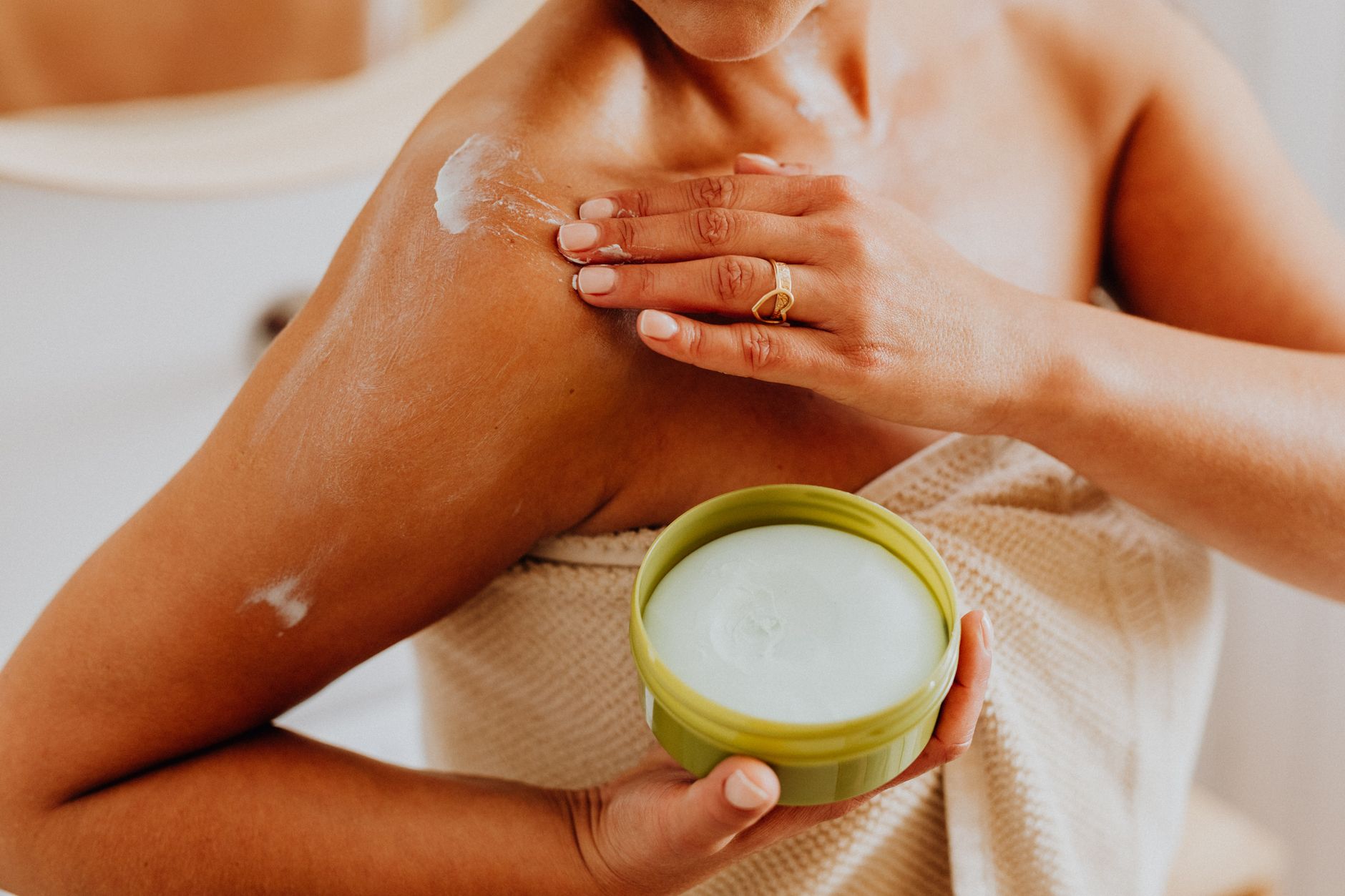
Application Techniques to Minimize Stinging
Experiencing a sting when applying eczema cream can be uncomfortable and frustrating. Understanding proper application techniques can help reduce this sensation, making your eczema care routine more tolerable. Let’s explore some practical tips for applying creams to minimize stinging.
Proper Application Methods
The way you apply your eczema cream can significantly impact whether it stings. Here are some methods to consider:
- Gentle Application: Apply the cream gently to avoid irritating sensitive skin. Use your fingertips to pat the cream into the skin rather than rubbing it in vigorously.
- Thin Layer: Apply a thin, even layer of cream. Thick layers can sometimes cause more irritation and may take longer to absorb, potentially increasing the stinging sensation.
- Room Temperature Cream: Allow your cream to reach room temperature before application. Cold creams can sometimes cause a stinging sensation upon contact with the skin.
Timing of Application
When you apply your eczema cream can also influence whether it stings. Consider these timing tips:
- After Bathing: Apply your cream immediately after bathing while your skin is still damp. Moist skin can better absorb the cream, reducing the likelihood of stinging.
- Avoid Applying to Wet Skin: Ensure your skin is not dripping wet. Excess water can dilute the cream and potentially increase irritation.
- Before Bed: Applying cream before bed can be beneficial. It allows the cream to work overnight without the interference of activities that might rub it off or irritate the skin further.
Moisturizing Before Application
Preparing your skin before applying eczema cream can make a significant difference. Here’s how:
- Use a Gentle Moisturizer: Apply a gentle, fragrance-free moisturizer first to create a protective barrier. This can help reduce the direct contact between the cream and sensitive skin, minimizing stinging.
- Wait a Few Minutes: Allow the moisturizer to absorb into the skin for a few minutes before applying the eczema cream. This can help soothe the skin and make it more receptive to the cream.
- Patch Test: If you’re trying a new eczema cream, perform a patch test on a small area of skin to ensure it doesn’t cause irritation or stinging before applying it more broadly.
By incorporating these application techniques into your routine, you can help reduce the stinging sensation often associated with eczema creams. Remember, everyone’s skin is different, so it may take some trial and error to find the methods that work best for you. Patience and persistence are key in managing eczema symptoms effectively.
If stinging persists despite these efforts, it may be helpful to consult with a healthcare professional. They can offer additional guidance and may suggest alternative eczema-friendly products that are less likely to cause irritation.
In summary, proper application methods, timing, and pre-application moisturizing are crucial in minimizing the stinging sensation when using eczema creams. These practical steps can make a significant difference in your comfort and overall eczema management.
The Importance of Patch Testing New Creams
When dealing with eczema, finding the right cream can make a significant difference in managing symptoms. However, some eczema creams can cause stinging, which can be uncomfortable and concerning. One effective way to determine if a new eczema cream will be suitable for your skin is through patch testing. This process helps you identify potential irritants before applying the cream to larger areas of your skin.
Step-by-Step Patch Testing Guide
Patch testing is a simple yet crucial step in your eczema care routine. Here’s how you can do it:
- Choose a Small Area: Select a small, inconspicuous area of skin, such as the inside of your forearm or behind your ear.
- Clean the Skin: Wash the chosen area with mild soap and water, then pat it dry.
- Apply a Small Amount of Cream: Using a clean finger or a cotton swab, apply a pea-sized amount of the eczema cream to the selected area.
- Wait: Allow the cream to sit on your skin for 24 to 48 hours. Avoid washing the area or applying other products to it during this time.
- Observe: Check the patch test area for any signs of irritation, such as redness, itching, swelling, or stinging. Take note of any reactions.
Interpreting Patch Test Results
Understanding the results of your patch test can guide your decision on whether to use the cream more extensively. Here’s what different reactions might indicate:
- No Reaction: If there is no redness, itching, or stinging, the cream is likely safe for you to use. However, continue to monitor your skin for any delayed reactions over the next few days.
- Mild Reaction: Slight redness or mild itching may indicate that your skin is sensitive to one or more ingredients in the cream. You might still be able to use it, but proceed with caution and consider using it less frequently.
- Severe Reaction: Significant redness, swelling, intense itching, or stinging suggests that the cream is not suitable for your skin. Discontinue use immediately to avoid further irritation.
Common Mistakes in Patch Testing
While patch testing is straightforward, there are common mistakes that can affect the accuracy of your results. Being aware of these can help you conduct a more effective test:
- Testing on Irritated Skin: Avoid patch testing on skin that is already irritated or inflamed, as this can skew the results. Choose a calm area of skin for the test.
- Using Too Much Cream: Applying an excessive amount of cream can lead to inaccurate results. Stick to a small, pea-sized amount.
- Not Waiting Long Enough: Give the cream enough time to interact with your skin. A 24 to 48-hour waiting period is essential for observing any potential reactions.
- Ignoring Delayed Reactions: Some reactions may not appear immediately. Keep an eye on the test area for several days after the initial 48-hour period.
By following these steps and avoiding common mistakes, you can effectively determine whether a new eczema cream will cause stinging or other adverse reactions. Patch testing is a valuable tool in your eczema management toolkit, helping you make informed decisions about the products you use on your skin.
Remember, if you experience significant stinging or other severe reactions during or after patch testing, it’s important to consult a healthcare professional. They can offer guidance and recommend alternative eczema-friendly products that are better suited to your skin’s needs.
When to Consult a Dermatologist
Experiencing a sting when applying eczema cream can be uncomfortable and concerning. While some stinging is normal, especially with certain active ingredients, persistent or severe stinging may indicate the need for professional advice. Knowing when to consult a dermatologist can help you manage your eczema more effectively and ensure you’re using the right products for your skin.
Signs You Need Professional Help
If you notice that the stinging sensation persists or worsens after applying eczema cream, it might be time to seek help from a dermatologist. Here are some signs that indicate you should consult a professional:
- Intense or prolonged stinging: If the stinging is severe or lasts longer than a few minutes after application, it could indicate a sensitivity or allergic reaction to the cream.
- Increased eczema symptoms: If your eczema symptoms worsen after using a cream, such as increased redness, swelling, or itching, it’s important to get a professional opinion.
- New or worsening eczema flare-ups: If you experience new flare-ups or your existing ones become more frequent and severe, a dermatologist can help identify triggers and adjust your treatment plan.
- Skin irritation or infection: Signs of skin irritation, such as burning, pain, or signs of infection like pus or extreme redness, warrant a visit to a dermatologist.
- No improvement after consistent use: If you’ve been using a cream as directed for several weeks without noticing any improvement, a dermatologist can offer alternative treatments.
What to Expect During a Dermatologist Visit
Visiting a dermatologist for eczema can be a straightforward process. Here’s what you can expect during your appointment:
- Medical history review: The dermatologist will start by reviewing your medical history, including any previous eczema treatments and their effectiveness.
- Skin examination: A thorough examination of your skin will be conducted to assess the severity and type of eczema you have.
- Discussion of symptoms: You’ll have the opportunity to discuss your symptoms, including any stinging sensations you experience when applying creams.
- Patch testing: If an allergic reaction is suspected, the dermatologist may perform patch testing to identify any specific allergens.
- Treatment recommendations: Based on the examination and discussion, the dermatologist will recommend a treatment plan, which may include different eczema creams, ointments, or other therapies.
Questions to Ask Your Dermatologist
Preparing questions before your visit can help you make the most of your appointment. Here are some important questions to ask your dermatologist about eczema cream sting:
- Why does my eczema cream sting? Understanding the cause of the stinging can help you choose better products.
- Are there alternative creams that won’t sting? Ask about other eczema-friendly products that might be gentler on your skin.
- How can I reduce the stinging sensation? Learn about application techniques or pre-treatment steps that can minimize discomfort.
- What are the signs of an allergic reaction? Knowing what to look for can help you identify and address issues early.
- How often should I apply the cream? Proper application frequency can improve effectiveness and reduce stinging.
- Are there any lifestyle changes I should make to manage my eczema? Dietary changes, avoiding certain triggers, and other eczema management tips can complement your treatment plan.
- What should I do if I experience severe stinging or other adverse reactions? Having a plan for managing severe reactions can provide peace of mind.
Consulting a dermatologist when you experience eczema cream sting can provide valuable insights and tailored advice to help you manage your eczema more effectively. By recognizing the signs that indicate professional help is needed, understanding what to expect during your visit, and asking the right questions, you can take proactive steps toward better eczema care.
Alternative Treatments for Sensitive Skin
Exploring alternative treatments for sensitive skin is crucial for individuals experiencing discomfort with traditional eczema creams, especially when dealing with the issue of eczema cream sting. This section will provide an overview of alternative treatments, discuss the pros and cons of each option, and offer guidance on how to choose the right alternative for your specific needs.
Overview of Alternative Treatments
Alternative treatments for eczema can range from natural remedies to advanced medical procedures. These options are often sought by individuals who experience stinging or irritation from conventional creams. Understanding these alternatives can help you find a more comfortable and effective solution for managing your eczema symptoms.
Natural Remedies
Natural remedies are often the first line of alternative treatment. These include:
- Aloe Vera: Known for its soothing properties, aloe vera can help reduce inflammation and provide relief from itching.
- Coconut Oil: This oil is rich in fatty acids and can moisturize the skin without causing irritation.
- Oatmeal Baths: Colloidal oatmeal can be added to bathwater to soothe irritated skin and reduce itching.
Pros and Cons of Natural Remedies
While natural remedies are generally considered safe, they may not be as effective for severe eczema. Additionally, some individuals may have allergies to certain natural ingredients. It’s important to perform a patch test before applying any new remedy to your skin.
Prescription Alternatives
For those who find over-the-counter creams ineffective or irritating, prescription alternatives may be necessary. These can include:
- Topical Calcineurin Inhibitors: These medications, such as tacrolimus and pimecrolimus, reduce inflammation without the use of steroids.
- Phototherapy: This treatment involves exposing the skin to controlled amounts of natural and artificial light.
- Biologics: These are a newer class of drugs that target specific parts of the immune system.
Pros and Cons of Prescription Alternatives
Prescription treatments can be more effective for severe eczema but may come with side effects and require careful monitoring by a healthcare provider. It’s essential to discuss these options with a dermatologist to determine the best course of action.
Over-the-Counter (OTC) Alternatives
There are several OTC alternatives that can be effective for managing eczema without the stinging sensation. These include:
- Emollients: These are moisturizers that help keep the skin hydrated without active ingredients that might cause irritation.
- Barrier Repair Creams: These creams help restore the skin’s natural barrier function.
- Hypoallergenic Products: These are formulated to minimize the risk of allergic reactions.
Pros and Cons of OTC Alternatives
OTC alternatives are easily accessible and generally safe for most people. However, their effectiveness can vary, and they may not be sufficient for severe eczema cases.
How to Choose the Right Alternative
Choosing the right alternative treatment for sensitive skin involves several steps:
- Consult a Dermatologist: Before trying any new treatment, it’s crucial to consult with a dermatologist. They can provide personalized recommendations based on your skin’s specific needs.
- Perform Patch Tests: Whether you’re trying a natural remedy or a new cream, always perform a patch test to ensure you don’t have an allergic reaction.
- Monitor Your Skin’s Reaction: Keep track of how your skin reacts to the new treatment. Note any improvements or adverse effects.
- Consider the Severity of Your Eczema: Mild cases might respond well to natural remedies, while more severe cases may require prescription treatments.
- Evaluate Lifestyle and Preferences: Consider how the treatment fits into your daily routine and whether you’re comfortable with its application method.
By carefully evaluating these factors, you can find an alternative treatment that minimizes the discomfort of eczema cream sting and effectively manages your eczema symptoms.

Lifestyle Adjustments to Reduce Stinging
Experiencing a stinging sensation when applying eczema cream can be uncomfortable and frustrating. While some stinging may be due to the active ingredients in the cream, making certain lifestyle adjustments can help reduce this sensation. Here, we explore practical changes you can make to your daily routine to minimize stinging and enhance your eczema care.
Dietary Changes
What you eat can influence your skin’s sensitivity and overall eczema symptoms. Certain foods may trigger inflammation, making your skin more reactive to topical treatments, including eczema creams.
Consider keeping a food diary to identify potential triggers. Common culprits include:
- Dairy products
- Gluten
- Processed foods
- Sugary snacks
- Nuts and seeds
Incorporate more anti-inflammatory foods into your diet, such as:
- Fatty fish (like salmon and mackerel)
- Leafy greens
- Berries
- Turmeric
- Olive oil
Hydration is also crucial. Drinking plenty of water helps maintain skin moisture and may reduce the likelihood of stinging when applying eczema cream.
Environmental Adjustments
Your surroundings can significantly impact your skin’s condition and sensitivity. Making a few environmental adjustments can help create a more eczema-friendly space.
Humidity levels play a vital role in skin health. Dry air can exacerbate eczema symptoms and make your skin more prone to stinging when applying creams. Use a humidifier to maintain optimal humidity levels in your home, especially during the winter months.
Avoid harsh detergents and cleaning products that can irritate your skin. Opt for gentle, fragrance-free alternatives. When washing your hands or bathing, use lukewarm water instead of hot water to prevent further drying and irritation.
Wear soft, breathable fabrics like cotton to reduce irritation. Avoid rough or synthetic materials that can exacerbate eczema symptoms.
Stress Management Techniques
Stress is a well-known trigger for eczema flare-ups and can increase skin sensitivity, making eczema cream sting more likely. Incorporating stress management techniques into your daily routine can help mitigate these effects.
Practice relaxation methods such as:
- Deep breathing exercises
- Yoga or tai chi
- Meditation
- Progressive muscle relaxation
Engage in regular physical activity, which can help reduce stress levels and improve overall well-being. Even a short daily walk can make a difference.
Ensure you get adequate sleep, as lack of sleep can increase stress and worsen eczema symptoms. Establish a calming bedtime routine to help you relax and prepare for sleep.
Consider talking to a therapist or counselor if stress is significantly impacting your life. They can provide valuable tools and strategies to manage stress more effectively.
By making these lifestyle adjustments, you can create a more supportive environment for your skin, potentially reducing the stinging sensation when applying eczema cream. Remember, everyone’s skin is different, so it may take some trial and error to find what works best for you. Always consult with a healthcare professional before making significant changes to your diet or lifestyle.
Recommended Products for Sensitive Skin
When dealing with eczema, especially if you’ve experienced the discomfort of eczema cream sting, choosing the right products is crucial. Sensitive skin requires gentle, effective care to avoid aggravating symptoms. Here, we’ll explore top-rated creams for sensitive skin, ingredients to look for, and products to avoid.
Top-Rated Creams for Sensitive Skin
Selecting a cream that minimizes the risk of stinging while providing effective relief is essential. Here are some top-rated options that are generally well-tolerated by sensitive skin:
- Cetaphil Moisturizing Cream: Known for its gentle formula, this cream is free from fragrances and dyes, making it a good choice for those prone to eczema cream sting.
- Aveeno Eczema Therapy Itch Relief Balm: This balm is designed specifically for eczema-prone skin, offering soothing relief without harsh ingredients.
- Vanicream Moisturizing Skin Cream: Free from common irritants like dyes, fragrances, and parabens, Vanicream is a popular choice among those with sensitive skin.
- Eucerin Eczema Relief Cream: This cream contains ceramides and other moisturizing ingredients that help strengthen the skin barrier without causing irritation.
Ingredients to Look For
When shopping for eczema creams, certain ingredients can make a significant difference in how your skin reacts. Here are some beneficial ingredients to look for:
- Ceramides: These lipids help restore the skin’s natural barrier, reducing moisture loss and improving overall skin health.
- Hyaluronic Acid: Known for its hydrating properties, hyaluronic acid helps retain moisture in the skin.
- Colloidal Oatmeal: This ingredient has anti-inflammatory properties and can soothe irritated skin.
- Aloe Vera: Aloe vera is known for its cooling and soothing effects, making it a great addition to eczema-friendly products.
- Niacinamide: This form of vitamin B3 can help reduce inflammation and strengthen the skin barrier.
Products to Avoid
Just as important as knowing what to look for is understanding what to avoid. Certain ingredients can exacerbate eczema symptoms and increase the likelihood of eczema cream sting. Here are some common culprits:
- Fragrances: Synthetic fragrances can irritate sensitive skin and trigger eczema flare-ups.
- Dyes: Artificial colors can cause allergic reactions and skin irritation.
- Alcohol: Products containing alcohol can dry out the skin and cause stinging or burning sensations.
- Parabens: These preservatives can be irritating to sensitive skin and may exacerbate eczema symptoms.
- Sulfates: Commonly found in cleansers, sulfates can strip the skin of its natural oils, leading to dryness and irritation.
When selecting eczema creams and other skin care products, it’s important to read labels carefully and opt for products specifically designed for sensitive skin. Patch testing new products is also a good practice to ensure they won’t cause adverse reactions. If you continue to experience eczema cream sting or other uncomfortable symptoms, consulting a dermatologist can provide personalized recommendations and help you find the best products for your skin.
Remember, managing eczema is a continuous process that often requires trial and error to find the most effective and comfortable products. Patience and persistence are key, and with the right products, you can significantly reduce discomfort and improve your skin’s health.
Finding Community Support for Eczema Management
Dealing with the discomfort and eczema cream sting can be challenging, but you don’t have to face it alone. Community support plays a crucial role in managing eczema effectively. Connecting with others who understand your experience can provide emotional support, practical advice, and a sense of belonging.
The Importance of Community Support
Eczema can be isolating, especially when you feel like no one understands the daily struggles. Community support offers several benefits:
- Emotional Support: Sharing your experiences with others who relate can reduce feelings of isolation and anxiety.
- Practical Advice: Community members often share tips and tricks that can help manage symptoms and reduce the eczema cream sting.
- Motivation: Seeing others successfully manage their eczema can inspire you to stay committed to your treatment plan.
- Information Sharing: Communities often provide up-to-date information on new treatments and products.
Online Support Groups
The internet has made it easier than ever to find online support groups. These platforms allow you to connect with people from around the world who share your experiences.
- Social Media Groups: Facebook, Instagram, and Reddit have numerous groups dedicated to eczema. Search for terms like “eczema support” or “eczema warriors” to find active communities.
- Forums: Websites like Eczema.org and HealthUnlocked host forums where you can ask questions, share experiences, and get advice.
- Apps: There are several apps designed specifically for eczema management that include community features. Examples include MyEczema.app and Eczema Tracker.
Offline Support Groups
While online communities are valuable, face-to-face interactions can offer a different kind of support. Look for local eczema support groups through hospitals, dermatology clinics, or community centers.
- Hospitals and Clinics: Many healthcare facilities host support groups for chronic conditions, including eczema.
- Community Centers: Check with local community centers for eczema support meetings.
- Nonprofit Organizations: Organizations like the National Eczema Association often have local chapters that offer support groups and events.
How to Get Involved in the Eczema Community
Joining a community is just the first step. Here’s how you can make the most of your involvement:
- Be Open and Honest: Share your experiences and ask questions. Authenticity fosters a supportive environment.
- Offer Support: Pay it forward by helping others. Sometimes, supporting others can be as beneficial as receiving support.
- Attend Events: Many eczema communities host webinars, meetups, and conferences. Participating in these events can deepen your connections.
- Stay Active: Regular participation keeps you engaged and informed. Even small contributions can make a big difference.
Finding the right community can significantly enhance your eczema management journey. Whether you choose online or offline support, the shared experiences and advice can help you navigate the challenges of dealing with eczema cream sting and other symptoms. Remember, you are not alone, and there are people and resources available to help you every step of the way.
Frequently asked questions
Why does my eczema cream sting more on some days?
The sensation of stinging from eczema cream can vary based on several factors. One key factor is the condition of your skin barrier. On days when your skin barrier is compromised, perhaps due to environmental triggers like cold weather or dry air, the skin may be more sensitive. This heightened sensitivity can make the application of eczema cream feel more intense. Additionally, exposure to irritants or allergens can exacerbate skin sensitivity, leading to increased stinging when applying eczema cream.
Can I desensitize my skin to reduce stinging from eczema creams?
Desensitization, the process of gradually exposing the skin to a substance to reduce sensitivity, is a concept often discussed in eczema management. While some people find that their skin becomes less reactive over time with consistent use of a particular cream, this is not a guaranteed outcome for everyone. It’s important to approach desensitization cautiously and under the guidance of a healthcare professional. Sudden changes in your skin’s reaction to eczema cream should always be evaluated by a doctor to rule out other underlying issues.
Are there any natural remedies to reduce stinging from eczema creams?
Natural remedies can offer some relief from the stinging sensation associated with eczema creams. Aloe vera, known for its soothing properties, can be applied to the skin before using eczema cream to create a protective layer. Oatmeal baths are another popular remedy, helping to calm irritated skin. However, it’s crucial to remember that natural remedies have limitations and may not work for everyone. Always patch test new remedies and consult with a healthcare provider before incorporating them into your routine.
How long should I wait between applying moisturizer and eczema cream?
The timing between applying moisturizer and eczema cream can affect how your skin reacts, including the potential for stinging. Generally, it’s recommended to wait a few minutes after applying moisturizer before applying eczema cream. This allows the moisturizer to absorb into the skin, creating a barrier that might reduce the intensity of any stinging sensation. However, the exact timing can vary based on the specific products you’re using and your skin’s needs. Experiment with different intervals to find what works best for you.
What should I do if my eczema cream stings severely?
If you experience severe stinging after applying eczema cream, it’s important to take immediate action. First, gently wash off the cream with lukewarm water to remove any residue that might be causing irritation. Then, apply a gentle, fragrance-free moisturizer to soothe the skin. If the stinging persists or if you notice signs of an allergic reaction, such as swelling or hives, seek medical help promptly. A healthcare professional can offer guidance on alternative treatments and help determine if the cream is suitable for your skin.
Can diet affect how much my eczema cream stings?
While diet is more commonly associated with triggering eczema flare-ups rather than directly affecting how eczema cream feels on the skin, there is a connection worth exploring. Certain foods can increase inflammation in the body, potentially making the skin more sensitive and reactive. This heightened sensitivity might make the application of eczema cream feel more intense. Focusing on an anti-inflammatory diet, rich in fruits, vegetables, and omega-3 fatty acids, may help reduce overall skin sensitivity, indirectly influencing how you perceive the sensation of your eczema cream.
This article is for educational purposes only and is not medical advice. If symptoms are severe, spreading, painful, infected-looking, or affecting sleep and daily life, speak with a qualified healthcare professional.
Sources and further reading
For medical guidance, always rely on a qualified healthcare professional. These educational resources may help readers learn more:
Image credit: Photo by SHVETS production on Pexels. Used under the Pexels License.
Image credit: Photo by www.kaboompics.com on Pexels. Used under the Pexels License.
Image credit: Photo by Tima Miroshnichenko on Pexels. Used under the Pexels License.