
MyEczema.app guide
How Often Should You Moisturize Eczema-Prone Skin?
Learn how often you should moisturize eczema-prone skin to manage symptoms effectively. Discover best practices and expert tips for optimal skin care.
Table of contents
Use this guide as a practical reference and jump to the sections most relevant to you.
- Quick answer
- Key takeaways
- Practical comparison table
- Visual chart
- Related MyEczema.app tool
- The Importance of Moisturizing Eczema-Prone Skin
- How Often Should You Moisturize Eczema-Prone Skin?
- The Best Times to Moisturize Eczema-Prone Skin
- Choosing the Right Moisturizer for Eczema-Prone Skin
- Effective Application Techniques for Moisturizers
- Moisturizing in Special Situations
- Complementary Skin Care Practices for Eczema
- Monitoring Your Skin’s Response to Moisturizing
- Debunking Common Moisturizing Myths for Eczema
- Expert Tips for Effective Moisturizing
- Frequently asked questions
- Sources and further reading
Eczema, a chronic skin condition characterized by dry, itchy, and often inflamed skin, requires diligent care to manage symptoms and prevent flare-ups. One of the most essential aspects of eczema management is moisturizing. Moisturizing eczema-prone skin helps to restore the skin’s natural barrier, reduce itchiness, and prevent dryness. But how often should you moisturize eczema-prone skin? This article will explore the best practices for moisturizing, ensuring your skin stays hydrated and comfortable.
Eczema-prone skin is particularly sensitive and can be easily affected by various factors such as skin barrier disruption, irritants, climate, cleansing habits, allergens, and individual triggers. This means that maintaining a consistent moisturizing routine is vital. By understanding the specific needs of eczema-prone skin and adopting a tailored approach to moisturizing, you can significantly improve your skin’s condition and overall comfort.
In this article, we will delve into the importance of moisturizing eczema-prone skin, the frequency with which you should do it, and the types of moisturizers that work best. We’ll also provide practical tips to help you incorporate moisturizing into your daily routine effectively. Remember, while we aim to offer helpful guidance, it’s always important to consult with a dermatologist for personalized advice tailored to your specific skin needs.
Quick answer
To effectively manage eczema, moisturize eczema-prone skin at least twice daily and immediately after washing. This helps maintain skin hydration, reinforces the skin barrier, and reduces the likelihood of flare-ups. Choosing a fragrance-free, hypoallergenic moisturizer can further prevent irritation and enhance the skin’s natural protective functions.
Key takeaways
- Moisturizing eczema-prone skin at least twice daily is crucial.
- Use a fragrance-free, hypoallergenic moisturizer to avoid irritation.
- Apply moisturizer immediately after washing to lock in moisture.
- Adjust moisturizing frequency based on skin condition and environment.
- Consult a dermatologist for personalized advice on eczema care.
Moisturizing Schedule for Eczema-Prone Skin
| Situation | What it may mean | Practical next step |
|---|---|---|
| Mild eczema symptoms | Skin is slightly dry and occasionally itchy | Moisturize twice daily with a gentle, fragrance-free lotion |
| Moderate eczema symptoms | Skin is dry, itchy, and may have some redness | Moisturize 3-4 times daily with a richer cream or ointment |
| Severe eczema symptoms | Skin is very dry, intensely itchy, and may be cracked or bleeding | Moisturize after every wash and as needed throughout the day with a thick ointment |
| Post-shower routine | Skin is temporarily hydrated but may dry out quickly | Apply moisturizer immediately after drying off to lock in moisture |
| During a flare-up | Skin is extremely sensitive and prone to irritation | Use a gentle, hypoallergenic moisturizer and avoid potential irritants |
Effectiveness of Moisturizing Techniques for Eczema
This visual is an educational guide, not a diagnostic score. Use it to decide what may be worth tracking more consistently for this specific topic.
High attention
Gentle, circular motions
Ensures even application and absorption
High attention
Post-shower application
Locks in moisture after washing
High attention
Using a thick ointment
Provides long-lasting hydration
High attention
Consistency in routine
Helps maintain skin barrier
Medium attention
Avoiding harsh ingredients
Reduces risk of irritation
Related MyEczema.app tool
Use the Eczema Skincare Routine Planner
The Eczema Skincare Routine Planner helps users organize morning, daytime, and evening routine steps for eczema-prone skin.
For this topic, this tool can help you organize information in a more structured way and turn daily observations into clearer patterns to review over time.
The Importance of Moisturizing Eczema-Prone Skin
Moisturizing is a cornerstone of managing eczema-prone skin. Consistent and proper moisturizing can significantly reduce eczema symptoms and improve overall skin health. Let’s delve into why moisturizing is so crucial for those with eczema and how to do it effectively.
Role of Moisturizers in Maintaining Skin Barrier
The skin barrier is your body’s first line of defense against external irritants and infections. For individuals with eczema, this barrier is often compromised, leading to increased sensitivity and flare-ups. Moisturizers play a vital role in restoring and maintaining this barrier.
Moisturizers work by providing a protective layer over the skin, which helps to lock in hydration and prevent moisture loss. Ingredients like ceramides, lipids, and humectants are particularly beneficial. Ceramides help to repair the skin barrier, while humectants like glycerin attract moisture from the environment. Lipids, such as oils and butters, create a barrier that prevents water loss.
By regularly moisturizing eczema-prone skin, you help to reinforce the skin barrier, making it more resilient against triggers that can cause flare-ups.
Benefits of Regular Moisturizing for Eczema
Regular moisturizing offers numerous benefits for those managing eczema. Here are some key advantages:
- Reduced Itching and Discomfort: Keeping the skin hydrated can alleviate itching, one of the most common and distressing symptoms of eczema.
- Minimized Flare-Ups: Consistent moisturizing can help prevent eczema flare-ups by maintaining skin hydration and protecting against environmental triggers.
- Improved Skin Appearance: Moisturized skin appears smoother and more radiant. It can also reduce the appearance of eczema patches and scars.
- Enhanced Skin Function: Well-moisturized skin functions better, including improved elasticity and a stronger barrier against infections.
Common Mistakes in Moisturizing Routines
While moisturizing is essential, there are common mistakes that can undermine its effectiveness. Being aware of these pitfalls can help you optimize your moisturizing routine.
- Using the Wrong Type of Moisturizer: Not all moisturizers are created equal. Some may contain fragrances, alcohols, or other irritants that can exacerbate eczema. Opt for fragrance-free, hypoallergenic products specifically designed for sensitive skin.
- Moisturizing Infrequently: Inconsistent moisturizing can lead to dry skin and increased eczema symptoms. Aim to moisturize at least twice a day, or more frequently if your skin feels dry.
- Applying Moisturizer to Dry Skin: For best results, apply moisturizer to slightly damp skin. This helps to lock in moisture more effectively. Pat your skin dry after bathing, leaving a bit of moisture, and then apply your moisturizer.
- Neglecting Ingredients: Pay attention to the ingredients in your moisturizer. Look for products with ceramides, hyaluronic acid, and other hydrating ingredients. Avoid harsh chemicals and potential allergens.
- Over-Moisturizing: While it’s important to keep skin hydrated, over-moisturizing can lead to a greasy buildup that may clog pores and attract dirt and bacteria. Find a balance that works for your skin.
Incorporating a consistent and effective moisturizing routine is vital for managing eczema-prone skin. By understanding the role of moisturizers in maintaining the skin barrier, recognizing the benefits of regular moisturizing, and avoiding common mistakes, you can significantly improve your skin’s health and reduce the frequency and severity of eczema flare-ups.
Remember, everyone’s skin is different. What works for one person may not work for another. It may take some trial and error to find the right moisturizer and routine for your skin. Consulting with a dermatologist can provide personalized advice and recommendations tailored to your specific needs.
How Often Should You Moisturize Eczema-Prone Skin?
Moisturizing is a cornerstone of managing eczema-prone skin. But how often should you moisturize to keep your skin hydrated and reduce the frequency of eczema flare-ups? This section will guide you through the recommended frequency of moisturizing, factors that influence your moisturizing needs, and tips for establishing a consistent routine.
Recommended Frequency of Moisturizing
For those with eczema, the general recommendation is to moisturize your skin at least twice a day. However, this can vary depending on the severity of your eczema and your skin’s specific needs. Here’s a breakdown:
- Mild Eczema: Moisturize twice daily—once in the morning and once before bed.
- Moderate Eczema: Aim for three times a day—morning, afternoon, and night.
- Severe Eczema: You may need to moisturize more frequently, sometimes even four to five times a day.
Remember, these are general guidelines. The key is to listen to your skin and adjust your moisturizing routine as needed.
Factors Influencing Moisturizing Needs
Several factors can influence how often you need to moisturize eczema-prone skin. Understanding these can help you tailor your routine more effectively.
- Climate: Dry, cold weather can exacerbate eczema symptoms, making more frequent moisturizing necessary. In contrast, humid climates may require less frequent application.
- Activity Level: Physical activities that cause you to sweat can strip your skin of natural oils, necessitating additional moisturizing.
- Skin Irritants: Exposure to common eczema triggers like harsh soaps, detergents, or certain fabrics can increase the need for moisturizing.
- Skin Barrier Health: A compromised skin barrier will require more frequent moisturizing to maintain hydration and protect against external irritants.
- Age: Children with eczema may need more frequent moisturizing due to their thinner skin and higher susceptibility to dryness.
Tips for Establishing a Consistent Routine
Establishing a consistent moisturizing routine is crucial for managing eczema-prone skin. Here are some practical tips to help you stay on track:
- Set Reminders: Use alarms or reminders on your phone to prompt you to moisturize at specific times throughout the day.
- Incorporate into Daily Activities: Apply moisturizer after washing your hands, face, or after a shower. This makes it a natural part of your routine.
- Choose the Right Product: Opt for a moisturizer specifically designed for eczema-prone skin. Look for ingredients like ceramides, hyaluronic acid, and glycerin that help reinforce the skin barrier and retain moisture.
- Patch Test New Products: Before fully incorporating a new moisturizer into your routine, do a patch test to ensure it doesn’t irritate your skin.
- Keep Moisturizer Handy: Store moisturizer in multiple locations—your bathroom, bedroom, office, and bag—so you can easily access it whenever needed.
- Moisturize Immediately After Bathing: Apply moisturizer within three minutes of stepping out of the bath or shower to lock in moisture.
- Use Gentle Application Techniques: Pat the moisturizer into your skin rather than rubbing it in to avoid further irritation.
By understanding the recommended frequency of moisturizing, considering the factors that influence your needs, and following these tips, you can establish a moisturizing routine that helps keep your eczema-prone skin hydrated and reduces the likelihood of flare-ups. Always consult with a dermatologist for personalized advice on how often to moisturize eczema-prone skin, especially if you experience severe symptoms or have specific concerns.
The Best Times to Moisturize Eczema-Prone Skin
When it comes to managing eczema, knowing the best times to moisturize can make a significant difference in the health of your skin. Consistent and timely application of moisturizer can help maintain skin hydration, strengthen the skin barrier, and reduce the frequency of eczema flare-ups. Let’s explore the optimal times to moisturize eczema-prone skin, ensuring you get the most benefit from your moisturizing routine.
Morning and Evening Routines
Establishing a consistent morning and evening routine is crucial for moisturizing eczema-prone skin. The morning routine helps to hydrate your skin after a night of potential moisture loss, while the evening routine prepares your skin for overnight repair and hydration.
In the morning, start by cleansing your skin gently with a mild, fragrance-free cleanser. Pat your skin dry with a soft towel, ensuring you do not rub, which can irritate eczema-prone skin. Immediately apply your moisturizer to lock in hydration. Choose a moisturizer that is suitable for eczema, such as one containing ceramides or other barrier-repairing ingredients.
In the evening, follow a similar process. Cleanse your skin, pat it dry, and apply a generous amount of moisturizer. Nighttime is an excellent opportunity to use a heavier moisturizer or an ointment, as the skin has more time to absorb the product while you sleep. This can provide extended hydration and help repair the skin barrier overnight.
Post-Shower Application
One of the most critical times to moisturize is immediately after showering. Showering can strip your skin of natural oils, leading to dryness and potential eczema flare-ups. To combat this, apply moisturizer within three minutes of stepping out of the shower.
After your shower, gently pat your skin dry rather than rubbing it with a towel. This helps to retain some moisture. While your skin is still damp, apply your moisturizer. The residual water on your skin will help the moisturizer penetrate more effectively, providing a better barrier against moisture loss.
It’s also beneficial to use lukewarm water rather than hot water when showering, as hot water can further dry out your skin. Additionally, limit your shower time to about 5-10 minutes to avoid over-drying your skin.
Moisturizing After Using Topical Treatments
If you are using topical treatments for eczema, such as prescribed creams or ointments, it’s essential to incorporate moisturizer into your routine effectively. Many topical treatments are designed to reduce inflammation and itching, but they may not provide sufficient hydration on their own.
After applying any topical treatment, wait a few minutes to allow it to absorb into the skin. Then, apply your moisturizer. This layered approach ensures that the treatment can work effectively while the moisturizer provides additional hydration and protection.
For example, if you use a corticosteroid cream as directed by your dermatologist, apply it first and allow it to absorb. Follow up with a fragrance-free moisturizer to lock in the hydration and further support the skin barrier. This method can enhance the overall effectiveness of your eczema care routine.
Real-Life Examples and Decision Points
Consider Sarah, who has eczema-prone skin. She notices that her skin feels tight and itchy after her morning shower. By incorporating a moisturizer immediately after her shower, she finds significant relief. In the evening, she applies a thicker moisturizer before bed, which helps her skin stay hydrated throughout the night.
Another example is John, who uses a prescribed topical treatment for his eczema. He waits a few minutes after applying the treatment before using his moisturizer. This ensures that both products work together to manage his symptoms effectively.
These examples highlight the importance of timing and routine when it comes to moisturizing eczema-prone skin. By identifying the best times to moisturize and incorporating them into your daily routine, you can better manage eczema symptoms and maintain healthier skin.
Scientifically Cautious Explanations
The skin barrier plays a crucial role in protecting the body from external irritants and retaining moisture. Eczema compromises this barrier, making it essential to moisturize regularly to support its function. Moisturizers help to hydrate the skin, reduce itching, and create a protective layer that prevents moisture loss.
It’s important to choose the right type of moisturizer for your skin. Look for products that are fragrance-free, hypoallergenic, and specifically designed for sensitive or eczema-prone skin. Ingredients like ceramides, hyaluronic acid, and glycerin can be particularly beneficial in repairing and hydrating the skin barrier.
While moisturizers are a vital part of eczema care, they should be used in conjunction with other management strategies, such as avoiding triggers, using gentle skincare products, and following your dermatologist’s advice. Consistency is key, so make moisturizing a non-negotiable part of your daily routine.
Choosing the Right Moisturizer for Eczema-Prone Skin
Selecting the right moisturizer is crucial when it comes to managing eczema-prone skin. The right product can significantly reduce eczema symptoms and help maintain the skin barrier, preventing flare-ups. Here’s a detailed guide to help you choose the most suitable moisturizer for your needs.
Types of Moisturizers
Moisturizers come in various forms, each with unique benefits. The three main types are lotions, creams, and ointments. Understanding the differences can help you make a more informed choice.
Lotions
Lotions are lightweight and easily absorbed, making them ideal for less severe eczema or for use during warmer weather. They are great for hydrating the skin without leaving a heavy residue. However, they may not provide enough moisture for severe eczema cases.
Creams
Creams offer a balance between lotions and ointments. They are thicker than lotions but lighter than ointments, providing moderate hydration. Creams are versatile and can be used on various parts of the body, making them a popular choice for daily moisturizing routines.
Ointments
Ointments are the thickest and most occlusive, meaning they create a barrier on the skin to lock in moisture. They are highly effective for severe eczema and are often recommended for use during flare-ups. However, they can be greasy and may not be suitable for everyday use, especially in warmer climates.
Ingredients to Look For and Avoid
When selecting a moisturizer for eczema-prone skin, pay close attention to the ingredients. Certain components can either soothe or irritate your skin.
Ingredients to Look For
- Ceramides: These lipids help restore the skin barrier and retain moisture.
- Hyaluronic Acid: Known for its hydrating properties, it helps the skin retain water.
- Aloe Vera: Soothes and hydrates the skin, reducing inflammation.
- Colloidal Oatmeal: Provides anti-inflammatory benefits and helps retain moisture.
- Glycerin: A humectant that attracts moisture to the skin.
Ingredients to Avoid
- Fragrances: Can cause irritation and allergic reactions.
- Dyes: May lead to skin irritation and discoloration.
- Alcohol: Can dry out the skin and exacerbate eczema symptoms.
- Parabens: Some people may be sensitive to these preservatives.
Personalized Moisturizer Selection Based on Skin Type
Your skin type plays a significant role in determining the best moisturizer for you. Here’s how to tailor your choice based on your skin’s needs.
Dry Skin
If you have dry skin, opt for heavier moisturizers like creams or ointments. Products containing ceramides and hyaluronic acid can provide the intense hydration your skin needs. Look for ointments if your eczema is severe, as they offer the most occlusion and moisture retention.
Oily Skin
For oily skin, lighter moisturizers like lotions are usually more suitable. Choose oil-free formulations to avoid clogging pores. Ingredients like aloe vera and glycerin can hydrate without adding excess oil.
Sensitive Skin
Sensitive skin requires gentle, hypoallergenic products. Look for fragrance-free and dye-free moisturizers. Ingredients like colloidal oatmeal and ceramides are often well-tolerated and can provide the necessary hydration without causing irritation.
Real-Life Examples and Decision Points
Let’s consider a few real-life scenarios to illustrate how to choose the right moisturizer.
Scenario 1: Mild Eczema
Jane has mild eczema and experiences occasional flare-ups. She lives in a warm climate and prefers a lightweight moisturizer. She chooses a lotion with hyaluronic acid and glycerin to keep her skin hydrated without feeling greasy.
Scenario 2: Severe Eczema
Mike has severe eczema and frequent flare-ups. His dermatologist recommends an ointment with ceramides to help repair his skin barrier and lock in moisture. He uses this ointment during flare-ups and a cream with colloidal oatmeal for daily moisturizing.
Scenario 3: Sensitive Skin
Sarah has sensitive skin and is prone to irritation. She opts for a fragrance-free cream containing ceramides and colloidal oatmeal. This gentle formula helps hydrate her skin without causing any adverse reactions.
In conclusion, choosing the right moisturizer for eczema-prone skin involves understanding the different types of moisturizers, recognizing beneficial and harmful ingredients, and considering your skin type. By making an informed choice, you can effectively moisturize eczema-prone skin and reduce the frequency of eczema flare-ups.
Effective Application Techniques for Moisturizers
Applying moisturizer to eczema-prone skin is more than just a routine task—it’s a crucial step in managing symptoms and maintaining skin health. Proper application techniques can significantly enhance the effectiveness of your moisturizer, ensuring your skin gets the maximum benefit. Let’s dive into the best practices for applying moisturizer to eczema-prone skin.
Step-by-Step Application Guide
Following a structured approach to applying moisturizer can make a big difference. Here’s a step-by-step guide to help you get the most out of your moisturizing routine:
- Cleanse Gently: Start by washing your skin with a mild, fragrance-free cleanser. Pat your skin dry with a soft towel, leaving it slightly damp. This helps the moisturizer penetrate better.
- Choose the Right Time: Apply moisturizer immediately after cleansing while your skin is still damp. This locks in moisture more effectively.
- Dispense the Right Amount: Use an adequate amount of moisturizer. A good rule of thumb is to use about a nickel-sized amount for your face and a quarter-sized amount for each limb.
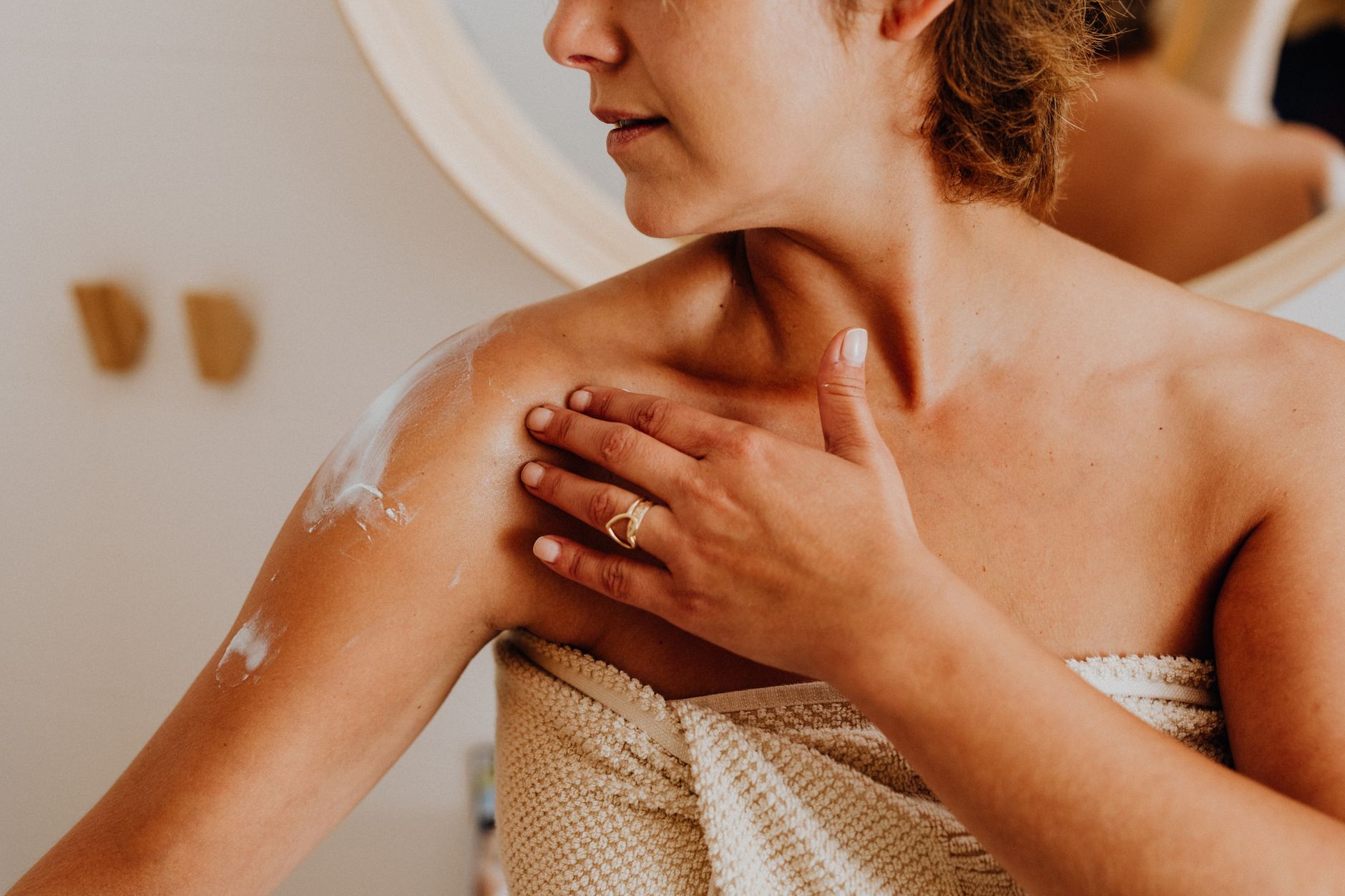
- Apply in Circular Motions: Gently massage the moisturizer into your skin using circular motions. This helps the product absorb better and stimulates blood flow.
- Focus on Problem Areas: Pay extra attention to areas prone to eczema flare-ups, such as the elbows, knees, and hands. These areas often need a bit more care.
- Reapply as Needed: Depending on your skin’s needs and the severity of your eczema, you may need to reapply moisturizer throughout the day. Keep a travel-sized container handy for on-the-go hydration.
Importance of Gentle, Circular Motions
The way you apply your moisturizer can impact its effectiveness. Using gentle, circular motions is key for several reasons:
- Enhanced Absorption: Circular motions help the moisturizer penetrate deeper into the skin, ensuring better hydration.
- Improved Blood Circulation: Massaging your skin can stimulate blood flow, which promotes healing and reduces inflammation.
- Reduced Irritation: Gentle application minimizes the risk of irritating sensitive, eczema-prone skin.
Avoid harsh rubbing or patting, as these can exacerbate eczema symptoms and cause further irritation.
Avoiding Over-Application and Under-Application
Finding the right balance in moisturizer application is crucial. Both over-application and under-application can have negative effects:
- Over-Application: Applying too much moisturizer can lead to a greasy residue on the skin, which may attract dirt and bacteria. This can potentially worsen eczema symptoms or cause breakouts. It’s important to use just enough to keep your skin hydrated without leaving it slick.
- Under-Application: On the other hand, using too little moisturizer won’t provide the necessary hydration your skin needs. This can leave your skin dry and prone to eczema flare-ups. If you notice your skin feeling tight or dry after application, consider adding a bit more moisturizer.
A practical tip is to start with a small amount and add more if needed. Pay attention to how your skin feels after application—it should be smooth, hydrated, and comfortable.
Real-Life Example: Daily Moisturizing Routine
To illustrate these techniques, let’s look at a daily moisturizing routine for someone with eczema:
- Morning Routine: After a gentle cleanse, apply a thick, fragrance-free moisturizer to damp skin. Use circular motions, focusing on dry or irritated areas. Carry a travel-sized moisturizer for touch-ups throughout the day.
- Evening Routine: Before bed, cleanse your skin again and apply a richer moisturizer or an ointment for overnight hydration. This helps lock in moisture while you sleep, reducing the likelihood of nighttime flare-ups.
By following these effective application techniques, you can ensure that your moisturizer works optimally to keep your eczema-prone skin hydrated and healthy. Consistency is key, so make moisturizing a non-negotiable part of your daily eczema care routine.
Moisturizing in Special Situations
Moisturizing eczema-prone skin is an ongoing process that adapts to different situations. Understanding how to adjust your moisturizing routine in special circumstances can help manage eczema symptoms more effectively and reduce the likelihood of flare-ups. This section will explore how to moisturize during flare-ups, in hot and cold weather, and after physical activity.
Moisturizing During Flare-Ups
Eczema flare-ups can be particularly challenging, often requiring a more intensive moisturizing regimen. When experiencing a flare-up, the skin barrier is compromised, making it more susceptible to irritation and dryness. Here are some steps to follow:
- Increase Frequency: During a flare-up, you may need to moisturize more frequently than usual. Aim to apply moisturizer every 2-3 hours or as often as needed to keep the skin hydrated.
- Choose a Soothing Formula: Opt for moisturizers that contain calming ingredients like ceramides, colloidal oatmeal, or aloe vera. These can help soothe irritated skin and reduce inflammation.
- Avoid Potential Irritants: During flare-ups, it’s crucial to avoid products with fragrances, dyes, and alcohol, which can further irritate the skin. Stick to gentle, hypoallergenic formulations.
- Use Occlusive Moisturizers: Products containing ingredients like petrolatum or dimethicone can create a barrier over the skin, locking in moisture and protecting the skin from external irritants.
- Consult a Dermatologist: If flare-ups are severe or frequent, seek advice from a dermatologist. They may recommend prescription-strength moisturizers or other treatments to help manage symptoms.
Real-life example: Sarah, who experiences frequent eczema flare-ups, increases her moisturizing routine to every two hours during a flare-up. She uses a fragrance-free, ceramide-rich cream and applies a petrolatum-based ointment before bed to lock in moisture overnight.
Adjusting Routine for Hot and Cold Weather
Weather changes can significantly impact eczema-prone skin. Both hot and cold weather present unique challenges that require adjustments to your moisturizing routine.
Hot Weather
In hot weather, sweating can lead to increased skin irritation and dehydration. Here’s how to adapt your routine:
- Lightweight Moisturizers: Use lighter, oil-free moisturizers that won’t clog pores or feel heavy on the skin. Gel-based or lotion formulations are often ideal for hot weather.
- Frequent Applications: Sweat can wash away moisturizer, so reapply as needed throughout the day to maintain skin hydration.
- Sun Protection: Ensure your moisturizer offers SPF protection or apply a separate sunscreen to protect your skin from UV damage, which can exacerbate eczema symptoms.
Real-life example: During summer, John switches to a lightweight, gel-based moisturizer in the morning and reapplies it after swimming or exercising to keep his skin hydrated and protected.
Cold Weather
Cold weather can dry out the skin, making eczema symptoms worse. Here’s how to moisturize effectively in colder months:
- Rich, Hydrating Formulas: Use thicker, more occlusive moisturizers like creams or ointments to provide deeper hydration and protect the skin barrier.
- Humidifiers: Use a humidifier in your home to add moisture to the air, which can help prevent your skin from drying out.
- Layering: Apply moisturizer in layers. Start with a hydrating serum or essence, followed by a rich cream or ointment to lock in moisture.
- Protect Exposed Skin: Before going outside, apply a thick moisturizer to exposed areas like your face and hands to create a protective barrier against the cold, dry air.
Real-life example: In winter, Emily uses a hyaluronic acid serum under a thick, ceramide-rich cream to keep her skin hydrated. She also uses a humidifier in her bedroom at night to maintain indoor humidity levels.
Moisturizing After Physical Activity
Physical activity, whether it’s a workout or outdoor play, can lead to increased sweating and skin irritation. Proper post-activity moisturizing is essential to maintain skin health.
- Shower Immediately: After exercising, take a lukewarm shower to remove sweat and any potential irritants from your skin. Avoid hot water, which can strip the skin of natural oils.
- Pat Dry: Gently pat your skin dry with a soft towel. Avoid rubbing, which can cause irritation.
- Apply Moisturizer Promptly: While your skin is still slightly damp, apply a generous amount of moisturizer. This helps lock in hydration.
- Choose Non-Comedogenic Products: Use moisturizers that won’t clog pores, especially if you’re prone to acne or have combination skin.
Real-life example: After her morning run, Lisa showers with a gentle, fragrance-free cleanser, pats her skin dry, and applies a lightweight lotion to keep her skin hydrated without feeling greasy.
By adapting your moisturizing routine to these special situations, you can better manage eczema symptoms and maintain healthier, more comfortable skin. Remember, everyone’s skin is different, so it may take some trial and error to find the best routine for you. Always consider seeking advice from a dermatologist for personalized recommendations.
Complementary Skin Care Practices for Eczema
While moisturizing is a cornerstone in the management of eczema-prone skin, it doesn’t stand alone. Integrating additional skin care practices can significantly enhance the effectiveness of your moisturizing routine. Let’s explore three complementary practices that can help maintain skin hydration, strengthen the skin barrier, and reduce the frequency of eczema flare-ups.
Gentle Cleansing Routines
The way you cleanse your skin plays a crucial role in managing eczema. Harsh soaps and cleansers can strip the skin of its natural oils, leading to dryness and irritation. Opt for gentle, fragrance-free cleansers that are specifically designed for sensitive skin. These products are less likely to cause irritation and can help preserve the skin’s natural moisture barrier.
When cleansing, use lukewarm water instead of hot water, as hot water can further dry out the skin. Gently pat your skin dry with a soft towel instead of rubbing, which can cause irritation. Following cleansing with a moisturizer can help lock in hydration and protect the skin barrier.
Use of Humidifiers
Dry environments can exacerbate eczema symptoms, making it crucial to maintain adequate humidity levels in your living space. Using a humidifier can add moisture to the air, which in turn helps keep your skin hydrated. This is particularly beneficial during the winter months when indoor heating can significantly lower humidity levels.
Place the humidifier in your bedroom to ensure your skin benefits from added moisture while you sleep. Regular cleaning of the humidifier is essential to prevent the growth of mold and bacteria, which can trigger eczema flare-ups. Combining the use of a humidifier with a consistent moisturizing routine can create a more eczema-friendly environment.
Avoiding Harsh Soaps and Detergents
The products you use on your skin and even those you use to wash your clothes can impact your eczema. Harsh soaps and detergents can contain ingredients that irritate the skin and disrupt the skin barrier. When selecting soaps, detergents, and even dishwashing liquids, look for products labeled as “eczema-friendly” or “for sensitive skin.”
For laundry, consider using fragrance-free, hypoallergenic detergents. Rinsing clothes twice can help remove any residual detergent that might be left behind. Additionally, avoid fabric softeners and dryer sheets, as they can leave behind residues that irritate the skin.
Incorporating these complementary skin care practices into your routine can enhance the effectiveness of moisturizing eczema-prone skin. By adopting a holistic approach to eczema care, you can better manage symptoms, reduce the frequency of flare-ups, and improve the overall health of your skin.
Monitoring Your Skin’s Response to Moisturizing
When it comes to moisturizing eczema-prone skin, finding the right balance is key. Too little moisturizer can leave your skin dry and irritated, while too much can cause other issues. Monitoring your skin’s response to your moisturizing routine is essential to ensure you’re getting the best results without overdoing it.
Signs of Over-Moisturizing and Under-Moisturizing
Recognizing the signs of over-moisturizing and under-moisturizing can help you adjust your routine for optimal skin health. Here are some indicators to watch for:
- Over-Moisturizing: If you notice your skin feeling greasy or developing pimples, you might be applying too much moisturizer. Some people may also experience increased itching or irritation.
- Under-Moisturizing: Dry, flaky, or rough patches on your skin are clear signs that you may not be moisturizing enough. You might also experience tightness or a persistent itch.
Keeping a Skin Care Journal
One practical way to monitor your skin’s response to your moisturizing routine is by keeping a skin care journal. This simple tool can help you track patterns and make informed adjustments. Here’s how to get started:
- Record Your Routine: Note down the times you moisturize, the products you use, and the amount applied.
- Document Your Skin’s Response: Each day, jot down how your skin feels. Are there any flare-ups, improvements, or changes in symptoms?
- Identify Triggers: Pay attention to any potential triggers that might affect your skin, such as changes in weather, stress levels, or new products.
- Adjust Accordingly: Based on your observations, make small adjustments to your routine. For example, if you notice flare-ups after using a certain moisturizer, try switching to a different one.
A skin care journal can provide valuable insights into what works best for your skin, helping you fine-tune your moisturizing routine over time.
When to Seek Professional Advice
While self-monitoring is a great way to manage your eczema, there are times when professional advice is necessary. Consider seeking help from a dermatologist if:
- Your eczema symptoms worsen despite your best efforts.
- You experience severe flare-ups that are difficult to control.
- You’re unsure about the best products or techniques to use.
- You have concerns about potential side effects or interactions with other treatments.
A dermatologist can offer personalized advice, recommend specific products, and suggest additional treatments if needed. They can also help you identify any underlying issues that may be contributing to your eczema.
In summary, monitoring your skin’s response to your moisturizing routine is a crucial part of managing eczema. By recognizing the signs of over-moisturizing and under-moisturizing, keeping a skin care journal, and knowing when to seek professional advice, you can ensure that you’re providing the best possible care for your eczema-prone skin.
Debunking Common Moisturizing Myths for Eczema
Moisturizing eczema-prone skin is essential, but many myths can lead to confusion and ineffective care. Let’s debunk some common misconceptions about moisturizing and eczema to ensure you have the best approach for managing your symptoms.
Myth: More Moisturizer is Always Better
One of the most pervasive myths is that applying more moisturizer will always yield better results. In reality, over-moisturizing can lead to problems. Excessive application can cause your skin to become greasy and clogged, potentially leading to breakouts or even exacerbating eczema symptoms.
The key is to find a balance. Apply enough moisturizer to keep your skin hydrated without going overboard. If you notice your skin feeling heavy or greasy after application, you might be using too much. Start with a small amount and add more only if necessary.
For example, after a shower, pat your skin dry and apply a thin layer of moisturizer. If your skin still feels dry, add another layer. This approach helps you gauge the right amount without overdoing it.
Myth: Natural Oils are the Best for Eczema
While natural oils like coconut oil, olive oil, and jojoba oil are often praised for their benefits, they are not universally suitable for everyone with eczema. Some individuals may find that certain oils can actually trigger flare-ups or cause irritation.
It’s important to understand that “natural” does not always equate to “safe” or “effective.” The best moisturizers for eczema-prone skin are typically those specifically formulated to be gentle and non-irritating. Look for products labeled “fragrance-free,” “hypoallergenic,” and “dermatologist-tested.”
If you’re considering trying a natural oil, perform a patch test first. Apply a small amount to a discreet area of your skin and wait 24-48 hours to see if any adverse reactions occur. If there’s no irritation, you can cautiously incorporate it into your moisturizing routine.
Myth: You Can Skip Moisturizer if Your Skin Feels Oily
Even if your skin feels oily, it doesn’t mean you can skip moisturizing. Oily skin can still be dehydrated, especially if you’re experiencing eczema flare-ups. Skipping moisturizer can disrupt your skin’s barrier function, making it more susceptible to irritation and flare-ups.
Choose a lightweight, oil-free moisturizer if your skin tends to feel oily. Products labeled “non-comedogenic” are designed not to clog pores, making them a good option for oily skin types. Additionally, mattifying moisturizers can help control oil while keeping your skin hydrated.
For instance, if you have oily skin and eczema, a gel-based moisturizer might be more suitable. It provides the necessary hydration without adding extra oil, helping to maintain a balanced skin environment.
Practical Steps to Effective Moisturizing
To effectively moisturize eczema-prone skin, consider the following practical steps:
- Choose the Right Product: Opt for moisturizers specifically designed for sensitive or eczema-prone skin. Ingredients like ceramides, hyaluronic acid, and glycerin are beneficial.
- Apply Regularly: Moisturize at least twice a day, or more frequently if your skin feels dry. Consistency is key to maintaining skin hydration.
- Moisturize After Washing: Apply moisturizer immediately after washing your skin to lock in moisture. This is particularly important after bathing or hand washing.
- Use Gentle Techniques: Apply moisturizer with gentle, upward strokes to avoid irritating the skin. Avoid rubbing, which can cause further irritation.
- Monitor Your Skin: Pay attention to how your skin responds to different moisturizers and adjust your routine as needed. If you notice any adverse reactions, consult a dermatologist.
By debunking these common myths and following these practical steps, you can develop a more effective moisturizing routine that helps manage eczema symptoms and maintain healthy, hydrated skin.
Expert Tips for Effective Moisturizing
When it comes to managing eczema, incorporating moisturizers into daily routines is essential. Dermatologists and skin care experts emphasize the importance of consistency and combination therapies to effectively moisturize eczema-prone skin.
Incorporating Moisturizers into Daily Routines
Consistency is key when it comes to moisturizing eczema-prone skin. Experts recommend applying moisturizer at least twice a day, ideally after showering or bathing when the skin is still damp. This helps to lock in moisture and strengthen the skin barrier. For some individuals, more frequent applications may be necessary, especially during periods of flare-ups or in dry climates.
To make moisturizing a habit, consider setting reminders or incorporating it into your daily routine. For example, apply moisturizer after brushing your teeth in the morning and before bed at night. This consistent approach can help prevent eczema symptoms and reduce the likelihood of flare-ups.
Using Moisturizers in Combination with Other Treatments
Moisturizers work best when used in conjunction with other eczema treatments. Dermatologists often recommend a multi-faceted approach that includes topical corticosteroids, calcineurin inhibitors, or other prescribed medications to manage inflammation and itching.
When using moisturizers alongside other treatments, it’s important to follow the recommended application order. Typically, apply moisturizers first to ensure they are absorbed into the skin, followed by any prescribed medications. This allows the medications to penetrate the skin more effectively and enhances their efficacy.
Additionally, incorporating complementary practices such as avoiding known eczema triggers, using gentle skincare products, and maintaining a healthy lifestyle can further support the effectiveness of your moisturizing routine.
Staying Consistent with Moisturizing Habits
Consistency in moisturizing habits is crucial for managing eczema. Even when your skin appears clear, continuing to moisturize regularly helps maintain the skin barrier and prevent future flare-ups. Dermatologists often stress that moisturizing should be a lifelong habit for individuals with eczema.
To stay consistent, choose a moisturizer that you enjoy using. Whether it’s a cream, ointment, or lotion, finding a product that suits your skin type and preferences can make the process more enjoyable and sustainable. Additionally, keeping moisturizers in easily accessible locations, such as your bathroom, bedroom, and workplace, can help you remember to apply them throughout the day.
It’s also beneficial to monitor your skin’s response to moisturizing. Pay attention to how your skin feels and looks after applying moisturizer. If you notice any changes or improvements, continue with your routine. If your eczema symptoms persist or worsen, consult a dermatologist for further guidance and potential adjustments to your treatment plan.
Real-Life Examples and Decision Points
Consider the case of Sarah, a 30-year-old woman with moderate eczema. She found that applying a thick ointment moisturizer twice a day significantly reduced her flare-ups. However, during the winter months, she noticed her skin becoming drier. By adding an extra application in the afternoon and using a humidifier in her home, she was able to maintain her skin’s hydration and keep her eczema under control.
Another example is John, a 45-year-old man who struggled with eczema on his hands. He incorporated a hand cream into his routine, applying it after washing his hands and before bed. By consistently using the hand cream and avoiding harsh soaps, he noticed a considerable improvement in the condition of his skin.
These examples highlight the importance of adapting your moisturizing routine to your specific needs and environment. If you travel frequently, ensure you have your moisturizer with you. If you engage in activities that cause excessive sweating, consider reapplying moisturizer after cooling down.
Scientifically Cautious Explanations
It’s important to understand that while moisturizers are a cornerstone of eczema care, they are not a one-size-fits-all solution. The effectiveness of moisturizers can vary based on individual skin types, the severity of eczema, and environmental factors. Always consult with a dermatologist to tailor your moisturizing routine to your specific needs.
Research indicates that regular moisturizing can help repair the skin barrier, reduce inflammation, and alleviate symptoms such as itching and dryness. However, it’s equally important to identify and avoid eczema triggers, maintain a healthy lifestyle, and follow any prescribed treatments to achieve the best results.
In summary, expert tips for effective moisturizing emphasize the need for consistency, combination therapies, and personalized routines. By incorporating these practices into your daily life, you can better manage eczema-prone skin and improve your overall skin health.
Frequently asked questions
Can I moisturize too much if I have eczema?
Over-moisturizing can lead to clogged pores and irritation, especially if the product contains heavy oils or occlusive ingredients. To find the right balance, start with a small amount of moisturizer and gradually increase as needed. Pay attention to how your skin responds and adjust accordingly. The key is to keep eczema-prone skin hydrated without causing additional irritation.
What ingredients should I avoid in moisturizers for eczema?
When selecting moisturizers for eczema-prone skin, avoid common irritants and allergens such as fragrances, dyes, and alcohol. Look for products labeled “fragrance-free” and “hypoallergenic.” Ingredients like ceramides, glycerin, and hyaluronic acid are generally safe and effective for moisturizing eczema-prone skin.
Is it necessary to moisturize eczema-prone skin in the summer?
Yes, moisturizing is essential year-round, even in the summer. Humidity levels can fluctuate, and air conditioning can dry out the skin. Additionally, swimming in chlorinated pools can strip the skin of its natural oils. Consistent moisturizing helps maintain the skin barrier and prevents flare-ups, regardless of the season.
Can I use the same moisturizer for my face and body if I have eczema?
While some moisturizers can be used on both the face and body, it’s often beneficial to choose products specifically formulated for each area. Facial skin is generally more sensitive, so opt for gentle, fragrance-free moisturizers. For the body, thicker creams or ointments may be more effective in providing long-lasting hydration. Always patch-test new products to ensure they suit your skin.
How do I know if my moisturizer is working for my eczema?
Effective moisturizing should reduce dryness, itching, and redness. Your skin should feel softer and more supple. If you notice persistent irritation or no improvement after a few weeks of consistent use, it may be time to reassess your moisturizer. Consider consulting a dermatologist for personalized recommendations.
Are there any natural moisturizers recommended for eczema?
Natural moisturizers can be effective for eczema-prone skin, but it’s important to choose wisely. Options like coconut oil, shea butter, and aloe vera can provide hydration, but they may also cause irritation for some individuals. Always perform a patch test before applying any new natural product to your skin. For those with severe eczema, medical-grade moisturizers may offer better results.
Use MyEczema.app to track your eczema patterns and daily triggers.
This article is for educational purposes only and is not medical advice. If symptoms are severe, spreading, painful, infected-looking, or affecting sleep and daily life, speak with a qualified healthcare professional.
Sources and further reading
For medical guidance, always rely on a qualified healthcare professional. These educational resources may help readers learn more:
Image credit: Photo by SHVETS production on Pexels. Used under the Pexels License.
Image credit: Photo by www.kaboompics.com on Pexels. Used under the Pexels License.
Image credit: Photo by Anna Shvets on Pexels. Used under the Pexels License.