
MyEczema.app guide
Best Moisturizer for Eczema: Lotion, Cream, Balm, or Ointment?
Discover the best moisturizer for eczema. Compare lotion, cream, balm, and ointment for effective eczema management.

Table of contents
Use this guide as a practical reference and jump to the sections most relevant to you.
- Quick answer
- Key takeaways
- Practical comparison table
- Visual chart
- Related MyEczema.app tool
- Understanding Eczema and Its Impact on Skin
- The Importance of Moisturizers in Eczema Management
- Types of Moisturizers: Lotion, Cream, Balm, and Ointment
- Lotions for Eczema: When and How to Use Them
- Creams for Eczema: Versatility and Effectiveness
- Balms for Eczema: Targeted Relief for Dry Areas
- Ointments for Eczema: Maximum Hydration and Protection
- Comparing Moisturizers: Which One is Right for You?
- Practical Tips for Using Moisturizers Effectively
- Frequently Asked Questions About Moisturizers for Eczema
- Frequently asked questions
- Sources and further reading
Living with eczema can be a daily challenge, especially when it comes to finding the right moisturizer. The type of moisturizer you choose can make a significant difference in managing your symptoms. Whether you’re dealing with mild, moderate, or severe eczema, understanding the differences between lotions, creams, balms, and ointments can help you make a more informed decision. In this article, we’ll explore what type of moisturizer is best for eczema and provide practical tips to help you find the best moisturizer for your specific needs.
Eczema, also known as atopic dermatitis, is a chronic skin condition characterized by dry, itchy, and inflamed skin. The skin barrier is often disrupted in people with eczema, making it more susceptible to irritants, allergens, and environmental factors. This disruption can lead to flare-ups, which can be both uncomfortable and frustrating to manage. One of the most effective ways to manage eczema is through consistent moisturization. However, not all moisturizers are created equal, and choosing the right one can be a game-changer for your skin.
When it comes to finding the best moisturizer for eczema, it’s important to consider the severity of your symptoms and your skin’s specific needs. For instance, someone with severe eczema may require a heavier, more occlusive moisturizer like an ointment, while someone with mild eczema might find a lighter lotion sufficient. Additionally, factors such as climate, cleansing habits, and individual triggers can all influence which type of moisturizer will work best for you.
In the following sections, we’ll dive deeper into the different types of moisturizers available and provide practical advice on how to choose the best one for your eczema. Whether you’re new to managing eczema or looking to switch up your routine, this guide will help you navigate the world of moisturizers with confidence.
Quick answer
The best moisturizer for eczema depends on the severity and specific needs of your skin. For severe eczema, ointments are generally the most effective due to their high oil content and ability to provide intense hydration. Creams are versatile and suitable for moderate eczema, offering a balance between moisture and ease of application. Lotions are best for mild eczema and everyday use, as they are lightweight and easily absorbed. Balms offer targeted relief for very dry areas, providing extra hydration where needed. Choosing the right moisturizer can significantly improve your eczema symptoms and overall skin health.
Key takeaways
- Ointments provide the best hydration for severe eczema.
- Creams are versatile and suitable for moderate eczema.
- Lotions are best for mild eczema and everyday use.
- Balms offer targeted relief for very dry areas.
- Choosing the right moisturizer can significantly improve eczema symptoms.
Comparison of Moisturizer Types for Eczema
| Situation | What it may mean | Practical next step |
|---|---|---|
| Mild eczema | Skin is slightly dry and irritated | Use a lightweight lotion for daily hydration |
| Moderate eczema | Skin is dry, itchy, and occasionally inflamed | Opt for a cream to provide balanced moisture and protection |
| Severe eczema | Skin is very dry, cracked, and prone to bleeding | Choose an ointment for intense hydration and barrier repair |
| Targeted dry areas | Specific areas like elbows or knees are extremely dry | Apply a balm for concentrated relief |
| Everyday use | Need a moisturizer for regular skin maintenance | Use a gentle lotion or cream as part of your daily routine |
Effectiveness of Moisturizer Types for Eczema
This visual is an educational guide, not a diagnostic score. Use it to decide what may be worth tracking more consistently for this specific topic.
Good for mild eczema and everyday use
Versatile and effective for moderate eczema
Provides targeted relief for very dry areas
Best for severe eczema and maximum hydration
Using multiple types can optimize eczema care
Related MyEczema.app tool
Use the Eczema Skincare Routine Planner
The Eczema Skincare Routine Planner helps users organize morning, daytime, and evening routine steps for eczema-prone skin.
For this topic, this tool can help you organize information in a more structured way and turn daily observations into clearer patterns to review over time.
Understanding Eczema and Its Impact on Skin
Before diving into the best moisturizer for eczema, it’s important to understand what eczema is and how it affects the skin. This knowledge will help you make informed decisions about your skincare routine and choose the most effective products for managing your condition.
Definition of Eczema
Eczema, also known as atopic dermatitis, is a chronic inflammatory skin condition. It causes the skin to become itchy, red, and often cracked. Eczema can appear anywhere on the body but is commonly found on the hands, feet, arms, and legs. The condition tends to flare up periodically and can be triggered by various factors.
How Eczema Affects the Skin Barrier
One of the primary issues with eczema is its impact on the skin barrier. The skin barrier is the outermost layer of the skin that protects against external irritants, retains moisture, and prevents infection. In individuals with eczema, this barrier is often compromised. This means the skin is more susceptible to dryness, irritation, and infections.
The compromised skin barrier in eczema patients often results in increased transepidermal water loss (TEWL). This means that moisture escapes from the skin more quickly than it can be retained, leading to dry, flaky skin. Moreover, the weakened barrier allows allergens and irritants to penetrate the skin more easily, exacerbating inflammation and discomfort.
Common Symptoms and Triggers
Eczema manifests through a variety of symptoms, which can vary in severity. Common symptoms include:
- Itching: Often severe and can lead to scratching, which further damages the skin.
- Redness: The affected areas may appear red and inflamed.
- Dryness: Skin may feel rough, scaly, or cracked.
- Blisters: Small fluid-filled bumps may develop and eventually burst, leaving crusty, weepy skin.
- Thickening of the skin: Chronic scratching can lead to leathery patches.
Several factors can trigger eczema flare-ups. These include:
- Environmental factors: Cold weather, low humidity, and exposure to irritants like detergents or solvents.
- Allergens: Pollen, pet dander, and certain foods can trigger reactions.
- Stress: Emotional stress can exacerbate symptoms.
- Hormonal changes: Fluctuations in hormone levels can affect the skin.
Understanding these triggers and symptoms is crucial for managing eczema effectively. A key part of this management is selecting the right moisturizer to help repair and maintain the skin barrier. The next sections will delve into the different types of moisturizers—lotion, cream, balm, and ointment—and how they can be used to address the specific needs of eczema-prone skin.
For instance, someone with mild eczema might find a lightweight lotion sufficient for daily use, while someone with severe eczema may need a richer, more occlusive ointment to lock in moisture and protect the skin. Knowing your skin’s needs and how different moisturizers work will help you choose the best product for your eczema management.
The Importance of Moisturizers in Eczema Management
When it comes to managing eczema, the role of moisturizers cannot be overstated. Eczema, characterized by dry, itchy, and inflamed skin, requires consistent and effective moisturization to alleviate symptoms and improve overall skin health. Understanding the importance of moisturizers in eczema management is crucial for anyone dealing with this condition.
How Moisturizers Help Eczema
Moisturizers play a vital role in managing eczema by providing essential hydration to the skin. Eczema often results from a compromised skin barrier, which allows moisture to escape and irritants to penetrate more easily. Using the best moisturizer for eczema helps to:
- Hydrate the Skin: Moisturizers lock in moisture, preventing the skin from becoming dry and flaky.
- Soothe Irritation: Many moisturizers contain ingredients that reduce inflammation and itching.
- Protect the Skin Barrier: By forming a protective layer, moisturizers help shield the skin from external irritants and allergens.
- Enhance Skin Repair: Consistent use of moisturizers can aid in the natural healing process of the skin.
The Science Behind Skin Hydration
The science of skin hydration is complex but crucial for understanding why moisturizers are essential in eczema management. The skin’s outermost layer, the stratum corneum, acts as a barrier to protect the body from environmental factors. In eczema, this barrier is often weakened, leading to increased water loss and susceptibility to irritants.
Moisturizers work by:
- Occlusion: Creating a barrier that prevents water loss. Ointments and balms are particularly effective at this.
- Humectancy: Attracting moisture from the environment into the skin. Ingredients like glycerin and hyaluronic acid are common humectants.
- Emolliency: Smoothing the skin and filling in gaps between skin cells to improve the barrier function. Emollients like ceramides and lipids are beneficial.
By understanding these mechanisms, individuals can choose the most appropriate type of moisturizer for their specific eczema needs.
Common Mistakes in Moisturizer Use
Despite the clear benefits of moisturizers, many people make common mistakes that can reduce their effectiveness. Here are some pitfalls to avoid:
- Using the Wrong Type: Not all moisturizers are created equal. For eczema, it’s important to choose a product that provides adequate hydration without causing irritation. Lotions may not be sufficient for severe eczema, while ointments might be too heavy for mild cases.
- Infrequent Application: Moisturizers should be applied regularly, ideally multiple times a day, to maintain skin hydration. Waiting until the skin is extremely dry can make it harder to restore moisture.
- Skipping Moisturizer After Bathing: One of the best times to apply moisturizer is immediately after bathing, when the skin is still slightly damp. This helps lock in moisture.
- Overlooking Ingredients: Some moisturizers contain fragrances, dyes, or other potential irritants. Reading ingredient lists and choosing fragrance-free, hypoallergenic products can make a significant difference.
- Not Patch Testing: Before incorporating a new moisturizer into your routine, it’s wise to perform a patch test. Apply a small amount to a discreet area of skin and wait 24-48 hours to check for any adverse reactions.
By avoiding these mistakes and choosing the best moisturizer for eczema, individuals can significantly improve their skin’s condition and reduce the frequency and severity of flare-ups.
In conclusion, moisturizers are a cornerstone of eczema management. They help hydrate the skin, soothe irritation, protect the skin barrier, and enhance the natural repair process. Understanding how different types of moisturizers work and avoiding common mistakes can lead to better eczema control and overall skin health.
Types of Moisturizers: Lotion, Cream, Balm, and Ointment
When it comes to managing eczema, choosing the right type of moisturizer can make a significant difference. The best moisturizer for eczema depends on various factors, including the severity of your symptoms, your skin type, and the specific area of the body you are treating. Let’s delve into the characteristics of different types of moisturizers—lotions, creams, balms, and ointments—to help you make an informed decision.
Characteristics of Lotions
Lotions are a popular choice for many people due to their light and easily absorbed nature. They are water-based and contain a high percentage of water, making them ideal for normal to oily skin types. Here are some key points about lotions:
- Lightweight: Lotions are less greasy compared to other types of moisturizers, making them suitable for daily use, especially in warmer climates or for those with less severe eczema.
- Quick Absorption: They are absorbed quickly into the skin, which can be beneficial for those who prefer a non-greasy feel.
- Hydration: While they provide good hydration, they may not be sufficient for very dry or severe eczema. They are often used as a first layer of moisture before applying a heavier cream or ointment.
For example, if you have mild eczema and your skin tends to be oily, a lightweight lotion might be the best moisturizer for eczema in your case. However, if your symptoms are more severe, you might need to layer a lotion with a heavier cream or ointment.
Characteristics of Creams
Creams offer a middle ground between lotions and ointments. They are thicker than lotions but lighter than ointments, making them versatile for various skin types and conditions. Here’s what you need to know about creams:
- Moderate Thickness: Creams are semi-solid and provide a balance between hydration and occlusion (the ability to lock in moisture).
- Versatile: They can be used on both the face and body, making them a convenient option for many people.
- Suitable for Moderate Eczema: Creams are often recommended for moderate eczema, providing enough moisture without being too heavy.
If you experience moderate eczema flare-ups, a cream might be the best moisturizer for eczema to help soothe your skin without leaving a greasy residue. They are also a good option for sensitive areas like the face.
Characteristics of Balms
Balms are thicker and more occlusive than creams and lotions. They are often used for targeted relief in areas with very dry or cracked skin. Here are some characteristics of balms:
- Highly Occlusive: Balms create a protective barrier on the skin, which helps to retain moisture and protect against external irritants.
- Intensive Hydration: They provide deep hydration, making them ideal for severe eczema or very dry patches of skin.
- Targeted Use: Balms are often used for spot treatment on areas like the elbows, knees, or hands where eczema tends to be more severe.
For instance, if you have very dry, cracked skin on your hands due to eczema, applying a balm can offer intensive relief and protection. Balms are also great for nighttime use when you need extra hydration.
Characteristics of Ointments
Ointments are the heaviest and most occlusive type of moisturizer. They are oil-based and provide the highest level of moisture retention. Here’s what you should know about ointments:
- Highly Occlusive: Ointments form a thick barrier on the skin, which is excellent for locking in moisture and protecting the skin from external irritants.
- Ideal for Severe Eczema: They are often recommended for severe eczema or during flare-ups when the skin needs maximum hydration and protection.
- Greasy Feel: Ointments can feel greasy and may be less suitable for daily use on the face or in warmer climates.
If you have severe eczema or are experiencing a flare-up, an ointment might be the best moisturizer for eczema to provide the intense hydration and protection your skin needs. They are particularly useful for areas like the elbows, knees, and other rough patches.
In summary, the best moisturizer for eczema varies depending on the severity of your symptoms and your personal preferences. Lotions are great for mild eczema and oily skin, creams offer a balanced option for moderate eczema, balms provide intensive hydration for severe, dry patches, and ointments are ideal for severe eczema or during flare-ups. Experimenting with different types and combinations can help you find the best moisturizer for your specific needs.
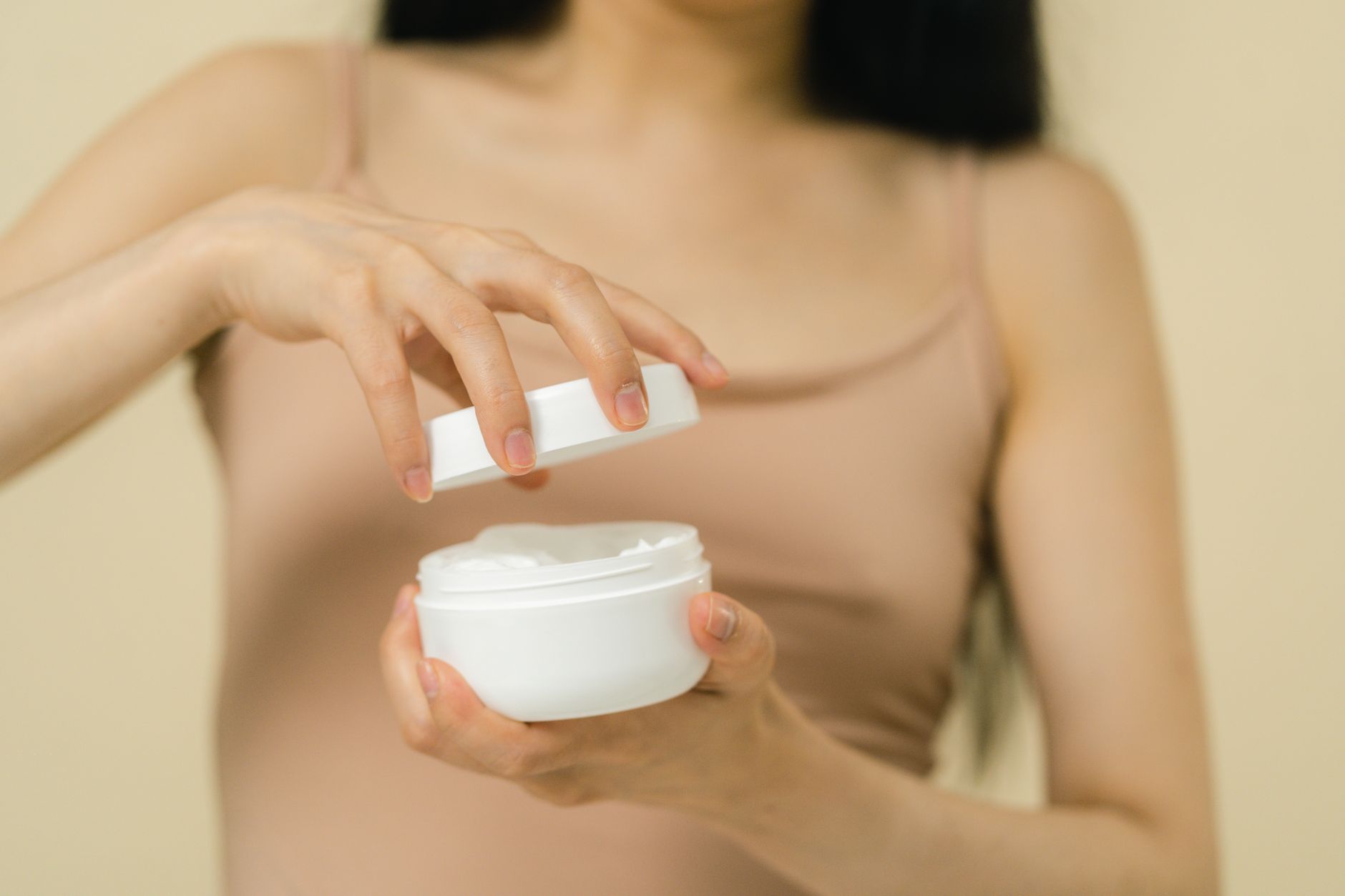
Lotions for Eczema: When and How to Use Them
When it comes to managing eczema, choosing the right moisturizer is crucial. Among the various options available, lotions are a common choice. However, understanding when and how to use lotions effectively can significantly impact your eczema management strategy. This section delves into the benefits and limitations of using lotions for eczema, providing practical tips to maximize their effectiveness.
Best Uses for Lotions
Lotions are typically lighter and more fluid than creams, balms, and ointments. They are ideal for certain situations and skin types:
- Mild Eczema Flare-Ups: For individuals with mild eczema or those experiencing less severe flare-ups, lotions can provide adequate moisture without feeling too heavy or greasy.
- Warm Weather: In warmer climates or during summer months, lotions are preferable due to their lighter texture, which allows the skin to breathe more easily.
- Daily Use: Lotions are convenient for everyday use, especially for areas of the body that do not require heavy moisturizing, such as the arms, legs, and face.
- Post-Shower Application: Applying a lotion immediately after showering can lock in moisture while the skin is still damp, enhancing hydration.
Pros and Cons of Lotions
Like any skincare product, lotions have their advantages and disadvantages. Understanding these can help you make an informed decision about incorporating them into your eczema management routine.
Pros
- Lightweight and Easy to Apply: Lotions are easy to spread and absorb quickly, making them a convenient option for daily use.
- Non-Greasy Feel: Unlike heavier moisturizers, lotions do not leave a greasy residue, which can be particularly appealing for those with oily skin or during warmer weather.
- Versatile: Lotions can be used on various parts of the body, including the face, making them a versatile choice for eczema management.
Cons
- Limited Moisture Retention: Due to their lightweight nature, lotions may not provide the same level of moisture retention as creams, balms, or ointments, making them less suitable for severe eczema or extremely dry skin.
- Frequent Reapplication Needed: Because lotions are absorbed quickly, they may require more frequent application to maintain adequate moisture levels.
- Potential for Irritation: Some lotions contain fragrances, alcohol, or other potential irritants that can exacerbate eczema symptoms in sensitive individuals.
Tips for Applying Lotions
To get the most out of your lotion and effectively manage eczema, consider these practical tips:
- Choose Fragrance-Free Options: Opt for fragrance-free lotions to minimize the risk of irritation. Look for products specifically designed for sensitive skin.
- Apply Immediately After Bathing: To lock in moisture, apply lotion within three minutes of stepping out of the shower or bath while your skin is still damp.
- Use Gentle, Circular Motions: Apply the lotion using gentle, circular motions to ensure even distribution and better absorption.
- Reapply as Needed: Depending on the severity of your eczema and the dryness of your skin, you may need to reapply lotion multiple times throughout the day.
- Combine with Other Moisturizers: For areas with more severe eczema, consider using lotions in conjunction with heavier moisturizers like creams or ointments. For example, you might use a lotion on your arms and legs and a cream on your hands and face.
- Patch Test New Products: Before incorporating a new lotion into your routine, perform a patch test by applying a small amount to a discreet area of skin and waiting 24 hours to check for any adverse reactions.
In summary, lotions can be an effective component of your eczema management plan, particularly for mild cases or in warmer weather. By understanding their best uses, pros and cons, and applying them correctly, you can enhance their benefits and contribute to better eczema relief. Remember, the best moisturizer for eczema varies from person to person, so it may take some trial and error to find what works best for your skin.
Creams for Eczema: Versatility and Effectiveness
When it comes to managing eczema, finding the best moisturizer for eczema is crucial. Among the various options available, creams stand out for their versatility and effectiveness. This section explores the benefits of using creams for eczema, the best times to use them, and practical tips for application.
Benefits of Creams
Creams are a popular choice for eczema skincare due to their unique properties. Unlike lotions, which are lighter and water-based, creams offer a thicker consistency that provides more moisture without being as heavy as ointments or balms. Here are some key benefits of using creams for eczema:
- Enhanced Hydration: Creams contain a balanced mix of water and oil, making them effective at locking in moisture. This helps to soothe dry, itchy skin commonly associated with eczema.
- Improved Skin Barrier: Regular use of creams can help strengthen the skin barrier, which is often compromised in individuals with eczema. A stronger skin barrier can better protect against irritants and allergens.
- Versatility: Creams can be used on various parts of the body, including the face, hands, and other areas prone to eczema flare-ups. Their medium thickness makes them suitable for both mild and moderate eczema symptoms.
- Easy Absorption: Creams are generally easier to apply and absorb compared to thicker ointments. This makes them a convenient option for daily use.
When to Use Creams
Knowing when to use creams can maximize their benefits for eczema management. Here are some guidelines on the best times to incorporate creams into your skincare routine:
- After Bathing: Applying a cream immediately after bathing helps to lock in moisture. The skin is more receptive to hydration at this time, making it an ideal moment to use a cream.
- During Flare-Ups: When experiencing an eczema flare-up, creams can provide relief by soothing irritated skin and reducing inflammation. Their moisturizing properties help to calm the skin and prevent further dryness.
- Daily Moisturizing: Incorporating a cream into your daily skincare routine can help maintain skin hydration and prevent flare-ups. Consistent use can contribute to overall eczema management.
- Before Applying Topical Medications: If you use topical medications for eczema, applying a cream beforehand can create a protective layer, enhancing the effectiveness of the medication.
Application Tips for Creams
To get the most out of your cream, it’s important to apply it correctly. Here are some practical tips to ensure effective application:
- Use Gentle Strokes: Apply the cream using gentle, upward strokes. This helps to avoid irritation and ensures even distribution.
- Apply Generously: Don’t be afraid to use a generous amount of cream. Ensuring the skin is fully covered helps to maximize hydration and protection.
- Massage In Thoroughly: Take your time to massage the cream into the skin until it is fully absorbed. This not only enhances moisture retention but also promotes better circulation.
- Reapply as Needed: Depending on the severity of your eczema, you may need to reapply the cream throughout the day. Keep a travel-sized container handy for on-the-go application.
- Choose Fragrance-Free Options: Opt for fragrance-free creams to minimize the risk of irritation. Fragrances can sometimes exacerbate eczema symptoms.
Incorporating creams into your eczema management plan can significantly improve your skin’s condition. Their balanced hydration and ease of use make them a valuable addition to any eczema skincare routine. By understanding the benefits, knowing when to use them, and applying them correctly, you can effectively manage eczema and enjoy healthier, more comfortable skin.
Balms for Eczema: Targeted Relief for Dry Areas
When it comes to managing eczema, finding the best moisturizer for eczema is crucial. Among the various types of moisturizers, balms offer targeted relief, especially for dry and severely affected areas. Let’s delve into how balms work, their best uses, and application methods to help you make informed decisions for your eczema skincare routine.
How Balms Work
Balms are semi-solid, waxy moisturizers that provide intense hydration and create a protective barrier on the skin. They are typically thicker than lotions and creams, making them ideal for areas that require extra moisture and protection. Balms work by:
- Locking in moisture: The thick consistency of balms helps seal moisture into the skin, preventing it from evaporating.
- Creating a barrier: Balms form a protective layer that shields the skin from external irritants and helps retain the skin’s natural oils.
- Reducing inflammation: Some balms contain anti-inflammatory ingredients that can help soothe irritated skin.
The dense texture of balms makes them particularly effective for eczema relief in areas where the skin barrier is compromised.
Best Uses for Balms
Balms are best used in specific scenarios to maximize their benefits. Here are some of the best uses for balms in eczema management:
- Severe dryness: For extremely dry patches, balms provide the necessary intense hydration that lighter moisturizers cannot.
- Thickened skin (lichenification): Areas with thickened, rough skin benefit from the deep moisturization that balms offer.
- Nighttime application: Applying a balm before bed can help keep the skin hydrated throughout the night, reducing morning dryness and itching.
- Post-shower: Using a balm immediately after showering locks in moisture while the skin is still damp, enhancing hydration.
- Exposed areas: Balms are ideal for exposed areas like the hands, feet, and face, where extra protection is needed.
Incorporating balms into your eczema skincare routine can significantly improve the condition of severely affected areas, offering both immediate and long-term relief.
Application Methods for Balms
To get the most out of your balm, it’s important to apply it correctly. Here are some practical steps and tips for applying balms:
- Cleanse the skin: Start with clean, dry skin. Gently pat the area dry after washing to remove excess moisture.
- Apply a small amount: Take a small amount of balm and rub it between your fingers to soften it slightly.
- Massage into the skin: Gently massage the balm into the affected area using circular motions. Ensure even coverage without rubbing too hard, which can irritate the skin.
- Reapply as needed: Depending on the severity of your eczema, you may need to reapply the balm multiple times a day. Pay attention to how your skin responds and adjust the frequency accordingly.
- Combine with other treatments: Balms can be used in conjunction with other eczema treatments, such as prescribed medications or milder moisturizers. For example, you might use a cream during the day and a balm at night.
Real-life example: Jane, who experiences severe eczema on her hands, finds that applying a balm after washing her hands and before bed helps keep her skin hydrated and reduces itching. She also uses a cream during the day for added protection.
Decision point: If you’re unsure whether a balm is right for you, consider the specific needs of your skin. If you have areas that are particularly dry or thickened, a balm might be the best moisturizer for eczema in those spots.
In summary, balms are a valuable addition to any eczema skincare routine, offering targeted relief for dry and severely affected areas. By understanding how they work, their best uses, and proper application methods, you can effectively incorporate balms into your regimen to achieve better eczema management and overall skin health.
Ointments for Eczema: Maximum Hydration and Protection
When it comes to managing severe eczema, finding the best moisturizer for eczema can make a significant difference in comfort and skin health. Among the various types of moisturizers, ointments stand out for their ability to provide maximum hydration and protection. Let’s delve into why ointments are effective, when to choose them, and how to apply them for the best results.
Why Ointments are Effective
Ointments are highly concentrated moisturizers that contain little to no water. This composition allows them to form a protective barrier on the skin, locking in moisture and shielding the skin from external irritants. Here are some key reasons why ointments are particularly effective for severe eczema:
- High Occlusive Properties: Ointments create a thick layer on the skin, which helps to prevent moisture loss. This is crucial for individuals with eczema, as their skin barrier is often compromised, leading to excessive dryness and irritation.
- Long-Lasting Hydration: Unlike lotions or creams, which may need frequent reapplication, ointments provide prolonged hydration. This makes them ideal for nighttime use, allowing the skin to repair and regenerate while you sleep.
- Reduced Risk of Irritation: Ointments typically contain fewer ingredients than other moisturizers, reducing the likelihood of allergic reactions or irritation. This is especially beneficial for those with sensitive skin.
When to Choose Ointments
Ointments are particularly beneficial in certain situations and for specific types of eczema. Here are some scenarios where ointments might be the best choice:
- Severe Flare-Ups: During intense flare-ups, the skin becomes extremely dry and inflamed. Ointments can provide the intense hydration needed to soothe and protect the skin.
- Dry, Cracked Skin: If your eczema has led to dry, cracked, or fissured skin, an ointment can help to heal these areas by providing a robust moisture barrier.
- Cold, Dry Weather: In winter or in dry climates, the air can strip the skin of its natural moisture. Ointments can help to counteract this effect by keeping the skin hydrated.
- Before and After Bathing: Applying an ointment immediately after bathing can lock in moisture. Similarly, using an ointment before bathing can protect the skin from the drying effects of water.
Application Tips for Ointments
To get the most out of your ointment, it’s important to apply it correctly. Here are some practical tips to ensure you’re using your ointment effectively:
- Clean Skin: Start with clean, dry skin. Gently pat your skin dry after bathing to remove excess water without rubbing, which can cause irritation.
- Apply Generously: Use a generous amount of ointment to ensure full coverage. Don’t be afraid to use more than you think you need, especially on severely affected areas.
- Massage In Thoroughly: Gently massage the ointment into your skin until it is fully absorbed. This helps to ensure that the protective barrier is evenly distributed.
- Use as Directed: Follow the instructions provided by your healthcare provider or the product label. Some ointments may be recommended for specific times of day or in combination with other treatments.
- Layering: If you find that an ointment alone is too heavy, you can layer it with a lighter moisturizer. Apply the ointment first, allow it to absorb, and then apply a cream or lotion on top.
- Nighttime Application: Ointments are often best applied at night. This allows the skin to benefit from prolonged hydration while you sleep, promoting healing and reducing morning dryness.
In summary, ointments offer maximum hydration and protection, making them an excellent choice for managing severe eczema. By understanding when and how to use them, you can significantly improve your skin’s condition and overall comfort. Remember, the goal of eczema management is to find the best moisturizer for eczema that works for your specific needs, and for many, ointments provide the relief they seek.

Comparing Moisturizers: Which One is Right for You?
When it comes to managing eczema, selecting the right moisturizer is crucial. Each type of moisturizer—lotion, cream, balm, and ointment—offers unique benefits and is suited for different skin conditions and preferences. To help you choose the best moisturizer for eczema, let’s dive into a detailed comparison and discuss factors to consider for personalizing your eczema care routine.
Comparison Chart of Moisturizers
Here’s a quick comparison chart to highlight the key differences among lotions, creams, balms, and ointments:
| Type | Texture | Hydration Level | Best For | Pros | Cons |
|---|---|---|---|---|---|
| Lotion | Light and watery | Low | Mild eczema, normal to oily skin | Fast-absorbing, non-greasy | May not provide enough moisture for severe eczema |
| Cream | Medium thickness | Moderate | Moderate eczema, all skin types | Balanced hydration, easy to apply | Can be less hydrating than ointments |
| Balm | Thick and sticky | High | Severe eczema, dry areas | Intense hydration, long-lasting | Greasy feel, may be difficult to apply |
| Ointment | Very thick and greasy | High | Severe eczema, very dry skin | Maximum hydration, protective barrier | Greasy, may feel heavy |
Factors to Consider When Choosing a Moisturizer
Selecting the right moisturizer involves considering several factors to ensure it meets your specific needs and preferences. Here are some important considerations:
- Severity of Eczema: The severity of your eczema plays a significant role in choosing the best moisturizer. For mild eczema, a lighter lotion might suffice, whereas severe eczema may require the intense hydration of an ointment.
- Skin Type: Your skin type—whether it’s oily, dry, or combination—will influence your choice. Oily skin might prefer a lighter lotion, while dry skin may benefit more from a richer cream or ointment.
- Areas of Application: Consider where you need to apply the moisturizer. For example, thinner lotions are suitable for larger areas, while thicker balms and ointments are ideal for targeted relief on dry patches.
- Texture and Consistency: Think about the texture you are comfortable with. Some people prefer the light feel of a lotion, while others might appreciate the richer, more occlusive nature of a cream or ointment.
- Absorption Rate: How quickly the moisturizer absorbs into the skin can affect your choice. Lotions absorb faster but may not provide long-lasting hydration, whereas ointments take longer to absorb but offer prolonged moisture.
- Scent and Ingredients: Be mindful of any sensitivities or allergies you might have. Opt for fragrance-free and hypoallergenic products to minimize the risk of irritation.
Personalizing Your Eczema Care Routine
Personalizing your eczema care routine is essential for effective management. Here are some practical steps to help you tailor your moisturizer selection:
- Patch Test: Before fully incorporating a new moisturizer into your routine, perform a patch test. Apply a small amount to a discreet area of your skin and wait 24-48 hours to check for any adverse reactions.
- Layering: Sometimes, layering different types of moisturizers can provide the best results. For instance, you might use a lotion during the day for a lighter feel and switch to a richer cream or ointment at night for enhanced hydration.
- Frequency of Application: Determine how often you need to apply your moisturizer based on your skin’s needs. For severe eczema, applying multiple times a day might be necessary, whereas milder cases may require less frequent application.
- Combining with Other Treatments: If you are using other treatments, such as topical steroids or prescription creams, consult with your healthcare provider to ensure they complement each other. Some moisturizers can enhance the effectiveness of these treatments.
- Environmental Factors: Consider the climate and environmental conditions you are in. In dry or cold weather, you might need a heavier moisturizer, while in humid conditions, a lighter option might be more comfortable.
By carefully evaluating these factors and personalizing your routine, you can find the best moisturizer for eczema that works best for you. Remember, what works for one person may not work for another, so it’s important to experiment and find the right fit for your unique needs.
Practical Tips for Using Moisturizers Effectively
Finding the best moisturizer for eczema is just the first step. To truly reap the benefits, it’s essential to apply and integrate it effectively into your daily routine. Here are some practical tips to help you maximize the benefits of your chosen moisturizer.
Best Practices for Applying Moisturizers
Applying moisturizer correctly can make a significant difference in managing eczema symptoms. Here are some best practices:
- Apply on Damp Skin: After bathing or washing, pat your skin dry gently with a towel, leaving it slightly damp. Then, apply your moisturizer within three minutes. This locks in moisture and enhances the effectiveness of the moisturizer.
- Use Generous Amounts: Don’t skimp on the amount of moisturizer you use. Apply a thick layer to cover all affected areas thoroughly. This ensures that your skin gets the maximum benefit.
- Massage Gently: Use gentle, circular motions to massage the moisturizer into your skin. Avoid rubbing too hard, as this can irritate sensitive eczema-prone skin.
- Reapply as Needed: Depending on the severity of your eczema and the type of moisturizer, you may need to reapply several times a day. Pay attention to how your skin feels and reapply when it starts to feel dry.
Common Mistakes to Avoid
Even with the best intentions, there are common mistakes people make when using moisturizers for eczema. Being aware of these can help you avoid them:
- Waiting Too Long After Bathing: If you wait too long after bathing to apply your moisturizer, your skin may lose the moisture it absorbed during the bath. Aim to apply within three minutes for best results.
- Using Too Little Product: Skimping on the amount of moisturizer can leave your skin under-hydrated. Remember, more is usually better when it comes to moisturizing eczema-prone skin.
- Choosing the Wrong Type: Not all moisturizers are created equal. Using a lotion when you need a cream or ointment can leave your skin insufficiently hydrated. Choose the type that best suits your skin’s needs.
- Ignoring Ingredients: Some moisturizers contain fragrances, dyes, or other potential irritants. Always check the ingredient list and opt for fragrance-free, hypoallergenic products whenever possible.
Integrating Moisturizers into Your Daily Routine
To get the most out of your moisturizer, it’s important to integrate it seamlessly into your daily routine. Here are some tips to help you do that:
- Morning Routine: Start your day by applying moisturizer after washing your face and hands. This sets a positive tone for the day and helps keep your skin hydrated throughout the morning.
- Post-Shower Ritual: Make moisturizing a non-negotiable part of your post-shower routine. This is one of the most critical times to lock in moisture.
- Throughout the Day: Keep a travel-size moisturizer with you for touch-ups during the day. This is especially important if you’re in a dry environment or if you notice your skin feeling tight or itchy.
- Nighttime Routine: Before bed, apply a thicker moisturizer or ointment to give your skin a boost of hydration while you sleep. This can be particularly beneficial for overnight repair and recovery.
- Consistency is Key: Make moisturizing a consistent habit. The more regularly you apply your moisturizer, the better your skin will respond, leading to improved eczema management over time.
By following these practical tips, you can enhance the effectiveness of your chosen moisturizer and improve your overall eczema management. Remember, the best moisturizer for eczema is one that you use consistently and correctly.
Frequently Asked Questions About Moisturizers for Eczema
What is the best moisturizer for eczema?
The best moisturizer for eczema varies from person to person and depends on several factors, including the severity of your eczema, the specific areas affected, and your skin’s needs. Generally, thicker moisturizers like ointments and balms are more effective for severe eczema, while lighter options like lotions and creams may suffice for mild cases. It’s essential to experiment with different types to see what works best for you.
Can I use any moisturizer for eczema?
Not all moisturizers are suitable for eczema-prone skin. It’s crucial to choose products that are fragrance-free, dye-free, and hypoallergenic. Look for moisturizers specifically designed for sensitive skin or those labeled for eczema. Avoid products with alcohol, harsh chemicals, or potential irritants.
How often should I apply moisturizer for eczema?
For effective eczema management, apply moisturizer multiple times a day. Ideally, you should moisturize your skin immediately after bathing while it’s still damp to lock in moisture. For severe eczema, applying moisturizer every few hours may be necessary. Listen to your skin and adjust the frequency as needed.
Is it better to use a thicker or thinner moisturizer for eczema?
The choice between thicker and thinner moisturizers depends on your eczema’s severity and your skin’s needs. Thicker moisturizers like ointments and balms provide more intense hydration and protection, making them suitable for severe eczema or dry, cracked skin. Thinner options like lotions and creams are better for mild eczema or areas where you need a lighter touch.
Can I mix different types of moisturizers for eczema?
While it’s generally safe to use different types of moisturizers, it’s essential to do so cautiously. Mixing products can sometimes lead to irritation or reduce effectiveness. If you choose to combine moisturizers, test a small area first to ensure there’s no adverse reaction. It’s often best to stick with one type of moisturizer that suits your needs.
Should I use a moisturizer before or after applying eczema medication?
The timing of moisturizer application in relation to eczema medication can vary. For topical corticosteroids, it’s usually recommended to apply the medication first, wait a few minutes, and then apply moisturizer. This allows the medication to penetrate the skin effectively. However, for other medications like calcineurin inhibitors, you may apply moisturizer immediately after. Always follow your healthcare provider’s instructions regarding medication and moisturizer use.
Are natural or organic moisturizers better for eczema?
Natural or organic moisturizers can be beneficial for eczema, but it’s essential to choose products carefully. Some natural ingredients may still cause irritation or allergies. Look for products with simple, clean ingredients and those specifically formulated for eczema. Always perform a patch test before using a new product extensively.
Can I use baby moisturizers for eczema?
Baby moisturizers are often gentle and free from harsh chemicals, making them a good option for eczema-prone skin. However, not all baby moisturizers are created equal. Look for fragrance-free, hypoallergenic options designed for sensitive skin. As with any product, perform a patch test to ensure it doesn’t irritate your skin.
How do I know if a moisturizer is working for my eczema?
The effectiveness of a moisturizer for eczema can be assessed by observing changes in your skin. Look for improvements in hydration, reduction in redness and inflammation, and a decrease in itching and discomfort. If your eczema symptoms persist or worsen, it may be time to try a different moisturizer or consult a dermatologist for further guidance.
Can moisturizers prevent eczema flare-ups?
While moisturizers alone may not prevent eczema flare-ups entirely, they play a crucial role in maintaining skin health and reducing the frequency and severity of flare-ups. Consistent moisturization helps strengthen the skin barrier, making it more resilient to triggers that can exacerbate eczema. Combine moisturizer use with other eczema management strategies for the best results.
Is it necessary to use prescription moisturizers for eczema?
Prescription moisturizers are not always necessary for eczema management. Many over-the-counter options are effective for mild to moderate eczema. However, if your eczema is severe or resistant to standard treatments, a dermatologist may prescribe a medicated moisturizer or recommend a specific product tailored to your needs.
Can I use moisturizers on my face for eczema?
Yes, you can use moisturizers on your face for eczema, but it’s essential to choose products specifically formulated for facial skin. Facial skin is often more sensitive, so look for gentle, fragrance-free options. Perform a patch test to ensure the moisturizer doesn’t cause irritation on your face.
How do I choose the right moisturizer for my child’s eczema?
When selecting a moisturizer for your child’s eczema, opt for gentle, fragrance-free, and hypoallergenic products. Children’s skin can be more sensitive, so avoid harsh chemicals and potential irritants. Consult with a pediatrician or dermatologist for recommendations tailored to your child’s specific needs.
Can moisturizers help with eczema itching?
Moisturizers can help alleviate eczema-related itching by hydrating the skin and reducing dryness. However, they may not provide immediate relief for severe itching. In such cases, consult a healthcare provider for additional treatments or medications to manage itching effectively.
Are there any side effects of using moisturizers for eczema?
Most moisturizers designed for eczema are safe for regular use and have minimal side effects. However, some individuals may experience mild irritation or allergic reactions to specific ingredients. If you notice any adverse reactions, discontinue use and consult a healthcare provider.
Can I use moisturizers while swimming with eczema?
While it’s generally safe to use moisturizers before swimming, they may not provide long-lasting protection in water. After swimming, gently pat your skin dry and reapply moisturizer to help maintain hydration. Avoid swimming in chlorinated pools if it aggravates your eczema, and consider using a protective barrier cream before entering the water.
How do I store my eczema moisturizer?
Store your eczema moisturizer in a cool, dry place away from direct sunlight to maintain its effectiveness. Keep it out of reach of children and pets. Check the expiration date regularly and replace the product when necessary to ensure optimal performance.
Frequently asked questions
Can I use any moisturizer for eczema?
Choosing the right type of moisturizer is crucial for managing eczema. Not all moisturizers are created equal, and some may even exacerbate symptoms. The best moisturizer for eczema should be thick, hydrating, and free from potential irritants like fragrances and dyes. Lotions are generally lighter and may not provide enough moisture, while creams, balms, and ointments are thicker and more effective in locking in hydration.
It’s important to select a moisturizer specifically formulated for sensitive skin or eczema to ensure it meets your skin’s needs. Consulting with a dermatologist can also help you find the best moisturizer for your specific type of eczema.
How often should I apply moisturizer?
For effective eczema management, it’s recommended to apply moisturizer multiple times a day. The frequency can vary depending on the severity of your eczema and the type of moisturizer you use. Generally, applying moisturizer after bathing while your skin is still damp can help lock in moisture. Additionally, using a thicker moisturizer like a cream, balm, or ointment before bedtime can provide overnight hydration.
If your eczema is mild, you may only need to apply moisturizer a couple of times a day. However, for more severe cases, frequent application throughout the day may be necessary to keep your skin moisturized and reduce flare-ups.
Are natural moisturizers better for eczema?
Natural moisturizers can be beneficial for eczema, especially if they are free from synthetic fragrances, dyes, and other potential irritants. Ingredients like shea butter, coconut oil, and aloe vera are commonly found in natural moisturizers and can provide excellent hydration. However, it’s important to note that “natural” does not always mean “safe” for everyone with eczema.
Some natural ingredients may still cause irritation or allergic reactions in certain individuals. It’s essential to patch-test any new moisturizer, whether natural or synthetic, to ensure it doesn’t exacerbate your eczema symptoms. Consulting with a dermatologist can help you choose the best option for your skin.
Can I use multiple types of moisturizers?
Yes, combining different types of moisturizers can be an effective strategy for managing eczema. For example, you might use a lighter lotion during the day for a more breathable feel and a thicker ointment or balm at night for deeper hydration. This approach allows you to tailor your moisturizer routine to your skin’s needs throughout the day.
When combining moisturizers, be mindful of the ingredients in each product to avoid potential irritants. It’s also a good idea to introduce new products gradually to monitor how your skin reacts.
What should I look for in an eczema moisturizer?
When selecting the best moisturizer for eczema, look for products that are specifically formulated for sensitive skin. Key ingredients to seek out include ceramides, which help restore the skin’s natural barrier, and hyaluronic acid, which provides intense hydration. Additionally, moisturizers containing colloidal oatmeal can soothe irritated skin and reduce itching.
Avoid moisturizers with fragrances, dyes, and alcohol, as these can irritate eczema-prone skin. Opt for products that are hypoallergenic and dermatologist-tested to ensure they are gentle and effective.
Can moisturizers help prevent eczema flare-ups?
Regular use of the right moisturizer is a crucial part of preventing eczema flare-ups. Moisturizers help maintain the skin’s barrier function, which is often compromised in individuals with eczema. By keeping the skin hydrated and protected, moisturizers can reduce the frequency and severity of flare-ups.
In addition to moisturizing, identifying and avoiding triggers that exacerbate your eczema is important. This may include certain fabrics, detergents, or environmental factors. A consistent skincare routine that includes the best moisturizer for eczema can significantly contribute to managing and preventing flare-ups.
This article is for educational purposes only and is not medical advice. If symptoms are severe, spreading, painful, infected-looking, or affecting sleep and daily life, speak with a qualified healthcare professional.
Sources and further reading
For medical guidance, always rely on a qualified healthcare professional. These educational resources may help readers learn more:
Image credit: Photo by Miriam Alonso on Pexels. Used under the Pexels License.
Image credit: Photo by SHVETS production on Pexels. Used under the Pexels License.
Image credit: Photo by RUN 4 FFWPU on Pexels. Used under the Pexels License.