
MyEczema.app guide
Scalp Eczema vs Seborrheic Dermatitis: Key Differences
scalp eczema vs seborrheic dermatitis: practical tips for tracking triggers, building routines, and supporting eczema-prone skin.

Table of contents
Use this guide as a practical reference and jump to the sections most relevant to you.
- Quick answer
- Key takeaways
- Practical comparison table
- Visual chart
- Related MyEczema.app tool
- Understanding Scalp Eczema
- What is Seborrheic Dermatitis?
- Comparing Symptoms: Scalp Eczema vs Seborrheic Dermatitis
- Causes and Triggers: Scalp Eczema vs Seborrheic Dermatitis
- Diagnosis Process for Scalp Eczema and Seborrheic Dermatitis
- Treatment Options for Scalp Eczema and Seborrheic Dermatitis
- Home Remedies for Managing Symptoms
- Lifestyle Changes to Manage Scalp Conditions
- When to See a Doctor for Scalp Issues
- Long-Term Management Strategies
- Frequently asked questions
- Sources and further reading
When it comes to itchy, flaky scalps, you might be dealing with either scalp eczema or seborrheic dermatitis. Both conditions can make your day-to-day life uncomfortable, but understanding the differences between them can help you manage your symptoms more effectively. Let’s dive into the specifics of scalp eczema vs seborrheic dermatitis, exploring what sets them apart and how you can address each one.
Eczema-prone skin is often sensitive to various factors such as skin barrier disruption, irritants, climate, cleansing habits, allergens, and individual triggers. This sensitivity can manifest in different forms, including scalp eczema and seborrheic dermatitis. While both conditions may look similar at first glance, their underlying causes and treatments can vary significantly. Recognizing these differences is the first step toward finding relief.
In this article, we’ll break down the key differences between scalp eczema and seborrheic dermatitis. We’ll look at their symptoms, causes, and management strategies. By the end, you’ll have a clearer understanding of which condition you might be dealing with and how to approach it. Remember, it’s always important to consult with a healthcare professional for a proper diagnosis and treatment plan.
Quick answer
Scalp eczema and seborrheic dermatitis both cause itchy, flaky scalps but have different underlying causes and treatments. Scalp eczema is a form of atopic dermatitis that affects the scalp, often linked to genetic factors and environmental triggers. Seborrheic dermatitis, on the other hand, is a chronic inflammatory condition that results in oily, flaky skin and is often influenced by yeast on the scalp. Understanding these differences is essential for effective management.
Key takeaways
- Scalp eczema is a form of atopic dermatitis affecting the scalp.
- Seborrheic dermatitis is a chronic inflammatory condition causing oily, flaky skin.
- Both conditions share similar symptoms but require different management approaches.
- Identifying the correct condition is crucial for effective treatment.
- Lifestyle changes and proper scalp care can help manage both conditions.
Comparing Scalp Eczema and Seborrheic Dermatitis
| Situation | What it may mean | Practical next step |
|---|---|---|
| Itchy, flaky scalp | Could be either scalp eczema or seborrheic dermatitis | Identify other symptoms to distinguish between the two |
| Oily scalp with dandruff | Likely seborrheic dermatitis | Use anti-dandruff shampoos and consult a dermatologist |
| Dry, cracked scalp | Could indicate scalp eczema | Moisturize regularly and avoid harsh shampoos |
| Red, inflamed scalp | May be a sign of either condition | Seek professional diagnosis for proper treatment |
| Persistent symptoms despite treatment | Possible misdiagnosis or need for different treatment | Re-evaluate with a healthcare provider |
Effectiveness of Common Treatments for Scalp Eczema and Seborrheic Dermatitis
This visual is an educational guide, not a diagnostic score. Use it to decide what may be worth tracking more consistently for this specific topic.
Topical Steroids
Highly effective for reducing inflammation
Antifungal Shampoos
Effective for seborrheic dermatitis
Moisturizers
Helpful for maintaining scalp hydration
Coal Tar Shampoos
Useful for reducing scaling and itching
Lifestyle Changes
Important for long-term management
Related MyEczema.app tool
Use the Eczema Trigger Identifier
The Eczema Trigger Identifier helps users organize recent changes and possible flare-related patterns such as weather, stress, sweat, sleep, foods, products, and irritants.
For this topic, this tool can help you organize information in a more structured way and turn daily observations into clearer patterns to review over time.
Understanding Scalp Eczema
Scalp eczema is a specific form of eczema that affects the scalp. It is important to distinguish scalp eczema from other scalp conditions like seborrheic dermatitis to manage it effectively. This section will delve into what scalp eczema is, its common symptoms, and address some common misconceptions.
Definition of Scalp Eczema
Scalp eczema, also known as seborrheic eczema when it affects the scalp, is a chronic inflammatory skin condition. It is characterized by red, itchy, and often flaky patches on the scalp. Unlike general eczema, which can appear on various parts of the body, scalp eczema is confined to the scalp area. This condition can be particularly distressing because it not only causes discomfort but can also lead to self-consciousness about one’s appearance.
Common Symptoms
Recognizing the symptoms of scalp eczema is crucial for proper management. The most common symptoms include:
- Itching: Persistent itching is one of the hallmark symptoms of scalp eczema. The urge to scratch can be overwhelming, often leading to further irritation.
- Redness: The affected areas of the scalp may appear red and inflamed. This redness can vary in intensity depending on the severity of the condition.
- Flaking: Dry, white flakes, similar to dandruff, are often present. These flakes can be fine or large and crusty.
- Scaling: Thick, scaly patches may develop. These scales can be stubborn and difficult to remove.
- Burning Sensation: Some individuals may experience a burning or stinging sensation on the scalp.
- Hair Loss: In severe cases, constant scratching and inflammation can lead to temporary hair loss.
Misconceptions About Scalp Eczema
There are several misconceptions about scalp eczema that can hinder effective management. Let’s address some of these myths:
- Myth: Scalp Eczema is the Same as Dandruff. While both conditions can cause flaking, scalp eczema is more severe and involves inflammation and itching. Dandruff is generally less severe and doesn’t cause the same level of discomfort.
- Myth: Scalp Eczema is Caused by Poor Hygiene. This is a common misconception. Scalp eczema is not caused by poor hygiene. It is a skin condition influenced by various factors including genetics, immune system responses, and environmental triggers.
- Myth: Scratching Helps Relieve Itch. Although scratching may provide temporary relief, it can exacerbate the condition by causing further irritation and potentially leading to infection. It’s important to find alternative ways to manage the itch.
- Myth: Scalp Eczema Will Go Away on Its Own. While some mild cases may improve without treatment, many people require ongoing management to control symptoms. It’s important to seek advice from a healthcare professional for persistent or severe symptoms.
Understanding scalp eczema is the first step in managing this condition effectively. By recognizing the symptoms and dispelling common myths, individuals can take appropriate steps to seek treatment and improve their scalp health. In the next section, we will explore the differences between scalp eczema and seborrheic dermatitis to provide a clearer understanding of these often-confused conditions.
What is Seborrheic Dermatitis?
Seborrheic dermatitis is a common skin condition that often affects the scalp but can also appear on other parts of the body. Understanding seborrheic dermatitis is crucial when discussing scalp eczema vs seborrheic dermatitis, as the symptoms and treatments can overlap but also differ in important ways.
Definition of Seborrheic Dermatitis
Seborrheic dermatitis is a chronic inflammatory skin condition characterized by red, itchy, and flaky patches. It primarily affects areas rich in sebaceous glands, which produce an oily substance called sebum. The scalp is one such area, making it a common site for seborrheic dermatitis. This condition is often confused with scalp eczema, but there are distinct differences that are important to recognize.
Typical Symptoms
The symptoms of seborrheic dermatitis can vary in intensity and may include:
- Redness: The affected areas often appear red and inflamed.
- Itching: Persistent itching is a common symptom, which can lead to scratching and further irritation.
- Flaking: The skin may develop white or yellowish scales, often referred to as dandruff when it occurs on the scalp.
- Greasy patches: Sometimes, the affected areas can appear greasy or oily.
- Burning sensation: Some individuals may experience a burning sensation in the affected areas.
Common Misconceptions
There are several misconceptions about seborrheic dermatitis that can lead to confusion, especially when comparing it to scalp eczema:
- It’s just dandruff: While dandruff is a common symptom of seborrheic dermatitis, the condition itself is more than just flaking skin. It involves inflammation and can be more severe.
- It’s caused by poor hygiene: Seborrheic dermatitis is not caused by poor hygiene. It is a medical condition influenced by factors like genetics, environment, and skin microbiota.
- It can be improved with shampoo alone: While medicated shampoos can help manage symptoms, seborrheic dermatitis often requires a comprehensive treatment plan that may include topical creams and other interventions.
Understanding these aspects of seborrheic dermatitis helps clarify its nature and how it differs from scalp eczema. Both conditions can cause scalp inflammation and require careful management, but recognizing their unique characteristics is essential for effective treatment and scalp health.
For instance, if you notice persistent redness and itching on your scalp along with flaky patches, it might be seborrheic dermatitis. In such cases, using an anti-dandruff shampoo with ingredients like ketoconazole or selenium sulfide can help manage symptoms. However, if over-the-counter treatments don’t provide relief, consulting a healthcare provider for a tailored treatment plan is advisable.
In summary, seborrheic dermatitis is a distinct condition with its own set of symptoms and challenges. While it shares some similarities with scalp eczema, understanding the differences can lead to more effective management and better scalp health.
Comparing Symptoms: Scalp Eczema vs Seborrheic Dermatitis
Understanding the symptoms of scalp eczema and seborrheic dermatitis is crucial for managing these conditions effectively. While there is some overlap, distinct symptoms can help differentiate between them.
Symptom Overlap
Both scalp eczema and seborrheic dermatitis share common symptoms, which can make them challenging to distinguish. These overlapping symptoms include:
- Itching: Both conditions often cause significant itching, which can be persistent and severe.
- Redness: Inflammation and redness are common in both scalp eczema and seborrheic dermatitis.
- Scaling: Flaky skin, often resembling dandruff, is a frequent symptom in both conditions.
- Irritation: The affected areas may feel irritated and uncomfortable.
These shared symptoms can lead to confusion, but paying attention to unique symptoms can help clarify the diagnosis.
Unique Symptoms for Each Condition
While the overlap is significant, there are unique symptoms that set scalp eczema and seborrheic dermatitis apart.
Scalp Eczema
Scalp eczema, a form of atopic dermatitis, often presents with the following unique symptoms:
- Blisters: Small, fluid-filled blisters may form, which can break and crust over.
- Thickened Skin: Chronic inflammation can lead to thickened, leathery patches on the scalp.
- Widespread Itching: The itching associated with scalp eczema can be more widespread and intense compared to seborrheic dermatitis.
- Family History: A personal or family history of eczema, asthma, or allergies is often present.
For example, someone with scalp eczema might notice small blisters forming on their scalp, which is less common in seborrheic dermatitis.
Seborrheic Dermatitis
Seborrheic dermatitis, often confused with dandruff, has distinct symptoms that differentiate it from scalp eczema:
- Oily Scales: The scales in seborrheic dermatitis are often greasy and yellow, unlike the dry flakes seen in dandruff.
- Patches of Greasy Skin: Seborrheic dermatitis can cause oily patches on the scalp, face, and other areas rich in oil glands.
- Less Intense Itching: While itching is present, it is usually less severe than in scalp eczema.
- More Common in Certain Areas: Seborrheic dermatitis often affects the scalp, face (especially eyebrows and nasolabial folds), and chest.
A person with seborrheic dermatitis might notice greasy, yellow scales on their scalp and face, which are hallmark signs of this condition.
How to Distinguish Between Them
Distinguishing between scalp eczema and seborrheic dermatitis involves careful observation of symptoms and considering personal and family medical history. Here are some practical steps to help differentiate them:
- Observe the Type of Scales: Dry, white flakes may suggest dandruff or mild seborrheic dermatitis, while greasy, yellow scales are more indicative of seborrheic dermatitis.
- Check for Blisters: The presence of small blisters or crusted sores leans towards scalp eczema.
- Assess Itching Intensity: More intense and widespread itching is often a sign of scalp eczema.
- Look for Family History: A history of eczema, asthma, or allergies in your family may point to scalp eczema.
- Note Affected Areas: Seborrheic dermatitis commonly affects the scalp, face, and chest, while scalp eczema may be more widespread.
If you are unsure about your symptoms, keeping a symptom diary can be helpful. Record the type of scales, itching intensity, affected areas, and any other notable symptoms. This information can be invaluable during a consultation with a healthcare provider.
In summary, while scalp eczema and seborrheic dermatitis share some symptoms, unique features can help distinguish between them. Paying close attention to these differences and seeking professional advice can lead to more effective management of your scalp health.
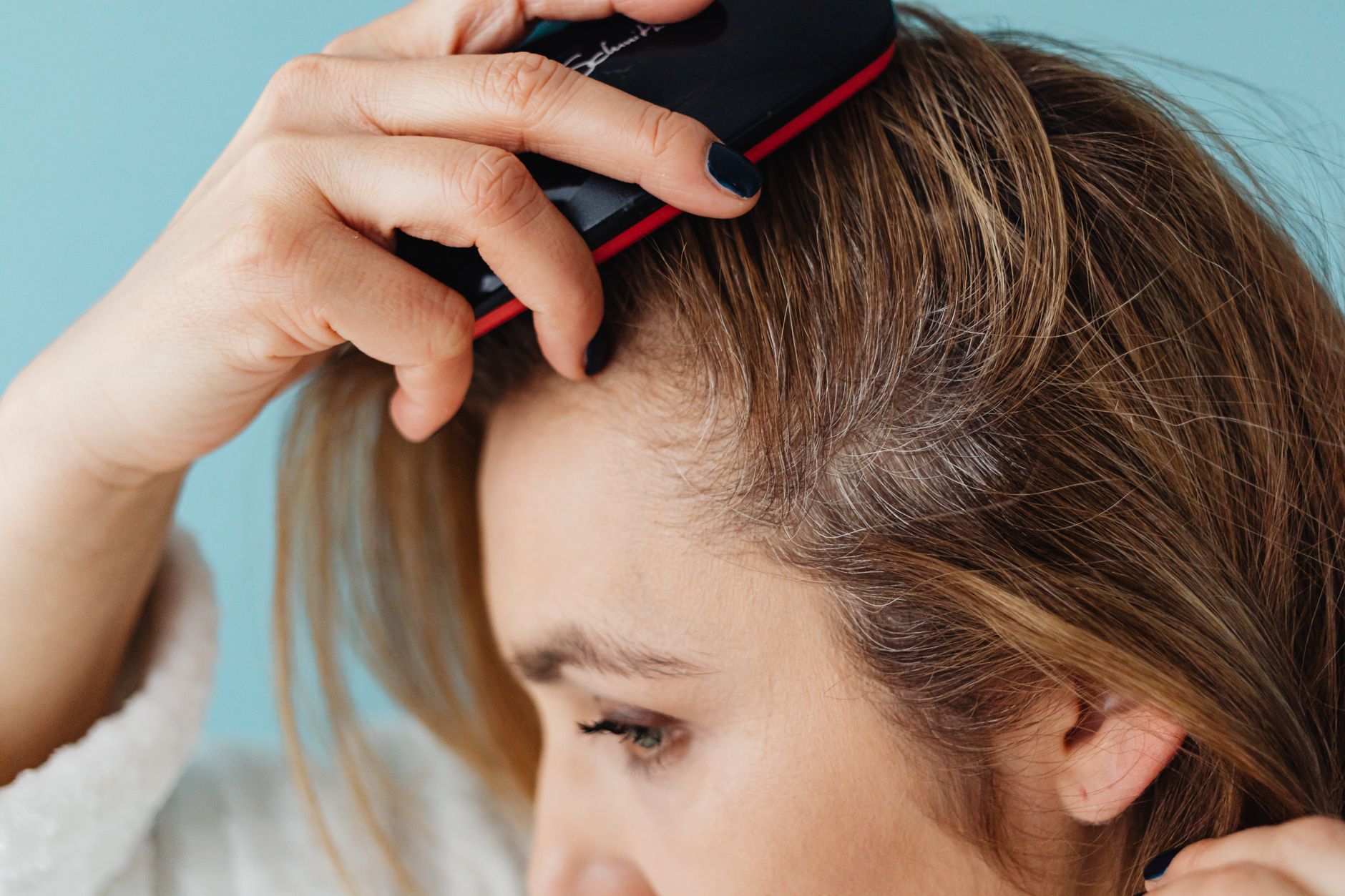
Causes and Triggers: Scalp Eczema vs Seborrheic Dermatitis
Understanding the causes and triggers of scalp eczema and seborrheic dermatitis is crucial for managing these conditions effectively. While both conditions share some similarities, their causes and triggers can differ, influencing how they are managed and treated. This section delves into the genetic factors, environmental triggers, and lifestyle influences that contribute to the development and exacerbation of scalp eczema and seborrheic dermatitis.
Genetic Factors
Genetics play a significant role in both scalp eczema and seborrheic dermatitis. If you have a family history of these conditions or other forms of eczema, you may be more likely to develop them. This genetic predisposition means that certain individuals are more susceptible to skin irritations and inflammations, including those affecting the scalp.
For scalp eczema, a genetic link to atopic dermatitis is often observed. This means that individuals with a history of eczema, asthma, or hay fever in their family are at a higher risk. Seborrheic dermatitis, on the other hand, may be influenced by genetic factors that affect the skin’s oil production and immune response.
It’s important to note that having a genetic predisposition does not guarantee the development of scalp eczema or seborrheic dermatitis. However, it does increase the likelihood, especially when combined with certain environmental and lifestyle factors.
Environmental Triggers
Environmental triggers can significantly impact both scalp eczema and seborrheic dermatitis. These triggers can vary widely from person to person, making it essential to identify and manage them individually.
For scalp eczema, common environmental triggers include:
- Allergens: Substances like pollen, pet dander, and dust mites can exacerbate scalp eczema in sensitive individuals.
- Climate: Extreme temperatures, whether hot or cold, and low humidity can dry out the skin, leading to increased irritation and flare-ups.
- Irritants: Harsh chemicals in shampoos, soaps, and other hair care products can trigger or worsen scalp eczema.
Seborrheic dermatitis is also influenced by environmental factors, such as:
- Weather: Cold, dry weather can exacerbate symptoms, while warm, humid conditions may provide some relief.
- Stress: Although not an environmental factor in the traditional sense, stress can trigger or worsen seborrheic dermatitis by affecting the body’s immune response.
- Hormonal changes: Fluctuations in hormone levels, such as those occurring during puberty, pregnancy, or menopause, can influence the severity of seborrheic dermatitis.
Lifestyle Influences
Lifestyle choices can significantly affect the severity and frequency of scalp eczema and seborrheic dermatitis flare-ups. Making informed decisions about diet, stress management, and skincare routines can help manage these conditions more effectively.
For scalp eczema, consider the following lifestyle influences:
- Diet: While no specific diet can long-term control scalp eczema, some individuals find that avoiding certain foods, such as dairy or gluten, can reduce flare-ups. Incorporating anti-inflammatory foods, like omega-3 fatty acids found in fish and flaxseeds, may also help.
- Stress management: Stress is a well-known trigger for eczema. Practicing relaxation techniques, such as yoga, meditation, or deep breathing exercises, can help reduce stress levels and, in turn, lessen the frequency of flare-ups.
- Skincare routine: Using gentle, fragrance-free shampoos and moisturizers can help prevent irritation. Regularly washing your hair can also help remove excess oil and reduce the risk of flare-ups.
When it comes to seborrheic dermatitis, lifestyle influences to consider include:
- Hygiene: Regular washing of the scalp can help manage seborrheic dermatitis by removing excess oil and dead skin cells. However, avoid over-washing, as this can strip the scalp of its natural oils and lead to dryness.
- Stress reduction: As with scalp eczema, managing stress through relaxation techniques can help reduce the severity of seborrheic dermatitis.
- Avoiding harsh chemicals: Using gentle, non-irritating hair care products can help prevent flare-ups. Look for products specifically designed for sensitive scalps.
In conclusion, understanding the causes and triggers of scalp eczema and seborrheic dermatitis is essential for effective management. By identifying and addressing genetic factors, environmental triggers, and lifestyle influences, individuals can take proactive steps to reduce the frequency and severity of flare-ups, promoting better scalp health and overall well-being.
Diagnosis Process for Scalp Eczema and Seborrheic Dermatitis
When it comes to scalp eczema vs seborrheic dermatitis, understanding the diagnosis process is crucial for effective management. Both conditions share some similarities, but their diagnosis involves specific steps that help differentiate them. This section outlines the key components of the diagnostic process, including clinical examination, diagnostic tests, and patient history.
Clinical Examination
The first step in diagnosing scalp eczema or seborrheic dermatitis is a thorough clinical examination by a healthcare professional. During this examination, the doctor will visually inspect the scalp for specific signs and symptoms.
- Scalp Eczema: The doctor will look for red, inflamed patches, scaling, and possible oozing or crusting. They may also check for signs of skin irritation and inflammation beyond the scalp.
- Seborrheic Dermatitis: The examination will focus on the presence of greasy, yellowish scales, often accompanied by redness and itching. The doctor may also check other common areas like the face and chest for similar symptoms.
In both cases, the doctor will assess the extent and severity of the condition to determine the appropriate treatment plan.
Diagnostic Tests
While clinical examination is often sufficient for diagnosing scalp eczema or seborrheic dermatitis, additional diagnostic tests may be recommended in certain situations.
- Skin Biopsy: In rare cases where the diagnosis is unclear, a small sample of skin may be taken for laboratory analysis. This can help rule out other conditions that may mimic scalp eczema or seborrheic dermatitis.
- Microscopic Examination: A sample of scalp flakes may be examined under a microscope to check for the presence of Malassezia yeast, which is often associated with seborrheic dermatitis.
- Patch Testing: If contact dermatitis is suspected, patch testing may be conducted to identify any allergens that could be triggering the skin irritation.
These tests are typically reserved for complex cases where the diagnosis is not straightforward based on clinical examination alone.
Patient History
A detailed patient history is a vital part of the diagnostic process for both scalp eczema and seborrheic dermatitis. The healthcare provider will ask about various aspects of the patient’s health and lifestyle to gather relevant information.
- Symptom Onset and Duration: The doctor will inquire about when the symptoms first appeared and how long they have been present. This can help distinguish between acute and chronic conditions.
- Triggers and Aggravating Factors: Identifying potential triggers such as stress, certain foods, or environmental factors can provide clues about the nature of the condition. For instance, seborrheic dermatitis may worsen with stress or changes in weather.
- Previous Treatments: Information about previous treatments and their effectiveness can guide the current management plan. The doctor may ask about any medications, topical treatments, or home remedies that have been tried.
- Family History: A family history of skin conditions, including eczema or seborrheic dermatitis, can be indicative of a genetic predisposition.
- Other Health Conditions: The presence of other health conditions, such as asthma or allergies, may influence the diagnosis and treatment approach.
By combining the findings from the clinical examination, diagnostic tests, and patient history, healthcare providers can accurately diagnose scalp eczema or seborrheic dermatitis and develop a tailored treatment plan to manage symptoms effectively.
For example, a patient presenting with severe itching, redness, and flaky scales on the scalp may undergo a clinical examination to assess the extent of inflammation and scaling. If the symptoms are consistent with seborrheic dermatitis, the doctor may recommend topical treatments such as medicated shampoos or creams. In cases where the diagnosis is less clear, additional tests like a skin biopsy or microscopic examination may be conducted to rule out other conditions.
Understanding the diagnosis process for scalp eczema vs seborrheic dermatitis empowers patients to seek appropriate care and follow recommended treatments for better scalp health and overall well-being.
Treatment Options for Scalp Eczema and Seborrheic Dermatitis
Managing scalp eczema and seborrheic dermatitis involves a combination of treatments tailored to each individual’s needs. Understanding the available options can help those dealing with these conditions make informed decisions about their care. This section will explore topical treatments, oral medications, and lifestyle changes that can help manage scalp eczema vs seborrheic dermatitis effectively.
Topical Treatments
Topical treatments are often the first line of defense against scalp eczema and seborrheic dermatitis. These treatments are applied directly to the affected areas and can include medicated shampoos, creams, and ointments.
- Medicated Shampoos: Over-the-counter shampoos containing ingredients like ketoconazole, selenium sulfide, or pyrithione zinc can be effective in reducing symptoms. For more severe cases, a dermatologist may prescribe a medicated shampoo with stronger ingredients.
- Corticosteroid Creams: These can help reduce inflammation and itching. They are usually prescribed for short-term use due to potential side effects with long-term application.
- Calcineurin Inhibitors: Such as tacrolimus and pimecrolimus, these creams can be an alternative to corticosteroids, especially for those who may not tolerate steroids well.
It’s important to follow the instructions provided by healthcare professionals when using these treatments. For example, medicated shampoos might need to be used a few times a week, while creams may be applied once or twice daily.
Oral Medications
In some cases, oral medications may be necessary to manage more severe or persistent symptoms of scalp eczema and seborrheic dermatitis.
- Antifungal Medications: Since an overgrowth of yeast can contribute to seborrheic dermatitis, antifungal medications may be prescribed.
- Antibiotics: If there is a secondary bacterial infection, antibiotics might be necessary.
- Immunomodulators: In rare cases, medications that modify the immune system’s response may be recommended.
Oral medications should always be taken under the guidance of a healthcare professional, who will monitor their effectiveness and any potential side effects.
Lifestyle Changes
In addition to medical treatments, certain lifestyle changes can help manage scalp eczema and seborrheic dermatitis.
- Stress Management: Stress can exacerbate symptoms, so finding ways to manage stress, such as through relaxation techniques or regular exercise, can be beneficial.
- Dietary Adjustments: While no specific diet can long-term control scalp eczema or seborrheic dermatitis, maintaining a balanced diet can support overall skin health.
- Avoiding Irritants: Certain hair products or environmental factors may trigger symptoms. Identifying and avoiding these irritants can help reduce flare-ups.
- Regular Hair Care Routine: Establishing a gentle hair care routine that includes regular washing with a mild shampoo and avoiding harsh chemicals can help maintain scalp health.
For instance, someone with scalp eczema vs seborrheic dermatitis might find that using a fragrance-free, hypoallergenic shampoo reduces irritation. Additionally, incorporating stress-reducing activities like yoga or meditation into daily life can help manage symptoms.
It’s essential for individuals to work closely with healthcare professionals to find the most effective treatment plan for their specific condition. This may involve trying different combinations of topical treatments, oral medications, and lifestyle changes to see what works best.
Remember, managing scalp eczema and seborrheic dermatitis is often a trial-and-error process. What works for one person may not work for another, so patience and persistence are key. Keeping a symptom diary can help identify triggers and track the effectiveness of different treatments, providing valuable information for healthcare professionals.
Home Remedies for Managing Symptoms
When dealing with scalp eczema vs seborrheic dermatitis, home remedies can play a significant role in managing symptoms. While medical treatments are essential, natural remedies and DIY scalp treatments can offer additional relief. Let’s explore some practical steps you can take at home to soothe your scalp and reduce discomfort.
Natural Remedies
Natural remedies can be a gentle and effective way to manage scalp eczema and seborrheic dermatitis. Here are some options to consider:
- Aloe Vera: Known for its soothing properties, aloe vera can help reduce inflammation and irritation. Apply pure aloe vera gel directly to the scalp and leave it on for 30 minutes before rinsing.
- Tea Tree Oil: This essential oil has antifungal and anti-inflammatory properties. Dilute tea tree oil with a carrier oil like coconut oil (1:10 ratio) and massage it into the scalp. Leave it on for a few hours before washing it out.
- Apple Cider Vinegar: Apple cider vinegar can help balance the pH of your scalp. Mix equal parts apple cider vinegar and water, apply it to your scalp, and rinse after 10 minutes. This can help reduce dandruff and itchiness.
- Coconut Oil: Coconut oil is moisturizing and can help soothe dry, irritated skin. Massage warm coconut oil into your scalp, leave it on for an hour, and then wash it out. This can also help reduce flaking.
DIY Scalp Treatments
Creating your own scalp treatments can be both fun and effective. Here are some DIY options to try:
- Oatmeal Scalp Mask: Oatmeal has anti-inflammatory properties and can soothe an irritated scalp. Mix colloidal oatmeal with yogurt to create a paste. Apply it to your scalp, leave it on for 20 minutes, and then rinse thoroughly.
- Honey and Cinnamon Treatment: Honey has antibacterial properties, while cinnamon can help reduce inflammation. Mix equal parts honey and cinnamon to form a paste. Apply it to your scalp, leave it on for 30 minutes, and then wash it out.
- Lemon Juice Rinse: Lemon juice can help reduce oiliness and dandruff. Mix lemon juice with water (1:3 ratio) and use it as a final rinse after shampooing. Be cautious, as lemon juice can be drying for some people.
Preventive Measures
Preventing flare-ups is just as important as treating them. Here are some preventive measures you can take to maintain scalp health:
- Regular Washing: Keep your scalp clean by washing your hair regularly. Use a gentle, pH-balanced shampoo to avoid further irritation.
- Avoid Harsh Chemicals: Steer clear of hair products with harsh chemicals, sulfates, and artificial fragrances. Opt for natural or hypoallergenic products instead.
- Manage Stress: Stress can trigger or worsen scalp eczema and seborrheic dermatitis. Practice stress-management techniques such as yoga, meditation, or deep-breathing exercises.
- Healthy Diet: A balanced diet rich in vitamins and minerals can support overall skin health. Include foods high in omega-3 fatty acids, like salmon and flaxseeds, and antioxidants, like fruits and vegetables.
- Stay Hydrated: Drinking plenty of water helps keep your skin hydrated, which can reduce dryness and flakiness on the scalp.
Incorporating these home remedies and preventive measures into your routine can help manage the symptoms of scalp eczema and seborrheic dermatitis more effectively. Remember, while these remedies can offer relief, it’s important to consult with a healthcare professional for a comprehensive treatment plan.
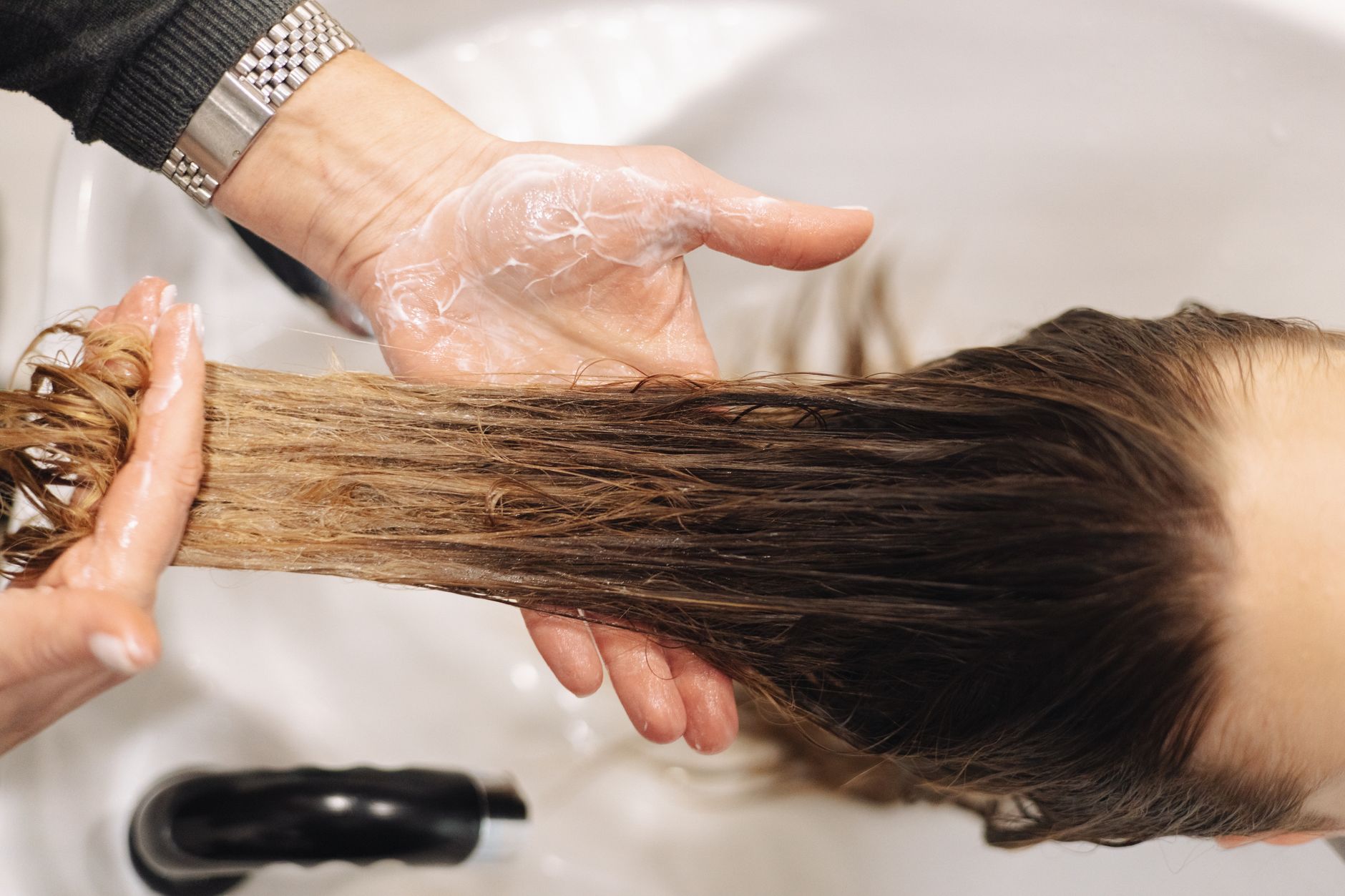
Lifestyle Changes to Manage Scalp Conditions
Managing scalp conditions like scalp eczema and seborrheic dermatitis often requires more than just topical treatments. Incorporating certain lifestyle changes can significantly help in managing symptoms and promoting overall scalp health. This section will explore three critical areas: diet and nutrition, stress management, and hygiene practices.
Diet and Nutrition
While there is no one-size-fits-all diet for managing scalp eczema vs seborrheic dermatitis, certain dietary choices can influence skin health. Incorporating anti-inflammatory foods may help reduce scalp inflammation and skin irritation.
- Omega-3 Fatty Acids: Found in fish like salmon, flaxseeds, and walnuts, omega-3s have anti-inflammatory properties that may benefit skin health.
- Probiotics: Foods like yogurt, kefir, and fermented vegetables can support gut health, which is linked to skin conditions.
- Antioxidant-Rich Foods: Berries, nuts, and dark leafy greens are packed with antioxidants that can help combat skin irritation.
On the other hand, it’s advisable to limit the intake of processed foods, sugary snacks, and excessive alcohol, as these can trigger inflammation and worsen symptoms.
Stress Management
Stress is a well-known trigger for many skin conditions, including scalp eczema and seborrheic dermatitis. Finding effective stress management techniques can be crucial in managing these conditions.
- Mindfulness and Meditation: Practicing mindfulness or meditation can help reduce stress levels. Even a few minutes a day can make a difference.
- Regular Exercise: Physical activity is a great way to relieve stress. Whether it’s yoga, walking, or cycling, find an activity you enjoy and make it a regular part of your routine.
- Adequate Sleep: Ensure you get enough restful sleep. Poor sleep can exacerbate stress and skin conditions.
Incorporating these stress-reduction techniques into your daily life can help manage symptoms and improve overall scalp health.
Hygiene Practices
Proper hygiene is essential for managing scalp conditions. While it’s important to keep the scalp clean, over-washing can strip natural oils and worsen symptoms.
- Gentle Shampoos: Use mild, fragrance-free shampoos specifically designed for sensitive scalps. Avoid harsh chemicals that can irritate the skin.
- Regular Washing: Wash your hair regularly, but not too frequently. Aim for 2-3 times a week to maintain scalp health without over-drying.
- Avoid Hot Water: Hot water can strip the scalp of its natural oils. Use lukewarm water when washing your hair.
- Moisturize: After washing, apply a gentle moisturizer to keep the scalp hydrated. Look for products free from fragrances and irritants.
In addition to these practices, it’s crucial to avoid scratching the scalp, as this can lead to further irritation and potential infections. If you find yourself scratching frequently, consider wearing a soft cap or using distraction techniques.
By making these lifestyle changes, you can create a supportive environment for managing scalp eczema and seborrheic dermatitis. Remember, these changes work best when combined with appropriate medical treatments and home remedies. Always consult with a healthcare professional before making significant changes to your diet or lifestyle.
When to See a Doctor for Scalp Issues
While many cases of scalp eczema and seborrheic dermatitis can be managed with over-the-counter treatments and home remedies, there are times when professional help is necessary. Knowing when to see a doctor for scalp issues can make a significant difference in managing your condition effectively.
Signs of Severe Symptoms
If your scalp eczema or seborrheic dermatitis symptoms become severe, it’s important to seek medical advice. Severe symptoms may include:
- Intense itching that disrupts your daily activities or sleep.
- Excessive redness and inflammation that doesn’t improve with home treatment.
- Thick, crusty scales that are difficult to remove.
- Oozing or bleeding from the affected areas.
- Hair loss in patches where the condition is most severe.
These symptoms may indicate that your condition is more than just typical scalp eczema or seborrheic dermatitis and might require stronger treatments.
Complications to Watch For
Sometimes, scalp eczema and seborrheic dermatitis can lead to complications that need medical attention. Be aware of the following:
- Secondary infections: Scratching can break the skin, allowing bacteria to enter and cause infections. Signs of infection include increased redness, warmth, swelling, and pus.
- Spreading of the rash: If the rash spreads beyond your scalp to other parts of your body, it may require different treatment approaches.
- Persistent symptoms: If your symptoms don’t improve after several weeks of home treatment, it’s time to consult a doctor.
Early intervention can help prevent these complications from worsening and ensure that you receive the appropriate treatment.
Importance of Professional Diagnosis
A professional diagnosis is crucial for effective management of scalp eczema vs seborrheic dermatitis. Dermatologists can provide:
- Accurate diagnosis: Differentiating between scalp eczema and seborrheic dermatitis can be challenging. A dermatologist can accurately diagnose your condition based on your symptoms and medical history.
- Tailored treatment plans: Based on the diagnosis, a dermatologist can recommend specific treatments that are more effective than over-the-counter options.
- Ongoing management: Regular check-ups with a dermatologist can help you manage your condition long-term, adjusting treatments as needed.
For example, if you have tried various over-the-counter shampoos and creams without success, a dermatologist might prescribe a medicated shampoo or a topical steroid to reduce inflammation and control symptoms. They may also suggest lifestyle changes or additional treatments to help manage your condition.
In summary, while many cases of scalp eczema and seborrheic dermatitis can be managed at home, severe symptoms, complications, and the need for an accurate diagnosis are clear indicators that it’s time to see a doctor. Professional help ensures that you receive the most effective treatment for your specific condition, helping you achieve better scalp health and overall well-being.
Long-Term Management Strategies
Managing scalp eczema and seborrheic dermatitis is an ongoing process. Both conditions can fluctuate, so having a plan for long-term management is essential. This section will discuss strategies to help maintain scalp health, monitor symptoms, and adjust treatments as needed.
Maintenance Routines
Establishing a consistent maintenance routine is crucial for managing both scalp eczema and seborrheic dermatitis. This routine should include regular cleansing, moisturizing, and the use of prescribed or over-the-counter treatments.
- Regular Cleansing: Wash your scalp with a gentle, pH-balanced shampoo. Avoid harsh chemicals and sulfates that can irritate the scalp. For scalp eczema vs seborrheic dermatitis, using a medicated shampoo containing ingredients like ketoconazole or selenium sulfide can be beneficial.
- Moisturizing: Keep your scalp hydrated by using a moisturizing lotion or oil. Products containing ceramides or natural oils like coconut or jojoba can help maintain the scalp’s barrier function.
- Medicated Treatments: Continue using any prescribed treatments, such as topical corticosteroids or antifungal creams, as directed by your healthcare provider. These can help manage inflammation and prevent flare-ups.
Incorporating these steps into your weekly routine can help keep symptoms under control and reduce the frequency of flare-ups.
Monitoring Symptoms
Keeping track of your symptoms is an important part of long-term management. This helps you identify triggers and assess the effectiveness of your current treatments.
- Symptom Diary: Maintain a diary to record your symptoms daily. Note the severity of itching, redness, scaling, and any other signs of irritation. This can help you identify patterns and potential triggers.
- Trigger Identification: Pay attention to any changes in your environment, diet, or stress levels that coincide with symptom flare-ups. Common triggers for scalp eczema vs seborrheic dermatitis include stress, certain foods, and weather changes.
- Regular Check-Ins: Schedule regular appointments with your healthcare provider to discuss your symptoms and any changes in your condition. This ensures that your treatment plan remains effective.
By monitoring your symptoms closely, you can make informed decisions about your treatment and lifestyle adjustments.
Adjusting Treatments as Needed
Scalp eczema and seborrheic dermatitis are dynamic conditions that may require adjustments to your treatment plan over time. Being flexible and responsive to changes in your symptoms is key to effective management.
- Consult Your Healthcare Provider: If you notice that your symptoms are not improving or are worsening, consult your healthcare provider. They may recommend adjusting your treatment, such as changing the type or strength of medication.
- Rotate Treatments: To prevent your scalp from becoming accustomed to a particular treatment, consider rotating between different medicated shampoos or creams. This can help maintain their effectiveness.
- Incorporate New Remedies: As new treatments and remedies become available, discuss them with your healthcare provider. They can provide guidance on whether these might be beneficial for your specific condition.
Remember, what works today may not work tomorrow. Staying proactive and open to change is essential for long-term management of scalp eczema vs seborrheic dermatitis.
In summary, long-term management of scalp eczema and seborrheic dermatitis involves establishing a consistent maintenance routine, closely monitoring symptoms, and being willing to adjust treatments as needed. By taking these steps, you can help keep your scalp healthy and minimize the impact of these conditions on your daily life.
Frequently asked questions
Can scalp eczema turn into seborrheic dermatitis?
Scalp eczema and seborrheic dermatitis are often used interchangeably, but they have distinct characteristics. Scalp eczema is a general term for inflammation on the scalp, while seborrheic dermatitis specifically refers to a type of eczema that causes scaly patches and dandruff. One condition does not turn into the other, but they can coexist or have overlapping symptoms.
Are there any natural treatments that work for both conditions?
Yes, several natural treatments can help manage both scalp eczema and seborrheic dermatitis. Tea tree oil, aloe vera, and apple cider vinegar are popular options. These remedies can soothe inflammation and reduce itchiness. However, it’s important to patch test any new treatment to ensure you don’t have an adverse reaction.
How can I tell if my symptoms are due to scalp eczema or seborrheic dermatitis?
Distinguishing between scalp eczema and seborrheic dermatitis can be challenging. Scalp eczema often presents with red, itchy patches that may ooze or crust over. Seborrheic dermatitis typically shows as greasy, yellow scales along with dandruff. If you’re unsure, consulting a healthcare professional can provide a clearer diagnosis.
What are the best shampoos for managing scalp eczema and seborrheic dermatitis?
Shampoos containing ingredients like ketoconazole, coal tar, salicylic acid, or selenium sulfide are often recommended for managing both conditions. These ingredients help reduce inflammation and control flaking. Look for products specifically designed for sensitive scalps to minimize irritation.
Can stress worsen symptoms of scalp eczema and seborrheic dermatitis?
Yes, stress can exacerbate symptoms of both scalp eczema and seborrheic dermatitis. Stress triggers the release of cortisol, which can increase inflammation and worsen skin conditions. Managing stress through relaxation techniques, exercise, and adequate sleep can help keep symptoms under control.
Are there any long-term complications associated with these conditions?
While scalp eczema and seborrheic dermatitis are not typically serious, they can lead to complications if left untreated. Chronic itching can cause skin damage and increase the risk of infection. Long-term use of certain treatments may also lead to skin thinning or other side effects. Regular check-ups with a healthcare professional can help manage these risks.
Use MyEczema.app to track your eczema patterns and daily triggers.
This article is for educational purposes only and is not medical advice. If symptoms are severe, spreading, painful, infected-looking, or affecting sleep and daily life, speak with a qualified healthcare professional.
Sources and further reading
For medical guidance, always rely on a qualified healthcare professional. These educational resources may help readers learn more:
Image credit: Photo by RDNE Stock project on Pexels. Used under the Pexels License.
Image credit: Photo by https://kaboompics.com/ on Pexels. Used under the Pexels License.
Image credit: Photo by Oleskandra Biliak on Pexels. Used under the Pexels License.