
MyEczema.app guide
Safe Ways to Protect Eczema Skin from Scratching Damage
Learn safe and effective ways to protect eczema skin from scratching damage. Discover practical tips and strategies to manage eczema symptoms and prevent skin damage.

Table of contents
Use this guide as a practical reference and jump to the sections most relevant to you.
- Quick answer
- Key takeaways
- Practical comparison table
- Visual chart
- Related MyEczema.app tool
- Understanding Eczema and Its Impact on Skin
- The Importance of Moisturizing Eczema-Prone Skin
- Choosing the Right Clothing for Eczema
- Identifying and Avoiding Eczema Triggers
- Gentle Skincare Practices for Eczema
- Effective Strategies for Managing Itch in Eczema
- Protecting Eczema Skin from Environmental Factors
- Supporting Emotional Well-being in Eczema Management
- Seeking Professional Advice for Eczema Care
- Empowering Self-Care Practices for Eczema
- Frequently asked questions
- Sources and further reading
Living with eczema can be challenging, especially when dealing with the constant urge to scratch. Scratching can lead to skin damage, increased inflammation, and a higher risk of infection. Therefore, finding safe and effective ways to protect eczema skin from scratching is essential for maintaining skin health and overall well-being. In this article, we will explore practical strategies to help you protect your eczema skin from scratching damage. By understanding the importance of moisturizing, wearing comfortable clothing, and avoiding triggers, you can take proactive steps to manage your eczema and reduce the urge to scratch.
Eczema, also known as atopic dermatitis, is a chronic skin condition characterized by dry, itchy, and inflamed skin. The skin barrier in individuals with eczema is often compromised, making it more susceptible to irritants, allergens, and environmental factors. This can lead to flare-ups and increased itching, which in turn can result in scratching and further skin damage. To effectively protect eczema skin from scratching, it is important to address the underlying causes of eczema and implement strategies that promote skin health and reduce irritation.
Protecting eczema skin from scratching involves a multi-faceted approach that includes moisturizing regularly, wearing soft and breathable clothing, and identifying and avoiding triggers that worsen eczema symptoms. By incorporating these practices into your daily routine, you can help maintain the integrity of your skin barrier, reduce inflammation, and minimize the urge to scratch. Additionally, using gentle skincare products and seeking professional advice can further support your efforts in managing eczema and protecting your skin.
Quick answer
Protecting eczema skin from scratching involves using moisturizers, wearing comfortable clothing, and avoiding triggers.
Key takeaways
- Moisturizing regularly is crucial to prevent dry skin and reduce the urge to scratch.
- Wearing soft, breathable clothing can help minimize skin irritation.
- Identifying and avoiding triggers that worsen eczema symptoms is essential for effective management.
- Using gentle skincare products and avoiding harsh chemicals can help protect eczema-prone skin.
- Seeking professional advice and support is important for managing eczema effectively.
Comparing Moisturizers for Eczema
| Situation | What it may mean | Practical next step |
|---|---|---|
| Dry, sensitive skin | Moisturizers with ceramides and hyaluronic acid may be beneficial. | Try a ceramide-rich moisturizer and observe skin response. |
| Oily skin | Lightweight, non-comedogenic moisturizers are suitable. | Choose a gel-based moisturizer for oily skin types. |
| Itchy skin | Moisturizers with anti-itch ingredients like colloidal oatmeal may help. | Look for moisturizers containing colloidal oatmeal for itch relief. |
| Flaky skin | Moisturizers with urea or lactic acid can help exfoliate and hydrate. | Try a moisturizer with urea or lactic acid for flaky skin. |
| Inflamed skin | Calming ingredients like chamomile or aloe vera may be beneficial. | Consider a moisturizer with chamomile or aloe vera for inflamed skin. |
Effectiveness of Strategies to Protect Eczema Skin from Scratching
This visual is an educational guide, not a diagnostic score. Use it to decide what may be worth tracking more consistently for this specific topic.
Moisturizing regularly
Highly effective in maintaining skin hydration and reducing itch.
Wearing soft, breathable clothing
Helps minimize skin irritation and friction.
Identifying and avoiding triggers
Reduces exposure to factors that worsen eczema symptoms.
Using gentle skincare products
Protects skin barrier and prevents further irritation.
Seeking professional advice
Provides personalized guidance and treatment options.
Related MyEczema.app tool
Use the Eczema Trigger Identifier
The Eczema Trigger Identifier helps users organize recent changes and possible flare-related patterns such as weather, stress, sweat, sleep, foods, products, and irritants.
For this topic, this tool can help you organize information in a more structured way and turn daily observations into clearer patterns to review over time.
Understanding Eczema and Its Impact on Skin
Eczema, also known as atopic dermatitis, is a chronic skin condition characterized by inflammation and irritation. It often manifests as dry, itchy, and red patches on the skin. To effectively protect eczema skin from scratching, it’s essential to understand how eczema affects the skin and why scratching can exacerbate the condition.
Definition of Eczema
Eczema is a common skin condition that causes the skin to become inflamed, itchy, and often cracked and bleeding. It is not contagious and can affect people of all ages, though it often begins in childhood. The exact cause of eczema is not fully understood, but it is believed to involve a combination of genetic and environmental factors.
Common Symptoms of Eczema
The symptoms of eczema can vary from person to person but commonly include:
- Itching: Often severe and can worsen at night.
- Redness: The skin appears red and inflamed.
- Dryness: Skin feels rough and scaly.
- Cracking: Skin may crack and bleed.
- Swelling: Affected areas may become swollen.
- Crusting: Skin may develop crusts from dried fluid.
How Eczema Affects the Skin Barrier
One of the key issues with eczema is its impact on the skin barrier. The skin barrier is a protective layer that keeps moisture in and irritants out. In individuals with eczema, this barrier is often compromised, making the skin more susceptible to dryness, irritation, and infection. When the skin barrier is weakened, it becomes easier for allergens and irritants to penetrate the skin, leading to increased inflammation and itching.
Scratching can further damage this already compromised skin barrier. When you scratch, you break the skin, which can lead to bleeding, infection, and prolonged healing times. Moreover, the act of scratching can create a vicious cycle: the more you scratch, the itchier the skin becomes, leading to more scratching and more damage.
To protect eczema skin from scratching, it’s important to address both the itching and the underlying skin barrier issues. This involves a combination of moisturizing, using topical treatments, and employing strategies to minimize the urge to scratch. For example, keeping the skin well-moisturized can help reduce itching and improve the skin barrier. Using lukewarm water for baths and applying moisturizer immediately afterward can lock in hydration.
Additionally, identifying and avoiding eczema triggers can help reduce flare-ups. Common triggers include certain fabrics, soaps, and environmental factors like pollen or pet dander. By understanding these triggers and taking steps to avoid them, you can help protect your skin from scratching damage.
In summary, understanding eczema and its impact on the skin is crucial for developing effective strategies to protect eczema skin from scratching. By maintaining a healthy skin barrier and minimizing exposure to triggers, you can help reduce the urge to scratch and promote healthier skin.
The Importance of Moisturizing Eczema-Prone Skin
Moisturizing is a crucial part of managing eczema and protecting the skin from scratching damage. Consistent and effective use of moisturizers can significantly improve the condition of eczema-prone skin, making it less likely to crack, itch, and become inflamed. Let’s explore the benefits of moisturizing for eczema, the types of moisturizers suitable for eczema, and how to apply them effectively.
Benefits of Moisturizing for Eczema
One of the primary goals in managing eczema is to maintain the skin’s moisture barrier. The skin of individuals with eczema tends to be dry and easily irritated. Moisturizers help by:
- Hydrating the Skin: Moisturizers lock in moisture, preventing the skin from becoming dry and itchy. Hydrated skin is less likely to crack or bleed when scratched.
- Reducing Inflammation: Proper moisturization can help reduce the inflammation associated with eczema. When the skin is well-hydrated, it is less prone to flare-ups.
- Strengthening the Skin Barrier: Moisturizers can help repair and strengthen the skin’s natural barrier, making it more resilient against external irritants and allergens.
- Soothing Itch: Many moisturizers contain ingredients that can soothe the itch associated with eczema, providing immediate relief and reducing the urge to scratch.
By incorporating moisturizers into your daily routine, you can create a protective layer on your skin that helps to protect eczema skin from scratching and minimize damage.
Types of Moisturizers Suitable for Eczema
Not all moisturizers are created equal, especially when it comes to eczema. Here are some types of moisturizers that are particularly beneficial for eczema-prone skin:
- Creams: Creams are semi-solid and provide a good balance of moisture and protection. They are often suitable for everyday use and can be applied to both the face and body.
- Ointments: Ointments are thicker and more occlusive, making them excellent for very dry or severe eczema. They provide a longer-lasting barrier and are particularly effective at locking in moisture.
- Lotions: While lotions are lighter and easier to apply, they may not be as effective for severe eczema. However, they can be useful for less affected areas or as a daytime moisturizer.
- Gels: Gel-based moisturizers are lightweight and can be soothing for sensitive skin. They are often preferred in warmer climates or for use during the day.
When choosing a moisturizer, look for products that are fragrance-free, hypoallergenic, and specifically designed for sensitive skin. Ingredients like ceramides, hyaluronic acid, and glycerin can be particularly beneficial.
How to Apply Moisturizers Effectively
The way you apply moisturizer can significantly impact its effectiveness. Here are some tips for applying moisturizers to eczema-prone skin:
- Apply Immediately After Bathing: The skin is most receptive to moisture right after a bath or shower. Apply moisturizer while the skin is still slightly damp to lock in hydration.
- Use Generous Amounts: Don’t be stingy with your moisturizer. Apply a generous amount to ensure the skin is fully covered. For adults, a pea-sized amount for the face and a golf ball-sized amount for the body is a good starting point.
- Massage Gently: Use gentle, circular motions to massage the moisturizer into the skin. Avoid rubbing, which can cause further irritation.
- Reapply as Needed: Depending on the severity of your eczema and your environment, you may need to reapply moisturizer several times a day. Keep a travel-sized container handy for touch-ups.
- Consider Layering: For very dry skin, you might benefit from layering moisturizers. Start with a hydrating serum or oil, followed by a cream or ointment for added protection.
Incorporating these moisturizing practices into your daily routine can help protect eczema skin from scratching and reduce the frequency and severity of flare-ups. Remember, consistency is key. Even when your eczema symptoms seem under control, continuing to moisturize regularly can help maintain healthy skin and prevent future issues.
For those experiencing severe eczema or persistent symptoms, it may be helpful to consult a dermatologist. They can provide personalized recommendations and may suggest prescription moisturizers or additional treatments to complement your routine.
Choosing the Right Clothing for Eczema
When it comes to protecting eczema skin from scratching, the clothing you choose plays a crucial role. The right fabrics can help reduce irritation, while the wrong ones can exacerbate symptoms. Understanding what to look for and what to avoid can make a significant difference in managing eczema.
Fabrics to Avoid for Eczema-Prone Skin
Certain fabrics can irritate eczema-prone skin, leading to increased itching and scratching. Here are some fabrics to avoid:
- Wool: Wool is a common irritant for many people with eczema. It can be scratchy and may cause significant discomfort.
- Synthetic Fabrics: Fabrics like polyester and nylon can trap heat and sweat, leading to increased irritation. They may also contain chemicals that can aggravate eczema.
- Rough or Coarse Fabrics: Any fabric that feels rough against the skin can cause irritation. This includes some types of cotton blends and other materials that aren’t soft to the touch.
Avoiding these fabrics can help minimize the risk of triggering an eczema flare-up. If you’re unsure about a fabric, a simple test is to rub it against your skin. If it feels rough or causes any discomfort, it’s best to avoid it.
Best Fabrics for Eczema
Choosing the right fabrics can help soothe eczema-prone skin and reduce the urge to scratch. Here are some of the best options:
- Soft Cotton: 100% cotton is often recommended for people with eczema. It’s soft, breathable, and less likely to cause irritation. Look for cotton labeled as “extra-soft” or “pre-shrunk” to ensure maximum comfort.
- Bamboo: Bamboo fabric is known for its softness and breathability. It’s also naturally hypoallergenic, making it a great choice for sensitive skin.
- Silk: Silk is another excellent option. It’s smooth, lightweight, and gentle on the skin. It’s also breathable, which helps keep the skin cool and comfortable.
- Modal and Micromodal: These are types of rayon made from beechwood cellulose. They are soft, breathable, and gentle on the skin, making them suitable for eczema-prone individuals.
When shopping for clothing, look for tags that indicate the fabric is soft and gentle. Reading reviews from other eczema sufferers can also provide valuable insights into which brands and styles work best.
Tips for Dressing with Eczema
Beyond choosing the right fabrics, there are several practical tips to keep in mind when dressing with eczema:
- Layer Up: Wearing layers can help you adjust to changing temperatures without irritating your skin. Opt for soft, breathable fabrics for each layer.
- Avoid Tight Clothing: Tight-fitting clothes can rub against the skin and cause irritation. Choose loose-fitting garments that allow your skin to breathe.
- Use Seam Tape: If you notice that seams are causing irritation, consider using seam tape to cover them. This can help reduce friction and discomfort.
- Wash New Clothes: New clothing can contain chemicals and dyes that may irritate your skin. Wash new garments before wearing them to remove any potential irritants.
- Gentle Detergents: Use a gentle, fragrance-free detergent to wash your clothes. Harsh chemicals can linger on fabric and cause skin irritation.
- Moisturize Before Dressing: Applying moisturizer before putting on clothes can create a protective barrier between your skin and the fabric. This can help reduce irritation and keep your skin hydrated.
By being mindful of the fabrics you choose and following these practical tips, you can help protect your eczema-prone skin from scratching and irritation. Remember, everyone’s skin is different, so it may take some trial and error to find what works best for you. Paying attention to how your skin reacts to different fabrics and styles can help you make informed choices that support your eczema management strategies.

Identifying and Avoiding Eczema Triggers
One of the most effective ways to protect eczema skin from scratching is by identifying and avoiding triggers that exacerbate eczema symptoms. Understanding what causes flare-ups can help you take proactive steps to manage your condition and reduce the urge to scratch.
Common Eczema Triggers
Eczema can be triggered by a variety of factors, both internal and external. Common triggers include:
- Allergens: Pollen, pet dander, dust mites, and mold can all trigger eczema flare-ups.
- Irritants: Harsh soaps, detergents, and certain fabrics can irritate the skin.
- Weather: Cold, dry air in the winter or hot, humid conditions in the summer can affect eczema.
- Foods: Dairy, eggs, nuts, and wheat are common food triggers.
- Stress: Emotional stress can worsen eczema symptoms.
How to Identify Personal Triggers
Everyone’s eczema is unique, and what triggers one person may not affect another. Keeping a detailed journal can help you identify your personal triggers. Here’s how to get started:
- Track Symptoms: Note when and where your eczema symptoms appear. Pay attention to the time of day, activities you were doing, and any products you used.
- Record Environmental Factors: Note the weather conditions, indoor humidity levels, and any recent changes in your environment.
- Monitor Diet: Keep a food diary to see if certain foods correlate with flare-ups.
- Note Stress Levels: Record any stressful events or periods and see if they coincide with eczema outbreaks.
Strategies for Avoiding Triggers
Once you’ve identified your triggers, you can take steps to minimize your exposure to them. Here are some practical strategies:
- Allergens: Use air purifiers to reduce indoor allergens. Consider allergy testing to identify specific allergens and take appropriate measures, such as using hypoallergenic bedding.
- Irritants: Switch to fragrance-free, hypoallergenic soaps and detergents. Wear soft, breathable fabrics like cotton to reduce skin irritation.
- Weather: In dry weather, use a humidifier to maintain indoor humidity levels. In hot, humid weather, stay cool and avoid excessive sweating, which can irritate the skin.
- Foods: If certain foods trigger your eczema, consider eliminating them from your diet or consulting a dietitian for guidance on safe alternatives.
- Stress: Practice stress-reduction techniques such as yoga, meditation, or deep-breathing exercises. Ensure you get adequate sleep and engage in activities that you enjoy.
By identifying and avoiding your specific eczema triggers, you can significantly reduce the frequency and severity of flare-ups. This, in turn, helps protect eczema skin from scratching and promotes overall skin health. Remember, it’s a process of trial and error, so be patient and persistent in your efforts to find what works best for you.
For example, Sarah, a 28-year-old with eczema, noticed that her symptoms worsened every spring. By keeping a journal, she identified pollen as a major trigger. She started using an air purifier and kept her windows closed during high pollen days. These simple changes helped her manage her eczema more effectively and reduced her urge to scratch.
In another case, John found that his eczema flared up after eating dairy products. By eliminating dairy from his diet and finding suitable alternatives, he experienced fewer flare-ups and less itching.
Identifying and avoiding triggers is a crucial part of eczema management. It not only helps protect eczema skin from scratching but also improves your overall quality of life. Take the time to understand your triggers and implement strategies to avoid them—your skin will thank you.
Gentle Skincare Practices for Eczema
When dealing with eczema, protecting your skin from scratching damage is crucial. Scratching can lead to broken skin, increased inflammation, and even infection. Gentle skincare practices play a vital role in managing eczema symptoms and reducing the urge to scratch. This section will guide you through choosing gentle skincare products, proper cleansing techniques, and avoiding harsh chemicals and irritants.
Choosing Gentle Skincare Products
Selecting the right skincare products is the first step in protecting eczema skin from scratching. Opt for products specifically designed for sensitive skin or those labeled as “eczema-friendly.”
- Look for fragrance-free options: Fragrances can irritate eczema-prone skin. Choose products that are fragrance-free to minimize the risk of irritation.
- Check for hypoallergenic labels: Hypoallergenic products are less likely to cause allergic reactions. This is particularly important for individuals with eczema, who often have sensitive skin.
- Avoid products with alcohol: Alcohol can dry out the skin and exacerbate eczema symptoms. Look for alcohol-free formulations.
- Consider ceramide-rich products: Ceramides help to restore the skin’s natural barrier, which is often compromised in eczema. Products containing ceramides can help protect and hydrate the skin.
Proper Cleansing Techniques for Eczema
Cleansing your skin properly is essential to protect eczema skin from scratching. Aggressive scrubbing or using hot water can strip the skin of its natural oils, leading to dryness and irritation.
- Use lukewarm water: Hot water can dry out the skin. Opt for lukewarm water when cleansing to maintain the skin’s moisture balance.
- Pat dry instead of rubbing: After cleansing, gently pat your skin dry with a soft towel. Rubbing can cause irritation and increase the urge to scratch.
- Limit bath time: Short baths or showers (5-10 minutes) are less likely to strip the skin of its natural oils. Longer exposure to water can lead to dryness.
- Use a gentle cleanser: Choose a mild, soap-free cleanser that won’t further dry out your skin. Avoid harsh soaps that can strip away natural oils.
Avoiding Harsh Chemicals and Irritants
Harsh chemicals and irritants can trigger eczema flare-ups and increase the likelihood of scratching. Being mindful of the products you use and your environment can help protect your skin.
- Read ingredient labels: Be aware of potential irritants such as sulfates, parabens, and artificial colors. Choose products with simple, recognizable ingredients.
- Avoid strong detergents: When doing laundry, use mild detergents that are free from dyes and fragrances. Rinse clothing thoroughly to remove any residue.
- Be cautious with household cleaners: Use natural or hypoallergenic cleaning products to avoid exposing your skin to harsh chemicals. Ensure proper ventilation when cleaning to minimize inhalation of irritants.
- Protect your skin from environmental irritants: In dusty or polluted environments, consider wearing a scarf or mask to protect your face. Use air purifiers indoors to reduce airborne irritants.
By incorporating these gentle skincare practices into your daily routine, you can help protect your eczema skin from scratching damage. Remember, consistency is key. Regularly using gentle products and techniques will contribute to healthier, more comfortable skin.
Effective Strategies for Managing Itch in Eczema
Managing itch is a crucial part of protecting eczema skin from scratching damage. Itch, a common symptom of eczema, can lead to scratching, which in turn can worsen inflammation and increase the risk of infection. In this section, we will explore techniques to alleviate itch, when to seek medical help for severe itch, and the importance of addressing itch promptly.
Techniques to Alleviate Itch
There are several practical steps you can take to alleviate itch and protect your eczema skin from scratching damage:
- Moisturize Regularly: Keeping your skin well-hydrated can reduce itchiness. Use a fragrance-free, hypoallergenic moisturizer to help maintain the skin’s barrier function. Apply moisturizer immediately after bathing to lock in moisture.
- Cool Compresses: Applying a cool, damp cloth to itchy areas can provide temporary relief. Avoid using ice directly on the skin, as it can cause further irritation.
- Avoid Hot Water: Hot showers and baths can strip the skin of its natural oils, leading to increased dryness and itchiness. Opt for lukewarm water instead.
- Wear Soft, Breathable Clothing: Choose loose-fitting clothes made from soft, breathable fabrics like cotton. Avoid rough or scratchy materials that can irritate the skin.
- Use Anti-Itch Creams: Over-the-counter anti-itch creams containing ingredients like calamine lotion or hydrocortisone can help relieve itch. Always follow the instructions on the product label.
- Stay Hydrated: Drinking plenty of water helps keep your skin hydrated from the inside out, which can reduce itchiness.
- Practice Stress-Relief Techniques: Stress can exacerbate eczema symptoms, including itch. Incorporate stress-relief practices such as yoga, meditation, or deep breathing exercises into your daily routine.
When to Seek Medical Help for Severe Itch
While many cases of itch can be managed with at-home remedies, there are times when medical intervention is necessary. Seek medical help if:
- The itch is severe and persistent, despite trying various home remedies.
- You notice signs of infection, such as increased redness, swelling, warmth, or pus.
- The itch is accompanied by other concerning symptoms, such as fever or widespread rash.
- Over-the-counter treatments are not providing relief.
A healthcare provider can offer additional treatments, such as prescription-strength creams, oral medications, or other therapies to help manage severe itch and protect your eczema skin from scratching damage.
Importance of Addressing Itch Promptly
Addressing itch promptly is essential for protecting eczema skin from scratching damage. When itch is left unmanaged, it can lead to a vicious cycle:
- Itch Leads to Scratching: The sensation of itch prompts you to scratch, which can break the skin and cause further irritation.
- Scratching Worsens Inflammation: Breaking the skin can exacerbate inflammation, making the itch even worse.
- Increased Risk of Infection: Scratching can create openings in the skin, increasing the risk of bacterial or viral infections.
By addressing itch promptly with the techniques mentioned above, you can break this cycle and protect your eczema skin from further damage. Remember, managing itch is not just about finding temporary relief; it’s about maintaining the health and integrity of your skin in the long term.
In summary, protecting eczema skin from scratching damage starts with effective itch management. By incorporating these strategies into your daily routine and seeking medical help when necessary, you can reduce the urge to scratch and promote healthier skin.
Protecting Eczema Skin from Environmental Factors
Eczema skin is sensitive and can easily become irritated by environmental factors. Understanding how to protect eczema skin from scratching caused by these triggers is crucial for managing symptoms and maintaining skin health. This section will discuss the impact of weather on eczema, provide tips for protecting skin in different environments, and explore the use of protective barriers for eczema.
Impact of Weather on Eczema
Weather conditions can significantly affect eczema symptoms. Cold, dry air in winter can strip the skin of moisture, leading to increased itchiness and dryness. Conversely, hot, humid weather can cause sweating, which may irritate the skin and exacerbate itching. Understanding these impacts can help individuals take proactive steps to protect their skin.
During winter, indoor heating can further dry out the skin. Using a humidifier can add moisture to the air, helping to keep the skin hydrated. In summer, staying cool and avoiding excessive sweating can reduce the likelihood of eczema flare-ups. Wearing lightweight, breathable clothing can also help manage symptoms in hot weather.
Tips for Protecting Skin in Different Environments
Protecting eczema skin from environmental triggers requires a multifaceted approach. Here are some practical tips for different environments:
- Indoors: Use a humidifier to maintain optimal humidity levels. Keep the thermostat at a comfortable temperature to avoid skin drying from heating systems. Regularly moisturize the skin to combat indoor dryness.
- Outdoors: Apply a broad-spectrum sunscreen with at least SPF 30 to protect the skin from UV rays, which can irritate eczema. Wear protective clothing, such as long sleeves and hats, to shield the skin from direct sunlight.
- Work or School: Inform employers or teachers about your eczema to ensure a supportive environment. Use desk fans to avoid overheating and keep the workspace clean to minimize exposure to potential irritants.
- Travel: Pack essential eczema care items, including moisturizers, gentle soaps, and any prescribed medications. Be mindful of climate changes and adjust your skincare routine accordingly.
Using Protective Barriers for Eczema
Protective barriers can be an effective way to shield eczema skin from scratching and external irritants. These barriers can include clothing, bandages, and specialized eczema creams.
- Clothing: Wear soft, breathable fabrics like cotton to reduce irritation. Avoid rough or scratchy materials that can exacerbate itching. Consider using clothing designed specifically for sensitive skin.
- Bandages and Dressings: Applying soft bandages or dressings to affected areas can prevent scratching and provide a physical barrier against irritants. Look for hypoallergenic options to minimize the risk of additional skin reactions.
- Specialized Creams and Ointments: Using barrier creams or ointments can create a protective layer on the skin, locking in moisture and shielding it from environmental triggers. These products are often formulated with ingredients like ceramides and emollients to enhance the skin’s natural barrier function.
For example, when going outdoors, applying a thick layer of emollient cream before dressing can help protect the skin from wind and cold. Similarly, using a barrier cream before bed can prevent nighttime scratching, allowing the skin to heal more effectively.
It’s important to choose products that are specifically designed for eczema-prone skin to avoid potential irritants. Reading labels and consulting with a dermatologist can help identify the best options for individual needs.
In summary, protecting eczema skin from environmental factors involves understanding the impact of weather, taking practical steps to safeguard the skin in various environments, and utilizing protective barriers. By implementing these strategies, individuals can better manage their eczema symptoms and reduce the risk of scratching-related damage.
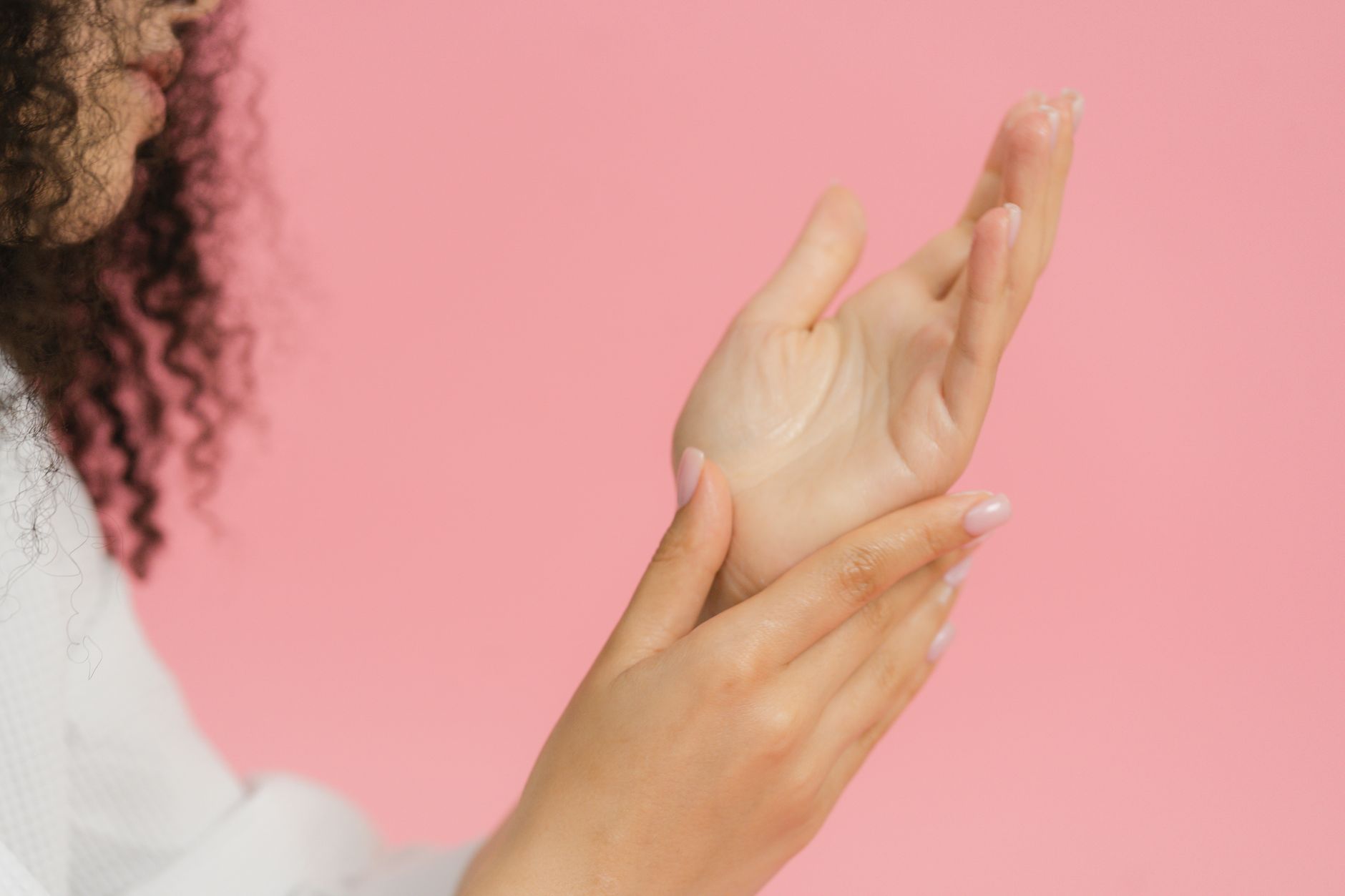
Supporting Emotional Well-being in Eczema Management
Living with eczema can be challenging, not just physically but emotionally as well. The persistent itch and visible symptoms can take a toll on one’s mental health. Understanding the emotional impact of eczema and adopting coping strategies are essential parts of comprehensive eczema management. This section explores how to support emotional well-being while managing eczema, emphasizing the importance of stress management and seeking support.
Understanding the Emotional Toll of Eczema
Eczema is more than a skin condition; it affects various aspects of a person’s life. The constant urge to scratch can lead to feelings of frustration and helplessness. Moreover, the visible nature of eczema can cause self-consciousness and impact social interactions. Recognizing these emotional challenges is the first step toward addressing them.
Many individuals with eczema report feeling anxious or depressed due to their condition. The unpredictability of eczema flare-ups can create a sense of uncertainty, making it difficult to plan and enjoy daily activities. This emotional burden can, in turn, exacerbate eczema symptoms, creating a vicious cycle.
Coping Strategies for Managing Stress and Anxiety
Managing stress and anxiety is crucial for protecting eczema skin from scratching damage. When stress levels are high, the urge to scratch often increases. Here are some practical coping strategies to help manage stress and anxiety:
- Mindfulness and Meditation: Practicing mindfulness or meditation can help reduce stress. Even a few minutes of daily practice can make a significant difference. Focus on your breath and try to stay present in the moment.
- Regular Exercise: Physical activity is a great way to relieve stress. Whether it’s a brisk walk, yoga, or a dance class, find an activity you enjoy and make it a regular part of your routine.
- Adequate Sleep: Ensure you get enough rest. Poor sleep can increase stress levels and worsen eczema symptoms. Create a calming bedtime routine to help you relax and sleep better.
- Healthy Diet: Eating a balanced diet can help manage stress. Avoid excessive caffeine and sugar, which can contribute to anxiety.
- Journaling: Writing down your thoughts and feelings can be a therapeutic way to manage stress. It allows you to process emotions and gain clarity.
Seeking Support from Healthcare Professionals and Support Groups
Don’t hesitate to seek professional help if you’re struggling with the emotional impact of eczema. Healthcare professionals, such as dermatologists and psychologists, can offer valuable guidance and support.
Support groups, whether in-person or online, can also be incredibly beneficial. Connecting with others who understand what you’re going through can provide a sense of community and reduce feelings of isolation. Sharing experiences and coping strategies with others can be empowering and reassuring.
If you’re experiencing severe anxiety or depression, it’s important to seek help from a mental health professional. They can provide therapies and treatments tailored to your needs, helping you manage your emotional well-being more effectively.
In summary, supporting emotional well-being is a vital component of eczema management. By understanding the emotional toll of eczema, adopting coping strategies for stress and anxiety, and seeking support from healthcare professionals and support groups, you can better protect your eczema skin from scratching damage and improve your overall quality of life.
Seeking Professional Advice for Eczema Care
While there are many self-care strategies that can help protect eczema skin from scratching, professional guidance is crucial for effective eczema management. Dermatologists and other healthcare professionals provide personalized advice and treatments that can significantly reduce eczema symptoms and prevent scratching damage.
When to Consult a Dermatologist
If you or a loved one is experiencing persistent eczema symptoms, it’s important to consult a dermatologist. A dermatologist can offer expert advice on how to protect eczema skin from scratching and provide treatments that may alleviate symptoms. Here are some signs that it’s time to seek professional help:
- Frequent or severe flare-ups
- Symptoms that do not improve with over-the-counter treatments
- Signs of infection, such as increased redness, swelling, or pus
- Eczema affecting daily activities or emotional well-being
Types of Healthcare Professionals Involved in Eczema Care
Eczema management often involves a team of healthcare professionals. Besides dermatologists, other specialists may include:
- Allergists: These doctors can help identify potential allergens that may trigger eczema flare-ups.
- Primary Care Physicians: They can provide general health advice and refer you to specialists.
- Pediatricians: For children with eczema, pediatricians play a crucial role in monitoring growth and development while managing the condition.
- Mental Health Professionals: Eczema can take an emotional toll, and therapists can offer support for managing stress and anxiety related to the condition.
Importance of Regular Follow-Up Appointments
Regular follow-up appointments with your healthcare provider are essential for ongoing eczema management. These visits allow your provider to:
- Assess the effectiveness of current treatments
- Adjust medications or therapies as needed
- Provide new strategies to protect eczema skin from scratching
- Monitor for any signs of infection or other complications
During these appointments, don’t hesitate to ask questions about your condition and discuss any concerns you may have. Open communication with your healthcare team can lead to better eczema relief and improved skin health.
For instance, a patient might notice that their eczema symptoms worsen during certain seasons. By discussing this pattern with their dermatologist, they might discover that seasonal allergens are triggers. The dermatologist can then recommend specific measures, such as using air purifiers or avoiding certain outdoor activities during peak pollen times, to help protect eczema skin from scratching and reduce flare-ups.
Another example is a parent noticing that their child’s eczema seems to worsen after swimming. A pediatrician can offer advice on post-swim routines, such as gently patting the skin dry and immediately applying moisturizer, to help protect eczema skin from scratching and environmental factors.
In summary, seeking professional advice is a vital component of a comprehensive approach to protect eczema skin from scratching. Healthcare professionals can provide tailored strategies and treatments that complement self-care practices, leading to better eczema management and overall skin health.
Empowering Self-Care Practices for Eczema
Managing eczema effectively often involves taking an active role in your own care. This section focuses on empowering self-care practices that can help protect eczema skin from scratching and improve overall eczema management.
Importance of Self-Care in Eczema Management
Self-care is crucial in managing eczema. By adopting proactive self-care practices, individuals can reduce the frequency and severity of eczema flare-ups, minimize skin damage from scratching, and enhance their quality of life. Consistent self-care routines help maintain skin health, reduce symptoms, and promote emotional well-being.
Empowering Strategies for Self-Care
Empowering self-care strategies involve understanding your eczema, recognizing triggers, and implementing practical steps to manage symptoms. Here are some strategies to consider:
- Education: Learn about eczema, its triggers, and effective management strategies. Knowledge empowers you to make informed decisions about your care.
- Routine: Establish a consistent daily routine for skincare, including moisturizing, applying topical treatments, and protecting your skin from irritants.
- Mindfulness: Practice mindfulness techniques to manage stress, which can exacerbate eczema symptoms. Techniques such as deep breathing, meditation, and yoga can be beneficial.
- Hydration: Keep your skin hydrated by drinking plenty of water and using moisturizers regularly. Well-hydrated skin is less prone to itching and scratching.
- Avoidance of Triggers: Identify and avoid personal eczema triggers, such as certain foods, environmental factors, or stress, to prevent flare-ups.
Building a Personalized Eczema Care Plan
Creating a personalized eczema care plan is essential for effective management. This plan should be tailored to your specific needs and lifestyle. Here’s how to build one:
- Consult a Dermatologist: Work with a dermatologist to develop a treatment plan that includes prescribed medications, over-the-counter products, and lifestyle modifications.
- Track Symptoms: Keep a diary of your eczema symptoms, triggers, and treatments. This can help identify patterns and effective strategies.
- Incorporate Moisturizers: Use gentle, fragrance-free moisturizers daily to keep your skin hydrated and reduce itching.
- Apply Topical Treatments: Follow your dermatologist’s instructions for applying topical treatments, such as corticosteroids or calcineurin inhibitors, to manage inflammation and itching.
- Protect Your Skin: Wear soft, breathable clothing to minimize irritation. Consider using cotton gloves or socks at night to prevent scratching during sleep.
- Manage Stress: Incorporate stress-reduction techniques into your daily routine to help manage eczema symptoms.
- Regular Check-Ins: Schedule regular appointments with your dermatologist to review your care plan and make adjustments as needed.
By taking an active role in your eczema care, you can significantly reduce the urge to scratch and protect your skin from damage. Empowering self-care practices not only help protect eczema skin from scratching but also contribute to overall eczema relief and improved quality of life.
Frequently asked questions
Can certain foods trigger eczema flare-ups?
While the relationship between diet and eczema is complex and varies from person to person, some individuals may experience eczema flare-ups after consuming certain foods. Common triggers include dairy, eggs, nuts, and wheat. It’s important to maintain a balanced diet and consider keeping a food diary to identify any potential triggers. If you suspect certain foods are affecting your eczema, consult with a healthcare professional for personalized advice.
Is it safe to use essential oils for eczema relief?
Essential oils can offer potential benefits for eczema relief, but it’s crucial to use them with caution. Some essential oils, like lavender and chamomile, may help soothe irritated skin. However, essential oils can also cause skin irritation or allergic reactions, especially in sensitive eczema-prone skin. Always perform a patch test before applying any essential oil to a larger area. It’s also advisable to consult with a healthcare professional before incorporating essential oils into your eczema management routine.
How can I protect my child’s eczema skin at school?
Protecting your child’s eczema skin at school involves a combination of preparation and communication. Ensure your child’s eczema is well-managed with appropriate moisturizers and medications before they leave for school. Communicate with teachers and school staff about your child’s condition, providing them with any necessary information or medications. Encourage your child to avoid scratching and to inform a trusted adult if they experience discomfort during school hours.
Are there any natural remedies that can help soothe eczema symptoms?
Several natural remedies may offer relief for eczema symptoms, but it’s essential to use them cautiously and under professional guidance. Oatmeal baths can help soothe irritated skin, while coconut oil and aloe vera may provide moisturizing benefits. However, it’s crucial to remember that natural remedies may not work for everyone, and some individuals may experience adverse reactions. Always consult with a healthcare professional before trying new remedies, especially if you have sensitive skin or are prone to allergies.
Can stress worsen eczema symptoms?
Stress is known to exacerbate eczema symptoms in many individuals. When stressed, the body releases hormones that can trigger inflammation and worsen eczema flare-ups. Managing stress through relaxation techniques, such as meditation, yoga, or deep breathing exercises, may help alleviate eczema symptoms. Additionally, maintaining a healthy lifestyle with regular exercise, a balanced diet, and sufficient sleep can contribute to overall well-being and may help reduce stress levels.
What should I do if my eczema symptoms suddenly worsen?
If your eczema symptoms suddenly worsen, it’s essential to take action promptly. First, review your current eczema management routine to identify any potential triggers or changes that may have contributed to the flare-up. Apply prescribed medications or moisturizers as directed by your healthcare professional. If the symptoms persist or become severe, seek medical attention to rule out any underlying infections or other complications. Remember, early intervention can help prevent further discomfort and potential complications.
Use MyEczema.app to track your eczema patterns and daily triggers.
This article is for educational purposes only and is not medical advice. If symptoms are severe, spreading, painful, infected-looking, or affecting sleep and daily life, speak with a qualified healthcare professional.
Sources and further reading
For medical guidance, always rely on a qualified healthcare professional. These educational resources may help readers learn more:
Image credit: Photo by Anna Keibalo on Pexels. Used under the Pexels License.
Image credit: Photo by Nadin Sh on Pexels. Used under the Pexels License.
Image credit: Photo by SHVETS production on Pexels. Used under the Pexels License.