
MyEczema.app guide
Newly Diagnosed Eczema Questions: Practical Guide
newly diagnosed eczema questions: practical tips for tracking triggers, building routines, and supporting eczema-prone skin.

Table of contents
Use this guide as a practical reference and jump to the sections most relevant to you.
- Quick answer
- Key takeaways
- Practical comparison table
- Visual chart
- Related MyEczema.app tool
- Understanding Your Eczema Diagnosis
- Essential Questions to Ask Your Doctor
- Identifying Your Eczema Triggers
- Exploring Eczema Treatment Options
- Lifestyle Changes for Eczema Management
- Monitoring Your Eczema Symptoms
- Building a Support Network for Eczema
- Educating Yourself About Eczema
- Long-Term Management of Eczema
- Empowering Yourself in Your Eczema Journey
- Frequently asked questions
- Sources and further reading
Receiving a diagnosis of eczema can be overwhelming. It’s a condition that affects millions of people worldwide, yet each person’s experience with eczema can be unique. Understanding your diagnosis is the first step towards effective management. One of the best ways to get a handle on your eczema is by asking the right questions. This guide will help you navigate the newly diagnosed eczema questions you might have, ensuring you get the information you need to manage your condition effectively.
Eczema, also known as atopic dermatitis, is a chronic skin condition characterized by inflamed, itchy, and often broken skin. The skin barrier is disrupted, making it more susceptible to irritants, allergens, and infections. Factors like climate, cleansing habits, and individual triggers can exacerbate symptoms. While there is no one-size-fits-all approach to managing eczema, understanding your specific triggers and symptoms is crucial.
When you’re newly diagnosed with eczema, it’s natural to have a myriad of questions. What causes eczema? How can I manage my symptoms? What treatments are available? Asking these newly diagnosed eczema questions will not only help you understand your condition better but also empower you to take an active role in your treatment plan. Collaborating with your healthcare provider is essential, as they can offer personalized advice and treatment options tailored to your needs.
Quick answer
Understanding your eczema diagnosis is crucial. Ask the right questions to manage your condition effectively.
Key takeaways
- Knowing the right questions to ask can help you manage eczema better.
- Understanding your diagnosis is the first step towards effective management.
- Collaborate with your healthcare provider for personalized eczema care.
- Identifying triggers and managing symptoms are key to living with eczema.
- Educate yourself and seek support to navigate your eczema journey.
Questions to Ask Your Doctor About Eczema
| Situation | What it may mean | Practical next step |
|---|---|---|
| Unsure about diagnosis | Seek clarification on diagnosis details and types of eczema. | Ask for diagnostic tests if needed. |
| Concerned about treatment options | Discuss available treatments and their pros and cons. | Inquire about personalized treatment plans. |
| Worried about side effects | Understand potential side effects of treatments. | Ask about managing or minimizing side effects. |
| Interested in lifestyle changes | Explore how diet, stress, and skincare routines impact eczema. | Discuss implementing lifestyle changes with your doctor. |
| Needing support resources | Seek information on support groups and educational resources. | Ask your doctor for recommendations. |
Related MyEczema.app tool
Use the Eczema Trigger Identifier
The Eczema Trigger Identifier helps users organize recent changes and possible flare-related patterns such as weather, stress, sweat, sleep, foods, products, and irritants.
For this topic, this tool can help you organize information in a more structured way and turn daily observations into clearer patterns to review over time.
Understanding Your Eczema Diagnosis
Receiving a diagnosis of eczema can be a pivotal moment in managing your skin health. It’s essential to grasp the importance of this diagnosis and what it means for your overall well-being. This section aims to help you understand your eczema diagnosis better, clear up common misconceptions, and provide practical steps to take next.
Importance of Diagnosis
When you are newly diagnosed with eczema, understanding the diagnosis is crucial. It allows you to:
- Identify the condition: Knowing you have eczema helps differentiate it from other skin conditions, leading to more targeted management strategies.
- Seek appropriate treatment: A clear diagnosis enables you to work with healthcare professionals to find the most effective treatments for your specific type of eczema.
- Educate yourself: Understanding your diagnosis empowers you to learn more about eczema, its triggers, and management techniques.
- Join support groups: Being diagnosed allows you to connect with others who have eczema, providing emotional support and practical advice.
A proper diagnosis is the first step toward effectively managing eczema and improving your quality of life.
What Eczema Diagnosis Means
An eczema diagnosis means that your skin has a tendency to become inflamed, itchy, and sometimes broken due to various triggers. Eczema, also known as atopic dermatitis, is a chronic condition that requires ongoing management. Here’s what your diagnosis entails:
- Chronic nature: Eczema is a long-term condition that may flare up periodically. It’s important to adopt a consistent skincare routine and be aware of potential triggers.
- Varied symptoms: Eczema can manifest differently in each person. Common symptoms include redness, itching, dryness, and sometimes blisters or oozing.
- Trigger identification: Part of managing eczema involves identifying and avoiding triggers that worsen your symptoms. These can include allergens, irritants, stress, and certain fabrics.
- Treatment plan: Your healthcare provider will likely recommend a treatment plan that may include topical creams, medications, and lifestyle changes.
Understanding these aspects helps you navigate your eczema journey more effectively.
Common Misconceptions
There are several misconceptions about eczema that can lead to confusion and improper management. Let’s address some of these:
- “Eczema is contagious.” Eczema is not contagious. It’s a non-infectious skin condition caused by a combination of genetic and environmental factors.
- “Eczema only affects children.” While eczema often starts in childhood, it can affect people of all ages. Many adults continue to experience eczema throughout their lives.
- “Eczema will go away on its own.” Eczema is a chronic condition that requires ongoing management. While symptoms may improve over time, they often require consistent care.
- “All creams and lotions are the same.” Not all moisturizers and treatments are created equal. It’s important to use products recommended by your healthcare provider to effectively manage your eczema.
- “Diet changes may help support eczema-prone skin.” While diet can play a role in managing eczema for some people, it is not a long-term control. A balanced diet may help, but it should be part of a comprehensive management plan.
Dispelling these myths helps you approach your eczema diagnosis with a clearer understanding and more effective strategies.
If you have newly diagnosed eczema questions, consider reaching out to an eczema doctor or eczema specialist. They can provide personalized advice and help you develop a management plan tailored to your needs. Additionally, exploring eczema education resources and joining an eczema support community can offer valuable insights and emotional support as you navigate your eczema journey.
Essential Questions to Ask Your Doctor
Receiving a diagnosis of eczema can be overwhelming. It’s essential to have a clear understanding of your condition and the available treatments. Asking the right questions during your appointments can help you feel more informed and confident in managing your eczema. Here are some crucial questions to ask your healthcare provider about your eczema.
Questions about Diagnosis
Understanding your diagnosis is the first step in managing eczema effectively. Here are some questions to ask:
- What type of eczema do I have? Knowing whether you have atopic dermatitis, contact dermatitis, dyshidrotic eczema, or another type can influence your treatment plan.
- What caused my eczema? While the exact cause of eczema is often unknown, identifying potential triggers can help you avoid flare-ups.
- Are there any tests to confirm the diagnosis? Sometimes, patch testing or other diagnostic tests can help pinpoint specific triggers or rule out other conditions.
- Is my eczema likely to be long-term? Understanding the chronic nature of eczema can help you prepare for long-term management.
Questions about Treatment Options
Exploring your treatment options is crucial for finding what works best for you. Consider asking these questions:
- What are the recommended treatments for my type of eczema? Your doctor may suggest topical creams, ointments, or oral medications.
- How should I apply topical treatments? Proper application techniques can enhance the effectiveness of your treatments.
- What are the potential side effects of these treatments? Being aware of possible side effects can help you monitor your condition and report any adverse reactions promptly.
- Are there any alternative or complementary therapies that might help? Some people find relief through methods like acupuncture, herbal remedies, or dietary changes, though these should be discussed with your doctor.
- How long will it take to see improvements? Understanding the timeline for treatment can help manage your expectations.
Questions about Lifestyle Changes
Making certain lifestyle changes can significantly impact your eczema management. Here are some questions to ask:
- What lifestyle changes can help manage my eczema? Simple changes like avoiding harsh soaps, wearing soft clothing, and maintaining proper skin hydration can make a big difference.
- Are there specific foods I should avoid? While food allergies are not common triggers for eczema, some people find that certain foods exacerbate their symptoms.
- How can I protect my skin in different environments? Understanding how to care for your skin in various settings, such as at work or during outdoor activities, can prevent flare-ups.
- What should I do if I experience a flare-up? Having a plan for managing flare-ups can reduce stress and help you act quickly.
- Are there any support groups or resources available for people with eczema? Connecting with others who have eczema can provide emotional support and practical tips.
When you are newly diagnosed with eczema, it’s important to be proactive in your healthcare journey. Asking these questions can help you gain a better understanding of your condition and the steps you can take to manage it effectively. Remember, your healthcare provider is there to support you, so don’t hesitate to seek clarification or additional information if needed.
Identifying Your Eczema Triggers
When you’re newly diagnosed with eczema, one of the most important things you can do is identify your personal triggers. Knowing what causes your eczema to flare can help you manage your condition more effectively and reduce the frequency and severity of outbreaks. Let’s dive into the common eczema triggers, how to identify your own, and practical ways to manage exposure to them.
Common Eczema Triggers
Eczema triggers can vary widely from person to person, but there are some common culprits you should be aware of. These include:
- Allergens: Substances like pollen, pet dander, and certain foods can trigger eczema in some people.
- Irritants: Harsh soaps, detergents, and chemicals can irritate the skin and lead to flare-ups.
- Weather: Both hot and cold weather can affect your skin. Dry, cold air can strip moisture from your skin, while humid weather can make it sweat more, leading to irritation.
- Stress: Emotional stress can worsen eczema symptoms.
- Sweat: Physical activity that causes you to sweat can lead to irritation.
- Fabrics: Rough or synthetic fabrics can irritate the skin.
- Hormonal changes: For some people, hormonal fluctuations can trigger eczema.
How to Identify Your Triggers
Identifying your specific eczema triggers involves a bit of detective work. Here are some practical steps you can take:
Keep a Symptom Diary
One of the most effective ways to identify your eczema triggers is to keep a detailed symptom diary. Note down the following:
- When your eczema flares up
- What you were doing at the time
- What you ate
- Any products you used on your skin
- The weather conditions
- Your stress levels
Over time, patterns may emerge that can help you pinpoint specific triggers.
Experiment with Elimination
If you suspect certain foods or products are triggering your eczema, try eliminating them one at a time to see if your symptoms improve. For example, if you suspect dairy is a trigger, remove it from your diet for a couple of weeks and monitor your skin. If your eczema improves, dairy might be a trigger for you.
Consult an Eczema Specialist
An eczema specialist or dermatologist can provide valuable insights and may recommend allergy testing to identify specific allergens that trigger your eczema. They can also guide you on the best products and treatments to use.
Managing Trigger Exposure
Once you’ve identified your triggers, the next step is to minimize your exposure to them. Here are some strategies:
Avoid Harsh Chemicals
Use gentle, fragrance-free soaps and detergents. Look for products labeled “eczema-friendly” or recommended by your eczema doctor.
Protect Your Skin from the Elements
In cold weather, wear layers to keep your skin warm and moisturized. In hot weather, stay cool and avoid excessive sweating. Using a humidifier in dry climates can also help maintain skin moisture.
Manage Stress
Find healthy ways to manage stress, such as exercise, meditation, or talking to a counselor. Stress management can significantly reduce the frequency of eczema flare-ups.
Choose the Right Fabrics
Opt for soft, breathable fabrics like cotton. Avoid rough or synthetic materials that can irritate your skin.
Be Mindful of Your Diet
If certain foods trigger your eczema, try to avoid them. Consider consulting a nutritionist for guidance on maintaining a balanced diet while avoiding triggers.
Use Moisturizers Regularly
Keeping your skin well-moisturized is crucial in managing eczema. Apply moisturizers immediately after bathing to lock in moisture. Look for products that are specifically designed for eczema-prone skin.
Identifying and managing your eczema triggers is a crucial part of living with the condition. By keeping a symptom diary, experimenting with elimination, and consulting with an eczema specialist, you can gain a better understanding of what triggers your eczema. Once identified, taking practical steps to minimize exposure to these triggers can help you manage your eczema more effectively and enjoy a better quality of life.
Remember, everyone’s eczema is different, and what works for one person may not work for another. It’s important to work closely with your healthcare provider to develop a personalized plan that suits your needs. Engaging with an eczema community or support group can also provide valuable insights and emotional support as you navigate your newly diagnosed eczema questions.
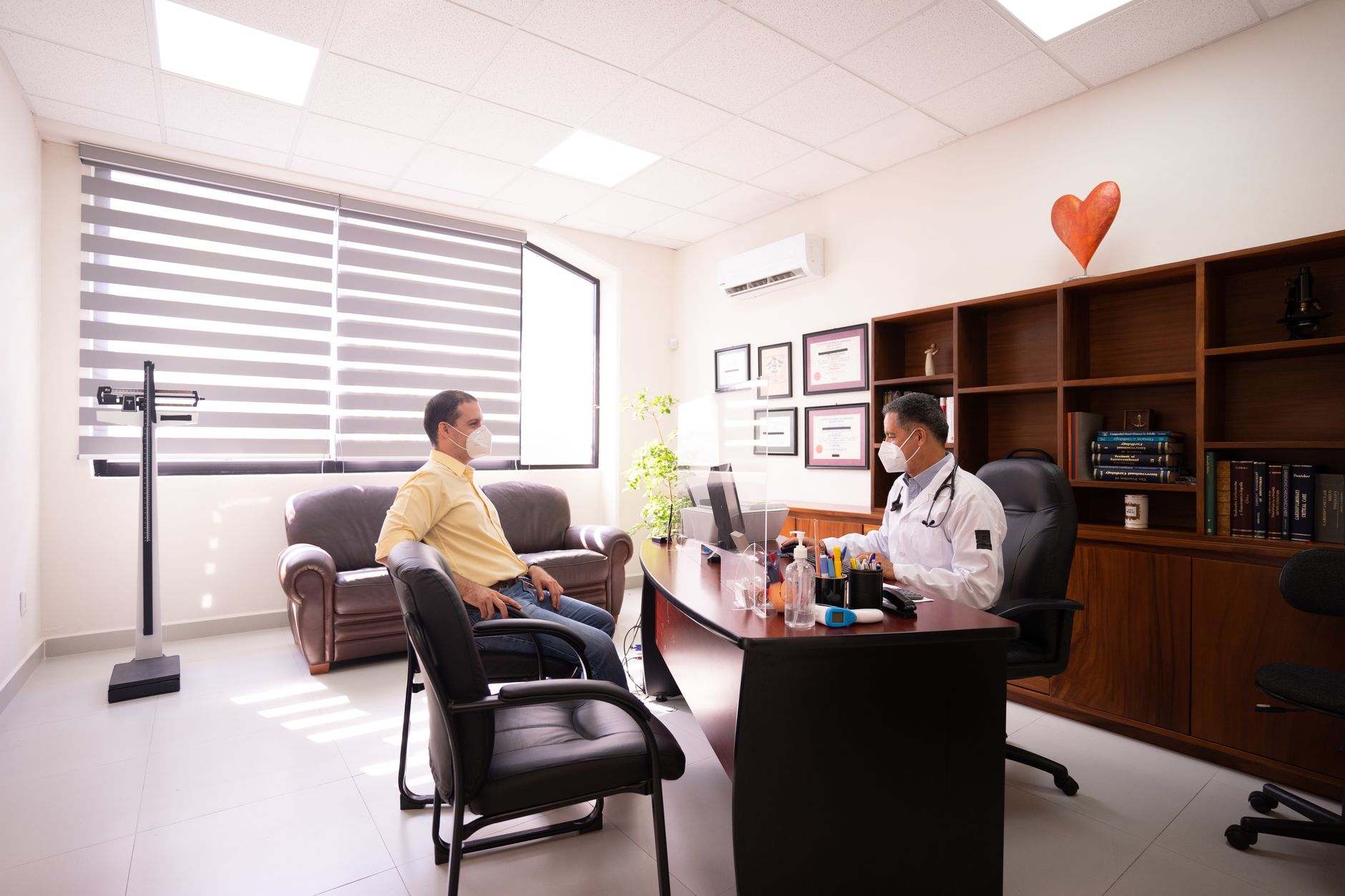
Exploring Eczema Treatment Options
When you are newly diagnosed with eczema, understanding the treatment options available is crucial. Each person’s experience with eczema is unique, and finding the right treatment plan often involves a bit of trial and error. This section will guide you through the various treatment options, helping you to ask the right questions and make informed decisions about your eczema management.
Topical Treatments
Topical treatments are often the first line of defense against eczema. These are creams, ointments, and lotions applied directly to the skin. When discussing topical treatments with your doctor, consider asking the following questions:
- What type of topical treatment is best for my eczema? Depending on the severity and type of your eczema, your doctor may recommend moisturizers, corticosteroids, calcineurin inhibitors, or other medications.
- How often should I apply the treatment? Consistency is key in managing eczema. Understanding the correct application frequency can help you integrate the treatment into your daily routine.
- Are there any side effects I should be aware of? While many topical treatments are safe, some may cause side effects, especially with prolonged use. It’s important to be informed about these potential issues.
For example, if you have mild eczema, your doctor might suggest a gentle moisturizer or a low-potency corticosteroid cream. For more severe cases, a higher-potency corticosteroid or a calcineurin inhibitor might be recommended. Always follow your doctor’s instructions regarding application and frequency.
Oral Medications
In some cases, oral medications may be necessary to manage eczema, especially if topical treatments are not sufficient. These can include antihistamines, antibiotics (if there’s a secondary infection), and immunosuppressants. When considering oral medications, ask your doctor:
- Why is an oral medication necessary for my eczema? Understanding the reason behind prescribing an oral medication can help you feel more comfortable with the treatment plan.
- What are the potential side effects? Oral medications can have more significant side effects compared to topical treatments, so it’s important to be aware of these.
- How long will I need to take this medication? Knowing the duration of treatment can help you plan and prepare for any necessary lifestyle adjustments.
For instance, if your eczema is severe and widespread, your doctor might prescribe an oral corticosteroid for a short period to quickly reduce inflammation. Alternatively, if your eczema is accompanied by frequent infections, antibiotics may be prescribed.
Alternative Therapies
Some people explore alternative therapies to complement traditional treatments. These can include dietary changes, herbal remedies, acupuncture, and more. When considering alternative therapies, it’s important to:
- Discuss with your doctor. Before starting any alternative therapy, talk to your doctor to ensure it’s safe and won’t interfere with your current treatment plan.
- Research thoroughly. Not all alternative therapies are supported by scientific evidence. It’s important to do your research and understand what you’re getting into.
- Be cautious of claims. Be wary of treatments that promise quick fixes or miraculous results. Always approach with a critical mind.
For example, some people find that certain dietary changes, like eliminating common allergens, help manage their eczema symptoms. Others might try herbal remedies or acupuncture, though the effectiveness of these can vary widely from person to person.
Remember, the goal of treatment is to manage your symptoms effectively and improve your quality of life. It’s important to work closely with your doctor to find the best treatment plan for you. If you have any doubts or questions about your treatment options, don’t hesitate to seek a second opinion or join an eczema support group for additional guidance and support.
Lifestyle Changes for Eczema Management
Receiving a diagnosis of eczema can lead to many questions about how to manage the condition effectively. One of the most practical steps you can take is to consider lifestyle changes that may help reduce symptoms and improve your overall quality of life. Here, we’ll explore three key areas: diet and nutrition, stress management, and skincare routine. These changes can play a significant role in managing your eczema, especially when combined with medical treatments recommended by your doctor.
Diet and Nutrition
While there is no one-size-fits-all diet for eczema, certain dietary changes may help manage symptoms for some individuals. It’s important to approach diet changes with caution and consult with a healthcare provider or a nutritionist before making significant alterations.
- Identify Food Triggers: Some people with eczema find that certain foods can trigger flare-ups. Common culprits include dairy, eggs, nuts, and wheat. Keeping a food diary can help you identify any correlations between what you eat and your eczema symptoms.
- Incorporate Anti-Inflammatory Foods: Foods rich in omega-3 fatty acids, such as salmon, flaxseeds, and walnuts, may help reduce inflammation. Additionally, fruits and vegetables high in antioxidants, like berries and leafy greens, can support overall skin health.
- Stay Hydrated: Drinking plenty of water is crucial for maintaining healthy skin. Hydration helps keep your skin moisturized from the inside out, which can be particularly beneficial for eczema-prone skin.
Remember, dietary changes should be approached gradually and with professional guidance to ensure they are safe and effective for your specific situation.
Stress Management
Stress is a well-known trigger for eczema flare-ups. Learning to manage stress effectively can be a valuable part of your eczema management plan. Here are some practical steps you can take:
- Practice Mindfulness and Relaxation Techniques: Activities such as yoga, meditation, and deep-breathing exercises can help reduce stress levels. Even a few minutes a day can make a difference.
- Engage in Regular Physical Activity: Exercise is a great way to relieve stress and improve your overall well-being. Find an activity you enjoy, whether it’s walking, swimming, or dancing, and make it a regular part of your routine.
- Seek Support: Talking to friends, family, or a support group can provide emotional relief. Additionally, consider seeking professional help if you feel overwhelmed. Therapists and counselors can offer strategies to manage stress more effectively.
Incorporating these stress-management techniques into your daily life can help reduce the frequency and severity of eczema flare-ups.
Skincare Routine
A consistent and gentle skincare routine is essential for managing eczema. Here are some steps to consider:
- Moisturize Regularly: Keeping your skin well-hydrated is crucial. Use a fragrance-free, hypoallergenic moisturizer immediately after bathing to lock in moisture. Look for products containing ceramides, which help strengthen the skin’s barrier.
- Use Gentle Cleansers: Avoid harsh soaps and opt for mild, fragrance-free cleansers. Pat your skin dry with a soft towel instead of rubbing, which can irritate the skin.
- Avoid Hot Water: Hot water can strip the skin of its natural oils, leading to dryness and irritation. Use lukewarm water when bathing and limit bath time to avoid over-drying your skin.
- Wear Soft, Breathable Fabrics: Choose clothing made from soft materials like cotton, which allow your skin to breathe. Avoid rough fabrics like wool that can irritate eczema-prone skin.
By adopting these lifestyle changes, you can create a supportive environment for your skin, helping to manage eczema symptoms more effectively. Remember, it’s important to work closely with your healthcare provider to develop a comprehensive management plan that includes both medical treatments and lifestyle adjustments. Engaging with an eczema community or support group can also provide valuable insights and encouragement as you navigate your newly diagnosed eczema questions.
Monitoring Your Eczema Symptoms
Receiving a diagnosis of eczema can be overwhelming. One of the most important steps in managing your condition is monitoring your symptoms. Effective symptom tracking allows you to better communicate with your eczema doctor or specialist, adjust your treatment plan, and identify patterns or triggers. Here’s how you can start monitoring your eczema symptoms effectively.
Symptom Tracking
Keeping a detailed record of your eczema symptoms is crucial. This practice helps you and your healthcare provider understand the nature and severity of your condition. Here are some steps to get started:
- Use a Journal or App: Consider using a dedicated journal or a symptom-tracking app. Many apps are available that allow you to log symptoms, triggers, and treatments.
- Note the Date and Time: Record the date and time when you experience symptoms. This helps in identifying patterns over days, weeks, or months.
- Describe Symptoms: Be specific about what you’re experiencing. Note the location of the rash, its appearance (red, scaly, bumpy), and any accompanying sensations like itching or burning.
- Rate Severity: Use a scale (e.g., 1-10) to rate the severity of your symptoms. This can help track changes over time.
- Log Triggers: Make a note of any potential triggers you encountered before the symptoms appeared. This could include environmental factors, foods, stress levels, or changes in your routine.
For example, if you notice that your eczema flares up every time you use a certain laundry detergent, noting this in your journal can help you avoid that trigger in the future.
When to Seek Medical Help
While monitoring your symptoms, it’s essential to know when to seek medical help. Here are some indicators that it’s time to consult your eczema doctor:
- Severe Flare-Ups: If your symptoms become significantly worse, with intense itching, widespread rash, or severe discomfort, it’s important to get professional advice.
- Signs of Infection: Look out for signs of infection such as increased redness, swelling, warmth, or pus. Infections require prompt medical attention.
- New Symptoms: If you experience new symptoms that you haven’t had before, such as blisters or open sores, it’s wise to consult a healthcare provider.
- Treatment Ineffectiveness: If your current treatment plan isn’t helping to manage your symptoms, it’s time to revisit your eczema specialist for a re-evaluation.
Remember, consistent monitoring and timely medical consultations are key components of effective eczema management.
Adjusting Treatment Based on Symptoms
Your eczema treatment plan may need adjustments based on your symptom tracking. Here’s how you can approach this:
- Review with Your Doctor: Regularly discuss your symptom logs with your eczema doctor. They can provide insights and suggest modifications to your treatment plan.
- Modify Medications: Depending on the severity and frequency of your symptoms, your doctor might adjust your medications. This could mean changing the type, dosage, or frequency of your treatments.
- Incorporate New Therapies: If certain treatments aren’t working, your doctor might recommend trying new therapies, such as different topical creams, oral medications, or light therapy.
- Lifestyle Changes: Based on your symptom tracking, you might need to make lifestyle changes. This could include avoiding certain triggers, altering your skincare routine, or making dietary adjustments.
For instance, if you notice that your eczema worsens during the winter months, your doctor might suggest using a heavier moisturizer or avoiding certain environmental factors.
In conclusion, monitoring your eczema symptoms is a vital part of managing your condition. By keeping a detailed record, knowing when to seek medical help, and adjusting your treatment plan based on your symptoms, you can work towards better eczema management. Remember, you’re not alone in this journey. Engaging with an eczema support community or seeking eczema education resources can provide additional guidance and encouragement.
Building a Support Network for Eczema
Receiving a diagnosis of eczema can feel overwhelming. While understanding your condition and treatment options is crucial, equally important is building a robust support network. A strong support system can provide emotional comfort, practical advice, and encouragement as you navigate life with eczema. Here are some steps to help you build a supportive network.
Finding Support Groups
Support groups offer a unique space where individuals with eczema can share experiences, coping strategies, and advice. These groups can be found both in-person and online.
To find local support groups, start by asking your eczema doctor or eczema specialist if they know of any groups in your area. Hospitals and clinics often have information about local support groups. Additionally, national eczema organizations frequently maintain directories of local chapters or groups.
Online support groups are also a valuable resource. Websites like the National Eczema Association or Eczema Association for Science and Education (EASE) offer forums and discussion boards where you can connect with others who understand what you’re going through. Social media platforms also host numerous eczema communities where you can find support and share your journey.
Talking to Friends and Family
Opening up to friends and family about your eczema diagnosis can provide emotional support and help them understand your needs better. It’s important to choose the right time and place for these conversations.
Start by explaining what eczema is and how it affects you. Use simple language to describe your symptoms and the steps you’re taking to manage them. For example, you might say, “I’ve been diagnosed with eczema, which causes my skin to become itchy and inflamed. I’m working with my doctor to find the best treatment plan.”
Encourage your loved ones to ask questions. This can help them feel more involved and informed. You might also share some resources, like articles or videos, that explain eczema in more detail.
It’s also helpful to let your friends and family know how they can support you. This might include helping you remember to apply moisturizer, avoiding certain triggers in shared spaces, or simply being there to listen when you’re feeling frustrated or overwhelmed.
Online Communities
The internet offers a wealth of resources for those newly diagnosed with eczema. Online communities can be particularly beneficial, providing a space to ask questions, share experiences, and find comfort in knowing you’re not alone.
Websites like Eczema.org and NationalEczema.org offer forums where you can connect with others who have eczema. These platforms allow you to post questions, share your experiences, and receive advice from people who understand what you’re going through.
Social media groups, such as Facebook groups dedicated to eczema, can also be incredibly supportive. These groups often host live discussions, share helpful tips, and provide a sense of community. When joining online groups, it’s important to verify the credibility of the information shared and consult your healthcare provider for medical advice.
Additionally, following eczema influencers or bloggers can provide inspiration and practical tips. Many individuals share their personal journeys, treatment routines, and coping strategies, which can be both informative and motivating.
Building a support network is an essential part of managing eczema. Whether through local support groups, conversations with friends and family, or online communities, surrounding yourself with understanding and supportive individuals can make a significant difference in your eczema journey. Remember, you don’t have to face eczema alone—there are many resources and people ready to help you along the way.

Educating Yourself About Eczema
After receiving a diagnosis, many people find themselves navigating a new world of information about eczema. Educating yourself about this condition is crucial, especially when you are newly diagnosed with eczema. This section will guide you through reliable sources of information, the importance of staying updated on research, and how to avoid misinformation.
Reliable Sources of Information
When you are newly diagnosed with eczema, it’s important to seek information from reliable sources. Here are some trusted places to start:
- Medical Websites: Websites like the National Eczema Association (NEA) and the American Academy of Dermatology (AAD) offer comprehensive, up-to-date information on eczema.
- Peer-Reviewed Journals: Articles published in medical journals are often reviewed by experts, making them a reliable source of information. Websites like PubMed provide access to many of these articles.
- Books by Experts: Books written by dermatologists and eczema specialists can offer in-depth knowledge. Look for authors who are well-respected in the medical community.
- Eczema Support Groups: Online forums and support groups can be valuable, but always cross-check the information with medical sources.
For example, if you join an online eczema community, you might find personal stories and advice that resonate with you. However, always verify this information with a healthcare professional or a reputable medical website.
Staying Updated on Research
Eczema research is constantly evolving. Staying informed about the latest studies and findings can help you make better decisions about your eczema management. Here’s how you can keep up:
- Subscribe to Newsletters: Many eczema organizations and medical journals offer newsletters that highlight the latest research and news.
- Follow Eczema Specialists on Social Media: Dermatologists and eczema specialists often share updates and insights on platforms like Twitter and LinkedIn.
- Attend Webinars and Conferences: These events often feature the latest research and treatment options. Many are available online and free to attend.
Imagine you’ve been following a particular eczema specialist on social media. They announce a new webinar on the latest eczema treatments. Attending this webinar could provide you with valuable insights and new management strategies.
Avoiding Misinformation
The internet is filled with information, but not all of it is accurate. Here’s how to avoid misinformation when you are newly diagnosed with eczema:
- Check the Source: Ensure the information comes from a credible source. Look for websites ending in .gov,.edu, or well-established medical organizations.
- Be Skeptical of Anecdotes: Personal stories can be inspiring, but they shouldn’t replace medical advice. Always consult a healthcare professional before trying new treatments.
- Look for Citations: Reliable information often includes references to studies or other credible sources. If an article doesn’t cite its sources, be cautious.
- Consult Your Doctor: If you come across something that seems too good to be true, discuss it with your eczema doctor. They can help you separate fact from fiction.
For instance, you might come across a blog post claiming a miracle long-term control for eczema. While it’s tempting to try anything that promises relief, it’s crucial to verify this information. Discuss it with your doctor to ensure it’s safe and effective.
Educating yourself about eczema is an ongoing process. By relying on trusted sources, staying updated on research, and being cautious of misinformation, you can make informed decisions about your eczema management. This knowledge empowers you to take an active role in your health journey.
Long-Term Management of Eczema
When you are newly diagnosed with eczema, understanding long-term management is crucial. This section will help you navigate the journey of managing eczema over time, ensuring a better quality of life. Let’s explore strategies that focus on setting realistic goals, regular check-ups, and adapting to changes.
Setting Realistic Goals
One of the first steps in managing eczema long-term is setting realistic goals. It’s important to have a clear understanding of what you hope to achieve with your eczema management plan. This could include reducing flare-ups, maintaining clear skin for longer periods, or simply feeling more comfortable in your skin.
When setting goals, consider the following:
- Specificity: Be specific about what you want to achieve. Instead of a vague goal like “feel better,” aim for something concrete like “reduce flare-ups by 50% in six months.”
- Measurability: Ensure your goals are measurable. This way, you can track your progress and make adjustments as needed.
- Achievability: Set goals that are realistic and achievable. While it’s great to aim high, setting unattainable goals can lead to frustration.
- Relevance: Make sure your goals are relevant to your life and eczema management. They should align with your overall health and well-being.
- Time-bound: Give yourself a timeframe to achieve your goals. This creates a sense of urgency and helps you stay on track.
For example, a realistic goal might be “use my prescribed moisturizer daily for the next three months to see an improvement in skin hydration.”
Regular Check-Ups
Regular check-ups with your eczema doctor or specialist are essential for long-term management. These appointments allow you to discuss any changes in your symptoms, review the effectiveness of your current treatment plan, and make necessary adjustments.
During these visits, be prepared to:
- Discuss any new symptoms or changes in your eczema.
- Review the effectiveness of your current treatments.
- Ask questions about any concerns or uncertainties you have.
- Update your doctor on any lifestyle changes that might affect your eczema.
For instance, if you’ve started a new job that involves more stress, mention this to your doctor, as stress can be a trigger for eczema flare-ups. Regular check-ups help ensure that your management plan remains effective and relevant to your current situation.
Adapting to Changes
Eczema is a dynamic condition, and your management plan may need to evolve over time. Life changes, such as moving to a new climate, starting a new job, or experiencing hormonal changes, can all impact your eczema. Being adaptable and willing to make changes to your management plan is key.
Here are some ways to adapt to changes:
- Monitor Your Symptoms: Keep a journal of your eczema symptoms and any potential triggers. This can help you identify patterns and make informed decisions about your management plan.
- Stay Informed: Continue educating yourself about eczema. New treatments and management strategies are always being developed, and staying informed can help you make the best decisions for your health.
- Be Open to New Treatments: If your current treatment plan isn’t working as well as it used to, don’t hesitate to discuss new options with your doctor. There are many effective treatments available, and what works for you may change over time.
- Seek Support: Join an eczema support group or community. Sharing experiences and tips with others who understand what you’re going through can be incredibly helpful.
For example, if you move to a drier climate, you might need to adjust your moisturizer routine or add a humidifier to your home to keep your skin hydrated. Being proactive and adaptable can help you manage your eczema more effectively in the long term.
In conclusion, managing eczema long-term requires a combination of setting realistic goals, regular check-ups with your eczema doctor, and being adaptable to changes in your life and symptoms. By taking these steps, you can improve your quality of life and better manage your eczema over time.
Empowering Yourself in Your Eczema Journey
Receiving a diagnosis of eczema can feel overwhelming, but it’s important to remember that you are not alone. With the right information and mindset, you can take an active role in managing your condition. This section will guide you through the process of empowering yourself in your eczema journey. By embracing self-advocacy, building confidence, and understanding your unique path, you can navigate your newly diagnosed eczema questions with greater ease.
Self-Advocacy
Self-advocacy is about taking charge of your health and making informed decisions. When you are newly diagnosed with eczema, it’s crucial to become your own best advocate. This means asking questions, seeking second opinions if necessary, and actively participating in your treatment plan.
Start by scheduling regular appointments with your eczema doctor or eczema specialist. During these visits, don’t hesitate to ask about your condition, treatment options, and any concerns you may have. Write down your questions beforehand to ensure you cover everything you want to discuss.
If you feel that your current treatment isn’t working, don’t be afraid to seek a second opinion. Another eczema specialist may offer different insights or recommend alternative approaches. Remember, it’s your health, and you have the right to explore all available options.
Building Confidence
Building confidence in managing your eczema is a gradual process. Start by educating yourself about your condition. Understanding the basics of eczema, its triggers, and available treatments can help you feel more in control.
Joining an eczema support group or community can also be incredibly beneficial. Connecting with others who share similar experiences can provide emotional support and practical advice. Online forums, social media groups, and local support meetings are great places to start.
Practice self-care and celebrate small victories. Managing eczema is a marathon, not a sprint. Recognize your efforts and progress, no matter how small. This positive reinforcement can help build your confidence over time.
Embracing Your Journey
Every eczema journey is unique. What works for one person may not work for another, and that’s okay. Embrace your journey by being open to trying different treatments and lifestyle changes.
Keep a symptom diary to track your eczema flares, triggers, and the effectiveness of your treatments. This can help you identify patterns and make informed decisions about your care. Share this information with your eczema doctor to collaborate on the best management plan for you.
Stay informed about the latest eczema research and treatment options. The field is constantly evolving, and new developments may offer better solutions for your specific needs. Subscribe to reputable eczema education resources and follow credible eczema specialists on social media.
Lastly, be kind to yourself. Managing eczema can be challenging, and it’s important to practice self-compassion. Allow yourself to have off days and seek support when needed. Remember, you are not defined by your eczema, and with the right tools and mindset, you can lead a fulfilling life.
Empowering yourself in your eczema journey is about taking an active role in your health, building confidence through education and support, and embracing the unique path that is yours. By asking the right newly diagnosed eczema questions and seeking the information and support you need, you can navigate your eczema with greater ease and confidence.
Frequently asked questions
What should I do immediately after being diagnosed with eczema?
After receiving a diagnosis, start by educating yourself about eczema. Learn about its symptoms, triggers, and management strategies. Begin keeping a daily log of your symptoms and possible triggers. This will help you identify patterns and make informed decisions about your care. Additionally, consult with a dermatologist to discuss treatment options and create a personalized management plan.
How can I find a good dermatologist for my eczema?
Finding a qualified dermatologist is crucial for managing eczema effectively. Start by asking your primary care physician for recommendations. Look for dermatologists who have experience treating eczema and read reviews from other patients. Schedule consultations with a few candidates to discuss your symptoms and treatment preferences. Choose a dermatologist who listens to your concerns and offers a comprehensive management plan.
Are there any natural remedies that can help with eczema?
While natural remedies can complement traditional treatments, it’s important to approach them with caution. Some people find relief using natural remedies like oatmeal baths, coconut oil, or aloe vera. However, always consult with your dermatologist before trying new remedies to ensure they are safe and won’t interfere with your treatment plan. Natural remedies can provide additional comfort but should not replace prescribed medications.
How do I talk to my employer about my eczema?
Discussing eczema with your employer can help you get the accommodations you need to manage your condition at work. Prepare by gathering information about your eczema and how it affects your work. Request a private meeting with your supervisor or human resources department. Clearly explain your needs, such as flexible break times for medication or adjustments to your work environment to reduce triggers. Providing documentation from your dermatologist can strengthen your case.
Can stress really affect my eczema?
Yes, stress can significantly impact eczema. Stress can trigger flare-ups or worsen existing symptoms. Managing stress through relaxation techniques, regular exercise, and adequate sleep can help reduce the frequency and severity of eczema outbreaks. Consider incorporating stress-management practices into your daily routine to support your overall eczema management plan.
What are the common mistakes people make when managing eczema?
One common mistake is not moisturizing enough. Consistent moisturization is crucial for maintaining skin hydration and reducing flare-ups. Another mistake is using harsh soaps or detergents, which can irritate the skin. Avoid scratching, as it can lead to infection and further irritation. Lastly, not following your dermatologist’s treatment plan can hinder effective management. Stay committed to your treatment and make adjustments as needed under professional guidance.
Use MyEczema.app to track your eczema patterns and daily triggers.
This article is for educational purposes only and is not medical advice. If symptoms are severe, spreading, painful, infected-looking, or affecting sleep and daily life, speak with a qualified healthcare professional.
Sources and further reading
For medical guidance, always rely on a qualified healthcare professional. These educational resources may help readers learn more:
Image credit: Photo by Los Muertos Crew on Pexels. Used under the Pexels License.
Image credit: Photo by Los Muertos Crew on Pexels. Used under the Pexels License.
Image credit: Photo by RDNE Stock project on Pexels. Used under the Pexels License.