
MyEczema.app guide
Masks Trigger Eczema: Practical Guide
masks trigger eczema: Learn if masks or face coverings can trigger eczema. Get practical tips and scientific insights to manage eczema while wearing masks.
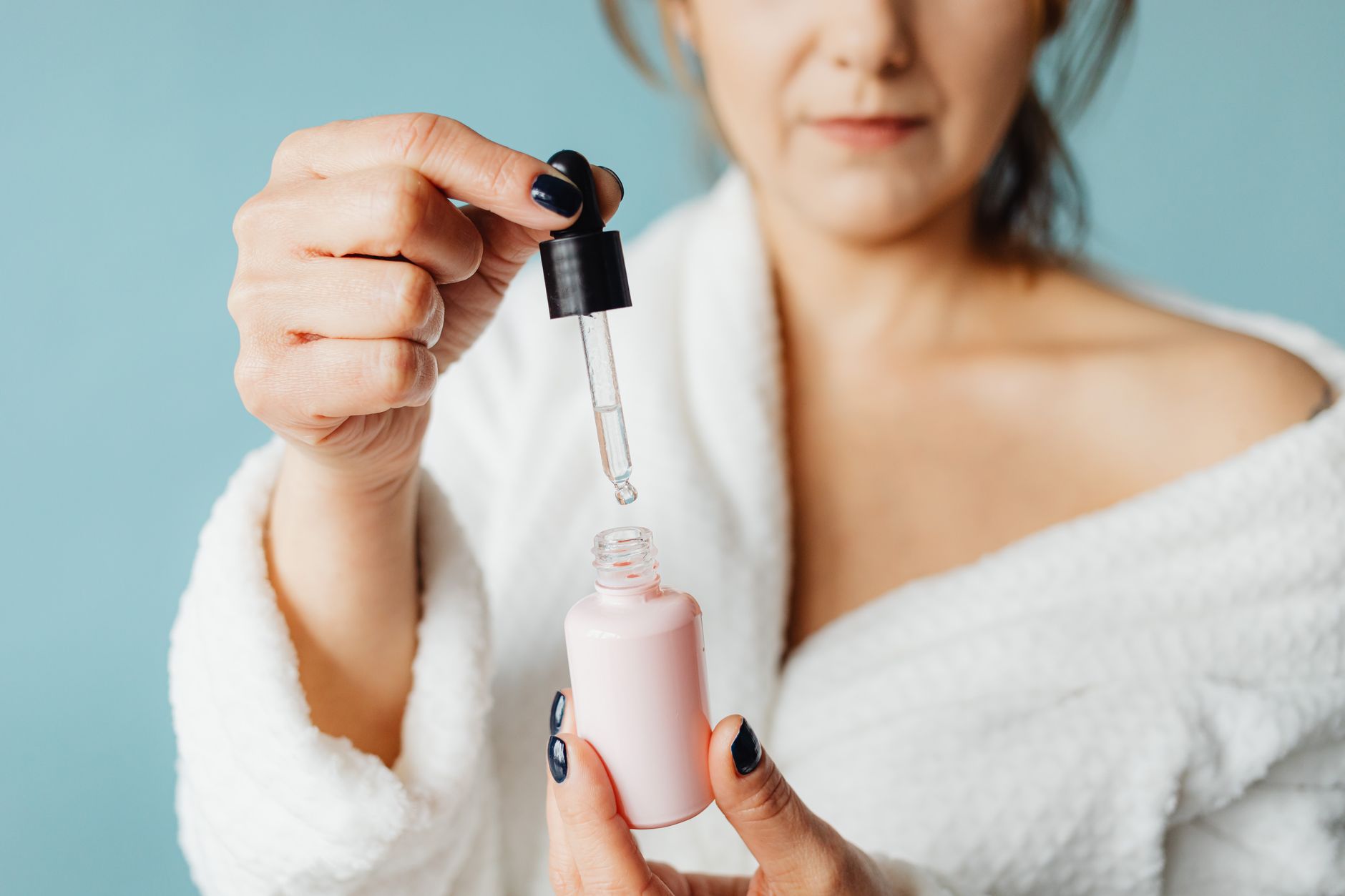
Table of contents
Use this guide as a practical reference and jump to the sections most relevant to you.
- Quick answer
- Key takeaways
- Practical comparison table
- Visual chart
- Related MyEczema.app tool
- Understanding Eczema and Its Triggers
- How Masks Can Trigger Eczema
- Choosing the Right Mask Material for Eczema
- Skincare Routine for Eczema-Prone Skin While Wearing Masks
- Managing Moisture and Friction from Masks
- Common Mistakes to Avoid When Wearing Masks with Eczema
- Alternative Solutions for Mask-Related Eczema
- When to Consult a Dermatologist for Mask-Related Eczema
- Personal Stories: Managing Eczema While Wearing Masks
- Future Research and Developments in Mask-Related Eczema
- Frequently asked questions
- Sources and further reading
Navigating the world of masks can be challenging, especially if you have eczema. Many individuals with eczema have found that masks can trigger flare-ups, leading to discomfort and frustration. Understanding how masks can affect eczema-prone skin is the first step toward managing this issue effectively. In this guide, we’ll explore the relationship between masks and eczema, offering practical tips to help you minimize the risk of flare-ups.
Eczema, a condition characterized by dry, itchy, and inflamed skin, can be exacerbated by various factors, including friction, moisture, and irritants. Masks, which we’ve become accustomed to wearing in many settings, can introduce these factors to your skin. However, with the right approach, you can wear masks comfortably without worsening your eczema.
This article will delve into the specific ways masks can trigger eczema, the materials that are safer for eczema-prone skin, and the skincare routines that can help you manage eczema while wearing masks. We’ll also cover common mistakes to avoid and when to seek professional advice. By the end, you’ll have a clearer understanding of how to navigate wearing masks with eczema.
Remember, everyone’s skin is different, and what works for one person may not work for another. It’s important to pay attention to your skin’s reactions and adjust your routines accordingly. Let’s dive into the details of how masks can trigger eczema and what you can do about it.
Quick answer
Masks can potentially trigger eczema due to friction and moisture. However, with proper care and the right choices, you can minimize these risks and wear masks comfortably.
Key takeaways
- Masks can cause eczema flare-ups due to friction and moisture.
- Choosing the right mask material is crucial for eczema-prone skin.
- Proper skincare routines can help manage eczema while wearing masks.
- Avoiding common mistakes like over-washing masks can prevent irritation.
- Consulting a dermatologist for personalized advice is recommended.
Comparing Mask Materials for Eczema-Prone Skin
| Situation | What it may mean | Practical next step |
|---|---|---|
| Cotton masks | Soft and breathable, but can retain moisture. | Use cotton masks with proper moisture management. |
| Synthetic masks | Lightweight and durable, but may cause irritation. | Choose synthetic masks with a soft inner layer. |
| Silk masks | Smooth and gentle on skin, but may be less breathable. | Consider silk masks for sensitive skin. |
| Reusable masks | Can be washed and reused, but require proper care. | Wash reusable masks regularly and avoid harsh detergents. |
| Disposable masks | Convenient but may contain irritants. | Opt for hypoallergenic disposable masks if possible. |
Effectiveness of Mask Materials for Eczema-Prone Skin
This visual is an educational guide, not a diagnostic score. Use it to decide what may be worth tracking more consistently for this specific topic.
Good breathability, moderate moisture retention.
Lightweight, potential for irritation.
Gentle on skin, less breathable.
Requires proper care, good for long-term use.
Convenient, potential for irritants.
Related MyEczema.app tool
Use the Daily Trigger Tracker
The Daily Trigger Tracker helps users record symptoms, possible triggers, skin routine, photos, notes, and trends over time.
For this topic, this tool can help you organize information in a more structured way and turn daily observations into clearer patterns to review over time.
Understanding Eczema and Its Triggers
Eczema, also known as atopic dermatitis, is a chronic skin condition characterized by inflammation, itching, and often, a rash. While the exact cause of eczema is not fully understood, it is believed to result from a combination of genetic and environmental factors. One significant aspect of managing eczema is identifying and avoiding triggers that can exacerbate symptoms.
Common triggers for eczema include allergens, irritants, stress, and changes in weather. When it comes to masks trigger eczema, understanding how face coverings interact with sensitive skin is crucial. This section will delve into the specifics of how masks can potentially trigger eczema and offer practical advice for managing this issue.
What is Eczema?
Eczema manifests as dry, itchy, and often red patches of skin. These patches can become swollen, crusty, or cracked, leading to discomfort and pain. The condition is not contagious, but it can be persistent and require ongoing management. Eczema often appears in childhood but can affect individuals of any age.
Common Triggers of Eczema
To effectively manage eczema, it’s important to recognize common triggers. These can vary from person to person but generally include:
- Allergens: Substances like pollen, pet dander, and certain foods.
- Irritants: Chemicals in soaps, detergents, and other skincare products.
- Environmental Factors: Cold weather, low humidity, and sweat.
- Stress: Emotional stress can worsen eczema symptoms.
How Masks Can Trigger Eczema
With the increased use of masks in recent times, many individuals with eczema have reported flare-ups. Masks can trigger eczema through several mechanisms:
- Friction: The constant rubbing of a mask against the skin can cause irritation and inflammation.
- Moisture: Masks trap moisture and heat, creating a humid environment that can exacerbate eczema.
- Irritants: Some masks may contain dyes, fragrances, or other chemicals that can irritate sensitive skin.
- Allergens: Masks can accumulate allergens like pollen or dust, which can trigger eczema.
Practical Steps to Minimize Mask-Induced Eczema
If you find that masks trigger eczema, there are several practical steps you can take to minimize discomfort:
- Choose the Right Mask: Opt for masks made from soft, breathable materials like cotton. Avoid masks with dyes or fragrances.
- Use a Barrier: Apply a thin layer of moisturizer or a barrier cream before putting on your mask to reduce friction and irritation.
- Change Masks Frequently: Regularly change your mask to prevent the buildup of moisture and allergens.
- Keep Skin Moisturized: Use a gentle, fragrance-free moisturizer to keep your skin hydrated. This can help reduce the risk of irritation from the mask.
- Avoid Touching Your Face: Minimize touching your face to reduce the transfer of irritants and allergens from your hands to your skin.
Real-Life Examples and Decision Points
Consider the example of Sarah, who noticed her eczema flaring up every time she wore a mask. By switching to a cotton mask and applying a light moisturizer before putting it on, she significantly reduced her symptoms. Another individual, John, found that changing his mask every few hours helped keep his skin comfortable.
When deciding on the best approach, think about your specific triggers and what makes you most comfortable. If one type of mask causes more irritation, try another material or style. If moisture is the issue, consider using a barrier cream or changing your mask more frequently.
In conclusion, while masks can trigger eczema, understanding the specific ways they affect your skin and taking proactive steps can help manage symptoms effectively. By choosing the right mask, keeping your skin moisturized, and being mindful of potential irritants, you can reduce the likelihood of eczema flare-ups caused by masks.
How Masks Can Trigger Eczema
Wearing masks, especially during times when they are mandatory, can be challenging for many people. For those with eczema, masks can pose additional problems. Understanding how masks can trigger eczema is crucial for managing symptoms effectively.
Friction and Irritation
One of the primary ways masks can trigger eczema is through friction and irritation. The constant rubbing of fabric against the skin can exacerbate existing eczema patches or create new ones. This is particularly true for masks made from rough or abrasive materials.
For example, if you wear a mask with a wire nose bridge, the wire can dig into the skin around your nose, causing irritation. Similarly, elastic ear loops can tug at the skin behind your ears, leading to redness and discomfort.
Moisture Build-Up
Masks trap moisture against the skin, creating a warm, humid environment. This can be problematic for people with eczema, as moisture can soften the skin’s outer layer, making it more susceptible to irritation and infection.
When you breathe, speak, or exert yourself, moisture from your breath accumulates inside the mask. This can lead to a damp environment that encourages bacterial and fungal growth, further irritating eczema-prone skin.
Allergic Reactions
Some masks are made from materials that can cause allergic reactions in sensitive individuals. For instance, certain dyes, chemicals, or even the fabric itself might trigger an allergic response, leading to eczema flare-ups.
If you notice that your eczema worsens only when wearing specific masks, it might be worth investigating the materials used in those masks. Opting for hypoallergenic, breathable fabrics can help mitigate this issue.
Heat and Sweat
Wearing a mask can cause your face to become warmer and sweatier than usual. Increased heat and sweat can lead to eczema flare-ups, especially if you have sensitive skin.
The combination of heat, sweat, and trapped moisture creates an environment where eczema can thrive. This is particularly problematic in hot weather or during physical activities that cause you to perspire more.
Practical Steps to Minimize Mask-Induced Eczema
While it might seem challenging to avoid eczema flare-ups caused by masks, there are several practical steps you can take to minimize discomfort.
Choose the Right Mask
Selecting the appropriate mask is crucial. Look for masks made from soft, breathable materials like cotton or bamboo. Avoid masks with rough edges or uncomfortable components like metal nose bridges.
Consider double-masking with a soft cloth mask underneath a standard mask. This can help reduce friction and absorb some of the moisture.
Keep Your Skin Moisturized
Regularly moisturizing your skin can create a protective barrier against irritation. Use a gentle, fragrance-free moisturizer before putting on your mask. This can help reduce the impact of friction and moisture.
If you find that your skin becomes too oily, consider using a lightweight, oil-free moisturizer. This will keep your skin hydrated without adding extra oil that can clog pores.
Take Breaks When Possible
If your situation allows, take regular breaks from wearing your mask. This can give your skin a chance to breathe and recover from any irritation.
For example, if you’re at home and not around others, you can remove your mask for a while. This can help prevent prolonged exposure to the factors that trigger eczema.
Use Barrier Creams
Barrier creams can provide an extra layer of protection for your skin. These creams create a shield between your skin and the mask, reducing friction and moisture buildup.
Apply a thin layer of barrier cream to areas prone to eczema before putting on your mask. This can help prevent irritation and keep your skin comfortable.
Change Masks Frequently
Wearing a damp or soiled mask can exacerbate eczema symptoms. Make it a habit to change your mask regularly, especially if it becomes wet or dirty.
Carry spare masks with you so you can switch them out as needed. This will help keep your skin dry and reduce the risk of irritation.
Consult a Dermatologist
If you find that masks consistently trigger eczema flare-ups despite your best efforts, it may be time to consult a dermatologist. They can provide personalized advice and recommend treatments to help manage your symptoms.
A dermatologist might suggest prescription creams or other treatments to help control your eczema. They can also help you identify any specific triggers related to your masks.
Real-Life Example: Sarah’s Story
Sarah, a 32-year-old teacher, noticed her eczema worsening after she started wearing masks regularly. The friction from the elastic ear loops and the moisture buildup inside the mask were significant triggers for her.
She experimented with different masks and found that a double-masking approach worked best for her. She wore a soft cotton mask underneath her standard mask, which reduced friction and absorbed moisture. Additionally, she started using a barrier cream before putting on her masks, which provided extra protection for her skin.
By making these adjustments, Sarah was able to manage her eczema more effectively and continue wearing masks without significant discomfort.
In conclusion, masks can indeed trigger eczema through friction, moisture buildup, allergic reactions, and heat. However, with the right strategies and careful selection of masks, it is possible to minimize these effects and keep your skin comfortable. Remember, everyone’s skin is different, so it may take some trial and error to find what works best for you.
Choosing the Right Mask Material for Eczema
When considering whether masks trigger eczema, one of the most crucial factors is the material of the mask itself. Different materials can have varying effects on eczema-prone skin. Let’s explore some common mask materials and their potential impact on eczema.
Cotton Masks
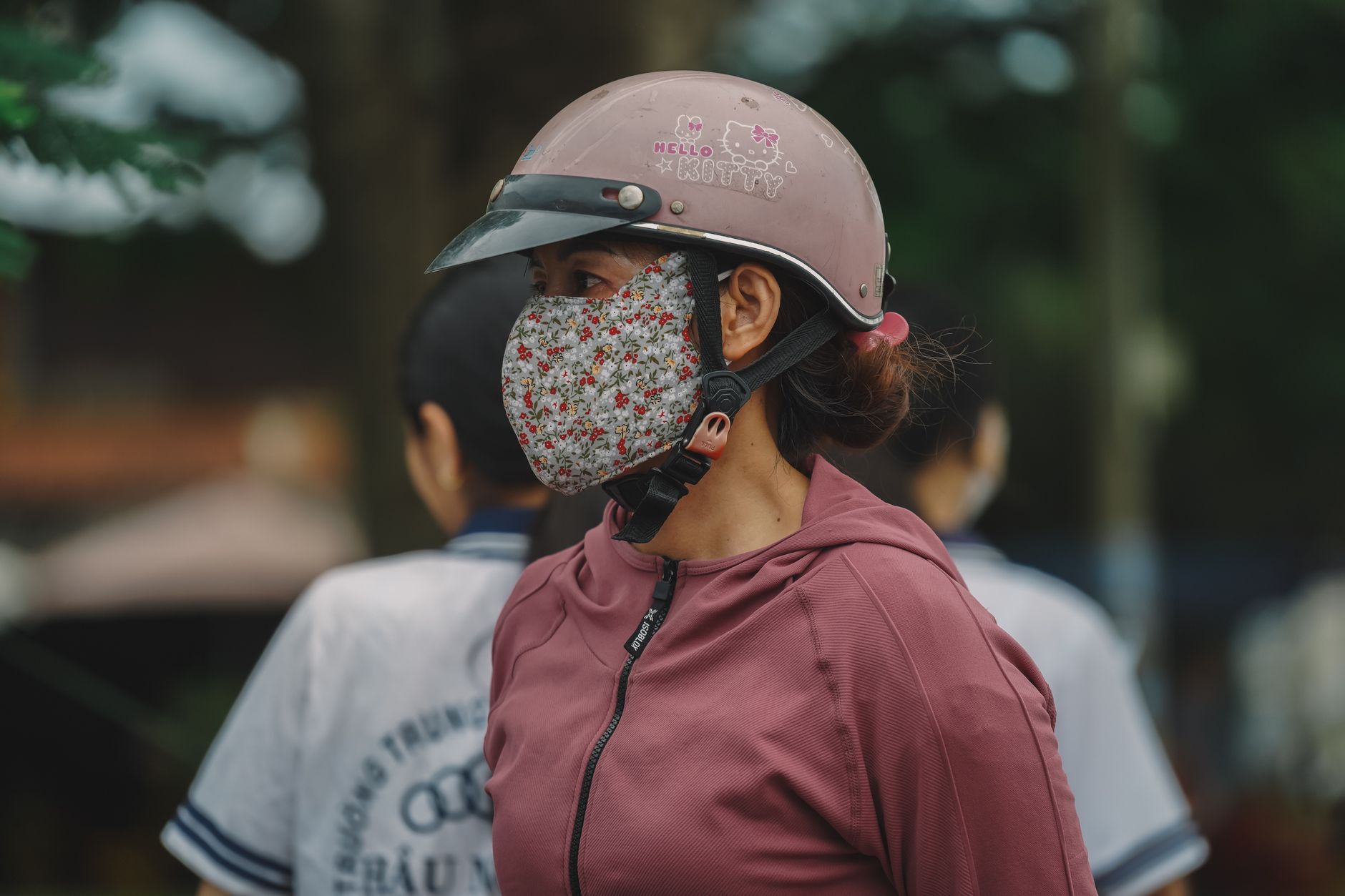
Cotton masks are widely available and often considered a good option for people with eczema. Cotton is a natural fiber that is generally soft and breathable. However, it’s important to choose high-quality cotton masks that are soft and free from rough seams, as these can irritate sensitive skin.
For those with eczema, opting for 100% cotton masks can be beneficial. These masks allow better air circulation and can reduce the likelihood of skin irritation. If you find that masks trigger eczema, trying a well-fitted, soft cotton mask might provide some relief.
Polyester Masks
Polyester masks are another common choice, but they can pose challenges for individuals with eczema. Polyester is a synthetic material that does not breathe as well as cotton. This can lead to increased moisture and heat buildup, which may exacerbate eczema symptoms.
If you choose to wear a polyester mask, look for options that have a blend of polyester and other materials like spandex to improve comfort and breathability. Additionally, ensure the mask fits well to minimize friction against your skin.
Silk Masks
Silk masks are a luxurious option that can be particularly gentle on eczema-prone skin. Silk is a natural protein fiber known for its smooth texture and hypoallergenic properties. It is less likely to cause irritation compared to other materials.
For individuals finding that masks trigger eczema, silk masks can be a comfortable alternative. They are lightweight, breathable, and can help reduce friction and irritation. However, silk masks may be more expensive than other options.
Blended Fabric Masks
Many masks on the market are made from blended fabrics, combining cotton, polyester, and other materials. These masks can offer a balance between comfort and effectiveness.
When selecting a blended fabric mask, look for one that prioritizes softness and breathability. Masks with a higher cotton content are generally better for eczema-prone skin. Additionally, ensure the mask has a snug but comfortable fit to prevent excessive movement and friction against your skin.
Specialty Eczema-Friendly Masks
Some manufacturers produce masks specifically designed for individuals with sensitive skin or eczema. These masks are often made from hypoallergenic materials and are crafted to minimize irritation.
If you consistently experience eczema flare-ups from masks, investing in a specialty eczema-friendly mask might be worth considering. These masks are designed with the unique needs of eczema patients in mind, offering both comfort and protection.
Practical Tips for Mask Wearers with Eczema
- Moisturize Before Wearing a Mask: Apply a gentle, fragrance-free moisturizer to your face before putting on a mask. This can create a protective barrier and help prevent irritation.
- Change Masks Regularly: Wash and change your mask frequently to keep it clean and free from bacteria and irritants that could trigger eczema.
- Avoid Tight Fits: Ensure your mask is snug but not overly tight. A mask that is too tight can cause friction and exacerbate eczema symptoms.
- Use a Barrier: Consider placing a soft, breathable cloth or a silk scarf between your skin and the mask to reduce direct contact and friction.
- Monitor Your Skin: Pay attention to how your skin reacts to different mask materials. If you notice increased redness, itching, or irritation, it may be time to switch to a different type of mask.
Choosing the right mask material is a crucial step in managing eczema while wearing masks. By selecting a soft, breathable fabric and following practical tips, you can minimize the risk of eczema flare-ups and ensure greater comfort throughout the day.
Skincare Routine for Eczema-Prone Skin While Wearing Masks
If you’re dealing with eczema and need to wear a mask, it’s important to have a well-planned skincare routine. This routine can help minimize the risk of masks triggering eczema and help keep your skin calm and comfortable. Here’s a detailed guide to help you manage your eczema while wearing masks.
Morning Routine
Starting your day with the right skincare steps can set the tone for the rest of the day. Follow these steps to prepare your skin before putting on a mask.
Gentle Cleansing
Begin with a mild, fragrance-free cleanser. Harsh soaps can strip your skin of its natural oils, leading to dryness and irritation. Look for cleansers that are specifically designed for sensitive skin.
- Use lukewarm water to cleanse your face.
- Gently pat your skin dry with a soft towel.
Moisturizing
Moisturizing is crucial for eczema-prone skin, especially when you’re going to wear a mask. A good moisturizer creates a barrier that helps lock in hydration and protect your skin.
- Choose a fragrance-free, hypoallergenic moisturizer.
- Apply it while your skin is still slightly damp to seal in moisture.
- Consider using a moisturizer with ceramides, which help strengthen the skin’s barrier.
Using Barrier Creams
Barrier creams can provide an extra layer of protection between your skin and the mask. They are particularly useful if you find that masks trigger eczema flare-ups.
- Apply a thin layer of barrier cream after moisturizing.
- Look for products that contain ingredients like dimethicone or zinc oxide.
Evening Routine
Your evening skincare routine is just as important as your morning one. It helps repair and rejuvenate your skin after a day of mask-wearing.
Re-cleansing
When you come home, remove your mask and cleanse your face again to remove any sweat, dirt, or oils that have accumulated throughout the day.
- Use the same gentle, fragrance-free cleanser you used in the morning.
- Pat your skin dry with a soft towel.
Deep Moisturizing
At night, your skin has more time to absorb moisturizers, making it an ideal time for deeper hydration.
- Use a richer, more hydrating moisturizer than you would in the morning.
- Consider using a product with hyaluronic acid, which attracts and retains moisture.
Targeted Treatments
If you notice any areas of irritation or flare-ups, apply a targeted treatment to those spots. This could be a prescribed topical medication or an over-the-counter treatment recommended by a dermatologist.
- Follow your healthcare provider’s instructions for any prescribed treatments.
- For over-the-counter options, look for products containing ingredients like colloidal oatmeal or niacinamide.
Additional Tips for Mask Comfort
Besides your skincare routine, there are additional steps you can take to ensure your mask is as comfortable as possible and less likely to trigger eczema.
Choose the Right Mask
Not all masks are created equal. Some materials are gentler on the skin than others.
- Opt for masks made from soft, breathable materials like cotton.
- Avoid masks with rough seams or elastics that can rub against your skin.
Double Masking
If you’re in a high-risk environment, consider double masking but choose the inner mask carefully to ensure it’s gentle on your skin.
- Use a soft, cotton mask as the inner layer.
- Ensure the outer mask fits well without being too tight.
- When you’re in a low-risk environment, like your home or a well-ventilated outdoor space, remove your mask.
- Use these breaks to reapply moisturizer or a soothing spray.
- Drink plenty of water throughout the day.
- Eat a diet rich in fruits, vegetables, and healthy fats to support skin health from the inside out.
Regular Mask Breaks
If possible, take regular breaks from wearing your mask to give your skin a chance to breathe.
Hydration and Diet
Keeping your body hydrated and maintaining a balanced diet can also support your skin’s health.
By following this detailed skincare routine and incorporating these additional tips, you can better manage eczema while wearing masks. Remember, everyone’s skin is different, so it may take some trial and error to find what works best for you. Always consult with a healthcare provider for personalized advice and treatment options.
Managing Moisture and Friction from Masks
Wearing masks can introduce new challenges for people with eczema. One of the main issues is managing moisture and friction, which can exacerbate eczema symptoms. This section provides practical tips to help you handle these challenges effectively.
Understanding Moisture and Friction
Masks can trap moisture against your skin, creating a warm, damp environment that is perfect for bacteria and irritants to thrive. This can lead to increased itchiness and flare-ups. Friction from the mask rubbing against your skin can also cause irritation, making eczema symptoms worse.
Tips to Manage Moisture
Managing moisture is key to preventing mask-induced eczema flare-ups. Here are some practical steps you can take:
- Choose Breathable Materials: Opt for masks made from breathable fabrics like cotton or those specifically designed for sensitive skin. These materials allow air to circulate, reducing moisture buildup.
- Layer Your Mask: Wearing a soft, moisture-wicking fabric, such as a cotton scarf or a specialized mask liner, between your skin and the mask can help absorb sweat and reduce friction.
- Change Masks Regularly: If you find your mask becoming damp, change it as soon as possible. Keeping your skin dry is crucial for preventing irritation.
- Use Powders: Applying a small amount of talc-free powder inside your mask can help absorb moisture. Look for products specifically designed for sensitive skin to avoid additional irritation.
Reducing Friction
Friction from masks can be a significant trigger for eczema. Here are some ways to minimize it:
- Adjust the Fit: Ensure your mask fits snugly but comfortably. A mask that is too tight can increase friction, while one that is too loose may shift and rub against your skin.
- Use Soft Gauze: Placing a soft gauze pad between your skin and the mask can create a barrier that reduces friction.
- Avoid Rough Edges: Check your mask for any rough edges or seams that could irritate your skin. Smooth them out or choose masks with seamless designs.
Moisturizing Strategies
Keeping your skin well-moisturized is essential, especially when wearing a mask. Here’s how to incorporate moisturizing into your routine:
- Apply Moisturizer Before Wearing a Mask: Use a gentle, fragrance-free moisturizer to create a protective barrier on your skin before putting on your mask.
- Reapply as Needed: If you notice your skin feeling dry or irritated, reapply moisturizer. Look for products that are non-comedogenic and suitable for sensitive skin.
- Use a Humidifier: Keeping the air in your environment moist can help prevent your skin from drying out. Use a humidifier in your home, especially in dry climates or during winter months.
Real-Life Examples and Decision Points
Let’s look at some real-life scenarios and how you might address them:
- Scenario 1: You notice your skin feeling itchy and irritated after wearing a mask for a few hours. Decision Point: Try switching to a mask made from a more breathable material and consider using a moisture-wicking liner.
- Scenario 2: Your mask feels damp by midday. Decision Point: Change your mask more frequently and use a talc-free powder to absorb excess moisture.
- Scenario 3: You find that the edges of your mask are causing redness and irritation. Decision Point: Smooth out the rough edges or choose a mask with a seamless design to reduce friction.
By implementing these strategies, you can better manage the moisture and friction caused by masks, helping to prevent eczema flare-ups. Remember, everyone’s skin is different, so it may take some trial and error to find what works best for you.
Common Mistakes to Avoid When Wearing Masks with Eczema
Wearing masks is essential for many, but for those with eczema, it can present unique challenges. To help manage mask-induced eczema effectively, it’s important to avoid common mistakes that can exacerbate symptoms. Here are some critical errors to steer clear of when wearing masks with eczema.
1. Not Washing Masks Regularly
One of the most common mistakes is failing to wash masks regularly. Masks can accumulate sweat, oils, and bacteria, which can irritate eczema-prone skin. To prevent this:
- Wash masks after each use, especially if worn for extended periods.
- Use a gentle detergent to avoid residue that can irritate the skin.
- Air dry masks to prevent heat damage from dryers.
2. Ignoring Skin Hygiene
Neglecting proper skin hygiene can lead to mask-induced eczema flare-ups. Ensure you:
- Cleanse your face gently before and after wearing a mask.
- Use a mild, fragrance-free cleanser to avoid further irritation.
- Pat your skin dry with a soft towel instead of rubbing.
3. Using the Wrong Mask Material
Choosing the right mask material is crucial for those with eczema. Common mistakes include:
- Using masks made from rough or synthetic materials that can cause friction and irritation.
- Opting for masks that do not allow proper breathability, leading to increased moisture and heat.
Instead, select masks made from soft, breathable materials like cotton or bamboo. These fabrics are gentler on the skin and allow better air circulation.
4. Over-Moisturizing Before Wearing a Mask
While moisturizing is essential for eczema care, applying too much moisturizer before putting on a mask can lead to problems. Excess moisturizer can:
- Create a breeding ground for bacteria.
- Cause the mask to stick to your skin, leading to friction when removed.
Apply a thin layer of moisturizer and allow it to absorb fully before wearing your mask. This helps maintain a balance between hydration and comfort.
5. Failing to Manage Mask Fit
A poorly fitting mask can exacerbate eczema by causing unnecessary friction and pressure points. To avoid this:
- Choose masks that fit snugly but comfortably without causing tightness.
- Adjust the ear loops or ties to ensure the mask sits properly on your face.
- Consider using mask fitters or braces if standard masks don’t fit well.
6. Not Addressing Mask-Induced Heat and Moisture
Masks can trap heat and moisture against your skin, leading to eczema flare-ups. To combat this:
- Take breaks from wearing your mask if possible, especially in low-risk environments.
- Use breathable mask materials to allow air circulation.
- Consider using a thin, protective layer like a silk or cotton scarf under your mask to reduce direct skin contact.
7. Neglecting to Use Barrier Creams
Barrier creams can provide an extra layer of protection for eczema-prone skin. Common mistakes include:
- Not using barrier creams before wearing a mask.
- Choosing creams that are too thick or greasy, which can clog pores.
Apply a thin layer of a gentle, fragrance-free barrier cream to help protect your skin from friction and moisture.
8. Ignoring Signs of Irritation
Pay attention to how your skin reacts to wearing masks. Ignoring early signs of irritation can lead to more severe eczema flare-ups. If you notice:
- Redness, itching, or increased dryness, adjust your mask-wearing habits.
- Consider switching to a different mask material or style that is gentler on your skin.
- Consult a dermatologist if irritation persists despite making changes.
9. Not Seeking Professional Advice
If you’re struggling with masks trigger eczema, don’t hesitate to seek professional advice. A dermatologist can provide personalized recommendations and treatments to help manage your symptoms effectively.
By avoiding these common mistakes, you can help minimize the risk of mask-induced eczema and maintain healthier skin while wearing masks. Remember, the key is to stay attentive to your skin’s needs and make adjustments as necessary to ensure comfort and protection.
Alternative Solutions for Mask-Related Eczema
For individuals whose eczema is significantly triggered by masks, finding alternative solutions is crucial. While masks are a necessary part of many daily routines, they don’t have to exacerbate skin conditions. This section explores practical alternatives and adjustments that can help mitigate the effects of masks on eczema-prone skin.
Consider Different Mask Types
Not all masks are created equal. Some mask types may be less likely to trigger eczema flare-ups. Here are a few options to consider:
- Silk Masks: Silk is gentle on the skin and can reduce irritation. It’s a breathable material that may be more comfortable for those with sensitive skin.
- Cotton Masks: High-quality, soft cotton masks can be a good alternative. Ensure they are well-fitted but not too tight to avoid friction.
- Masks with Filters: Some masks come with replaceable filters, which can be beneficial. These masks often have a softer inner layer that contacts the skin.
Use Barrier Creams or Ointments
Applying a barrier cream or ointment before putting on a mask can create a protective layer between the skin and the mask. Products containing ingredients like ceramides, petrolatum, or dimethicone can be particularly effective.
For example, applying a thin layer of a moisturizer specifically designed for eczema can help prevent moisture loss and reduce friction. Make sure the product is fully absorbed before wearing the mask to avoid a greasy feel.
Try Mask Liners
Mask liners are thin, soft fabrics that can be placed between the skin and the mask. They can help absorb moisture and reduce friction. Liners made from materials like silk or ultra-soft cotton are often recommended.
To use a mask liner, simply place it over your face before putting on your regular mask. This added layer can make a significant difference in comfort and skin health.
Explore Mask Alternatives
In some situations, alternatives to traditional masks may be viable. While this isn’t always possible, especially in indoor or crowded settings, it’s worth considering when feasible.
- Face Shields: Face shields can be an option in certain environments. They provide a barrier without direct skin contact, though they may not offer the same level of protection as masks.
- Social Distancing: When possible, maintaining distance from others can reduce the need for masks. This is particularly relevant in outdoor settings where the risk of transmission is lower.
Adjust Mask-Wearing Habits
Sometimes, simple adjustments in how you wear your mask can make a big difference. Here are a few tips:
- Loosen the Fit: Ensure your mask is snug but not too tight. A looser fit can reduce pressure on the skin.
- Take Breaks: If you’re in a setting where it’s safe to do so, take short breaks to remove your mask and let your skin breathe.
- Change Masks Frequently: If your mask becomes damp or dirty, change it promptly to avoid prolonged skin contact with a compromised barrier.
Consult a Dermatologist
If masks continue to trigger severe eczema, it may be helpful to consult a dermatologist. They can provide personalized advice and recommend specific products or treatments that might alleviate your symptoms.
A dermatologist may suggest prescription-strength moisturizers or other treatments to manage eczema. They can also help identify any additional triggers that might be contributing to your skin issues.
Maintain a Consistent Skincare Routine
Even with alternative solutions, maintaining a consistent skincare routine is essential. Continue to moisturize regularly, avoid harsh soaps, and use gentle, eczema-friendly products.
Incorporate products that strengthen the skin barrier, such as those containing ceramides or hyaluronic acid. These ingredients help lock in moisture and protect the skin from external irritants.
Stay Informed and Adapt
The situation regarding masks and their impact on eczema may evolve. Stay informed about new products, materials, and guidelines that can help you manage your skin condition more effectively.
Joining support groups or online communities can also provide valuable insights and tips from others who are experiencing similar issues. Sharing experiences and solutions can lead to discovering new strategies that work for you.
In summary, while masks can trigger eczema for some individuals, there are several alternative solutions and adjustments that can help mitigate these effects. By exploring different mask types, using barrier creams, trying mask liners, and consulting healthcare professionals, you can find a solution that works for you and helps keep your skin comfortable and healthy.

When to Consult a Dermatologist for Mask-Related Eczema
If you’re experiencing eczema flare-ups due to wearing masks, it’s essential to know when to seek professional help. While many cases of mask-induced eczema can be managed with proper skincare and the right choice of mask, some situations require the expertise of a dermatologist.
Persistent Symptoms
If your eczema symptoms persist despite trying different masks and following a diligent skincare routine, it may be time to consult a dermatologist. Persistent symptoms can include:
- Redness and inflammation: Ongoing redness and inflammation that doesn’t improve.
- Itching and discomfort: Severe itching that interferes with daily activities.
- Dryness and scaling: Persistent dryness and scaling of the skin.
A dermatologist can provide targeted treatments to help alleviate these symptoms.
Worsening Condition
If your eczema is worsening despite your efforts, a dermatologist can offer advanced solutions. Signs of worsening eczema include:
- Increased redness: The affected area becoming more red and inflamed.
- Spreading: Eczema spreading to other parts of the face or body.
- Blisters or oozing: Development of blisters or oozing, which may indicate an infection.
Early intervention by a dermatologist can prevent the condition from becoming more severe.
Suspected Infection
If you suspect that your eczema is infected, it’s crucial to seek professional help immediately. Signs of infection include:
- Increased pain: The area becoming more painful.
- Swelling: Noticeable swelling around the affected area.
- Pus or discharge: Presence of pus or unusual discharge.
- Fever: Developing a fever, which may indicate a more serious infection.
A dermatologist can prescribe appropriate antibiotics or other treatments to address the infection.
Allergic Reactions
Sometimes, eczema flare-ups from masks can be due to allergic reactions to certain materials or chemicals. If you suspect an allergy, consult a dermatologist. Common signs of an allergic reaction include:
- Intense itching: Sudden, severe itching.
- Rash: Development of a rash beyond the usual eczema symptoms.
- Swelling: Swelling of the face or other areas.
A dermatologist can perform patch testing to identify the specific allergen and recommend suitable alternatives.
Impact on Daily Life
If your mask-related eczema is significantly impacting your daily life, it’s important to seek help. This includes:
- Sleep disturbances: Difficulty sleeping due to itching or discomfort.
- Social anxiety: Feeling self-conscious or anxious about your skin condition in social situations.
- Work or school interference: Eczema symptoms affecting your ability to work or study.
A dermatologist can provide treatments and strategies to help you manage your symptoms more effectively.
Trying New Treatments
If you’re considering trying new treatments for your eczema, it’s wise to consult a dermatologist first. This includes:
- Prescription medications: Topical or oral medications that require a prescription.
- Specialized skincare products: Products specifically designed for eczema-prone skin.
- Alternative therapies: Exploring alternative therapies like phototherapy or acupuncture.
A dermatologist can guide you on the best treatment options based on your specific condition.
Real-Life Example
Consider the case of Jane, who started experiencing severe eczema flare-ups after wearing masks. Despite trying different mask materials and following a strict skincare routine, her symptoms persisted. Jane decided to consult a dermatologist, who identified an allergic reaction to a specific fabric. With the dermatologist’s guidance, Jane switched to a hypoallergenic mask and received a prescription for a topical steroid to manage her symptoms. Her eczema improved significantly, allowing her to wear masks comfortably.
In conclusion, while many cases of masks triggering eczema can be managed with self-care, persistent, worsening, or severe symptoms should prompt a visit to a dermatologist. Professional help can provide relief and improve your quality of life.
Personal Stories: Managing Eczema While Wearing Masks
Living with eczema can be challenging, and the introduction of masks into our daily lives has added another layer of complexity. Here, we share personal stories from individuals who have navigated the difficulties of masks trigger eczema. Their experiences offer valuable insights and practical tips for managing eczema while wearing masks.
Emma’s Journey: Finding the Right Mask
Emma, a 28-year-old marketing professional, has dealt with eczema since childhood. When masks became a daily necessity, she noticed increased irritation around her nose and mouth.
“At first, I used standard cotton masks, but they made my eczema worse. The friction and moisture were terrible,” Emma recalls. After some research, she switched to silk masks. “Silk is gentle on my skin and reduces friction. It’s been a game-changer.”
Emma also incorporated a consistent skincare routine. “I moisturize my face before putting on my mask and again after taking it off. This helps keep my skin hydrated and reduces flare-ups.”
Tom’s Strategy: Managing Moisture and Friction
Tom, a 35-year-old teacher, experienced severe eczema flare-ups due to mask-induced irritation. His solution involved a multi-step approach to manage moisture and friction.
“I started using a thin layer of medical-grade silicone tape around my nose and mouth. It creates a barrier between my skin and the mask, reducing friction,” Tom explains. He also opted for masks with adjustable ear loops to minimize pressure points.
To manage moisture, Tom changed his masks frequently. “I carry extra masks and switch them out whenever they feel damp. This helps prevent the buildup of sweat and bacteria that can trigger eczema.”
Lila’s Routine: Skincare and Patience
Lila, a 40-year-old nurse, faced unique challenges due to her prolonged mask use at work. Her eczema flared up significantly, but she found relief through a dedicated skincare routine and patience.
“I use a gentle, fragrance-free cleanser and a thick moisturizer twice a day. After my shift, I take a lukewarm bath and apply a soothing cream to any irritated areas,” Lila shares. She also uses a humidifier in her home to keep the air moist, which helps her skin stay hydrated.
Lila emphasizes the importance of patience. “It took time to find what works for me. Don’t get discouraged if the first few attempts don’t yield results. Keep trying different methods and consult a dermatologist if needed.”
Sam’s Solution: Alternative Mask Options
Sam, a 22-year-old student, struggled with eczema flare-ups caused by traditional masks. He explored alternative options to find relief.
“I tried masks with built-in filters and adjustable straps. These provided a better fit and reduced irritation,” Sam says. He also experimented with mask liners made from soft, breathable materials.
Sam found that using a lightweight, hypoallergenic fabric spray on his masks helped. “It adds an extra layer of comfort and reduces friction. Plus, it keeps the masks clean and fresh.”
Practical Tips from the Community
Beyond individual stories, the eczema community offers several practical tips for managing eczema while wearing masks:
- Choose the right material: Opt for soft, breathable fabrics like silk or bamboo. Avoid rough materials that can irritate the skin.
- Moisturize regularly: Keep your skin hydrated by applying a gentle moisturizer before and after wearing a mask.
- Use barriers: Consider medical-grade silicone tape or hydrocolloid bandages to create a barrier between your skin and the mask.
- Change masks frequently: Swap out damp masks to prevent moisture buildup, which can exacerbate eczema.
- Consult a dermatologist: If eczema persists, seek professional advice. A dermatologist can provide personalized recommendations and treatments.
These personal stories and tips highlight the diverse approaches individuals use to manage eczema while wearing masks. By learning from others’ experiences, you can find what works best for you and maintain healthier skin.
Future Research and Developments in Mask-Related Eczema
The intersection of masks and eczema is a relatively new area of study, and ongoing research is crucial for understanding and managing this issue better. Scientists and dermatologists are working on various fronts to explore how masks can trigger eczema and how to mitigate these effects. This section delves into the current research landscape and potential future developments that could help individuals with eczema manage mask-induced eczema more effectively.
Ongoing Clinical Trials
Several clinical trials are underway to investigate the relationship between masks and eczema. These studies aim to identify specific mask materials and designs that are less likely to exacerbate eczema symptoms. For example, some trials are testing hypoallergenic fabrics and moisture-wicking technologies to see if they reduce irritation and flare-ups. Participating in these trials can provide valuable data and potentially lead to better mask options for people with eczema.
Advanced Materials and Technologies
Researchers are exploring advanced materials that could offer more comfort and less irritation for eczema-prone skin. Innovations such as antimicrobial fabrics, which can reduce bacterial growth, and breathable materials that minimize moisture buildup are being studied. Additionally, smart fabrics that can adapt to skin conditions in real-time are on the horizon. These materials could automatically adjust to reduce friction or wick away sweat, providing a more comfortable experience for eczema sufferers.
Personalized Mask Solutions
The future may hold personalized mask solutions tailored to an individual’s specific eczema triggers and skin type. By analyzing factors such as skin sensitivity, environmental conditions, and personal habits, researchers aim to create custom masks that offer optimal comfort and protection. This personalized approach could significantly reduce the likelihood of masks triggering eczema.
Improved Skincare Products
As research progresses, we can expect to see more specialized skincare products designed to be used alongside masks. These products may include pre-mask application creams that create a protective barrier on the skin or post-mask removal treatments that soothe and hydrate irritated skin. The development of such products will be guided by ongoing studies on how masks interact with the skin at a microscopic level.
Educational Initiatives
Future research will likely lead to more comprehensive educational initiatives aimed at both the general public and healthcare providers. These programs will focus on raising awareness about how masks can trigger eczema and provide practical tips for managing mask-induced eczema. By equipping people with knowledge and resources, these initiatives can help reduce the incidence and severity of eczema flare-ups related to mask-wearing.
Collaborative Efforts
Addressing the issue of masks triggering eczema requires a collaborative effort among dermatologists, material scientists, engineers, and public health officials. By working together, these experts can develop innovative solutions that balance the need for mask-wearing with the comfort and health of individuals with eczema. Collaborative research projects are already underway, and their findings will be crucial in shaping future guidelines and recommendations.
Real-Life Examples and Decision Points
As research progresses, individuals with eczema will face various decision points regarding mask selection and skincare routines. For instance, someone might choose to participate in a clinical trial testing a new mask material or opt for a mask with advanced moisture-wicking technology. Staying informed about the latest research and developments will empower individuals to make choices that best suit their needs and reduce the risk of eczema flare-ups.
In conclusion, the future holds promising advancements in understanding and managing the issue of masks triggering eczema. Through ongoing research, innovative materials, personalized solutions, and collaborative efforts, we can look forward to more effective ways to protect both our health and our skin.
Frequently asked questions
Can any type of mask trigger eczema?
Certain types of masks are more likely to trigger eczema. Masks made from rough or synthetic materials can irritate the skin. Cotton masks are generally gentler and less likely to cause irritation. If you find that masks trigger your eczema, consider switching to a softer, breathable fabric.
Additionally, masks that don’t fit well can cause friction and irritation. Ensure your mask fits snugly but comfortably to minimize contact with your skin.
How can I tell if my mask is causing an eczema flare-up?
Signs that your mask may be causing an eczema flare-up include increased redness, itching, and irritation in the areas where the mask touches your skin. You may also notice small, red bumps or a rash. If these symptoms appear after wearing a mask, it’s likely that the mask is a trigger.
Pay attention to how your skin feels before and after wearing a mask. Keeping a journal of your symptoms can help you identify patterns and triggers.
Are there any masks specifically designed for eczema-prone skin?
Yes, there are masks designed for sensitive skin that can be beneficial for those with eczema. These masks are typically made from soft, hypoallergenic materials like bamboo or silk. They are designed to be gentle on the skin and reduce the risk of irritation.
Look for masks labeled as “eczema-friendly” or “sensitive skin” to find options that are less likely to trigger your eczema.
What should I do if my mask is causing severe eczema?
If your mask is causing severe eczema, the first step is to switch to a different type of mask. Opt for one made from a softer, more breathable material. Ensure the mask fits well to minimize friction.
If symptoms persist, consider using a thin layer of moisturizer or a barrier cream before putting on your mask. If the eczema is severe, it’s important to consult a healthcare professional for further advice and treatment options.
Can changing my skincare routine help with mask-related eczema?
Adjusting your skincare routine can help manage eczema while wearing masks. Use a gentle, fragrance-free moisturizer to keep your skin hydrated. Avoid harsh soaps and cleansers that can strip your skin of natural oils.
Consider using a mild, eczema-friendly cleanser and moisturizing regularly, especially before and after wearing a mask. This can help reduce irritation and keep your skin barrier strong.
Is it safe to use moisturizers before putting on a mask?
Yes, it is safe to use moisturizers before putting on a mask. Applying a thin layer of moisturizer can create a barrier between your skin and the mask, reducing friction and irritation. Choose a lightweight, non-comedogenic moisturizer to avoid clogging pores.
Ensure the moisturizer is fully absorbed before putting on your mask to prevent it from becoming too slippery. This can help make wearing a mask more comfortable and reduce the risk of eczema flare-ups.
Use MyEczema.app to track your eczema patterns and daily triggers.
This article is for educational purposes only and is not medical advice. If symptoms are severe, spreading, painful, infected-looking, or affecting sleep and daily life, speak with a qualified healthcare professional.
Sources and further reading
For medical guidance, always rely on a qualified healthcare professional. These educational resources may help readers learn more:
Image credit: Photo by https://kaboompics.com/ on Pexels. Used under the Pexels License.
Image credit: Photo by Nguyễn Đại Phát on Pexels. Used under the Pexels License.
Image credit: Photo by RDNE Stock project on Pexels. Used under the Pexels License.