
MyEczema.app guide
Facial Eczema Recurrence: Practical Guide
facial eczema recurrence: Discover why facial eczema keeps coming back in the same area and learn practical strategies to manage and reduce recurrence.

Table of contents
Use this guide as a practical reference and jump to the sections most relevant to you.
- Quick answer
- Key takeaways
- Practical comparison table
- Visual chart
- Related MyEczema.app tool
- Understanding Facial Eczema and Its Recurrence
- Common Triggers for Facial Eczema Recurrence
- The Role of the Skin Barrier in Eczema Recurrence
- Genetic Factors and Facial Eczema Recurrence
- Developing an Effective Skincare Routine for Facial Eczema
- Strategies for Avoiding Facial Eczema Triggers
- Seeking Professional Guidance for Facial Eczema
- Lifestyle Adjustments to Reduce Facial Eczema Recurrence
- Monitoring and Tracking Facial Eczema Patterns
- Long-Term Management Strategies for Facial Eczema
- Frequently asked questions
- Sources and further reading
Facial eczema recurrence can be a frustrating and persistent issue for many individuals. If you’ve ever wondered why facial eczema keeps coming back in the same area, you’re not alone. Understanding the factors that contribute to this cycle is the first step toward effective management. Eczema-prone skin is often sensitive to various triggers, and the face, being a delicate area, can be particularly affected by skin barrier disruption, irritants, climate, cleansing habits, allergens, and individual triggers.
When facial eczema recurs, it’s essential to look beyond the immediate symptoms and consider the underlying causes. Persistent triggers and inadequate management can lead to repeated flare-ups. By identifying these triggers and adopting consistent skincare routines, you can significantly reduce the likelihood of facial eczema recurrence. This guide aims to provide practical, medically cautious insights to help you navigate this challenging condition.
It’s important to remember that while we can offer guidance and strategies, we do not claim to manage eczema-prone skin. Always consult with a healthcare professional for personalized advice and never stop prescribed treatments without medical guidance. With that in mind, let’s delve into the specifics of why facial eczema recurs and what you can do to manage it effectively.
Quick answer
Facial eczema often recurs due to persistent triggers and inadequate management. Effective strategies can help reduce its recurrence.
Key takeaways
- Identifying and avoiding triggers is crucial for managing facial eczema.
- Consistent skincare routines can help prevent recurrence.
- Understanding the role of genetics and environmental factors is important.
- Professional guidance can provide personalized management plans.
- Lifestyle adjustments can significantly impact eczema recurrence.
Common Triggers and Prevention Strategies for Facial Eczema
| Situation | What it may mean | Practical next step |
|---|---|---|
| Exposure to harsh chemicals | Increased risk of skin irritation and eczema flare-ups | Use gentle, fragrance-free products |
| High stress levels | Potential trigger for eczema recurrence | Incorporate stress-relief practices like yoga or meditation |
| Dry climate | Compromised skin barrier leading to eczema | Use a humidifier and apply moisturizers regularly |
| Allergens like pollen or pet dander | Possible trigger for eczema flare-ups | Minimize exposure and keep living spaces clean |
| Frequent hand washing | Increased skin dryness and irritation | Use mild soaps and moisturize hands after washing |
Effectiveness of Different Strategies in Reducing Facial Eczema Recurrence
This visual is an educational guide, not a diagnostic score. Use it to decide what may be worth tracking more consistently for this specific topic.
High attention
Consistent Skincare Routine
Highly effective in maintaining skin health
High attention
Avoiding Known Triggers
Significant reduction in flare-ups
High attention
Professional Treatments
Provides targeted relief and management
High attention
Lifestyle Adjustments
Supports overall skin health
Medium attention
Regular Monitoring
Helps identify and manage triggers early
Related MyEczema.app tool
Use the Daily Trigger Tracker
The Daily Trigger Tracker helps users record symptoms, possible triggers, skin routine, photos, notes, and trends over time.
For this topic, this tool can help you organize information in a more structured way and turn daily observations into clearer patterns to review over time.
Understanding Facial Eczema and Its Recurrence
Facial eczema recurrence can be particularly frustrating and challenging to manage. To effectively address why facial eczema keeps coming back in the same area, it’s important to understand what facial eczema is, its common triggers, and the crucial role of the skin barrier.
Definition of Facial Eczema
Facial eczema, also known as atopic dermatitis when it occurs on the face, is a chronic inflammatory skin condition. It manifests as red, itchy, and often broken skin. The face is a common area for eczema due to its sensitivity and exposure to various environmental factors. Facial eczema can appear in patterns, often affecting the cheeks, forehead, and around the eyes.
Common Triggers for Facial Eczema
Understanding the triggers that can cause facial eczema to flare up is essential for managing its recurrence. Common triggers include:
- Environmental Factors: Exposure to harsh weather conditions, such as cold, dry air in winter or high humidity in summer, can exacerbate facial eczema.
- Allergens: Substances like pollen, pet dander, and certain foods can trigger eczema flare-ups.
- Irritants: Harsh skincare products, soaps, and detergents can irritate the skin and lead to eczema recurrence.
- Stress: Emotional stress is a well-known trigger for eczema, including facial eczema.
- Hormonal Changes: Fluctuations in hormones, such as those occurring during menstruation or pregnancy, can influence eczema patterns.
Identifying and minimizing exposure to these triggers is a practical step in reducing the recurrence of facial eczema.
The Role of the Skin Barrier
The skin barrier plays a critical role in protecting the body from external aggressors and retaining moisture. In individuals with eczema, the skin barrier is often compromised, making it easier for irritants and allergens to penetrate the skin and cause inflammation.
A weakened skin barrier can lead to:
- Increased Sensitivity: The skin becomes more reactive to environmental triggers.
- Moisture Loss: Dryness and dehydration of the skin, which can worsen eczema symptoms.
- Infection Risk: A compromised barrier can allow bacteria and viruses to enter the skin more easily, leading to infections that can trigger or worsen eczema.
Maintaining and strengthening the skin barrier is crucial in managing facial eczema recurrence. This can be achieved through:
- Gentle Skincare: Using mild, fragrance-free cleansers and moisturizers can help protect the skin barrier.
- Regular Moisturization: Applying moisturizers frequently helps to lock in moisture and support the skin barrier.
- Avoiding Harsh Products: Steer clear of skincare products with alcohol, fragrances, and other potential irritants.
- Protective Measures: Using barrier creams or ointments can provide an extra layer of protection against environmental triggers.
In addition to these steps, it’s important to be mindful of your facial skincare routine. For those with eczema-prone skin, selecting the right products and being consistent with their use can make a significant difference in preventing facial eczema recurrence.
For example, if you notice that your facial eczema tends to flare up during the winter months, incorporating a heavier moisturizer into your routine and avoiding long, hot showers can help mitigate dryness and irritation. Similarly, if certain allergens seem to trigger your eczema, taking steps to reduce your exposure to these substances can be beneficial.
It’s also helpful to keep a journal of your eczema patterns. Note when flare-ups occur, what products you were using, any changes in your environment, and your stress levels. This can provide valuable insights into what might be causing your facial eczema to recur and help you make informed decisions about your eczema care.
In summary, understanding facial eczema and its recurrence involves recognizing the condition’s definition, identifying common triggers, and appreciating the vital role of the skin barrier. By taking practical steps to minimize exposure to triggers and maintain a healthy skin barrier, you can better manage facial eczema recurrence and enjoy clearer, more comfortable skin.
Common Triggers for Facial Eczema Recurrence
Facial eczema recurrence can be frustrating and perplexing. Understanding the common triggers that cause this condition to flare up can help you manage it more effectively. Let’s explore the main factors that contribute to the recurrence of facial eczema, focusing on environmental factors, allergens, and stress and emotional factors.
Environmental Factors
Environmental factors play a significant role in the recurrence of facial eczema. These factors can vary widely depending on your location and lifestyle, but some common environmental triggers include:
- Climate: Extreme weather conditions, whether hot and humid or cold and dry, can exacerbate facial eczema. In dry climates, the lack of moisture can lead to skin dryness and irritation, while in humid climates, sweat and heat can cause inflammation.
- Pollution: Urban environments with high levels of air pollution can trigger eczema flare-ups. Pollutants can irritate the skin and compromise its barrier function, making it more susceptible to eczema recurrence.
- Sun Exposure: While some individuals find that moderate sun exposure can improve their eczema, excessive sun can lead to skin damage and trigger flare-ups. It’s essential to find a balance and protect your skin with appropriate sunscreen.
To mitigate these environmental triggers, consider the following practical steps:
- Use a humidifier in dry climates to maintain skin moisture.
- Wear protective clothing and use umbrellas to shield yourself from pollution and harsh weather conditions.
- Apply a broad-spectrum sunscreen with at least SPF 30 before going outdoors, even on cloudy days.
Allergens
Allergens are substances that can provoke an allergic reaction in some individuals, leading to eczema flare-ups. Common allergens that may contribute to facial eczema recurrence include:
- Food Allergens: Certain foods, such as dairy, eggs, nuts, and wheat, can trigger eczema in some people. Keeping a food diary can help identify specific food allergens that may be causing your facial eczema to recur.
- Contact Allergens: Substances that come into direct contact with your skin, like certain metals (e.g., nickel), fragrances, and preservatives in skincare products, can cause allergic reactions and eczema flare-ups.
- Inhalant Allergens: Pollen, dust mites, and pet dander are common inhalant allergens that can worsen eczema symptoms. Reducing exposure to these allergens in your living environment is crucial.
To manage allergens and reduce the risk of facial eczema recurrence, consider these steps:
- Consult an allergist for allergy testing to identify specific triggers.
- Read product labels carefully and choose fragrance-free, hypoallergenic skincare products.
- Use air purifiers and dust mite-proof covers on bedding to reduce inhalant allergens.
Stress and Emotional Factors
Stress and emotional factors can significantly impact the recurrence of facial eczema. The mind-skin connection is well-established, and emotional stress can trigger or worsen eczema symptoms. Here’s how stress and emotions can contribute to facial eczema recurrence:
- Stress Hormones: When you’re stressed, your body releases stress hormones like cortisol, which can weaken the skin’s barrier function and make it more susceptible to irritation and inflammation.
- Nervous System: Stress can also affect the nervous system, leading to increased itching and scratching, which can exacerbate eczema symptoms.
- Emotional Triggers: Emotional factors like anxiety, depression, and even positive emotions like excitement can influence eczema flare-ups. Identifying your emotional triggers is essential for managing facial eczema recurrence.
To address stress and emotional factors and reduce the likelihood of facial eczema recurrence, consider these strategies:
- Practice stress-reduction techniques such as mindfulness, meditation, or yoga.
- Engage in regular physical activity to release endorphins and reduce stress.
- Seek support from friends, family, or a mental health professional to manage emotional triggers effectively.
By understanding and addressing these common triggers for facial eczema recurrence, you can take proactive steps to manage your condition more effectively. Remember that everyone’s triggers may vary, so it’s essential to pay attention to your body’s signals and work with healthcare professionals to develop a personalized eczema care plan.
The Role of the Skin Barrier in Eczema Recurrence
Facial eczema recurrence can be frustrating and perplexing. One major factor contributing to this cycle is the skin barrier’s function—or dysfunction. Understanding the skin barrier’s role can provide valuable insights and practical steps to manage and reduce facial eczema recurrence.
Function of the Skin Barrier
The skin barrier is your body’s first line of defense. It consists of the outermost layer of the skin, known as the epidermis, and plays several crucial roles:
- Protection: Shields the body from external aggressors like bacteria, viruses, and environmental pollutants.
- Hydration: Prevents excessive water loss from the body while keeping the skin moisturized.
- Regulation: Helps maintain the skin’s pH balance, which is essential for healthy skin function.
When the skin barrier is intact, it effectively performs these functions. However, in individuals with eczema, this barrier is often compromised.
How Eczema Affects the Skin Barrier
Eczema, particularly when it recurs in the same facial area, significantly impacts the skin barrier. Here’s how:
- Disruption of Lipids: Eczema can reduce the levels of essential lipids (fats) in the skin, making the barrier more permeable. This allows irritants and allergens to penetrate more easily, triggering inflammation and exacerbating symptoms.
- Impaired Skin Repair: The skin’s natural repair processes are often slower in eczema-prone areas. This delay means that even minor damage can take longer to heal, leaving the skin vulnerable to further irritation.
- Increased Sensitivity: A compromised barrier makes the skin more sensitive to environmental factors like temperature changes, humidity, and pollutants. This heightened sensitivity can lead to more frequent flare-ups.
These factors create a vicious cycle where eczema weakens the skin barrier, and a weakened barrier makes the skin more susceptible to eczema recurrence.
Importance of Moisturizing
Given the critical role of the skin barrier in facial eczema recurrence, moisturizing is not just a luxury—it’s a necessity. Here’s why:
- Restoring Lipids: Many moisturizers contain lipids that help replenish the skin’s natural oils, strengthening the barrier.
- Retaining Hydration: Effective moisturizers lock in moisture, preventing the skin from becoming dry and cracked, which can further compromise the barrier.
- Creating a Protective Layer: A good moisturizer forms a physical barrier on the skin’s surface, shielding it from external irritants.
Choosing the right moisturizer is crucial. Look for products specifically designed for eczema-prone skin. Ingredients like ceramides, hyaluronic acid, and glycerin are particularly beneficial. Additionally, opt for fragrance-free and hypoallergenic formulations to minimize the risk of irritation.
Practical Steps for Strengthening the Skin Barrier
Beyond moisturizing, several practical steps can help strengthen the skin barrier and reduce facial eczema recurrence:
- Gentle Cleansing: Use mild, pH-balanced cleansers. Avoid harsh soaps and hot water, which can strip the skin of its natural oils.
- Avoid Scratching: Though difficult, minimizing scratching can prevent further damage to the already compromised skin barrier.
- Humidifiers: In dry environments, using a humidifier can add moisture to the air, helping to keep the skin hydrated.
- Protective Clothing: Wearing soft, breathable fabrics can reduce irritation. Avoid rough materials that can chafe the skin.
Real-life example: Jane, a 35-year-old with recurrent facial eczema, noticed her symptoms worsened during winter. By incorporating a humidifier in her bedroom and switching to a gentle, fragrance-free moisturizer, she saw a significant reduction in flare-ups.
Decision Points for Eczema Care
When dealing with facial eczema recurrence, making informed decisions about your skincare routine can make a substantial difference. Here are some decision points to consider:
- Patch Testing: Before introducing a new product, perform a patch test to ensure it doesn’t irritate your skin.
- Consult a Dermatologist: If over-the-counter products aren’t effective, seek professional advice. A dermatologist can recommend prescription-strength moisturizers or other treatments.
- Consistency: Stick to your skincare routine even when your skin appears clear. Consistency is key to maintaining a healthy skin barrier.
In conclusion, understanding and addressing the role of the skin barrier is essential in managing facial eczema recurrence. By focusing on moisturizing, gentle skincare practices, and making informed decisions, you can strengthen your skin barrier and reduce the frequency of flare-ups.

Genetic Factors and Facial Eczema Recurrence
Facial eczema recurrence can be a perplexing and frustrating issue for many individuals. One of the critical factors contributing to this recurrence is genetics. Understanding the hereditary aspects of eczema can provide valuable insights into why facial eczema keeps coming back in the same area.
Hereditary Aspects of Eczema
Eczema, also known as atopic dermatitis, often runs in families. If you have a parent or sibling with eczema, you are more likely to develop the condition yourself. This is due to the hereditary aspects of eczema, where certain genes are passed down through generations.
Research has identified several genes associated with eczema. These genes play a role in the skin’s barrier function and immune response. When these genes are compromised, the skin becomes more susceptible to irritation and inflammation, leading to eczema flare-ups.
Genetic Predisposition
Having a genetic predisposition to eczema means that your skin is more likely to react to triggers that might not affect someone without this predisposition. For those with a genetic predisposition, maintaining facial skincare routines becomes even more critical to manage facial eczema recurrence.
For example, if you have a genetic predisposition to eczema, you might find that your skin reacts more severely to environmental factors such as pollen, pet dander, or certain fabrics. Recognizing these triggers and taking steps to avoid them can help reduce the frequency of flare-ups.
Family History and Eczema
Exploring your family history can provide clues about your likelihood of experiencing facial eczema recurrence. If multiple family members have eczema or other atopic conditions like asthma or hay fever, it indicates a stronger genetic link.
Understanding your family history can also guide your approach to eczema care. For instance, if your parents or siblings have found certain treatments or skincare routines effective, these might also work for you. Sharing experiences within the family can lead to practical solutions for managing eczema-prone skin.
Practical Steps for Those with a Genetic Predisposition
If you have a genetic predisposition to eczema, there are several practical steps you can take to manage facial eczema recurrence:
- Consistent Skincare Routine: Establish a daily facial skincare routine that includes gentle cleansing and moisturizing. Look for products specifically designed for eczema-prone skin.
- Identify Triggers: Keep a journal to track potential triggers that lead to flare-ups. This can help you avoid these triggers in the future.
- Use Protective Measures: During times when your eczema is more active, use protective measures such as wearing a face mask in dusty environments or applying a barrier cream before exposure to potential irritants.
- Consult a Dermatologist: Regular check-ups with a dermatologist can help you stay on top of your eczema management plan. They can provide personalized advice and recommend treatments that suit your specific needs.
Real-life example: Sarah, who has a strong family history of eczema, noticed that her facial eczema would recur whenever she switched to a new skincare product. By sticking to a consistent routine with products recommended by her dermatologist, she significantly reduced the frequency of her flare-ups.
In conclusion, understanding the genetic factors that influence facial eczema recurrence can empower you to take proactive steps in managing your condition. By recognizing your genetic predisposition and implementing a tailored skincare routine, you can better control facial eczema and improve your overall skin health.
Developing an Effective Skincare Routine for Facial Eczema
Facial eczema recurrence can be frustrating, but with the right skincare routine, you can significantly reduce the frequency and severity of flare-ups. An effective skincare routine for eczema-prone skin focuses on gentle cleansing, careful exfoliation, and consistent moisturization. Let’s explore how to build a routine that helps maintain a healthy skin barrier and minimizes facial eczema recurrence.
Choosing the Right Cleansers
The first step in an effective skincare routine is selecting the right cleanser. For those dealing with facial eczema recurrence, it’s crucial to choose a cleanser that is gentle and hydrating. Harsh cleansers can strip the skin of its natural oils, leading to dryness and irritation, which can trigger eczema flare-ups.
Look for cleansers that are:
- Fragrance-free: Fragrances can irritate sensitive skin.
- Hypoallergenic: This reduces the risk of allergic reactions.
- pH-balanced: Maintains the skin’s natural pH level.
- Moisturizing: Contains ingredients like ceramides or glycerin to hydrate the skin.
Examples of suitable cleansers include cream-based cleansers or those specifically formulated for sensitive or eczema-prone skin. Avoid cleansers with alcohol or sulfates, as these can be drying and irritating.
Importance of Gentle Exfoliation
Exfoliation is an important part of skincare, but it must be approached with caution for those with facial eczema. Over-exfoliating can damage the skin barrier and lead to increased sensitivity and flare-ups. The key is to exfoliate gently and infrequently.
Consider these tips for gentle exfoliation:
- Use chemical exfoliants like lactic acid or glycolic acid instead of physical scrubs, which can be too abrasive.
- Exfoliate no more than once or twice a week. Monitor your skin’s response and adjust the frequency as needed.
- Always follow up with a moisturizer to replenish the skin’s moisture barrier.
For example, a product containing 5% lactic acid can be a good choice. Apply it gently to damp skin, leave it on for the recommended time, and rinse thoroughly. Remember, the goal is to remove dead skin cells without causing irritation.
Incorporating Moisturizers and Barrier Creams
Moisturizing is one of the most critical steps in managing facial eczema recurrence. A good moisturizer helps to hydrate the skin, strengthen the skin barrier, and prevent moisture loss. For eczema-prone skin, it’s essential to choose a moisturizer that provides intense hydration without causing irritation.
Here are some tips for selecting and using moisturizers:
- Look for ingredients: Such as ceramides, hyaluronic acid, and glycerin, which help to lock in moisture.
- Ointments and creams: These are generally more hydrating than lotions. Consider using ointments like petroleum jelly for very dry areas.
- Apply frequently: Moisturize your skin at least twice a day, and more often if your skin feels dry. After cleansing and exfoliating, apply moisturizer while your skin is still damp to lock in hydration.
Barrier creams are another important addition to your routine. These creams contain ingredients that help to repair and strengthen the skin barrier. Look for products with ceramides, cholesterol, and fatty acids, which are natural components of the skin’s barrier.
For instance, a daily routine might look like this:
- Gently cleanse your face with a fragrance-free, moisturizing cleanser.
- Pat your skin dry with a soft towel.
- Apply a gentle chemical exfoliant once or twice a week, followed by a moisturizer.
- Use a rich moisturizer or barrier cream daily to keep your skin hydrated and protected.
Consistency is key. By following this routine, you help maintain a healthy skin barrier, which is crucial in preventing facial eczema recurrence. Remember, everyone’s skin is different, so it may take some trial and error to find the products that work best for you.
In addition to your skincare routine, be mindful of other factors that can influence facial eczema recurrence, such as environmental triggers, stress, and diet. Keeping a journal to track what exacerbates your symptoms can help you make informed decisions about your skincare and lifestyle choices.
Strategies for Avoiding Facial Eczema Triggers
Facial eczema recurrence can be frustrating, but understanding and avoiding triggers can help manage and reduce outbreaks. This section offers practical strategies to help you identify and avoid common triggers that may contribute to the recurrence of facial eczema.
Environmental Control Measures
The environment plays a significant role in facial eczema recurrence. Here are some steps you can take to control your environment and minimize triggers:
- Humidity: Low humidity can dry out your skin, exacerbating eczema. Use a humidifier in your home, especially in the winter, to maintain optimal moisture levels.
- Temperature: Extreme temperatures can irritate eczema-prone skin. Avoid prolonged exposure to hot or cold environments. When going outside, protect your face with a scarf or face mask.
- Pollutants: Air pollutants and allergens like pollen can trigger facial eczema. Keep windows closed during high pollen seasons and use air purifiers to reduce indoor pollutants.
- Cleanliness: Regularly clean your living space to reduce dust and allergens. Use hypoallergenic cleaning products and consider wearing a mask while cleaning to protect your face.
Dietary Considerations
While diet alone may not cause facial eczema, certain foods can trigger or worsen symptoms in some individuals. Paying attention to your diet can be a valuable part of managing facial eczema recurrence.
- Food Diary: Keep a food diary to track what you eat and any eczema flare-ups. This can help you identify potential trigger foods.
- Common Triggers: Common dietary triggers include dairy, eggs, nuts, and gluten. If you suspect these foods are triggering your eczema, consider eliminating them from your diet under the guidance of a healthcare professional.
- Hydration: Staying hydrated is crucial for maintaining skin health. Drink plenty of water throughout the day to keep your skin moisturized from the inside out.
Stress Management Techniques
Stress is a well-known trigger for eczema, including facial eczema recurrence. Incorporating stress management techniques into your daily routine can help reduce the frequency and severity of outbreaks.
- Mindfulness and Meditation: Practice mindfulness or meditation to help manage stress. Even a few minutes a day can make a significant difference.
- Exercise: Regular physical activity can reduce stress levels and improve overall well-being. Choose activities you enjoy, such as walking, yoga, or swimming.
- Sleep: Ensure you get adequate sleep each night. Poor sleep can increase stress and worsen eczema symptoms. Establish a regular sleep routine and create a relaxing bedtime environment.
- Support System: Lean on friends, family, or support groups. Talking about your struggles with facial eczema can help alleviate stress and provide emotional support.
By implementing these strategies, you can create a more eczema-friendly environment, make informed dietary choices, and manage stress effectively. These steps can significantly reduce the recurrence of facial eczema and improve your overall skin health.
Remember, everyone’s triggers are different, so it may take some time to identify what works best for you. Patience and persistence are key in managing facial eczema recurrence.
Seeking Professional Guidance for Facial Eczema
Facial eczema recurrence can be a challenging and frustrating experience. While self-care routines and lifestyle adjustments play a vital role in managing symptoms, seeking professional guidance is crucial for effective management and to gain a deeper understanding of your specific condition. Consulting healthcare professionals, such as dermatologists, can provide personalized advice and advanced treatment options tailored to your needs.
When to See a Dermatologist
Recognizing when to seek professional help is an important step in managing facial eczema recurrence. If you notice persistent symptoms despite diligent self-care, it may be time to consult a dermatologist. Additionally, if your eczema is severe, causing significant discomfort or impacting your daily life, professional intervention is essential. Other signs that warrant a visit to a dermatologist include sudden changes in your eczema pattern, the development of new symptoms, or if your eczema does not respond to over-the-counter treatments.
A dermatologist can offer a comprehensive evaluation of your skin condition. They will consider your medical history, perform a physical examination, and may recommend specific tests to rule out other skin conditions. This thorough assessment helps in creating a tailored treatment plan that addresses the unique aspects of your facial eczema recurrence.
Types of Professional Treatments Available
Dermatologists have a range of treatments at their disposal to help manage facial eczema recurrence. These treatments can be more potent and targeted than over-the-counter options, providing relief for those with more severe or persistent symptoms.
- Prescription Topical Treatments: These may include stronger corticosteroids, calcineurin inhibitors, or other medications that reduce inflammation and itching. Your dermatologist will prescribe the most appropriate treatment based on the severity and specific characteristics of your eczema.
- Oral Medications: In some cases, oral medications such as antihistamines, antibiotics (if there’s a secondary infection), or immunosuppressants may be necessary to control severe eczema symptoms.
- Phototherapy: This treatment involves exposing the skin to specific types of light to reduce inflammation and itching. Phototherapy can be particularly effective for eczema that is resistant to other treatments.
- Biologics: For individuals with severe eczema that does not respond to other treatments, biologic medications may be an option. These drugs target specific parts of the immune system to reduce inflammation.
It’s important to have a detailed discussion with your dermatologist about the potential benefits and risks of each treatment option. They can help you understand what to expect and how to manage any side effects.
Importance of Regular Follow-Ups
Managing facial eczema recurrence is an ongoing process that requires regular monitoring and adjustments to your treatment plan. Regular follow-up appointments with your dermatologist are crucial for several reasons:
- Monitoring Progress: Regular visits allow your dermatologist to assess the effectiveness of your current treatment plan and make necessary adjustments. This ensures that your treatment remains aligned with your evolving needs.
- Preventing Flare-Ups: Through consistent monitoring, your dermatologist can help identify potential triggers or patterns in your eczema recurrence, enabling you to take proactive steps to prevent flare-ups.
- Addressing Concerns: Follow-up appointments provide an opportunity to discuss any concerns or questions you may have about your treatment, skincare routine, or lifestyle adjustments. Your dermatologist can offer guidance and reassurance, helping you feel more confident in managing your condition.
- Educating Yourself: These appointments are also a chance to learn more about your condition and the latest advancements in eczema care. Your dermatologist can provide valuable insights and tips to help you better understand and manage your facial eczema recurrence.
In conclusion, seeking professional guidance for facial eczema is a vital component of effective management. Dermatologists offer expertise, personalized treatment plans, and ongoing support to help you navigate the challenges of facial eczema recurrence. By working closely with a healthcare professional, you can gain a deeper understanding of your condition, access advanced treatment options, and develop strategies to minimize the impact of eczema on your life.
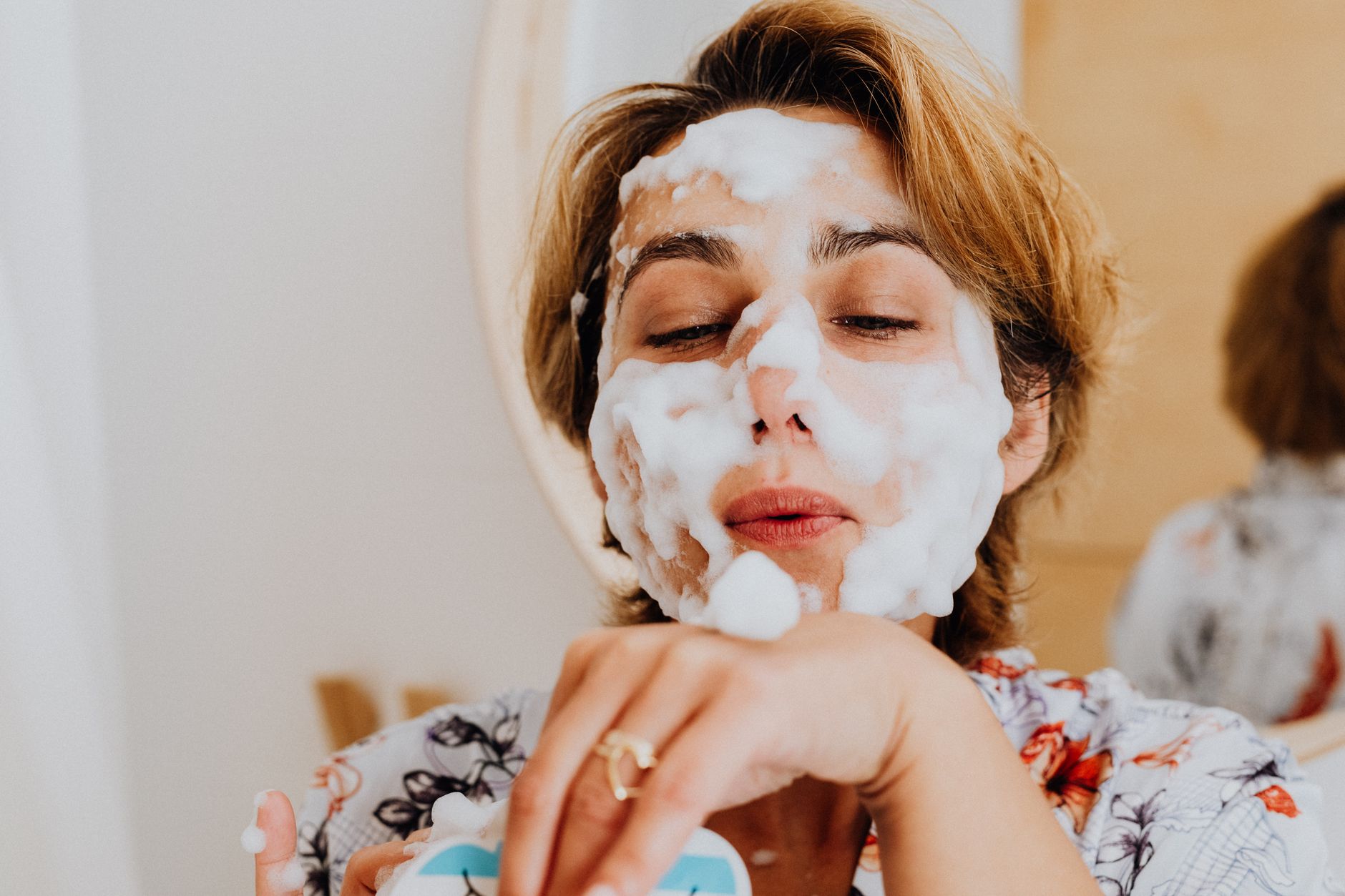
Lifestyle Adjustments to Reduce Facial Eczema Recurrence
Facial eczema recurrence can be a frustrating experience, especially when it keeps returning to the same areas. While skincare routines and avoiding triggers play a significant role, lifestyle adjustments can also make a considerable difference. By focusing on diet, exercise, and sleep, individuals with eczema-prone skin can create a supportive environment that may help reduce the frequency of facial eczema recurrence.
Diet and Nutrition
Nutrition plays a vital role in overall health, including skin health. While there is no one-size-fits-all diet for eczema, certain dietary changes may help manage symptoms and reduce the likelihood of facial eczema recurrence.
- Anti-inflammatory Foods: Incorporate foods rich in omega-3 fatty acids, such as salmon, flaxseeds, and walnuts. These can help reduce inflammation in the body, potentially easing eczema symptoms.
- Hydration: Drinking plenty of water is essential for maintaining skin hydration. Well-hydrated skin is more resilient and less prone to irritation.
- Identifying Food Triggers: Some individuals may find that certain foods exacerbate their eczema. Common triggers include dairy, gluten, and nuts. Keeping a food diary can help identify potential triggers and guide dietary adjustments.
- Probiotics: Incorporating probiotics through foods like yogurt or supplements may help balance gut health, which can influence skin conditions.
Exercise and Physical Activity
Regular exercise is beneficial for overall health, but it’s important to approach it mindfully when dealing with facial eczema.
- Choosing the Right Activities: Opt for low-impact exercises like walking, swimming, or yoga. These activities are less likely to cause excessive sweating, which can irritate eczema-prone skin.
- Post-Workout Care: After exercising, gently cleanse the skin to remove sweat and any potential irritants. Pat the skin dry and apply a gentle moisturizer to lock in hydration.
- Staying Cool: Overheating can trigger eczema flare-ups. Ensure the environment is cool and well-ventilated during and after exercise.
Sleep and Relaxation
Quality sleep and effective stress management are crucial for individuals dealing with facial eczema recurrence. Stress can exacerbate eczema symptoms, making it essential to incorporate relaxation techniques into daily routines.
- Consistent Sleep Schedule: Aim for 7-9 hours of sleep per night. Establishing a consistent sleep schedule can help regulate the body’s natural rhythms and reduce stress.
- Creating a Relaxing Bedtime Routine: Wind down before bed with activities like reading, meditating, or practicing gentle stretches. Avoid screens at least an hour before bedtime to promote better sleep quality.
- Stress Management Techniques: Incorporate stress-reducing practices such as mindfulness, deep breathing exercises, or yoga. These can help lower stress levels, potentially reducing the frequency of facial eczema recurrence.
- Comfortable Sleep Environment: Ensure your sleep environment is cool, dark, and quiet. Use hypoallergenic bedding and consider using a humidifier to maintain optimal skin hydration.
By making thoughtful lifestyle adjustments, individuals can create a supportive environment that may help reduce the recurrence of facial eczema. Remember, everyone’s experience with eczema is unique, so it’s important to find what works best for you. Consulting with a healthcare professional can provide personalized guidance and support on your journey to managing facial eczema recurrence.
Monitoring and Tracking Facial Eczema Patterns
Facial eczema recurrence can be frustrating and challenging to manage. One of the most effective strategies for gaining control over these flare-ups is through careful monitoring and tracking of your symptoms and potential triggers. By keeping a detailed record, you can identify patterns, understand what exacerbates your condition, and make informed adjustments to your skincare and lifestyle routines.
Using a Journal or App to Track Symptoms
Keeping a journal or using a dedicated app can be incredibly beneficial for those dealing with facial eczema recurrence. This practice allows you to document your daily experiences, noting when flare-ups occur, their severity, and any accompanying symptoms.
Here are some practical steps to get started:
- Choose a Method: Decide whether you prefer a physical journal or a digital app. Many apps are designed specifically for tracking eczema and can offer additional features like reminders and data analysis.
- Record Daily Symptoms: Note the date, time, and severity of any flare-ups. Use a scale (e.g., 1-10) to rate the intensity of symptoms such as itching, redness, or dryness.
- Log Potential Triggers: Make a habit of recording any activities, products, or environmental factors that might have contributed to the flare-up. This could include new skincare products, changes in weather, stress levels, or dietary changes.
- Track Treatments: Document the treatments you use, including medications, moisturizers, and any home remedies. Note the time of application and any changes in symptoms afterward.
Identifying Patterns and Triggers
Over time, reviewing your journal or app data can help you identify patterns and potential triggers for facial eczema recurrence. Look for commonalities in your entries to pinpoint specific factors that may be exacerbating your condition.
Consider these examples:
- Weather Changes: If you notice that flare-ups often occur during cold, dry weather, you might need to adjust your skincare routine to include more hydrating products.
- Stress Levels: High-stress periods followed by flare-ups could indicate a need for stress management techniques such as meditation or exercise.
- New Products: If introducing a new facial cream is consistently followed by a flare-up, it may be a trigger you should avoid.
By identifying these patterns, you can take proactive steps to minimize exposure to triggers and better manage your facial eczema recurrence.
Adjusting Routines Based on Observations
Once you’ve identified patterns and triggers, you can make informed adjustments to your skincare and daily routines. This proactive approach can help reduce the frequency and severity of facial eczema flare-ups.
Here are some practical adjustments you might consider:
- Modify Skincare Products: If certain products are triggering flare-ups, switch to gentler, fragrance-free alternatives. Look for ingredients known to be eczema-friendly, such as ceramides and hyaluronic acid.
- Enhance Skin Barrier Protection: Incorporate barrier-repair creams into your routine to strengthen your skin’s defense against environmental triggers.
- Implement Stress-Reduction Techniques: If stress is a significant trigger, practice relaxation methods such as yoga, deep breathing exercises, or regular physical activity.
- Avoid Known Allergens: If specific allergens are identified as triggers, take steps to minimize exposure. This might involve changing your diet, using hypoallergenic bedding, or avoiding certain environments.
Regularly reviewing your journal or app can help you fine-tune these adjustments over time, leading to more effective management of facial eczema recurrence.
In conclusion, monitoring and tracking your facial eczema patterns is a crucial step in managing recurrence. By diligently recording your symptoms and potential triggers, identifying patterns, and making informed adjustments to your routines, you can take significant strides toward reducing the impact of facial eczema on your life.
Long-Term Management Strategies for Facial Eczema
Facial eczema recurrence can be a persistent challenge. Managing this condition effectively requires a long-term commitment to specific strategies. This section will explore how consistency in skincare routines, regular check-ins with healthcare providers, and staying informed about new treatments and research can help maintain long-term control over facial eczema.
Consistency in Skincare Routines
Consistency is key when it comes to managing facial eczema. A well-maintained skincare routine can significantly reduce the frequency of flare-ups. Here are some practical steps to ensure consistency:
- Daily Moisturizing: Use a gentle, fragrance-free moisturizer twice a day. This helps to maintain the skin barrier and prevent dryness, a common trigger for eczema recurrence.
- Gentle Cleansing: Choose a mild, eczema-friendly cleanser. Avoid hot water and harsh soaps that can strip the skin of its natural oils.
- Avoid Irritants: Be mindful of skincare products and environmental factors that may irritate your skin. This includes certain chemicals, allergens, and even some fabrics.
- Sun Protection: Use a broad-spectrum sunscreen with at least SPF 30. Sun exposure can exacerbate eczema symptoms, so protecting your skin is crucial.
Real-life example: Jane, who has eczema-prone skin, sticks to her morning and evening skincare routine without fail. She uses the same gentle cleanser and moisturizer recommended by her dermatologist. This consistency has helped her manage facial eczema recurrence effectively.
Regular Check-Ins with Healthcare Providers
Regular consultations with healthcare providers are essential for long-term management of facial eczema. These check-ins allow for adjustments to your treatment plan based on your current condition.
- Scheduled Appointments: Plan regular visits to your dermatologist or allergist. These professionals can offer tailored advice and make necessary adjustments to your treatment regimen.
- Discuss Flare-Ups: Keep a record of your flare-ups, including triggers and severity. Share this information with your healthcare provider to identify patterns and potential triggers.
- Medication Review: If you are using prescription medications, ensure they are still appropriate for your condition. Your healthcare provider can recommend changes if needed.
Decision point: If you notice an increase in facial eczema recurrence despite following your routine, it may be time to schedule an appointment with your healthcare provider to reassess your treatment plan.
Staying Informed About New Treatments and Research
The field of eczema research is continually evolving. Staying informed about new treatments and research can provide you with additional tools to manage facial eczema recurrence.
- Join Support Groups: Online and local support groups can be valuable resources. They offer a platform to share experiences and learn about new treatments from others dealing with similar issues.
- Follow Reputable Sources: Keep up with reputable websites, journals, and organizations dedicated to eczema research. This can help you stay informed about the latest developments.
- Ask Your Healthcare Provider: Don’t hesitate to ask your healthcare provider about new treatments or clinical trials that might be relevant to your condition.
Real-life example: Tom recently learned about a new topical treatment for eczema through an online support group. After discussing it with his dermatologist, he decided to try the treatment, which has since helped reduce his facial eczema recurrence.
In summary, managing facial eczema recurrence requires a multifaceted approach. Consistency in your skincare routine, regular consultations with healthcare providers, and staying informed about new treatments are all critical components. By adhering to these strategies, you can better control facial eczema and improve your overall skin health.
Frequently asked questions
What are the most common triggers for facial eczema?
Facial eczema recurrence is often linked to specific triggers that irritate the skin. Common triggers include harsh skincare products, extreme weather conditions, and allergens like pollen or pet dander. Identifying and avoiding these triggers can help reduce the frequency of outbreaks. Keeping a journal to track when and where your eczema flares up can help pinpoint specific triggers.
Additionally, certain foods and stress can exacerbate facial eczema. While not everyone is affected by the same triggers, common dietary culprits include dairy, gluten, and nuts. Managing stress through relaxation techniques can also play a significant role in preventing facial eczema recurrence.
How can I strengthen my skin barrier to prevent eczema recurrence?
Strengthening your skin barrier is crucial in managing facial eczema recurrence. Using gentle, fragrance-free cleansers and moisturizers can help maintain the skin’s natural barrier. Look for products containing ceramides, which are essential lipids that help lock in moisture and protect the skin.
Incorporating a daily skincare routine that includes a mild cleanser, a hydrating toner, and a rich moisturizer can make a significant difference. Additionally, avoiding hot water during showers and limiting the use of harsh scrubs can prevent further irritation.
Is there a genetic component to facial eczema recurrence?
Yes, genetics can play a role in the recurrence of facial eczema. If you have a family history of eczema, asthma, or allergies, you may be more predisposed to developing the condition. This genetic predisposition means that your skin may be more sensitive and reactive to certain triggers.
Understanding your family history can help you take proactive steps to manage your eczema. This might include regular check-ups with a dermatologist, using hypoallergenic products, and being vigilant about potential triggers in your environment.
What should I look for in a moisturizer for facial eczema?
When choosing a moisturizer for facial eczema, look for products that are specifically formulated for sensitive skin. Ingredients like ceramides, hyaluronic acid, and oatmeal can help soothe and hydrate the skin without causing irritation. Avoid moisturizers with fragrances, dyes, and alcohol, as these can exacerbate eczema symptoms.
Opt for creams or ointments that provide a thicker barrier to lock in moisture. Applying moisturizer immediately after bathing can help seal in hydration and protect the skin from environmental triggers that contribute to facial eczema recurrence.
When should I see a dermatologist for my facial eczema?
If your facial eczema is severe, persistent, or not responding to over-the-counter treatments, it’s important to consult a dermatologist. Signs that it’s time to seek professional help include intense itching, widespread redness, oozing or crusting, and signs of infection such as increased pain or swelling.
A dermatologist can provide a more targeted treatment plan, which may include prescription medications or specialized skincare routines. They can also help you identify specific triggers and offer advice on managing facial eczema recurrence effectively.
Can lifestyle changes really impact facial eczema recurrence?
Absolutely, lifestyle changes can have a significant impact on managing facial eczema recurrence. Adopting a balanced diet rich in anti-inflammatory foods like fruits, vegetables, and omega-3 fatty acids can help reduce inflammation and improve skin health. Regular exercise can also boost your immune system and reduce stress, which is a known trigger for eczema.
Incorporating stress-management techniques such as yoga, meditation, or even simple breathing exercises can further help in preventing outbreaks. Additionally, maintaining a consistent sleep schedule and staying hydrated are crucial for overall skin health and can contribute to reducing the frequency of facial eczema recurrence.
Use MyEczema.app to track your eczema patterns and daily triggers.
This article is for educational purposes only and is not medical advice. If symptoms are severe, spreading, painful, infected-looking, or affecting sleep and daily life, speak with a qualified healthcare professional.
Sources and further reading
For medical guidance, always rely on a qualified healthcare professional. These educational resources may help readers learn more:
Image credit: Photo by cottonbro studio on Pexels. Used under the Pexels License.
Image credit: Photo by https://kaboompics.com/ on Pexels. Used under the Pexels License.
Image credit: Photo by https://kaboompics.com/ on Pexels. Used under the Pexels License.