
MyEczema.app guide
Can Frequent Handwashing Trigger Eczema? Expert Insights
frequent handwashing trigger eczema: Discover if frequent handwashing can trigger eczema. Learn expert tips to manage eczema while maintaining hygiene.
Table of contents
Use this guide as a practical reference and jump to the sections most relevant to you.
- Quick answer
- Key takeaways
- Practical comparison table
- Visual chart
- Related MyEczema.app tool
- Understanding Eczema and Its Triggers
- The Importance of Handwashing for Hygiene
- How Handwashing Can Affect Eczema
- Choosing the Right Soap for Eczema-Prone Skin
- The Importance of Moisturizing After Handwashing
- Proper Handwashing Techniques for Eczema Patients
- Exploring Alternative Hand Sanitizers for Eczema
- Managing Eczema Flare-Ups Caused by Handwashing
- When to Consult a Dermatologist for Eczema
- Creating a Daily Skincare Routine for Eczema
- Frequently asked questions
- Sources and further reading
Living with eczema can present unique challenges, especially when it comes to everyday activities like handwashing. For those with eczema-prone skin, frequent handwashing can sometimes exacerbate symptoms, leading to flare-ups and discomfort. Understanding how frequent handwashing can trigger eczema is crucial for managing the condition effectively. In this article, we will explore the relationship between frequent handwashing and eczema, offering practical tips and expert insights to help you navigate this common yet often overlooked issue.
Eczema, also known as atopic dermatitis, is a chronic skin condition characterized by inflammation, itching, and dryness. The skin barrier of individuals with eczema is often compromised, making it more susceptible to irritants and allergens. Frequent handwashing, while essential for hygiene, can disrupt this already delicate skin barrier, potentially triggering eczema symptoms. By examining the impact of frequent handwashing on eczema-prone skin, we aim to provide you with the knowledge needed to maintain good hygiene without compromising your skin’s health.
In our daily lives, handwashing is a routine activity that helps prevent the spread of germs and illnesses. However, for those with eczema, the frequent exposure to water and soaps can lead to skin dryness and irritation. This article will delve into the specific ways frequent handwashing can affect eczema, offering solutions to mitigate its impact. We will also discuss the importance of using gentle, fragrance-free soaps, the necessity of moisturizing after handwashing, and how to identify and avoid harsh chemicals that can aggravate eczema.
By the end of this article, you will have a better understanding of how to balance the need for frequent handwashing with the care your eczema-prone skin requires. We will provide key takeaways and practical advice to help you manage eczema symptoms effectively, ensuring that you can maintain good hygiene without triggering flare-ups. Remember, while frequent handwashing is crucial, it’s equally important to protect and nourish your skin to keep eczema at bay.
Quick answer
Frequent handwashing can potentially trigger eczema due to skin barrier disruption. Proper skincare routines can help mitigate this risk.
Key takeaways
- Frequent handwashing can disrupt the skin barrier, potentially triggering eczema.
- Using gentle, fragrance-free soaps can help reduce skin irritation.
- Moisturizing after handwashing is crucial to maintain skin hydration.
- Identifying and avoiding harsh chemicals in hand soaps can prevent eczema flare-ups.
- Consulting a dermatologist for personalized eczema management tips is recommended.
Comparing Handwashing Methods for Eczema Patients
| Situation | What it may mean | Practical next step |
|---|---|---|
| Using regular soap | Potential skin irritation and dryness | Switch to a gentle, fragrance-free soap |
| Using hand sanitizer | Possible skin reaction to alcohol | Try an alcohol-free sanitizer or traditional handwashing |
| Forgetting to moisturize | Increased skin dryness and irritation | Apply moisturizer immediately after handwashing |
| Experiencing a flare-up | Need for immediate relief and possible medical consultation | Use a soothing treatment and consult a dermatologist if needed |
| Using hot water | Further skin barrier damage | Wash hands with lukewarm water |
Effectiveness of Handwashing Techniques for Eczema Patients
This visual is an educational guide, not a diagnostic score. Use it to decide what may be worth tracking more consistently for this specific topic.
Highly effective and gentle on skin
Moderately effective but may cause skin irritation
Less effective and potentially irritating
Ineffective and harmful to skin barrier
Ineffective and damaging to skin
Related MyEczema.app tool
Use the Daily Trigger Tracker
The Daily Trigger Tracker helps users record symptoms, possible triggers, skin routine, photos, notes, and trends over time.
For this topic, this tool can help you organize information in a more structured way and turn daily observations into clearer patterns to review over time.
Understanding Eczema and Its Triggers
Eczema, also known as atopic dermatitis, is a chronic skin condition characterized by inflamed, itchy, and often broken skin. It affects people of all ages but is most commonly seen in children. The exact cause of eczema is not fully understood, but it is believed to involve a combination of genetic and environmental factors. One crucial aspect of managing eczema is understanding and avoiding triggers that can exacerbate symptoms.
Definition of Eczema
Eczema is a broad term that encompasses several types of skin inflammation. The most common form is atopic dermatitis, which tends to run in families with a history of allergies. Symptoms can vary widely but often include red, itchy patches of skin that may become scaly, crusty, or thickened over time. These patches can appear anywhere on the body but are commonly found on the face, hands, and behind the knees.
Common Triggers
Triggers for eczema can be diverse and highly individualized. Common triggers include:
- Allergens: Substances like pollen, pet dander, and certain foods can trigger eczema in sensitive individuals.
- Irritants: Harsh soaps, detergents, and certain fabrics can irritate the skin and lead to flare-ups.
- Climate: Extreme temperatures and low humidity can dry out the skin, making it more prone to eczema.
- Stress: Emotional stress can worsen eczema symptoms, although the exact mechanism is not well understood.
Importance of Skin Barrier
The skin barrier plays a critical role in protecting the body from external irritants and allergens. In individuals with eczema, this barrier is often compromised, making the skin more susceptible to irritation and infection. Maintaining a healthy skin barrier is essential for managing eczema effectively.
Frequent Handwashing and Eczema
Given the recent emphasis on hand hygiene, many people are wondering if frequent handwashing can trigger eczema. While handwashing is crucial for preventing the spread of infections, it can also pose challenges for those with eczema. Let’s explore this connection in more detail.
Frequent handwashing, especially with soap and water, can strip the skin of its natural oils, leading to dryness and irritation. For individuals with eczema, this can exacerbate symptoms and lead to flare-ups. The combination of water and soap can weaken the already compromised skin barrier, making it more vulnerable to irritants and allergens.
However, it’s important to note that good hand hygiene is essential, particularly in environments where infections are prevalent. The key is to balance the need for cleanliness with the need to protect your skin. Here are some practical steps to consider:
- Use Gentle, Moisturizing Soaps: Opt for soaps that are specifically designed for sensitive skin. Look for products that are fragrance-free and contain moisturizing ingredients.
- Limit Washing Time: Try to keep handwashing sessions short to minimize skin exposure to water and soap.
- Moisturize Immediately After Washing: Apply a thick moisturizer or emollient right after drying your hands to help lock in moisture.
- Use Hand Sanitizers When Possible: Alcohol-based hand sanitizers can be a good alternative to frequent handwashing, especially when soap and water are not available. However, be mindful that some sanitizers may still cause dryness.
Real-life example: Jane, a healthcare worker, noticed her eczema flaring up after switching to frequent handwashing as part of her job. By incorporating a gentle, moisturizing soap and applying a thick cream immediately after washing, she was able to manage her symptoms more effectively while maintaining good hand hygiene.
In summary, while frequent handwashing can indeed trigger eczema due to the drying effects of soap and water, it is possible to mitigate these effects with careful skin care routines. Understanding your skin’s needs and making adjustments to your handwashing habits can help you maintain both cleanliness and skin health.
The Importance of Handwashing for Hygiene
Handwashing is a cornerstone of personal hygiene and public health. It’s a simple yet effective way to prevent the spread of germs, bacteria, and viruses. Understanding the benefits of handwashing and adhering to recommended techniques can significantly contribute to maintaining good health, especially in environments where frequent handwashing trigger eczema may be a concern.
Benefits of Handwashing
Regular handwashing offers numerous benefits that extend beyond basic cleanliness. Here are some key advantages:
- Prevents Illness: Washing your hands frequently can reduce the risk of gastrointestinal and respiratory infections by up to 50%. This is particularly important in preventing the spread of common illnesses like the flu and colds.
- Reduces Antibiotic Use: By preventing infections, handwashing can lower the need for antibiotics, which helps combat antibiotic resistance—a growing global health concern.
- Protects Vulnerable Populations: Proper hand hygiene is crucial in protecting those with weakened immune systems, such as the elderly, young children, and individuals with chronic conditions.
- Enhances Overall Health: Consistent handwashing can lead to better overall health by minimizing the spread of harmful pathogens in daily life.
Recommended Handwashing Techniques
To maximize the benefits of handwashing, it’s essential to follow proper techniques. The Centers for Disease Control and Prevention (CDC) provides clear guidelines on effective handwashing:
- Wet Your Hands: Use clean, running water (warm or cold) and wet your hands thoroughly.
- Apply Soap: Lather your hands with soap, ensuring you cover all surfaces, including the backs of your hands, between your fingers, and under your nails.
- Scrub for at Least 20 Seconds: Scrubbing for this duration helps remove more germs. A useful tip is to hum the “Happy Birthday” song from beginning to end twice.
- Rinse Well: Rinse your hands well under clean, running water.
- Dry Your Hands: Use a clean towel or air dry your hands. Using a towel can also help remove any remaining germs.
CDC Guidelines on Handwashing
The CDC emphasizes the importance of handwashing in various scenarios to maintain hygiene and prevent the spread of infections. Key situations where handwashing is crucial include:
- Before, During, and After Food Preparation: Washing hands before handling food and after touching raw food helps prevent cross-contamination.
- Before Eating Food: Ensure hands are clean before consuming any food to avoid ingesting harmful germs.
- After Using the Restroom: Handwashing after using the toilet is vital to remove germs and prevent their spread.
- After Blowing Your Nose, Coughing, or Sneezing: These actions can spread germs, so washing hands afterward is essential.
- After Handling Garbage: Washing hands after touching trash cans or waste helps remove any contaminants.
- After Touching Animals, Animal Feed, or Animal Waste: This includes petting animals, which can transfer germs to your hands.
While handwashing is crucial for maintaining hygiene, individuals with eczema must balance this practice with eczema management. Frequent handwashing can sometimes lead to skin irritation and eczema flare-ups, making it important to adopt strategies that protect the skin while ensuring cleanliness.
For those concerned about frequent handwashing trigger eczema, incorporating moisturizing routines and using gentle, fragrance-free soaps can help mitigate skin irritation. Additionally, applying moisturizers immediately after handwashing can create a protective barrier on the skin, reducing the risk of eczema flare-ups.
In summary, handwashing is an indispensable practice for hygiene and health. By following recommended techniques and guidelines, individuals can effectively prevent the spread of infections while taking necessary steps to manage eczema and maintain skin health.
How Handwashing Can Affect Eczema
Frequent handwashing is a cornerstone of good hygiene, especially in times when maintaining cleanliness is crucial. However, for individuals with eczema, the act of washing hands can sometimes lead to skin irritation and exacerbate symptoms. Understanding the potential link between frequent handwashing and eczema is essential for effective eczema management.
Skin Barrier Disruption
Eczema, also known as atopic dermatitis, is characterized by a compromised skin barrier. This barrier is responsible for protecting the skin from external irritants and retaining moisture. When the skin barrier is disrupted, it becomes more susceptible to irritation and inflammation.
Handwashing, while necessary, can contribute to this disruption. The repeated exposure to water and soap can strip the skin of its natural oils, leading to dryness and irritation. For individuals with eczema, this can trigger flare-ups, making it essential to approach hand hygiene with care.
Effects of Soap and Water
The combination of soap and water is effective at removing dirt and germs, but it can also be harsh on the skin. Traditional soaps often contain detergents and fragrances that can further irritate eczema-prone skin. Additionally, hot water can exacerbate dryness, leading to increased itchiness and discomfort.
Choosing the right soap is crucial. Opt for mild, fragrance-free soaps that are specifically designed for sensitive skin. These soaps are less likely to cause irritation and can help maintain the skin’s natural moisture balance.
Scientific Studies on Handwashing and Eczema
Research into the effects of handwashing on eczema is ongoing, but several studies have highlighted the potential for frequent handwashing to trigger eczema flare-ups. One study published in the Journal of the American Academy of Dermatology found that individuals with eczema experienced increased skin dryness and irritation after frequent handwashing.
Another study emphasized the importance of using gentle, moisturizing soaps and limiting the duration of handwashing to minimize skin irritation. These findings underscore the need for a balanced approach to hand hygiene for those with eczema.
Practical Steps for Handwashing with Eczema
- Use Lukewarm Water: Avoid hot water, which can strip the skin of its natural oils. Lukewarm water is gentler and less likely to cause irritation.
- Choose the Right Soap: Select mild, fragrance-free soaps that are formulated for sensitive skin. Look for products that contain moisturizers to help retain the skin’s moisture.
- Limit Washing Time: Keep handwashing sessions short to minimize exposure to water and soap. Aim for around 20 seconds, which is the recommended duration for effective hand hygiene.
- Moisturize Immediately: After washing your hands, apply a thick, fragrance-free moisturizer to lock in moisture and protect the skin barrier. This step is crucial in preventing dryness and irritation.
- Use Hand Sanitizer When Possible: In situations where handwashing is not immediately available, use an alcohol-free hand sanitizer. This can be a gentler alternative for maintaining hygiene.
Real-Life Examples and Decision Points
Consider the case of Sarah, a teacher with eczema. She found that frequent handwashing throughout the day led to severe flare-ups. By switching to a gentle, fragrance-free soap and moisturizing her hands after each wash, she noticed a significant improvement in her symptoms.
Another example is John, a healthcare worker who must wash his hands frequently. He experienced constant irritation until he started using a moisturizer specifically designed for eczema-prone skin. This change allowed him to maintain good hygiene without triggering flare-ups.
These examples highlight the importance of making informed decisions about hand hygiene practices. By understanding the potential effects of frequent handwashing on eczema, individuals can take proactive steps to manage their symptoms effectively.
Balancing Hygiene and Eczema Care
While frequent handwashing is essential for maintaining good hygiene, it is equally important to protect the skin from irritation. Finding a balance between these two needs is key to managing eczema effectively.
If you experience increased irritation or flare-ups after handwashing, consider consulting a dermatologist. They can provide personalized advice and recommend products that are best suited for your skin type.
In conclusion, being mindful of how frequent handwashing can affect eczema is crucial for those managing this condition. By adopting gentle hand hygiene practices and moisturizing regularly, individuals can maintain good hygiene without compromising their skin health.
Choosing the Right Soap for Eczema-Prone Skin
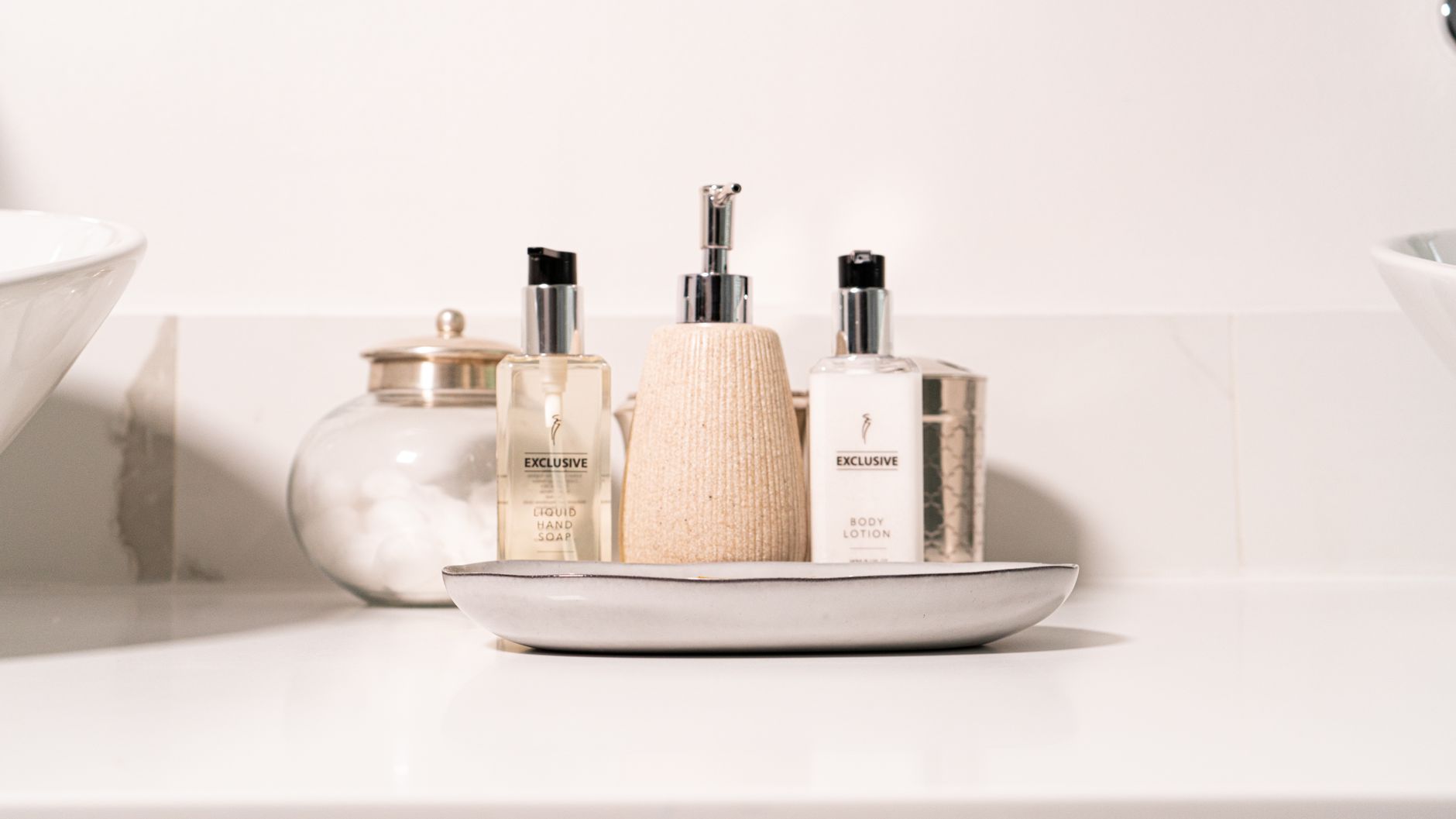
When it comes to frequent handwashing trigger eczema, the type of soap you use can make a significant difference. Selecting the right soap is crucial for maintaining skin health and minimizing the risk of eczema flare-ups.
Fragrance-Free Soaps
One of the first things to consider when choosing a soap for eczema-prone skin is whether it is fragrance-free. Fragrances, whether natural or synthetic, can be potent irritants for sensitive skin.
Fragrances often contain a mix of chemicals that can cause allergic reactions or exacerbate existing skin conditions. For individuals with eczema, using fragrance-free soaps can help reduce the likelihood of skin irritation and flare-ups.
Look for soaps that explicitly state they are “fragrance-free” or “unscented.” This ensures that the product does not contain any added scents, which can be particularly beneficial during frequent handwashing routines.
pH-Balanced Soaps
Another important factor to consider is the pH level of the soap. The skin has a natural pH of around 5.5, which helps maintain its protective barrier. Using soaps that are pH-balanced can help preserve this natural pH and prevent skin irritation.
pH-balanced soaps are formulated to be gentle on the skin, reducing the risk of disrupting the skin’s natural balance. This is especially important for individuals with eczema, as their skin is already more prone to irritation and inflammation.
When shopping for soap, check the label for indications that the product is pH-balanced. Many eczema-friendly soaps will highlight this feature, making it easier to identify suitable options.
Soaps to Avoid
While knowing what to look for in a soap is important, it’s equally crucial to be aware of soaps to avoid. Certain ingredients can be particularly harsh on eczema-prone skin and should be avoided whenever possible.
- Antibacterial Soaps: These often contain triclosan or triclocarban, which can be irritating to the skin and may contribute to antibiotic resistance.
- Dye-Containing Soaps: Dyes can cause allergic reactions and irritate sensitive skin. Opt for dye-free alternatives.
- Alcohol-Based Soaps: Alcohol can be drying and may strip the skin of its natural oils, leading to increased irritation.
- Soaps with Harsh Detergents: Ingredients like sodium lauryl sulfate (SLS) and sodium laureth sulfate (SLES) can be drying and irritating. Look for soaps labeled as “SLS-free.”
In addition to avoiding these ingredients, it’s also wise to steer clear of soaps that are heavily scented or contain exfoliating particles. These can further irritate the skin and trigger eczema flare-ups.
Practical Steps for Selecting Soap
Choosing the right soap for eczema-prone skin involves a few practical steps:
- Read Labels Carefully: Look for soaps that are explicitly marketed as eczema-friendly or suitable for sensitive skin. Pay attention to the ingredients list and avoid any potential irritants.
- Test New Soaps Gradually: Introduce new soaps into your routine slowly. Use a small amount on a patch of skin first to ensure there is no adverse reaction before fully incorporating it into your handwashing routine.
- Consult with a Dermatologist: If you’re unsure about which soap to choose, consider consulting with a dermatologist. They can provide personalized recommendations based on your skin’s specific needs.
- Consider Bar Soaps vs. Liquid Soaps: Some individuals find that bar soaps are gentler on the skin, while others prefer the convenience of liquid soaps. Experiment with both to see which works best for you.
By taking these steps, you can find a soap that helps maintain skin health while accommodating the need for frequent handwashing. This careful selection can go a long way in managing eczema and reducing the likelihood of flare-ups.
Remember, the goal is to find a balance that allows you to maintain good hand hygiene without compromising your skin’s health. With the right soap, frequent handwashing can be a manageable part of your eczema care routine.
The Importance of Moisturizing After Handwashing
Moisturizing is a crucial step in managing eczema, especially when frequent handwashing is necessary. Handwashing can strip the skin of its natural oils, leading to dryness and irritation. This section will explore the best moisturizers for eczema, when to apply them, and effective moisturizing techniques.
Best Moisturizers for Eczema
Choosing the right moisturizer is essential for those with eczema. Look for products that are fragrance-free, hypoallergenic, and specifically formulated for sensitive skin. Ingredients like ceramides, hyaluronic acid, and glycerin are beneficial for maintaining the skin’s moisture barrier.
- Ceramide-based creams: These help restore the skin’s natural barrier.
- Oat-based lotions: Known for their soothing properties.
- Petroleum jelly: An occlusive moisturizer that locks in moisture.
- Aloe vera gel: Provides hydration and has anti-inflammatory properties.
It’s important to patch-test any new product to ensure it doesn’t cause further irritation. Consult with a dermatologist for personalized recommendations.
When to Apply Moisturizer
Timing is everything when it comes to moisturizing. Applying moisturizer immediately after handwashing can help lock in moisture before the skin has a chance to dry out. Here are some practical tips:
- Post-handwashing routine: As soon as you finish drying your hands, apply moisturizer.
- Throughout the day: Reapply moisturizer as needed, especially if your hands feel dry or irritated.
- Before bed: A thicker, occlusive moisturizer can be applied at night to keep your hands hydrated overnight.
Remember, consistent moisturizing is key to managing eczema symptoms effectively.
Moisturizing Techniques
How you apply moisturizer can also impact its effectiveness. Here are some techniques to ensure you get the most out of your moisturizer:
- Gentle application: Use gentle, circular motions to apply moisturizer to avoid further irritating the skin.
- Layering: For extra hydration, consider layering a lighter lotion with a heavier cream.
- Use a humidifier: In dry environments, using a humidifier can help maintain overall skin moisture.
For example, after washing your hands, pat them dry with a soft towel. Immediately apply a ceramide-based cream, massaging it in gently. If your hands still feel dry, you can layer with a small amount of petroleum jelly for added protection.
By incorporating these moisturizing practices into your daily routine, you can help mitigate the effects of frequent handwashing on your eczema-prone skin. Remember, the goal is to keep your skin hydrated and protected, reducing the likelihood of irritation and flare-ups.
Proper Handwashing Techniques for Eczema Patients
For individuals with eczema, frequent handwashing can be a double-edged sword. While it is crucial for maintaining hand hygiene, it can also lead to skin irritation and potential eczema flare-ups. Adopting proper handwashing techniques can help mitigate these risks and maintain skin health.
Step-by-Step Handwashing Guide
Here’s a detailed, step-by-step guide to handwashing that minimizes skin irritation for eczema patients:
- Wet Your Hands: Start by turning on lukewarm water. Avoid hot water as it can strip the skin of its natural oils, leading to dryness and irritation.
- Apply Soap: Use a gentle, fragrance-free soap. Apply a small amount to your hands and lather well. Soap helps to break down oils and remove dirt and germs.
- Rub Your Hands Together: Gently rub your hands together for at least 20 seconds. Ensure you cover all surfaces of your hands, including the backs, between your fingers, and under your nails.
- Rinse Thoroughly: Rinse your hands well under lukewarm running water. Make sure all soap is washed away, as leftover residue can cause irritation.
- Dry Your Hands: Gently pat your hands dry with a soft towel. Avoid rubbing, as this can cause further irritation. If possible, use a clean towel each time to prevent the transfer of bacteria.
Duration of Handwashing
The Centers for Disease Control and Prevention (CDC) recommends washing your hands for at least 20 seconds. This duration is sufficient to remove germs effectively without over-exposing your skin to water and soap, which can lead to dryness and irritation.
For eczema patients, it’s important to strike a balance. Washing for too short a time may not remove all germs, while washing for too long can exacerbate skin dryness. Aim for the recommended 20 seconds and consider using a timer if needed.
Rinsing and Drying Tips
Proper rinsing and drying are crucial steps in the handwashing process for those with eczema. Here are some tips to follow:
- Rinsing: Ensure all soap is thoroughly rinsed off your hands. Residual soap can cause skin irritation. If you notice any soapy residue, rinse a bit longer.
- Drying: Pat your hands dry with a soft, clean towel. Avoid harsh rubbing, which can aggravate eczema. If you have access to a dryer, use it on a low heat setting to avoid overheating your skin.
After drying your hands, apply a fragrance-free moisturizer to lock in hydration. This step is vital in maintaining the skin barrier and preventing dryness that can lead to eczema flare-ups.
Real-Life Example
Consider Jane, a school teacher with eczema. She washes her hands frequently throughout the day to maintain hygiene. By following the above handwashing techniques, Jane has noticed a significant reduction in her eczema flare-ups. She uses lukewarm water, a gentle soap, and ensures she rinses thoroughly. After drying her hands, she applies a thick moisturizer to keep her skin hydrated. This routine has become a crucial part of her eczema management plan.
Decision Points
When incorporating these handwashing techniques into your routine, consider the following decision points:
- Choose the right soap: Opt for a gentle, fragrance-free soap to minimize irritation.
- Monitor water temperature: Use lukewarm water to avoid stripping your skin of natural oils.
- Time your handwashing: Aim for at least 20 seconds to ensure thorough cleaning without over-exposure.
- Dry gently: Pat your hands dry with a soft towel to prevent additional skin irritation.
- Moisturize immediately: Apply a fragrance-free moisturizer right after drying to maintain skin hydration.
By carefully selecting and implementing these handwashing techniques, eczema patients can effectively manage their condition while maintaining proper hand hygiene. This balanced approach helps to reduce the likelihood of frequent handwashing triggering eczema flare-ups.
Exploring Alternative Hand Sanitizers for Eczema
For those with eczema, frequent handwashing can be a double-edged sword. While maintaining hand hygiene is essential, the act of washing can sometimes exacerbate eczema symptoms. This has led many individuals to consider alternative methods for hand sanitization. In this section, we will explore the pros and cons of using hand sanitizers, focusing on both alcohol-based and alcohol-free options, and discuss potential skin reactions.
Alcohol-Based Sanitizers
Alcohol-based hand sanitizers are widely used for their effectiveness in killing germs. However, they can pose challenges for individuals with eczema.
- Effectiveness: Alcohol-based sanitizers are highly effective at killing a broad range of germs, making them a popular choice for hand hygiene.
- Drying Effect: The alcohol in these sanitizers can strip the skin of its natural oils, leading to dryness and irritation—common triggers for eczema flare-ups.
- Potential Skin Reactions: Some individuals with eczema may experience increased redness, itching, and inflammation after using alcohol-based sanitizers.
For those with eczema, it’s essential to weigh the benefits of using alcohol-based sanitizers against the potential for skin irritation. If you choose to use them, consider applying a moisturizing lotion afterward to help mitigate dryness.
Alcohol-Free Sanitizers
Alcohol-free hand sanitizers offer an alternative for those seeking to avoid the drying effects of alcohol. These sanitizers often use other active ingredients to kill germs.
- Gentler on Skin: Alcohol-free sanitizers are generally less drying and may be better tolerated by individuals with eczema.
- Varied Effectiveness: The effectiveness of alcohol-free sanitizers can vary depending on the active ingredients used. Some may not be as potent as alcohol-based options.
- Potential Skin Reactions: While alcohol-free sanitizers are generally milder, some individuals may still experience skin reactions due to other ingredients.
When selecting an alcohol-free sanitizer, look for products that are specifically formulated for sensitive skin. Reading ingredient lists can help you avoid potential irritants.
Practical Steps for Choosing a Hand Sanitizer
Choosing the right hand sanitizer involves considering your specific needs and skin type. Here are some practical steps to guide your decision:
- Patch Test: Before using a new hand sanitizer, perform a patch test. Apply a small amount to a discreet area of skin and wait 24 hours to check for any adverse reactions.
- Read Labels: Look for sanitizers that are labeled as “fragrance-free,” “hypoallergenic,” or “for sensitive skin.” These products are often formulated to minimize irritation.
- Moisturize: Regardless of the type of sanitizer you choose, follow up with a moisturizing lotion to help maintain your skin’s barrier function.
- Consult a Dermatologist: If you’re unsure about which sanitizer to use, consider consulting a dermatologist. They can provide personalized recommendations based on your skin’s needs.
Real-life example: Jane, who has eczema, found that alcohol-based sanitizers made her hands feel tight and itchy. She switched to an alcohol-free sanitizer containing aloe vera, which was much gentler on her skin. She also made sure to apply a thick moisturizer afterward to keep her skin hydrated.
In summary, while frequent handwashing is crucial for hand hygiene, it can sometimes trigger eczema. Exploring alternative hand sanitizers, whether alcohol-based or alcohol-free, can offer a solution for those looking to maintain cleanliness without exacerbating their eczema symptoms. By carefully selecting and testing products, individuals with eczema can find a hand sanitization routine that works for them.

Managing Eczema Flare-Ups Caused by Handwashing
Experiencing eczema flare-ups due to frequent handwashing can be frustrating and uncomfortable. However, with the right strategies, you can manage and soothe these flare-ups effectively. This section provides practical tips to help you navigate through these challenging times.
Soothing Treatments
When your skin reacts to frequent handwashing, it’s crucial to apply soothing treatments promptly. Here are some effective options:
- Moisturizers: Apply a thick, fragrance-free moisturizer immediately after washing your hands. Look for products containing ceramides or hyaluronic acid to help restore the skin barrier.
- Oatmeal Baths: Taking an oatmeal bath can relieve itching and inflammation. Simply add colloidal oatmeal to lukewarm water and soak for about 15 minutes.
- Calamine Lotion: For severe itching, calamine lotion can provide temporary relief. Apply a thin layer to the affected areas.
- Aloe Vera: Aloe vera gel can soothe irritated skin. Ensure the product is pure and free from added fragrances or alcohol.
When to Seek Medical Help
While many eczema flare-ups can be managed at home, some situations require professional intervention. Consider seeking medical help if:
- Your symptoms worsen despite using soothing treatments.
- You notice signs of infection, such as increased redness, swelling, or pus.
- The flare-up covers a large area of your body.
- You experience severe pain or discomfort.
A dermatologist can provide prescription-strength treatments and offer personalized advice to manage your eczema more effectively.
Preventive Measures
Preventing eczema flare-ups caused by frequent handwashing involves a combination of good hand hygiene practices and skin care routines. Here are some preventive measures to consider:
- Limit Handwashing Duration: Try to keep your handwashing sessions short. Aim for the recommended 20 seconds of scrubbing, no more.
- Use Gentle Soaps: Opt for mild, fragrance-free soaps specifically designed for sensitive skin. Avoid harsh detergents that can strip the skin of its natural oils.
- Moisturize Regularly: Make moisturizing a non-negotiable part of your daily routine. Apply moisturizer multiple times a day, especially after handwashing.
- Wear Gloves: When washing dishes or performing other household chores, wear cotton gloves underneath rubber or latex gloves to protect your skin.
- Avoid Hot Water: Use lukewarm water instead of hot water when washing your hands. Hot water can further dry and irritate your skin.
- Use Hand Sanitizers Wisely: If handwashing is not possible, use an alcohol-free hand sanitizer. Look for products that contain emollients to keep your skin hydrated.
By incorporating these preventive measures into your daily routine, you can reduce the likelihood of eczema flare-ups triggered by frequent handwashing. Remember, consistency is key. Stick to your skin care regimen even when your eczema seems under control to maintain healthy skin.
In summary, managing eczema flare-ups caused by frequent handwashing involves a combination of soothing treatments, knowing when to seek medical help, and adopting preventive measures. By taking these steps, you can better manage your eczema and enjoy improved skin health.
When to Consult a Dermatologist for Eczema
Managing eczema, especially when frequent handwashing trigger eczema flare-ups, can be challenging. While there are many strategies and products available to help manage symptoms, there are times when professional advice becomes essential. Consulting a dermatologist can provide personalized guidance and treatment options that are tailored to your specific needs.
Signs You Need a Dermatologist
Knowing when to seek professional help is crucial. Here are some signs that it might be time to consult a dermatologist:
- Persistent Symptoms: If your eczema symptoms persist despite your best efforts to manage them with over-the-counter treatments, it’s time to seek professional help.
- Severe Flare-Ups: If you experience severe flare-ups that cause intense itching, pain, or bleeding, a dermatologist can offer stronger treatments.
- Impact on Daily Life: If eczema is affecting your quality of life, sleep, or daily activities, professional intervention can help.
- Skin Infections: Signs of infection, such as increased redness, swelling, warmth, or pus, require immediate medical attention.
- Uncertainty About Triggers: If you’re unsure about what triggers your eczema, a dermatologist can help identify potential causes, including the effects of frequent handwashing.
What to Expect During a Visit
Visiting a dermatologist for eczema involves several steps, ensuring you receive comprehensive care:
- Medical History: The dermatologist will start by taking a detailed medical history. This includes discussing your symptoms, when they occur, and any potential triggers, such as frequent handwashing.
- Physical Examination: A thorough examination of your skin will be conducted to assess the severity and type of eczema.
- Discussion of Hand Hygiene Practices: You may be asked about your handwashing habits, including the frequency, products used, and any changes in your routine.
- Patch Testing: In some cases, patch testing may be performed to identify specific allergens that could be contributing to your eczema.
- Treatment Plan: Based on the assessment, the dermatologist will develop a personalized treatment plan. This may include prescription medications, recommendations for hand hygiene practices, and advice on eczema management.
Personalized Eczema Management Plans
One of the key benefits of consulting a dermatologist is the creation of a personalized eczema management plan. This plan is tailored to your specific needs and may include the following elements:
- Prescription Medications: Depending on the severity of your eczema, your dermatologist may prescribe topical or oral medications to help control inflammation and itching.
- Gentle Handwashing Techniques: You’ll receive guidance on proper handwashing techniques that minimize skin irritation. This may include using lukewarm water and mild, fragrance-free soaps.
- Moisturizing Routine: A detailed moisturizing routine will be recommended to keep your skin hydrated and reduce the risk of flare-ups. This may involve using specific moisturizers before and after handwashing.
- Alternative Hand Sanitizers: If frequent handwashing is a trigger, your dermatologist may suggest using hand sanitizers with lower irritant potential.
- Avoidance of Triggers: Identifying and avoiding triggers, including certain soaps, detergents, and environmental factors, will be a crucial part of your management plan.
- Follow-Up Appointments: Regular follow-up appointments will be scheduled to monitor your progress and adjust your treatment plan as needed.
In conclusion, while managing eczema with frequent handwashing can be complex, consulting a dermatologist provides invaluable support. They can offer expert advice, identify triggers, and create a personalized management plan to help you achieve better control over your eczema symptoms.
Creating a Daily Skincare Routine for Eczema
Maintaining healthy skin with eczema requires a thoughtful and consistent skincare routine. This is especially important if you are concerned about how frequent handwashing trigger eczema. A well-structured routine can help manage symptoms and reduce the likelihood of flare-ups, particularly those triggered by regular hand hygiene practices.
Morning and Evening Routines
Start your day with a gentle cleanse. Use lukewarm water and a mild, fragrance-free cleanser. Avoid hot water, as it can strip the skin of its natural oils and exacerbate eczema symptoms. After cleansing, pat your skin dry with a soft towel and apply a fragrance-free moisturizer. This helps to lock in moisture and create a protective barrier on your skin.
In the evening, repeat the gentle cleansing process. Pay extra attention to areas prone to eczema, such as your hands if you’ve been washing them frequently. Follow up with a thicker moisturizer or an emollient to keep your skin hydrated overnight. Consider using a humidifier in your bedroom to maintain moisture in the air, which can help prevent your skin from drying out.
Incorporating Hand Care
Hand care is crucial, especially if you’re concerned about how frequent handwashing trigger eczema. After each handwashing session, make sure to apply a generous amount of moisturizer. Look for products that are specifically designed for sensitive skin and contain ingredients like ceramides, glycerin, or hyaluronic acid, which help to restore and maintain the skin’s barrier.
If you notice your hands becoming dry or irritated, consider using a hand cream with added protective ingredients such as shea butter or lanolin. These can provide an extra layer of moisture and protection. Additionally, wearing cotton gloves while you sleep can help the moisturizer penetrate deeper into your skin overnight.
Long-Term Skin Health Tips
Consistency is key when it comes to managing eczema. Establish a routine that you can follow every day, even on weekends. This helps to create a stable environment for your skin and reduces the likelihood of unexpected flare-ups.
Avoid harsh chemicals and irritants that can aggravate eczema. This includes certain soaps, detergents, and even some hand sanitizers. Opt for products that are labeled as “eczema-friendly” or recommended by dermatologists for sensitive skin.
Stay hydrated by drinking plenty of water throughout the day. Hydration from the inside out can help maintain your skin’s moisture levels. Additionally, try to avoid long, hot showers or baths, as they can dry out your skin. If you must use hot water, keep your showers short and follow up with a moisturizer immediately after drying off.
Wearing protective clothing can also make a difference. Choose soft, breathable fabrics like cotton to reduce irritation. Avoid rough or scratchy materials that can exacerbate eczema symptoms.
Lastly, be mindful of your environment. Keep your living space clean and free of dust and other potential irritants. Use a HEPA filter in your home to reduce airborne allergens that could trigger eczema flare-ups.
By following these steps and incorporating them into your daily routine, you can better manage eczema and reduce the impact of frequent handwashing on your skin. Remember, it’s all about creating a balanced approach to hand hygiene and skin care that works for you.
Frequently asked questions
Can hand sanitizers be used instead of handwashing?
For those concerned about frequent handwashing triggering eczema, hand sanitizers can be a viable alternative. They are effective in reducing germs and are often gentler on the skin. However, some hand sanitizers contain alcohol or other irritants that may exacerbate eczema symptoms. Opt for alcohol-free, fragrance-free hand sanitizers to minimize the risk of irritation. It’s also important to moisturize your hands after using hand sanitizer to maintain skin hydration.
What are the best soaps for eczema-prone skin?
When dealing with eczema, choosing the right soap is crucial, especially if frequent handwashing is necessary. Look for gentle, fragrance-free soaps that are specifically designed for sensitive skin. These soaps are less likely to strip the skin of its natural oils, which can help prevent flare-ups. Additionally, consider using soaps with added moisturizers or those that are pH-balanced to support the skin’s natural barrier.
How often should I moisturize after handwashing?
Moisturizing is a key step in managing eczema, particularly after handwashing. It’s recommended to apply moisturizer immediately after washing your hands to lock in moisture. For those with eczema, this might mean moisturizing several times a day, especially in dry climates or during cold weather. Look for moisturizers that are fragrance-free and contain ingredients like ceramides or hyaluronic acid to help strengthen the skin barrier.
What should I do if handwashing triggers an eczema flare-up?
If you notice that frequent handwashing is triggering an eczema flare-up, it’s important to take immediate action to soothe your skin. Apply a gentle, fragrance-free moisturizer to affected areas to help calm irritation. If the flare-up is severe or persistent, consider using a mild, non-prescription hydrocortisone cream to reduce inflammation. It’s also wise to consult a healthcare professional for personalized advice and treatment options.
Are there any natural remedies for eczema that can be used after handwashing?
While natural remedies can be appealing, it’s important to approach them with caution, especially with eczema-prone skin. Some people find relief using natural oils like coconut or olive oil after handwashing, as they can provide a moisturizing barrier. However, always perform a patch test first to ensure you don’t have an allergic reaction. Additionally, oatmeal baths can be soothing for irritated skin. Remember, what works for one person may not work for another, so it’s important to find what suits your skin best.
How can I protect my skin barrier while maintaining hand hygiene?
Protecting your skin barrier is essential when frequent handwashing is a necessity. To do this, choose gentle, eczema-friendly soaps and avoid hot water, which can strip the skin of its natural oils. After washing, pat your hands dry with a soft towel and immediately apply a moisturizer. Wearing gloves when washing dishes or cleaning can also provide an extra layer of protection. Additionally, consider using a humidifier in your home to combat dry air, which can exacerbate eczema symptoms.
Use MyEczema.app to track your eczema patterns and daily triggers.
This article is for educational purposes only and is not medical advice. If symptoms are severe, spreading, painful, infected-looking, or affecting sleep and daily life, speak with a qualified healthcare professional.
Sources and further reading
For medical guidance, always rely on a qualified healthcare professional. These educational resources may help readers learn more:
Image credit: Photo by Los Muertos Crew on Pexels. Used under the Pexels License.
Image credit: Photo by Ryan Lansdown on Pexels. Used under the Pexels License.
Image credit: Photo by https://kaboompics.com/ on Pexels. Used under the Pexels License.