
MyEczema.app guide
Protect Face Eczema Wind Cold: Practical Guide
protect face eczema wind cold: Learn how to protect your face eczema from wind and cold with practical tips and expert advice.
Table of contents
Use this guide as a practical reference and jump to the sections most relevant to you.
- Quick answer
- Key takeaways
- Practical comparison table
- Visual chart
- Related MyEczema.app tool
- Understanding Face Eczema
- The Importance of Protecting Face Eczema
- Effective Clothing Strategies for Wind and Cold Protection
- Choosing the Right Moisturizer for Face Eczema
- Avoiding Harsh Weather Conditions
- Establishing a Consistent Skincare Routine
- Natural Remedies to Complement Protection
- When to Seek Professional Advice
- Real-Life Case Studies
- The Future of Eczema Protection
- Frequently asked questions
- Sources and further reading
Living with face eczema can be challenging, especially when the weather turns cold and windy. The combination of wind and cold can exacerbate eczema symptoms, making it essential to take proactive steps to protect your skin. This guide will provide practical tips and strategies to help you protect face eczema from wind and cold, ensuring your skin stays comfortable and well-managed throughout the colder months.
Eczema-prone skin is often sensitive to environmental factors such as wind and cold, which can disrupt the skin barrier and lead to increased irritation and flare-ups. Understanding how these elements affect your skin is the first step in developing an effective protection plan. By incorporating specific protective measures and maintaining a consistent skincare routine, you can significantly reduce the impact of wind and cold on your face eczema.
In this article, we will explore various methods to shield your face from the harsh effects of wind and cold. From choosing the right clothing and moisturizers to adopting daily habits that support skin health, you’ll find actionable advice to help manage your eczema more effectively. Remember, while these tips can be highly beneficial, it’s important to continue any prescribed treatments and consult with a healthcare professional for personalized advice.
Let’s dive into the practical steps you can take to protect face eczema from wind and cold, ensuring you can face the winter with confidence and comfort.
Quick answer
To protect face eczema from wind and cold, use protective clothing and moisturizers to shield your skin. Layering with scarves and wearing windproof jackets can provide a barrier against the elements, while regularly applying a rich, hydrating moisturizer helps maintain the skin’s barrier function. Avoiding harsh weather conditions and maintaining a consistent skincare routine are also key to managing face eczema during the colder months.
Key takeaways
- Layering clothing can provide effective wind and cold protection.
- Choosing the right moisturizer is crucial for maintaining skin barrier function.
- Avoiding harsh weather conditions can help prevent eczema flare-ups.
- Consistent skincare routines are essential for managing face eczema.
- Consulting a dermatologist can offer personalized advice for severe cases.
Effective Strategies to Protect Face Eczema from Wind and Cold
| Situation | What it may mean | Practical next step |
|---|---|---|
| Going for a winter walk | Exposure to wind and cold can trigger eczema flare-ups. | Wear a scarf to cover your face and use a thick moisturizer before heading out. |
| Working outdoors in cold weather | Prolonged exposure can worsen eczema symptoms. | Take regular breaks to apply moisturizer and consider wearing a face mask. |
| Participating in winter sports | Physical activity in cold weather can increase wind exposure. | Use a sports-specific face covering and apply a sweat-resistant moisturizer. |
| Traveling in cold climates | Changes in environment can affect eczema. | Pack appropriate clothing and moisturizers for the trip. |
| Daily commute in cold weather | Regular exposure to wind and cold can lead to chronic issues. | Establish a consistent skincare routine and wear protective clothing. |
Effectiveness of Various Protective Measures for Face Eczema
This visual is an educational guide, not a diagnostic score. Use it to decide what may be worth tracking more consistently for this specific topic.
Wearing a scarf
Highly effective in blocking wind and cold.
Using a thick moisturizer
Essential for maintaining skin barrier function.
Avoiding outdoor activities in harsh weather
Reduces exposure to triggers but may not be feasible always.
Incorporating natural remedies
Can be beneficial but should complement other methods.
Consulting a dermatologist
Provides personalized advice and treatment options.
Related MyEczema.app tool
Use the Daily Trigger Tracker
The Daily Trigger Tracker helps users record symptoms, possible triggers, skin routine, photos, notes, and trends over time.
For this topic, this tool can help you organize information in a more structured way and turn daily observations into clearer patterns to review over time.
Understanding Face Eczema
Face eczema, a specific form of the condition, can be particularly challenging to manage. This section will delve into what face eczema is, how it reacts to wind and cold, and the common symptoms associated with it. Understanding these aspects is crucial for effectively protecting face eczema from the adverse effects of wind and cold.
Definition of Face Eczema
Face eczema is a type of eczema that specifically affects the facial area. It is characterized by inflammation, itching, and often, a rash. The skin on the face is thinner and more sensitive than on other parts of the body, making it more susceptible to irritants and environmental factors. This sensitivity is a key reason why protecting face eczema from wind and cold is so important.
How Wind and Cold Affect Eczema
Wind and cold can exacerbate eczema symptoms, particularly on the face. Here’s how:
- Dryness: Cold air tends to be drier, which can strip the skin of its natural moisture. This dryness can worsen eczema symptoms, leading to increased itching and irritation.
- Windburn: Similar to sunburn, windburn occurs when the skin is exposed to strong winds. It can cause the skin to become red, irritated, and painful. For those with face eczema, windburn can trigger flare-ups.
- Temperature Changes: Rapid changes in temperature, common in winter, can stress the skin. This stress can lead to eczema flare-ups, especially if the skin is already compromised.
Common Symptoms of Face Eczema
Recognizing the symptoms of face eczema is the first step in managing it effectively. Common symptoms include:
- Redness: The affected area may appear red and inflamed.
- Itching: Intense itching is a hallmark symptom of eczema. Scratching can lead to further skin damage and potential infections.
- Rash: A rash may develop, often appearing as small, red bumps.
- Dryness and Scaling: The skin may become dry, scaly, or crusty.
- Swelling: In some cases, the affected area may swell.
It’s important to note that these symptoms can be exacerbated by exposure to wind and cold. Therefore, understanding how to protect face eczema from these elements is crucial for managing the condition effectively.
In the following sections, we will explore practical strategies and steps to safeguard your facial skin from the harsh effects of wind and cold, helping to minimize eczema flare-ups and maintain skin health during colder months.
The Importance of Protecting Face Eczema
When it comes to protecting face eczema from wind and cold, understanding the importance of this protection is crucial. The face is particularly sensitive and exposed, making it vulnerable to environmental factors that can exacerbate eczema symptoms.
Risks of Exposure to Wind and Cold
Exposure to wind and cold can significantly impact your skin, especially if you have eczema. Wind can strip away the natural oils from your skin, leading to dryness and irritation. Cold weather, on the other hand, can reduce blood flow to the skin, making it less capable of healing and more prone to cracking.
For individuals with facial eczema, this means an increased risk of eczema flare-ups. The combination of wind and cold can create a harsh environment for your skin, leading to symptoms like redness, itching, and even painful cracking.
Long-term Effects on Skin Health
Repeated exposure to wind and cold without proper protection can have long-term effects on your skin health. Chronic dryness and irritation can weaken the skin barrier, making it more susceptible to infections and other skin conditions.
Moreover, constant exposure to these elements can lead to a cycle of flare-ups and healing, which can be both physically and emotionally taxing. It’s important to break this cycle by taking proactive steps to protect face eczema from wind and cold.
Preventing Flare-ups
Preventing flare-ups is a key reason to protect your face from wind and cold. Eczema flare-ups can be triggered by environmental factors, and the face is often the first area to show signs of distress.
By taking steps to shield your face from the harsh elements, you can reduce the frequency and severity of these flare-ups. This not only improves your comfort but also helps maintain the overall health of your skin.
Practical Steps for Protection
To effectively protect face eczema from wind and cold, consider these practical steps:
- Use a Humidifier: Indoor air can be dry, especially in winter. A humidifier can add moisture to the air, helping to keep your skin hydrated.
- Apply Moisturizers Regularly: Use a gentle, fragrance-free moisturizer to keep your skin hydrated. Apply it several times a day, especially after washing your face.
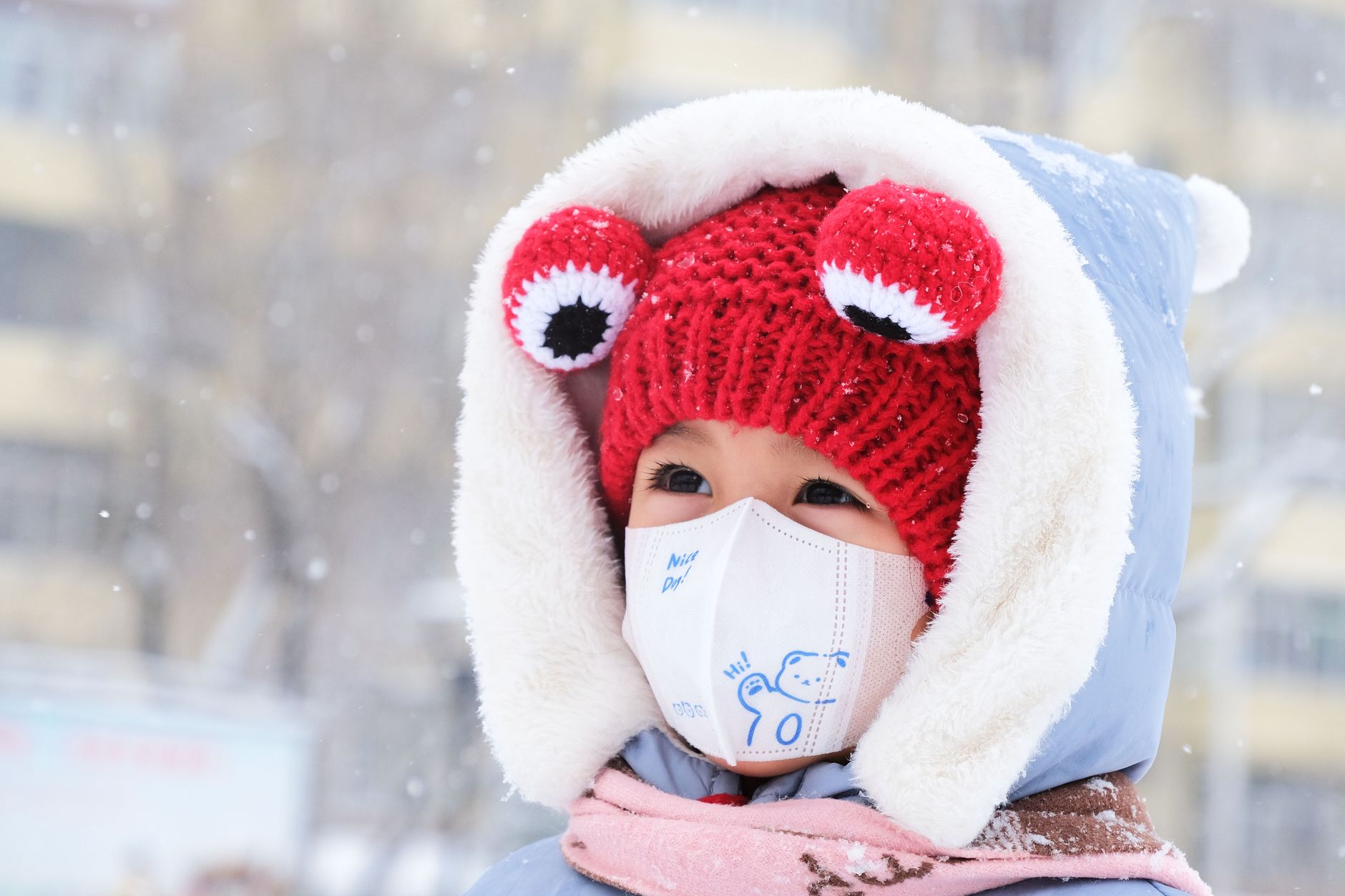
- Wear Protective Clothing: Cover your face with a scarf or a face mask when going outside in cold or windy conditions. This acts as a barrier against the elements.
- Avoid Harsh Soaps: Use mild, eczema-friendly soaps and cleansers. Harsh chemicals can strip your skin of its natural oils, making it more vulnerable to the cold and wind.
- Stay Hydrated: Drink plenty of water to keep your skin hydrated from the inside out.
By incorporating these steps into your daily routine, you can significantly reduce the impact of wind and cold on your facial eczema. Remember, the goal is to create a protective barrier for your skin, helping to maintain its health and reduce the likelihood of flare-ups.
In summary, the importance of protecting face eczema from wind and cold cannot be overstated. By understanding the risks and taking proactive steps, you can help manage your eczema more effectively and enjoy a better quality of life.
Effective Clothing Strategies for Wind and Cold Protection
Protecting face eczema from wind and cold is crucial to avoid painful flare-ups. The right clothing can make a significant difference. This section provides practical tips on how to choose and use clothing to protect face eczema.
Types of Clothing That Offer Protection
Choosing the right types of clothing can help protect face eczema from wind and cold. Here are some options:
- Scarfs and Masks: A scarf wrapped around the lower face and a mask can act as a barrier against cold air and wind. Look for soft, breathable fabrics like cotton or bamboo.
- Hoods and Beanies: Wearing a hood or beanie can protect your face from direct exposure to cold winds. Choose materials that are gentle on the skin, such as fleece or soft wool.
- Turbanes and Snoods: These can cover more of the face and neck, providing additional warmth and protection. Opt for hypoallergenic materials to avoid irritation.
- Moisture-Wicking Fabrics: Clothes that wick away moisture can help keep the skin dry, reducing the risk of eczema flare-ups. Synthetic fabrics like polyester or nylon are good options.
How to Layer Clothing Effectively
Layering is a key strategy for protecting face eczema from wind and cold. Here’s how to do it effectively:
- Base Layer: Start with a soft, breathable base layer made from materials like cotton or merino wool. This layer should be close to the skin and help wick away moisture.
- Middle Layer: Add an insulating layer, such as a fleece or wool sweater. This layer traps body heat and provides warmth.
- Outer Layer: Finish with a windproof and waterproof outer layer. This can be a jacket or a coat designed to block wind and rain. Look for materials like Gore-Tex or similar synthetic fabrics.
When layering, make sure each piece fits well and allows for movement. Tight clothing can cause friction, which may irritate eczema-prone skin.
Common Mistakes in Clothing Choices
Avoiding common mistakes in clothing choices can help protect face eczema more effectively:
- Avoiding Rough Fabrics: Stay away from rough or scratchy fabrics like coarse wool, which can irritate the skin. Opt for softer alternatives.
- Not Overdressing: While it’s important to stay warm, overdressing can cause you to sweat, which can lead to skin irritation. Layer appropriately to maintain a comfortable temperature.
- Ignoring Breathability: Non-breathable fabrics can trap heat and moisture, leading to skin irritation. Choose clothing that allows air circulation.
- Forgetting to Protect the Neck: The neck is often exposed and can be a common area for eczema flare-ups. Use scarves or high-neck garments to protect this area.
By being mindful of these common mistakes, you can better protect your face eczema from the harsh effects of wind and cold.
In summary, selecting the right types of clothing, layering effectively, and avoiding common mistakes can significantly help in protecting face eczema from wind and cold. These strategies not only provide physical protection but also help maintain skin comfort and reduce the likelihood of eczema flare-ups.
Choosing the Right Moisturizer for Face Eczema
When it comes to protecting face eczema from wind and cold, selecting the right moisturizer is crucial. The right product can help maintain your skin’s barrier function, reduce inflammation, and prevent flare-ups caused by harsh weather conditions.
Ingredients to Look for in Moisturizers
Not all moisturizers are created equal. For face eczema, especially during cold and windy weather, certain ingredients can make a significant difference:
- Ceramides: These lipids help restore the skin’s natural barrier, which is often compromised in eczema.
- Hyaluronic Acid: Known for its hydrating properties, it helps retain moisture in the skin.
- Glycerin: Another excellent humectant that draws moisture into the skin.
- Aloe Vera: Offers soothing and anti-inflammatory benefits.
- Colloidal Oatmeal: Provides relief from itching and helps to lock in moisture.
- Niacinamide: Reduces inflammation and strengthens the skin barrier.
Avoid products containing fragrances, dyes, and alcohol, as these can irritate eczema-prone skin.
How to Apply Moisturizers Correctly
Applying moisturizer correctly can enhance its effectiveness in protecting your face from wind and cold. Here are some practical steps:
- Cleanse Gently: Before applying moisturizer, wash your face with a gentle, fragrance-free cleanser. Pat your skin dry with a soft towel.
- Apply While Skin is Damp: Apply moisturizer while your skin is still slightly damp from washing. This helps lock in moisture.
- Use Enough Product: Don’t skimp on the amount. Apply a generous layer to ensure full coverage.
- Massage in Circular Motions: Gently massage the moisturizer into your skin using circular motions to aid absorption.
- Reapply as Needed: Depending on the weather and your skin’s needs, you may need to reapply moisturizer throughout the day.
Common Mistakes in Moisturizer Use
Even with the best products, certain mistakes can undermine their effectiveness:
- Using Too Little: Insufficient application means your skin won’t get the full benefits of the moisturizer.
- Choosing the Wrong Type: Some moisturizers are too lightweight for cold weather. Opt for richer, more occlusive types during winter.
- Neglecting Sun Protection: Even in cold weather, UV rays can exacerbate eczema. Look for moisturizers with SPF or apply sunscreen over your moisturizer.
- Ignoring Ingredients: Always check the ingredient list to avoid potential irritants.
- Not Reapplying: Moisturizer wears off over time. Regular reapplication is key to maintaining skin hydration.
By choosing the right moisturizer and applying it correctly, you can significantly improve your ability to protect face eczema from wind and cold. Remember, consistency is key. Regularly moisturizing your skin helps maintain its barrier function, reducing the likelihood of eczema flare-ups triggered by harsh weather conditions.
For those experiencing frequent eczema flare-ups, it may be helpful to keep a few different types of moisturizers on hand. For instance, a lighter lotion may suffice for milder days, while a thicker cream or ointment can offer more protection on extremely cold or windy days. Experimenting with different products can help you find what works best for your skin.
In addition to moisturizers, consider incorporating other protective measures into your routine. Wearing a scarf or face mask can provide an extra layer of defense against wind and cold. Look for materials that are soft and gentle on the skin, such as cotton or silk, to avoid irritation.
Lastly, stay mindful of your overall skin care routine. Avoid hot showers, which can strip the skin of its natural oils, and opt for lukewarm water instead. After washing, gently pat your skin dry rather than rubbing it, which can cause further irritation.
By taking these steps and choosing the right moisturizer, you can better manage facial eczema and reduce the impact of wind and cold on your skin. Remember, it’s all about finding what works best for you and maintaining a consistent routine.
Avoiding Harsh Weather Conditions
Protecting face eczema from wind and cold requires more than just applying moisturizers and wearing appropriate clothing. Reducing exposure to harsh weather conditions is a critical step in managing symptoms and preventing flare-ups. Here are some practical strategies to help you avoid the adverse effects of cold and windy weather on your facial eczema.
Planning Outdoor Activities
One effective way to protect face eczema from wind and cold is by carefully planning outdoor activities. Consider the following tips:
- Check the weather forecast: Before heading out, always check the weather forecast. If it’s going to be particularly windy or cold, try to reschedule or find an indoor alternative.
- Limit exposure time: If you must go out, try to limit your time in harsh conditions. The less time your skin is exposed to wind and cold, the lower the risk of flare-ups.
- Plan indoor activities: Engage in indoor hobbies or activities that keep you warm and protected. Reading, cooking, or practicing a musical instrument are great options.
For example, if you enjoy walking but the forecast predicts strong winds, consider switching to a treadmill workout at the gym instead. This small change can make a significant difference in managing your eczema.
Using Weather Apps for Forecasts
Weather apps are invaluable tools for anyone looking to protect face eczema from wind and cold. These apps provide real-time updates and detailed forecasts, helping you make informed decisions about when to venture outdoors.
- Real-time updates: Many weather apps offer live updates on wind speeds, temperature drops, and humidity levels. This information can help you decide whether it’s safe to go outside.
- Hourly forecasts: Check the hourly forecast to find the best time of day to be outdoors. Sometimes, the wind might die down in the late afternoon, making it a better time for a short walk.
- Alerts and notifications: Set up alerts for severe weather conditions. This way, you’ll be notified if a cold snap or strong winds are on the way, allowing you to plan accordingly.
Imagine you have a weather app that alerts you about a sudden drop in temperature or an increase in wind speed. You can quickly decide to postpone your outdoor plans or take extra precautions like applying a thicker moisturizer or wearing a scarf to cover your face.
Indoor Activities to Avoid Cold Exposure
When the weather outside is unforgiving, turning to indoor activities can be a lifesaver for those looking to protect face eczema from wind and cold. Here are some ideas to keep you entertained and safe:
- Home workouts: Engage in home workouts like yoga, Pilates, or strength training. These activities can be done in the comfort of your warm living room.
- Creative hobbies: Painting, drawing, or crafting are excellent ways to spend time indoors. These activities not only keep you warm but also provide a relaxing outlet for stress.
- Board games and puzzles: Gather family or friends for a game night. Board games and puzzles are fun and help pass the time without exposing your skin to harsh conditions.
- Cooking or baking: Try out new recipes or bake your favorite treats. The kitchen can be a warm, cozy place to spend a cold day.
- Reading and writing: Curl up with a good book or start a journal. Reading and writing are soothing activities that can be enjoyed in any warm corner of your home.
For instance, if you usually enjoy a morning jog but the weather is too cold, try switching to a home workout routine. Not only will you stay warm, but you’ll also get the exercise you need to maintain overall health.
By planning outdoor activities, using weather apps for forecasts, and engaging in indoor activities, you can significantly reduce your exposure to harsh weather conditions. These strategies are essential for anyone looking to protect face eczema from wind and cold, helping to prevent flare-ups and maintain healthier skin.
Establishing a Consistent Skincare Routine
Protecting face eczema from wind and cold requires more than just the right clothing and moisturizers. An effective skincare routine is essential. A well-structured skincare routine can help manage symptoms, reduce flare-ups, and maintain skin health. Here’s how to establish and maintain a consistent skincare routine tailored to face eczema, especially when dealing with wind and cold.
Steps of an Effective Skincare Routine
An effective skincare routine for face eczema involves several key steps. Each step is designed to cleanse, protect, and nourish the skin, ensuring it remains healthy and resilient against environmental triggers like wind and cold.
- Gentle Cleansing: Start with a mild, fragrance-free cleanser. Harsh soaps can strip the skin of its natural oils, exacerbating eczema. Look for products labeled “eczema-friendly” or “hypoallergenic.”
- Lukewarm Water: Use lukewarm water when cleansing. Hot water can dry out the skin, making eczema worse. Avoid long, hot showers as they can further dehydrate the skin.
- Pat Dry: After cleansing, gently pat your face dry with a soft towel. Avoid rubbing, as this can irritate the skin.
- Apply Moisturizer Immediately: Within three minutes of patting dry, apply a thick, fragrance-free moisturizer. This locks in moisture and creates a barrier against environmental irritants.
- Use a Barrier Cream: In cold weather, consider adding a barrier cream over your moisturizer. This extra layer can provide additional protection against wind and cold.
- Sun Protection: Even in winter, the sun’s rays can affect your skin. Use a broad-spectrum, physical sunscreen (like zinc oxide or titanium dioxide) to protect your face.
Importance of Consistency
Consistency is key when it comes to managing face eczema, especially in wind and cold conditions. Skipping steps or being irregular with your routine can lead to flare-ups. Here’s why consistency matters:
- Stable Skin Barrier: Regular moisturizing helps maintain a stable skin barrier, reducing the likelihood of eczema flare-ups.
- Predictable Skin Response: Consistent care allows your skin to respond predictably to your routine, making it easier to identify and address any issues.
- Reduced Irritation: By avoiding harsh products and maintaining a gentle routine, you minimize the risk of irritation and inflammation.
Common Mistakes in Skincare Routines
Even with the best intentions, mistakes in your skincare routine can undermine your efforts to protect face eczema from wind and cold. Here are some common pitfalls to avoid:
- Over-Cleansing: Washing your face too often can strip away natural oils, leading to dryness and irritation. Stick to twice daily – morning and night.
- Using Harsh Products: Avoid products with alcohol, fragrances, and dyes. These can irritate sensitive eczema-prone skin.
- Neglecting Moisturizer: Skipping moisturizer, even on days when your skin feels fine, can lead to dryness and increased sensitivity.
- Inconsistent Sun Protection: Failing to use sunscreen regularly can leave your skin vulnerable to UV damage, which can trigger eczema.
- Ignoring Weather Changes: Your skincare routine may need adjustments based on the weather. In colder months, you might need heavier moisturizers and additional barrier protection.
By establishing and maintaining a consistent skincare routine, you create a strong foundation for protecting your face eczema from the challenges posed by wind and cold. Remember, the goal is to keep your skin hydrated, protected, and resilient. This proactive approach can significantly reduce the frequency and severity of eczema flare-ups, allowing you to enjoy clearer, more comfortable skin even in harsh weather conditions.
Natural Remedies to Complement Protection
While protecting face eczema from wind and cold is essential, natural remedies can provide additional support in managing symptoms. These remedies can complement your protective strategies, offering relief and promoting skin health. However, it’s crucial to understand their effectiveness and limitations.
Effective Natural Remedies
Several natural remedies have shown promise in supporting face eczema care. Here are a few you might consider:
- Aloe Vera: Known for its soothing properties, aloe vera can help calm irritated skin. Apply a small amount of pure aloe vera gel to affected areas.
- Coconut Oil: This natural moisturizer can help hydrate the skin. Use virgin coconut oil for its purest form.
- Oatmeal Baths: Colloidal oatmeal can be added to bathwater to soothe itchy skin. Soak for about 15 minutes.
- Chamomile: As an anti-inflammatory, chamomile can be used in a compress to reduce redness and irritation.
- Honey: With its antibacterial properties, honey can be applied topically to help heal minor skin breaks.
How to Incorporate Them into Your Routine
Incorporating natural remedies into your routine requires a bit of planning. Here’s how you can do it effectively:
- Patch Test: Before applying any new remedy, perform a patch test. Apply a small amount to a discreet area of your skin and wait 24 hours to ensure there’s no adverse reaction.
- Consistency: Use these remedies consistently but in moderation. Overuse can sometimes lead to further irritation.
- Combination Approach: Combine natural remedies with your existing skincare routine. For example, apply aloe vera after moisturizing with a recommended eczema cream.
- Timing: Apply remedies at times when your skin is most receptive. For instance, use coconut oil after a warm bath when your skin is slightly damp.
Limitations of Natural Remedies
While natural remedies can be beneficial, they have limitations:
- Not a Replacement: Natural remedies should not replace prescribed medications or professional advice. They are complementary, not alternative, treatments.
- Variable Effectiveness: The effectiveness of natural remedies can vary from person to person. What works for one individual may not work for another.
- Potential Allergies: Some people may be allergic to certain natural ingredients. Always perform a patch test first.
- Limited Research: While many natural remedies have anecdotal support, scientific research on their efficacy for eczema is often limited.
In summary, natural remedies can be a valuable addition to your strategy to protect face eczema from wind and cold. They offer a way to enhance your skincare routine naturally. However, it’s important to use them cautiously and in conjunction with other protective measures and professional advice.

When to Seek Professional Advice
Signs that Indicate a Need for Professional Help
If you’re experiencing persistent face eczema that doesn’t seem to improve despite your best efforts to protect your skin from wind and cold, it may be time to seek professional advice. Here are some signs that indicate you should consult a dermatologist:
- Severe Symptoms: If your eczema is causing intense itching, pain, or significant discomfort, professional help is essential.
- Frequent Flare-Ups: If you’re experiencing frequent eczema flare-ups, especially in cold weather, a dermatologist can provide tailored management strategies.
- Skin Infections: If your eczema is accompanied by signs of infection, such as increased redness, swelling, warmth, or pus, seek medical attention promptly.
- No Improvement: If you’ve been diligently following a skincare routine and using recommended products but see no improvement, a dermatologist can offer further guidance.
- Impact on Daily Life: If your face eczema is affecting your daily activities, sleep, or emotional well-being, professional help can make a significant difference.
What to Expect During a Dermatologist Visit
When you visit a dermatologist for face eczema, you can expect a thorough evaluation and personalized recommendations. Here’s what typically happens during a dermatologist visit:
- Medical History: The dermatologist will ask about your medical history, including any previous treatments you’ve tried and your eczema triggers.
- Skin Examination: A detailed examination of your skin will be conducted to assess the severity and extent of your eczema.
- Discussion of Symptoms: You’ll have the opportunity to discuss your symptoms, concerns, and how eczema affects your daily life.
- Diagnosis Confirmation: The dermatologist will confirm the diagnosis of eczema and rule out other skin conditions that may mimic eczema.
- Treatment Plan: Based on your specific needs, the dermatologist will create a customized treatment plan, which may include prescription medications, lifestyle adjustments, and skincare recommendations.
Common Treatments Recommended by Professionals
Dermatologists have a range of treatments at their disposal to help manage face eczema effectively. Here are some common treatments they may recommend:
- Topical Corticosteroids: These are often prescribed to reduce inflammation and itching. They come in various strengths, and your dermatologist will choose the appropriate one for your condition.
- Topical Calcineurin Inhibitors: These medications help modulate the immune response in the skin and are especially useful for sensitive areas like the face.
- Moisturizers: Prescription-strength moisturizers may be recommended to enhance the skin’s barrier function and lock in moisture.
- Antibiotics: If there’s a secondary bacterial infection, antibiotics may be prescribed to clear the infection.
- Phototherapy: In some cases, controlled exposure to ultraviolet light under medical supervision can help improve eczema symptoms.
- Immunomodulatory Drugs: For severe eczema that doesn’t respond to other treatments, systemic medications that modulate the immune system may be considered.
It’s important to remember that the choice of treatment will depend on the severity of your eczema, your individual needs, and your dermatologist’s assessment. Always follow your dermatologist’s recommendations and attend follow-up appointments to monitor your progress and make any necessary adjustments to your treatment plan.
In conclusion, seeking professional advice is a crucial step in effectively managing face eczema, especially when it’s exacerbated by wind and cold. Dermatologists are trained to provide personalized care and can offer treatments and strategies that go beyond over-the-counter options, helping you achieve better control over your eczema symptoms and improve your overall quality of life.
Real-Life Case Studies
Exploring real-life examples of individuals who have successfully managed their face eczema in cold weather can provide valuable insights and practical tips. This section highlights success stories, lessons learned, and actionable advice from those who have navigated the challenges of protecting face eczema from wind and cold.
Success Stories
One inspiring story comes from Jane, a 34-year-old teacher who struggled with severe facial eczema. During the winter months, her condition would worsen, leading to painful flare-ups. After consulting with a dermatologist and experimenting with various strategies, Jane found a combination that worked for her.
Jane started by incorporating a thick, fragrance-free moisturizer into her daily routine. She applied it generously after washing her face and before going out in the cold. To protect her skin from the wind, she wore a silk scarf around her face, leaving only her eyes exposed. This method helped to create a barrier against the cold air while keeping her skin hydrated.
Another success story is that of Mark, a 28-year-old software developer. Mark experienced frequent windburn and eczema flare-ups during the winter. He found relief by using a humidifier in his home to maintain indoor humidity levels. Additionally, Mark wore a wide-brimmed hat to shield his face from the wind and cold. He also avoided harsh soaps and opted for gentle, eczema-friendly cleansers.
Lessons Learned
From these success stories, several key lessons emerge that can help others protect their face eczema from wind and cold:
- Consistency is crucial: Both Jane and Mark emphasized the importance of maintaining a consistent skincare routine. Regular application of moisturizers and protective measures can significantly reduce the frequency and severity of eczema flare-ups.
- Layering is effective: Using multiple layers of protection, such as a silk scarf and a wide-brimmed hat, can create a more effective barrier against the elements.
- Indoor humidity matters: Keeping indoor environments humidified can prevent skin from becoming too dry, which is a common trigger for eczema flare-ups.
- Gentle care is essential: Avoiding harsh soaps and cleansers and opting for gentle, eczema-friendly products can help maintain the skin’s natural barrier.
Practical Tips from Case Studies
Drawing from the experiences of Jane, Mark, and others, here are some practical tips to help protect face eczema from wind and cold:
- Use a thick moisturizer: Apply a fragrance-free, thick moisturizer to your face after washing and before going outside. This creates a protective layer that helps retain moisture.
- Wear protective clothing: Use silk scarves, wide-brimmed hats, and face masks to shield your face from the wind and cold. These items can help reduce windburn and keep your skin protected.
- Maintain indoor humidity: Use a humidifier in your home to keep the air moist. This can prevent your skin from drying out, which is a common trigger for eczema.
- Choose gentle cleansers: Opt for mild, fragrance-free cleansers that won’t strip your skin of its natural oils. This can help maintain the skin’s barrier function and reduce irritation.
- Avoid triggers: Identify and avoid triggers that worsen your eczema. Common triggers include cold weather, wind, and certain skincare products. Keeping a journal can help you pinpoint what exacerbates your symptoms.
- Stay hydrated: Drink plenty of water to keep your skin hydrated from the inside out. Hydrated skin is more resilient to environmental stressors.
- Consult a dermatologist: If your eczema is severe or doesn’t improve with home care, seek professional advice. A dermatologist can provide personalized recommendations and treatments to manage your condition.
By learning from these real-life case studies and implementing practical tips, you can better protect your face eczema from the challenges posed by wind and cold weather. Consistency, gentle care, and protective measures are key to managing eczema and enjoying a more comfortable winter season.
The Future of Eczema Protection
As we continue to explore ways to protect face eczema from wind and cold, ongoing research and emerging technologies promise to bring new hope and solutions. Understanding current research trends, potential future treatments, and how these advancements can benefit patients is crucial for anyone dealing with facial eczema.
Current Research Trends
Researchers are delving deeper into the complexities of eczema, particularly how environmental factors like wind and cold exacerbate symptoms. Studies are focusing on:
- Microbiome Studies: Investigating the skin’s microbiome and its role in eczema flare-ups. Understanding how cold weather affects the skin’s microbial balance can lead to more targeted treatments.
- Genetic Research: Exploring the genetic components of eczema to develop personalized treatment plans. This could mean more effective ways to protect face eczema based on individual genetic profiles.
- Advanced Moisturizers: Developing new formulations that better protect the skin barrier against environmental stressors. These could include ingredients that adapt to changing weather conditions.
Potential Future Treatments
The horizon of eczema treatment is expanding with several promising avenues:
- Biologics: These are medications that target specific parts of the immune system. While currently used for severe cases, future research may make them more accessible for a broader range of patients, offering relief from severe cold weather eczema.
- Topical Gene Therapy: An emerging field where topical applications could correct genetic mutations linked to eczema. This could revolutionize how we manage and protect face eczema.
- Wearable Tech: Devices that monitor skin conditions and environmental factors in real-time. These could alert users to impending flare-ups, allowing for proactive measures to protect face eczema from wind and cold.
How Advancements Can Benefit Patients
The potential benefits of these advancements are vast:
- Reduced Flare-Ups: With more effective treatments and preventive measures, patients may experience fewer and less severe eczema flare-ups, especially during harsh weather conditions.
- Improved Quality of Life: Better management of eczema can lead to improved mental and emotional well-being, reducing the stress and anxiety often associated with chronic skin conditions.
- Personalized Care: Future treatments may offer more personalized approaches, considering individual genetic and environmental factors, leading to more effective facial eczema care.
While these advancements are exciting, it’s important to approach them with cautious optimism. Research takes time, and what works in studies may not immediately translate to everyday use. However, staying informed about these developments can empower patients to make more educated decisions about their eczema management.
In the meantime, continuing to follow established practices like using appropriate moisturizers, avoiding harsh weather conditions, and maintaining a consistent skincare routine remains crucial. As research progresses, integrating new findings into these practices will be key to effectively protect face eczema from wind and cold.
Frequently asked questions
What are the best types of clothing to protect face eczema from wind and cold?
For protecting face eczema from wind and cold, it’s important to choose clothing that provides a barrier against harsh weather conditions. Look for scarves made from soft, breathable materials like cotton or silk to avoid irritation. Ensure the scarf covers your face adequately without being too tight. Layering with a warm, moisture-wicking base layer under a windproof outer layer can also help maintain a stable skin temperature and reduce exposure to cold air.
When selecting clothing, opt for items that are gentle on the skin and do not contain rough seams or tags that could exacerbate eczema symptoms. Wearing a hat can further protect your face by shielding it from direct wind and cold. Remember to change out of wet or damp clothing immediately to keep your skin dry and warm.
How often should I apply moisturizer to my face if I have eczema?
Moisturizing is crucial for managing face eczema, especially in windy and cold conditions. Apply a gentle, fragrance-free moisturizer to your face at least twice a day—once in the morning and once before bedtime. If you’re exposed to wind and cold throughout the day, consider carrying a small container of moisturizer to reapply as needed.
Choose a moisturizer that is specifically formulated for sensitive skin and contains ingredients like ceramides, which help restore the skin’s natural barrier. Applying moisturizer immediately after washing your face or after being outdoors can lock in moisture and protect your skin from environmental irritants.
Can natural remedies alone protect my face eczema from wind and cold?
While natural remedies can be beneficial for soothing eczema symptoms, they should not be relied upon as the sole method to protect face eczema from wind and cold. Natural ingredients like aloe vera, coconut oil, and oatmeal can help moisturize and calm irritated skin, but they may not provide sufficient protection against harsh weather conditions.
It’s important to use natural remedies in conjunction with other protective measures, such as wearing appropriate clothing and applying a high-quality moisturizer. Consult with a healthcare professional before starting any new treatment to ensure it’s suitable for your skin type and eczema severity.
What should I do if my face eczema worsens despite taking precautions?
If your face eczema worsens despite taking precautions to protect it from wind and cold, it’s important to seek professional help. Contact a healthcare provider who can assess your symptoms and recommend appropriate treatments. In the meantime, continue to follow your skincare routine and avoid any known triggers that may exacerbate your eczema.
Keep a record of your symptoms and any changes in your environment or routine, as this information can be helpful for your healthcare provider in determining the best course of action. Remember, persistent or severe eczema symptoms should be evaluated by a professional to ensure proper management.
Are there any specific ingredients I should avoid in moisturizers for face eczema?
When choosing moisturizers for face eczema, it’s important to avoid ingredients that can irritate the skin or cause allergic reactions. Common irritants and allergens to look out for include fragrances, dyes, parabens, and alcohol. These ingredients can exacerbate eczema symptoms and lead to further skin irritation.
Opt for moisturizers that are labeled as “fragrance-free,” “hypoallergenic,” or “for sensitive skin.” Ingredients like ceramides, hyaluronic acid, and glycerin are generally well-tolerated and can help strengthen the skin’s barrier and retain moisture. Always perform a patch test before using a new product to ensure it doesn’t cause a reaction.
How can I protect my face eczema during outdoor winter activities?
Protecting face eczema during outdoor winter activities requires a combination of proper clothing and skincare. Wear a warm, breathable scarf that covers your face and neck to shield it from cold air and wind. Choose a scarf made from soft materials to minimize irritation.
Before heading outdoors, apply a thick layer of moisturizer to your face to create a protective barrier. Consider using a balm or ointment specifically designed for eczema, which can provide longer-lasting hydration. After returning indoors, gently cleanse your face and reapply moisturizer to maintain hydration and protect your skin.
This article is for educational purposes only and is not medical advice. If symptoms are severe, spreading, painful, infected-looking, or affecting sleep and daily life, speak with a qualified healthcare professional.
Sources and further reading
For medical guidance, always rely on a qualified healthcare professional. These educational resources may help readers learn more:
Image credit: Photo by https://kaboompics.com/ on Pexels. Used under the Pexels License.
Image credit: Photo by きょく よう on Pexels. Used under the Pexels License.
Image credit: Photo by Anna Shvets on Pexels. Used under the Pexels License.