
MyEczema.app guide
How to Discuss Eyelid Eczema with Your Doctor
Learn how to effectively talk to your doctor about eyelid eczema, including symptoms, diagnosis, and treatment options.

Table of contents
Use this guide as a practical reference and jump to the sections most relevant to you.
- Quick answer
- Key takeaways
- Practical comparison table
- Visual chart
- Related MyEczema.app tool
- Preparing for Your Doctor’s Visit
- Symptoms to Discuss with Your Doctor
- Understanding the Diagnosis Process
- Exploring Treatment Options for Eyelid Eczema
- Lifestyle Changes to Manage Eyelid Eczema
- The Importance of Follow-Up Appointments
- Effective Communication with Your Doctor
- Adjusting your routine when symptoms change
- Real Patient Stories: Managing Eyelid Eczema
- The Future of Eyelid Eczema Research
- Frequently asked questions
- Sources and further reading
Eyelid eczema can be a particularly challenging and uncomfortable condition to manage. This delicate area of skin is prone to irritation and inflammation, making it essential to seek professional medical advice. Discussing eyelid eczema with your doctor effectively can lead to better management and relief of symptoms. This article will guide you through the process of preparing for and having a productive conversation with your healthcare provider about eyelid eczema.
Eczema-prone skin, including the eyelids, can be affected by various factors such as skin barrier disruption, irritants, climate, cleansing habits, allergens, and individual triggers. Understanding these factors can help you communicate more effectively with your doctor about your specific situation. While there is no one-size-fits-all approach to managing eyelid eczema, a tailored treatment plan based on your unique symptoms and triggers can make a significant difference.
When it comes to eyelid eczema, preparation is key. By gathering specific details about your symptoms, triggers, and any previous treatments you’ve tried, you can help your doctor make a more accurate diagnosis and recommend the most effective management strategies. This article will provide you with practical tips and questions to consider before your appointment, ensuring that you make the most of your time with your healthcare provider.
Quick answer
Prepare specific questions and details about your symptoms to discuss with your doctor for effective eyelid eczema management.
Key takeaways
- Preparation is key when discussing eyelid eczema with your doctor.
- Be specific about your symptoms and any triggers you’ve noticed.
- Ask about diagnosis methods, treatment options, and lifestyle changes.
- Follow your doctor’s advice for managing eyelid eczema.
- Regular follow-ups are important for monitoring your condition.
Eyelid Eczema Management Tips
| Situation | What it may mean | Practical next step |
|---|---|---|
| Experiencing severe itching | Possible flare-up or trigger exposure | Apply prescribed medication and avoid known triggers |
| Redness and swelling around the eyelids | Inflammation due to eczema | Use a cool compress and consult your doctor |
| Crusting or scaling on the eyelids | Dryness or infection | Gently clean the area and apply moisturizer |
| Eyelid skin feels tight or painful | Severe inflammation or infection | Seek immediate medical attention |
| No improvement after using prescribed treatments | Possible need for a different treatment approach | Schedule a follow-up appointment with your doctor |
Effectiveness of Eyelid Eczema Treatments
This visual is an educational guide, not a diagnostic score. Use it to decide what may be worth tracking more consistently for this specific topic.
Topical corticosteroids
Highly effective for reducing inflammation
Moisturizers
Helps maintain skin hydration
Antihistamines
Reduces itching and allergic reactions
Avoiding triggers
Prevents flare-ups by minimizing exposure to irritants
Stress management
Reduces stress-related flare-ups
Related MyEczema.app tool
Use the Daily Trigger Tracker
The Daily Trigger Tracker helps users record symptoms, possible triggers, skin routine, photos, notes, and trends over time.
For this topic, this tool can help you organize information in a more structured way and turn daily observations into clearer patterns to review over time.
Preparing for Your Doctor’s Visit
Discussing eyelid eczema with your doctor can be a crucial step in managing your condition effectively. Proper preparation before your visit can help ensure that you make the most of your time with the healthcare provider. Here’s how you can prepare for a productive consultation about your eyelid eczema.
List of Questions to Ask
Having a list of questions ready can help you cover all the important topics during your visit. Here are some questions you might consider asking your doctor:
- What is the exact diagnosis of my eyelid condition? Understanding whether it’s eczema, dermatitis, or another condition is crucial.
- What are the common triggers for eyelid eczema? Identifying triggers can help you avoid them and prevent flare-ups.
- What treatments are available for eyelid eczema? Knowing your options can help you choose the best course of action.
- Are there any lifestyle changes I should make to manage my condition? Simple changes can sometimes make a big difference.
- How can I prevent future flare-ups? Prevention strategies are key to long-term management.
- What should I do if my symptoms worsen? Having a plan for worsening symptoms can provide peace of mind.
- Are there any side effects associated with the treatments you recommend? Being aware of potential side effects can help you make informed decisions.
Symptom Diary
Keeping a symptom diary can be incredibly helpful. This diary should include detailed notes about your symptoms, when they occur, and any potential triggers. Here’s what to include:
- Date and time of symptoms: Note when you experience symptoms.
- Description of symptoms: Describe the symptoms in detail (e.g., itching, redness, swelling).
- Possible triggers: Record any activities, products, or environmental factors that might have triggered the symptoms.
- Duration of symptoms: Note how long the symptoms last.
- Severity: Rate the severity of your symptoms on a scale of 1 to 10.
- Treatments used: Document any treatments you’ve tried and their effectiveness.
Bringing this diary to your appointment can provide your doctor with valuable insights into your condition.
Common Mistakes in Preparation
While preparing for your doctor’s visit, it’s important to avoid some common mistakes that can hinder effective communication and treatment:
- Assuming a self-diagnosis: Don’t assume you know the exact cause or diagnosis of your eyelid eczema. Let the doctor make the final determination.
- Not keeping a detailed record: Failing to keep a symptom diary can make it difficult for your doctor to understand your condition fully.
- Not asking questions: If you have questions, don’t hesitate to ask them. Clarity is crucial for effective management.
- Skipping previous treatments: Don’t forget to mention any treatments you’ve tried in the past, even if they didn’t work. This information can help your doctor avoid recommending ineffective options.
- Underestimating the importance of lifestyle factors: Don’t overlook the impact of lifestyle changes. Discuss any changes you’ve made or are willing to make to manage your condition.
- Ignoring emotional well-being: Eyelid eczema can affect your emotional health. Be open about any stress or anxiety related to your condition.
By preparing thoroughly and avoiding these common mistakes, you can have a more productive and informative discussion with your doctor about your eyelid eczema. This preparation can lead to a more accurate diagnosis, effective treatment plan, and better overall management of your condition.
Symptoms to Discuss with Your Doctor
When you visit your doctor about eyelid eczema, providing detailed information about your symptoms can significantly improve the diagnosis and management of your condition. Eyelid eczema, also known as eyelid dermatitis, can manifest in various ways, and accurately describing these symptoms is crucial for effective treatment.
Common Eyelid Eczema Symptoms
Eyelid eczema symptoms can vary from person to person, but some common signs to look out for include:
- Itching: Persistent itching is one of the hallmark symptoms of eyelid eczema. It can be mild or severe and often worsens at night.
- Redness: The skin around the eyelids may appear red and inflamed. This can be more noticeable in individuals with lighter skin tones.
- Swelling: Swelling of the eyelids is common and can make the eyes appear puffy.
- Dryness: The skin may feel dry, rough, and scaly. In some cases, it can crack and bleed.
- Flaking: You might notice white or yellowish flakes on your eyelids, similar to dandruff.
- Crusting: Crusts may form on the eyelids, especially after sleeping.
- Burning or Stinging: Some people experience a burning or stinging sensation in the affected areas.
How to Describe Symptoms Accurately
To help your doctor understand the extent and nature of your eyelid eczema, it’s important to describe your symptoms as accurately as possible. Here are some tips:
- Use Specific Language: Instead of saying “my eyelids are bad,” try to be more specific. For example, “my eyelids are intensely itchy, red, and swollen.”
- Note the Severity: Indicate how severe your symptoms are. For instance, “the itching is so severe that it wakes me up at night.”
- Mention the Duration: Let your doctor know how long you’ve been experiencing these symptoms. “I’ve had these symptoms for about three weeks.”
- Describe Any Changes: If your symptoms have changed over time, make sure to mention that. “The redness has gotten worse, and now there’s some flaking as well.”
- Include Any Triggers: If you’ve noticed anything that seems to make your symptoms worse, share that information. “My symptoms seem to flare up after I use a certain skincare product.”
Importance of Symptom Tracking
Keeping a detailed record of your symptoms can be incredibly helpful. This practice, known as symptom tracking, allows you to:
- Identify Patterns: By noting when and how often your symptoms occur, you might identify patterns or triggers. For example, you might notice that your symptoms worsen after using a specific makeup or during certain seasons.
- Monitor Progress: Tracking your symptoms over time helps you and your doctor see if treatments are working. “Since I started using the prescribed cream, the itching has decreased by about 50%.”
- Communicate Effectively: Having a record of your symptoms makes it easier to discuss your condition with your doctor. You can provide specific examples and changes over time, which aids in a more accurate diagnosis and treatment plan.
To start tracking your symptoms, consider using a journal or a smartphone app designed for health tracking. Note the date, time, severity of symptoms, any triggers you suspect, and any treatments you’ve tried. This information will be invaluable during your doctor’s visit.
Real-Life Example
Imagine you’ve been experiencing itchy, red, and swollen eyelids for a few weeks. You decide to visit your doctor. Here’s how you might describe your symptoms:
“Doctor, I’ve noticed that my eyelids have been itchy, red, and swollen for about three weeks now. The itching is constant and often keeps me awake at night. The redness is most noticeable in the morning, and there’s some flaking as well. I’ve tried using a gentle moisturizer, but it doesn’t seem to help. Interestingly, the symptoms seem to worsen after I use my regular facial cream.”
By providing this detailed description, you give your doctor a clear picture of your condition, which can lead to a more accurate diagnosis and appropriate treatment plan.
Decision Points
When discussing your symptoms, consider these decision points:
- Is the Itching Constant or Intermittent? This can help your doctor understand the severity and possible triggers.
- Have You Noticed Any Changes in Your Symptoms Over Time? Mentioning improvements or worsening can guide treatment adjustments.
- Are There Any Specific Triggers You Suspect? Identifying potential triggers can help in avoiding them and managing your condition better.
Accurately discussing your symptoms with your doctor is a crucial step in managing eyelid eczema effectively. By providing detailed and specific information, you can help your doctor make informed decisions about your treatment.
Understanding the Diagnosis Process
When you visit a doctor for eyelid eczema, understanding the diagnosis process can help you feel more at ease and prepared. Diagnosing eyelid eczema involves several steps, including diagnostic methods, patch testing, and reviewing your medical history. Let’s break down each part to give you a clearer picture.
Diagnostic Methods
Doctors use various methods to diagnose eyelid eczema. The first step usually involves a thorough physical examination. The doctor will look closely at your eyelids, noting any redness, swelling, or scaling. They will also check for other symptoms such as itching or oozing.
In some cases, your doctor may take a skin sample, known as a skin biopsy, to rule out other conditions. This involves removing a small piece of skin for laboratory analysis. While this sounds intimidating, it is a routine procedure that can provide valuable information.
Another common method is to perform a skin culture. This involves swabbing the affected area to check for bacterial or fungal infections, which can sometimes mimic the symptoms of eyelid eczema.
Importance of Patch Testing
Patch testing is a crucial step in diagnosing eyelid eczema, especially if contact dermatitis is suspected. During patch testing, small amounts of potential allergens are applied to your skin, usually on your back, and covered with patches. After 48 hours, the patches are removed, and your skin is examined for any reactions.
This test helps identify specific triggers that may be causing your eyelid eczema. Common allergens include metals like nickel, fragrances, and preservatives found in skincare products. Knowing your triggers can significantly help in managing your condition.
For example, if the patch test reveals that you are allergic to a certain fragrance, you can avoid products containing that ingredient. This proactive approach can prevent future flare-ups and make your eyelid eczema more manageable.
Role of Medical History
Your medical history plays a significant role in diagnosing eyelid eczema. During your visit, your doctor will ask about your symptoms, when they started, and any factors that seem to worsen or improve them. They will also inquire about your family history of eczema or other skin conditions.
It’s important to provide detailed information about your lifestyle, including your diet, stress levels, and any recent changes in your skincare routine. For instance, if you started using a new moisturizer or switched to a different brand of makeup, this could be a trigger for your eyelid eczema.
Additionally, your doctor may ask about other health conditions you have, such as asthma or hay fever, as these can be linked to eczema. Understanding your overall health gives your doctor a comprehensive view, aiding in a more accurate diagnosis.
Practical Steps for Diagnosis
To make the diagnosis process smoother, here are some practical steps you can take:
- Keep a Symptom Diary: Note down when your symptoms occur, how severe they are, and any potential triggers. This can provide valuable insights for your doctor.
- List Your Products: Make a list of all the skincare and makeup products you use. This can help identify potential allergens.
- Be Honest About Your Habits: Share details about your daily routine, including any habits that might affect your skin, like frequent eye rubbing.
- Ask Questions: Don’t hesitate to ask your doctor about anything you’re unsure about. Understanding the diagnosis process can empower you to take an active role in managing your eyelid eczema.
By understanding the steps involved in diagnosing eyelid eczema, you can better prepare for your doctor’s visit and contribute to a more accurate and effective diagnosis. This, in turn, will help you manage your condition more effectively and improve your quality of life.
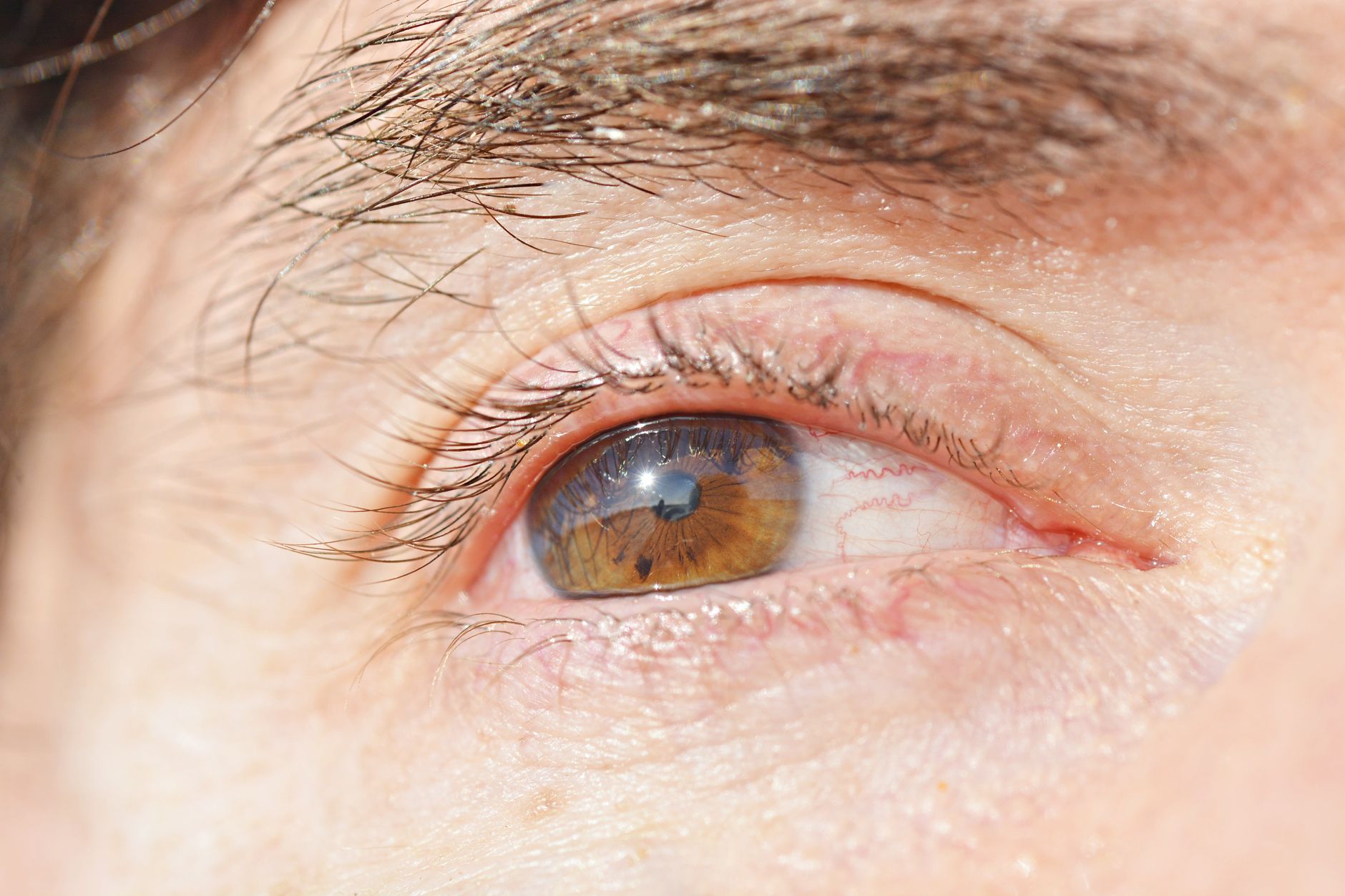
Exploring Treatment Options for Eyelid Eczema
When it comes to managing eyelid eczema, understanding the treatment options is crucial. The delicate skin around the eyes requires careful and specific care. Let’s explore the various treatment options available, ensuring you have the knowledge to discuss these with your doctor effectively.
Topical Treatments
Topical treatments are often the first line of defense against eyelid eczema. These are applied directly to the affected area and can include:
- Corticosteroids: These are anti-inflammatory medications that can reduce redness, itching, and swelling. They come in various strengths, and your doctor will prescribe the appropriate one for your condition. It’s important to use them as directed to avoid potential side effects.
- Calcineurin inhibitors: Medications like tacrolimus and pimecrolimus are non-steroidal options that can be effective for eyelid eczema. They work by suppressing the immune system’s response that causes inflammation.
- Moisturizers: Keeping the skin hydrated is essential. Look for fragrance-free, hypoallergenic moisturizers that can help soothe and protect the delicate skin around your eyes.
For example, if you experience frequent flare-ups, your doctor might recommend a mild corticosteroid cream for short-term use combined with a daily moisturizer to maintain skin health.
Oral Medications
In some cases, topical treatments may not be sufficient, and oral medications might be necessary. These can include:
- Antihistamines: These can help reduce itching and are often used for allergic reactions that might exacerbate eyelid eczema.
- Antibiotics: If there is a secondary bacterial infection, your doctor might prescribe antibiotics to clear it up.
- Immunosuppressants: For severe cases, medications that suppress the immune system might be prescribed. These are usually reserved for more persistent and severe eczema that doesn’t respond to other treatments.
It’s important to discuss the potential side effects and benefits of these medications with your doctor. For instance, long-term use of immunosuppressants requires careful monitoring due to their impact on the immune system.
Alternative Therapies
Some people find relief through alternative therapies, which can be used alongside conventional treatments. These include:
- Wet Wrap Therapy: This involves applying moisturizers or medicated creams and then covering the area with a damp bandage. It can help soothe severe flare-ups.
- Acupuncture: Some individuals report reduced symptoms after acupuncture sessions, though scientific evidence is limited.
- Dietary Changes: Identifying and avoiding certain food triggers can help manage eczema symptoms. Common triggers include dairy, gluten, and nuts.
For example, if you notice that your eyelid eczema worsens after consuming dairy, you might consider eliminating dairy from your diet and observing any changes in your symptoms.
When discussing alternative therapies with your doctor, it’s important to approach the conversation with an open mind but also a critical eye. Ensure that any alternative treatment you consider is safe and won’t interfere with your prescribed medications.
In conclusion, exploring treatment options for eyelid eczema requires a tailored approach. What works for one person might not work for another, so it’s essential to have an open and honest discussion with your doctor about your symptoms, lifestyle, and preferences. Together, you can develop a treatment plan that addresses your specific needs and helps manage your eyelid eczema effectively.
Lifestyle Changes to Manage Eyelid Eczema
Managing eyelid eczema effectively often requires more than just medical treatment. Lifestyle changes play a crucial role in preventing flare-ups and maintaining long-term control. This section will explore practical lifestyle adjustments that can help you manage eyelid eczema more effectively. These changes include diet modifications, stress management techniques, and avoiding triggers.
Diet Modifications
Although the relationship between diet and eczema is complex and varies from person to person, certain dietary changes may help manage eyelid eczema symptoms.
- Identifying Food Triggers: Some individuals find that specific foods trigger their eczema. Common culprits include dairy, eggs, nuts, and gluten. Keeping a food diary can help you identify any potential triggers. Note down everything you eat and any subsequent changes in your eczema symptoms.
- Incorporating Anti-Inflammatory Foods: Foods rich in omega-3 fatty acids, such as salmon, flaxseeds, and walnuts, may help reduce inflammation. Additionally, incorporating fruits and vegetables high in antioxidants, like berries and leafy greens, can support overall skin health.
- Hydration: Drinking plenty of water is essential for maintaining skin hydration. Dehydration can exacerbate eczema symptoms, so aim to drink at least eight glasses of water a day.
It’s important to approach diet modifications with caution. Consult with a healthcare professional or a registered dietitian before making significant changes to your diet, especially if you have other health conditions or allergies.
Stress Management Techniques
Stress is a well-known trigger for eczema flare-ups, including eyelid eczema. Incorporating stress management techniques into your daily routine can help reduce the frequency and severity of symptoms.
- Mindfulness and Meditation: Practicing mindfulness or meditation can help you manage stress more effectively. Even a few minutes of meditation each day can make a significant difference. Apps like Headspace or Calm offer guided meditations that can be particularly helpful.
- Regular Exercise: Physical activity is a great way to reduce stress. Activities like yoga, walking, or swimming can help you relax and improve your overall well-being. Choose an exercise that you enjoy and can stick with consistently.
- Adequate Sleep: Ensure you get enough restful sleep each night. Poor sleep can exacerbate stress and trigger eczema flare-ups. Establish a regular sleep routine and create a relaxing bedtime environment.
Incorporating these stress management techniques into your daily life can help you better control your eyelid eczema and improve your overall quality of life.
Avoiding Triggers
Identifying and avoiding triggers is a critical component of managing eyelid eczema. Triggers can vary widely from person to person, but some common ones include certain fabrics, soaps, and environmental factors.
- Fabrics: Avoid rough or scratchy fabrics that can irritate your skin. Opt for soft, breathable materials like cotton. If you wear makeup, choose products labeled as “hypoallergenic” or “fragrance-free.”
- Cleansers and Soaps: Use gentle, fragrance-free cleansers and soaps. Harsh chemicals can strip the skin of its natural oils, leading to irritation and flare-ups. Look for products specifically designed for sensitive skin.
- Environmental Factors: Be mindful of your environment. Avoid exposure to extreme temperatures and low humidity, which can dry out your skin. Using a humidifier in your home can help maintain optimal moisture levels.
Keeping a detailed journal of your activities, products used, and any resulting symptoms can help you pinpoint specific triggers. Share this information with your doctor during your visits to develop a more tailored management plan.
By making these lifestyle changes, you can take a proactive approach to managing your eyelid eczema. Remember, everyone’s experience with eczema is unique, so it may take some trial and error to find what works best for you. Always consult with your healthcare provider before making significant changes to your routine.
The Importance of Follow-Up Appointments
After your initial visit to discuss eyelid eczema, follow-up appointments play a critical role in managing your condition. These appointments allow you and your doctor to monitor progress, adjust treatment plans, and report any new symptoms that may arise.
Monitoring Progress
During follow-up visits, your doctor will assess the effectiveness of the current treatment plan. This may involve looking at the condition of your eyelids, checking for signs of improvement, and discussing any changes you’ve noticed. It’s important to be honest about your symptoms and how well the treatment is working. For example, if your eyelid eczema seems to be worsening or if you’re experiencing more frequent flare-ups, this is crucial information for your doctor.
Adjusting Treatment Plans
Based on your progress, your doctor may need to adjust your treatment plan. This could mean changing the type of medication you’re using, altering the dosage, or incorporating new treatments. For instance, if a topical cream isn’t providing enough relief, your doctor might suggest trying a different formulation or adding an oral medication. It’s essential to follow your doctor’s recommendations and attend all scheduled follow-up appointments to ensure your treatment plan remains effective.
Reporting New Symptoms
Eyelid eczema can sometimes lead to other issues, such as infections or changes in symptoms. During follow-up appointments, it’s vital to report any new symptoms you experience. This might include increased redness, swelling, or discomfort, as well as any signs of infection like pus or a foul odor. Early detection of these issues can prevent more serious complications and allow your doctor to make necessary adjustments to your treatment plan.
Practical Steps for Effective Follow-Ups
To make the most of your follow-up appointments, consider these practical steps:
- Keep a Symptom Diary: Track your symptoms between visits. Note any changes in the severity of your eyelid eczema, new triggers you’ve identified, or lifestyle changes that may have affected your condition. This information can help your doctor make informed decisions.
- Prepare Questions: Write down any questions or concerns you have before your appointment. This ensures you don’t forget to discuss important topics, such as the effectiveness of your current treatment or any side effects you’re experiencing.
- Be Open About Challenges: If you’re finding it difficult to follow your treatment plan, discuss this with your doctor. They may be able to offer solutions or alternatives that are more manageable for you.
- Discuss Lifestyle Changes: If you’ve made any lifestyle changes since your last visit, such as starting a new skincare routine or altering your diet, share these with your doctor. They can provide guidance on whether these changes are beneficial or if adjustments are needed.
Regular follow-up appointments are a cornerstone of managing eyelid eczema effectively. They provide an opportunity for you and your doctor to work together, ensuring that your treatment plan remains tailored to your needs and that any new issues are addressed promptly. By staying committed to these appointments and communicating openly with your doctor, you can better manage your eyelid eczema and improve your overall quality of life.
Effective Communication with Your Doctor
Talking about eyelid eczema with your doctor can feel overwhelming, but effective communication is key to getting the help you need. This section offers practical tips to make your conversations with healthcare providers more productive.
Active Listening
Active listening is a crucial part of effective communication. When discussing eyelid eczema, pay close attention to what your doctor says. This means more than just hearing the words; it involves understanding and processing the information given.
For example, if your doctor explains that certain triggers might be causing your eyelid eczema, make a mental note or write it down. This will help you remember the information and act on it later. Active listening also involves nodding, maintaining eye contact, and giving verbal acknowledgments like “I see” or “That makes sense.”
Asking Clarifying Questions
Don’t hesitate to ask questions if something is unclear. Your doctor is there to help you understand your condition and the recommended treatments. Asking clarifying questions can ensure you grasp the information fully.
For instance, if your doctor suggests avoiding certain skincare products, ask for specific examples. You might say, “Can you give me a list of ingredients to avoid?” or “What types of products are generally safe for eyelid eczema?” This will provide you with actionable information to manage your condition better.
Being Honest About Your Symptoms
Honesty is vital when discussing eyelid eczema with your doctor. Be open about your symptoms, even if they seem minor or embarrassing. Your doctor needs a complete picture of your condition to provide the best care.
For example, if you experience itching, redness, or flaking on your eyelids, mention these symptoms. Also, discuss any lifestyle factors that might be affecting your eczema, such as stress levels, diet, or recent changes in your skincare routine. This comprehensive information will help your doctor make more accurate diagnoses and recommend appropriate treatments.
Preparing Questions in Advance
Before your appointment, jot down any questions or concerns you have about your eyelid eczema. This preparation ensures you won’t forget important points during your discussion.
Consider asking about the difference between eyelid eczema and other similar conditions like eyelid dermatitis. You might also inquire about potential eczema triggers specific to your situation. Questions like, “What lifestyle changes can I make to prevent eczema flare-ups?” or “Are there any new treatments for eyelid eczema that I should know about?” can lead to valuable insights.
Discussing Treatment Options
When it comes to treatment, be open to discussing various options with your doctor. Whether it’s topical creams, lifestyle changes, or other interventions, understanding the pros and cons of each can help you make informed decisions.
For example, if your doctor recommends a specific moisturizer, ask about its ingredients and how often you should apply it. If lifestyle changes are suggested, such as avoiding certain allergens, discuss practical ways to implement these changes in your daily routine.
Follow-Up and Feedback
After starting a treatment plan, keep the lines of communication open with your doctor. Regular follow-up appointments are essential for monitoring your progress and making any necessary adjustments to your treatment.
During these visits, provide feedback on how the treatment is working for you. If you notice improvements or if certain symptoms persist, let your doctor know. This ongoing dialogue ensures that your treatment plan remains effective and tailored to your needs.
Using Resources
Don’t rely solely on your memory for important information. Bring a notebook or use your smartphone to take notes during your appointment. This way, you can refer back to the details later.
Additionally, consider bringing a trusted friend or family member to your appointment. They can offer support, take notes, and help you remember the discussion points.
Being Patient
Finding the right treatment for eyelid eczema may take time. Be patient and persistent in your communication with your doctor. If a particular treatment isn’t working, discuss alternative options.
Remember, managing eyelid eczema is a team effort. By communicating effectively with your doctor, you can work together to find the best solutions for your condition.
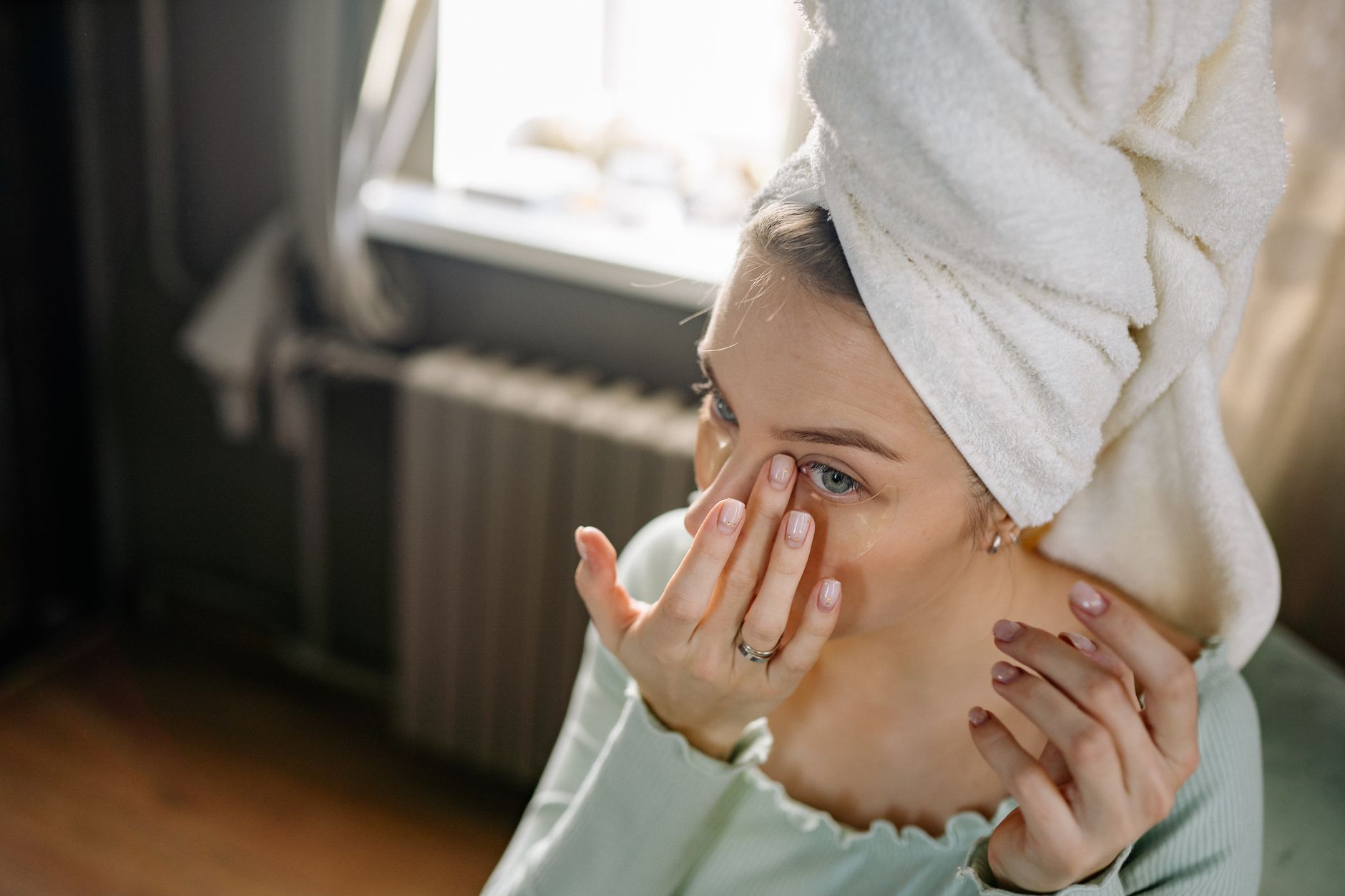
Adjusting your routine when symptoms change
Living with eyelid eczema means adapting your daily routine as symptoms change. Understanding how to adjust your habits can help manage flare-ups and maintain control over your condition. Here are some simple practical steps and reader-friendly troubleshooting tips to help you navigate these changes.
Recognizing Changes in Symptoms
Eyelid eczema symptoms can vary over time. You might experience periods of calm followed by sudden flare-ups. Pay close attention to your symptoms and note any changes, such as increased redness, swelling, or itchiness. Keeping a symptom diary can help you identify patterns and triggers.
Immediate Steps to Take
When you notice a change in your eyelid eczema symptoms, take immediate action to prevent the situation from worsening. Here are some steps you can follow:
- Moisturize: Apply a gentle, fragrance-free moisturizer to keep the skin hydrated. Look for products specifically designed for sensitive skin.
- Avoid Triggers: Identify and avoid any potential triggers that might be causing the flare-up. Common triggers include certain skincare products, environmental allergens, and stress.
- Use Cold Compresses: Apply a cold compress to reduce swelling and soothe irritation. Wrap a clean cloth around an ice pack or a bag of frozen peas and hold it against your eyelids for a few minutes.
Adjusting Your Skincare Routine
Your skincare routine may need tweaking as your eyelid eczema symptoms change. Here are some adjustments you can make:
- Switch Products: If you suspect a skincare product is causing a flare-up, switch to a more hypoallergenic option. Look for products labeled “fragrance-free” and “for sensitive skin.”
- Change Frequency: You might need to apply moisturizer more frequently during a flare-up. Conversely, during periods of calm, you may reduce the frequency of application.
- Avoid Harsh Ingredients: Steer clear of products containing alcohol, fragrances, and dyes, which can irritate the skin.
Lifestyle Changes
Sometimes, changes in your lifestyle can help manage eyelid eczema more effectively. Consider these adjustments:
- Stress Management: Stress can trigger or worsen eczema symptoms. Incorporate stress-reducing activities into your routine, such as yoga, meditation, or spending time in nature.
- Dietary Changes: While there’s no one-size-fits-all diet for eczema, some people find that avoiding certain foods helps reduce symptoms. Common culprits include dairy, gluten, and highly processed foods.
- Hydration: Drink plenty of water to keep your skin hydrated from the inside out.
When to Speak with a Healthcare Professional
While making adjustments on your own can be helpful, there are times when you should seek professional advice. Consider reaching out to your doctor if:
- Symptoms Worsen: If your eyelid eczema symptoms become more severe despite your efforts, it’s time to consult a healthcare professional.
- New Symptoms Appear: If you notice new symptoms, such as oozing or crusting, it’s important to get them checked.
- Treatment Isn’t Working: If your current treatment plan isn’t providing relief, your doctor may need to adjust your medication or recommend a different approach.
Real-Life Examples
Let’s look at a couple of real-life scenarios to illustrate how you might adjust your routine when symptoms change:
Scenario 1: Sarah notices her eyelid eczema flaring up after using a new facial cream. She immediately stops using the cream, applies a gentle moisturizer, and uses a cold compress to reduce swelling. She also makes a note in her symptom diary to avoid similar products in the future.
Scenario 2: John experiences a sudden increase in itchiness and redness. He suspects stress might be a trigger, so he starts practicing meditation for 10 minutes each morning. He also increases his water intake and avoids dairy products. After a week, he notices a significant improvement in his symptoms.
By staying attentive to your symptoms and making necessary adjustments, you can better manage eyelid eczema and improve your quality of life. Remember, effective communication with your doctor is key to finding the best management plan for your specific needs.
Real Patient Stories: Managing Eyelid Eczema
Hearing about others who have experienced eyelid eczema can provide valuable insights and encouragement. This section shares real patient experiences, coping strategies, and treatment success stories to help you navigate your journey with eyelid eczema.
Diverse Patient Experiences
Eyelid eczema can affect people in different ways. Some may experience mild symptoms, while others face more severe flare-ups. Understanding these diverse experiences can help you feel less isolated and more informed.
For instance, Sarah, a 34-year-old teacher, noticed her eyelid eczema worsened during the winter months. She found that using a humidifier in her classroom helped reduce her symptoms. On the other hand, John, a 45-year-old software developer, found that his symptoms improved when he switched to a fragrance-free laundry detergent.
These stories highlight how individual triggers and effective solutions can vary. It’s important to pay attention to your own body and discuss any patterns with your doctor.
Coping Strategies
Managing eyelid eczema often requires a combination of medical treatment and lifestyle changes. Here are some coping strategies shared by patients that might help you:
- Stress Management: Emma, a 28-year-old marketing professional, found that practicing yoga and meditation helped reduce her stress levels, which in turn lessened her eczema flare-ups.
- Dietary Changes: Mark, a 50-year-old accountant, noticed that avoiding certain foods like dairy and gluten helped him manage his eyelid eczema better.
- Skincare Routine: Lisa, a 30-year-old nurse, developed a gentle skincare routine that included using a mild, fragrance-free cleanser and applying moisturizer twice daily. This routine became a crucial part of her eczema management plan.
These strategies show that while there is no one-size-fits-all approach, finding what works for you is key. It’s essential to communicate these strategies with your doctor to ensure they align with your overall treatment plan.
Treatment Success Stories
Many patients have found relief through various treatments. Here are a few success stories that might offer hope and practical insights:
Jennifer, a 42-year-old graphic designer, struggled with severe eyelid eczema for years. After consulting with her dermatologist, she started using a prescription-strength topical corticosteroid. Within a few weeks, her symptoms significantly improved. She also incorporated a daily moisturizer and avoided known triggers like certain makeup products.
Mike, a 38-year-old engineer, experienced frequent eyelid eczema flare-ups. His doctor recommended trying a topical calcineurin inhibitor. Mike noticed a considerable reduction in his symptoms after a few weeks of consistent use. He also found that wearing sunglasses helped protect his eyelids from sun exposure, which seemed to exacerbate his condition.
These stories underscore the importance of working closely with your doctor to find the right treatment for your eyelid eczema. It’s also crucial to remain patient and persistent, as finding the most effective treatment can take time.
Learning from Others
Engaging with support groups, either online or in-person, can provide additional insights and emotional support. Hearing how others manage their eyelid eczema can inspire you to try new strategies and remain hopeful.
For example, an online support group member shared that she used cool compresses to soothe her irritated eyelids during flare-ups. This simple tip helped many group members find immediate relief.
Another patient found that keeping a journal of her flare-ups helped her identify patterns and triggers. She shared this practice with the group, encouraging others to do the same.
Practical Steps to Take
Based on these patient stories, here are some practical steps you can take to manage your eyelid eczema:
- Keep a symptom diary to track flare-ups and potential triggers.
- Experiment with different skincare products to find what works best for your skin.
- Incorporate stress-reducing activities into your daily routine.
- Discuss any dietary changes with your doctor before implementing them.
- Stay consistent with your treatment plan and attend follow-up appointments.
Remember, managing eyelid eczema is a journey. Learning from others’ experiences can provide valuable guidance and support along the way.
The Future of Eyelid Eczema Research
While current treatments for eyelid eczema offer relief for many, researchers are continually working to develop new and improved therapies. Understanding the future of eyelid eczema research can help patients stay informed and hopeful about potential advancements. This section explores current research trends, potential new treatments, and the importance of clinical trials.
Current Research Trends
Eyelid eczema, also known as eyelid dermatitis, is a complex condition influenced by genetic, environmental, and immunological factors. Researchers are investigating various aspects of the condition to better understand its causes and develop more effective treatments. Some of the current research trends include:
- Genetic Studies: Scientists are examining the genetic components that predispose individuals to eyelid eczema. By identifying specific genes, researchers hope to develop targeted therapies that address the root causes of the condition.
- Microbiome Research: The skin microbiome—the community of microorganisms living on the skin—plays a crucial role in skin health. Researchers are studying how imbalances in the skin microbiome contribute to eyelid eczema and exploring ways to restore a healthy balance.
- Immune System Function: Eyelid eczema is often linked to an overactive immune response. Studies are focusing on the immune mechanisms involved in the condition to develop treatments that modulate the immune system more effectively.
Potential New Treatments
Advancements in medical research are paving the way for innovative treatments for eyelid eczema. While these treatments are still in development, they offer hope for more effective management of the condition. Some potential new treatments include:
- Biologic Therapies: Biologics are medications derived from living organisms that target specific parts of the immune system. Researchers are exploring the use of biologics to treat eyelid eczema by addressing the underlying immune dysfunction.
- Topical Janus Kinase (JAK) Inhibitors: JAK inhibitors are a class of medications that block the activity of certain enzymes involved in inflammation. Topical JAK inhibitors are being studied for their potential to reduce inflammation and symptoms in eyelid eczema.
- Microbiome-Modulating Therapies: As research into the skin microbiome advances, therapies aimed at restoring a healthy microbial balance are being developed. These may include probiotics for the skin or other microbiome-targeted treatments.
Importance of Clinical Trials
Clinical trials are essential for the development of new treatments for eyelid eczema. These trials allow researchers to test the safety and efficacy of potential therapies in human participants. Participating in clinical trials can provide patients with access to cutting-edge treatments and contribute to the advancement of medical knowledge.
If you are interested in participating in a clinical trial for eyelid eczema, consider the following steps:
- Consult Your Doctor: Discuss the possibility of participating in a clinical trial with your healthcare provider. They can provide information about ongoing trials and help you determine if you are a suitable candidate.
- Research Trials: Look for clinical trials through reputable sources such as clinicaltrials.gov. Review the trial details, including the purpose, duration, and potential risks and benefits.
- Understand the Commitment: Clinical trials require a significant time commitment and may involve regular visits to the trial site. Ensure you are prepared for the demands of participation.
- Informed Consent: Before enrolling in a clinical trial, you will need to provide informed consent. This process involves reviewing all the information about the trial and signing a document indicating your understanding and agreement to participate.
By staying informed about current research trends, potential new treatments, and the importance of clinical trials, patients with eyelid eczema can play an active role in their healthcare and contribute to the development of future therapies. As research continues to advance, there is hope for more effective and personalized treatments for managing eyelid eczema.
Frequently asked questions
What are the common symptoms of eyelid eczema?
Eyelid eczema often presents with symptoms such as redness, swelling, and itchiness around the eyelids. You may notice scaling or flaking skin, and sometimes the eyelids can become thickened or leathery. In some cases, eyelid eczema can cause the skin to crack and weep, leading to discomfort and a higher risk of infection.
It’s important to note that these symptoms can vary in intensity and may come and go. Keeping a detailed record of your symptoms can help your doctor better understand your condition and tailor treatment options accordingly.
How is eyelid eczema diagnosed by a doctor?
A doctor typically diagnoses eyelid eczema through a physical examination and by reviewing your medical history. They will look for the characteristic symptoms of eyelid eczema, such as redness, swelling, and itchiness. In some cases, your doctor may recommend a patch test to identify potential allergens that could be triggering your symptoms.
It’s important to be open and honest with your doctor about your symptoms and any factors that seem to worsen them. This information can help them make a more accurate diagnosis and develop an effective treatment plan.
What treatment options are available for eyelid eczema?
Treatment for eyelid eczema often involves a combination of topical medications, such as corticosteroid creams or ointments, and lifestyle changes. Your doctor may also recommend avoiding known triggers, such as certain skincare products or environmental allergens.
In some cases, your doctor may prescribe oral medications or suggest light therapy to help manage symptoms. It’s important to follow your doctor’s recommendations and attend regular follow-up appointments to monitor your progress and adjust your treatment plan as needed.
Are there any lifestyle changes that can help manage eyelid eczema?
Yes, several lifestyle changes can help manage eyelid eczema. These include avoiding harsh soaps and skincare products, using gentle, fragrance-free cleansers, and applying moisturizers regularly to keep the skin hydrated. It’s also important to avoid scratching or rubbing the affected area, as this can worsen symptoms and increase the risk of infection.
Identifying and avoiding triggers, such as certain foods, environmental allergens, or stress, can also help manage eyelid eczema. Keeping a daily journal of your symptoms and potential triggers can help you and your doctor identify patterns and develop a more effective treatment plan.
How important are follow-up appointments for eyelid eczema?
Regular follow-up appointments are crucial for managing eyelid eczema. These appointments allow your doctor to monitor your symptoms, assess the effectiveness of your treatment plan, and make any necessary adjustments. They also provide an opportunity for you to discuss any concerns or questions you may have about your condition.
Consistent follow-up care can help ensure that your eyelid eczema is managed effectively and that any potential complications are addressed promptly. It’s important to attend all scheduled appointments and communicate openly with your doctor about your symptoms and any changes you notice.
Where can I find support and resources for managing eyelid eczema?
There are several resources available to help you manage eyelid eczema. Online support groups, such as those found on MyEczema.app, can provide a platform for sharing experiences, tips, and emotional support with others who are dealing with similar challenges. Additionally, your doctor can provide information about local support groups and resources in your area.
Educational websites, such as MyEczema.app, offer valuable information about eyelid eczema, including symptoms, triggers, and treatment options. These resources can help you better understand your condition and empower you to take an active role in managing your symptoms.
This article is for educational purposes only and is not medical advice. If symptoms are severe, spreading, painful, infected-looking, or affecting sleep and daily life, speak with a qualified healthcare professional.
Sources and further reading
For medical guidance, always rely on a qualified healthcare professional. These educational resources may help readers learn more:
Image credit: Photo by Gustavo Fring on Pexels. Used under the Pexels License.
Image credit: Photo by Mypointofview on Pexels. Used under the Pexels License.
Image credit: Photo by Yan Krukau on Pexels. Used under the Pexels License.