
MyEczema.app guide
Bathing Routine for Child with Eczema: Practical Guide
bathing routine for child with eczema: practical tips for tracking triggers, building routines, and supporting eczema-prone skin.
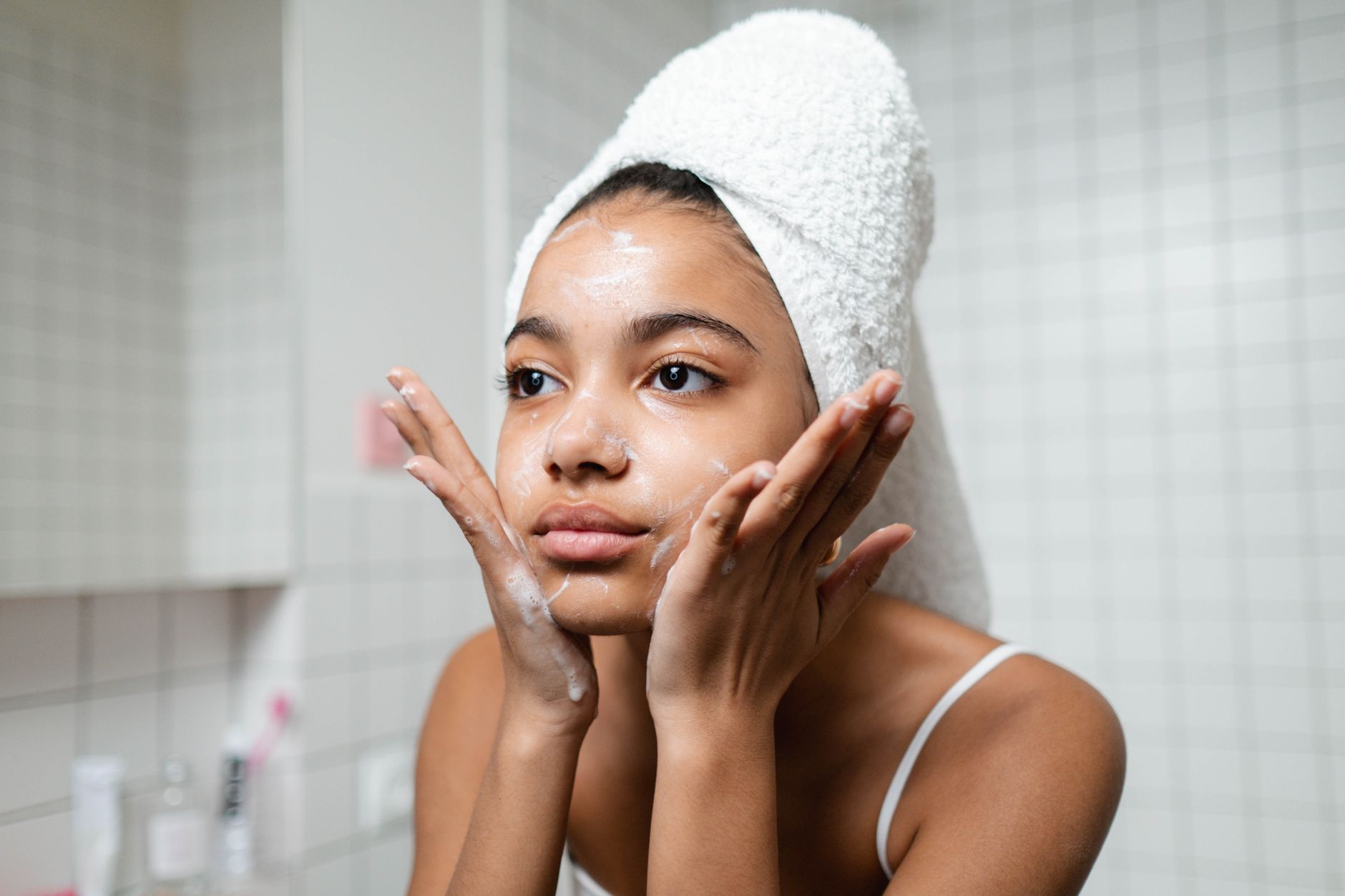
Table of contents
Use this guide as a practical reference and jump to the sections most relevant to you.
- Quick answer
- Key takeaways
- Practical comparison table
- Visual chart
- Related MyEczema.app tool
- Understanding Eczema in Children
- Preparing for Bath Time
- Effective Bathing Techniques for Eczema
- Post-Bath Care for Eczema
- Determining the Frequency of Baths
- Incorporating Moisturizers into the Routine
- Dealing with Eczema Flare-Ups After Bathing
- Special Considerations for Sensitive Skin
- Involving Children in Their Bathing Routine
- Tracking Progress and Adjusting the Routine
- Frequently asked questions
- Sources and further reading
Bathing can be a challenging routine for children with eczema. The goal is to cleanse the skin without stripping it of essential moisture, which can exacerbate eczema symptoms. Crafting a bathing routine for a child with eczema requires careful consideration of various factors, including water temperature, soap choice, bath duration, and post-bath care. By understanding these elements, parents and caregivers can help manage eczema more effectively and improve their child’s comfort and skin health.
Eczema, also known as atopic dermatitis, is a chronic skin condition characterized by dry, itchy, and inflamed skin. Eczema-prone skin is often more sensitive and can be easily irritated by environmental factors, allergens, and certain skincare practices. This makes it crucial to develop a bathing routine that minimizes potential triggers and supports the skin’s natural barrier function. A well-planned bathing routine can help reduce flare-ups and keep the skin hydrated and comfortable.
Creating an effective bathing routine for a child with eczema involves several key steps. It starts with selecting the right water temperature and soap, followed by limiting bath time to prevent skin dryness. Post-bath care is equally important, as applying moisturizer immediately after bathing can help lock in moisture and protect the skin. By focusing on these specific aspects, parents can make a significant difference in managing their child’s eczema symptoms.
In this guide, we’ll explore the essential components of a bathing routine for a child with eczema. We’ll provide practical tips and advice to help you navigate this process with confidence. Remember, every child is unique, and what works for one may not work for another. It’s important to observe your child’s skin reactions and adjust the routine as needed.
Quick answer
To create an effective bathing routine for a child with eczema, use lukewarm water and mild, fragrance-free soaps. Limit bath time to prevent skin dryness and apply moisturizer immediately after bathing to lock in moisture. This approach helps manage eczema symptoms and keeps the skin hydrated and comfortable.
Key takeaways
- Use lukewarm water and mild, fragrance-free soaps.
- Limit bath time to prevent skin dryness.
- Apply moisturizer immediately after bathing to lock in moisture.
Bathing Routine Tips for Children with Eczema
| Situation | What it may mean | Practical next step |
|---|---|---|
| Child has dry, itchy skin after bathing | Moisturizer was not applied immediately or the wrong type of moisturizer was used. | Apply a thicker moisturizer and consider using a humidifier in the bathroom. |
| Eczema flare-ups occur frequently after baths | Bath products may be too harsh or bath time is too long. | Switch to milder products and limit bath time to 5-10 minutes. |
| Child resists bath time | Bath time may be uncomfortable or stressful for the child. | Make bath time more enjoyable with toys and involve the child in the process. |
| Skin appears red and irritated after bathing | Water temperature may be too hot or the child is sensitive to certain products. | Use lukewarm water and test new products on a small area first. |
| No noticeable improvement in eczema symptoms | The current routine may not be effective or consistent. | Re-evaluate the routine and consult a dermatologist for personalized advice. |
Related MyEczema.app tool
Use the Daily Trigger Tracker
The Daily Trigger Tracker helps users record symptoms, possible triggers, skin routine, photos, notes, and trends over time.
For this topic, this tool can help you organize information in a more structured way and turn daily observations into clearer patterns to review over time.
Understanding Eczema in Children
Eczema, also known as atopic dermatitis, is a chronic skin condition that causes dry, itchy, and often inflamed skin. It is particularly common in children and can significantly impact their daily lives. Understanding eczema and how it affects children’s skin is the first step in developing an effective bathing routine for child with eczema.
Definition of Eczema
Eczema is characterized by an overactive immune system response that leads to inflammation in the skin. This condition often runs in families with a history of allergies, asthma, or hay fever. The skin barrier function is compromised, making it difficult to retain moisture and protect against irritants and allergens.
Common Symptoms in Children
Children with eczema often experience a range of symptoms, including:
- Itching: Severe itching is a hallmark symptom, often leading to scratching and further skin damage.
- Redness and Inflammation: The skin may appear red, swollen, and irritated.
- Dryness: Skin can become extremely dry, flaky, and cracked.
- Rashes: Eczema often presents as patches of red, bumpy skin.
- Oozing and Crusting: In more severe cases, the skin may ooze fluid and develop crusts.
These symptoms can vary in intensity and may flare up periodically. Identifying these signs early can help in managing the condition more effectively.
Importance of a Proper Bathing Routine
A well-structured bathing routine is crucial for managing eczema in children. Bathing helps to:
- Hydrate the Skin: Regular baths can help to moisturize the skin, reducing dryness and itching.
- Remove Irritants: Bathing can wash away sweat, dirt, and allergens that may exacerbate eczema symptoms.
- Soothe Inflammation: Certain bath additives and techniques can help to calm irritated skin.
- Prevent Infections: Keeping the skin clean reduces the risk of bacterial or fungal infections, which are common in eczema-prone skin.
However, it’s important to approach bathing with care. Incorrect bathing practices can strip the skin of its natural oils, leading to increased dryness and irritation. Therefore, understanding how to create an eczema-friendly bathing routine is essential.
Practical Steps for an Eczema-Friendly Bathing Routine
Here are some practical steps to consider when developing a bathing routine for a child with eczema:
1. Choose the Right Bath Time
Opt for shorter bath times to prevent the skin from becoming too dry. Aim for 5-10 minutes. Longer baths can strip the skin of its natural oils, exacerbating dryness and irritation.
2. Use Lukewarm Water
Avoid hot water, as it can further dry out the skin. Lukewarm water is gentler and helps to preserve the skin’s moisture barrier.
3. Select a Gentle Cleanser
Use a mild, fragrance-free cleanser specifically designed for sensitive skin. Harsh soaps can irritate eczema-prone skin. Look for products labeled as “eczema-friendly” or recommended by dermatologists.
4. Apply Moisturizer Immediately After Bathing
Moisturizing is a critical step in an eczema skincare routine. Apply a thick, fragrance-free moisturizer while the skin is still damp to lock in moisture. Creams or ointments are often more effective than lotions for eczema-prone skin.
5. Consider Bath Additives
Some parents find that adding certain products to the bath can help soothe eczema symptoms. Oatmeal baths, for example, can provide relief by reducing itching and inflammation. Always check with a healthcare provider before trying new bath additives.
6. Pat Dry Gently
After bathing, gently pat the skin dry with a soft towel. Avoid rubbing, which can cause irritation. Leave the skin slightly damp to maximize the effectiveness of the moisturizer.
Real-Life Example
Imagine a child named Alex who has eczema. His parents have found that a 7-minute bath with lukewarm water and a gentle, fragrance-free cleanser works best for him. After the bath, they apply a thick moisturizer and avoid any rough towels. This routine has significantly reduced Alex’s eczema flare-ups and made his skin much more comfortable.
Decision Points
When creating a bathing routine for child with eczema, consider these decision points:
- How long should the bath be?
- What temperature should the water be?
- Which cleanser is best?
- When should the moisturizer be applied?
- Are there any beneficial bath additives?
By carefully considering these factors and adjusting the routine as needed, parents can help their child manage eczema more effectively.
In summary, understanding eczema and its impact on children’s skin is the foundation for creating an effective bathing routine. By following practical steps and making informed decisions, parents can help their child achieve better skin health and reduce the discomfort associated with eczema.
Preparing for Bath Time
Establishing an effective bathing routine for a child with eczema is essential for managing symptoms and promoting healthier skin. Proper preparation before bath time can make a significant difference in how well your child’s skin responds to bathing. This section will guide you through the steps to prepare for bath time, ensuring it is eczema-friendly and as beneficial as possible.
Gathering Necessary Supplies
Before starting the bathing routine for a child with eczema, it is important to gather all necessary supplies. Having everything ready will make the process smoother and more efficient. Here’s a checklist of items you should have on hand:
- Eczema-friendly soap or cleanser: Look for products specifically designed for sensitive skin. These are usually fragrance-free and hypoallergenic.
- Moisturizer: Choose a fragrance-free, eczema-friendly moisturizer to apply immediately after bathing.
- Soft towels: Use soft, absorbent towels to gently pat the skin dry. Avoid rubbing, which can irritate eczema.
- Bath additives: Consider using bath oils or oatmeal-based additives that can soothe the skin.
- Timer: A timer can help you keep the bath duration within the recommended 5-10 minutes to prevent the skin from becoming too dry.
- Comfort items: Toys or books can help distract and entertain your child during bath time, making the experience more pleasant.
Having these items ready ensures that you can focus on creating a calming and effective bathing routine for your child.
Setting the Right Water Temperature
The temperature of the bath water plays a crucial role in an eczema-friendly bathing routine. Water that is too hot can strip the skin of its natural oils, exacerbating eczema symptoms. On the other hand, water that is too cold may not effectively cleanse the skin. Aim for a lukewarm bath, which is gentler on sensitive skin.
To ensure the water is at the right temperature:
- Test the water with your elbow or wrist before placing your child in the bath. It should feel comfortably warm, not hot.
- Use a bath thermometer to maintain consistency. The ideal temperature is around 92-94°F (33-34°C).
- Avoid sudden changes in temperature. If you need to add more water during the bath, ensure it is at a similar temperature to the existing water.
Maintaining a lukewarm bath helps preserve the skin’s natural barrier, reducing the risk of irritation and dryness.
Choosing Eczema-Friendly Bath Products
Selecting the right bath products is vital in an eczema-friendly bathing routine. The wrong products can irritate the skin and worsen eczema symptoms. Here are some guidelines for choosing safe and effective products:
- Fragrance-free: Avoid products with added fragrances, which can be irritating to sensitive skin.
- Hypoallergenic: Opt for hypoallergenic products that are less likely to cause allergic reactions.
- pH-balanced: Choose products that are pH-balanced for the skin, as this helps maintain the skin’s natural acidity.
- Moisturizing ingredients: Look for cleansers that contain moisturizing ingredients like ceramides, glycerin, or oils.
- Avoid harsh chemicals: Steer clear of products containing sulfates, alcohols, and artificial colors, which can be drying and irritating.
Reading product labels carefully can help you identify suitable options. If you’re unsure, consulting with a dermatologist can provide additional guidance on the best products for your child’s specific needs.
Incorporating these steps into your bathing routine for a child with eczema can help create a more soothing and effective experience. Preparation is key to ensuring that bath time is not only a cleansing ritual but also a therapeutic part of your child’s eczema management strategy.
Next, we will explore the actual bathing process, including how to bathe your child gently and effectively, and the immediate steps to take after the bath to lock in moisture and protect the skin.
Effective Bathing Techniques for Eczema
Establishing an effective bathing routine for a child with eczema is crucial for managing symptoms and maintaining skin health. Proper bathing techniques can significantly reduce the risk of flare-ups and promote a more comfortable experience for your child. Let’s explore some essential strategies to make bath time both soothing and beneficial for eczema-prone skin.
Gentle Washing Methods
When it comes to bathing a child with eczema, the approach you take can make a big difference. Using gentle washing methods is key to preventing irritation and keeping the skin calm. Start by choosing a mild, fragrance-free soap or cleanser specifically designed for sensitive skin. These products are less likely to cause dryness or irritation.
Instead of immersing your child in a full bath, consider using a basin or a handheld showerhead to rinse them off. This can help control the water temperature more easily and reduce the time the skin is exposed to water, which can be drying.
Avoiding Harsh Scrubbing
One of the most important aspects of an eczema-friendly bathing routine is to avoid harsh scrubbing. Children with eczema have sensitive skin that can easily become irritated. Instead of scrubbing, use a gentle, circular motion to cleanse the skin. This approach helps remove dirt and bacteria without causing additional stress to the skin.
If your child has particularly sensitive skin, you might even consider skipping soap altogether for certain areas and simply using warm water. Always be mindful of any signs of irritation or redness during and after bath time.
Using a Soft Washcloth
A soft washcloth can be a valuable tool in your eczema skincare routine. Opt for a washcloth made from natural fibers like cotton, which are gentler on the skin compared to synthetic materials. Wet the washcloth with lukewarm water and gently pat it over your child’s skin to cleanse.
Avoid using loofahs or rough sponges, as these can cause micro-tears in the skin and exacerbate eczema symptoms. The soft touch of a washcloth helps maintain the skin’s barrier function and reduces the risk of flare-ups.
Real-Life Example: Sarah’s Bath Time
Let’s consider a real-life example to illustrate these techniques. Sarah, a five-year-old with eczema, used to have difficult bath times. Her parents noticed that her skin would become red and itchy after baths. They decided to implement some changes:
- They switched to a mild, fragrance-free cleanser.
- They used a soft washcloth instead of a rough sponge.
- They avoided scrubbing and instead used gentle, circular motions.
After a few weeks, Sarah’s skin showed significant improvement. Her bath times became more enjoyable, and her eczema flare-ups decreased. This example highlights how small changes in bathing techniques can make a big difference in managing eczema.
Scientifically Cautious Approach
It’s important to remember that while these techniques can be highly effective, every child’s skin is unique. What works for one child might not work for another. It’s always a good idea to consult with a dermatologist or healthcare provider to tailor the bathing routine to your child’s specific needs.
Additionally, keep an eye on any changes in your child’s skin condition. If you notice persistent redness, increased itching, or other concerning symptoms, it’s crucial to seek professional advice. A healthcare provider can offer personalized recommendations and ensure that your child’s eczema is well-managed.
In summary, adopting gentle washing methods, avoiding harsh scrubbing, and using a soft washcloth are essential components of an effective bathing routine for a child with eczema. These techniques can help minimize flare-ups and promote healthier, more comfortable skin. By being attentive and proactive, you can make bath time a positive experience for your child.
Post-Bath Care for Eczema
Creating an effective bathing routine for a child with eczema doesn’t end when they step out of the tub. Post-bath care is a critical component in managing eczema and ensuring that the skin remains moisturized and protected. This section will delve into the essential steps you should take immediately after bathing to support your child’s skin health.
Immediate Application of Moisturizer
One of the most crucial steps in post-bath care for eczema is the immediate application of moisturizer. The skin of a child with eczema can become extremely dry, and bathing can exacerbate this dryness. Applying moisturizer right after bathing helps to lock in moisture while the skin is still damp, creating a protective barrier that can help prevent flare-ups.
Choose a moisturizer that is specifically formulated for eczema-prone skin. Look for products that are fragrance-free, hypoallergenic, and free from harsh chemicals. Creams and ointments are generally more effective than lotions because they provide a thicker layer of moisture. Products containing ceramides can also be beneficial, as they help to restore the skin’s natural barrier.
Patting Skin Dry vs. Rubbing
How you dry your child’s skin after a bath can make a significant difference in managing eczema. Instead of rubbing the skin with a towel, which can cause irritation and exacerbate eczema symptoms, gently pat the skin dry. This method helps to avoid further irritation while still removing excess water.
Using a soft, absorbent towel can make this process more comfortable for your child. Some parents find that using a towel warmer can help, as warm towels can be more soothing on sensitive skin. After patting the skin dry, apply the moisturizer immediately to take full advantage of the remaining moisture on the skin.
Choosing the Right Moisturizer
Selecting the right moisturizer is a vital part of an effective bathing routine for a child with eczema. The goal is to find a product that not only hydrates the skin but also helps to strengthen the skin’s barrier function. Here are some tips for choosing the right moisturizer:
- Look for fragrance-free options: Fragrances can irritate eczema-prone skin. Opt for moisturizers that are labeled as fragrance-free.
- Consider ointments and creams: These are generally thicker and more occlusive than lotions, providing longer-lasting hydration.
- Check for ceramides: Ceramides are lipids that help to repair the skin’s barrier. Products containing ceramides can be particularly beneficial for eczema.
- Avoid potential allergens: Read ingredient lists carefully to avoid common allergens like lanolin, certain preservatives, and dyes.
- Test new products: Before applying a new moisturizer all over your child’s body, test a small amount on a patch of skin to ensure there is no adverse reaction.
In addition to these tips, it’s important to apply moisturizer generously and regularly. Eczema skin care is an ongoing process, and consistent moisturizing is key to managing symptoms and preventing flare-ups.
Real-life example: Sarah, a mother of a 5-year-old with eczema, noticed that her son’s skin would become dry and irritated shortly after bathing. She started using a thick, fragrance-free cream immediately after patting his skin dry, and she saw a significant improvement in his skin’s condition. She also made sure to reapply the moisturizer throughout the day, especially after activities that caused him to sweat.
In conclusion, post-bath care is an essential part of managing eczema in children. By immediately applying a suitable moisturizer, patting the skin dry instead of rubbing, and choosing the right products, you can help keep your child’s skin hydrated and protected. Remember, consistency is key in eczema skin care, and a well-rounded bathing routine for child with eczema can make a significant difference in their comfort and well-being.
Determining the Frequency of Baths
Establishing a bathing routine for a child with eczema is crucial for maintaining skin health and comfort. However, determining the right frequency of baths can be a bit tricky. This section will guide you through the recommended bath frequency, signs that your child needs a bath, and how to balance hygiene and skin health effectively.
Recommended Bath Frequency
For children with eczema, dermatologists generally recommend bathing every 1-2 days. Over-bathing can strip the skin of its natural oils, leading to increased dryness and irritation. Conversely, infrequent bathing can lead to a buildup of sweat, dirt, and bacteria, which can exacerbate eczema symptoms.
Here’s a practical approach:
- Daily light rinse: If your child is very active or tends to sweat a lot, a quick, gentle rinse with lukewarm water can help remove sweat without over-drying the skin.
- Full bath every 1-2 days: A more thorough bath with eczema-friendly products can be done every 1-2 days. This allows for proper cleansing while maintaining the skin’s natural moisture barrier.
Signs Your Child Needs a Bath
Knowing when to bathe your child is equally important. Here are some indicators that it might be time for a bath:
- Visible dirt or sweat: If your child has been playing outside or has had a particularly active day, you might notice dirt or sweat on their skin. A gentle rinse can help keep their skin clean without the need for a full bath.
- Increased itching or redness: Sometimes, a buildup of sweat or irritants can cause increased itching or redness. A light bath can help soothe the skin and remove these irritants.
- Odor: A mild, musty odor can indicate that a bath is needed. However, be cautious not to over-bathe in response to odor, as this can further dry out the skin.
Balancing Hygiene and Skin Health
Creating an effective bathing routine for a child with eczema involves striking a balance between hygiene and skin health. Here are some tips to help you achieve this balance:
- Use lukewarm water: Hot water can strip the skin of its natural oils, leading to dryness and irritation. Always use lukewarm water for baths.
- Limit bath time: Keep bath time short, ideally around 5-10 minutes. Prolonged exposure to water can dry out the skin.
- Choose eczema-friendly products: Use gentle, fragrance-free cleansers and moisturizers specifically designed for eczema-prone skin. These products are formulated to cleanse without causing irritation.
- Moisturize immediately after bathing: Apply a thick moisturizer to your child’s skin while it’s still slightly damp. This helps lock in moisture and create a protective barrier on the skin.
- Avoid harsh soaps and bubble baths: These can be irritating to eczema-prone skin. Stick to mild, hypoallergenic products.
By carefully determining the frequency of baths and recognizing the signs that your child needs a bath, you can create a balanced and effective bathing routine. This approach will help maintain your child’s skin health while ensuring they stay clean and comfortable.
Remember, every child is different, and what works for one may not work for another. Pay attention to your child’s skin and adjust the bathing routine as needed. Consulting with a dermatologist can also provide personalized advice and ensure you’re on the right track with your child’s eczema management strategies.
Incorporating Moisturizers into the Routine
In an eczema-friendly bathing routine, moisturizers play a crucial role. They help to lock in moisture, soothe irritated skin, and create a protective barrier against external irritants. Understanding the types of moisturizers available, when to apply them, and common mistakes in their use can significantly enhance the effectiveness of your child’s bathing routine for eczema.
Types of Moisturizers for Eczema
When selecting moisturizers for a child with eczema, it’s important to choose products that are specifically designed for sensitive skin. Here are some common types:
- Emollients: These are basic moisturizers that help to hydrate the skin. Examples include petroleum jelly, mineral oil, and lanolin. They are often recommended as a first line of defense for dry, eczema-prone skin.
- Humectants: These ingredients, like glycerin and hyaluronic acid, attract moisture from the environment into the skin. They are excellent for keeping the skin hydrated.
- Occlusives: These form a barrier on the skin’s surface to prevent moisture loss. Examples include dimethicone and certain types of waxes. They are often combined with emollients and humectants in moisturizers.
- Medicated Moisturizers: Some moisturizers contain ingredients like ceramides, which help to repair the skin’s natural barrier, or anti-inflammatory agents to reduce irritation.
It’s important to look for fragrance-free and hypoallergenic products to minimize the risk of irritation. Always check the ingredient list and consider patch testing new products on a small area of skin before widespread use.
When to Apply Moisturizer
Timing is key when it comes to applying moisturizers in an eczema-friendly bathing routine. The best time to apply moisturizer is immediately after bathing while the skin is still damp. This helps to lock in moisture and enhances the effectiveness of the moisturizer. Here’s a step-by-step guide:
- After bathing, gently pat the skin dry with a soft towel. Avoid rubbing, as this can irritate the skin.
- Within three minutes of patting dry, apply a generous amount of moisturizer to the entire body. Focus on areas where eczema is most active.
- Use your hands to massage the moisturizer into the skin until it is fully absorbed. This not only helps the moisturizer penetrate better but also provides a soothing effect.
For children with severe eczema, it may be beneficial to apply moisturizer more frequently throughout the day, especially after activities that may cause sweating or after washing hands.
Common Mistakes in Moisturizer Use
While moisturizers are essential in an eczema-friendly bathing routine, there are common mistakes that parents should avoid to ensure the best results:
- Using too little moisturizer: It’s better to apply a generous amount than to be stingy. Eczema-prone skin often needs more moisture than typical skin.
- Waiting too long to apply moisturizer: Applying moisturizer immediately after bathing is crucial. Delaying can result in lost moisture.
- Choosing the wrong type of moisturizer: Not all moisturizers are created equal. Some may contain ingredients that can irritate eczema-prone skin. Always opt for eczema-friendly, fragrance-free options.
- Over-bathing: Frequent bathing can strip the skin of its natural oils, making it drier. Aim for bathing every 2-3 days unless otherwise advised by a healthcare provider.
- Neglecting to reapply moisturizer: Moisturizer should be reapplied throughout the day as needed, especially after activities that may cause sweating.
Incorporating moisturizers effectively into your child’s bathing routine for eczema is a vital step in managing the condition. By choosing the right type of moisturizer, applying it at the optimal time, and avoiding common mistakes, you can help keep your child’s skin hydrated, comfortable, and less prone to flare-ups.
Dealing with Eczema Flare-Ups After Bathing
Even with the best bathing routine for a child with eczema, flare-ups can still occur. It’s important to understand how to manage these flare-ups effectively to keep your child comfortable and minimize discomfort. This section will cover strategies for identifying triggers, soothing irritated skin, and knowing when to seek medical advice.
Identifying Triggers
One of the first steps in managing eczema flare-ups is identifying what might be triggering them. Common triggers can include certain soaps, shampoos, or even the water temperature. Keeping a journal can be incredibly helpful. Note down what products you used, the water temperature, and any changes in your child’s skin after bathing.
For example, if you notice that your child’s skin becomes more irritated after using a particular soap, it might be worth switching to a different, more eczema-friendly option. Similarly, if hot water seems to exacerbate symptoms, try bathing your child in lukewarm water instead.
Soothing Irritated Skin
When a flare-up occurs, the primary goal is to soothe the irritated skin as quickly as possible. Here are some practical steps you can take:
- Apply a Cool Compress: A cool, damp cloth can help reduce inflammation and provide immediate relief. Place the compress on the affected area for a few minutes.
- Use Emollient Creams: After bathing, apply an emollient cream to lock in moisture. Look for products specifically designed for eczema, as they are often fragrance-free and gentle on the skin.
- Avoid Scratching: Encourage your child to avoid scratching, as this can further irritate the skin and lead to infection. Consider using cotton gloves or socks over their hands to prevent scratching during sleep.
- Try Over-the-Counter Treatments: There are several over-the-counter treatments available that can help soothe eczema symptoms. Hydrocortisone cream, for instance, can reduce itching and inflammation. Always follow the instructions on the packaging and consult with a healthcare provider if you have any concerns.
When to Seek Medical Advice
While many eczema flare-ups can be managed at home, there are times when it’s important to seek medical advice. Here are some signs that it might be time to consult a healthcare provider:
- Severe Symptoms: If your child’s skin is extremely red, swollen, or oozing, it may be a sign of a more serious flare-up that requires medical attention.
- No Improvement: If you’ve tried various eczema-friendly bathing practices and moisturizers but see no improvement, it’s time to seek professional advice.
- Signs of Infection: Look out for symptoms like increased redness, warmth, pus, or a foul smell, which could indicate an infection. Infections require prompt treatment to prevent further complications.
- Emotional Distress: Eczema can be emotionally taxing for children. If your child is experiencing significant distress or anxiety due to their eczema, consider speaking to a healthcare provider or a counselor who specializes in pediatric care.
Remember, managing eczema is an ongoing process that requires patience and persistence. By identifying triggers, soothing irritated skin, and knowing when to seek medical advice, you can help your child navigate their eczema more comfortably. Always keep communication open with your healthcare provider to ensure you’re following the best practices for your child’s specific needs.
Special Considerations for Sensitive Skin
When dealing with a bathing routine for a child with eczema, it’s essential to recognize that some children have particularly sensitive skin. This section will explore additional considerations for these children, focusing on allergic reactions to bath products, testing new products, and alternative bathing methods.
Allergic Reactions to Bath Products
Children with eczema are more prone to allergic reactions to certain ingredients in bath products. These reactions can exacerbate eczema symptoms, leading to increased itching, redness, and inflammation.
To minimize the risk of allergic reactions:
- Read Labels Carefully: Look for products labeled “fragrance-free,” “hypoallergenic,” and “for sensitive skin.” Avoid products with dyes, perfumes, and harsh chemicals.
- Avoid Common Irritants: Steer clear of products containing lanolin, parabens, and sulfates. These ingredients can trigger allergic reactions in sensitive skin.
- Patch Test New Products: Before incorporating a new product into your child’s bathing routine, perform a patch test. Apply a small amount of the product to a small area of skin and wait 24-48 hours to check for any adverse reactions.
Testing New Products
Introducing new products into an eczema-friendly bathing routine requires caution. Even products marketed for sensitive skin can cause reactions in some children.
Follow these steps when testing new products:
- Start Small: Use a tiny amount of the new product on a small patch of skin, preferably on an area that is not currently affected by eczema.
- Observe Closely: Monitor the test area for any signs of redness, itching, or irritation over the next 24-48 hours.
- Gradual Introduction: If no reaction occurs, gradually introduce the product into the bathing routine. Start by using it once a week and increase frequency if there are no adverse effects.
- Keep a Journal: Maintain a journal to record which products your child reacts to and which ones are safe. This will help you build an effective and safe bathing routine.
Alternative Bathing Methods
For children with extremely sensitive skin, traditional bathing methods might not be suitable. Exploring alternative bathing methods can provide relief and help manage eczema symptoms.
Consider these alternative methods:
- Sponge Baths: Instead of immersing your child in a full bath, use a sponge or washcloth to clean their skin. This method reduces exposure to potential irritants in bathwater.
- Showers vs. Baths: Some children might find showers more comfortable than baths. The quick rinse of a shower can be less irritating than prolonged exposure to bathwater.
- Oatmeal Baths: Oatmeal has soothing properties that can help relieve itching and inflammation. You can add colloidal oatmeal to the bathwater or use pre-made oatmeal bath products.
- Epsom Salt Baths: Epsom salt can help soothe irritated skin. Dissolve a cup of Epsom salt in warm bathwater and let your child soak for 10-15 minutes. Always rinse off afterward to remove any residue.
- Baking Soda Baths: Adding a small amount of baking soda to the bathwater can help neutralize acidity and provide relief from itching. Use one-half to one cup of baking soda per bath.
Remember, every child’s skin is different, and what works for one might not work for another. It’s important to experiment with different methods and products to find what best suits your child’s needs. Always consult with a healthcare professional before making significant changes to your child’s bathing routine, especially if they have severe eczema or other skin conditions.
By considering these special factors and being mindful of your child’s unique needs, you can create a more effective and comfortable bathing routine that helps manage eczema symptoms and promotes healthier skin.
Involving Children in Their Bathing Routine
Creating an effective bathing routine for a child with eczema is more than just about the steps you take. It’s also about making the process enjoyable and educational for the child. When children understand and participate in their own eczema-friendly bathing routine, it can lead to better adherence and overall skin health. Here are some practical tips for involving children in their bathing routine.
Making Bath Time Fun
Bath time doesn’t have to be a chore. In fact, it can be one of the most enjoyable parts of the day. Here are some ways to make bath time fun:
- Use Toys: Float toys, rubber ducks, and bath books can make the experience more enjoyable. Choose toys that are easy to clean and dry quickly.
- Sing Songs: Singing songs or playing music can distract children from any discomfort they might feel during bathing. Create a playlist of their favorite tunes.
- Create a Routine: Consistency helps children feel secure. Try to bathe them at the same time each day and follow the same steps.
- Reward System: Consider using a simple reward system. For example, after a successful bath, they might earn a sticker for a chart or a small treat.
Teaching Children About Their Skin
Education is a powerful tool. When children understand why certain steps are important, they are more likely to cooperate. Here’s how you can teach them:
- Simple Explanations: Use age-appropriate language to explain what eczema is and why taking care of their skin is important. For younger children, you might say, “Eczema is like a little scratchy monster on your skin, and we need to help it go away.”
- Show Them: Let them look at their skin in a mirror (with your help) and point out areas that need extra care. This can help them understand which parts of their body need attention.
- Story Time: Read books about eczema or skin care. There are many children’s books available that tackle these topics in a gentle, understandable way.
Encouraging Independence in Skincare
As children grow, they will naturally want to take more responsibility for their own care. Here’s how you can encourage that independence:
- Age-Appropriate Tasks: Start with simple tasks like helping to pick out their bath toys or pouring shampoo into their hand. As they get older, they can help apply moisturizer or even help set a reminder for when it’s time for their bath.
- Praise and Positive Reinforcement: When they successfully complete a task, offer praise. This could be as simple as saying, “Great job applying your moisturizer!”
- Involve Them in Choices: Let them choose between two eczema-friendly soaps or decide which towel they want to use. This gives them a sense of control and involvement.
- Teach Them to Recognize Flare-Ups: As they get older, teach them to recognize the signs of an eczema flare-up. This can empower them to seek help when needed.
Involving children in their own bathing routine not only makes the process more enjoyable but also teaches them valuable skills for managing their eczema. By making bath time fun, educating them about their skin, and encouraging independence, you set the stage for a lifelong commitment to eczema-friendly skincare.
Tracking Progress and Adjusting the Routine
Creating an effective bathing routine for a child with eczema is just the beginning. To ensure that the routine is working and to make any necessary adjustments, it’s important to track progress closely. This section will guide you through practical steps for monitoring the effectiveness of your bathing routine and making informed changes as needed.
Keeping a Skincare Journal
One of the most effective ways to track the progress of your child’s eczema is by maintaining a skincare journal. This journal can be a simple notebook or a digital document where you record daily observations and changes.
- Daily Entries: Note the date, time of the bath, products used, duration of the bath, and any immediate reactions.
- Skin Condition: Describe the state of your child’s skin before and after the bath. Use terms like “red,” “dry,” “itchy,” or “clear.”
- Triggers and Patterns: Record any potential triggers such as new foods, environmental changes, or stress factors that might affect eczema.
- Moisturizer Application: Log when and which moisturizers were applied, and how the skin responded.
By consistently updating this journal, you’ll start to see patterns and understand what works best for your child’s eczema-friendly bathing routine.
Noticing Changes in Skin Condition
Pay close attention to any changes in your child’s skin condition. These changes can indicate whether the bathing routine is effective or if adjustments are needed.
- Improvement: If you notice that the skin is less red, itchy, or dry after a few weeks, it may indicate that the current routine is beneficial.
- Deterioration: Increased redness, itching, or dryness could signal that the routine needs to be modified. This might involve changing the bath products, adjusting the bath frequency, or consulting a dermatologist for further guidance.
- Consistency: If there are no significant changes, it may be worth trying different products or techniques to see what yields better results.
It’s important to be patient and give any new changes time to show results. Eczema management is often a trial-and-error process.
Consulting with a Dermatologist
Regular consultations with a dermatologist are crucial when managing eczema, especially when tracking the effectiveness of a bathing routine. A dermatologist can provide professional insights and recommend specific products or treatments tailored to your child’s needs.
- Professional Assessment: A dermatologist can offer a more detailed evaluation of your child’s skin condition and suggest adjustments to the bathing routine.
- Product Recommendations: They can recommend eczema-friendly bathing products that are safe and effective for your child’s skin.
- Treatment Plans: If the bathing routine isn’t yielding the desired results, a dermatologist can suggest additional treatments such as topical creams or other interventions.
When visiting a dermatologist, bring along your skincare journal. This will provide valuable information that can help the dermatologist make more informed recommendations.
In summary, tracking progress and making necessary adjustments to the bathing routine is a vital part of managing eczema in children. By keeping a detailed skincare journal, noticing changes in skin condition, and consulting with a dermatologist, you can ensure that your child’s bathing routine remains effective and tailored to their specific needs.
Remember, every child’s eczema is unique, and what works for one may not work for another. Stay observant, be patient, and don’t hesitate to seek professional advice when needed.
Frequently asked questions
How often should a child with eczema bathe?
Children with eczema should bathe regularly, but not too frequently. A bathing routine for child with eczema typically involves bathing every 1-2 days. Over-bathing can strip the skin of its natural oils, leading to increased dryness and irritation. However, if your child gets very dirty or sweaty, a quick rinse with lukewarm water can help without needing a full bath.
What type of soap is best for a child with eczema?
For children with eczema, it’s important to use mild, fragrance-free soaps. Eczema-friendly soaps are designed to be gentle on the skin, reducing the risk of irritation. Look for products that are specifically labeled for sensitive skin or eczema. These soaps often have a pH-balanced formula that helps maintain the skin’s natural barrier.
Should I use hot water when bathing my child with eczema?
Lukewarm water is preferable when bathing a child with eczema. Hot water can strip the skin of its natural oils, exacerbating dryness and irritation. Aim for water that feels comfortable to the touch, not too warm or too cool. This helps maintain the skin’s moisture balance and reduces the likelihood of flare-ups.
How soon after bathing should I apply moisturizer?
Applying moisturizer immediately after bathing is crucial for children with eczema. This helps lock in moisture while the skin is still damp, enhancing the effectiveness of the moisturizer. Choose a fragrance-free, hypoallergenic moisturizer to avoid further irritation. Regular application can help keep the skin hydrated and reduce the severity of eczema symptoms.
What should I do if my child’s eczema flares up after a bath?
If your child’s eczema flares up after a bath, it’s important to soothe the irritated skin promptly. Apply a gentle, fragrance-free moisturizer to help calm the skin. You may also consider using a prescribed topical treatment if recommended by a healthcare professional. To prevent future flare-ups, review your bathing routine for child with eczema to ensure you’re using the right products and water temperature.
Can I use natural remedies in my child’s bathing routine?
While some natural remedies may offer benefits, it’s important to approach them with caution. Not all natural ingredients are safe for sensitive skin, and some may even trigger allergic reactions. If you’re considering adding natural remedies to your child’s bathing routine, consult with a healthcare professional first. They can provide guidance on safe and effective options tailored to your child’s specific needs.
Use MyEczema.app to track your eczema patterns and daily triggers.
This article is for educational purposes only and is not medical advice. If symptoms are severe, spreading, painful, infected-looking, or affecting sleep and daily life, speak with a qualified healthcare professional.
Sources and further reading
For medical guidance, always rely on a qualified healthcare professional. These educational resources may help readers learn more:
Image credit: Photo by Ron Lach on Pexels. Used under the Pexels License.
Image credit: Photo by Rubens F Barros Neto on Pexels. Used under the Pexels License.
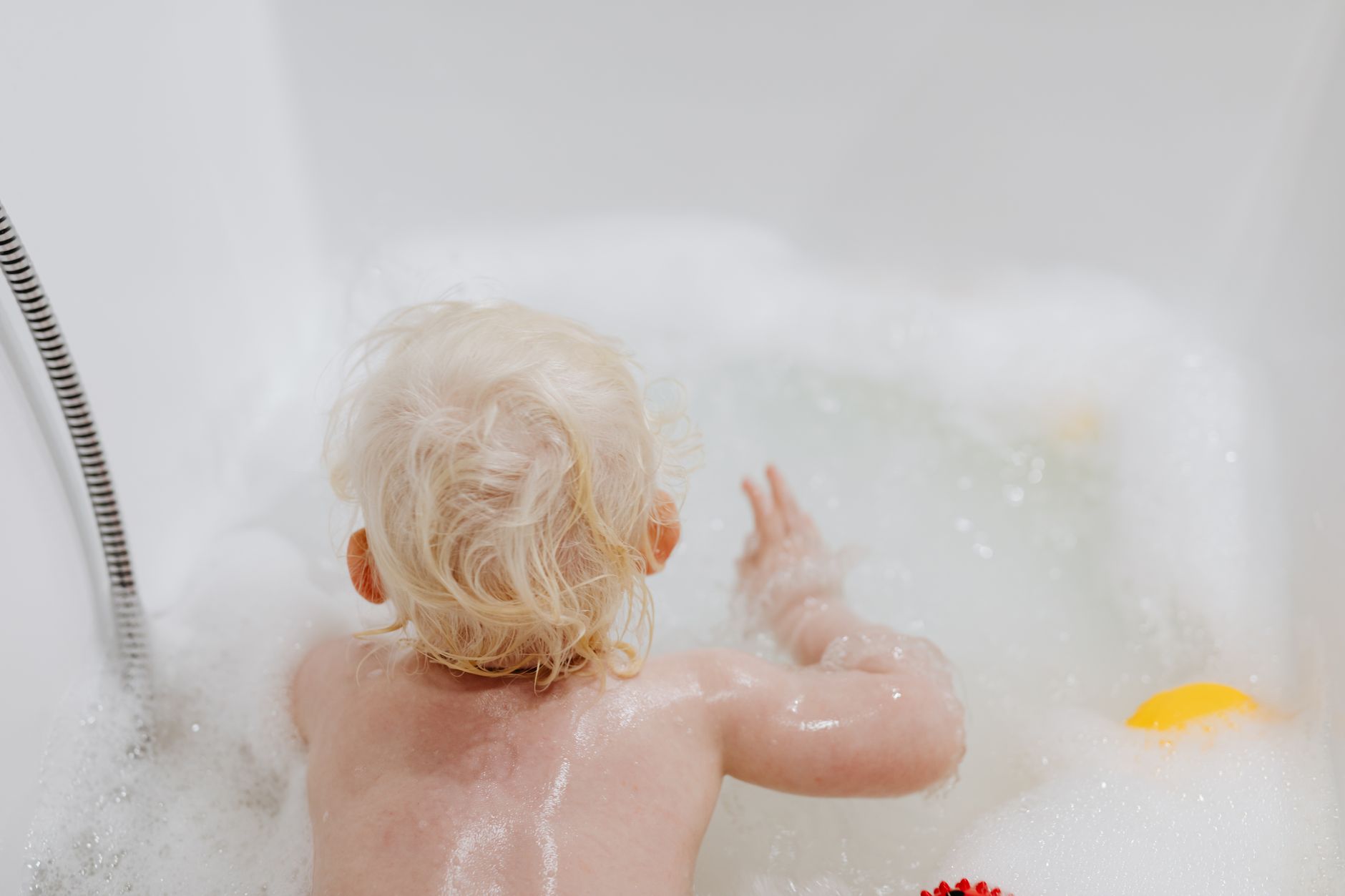
Image credit: Photo by https://kaboompics.com/ on Pexels. Used under the Pexels License.