
MyEczema.app guide
Should You Use Bath Oils for Eczema-Prone Skin? Expert Insights
Discover the benefits and risks of using bath oils for eczema-prone skin. Learn expert tips and practical advice for managing eczema with bath oils.

Table of contents
Use this guide as a practical reference and jump to the sections most relevant to you.
- Quick answer
- Key takeaways
- Practical comparison table
- Visual chart
- Related MyEczema.app tool
- Understanding Eczema and Its Impact on Skin
- What Are Bath Oils and How Do They Work?
- Benefits of Using Bath Oils for Eczema-Prone Skin
- Choosing the Right Bath Oil for Eczema
- How to Use Bath Oils Effectively
- Potential Risks and Side Effects of Bath Oils
- Alternatives to Bath Oils for Eczema Management
- Incorporating Bath Oils into a Comprehensive Eczema Routine
- Testimonials and Case Studies: Real Experiences with Bath Oils
- Expert Advice on Using Bath Oils for Eczema
- Frequently asked questions
- Sources and further reading
Living with eczema means constantly searching for ways to soothe and protect your skin. One often-discussed topic in the eczema community is the use of bath oils for eczema-prone skin. These oils promise to hydrate and create a protective barrier, but how effective are they really? And more importantly, how do you choose the right one without causing irritation? In this article, we’ll dive deep into the world of bath oils, exploring their benefits, potential pitfalls, and how to incorporate them into your eczema management routine.
Eczema-prone skin is uniquely sensitive. It’s affected by a variety of factors including skin barrier disruption, exposure to irritants, climate changes, cleansing habits, allergens, and individual triggers. Because of this, finding the right products can be a bit like navigating a maze. Bath oils have gained popularity as a way to provide extra hydration and relief, but it’s essential to approach them with caution and knowledge.
We’ll explore the benefits of using bath oils, discuss how to choose the best ones for your skin, and offer practical tips for incorporating them into your routine. Remember, while bath oils can be a helpful addition, they should be part of a comprehensive eczema management plan that includes other treatments and lifestyle adjustments.
Quick answer
Bath oils can benefit eczema-prone skin by providing hydration and creating a protective barrier, but it’s important to choose the right products and use them correctly to avoid potential irritation.
Key takeaways
- Bath oils can help hydrate and soothe eczema-prone skin.
- Choosing the right bath oil is crucial to avoid irritation.
- Incorporate bath oils into a comprehensive eczema management plan.
- Patch testing is essential before regular use of any new product.
- Consult with a dermatologist for personalized advice.
Comparing Bath Oils for Eczema
| Situation | What it may mean | Practical next step |
|---|---|---|
| Mild eczema | May benefit from gentle, fragrance-free bath oils. | Try a hypoallergenic bath oil and monitor skin reaction. |
| Severe eczema | May require stronger, more moisturizing bath oils. | Consult a dermatologist for product recommendations. |
| Sensitive skin | Needs bath oils with minimal ingredients and no fragrances. | Look for bath oils labeled for sensitive skin. |
| Frequent bathing | May need more frequent application of bath oils. | Incorporate bath oils into every bath routine. |
| Combination with other treatments | Can enhance the effects of other eczema treatments. | Use bath oils in conjunction with prescribed medications. |
Effectiveness of Bath Oils for Eczema
This visual is an educational guide, not a diagnostic score. Use it to decide what may be worth tracking more consistently for this specific topic.
Bath oils provide excellent hydration for dry skin.
Many bath oils have calming properties for irritated skin.
Helps strengthen the skin’s natural barrier.
Simple to incorporate into daily routines.
Requires careful selection to avoid irritation.
Related MyEczema.app tool
Use the Eczema Skincare Routine Planner
The Eczema Skincare Routine Planner helps users organize morning, daytime, and evening routine steps for eczema-prone skin.
For this topic, this tool can help you organize information in a more structured way and turn daily observations into clearer patterns to review over time.
Understanding Eczema and Its Impact on Skin
Eczema, also known as atopic dermatitis, is a chronic skin condition that affects millions of people worldwide. It is characterized by inflammation, itchiness, and a disrupted skin barrier. Understanding the nature of eczema and its impact on the skin is crucial for those considering the use of bath oils for eczema-prone skin.
Definition of Eczema
Eczema is a general term for several types of skin conditions that cause inflammation and irritation. Atopic dermatitis is the most common form. Eczema is not contagious and its exact cause is unknown, though it is believed to be a combination of genetic and environmental factors. For those with eczema, the skin’s ability to protect against irritants and retain moisture is compromised.
Common Symptoms
The symptoms of eczema can vary from person to person but often include:
- Itchiness: One of the hallmark symptoms of eczema is severe itching, which can lead to scratching and further skin damage.
- Redness and Inflammation: Affected areas may appear red and swollen, especially during flare-ups.
- Dryness and Scaling: The skin may become extremely dry, leading to flaking and scaling.
- Cracking and Bleeding: In severe cases, the skin may crack and bleed, particularly if scratched excessively.
- Oozing and Crusting: During severe flare-ups, the skin may ooze fluid and develop crusts.
Skin Barrier Function
A key aspect of eczema is the impaired function of the skin barrier. The skin barrier is the outermost layer of the skin, responsible for protecting the body from external irritants and retaining moisture. In individuals with eczema, this barrier is weakened, making the skin more susceptible to dryness, irritation, and infection.
The compromised skin barrier in eczema not only allows irritants to penetrate more easily but also leads to increased water loss from the skin. This results in the characteristic dryness and itchiness associated with the condition. Maintaining and strengthening the skin barrier is a primary goal in eczema care.
When considering bath oils for eczema, it’s important to understand how they interact with the skin barrier. Bath oils can help by providing a layer of oil on the skin’s surface, which can reduce water loss and create a protective barrier against irritants. However, not all bath oils are created equal, and some may contain ingredients that could potentially irritate sensitive skin.
For example, some bath oils may contain fragrances or other additives that could trigger eczema symptoms in certain individuals. Therefore, it’s essential to choose bath oils specifically designed for sensitive or eczema-prone skin. Look for products that are fragrance-free, hypoallergenic, and contain moisturizing ingredients like ceramides or essential fatty acids.
In summary, understanding eczema and its impact on the skin is the first step in making informed decisions about eczema care, including the use of bath oils. By recognizing the symptoms and the importance of the skin barrier, individuals can better navigate the options available to them and choose products that support their skin’s needs.
What Are Bath Oils and How Do They Work?
When discussing bath oils for eczema, it’s essential to understand what they are and how they interact with the skin. Bath oils are specialized products designed to be added to bathwater. They typically contain a blend of oils, emulsifiers, and sometimes additional ingredients like fragrances or essential oils.
Definition of Bath Oils
Bath oils are liquid formulations that float on the surface of bathwater. They are usually composed of natural oils such as almond oil, coconut oil, or mineral oil. These oils are often combined with emulsifiers to help them mix better with water. The primary purpose of bath oils is to provide a protective layer on the skin’s surface, helping to retain moisture and improve skin hydration.
Mechanism of Action
The way bath oils work is quite fascinating. When added to bathwater, these oils create a thin film on the water’s surface. As you soak, this film transfers to your skin. The oils in the bath oil help to:
- Lock in moisture: The oil layer prevents water from evaporating too quickly from your skin, helping to keep it hydrated.
- Create a barrier: The oil film acts as a protective barrier, shielding your skin from potential irritants in the water, such as chlorine or hard minerals.
- Soothe irritation: Many bath oils contain ingredients that have soothing properties, which can help calm irritated skin.
Benefits for Skin Hydration
One of the primary benefits of using bath oils, especially for those with eczema, is improved skin hydration. Eczema often results in dry, itchy skin, and maintaining adequate moisture is crucial for managing symptoms. Bath oils can significantly enhance skin hydration in several ways:
- Enhanced moisture retention: By creating a barrier that prevents water loss, bath oils help your skin retain the moisture it absorbs during bathing.
- Reduced itching and irritation: Well-hydrated skin is less likely to itch or become irritated, which is a common issue for those with eczema.
- Improved skin barrier function: A hydrated skin barrier is more effective at protecting against environmental triggers that can exacerbate eczema symptoms.
For example, imagine taking a bath without any additives. After stepping out, you might notice your skin feeling tight and dry shortly afterward. Now, consider adding a few drops of bath oil to your bathwater. Post-bath, your skin feels softer, smoother, and significantly more hydrated. This difference highlights the practical benefits of incorporating bath oils into your eczema care routine.
It’s also important to choose the right bath oil. Look for products specifically formulated for sensitive skin or those marketed towards eczema care. Some bath oils may contain fragrances or other additives that could potentially irritate the skin. Reading labels and opting for fragrance-free, hypoallergenic options can make a considerable difference.
In summary, bath oils can be a valuable addition to your eczema care regimen. They work by creating a protective layer on your skin, enhancing moisture retention, and providing a soothing effect. By understanding how bath oils function and selecting the right product, you can better manage eczema symptoms and improve your overall skin health.
Benefits of Using Bath Oils for Eczema-Prone Skin
For individuals managing eczema, finding the right skincare routine can be a game-changer. Bath oils for eczema-prone skin offer a range of benefits that can help alleviate symptoms and improve overall skin health. Let’s delve into the specific advantages of incorporating bath oils into your eczema care regimen.
Enhanced Hydration
One of the primary benefits of using bath oils for eczema is enhanced hydration. Eczema often leads to dry, flaky skin, which can exacerbate itching and discomfort. Bath oils are formulated to lock in moisture, creating a protective layer on the skin’s surface.
When added to bathwater, these oils help to prevent the skin from losing moisture during and after bathing. This is crucial for eczema-prone skin, as proper hydration is essential for maintaining the skin barrier and reducing the likelihood of flare-ups.
For example, individuals with eczema may notice that their skin feels softer and less itchy after using bath oils regularly. This enhanced hydration can make a significant difference in daily comfort and skin appearance.
Soothing Properties
Bath oils often contain ingredients known for their soothing properties, such as chamomile, lavender, and calendula. These natural components can help calm irritated skin and reduce inflammation, which is often a concern for those with eczema.
The soothing effect of bath oils can be particularly beneficial during eczema flare-ups. By providing a calming sensation, bath oils can help alleviate the itching and burning sensations that accompany eczema symptoms.
Consider a scenario where an individual experiences a sudden eczema flare-up. Using a bath oil with soothing ingredients can offer immediate relief, making the bathing experience more comfortable and less stressful.
Protective Barrier
Another significant benefit of bath oils for eczema is their ability to create a protective barrier on the skin. Eczema compromises the skin’s natural barrier, making it more susceptible to irritants and allergens. Bath oils can help reinforce this barrier, offering an extra layer of protection.
This protective barrier is essential for preventing moisture loss and shielding the skin from external aggressors. By strengthening the skin barrier, bath oils can help reduce the frequency and severity of eczema flare-ups.
For instance, individuals who incorporate bath oils into their routine may find that their skin is better equipped to handle everyday triggers, such as dry air or harsh soaps. This added protection can lead to fewer eczema symptoms and a more consistent skin condition.
Practical Steps for Using Bath Oils
To maximize the benefits of bath oils for eczema, it’s important to use them correctly. Here are some practical steps to follow:
- Choose the Right Bath Oil: Look for bath oils specifically designed for sensitive or eczema-prone skin. Ingredients like oatmeal, coconut oil, and shea butter are often beneficial.
- Add to Lukewarm Water: Fill your bath with lukewarm water. Avoid hot water, as it can strip the skin of its natural oils and exacerbate eczema symptoms.
- Use the Recommended Amount: Follow the instructions on the bath oil packaging. Typically, a small amount (about a tablespoon) is sufficient for a standard-sized bath.
- Stir the Water: Gently stir the bathwater to ensure the oil is evenly distributed. This helps the oil to work effectively across the entire skin surface.
- Limit Bath Time: Keep your bath time to around 10-15 minutes. Prolonged exposure to water can dry out the skin, even with bath oils.
- Pat Dry: After your bath, gently pat your skin dry with a soft towel. Avoid rubbing, as this can irritate the skin.
- Apply Moisturizer: Immediately after patting dry, apply a fragrance-free moisturizer to lock in the hydration provided by the bath oil.
Real-Life Examples and Decision Points
Incorporating bath oils into your eczema care routine can be a simple yet effective strategy. Here are a few real-life examples and decision points to consider:
- Example 1: Sarah, who has mild eczema, notices that her skin feels tighter and itchier after traditional baths. By switching to baths with added bath oils, she experiences significant relief and a noticeable improvement in her skin’s texture.
- Example 2: John, who deals with moderate eczema, finds that his skin reacts poorly to certain soaps. Using bath oils helps create a protective barrier, reducing the impact of potential irritants.
- Decision Point: If you’re considering bath oils for eczema, think about your current bathing routine and how it affects your skin. If you experience dryness, itching, or irritation after baths, bath oils might be a beneficial addition.
In conclusion, bath oils offer numerous benefits for eczema-prone skin, including enhanced hydration, soothing properties, and a protective barrier. By incorporating bath oils into your skincare routine, you can help manage eczema symptoms more effectively and enjoy healthier, more comfortable skin.
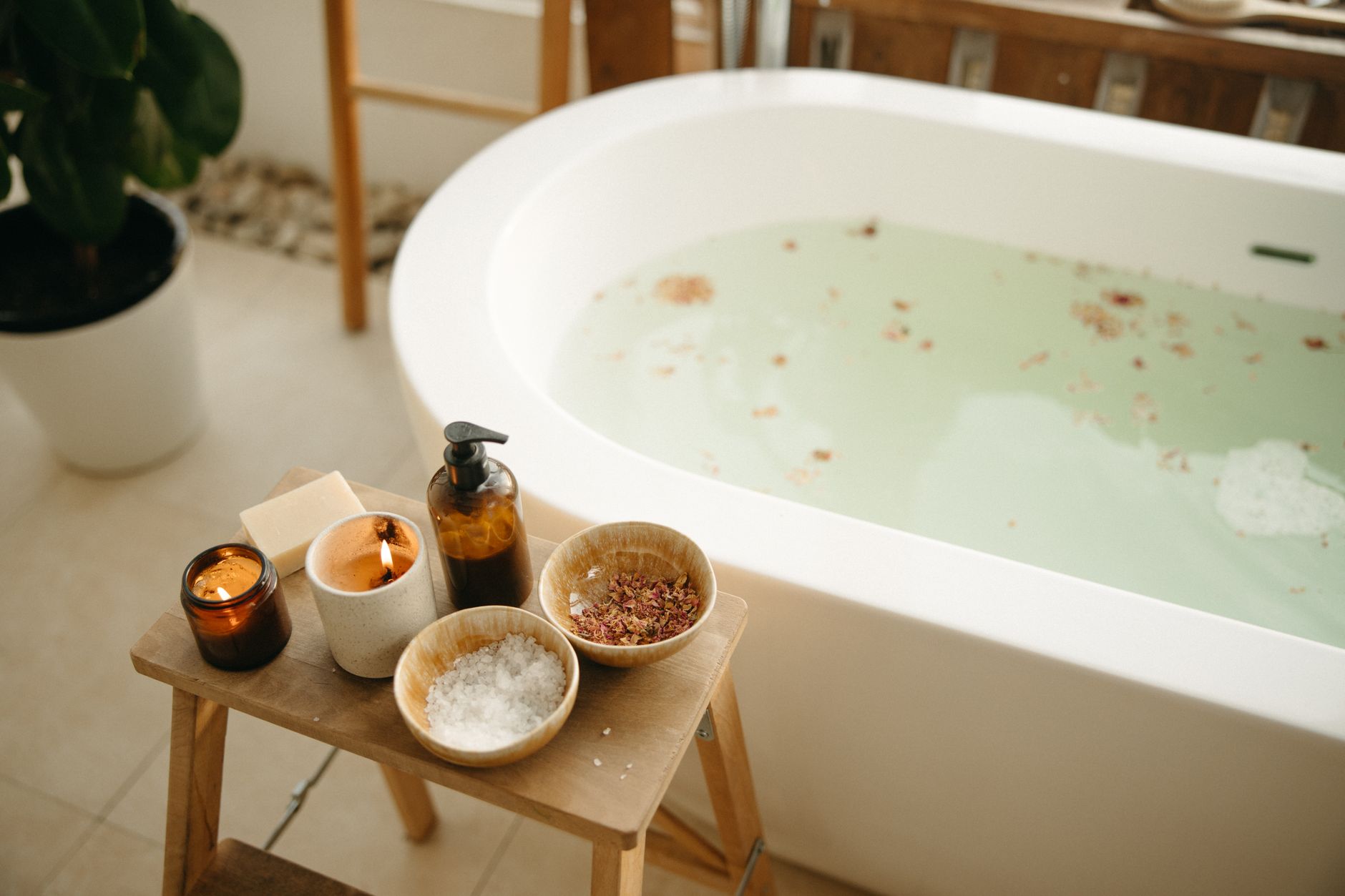
Choosing the Right Bath Oil for Eczema
Selecting the right bath oil is crucial for managing eczema-prone skin. The right product can soothe irritation, hydrate the skin, and help maintain the skin barrier. Here’s a guide to help you choose an effective bath oil for eczema.
Ingredients to Look For
When choosing bath oils for eczema, pay attention to the ingredients. Here are some beneficial components to look for:
- Emollients: Ingredients like jojoba oil, sweet almond oil, and coconut oil are excellent emollients. They help lock in moisture and create a protective barrier on the skin.
- Humectants: These ingredients attract moisture to the skin. Look for bath oils containing glycerin or hyaluronic acid.
- Anti-inflammatory agents: Ingredients like chamomile and calendula can help reduce inflammation and soothe irritated skin.
- Essential fatty acids: Oils rich in omega-3 and omega-6 fatty acids, such as evening primrose oil and borage oil, can help improve skin barrier function.
Avoiding Irritants
While selecting bath oils, it’s equally important to avoid potential irritants that could exacerbate eczema symptoms. Here are some common irritants to steer clear of:
- Fragrances: Synthetic fragrances can be irritating to sensitive skin. Opt for fragrance-free or naturally scented products.
- Preservatives: Some preservatives, like parabens and phthalates, can cause irritation. Look for products labeled as preservative-free or containing gentle preservatives.
- Alcohol: Avoid bath oils with high alcohol content, as they can be drying and irritating to the skin.
- Dyes: Artificial colors can be potential irritants. Choose bath oils that are free from artificial dyes.
Product Recommendations
Here are some well-regarded bath oils that are often recommended for eczema-prone skin:
- Aveeno Skin Relief Moisturising Lotion: Contains oat extract, which is known for its soothing properties.
- Eucerin Advanced Repair Lotion: Rich in ceramides and other essential lipids to help restore the skin barrier.
- CeraVe Moisturizing Cream: Contains ceramides, hyaluronic acid, and niacinamide to hydrate and protect the skin.
- La Roche-Posay Lipikar Baume AP+: A multi-purpose cream that can also be used as a bath oil. It contains shea butter and niacinamide to soothe and hydrate.
- Weleda Skin Food: An ultra-nourishing cream that can double as a bath oil. It’s rich in natural oils and butters.
When trying a new bath oil, it’s a good idea to perform a patch test first. Apply a small amount of the product to a small area of skin and wait 24 hours to see if any adverse reactions occur. This can help you avoid potential irritants and find a product that works well for your skin.
In addition to using bath oils, maintaining a consistent skincare routine is vital. This includes gentle cleansing, regular moisturization, and avoiding known eczema triggers. By choosing the right bath oil and incorporating it into your eczema care regimen, you can help manage symptoms and improve the overall health of your skin.
How to Use Bath Oils Effectively
Incorporating bath oils into your skincare routine can significantly benefit eczema-prone skin. However, to maximize their effectiveness and avoid potential issues, it’s important to use them correctly. This section provides practical tips on the proper application methods, frequency of use, and combining bath oils with other treatments.
Proper Application Methods
Using bath oils correctly ensures they provide the intended benefits without causing irritation or other problems. Here are the steps to follow:
- Choose the Right Time: Use bath oils during your regular bath or shower. Avoid using them immediately after applying topical treatments, as this may wash away the medication.
- Measure the Amount: Start with a small amount, typically 5-10 ml (about 1-2 teaspoons), and adjust based on your skin’s response. Too much oil can make the bath slippery and may not be absorbed effectively by the skin.
- Add to Running Water: Pour the bath oil into the running water, not directly into the bath. This helps disperse the oil evenly and reduces the risk of slipping.
- Stir the Water: Gently stir the water to ensure the oil is well-mixed. This helps create a uniform layer of oil on the skin’s surface.
- Limit Bath Time: Keep your bath time to about 10-15 minutes. Longer baths can strip the skin of natural oils, counteracting the benefits of the bath oil.
- Pat Dry: After your bath, gently pat your skin dry with a soft towel. Avoid rubbing, which can irritate eczema-prone skin.
- Apply Moisturizer: Immediately after patting dry, apply a fragrance-free moisturizer to lock in hydration. This step is crucial for maintaining the skin barrier.
Frequency of Use
The frequency with which you use bath oils can vary based on your skin’s needs and the severity of your eczema. Here are some guidelines:
- Daily Use: For severe eczema, using bath oils daily can help maintain skin hydration and reduce flare-ups. However, monitor your skin’s response to ensure it doesn’t become overly oily or irritated.
- Every Other Day: For mild to moderate eczema, using bath oils every other day may be sufficient. This helps keep the skin moisturized without overloading it with oil.
- As Needed: Some people may only need to use bath oils a few times a week, especially if their eczema is well-managed with other treatments. Pay attention to your skin’s signals and adjust accordingly.
Combining with Other Treatments
Bath oils can be a valuable addition to your eczema care routine, but they work best when combined with other treatments. Here’s how to integrate them effectively:
- Topical Medications: If you’re using prescribed topical medications, apply them after your bath and before using bath oils. This ensures the medication is absorbed into the skin before the oil is added.
- Moisturizers: Use a high-quality, fragrance-free moisturizer immediately after your bath to lock in hydration. Look for ingredients like ceramides, which help strengthen the skin barrier.
- Humectants: Consider using humectants like glycerin or hyaluronic acid in your skincare routine. These ingredients help attract moisture to the skin, enhancing the effects of bath oils.
- Avoid Harsh Soaps: Use gentle, fragrance-free cleansers or avoid soap altogether. Harsh soaps can strip the skin of natural oils, negating the benefits of bath oils.
- Hydration: Drink plenty of water to keep your skin hydrated from the inside out. Hydrated skin is more resilient and better able to handle eczema triggers.
By following these tips, you can effectively incorporate bath oils into your eczema care routine. Remember, everyone’s skin is different, so it’s important to pay attention to how your skin responds and adjust your routine as needed. If you experience any adverse reactions, discontinue use and consult a healthcare professional.
Potential Risks and Side Effects of Bath Oils
While bath oils can offer numerous benefits for eczema-prone skin, it’s important to be aware of potential risks and side effects. Understanding these can help you make informed decisions and use bath oils safely.
Slip Hazards
One of the most immediate risks associated with using bath oils is the increased likelihood of slipping. Bath oils are designed to make the water more slippery, which can help the oil spread evenly and provide a soothing experience. However, this slipperiness can also make it easier to slip and fall.
To mitigate this risk, consider the following steps:
- Use a non-slip mat: Place a non-slip mat in the bathtub or shower to provide additional traction.
- Apply oils carefully: Use bath oils sparingly to avoid making the water too slippery. Start with a small amount and add more if needed.
- Stay cautious: Always be mindful of the slippery surface, especially when getting in and out of the bath.
Real-life example: Jane, who has eczema, started using bath oils but noticed she felt more unstable in the tub. By adding a non-slip mat and using less oil, she reduced her risk of slipping.
Skin Irritation
Although bath oils are generally gentle, they can sometimes cause skin irritation, especially if you have sensitive skin or if the oil contains ingredients that don’t agree with your skin.
To avoid skin irritation, consider these steps:
- Patch test: Before using a new bath oil, perform a patch test. Apply a small amount to a small area of skin and wait 24 hours to see if any irritation occurs.
- Choose fragrance-free options: Fragrances can be irritants. Opt for fragrance-free bath oils to minimize the risk of irritation.
- Read ingredient lists: Check the ingredient list for potential irritants or allergens. Ingredients like essential oils or certain additives might cause reactions in some people.
Real-life example: Tom experienced redness and itching after using a new bath oil. He realized the oil contained a fragrance he was sensitive to. Switching to a fragrance-free option resolved his irritation.
Allergic Reactions
Allergic reactions to bath oils, though rare, can occur. These reactions can range from mild to severe and may include symptoms like hives, swelling, or intense itching.
To prevent allergic reactions, follow these steps:
- Know your allergens: Be aware of any known allergies you have, especially to ingredients commonly found in bath oils, such as certain plant oils or additives.
- Introduce new oils slowly: When trying a new bath oil, start with a small amount to see how your skin reacts before using it regularly.
- Seek medical advice: If you experience an allergic reaction, discontinue use immediately and consult a healthcare professional. They can provide guidance and recommend alternative products.
Real-life example: Sarah developed hives after using a bath oil containing tea tree oil, an ingredient she was allergic to. By identifying the allergen and avoiding products with tea tree oil, she prevented future reactions.
In conclusion, while bath oils can be beneficial for eczema-prone skin, it’s crucial to be aware of potential risks and side effects. By taking practical steps to mitigate these risks, you can enjoy the benefits of bath oils while keeping your skin safe and healthy.
Alternatives to Bath Oils for Eczema Management
While bath oils can be beneficial for some individuals with eczema, they may not be suitable for everyone. It’s important to explore other effective alternatives that can help manage eczema symptoms and maintain skin health. This section will discuss various alternatives to bath oils, focusing on moisturizers, emollients, and humectants, which play crucial roles in eczema care.
Moisturizers: The Cornerstone of Eczema Care
Moisturizers are essential in any eczema management plan. They help to hydrate the skin, repair the skin barrier, and reduce the risk of flare-ups. When choosing a moisturizer for eczema-prone skin, it’s important to look for products that are fragrance-free, hypoallergenic, and specifically designed for sensitive skin.
There are two main types of moisturizers: leave-on and rinse-off. Leave-on moisturizers are applied to the skin after bathing and throughout the day as needed. They come in various forms, including creams, lotions, and ointments. Rinse-off moisturizers, such as cream cleansers, are used during bathing and provide temporary hydration.
For those who find bath oils slippery and difficult to use, a leave-on moisturizer can be a practical alternative. Applying a thick, emollient-rich cream or ointment immediately after bathing can lock in moisture and provide long-lasting hydration. Products containing ingredients like ceramides, hyaluronic acid, and glycerin are particularly beneficial for eczema-prone skin.
Emollients: Providing Essential Lipids
Emollients are a type of moisturizer that helps to soften and smooth the skin by filling in the gaps between skin cells. They create a protective barrier that prevents moisture loss and shields the skin from irritants. Emollients are particularly useful for individuals with eczema, as they help to restore the skin’s natural lipid barrier.
Common emollients include petroleum jelly, mineral oil, and lanolin. These ingredients are often found in heavy creams and ointments. Using an emollient regularly can significantly improve the skin’s texture and reduce the frequency of eczema flare-ups. For those who prefer not to use bath oils, incorporating an emollient into their daily skincare routine can be highly effective.
One practical tip is to keep an emollient by the bathtub or shower. Apply it liberally to damp skin immediately after bathing to maximize moisture retention. This step is crucial for preventing the skin from drying out, which can trigger eczema symptoms.
Humectants: Attracting and Retaining Moisture
Humectants are ingredients that draw moisture from the environment into the skin, helping to keep it hydrated. They are often used in combination with emollients to provide both immediate and long-lasting hydration. Common humectants include glycerin, hyaluronic acid, and urea.
Products containing humectants are particularly beneficial for individuals with eczema, as they help to maintain the skin’s moisture levels throughout the day. Humectants can be found in various forms, including creams, lotions, and serums. When choosing a humectant-rich product, look for one that is free from potential irritants like fragrances and dyes.
For example, a glycerin-based lotion can be applied throughout the day to keep the skin hydrated. Hyaluronic acid serums can be used under moisturizers to provide an extra boost of hydration. These products can serve as effective alternatives to bath oils, offering consistent moisture without the risk of slipping in the bath.
Combining Moisturizers, Emollients, and Humectants
For optimal eczema management, it’s often beneficial to use a combination of moisturizers, emollients, and humectants. This multi-layered approach ensures that the skin receives both immediate and long-term hydration, helping to strengthen the skin barrier and reduce the likelihood of flare-ups.
A typical routine might involve using a humectant-rich serum immediately after bathing, followed by an emollient-rich cream or ointment. Throughout the day, a lightweight moisturizer can be applied as needed to maintain hydration. This comprehensive approach can be more effective than relying solely on bath oils.
It’s also important to be mindful of potential eczema triggers when choosing skincare products. Ingredients like fragrances, alcohols, and certain preservatives can irritate eczema-prone skin. Reading product labels carefully and opting for products specifically designed for sensitive skin can help minimize the risk of irritation.
Practical Steps for Incorporating Alternatives
Transitioning from bath oils to alternative treatments can be straightforward with a few practical steps:
- Assess Your Skin’s Needs: Determine whether your skin requires more hydration, emollience, or a combination of both. This will guide your choice of products.
- Choose Fragrance-Free Products: Opt for moisturizers, emollients, and humectants that are free from fragrances and potential irritants.
- Apply Immediately After Bathing: Use your chosen products right after bathing when the skin is still damp to lock in moisture.
- Reapply Throughout the Day: Keep a moisturizer handy for touch-ups during the day to maintain hydration.
- Monitor for Irritation: Pay attention to how your skin reacts to new products and discontinue use if any irritation occurs.
By exploring these alternatives to bath oils, individuals with eczema can find effective ways to manage their symptoms and maintain healthy skin. Whether through moisturizers, emollients, or humectants, there are numerous options available to support eczema care and prevent flare-ups.
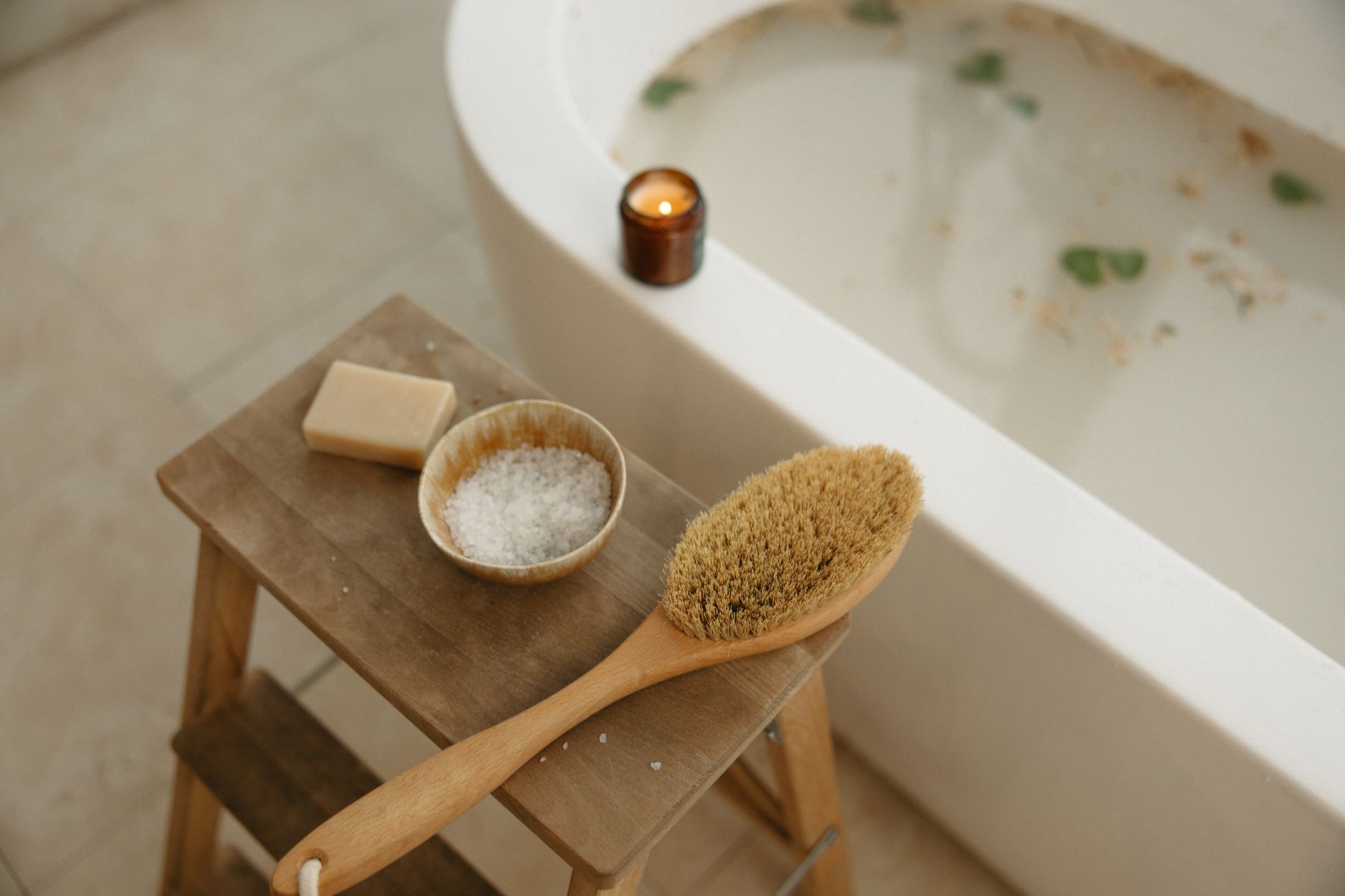
Incorporating Bath Oils into a Comprehensive Eczema Routine
When it comes to managing eczema, a holistic approach is often the most effective. This means looking beyond just one treatment option and considering a combination of methods that work together to improve your skin’s health. One such method is the use of bath oils for eczema-prone skin. But how do you incorporate bath oils into a broader eczema management plan? Let’s explore this in detail.
Daily Skincare Routine
A consistent daily skincare routine is the cornerstone of eczema management. This routine should be tailored to your specific needs but generally includes cleansing, moisturizing, and protecting the skin.
- Cleansing: Use a gentle, fragrance-free cleanser to avoid stripping the skin of its natural oils. Bath oils can be added to your bathwater to help cleanse and moisturize simultaneously.
- Moisturizing: After bathing, apply a thick moisturizer while your skin is still damp to lock in hydration. Look for products that are free from fragrances and dyes.
- Protecting: Use clothing that is soft and breathable to avoid irritation. Consider wearing cotton gloves while sleeping to prevent scratching.
Incorporating bath oils into this routine can provide an extra layer of moisture and help soothe irritated skin. For example, adding a few drops of bath oil to your evening bath can make your skin feel softer and more hydrated overnight.
Lifestyle Changes
Beyond your skincare routine, certain lifestyle changes can significantly impact your eczema symptoms. These changes can complement the use of bath oils and contribute to overall skin health.
- Diet: Some people find that certain foods can trigger eczema flare-ups. Keeping a food diary can help you identify potential triggers.
- Stress Management: Stress is a known eczema trigger. Incorporating relaxation techniques like yoga, meditation, or even a warm bath with bath oils can help manage stress levels.
- Hydration: Drinking plenty of water helps keep your skin hydrated from the inside out.
For instance, a relaxing bath with bath oils in the evening can serve as a stress-relief ritual, helping you unwind and potentially reducing the frequency of eczema flare-ups.
Monitoring Progress
Keeping track of your eczema symptoms and how they respond to different treatments is crucial. This allows you to make informed decisions about what works best for you.
- Symptom Diary: Note down any changes in your skin, including when flare-ups occur, their severity, and any potential triggers.
- Treatment Log: Record when you use bath oils and other treatments, along with any noticeable effects. This can help you identify what combinations work best for your skin.
For example, if you notice that using bath oils reduces itching and redness, you might decide to incorporate them more regularly into your routine. On the other hand, if you experience any adverse reactions, it’s important to adjust your approach accordingly.
In summary, incorporating bath oils into a comprehensive eczema routine involves more than just adding them to your bathwater. It’s about creating a balanced approach that includes a daily skincare routine, lifestyle changes, and careful monitoring of your skin’s response. By taking a holistic view, you can better manage your eczema symptoms and improve your overall skin health.
Testimonials and Case Studies: Real Experiences with Bath Oils
When considering bath oils for eczema, it can be incredibly helpful to hear from others who have tried them. Real-life experiences provide valuable insights into what works, what doesn’t, and the practical tips that can make a difference in managing eczema symptoms.
Success Stories
Many individuals have found relief using bath oils as part of their eczema care routine. Here are a few success stories:
- Emily’s Story: Emily, a 28-year-old teacher, struggled with severe eczema flare-ups for years. After incorporating a gentle bath oil into her nightly routine, she noticed a significant improvement in her skin’s hydration and a reduction in itching. “It’s like a soothing balm for my skin,” she says.
- Jake’s Journey: Jake, a 35-year-old software developer, experienced frequent eczema flare-ups, especially during the winter months. By adding a few drops of bath oil to his daily shower, he found that his skin remained moisturized and less prone to irritation. “It’s a small change that made a big difference,” he notes.
- Sophia’s Solution: Sophia, a 40-year-old mother of two, dealt with eczema on her hands and arms. She started using a specialized bath oil designed for sensitive skin and noticed that her symptoms improved. “It’s become a non-negotiable part of my self-care routine,” she shares.
Lessons Learned
While success stories are encouraging, it’s also important to learn from the experiences of those who faced challenges. Here are some lessons learned from using bath oils for eczema:
- Patch Testing is Crucial: Many individuals learned the hard way that not all bath oils are created equal. Conducting a patch test before fully integrating a new product into your routine can help prevent adverse reactions.
- Consistency is Key: Those who saw the best results with bath oils used them consistently. Incorporating them into a daily or weekly routine helped maintain skin hydration and reduce flare-ups.
- Combination Approach Works Best: Users found that bath oils worked best when combined with other eczema care practices, such as using gentle cleansers, applying moisturizers, and avoiding known triggers.
Personal Tips
Here are some practical tips from individuals who have successfully used bath oils for eczema:
- Start Slow: Begin with a small amount of bath oil to see how your skin reacts. Gradually increase the quantity if needed.
- Choose Fragrance-Free Options: Many people with eczema are sensitive to fragrances. Opting for fragrance-free bath oils can help avoid irritation.
- Combine with Moisturizers: After using bath oil, apply a thick moisturizer to lock in hydration. This dual approach can significantly improve skin barrier function.
- Keep Water Temperature Moderate: Hot water can strip the skin of its natural oils. Using lukewarm water while bathing can help preserve moisture.
- Be Patient: It may take some time to see the full benefits of using bath oils. Consistency and patience are essential.
These testimonials and case studies highlight the diverse experiences people have had with bath oils for eczema. While results can vary, many find that incorporating bath oils into their eczema care routine offers significant relief and improved skin health.
Expert Advice on Using Bath Oils for Eczema
When considering bath oils for eczema-prone skin, it’s essential to seek guidance from dermatology experts. These professionals provide valuable insights into the benefits, potential risks, and best practices associated with using bath oils.
Dermatologist Recommendations
Leading dermatologists often recommend bath oils as a part of a comprehensive eczema care regimen. Dr. Emily Carter, a renowned dermatologist, emphasizes, “Bath oils can be a beneficial addition to your eczema management routine. They help to moisturize the skin and reduce itching, which are common symptoms of eczema.”
Dr. Carter advises selecting bath oils that are free from fragrances and harsh chemicals, as these can sometimes trigger eczema flare-ups. She suggests looking for products that contain natural ingredients like jojoba oil, coconut oil, or almond oil, which are known for their moisturizing properties.
Research Findings
Recent studies have explored the effectiveness of bath oils in managing eczema symptoms. One study published in the Journal of Dermatological Treatment found that patients using bath oils experienced a significant reduction in skin dryness and itching compared to those who did not use them.
Another research project highlighted in the British Journal of Dermatology indicated that bath oils could enhance the skin barrier function, making it more resilient against environmental triggers. This is particularly important for individuals with eczema, as a compromised skin barrier is a common issue.
Best Practices
To maximize the benefits of bath oils for eczema, dermatologists recommend following these best practices:
- Choose the Right Time: Use bath oils during or after a bath when the skin is still slightly damp. This helps to lock in moisture.
- Select Appropriate Products: Opt for bath oils specifically formulated for sensitive skin. Avoid products with added fragrances or dyes.
- Use in Moderation: While bath oils can be beneficial, using too much can make the bath slippery and increase the risk of accidents. A small amount is usually sufficient.
- Combine with Moisturizers: After using bath oils, apply a gentle, fragrance-free moisturizer to further hydrate the skin.
- Monitor for Reactions: Pay attention to how your skin reacts to the bath oil. If you notice any signs of irritation or increased itching, discontinue use and consult a dermatologist.
Incorporating bath oils into your eczema care routine can offer relief from symptoms and improve overall skin health. However, it’s crucial to use them wisely and in conjunction with other eczema management strategies recommended by your healthcare provider.
For those considering bath oils for eczema, it’s always a good idea to consult with a dermatologist to ensure it’s the right choice for your specific skin condition and needs.
Frequently asked questions
Can bath oils worsen eczema symptoms?
While bath oils can be beneficial for eczema-prone skin, they can sometimes cause irritation. This usually happens if the oil contains allergens or irritants. To minimize risks, choose bath oils specifically designed for sensitive skin. Look for products free from fragrances, dyes, and common allergens. Start with a small amount to see how your skin reacts before using it regularly.
How often should I use bath oils for eczema?
The frequency of using bath oils depends on your skin’s needs and the severity of your eczema. Generally, using bath oils 2-3 times a week can help maintain skin hydration without overloading it. For severe eczema, you might need to use them more frequently, but always monitor your skin’s response. Consistency is key, but listen to your body and adjust as needed.
Are there any ingredients I should avoid in bath oils?
Yes, certain ingredients can exacerbate eczema symptoms. Avoid bath oils containing fragrances, essential oils, and dyes, as these can be potential irritants. Also, steer clear of products with alcohol, which can dry out the skin. Opt for bath oils with simple, soothing ingredients like oatmeal, aloe vera, or calendula.
Can children use bath oils for eczema?
Children with eczema can benefit from bath oils, but it’s crucial to choose products specifically formulated for kids. Look for hypoallergenic and fragrance-free options. Always perform a patch test before widespread use to ensure there’s no adverse reaction. Consult with a pediatrician for recommendations tailored to your child’s skin.
What are the best bath oils for severe eczema?
For severe eczema, look for bath oils that contain ingredients known for their soothing and moisturizing properties. Products with ceramides, colloidal oatmeal, or shea butter can be particularly effective. Brands like Aveeno, Eucerin, and Cetaphil offer formulations designed for sensitive and eczema-prone skin. Always check the ingredient list to avoid potential irritants.
How do bath oils compare to other eczema treatments?
Bath oils are a complementary treatment for eczema, offering hydration and soothing relief. They work well alongside other treatments like moisturizers, prescribed creams, and topical steroids. While bath oils can enhance skin hydration, they should not replace prescribed medications. Combining bath oils with other treatments can provide comprehensive care for eczema-prone skin.
Use MyEczema.app to track your eczema patterns and daily triggers.
This article is for educational purposes only and is not medical advice. If symptoms are severe, spreading, painful, infected-looking, or affecting sleep and daily life, speak with a qualified healthcare professional.
Sources and further reading
For medical guidance, always rely on a qualified healthcare professional. These educational resources may help readers learn more:
Image credit: Photo by Sora Shimazaki on Pexels. Used under the Pexels License.
Image credit: Photo by Yaroslav Shuraev on Pexels. Used under the Pexels License.
Image credit: Photo by Yaroslav Shuraev on Pexels. Used under the Pexels License.