
MyEczema.app guide
Best Cleanser for Eczema-Prone Skin: Gentle and Effective Choices
Discover the best cleanser for eczema-prone skin. Learn about gentle, effective options to manage eczema symptoms and maintain skin health.
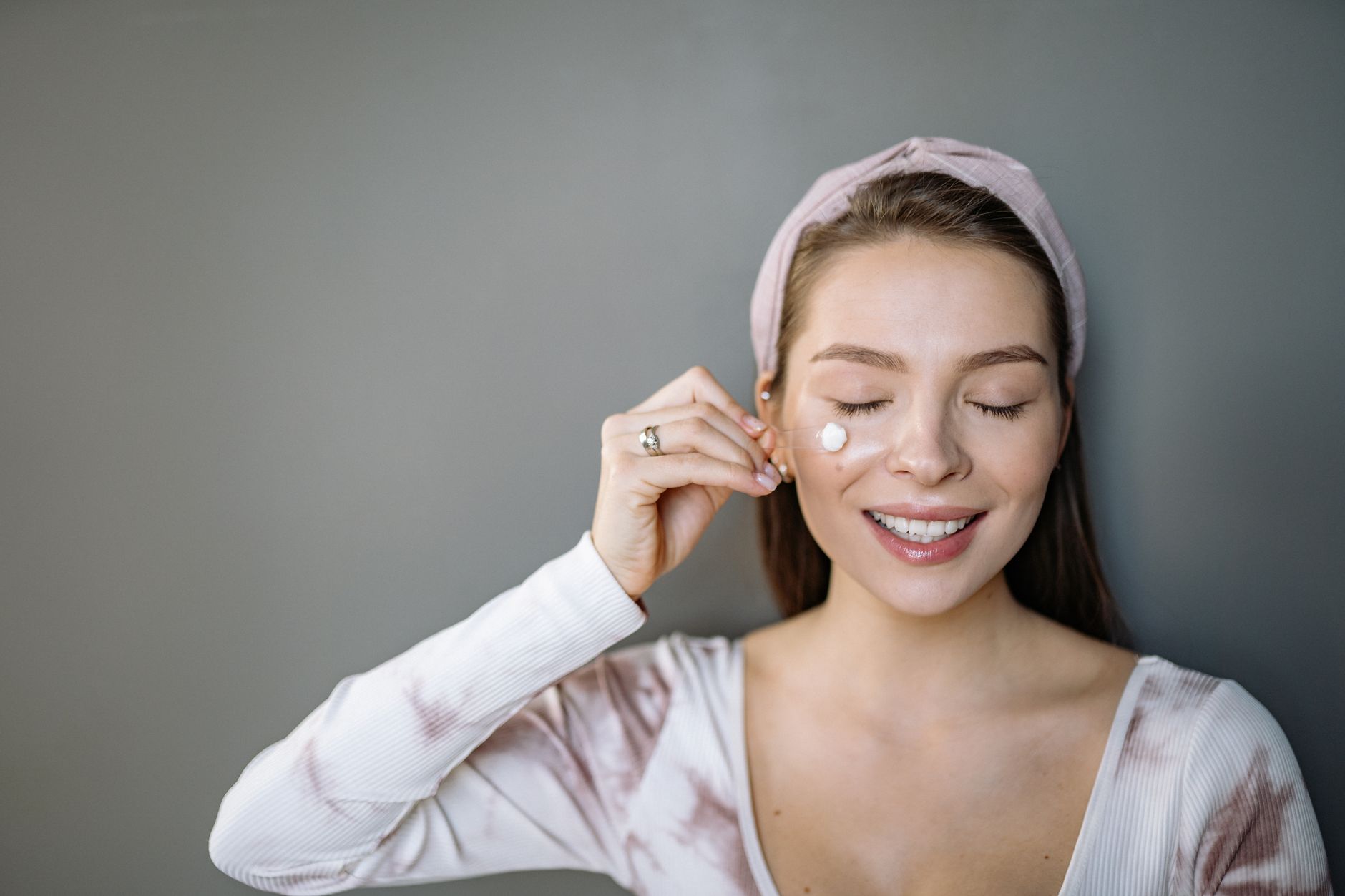
Table of contents
Use this guide as a practical reference and jump to the sections most relevant to you.
- Quick answer
- Key takeaways
- Practical comparison table
- Visual chart
- Related MyEczema.app tool
- Understanding Eczema and Its Impact on Skin
- Why Choosing the Right Cleanser Matters for Eczema
- Key Ingredients to Look for in a Cleanser for Eczema
- Types of Cleansers Suitable for Eczema-Prone Skin
- Creating an Effective Cleanser Routine for Eczema
- Common Mistakes to Avoid When Choosing a Cleanser for Eczema
- Dermatologist-Recommended Cleansers for Eczema
- DIY Cleansers for Eczema-Prone Skin
- Case Studies: Real Experiences with Eczema Cleansers
- Frequently Asked Questions About Cleansers for Eczema
- Frequently asked questions
- Sources and further reading
If you have eczema, you know that choosing the right products for your skin can make a big difference in your daily comfort. One of the most important products in your skincare routine is your cleanser. The right cleanser for eczema-prone skin can help you maintain a healthy skin barrier, reduce irritation, and keep your symptoms under control. But with so many options out there, how do you know which cleanser is best for you? Let’s dive into what makes a cleanser suitable for eczema-prone skin and how you can find the right one for your needs.
Eczema-prone skin is often sensitive, dry, and easily irritated. This means that the cleanser you choose should be gentle, hydrating, and free from potential irritants. In this article, we’ll explore the characteristics of the best cleanser for eczema-prone skin, discuss ingredients to look for and avoid, and offer practical tips for incorporating a new cleanser into your routine. Remember, while we provide general guidance, it’s always a good idea to consult with a dermatologist for personalized recommendations.
Eczema, also known as atopic dermatitis, is a chronic skin condition characterized by inflammation, itching, and often, a disrupted skin barrier. This disruption makes your skin more susceptible to irritants and allergens, which can exacerbate symptoms. Factors like climate, individual triggers, and even your cleansing habits can affect your eczema. Therefore, finding the right cleanser is not just about cleaning your skin but also about protecting and nurturing it.
Quick answer
The best cleanser for eczema-prone skin is gentle, fragrance-free, and moisturizing. It should help maintain your skin’s natural barrier while removing dirt and impurities. Always consult a dermatologist for personalized recommendations to ensure you’re using the most suitable cleanser for your specific skin needs.
Key takeaways
- Choose a gentle, fragrance-free cleanser for eczema-prone skin.
- Look for moisturizers and soothing ingredients in your cleanser.
- Consult a dermatologist for personalized cleanser recommendations.
- Avoid harsh chemicals and potential irritants in cleansers.
- Incorporate a consistent skincare routine to manage eczema symptoms.
Comparing Cleanser Types for Eczema-Prone Skin
| Situation | What it may mean | Practical next step |
|---|---|---|
| Dry, flaky skin | Your skin may benefit from a moisturizing cream cleanser. | Try a cream cleanser with ceramides and glycerin. |
| Oily, acne-prone skin with eczema | A gel cleanser might be more suitable to avoid clogging pores. | Look for a gel cleanser with salicylic acid and aloe vera. |
| Sensitive, easily irritated skin | A milk cleanser could provide gentle cleansing without irritation. | Choose a milk cleanser with chamomile and oat extract. |
| Combination skin with eczema | A balanced cleanser that addresses both dry and oily areas is needed. | Use a cream cleanser with a lightweight formula. |
| Frequent flare-ups | Your skin may need a very gentle, fragrance-free cleanser. | Opt for a fragrance-free cleanser with soothing ingredients like colloidal oatmeal. |
Related MyEczema.app tool
Use the Eczema Skincare Routine Planner
The Eczema Skincare Routine Planner helps users organize morning, daytime, and evening routine steps for eczema-prone skin.
For this topic, this tool can help you organize information in a more structured way and turn daily observations into clearer patterns to review over time.
Understanding Eczema and Its Impact on Skin
Before diving into the best cleanser for eczema-prone skin, it’s essential to understand what eczema is and how it affects the skin. This knowledge will help you make informed choices about your skincare routine and select products that are gentle and effective.
Definition of Eczema
Eczema, also known as atopic dermatitis, is a chronic skin condition characterized by inflammation and irritation. It often appears as red, itchy, and sometimes broken skin. Eczema can affect people of all ages but commonly starts in childhood. The exact cause of eczema is not fully understood, but it is believed to involve a combination of genetic and environmental factors.
How Eczema Affects the Skin Barrier
One of the key features of eczema is a compromised skin barrier. The skin barrier is the outermost layer of the skin that protects against external irritants and helps retain moisture. In people with eczema, this barrier is often weakened, making the skin more susceptible to dryness, irritation, and infections. This compromised barrier is why choosing the right cleanser for eczema-prone skin is crucial. A harsh cleanser can further strip the skin of its natural oils, exacerbating eczema symptoms.
Common Symptoms of Eczema
Eczema symptoms can vary from person to person but commonly include:
- Itching: Often severe and can lead to scratching, which may worsen the condition.
- Redness: The skin may appear red and inflamed.
- Dryness: Skin can become extremely dry, leading to flaking and cracking.
- Rash: Eczema often presents as a rash, which can be patchy or widespread.
- Blisters: Small, fluid-filled blisters may develop and eventually crust over.
- Thickened Skin: Chronic scratching can cause the skin to become thick and leathery, a condition known as lichenification.
Understanding these symptoms is vital when selecting a cleanser for eczema-prone skin. The goal is to find a product that cleanses without causing further irritation or drying out the skin. A gentle, hydrating cleanser can help maintain the skin’s moisture balance and support the skin barrier, making it an essential part of an eczema skincare routine.
For example, someone with eczema might find that a traditional soap-based cleanser leaves their skin feeling tight and itchy afterward. In contrast, a cleanser specifically designed for sensitive or eczema-prone skin might provide relief and help manage symptoms. It’s about finding the right balance between cleansing and maintaining the skin’s natural oils.
In the next section, we’ll explore the specific qualities to look for in a cleanser for eczema-prone skin and recommend some products that have been well-received by those with eczema. Remember, what works for one person may not work for another, so it’s often a process of trial and error to find the best cleanser for your unique skin needs.
Why Choosing the Right Cleanser Matters for Eczema
Selecting the right cleanser for eczema-prone skin is a crucial step in managing this condition effectively. Cleansers play a significant role in maintaining skin health, and for those with eczema, the choice of cleanser can either alleviate symptoms or exacerbate them.
Role of Cleansers in Eczema Management
Cleansers are not just about removing dirt and impurities; they also help in maintaining the skin’s natural barrier. For individuals with eczema, this barrier is often compromised, making the skin more susceptible to irritants and allergens. A suitable cleanser for eczema-prone skin should gently cleanse without stripping the skin of its natural oils. This balance is key in preventing flare-ups and maintaining skin health.
How Wrong Cleansers Can Worsen Eczema
Using the wrong type of cleanser can have adverse effects on eczema-prone skin. Harsh cleansers, those containing alcohol, fragrances, or strong chemicals, can strip the skin of its natural oils, leading to dryness and irritation. This can trigger eczema flare-ups, making the skin more red, itchy, and uncomfortable. It’s important to be cautious and selective when choosing a cleanser to avoid these negative outcomes.
For example, a person with eczema might find that a cleanser marketed for oily skin, which is often more abrasive, worsens their condition. Instead, they would benefit from a cleanser specifically formulated for sensitive or eczema-prone skin.
Benefits of Using a Gentle Cleanser
The benefits of using a gentle cleanser for eczema-prone skin are manifold. A mild, eczema-friendly cleanser helps in:
- Maintaining Skin Hydration: Gentle cleansers are less likely to strip the skin of its natural moisture, which is crucial for keeping eczema-prone skin hydrated.
- Reducing Irritation: They are formulated to be less irritating, reducing the risk of triggering eczema flare-ups.
- Supporting Skin Barrier Function: A gentle cleanser helps in preserving the skin’s natural barrier, which is often weakened in eczema.
- Enhancing the Effectiveness of Treatments: When the skin is not irritated or dry, other eczema treatments, like moisturizers or prescribed medications, can work more effectively.
In practice, this might mean choosing a cleanser that is fragrance-free, dye-free, and hypoallergenic. Many people with eczema find relief by switching to a gentle, moisturizing cleanser, which becomes a staple in their eczema skincare routine.
It’s also important to note that what works for one person might not work for another. Eczema is a highly individual condition, and what constitutes the best cleanser for eczema can vary from person to person. It often requires some trial and error to find the right product.
In conclusion, the right cleanser for eczema-prone skin is more than just a daily hygiene product; it’s a vital component of eczema management. By choosing a gentle, suitable cleanser, individuals can help maintain their skin’s health, reduce the frequency and severity of flare-ups, and improve their overall comfort and quality of life.
Key Ingredients to Look for in a Cleanser for Eczema
Selecting the right cleanser for eczema-prone skin is a crucial part of managing eczema effectively. The best cleanser for eczema will not only cleanse the skin but also support its natural barrier and reduce irritation. Here are some key ingredients to look for when choosing a cleanser for eczema.
Moisturizing Ingredients
One of the primary goals of any cleanser for eczema-prone skin is to maintain or enhance the skin’s moisture levels. Ingredients that help to moisturize the skin are essential.
- Ceramides: These are lipids that naturally occur in the skin and play a vital role in maintaining the skin barrier. Ceramides help to lock in moisture and protect the skin from external irritants. A cleanser containing ceramides can help replenish the skin’s natural lipids, making it a valuable addition to an eczema skincare routine.
- Glycerin: This is a humectant, meaning it attracts moisture from the environment and holds it in the skin. Glycerin is particularly beneficial for eczema-prone skin because it helps to keep the skin hydrated without causing irritation.
When looking for a cleanser for eczema, check the label for these moisturizing ingredients. Products that contain ceramides and glycerin are likely to be gentler and more effective for eczema-prone skin.
Soothing Ingredients
In addition to moisturizing ingredients, a good cleanser for eczema should also contain soothing ingredients that help to calm irritated skin.
- Aloe Vera: Known for its cooling and soothing properties, aloe vera can help reduce inflammation and redness associated with eczema. It is a gentle ingredient that is often well-tolerated by sensitive skin.
- Chamomile: This herb has anti-inflammatory and antioxidant properties, making it an excellent ingredient for calming irritated skin. Chamomile can help soothe the itchiness and redness that often accompany eczema flare-ups.
Incorporating a cleanser with soothing ingredients like aloe vera and chamomile into your eczema skincare routine can provide relief from symptoms and help maintain skin health.
Avoiding Harsh Chemicals and Fragrances
While it’s important to look for beneficial ingredients, it’s equally crucial to avoid certain components that can exacerbate eczema symptoms.
- Harsh Chemicals: Ingredients like sulfates (SLS and SLES), parabens, and artificial colors can strip the skin of its natural oils and cause irritation. These chemicals are commonly found in many conventional cleansers but should be avoided in a cleanser for eczema-prone skin.
- Fragrances: Both natural and synthetic fragrances can trigger allergic reactions and irritate sensitive skin. Opt for fragrance-free products or those with natural, essential oil-based fragrances that are less likely to cause irritation.
Reading product labels carefully is essential when choosing a cleanser for eczema. Look for products that are labeled as “fragrance-free” or “hypoallergenic” to minimize the risk of irritation.
Practical Steps for Choosing the Right Cleanser
Here are some practical steps to help you choose the best cleanser for eczema:
- Start by identifying your skin’s specific needs. Are you looking for more moisture, or do you need something to soothe irritation?
- Read the ingredient list carefully. Look for moisturizing and soothing ingredients while avoiding harsh chemicals and fragrances.
- Consider trying samples or smaller sizes first. Eczema skin can be unpredictable, so it’s wise to test a new product before committing to a full-size bottle.
- Patch test new products. Apply a small amount of the cleanser to a discreet area of your skin and wait 24-48 hours to ensure there is no adverse reaction.
- Incorporate the cleanser into your daily eczema skincare routine. Consistency is key to managing eczema effectively.
By focusing on these key ingredients and avoiding potential irritants, you can find a cleanser that not only cleans your skin but also supports its health and reduces the likelihood of eczema flare-ups. Remember, everyone’s skin is different, so what works for one person may not work for another. It may take some trial and error to find the perfect cleanser for your eczema-prone skin.
Types of Cleansers Suitable for Eczema-Prone Skin
When it comes to managing eczema, choosing the right cleanser is crucial. The right cleanser for eczema-prone skin can help maintain the skin’s barrier, reduce irritation, and keep flare-ups at bay. Let’s explore the different types of cleansers and their suitability for eczema-prone skin.
Cream Cleansers
Cream cleansers are a popular choice for those with eczema. They are thick and creamy, providing a gentle yet effective cleanse. These cleansers are typically rich in moisturizing ingredients, which help to hydrate the skin while removing dirt and impurities.
For eczema-prone skin, cream cleansers offer several benefits:
- Hydration: They provide intense moisture, which is essential for keeping eczema-prone skin hydrated.
- Gentleness: Their creamy texture is less likely to strip the skin of its natural oils, reducing the risk of irritation.
- Barrier Support: Many cream cleansers contain ingredients that help strengthen the skin’s barrier, which is often compromised in eczema.
When selecting a cream cleanser, look for formulations that are fragrance-free and contain soothing ingredients like ceramides, hyaluronic acid, and glycerin. These ingredients help to lock in moisture and support the skin’s natural barrier.
Gel Cleansers
Gel cleansers are lightweight and often have a cooling effect on the skin. They are usually formulated with water and gelling agents, making them suitable for those with oily or combination skin. However, their suitability for eczema-prone skin can vary.
Here are some considerations for using gel cleansers with eczema:
- Lightweight Feel: Gel cleansers provide a refreshing cleanse without feeling heavy on the skin.
- Potential for Dryness: Some gel cleansers can be drying, which may exacerbate eczema symptoms. It’s important to choose a gel cleanser that is specifically formulated for sensitive skin and includes hydrating ingredients.
- Ingredients Matter: Look for gel cleansers that contain hydrating and soothing ingredients like aloe vera, chamomile, and glycerin to mitigate any potential dryness.
If you opt for a gel cleanser, be sure to follow up with a generous application of moisturizer to keep your skin hydrated.
Milk Cleansers
Milk cleansers are known for their creamy, rich texture and gentle cleansing properties. They are often formulated with ingredients like milk proteins, which can help to soothe and hydrate the skin.
Benefits of milk cleansers for eczema-prone skin include:
- Gentle Cleansing: Milk cleansers are typically very gentle, making them suitable for sensitive skin.
- Hydration: They provide a good balance of cleansing and moisturizing, which is important for maintaining the skin’s barrier.
- Soothing Properties: Ingredients like milk proteins and ceramides can help to calm irritated skin and reduce inflammation.
When choosing a milk cleanser, ensure it is fragrance-free and contains additional hydrating ingredients to support eczema-prone skin.
Oil Cleansers
Oil cleansers might seem counterintuitive for those with eczema, but they can be beneficial when chosen correctly. These cleansers are formulated with oils that dissolve makeup and impurities without stripping the skin of its natural moisture.
Considerations for using oil cleansers with eczema include:
- Moisturizing: Oil cleansers can provide deep hydration, which is essential for eczema-prone skin.
- Non-Comedogenic: Ensure the oil cleanser is non-comedogenic to avoid clogging pores, which can exacerbate eczema symptoms.
- Ingredients: Look for oil cleansers that contain soothing and anti-inflammatory ingredients like jojoba oil, rosehip oil, and chamomile.
It’s important to follow up with a gentle, hydrating cleanser after using an oil cleanser to ensure all oil residues are removed. This two-step cleansing process can help maintain the skin’s balance without causing irritation.
In summary, the best cleanser for eczema-prone skin will depend on your individual skin type and the specific needs of your skin. Cream cleansers, gel cleansers, milk cleansers, and oil cleansers each have their own benefits and considerations. The key is to choose a cleanser that is gentle, hydrating, and free from harsh ingredients that can irritate eczema-prone skin. Always patch test new products and consult with a dermatologist if you’re unsure about which cleanser is right for you.
Creating an Effective Cleanser Routine for Eczema
Incorporating the right cleanser into your eczema skincare routine is crucial for maintaining healthy skin. This section will guide you through the steps for a gentle cleanse, the ideal frequency of cleansing, and how to effectively combine your cleanser with a moisturizer.
Steps for a Gentle Cleanse
Cleansing your skin when you have eczema requires a delicate approach to avoid irritation. Here’s a step-by-step guide to ensure your skin stays calm and comfortable:
- Preparation: Before you begin, make sure your hands are clean. This prevents transferring any bacteria or dirt to your skin.
- Wet Your Skin: Start by wetting your skin with lukewarm water. Avoid hot water as it can strip the skin of its natural oils and exacerbate eczema symptoms.
- Apply Cleanser: Dispense a small amount of your chosen cleanser for eczema-prone skin. Look for products that are fragrance-free, hypoallergenic, and contain soothing ingredients like ceramides or glycerin.
- Gently Massage: Using your fingertips, gently massage the cleanser onto your skin in circular motions. Be careful not to scrub, as this can cause irritation.
- Rinse Thoroughly: Rinse off the cleanser with lukewarm water, ensuring no residue is left behind. Residual cleanser can cause irritation and dryness.
- Pat Dry: Gently pat your skin dry with a soft towel. Avoid rubbing, which can aggravate eczema-prone skin.
Frequency of Cleansing
How often you cleanse your skin can vary depending on your individual needs and lifestyle. Here are some guidelines to help you determine the right frequency:
- Daily Cleansing: For most people with eczema, cleansing once a day is sufficient. This helps remove dirt, sweat, and impurities without over-stripping the skin.
- After Exercise: If you engage in physical activities that cause you to sweat, it’s a good idea to cleanse your skin afterward to prevent buildup that can lead to irritation.
- As Needed: Some individuals may find that cleansing more than once a day works better for them, especially if they have oily skin or live in a humid environment. However, always opt for a gentle, eczema-friendly cleanser.
Combining Cleanser with Moisturizer
Moisturizing is a critical step in any eczema skincare routine. When combined with the right cleanser, it can significantly improve the health and appearance of your skin. Here’s how to effectively pair these two steps:
- Immediate Moisturization: Apply your moisturizer immediately after cleansing while your skin is still slightly damp. This helps lock in moisture and enhances the effectiveness of the moisturizer.
- Choose the Right Moisturizer: Look for moisturizers that are specifically designed for eczema-prone skin. Ingredients like ceramides, hyaluronic acid, and oatmeal can provide extra hydration and soothe irritation.
- Layering Products: If you use additional skincare products, such as serums or treatments, apply them after your cleanser but before your moisturizer. This ensures that each product can be absorbed properly.
- Consistency is Key: Make it a habit to moisturize your skin every day, even if your eczema is not flaring up. Consistent moisturization helps maintain the skin barrier and prevents dryness.
By following these steps, you can create an effective cleanser routine that supports your eczema-prone skin. Remember, the goal is to cleanse gently and maintain moisture to keep your skin healthy and comfortable.
Common Mistakes to Avoid When Choosing a Cleanser for Eczema
When managing eczema, choosing the right cleanser is crucial. However, there are several common mistakes that people often make when selecting a cleanser for eczema-prone skin. These mistakes can exacerbate symptoms and make finding relief more challenging. Let’s explore these pitfalls and how to avoid them.
Using Harsh Cleansers
One of the most common mistakes is using harsh cleansers that strip the skin of its natural oils. Cleansers with strong detergents, sulfates, and alcohol can irritate eczema-prone skin, leading to increased dryness, redness, and flare-ups.
For instance, cleansers marketed for acne or oily skin often contain ingredients like sodium lauryl sulfate (SLS) and alcohol. While these ingredients may be effective for oily skin, they can be too aggressive for eczema-prone skin. Instead, opt for a cleanser for eczema-prone skin that is specifically formulated to be gentle and hydrating.
Look for products labeled as “fragrance-free,” “hypoallergenic,” or “for sensitive skin.” These cleansers are typically milder and less likely to cause irritation. Ingredients like ceramides, glycerin, and hyaluronic acid can help maintain the skin’s moisture barrier without causing harm.
Over-Cleansing
Another mistake is over-cleansing. While it might seem logical to cleanse the skin multiple times a day to keep it clean, this can actually worsen eczema symptoms. Over-cleansing can strip the skin of its natural oils, leading to increased dryness and irritation.
For most people with eczema, cleansing once or twice a day is sufficient. In the morning, a gentle cleanser can help remove any sweat or oils that accumulated overnight. In the evening, a cleanser can remove dirt, makeup, and environmental pollutants.
If you find yourself feeling greasy or dirty throughout the day, consider using a cleanser for sensitive skin as a spot treatment rather than cleansing your entire face or body. This approach helps maintain the skin’s natural balance without over-stripping it.
Ignoring Ingredient Labels
Ignoring ingredient labels is a significant mistake when choosing a cleanser for eczema. Many people overlook the importance of reading ingredient lists, assuming that all cleansers are created equal. However, the ingredients in a cleanser can make a substantial difference in how your skin reacts.
When selecting a cleanser for eczema-prone skin, pay close attention to the ingredient list. Avoid ingredients known to irritate sensitive skin, such as:
- Fragrances: Synthetic fragrances can be irritating and are often unnecessary in a cleanser.
- Dyes: Artificial colors can cause allergic reactions and are best avoided.
- Alcohol: Can be drying and irritating to the skin.
- SLS and SLES: These detergents can strip the skin of its natural oils.
Instead, look for cleansers with soothing and hydrating ingredients. Ingredients like aloe vera, chamomile, oatmeal, and calendula can help calm and nourish the skin. Additionally, ceramides and fatty acids help restore the skin’s barrier function, which is often compromised in eczema.
Reading reviews from other eczema sufferers can also provide valuable insights. People often share their experiences with specific products, highlighting what worked for them and what didn’t. This can guide you in making a more informed decision.
In summary, avoiding these common mistakes can significantly improve your eczema skincare routine. By choosing a gentle cleanser for eczema-prone skin, avoiding over-cleansing, and carefully reading ingredient labels, you can help keep your skin calm and comfortable. Remember, finding the right cleanser is a process of trial and error, so be patient and persistent in your search for the best product for your skin.
Dermatologist-Recommended Cleansers for Eczema
Finding the right cleanser for eczema-prone skin can make a significant difference in managing symptoms and maintaining skin health. Dermatologists often recommend specific cleansers that are gentle yet effective in cleansing the skin without causing irritation. This section will explore some of the top dermatologist-recommended cleansers for eczema, why they are effective, and how to choose the right one for your needs.
List of Dermatologist-Recommended Cleansers
Several cleansers are frequently recommended by dermatologists for those with eczema. These products are chosen for their gentle formulations, effective ingredients, and positive track records with eczema patients. Here are some of the top recommendations:
- Cetaphil Gentle Skin Cleanser: Known for its mild and non-irritating formula, this cleanser is a staple in many eczema skincare routines. It effectively removes dirt and oil without stripping the skin of its natural moisture.
- Aveeno Skin Relief Moisturizing Creamy Cleanser: This cleanser contains oat extract, which helps to soothe and protect the skin. It is designed to cleanse without causing dryness or irritation.
- La Roche-Posay Lipikar Syndet AP+: Formulated with niacinamide and glycerin, this cleanser is both gentle and hydrating. It is suitable for very dry and sensitive skin types.
- Vanicream Moisturizing Skin Cleanser: Free from common irritants like dyes, fragrances, and parabens, this cleanser is ideal for sensitive skin. It cleanses effectively while maintaining the skin’s moisture barrier.
- Eucerin Advanced Repair Creamy Cleanser: This cleanser contains ceramides and other essential lipids to help restore the skin’s natural barrier. It is gentle enough for daily use on eczema-prone skin.
Why These Cleansers Are Effective
The effectiveness of these cleansers lies in their carefully selected ingredients and formulations. Here’s why dermatologists often recommend them:
- Gentle Formulations: These cleansers are free from harsh chemicals, fragrances, and dyes that can irritate eczema-prone skin. Their mild formulations ensure that they cleanse without causing additional irritation.
- Moisturizing Ingredients: Many of these cleansers contain hydrating ingredients like glycerin, ceramides, and oat extract. These ingredients help to maintain the skin’s moisture barrier, preventing dryness and flakiness.
- Non-Comedogenic: The cleansers are non-comedogenic, meaning they won’t clog pores. This is important for eczema patients who may also experience acne or other skin conditions.
- PH-Balanced: Maintaining the skin’s natural pH is crucial for eczema management. These cleansers are formulated to be pH-balanced, ensuring they do not disrupt the skin’s natural acidity.
- Proven Track Record: Many of these cleansers have been used by eczema patients for years with positive results. Dermatologists rely on products with a proven track record of safety and efficacy.
How to Choose the Right One for You
Selecting the best cleanser for your eczema-prone skin involves considering your specific skin needs and preferences. Here are some practical steps to help you choose:
- Identify Your Skin Type: Determine whether your skin is dry, oily, or combination. This will help you narrow down the options to cleansers that are suitable for your skin type.
- Check for Sensitivities: If you have known sensitivities or allergies, look for cleansers that are free from potential irritants like fragrances, dyes, and certain preservatives.
- Read Ingredients Lists: Pay attention to the ingredients. Look for hydrating and soothing ingredients like glycerin, ceramides, and oat extract. Avoid cleansers with harsh chemicals or alcohol.
- Consider Your Routine: Think about your current skincare routine. Choose a cleanser that complements your other products, such as moisturizers and treatments.
- Patch Test: Before incorporating a new cleanser into your routine, perform a patch test. Apply a small amount to a discreet area of your skin and wait 24 hours to check for any adverse reactions.
- Consult a Dermatologist: If you’re unsure which cleanser to choose, consult a dermatologist. They can provide personalized recommendations based on your skin’s specific needs.
By following these steps and considering dermatologist-recommended options, you can find a cleanser that effectively manages your eczema symptoms while keeping your skin healthy and moisturized. Remember, what works for one person may not work for another, so it may take some trial and error to find the perfect cleanser for your eczema-prone skin.
DIY Cleansers for Eczema-Prone Skin
For those with eczema, finding the right cleanser can be a journey. Sometimes, store-bought options may not meet your skin’s specific needs. This is where homemade or DIY cleansers come in handy. Crafting your own cleanser for eczema-prone skin allows you to control the ingredients, ensuring they are gentle and suitable for your sensitive skin.
Simple DIY Cleanser Recipes
Creating a DIY cleanser for eczema-prone skin doesn’t have to be complicated. Here are a couple of simple recipes you can try:
- Oatmeal and Honey Cleanser: Mix 1/4 cup of colloidal oatmeal with 1 tablespoon of honey. Add a few drops of chamomile essential oil for its soothing properties. Apply to damp skin, gently massage, and rinse off with lukewarm water.
- Aloe Vera and Coconut Oil Cleanser: Blend 1/2 cup of fresh aloe vera gel with 1 tablespoon of coconut oil. Add a few drops of lavender essential oil. Apply to your skin, leave for a few minutes, and then rinse off.
Ingredients to Use and Avoid
When making a DIY cleanser for eczema-prone skin, it’s crucial to choose ingredients wisely. Here’s a quick guide:
- Ingredients to Use: Look for natural, hydrating, and anti-inflammatory ingredients. Colloidal oatmeal, aloe vera, honey, and natural oils like coconut or jojoba are excellent choices.
- Ingredients to Avoid: Steer clear of harsh chemicals, fragrances, and alcohols, which can irritate eczema-prone skin. Also, avoid essential oils unless you’re certain they won’t cause a reaction, as some can be irritating.
Tips for Making and Using DIY Cleansers
To get the most out of your homemade cleanser for eczema-prone skin, keep these tips in mind:
- Patch Test First: Always do a patch test with new DIY cleansers. Apply a small amount to a discreet area of your skin and wait 24 hours to ensure there’s no adverse reaction.
- Keep It Simple: The simpler the recipe, the less chance there is for irritation. Stick to a few key ingredients that are known to be gentle on eczema-prone skin.
- Storage: Store your DIY cleanser in a cool, dark place. Most homemade cleansers won’t last as long as commercial products, so use them within a week or two.
- Consistency is Key: Incorporate your DIY cleanser into your regular eczema skincare routine. Consistency helps in managing eczema symptoms effectively.
- Moisturize After Cleansing: After using a DIY cleanser, make sure to apply a gentle, eczema-friendly moisturizer to lock in hydration.
Creating your own cleanser for eczema-prone skin can be a rewarding part of your eczema skin care routine. It allows for personalization and can be a cost-effective solution. Remember, while DIY cleansers can be beneficial, they should complement, not replace, medical advice and treatments prescribed by a healthcare professional.
Case Studies: Real Experiences with Eczema Cleansers
Exploring the experiences of individuals who have navigated the world of cleanser for eczema-prone skin can offer valuable insights and practical tips. This section shares real-life stories, lessons learned, and personal advice from people who have found success with eczema-friendly cleansers.
Success Stories
Many individuals with eczema have found relief and improved skin health by incorporating the right cleanser into their skincare routine. Here are a few success stories:
- Sarah’s Journey: Sarah struggled with severe eczema for years. After trying numerous products, she found a gentle, fragrance-free cleanser that significantly reduced her flare-ups. She emphasizes the importance of consistency and patience in finding the right product.
- Mike’s Discovery: Mike, a teenager with eczema, discovered a cleanser containing ceramides and hyaluronic acid. This product not only cleaned his skin effectively but also provided much-needed hydration, leading to clearer and more comfortable skin.
- Emma’s Experiment: Emma experimented with several eczema-friendly cleansers before settling on one with oatmeal and colloidal oat extract. This cleanser soothed her irritated skin and became a staple in her eczema skincare routine.
Lessons Learned
These success stories highlight several important lessons for anyone searching for the best cleanser for eczema-prone skin:
- Patience is Key: Finding the right cleanser can take time. It’s important to be patient and persistent in trying different products.
- Ingredients Matter: Pay close attention to the ingredients. Look for gentle, hydrating, and anti-inflammatory components like ceramides, hyaluronic acid, and colloidal oats.
- Patch Testing is Crucial: Always perform a patch test before fully incorporating a new cleanser into your routine to ensure it doesn’t cause irritation.
- Consistency Counts: Using the same cleanser regularly helps maintain skin health and prevents sudden changes that might trigger flare-ups.
Personal Tips and Advice
In addition to success stories and lessons, here are some practical tips and advice from individuals who have mastered their eczema skincare routine:
- Start Simple: Begin with a basic, fragrance-free cleanser and gradually introduce other products as needed. This approach helps identify what works best for your skin.
- Moisturize Immediately: After cleansing, apply a moisturizer within three minutes to lock in hydration. This step is crucial for maintaining the skin barrier.
- Avoid Hot Water: Use lukewarm water when cleansing to prevent stripping the skin of its natural oils.
- Be Gentle: Use soft, circular motions when cleansing and avoid scrubbing, which can irritate eczema-prone skin.
- Consult a Dermatologist: If you’re unsure about which cleanser to use, seek advice from a dermatologist who can recommend products tailored to your skin’s needs.
These real-life experiences and tips underscore the importance of a thoughtful and tailored approach to choosing a cleanser for eczema-prone skin. By learning from others’ journeys, you can navigate your own path to healthier, more comfortable skin.
Frequently Asked Questions About Cleansers for Eczema
When it comes to managing eczema, choosing the right cleanser is crucial. Here are some common questions people often have about using cleansers for eczema-prone skin.
Can I use a regular cleanser if I have eczema?
Using a regular cleanser may not be the best choice for eczema-prone skin. Many standard cleansers contain harsh ingredients like sulfates, alcohols, and fragrances that can strip the skin of its natural oils and exacerbate eczema symptoms. Instead, opt for a cleanser for eczema-prone skin that is specifically formulated to be gentle and hydrating. Look for products that are fragrance-free, hypoallergenic, and designed for sensitive skin.
For example, someone with mild eczema might find that a gentle, fragrance-free cleanser works well for them, whereas someone with more severe eczema may need a more specialized product with added moisturizing ingredients like ceramides or hyaluronic acid.
How often should I cleanse my skin if I have eczema?
The frequency of cleansing can vary depending on your skin’s needs and your daily activities. For most people with eczema, cleansing once or twice a day is sufficient. Over-cleansing can strip the skin of its natural oils, leading to increased dryness and irritation.
If you have a particularly oily or sweaty day, you might need to cleanse more frequently. However, always use a gentle cleanser for eczema-prone skin to avoid aggravating your symptoms. After cleansing, make sure to apply a moisturizer to help lock in hydration.
A practical tip is to cleanse your face in the morning and evening, but only cleanse your body once a day, preferably in the morning. This can help maintain your skin’s natural barrier while keeping it clean.
Are natural cleansers better for eczema?
Natural cleansers can be a good option for eczema-prone skin, but it’s important to choose wisely. Not all natural ingredients are safe or effective for everyone with eczema. Some natural ingredients, like essential oils, can be irritating to sensitive skin.
When selecting a natural cleanser, look for products that are specifically marketed as suitable for eczema or sensitive skin. Ingredients like aloe vera, chamomile, and oatmeal are often gentle and soothing for eczema-prone skin. However, always do a patch test before incorporating a new product into your routine to ensure it doesn’t cause a reaction.
For instance, a cleanser containing colloidal oatmeal can be very beneficial for eczema as it helps to soothe and hydrate the skin. On the other hand, a cleanser with tea tree oil might be too harsh for some people with eczema.
In summary, while natural cleansers can be effective, it’s essential to choose products that are formulated with eczema-friendly ingredients and to perform a patch test to ensure they won’t irritate your skin.
By addressing these common questions, you can make more informed decisions about the best cleanser for your eczema-prone skin, leading to a more effective and comfortable skincare routine.
Frequently asked questions
Can I use a regular cleanser if I have eczema?
Regular cleansers may not be suitable for eczema-prone skin because they can contain harsh ingredients that strip the skin of its natural oils, leading to dryness and irritation. Instead, look for a gentle cleanser specifically designed for sensitive skin. Opt for products that are fragrance-free, hypoallergenic, and free from sulfates and alcohols. A cleanser for eczema-prone skin should focus on maintaining the skin’s natural barrier while providing effective cleansing.
How often should I cleanse my skin if I have eczema?
For eczema-prone skin, it’s generally recommended to cleanse gently once or twice a day. Over-cleansing can strip the skin of its natural oils, exacerbating dryness and irritation. Use lukewarm water and a mild, eczema-friendly cleanser. After cleansing, pat your skin dry with a soft towel and apply a moisturizer to help lock in hydration.
Are natural cleansers better for eczema?
Natural cleansers can be beneficial for eczema-prone skin, but it’s important to choose carefully. Some natural ingredients may cause irritation or allergic reactions. Look for natural cleansers that are specifically formulated for sensitive skin and are free from potential irritants. Always do a patch test before using a new product to ensure it doesn’t cause a reaction.
What are the best ingredients to look for in an eczema cleanser?
When selecting a cleanser for eczema-prone skin, look for ingredients that soothe and hydrate the skin. Key ingredients to consider include ceramides, which help restore the skin barrier, and glycerin, which attracts moisture. Other beneficial ingredients include colloidal oatmeal, which has anti-inflammatory properties, and hyaluronic acid, which provides intense hydration. Avoid cleansers with harsh chemicals, fragrances, and alcohols.
Can I make my own cleanser for eczema at home?
Making your own cleanser for eczema at home can be a good option if you know what ingredients to use. A simple DIY recipe could include mixing a mild, unscented soap base with colloidal oatmeal and a few drops of a soothing essential oil like chamomile. Always perform a patch test to ensure the mixture doesn’t irritate your skin. For best results, consult with a dermatologist before trying homemade remedies.
How do I know if a cleanser is irritating my eczema?
If a cleanser is irritating your eczema, you may notice increased redness, itching, burning, or a worsening of your eczema symptoms after use. Other signs of irritation include flaking, peeling, or a rash. If you experience any of these symptoms, discontinue use of the cleanser immediately and switch to a gentler option. It’s also a good idea to consult with a healthcare professional for personalized advice.
This article is for educational purposes only and is not medical advice. If symptoms are severe, spreading, painful, infected-looking, or affecting sleep and daily life, speak with a qualified healthcare professional.
Sources and further reading
For medical guidance, always rely on a qualified healthcare professional. These educational resources may help readers learn more:
Image credit: Photo by Yan Krukau on Pexels. Used under the Pexels License.
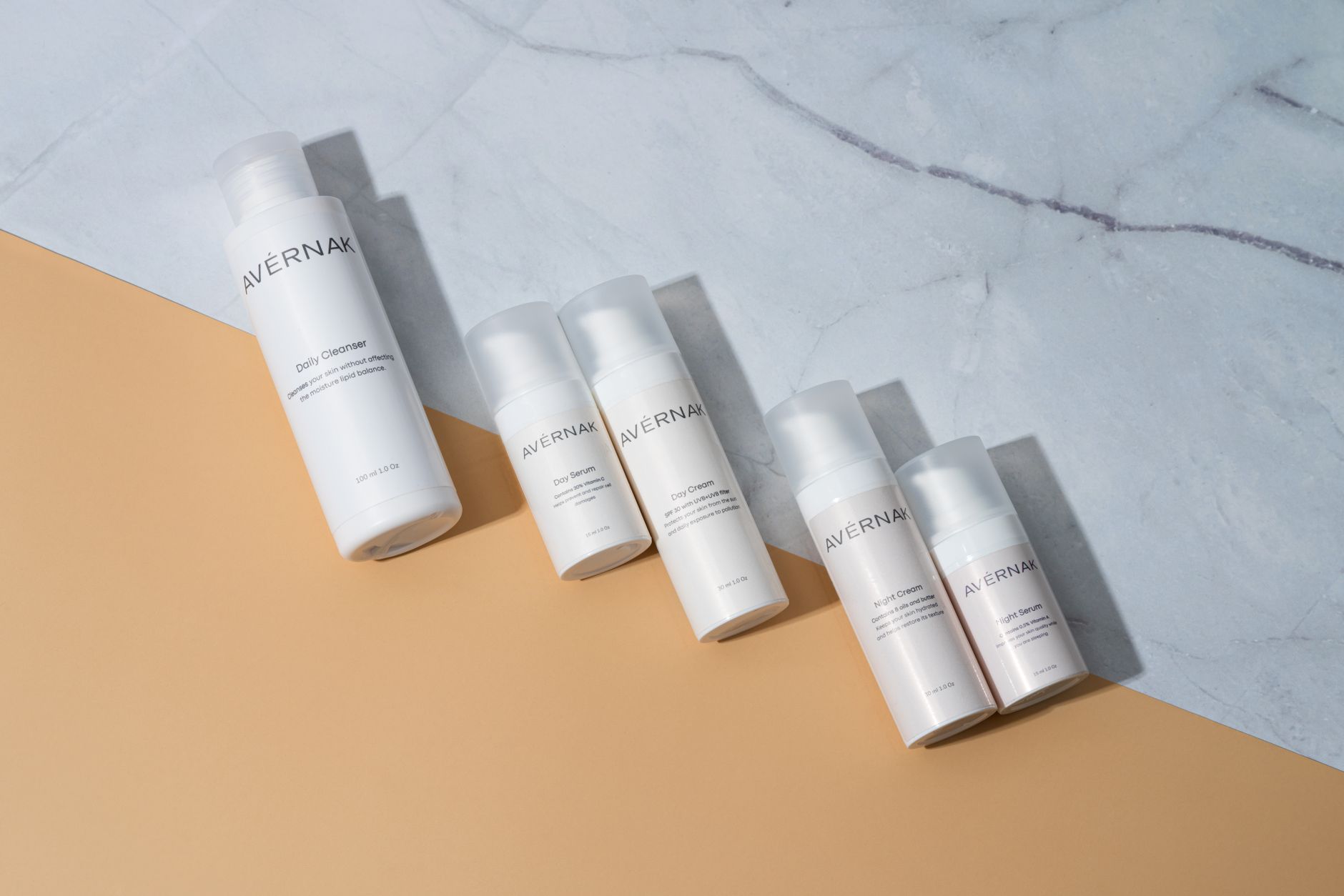
Image credit: Photo by Avernak Skincare on Pexels. Used under the Pexels License.
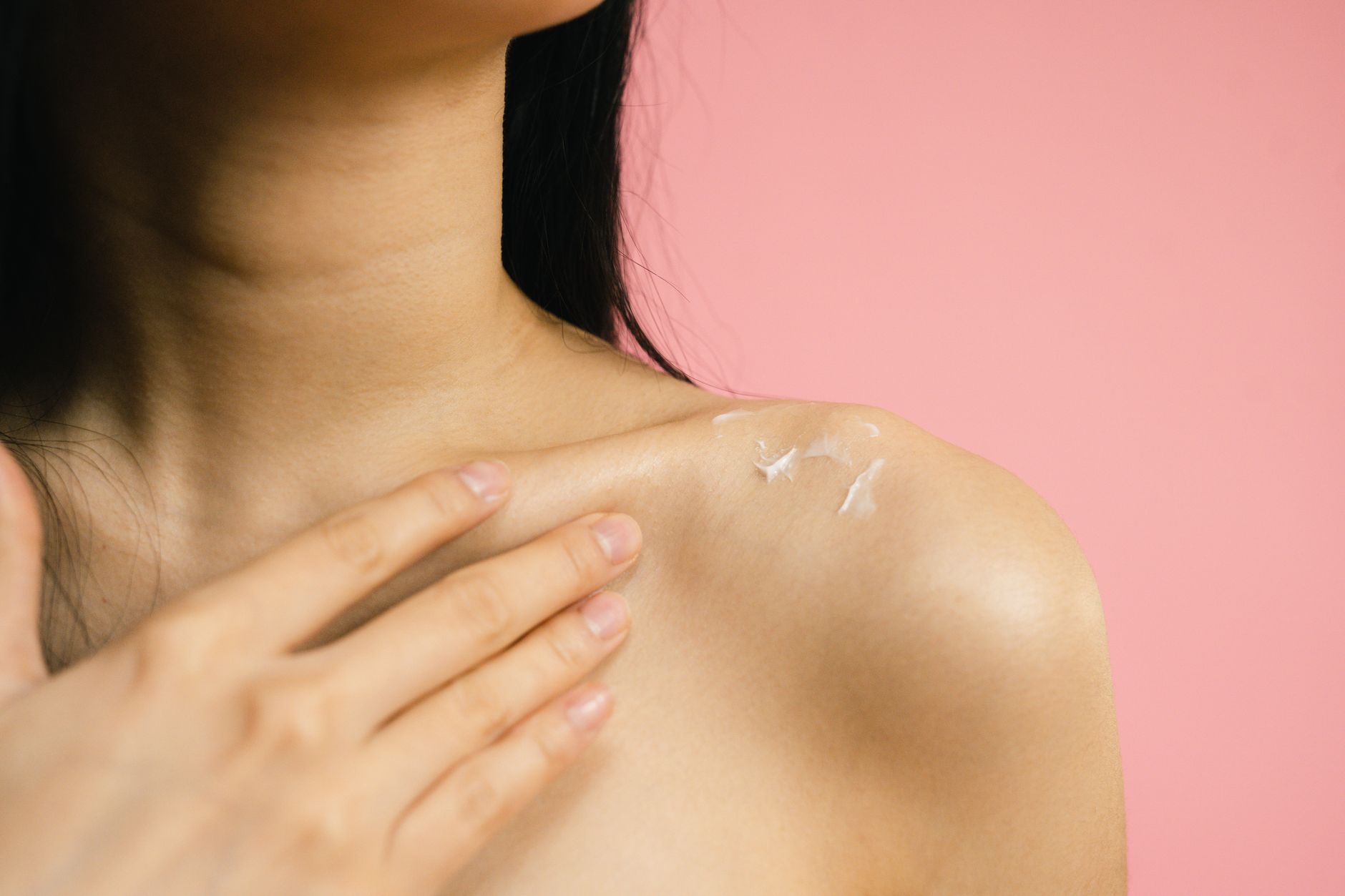
Image credit: Photo by SHVETS production on Pexels. Used under the Pexels License.