
MyEczema.app guide
Avoid Soap Eczema Flare: Practical Guide
avoid soap eczema flare: practical tips for tracking triggers, building routines, and supporting eczema-prone skin.
Table of contents
Use this guide as a practical reference and jump to the sections most relevant to you.
- Quick answer
- Key takeaways
- Practical comparison table
- Visual chart
- Related MyEczema.app tool
- Understanding Eczema Flares
- The Impact of Soap on Eczema
- Types of Soap to Avoid During an Eczema Flare
- Gentle Cleansers for Eczema-Prone Skin
- The Importance of Moisturizing After Cleansing
- Creating a Soap-Free Skincare Routine
- Identifying Soap Ingredients to Avoid
- Bathing Tips for Eczema Sufferers
- When to Seek Professional Help
- Real-Life Tips from Eczema Warriors
- Frequently asked questions
- Sources and further reading
Living with eczema can be a daily challenge, especially when a flare-up strikes. One common question many people with eczema ask is whether they should avoid soap during an eczema flare. The answer isn’t always straightforward, but understanding the impact of different cleansing agents on eczema-prone skin can make a significant difference. This article aims to provide practical, medically cautious advice on navigating cleansing routines during an eczema flare, focusing on the specific topic of avoiding soap.
Eczema, also known as atopic dermatitis, is a chronic skin condition characterized by inflamed, itchy, and often broken skin. The skin barrier in individuals with eczema is typically compromised, making it more susceptible to irritants and allergens. This disruption can lead to flare-ups, which are periods of heightened symptoms. During these times, it’s crucial to be mindful of the products you use on your skin, including soaps and cleansers.
When it comes to avoiding soap during an eczema flare, the key is to choose the right kind of cleanser. Not all soaps are created equal, and some can be more irritating to sensitive skin than others. By opting for gentle, fragrance-free cleansers, you can help prevent further irritation and support your skin’s healing process. This article will delve into the specifics of how to choose the best cleansers for eczema-prone skin, the importance of moisturizing, and when to seek professional advice.
Throughout this article, we’ll explore the exact topic of avoiding soap during an eczema flare, providing you with practical tips and insights to help manage your symptoms more effectively. We’ll also touch on general eczema background to give you a well-rounded understanding of how various factors, such as skin barrier disruption, irritants, climate, cleansing habits, allergens, and individual triggers, can affect your skin. Let’s dive into the details of how to navigate cleansing during an eczema flare with confidence.
Quick answer
Avoiding harsh soaps during an eczema flare can help prevent irritation. Opt for gentle, fragrance-free cleansers instead.
Key takeaways
- Harsh soaps can exacerbate eczema symptoms during a flare.
- Gentle, fragrance-free cleansers are recommended for eczema-prone skin.
- Moisturizing is crucial after cleansing to maintain the skin barrier.
- Identifying and avoiding specific soap ingredients can help manage eczema.
- Consult a dermatologist for personalized eczema care advice.
Comparing Soap Types for Eczema-Prone Skin
| Situation | What it may mean | Practical next step |
|---|---|---|
| Using antibacterial soap | Increased risk of skin irritation and dryness | Switch to a gentle, fragrance-free cleanser |
| Using soap with fragrances | Potential for allergic reactions and skin sensitivity | Choose fragrance-free soap or cleanser |
| Using soap with harsh chemicals | Skin barrier disruption and increased inflammation | Opt for soaps with natural, gentle ingredients |
| Using soap with high pH levels | Imbalanced skin pH and increased irritation | Use pH-balanced cleansers |
| Using soap without moisturizing afterward | Dry skin and compromised skin barrier | Always moisturize after cleansing |
Effectiveness of Gentle Cleansers for Eczema
This visual is an educational guide, not a diagnostic score. Use it to decide what may be worth tracking more consistently for this specific topic.
Fragrance-free cleanser
Highly recommended for sensitive skin
pH-balanced cleanser
Helps maintain skin’s natural pH
Ceramide-infused cleanser
Supports skin barrier function
Oatmeal-based cleanser
Soothes and hydrates skin
Aloe vera cleanser
Provides cooling and hydrating effects
Related MyEczema.app tool
Use the Eczema Skincare Routine Planner
The Eczema Skincare Routine Planner helps users organize morning, daytime, and evening routine steps for eczema-prone skin.
For this topic, this tool can help you organize information in a more structured way and turn daily observations into clearer patterns to review over time.
Understanding Eczema Flares
Eczema is a chronic skin condition characterized by periods of flare-ups and remission. To effectively manage eczema, it’s crucial to understand what eczema flares are, their common triggers, and the importance of skincare during these episodes.
Definition of Eczema Flare
An eczema flare refers to a period when symptoms worsen. During a flare, the skin may become more red, itchy, swollen, and sometimes painful. Flares can vary in severity and duration, making it essential to recognize the signs early and take appropriate action.
Common Triggers
Several factors can trigger an eczema flare. Identifying and avoiding these triggers is a key part of managing the condition. Common triggers include:
- Allergens: Substances like pollen, pet dander, and certain foods can exacerbate eczema.
- Irritants: Harsh chemicals in soaps, detergents, and skincare products can irritate the skin.
- Environmental Factors: Cold weather, low humidity, and sweat can all contribute to flares.
- Stress: Emotional stress can worsen eczema symptoms.
- Infections: Bacterial, viral, or fungal infections can trigger flares.
Importance of Skincare During Flares
During an eczema flare, the skin’s barrier function is often compromised, making it more susceptible to irritation and infection. Proper skincare is vital to soothe symptoms and promote healing. This includes:
- Moisturizing: Keeping the skin hydrated is crucial. Use thick, fragrance-free moisturizers to lock in moisture.
- Avoiding Irritants: Steer clear of products that can further irritate the skin. This is where the concept of avoiding soap during an eczema flare comes into play.
- Gentle Cleansing: Use soap-free skincare products or gentle cleansers to clean the skin without causing additional irritation.
- Protective Clothing: Wear soft, breathable fabrics to reduce friction and irritation.
One of the most debated topics in eczema care is whether to avoid soap during a flare. Traditional soaps can strip the skin of its natural oils, leading to increased dryness and irritation. Therefore, many dermatologists recommend using soap-free skincare products during flares. These products are designed to cleanse the skin gently without causing additional damage.
For example, imagine you’re in the midst of an eczema flare. Your skin is red, itchy, and uncomfortable. Using a regular bar soap or a harsh cleanser could exacerbate these symptoms. Instead, opting for a soap-free cleanser can help you maintain cleanliness without further irritating your skin. This simple switch can make a significant difference in how you manage your flare.
In addition to avoiding soap, incorporating a consistent moisturizing routine is essential. Moisturizers help to repair the skin barrier, reducing the likelihood of future flares. Look for products that are fragrance-free and specifically designed for sensitive skin.
Understanding eczema flares and their triggers allows you to take proactive steps in managing your condition. By adopting a soap-free skincare routine and maintaining a diligent moisturizing regimen, you can help alleviate symptoms and promote healthier skin during flares.
The Impact of Soap on Eczema
When dealing with an eczema flare, understanding the impact of soap on your skin is crucial. Soap can have a significant effect on eczema-prone skin, often exacerbating symptoms. Let’s explore how soap interacts with your skin and what you can do to manage its impact.
How Soap Strips Natural Oils
One of the primary reasons to be cautious with soap during an eczema flare is its ability to strip natural oils from the skin. Our skin produces oils that help maintain its barrier function, keeping moisture in and irritants out. Traditional soaps, especially those that are highly alkaline, can disrupt this balance.
When you use soap, it can remove these essential oils, leading to dryness and irritation. Dry skin is more prone to cracking and can become a gateway for bacteria and allergens, which can further aggravate eczema symptoms. Therefore, during an eczema flare, it’s important to consider alternatives that won’t strip your skin of its natural oils.
Common Irritants in Soap
Many soaps contain ingredients that can act as irritants for eczema-prone skin. These irritants can trigger or worsen eczema symptoms. Common culprits include:
- Fragrances: Synthetic fragrances can cause allergic reactions and irritate the skin.
- Dyes: Colored soaps often contain dyes that can be harsh on sensitive skin.
- Preservatives: Ingredients like parabens and formaldehyde releasers can cause skin irritation.
- Alcohol: Some soaps contain alcohol, which can be drying and irritating.
- Sulfates: These foaming agents can strip the skin of its natural oils.
During an eczema flare, it’s advisable to opt for soap-free skincare products that are free from these potential irritants. Look for products labeled as “fragrance-free,” “dye-free,” and “sulfate-free.”
Difference Between Soap and Cleansers
Understanding the difference between soap and cleansers can help you make better choices for your skin during an eczema flare. Traditional soaps are made through a process called saponification, which produces a product that is often alkaline. This alkalinity can be harsh on the skin, especially for those with eczema.
On the other hand, cleansers are typically formulated to be milder and more pH-balanced. They are designed to clean the skin without stripping it of its natural oils. Many cleansers are specifically formulated for sensitive skin and can be a better option for those experiencing an eczema flare.
When choosing a cleanser, look for those that are labeled as “gentle,” “moisturizing,” or “for sensitive skin.” Ingredients like ceramides, glycerin, and hyaluronic acid can help maintain the skin’s moisture barrier while cleansing.
Practical Steps to Minimize Soap Impact
If you’re dealing with an eczema flare, here are some practical steps you can take to minimize the impact of soap on your skin:
- Use Soap-Free Skincare Products: Switch to soap-free cleansers that are gentle and designed for sensitive skin. These products are less likely to strip your skin of its natural oils and contain fewer irritants.
- Limit Soap Use: During an eczema flare, consider limiting the use of soap to areas that require thorough cleaning, such as underarms and genitals. For the rest of your body, a gentle cleanser may suffice.
- Read Labels Carefully: When selecting skincare products, read the labels to avoid potential irritants. Look for products that are fragrance-free, dye-free, and sulfate-free.
- Moisturize Regularly: After cleansing, apply a moisturizer to help restore the skin’s moisture barrier. Look for moisturizers that contain ceramides, which can help strengthen the skin barrier.
- Patch Test New Products: Before using a new skincare product, perform a patch test to ensure it doesn’t irritate your skin. Apply a small amount of the product to a discreet area and wait 24 hours to check for any adverse reactions.
By being mindful of the impact of soap on your eczema-prone skin, you can take steps to manage your symptoms more effectively. Opting for gentle cleansers and soap-free skincare products can help you avoid exacerbating your eczema flare and promote healthier skin.
Types of Soap to Avoid During an Eczema Flare
When dealing with an eczema flare, the products you use on your skin can significantly impact your condition. Choosing the right soap—or avoiding certain types of soap—can help manage symptoms and support your skin’s healing process. Here, we’ll explore specific types of soap that can exacerbate eczema and why it’s important to avoid them during a flare.
Antibacterial Soaps
Antibacterial soaps are often marketed as a way to keep your skin clean and free from germs. However, these soaps can be particularly harsh on sensitive skin, especially during an eczema flare. They typically contain ingredients like triclosan or benzalkonium chloride, which can strip the skin of its natural oils and disrupt the skin barrier.
For individuals with eczema, maintaining a healthy skin barrier is crucial. Antibacterial soaps can weaken this barrier, making the skin more susceptible to irritation and infection. During a flare, it’s best to avoid these soaps and opt for gentler, soap-free cleansers that won’t further irritate your skin.
Soaps with Fragrances
Fragrances, whether natural or synthetic, are common additives in many soaps. However, these scents can be significant eczema triggers. Fragrances can cause allergic reactions and irritate the skin, leading to increased redness, itching, and inflammation.
During an eczema flare, it’s essential to keep your skincare routine as simple and straightforward as possible. Avoid soaps with any form of fragrance, including those labeled as “fragrance-free” but may still contain masking scents. Instead, look for products specifically designed for sensitive skin that are truly fragrance-free.
Soaps with Harsh Chemicals
Many conventional soaps contain harsh chemicals that can be detrimental to eczema-prone skin. Ingredients like sulfates (such as sodium lauryl sulfate), parabens, and phthalates are commonly found in soaps but can cause irritation and exacerbate eczema symptoms.
Sulfates, for example, are foaming agents that can strip the skin of its natural oils, leading to dryness and increased sensitivity. Parabens and phthalates are preservatives that can cause allergic reactions in some individuals. When selecting a soap during an eczema flare, carefully read the ingredient list and avoid any products containing these harsh chemicals.
Practical Steps to Avoid Harmful Soaps
Navigating the world of skincare products can be overwhelming, especially when you’re trying to avoid soaps that can worsen your eczema. Here are some practical steps to help you make informed choices:
- Read Labels Carefully: Take the time to read the ingredient list on any soap or cleanser. Look for terms like “antibacterial,” “fragrance,” “sulfates,” “parabens,” and “phthalates” and avoid products containing these ingredients.
- Choose Soap-Free Cleansers: Opt for soap-free skincare products that are specifically formulated for sensitive skin. These cleansers are gentler and less likely to cause irritation.
- Consult with a Dermatologist: If you’re unsure about which products to use, consult with a dermatologist who specializes in eczema. They can provide personalized recommendations based on your skin’s needs.
- Test New Products Cautiously: When trying a new soap or cleanser, test it on a small area of your skin first. Wait 24-48 hours to see if any irritation occurs before using it more broadly.
By being mindful of the types of soap you use during an eczema flare, you can help prevent further irritation and support your skin’s healing process. Remember, the goal is to keep your skincare routine as gentle and simple as possible, focusing on products that nurture and protect your skin barrier.
In addition to avoiding harmful soaps, incorporating a consistent moisturizing routine is essential. Moisturizers help to hydrate the skin, strengthen the skin barrier, and reduce the likelihood of flare-ups. Look for fragrance-free, hypoallergenic moisturizers that are designed for eczema-prone skin.
Ultimately, managing eczema involves a combination of avoiding triggers, using gentle skincare products, and maintaining a consistent moisturizing routine. By making informed choices about the soaps you use, you can help keep your eczema under control and promote healthier, more comfortable skin.
Gentle Cleansers for Eczema-Prone Skin
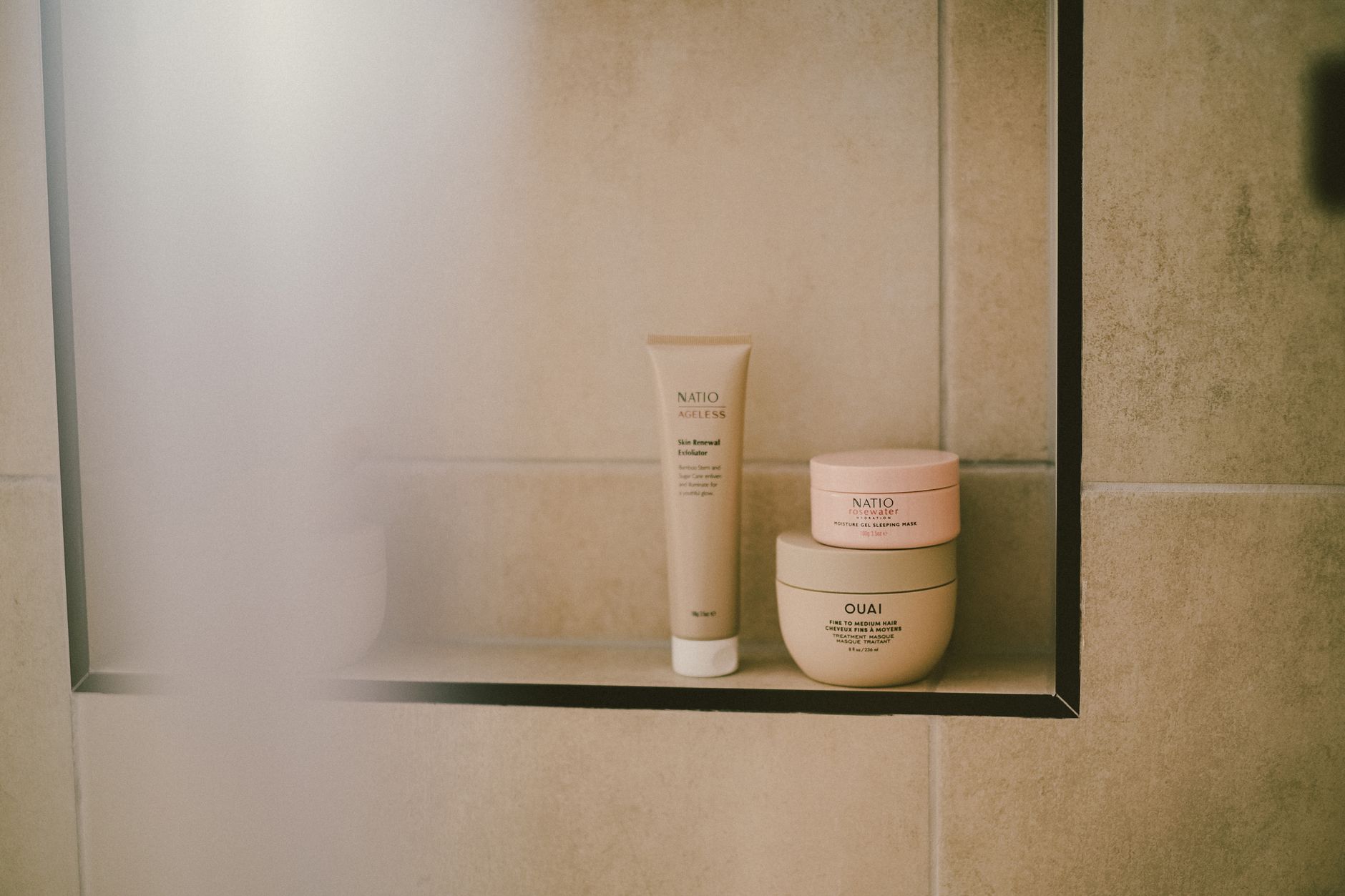
When dealing with an eczema flare, choosing the right cleanser is crucial. The wrong soap can strip your skin of its natural oils, leading to increased dryness and irritation. On the other hand, gentle cleansers can help maintain your skin’s barrier without exacerbating symptoms. Let’s explore some of the best options available for those looking to avoid soap during an eczema flare.
Fragrance-Free Cleansers
One of the most important features of a cleanser for eczema-prone skin is that it should be fragrance-free. Fragrances, whether natural or synthetic, can be potent irritants. They are often complex mixtures of chemicals that can trigger allergic reactions and worsen eczema symptoms.
When shopping for a fragrance-free cleanser, look for products explicitly labeled as such. Even “unscented” products may contain masking fragrances to cover up other odors, so it’s essential to read the ingredient list carefully. Opt for brands that are transparent about their ingredients and have a reputation for producing sensitive skin care products.
pH-Balanced Cleansers
The skin’s natural pH is slightly acidic, around 4.5 to 5.5. This acidic mantle helps protect the skin from bacteria and other pathogens. Using a pH-balanced cleanser can help maintain this natural pH, which is especially important during an eczema flare.
pH-balanced cleansers are formulated to match the skin’s natural acidity. This helps to preserve the skin barrier and reduce the risk of irritation. When selecting a pH-balanced cleanser, check the product description or consult with a dermatologist to ensure it meets your needs.
Ceramide-Infused Cleansers
Ceramides are a type of lipid that makes up a significant portion of the skin’s outer layer. They play a crucial role in maintaining the skin barrier’s integrity. During an eczema flare, the skin barrier is often compromised, making it more susceptible to irritants and allergens.
Ceramide-infused cleansers can help replenish these essential lipids, supporting the skin’s natural barrier function. These cleansers are particularly beneficial for those with eczema, as they can help soothe irritated skin while cleansing.
Practical Steps for Choosing a Gentle Cleanser
Selecting the right cleanser involves more than just reading labels. Here are some practical steps to help you find the best option for your eczema-prone skin:
- Consult a Dermatologist: A dermatologist can provide personalized recommendations based on your skin’s specific needs.
- Patch Test New Products: Before incorporating a new cleanser into your routine, perform a patch test. Apply a small amount to a discreet area of skin and wait 24-48 hours to check for any adverse reactions.
- Read Reviews: Look for reviews from other eczema sufferers. Real-life experiences can offer valuable insights into how a product might work for you.
- Consider Your Routine: Think about how the cleanser fits into your overall skincare routine. Will it work well with your moisturizer and other products?
Real-Life Example: Sarah’s Journey to Finding the Right Cleanser
Sarah, a 32-year-old marketing professional, struggled with eczema flares for years. Traditional soaps left her skin feeling tight and irritated, making her flares worse. After consulting with her dermatologist, she switched to a fragrance-free, pH-balanced cleanser infused with ceramides.
Within a few weeks, Sarah noticed a significant improvement in her skin’s condition. Her flares became less frequent, and her skin felt softer and more hydrated. She now advocates for others with eczema to explore gentle cleansers as part of their skincare routine.
Decision Points: What to Look For
When deciding on a gentle cleanser, keep these key points in mind:
- Ingredients: Avoid harsh chemicals, sulfates, and fragrances. Look for natural, soothing ingredients like aloe vera, chamomile, and oatmeal.
- Formulation: Cream or cream-based cleansers are often gentler than gel or foam formulas.
- Brand Reputation: Choose brands known for their commitment to sensitive skin care. Research the brand’s history and read customer reviews.
Incorporating a gentle cleanser into your routine is a practical step toward managing eczema flares. By choosing fragrance-free, pH-balanced, and ceramide-infused options, you can help protect your skin barrier and reduce irritation. Remember, what works for one person may not work for another, so be patient and persistent in finding the right product for your needs.
The Importance of Moisturizing After Cleansing
After cleansing, especially when you avoid soap eczema flare, it is crucial to moisturize your skin. This step is not just a recommendation but a necessary part of your eczema care routine. Let’s explore why moisturizers are essential post-cleansing and how to choose the right ones for eczema-prone skin.
How Moisturizers Help
Moisturizers play a vital role in maintaining the skin’s hydration and protecting the skin barrier. When you cleanse your skin, even with gentle cleansers, you remove some natural oils. This can leave your skin feeling dry and more susceptible to irritation. Moisturizers help by:
- Retaining Moisture: They lock in the moisture your skin needs to stay hydrated.
- Strengthening the Skin Barrier: A healthy skin barrier is your first line of defense against irritants and allergens.
- Reducing Itching and Inflammation: Well-moisturized skin is less likely to itch or become inflamed.
Types of Moisturizers for Eczema
Not all moisturizers are created equal, especially when it comes to eczema care. Here are some types of moisturizers that are particularly beneficial:
- Creams: These are thicker and provide more hydration. They are ideal for very dry skin.
- Ointments: These are the thickest and most hydrating. They are great for severe eczema but can be greasy.
- Lotions: These are lighter and easier to apply but may not provide as much hydration as creams or ointments.
- Gels: These are water-based and can be soothing but may not offer enough hydration for severe eczema.
When selecting a moisturizer, look for products that are fragrance-free, dye-free, and hypoallergenic. Ingredients like ceramides, hyaluronic acid, and glycerin can be particularly beneficial.
When to Apply Moisturizer
Timing is everything when it comes to moisturizing. Here are some guidelines to follow:
- Immediately After Cleansing: Apply moisturizer while your skin is still damp. This helps to lock in moisture.
- Throughout the Day: Depending on the severity of your eczema, you may need to reapply moisturizer several times a day.
- After Bathing: Use this time to apply a thicker moisturizer or ointment to take advantage of the skin’s increased absorption capacity.
For example, if you have a particularly bad eczema flare and you’ve just cleansed with a gentle, soap-free product, apply a thick ointment immediately. This will help soothe your skin and lock in moisture. If your eczema is mild, a lighter cream or lotion might suffice.
Remember, the goal is to keep your skin as hydrated and protected as possible. This not only helps in managing current eczema symptoms but also in preventing future flares. By making moisturizing a consistent part of your routine, especially after cleansing, you are taking a significant step in comprehensive eczema care.
Creating a Soap-Free Skincare Routine
Transitioning to a soap-free skincare routine can significantly help manage eczema flares. By avoiding soap, you reduce the risk of stripping your skin of essential oils and disrupting the skin barrier. This section provides a step-by-step guide to creating an effective soap-free skincare routine tailored for those experiencing eczema flares.
Step-by-Step Routine
A soap-free skincare routine should be gentle yet effective. Here’s a step-by-step approach to help you get started:
- Morning Cleanse: Begin your day with a gentle, soap-free cleanser. Look for products labeled specifically for sensitive skin or those with eczema. Use lukewarm water to dampen your skin before applying the cleanser. Gently massage it onto your skin using your fingertips, avoiding any harsh scrubbing.
- Rinse Thoroughly: After cleansing, rinse your skin with lukewarm water. Ensure all traces of the cleanser are removed to prevent any potential irritation.
- Apply a Moisturizer: Immediately after cleansing, apply a fragrance-free, hypoallergenic moisturizer. This step is crucial for locking in moisture and protecting your skin barrier. Choose a moisturizer that is thick and creamy for added hydration.
- Evening Cleanse: Repeat the gentle cleansing process in the evening. This helps remove any dirt, oils, and impurities that have accumulated throughout the day.
- Nighttime Moisturizer: Apply a richer moisturizer or an ointment before bed. This provides an extra layer of protection and hydration while you sleep.
Products to Include
When building your soap-free skincare routine, it’s important to choose the right products. Here are some essential items to include:
- Gentle Cleansers: Opt for cleansers that are specifically formulated for sensitive skin. Ingredients like ceramides, glycerin, and hyaluronic acid can help maintain the skin’s moisture barrier.
- Moisturizers: Look for moisturizers that are fragrance-free and hypoallergenic. Products containing ingredients like shea butter, coconut oil, and aloe vera can provide intense hydration.
- Ointments: For extra protection, especially during severe flares, consider using ointments like petroleum jelly or specialized eczema creams.
- Barrier Repair Products: Products containing ceramides and fatty acids can help repair and strengthen the skin barrier.
Products to Avoid
While creating your soap-free skincare routine, it’s equally important to know what to avoid. Here are some products and ingredients that can exacerbate eczema:
- Traditional Soaps: Avoid bar soaps and liquid soaps that contain harsh detergents and fragrances.
- Alcohol-Based Products: Steer clear of toners, astringents, and other products containing alcohol, as they can dry out your skin.
- Fragrances: Fragrances can be irritating to sensitive skin. Choose fragrance-free products whenever possible.
- Exfoliants: Physical exfoliants and harsh chemical exfoliants can damage the skin barrier. Opt for gentle, enzymatic exfoliants if needed.
- Dyes and Colorants: These can cause irritation and allergic reactions. Stick to products with a simple, clean ingredient list.
By carefully selecting your skincare products and avoiding potential irritants, you can create a soap-free skincare routine that helps manage eczema flares effectively. Remember, consistency is key. Stick to your routine and monitor how your skin responds to the changes. If you notice any adverse reactions, consult a dermatologist for personalized advice.
Incorporating a soap-free skincare routine is a practical step towards managing eczema flares. It not only helps in avoiding soap eczema flare but also promotes overall skin health by maintaining the integrity of the skin barrier and providing essential hydration.
Identifying Soap Ingredients to Avoid
When dealing with an eczema flare, choosing the right soap is crucial. Certain ingredients can exacerbate symptoms, making it important to know what to avoid. This section will guide you through identifying harmful ingredients in soap, how to read ingredient labels, and suggest alternatives to these ingredients.
List of Harmful Ingredients
Several ingredients commonly found in soaps can trigger or worsen eczema symptoms. Here are some of the most harmful ones to look out for:
- Sodium Lauryl Sulfate (SLS): A common detergent that can strip the skin of its natural oils, leading to dryness and irritation.
- Fragrances: Synthetic fragrances can cause allergic reactions and irritate sensitive skin.
- Parabens: Used as preservatives, parabens can disrupt the skin’s natural barrier and lead to irritation.
- Alcohol: Can be drying and cause further irritation to already sensitive skin.
- Dyes: Artificial colors can cause allergic reactions and skin irritation.
- Propylene Glycol: A common ingredient that can cause skin irritation and allergic reactions in some individuals.
How to Read Ingredient Labels
Reading ingredient labels can seem daunting, but it’s a crucial step in avoiding soap that may trigger an eczema flare. Here’s a practical guide to help you navigate ingredient lists:
- Start at the top: Ingredients are listed in order of concentration, with the highest amount first. If harmful ingredients are listed at the top, it’s best to avoid that product.
- Look for “fragrance” or “parfum”: These terms often hide a cocktail of synthetic chemicals that can irritate the skin.
- Check for “sulfates”: Ingredients like sodium lauryl sulfate (SLS) and sodium laureth sulfate (SLES) are harsh detergents that can strip the skin.
- Avoid products labeled “antibacterial”: These often contain triclosan, which can be irritating and is being phased out in many countries due to safety concerns.
- Opt for “fragrance-free” or “unscented” options: These products are less likely to contain irritating synthetic fragrances.
Alternatives to Harmful Ingredients
Choosing soaps with safer ingredients can help manage eczema symptoms. Here are some alternatives to consider:
- Glycerin: A natural moisturizer that helps keep the skin hydrated without irritation.
- Aloe Vera: Known for its soothing and anti-inflammatory properties, it’s a great addition to soaps for sensitive skin.
- Oat Extract: Provides a gentle cleansing action and has anti-inflammatory benefits.
- Coconut Oil: Offers moisturizing properties and has mild antibacterial effects.
- Shea Butter: Rich in vitamins and fatty acids, it helps to moisturize and protect the skin.
- Chamomile: Has calming and anti-inflammatory properties, making it suitable for sensitive skin.
When selecting soaps to avoid exacerbating an eczema flare, it’s essential to be vigilant about the ingredients. Opting for soap-free skincare or gentle cleansers specifically designed for eczema-prone skin can make a significant difference. Remember, the goal is to maintain a healthy skin barrier and minimize potential eczema triggers.
For example, if you find a soap that lists sodium lauryl sulfate as one of the top ingredients, it’s best to choose an alternative. Look for products that highlight glycerin or aloe vera in their ingredient list, as these are gentler and more suitable for sensitive skin.
In summary, being aware of harmful ingredients and knowing how to read labels can help you make informed choices. This, in turn, supports a more effective moisturizing routine and overall eczema care.
Bathing Tips for Eczema Sufferers
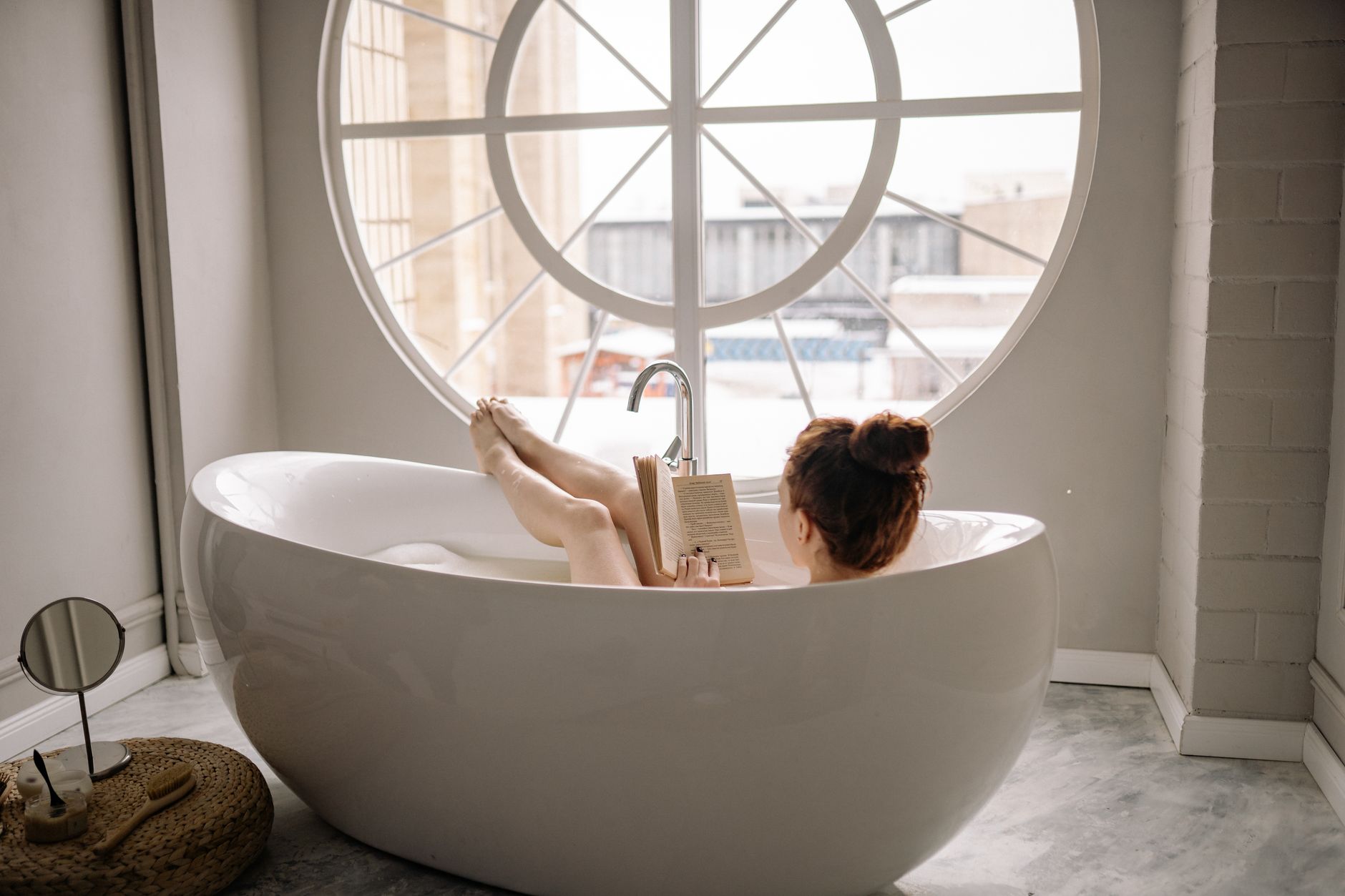
When dealing with an eczema flare, it’s crucial to adjust your bathing habits to support your skin’s needs. Bathing is a daily activity, but for those experiencing an eczema flare, certain practices can either soothe or exacerbate symptoms. Here, we’ll explore the ideal bath temperature, bathing duration, and post-bath care to help you manage your eczema more effectively.
Ideal Bath Temperature
The temperature of your bathwater plays a significant role in managing eczema. Lukewarm water is generally recommended for eczema sufferers. Extremely hot water can strip the skin of its natural oils, leading to increased dryness and irritation. Aim for a temperature that feels comfortably warm but not hot. You can use a thermometer to ensure the water stays below 100°F (37.8°C).
For those who prefer showers, using a handheld showerhead can help you control the water temperature more precisely. This way, you can avoid any sudden changes in temperature that might shock your skin.
Bathing Duration
The length of your bath or shower can also impact your skin. During an eczema flare, it’s best to keep bathing sessions short. Limit your time in the water to about 5-10 minutes. Prolonged exposure to water, even at the ideal temperature, can still lead to skin dryness.
If you find that you need to spend more time in the bath to feel clean, consider using a gentle cleanser specifically designed for eczema-prone skin. These products are formulated to cleanse without stripping the skin of its natural oils.
Post-Bath Care
What you do immediately after bathing is just as important as the bath itself. Proper post-bath care can help lock in moisture and protect your skin barrier. Here are some steps to follow:
- Pat Dry: Instead of rubbing your skin with a towel, gently pat it dry. This helps prevent further irritation. Use a soft, absorbent towel to avoid tugging on your skin.
- Apply Moisturizer Immediately: Within 3 minutes of stepping out of the bath or shower, apply a generous amount of moisturizer. This helps trap the water your skin absorbed during your bath, preventing it from evaporating and causing dryness. Look for moisturizers that are fragrance-free and designed for sensitive skin.
- Use a Humidifier: If you live in a dry climate or during the winter months, using a humidifier in your home can help maintain the moisture levels in the air. This can be particularly beneficial for eczema sufferers, as dry air can exacerbate symptoms.
Incorporating these bathing tips into your routine can make a significant difference in managing your eczema. Remember, the goal is to cleanse your skin gently without causing additional irritation. By paying attention to the temperature and duration of your baths and taking careful post-bath steps, you can help soothe your eczema and maintain a healthier skin barrier.
For more detailed advice on creating a soap-free skincare routine and identifying ingredients to avoid, be sure to explore our other sections. Taking a comprehensive approach to your eczema care can lead to better management of your symptoms and improved overall skin health.
When to Seek Professional Help
Managing eczema, especially during a flare, can be challenging. While avoiding soap and adopting a soap-free skincare routine can significantly help, there are times when professional help becomes necessary. Knowing when to seek the expertise of a dermatologist can make a substantial difference in managing your eczema effectively.
Signs of Severe Eczema
Recognizing the signs of severe eczema is crucial. If you notice any of the following, it may be time to consult a dermatologist:
- Intense Itching: If the itching is relentless and interferes with your daily activities or sleep, professional help is advisable.
- Widespread Rashes: Eczema that covers large areas of your body may require more than over-the-counter treatments.
- Skin Thickening: Areas of your skin that become thick and leathery, a condition known as lichenification, often need professional intervention.
- Frequent Infections: If your eczema frequently becomes infected, indicated by increased redness, swelling, warmth, or pus, a dermatologist can provide appropriate treatment.
- No Improvement with Home Care: If you’ve diligently followed a soap-free skincare routine and other home care tips but see no improvement, it’s time to seek professional advice.
Benefits of Professional Advice
Consulting a dermatologist offers several benefits, especially when dealing with persistent eczema:
- Accurate Diagnosis: A dermatologist can accurately diagnose your condition and rule out other skin conditions that may mimic eczema.
- Tailored Treatment Plans: Dermatologists can create personalized treatment plans that may include prescription medications, which can be more effective than over-the-counter options.
- Expert Guidance: They provide expert guidance on avoiding soap during an eczema flare and recommend suitable gentle cleansers and moisturizers.
- Monitoring Progress: Regular follow-ups allow dermatologists to monitor your progress and adjust treatments as necessary.
- Education and Support: Dermatologists offer valuable education on managing eczema triggers and maintaining a healthy skin barrier.
What to Expect During a Dermatologist Visit
Knowing what to expect during your visit can help you prepare and make the most of your appointment:
- Initial Assessment: The dermatologist will start with a thorough examination of your skin. Be prepared to discuss your symptoms, when they started, and any triggers you’ve noticed.
- Medical History: They will ask about your medical history, including any previous treatments you’ve tried and their effectiveness.
- Skin Care Routine Review: Expect to discuss your current skincare routine, including any products you use and your bathing habits. This is an excellent opportunity to ask about avoiding soap during an eczema flare and getting recommendations for soap-free skincare.
- Treatment Options: The dermatologist will discuss various treatment options, which may include topical creams, oral medications, or other therapies. They will explain the benefits and potential side effects of each option.
- Follow-Up Plan: A follow-up plan will be established to monitor your progress. This may include regular check-ins and adjustments to your treatment plan as needed.
In summary, while adopting a soap-free skincare routine and using gentle cleansers can significantly help manage eczema, there are instances when professional help is essential. Recognizing the signs of severe eczema, understanding the benefits of professional advice, and knowing what to expect during a dermatologist visit can empower you to seek the help you need, ensuring better management of your eczema and improved quality of life.
Real-Life Tips from Eczema Warriors
Learning how to manage eczema effectively often involves hearing from those who live with it every day. Eczema warriors—individuals who manage their eczema with practical strategies and community support—offer valuable insights. Their experiences highlight the importance of avoiding soap during an eczema flare and adopting a soap-free skincare routine.
Personal Stories
Many individuals with eczema have shared their journeys online and in support groups. One common theme is the relief they found when they started to avoid soap during eczema flares. For instance, Sarah, a mother of two, noticed a significant improvement in her skin when she switched to soap-free cleansers. “I used to think all soaps were the same,” she says. “But once I started using gentle cleansers and avoided traditional soaps, my skin calmed down.”
Another eczema warrior, John, found that his eczema flares decreased when he began using a moisturizing routine that excluded soap. “It was a game-changer,” he recalls. “I still have flares, but they’re not as severe or frequent.”
Practical Advice
Eczema warriors often share specific tips that can help others manage their condition. Here are some practical steps they recommend:
- Read Labels Carefully: When choosing skincare products, always read the ingredient list. Look for phrases like “soap-free” or “gentle cleanser.” Avoid products with harsh chemicals or fragrances.
- Test New Products Slowly: Introduce new skincare products gradually. Apply a small amount to a patch of skin and wait 24-48 hours to see if there’s a reaction. This can help you identify potential eczema triggers.
- Use Lukewarm Water: When bathing or cleansing, use lukewarm water instead of hot water. Hot water can strip the skin of its natural oils, worsening eczema symptoms.
- Pat Dry: After bathing, gently pat your skin dry with a soft towel. Avoid rubbing, which can irritate the skin.
- Moisturize Immediately: Apply a thick, fragrance-free moisturizer right after patting your skin dry. This helps lock in moisture and protect the skin barrier.
Community Support
The eczema community is a valuable resource for anyone looking to manage their condition better. Online forums, social media groups, and local support groups provide a platform for sharing experiences and tips. Engaging with this community can offer emotional support and practical advice.
For example, Lisa found comfort and practical tips in an online eczema support group. “Talking to others who understand what you’re going through can be incredibly reassuring,” she says. “I learned so much about avoiding soap during eczema flares and other skincare tips from this community.”
Additionally, many eczema warriors recommend following eczema-focused social media accounts or blogs. These platforms often share the latest research, product recommendations, and personal stories that can inspire and educate.
In conclusion, the insights and tips from eczema warriors underscore the importance of a soap-free skincare routine during eczema flares. By adopting these practical steps and seeking community support, individuals can better manage their eczema and improve their overall skin health.
Frequently asked questions
Can I use any soap during an eczema flare?
During an eczema flare, it’s important to be selective about the soaps you use. Avoid harsh, fragranced, or alcohol-based soaps as they can irritate the skin further. Opt for mild, fragrance-free, and hypoallergenic soaps. Look for products specifically labeled for sensitive skin or eczema. Soaps with added moisturizers can also be beneficial. When in doubt, consider soap-free cleansers that are designed to be gentle on the skin.
What are the best gentle cleansers for eczema?
For those looking to avoid soap during an eczema flare, gentle cleansers are a great alternative. Products like Cetaphil Gentle Skin Cleanser, Vanicream Moisturizing Skin Cleanser, and La Roche-Posay Lipikar Syndet AP+ are highly recommended. These cleansers are formulated to be mild on the skin, reducing the risk of irritation. Always check the ingredient list to ensure the cleanser is free from potential irritants like fragrances and dyes.
How often should I moisturize if I have eczema?
Moisturizing is a crucial part of managing eczema, especially during a flare. Aim to moisturize your skin at least twice a day, or more frequently if your skin feels dry or itchy. After bathing, apply a thick, fragrance-free moisturizer to lock in moisture. Look for products containing ceramides, which help to repair the skin barrier. Regular moisturizing helps to keep the skin hydrated and reduces the likelihood of flare-ups.
Are there any natural alternatives to soap for eczema?
Yes, there are natural alternatives to traditional soaps that can be gentler on eczema-prone skin. Oatmeal-based cleansers are a popular choice, as oatmeal has soothing properties that can help to calm irritated skin. Additionally, products containing aloe vera or coconut oil can provide moisture and relief. Always perform a patch test with new products to ensure they don’t cause a reaction.
What should I do if my eczema worsens despite avoiding soap?
If your eczema symptoms persist or worsen despite avoiding soap, it’s important to seek professional advice. A healthcare provider can offer personalized recommendations and may suggest prescription treatments. It’s also beneficial to track your symptoms and potential triggers using a dedicated app to identify patterns and discuss them with your healthcare provider. Consistency in your skincare routine and avoiding known irritants are key to managing eczema effectively.
Can diet affect my eczema symptoms?
Diet can play a role in eczema management for some individuals. While there’s no one-size-fits-all diet for eczema, certain foods may trigger or exacerbate symptoms in some people. Common triggers include dairy, eggs, nuts, and wheat. Keeping a food diary can help identify any dietary triggers. It’s advisable to consult with a healthcare professional or a dietitian for personalized advice on managing eczema through diet.
Use MyEczema.app to track your eczema patterns and daily triggers.
This article is for educational purposes only and is not medical advice. If symptoms are severe, spreading, painful, infected-looking, or affecting sleep and daily life, speak with a qualified healthcare professional.
Sources and further reading
For medical guidance, always rely on a qualified healthcare professional. These educational resources may help readers learn more:
Image credit: Photo by Miriam Alonso on Pexels. Used under the Pexels License.
Image credit: Photo by Valeriia Miller on Pexels. Used under the Pexels License.
Image credit: Photo by Yan Krukau on Pexels. Used under the Pexels License.