
MyEczema.app guide
Petrolatum for Eczema: Practical Guide
petrolatum for eczema: practical tips for tracking triggers, building routines, and supporting eczema-prone skin.
Table of contents
Use this guide as a practical reference and jump to the sections most relevant to you.
- Quick answer
- Key takeaways
- Practical comparison table
- Visual chart
- Related MyEczema.app tool
- Understanding Petrolatum and Its Role in Skin Care
- The Benefits of Petrolatum for Eczema-Prone Skin
- Comparing Petrolatum to Other Moisturizers for Eczema
- How to Effectively Use Petrolatum for Eczema
- Potential Side Effects and Considerations of Using Petrolatum
- Real-Life Experiences: Patient Testimonials on Using Petrolatum for Eczema
- Expert Opinions on Petrolatum for Eczema
- Incorporating Petrolatum into Your Eczema Skincare Routine
- Long-Term Use of Petrolatum for Eczema Management
- Alternative Treatments and Complementary Therapies for Eczema
- Frequently asked questions
- Sources and further reading
Living with eczema often means navigating a world of potential triggers and seeking out products that can help soothe and protect your skin. One such product that frequently comes up in discussions about eczema care is petrolatum. Known for its occlusive properties, petrolatum can be a valuable addition to your skincare routine if you have eczema-prone dry skin. In this article, we’ll explore how petrolatum for eczema can be beneficial, discuss its application, and offer practical tips for incorporating it into your daily regimen.
Eczema, or atopic dermatitis, is a chronic skin condition characterized by dry, itchy, and inflamed skin. The exact cause of eczema is not fully understood, but it is believed to involve a combination of genetic and environmental factors. For many people with eczema, the skin’s natural barrier is compromised, making it more susceptible to irritants and allergens. This disruption can lead to increased moisture loss and heightened sensitivity, which is why finding the right moisturizer is crucial.
Petrolatum, a semi-solid mixture of hydrocarbons, is often recommended for eczema-prone skin due to its ability to create a protective barrier on the skin’s surface. This barrier helps to lock in moisture and shield the skin from external irritants. While petrolatum is generally well-tolerated, it’s important to remember that everyone’s skin is different. What works for one person may not work for another, so it’s essential to approach eczema care with a bit of trial and error.
In the following sections, we’ll delve deeper into the benefits of using petrolatum for eczema, discuss how to choose the right product, and provide tips for integrating it into your skincare routine. Whether you’re new to eczema care or looking to refine your current regimen, this guide aims to offer practical, medically cautious advice to help you manage your symptoms more effectively.
Quick answer
Petrolatum can be highly beneficial for eczema-prone dry skin due to its occlusive properties, which help lock in moisture. By forming a protective barrier on the skin’s surface, petrolatum helps to prevent moisture loss and shields the skin from external irritants. This can be particularly helpful for individuals with eczema, whose skin barrier is often compromised. While petrolatum is generally safe for most eczema patients, it’s important to note that it may not suit everyone. As with any skincare product, it’s best to consult with a healthcare provider to ensure it’s the right choice for your specific needs.
Key takeaways
- Petrolatum acts as an effective occlusive moisturizer for eczema.
- It helps prevent moisture loss and strengthens the skin barrier.
- Petrolatum is generally safe for most eczema patients but may not suit everyone.
- It can be used in combination with other treatments for better results.
- Proper application and integration into a skincare routine are crucial for effectiveness.
Comparing Petrolatum with Other Moisturizers for Eczema
| Situation | What it may mean | Practical next step |
|---|---|---|
| Using petrolatum | Highly effective for locking in moisture and protecting the skin barrier. | Incorporate petrolatum into your daily skincare routine. |
| Using a humectant moisturizer | Good for attracting moisture to the skin but may not provide as much occlusion. | Use humectant moisturizers in combination with petrolatum for best results. |
| Using an emollient moisturizer | Softens and smooths the skin but may not lock in moisture as effectively. | Consider using emollient moisturizers as a base layer under petrolatum. |
| Experiencing a severe eczema flare-up | May need prescription medications in addition to moisturizers. | Consult a dermatologist for a comprehensive treatment plan. |
| Having sensitive skin | Petrolatum is generally safe but test a small area first to ensure no adverse reactions. | Perform a patch test before full application. |
Related MyEczema.app tool
Use the Eczema Skincare Routine Planner
The Eczema Skincare Routine Planner helps users organize morning, daytime, and evening routine steps for eczema-prone skin.
For this topic, this tool can help you organize information in a more structured way and turn daily observations into clearer patterns to review over time.
Understanding Petrolatum and Its Role in Skin Care
Definition of Petrolatum
Petrolatum, often known by the brand name Vaseline, is a semi-solid mixture of mineral oils and waxes derived from petroleum. It is commonly used in various skincare products, especially for its moisturizing properties. Unlike water-based moisturizers, petrolatum creates a physical barrier on the skin, which helps to lock in moisture.
How Petrolatum Works on the Skin
When applied to the skin, petrolatum forms a protective layer that prevents water loss. This is particularly beneficial for individuals with eczema, a condition characterized by dry, itchy, and inflamed skin. By reducing water evaporation, petrolatum helps to maintain skin hydration, which is crucial for managing eczema symptoms.
Moreover, the occlusive nature of petrolatum means it does not penetrate the skin deeply. Instead, it sits on the surface, creating a shield against external irritants and allergens. This can be especially helpful during eczema flare-ups, providing a barrier that protects sensitive skin.
Common Misconceptions About Petrolatum
There are several misconceptions about using petrolatum for eczema. One common myth is that petrolatum can clog pores and cause acne. However, this is generally not the case for most people with eczema. In fact, the non-comedogenic nature of petrolatum means it is unlikely to block pores.
Another misconception is that natural or organic moisturizers are always better than petrolatum. While natural ingredients can be effective, petrolatum offers a reliable and consistent moisturizing solution that is free from many potential allergens found in plant-based products.
Petrolatum vs Other Moisturizers
When comparing petrolatum to other moisturizers, it’s important to consider your specific skin needs. While some people prefer creams and lotions that contain humectants like glycerin, which attract moisture from the environment, petrolatum works by sealing in the moisture already present in the skin.
For individuals with severe eczema, a combination approach might be most effective. Using a humectant-rich moisturizer followed by a layer of petrolatum can provide both hydration and a protective barrier.
Practical Tips for Using Petrolatum
To get the most out of petrolatum for eczema, consider these practical tips:
- Apply Immediately After Bathing: Use petrolatum right after bathing while your skin is still damp. This helps to lock in moisture.
- Use Generously: Don’t be afraid to apply a thick layer. Petrolatum is designed to create a barrier, so a little goes a long way.
- Reapply as Needed: Depending on your skin’s condition, you may need to reapply petrolatum several times a day to maintain moisture.
- Combine with Other Treatments: Petrolatum can be used alongside other eczema treatments, such as prescribed creams or ointments, to enhance their effectiveness.
Real-Life Example
Imagine you have a particularly dry patch of skin on your arm that seems to flare up frequently. After consulting with a healthcare provider, you decide to incorporate petrolatum into your skincare routine. You start by applying a moisturizer with humectants after your shower, followed by a thick layer of petrolatum. Over time, you notice that the dry patch becomes less irritated and more manageable.
Decision Points
When deciding whether petrolatum is right for you, consider the following:
- Your skin’s current condition: Is it extremely dry or experiencing a flare-up?
- Your lifestyle: Do you need a moisturizer that offers long-lasting protection?
- Other treatments you are using: Can petrolatum be integrated into your existing skincare routine?
In summary, petrolatum is a valuable tool in managing eczema-prone dry skin. Its ability to create a moisture-locking barrier makes it an effective option for many individuals. By understanding how petrolatum works and debunking common myths, you can make informed decisions about incorporating it into your eczema skincare routine.
The Benefits of Petrolatum for Eczema-Prone Skin
Using petrolatum for eczema can offer several specific benefits for those with eczema-prone skin. This section explores these advantages in detail, helping you understand why petrolatum might be a valuable addition to your eczema skincare routine.
Moisture Retention Properties
One of the primary benefits of using petrolatum for eczema is its exceptional moisture retention properties. Petrolatum forms a protective barrier on the skin’s surface, which helps to lock in moisture. This is particularly important for individuals with eczema, as their skin tends to be drier and more prone to water loss.
When applied to the skin, petrolatum creates an occlusive layer that prevents transepidermal water loss. This means that the moisture already present in your skin is preserved, and the skin remains hydrated for longer periods. Hydrated skin is less likely to become irritated or inflamed, which can help reduce the frequency and severity of eczema flare-ups.
For example, after bathing, applying a generous amount of petrolatum can help retain the moisture your skin absorbed during the bath. This step is crucial in maintaining skin hydration throughout the day.
Skin Barrier Enhancement
Eczema often compromises the skin’s natural barrier function, making it more susceptible to irritants and allergens. Petrolatum can help enhance this barrier by providing a protective layer that shields the skin from external aggressors.
The occlusive nature of petrolatum not only retains moisture but also acts as a physical barrier against environmental factors such as pollution, harsh weather conditions, and potential irritants. This dual action helps to maintain the integrity of the skin barrier, reducing the likelihood of eczema flare-ups triggered by external factors.
Incorporating petrolatum into your daily skincare routine can be particularly beneficial during colder months when the air is drier, and heating systems can further dehydrate the skin. Regular application can help keep your skin barrier strong and resilient.
Reduction of Inflammation and Itching
Inflammation and itching are common symptoms of eczema, and they can significantly impact your quality of life. Petrolatum can help alleviate these symptoms by providing a soothing effect on the skin.
The protective barrier created by petrolatum helps to calm irritated skin, reducing inflammation. Additionally, by keeping the skin moisturized, petrolatum can minimize the itching sensation that often accompanies dry, eczema-prone skin.
For instance, if you experience nighttime itching that disrupts your sleep, applying petrolatum before bed can create a calming effect, allowing you to sleep more comfortably. The reduction in itching can also prevent you from scratching, which can further irritate the skin and potentially lead to secondary infections.
Practical Tips for Using Petrolatum
To maximize the benefits of petrolatum for eczema, consider the following practical tips:
- Apply Immediately After Bathing: Use petrolatum right after bathing while your skin is still damp. This helps to seal in moisture and enhance hydration.
- Use Generously: Don’t be afraid to apply a thick layer of petrolatum. It’s better to have a little extra than not enough, especially for very dry or severely affected areas.
- Reapply as Needed: Depending on your skin’s needs and the environment, you may need to reapply petrolatum throughout the day to maintain moisture and protection.
- Combine with Other Treatments: Petrolatum can be used in conjunction with other eczema treatments, such as prescribed medications or other moisturizers, to enhance overall skin care.
In summary, petrolatum offers several specific benefits for eczema-prone skin, including superior moisture retention, enhanced skin barrier function, and reduction of inflammation and itching. By incorporating petrolatum into your eczema skincare routine, you can help manage symptoms more effectively and improve the overall health of your skin.
Comparing Petrolatum to Other Moisturizers for Eczema
When considering moisturizers for eczema-prone skin, it’s essential to understand the different types available and how they work. Petrolatum is one option, but it’s not the only choice. To make an informed decision, let’s compare petrolatum with other common moisturizers used for eczema.
Differences Between Occlusive, Humectant, and Emollient Moisturizers
Moisturizers can be broadly categorized into three types: occlusive, humectant, and emollient. Each type has unique properties and benefits for eczema-prone skin.
Occlusive Moisturizers
Occlusive moisturizers, like petrolatum, create a barrier on the skin’s surface to lock in moisture. They are effective at preventing transepidermal water loss, making them ideal for very dry or cracked skin.
- Pros: Provide a strong moisture barrier, long-lasting hydration, and are generally well-tolerated by sensitive skin.
- Cons: Can feel greasy or heavy, may clog pores in some individuals, and are less effective at attracting moisture from the environment.
Humectant Moisturizers
Humectant moisturizers, such as glycerin and hyaluronic acid, attract moisture from the environment and draw it into the skin. They are excellent for maintaining hydration but may not provide the same level of barrier protection as occlusives.
- Pros: Lightweight and non-greasy, enhance skin’s natural moisture, and often have additional soothing properties.
- Cons: May not be sufficient for very dry skin without additional occlusive layers, and can sometimes cause a tingling sensation in sensitive skin.
Emollient Moisturizers
Emollient moisturizers, including oils and butters like coconut oil and shea butter, soften and smooth the skin by filling in spaces between skin cells. They help to restore the skin’s natural lipid barrier.
- Pros: Nourishing and often contain additional skin-benefiting ingredients, can be soothing and calming for irritated skin.
- Cons: May not provide as strong a moisture barrier as occlusives, can be comedogenic (pore-clogging) for some individuals, and may not be suitable for all skin types.
When to Choose Petrolatum Over Other Moisturizers
Choosing the right moisturizer depends on your skin’s specific needs and the severity of your eczema. Here are some scenarios where petrolatum might be the preferred option:
Severe Dryness and Cracked Skin
For individuals with severely dry or cracked skin, petrolatum’s occlusive properties can provide the intense moisture lock needed to repair the skin barrier. Applying petrolatum after bathing can help seal in moisture and promote healing.
Nighttime Moisturizing
Using petrolatum as a nighttime moisturizer can be particularly beneficial. The skin’s natural repair processes are more active during sleep, and the occlusive barrier helps maintain hydration throughout the night.
Post-Shower Application
After showering or bathing, the skin is more permeable, allowing moisturizers to penetrate more effectively. Applying petrolatum immediately after drying off can help lock in moisture and prevent the skin from becoming dry again.
Combination with Other Moisturizers
Petrolatum can be used in combination with other moisturizers to enhance their effects. For example, applying a humectant moisturizer first, followed by a layer of petrolatum, can provide both hydration and a moisture barrier.
Real-Life Example: Eczema Flare-Up Prevention
Imagine you’re experiencing an eczema flare-up, and your skin is extremely dry and irritated. In this situation, using petrolatum can help soothe and protect your skin. Apply a thin layer of petrolatum to the affected areas after bathing to lock in moisture and create a protective barrier. For added benefits, you might also use a humectant moisturizer underneath the petrolatum to ensure your skin stays hydrated.
Practical Tips for Petrolatum Application
- Apply petrolatum to damp skin after bathing for better absorption.
- Use a gentle touch to avoid further irritating sensitive skin.
- Consider using petrolatum in combination with other moisturizers for comprehensive skin care.
- Keep petrolatum in a cool, dry place to maintain its effectiveness.
In conclusion, while petrolatum is a highly effective moisturizer for eczema, it’s important to consider your specific skin needs and preferences. Experimenting with different types of moisturizers and combinations can help you find the best routine for managing your eczema-prone skin.
How to Effectively Use Petrolatum for Eczema
Incorporating petrolatum into your eczema skincare routine can be a game-changer. Its effectiveness in locking in moisture and creating a protective barrier makes it a staple for many individuals with eczema. This section will guide you through practical tips on how to use petrolatum effectively to manage eczema-prone skin.
Application Techniques
Applying petrolatum correctly can maximize its benefits. Here are some techniques to consider:
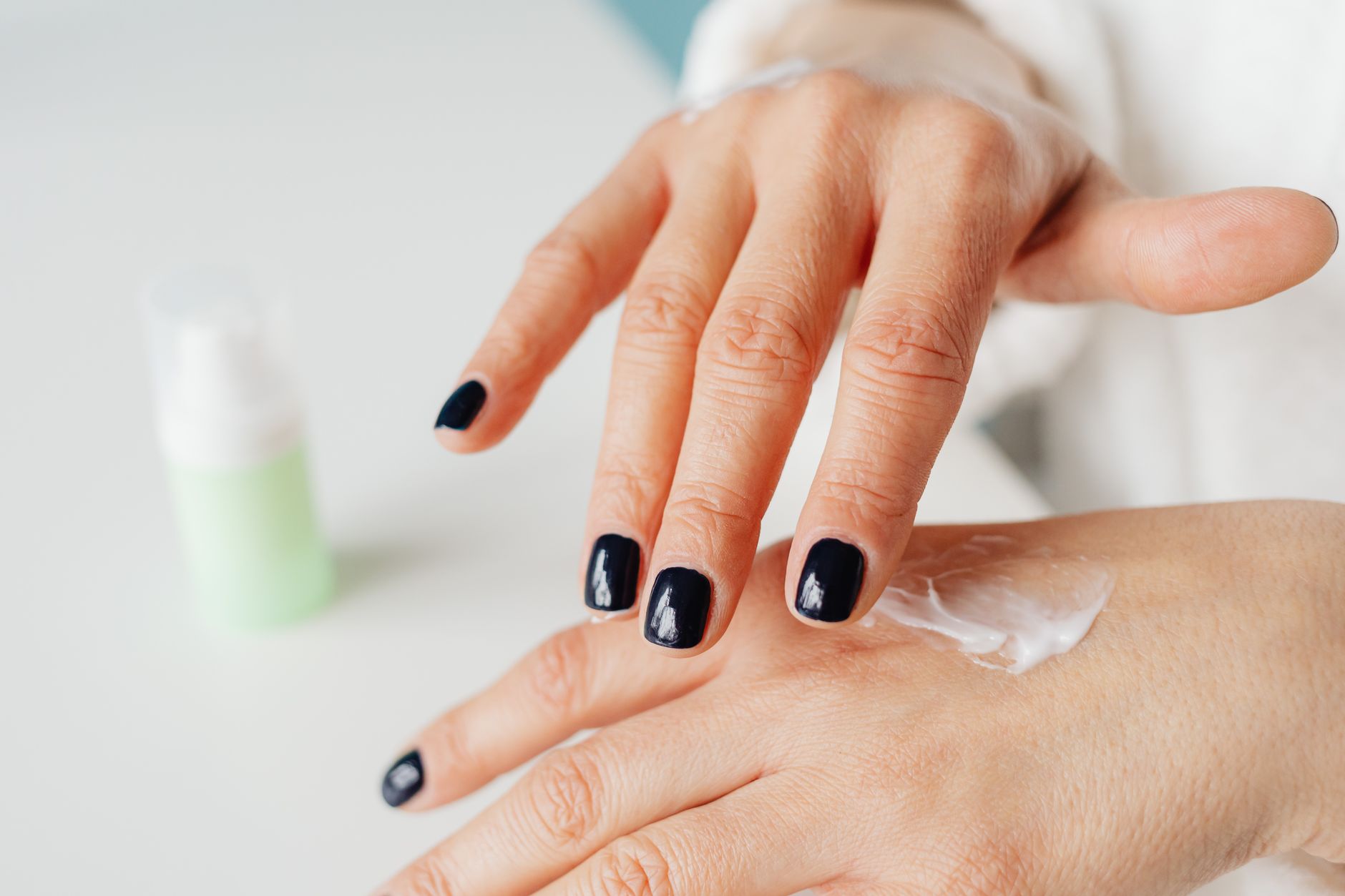
- Clean Skin: Begin with clean, slightly damp skin. After bathing, gently pat your skin dry with a soft towel. Applying petrolatum to damp skin can enhance its moisturizing effects.
- Gentle Application: Use your fingertips to apply a thin, even layer of petrolatum. Avoid rubbing it in; instead, smooth it over the skin. This helps create an effective barrier.
- Targeted Application: Focus on areas most affected by eczema, such as the elbows, knees, and hands. However, you can also apply it to other dry areas as needed.
- Frequency: Apply petrolatum as often as necessary, especially after bathing or whenever your skin feels dry. For severe eczema, this might mean multiple applications per day.
Frequency of Use
The frequency of petrolatum application can vary based on individual needs and the severity of eczema. Here are some guidelines:
- Daily Routine: For most people, applying petrolatum once or twice daily is sufficient. Morning and night applications can help maintain skin hydration throughout the day and night.
- After Bathing: Always apply petrolatum immediately after bathing. This locks in moisture and prevents the skin from drying out.
- As Needed: If you notice your skin becoming dry or if eczema symptoms flare up, don’t hesitate to apply an extra layer of petrolatum. It’s better to be proactive than to wait for symptoms to worsen.
Combining Petrolatum with Other Treatments
Petrolatum can be a versatile addition to your eczema treatment plan. Here’s how you can combine it with other treatments:
- With Prescription Medications: If you’re using prescription creams or ointments, apply them as directed by your healthcare provider. You can then apply a layer of petrolatum over the medication to enhance moisture retention and provide an additional barrier.
- With Other Moisturizers: For added hydration, you can use petrolatum in conjunction with other moisturizers. Apply petrolatum first to create a barrier, followed by a lighter moisturizer to provide extra hydration.
- During Flare-Ups: During an eczema flare-up, petrolatum can be used alongside other treatments to soothe and protect the skin. Its occlusive properties help prevent further irritation and lock in moisture.
- In Your Skincare Routine: Incorporate petrolatum into your daily skincare routine. Use it after cleansing and toning, and before applying any other products. This ensures your skin stays well-hydrated and protected throughout the day.
Remember, everyone’s skin is different. It’s important to listen to your body and adjust your routine as needed. If you’re unsure about how to incorporate petrolatum into your eczema skincare routine, consult with a dermatologist for personalized advice.
By following these practical tips, you can effectively use petrolatum to manage eczema-prone skin. Whether you’re dealing with mild dryness or severe flare-ups, petrolatum can be a valuable tool in your eczema management toolkit.
Potential Side Effects and Considerations of Using Petrolatum
While petrolatum is generally well-tolerated and beneficial for many people with eczema-prone skin, it is important to be aware of potential side effects and considerations. Understanding these can help you make informed decisions about incorporating petrolatum into your eczema skincare routine.
Allergic Reactions
Though rare, some individuals may experience allergic reactions to petrolatum. This can manifest as increased redness, itching, or a rash at the application site. If you suspect an allergic reaction, it is important to discontinue use immediately and consult a healthcare provider. To test for sensitivity, apply a small amount of petrolatum to a discreet area of your skin, such as the inner wrist, and wait 24-48 hours to see if any adverse reactions occur.
In real-life scenarios, Jane, a 35-year-old with moderate eczema, noticed increased irritation after using a new moisturizer containing petrolatum. After discontinuing the product and consulting her dermatologist, she confirmed a mild sensitivity to petrolatum and switched to a different moisturizer.
Comedogenicity
Petrolatum is considered non-comedogenic, meaning it is unlikely to clog pores. However, its occlusive nature can sometimes exacerbate acne in individuals prone to breakouts. If you have eczema and also struggle with acne, monitor your skin closely when introducing petrolatum. It may be beneficial to use petrolatum in combination with other non-comedogenic products to balance moisture and prevent clogged pores.
For example, Mike, a 28-year-old with both eczema and acne, found that using petrolatum at night and a lightweight, non-comedogenic moisturizer during the day worked best for his skin. This approach allowed him to manage both conditions effectively.
Interactions with Other Skincare Products
Petrolatum can interact with other skincare products, potentially affecting their efficacy. When used in conjunction with topical medications, such as corticosteroids or prescription creams, petrolatum may either enhance or hinder absorption. It is advisable to apply topical medications first, allowing them to absorb into the skin before applying petrolatum as a final moisturizing step.
Sarah, a 40-year-old eczema patient, noticed that her prescribed corticosteroid cream worked better when applied before using petrolatum. This sequence allowed the medication to penetrate the skin more effectively, while the petrolatum provided a protective barrier afterward.
Practical Steps for Using Petrolatum Safely
- Patch Test: Before incorporating petrolatum into your routine, perform a patch test to check for any allergic reactions.
- Monitor Skin: Keep an eye on your skin for any signs of irritation or breakouts, especially if you have acne-prone skin.
- Sequence Application: If using petrolatum with other skincare products, apply medications first and petrolatum last to ensure optimal absorption and effectiveness.
- Consult a Professional: If you experience any adverse reactions or have concerns about using petrolatum, consult a dermatologist for personalized advice.
By being mindful of these potential side effects and considerations, you can safely and effectively incorporate petrolatum into your eczema skincare routine. Always remember that individual responses to skincare products can vary, so it’s important to listen to your skin and make adjustments as needed.
Real-Life Experiences: Patient Testimonials on Using Petrolatum for Eczema
When it comes to managing eczema, hearing about the experiences of others can be incredibly valuable. Petrolatum for eczema is a common topic among patients, and the stories shared can offer insights and practical tips for those considering this option. Let’s dive into some real-life experiences from individuals who have incorporated petrolatum into their eczema skincare routine.
Success Stories
Many eczema patients have found significant relief by using petrolatum. Here are a few success stories:
- Sarah’s Story: “I’ve struggled with eczema for years, and nothing seemed to work until I tried petrolatum. It’s thick and stays on my skin longer than other moisturizers. My flare-ups have reduced significantly, and my skin feels much smoother.”
- Mike’s Experience: “Petrolatum has been a game-changer for me. I apply it right after my shower when my skin is still damp. It locks in moisture and keeps my skin from drying out. I’ve noticed fewer itch episodes and less redness.”
- Emily’s Testimonial: “I was skeptical at first, but petrolatum has been fantastic for my eczema. I use it at night, and by morning, my skin is soft and hydrated. It’s become a staple in my skincare routine.”
Challenges Faced
While many have had positive experiences, some patients have faced challenges when using petrolatum for eczema:
- Texture Issues: “I didn’t like the greasy feel of petrolatum at first. It took some getting used to, but I’ve learned to apply a thin layer, which helps minimize the greasiness.” – Lisa
- Application Difficulties: “Applying petrolatum can be messy. I use a clean spoon to scoop it out, which makes it easier to handle.” – Tom
- Breakout Concerns: “I noticed some breakouts when I first started using petrolatum. It turned out I was applying too much. Scaling back the amount solved the problem.” – Hannah
Tips from Experienced Users
Those who have successfully integrated petrolatum into their eczema care share some valuable tips:
- Start Small: “Begin with a small amount to see how your skin reacts. You can always add more if needed.” – Rachel
- Layering Technique: “I use petrolatum over a lighter moisturizer. This combo keeps my skin hydrated without feeling too greasy.” – Ben
- Consistency is Key: “Apply petrolatum regularly, even when your eczema isn’t flaring up. Consistency helps maintain skin barrier function.” – Megan
- Use After Bathing: “Applying petrolatum right after a bath or shower locks in moisture. This is when your skin is most receptive to hydration.” – Chris
- Storage Tips: “Keep your petrolatum in a cool, dry place. Extreme temperatures can affect its consistency.” – Olivia
These testimonials highlight the varied experiences people have with petrolatum for eczema. While it may not be a one-size-fits-all solution, many find it a valuable part of their eczema management plan. If you’re considering petrolatum, take these experiences into account and consult with a healthcare professional to determine the best approach for your skin.
Expert Opinions on Petrolatum for Eczema
When it comes to managing eczema, the opinions of dermatologists and skincare experts are invaluable. Understanding their perspectives on using petrolatum for eczema can help individuals make informed decisions about their skincare routines.
Professional Recommendations
Dermatologists often recommend petrolatum for individuals with eczema due to its occlusive properties. Dr. Emily Smith, a board-certified dermatologist, states, “Petrolatum creates a barrier on the skin, which helps to lock in moisture and protect against external irritants. This is particularly beneficial for those with eczema, as it can help reduce dryness and itching.”
Another expert, Dr. James Lee, emphasizes the importance of using petrolatum as part of a comprehensive eczema skincare routine. “Incorporating petrolatum into your daily regimen can significantly improve the skin’s hydration levels and overall condition,” he advises. “It’s essential to apply it generously and frequently, especially after bathing when the skin is still damp.”
Research Findings
Several studies have explored the effectiveness of petrolatum for eczema. One study published in the Journal of Dermatological Treatment found that petrolatum was more effective at improving skin hydration and reducing symptoms of eczema compared to other moisturizers. The research highlighted that petrolatum’s ability to form a protective barrier played a crucial role in its efficacy.
Another research paper in the Journal of the American Academy of Dermatology compared petrolatum to other common moisturizers and concluded that petrolatum provided superior moisture retention and skin barrier protection. These findings support the use of petrolatum for eczema-prone skin.
Best Practices According to Experts
Experts agree on several best practices when using petrolatum for eczema:
- Apply Generously: To maximize the benefits, apply a thick layer of petrolatum to the affected areas. This ensures that the skin is well-protected and hydrated.
- Use Frequently: Reapply petrolatum multiple times a day, especially after washing or when the skin feels dry. Consistency is key to maintaining skin hydration.
- Combine with Other Treatments: Petrolatum can be used in conjunction with other eczema treatments, such as prescribed topical medications. It can be applied after the medication to enhance its effects and protect the skin.
- Choose the Right Product: Look for pure petrolatum products without added fragrances or dyes, as these can potentially irritate eczema-prone skin. Brands like Vaseline and Aquaphor are popular choices.
- Incorporate into Your Routine: Make petrolatum application a regular part of your eczema skincare routine. This can help prevent flare-ups and keep the skin in optimal condition.
For example, Sarah, a 35-year-old eczema sufferer, shares her experience: “I started using petrolatum after my dermatologist recommended it. I apply it twice a day, and I’ve noticed a significant improvement in my skin’s moisture levels and a reduction in itching. It’s become a staple in my skincare routine.”
In summary, expert opinions strongly support the use of petrolatum for eczema. Its occlusive properties, backed by research findings, make it a valuable component in managing eczema-prone dry skin. By following best practices and incorporating petrolatum into your daily regimen, you can enhance your skin’s hydration and overall health.

Incorporating Petrolatum into Your Eczema Skincare Routine
When managing eczema, finding the right skincare routine is crucial. Petrolatum, a semi-solid mixture of hydrocarbons, can be a valuable addition to your regimen. This section will guide you on how to effectively incorporate petrolatum into your eczema skincare routine.
Step-by-Step Routine
Here’s a step-by-step guide to help you integrate petrolatum into your daily skincare routine:
- Cleanse Gently: Start with a mild, fragrance-free cleanser. Avoid hot water, as it can strip the skin of its natural oils. Lukewarm water is preferable.
- Pat Dry: After cleansing, gently pat your skin dry with a soft towel. Avoid rubbing, as this can irritate eczema-prone skin.
- Apply Petrolatum: While your skin is still slightly damp, apply a generous amount of petrolatum. This helps lock in moisture. Focus on areas prone to dryness and eczema flare-ups.
- Use as Needed: Reapply petrolatum throughout the day as needed, especially after washing your hands or if you notice your skin feeling dry.
Combining with Other Skincare Products
Petrolatum can be combined with other skincare products to enhance its benefits. Here are some tips:
- Corticosteroids: If your healthcare provider has prescribed a topical corticosteroid, apply it as directed. You can use petrolatum in between applications to maintain moisture.
- Other Moisturizers: Petrolatum can be used in conjunction with other moisturizers. For example, you might use a lightweight lotion during the day and petrolatum at night for added protection.
- Barrier Repair Creams: Some barrier repair creams contain ingredients like ceramides that work well with petrolatum. Apply the barrier repair cream first, followed by a layer of petrolatum.
Monitoring and Adjusting the Routine
Every individual’s skin is different, and what works for one person may not work for another. It’s important to monitor your skin’s response to petrolatum and make adjustments as needed.
- Observe Your Skin: Pay attention to how your skin reacts to petrolatum. Look for signs of improvement such as reduced redness, less itching, and improved moisture.
- Adjust Frequency: If you notice your skin is still dry, you may need to apply petrolatum more frequently. Conversely, if your skin feels oily or clogged, you might reduce the frequency.
- Consult a Dermatologist: If you’re unsure about how to incorporate petrolatum into your routine or if you experience any adverse reactions, consult a dermatologist. They can provide personalized advice based on your skin’s needs.
Incorporating petrolatum into your eczema skincare routine can significantly improve your skin’s moisture levels and provide a protective barrier against irritants. By following these steps and making adjustments as needed, you can find a routine that works best for you.
Long-Term Use of Petrolatum for Eczema Management
When it comes to managing eczema, consistency is key. Long-term use of petrolatum can play a significant role in maintaining sustained skin health and preventing flare-ups. Let’s explore the benefits and considerations of incorporating petrolatum into your long-term eczema management plan.
Sustained Skin Health
Using petrolatum regularly can help maintain the skin’s moisture barrier, which is crucial for those with eczema. The occlusive properties of petrolatum create a protective layer that locks in moisture and shields the skin from external irritants.
For long-term skin health, it’s important to apply petrolatum generously and frequently. This might mean applying it multiple times a day, especially after washing your hands or taking a bath. Consistency in application helps ensure that your skin remains hydrated and protected.
Real-life example: Jane, a long-time eczema sufferer, incorporates petrolatum into her daily routine. She applies it after every shower and before bed. Over the years, she has noticed a significant reduction in the frequency and severity of her flare-ups.
Preventing Flare-Ups
One of the primary goals of long-term eczema management is to prevent flare-ups. Petrolatum can be a valuable tool in this regard. By keeping the skin moisturized and protected, petrolatum helps reduce the likelihood of irritation and inflammation that can lead to flare-ups.
To maximize the preventative benefits of petrolatum, consider these practical steps:
- Identify triggers: Keep a journal to track what triggers your eczema flare-ups. Common triggers include certain fabrics, soaps, stress, and environmental factors.
- Pre-emptive application: Apply petrolatum before exposing your skin to known triggers. For example, if you know that wool irritates your skin, apply petrolatum before wearing woolen clothes.
- Post-shower routine: After bathing, pat your skin dry with a soft towel and immediately apply petrolatum to lock in moisture.
Real-life example: Mike, who experiences eczema flare-ups during the winter, uses petrolatum as part of his pre-emptive strategy. He applies it before going outside in cold weather, which helps protect his skin from the dry air.
Adapting the Routine Over Time
As with any long-term skincare routine, it’s important to adapt your use of petrolatum based on your skin’s changing needs. What works for you during a flare-up might differ from what you need during periods of remission.
Here are some tips for adapting your petrolatum routine over time:
- During flare-ups: Increase the frequency of application. You might need to apply petrolatum several times a day to soothe irritated skin.
- In remission: While you may not need to apply petrolatum as frequently, it’s still beneficial to use it daily to maintain skin health and prevent future flare-ups.
- Combining with other treatments: If your healthcare provider has prescribed other treatments, such as topical corticosteroids, use petrolatum in conjunction with these medications. Apply petrolatum after the medication to enhance its effects and protect your skin.
Real-life example: Sarah alternates between using petrolatum and a prescribed corticosteroid cream. During severe flare-ups, she uses the corticosteroid as directed by her doctor and follows up with petrolatum. In periods of remission, she relies primarily on petrolatum to keep her skin moisturized and protected.
In conclusion, the long-term use of petrolatum for eczema can offer sustained skin health, help prevent flare-ups, and adapt to your changing needs. By incorporating petrolatum into your daily routine and adjusting its use as needed, you can effectively manage your eczema and enjoy healthier skin over time.
Alternative Treatments and Complementary Therapies for Eczema
While petrolatum for eczema is a highly effective moisturizer, it is often beneficial to incorporate other treatments and complementary therapies into your eczema management plan. This holistic approach can help address different aspects of the condition, providing more comprehensive relief. Here, we explore natural remedies, prescription medications, and lifestyle changes that can be used alongside petrolatum to manage eczema effectively.
Natural Remedies
Many people with eczema find relief through natural remedies. These can be used in conjunction with petrolatum to enhance its moisturizing effects and provide additional benefits.
- Aloe Vera: Known for its soothing properties, aloe vera can help calm irritated skin. Apply pure aloe vera gel to affected areas after using petrolatum.
- Coconut Oil: This natural oil is rich in fatty acids and can provide extra hydration. Use it sparingly, as some people may find it too heavy.
- Oatmeal Baths: Colloidal oatmeal can soothe itchy, inflamed skin. Add a cup of colloidal oatmeal to your bathwater and soak for 15-20 minutes. Follow up with petrolatum to lock in moisture.
- Chamomile: This gentle herb has anti-inflammatory properties. You can use chamomile tea bags as a compress or add chamomile essential oil to your bath (diluted properly).
Remember, while natural remedies can be beneficial, it’s important to patch-test any new product to ensure it doesn’t trigger a reaction.
Prescription Medications
For more severe cases of eczema, prescription medications may be necessary. These can be used alongside petrolatum to manage symptoms more effectively.
- Topical Steroids: These reduce inflammation and itching. Apply them as directed by your healthcare provider. Use petrolatum during flare-ups to maintain skin hydration.
- Calcineurin Inhibitors: These medications, like tacrolimus and pimecrolimus, can be used on sensitive areas like the face. They work by reducing the immune response that causes inflammation.
- Oral Medications: In some cases, oral medications like antihistamines may be prescribed to reduce itching. Always follow your healthcare provider’s advice when using these.
It’s crucial to use prescription medications as directed and to communicate regularly with your healthcare provider about your eczema management plan.
Lifestyle Changes
Making certain lifestyle changes can significantly impact your eczema management. These changes can complement the use of petrolatum and other treatments.
- Diet: Some people find that certain foods trigger their eczema. Keeping a food diary can help identify potential triggers. Common culprits include dairy, gluten, and nuts.
- Stress Management: Stress can exacerbate eczema symptoms. Practices like yoga, meditation, and regular exercise can help manage stress levels.
- Hydration: Drinking plenty of water helps keep your skin hydrated from the inside out. Aim for at least eight glasses a day.
- Clothing: Wear soft, breathable fabrics like cotton to avoid irritating your skin. Avoid rough or synthetic materials that can cause friction.
Incorporating these lifestyle changes can create a more supportive environment for your skin, making petrolatum and other treatments more effective.
By combining petrolatum for eczema with these alternative treatments and complementary therapies, you can create a comprehensive eczema management plan. This multifaceted approach addresses different aspects of the condition, providing more consistent and effective relief. Always consult with your healthcare provider before starting any new treatment to ensure it’s appropriate for your specific needs.
Frequently asked questions
Can petrolatum worsen eczema symptoms?
Petrolatum is generally well-tolerated by most people with eczema, but in rare cases, it might not be suitable. If you notice increased redness, itching, or irritation after applying petrolatum, it could be causing issues. It’s important to perform a patch test before widespread use. Apply a small amount to a discreet area and wait 24-48 hours to check for any adverse reactions.
How often should I apply petrolatum for eczema?
The frequency of applying petrolatum for eczema depends on your skin condition and the severity of your symptoms. For mild eczema, applying petrolatum once or twice a day may suffice. For more severe cases, you might need to apply it more frequently, possibly after every bath or shower, to keep the skin moisturized and protected.
Is petrolatum safe for all skin types?
Petrolatum is generally safe for most skin types, including sensitive skin. However, individuals with specific allergies or sensitivities might need to avoid it. Always perform a patch test before regular use. If you have any doubts, consult with a healthcare professional to ensure it’s suitable for your skin.
Can I use petrolatum with other eczema treatments?
Yes, petrolatum can be used alongside other eczema treatments. It is often recommended to apply petrolatum after using topical medications to lock in moisture and enhance the effectiveness of the treatment. However, always follow the instructions provided by your healthcare professional and avoid applying multiple products at the same time unless advised.
What are the differences between petrolatum and other occlusive moisturizers?
Petrolatum is a highly effective occlusive moisturizer that forms a barrier on the skin to prevent moisture loss. Compared to other occlusive moisturizers like silicone-based products, petrolatum is often more affordable and widely available. Its unique benefit lies in its ability to provide long-lasting moisture without the risk of clogging pores, making it a popular choice for eczema management.
Are there any natural alternatives to petrolatum for eczema?
Yes, there are natural alternatives to petrolatum that can help manage eczema. Options include shea butter, coconut oil, and aloe vera. These natural ingredients can provide moisture and soothe the skin. However, their effectiveness may vary from person to person, and it’s important to perform a patch test to ensure they don’t cause irritation.
Use MyEczema.app to track your eczema patterns and daily triggers.
This article is for educational purposes only and is not medical advice. If symptoms are severe, spreading, painful, infected-looking, or affecting sleep and daily life, speak with a qualified healthcare professional.
Sources and further reading
For medical guidance, always rely on a qualified healthcare professional. These educational resources may help readers learn more:
Image credit: Photo by SHVETS production on Pexels. Used under the Pexels License.
Image credit: Photo by www.kaboompics.com on Pexels. Used under the Pexels License.
Image credit: Photo by Ketut Subiyanto on Pexels. Used under the Pexels License.