
MyEczema.app guide
Antihistamines Eczema Itch: Practical Guide
antihistamines eczema itch: Learn if antihistamines can help with eczema itch and when to consult a clinician. Get practical, medically accurate advice.

Table of contents
Use this guide as a practical reference and jump to the sections most relevant to you.
- Quick answer
- Key takeaways
- Practical comparison table
- Visual chart
- Related MyEczema.app tool
- Understanding Eczema Itch
- How Antihistamines Work
- Using Antihistamines for Eczema
- When to Consider Antihistamines for Eczema Itch
- Potential Side Effects of Antihistamines
- Consulting a Clinician About Antihistamines
- Alternative Treatments for Eczema Itch
- Identifying and Avoiding Eczema Triggers
- Maintaining Skin Health with Eczema
- Long-Term Management of Eczema Itch
- Frequently asked questions
- Sources and further reading
Eczema, a chronic skin condition characterized by inflammation and itching, affects millions of people worldwide. If you’re one of the many individuals dealing with the relentless itch of eczema, you’ve likely explored numerous treatments and remedies. One option that often comes up in discussions is the use of antihistamines. But can antihistamines help with eczema itch, and when should you consider asking a clinician for advice? In this article, we’ll dive into the specifics of antihistamines and their potential role in managing eczema itch. We’ll also explore when it’s crucial to seek professional guidance to ensure you’re making informed decisions about your treatment plan.
Eczema-prone skin is often sensitive and easily irritated. Factors such as skin barrier disruption, exposure to irritants, climate changes, cleansing habits, allergens, and individual triggers can exacerbate symptoms. The persistent itch associated with eczema can be particularly distressing, leading many to seek relief through various means, including medications like antihistamines. While antihistamines are commonly known for their role in treating allergies, their effectiveness in managing eczema itch can vary from person to person.
Understanding how antihistamines work and their potential benefits and limitations is essential for anyone considering this treatment option. This article will provide a comprehensive guide to help you navigate the complexities of using antihistamines for eczema itch. We’ll cover what antihistamines are, how they might help with eczema, and the importance of consulting a clinician before making any changes to your treatment regimen.
By the end of this article, you’ll have a clearer understanding of whether antihistamines might be a suitable addition to your eczema management plan and when it’s necessary to seek professional advice. Let’s get started on this journey to better manage eczema itch with informed, cautious, and practical steps.
Quick answer
Antihistamines may help reduce eczema itch for some individuals, but it’s important to consult a clinician for personalized advice. Each person’s experience with eczema is unique, and what works for one person may not work for another. A clinician can help determine if antihistamines are appropriate for your specific situation and guide you on the best way to incorporate them into your overall treatment plan.
Key takeaways
- Antihistamines can sometimes help reduce eczema itch.
- Consult a clinician before starting any new medication.
- Combining antihistamines with other treatments may offer better relief.
- Identifying and avoiding triggers is crucial for managing eczema.
- Regular follow-ups with a clinician ensure safe and effective treatment.
Comparing Antihistamines for Eczema Itch
| Situation | What it may mean | Practical next step |
|---|---|---|
| Mild eczema itch | Antihistamines may provide relief. | Try a low-dose antihistamine and monitor symptoms. |
| Severe eczema itch | Antihistamines alone may not be sufficient. | Consult a clinician for a comprehensive treatment plan. |
| Frequent flare-ups | Identifying and avoiding triggers is crucial. | Keep a symptom diary to track triggers and discuss with a clinician. |
| Side effects from antihistamines | The current antihistamine may not be suitable. | Discuss alternative medications with a clinician. |
| No improvement with antihistamines | Other treatments may be needed. | Explore additional therapies and consult a clinician. |
Effectiveness of Antihistamines for Eczema Itch
This visual is an educational guide, not a diagnostic score. Use it to decide what may be worth tracking more consistently for this specific topic.
Medium attention
Mild Itch Relief
Antihistamines often provide relief for mild itching.
Lower attention
Severe Itch Relief
Antihistamines may be less effective for severe itching.
High attention
Combination Therapy
Combining antihistamines with other treatments can enhance relief.
Medium attention
Patient Satisfaction
Many patients report some level of satisfaction with antihistamines.
Lower attention
Side Effects
Some patients experience side effects, impacting overall satisfaction.
Related MyEczema.app tool
Use the Eczema Trigger Identifier
The Eczema Trigger Identifier helps users organize recent changes and possible flare-related patterns such as weather, stress, sweat, sleep, foods, products, and irritants.
For this topic, this tool can help you organize information in a more structured way and turn daily observations into clearer patterns to review over time.
Understanding Eczema Itch
Eczema is a chronic skin condition characterized by inflammation, redness, and intense itching. Understanding the nature of this itch is crucial for managing the condition effectively. Let’s delve into what causes eczema itch and why antihistamines might play a role in providing relief.
The Role of Histamine in Eczema Itch
Histamine is a compound released by cells in response to injury or allergic reactions, playing a key role in the immune response. In the context of eczema, histamine is often released due to skin inflammation, contributing to the sensation of itching. When histamine binds to receptors on nerve cells in the skin, it triggers the sensation of itch, prompting the urge to scratch. This is where antihistamines come into play, as they work by blocking histamine receptors, potentially reducing the itch sensation.
Common Triggers for Eczema Itch
Eczema itch can be triggered by a variety of factors, both internal and external. Common triggers include:
- Allergens: Substances like pollen, pet dander, and certain foods can exacerbate eczema symptoms, leading to increased itching.
- Irritants: Harsh soaps, detergents, and fabrics can irritate the skin, triggering an itch response.
- Environmental Factors: Dry air, extreme temperatures, and humidity changes can affect the skin’s barrier function, leading to itching.
- Stress: Emotional stress can worsen eczema symptoms, including itching, through complex interactions between the nervous system and skin.
Identifying and avoiding these triggers is a crucial part of managing eczema itch. However, when avoidance isn’t enough, medications like antihistamines may offer relief.
Why Some People Experience Severe Itching
The severity of itching in eczema can vary widely among individuals. Several factors contribute to this variability:
- Genetic Predisposition: Some people are genetically more prone to developing eczema and experiencing severe itching.
- Skin Barrier Dysfunction: Individuals with eczema often have a compromised skin barrier, making it easier for irritants and allergens to penetrate the skin and trigger itching.
- Immune System Response: The immune system’s reaction to triggers can vary, leading to different levels of inflammation and itching.
- Environmental Exposure: The level of exposure to triggers can influence the severity of itching. For example, someone living in a dry climate may experience more severe itching than someone in a more humid environment.
Understanding these factors can help individuals with eczema and their healthcare providers develop a more effective management plan, including the potential use of antihistamines for itch relief.
Practical Steps for Managing Eczema Itch
While antihistamines can be a useful tool in managing eczema itch, they are most effective when used as part of a comprehensive management plan. Here are some practical steps:
- Identify Triggers: Keep a diary to track what seems to worsen your eczema itch. This can help you avoid these triggers in the future.
- Moisturize Regularly: Use gentle, fragrance-free moisturizers to keep your skin hydrated and reduce the urge to scratch.
- Use Antihistamines Wisely: If over-the-counter antihistamines seem to help with your itch, discuss with a clinician about the best options and timing for use.
- Avoid Scratching: Try to resist the urge to scratch, as this can further damage the skin and lead to a vicious cycle of itch and inflammation.
- Wear Soft Clothing: Choose soft, breathable fabrics to minimize skin irritation.
- Manage Stress: Incorporate stress-reducing activities into your routine, such as yoga, meditation, or simply taking time for hobbies you enjoy.
Remember, while antihistamines can help with eczema itch, they are not a one-size-fits-all solution. It’s important to work with a healthcare provider to find the best approach for your specific situation.
If you’re considering antihistamines for eczema itch, or if your itch is severe and persistent, it’s a good idea to consult with a clinician. They can provide personalized advice and may recommend other treatments or lifestyle changes to help manage your symptoms effectively.
How Antihistamines Work
To understand how antihistamines might help with eczema itch, it’s important to know how these medications work. Antihistamines are commonly used to treat allergies, but they can also play a role in managing eczema symptoms, particularly itching. Let’s delve into the mechanism of antihistamines and their potential impact on eczema itch.
Overview of Antihistamine Types
Antihistamines come in two main types: H1 blockers and H2 blockers. Each type works differently and is used for different purposes.
- H1 Blockers: These are the most common type of antihistamines. They work by blocking histamine, a substance released during allergic reactions that causes symptoms like itching, sneezing, and runny nose. H1 blockers are often used to relieve allergy symptoms and can also help reduce itching associated with eczema.
- H2 Blockers: These antihistamines reduce stomach acid production and are primarily used to treat conditions like acid reflux and ulcers. While H2 blockers are not typically used for eczema, understanding their role can help clarify why H1 blockers are more relevant for eczema itch.
How Antihistamines Reduce Allergic Reactions
Histamine is a chemical released by the immune system in response to allergens. In people with eczema, the skin’s barrier is compromised, making it more susceptible to irritants and allergens. When histamine is released, it binds to receptors in the skin, leading to inflammation, redness, and itching.
Antihistamines, specifically H1 blockers, work by binding to these histamine receptors, preventing histamine from exerting its effects. By blocking histamine, H1 blockers can reduce the itching and inflammation associated with eczema.
Potential Impact on Eczema Symptoms
While antihistamines are not a primary treatment for eczema, they can be a useful adjunct in managing symptoms, particularly itching. Here’s how they might help:
- Reducing Itch: By blocking histamine, H1 blockers can alleviate the intense itching that often accompanies eczema. This can make it easier for individuals to resist the urge to scratch, which can further irritate the skin.
- Improving Sleep: Eczema-related itching often worsens at night, leading to sleep disturbances. Antihistamines with sedating effects can help individuals sleep better by reducing nighttime itching.
- Managing Flare-Ups: During eczema flare-ups, the skin becomes more sensitive and prone to itching. Antihistamines can provide temporary relief during these periods, helping to manage symptoms until other treatments take effect.
It’s important to note that antihistamines are most effective when used as part of a comprehensive eczema management plan. This plan should include moisturizers, topical treatments, and avoiding known triggers. For some individuals, antihistamines may offer significant relief, while for others, the effect may be more modest.
Practical Steps for Using Antihistamines
If you’re considering using antihistamines for eczema itch, here are some practical steps to keep in mind:
- Consult a Clinician: Before starting any new medication, including antihistamines, it’s crucial to consult with a healthcare provider. They can help determine if antihistamines are appropriate for your specific situation and recommend the right type and dosage.
- Choose the Right Type: H1 blockers are generally more effective for eczema itch. Common over-the-counter options include cetirizine, loratadine, and fexofenadine. Some H1 blockers cause drowsiness, while others are non-drowsy. Choose based on your needs and lifestyle.
- Monitor for Side Effects: Like all medications, antihistamines can have side effects. These may include drowsiness, dry mouth, and dizziness. If you experience any adverse effects, discuss them with your clinician.
- Combine with Other Treatments: Antihistamines work best when used in conjunction with other eczema treatments. Continue to use moisturizers, avoid triggers, and follow your clinician’s advice for topical treatments.
In summary, antihistamines can be a helpful tool in managing eczema itch, particularly when used as part of a broader treatment plan. By understanding how they work and following practical steps, individuals with eczema can find relief and improve their quality of life.
Using Antihistamines for Eczema
When dealing with the relentless itch of eczema, many people turn to antihistamines as a potential source of relief. But how effective are antihistamines for eczema itch? This section delves into the research, types of antihistamines, and real patient experiences to provide a comprehensive understanding.
Research Findings on Antihistamines and Eczema
Research on antihistamines eczema itch relief shows mixed results. Some studies suggest that antihistamines can reduce itchiness and improve sleep quality in people with eczema, while others find minimal to no benefit. The variability in results may be due to the different types of antihistamines used and the individual differences in how people respond to these medications.
For instance, a study published in the Journal of the American Academy of Dermatology found that non-sedating antihistamines had little effect on itch in eczema patients. However, sedating antihistamines showed some benefit, particularly in reducing nighttime itching and improving sleep.
It’s important to note that while antihistamines may help with itch management, they are not a long-term control-all solution. They work best when used as part of a comprehensive eczema management plan that includes moisturizers, topical treatments, and avoiding triggers.
Types of Antihistamines Commonly Used
There are two main types of antihistamines: first-generation and second-generation. Each type has different effects and side-effect profiles, which can influence their suitability for managing eczema itch.
- First-Generation Antihistamines: These older antihistamines, such as diphenhydramine (Benadryl) and hydroxyzine, are known for their sedating effects. They can be helpful for reducing nighttime itching and promoting better sleep. However, their sedative properties can cause drowsiness during the day, which may not be ideal for everyone.
- Second-Generation Antihistamines: These newer antihistamines, including loratadine (Claritin), cetirizine (Zyrtec), and fexofenadine (Allegra), are less sedating and generally have fewer side effects. While they are commonly used for allergies, their effectiveness in managing eczema itch is less clear. Some patients report minimal relief, while others find them helpful in reducing mild itching.
Patient Experiences and Testimonials
Real-life experiences with antihistamines eczema itch relief can vary widely. Some patients find significant relief with antihistamines, while others see little to no benefit. Here are a few examples:
- Case Study 1: Jane, a 34-year-old with moderate eczema, found that taking a sedating antihistamine at night helped her sleep better and reduced her nighttime itching. However, she noticed no difference in her daytime itching.
- Case Study 2: Mike, a 28-year-old with mild eczema, tried a second-generation antihistamine but found it did not help with his itching. He continued to rely on topical treatments and moisturizers for relief.
- Case Study 3: Sarah, a 45-year-old with severe eczema, combined a sedating antihistamine with other treatments prescribed by her dermatologist. She reported a noticeable reduction in itching and improved overall skin condition.
These testimonials highlight the importance of personalized treatment plans. What works for one person may not work for another, so it’s crucial to work closely with a healthcare provider to find the best approach for your specific needs.
When to Ask a Clinician
If you’re considering using antihistamines for eczema itch, it’s essential to consult with a clinician. They can help you determine whether antihistamines are appropriate for your situation and guide you on the best type and dosage to use. Here are some scenarios when you should seek professional advice:
- If your eczema itch is severe and disrupting your daily life or sleep.
- If you have tried other treatments without success and are looking for additional relief.
- If you experience side effects from antihistamines or other medications.
- If you have other health conditions or are taking other medications that might interact with antihistamines.
A clinician can also help you identify and manage eczema triggers, recommend effective itch management strategies, and monitor your progress to ensure you’re getting the best possible care.
In summary, while antihistamines can be a useful tool in managing eczema itch for some people, their effectiveness varies. Understanding the research, knowing the types of antihistamines available, and learning from patient experiences can help you make informed decisions about whether antihistamines might be right for you. Always consult with a healthcare provider to tailor a treatment plan that meets your specific needs and ensures your safety.

When to Consider Antihistamines for Eczema Itch
Deciding whether to use antihistamines for eczema itch involves understanding the specific symptoms and context of your condition. While antihistamines can be helpful, they are not a one-size-fits-all solution. This section will guide you on when to consider antihistamines for managing eczema itch, the situations where they may be less effective, and how to combine them with other treatments for optimal relief.
Signs That Antihistamines May Help
Antihistamines can be particularly beneficial if your eczema itch is related to allergies. Here are some signs that suggest antihistamines might help:
- Allergic Reactions: If your eczema flare-ups are triggered by known allergens like pollen, pet dander, or certain foods, antihistamines can help reduce the histamine response that causes itching.
- Nighttime Itching: If you experience increased itching at night, antihistamines with sedative effects can help you sleep better by reducing itch and promoting relaxation.
- Hives or Urticaria: If your eczema presents with hives or urticaria, antihistamines can be effective in reducing these symptoms.
- Itch Accompanied by Sneezing or Runny Nose: If your itchy skin is accompanied by symptoms like sneezing or a runny nose, it may indicate an allergic component that antihistamines can address.
For instance, if you notice that your eczema worsens during spring when pollen counts are high, antihistamines might provide relief by mitigating your body’s allergic response.
Situations Where Antihistamines Are Less Effective
While antihistamines can be helpful, there are situations where they may not provide significant relief:
- Non-Allergic Eczema: If your eczema is not triggered by allergies, antihistamines may not be as effective. Eczema can be caused by various factors including irritants, stress, or genetic predisposition.
- Severe Eczema: In cases of severe eczema, antihistamines alone may not be sufficient. Comprehensive treatment plans often include topical corticosteroids, moisturizers, and other medications.
- Chronic Itch Without Clear Triggers: If your itch does not have a clear allergic trigger, antihistamines may offer limited relief. Identifying and avoiding specific triggers is crucial in these cases.
For example, if your eczema is consistently severe and does not seem to be related to any specific allergens, relying solely on antihistamines may not provide the relief you need.
Combining Antihistamines with Other Treatments
For many people, the most effective approach to managing eczema itch involves combining antihistamines with other treatments. Here’s how you can create a comprehensive plan:
- Topical Treatments: Use antihistamines alongside topical corticosteroids or moisturizers. Apply moisturizers regularly to keep your skin hydrated, which can reduce itch. Topical corticosteroids can help manage inflammation and severe itching.
- Identify and Avoid Triggers: Work with a clinician to identify potential triggers for your eczema. Once identified, take steps to avoid these triggers. This might include changes in your environment, diet, or daily routines.
- Lifestyle Changes: Incorporate lifestyle changes that can help manage eczema. This includes wearing soft, breathable fabrics, avoiding harsh soaps, and maintaining a cool, humidified environment.
- Consult a Clinician: If you’re considering antihistamines for eczema itch, it’s important to consult a clinician. They can help you determine the best type of antihistamine and dosage, and ensure it’s safe to use alongside your other medications.
For example, if you’re experiencing eczema itch that seems to be triggered by stress, combining antihistamines with stress-reduction techniques like yoga or meditation, along with regular use of moisturizers, might offer comprehensive relief.
In summary, antihistamines can be a useful tool in managing eczema itch, particularly when allergies are involved. However, they are most effective when used as part of a broader treatment plan that includes identifying triggers, using topical treatments, and making appropriate lifestyle changes. Always consult with a clinician before starting any new medication to ensure it’s the right choice for your specific situation.
Potential Side Effects of Antihistamines
While antihistamines can be effective in managing antihistamines eczema itch, they are not without potential side effects. Understanding these side effects can help you make informed decisions about their use and manage any discomfort they may cause.
Common Side Effects
The most commonly reported side effects of antihistamines include drowsiness and dry mouth. These effects vary depending on the type of antihistamine used.
- Drowsiness: First-generation antihistamines, such as diphenhydramine (Benadryl), are more likely to cause drowsiness. This can impair your ability to drive or operate machinery. If you experience significant drowsiness, consider switching to a second-generation antihistamine, like loratadine (Claritin) or cetirizine (Zyrtec), which are less sedating.
- Dry Mouth: Antihistamines can reduce saliva production, leading to a dry mouth. Staying hydrated and chewing sugar-free gum can help alleviate this symptom. If dry mouth persists, consult your clinician for further advice.
Rare but Serious Side Effects
Although rare, some individuals may experience more serious side effects from antihistamines. These can include:
- Rapid Heartbeat: In some cases, antihistamines can cause an increased heart rate. If you notice a significant change in your heart rate, seek medical attention immediately.
- Difficulty Urinating: Antihistamines can affect bladder function, making it difficult to urinate. This is more common in older adults. If you experience this symptom, contact your clinician.
- Allergic Reactions: Although uncommon, some people may have an allergic reaction to antihistamines. Symptoms can include hives, swelling, and difficulty breathing. If you experience these symptoms, seek emergency medical help.
Tips for Minimizing Side Effects
If you are considering using antihistamines for eczema itch, here are some practical tips to help minimize side effects:
- Start with a Low Dose: Begin with the lowest effective dose to see how your body reacts. You can gradually increase the dose if necessary, under the guidance of a clinician.
- Take at Night: If drowsiness is a concern, taking antihistamines at night can help you sleep through the sedative effects.
- Stay Hydrated: Drinking plenty of water can help counteract dry mouth and other dehydration-related side effects.
- Avoid Alcohol: Alcohol can enhance the sedative effects of antihistamines, increasing drowsiness and impairing your ability to function normally.
- Monitor Your Symptoms: Keep a journal of your symptoms and any side effects you experience. This can help you and your clinician make informed decisions about your treatment plan.
It’s important to remember that everyone reacts differently to medications. What works well for one person may not work as well for another. If you experience any concerning side effects while using antihistamines for eczema itch, don’t hesitate to reach out to your clinician for advice.
In some cases, your clinician may recommend alternative treatments or adjust your dosage to better manage your symptoms. Always follow your clinician’s advice and never stop taking prescribed medications without consulting them first.
By being aware of the potential side effects and taking steps to minimize them, you can make the most of antihistamines as part of your eczema itch management plan.
Consulting a Clinician About Antihistamines
While antihistamines can offer relief for some individuals dealing with the relentless itch of eczema, it’s crucial to consult a clinician before starting any new medication. The decision to use antihistamines for eczema itch should always be guided by professional advice. This ensures that the treatment is appropriate for your specific situation and that potential side effects are minimized.
Questions to Ask Your Clinician
When discussing antihistamines eczema itch relief with your clinician, consider asking the following questions:
- Is an antihistamine suitable for my type of eczema? Different types of eczema may respond differently to antihistamines.
- Which antihistamine would you recommend? There are various types of antihistamines, and your clinician can help you choose the one that’s best for you.
- How long should I take the antihistamine? Understanding the duration of treatment can help manage expectations and plan for follow-up consultations.
- What are the potential side effects? Being aware of possible side effects can help you recognize them early and seek further advice if needed.
- How will the antihistamine interact with my current medications? It’s important to understand any potential interactions with other drugs you may be taking.
- What should I do if the antihistamine doesn’t help my itch? Knowing the next steps can save time and reduce frustration.
What to Expect During a Consultation
During your consultation about using antihistamines for eczema itch, your clinician will likely:
- Review your medical history and current medications.
- Discuss your eczema symptoms, including the severity and frequency of the itch.
- Examine your skin to assess the current state of your eczema.
- Talk about any known eczema triggers that might be contributing to your symptoms.
- Discuss the pros and cons of using antihistamines in your specific case.
- Provide information on other itch management strategies that might complement the use of antihistamines.
Be prepared to share details about your eczema, including when it started, how it has progressed, and what treatments you’ve tried so far. This information will help your clinician make a well-informed decision.
Importance of a Personalized Treatment Plan
Eczema is a complex condition, and what works for one person may not work for another. A personalized treatment plan is essential for effectively managing eczema itch. This plan may include:
- Topical treatments: Creams or ointments applied directly to the skin.
- Oral medications: Including antihistamines, but also other types of medication if necessary.
- Lifestyle changes: Such as avoiding known triggers and maintaining good skin hygiene.
- Moisturizers: To keep the skin hydrated and reduce itching.
- Other therapies: Like wet wraps or phototherapy, depending on the severity of the eczema.
A clinician will consider all these factors when recommending antihistamines for eczema itch. They will aim to create a comprehensive plan that addresses your specific needs and lifestyle.
In some cases, antihistamines may be part of a broader strategy to manage eczema. For example, if your eczema is triggered by allergies, antihistamines might help reduce the allergic response, thereby lessening the itch. However, it’s important to remember that antihistamines are just one tool in the eczema management toolbox. They may not provide complete relief on their own, especially in more severe cases of eczema.
If you find that antihistamines are not providing the relief you need, don’t hesitate to follow up with your clinician. They may adjust your treatment plan or suggest alternative medications or therapies. Remember, managing eczema is often a process of trial and error, and what works may change over time.
In conclusion, while antihistamines can be a helpful tool in managing eczema itch, it’s vital to work closely with a clinician to ensure they are the right choice for you. A personalized treatment plan, guided by professional advice, offers the best chance for effective eczema relief.
Alternative Treatments for Eczema Itch
While antihistamines can be a useful tool for managing eczema itch, they are not the only option available. Exploring alternative treatments can provide additional relief and help manage symptoms more effectively. Here, we delve into three main categories of alternative treatments: topical treatments, lifestyle changes, and other medications.
Topical Treatments (Creams, Ointments)
Topical treatments are often the first line of defense against eczema symptoms. These treatments can be applied directly to the skin to soothe irritation and reduce inflammation.
- Moisturizers: Regular use of moisturizers can help keep the skin hydrated and reduce itching. Look for products that are fragrance-free and designed for sensitive skin.
- Corticosteroid Creams: These are prescription-strength creams that can reduce inflammation and itching. They are typically used for short periods to avoid side effects.
- Calcineurin Inhibitors: These prescription creams, such as tacrolimus and pimecrolimus, can be effective for reducing inflammation without the side effects associated with long-term steroid use.
- Coal Tar: Available in both over-the-counter and prescription forms, coal tar can help reduce itching and inflammation. It is often used in combination with other treatments.
When using topical treatments, it’s important to follow the instructions provided by your clinician. Applying the right amount at the right time can make a significant difference in managing eczema itch.
Lifestyle Changes (Diet, Stress Management)
Making certain lifestyle changes can also help manage eczema symptoms and reduce the frequency of flare-ups.
- Diet: While there is no one-size-fits-all diet for eczema, some people find that avoiding certain triggers, like dairy or gluten, can help reduce symptoms. Keeping a food diary can help identify potential triggers.
- Hydration: Drinking plenty of water helps keep the skin hydrated from the inside out, which can reduce itching and inflammation.
- Stress Management: Stress can exacerbate eczema symptoms. Practices like yoga, meditation, and regular exercise can help manage stress levels and improve overall well-being.
- Avoiding Irritants: Identifying and avoiding irritants, such as harsh soaps, certain fabrics, and environmental allergens, can help prevent flare-ups.
Incorporating these lifestyle changes can complement other treatments and provide more comprehensive relief from eczema itch.
Other Medications (Steroids, Immunomodulators)
In some cases, other medications may be necessary to manage severe eczema symptoms.
- Oral Steroids: These are typically used for short-term relief during severe flare-ups. They can quickly reduce inflammation but are not suitable for long-term use due to potential side effects.
- Immunomodulators: Medications like cyclosporine and methotrexate can be prescribed for severe eczema that does not respond to other treatments. These drugs work by suppressing the immune system to reduce inflammation.
- Biologics: Newer medications like dupilumab target specific pathways in the immune system to reduce inflammation. These are usually reserved for severe cases of eczema.
It’s crucial to consult with a clinician before starting any new medication. They can help determine the best treatment plan based on the severity of your symptoms and your overall health.
In conclusion, while antihistamines eczema itch relief is a valuable option, it is often most effective when combined with other treatments. Topical treatments, lifestyle changes, and other medications can provide a more comprehensive approach to managing eczema symptoms. Always consult with a clinician to develop a personalized treatment plan that addresses your specific needs and concerns.
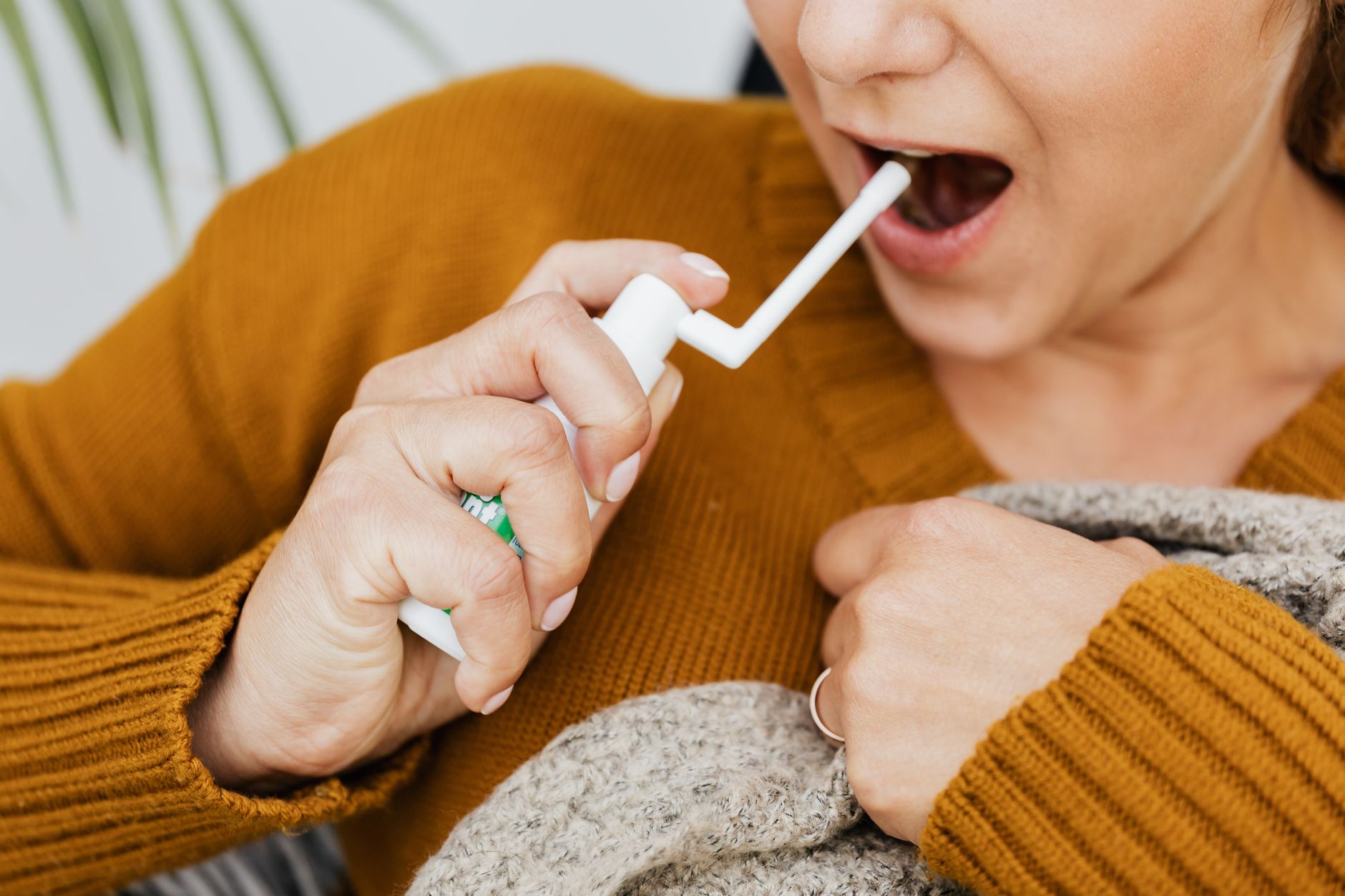
Identifying and Avoiding Eczema Triggers
When managing antihistamines eczema itch, one of the most effective strategies is identifying and avoiding triggers that exacerbate symptoms. Understanding what sets off your eczema can lead to better control of the condition and reduce the reliance on medications like antihistamines.
Common Eczema Triggers
Eczema triggers can be broadly categorized into allergens and irritants. Allergens are substances that cause an allergic reaction, while irritants are substances that cause inflammation without triggering an immune response.
- Allergens: Common allergens include pollen, pet dander, dust mites, and certain foods like nuts, dairy, and eggs.
- Irritants: Common irritants include harsh soaps, detergents, wool clothing, and even certain metals like nickel.
How to Identify Your Personal Triggers
Identifying your personal eczema triggers involves a bit of detective work. Here are some practical steps to help you pinpoint what might be causing your flare-ups:
- Keep a Symptom Diary: Record your daily activities, the products you use, the foods you eat, and any environmental changes. Note when your eczema symptoms worsen.
- Patch Testing: Consult a clinician for patch testing. This involves applying small amounts of potential allergens to your skin to see if they cause a reaction.
- Elimination Diet: Temporarily remove common allergenic foods from your diet to see if your symptoms improve. Reintroduce them one at a time to identify specific triggers.
Practical Tips for Avoiding Triggers
Once you’ve identified your triggers, the next step is to minimize your exposure to them. Here are some practical tips:
- Use Gentle Skincare Products: Opt for fragrance-free, hypoallergenic soaps and moisturizers. Avoid products with harsh chemicals or alcohol.
- Wear Soft Clothing: Choose breathable fabrics like cotton over wool or synthetic materials that can irritate the skin.
- Manage Your Environment: Use allergen-proof covers for pillows and mattresses to reduce exposure to dust mites. Regularly clean your living space to minimize pet dander and other allergens.
- Be Mindful of Seasonal Changes: During pollen season, keep windows closed and use air purifiers to reduce indoor allergens. When it’s cold, use humidifiers to maintain skin moisture.
By systematically identifying and avoiding your eczema triggers, you can significantly reduce the frequency and severity of flare-ups. This proactive approach can complement the use of antihistamines for eczema itch, offering a more holistic management strategy.
For instance, if you discover that your eczema worsens after using a particular laundry detergent, switching to a hypoallergenic alternative can make a noticeable difference. Similarly, if you find that certain foods trigger your symptoms, modifying your diet can lead to improved skin health.
It’s important to remember that everyone’s eczema is unique, and what triggers one person may not affect another. Therefore, personalized strategies are key. If you’re unsure about any potential triggers or need guidance on avoiding them, consulting a clinician can provide valuable insights and support.
In summary, identifying and avoiding eczema triggers is a crucial component of managing antihistamines eczema itch. By taking a proactive approach, you can create a more comfortable environment for your skin and reduce the need for frequent medication use.
Maintaining Skin Health with Eczema
Maintaining healthy skin is crucial for managing eczema, especially when dealing with persistent itch. Proper skincare can complement the use of antihistamines for eczema itch and enhance overall eczema relief. Here are essential tips for maintaining skin health to reduce eczema symptoms.
Importance of Moisturizing
Moisturizing is a cornerstone of eczema management. Dry skin exacerbates itch and can lead to skin inflammation, making antihistamines eczema itch management less effective. Regularly applying moisturizer helps to:
- Hydrate the skin: Keeping the skin hydrated reduces dryness and the urge to scratch.
- Create a protective barrier: Moisturizers form a barrier that locks in moisture and protects the skin from irritants.
- Soothe irritation: Many moisturizers contain ingredients that calm irritated skin, providing additional itch relief.
For best results, apply moisturizer immediately after bathing while the skin is still damp. This practice helps to seal in moisture. Look for fragrance-free, hypoallergenic products to minimize the risk of irritation.
Choosing the Right Skincare Products
Selecting the right skincare products is vital for those with eczema. The wrong products can irritate the skin and worsen symptoms. Consider these tips when choosing skincare items:
- Read ingredient lists: Avoid products with potential allergens or irritants such as fragrances, dyes, and alcohol.
- Opt for gentle cleansers: Use mild, fragrance-free cleansers to avoid stripping the skin of its natural oils.
- Patch test new products: Apply a small amount of a new product to a small area of skin to check for any adverse reactions before using it extensively.
- Consult a clinician: A healthcare provider can recommend specific products tailored to your skin’s needs.
Incorporating products with ceramides and other skin-barrier-enhancing ingredients can be particularly beneficial. These ingredients help to repair and strengthen the skin’s natural barrier, reducing the likelihood of flare-ups and making antihistamines eczema itch relief more effective.
Daily Skincare Routines for Eczema-Prone Skin
Establishing a consistent daily skincare routine can significantly impact eczema management. Here’s a practical routine to follow:
- Morning Routine:
- Gently cleanse the skin with a mild, fragrance-free cleanser.
- Apply a thick, fragrance-free moisturizer to lock in hydration.
- If prescribed, apply any topical medications as directed by a clinician.
- Evening Routine:
- Take a lukewarm bath for no longer than 10-15 minutes to avoid drying out the skin.
- Pat the skin dry with a soft towel, leaving it slightly damp.
- Apply a generous amount of moisturizer immediately after bathing.
Consistency is key. Sticking to this routine helps maintain skin hydration and reduces the frequency of eczema flare-ups, making antihistamines for eczema itch more effective. Additionally, being mindful of eczema triggers and avoiding them can further support skin health.
In summary, maintaining skin health through proper moisturizing, careful selection of skincare products, and adherence to a daily skincare routine are essential practices for managing eczema. These steps not only help in reducing itch but also enhance the effectiveness of antihistamines in providing eczema relief.
Long-Term Management of Eczema Itch
Managing eczema itch is often a long-term endeavor. While antihistamines can be a part of this management, it’s essential to adopt a holistic approach that includes developing a comprehensive treatment plan, regular follow-ups with a clinician, and staying informed about new treatments and research.
Developing a Comprehensive Treatment Plan
A comprehensive treatment plan for eczema itch involves multiple strategies. Antihistamines may play a role, especially if your itch is linked to allergic reactions. However, they should be one piece of a broader strategy that includes:
- Topical treatments: Regular use of moisturizers and prescribed creams can help soothe itchy skin.
- Identifying triggers: Keeping a diary to track what worsens your itch can help you avoid specific triggers.
- Lifestyle changes: Simple changes like wearing soft fabrics and avoiding harsh soaps can make a significant difference.
When considering antihistamines eczema itch relief, it’s vital to understand their role within this broader context. They may offer temporary relief but are most effective when combined with other treatments.
Regular Follow-Ups with a Clinician
Regular consultations with a healthcare provider are crucial for long-term management. These appointments allow you to:
- Discuss the effectiveness of antihistamines and other treatments.
- Adjust medications based on your current symptoms.
- Explore new options if your current treatment isn’t working.
During these visits, be prepared to discuss your experience with antihistamines. Note any side effects or changes in your itch level. This information helps your clinician make informed decisions about your care.
Staying Informed About New Treatments and Research
Eczema research is ongoing, and new treatments are continually being developed. Staying informed can help you make better decisions about your care. Here are some ways to keep up-to-date:
- Reputable websites: Websites like the National Eczema Association offer reliable information on the latest research and treatments.
- Support groups: Joining an eczema support group can provide insights and experiences from others dealing with similar issues.
- Medical journals: If you’re comfortable, reading summaries of medical journal articles can offer deeper insights into new treatments and research findings.
Remember, while antihistamines can be a part of managing eczema itch, they are not a one-size-fits-all solution. A well-rounded, informed approach that includes regular consultations with a clinician and staying updated on new research will offer the best chance for effective long-term management.
In summary, managing eczema itch, especially with antihistamines, requires a thoughtful, long-term strategy. By developing a comprehensive treatment plan, maintaining regular follow-ups, and staying informed about new developments, you can better navigate the challenges of eczema and find relief from itchy skin.
Frequently asked questions
Can antihistamines help manage eczema symptoms?
Antihistamines can help manage symptoms of eczema, particularly the itch. They work by blocking histamine, a substance in the body that causes allergic reactions. While antihistamines can be effective in reducing itch, they do not address the underlying causes of eczema. It’s important to use them as part of a broader treatment plan.
If you’re considering antihistamines eczema itch relief, consult with a healthcare professional to ensure they are appropriate for your specific situation. They can provide guidance on the best type and dosage of antihistamine for your needs.
Are there any natural alternatives to antihistamines for eczema itch?
Several natural remedies may help with eczema itch, including oatmeal baths, coconut oil, and aloe vera. These remedies can soothe the skin and reduce inflammation. However, their effectiveness can vary from person to person.
While natural alternatives can be beneficial, they may not provide the same level of relief as antihistamines. It’s important to discuss any natural remedies with a healthcare professional to ensure they are safe and effective for you.
How long does it take for antihistamines to work for eczema itch?
The timeframe for antihistamines to start working can vary depending on the type of antihistamine. Some may begin to relieve symptoms within 30 minutes to an hour, while others may take a few hours to reach their full effect.
If you’re using antihistamines for eczema itch, it’s important to follow the dosing instructions provided by your healthcare professional. If you don’t notice any relief after a few days, consult with your clinician to discuss alternative treatments.
Can children with eczema take antihistamines?
Yes, children with eczema can take antihistamines, but it’s crucial to choose the right type and dosage. Some antihistamines are specifically formulated for children and are available in liquid form for easier administration.
Always consult with a pediatrician before giving antihistamines to children. They can provide guidance on the appropriate medication and dosage based on the child’s age, weight, and specific symptoms.
What should I do if antihistamines don’t help my eczema itch?
If antihistamines are not effectively managing your eczema itch, it’s important to consult with a healthcare professional. They may recommend alternative treatments, such as topical creams, prescription medications, or other therapies.
Keeping a detailed record of your symptoms and triggers can help your clinician provide more personalized advice. Consider using a tool like MyEczema.app to track your patterns and triggers.
Are there any interactions between antihistamines and other eczema medications?
Yes, there can be interactions between antihistamines and other eczema medications. For example, some antihistamines may enhance the sedative effects of other medications, leading to increased drowsiness.
It’s essential to inform your healthcare professional about all the medications you are taking, including over-the-counter drugs and supplements. They can help you navigate potential interactions and adjust your treatment plan accordingly.
Use MyEczema.app to track your eczema patterns and daily triggers.
This article is for educational purposes only and is not medical advice. If symptoms are severe, spreading, painful, infected-looking, or affecting sleep and daily life, speak with a qualified healthcare professional.
Sources and further reading
For medical guidance, always rely on a qualified healthcare professional. These educational resources may help readers learn more:
Image credit: Photo by www.kaboompics.com on Pexels. Used under the Pexels License.
Image credit: Photo by www.kaboompics.com on Pexels. Used under the Pexels License.
Image credit: Photo by www.kaboompics.com on Pexels. Used under the Pexels License.