
MyEczema.app guide
Why Does Eczema Flare After Travel or Schedule Changes?
eczema flare after travel: Discover why eczema flares after travel or schedule changes and learn practical strategies to manage and prevent flare-ups.
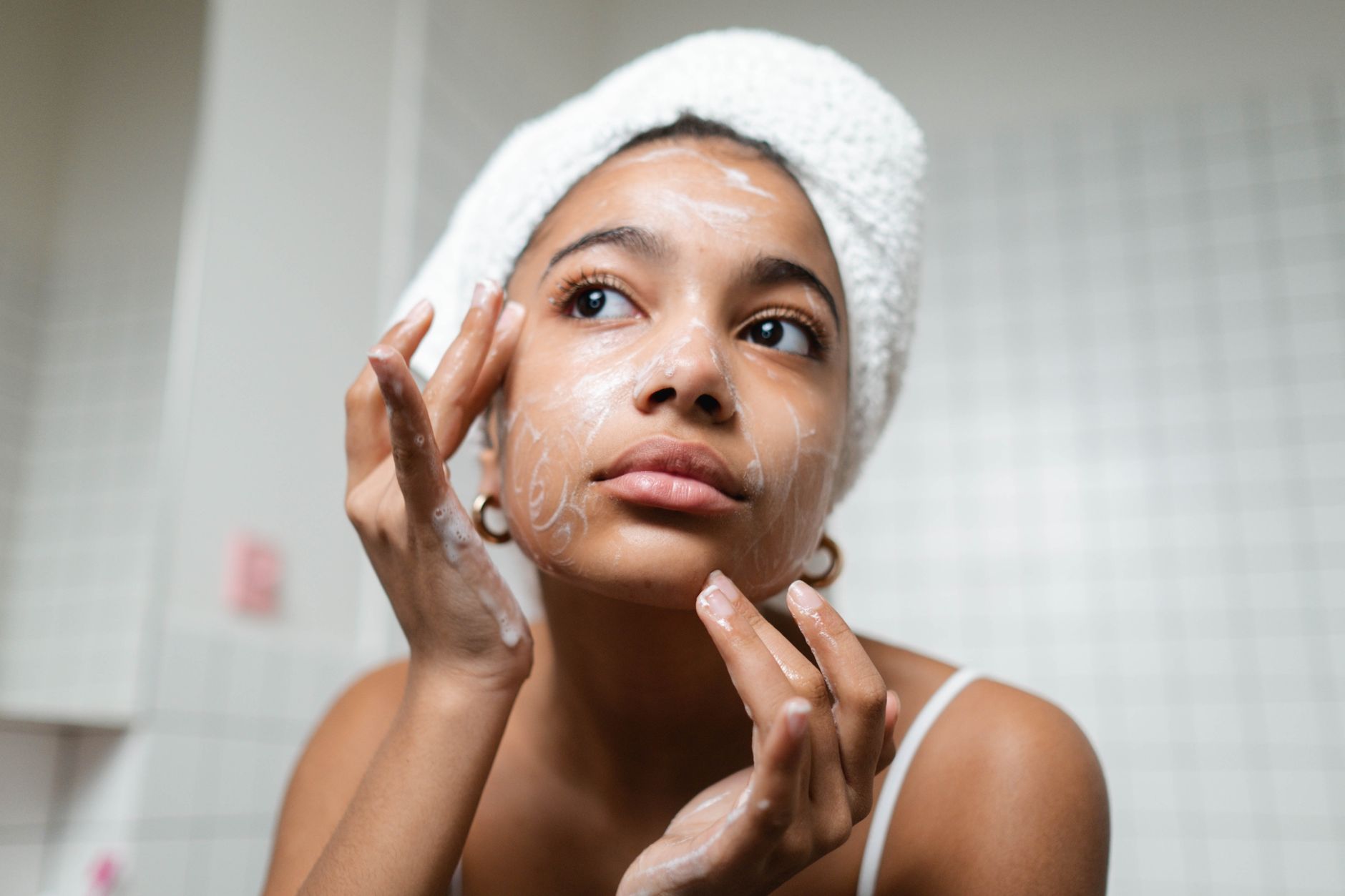
Table of contents
Use this guide as a practical reference and jump to the sections most relevant to you.
- Quick answer
- Key takeaways
- Practical comparison table
- Visual chart
- Related MyEczema.app tool
- Understanding Eczema Flares
- The Impact of Stress on Eczema
- The Effect of Disrupted Routines on Eczema
- Navigating New Environments with Eczema
- Preparing for Travel with Eczema
- Managing Eczema Flare-Ups During Travel
- Maintaining Your Skincare Routine While Traveling
- Identifying and Avoiding Triggers
- Reducing everyday irritation without overcomplicating care
- Long-Term Management of Eczema
- Frequently asked questions
- Sources and further reading
Traveling or experiencing changes in your daily routine can be exciting, but for those with eczema, it can also lead to frustrating flare-ups. Understanding why eczema often flares after travel or schedule changes can help you better manage your condition and enjoy your adventures with fewer interruptions. In this article, we’ll explore the specific reasons behind eczema flare-ups during travel, offer practical tips to minimize disruptions, and discuss how maintaining a consistent skincare routine can make a significant difference.
Eczema, a chronic skin condition characterized by inflammation and itching, affects millions of people worldwide. Eczema-prone skin is sensitive to various factors, including stress, environmental changes, and disruptions in daily routines. When you travel or face schedule changes, these factors can combine to trigger an eczema flare. By recognizing the impact of travel on your skin and taking proactive steps, you can better manage your eczema and reduce the likelihood of uncomfortable flare-ups.
In this article, we’ll delve into the exact reasons why eczema flare-ups occur after travel or changes in your daily schedule. We’ll discuss the role of stress, the importance of maintaining your skincare routine, and how to identify and avoid new triggers in different environments. Whether you’re planning a vacation, a business trip, or simply adjusting to a new routine, understanding these factors can help you keep your eczema under control.
Let’s start by looking at a quick answer to why eczema often flares after travel, followed by key takeaways to keep in mind as you read through our detailed guide.
Quick answer
Eczema often flares after travel or schedule changes due to stress, disrupted routines, and exposure to new environments. Managing these factors can help prevent flare-ups.
Key takeaways
- Stress and anxiety from travel can trigger eczema flare-ups.
- Maintaining a consistent skincare routine is crucial during travel.
- Identifying and avoiding new triggers in different environments is essential.
- Planning ahead and preparing for travel can reduce the risk of flare-ups.
- Support from healthcare providers can help manage eczema effectively.
Travel Tips to Prevent Eczema Flare-Ups
| Situation | What it may mean | Practical next step |
|---|---|---|
| Packing for a trip | Ensure you have all necessary skincare products and medications. | Create a packing checklist for eczema essentials. |
| Arriving at a new destination | Assess the environment for potential triggers. | Take note of any new environmental factors and adjust your routine accordingly. |
| Experiencing stress during travel | Stress can exacerbate eczema symptoms. | Practice stress-relief techniques such as deep breathing or meditation. |
| Encountering new foods or allergens | New foods can be potential triggers. | Be cautious with new foods and monitor your skin’s reaction. |
| Feeling a flare-up coming on | Immediate action can help mitigate the flare-up. | Apply moisturizer and consider using a prescribed treatment. |
Common Triggers to Avoid During Travel
This visual is an educational guide, not a diagnostic score. Use it to decide what may be worth tracking more consistently for this specific topic.
High stress levels can significantly trigger eczema flare-ups.
Exposure to new allergens and irritants can cause flare-ups.
Inconsistent skincare can lead to increased flare-ups.
New foods and eating habits can be potential triggers.
Poor sleep quality can exacerbate eczema symptoms.
Related MyEczema.app tool
Use the Eczema Trigger Identifier
The Eczema Trigger Identifier helps users organize recent changes and possible flare-related patterns such as weather, stress, sweat, sleep, foods, products, and irritants.
For this topic, this tool can help you organize information in a more structured way and turn daily observations into clearer patterns to review over time.
Understanding Eczema Flares
Eczema is a chronic skin condition that causes red, itchy, and often painful patches on the skin. One of the most frustrating aspects of living with eczema is dealing with unpredictable flare-ups. An eczema flare is a period when symptoms worsen, often seemingly without warning. Understanding what triggers these flares can help you manage your condition better, especially when facing changes like travel or altered schedules.
Definition of Eczema Flares
An eczema flare is a sudden worsening of eczema symptoms. During a flare, the skin may become more inflamed, itchy, and irritated. Flares can vary in intensity and duration, and they can be triggered by a wide range of factors. Recognizing the signs of an oncoming flare can help you take steps to mitigate its impact.
Common Triggers for Eczema
Eczema flare-ups can be caused by a variety of triggers. Some common ones include:
- Allergens: Substances like pollen, pet dander, and certain foods can trigger eczema in some people.
- Irritants: Harsh soaps, detergents, and fabrics can irritate the skin and lead to a flare.
- Climate: Extreme temperatures and low humidity can dry out the skin, making it more prone to eczema.
- Stress: Emotional stress can exacerbate eczema symptoms.
- Infections: Bacterial, viral, or fungal infections can trigger a flare.
Role of Stress in Eczema
Stress is a well-known trigger for eczema flare-ups. When you’re stressed, your body releases hormones like cortisol, which can increase inflammation and worsen eczema symptoms. Travel and schedule changes often come with added stress, whether it’s the excitement of a vacation, the anxiety of navigating a new place, or the disruption of your usual routine.
For example, imagine you’re traveling to a new city for a conference. The anticipation and preparation leading up to the trip, coupled with the unfamiliar environment and potential sleep disruptions, can create a perfect storm for an eczema flare after travel. Recognizing this connection can help you take proactive steps to manage your stress and, consequently, your eczema.
Practical Steps to Manage Eczema Flares
While you can’t always prevent eczema flares, especially after travel or schedule changes, there are practical steps you can take to minimize their impact:
- Maintain a Skincare Routine: Continue your regular skincare routine, even when traveling. Pack your moisturizers, gentle cleansers, and any prescribed medications.
- Stay Hydrated: Drink plenty of water to keep your skin hydrated from the inside out.
- Manage Stress: Practice stress-relief techniques such as deep breathing, meditation, or yoga. Even a few minutes a day can make a difference.
- Avoid Known Triggers: If you know certain allergens or irritants trigger your eczema, try to avoid them, especially during travel.
- Get Enough Sleep: Aim for a consistent sleep schedule, even when your routine is disrupted. Quality sleep can help reduce stress and inflammation.
By understanding what causes eczema flares and taking proactive steps to manage them, you can better navigate the challenges that come with travel and schedule changes. Remember, every person’s eczema is different, so it’s important to find what works best for you.
The Impact of Stress on Eczema
Traveling or changing your daily schedule can significantly impact your eczema. One of the primary reasons behind eczema flare-ups during these times is stress. Understanding how stress affects your skin and learning how to manage it can help you prevent eczema flare-ups.
How Stress Affects the Skin
Stress has a profound effect on the body, including the skin. When you experience stress, your body releases cortisol, a hormone that can trigger inflammation. For individuals with eczema, this increased inflammation can lead to flare-ups. Stress also affects the immune system, making the skin more susceptible to irritation and infection.
Additionally, stress can lead to behaviors that exacerbate eczema. For example, people under stress might scratch their skin more, leading to further irritation and potential infection. Understanding this connection is crucial for managing eczema, especially during travel or when your routine changes.
Common Stress Triggers During Travel
Traveling introduces several stress triggers that can lead to eczema flare-ups. These include:
- Sleep Disruptions: Changes in time zones and irregular sleep patterns can increase stress levels.
- New Environments: Exposure to different climates, allergens, and pollutants can be stressful for the skin.
- Dietary Changes: Trying new foods or irregular meal times can affect your body and skin.
- Physical Discomfort: Long flights or car rides can be physically taxing, adding to your stress.
Recognizing these triggers can help you take steps to mitigate their impact on your eczema.
Managing Stress to Prevent Flare-Ups
Managing stress is essential for preventing eczema flare-ups, especially when traveling or facing schedule changes. Here are some practical steps you can take:
Pre-Travel Planning
Before you travel, take some time to plan and prepare. This can reduce anticipatory stress and help you feel more in control.
- Pack a Skincare Kit: Include your regular eczema creams, moisturizers, and any prescribed medications. Having your routine products with you can reduce the stress of trying new products.
- Research Your Destination: Look into the climate and common allergens at your destination. This knowledge can help you prepare accordingly.
- Plan Rest Periods: Schedule downtime during your trip to relax and recharge. This can help prevent travel-related stress from building up.
During Travel
While traveling, it’s important to stay mindful of your stress levels and take steps to manage them.
- Stay Hydrated: Drink plenty of water to keep your skin hydrated and reduce stress on your body.
- Practice Relaxation Techniques: Engage in deep breathing, meditation, or yoga to help calm your mind and reduce stress.
- Maintain a Routine: Try to keep some aspects of your daily routine, such as your skincare regimen, consistent. This can provide a sense of normalcy and reduce stress.
Post-Travel Recovery
After traveling, give yourself time to recover and re-establish your routine. This can help your skin settle back into its normal state and reduce the likelihood of eczema flare-ups.
- Rehydrate Your Skin: Use a good moisturizer to rehydrate your skin after travel.
- Get Plenty of Rest: Ensure you get adequate sleep to help your body recover from the stress of travel.
- Monitor Your Skin: Keep an eye on your skin and address any signs of a flare-up promptly with your usual treatments.
Real-Life Example
Consider the case of Jane, who frequently travels for work. She noticed that her eczema would flare up every time she returned from a trip. By implementing a few changes, she was able to reduce these flare-ups. Jane started packing a comprehensive skincare kit, staying hydrated during flights, and taking short breaks to practice deep breathing. These small changes made a significant difference in managing her stress and, consequently, her eczema.
Understanding the impact of stress on eczema and taking proactive steps to manage it can make a significant difference in preventing eczema flare-ups after travel or schedule changes. By recognizing stress triggers and implementing practical stress management techniques, you can enjoy your travels with less worry about your skin.
The Effect of Disrupted Routines on Eczema
When it comes to managing eczema, consistency is key. Establishing and maintaining a consistent skincare routine can significantly help in keeping eczema symptoms under control. However, travel and changes in daily schedules can easily disrupt these routines, leading to eczema flare-ups. Understanding how and why this happens can help you better manage your eczema, even when your routine is thrown off.
Importance of a Consistent Skincare Routine
A consistent skincare routine is essential for managing eczema. This routine typically includes cleansing, moisturizing, and possibly applying prescribed medications at regular intervals. Consistency helps to:
- Maintain Skin Barrier: Regular moisturizing helps keep the skin barrier intact, reducing the likelihood of irritation and flare-ups.
- Prevent Dryness: Consistent application of moisturizers prevents the skin from becoming dry, a common trigger for eczema.
- Manage Symptoms: Regular use of prescribed treatments can help keep symptoms in check.
When this routine is disrupted, the skin may react, leading to an eczema flare after travel or other schedule changes.
How Travel Disrupts Routines
Traveling often means leaving your familiar environment and routine behind. Several aspects of travel can disrupt your eczema management routine:
- Change in Climate: Different climates can affect your skin. Dry, cold air or humid, hot environments can both trigger eczema.
- New Skincare Products: When traveling, you might use different soaps, lotions, or laundry detergents, which can irritate your skin.
- Irregular Sleep Patterns: Jet lag or changes in sleep schedules can increase stress levels, which is a known eczema trigger.
- Limited Access to Medications: Forgetting or running out of prescribed creams and medications can leave your skin unprotected.
- Increased Stress: The stress of travel itself can exacerbate eczema symptoms.
All these factors combined can lead to an eczema flare after travel, making it important to plan ahead and take steps to minimize disruptions.
Tips for Maintaining Routines While Traveling
While it might seem challenging to stick to your eczema management routine while traveling, there are several practical steps you can take to minimize disruptions:
Pack Essentials
Make sure to pack all necessary skincare products, including moisturizers, prescribed creams, and any other treatments you use regularly. Consider using travel-size containers to save space.
Research Local Climate
Before you travel, research the climate of your destination. If you’re heading to a dry climate, pack extra moisturizers. For humid environments, bring products that help control sweat and moisture.
Stick to Your Schedule
Try to maintain your regular routine as much as possible. Apply moisturizers and treatments at the same times each day, even if you’re in a different time zone.
Use Gentle Products
Opt for gentle, fragrance-free products while traveling. This reduces the risk of irritation from new soaps or lotions.
Stay Hydrated
Drink plenty of water to keep your skin hydrated from the inside out. This is especially important in dry or high-altitude environments.
Manage Stress
Travel can be stressful, but finding ways to manage stress can help prevent eczema flare-ups. Practice relaxation techniques like deep breathing, meditation, or yoga.
Real-Life Example
Imagine you’re planning a week-long vacation. Before you go, you pack your favorite moisturizer, a travel-size version of your prescribed cream, and a gentle, fragrance-free soap. You research the local climate and find out it’s going to be dry, so you pack an extra moisturizer. While on vacation, you try to stick to your usual skincare routine, applying your moisturizer and cream at the same times each day. You also make an effort to stay hydrated and manage your stress levels. By taking these steps, you significantly reduce the likelihood of an eczema flare after travel.
In summary, maintaining a consistent skincare routine is crucial for managing eczema. Travel and schedule changes can easily disrupt this routine, leading to flare-ups. By understanding the impact of disrupted routines and taking practical steps to maintain your skincare regimen while traveling, you can better manage your eczema and enjoy your trips with fewer interruptions.

Navigating New Environments with Eczema
Traveling or moving to a new place can be exciting, but for those with eczema, it can also bring challenges. New environments often introduce different triggers that can cause an eczema flare-up. Understanding these triggers and learning how to manage them can make a significant difference in maintaining your skin health during travels.
Common Environmental Triggers
When you travel, you expose yourself to various environmental factors that can trigger eczema. Some of the most common triggers include:
- Climate Changes: Moving from a humid to a dry climate, or vice versa, can affect your skin. Dry air can strip moisture from your skin, leading to flare-ups.
- Pollutants: Urban areas often have higher levels of air pollution, which can irritate the skin. This includes dust, smoke, and other airborne particles.
- Water Hardness: The mineral content in water can vary significantly from place to place. Hard water, which contains high levels of minerals like calcium and magnesium, can be drying to the skin.
- Allergens: New places may have different allergens, such as pollen, mold, or pet dander, which can trigger eczema.
How to Identify New Triggers
Identifying what triggers your eczema in a new environment can be a bit of a detective game. Here are some steps to help you pinpoint potential triggers:
- Keep a Journal: Document your activities, the places you visit, and any changes in your skin. Note the time of day and any products you used. This can help you identify patterns.
- Observe Changes: Pay attention to how your skin reacts to different environments. For example, does it flare up after a day at the beach or in a heavily air-conditioned building?
- Experiment with Avoidance: If you suspect a particular trigger, try to avoid it and see if your skin improves. For instance, if you think pollen is a trigger, stay indoors on high pollen days.
Strategies for Managing Eczema in New Places
Managing eczema in new environments requires a bit of planning and some practical strategies. Here are some tips to help you keep your skin calm while traveling:
Pre-Travel Preparation
Before you set off on your journey, take some steps to prepare your skin:
- Stock Up on Supplies: Ensure you have an adequate supply of your regular skincare products, including moisturizers, gentle cleansers, and any prescribed medications. Consider bringing travel-sized versions to make packing easier.
- Research Your Destination: Look up the climate and common allergens at your destination. This can help you prepare your skincare routine accordingly.
- Consult Your Dermatologist: If you’re traveling to a place with significantly different environmental conditions, it might be helpful to discuss your plans with your dermatologist. They can offer specific advice tailored to your skin’s needs.
During Travel
While you’re on the move, keep these strategies in mind to help prevent eczema flare-ups:
- Stay Hydrated: Drink plenty of water to keep your skin hydrated from the inside out. This is especially important in dry climates or during air travel.
- Use Humidifiers: If you’re staying in a dry environment, consider bringing a portable humidifier to add moisture to the air.
- Protect Your Skin: Use sunscreen to protect your skin from harmful UV rays, which can exacerbate eczema. Choose a gentle, fragrance-free sunscreen to avoid irritation.
- Avoid Irritants: Be mindful of potential irritants in your new environment. This includes harsh chemicals in cleaning products, strong perfumes, and rough fabrics.
Post-Travel Care
After your trip, take some time to care for your skin:
- Review Your Journal: Look back at your eczema journal to identify any new triggers you encountered. This can help you prepare better for future trips.
- Rehydrate Your Skin: After traveling, your skin may need extra hydration. Use a rich moisturizer to replenish lost moisture.
- Stick to Your Routine: Returning to your regular skincare routine can help your skin recover from any disruptions caused by travel.
Navigating new environments with eczema can be challenging, but with the right preparation and strategies, you can minimize the risk of eczema flare-ups. By understanding common environmental triggers, identifying new ones, and implementing effective management strategies, you can enjoy your travels while keeping your skin healthy.
Preparing for Travel with Eczema
Traveling can be an exciting adventure, but for those managing eczema, it can also bring challenges. Eczema flare-ups can be triggered by various factors encountered during travel, such as changes in climate, stress, and disruptions to regular routines. To help minimize eczema flare-ups, it’s essential to prepare thoroughly before embarking on your journey. This section provides practical tips for preparing for travel to ensure a more comfortable and enjoyable experience.
Packing Essentials for Eczema
One of the most critical aspects of preparing for travel with eczema is packing the right items. Having your eczema essentials readily available can make a significant difference in managing symptoms during your trip.
- Moisturizers: Pack your favorite eczema-friendly moisturizers. Opt for travel-sized containers to save space and ensure you have enough for the duration of your trip. Look for fragrance-free, hypoallergenic options to avoid irritation.
- Medications: If you use prescription medications for your eczema, ensure you have an adequate supply for your trip. Consider bringing a copy of your prescription in case you need a refill. Keep medications in their original containers with clear labels.
- Soaps and Cleansers: Bring gentle, eczema-friendly soaps or cleansers. Avoid harsh chemicals and fragrances that can aggravate your skin. Look for products specifically designed for sensitive skin.
- Comfortable Clothing: Choose breathable, soft fabrics like cotton for your travel wardrobe. Avoid rough or synthetic materials that can irritate your skin. Pack layers to adjust to different climates.
- Emergency Kit: Create a small eczema emergency kit that includes items like hydrocortisone cream for flare-ups, antihistamines for itching, and aloe vera gel for soothing irritated skin.
Planning Ahead for Travel
Proper planning can help reduce the likelihood of eczema flare-ups during travel. Consider these strategies to prepare for your journey:
- Research Your Destination: Investigate the climate and environmental conditions of your destination. If you’re traveling to a place with extreme temperatures or high humidity, be prepared with appropriate clothing and skincare products.
- Consult Your Dermatologist: Before traveling, consult your dermatologist for advice tailored to your specific eczema needs. They can provide recommendations on managing your condition during your trip.
- Create a Travel Itinerary: Plan your travel itinerary to include regular breaks for skincare routines. Schedule time for moisturizing and applying medications as needed.
- Stay Hydrated: Dehydration can exacerbate eczema symptoms. Make sure to drink plenty of water during your trip to keep your skin hydrated from the inside out.
- Manage Stress: Travel can be stressful, and stress is a known trigger for eczema flare-ups. Practice stress-reduction techniques such as deep breathing, meditation, or yoga to help keep your eczema under control.
Tips for Staying Comfortable During Travel
While on the road, there are several steps you can take to stay comfortable and reduce the risk of eczema flare-ups:
- Frequent Moisturizing: Stick to your regular moisturizing routine, even when you’re on the go. Carry a travel-sized moisturizer in your bag for easy access.
- Avoid Irritants: Be mindful of potential irritants in your environment, such as harsh chemicals in hotel cleaning products or rough fabrics in rental cars. Choose accommodations and transportation options that prioritize comfort and cleanliness.
- Protect Your Skin: If you’re traveling to a sunny destination, protect your skin from the sun’s harmful rays. Use a broad-spectrum sunscreen with at least SPF 30 and wear protective clothing to shield your skin.
- Stay Cool: Overheating can worsen eczema symptoms. Use fans, air conditioning, or lightweight clothing to keep your body temperature regulated.
- Practice Good Hygiene: Maintain good hygiene by washing your hands regularly, especially before applying moisturizers or medications. This can help prevent infections that may exacerbate eczema.
By taking these proactive steps and being well-prepared, you can enjoy your travels while minimizing the risk of eczema flare-ups. Remember that everyone’s eczema is unique, so it’s essential to tailor your travel preparations to your specific needs and triggers. With careful planning and the right eczema essentials, you can have a more comfortable and enjoyable travel experience.
Managing Eczema Flare-Ups During Travel
Traveling can be a wonderful experience, but for individuals with eczema, it can also lead to eczema flare after travel. Managing these flare-ups effectively is crucial to ensuring a comfortable journey. Here, we’ll explore immediate steps to take during a flare-up, over-the-counter treatments, and when to seek medical help.
Immediate Steps to Take During a Flare-Up
When you notice the early signs of an eczema flare-up while traveling, it’s important to act quickly. Here are some immediate steps you can take:
- Identify and Avoid Triggers: If you know what triggers your eczema, try to avoid those triggers. This could mean steering clear of certain fabrics, avoiding harsh soaps, or minimizing exposure to allergens.
- Moisturize: Apply a gentle, fragrance-free moisturizer to the affected areas. Keeping your skin hydrated can help reduce irritation and inflammation.
- Cool Compresses: Use a cool, damp cloth to soothe itchy or irritated skin. This can provide temporary relief and reduce inflammation.
- Avoid Scratching: Scratching can worsen eczema and lead to infection. Try to keep your nails short and use distractions like squeezing a stress ball to avoid scratching.
Over-the-Counter Treatments
There are several over-the-counter treatments that can help manage eczema flare-ups during travel. These can be particularly useful if you’re away from your usual medications.
- Hydrocortisone Cream: A mild corticosteroid cream can help reduce inflammation and itching. It’s available over-the-counter and can be applied to affected areas.
- Antihistamines: Medications like loratadine or cetirizine can help reduce itching, especially if your eczema is triggered by allergies.
- Calamine Lotion: This can be soothing for itchy skin and can help dry out any oozing or weeping areas.
- Aveeno Oatmeal Bath: Oatmeal baths can soothe irritated skin. You can find pre-packaged oatmeal bath treatments that are easy to take with you.
When to Seek Medical Help
While many eczema flare-ups can be managed with at-home treatments, there are times when you should seek medical help. Here are some signs that it’s time to consult a healthcare professional:
- Severe Symptoms: If your eczema is extremely itchy, painful, or if the rash is widespread, it’s important to get professional advice.
- Signs of Infection: Look out for symptoms like increased redness, swelling, warmth, or pus. These could indicate a bacterial or fungal infection that requires treatment.
- No Improvement: If your eczema isn’t improving with over-the-counter treatments after a few days, it’s time to seek medical help.
- New Symptoms: If you experience new symptoms like fever, chills, or swollen lymph nodes, these could be signs of a more serious condition.
Traveling with eczema doesn’t have to be stressful. By being prepared and knowing how to manage flare-ups, you can enjoy your trip while keeping your skin healthy. Remember to pack your eczema essentials, stay aware of your triggers, and don’t hesitate to seek help when needed.
Maintaining Your Skincare Routine While Traveling
Traveling can be an exciting adventure, but for those who experience eczema, it can also be a time of increased stress and potential flare-ups. One of the key elements in managing eczema, especially during travel, is maintaining a consistent skincare routine. Consistency helps to keep the skin barrier strong and reduces the likelihood of an eczema flare after travel.
Tips for Keeping Your Routine Consistent
When you travel, it’s easy to let your skincare routine slide, but this can lead to eczema flare-ups. Here are some practical tips to help you keep your routine consistent:
- Pack Light but Essential: Bring only the products you need. This could include your favorite moisturizer, gentle cleanser, and any prescribed medications. Having these essentials with you ensures you won’t miss a step in your routine.
- Use Travel-Sized Containers: Many skincare products come in travel-sized versions. If not, transfer your routine products into small, leak-proof containers. This makes it easier to carry them in your luggage or handbag.
- Set Reminders: Use your phone or a travel app to set reminders for when to apply your skincare products. This is especially useful if your travel schedule is hectic.
Travel-Friendly Skincare Products
Choosing the right products can make a significant difference in managing eczema while traveling. Look for travel-friendly skincare products that are:
- Hypoallergenic: Products labeled as hypoallergenic are less likely to cause an allergic reaction.
- Fragrance-Free: Fragrances can be irritants for eczema-prone skin. Opt for fragrance-free options.
- Easy to Apply: Creams and ointments that are easy to apply on the go can be very convenient. Look for products that don’t require water or complicated application processes.
For example, a lightweight, fragrance-free moisturizer in a travel-sized tube can be easily packed and applied throughout the day as needed.
How to Adapt Your Routine for Different Environments
Different environments can pose different challenges for your skin. Here’s how to adapt your skincare routine based on where you are traveling:
- Dry Climates: In dry environments, your skin may need extra hydration. Use a heavier moisturizer and consider using a humidifier in your hotel room.
- Humid Climates: In humid areas, your skin may feel clammy and irritated. Opt for lighter, water-based moisturizers and ensure you’re cleansing your skin regularly to remove sweat and oils.
- High Altitude: At high altitudes, the air is thinner and can be drying. Increase the frequency of your moisturizer application and consider using a lip balm to prevent chapped lips.
If you’re traveling to a place with hard water, like certain hotels or regions, consider bringing a water filter for washing your face and body. Hard water can strip the skin of its natural oils, potentially leading to an eczema flare after travel.
Additionally, be mindful of the temperature changes you might experience. Rapid changes in temperature can affect your skin’s moisture levels. Always have a moisturizer handy to apply after exposure to extreme temperatures.
Lastly, don’t forget about sun protection. UV rays can exacerbate eczema symptoms. Use a broad-spectrum sunscreen with at least SPF 30, and reapply it regularly, especially if you’re spending time outdoors.
By maintaining your skincare routine while traveling, you can significantly reduce the chances of experiencing an eczema flare after travel. Consistency is key, and with a little planning, you can ensure your skin stays healthy and comfortable, no matter where your travels take you.
Identifying and Avoiding Triggers
Eczema flare-ups after travel or schedule changes can be frustrating and uncomfortable. Understanding and identifying the specific triggers that cause these flare-ups is essential for managing eczema effectively. By recognizing common travel-related triggers, learning to pinpoint your personal triggers, and implementing strategies to avoid them, you can significantly reduce the likelihood of eczema flare-ups.
Common Travel-Related Triggers
Travel often involves exposure to new environments and situations that can trigger eczema flare-ups. Some of the most common travel-related triggers include:
- Climate Changes: Moving from a humid to a dry climate, or vice versa, can affect your skin’s moisture levels. For example, traveling to a desert region might lead to dry skin, while a tropical destination might cause increased sweating and irritation.
- New Skincare Products: Using unfamiliar soaps, lotions, or laundry detergents can irritate sensitive skin. Always bring your regular eczema-friendly products when traveling.
- Stress: Travel can be stressful, whether due to packing, navigating new places, or dealing with unexpected changes. Stress is a well-known trigger for eczema flare-ups.
- Dietary Changes: Trying new foods or eating out more frequently can introduce allergens or irritants that trigger eczema.
- Sleep Disruptions: Irregular sleep patterns or sleeping in unfamiliar beds can affect your body’s natural rhythms and potentially lead to eczema flare-ups.
- Exposure to Allergens: Traveling to places with different pollen, dust mites, or other allergens can exacerbate eczema symptoms.
How to Recognize Your Personal Triggers
While common triggers provide a good starting point, everyone’s eczema is unique. Identifying your personal triggers requires careful observation and record-keeping. Here are some steps to help you recognize what might be causing your eczema to flare after travel:
- Keep a Journal: Record your activities, environments, and any changes in your routine during and after travel. Note when and where your eczema flares up. Over time, patterns may emerge.
- Monitor Your Skin: Pay attention to how your skin reacts to different situations. For example, if you notice flare-ups after eating certain foods or using specific products, these could be triggers.
- Experiment with Elimination: Try eliminating potential triggers one at a time to see if your eczema improves. For instance, avoid a new skincare product for a week and observe any changes.
- Consult a Dermatologist: A healthcare professional can help you identify triggers through patch testing or other diagnostic methods.
Strategies for Avoiding Triggers
Once you’ve identified your triggers, taking proactive steps to avoid them can help prevent eczema flare-ups. Here are some practical strategies:
- Pack Smart: Bring your own eczema-friendly skincare products, including moisturizers, soaps, and laundry detergents. This ensures you’re using familiar, gentle products.
- Stay Hydrated: Drink plenty of water to keep your skin hydrated, especially in dry climates. Consider using a humidifier in your hotel room if the air is particularly dry.
- Manage Stress: Incorporate stress-relief practices into your travel routine, such as meditation, deep breathing exercises, or light stretching. Planning ahead and having a flexible itinerary can also reduce travel-related stress.
- Maintain a Consistent Sleep Schedule: Try to keep your sleep routine as consistent as possible, even when traveling. Use earplugs, an eye mask, or white noise machines to create a restful environment.
- Be Mindful of Your Diet: Stick to foods you know won’t trigger your eczema. If you must try new foods, do so gradually and in small amounts.
- Protect Your Skin: Use clothing made from soft, breathable fabrics to avoid irritation. Apply moisturizer regularly to keep your skin barrier strong.
- Avoid Known Allergens: Research potential allergens at your destination and take steps to minimize exposure. This might include using air purifiers or avoiding certain outdoor activities during high pollen seasons.
By identifying and avoiding triggers, you can better manage eczema flare-ups after travel or schedule changes. Remember, it’s a process of trial and error, and what works for one person may not work for another. Stay patient and persistent in your efforts to keep your eczema under control.
Reducing everyday irritation without overcomplicating care
Traveling or changing schedules can often trigger eczema flare after travel. While it might be tempting to overhaul your entire routine, sometimes simple, practical steps can make a significant difference. Here’s how to reduce everyday irritation without overcomplicating your care.
Simple Practical Steps
Start with straightforward adjustments that can help minimize irritation. These steps are easy to incorporate into your daily life and can make a noticeable difference.
- Hydration: Drink plenty of water. Staying hydrated helps maintain skin moisture from the inside out.
- Gentle Cleansing: Use a mild, fragrance-free cleanser. Harsh soaps can strip your skin of natural oils, exacerbating eczema.
- Moisturize Regularly: Apply a thick, fragrance-free moisturizer multiple times a day. This helps create a protective barrier on your skin.
- Wear Soft Clothing: Choose breathable, soft fabrics like cotton. Avoid rough materials that can irritate your skin.
- Avoid Hot Water: When bathing, use lukewarm water instead of hot. Hot water can dry out your skin.
Reader-Friendly Troubleshooting
When dealing with eczema flare after travel, it’s essential to have a troubleshooting plan. Here are some common issues and how to address them:
- Dry Skin: If you notice your skin becoming dry, increase the frequency of moisturizing. Consider using a humidifier in your room, especially during dry seasons.
- Itching: Resist the urge to scratch. Instead, apply a cool compress or take a lukewarm bath with colloidal oatmeal to soothe the itch.
- New Environments: When traveling, be mindful of new potential triggers. Use your own towels and avoid sharing linens to reduce the risk of exposure to irritants.
- Stress: Practice relaxation techniques such as deep breathing, meditation, or yoga. Stress can exacerbate eczema, so finding ways to manage it is crucial.
When to Speak with a Healthcare Professional
While many eczema flare-ups can be managed with simple steps, there are times when professional help is necessary. Consider speaking with a healthcare professional if:
- Your eczema does not improve with home care.
- You experience severe itching, pain, or bleeding.
- You notice signs of infection, such as increased redness, swelling, or pus.
- Your eczema significantly impacts your quality of life.
A healthcare professional can provide personalized advice and may recommend treatments such as prescription creams, oral medications, or other interventions to help manage your eczema effectively.
By incorporating these simple, practical steps into your routine, you can reduce everyday irritation and better manage eczema flare after travel. Remember, the goal is to find a balance that works for you without overcomplicating your care.
Long-Term Management of Eczema
When dealing with eczema, especially after travel or schedule changes, it’s essential to adopt a long-term management strategy. This approach helps in minimizing eczema flare-ups and maintaining better control over symptoms. Here, we explore three key strategies: developing a personalized management plan, regular check-ins with healthcare providers, and staying informed about new treatments and research.
Developing a Personalized Management Plan
A personalized management plan is crucial for effectively dealing with eczema flare-ups, especially after travel or changes in routine. This plan should be tailored to your specific triggers, symptoms, and lifestyle.
Start by keeping a detailed diary of your eczema symptoms. Note when flare-ups occur, what you were doing at the time, and any changes in your environment or routine. This can help identify patterns and specific triggers that may cause eczema flare after travel.
Incorporate your skincare routine into this plan. Ensure you have a consistent regimen that includes gentle cleansing, moisturizing, and any prescribed treatments. When traveling, pack these essentials to maintain your routine and reduce the risk of eczema flare-ups.
Additionally, consider lifestyle factors such as diet, stress levels, and sleep patterns. These can significantly impact eczema. For instance, high-stress periods, often encountered during travel, can lead to eczema flare-ups. Developing stress management techniques, such as mindfulness or relaxation exercises, can be beneficial.
Regular Check-Ins with Healthcare Providers
Regular consultations with healthcare providers are vital for long-term eczema management. These check-ins allow for adjustments to your treatment plan based on your current symptoms and any new triggers you may have identified.
During these visits, discuss any recent eczema flare-ups, especially those that occurred after travel or changes in your schedule. Your healthcare provider can offer insights and suggest modifications to your treatment plan to better manage these situations.
It’s also an opportunity to review and update your personalized management plan. Your provider can help you refine your approach based on what has or hasn’t worked in the past. This might include changes in medication, new skincare products, or different strategies for managing stress and triggers.
Staying Informed About New Treatments and Research
Eczema research is constantly evolving, with new treatments and management strategies emerging regularly. Staying informed about these developments can provide you with additional tools to manage your eczema, especially in challenging situations like travel or schedule changes.
Subscribe to reputable eczema organizations or follow dermatologists and eczema specialists on social media. They often share the latest research findings, treatment options, and tips for managing eczema.
Attend eczema workshops or support groups. These can be excellent resources for learning about new treatments and hearing from others who have successfully managed their eczema, including during travel.
Remember, while new treatments can be exciting, it’s important to discuss them with your healthcare provider before making any changes to your current management plan. They can help you understand the benefits and risks and determine if a new treatment is right for you.
In summary, long-term management of eczema, particularly in the context of travel or schedule changes, requires a proactive and informed approach. By developing a personalized management plan, regularly consulting with healthcare providers, and staying abreast of new treatments and research, you can better navigate the challenges of eczema and reduce the frequency and severity of flare-ups.
Frequently asked questions
Can stress really cause eczema to flare up?
Yes, stress is a well-documented trigger for eczema flare-ups. When you travel or experience schedule changes, your body may react to the new environment and routine, leading to increased stress levels. This stress can weaken your immune system and exacerbate eczema symptoms. Managing stress through relaxation techniques, adequate sleep, and maintaining a consistent routine can help reduce the likelihood of eczema flare-ups during travel.
What are some common triggers to avoid while traveling?
While traveling, you may encounter several common triggers that can lead to eczema flare-ups. These include exposure to new allergens, changes in climate and humidity, and contact with unfamiliar skincare products. To minimize the risk, research your destination’s climate and pack accordingly. Use travel-sized versions of your regular skincare products to avoid new ingredients. Additionally, be mindful of your diet and try to maintain a consistent routine to reduce stress.
How can I maintain my skincare routine while on the go?
Maintaining your skincare routine while traveling is crucial to prevent eczema flare-ups. Pack travel-sized versions of your moisturizers, cleansers, and any prescribed medications. Consider using a small, waterproof bag to keep your products organized. Additionally, try to stick to your usual routine as much as possible, including cleansing, moisturizing, and applying any prescribed treatments. If you’re staying in a hotel, use your own towels to avoid potential irritants.
What should I do if I experience an eczema flare-up while traveling?
If you experience an eczema flare-up while traveling, it’s important to act quickly to manage the symptoms. First, identify any potential triggers and try to avoid them. Apply a gentle, fragrance-free moisturizer to soothe the affected areas. If you have prescribed medications, use them as directed. Avoid scratching to prevent further irritation and potential infection. If the flare-up is severe, consider seeking medical advice from a local healthcare professional.
Are there any travel-friendly eczema treatments I should consider?
Yes, there are several over-the-counter treatments that are suitable for travel. Look for travel-sized versions of your usual moisturizers and topical corticosteroids. Hydrocortisone cream can be helpful for mild flare-ups. Additionally, consider packing antihistamines to manage any allergic reactions that may contribute to your eczema. Always ensure that your medications are properly labeled and stored in a cool, dry place.
How can I identify my personal eczema triggers?
Identifying your personal eczema triggers is essential for managing your condition, especially when traveling. Keep a detailed journal of your activities, diet, and any changes in your environment. Note when your eczema symptoms worsen and try to pinpoint any common factors. Over time, patterns may emerge, helping you avoid triggers in the future. Additionally, consult with a healthcare professional for personalized advice and possible allergy testing.
Use MyEczema.app to track your eczema patterns and daily triggers.
This article is for educational purposes only and is not medical advice. If symptoms are severe, spreading, painful, infected-looking, or affecting sleep and daily life, speak with a qualified healthcare professional.
Sources and further reading
For medical guidance, always rely on a qualified healthcare professional. These educational resources may help readers learn more:
Image credit: Photo by Ron Lach on Pexels. Used under the Pexels License.
Image credit: Photo by Ivan S on Pexels. Used under the Pexels License.
Image credit: Photo by cottonbro studio on Pexels. Used under the Pexels License.