
MyEczema.app guide
Eczema Flares Dry or Wet: Practical Guide
eczema flares dry or wet: practical tips for tracking triggers, building routines, and supporting eczema-prone skin.

Table of contents
Use this guide as a practical reference and jump to the sections most relevant to you.
- Quick answer
- Key takeaways
- Practical comparison table
- Visual chart
- Related MyEczema.app tool
- Understanding Eczema Flares: Dry vs. Wet
- Causes of Dry Eczema Flares
- Causes of Wet Eczema Flares
- Symptoms of Dry Eczema Flares
- Symptoms of Wet Eczema Flares
- Managing Dry Eczema Flares
- Managing Wet Eczema Flares
- When to See a Dermatologist
- Lifestyle Changes for Eczema Management
- Tracking Your Eczema Flares
- Frequently asked questions
- Sources and further reading
If you’ve been living with eczema, you’ve likely experienced a range of sensations during flares—from dry and scaly to wet and irritated. Understanding why some eczema flares feel dry while others feel wet can help you manage your symptoms more effectively. In this article, we’ll dive into the reasons behind these different types of eczema flares, offering practical tips and insights to help you navigate your eczema journey.
Eczema-prone skin is sensitive to a variety of factors, including skin barrier disruption, irritants, climate, cleansing habits, allergens, and individual triggers. These factors can cause your skin to react in different ways, leading to the diverse sensations you might experience during a flare. By recognizing the specific triggers and responses, you can better tailor your skincare routine to address your unique needs.
In this guide, we’ll explore the common causes behind dry and wet eczema flares, providing you with the knowledge to identify and manage them. Whether you’re dealing with the roughness of dry skin or the discomfort of wet, irritated patches, understanding the underlying reasons can make a significant difference in your daily life.
Quick answer
Eczema flares can feel dry and scaly or wet and irritated due to different triggers and skin responses. Understanding these differences can help in managing symptoms effectively.
Key takeaways
- Eczema flares can vary in sensation due to different triggers.
- Dry flares are often caused by low humidity and harsh soaps.
- Wet flares may be due to sweat, certain fabrics, or allergic reactions.
- Proper skincare and trigger avoidance are key to managing both types of flares.
- Consult a dermatologist for personalized advice and treatment plans.
Comparing Dry and Wet Eczema Flares
| Situation | What it may mean | Practical next step |
|---|---|---|
| Experiencing tight, scaly skin | You might be dealing with a dry eczema flare. | Use a humidifier and apply a thick moisturizer. |
| Noticing oozing or weeping skin | You could be experiencing a wet eczema flare. | Keep the area cool and dry, and consider using a gentle topical treatment. |
| Skin feels irritated after sweating | Sweat may be triggering a wet eczema flare. | Shower after sweating and use breathable fabrics. |
| Skin cracks and bleeds easily | This could indicate a severe dry eczema flare. | Seek medical advice and use a prescribed treatment. |
| Frequent flare-ups with no clear pattern | You may need to identify specific triggers. | Keep a flare-up diary to track symptoms and potential triggers. |
Common Triggers for Dry and Wet Eczema Flares
This visual is an educational guide, not a diagnostic score. Use it to decide what may be worth tracking more consistently for this specific topic.
Common trigger for dry eczema flares.
Can exacerbate dry eczema symptoms.
Often leads to wet eczema flares.
Can cause both dry and wet flares depending on individual sensitivity.
Can worsen both types of eczema flares.
Related MyEczema.app tool
Use the Daily Trigger Tracker
The Daily Trigger Tracker helps users record symptoms, possible triggers, skin routine, photos, notes, and trends over time.
For this topic, this tool can help you organize information in a more structured way and turn daily observations into clearer patterns to review over time.
Understanding Eczema Flares: Dry vs. Wet
Eczema flares can vary significantly in their presentation and symptoms. Some flares feel dry and scaly, while others feel wet or irritated. Understanding these differences is crucial for effective eczema management. Let’s delve into the specifics of dry and wet eczema flares, their common triggers, and how to identify each type.
Definition of Eczema Flares
An eczema flare refers to a period when eczema symptoms worsen. These symptoms can include itching, redness, swelling, and changes in skin texture. Flares can be triggered by various factors and may present differently depending on the individual and the specific type of eczema.
Common Triggers for Dry and Wet Flares
The triggers for eczema flares can be diverse and often vary between individuals. However, some common triggers are more likely to cause either dry or wet flares.
Triggers for Dry Flares
Dry eczema flares are often characterized by scaly, rough, and cracked skin. Common triggers for dry flares include:
- Low humidity: Dry air, especially in winter or in air-conditioned environments, can strip moisture from the skin.
- Harsh soaps and detergents: Products with strong chemicals can irritate the skin and lead to dryness.
- Hot water: Bathing or showering in hot water can remove natural oils from the skin.
- Allergens: Exposure to allergens like pollen, dust mites, or pet dander can trigger dry flares.
Triggers for Wet Flares
Wet eczema flares are often characterized by oozing, crusting, and increased redness. Common triggers for wet flares include:
- Bacterial or viral infections: Infections can cause the skin to become inflamed and weepy.
- Allergic reactions: Contact with certain substances can lead to an allergic reaction, causing the skin to become irritated and moist.
- Stress: Emotional stress can exacerbate eczema symptoms, leading to wet flares.
- Sweating: Excessive sweating can cause the skin to become irritated and moist.
How to Identify Each Type of Flare
Identifying whether an eczema flare is dry or wet can help in choosing the appropriate treatment and management strategies. Here’s how to distinguish between the two:
Identifying Dry Flares
Dry flares are typically characterized by:
- Scaly skin: The skin may appear rough and flaky.
- Cracked skin: Deep cracks may form in the skin, especially in areas like the hands, feet, and elbows.
- Tightness and itching: The skin may feel tight and extremely itchy.
- Rough texture: The affected areas may have a rough, uneven texture.
Example: Imagine noticing your skin feeling unusually tight and itchy after a long bath in hot water. Upon inspection, you see patches of scaly, rough skin on your arms and legs. This is likely a dry flare.
Identifying Wet Flares
Wet flares are typically characterized by:
- Oozing or weeping skin: The skin may appear moist and may even leak fluid.
- Crusting: Dried fluid can form crusts on the skin.
- Increased redness and swelling: The affected areas may be more red and swollen than usual.
- Intense itching and burning: The skin may feel intensely itchy and sometimes burn.
Example: Suppose you notice that the skin on your hands is not only itchy but also appears red and swollen. You see small amounts of fluid leaking from the affected areas, and there are crusts forming where the fluid has dried. This indicates a wet flare.
Practical Steps for Managing Dry and Wet Flares
Understanding the type of eczema flare you’re experiencing can guide your treatment approach. Here are some practical steps for managing both dry and wet flares:
Managing Dry Flares
- Moisturize regularly: Use a thick, fragrance-free moisturizer to keep the skin hydrated. Apply it immediately after bathing while the skin is still damp.
- Avoid hot water: Use lukewarm water for bathing and showering to prevent stripping the skin of its natural oils.
- Use gentle skincare products: Opt for mild, fragrance-free soaps and detergents to reduce irritation.
- Maintain humidity: Use a humidifier in your home, especially during dry winter months, to keep the air moist.
Managing Wet Flares
- Keep the skin clean: Gently cleanse the affected areas with mild soap and lukewarm water to remove any oozing or crusts.
- Apply topical treatments: Use prescribed topical treatments, such as corticosteroid creams or antibiotics, as directed by your healthcare provider.
- Avoid scratching: Try to resist the urge to scratch, as this can worsen the flare and increase the risk of infection. Consider wearing gloves or using other methods to prevent scratching.
- Stay cool and dry: Keep the affected areas cool and dry to reduce irritation and prevent further oozing.
By understanding the differences between dry and wet eczema flares, you can better manage your symptoms and seek appropriate treatment. Remember, it’s important to work with a healthcare provider to develop a personalized eczema care plan that addresses your specific needs and triggers.
Causes of Dry Eczema Flares
Eczema flares can manifest in various ways, with some feeling dry and scaly while others might feel wet or irritated. Understanding the causes of dry eczema flares can help you better manage and alleviate symptoms. This section will explore some common triggers for dry eczema flares, including low humidity, harsh soaps and detergents, and cold weather. By recognizing these factors, you can take practical steps to minimize their impact and find relief.
Low Humidity
Low humidity is a significant factor in dry eczema flares. When the air is dry, it can strip moisture from your skin, exacerbating eczema symptoms. This is particularly common during the winter months when indoor heating systems reduce humidity levels.
To combat low humidity, consider using a humidifier in your home. Aim to maintain indoor humidity levels between 30-50%. Additionally, avoid long, hot showers, as they can further dehydrate your skin. Opt for lukewarm water and limit your shower time to 5-10 minutes.
Harsh Soaps and Detergents
Many conventional soaps and detergents contain harsh chemicals that can irritate the skin and trigger dry eczema flares. Ingredients like sulfates, fragrances, and artificial colors can strip the skin of its natural oils, leading to dryness and inflammation.
Switch to gentle, fragrance-free soaps and detergents specifically designed for sensitive skin. Look for products labeled “eczema-friendly” or “hypoallergenic.” When washing clothes, use a mild detergent and avoid fabric softeners, which can leave residue on fabrics and irritate the skin.
Cold Weather
Cold weather can be particularly challenging for individuals with eczema. The cold, dry air can cause the skin to lose moisture rapidly, leading to dry, scaly patches. Wind can further exacerbate this effect by stripping away the skin’s natural oils.
To protect your skin in cold weather, wear layers of clothing to create a barrier against the elements. Use a heavy moisturizer before going outside and apply a protective ointment, such as petroleum jelly, to particularly dry areas. Consider wearing a scarf or face mask to shield your face from the wind and cold.
Practical Steps to Prevent Dry Eczema Flares
In addition to addressing specific triggers, there are several general practices you can adopt to prevent dry eczema flares:
- Moisturize Regularly: Apply a thick, fragrance-free moisturizer to your skin at least twice a day. Look for products containing ceramides, which help restore the skin’s natural barrier.
- Avoid Scratching: Scratching can worsen eczema symptoms and lead to further irritation. Keep your nails short and consider wearing gloves at night to prevent scratching in your sleep.
- Identify and Avoid Triggers: Pay attention to what triggers your eczema flares. Common triggers include certain foods, stress, and allergens. Keeping a journal can help you identify patterns and avoid these triggers.
- Use Gentle Skincare Products: Choose skincare products that are specifically formulated for sensitive skin. Avoid products with alcohol, fragrances, and other potential irritants.
By understanding the causes of dry eczema flares and taking proactive steps to address them, you can better manage your symptoms and find relief. Remember, everyone’s eczema is different, so it may take some trial and error to find what works best for you. Always consult with a healthcare professional for personalized advice and treatment options.
Causes of Wet Eczema Flares
Understanding why some eczema flares feel dry and scaly while others feel wet or irritated can help you manage your symptoms more effectively. This section delves into the common causes of wet eczema flares, focusing on sweat and overheating, certain fabrics, and allergic reactions. By recognizing these triggers, you can take practical steps to prevent or alleviate wet eczema flares.
Sweat and Overheating
Sweating is a natural response to heat and physical activity, but for those with eczema, it can exacerbate symptoms and lead to wet flares. When you sweat, your skin becomes moist, which can irritate eczema-prone areas and make them feel wet or irritated.
To manage sweat-induced eczema flares:
- Stay Cool: Avoid overheating by dressing in lightweight, breathable clothing. Opt for cotton or moisture-wicking fabrics that allow your skin to breathe.
- Use Antiperspirants: Consider using antiperspirants in areas prone to excessive sweating, but choose products labeled as sensitive or hypoallergenic to avoid further irritation.
- Shower After Activity: Rinse off sweat promptly after exercise or being in a hot environment. Pat your skin dry gently to avoid rubbing and further irritation.
Certain Fabrics
The fabrics you wear can significantly impact your eczema symptoms. Some materials are more likely to cause irritation and contribute to wet eczema flares.
To minimize fabric-related flares:
- Choose Soft Fabrics: Opt for soft, breathable fabrics like cotton, bamboo, or modal. These materials are less likely to irritate sensitive skin.
- Avoid Rough Textures: Steer clear of fabrics with rough or itchy textures, such as wool or synthetic blends, which can aggravate eczema.
- Wear Loose Clothing: Tight-fitting clothes can trap sweat and heat against your skin, leading to irritation. Choose loose-fitting garments to allow better air circulation.
Allergic Reactions
Allergic reactions can trigger wet eczema flares, especially if you are sensitive to certain substances. Common allergens include certain foods, environmental factors, and even some personal care products.
To manage allergic reactions and prevent wet eczema flares:
- Identify Triggers: Keep a journal to track your diet, activities, and products used. Note any changes in your eczema symptoms to identify potential allergens.
- Avoid Known Allergens: Once you identify specific allergens, take steps to avoid them. This may involve changing your diet, using hypoallergenic products, or modifying your environment.
- Consult a Dermatologist: If you suspect an allergic reaction is causing your wet eczema flares, consult a dermatologist. They can perform tests to identify specific allergens and recommend appropriate treatments.
By understanding the causes of wet eczema flares, you can take proactive steps to manage your symptoms and find relief. Whether it’s managing sweat, choosing the right fabrics, or avoiding allergens, these practical strategies can help you navigate eczema flares dry or wet more effectively.
Symptoms of Dry Eczema Flares
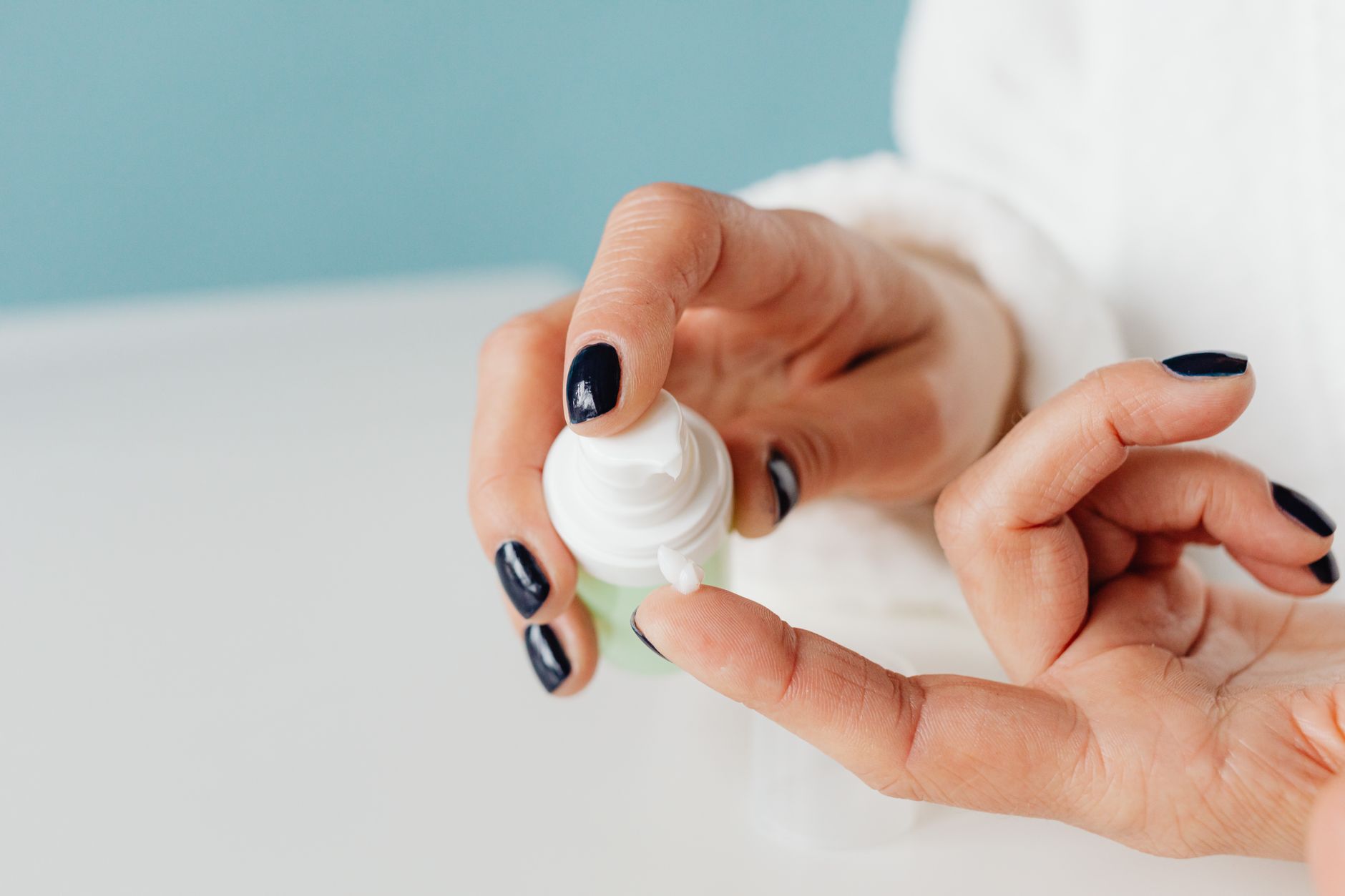
Understanding the symptoms of dry eczema flares is crucial for managing this condition effectively. When eczema flares feel dry and scaly, they can be particularly uncomfortable and challenging to treat. Recognizing these symptoms early can help you take timely action to alleviate discomfort and prevent the flare from worsening.
Scaly Skin
One of the most common symptoms of dry eczema flares is the presence of scaly skin. During these flare-ups, the skin may develop rough, dry patches that appear flaky or scaly. This occurs because the skin’s natural barrier is compromised, leading to a loss of moisture and the formation of scales. These scales can vary in size and may be more pronounced in certain areas, such as the elbows, knees, or hands.
To manage scaly skin during dry eczema flares, it’s important to keep the affected areas moisturized. Using a thick, emollient-rich moisturizer can help lock in moisture and reduce the appearance of scales. Additionally, avoiding hot showers and using lukewarm water can prevent further drying of the skin.
Cracked Skin
Another symptom of dry eczema flares is cracked skin. As the skin becomes increasingly dry and dehydrated, it may start to crack, leading to painful fissures. These cracks can be deep and may bleed, making them particularly distressing. Cracked skin is not only uncomfortable but also increases the risk of infection, as it provides an entry point for bacteria.
To address cracked skin, it’s essential to focus on intensive moisturization. Applying a thick ointment or cream, such as petroleum jelly, can help heal the cracks and promote skin repair. Additionally, avoiding activities that may exacerbate the condition, such as prolonged exposure to water or harsh chemicals, is crucial.
Itching
Itching is a hallmark symptom of eczema, and it is particularly pronounced during dry eczema flares. The intense itching sensation can be overwhelming and may lead to scratching, which can further damage the skin and prolong the flare-up. The itchiness is often due to the skin’s dryness and the inflammation associated with eczema.
To manage itching during dry eczema flares, it’s important to keep the skin well-moisturized. Using a gentle, fragrance-free moisturizer regularly can help reduce the itchiness. Additionally, wearing soft, breathable fabrics and avoiding triggers that may exacerbate itching, such as certain detergents or environmental allergens, can provide relief.
Practical Steps for Managing Dry Eczema Flares
Managing dry eczema flares requires a combination of proper skincare and lifestyle adjustments. Here are some practical steps you can take to alleviate symptoms and promote healing:
- Moisturize Regularly: Apply a thick, emollient-rich moisturizer to the affected areas at least twice a day. Look for products containing ingredients like ceramides, hyaluronic acid, or glycerin to help lock in moisture.
- Use Lukewarm Water: When bathing or washing your hands, use lukewarm water instead of hot water to prevent further drying of the skin.
- Avoid Triggers: Identify and avoid triggers that may exacerbate your eczema, such as certain fabrics, detergents, or environmental allergens.
- Wear Protective Clothing: Opt for soft, breathable fabrics like cotton to reduce irritation. Avoid rough or scratchy materials that can aggravate the skin.
- Apply Topical Treatments: If prescribed by a healthcare professional, use topical treatments such as corticosteroids or calcineurin inhibitors to reduce inflammation and itching.
- Stay Hydrated: Drink plenty of water to keep your skin hydrated from the inside out.
By recognizing the symptoms of dry eczema flares and taking proactive steps to manage them, you can find relief and improve your overall eczema care. Remember, each person’s experience with eczema is unique, so it’s important to work with a healthcare professional to develop a personalized treatment plan that addresses your specific needs.
Symptoms of Wet Eczema Flares
When dealing with eczema flares, understanding the specific symptoms can help in managing the condition more effectively. Wet eczema flares, also known as acute eczema, present with distinct symptoms that differ from dry eczema flares. Recognizing these symptoms is crucial for timely and appropriate eczema care.
Oozing or Weeping Skin
One of the hallmark symptoms of wet eczema flares is the presence of oozing or weeping skin. During these flares, the affected areas may become saturated with fluid, leading to a damp or wet appearance. This occurs because the skin barrier is compromised, allowing moisture to escape and leading to a breakdown in the skin’s protective function.
In real-life scenarios, you might notice that your skin feels constantly damp, or you may see visible fluid on the surface. This can be particularly noticeable after scratching, which can exacerbate the oozing. Managing this symptom often involves gentle cleansing and the application of appropriate moisturizers to help soothe the skin and reduce moisture loss.
Redness
Redness is another common symptom of wet eczema flares. The skin may appear significantly redder than usual, indicating inflammation. This redness is often more intense compared to dry eczema flares and can be accompanied by swelling.
For example, if you have a wet eczema flare on your arms, you might notice that the skin looks inflamed and feels warm to the touch. This redness is a sign that the body is reacting to the flare, and it’s important to address it promptly to prevent further irritation.
Burning Sensation
A burning sensation is a frequent complaint during wet eczema flares. This discomfort can range from mild to severe and is often more pronounced than the itching associated with dry eczema flares. The burning feeling can be persistent and may worsen with certain triggers, such as sweat or contact with irritants.
Imagine going about your day and suddenly feeling a sharp, burning pain on your eczema-affected skin. This sensation can be distressing and may prompt you to seek immediate relief. Using cool compresses or taking lukewarm baths can help alleviate the burning feeling and provide some comfort.
Practical Steps for Managing Wet Eczema Flares
To effectively manage wet eczema flares, it’s important to take a proactive approach. Here are some practical steps you can follow:
- Gentle Cleansing: Use a mild, fragrance-free cleanser to wash the affected areas. Avoid hot water, as it can further dry out the skin.
- Moisturize Regularly: Apply a thick, fragrance-free moisturizer immediately after cleansing to lock in moisture and protect the skin barrier.
- Avoid Irritants: Identify and avoid potential irritants that can exacerbate wet eczema flares, such as certain fabrics, soaps, or environmental factors.
- Use Cool Compresses: Apply cool compresses to the affected areas to reduce inflammation and soothe the burning sensation.
- Consult a Healthcare Professional: If wet eczema flares persist or worsen, seek advice from a healthcare professional who can provide personalized treatment options.
By understanding the symptoms of wet eczema flares and taking appropriate steps to manage them, you can improve your eczema relief and overall eczema care. Remember, each person’s experience with eczema is unique, so it’s important to find what works best for you.
Managing Dry Eczema Flares
Dealing with dry eczema flares can be particularly challenging. The skin becomes rough, scaly, and often itchy, which can lead to discomfort and frustration. Understanding how to manage these specific flares is crucial for maintaining skin health and comfort. Here are some practical tips to help you manage dry eczema flares effectively.
Using Humidifiers
One of the most effective ways to manage dry eczema flares is by increasing the moisture in the air you breathe. Using a humidifier can help keep your skin hydrated from the outside in. This is especially important during the winter months when indoor heating can dry out the air.
Place a humidifier in your bedroom to keep the air moist while you sleep. Aim for a humidity level between 30% and 50%. Regularly clean the humidifier to prevent mold and bacteria buildup, which can worsen eczema symptoms.
Choosing Gentle Skincare Products
Selecting the right skincare products is vital for managing dry eczema flares. Harsh soaps and detergents can strip the skin of its natural oils, leading to increased dryness and irritation. Opt for gentle, fragrance-free products that are specifically designed for sensitive skin.
When choosing a cleanser, look for one that is labeled as “eczema-friendly” or “hypoallergenic.” Avoid products with added fragrances, dyes, and alcohol, as these can irritate the skin further. Using a mild, moisturizing cleanser can help maintain the skin’s natural barrier without causing additional dryness.
Applying Thick Moisturizers
Moisturizing is a cornerstone of eczema care, particularly for dry eczema flares. Thick, emollient-rich moisturizers are often more effective than lightweight lotions. These products help lock in moisture and create a protective barrier on the skin.
Apply moisturizer immediately after bathing while your skin is still damp. This helps trap moisture in the skin. Look for products containing ingredients like ceramides, hyaluronic acid, and glycerin, which are known to enhance hydration. Ointments and creams are generally more effective than lotions for dry skin.
For severe dryness, consider using prescription-strength moisturizers that contain ingredients like urea or lactic acid. These can help exfoliate dead skin cells and improve the skin’s ability to retain moisture.
Real-Life Example: Sarah’s Routine
Sarah, a 28-year-old with eczema, noticed her skin becoming increasingly dry and scaly during the winter. She decided to incorporate a few changes into her daily routine to manage her dry eczema flares.
- She invested in a humidifier for her bedroom and set it to maintain a humidity level of around 40%.
- She switched to a gentle, fragrance-free cleanser and avoided using hot water when bathing.
- After each bath, she applied a thick, ceramide-rich moisturizer to her entire body.
- She also used a prescription ointment containing urea on particularly dry patches.
Within a few weeks, Sarah noticed a significant improvement in her skin’s hydration and a reduction in her eczema symptoms. By consistently following this routine, she was able to manage her dry eczema flares more effectively.
Decision Points: When to Seek Additional Help
While these tips can be highly effective, it’s important to recognize when you might need additional help. If your eczema flares are severe, persistent, or accompanied by signs of infection such as increased redness, swelling, or oozing, it’s crucial to consult a healthcare professional.
A dermatologist can provide personalized advice and may recommend treatments such as prescription creams, oral medications, or other therapies to help manage your symptoms. They can also help you identify any triggers that might be contributing to your eczema flares.
Managing dry eczema flares requires a combination of environmental adjustments, careful product selection, and consistent moisturizing. By incorporating these practical steps into your daily routine, you can help keep your skin hydrated and reduce the discomfort associated with dry eczema flares.
Managing Wet Eczema Flares
When dealing with wet eczema flares, it’s crucial to understand that these flare-ups can be particularly challenging. Unlike dry eczema flares, wet eczema flares often involve oozing, redness, and a heightened sense of irritation. Managing wet eczema flares effectively requires a targeted approach that focuses on keeping the skin cool and dry, wearing breathable fabrics, and avoiding known allergens. Let’s delve into these strategies to help you better manage wet eczema flares.
Keeping the Skin Cool and Dry
One of the primary goals in managing wet eczema flares is to keep the affected skin cool and dry. Wetness can exacerbate irritation and increase the risk of infection. Here are some practical steps to achieve this:
- Use Cool Compresses: Applying a cool, damp cloth to the affected area can help reduce inflammation and soothe the skin. Ensure the cloth is not too wet to avoid additional moisture on the skin.
- Avoid Hot Water: When washing the affected area, use lukewarm water instead of hot water. Hot water can strip the skin of its natural oils, leading to further irritation.
- Pat Dry Gently: After washing, pat the skin dry with a soft towel. Avoid rubbing, as this can irritate the skin further.
- Air Dry When Possible: Allow the skin to air dry naturally whenever feasible. This can help prevent additional moisture from towels or clothing.
Wearing Breathable Fabrics
The choice of clothing can significantly impact the management of wet eczema flares. Breathable fabrics allow air to circulate, which helps keep the skin dry and reduces irritation. Consider the following tips:
- Choose Cotton: Cotton is a excellent choice for individuals with eczema. It is soft, breathable, and gentle on the skin. Avoid synthetic fabrics like polyester, which can trap heat and moisture.
- Loose-Fitting Clothing: Opt for loose-fitting clothes to minimize friction and irritation. Tight clothing can rub against the skin, exacerbating wet eczema flares.
- Avoid Wool: Wool can be itchy and irritating for eczema-prone skin. It’s best to avoid woolen garments, especially next to the skin.
Avoiding Known Allergens
Identifying and avoiding known allergens is crucial in managing wet eczema flares. Allergens can trigger or worsen eczema symptoms, leading to increased irritation and wetness. Here’s how you can minimize exposure to allergens:
- Keep a Journal: Maintain a journal to track your eczema flares and note any potential triggers. This can help you identify patterns and specific allergens that affect your skin.
- Common Allergens: Be aware of common allergens such as certain foods, pollen, pet dander, and specific chemicals in skincare products. If you suspect an allergen is causing your wet eczema flares, consider avoiding it.
- Read Labels Carefully: When purchasing skincare products, read labels carefully. Look for products that are fragrance-free, hypoallergenic, and specifically designed for sensitive skin.
- Clean Your Environment: Regularly clean your living space to reduce the presence of allergens. Use a HEPA filter in your vacuum cleaner and wash bedding frequently in hot water to kill dust mites.
By implementing these strategies, you can effectively manage wet eczema flares and reduce the discomfort associated with them. Remember, everyone’s eczema is unique, so it may take some trial and error to find the best approach for your specific situation. Always consult with a healthcare professional for personalized advice and treatment options.

When to See a Dermatologist
Experiencing eczema flares, whether they feel dry and scaly or wet and irritated, can be challenging. While many people manage their symptoms effectively with home care, there are times when professional help is necessary. Knowing when to see a dermatologist can make a significant difference in managing your eczema flares dry or wet.
Severe Symptoms
If your eczema flares are severe, it’s important to seek help from a dermatologist. Severe symptoms can include intense itching, widespread redness, significant swelling, and oozing or crusting. These symptoms can be uncomfortable and may indicate a more serious underlying issue that requires professional treatment.
For example, if you notice that your eczema flares are becoming increasingly painful or if the affected areas start to bleed, it’s time to consult a dermatologist. Severe symptoms can also lead to complications such as infections, which need prompt medical attention.
Frequent Flares
Experiencing frequent eczema flares can be exhausting and frustrating. If you find that your eczema is flaring up multiple times a month despite your best efforts to manage it, it may be time to see a dermatologist. Frequent flares can significantly impact your quality of life and may require a more tailored treatment plan.
A dermatologist can help identify potential triggers that you might not be aware of and provide advanced treatment options. They can also offer guidance on lifestyle changes and eczema care routines that may help reduce the frequency of your flares.
No Improvement with Home Care
If you’ve been diligently following an eczema treatment plan but see no improvement in your symptoms, it’s crucial to seek professional advice. Home care is essential, but sometimes over-the-counter treatments and home remedies aren’t enough to manage eczema flares effectively.
A dermatologist can assess your condition and recommend prescription medications or specialized treatments that may be more effective. They can also help you fine-tune your eczema care routine to better suit your specific needs.
Practical Steps to Take
- Keep a Symptom Diary: Document your flares, including when they occur, how severe they are, and any potential triggers. This information can be invaluable during your appointment.
- List Your Current Treatments: Make a note of all the treatments you’ve tried, including creams, lotions, and any home remedies. This will help the dermatologist understand what has and hasn’t worked for you.
- Prepare Questions: Write down any questions or concerns you have about your eczema. This ensures you don’t forget anything important during your appointment.
- Follow Up: After your visit, keep in touch with your dermatologist. Regular follow-ups can help monitor your progress and make any necessary adjustments to your treatment plan.
Remember, seeking help from a dermatologist is a proactive step towards better managing your eczema. Whether your flares feel dry or wet, professional guidance can provide you with the tools and treatments you need for effective eczema relief.
Lifestyle Changes for Eczema Management
Managing eczema flares, whether they are dry or wet, involves more than just topical treatments. Lifestyle changes play a crucial role in preventing and managing eczema flare-ups. By incorporating specific dietary adjustments, stress management techniques, and a regular skincare routine, individuals can significantly improve their eczema symptoms and overall skin health.
Dietary Adjustments
What you eat can influence your eczema flares. Certain foods may trigger inflammation and exacerbate symptoms, while others can help soothe the skin. Here are some dietary adjustments to consider:
- Identify Trigger Foods: Common triggers include dairy, gluten, nuts, and eggs. Keeping a food diary can help you pinpoint which foods worsen your eczema flares.
- Incorporate Anti-Inflammatory Foods: Foods rich in omega-3 fatty acids, such as salmon, flaxseeds, and walnuts, can help reduce inflammation. Additionally, incorporating fruits and vegetables high in antioxidants, like berries and leafy greens, can support skin health.
- Stay Hydrated: Drinking plenty of water is essential for maintaining skin hydration, which can help alleviate dry eczema flares. Aim for at least eight glasses of water a day.
- Consider Probiotics: Probiotics can help balance gut bacteria, which may reduce inflammation and improve eczema symptoms. Yogurt, kefir, and fermented foods like sauerkraut are excellent sources of probiotics.
Stress Management
Stress is a well-known trigger for eczema flares. Managing stress effectively can help prevent flare-ups and improve overall well-being. Here are some practical stress management techniques:
- Mindfulness and Meditation: Practicing mindfulness or meditation can help reduce stress levels. Even a few minutes a day can make a significant difference.
- Regular Exercise: Physical activity is a great way to relieve stress. Whether it’s yoga, walking, or cycling, find an activity you enjoy and make it a part of your routine.
- Adequate Sleep: Ensure you get enough restful sleep each night. Poor sleep can exacerbate stress and worsen eczema symptoms. Aim for 7-9 hours of sleep per night.
- Seek Support: Talking to friends, family, or a therapist can provide emotional support and help you manage stress more effectively.
Regular Skincare Routine
A consistent skincare routine is vital for managing both dry and wet eczema flares. Here’s how to establish and maintain an effective routine:
- Gentle Cleansing: Use a mild, fragrance-free cleanser to wash your skin. Avoid hot water, as it can strip the skin of its natural oils and worsen dry eczema flares.
- Moisturize Daily: Apply a thick, fragrance-free moisturizer immediately after bathing to lock in moisture. For dry eczema flares, consider using an ointment-based moisturizer. For wet eczema flares, a lighter lotion may be more suitable.
- Avoid Harsh Chemicals: Steer clear of products containing alcohol, dyes, and harsh fragrances, as these can irritate the skin and trigger flare-ups.
- Use Humidifiers: During dry weather or in heated environments, use a humidifier to add moisture to the air. This can help prevent dry skin and reduce the frequency of dry eczema flares.
- Wear Protective Clothing: Choose soft, breathable fabrics like cotton to avoid irritating the skin. Avoid wool and synthetic materials that can cause friction and exacerbate symptoms.
By making these lifestyle changes, you can create a supportive environment for your skin, helping to manage eczema flares more effectively. Remember, everyone’s skin is different, so it may take some trial and error to find what works best for you. Always consult with a healthcare professional before making significant changes to your diet or skincare routine.
Tracking Your Eczema Flares
Understanding why some eczema flares feel dry and scaly while others feel wet or irritated can be challenging. One effective way to gain insights into your eczema patterns is by tracking your flares. Keeping a detailed record can help you identify triggers, evaluate the effectiveness of treatments, and communicate more effectively with your healthcare provider.
Using a Flare-Up Diary
A flare-up diary is a simple yet powerful tool for managing eczema. By recording details about each flare, you can start to see patterns that might not be immediately obvious. Here’s how to get started:
- Choose a format: Whether it’s a notebook, a spreadsheet, or a dedicated app, pick a format that you’ll find easy to use consistently.
- Record the date and time: Note when the flare started. This helps in identifying any time-related patterns.
- Describe the symptoms: Mention whether the flare feels dry, wet, or both. Include other symptoms like itching, redness, or swelling.
- Note the location: Record where on your body the flare occurred. Eczema can appear in different areas, and tracking this can reveal specific triggers.
- Log potential triggers: Write down what you ate, any new products you used, environmental factors like weather or pollution, and any recent stress or emotional changes.
- Track treatments: Note what treatments you used and how effective they were. This can help you identify which methods work best for you.
Identifying Patterns
Over time, reviewing your flare-up diary can reveal patterns that are crucial for managing eczema flares dry or wet. Look for:
- Common triggers: Are there specific foods, environmental factors, or stressors that consistently precede a flare?
- Seasonal variations: Do you notice more dry flares in winter and wet flares in summer? This can guide your preventive measures.
- Effective treatments: Which treatments provide the most relief? Are there certain moisturizers or medications that work better for dry versus wet flares?
- Duration of flares: How long do your flares typically last? This can help you prepare for managing future episodes.
For example, if you notice that wet flares often follow a day of high stress, you might consider incorporating stress-relief practices into your routine. Similarly, if dry flares are more common after using a new laundry detergent, you might switch to a gentler option.
Communicating with Your Healthcare Provider
Your flare-up diary is an invaluable resource when discussing your eczema with a healthcare provider. It provides concrete data that can help them understand your condition better and offer more tailored advice. Here’s how to make the most of this communication:
- Prepare a summary: Before your appointment, create a summary of your findings. Highlight any consistent triggers, effective treatments, and patterns you’ve noticed.
- Discuss specific concerns: Use your diary to bring up specific questions or concerns. For instance, “I’ve noticed that my eczema flares dry or wet depending on the weather. What can I do to manage this?”
- Ask for guidance: Seek advice on how to refine your tracking or what additional information might be helpful. Your provider might suggest noting other factors you hadn’t considered.
- Review treatment plans: Use your diary to evaluate the effectiveness of your current treatment plan. If certain methods aren’t working, discuss alternatives.
For instance, if you’ve been tracking your eczema flares dry or wet and noticed that certain moisturizers are more effective for dry flares, share this information with your provider. They might recommend a specific product or suggest additional treatments to complement your routine.
In summary, tracking your eczema flares is a practical step towards better management of your condition. By using a flare-up diary, identifying patterns, and communicating effectively with your healthcare provider, you can gain valuable insights that lead to more effective eczema care.
Frequently asked questions
What are the main differences between dry and wet eczema flares?
Dry eczema flares are characterized by rough, scaly, and itchy patches on the skin. These flares often result from a lack of moisture and can be triggered by dry environments or harsh skin care products. On the other hand, wet eczema flares involve oozing, crusting, and redness. These flares are usually caused by skin infections or severe inflammation. Managing dry eczema flares often involves moisturizing and avoiding irritants, while wet flares may require medical treatment to address the underlying cause.
Understanding whether your eczema flare is dry or wet can help you choose the most effective management strategies. For dry flares, focus on hydration and gentle skin care. For wet flares, seek medical advice to determine the best course of action.
How can I tell if my eczema flare is dry or wet?
To identify if your eczema flare is dry or wet, pay attention to the symptoms. Dry eczema flares typically present with dry, scaly, and cracked skin that may feel rough to the touch. You might also experience intense itching. Wet eczema flares, however, are marked by oozing, crusting, and redness. The skin may feel moist or wet, and there could be signs of infection such as pus or a foul smell.
If you’re unsure, keep a daily log of your symptoms and triggers using MyEczema.app. Tracking your eczema patterns can help you and your healthcare provider better understand your condition and tailor your management plan accordingly.
What are some common triggers for dry eczema flares?
Common triggers for dry eczema flares include low humidity, especially in winter or air-conditioned environments, harsh soaps and detergents, and frequent hand washing with hot water. Other triggers can be certain fabrics, like wool, and exposure to allergens such as pollen or pet dander. Stress and a poor diet can also exacerbate dry eczema flares.
To minimize dry eczema flares, use gentle, fragrance-free moisturizers, avoid hot showers, and wear soft, breathable clothing. Identifying and avoiding your specific triggers can significantly reduce the frequency and severity of dry eczema flares.
What should I do if I experience a wet eczema flare?
If you experience a wet eczema flare, it’s important to keep the affected area clean and dry. Gently wash the area with a mild, fragrance-free soap and lukewarm water. Pat the skin dry with a soft towel and apply a gentle moisturizer. Avoid scratching, as this can worsen the flare and increase the risk of infection.
If the wet flare persists or shows signs of infection, such as increased redness, swelling, or pus, seek medical advice promptly. A healthcare professional can provide appropriate treatment, which may include topical or oral medications.
When should I see a dermatologist for my eczema?
You should see a dermatologist for your eczema if your symptoms are severe, persistent, or significantly impacting your quality of life. Signs that it’s time to seek professional help include frequent wet flares, severe itching that disrupts sleep, or signs of infection such as pus, increased redness, or swelling. A dermatologist can provide a proper diagnosis, recommend effective treatments, and help you develop a management plan tailored to your needs.
Regular check-ups with a dermatologist can also help you stay on top of your eczema management and make adjustments as needed. Don’t hesitate to seek professional help if your eczema flares are difficult to manage on your own.
Are there any lifestyle changes that can help prevent eczema flares?
Yes, several lifestyle changes can help prevent eczema flares. Maintaining a consistent skincare routine with gentle, fragrance-free products is crucial. Keeping your skin well-moisturized, especially after bathing, can prevent dry flares. Wearing soft, breathable fabrics and avoiding tight-fitting clothes can also reduce irritation.
Additionally, managing stress through relaxation techniques, regular exercise, and a balanced diet can help minimize eczema flares. Staying hydrated and avoiding known triggers, such as certain foods or environmental allergens, can further reduce the frequency and severity of eczema flares.
This article is for educational purposes only and is not medical advice. If symptoms are severe, spreading, painful, infected-looking, or affecting sleep and daily life, speak with a qualified healthcare professional.
Sources and further reading
For medical guidance, always rely on a qualified healthcare professional. These educational resources may help readers learn more:
Image credit: Photo by Anna Keibalo on Pexels. Used under the Pexels License.
Image credit: Photo by www.kaboompics.com on Pexels. Used under the Pexels License.
Image credit: Photo by Ketut Subiyanto on Pexels. Used under the Pexels License.