
MyEczema.app guide
Flare Diary Eczema: Practical Guide
flare diary eczema: practical tips for tracking triggers, building routines, and supporting eczema-prone skin.

Table of contents
Use this guide as a practical reference and jump to the sections most relevant to you.
- Quick answer
- Key takeaways
- Practical comparison table
- Visual chart
- Related MyEczema.app tool
- What is a Flare Diary?
- Benefits of Using a Flare Diary for Eczema
- How to Start a Flare Diary
- Tracking Symptoms in Your Flare Diary
- Identifying Triggers with a Flare Diary
- Using Your Flare Diary for Treatment and Management
- Tools and Apps for Maintaining a Flare Diary
- Sharing Your Flare Diary with Healthcare Providers
- Common Mistakes to Avoid When Keeping a Flare Diary
- Success Stories: How Others Have Benefited from Flare Diaries
- Frequently asked questions
- Sources and further reading
Managing eczema is often a journey filled with ups and downs. One of the most effective ways to navigate this journey is by understanding and tracking your symptoms. This is where a flare diary comes into play. A flare diary for eczema is more than just a log; it’s a powerful tool that can help you identify patterns, recognize triggers, and ultimately manage your condition more effectively.
Imagine having a personal detective on your side, helping you uncover the mysteries behind your eczema flare-ups. That’s what keeping a flare diary can feel like. By consistently recording your symptoms, environmental factors, and daily activities, you start to see the bigger picture. This can be incredibly enlightening and empowering.
Eczema-prone skin is sensitive and can be affected by a variety of factors including skin barrier disruption, irritants, climate, cleansing habits, allergens, and individual triggers. Each person’s experience with eczema is unique, which is why a personalized approach like maintaining a flare diary can be so beneficial. It allows you to tailor your management strategies to your specific needs and lifestyle.
In this article, we’ll dive deep into what a flare diary is, how it can help in managing eczema, and practical tips for keeping one. Whether you’re new to the idea or looking to refine your current approach, you’ll find valuable insights here.
Quick answer
A flare diary is a tool for tracking eczema symptoms and identifying triggers to better manage the condition.
Key takeaways
- A flare diary helps in identifying patterns and triggers of eczema.
- Consistent tracking can lead to better management of eczema symptoms.
- Sharing diary insights with healthcare providers can improve treatment plans.
- A flare diary promotes awareness and proactive management of eczema.
- Simple tools and apps can make maintaining a flare diary easier.
Key Components to Include in Your Flare Diary
| Situation | What it may mean | Practical next step |
|---|---|---|
| Tracking symptoms | Recording the type, severity, and duration of symptoms helps identify patterns. | Use a severity scale (1-10) to rate symptoms daily. |
| Identifying triggers | Noting environmental and lifestyle factors can reveal potential triggers. | Keep a log of activities, foods, and environmental changes. |
| Documenting treatments | Recording treatments and their effectiveness helps evaluate what works best. | Note the date, type of treatment, and any changes in symptoms. |
| Analyzing patterns | Regularly reviewing diary entries can uncover trends and correlations. | Set aside time each week to review and summarize findings. |
| Sharing with healthcare providers | Providing detailed diary insights can improve treatment plans. | Prepare a summary of key findings to discuss with your doctor. |
Effectiveness of Flare Diary Components
This visual is an educational guide, not a diagnostic score. Use it to decide what may be worth tracking more consistently for this specific topic.
High attention
Symptom Tracking
Highly effective for identifying patterns and severity.
High attention
Trigger Identification
Essential for avoiding known triggers.
High attention
Treatment Documentation
Helps in evaluating treatment effectiveness.
High attention
Pattern Analysis
Important for long-term management.
High attention
Healthcare Provider Sharing
Critical for improving treatment plans.
Related MyEczema.app tool
Use the Daily Trigger Tracker
The Daily Trigger Tracker helps users record symptoms, possible triggers, skin routine, photos, notes, and trends over time.
For this topic, this tool can help you organize information in a more structured way and turn daily observations into clearer patterns to review over time.
What is a Flare Diary?
A flare diary is a structured way to record and analyze the details of eczema flare-ups. It serves as a personal log where individuals can document various aspects of their condition, including triggers, symptoms, and treatments. The primary goal of maintaining a flare diary eczema is to gain insights into patterns and factors that may contribute to or alleviate flare-ups.
Definition of a Flare Diary
A flare diary is essentially a detailed record that helps individuals track their eczema symptoms and related factors over time. It is a proactive approach to managing eczema, allowing individuals to become more aware of their condition and make informed decisions about their care.
This diary can be a physical notebook, a digital app, or even a spreadsheet. The key is consistency and thoroughness in recording information. By documenting each flare-up meticulously, individuals can build a comprehensive picture of their eczema over time.
Purpose of Using a Flare Diary for Eczema
The main purpose of using a flare diary eczema is to identify patterns and triggers that may not be immediately apparent. Eczema is a complex condition with many potential triggers, including environmental factors, dietary choices, stress levels, and skincare routines. By keeping a detailed diary, individuals can:
- Identify Triggers: Determine what might be causing or exacerbating flare-ups.
- Monitor Symptoms: Track the severity and duration of symptoms.
- Evaluate Treatments: Assess the effectiveness of different treatments and interventions.
- Communicate with Healthcare Providers: Provide valuable information to doctors and dermatologists for more effective management plans.
- Make Informed Lifestyle Changes: Adjust daily habits based on observed patterns and triggers.
Common Components of a Flare Diary
A well-maintained flare diary typically includes several key components. These elements help ensure that the diary is comprehensive and useful for both the individual and their healthcare provider.
Date and Time of Flare-Up
Recording the exact date and time when a flare-up begins is crucial. This information helps in identifying any temporal patterns, such as whether flare-ups occur more frequently during certain times of the day or week.
Symptoms
Detailed descriptions of symptoms are essential. This includes noting the location of the flare-up, the severity of itching, redness, swelling, and any other discomfort. Using a scale (e.g., 1 to 10) to rate the intensity of symptoms can provide a quantitative measure for tracking changes over time.
Triggers
Identifying potential triggers is a significant part of the diary. This can include recent changes in diet, exposure to allergens, stress levels, weather conditions, and any new products used on the skin. Keeping a list of possible triggers and noting their presence before a flare-up can help pinpoint specific causes.
Treatments Used
Documenting the treatments applied during a flare-up is vital. This includes over-the-counter creams, prescription medications, home remedies, and any other interventions. Recording the timing and frequency of treatments helps in evaluating their effectiveness.
Duration of Flare-Up
Noting how long each flare-up lasts provides insights into the natural course of the condition and the impact of treatments. This information can help in understanding whether certain interventions shorten the duration of flare-ups.
Environmental Factors
Environmental conditions can significantly influence eczema. Recording details such as humidity levels, temperature, and exposure to irritants (e.g., chlorine in swimming pools) can reveal environmental triggers.
Dietary Changes
Food can play a role in eczema for some individuals. Keeping a log of recent dietary changes or specific foods consumed before a flare-up can help identify any food-related triggers.
Stress Levels
Stress is a well-known trigger for eczema. Noting stress levels or significant life events can help correlate emotional well-being with flare-ups.
Sleep Patterns
Quality of sleep can impact eczema. Recording sleep patterns, including duration and quality of sleep, can provide insights into how rest affects the condition.
Practical Example
Consider an individual who notices that their eczema tends to flare up on weekends. By maintaining a flare diary eczema, they might discover that they are more likely to eat certain foods, stay up late, or engage in stressful activities on weekends. This awareness can lead to targeted lifestyle changes, such as avoiding specific foods or practicing better sleep hygiene, which may help reduce the frequency and severity of flare-ups.
In summary, a flare diary is an invaluable tool for anyone dealing with eczema. It empowers individuals to take an active role in managing their condition by providing a clear, organized way to track and analyze flare-ups. With consistent use, a flare diary can lead to better eczema management, more effective treatments, and improved quality of life.
Benefits of Using a Flare Diary for Eczema
Keeping a flare diary eczema can be a game-changer for managing your condition. This simple yet powerful tool offers several benefits that can help you take control of your eczema. Let’s explore these advantages in detail.
Improved Symptom Awareness
One of the primary benefits of maintaining a flare diary eczema is enhanced symptom awareness. By regularly recording your symptoms, you become more attuned to the nuances of your eczema. This increased awareness helps you:
- Recognize Early Signs: Noting when symptoms first appear can help you catch flare-ups early, allowing for quicker intervention.
- Track Severity: Documenting the intensity of your symptoms over time provides a clear picture of your eczema’s progression.
- Monitor Changes: Observing how symptoms change in response to different factors can offer valuable insights into your condition.
For instance, if you notice that your skin becomes particularly itchy after a hot shower, you can start exploring ways to mitigate this trigger. This proactive approach can lead to better symptom management and overall well-being.
Identification of Triggers
A flare diary eczema is an invaluable tool for identifying potential triggers. Triggers are specific factors that can exacerbate your eczema symptoms. By systematically recording your activities, environment, and any new products you use, you can pinpoint what might be causing your flare-ups. Common triggers include:
- Environmental Factors: Changes in weather, humidity, or exposure to pollutants.
- Dietary Choices: Certain foods or allergens that might affect your skin.
- Stress Levels: Emotional or physical stress can sometimes trigger eczema.
- Skincare Products: New lotions, soaps, or detergents that may irritate your skin.
For example, if you notice that your eczema worsens every time you eat a particular food, you might consider avoiding that item to see if your symptoms improve. Similarly, if stress seems to correlate with your flare-ups, you might explore stress-reduction techniques like meditation or yoga.
Enhanced Communication with Healthcare Providers
Another significant benefit of a flare diary eczema is improved communication with your healthcare providers. When you have detailed records of your symptoms and potential triggers, you can provide your doctor with a comprehensive overview of your condition. This can lead to:
- More Accurate Diagnoses: Your doctor can better understand your eczema patterns and make more informed decisions.
- Tailored Treatment Plans: Personalized treatment plans based on your specific triggers and symptoms can be more effective.
- Efficient Follow-Ups: Regular updates on your condition can help your doctor monitor your progress and adjust treatments as needed.
Imagine you’ve been keeping a detailed flare diary eczema and notice that your symptoms consistently worsen after using a certain laundry detergent. When you share this information with your doctor, they might recommend a different detergent or suggest additional skin care steps to mitigate the reaction. This kind of specific, actionable information can lead to more effective management of your eczema.
In summary, a flare diary eczema offers numerous benefits that can significantly enhance your eczema management. From improved symptom awareness and identification of triggers to better communication with healthcare providers, this simple practice can make a world of difference in your journey toward better skin health.
How to Start a Flare Diary
Starting a flare diary eczema can be a transformative step in managing your condition. This practical tool helps you track symptoms, identify triggers, and evaluate treatments, leading to better self-care and informed discussions with healthcare providers. Here’s a step-by-step guide to get you started.
Choosing a Format (Digital or Paper)
The first decision in creating your flare diary eczema is choosing the format that works best for you. Both digital and paper options have their advantages.
Digital Formats
Digital formats include apps, spreadsheets, and online journals. These options offer several benefits:
- Convenience: You can access your diary from anywhere on your smartphone or computer.
- Organization: Digital tools often come with pre-designed templates and can automatically sort data, making it easier to spot patterns.
- Backup: Cloud storage ensures your data is safe and can be easily retrieved if you lose your device.
Some popular digital tools include:
- Eczema management apps like MyEczema.app, which offer built-in diary features.
- General journaling apps like Day One or Journey, which can be customized for eczema tracking.
- Spreadsheet software like Google Sheets or Microsoft Excel, where you can create your own tracking system.
Paper Formats
Paper diaries are a simple and effective way to track your eczema. They offer:
- Simplicity: No need for technology; just a notebook and a pen.
- Tangibility: Some people find it more satisfying to write by hand and see their progress on paper.
- No Distractions: Without the temptation of notifications or other apps, you can focus solely on your entries.
To start a paper diary, simply choose a notebook you like and dedicate it to your eczema tracking. You can create sections for different days or use a new page for each entry.
What to Track (Symptoms, Triggers, Treatments)
The core of your flare diary eczema is the information you choose to track. Here are the key elements to include:
Symptoms
Detailed symptom tracking is crucial for understanding your eczema. Note:
- Severity: Rate your symptoms on a scale from 1 to 10. For example, 1 might be mild itching, while 10 could be severe, painful flare-ups.
- Location: Record where on your body the symptoms appear. This can help identify patterns or specific areas that need more attention.
- Duration: Note how long each symptom lasts. This can help you see if certain symptoms are short-lived or persistent.
Triggers
Identifying triggers is a key benefit of keeping a flare diary eczema. Common triggers include:
- Environmental Factors: Note changes in weather, humidity, or exposure to irritants like pollen or pet dander.
- Diet: Track what you eat and any potential food triggers. For example, if you notice flare-ups after eating certain foods, this could be a clue.
- Stress Levels: High stress can exacerbate eczema. Rate your stress levels daily and see if there’s a correlation with your symptoms.
- Products: Record any new skincare products, detergents, or fabrics you’ve used. Sometimes, even a new laundry detergent can trigger a flare-up.
Treatments
Tracking your treatments helps you evaluate what works and what doesn’t. Include:
- Medications: Note the name, dosage, and timing of any medications you take. This includes prescribed creams, ointments, or oral medications.
- Moisturizers: Record which moisturizers you use and how often. This can help you identify which products are most effective for your skin.
- Other Therapies: Include any additional treatments like wet wraps, light therapy, or alternative remedies.
- Effectiveness: Rate how well each treatment works on a scale from 1 to 10. This can guide future decisions about your eczema management plan.
Tips for Consistent Tracking
Consistency is key to getting the most out of your flare diary eczema. Here are some tips to help you maintain regular entries:
- Set a Routine: Choose a specific time each day to make your entries, such as before bed or after your morning routine.
- Keep it Simple: Don’t overwhelm yourself with too much detail. Focus on the key elements mentioned above.
- Use Reminders: Set alarms or notifications on your phone to remind you to make an entry.
- Be Honest: Accurate tracking requires honest assessments of your symptoms and triggers. Don’t underreport or overreport.
- Review Regularly: Take time each week to review your entries. Look for patterns or trends that can inform your eczema management plan.
By following these steps, you can create a flare diary eczema that provides valuable insights into your condition. Whether you choose a digital or paper format, the key is to be consistent and detailed in your tracking. This will help you identify patterns, manage triggers, and evaluate treatments more effectively, leading to better eczema management and improved quality of life.

Tracking Symptoms in Your Flare Diary
One of the most powerful features of a flare diary eczema is the ability to track symptoms effectively. By recording detailed information about your symptoms, you can uncover patterns, triggers, and trends that might otherwise remain hidden. This section will guide you through the essential elements of tracking symptoms in your flare diary.
Detailed Symptom Descriptions
When noting your symptoms, specificity is key. Instead of a vague entry like “rash,” provide a detailed description. For example:
- Location: “Red, itchy patches on the inner elbows and behind the knees.”
- Appearance: “Dry, scaly skin with small bumps.”
- Sensations: “Intense itching, burning sensation when touched.”
These detailed descriptions help you and your healthcare provider better understand your condition. They also make it easier to identify changes over time.
Frequency and Duration of Symptoms
Recording how often your symptoms occur and how long they last is crucial for identifying patterns. For instance:
- “Itching and redness appeared on Monday morning and lasted until Wednesday evening.”
- “Experienced flare-ups on the inner elbows three times this week, each lasting about two days.”
By noting the frequency and duration, you can start to see if certain activities, environments, or times of day correlate with your symptoms. This information is invaluable for making informed lifestyle changes.
Severity Scale for Symptoms
Creating a severity scale for your symptoms allows you to quantify how bad a flare-up is. This can be as simple as a 1-to-10 scale, where 1 is mild and 10 is severe. For example:
- “Itching severity: 7. Redness: 6. Pain: 4.”
- “Overall severity of flare-up: 8.”
Using a consistent scale helps you track the progression of your symptoms and evaluate the effectiveness of any changes you make to your self-care routine. It also provides a clear picture for your healthcare provider during consultations.
For instance, if you notice that your itching severity consistently rates a 7 or higher after using a certain lotion, you might consider switching to a different product. Similarly, if you find that your symptoms worsen to a severity of 9 or 10 during stressful periods, it might be worth exploring stress-management techniques as part of your eczema self-care plan.
In summary, tracking symptoms in your flare diary eczema involves detailed descriptions, noting the frequency and duration of symptoms, and using a severity scale. These practices not only help you manage your condition more effectively but also empower you to make informed decisions about your eczema care.
As you continue to maintain your flare diary, you may start to notice patterns that were previously unclear. For example, you might see that your symptoms worsen after eating certain foods or during specific seasons. This awareness can guide you in making proactive changes to your lifestyle, ultimately leading to better eczema management.
Remember, the goal of a flare diary is to provide you with actionable insights. By diligently tracking your symptoms, you are taking a significant step towards understanding and managing your eczema more effectively.
Identifying Triggers with a Flare Diary
One of the most valuable aspects of maintaining a flare diary eczema is the ability to identify triggers that may cause or exacerbate flare-ups. By systematically recording environmental and lifestyle factors, you can begin to see patterns and correlations that might not be immediately obvious. This section will guide you through the process of identifying these triggers and how to document them effectively in your diary.
Common Eczema Triggers
Before diving into the specifics of recording and analyzing triggers, it’s helpful to be aware of common factors that can trigger eczema flare-ups. These can vary widely from person to person, but some of the most frequently reported triggers include:
- Allergens: Pollen, pet dander, dust mites, and mold.
- Irritants: Harsh soaps, detergents, and certain fabrics like wool.
- Weather Changes: Cold, dry air or extreme humidity.
- Stress: Emotional or physical stress can impact eczema.
- Diet: Certain foods may trigger flare-ups in some individuals.
- Sweat: Excessive sweating can irritate the skin.
Recording Environmental and Lifestyle Factors
To effectively use your flare diary eczema for identifying triggers, it’s essential to record a wide range of environmental and lifestyle factors. Here are some practical steps to follow:
Daily Entries
Make a habit of recording your daily activities, exposures, and any changes in your environment. This can include:
- The weather conditions (temperature, humidity).
- Products used on your skin (moisturizers, soaps, detergents).
- Foods consumed, especially any new or uncommon items.
- Activities that may have caused sweating or skin irritation.
- Exposure to potential allergens (pets, pollen, dust).
Symptom Severity
Note the severity of your symptoms each day. Use a simple scale, such as 1 to 5, where 1 is no symptoms and 5 is severe symptoms. This will help you correlate symptom severity with potential triggers.
Emotional and Physical Stress
Record any stressful events or feelings of anxiety. Stress is a well-known trigger for eczema, and noting these instances can help identify patterns.
Analyzing Patterns and Correlations
Once you have been consistently recording in your flare diary eczema for a few weeks, it’s time to look for patterns and correlations. Here’s how you can approach this:
Review Entries Regularly
Set aside time each week to review your entries. Look for any consistent factors that appear before or during flare-ups. For example, if you notice that your symptoms worsen after using a particular laundry detergent, this could be a trigger.
Identify Trends
Pay attention to trends over time. For instance, if you experience more severe symptoms during certain seasons or after specific activities, these could be environmental or lifestyle triggers.
Consult with a Healthcare Provider
While analyzing your diary, it can be helpful to discuss your findings with a healthcare provider. They can offer additional insights and may suggest further steps to manage identified triggers.
Practical Example
Let’s consider a real-life example. Sarah, who has eczema, starts her flare diary eczema and notices that her symptoms seem to worsen every time she eats shellfish. After a few weeks of recording, she confirms this pattern. She decides to avoid shellfish and notices a significant reduction in her flare-ups. This simple act of recording and analyzing her diet in relation to her symptoms helped her identify and manage a key trigger.
Decision Points
When analyzing your diary, consider the following decision points:
- Are there specific times of the day when your symptoms are worse?
- Do certain activities or environments consistently trigger flare-ups?
- Are there any new products or foods that coincide with increased symptoms?
By diligently recording and analyzing these factors, you can gain valuable insights into what triggers your eczema. This awareness allows you to make informed lifestyle changes and take proactive steps to manage your condition more effectively.
Using Your Flare Diary for Treatment and Management
A flare diary eczema tool is not just for tracking symptoms and identifying triggers. It is a powerful ally in making informed decisions about treatment and management. By documenting and analyzing your experiences, you can create a more effective strategy for dealing with eczema flare-ups. This section will guide you on how to use your flare diary to inform treatment decisions, adjust your lifestyle, and collaborate with healthcare providers.
Documenting Treatments and Their Effectiveness
One of the primary uses of a flare diary is to record the treatments you use and their effectiveness. This can include topical creams, oral medications, lifestyle changes, and alternative therapies. By noting down what you use and how your symptoms respond, you can build a personalized treatment plan.
For example, if you start using a new moisturizer and notice that your skin feels better within a few days, make a note of it. Conversely, if a certain treatment doesn’t seem to make a difference or even worsens your symptoms, that’s important to record as well. Over time, this information will help you identify which treatments work best for you.
- Example: “Started using prescribed cream on May 1. Noticed slight improvement in itching by May 3. Skin appears calmer by May 5.”
- Example: “Tried new ointment on June 1. No noticeable change in symptoms by June 7. Discontinued use.”
Adjusting Lifestyle and Environment Based on Diary Insights
Your flare diary can also help you make informed decisions about lifestyle and environmental changes. If you notice that certain activities or environments trigger flare-ups, you can take steps to avoid or modify them.
For instance, if your diary shows that your symptoms worsen after spending time in a particularly dusty room, you might decide to avoid that room or take extra steps to clean it. Similarly, if you find that stress seems to trigger flare-ups, you might explore stress-reduction techniques like meditation or yoga.
- Example: “Noticed increased itching after gardening on April 10. Wore gloves on April 15 and symptoms were milder.”
- Example: “Flare-up occurred after stressful work deadline on May 20. Practiced meditation on May 25 and symptoms were less severe.”
Collaborating with Healthcare Providers
A well-maintained flare diary can be an invaluable tool when working with healthcare providers. By bringing your diary to appointments, you can provide your doctor with detailed information about your symptoms, triggers, and the effectiveness of different treatments.
This can help your doctor make more informed decisions about your care. For example, if your diary shows that a certain medication isn’t working as well as it used to, your doctor might decide to adjust your dosage or try a different treatment.
- Example: “Brought flare diary to dermatologist appointment on June 1. Discussed effectiveness of current cream and decided to try a new treatment.”
- Example: “Shared diary insights with allergist on July 15. Identified potential new trigger and adjusted avoidance strategies.”
In conclusion, a flare diary eczema is more than just a tracking tool. It’s a dynamic resource that can help you make informed decisions about your treatment and management. By documenting treatments, adjusting your lifestyle, and collaborating with healthcare providers, you can take a proactive approach to managing your eczema.
Tools and Apps for Maintaining a Flare Diary
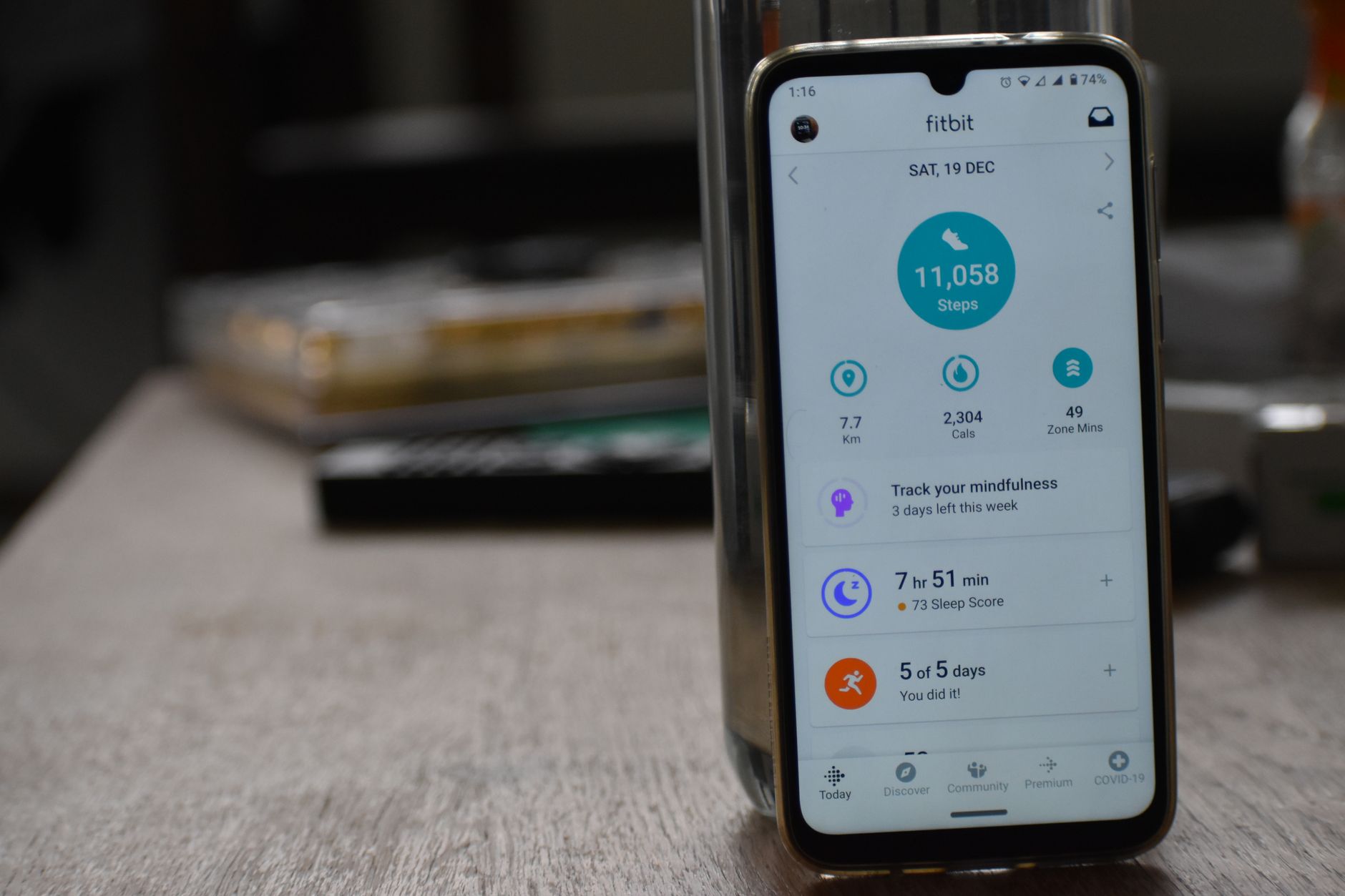
Keeping a flare diary eczema can be greatly facilitated by using digital tools and apps. These modern solutions offer convenience, advanced tracking features, and the ability to share data with healthcare providers. Let’s explore some popular options, features to consider, and the pros and cons of digital versus paper diaries.
Popular Eczema Tracking Apps
Several apps are designed specifically for tracking eczema symptoms and flare-ups. Here are a few noteworthy ones:
- MyEczema.app: This app allows users to log symptoms, triggers, and treatments. It offers detailed reports and insights into patterns.
- Ecztra: Ecztra provides a comprehensive platform for tracking eczema, including symptoms, treatments, and lifestyle factors.
- Eczema Tracker: A simple yet effective app for logging flare-ups, medications, and environmental factors.
- MightySkins: This app focuses on skin conditions, including eczema, and offers community support alongside tracking features.
Features to Look for in a Flare Diary App
When selecting an app for your flare diary eczema, consider the following features to ensure it meets your needs:
- Symptom Tracking: The ability to log various symptoms such as itching, redness, and dryness.
- Trigger Identification: Features that help identify potential triggers like food, weather, or stress.
- Medication Logging: Options to record medications taken, dosages, and times.
- Photo Journal: The capability to take and store photos of affected areas to track changes over time.
- Reports and Insights: Generating reports that highlight patterns and trends in your eczema.
- Reminders: Notifications for medication times, doctor appointments, or when to log entries.
- Data Sharing: Secure options to share data with healthcare providers.
Pros and Cons of Digital vs. Paper Diaries
Choosing between a digital and a paper diary for your flare diary eczema depends on your personal preferences and lifestyle. Here are the pros and cons of each:
Digital Diaries
- Pros:
- Easy to use and access from multiple devices.
- Advanced features like reminders, photo journals, and data analysis.
- Ability to share data with healthcare providers seamlessly.
- Environmentally friendly, reducing the need for paper.
- Cons:
- Reliance on technology, which may not always be available.
- Potential for data privacy concerns.
- Learning curve for those not familiar with apps and technology.
Paper Diaries
- Pros:
- No need for technology or internet access.
- Simple and straightforward, easy for anyone to use.
- No concerns about data privacy or security.
- Cons:
- Limited features compared to digital apps.
- Difficulty in analyzing patterns and trends without manual effort.
- Less convenient for sharing with healthcare providers.
- Environmental impact due to paper usage.
Ultimately, the best choice depends on what works best for you. Some people may prefer the simplicity of a paper diary, while others might find the advanced features of digital apps more beneficial. Regardless of your choice, consistently maintaining a flare diary eczema is a valuable practice for better managing your condition.
Sharing Your Flare Diary with Healthcare Providers
Maintaining a flare diary eczema can be an invaluable tool for managing your condition. However, the true power of this practice is unlocked when you share your findings with healthcare providers. This collaboration can lead to more informed treatment decisions and better management strategies.
Preparing a Summary of Diary Findings
Before your appointment, take some time to review your flare diary eczema entries. Look for patterns, common triggers, and any notes on the effectiveness of treatments. Create a concise summary that highlights the most important observations. This summary should include:
- Frequency of Flare-Ups: How often do you experience flare-ups?
- Common Triggers: What seems to trigger your eczema flare-ups?
- Symptom Severity: How severe are your symptoms during flare-ups?
- Treatment Effectiveness: Which treatments have been most effective?
- Lifestyle Factors: Any changes in diet, stress levels, or environment that correlate with flare-ups.
For example, you might note that your eczema tends to flare up during stressful periods at work or after exposure to certain fabrics.
Effective Communication Strategies
When discussing your flare diary eczema with a healthcare provider, clear and effective communication is key. Here are some strategies to ensure your message is understood:
- Be Specific: Use specific examples from your diary to illustrate points.
- Use Visual Aids: Bring printed copies of your diary or use an app that allows you to share data directly.
- Ask Questions: Prepare a list of questions you want to ask based on your diary insights.
- Be Honest: Share all your observations, even if they seem insignificant.
- Discuss Goals: Talk about your goals for treatment and management.
For instance, you might say, “I’ve noticed that my eczema flares up every time I use a new laundry detergent. Could this be a trigger?”
How Healthcare Providers Use Diary Data
Healthcare providers can use the information from your flare diary eczema in several ways to enhance your treatment plan:
- Identifying Triggers: Your diary can help pinpoint specific triggers that may not be immediately obvious.
- Tailoring Treatments: Providers can adjust your treatment plan based on what has and hasn’t worked in the past.
- Monitoring Progress: Regular reviews of your diary can help track the effectiveness of current treatments.
- Making Lifestyle Recommendations: Providers can offer advice on lifestyle changes that may help reduce flare-ups.
- Enhancing Awareness: Increased awareness of your eczema patterns can lead to earlier intervention and better management.
For example, if your diary shows that certain foods exacerbate your symptoms, your healthcare provider might recommend an elimination diet to further investigate this trigger.
In conclusion, sharing your flare diary eczema with healthcare providers is a crucial step in managing your condition effectively. By preparing a summary of your findings, communicating clearly, and understanding how providers use this data, you can work together to develop a more personalized and effective treatment plan.
Common Mistakes to Avoid When Keeping a Flare Diary
Maintaining a flare diary eczema is a valuable tool for managing eczema. However, there are common mistakes that people often make when keeping a flare diary. These mistakes can reduce the effectiveness of the diary and make it harder to identify patterns and triggers. Here are some common pitfalls and how to avoid them.
Inconsistent Tracking
One of the most common mistakes is inconsistent tracking. It’s essential to record information regularly to get a clear picture of your eczema patterns.
For example, if you only write in your diary when you have a severe flare-up, you might miss out on recording subtle changes or early warning signs. This can make it difficult to identify triggers and understand what might be causing your symptoms.
To avoid this, set a regular schedule for updating your diary. This could be daily, or at least a few times a week. Use reminders on your phone or set aside a specific time each day to review and record your symptoms, treatments, and any potential triggers.
Overlooking Subtle Triggers
Another mistake is overlooking subtle triggers. Eczema can be influenced by a wide range of factors, some of which might not seem obvious at first.
For instance, you might not immediately connect your eczema flare-ups with something like stress, a change in weather, or a new laundry detergent. However, these subtle triggers can play a significant role in your symptoms.
To avoid missing these triggers, be thorough in your recordings. Note down everything that might be relevant, even if it seems insignificant. Over time, patterns may emerge that help you identify these less obvious factors.
Not Reviewing and Analyzing Data Regularly
Many people make the mistake of not reviewing and analyzing their diary entries regularly. Simply recording information without looking for patterns or trends can limit the usefulness of your diary.
Take time each week or month to review your entries. Look for any recurring themes or patterns. Are there specific times of the day when your symptoms worsen? Do certain activities or foods seem to trigger flare-ups?
Regular analysis can help you make more informed decisions about your eczema management. It can also provide valuable insights to share with your healthcare provider.
Practical Steps to Avoid These Mistakes
- Set Reminders: Use your phone or a planner to set reminders for updating your diary regularly.
- Be Thorough: Record all potential triggers, no matter how small they seem.
- Regular Reviews: Schedule time each week to review your entries and look for patterns.
- Use Tools and Apps: Consider using apps designed for tracking eczema to make the process easier and more consistent.
- Share with Healthcare Providers: Regularly discuss your diary with your healthcare provider to get professional insights and advice.
By avoiding these common mistakes, you can make the most of your flare diary eczema and improve your overall management of the condition. Consistency, thoroughness, and regular analysis are key to unlocking the full potential of this valuable tool.
Success Stories: How Others Have Benefited from Flare Diaries
Case Study 1: Emma’s Journey to Better Eczema Management
Emma, a 28-year-old graphic designer, struggled with severe eczema for years. Her flare-ups were unpredictable and often debilitating. After hearing about the benefits of a flare diary eczema from her dermatologist, she decided to give it a try. Within a few months, Emma noticed significant improvements in her condition.
Emma started by noting her symptoms, triggers, and the effectiveness of her treatments. She recorded details like stress levels, weather changes, and her diet. Over time, she identified that certain foods and high-stress periods worsened her eczema. By avoiding these triggers and adjusting her lifestyle, Emma managed to reduce the frequency and severity of her flare-ups.
Lessons Learned from Emma’s Experience
- Consistency is key: Emma found that regularly updating her diary was crucial. Even on days when her skin felt fine, she continued to record her activities and symptoms.
- Identify patterns: By looking back at her entries, Emma could see clear patterns and make informed decisions about her lifestyle and treatments.
- Share with healthcare providers: Emma’s dermatologist used her diary to tailor her treatment plan more effectively.
Case Study 2: Liam’s Path to Eczema Awareness
Liam, a 35-year-old teacher, had eczema since childhood. His flare-ups were frequent and often interfered with his daily life. After starting a flare diary eczema, Liam began to notice changes in his skin condition that he had never paid attention to before.
Liam recorded his symptoms, the products he used, and any environmental factors he encountered. He soon realized that certain laundry detergents and fabrics aggravated his eczema. By switching to hypoallergenic products and wearing cotton clothing, Liam saw a marked improvement in his skin.
Lessons Learned from Liam’s Experience
- Pay attention to details: Liam learned that even small changes in his routine could impact his eczema.
- Experiment with changes: By systematically trying different products and habits, Liam was able to identify what worked best for him.
- Stay informed: Liam educated himself about eczema triggers and treatments, which helped him make better decisions.
Case Study 3: Sophia’s Transformation Through Eczema Monitoring
Sophia, a 22-year-old college student, faced constant eczema challenges. Her flare-ups were particularly bad during exam periods. After adopting a flare diary eczema, Sophia began to understand the connection between her stress levels and her skin condition.
Sophia tracked her symptoms, academic stress, and sleep patterns. She noticed that her eczema worsened when she skipped meals and stayed up late studying. By implementing a more balanced routine, including regular meals and adequate sleep, Sophia managed to keep her eczema under control.
Lessons Learned from Sophia’s Experience
- Balance is important: Sophia realized that maintaining a healthy lifestyle was crucial for managing her eczema.
- Manage stress: By identifying stress as a trigger, Sophia took steps to incorporate relaxation techniques into her daily routine.
- Be proactive: Sophia’s proactive approach to monitoring her eczema helped her stay ahead of potential flare-ups.
Encouragement and Motivation for Readers
These success stories highlight the power of a flare diary eczema in managing eczema. By consistently tracking symptoms, identifying triggers, and making informed lifestyle changes, individuals like Emma, Liam, and Sophia have significantly improved their quality of life. If you’re struggling with eczema, consider starting your own flare diary. It could be the tool you need to gain better control over your condition and find relief.
Remember, everyone’s eczema journey is unique. What works for one person may not work for another, but the process of tracking and understanding your own patterns is invaluable. Stay committed, be patient, and don’t hesitate to seek support from healthcare providers. With dedication and the right tools, managing eczema can become more manageable.
Frequently asked questions
What should I include in my flare diary?
Your flare diary should include several essential components to effectively track your eczema. Start by noting the date and time of each flare-up. Record the location on your body where the flare occurred and describe the symptoms you experienced, such as itching, redness, or swelling. It’s also beneficial to log any potential triggers you encountered before the flare, like specific foods, environmental factors, or stress levels. Additionally, document the treatments you used and their effectiveness. This comprehensive approach will help you identify patterns and make informed decisions about your eczema management.
How often should I update my flare diary?
To get the most benefit from your flare diary, it’s important to update it regularly. Aim to make entries at least once a day, or more frequently if you experience multiple flare-ups. Consistency is key; the more detailed and up-to-date your diary is, the better you’ll be able to spot trends and triggers. Set a specific time each day to review your symptoms and any potential triggers, ensuring that your diary remains a reliable tool for managing your eczema.
Can a flare diary help identify new triggers?
Absolutely, a well-maintained flare diary can be instrumental in identifying new triggers for your eczema. By consistently tracking your symptoms and potential triggers, you may start to notice patterns that weren’t previously apparent. For example, you might discover that your eczema worsens after eating certain foods or during particular weather conditions. This insight can help you avoid these triggers in the future, leading to fewer flare-ups and better overall management of your condition.
Are there any digital tools recommended for keeping a flare diary?
Yes, there are several digital tools that can make keeping a flare diary easier and more efficient. Apps designed specifically for tracking eczema symptoms and triggers can provide structured formats for your entries, reminders to update your diary regularly, and even data analysis to help you identify patterns. Some popular options include MyEczema.app, which offers features tailored to eczema management, and general health apps that allow for customizable tracking. Explore these options to find the one that best fits your needs.
How can I use my flare diary to improve my eczema treatment plan?
Your flare diary is a valuable resource for enhancing your eczema treatment plan. By analyzing the data you’ve collected, you can identify which treatments are most effective for your symptoms and which triggers to avoid. Share your diary with your healthcare provider to gain insights and recommendations based on your specific patterns. This collaborative approach can lead to a more personalized treatment plan that addresses your unique needs and improves your overall eczema management.
What are common mistakes people make when keeping a flare diary?
One common mistake is inconsistency in updating the diary. To avoid this, set a regular schedule for entries. Another mistake is not being detailed enough; vague entries can make it difficult to identify patterns. Aim for specific descriptions of symptoms and triggers. Additionally, some people forget to include all relevant information, such as treatments used and their effectiveness. Ensure your entries are comprehensive to get the most out of your flare diary.
Use MyEczema.app to track your eczema patterns and daily triggers.
This article is for educational purposes only and is not medical advice. If symptoms are severe, spreading, painful, infected-looking, or affecting sleep and daily life, speak with a qualified healthcare professional.
Sources and further reading
For medical guidance, always rely on a qualified healthcare professional. These educational resources may help readers learn more:
Image credit: Photo by Alina Vilchenko on Pexels. Used under the Pexels License.
Image credit: Photo by www.kaboompics.com on Pexels. Used under the Pexels License.
Image credit: Photo by Joshua Miranda on Pexels. Used under the Pexels License.