
MyEczema.app guide
Why Does Eczema Come and Go Instead of Staying the Same?
eczema come and go: Discover why eczema symptoms fluctuate. Learn about triggers, management tips, and how to maintain skin health with our detailed guide.

Table of contents
Use this guide as a practical reference and jump to the sections most relevant to you.
- Quick answer
- Key takeaways
- Practical comparison table
- Visual chart
- Related MyEczema.app tool
- Understanding Eczema and Its Nature
- Common Triggers of Eczema Flare-Ups
- Identifying Your Personal Eczema Triggers
- Establishing a Consistent Skincare Routine
- Impact of Environmental Factors on Eczema
- The Role of Stress in Eczema Flare-Ups
- Diet and Its Influence on Eczema
- Choosing the Right Clothing and Fabrics
- Seeking Professional Help for Eczema
- Long-Term Management Strategies for Eczema
- Frequently asked questions
- Sources and further reading
If you’ve been living with eczema, you’ve probably noticed that your symptoms don’t stay the same every day. Some days, your skin might feel calm and comfortable, while other days, it might be itchy, red, and irritated. This fluctuation can be frustrating and confusing. Understanding why eczema comes and goes is essential for managing it effectively.
Eczema is a complex skin condition influenced by various factors. These factors can disrupt your skin barrier, leading to flare-ups. By recognizing the common triggers and environmental influences that cause eczema to come and go, you can take proactive steps to manage your symptoms better.
In this article, we’ll explore the reasons behind the unpredictable nature of eczema. We’ll discuss how skin barrier disruption, irritants, climate, cleansing habits, allergens, and individual triggers play a role in the ebb and flow of eczema symptoms. With this knowledge, you can develop a more consistent approach to managing your eczema, even on the days when it seems to have a mind of its own.
Remember, while we can’t promise to make eczema disappear entirely, we can provide you with practical insights and strategies to help you navigate its ups and downs more effectively. Let’s dive into the world of eczema and uncover why it tends to come and go instead of staying the same every day.
Quick answer
Eczema symptoms fluctuate due to various triggers and environmental factors. Consistent management is key to minimizing flare-ups.
Key takeaways
- Eczema symptoms can vary daily due to multiple triggers.
- Identifying and avoiding personal triggers is crucial for management.
- Consistent skincare routines help maintain skin health.
- Stress and environmental factors significantly impact eczema.
- Professional guidance is essential for effective eczema management.
Common Eczema Triggers and Management Tips
| Situation | What it may mean | Practical next step |
|---|---|---|
| Experiencing frequent flare-ups | Possible exposure to common triggers | Identify and avoid potential triggers |
| Symptoms worsen in certain environments | Environmental factors may be at play | Adjust your environment to reduce triggers |
| Flare-ups after consuming certain foods | Dietary triggers could be involved | Consider an anti-inflammatory diet |
| Increased stress levels | Stress may be exacerbating symptoms | Practice stress management techniques |
| Symptoms persist despite home care | Professional guidance is needed | Consult a dermatologist for advanced treatment options |
Effectiveness of Eczema Management Strategies
This chart is an educational visual guide, not a diagnostic score. Use it to think about what may be worth tracking more consistently.
Highly effective in reducing flare-ups
Essential for maintaining skin health
Helps in reducing stress-related flare-ups
Can be beneficial for some individuals
Vital for severe or persistent cases
Related MyEczema.app tool
Use the Eczema Trigger Identifier
The Eczema Trigger Identifier helps users organize recent changes and possible flare-related patterns such as weather, stress, sweat, sleep, foods, products, and irritants.
For this topic, this tool can help you organize information in a more structured way and turn daily observations into clearer patterns to review over time.
Understanding Eczema and Its Nature
Eczema, also known as atopic dermatitis, is a common skin condition that affects millions of people worldwide. Understanding why eczema comes and goes is crucial for managing this condition effectively. Let’s delve into what eczema is, its common symptoms, and the reasons behind its fluctuating nature.
Definition of Eczema
Eczema is a chronic inflammatory skin condition characterized by red, itchy, and often broken skin. It is not contagious and can affect people of all ages, though it often starts in childhood. The exact cause of eczema is not fully understood, but it is believed to involve a combination of genetic and environmental factors. People with eczema have a skin barrier that doesn’t function as well as it should, making it easier for irritants and allergens to penetrate the skin and cause inflammation.
Common Symptoms
The symptoms of eczema can vary from person to person, but some of the most common ones include:
- Itching: Often severe and can be worse at night.
- Redness: The skin appears red and inflamed.
- Dryness: Skin may feel dry and rough.
- Rash: Small bumps may appear.
- Cracking and bleeding: Severe cases can lead to skin cracking and bleeding.
- Thickened skin: Repeated scratching can cause the skin to become thick and leathery.
Explanation of Fluctuating Nature
One of the most perplexing aspects of eczema is its tendency to come and go. This fluctuating nature can be frustrating for those affected, but understanding the factors that influence these changes can help in managing the condition more effectively.
Environmental Factors
Eczema can be significantly influenced by environmental factors. For instance, cold, dry weather can exacerbate symptoms, leading to flare-ups. On the other hand, humid weather might provide some relief. It’s essential to be aware of these changes and adapt your skincare routine accordingly. Using a humidifier in dry climates or during winter months can help maintain skin moisture and reduce the likelihood of eczema flare-ups.
Stress
Stress is a well-known trigger for many chronic conditions, including eczema. When you’re stressed, your body releases hormones that can exacerbate inflammation. Incorporating stress-management techniques such as mindfulness, yoga, or even simple breathing exercises can help keep stress levels in check and potentially reduce the frequency of eczema flare-ups.
Diet
While there’s no one-size-fits-all diet for eczema, certain foods can trigger flare-ups in some individuals. Common culprits include dairy, eggs, and nuts. Keeping a food diary can help identify specific triggers. Additionally, incorporating anti-inflammatory foods like fatty fish, fruits, and vegetables into your diet may help manage symptoms.
Allergens and Irritants
Exposure to allergens and irritants can cause eczema to flare up. Common irritants include soaps, detergents, and certain fabrics like wool. Identifying and avoiding these triggers is a crucial part of managing eczema. Opt for gentle, fragrance-free skincare products and wear soft, breathable clothing to minimize irritation.
Hormonal Changes
Hormonal fluctuations, such as those experienced during menstruation, pregnancy, or menopause, can also influence eczema. Keeping track of these changes and adjusting your skincare routine can help manage symptoms more effectively during these times.
Lifestyle Changes
Making certain lifestyle changes can have a significant impact on the frequency and severity of eczema flare-ups. Regular moisturization is crucial, as is avoiding long, hot showers that can strip the skin of its natural oils. Instead, opt for lukewarm water and pat your skin dry gently. Additionally, wearing protective clothing in extreme weather conditions can help shield your skin from environmental triggers.
Real-Life Example
Consider the case of Jane, a 30-year-old woman who has struggled with eczema since childhood. Jane noticed that her symptoms worsened during the winter months and when she was under stress at work. By using a humidifier at home, switching to a gentle, fragrance-free moisturizer, and incorporating yoga into her routine to manage stress, she was able to significantly reduce the frequency of her flare-ups. Jane’s experience highlights the importance of identifying and addressing both environmental and personal triggers.
Decision Points
If you find that your eczema comes and goes, it’s important to take a proactive approach to managing it. Here are some decision points to consider:
- Keep a symptom diary to identify patterns and triggers.
- Consult a dermatologist for personalized advice and treatment options.
- Experiment with lifestyle changes to see what works best for you.
- Stay informed about new research and treatments for eczema.
Understanding why eczema comes and goes is the first step toward better management. By identifying triggers and making informed lifestyle changes, you can take control of your symptoms and improve your quality of life.
Common Triggers of Eczema Flare-Ups
Understanding why eczema comes and goes is crucial for managing this condition effectively. Eczema doesn’t remain constant; it fluctuates due to various triggers. By identifying and avoiding these triggers, individuals can reduce the frequency and severity of flare-ups. Let’s explore some common triggers that can cause eczema to come and go.
Allergens
Allergens are substances that can provoke an allergic reaction in certain individuals. For people with eczema, allergens can significantly impact the condition, leading to flare-ups.
- Common allergens: Dust mites, pet dander, pollen, and certain foods.
- Practical steps: Regularly clean your living space to reduce dust mites. Use hypoallergenic bedding and consider keeping pets out of the bedroom.
- Real-life example: If you notice that your eczema worsens during spring when pollen counts are high, try to stay indoors with windows closed and use an air purifier.
Environmental Factors
Environmental factors play a significant role in the eczema come and go pattern. Changes in weather, humidity, and temperature can all influence eczema symptoms.
- Cold weather: Dry air in winter can exacerbate eczema. Use a humidifier to add moisture to the air indoors.
- Hot weather: Excessive sweating can irritate the skin. Opt for loose, breathable clothing to allow your skin to breathe.
- Practical steps: Apply moisturizer regularly, especially after bathing, to lock in moisture. Avoid long, hot showers as they can strip the skin of natural oils.
- Real-life example: If you live in a dry climate, incorporating a humidifier into your daily routine can help maintain skin moisture and reduce eczema flare-ups.
Stress
Stress is a well-known trigger for many chronic conditions, including eczema. Emotional and mental stress can lead to physiological changes that exacerbate eczema symptoms.
- Impact of stress: Stress can weaken the immune system and increase inflammation, both of which can worsen eczema.
- Practical steps: Incorporate stress-management techniques into your daily routine. Practices such as mindfulness, yoga, and regular physical activity can help reduce stress levels.
- Real-life example: If you find that your eczema flares up during particularly stressful periods, such as work deadlines or family events, try to schedule regular breaks for relaxation and self-care.
Recognizing and managing these common triggers can help you better understand the eczema come and go nature of the condition. While it may not be possible to completely avoid all triggers, being aware of them allows you to take proactive steps to minimize their impact. This awareness, combined with a consistent skincare routine and lifestyle adjustments, can lead to more stable and manageable eczema symptoms.
In addition to allergens, environmental factors, and stress, other elements like diet and lifestyle changes can also influence eczema. For instance, some individuals find that certain foods, such as dairy or gluten, can trigger flare-ups. Keeping a food diary can help identify specific dietary triggers. Similarly, adopting a gentle skincare routine with fragrance-free, hypoallergenic products can prevent irritation.
It’s important to note that what triggers eczema can vary greatly from person to person. What might cause a flare-up in one individual may have no effect on another. Therefore, it’s beneficial to keep a detailed journal of your symptoms and potential triggers. This can help you and your healthcare provider identify patterns and develop a more effective management plan.
Lastly, while managing eczema can be challenging, it’s essential to approach it with patience and persistence. Small changes in your environment, diet, and stress levels can make a significant difference over time. Remember, the goal is to minimize flare-ups and maintain healthier skin for as long as possible.
Identifying Your Personal Eczema Triggers
Understanding why eczema comes and goes can be complex, as triggers vary widely from person to person. Identifying your specific triggers can help you manage your symptoms more effectively. Here are practical steps you can take to identify what causes your eczema to flare up.
Keeping a Symptom Diary
One of the most effective ways to identify your personal eczema triggers is by keeping a symptom diary. This involves recording your daily activities, environmental conditions, and any changes in your symptoms. Here’s how you can start:
- Track Daily Activities: Note down everything you do each day, including what you eat, any new products you use, and your exposure to potential allergens.
- Monitor Symptoms: Record the severity and location of your eczema symptoms. Use a scale from 1 to 10 to rate the intensity.
- Note Environmental Factors: Pay attention to weather changes, humidity levels, and indoor air quality.
- Include Stress Levels: Stress can significantly impact eczema. Note any stressful events or periods and how they correlate with your symptoms.
Over time, patterns may emerge that help you pinpoint specific triggers. For example, you might notice that your symptoms worsen after eating certain foods or during periods of high stress.
Experimenting with Lifestyle Changes
Another approach to identifying your eczema triggers is through experimentation. This involves making deliberate changes to your lifestyle and observing the effects on your skin. Here are some steps you can take:
- Diet Modifications: Try eliminating common food triggers like dairy, gluten, or nuts from your diet for a few weeks. Monitor any changes in your symptoms.
- Skincare Routine Adjustments: Switch to hypoallergenic, fragrance-free products and see if your skin improves. Avoid harsh soaps and opt for gentle cleansers.
- Environmental Changes: Use a humidifier in dry environments or an air purifier to reduce indoor allergens. Notice if these changes make a difference.
- Stress Management: Incorporate stress-reducing activities like yoga, meditation, or regular exercise into your routine. Observe how these practices affect your eczema.
It’s important to make one change at a time to accurately assess its impact. This methodical approach can help you determine which factors contribute to your eczema coming and going.
Consulting a Dermatologist
While self-monitoring and experimentation can be helpful, consulting a dermatologist is crucial for a comprehensive understanding of your eczema. A dermatologist can offer:
- Professional Diagnosis: A dermatologist can confirm your eczema diagnosis and rule out other skin conditions.
- Patch Testing: This test can identify specific allergens that trigger your eczema.
- Personalized Treatment Plan: Based on your triggers and symptoms, a dermatologist can recommend a tailored treatment plan.
- Ongoing Support: Regular check-ins with a dermatologist can help you adjust your management plan as needed.
During your appointment, be sure to share your symptom diary and any observations you’ve made about your triggers. This information can provide valuable insights and help your dermatologist offer more effective guidance.
Identifying your personal eczema triggers is a proactive step towards managing your condition. By keeping a symptom diary, experimenting with lifestyle changes, and consulting a dermatologist, you can gain a better understanding of why your eczema comes and goes. This knowledge empowers you to make informed decisions and take control of your skin health.
Establishing a Consistent Skincare Routine
Eczema, with its tendency to come and go, often leaves individuals searching for ways to manage its unpredictable nature. One of the most effective strategies is establishing a consistent skincare routine. This routine can help in maintaining skin health, reducing the frequency of eczema flare-ups, and managing symptoms when they do occur.
Choosing the Right Moisturizers
Moisturizers are a cornerstone of eczema management. They help to hydrate the skin, repair the skin barrier, and reduce inflammation. When selecting a moisturizer, it’s important to choose one that is fragrance-free, hypoallergenic, and specifically designed for sensitive skin.
For those with eczema, thicker creams or ointments are often more effective than lotions. These products provide a heavier layer of moisture that can better protect the skin. Products containing ceramides can be particularly beneficial, as they help to restore the skin’s natural barrier.
Real-life example: Jane, a 35-year-old with eczema, found that switching from a lightweight lotion to a thicker cream significantly reduced her flare-ups. She now uses the cream twice daily, which has become a non-negotiable part of her skincare routine.
Gentle Cleansing Methods
Cleansing is another critical component of a skincare routine for eczema. However, it’s important to approach this step with care. Harsh soaps and cleansers can strip the skin of its natural oils, exacerbating eczema symptoms.
Opt for mild, fragrance-free cleansers. When washing, use lukewarm water and avoid long, hot showers, as these can dry out the skin. After cleansing, gently pat the skin dry with a soft towel, leaving a slight dampness to help the moisturizer penetrate more effectively.
Decision point: When choosing a cleanser, read the ingredients list carefully. Look for products labeled as “eczema-friendly” or recommended by dermatologists for sensitive skin.
Avoiding Harsh Products
In addition to moisturizers and gentle cleansers, it’s crucial to avoid products that may irritate the skin. This includes certain cosmetics, detergents, and even some fabrics.
- Avoid products with alcohol, dyes, and strong fragrances.
- Choose detergents that are labeled as “sensitive skin” or “hypoallergenic.”
- Consider wearing clothing made from soft, breathable fabrics like cotton.
Real-life example: Tom, a teenager with eczema, noticed a significant improvement in his skin after switching to a hypoallergenic laundry detergent. He also found that wearing cotton clothing helped reduce irritation.
Establishing a consistent skincare routine is a practical step towards managing the ups and downs of eczema. By choosing the right products and methods, individuals can create a barrier against flare-ups and maintain healthier skin. Remember, eczema may come and go, but with the right routine, its impact can be significantly lessened.
Impact of Environmental Factors on Eczema
Eczema is a complex condition that can be influenced by a wide range of environmental factors. Understanding how these factors impact eczema symptoms is crucial for managing the condition effectively. Let’s explore three significant environmental factors that can cause eczema to come and go: humidity and temperature, pollution, and seasonal changes.
Humidity and Temperature
Humidity and temperature play a significant role in the severity of eczema symptoms. Dry air, often found in colder climates or during winter months, can strip the skin of its natural moisture, leading to increased itchiness and irritation. Conversely, overly humid environments can create a breeding ground for bacteria and fungi, which may exacerbate eczema symptoms.
To manage eczema symptoms related to humidity and temperature:
- Use a Humidifier: In dry climates or during winter, using a humidifier can help maintain optimal moisture levels in the air, reducing skin dryness.
- Avoid Extreme Temperatures: Try to avoid prolonged exposure to very hot or very cold environments. When going outside in extreme weather, dress appropriately to protect your skin.
- Moisturize Frequently: Regardless of the climate, frequent application of a good-quality moisturizer can help keep your skin hydrated and reduce the risk of flare-ups.
Pollution
Air pollution is another environmental factor that can affect eczema. Pollutants such as vehicle emissions, industrial chemicals, and even household cleaning products can irritate the skin and trigger eczema flare-ups.
To minimize the impact of pollution on your eczema:
- Check Air Quality Index (AQI): Before heading outdoors, check the AQI in your area. On days with poor air quality, limit your time outside.
- Use Air Purifiers: Indoor air purifiers can help reduce the levels of pollutants in your home, creating a healthier environment for your skin.
- Choose Gentle Cleaning Products: Opt for mild, fragrance-free cleaning products to reduce the risk of skin irritation.
Seasonal Changes
Seasonal changes can significantly impact eczema, often causing symptoms to come and go. Each season brings its own set of challenges:
- Spring: Pollen from blooming plants can trigger allergic reactions, which may worsen eczema symptoms. Keep windows closed during peak pollen times and consider using air filters.
- Summer: While some may find relief in the warmer, more humid weather, others might experience increased sweating, which can irritate the skin. Use gentle, fragrance-free soaps and moisturizers to keep the skin comfortable.
- Fall: The transition from summer to fall can bring about changes in temperature and humidity, potentially leading to eczema flare-ups. Pay attention to your skin’s needs and adjust your skincare routine accordingly.
- Winter: Cold, dry air is a common trigger for eczema. Use a humidifier, wear protective clothing, and moisturize frequently to combat the effects of winter on your skin.
It’s important to note that while environmental factors can significantly influence eczema, they are just one piece of the puzzle. Managing eczema effectively often requires a multifaceted approach, including identifying personal triggers, maintaining a consistent skincare routine, and making necessary lifestyle changes.
For instance, someone living in a dry climate might find that using a humidifier at home helps prevent eczema flare-ups during the winter months. Similarly, an individual sensitive to pollen might notice an increase in symptoms during spring and take steps to minimize exposure, such as keeping windows closed and using air purifiers.
In conclusion, being aware of how environmental factors like humidity, temperature, pollution, and seasonal changes can affect eczema is essential for managing the condition. By taking proactive steps to mitigate these influences, individuals can help reduce the frequency and severity of eczema come and go episodes, leading to better overall skin health.
The Role of Stress in Eczema Flare-Ups
Eczema is a complex condition that can be influenced by a variety of factors, including stress. Understanding how stress impacts eczema is crucial for managing the condition effectively. In this section, we will explore the connection between stress and eczema, discuss stress management techniques, and introduce mindfulness and relaxation practices that can help reduce the frequency of eczema come and go episodes.
How Stress Affects the Skin
Stress can have a significant impact on the skin, often leading to eczema flare-ups. When you experience stress, your body releases hormones like cortisol and adrenaline. These hormones can trigger inflammation and weaken the skin’s barrier function, making it more susceptible to irritants and allergens.
For individuals with eczema, this means that periods of high stress can lead to increased itching, redness, and inflammation. The skin may become more sensitive, and existing patches of eczema may worsen. Understanding this connection is the first step in managing stress-related eczema flare-ups.
Stress Management Techniques
Managing stress is essential for those dealing with eczema. Here are some practical steps you can take to reduce stress and potentially minimize eczema flare-ups:
- Exercise Regularly: Physical activity is a great way to reduce stress. Activities like walking, yoga, or swimming can help release tension and improve your overall mood. Aim for at least 30 minutes of moderate exercise most days of the week.
- Maintain a Healthy Diet: Eating a balanced diet can support your body’s ability to handle stress. Incorporate foods rich in vitamins and minerals, such as fruits, vegetables, and whole grains. Avoid excessive caffeine and sugar, which can exacerbate stress and inflammation.
- Get Enough Sleep: Quality sleep is crucial for stress management. Aim for 7-9 hours of sleep per night. Establish a regular sleep routine by going to bed and waking up at the same time each day.
- Practice Time Management: Organize your daily tasks and prioritize them. Breaking down larger tasks into smaller, manageable steps can help reduce feelings of overwhelm.
- Seek Support: Talk to friends, family, or a therapist about your stress. Sharing your feelings can provide relief and offer new perspectives on managing stress.
Mindfulness and Relaxation Practices
Incorporating mindfulness and relaxation practices into your daily routine can significantly reduce stress levels and help manage eczema. Here are some techniques to consider:
- Meditation: Meditation involves focusing your mind on a particular object, thought, or activity to achieve a state of mental clarity and emotional calm. Even a few minutes of meditation each day can make a difference. Apps like Headspace or Calm offer guided meditations that are easy to follow.
- Deep Breathing Exercises: Practice deep breathing to calm your mind and body. Inhale slowly through your nose, hold for a few seconds, and exhale through your mouth. Repeat this process several times until you feel more relaxed.
- Progressive Muscle Relaxation: This technique involves tensing and then slowly relaxing each muscle group in your body. Start from your toes and work your way up to your head. This can help release physical tension and reduce stress.
- Yoga: Yoga combines physical postures, breathing exercises, and meditation. It can help improve flexibility, strength, and relaxation. Look for beginner-friendly classes or online tutorials to get started.
- Journaling: Writing down your thoughts and feelings can be a therapeutic way to process stress. Spend a few minutes each day journaling about what’s on your mind. This can help you identify patterns and triggers that may be contributing to your stress levels.
By incorporating these stress management techniques and mindfulness practices into your daily routine, you can create a more balanced lifestyle that may help reduce the frequency of eczema flare-ups. Remember, managing stress is an ongoing process, and it’s important to find what works best for you.
For example, if you notice that your eczema tends to flare up during particularly stressful periods at work, you might consider discussing your workload with your supervisor or exploring relaxation techniques that you can practice during your breaks. Similarly, if you find that social situations trigger stress and subsequent eczema flare-ups, practicing social mindfulness—such as setting boundaries and taking breaks when needed—can be beneficial.
It’s also important to be kind to yourself throughout this process. Managing stress and eczema is a journey, and it’s okay to have ups and downs. Celebrate small victories, like successfully navigating a stressful day without a flare-up, and be patient with yourself as you explore different strategies.
In summary, while eczema can come and go unpredictably, understanding and managing stress can play a significant role in reducing the frequency and severity of flare-ups. By adopting a holistic approach that includes stress management techniques, mindfulness practices, and a consistent skincare routine, you can better navigate the challenges of living with eczema.
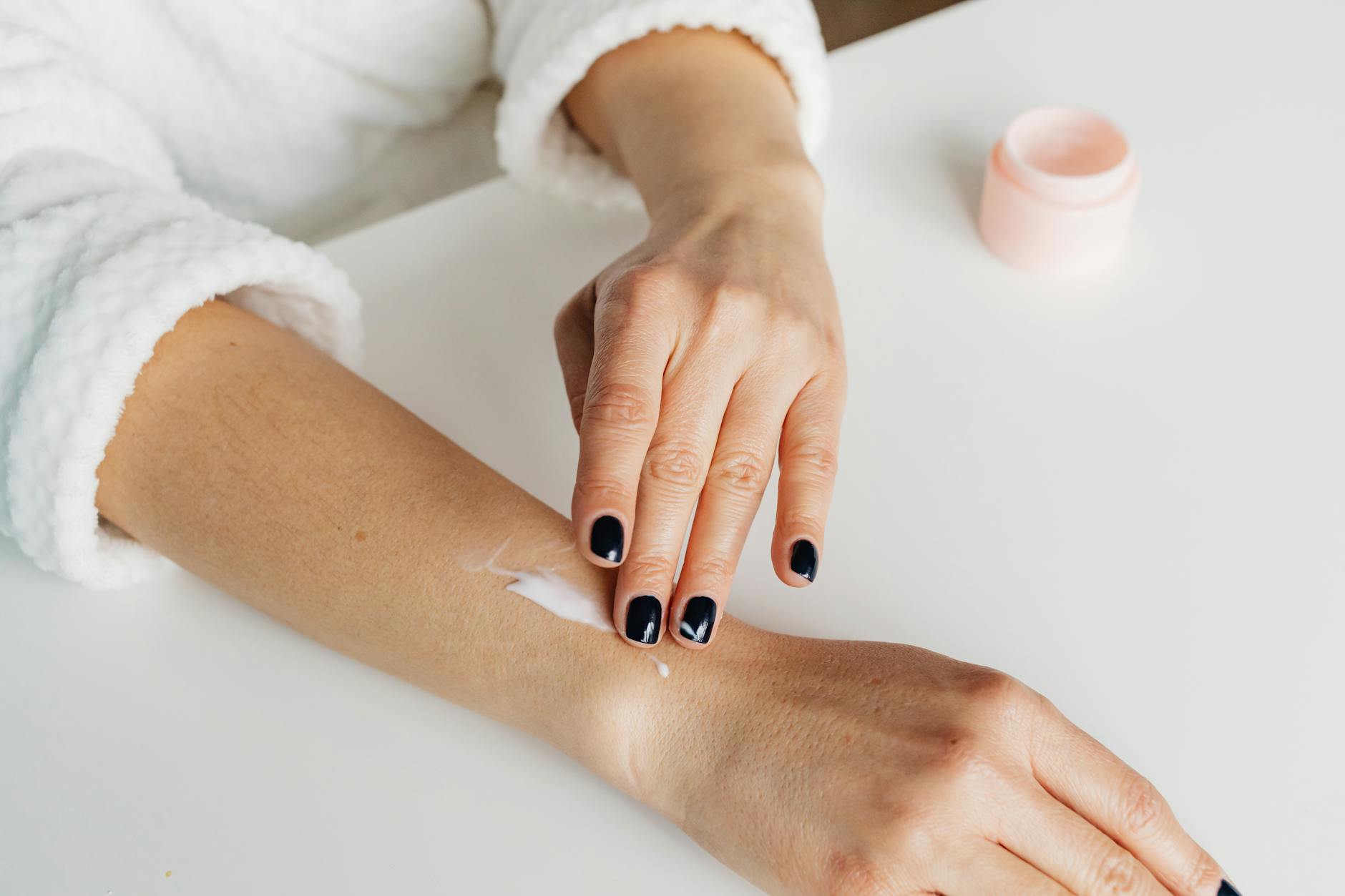
Diet and Its Influence on Eczema
When discussing why eczema comes and goes, one important factor to consider is diet. What you eat can influence the frequency and severity of eczema flare-ups. While the relationship between diet and eczema is complex and varies from person to person, understanding how certain foods may trigger or alleviate symptoms can be a valuable part of managing this condition.
Foods That May Trigger Eczema
Certain foods are commonly associated with triggering eczema flare-ups. These can vary widely depending on individual sensitivities, but some of the most frequently reported culprits include:
- Dairy products: Some people find that consuming milk, cheese, or other dairy products exacerbates their eczema symptoms.
- Gluten: Found in wheat, barley, and rye, gluten can be a trigger for some individuals.
- Eggs: Both the whites and yolks can sometimes lead to increased eczema activity.
- Nuts: Tree nuts and peanuts are common allergens that may worsen eczema.
- Soy: Soy products can be problematic for some people with eczema.
- Seafood: Shellfish, in particular, is a known allergen that can trigger eczema.
It’s important to note that while these foods are commonly reported as triggers, they do not affect everyone in the same way. Keeping a food diary can help you identify which, if any, of these foods may be contributing to your eczema come and go pattern.
Anti-Inflammatory Diets
An anti-inflammatory diet focuses on foods that reduce inflammation in the body, which can help manage eczema symptoms. Incorporating the following into your diet may help:
- Fruits and vegetables: Rich in antioxidants and vitamins, these can help combat inflammation.
- Omega-3 fatty acids: Found in fatty fish like salmon, flaxseeds, and walnuts, these healthy fats have anti-inflammatory properties.
- Whole grains: Opt for whole grains like quinoa, brown rice, and oats, which are less likely to cause inflammation compared to refined grains.
- Lean proteins: Chicken, turkey, and plant-based proteins like beans and lentils can be good choices.
- Probiotics: Found in yogurt, kefir, and fermented foods, probiotics can help maintain a healthy gut, which is linked to reduced inflammation.
Adopting an anti-inflammatory diet doesn’t mean you have to eliminate all your favorite foods. It’s about making informed choices and balancing your intake to support your overall health and manage eczema symptoms effectively.
Hydration and Eczema
Staying well-hydrated is another crucial aspect of managing eczema. Proper hydration helps maintain the skin’s moisture barrier, which can be compromised in individuals with eczema. Here are some tips to ensure you’re getting enough fluids:
- Drink water regularly: Aim for at least 8 glasses of water a day, though individual needs can vary.
- Incorporate hydrating foods: Foods with high water content, like cucumbers, watermelon, and oranges, can contribute to your overall hydration.
- Limit dehydrating beverages: Reduce intake of caffeinated drinks and alcohol, which can lead to dehydration.
Hydration is a simple yet often overlooked component of eczema management. By ensuring you’re drinking enough water and consuming hydrating foods, you can help keep your skin in better condition and potentially reduce the frequency of eczema flare-ups.
In conclusion, while diet alone may not be the sole answer to why eczema comes and goes, it plays a significant role in managing the condition. By identifying potential trigger foods, adopting an anti-inflammatory diet, and staying well-hydrated, you can take proactive steps towards minimizing eczema flare-ups and improving your overall skin health.
Choosing the Right Clothing and Fabrics
Eczema can be unpredictable, often coming and going without warning. While many factors contribute to this pattern, the clothing you wear can play a significant role in managing your symptoms. Understanding how different fabrics and clothing styles interact with your skin can help you make informed choices that support your overall eczema management strategy.
Breathable Fabrics
One of the most important considerations when selecting clothing for eczema is the fabric’s breathability. Breathable fabrics allow air to circulate freely, reducing sweat and moisture buildup that can irritate the skin. Natural fibers like cotton, bamboo, and linen are excellent choices because they allow your skin to breathe.
For example, a soft cotton t-shirt can be more comfortable for someone with eczema than a synthetic blend that traps heat and moisture. When shopping, look for tags that indicate 100% natural fibers. These materials are less likely to cause irritation and can help keep your skin dry and comfortable.
Avoiding Irritants
Certain fabrics and materials can act as irritants, triggering eczema flare-ups. Synthetic fabrics like polyester, nylon, and wool are common culprits. These materials can be rough against the skin and may contain chemicals or dyes that cause irritation.
To minimize the risk of irritation, avoid clothing with tags or seams that rub against your skin. Consider purchasing tag-free apparel or removing tags yourself. Additionally, be cautious with new laundry detergents or fabric softeners, as these can sometimes contain fragrances or chemicals that irritate sensitive skin.
Proper Fit and Comfort
The fit of your clothing also matters when managing eczema. Tight-fitting clothes can rub against your skin, causing friction that exacerbates symptoms. Opt for loose-fitting garments that allow your skin to move freely without constant irritation.
For instance, instead of wearing tight jeans, try comfortable, loose-fitting pants made from a soft, breathable fabric. This not only reduces friction but also allows your skin to breathe, which can be particularly beneficial during eczema flare-ups.
Layering for Temperature Control
Temperature fluctuations can affect eczema, making it essential to dress in layers. This approach allows you to adjust your clothing based on the environment, keeping your skin at a comfortable temperature.
During colder months, start with a soft, moisture-wicking base layer made from materials like merino wool or bamboo. Add a middle layer for insulation and a waterproof outer layer to protect against the elements. In warmer weather, stick to lightweight, breathable fabrics that allow your skin to stay cool and dry.
Real-Life Examples and Decision Points
Imagine you’re planning an outdoor activity. Instead of wearing a rough, synthetic sports shirt, choose a smooth, breathable cotton or bamboo top. If you’re heading to a formal event, select a linen dress or suit that allows your skin to breathe rather than a woolen outfit that might cause irritation.
When buying new clothes, take the time to feel the fabric. Does it feel soft and gentle against your skin? Is it free from tags and rough seams? These small details can make a big difference in managing your eczema.
Scientifically Cautious Explanations
While the relationship between clothing and eczema is well-recognized, it’s important to approach this topic with scientific caution. Individual responses to fabrics can vary, and what works for one person may not work for another. It’s always a good idea to consult with a healthcare provider for personalized advice.
Additionally, while certain fabrics are generally considered safe for eczema-prone skin, it’s essential to pay attention to how your skin reacts. Keep a journal of what you wear and any changes in your symptoms. This can help you identify specific triggers and make more informed choices in the future.
Practical Steps for Eczema-Friendly Wardrobe
- Invest in high-quality, breathable fabrics like cotton, bamboo, and linen.
- Avoid synthetic materials and opt for natural fibers whenever possible.
- Choose loose-fitting clothing to reduce friction and irritation.
- Remove tags or opt for tag-free apparel to prevent skin irritation.
- Layer your clothing to maintain a comfortable temperature and protect your skin.
- Pay attention to how different fabrics affect your skin and keep a journal to track your experiences.
By making thoughtful choices about the clothing you wear, you can help manage eczema come and go more effectively. Remember, everyone’s skin is different, so it’s essential to find what works best for you through trial and error.
Seeking Professional Help for Eczema
While understanding why eczema come and go can be complex, professional guidance can make a significant difference in managing this condition. Dermatologists and other healthcare providers are trained to offer tailored advice and treatments that can help reduce flare-ups and improve overall skin health.
When to See a Dermatologist
Knowing when to seek professional help is crucial. If you notice that your eczema symptoms are severe, persistent, or if over-the-counter treatments are not providing relief, it’s time to consult a dermatologist. Additionally, if your eczema is affecting your daily activities or causing significant discomfort, professional intervention can be beneficial.
For example, if your eczema is causing intense itching that disrupts your sleep or if you experience frequent infections in the affected areas, these are clear signs that you should seek help. A dermatologist can provide a more thorough evaluation and recommend appropriate treatments.
Types of Professional Treatments
Dermatologists have a range of treatments at their disposal to help manage eczema. These can include prescription-strength topical creams and ointments, oral medications, and even injectable biologics for more severe cases. Each treatment is chosen based on the individual’s specific symptoms and the severity of their eczema.
For instance, a dermatologist might prescribe a higher-potency corticosteroid cream for severe flare-ups, or an immunomodulator like tacrolimus for long-term management. In some cases, phototherapy—a treatment involving controlled exposure to UV light—may be recommended. These options are typically more effective than over-the-counter solutions and are tailored to your specific needs.
Building a Management Plan
One of the most valuable aspects of seeking professional help is the creation of a personalized management plan. This plan will take into account your lifestyle, triggers, and the severity of your eczema. It may include a combination of medical treatments, lifestyle changes, and preventive measures.
For example, your management plan might involve regular use of prescribed medications, avoidance of known triggers, and incorporation of gentle skincare routines. A dermatologist can also provide guidance on how to manage stress, which is a known trigger for many people with eczema. They may recommend relaxation techniques or refer you to a counselor for additional support.
Moreover, professional help can extend beyond just medical treatments. Nutritionists can offer advice on dietary changes that may help reduce inflammation, while allergists can help identify any underlying allergies that might be contributing to your eczema. This comprehensive approach ensures that all aspects of your health are considered, making it easier to manage eczema come and go patterns effectively.
Real-Life Example: Sarah’s Journey
Consider Sarah, a 30-year-old woman who struggled with eczema for years. Her symptoms would flare up unpredictably, making it difficult for her to maintain a consistent routine. After several unsuccessful attempts to manage her eczema with over-the-counter products, she decided to seek professional help.
Sarah visited a dermatologist who conducted a thorough evaluation. The dermatologist identified several triggers, including certain fabrics and stress, and prescribed a combination of topical treatments and an oral medication to manage her symptoms. Additionally, Sarah was referred to a nutritionist who helped her adjust her diet to reduce inflammation. With this comprehensive approach, Sarah noticed a significant improvement in her eczema. Her flare-ups became less frequent and less severe, allowing her to lead a more normal life.
Decision Points: When to Re-evaluate Your Plan
It’s important to remember that eczema management is an ongoing process. Regular check-ins with your dermatologist are essential to re-evaluate your treatment plan. If you find that your eczema is not improving or if new symptoms arise, it’s crucial to communicate this to your healthcare provider.
For example, if you’ve been following your management plan diligently but still experience frequent flare-ups, it may be time to revisit your dermatologist. They can adjust your medications or suggest additional treatments that might be more effective. Similarly, if you’ve made significant lifestyle changes, such as moving to a new environment or starting a new job, these factors can influence your eczema and may require adjustments to your management plan.
In summary, seeking professional help for eczema is a vital step in effectively managing this condition. Dermatologists and other healthcare providers can offer valuable insights, prescribe effective treatments, and help you build a comprehensive management plan tailored to your needs. By working closely with professionals, you can better understand why eczema come and go and take proactive steps to minimize its impact on your life.
Long-Term Management Strategies for Eczema
Managing eczema effectively over the long term requires a combination of regular medical check-ups, lifestyle adaptations, and staying informed. Eczema, known for its unpredictable nature where it can come and go, demands a proactive approach to minimize flare-ups and maintain skin health.
Regular Check-Ups
Consistent medical evaluations are crucial for long-term eczema management. Dermatologists can provide personalized advice and adjust treatment plans as needed. Regular visits help in:
- Monitoring Skin Condition: Dermatologists can assess the current state of your skin and identify any changes or new symptoms.
- Adjusting Treatments: Based on the latest research and your skin’s response, treatments can be modified to better suit your needs.
- Preventing Complications: Early detection of potential issues can prevent more severe complications.
For example, someone with eczema that tends to come and go might find that their condition worsens during certain seasons. Regular check-ups can help identify seasonal triggers and adjust treatments accordingly.
Adapting to Lifestyle Changes
Eczema often requires significant lifestyle adjustments to manage its unpredictable nature. These changes can greatly influence how often and severely eczema comes and goes.
- Skincare Routine: Establishing and maintaining a consistent skincare routine is vital. This includes using gentle, fragrance-free moisturizers and avoiding harsh soaps.
- Clothing Choices: Wearing soft, breathable fabrics like cotton can reduce irritation. Avoiding wool and synthetic materials may help prevent flare-ups.
- Diet: While no specific diet helps manage eczema-prone skin, some individuals find that certain foods trigger their symptoms. Keeping a food diary can help identify these triggers.
Consider a person who notices their eczema worsens after eating certain dairy products. By eliminating these from their diet and monitoring the results, they may experience fewer flare-ups.
Staying Informed and Educated
Knowledge is power when it comes to managing eczema. Staying informed about the latest research, treatment options, and lifestyle strategies can make a significant difference.
- Educational Resources: Utilize reputable websites, books, and support groups to learn more about eczema. MyEczema.app offers a wealth of resources tailored to those dealing with eczema.
- Workshops and Seminars: Attending workshops or seminars hosted by dermatologists or eczema associations can provide valuable insights and practical tips.
- Community Support: Joining online forums or local support groups can offer emotional support and practical advice from others who understand the challenges of living with eczema.
For instance, a parent whose child experiences eczema come and go might join a support group to share experiences and learn new management techniques from other parents.
In summary, long-term management of eczema involves a multifaceted approach. Regular check-ups with healthcare providers ensure that treatment plans are up-to-date and effective. Adapting to necessary lifestyle changes, such as modifying your diet or skincare routine, can significantly reduce the frequency and severity of flare-ups. Lastly, staying informed and educated empowers you to make the best decisions for your skin health. By taking these steps, individuals can better navigate the ups and downs of eczema and lead a more comfortable life.
Frequently asked questions
What are the most common triggers for eczema?
Eczema can be triggered by a variety of factors, including allergens like pollen and pet dander, certain fabrics such as wool, and environmental conditions like dry air. Understanding these triggers is crucial in managing why eczema come and go. Keeping track of when and where your symptoms flare up can help identify specific triggers.
Other common triggers include harsh soaps and detergents, stress, and extreme temperatures. It’s important to note that triggers can vary from person to person, so what causes a flare-up in one individual may not affect another.
How can I identify my personal eczema triggers?
Identifying personal triggers for eczema involves a bit of detective work. Start by keeping a detailed diary of your daily activities, the products you use, and any changes in your environment. Note when your symptoms worsen or improve.
Consulting a dermatologist can also be beneficial. They may recommend patch testing to identify specific allergens. Remember, identifying triggers is a key step in managing why eczema come and go.
What is the best skincare routine for eczema?
A gentle skincare routine is essential for managing eczema. Start with a mild, fragrance-free cleanser to avoid irritating your skin. After cleansing, apply a thick moisturizer while your skin is still damp to lock in hydration.
Look for moisturizers containing ceramides or other hydrating ingredients. Avoid hot showers, as they can strip your skin of natural oils, exacerbating eczema symptoms.
Can stress really cause eczema to flare up?
Yes, stress is a well-known trigger for eczema. When you’re stressed, your body releases hormones that can weaken your immune system and increase inflammation, leading to eczema flare-ups.
Incorporating stress management techniques like yoga, meditation, or even regular exercise can help reduce stress levels and, in turn, may help in managing why eczema come and go.
Are there specific foods I should avoid if I have eczema?
While diet doesn’t directly cause eczema, certain foods can trigger or worsen symptoms in some individuals. Common culprits include dairy, eggs, and nuts. However, this varies from person to person.
Consider keeping a food diary to track what you eat and any subsequent changes in your eczema symptoms. This can help you identify if certain foods are triggering your eczema.
When should I seek professional help for my eczema?
If your eczema symptoms are severe, persistent, or significantly impacting your quality of life, it’s important to seek professional help. A dermatologist can provide a tailored treatment plan and may prescribe medications to help manage your symptoms.
Professional treatments can include topical creams, oral medications, or even light therapy. Remember, a healthcare professional can offer the best advice on managing your eczema effectively.
Use MyEczema.app to track your eczema patterns and daily triggers.
This article is for educational purposes only and is not medical advice. If symptoms are severe, spreading, painful, infected-looking, or affecting sleep and daily life, speak with a qualified healthcare professional.
Sources and further reading
For medical guidance, always rely on a qualified healthcare professional. These educational resources may help readers learn more:
Image credit: Photo by SHVETS production on Pexels. Used under the Pexels License.
Image credit: Photo by www.kaboompics.com on Pexels. Used under the Pexels License.