
MyEczema.app guide
Understanding Eczema: How It Differs from Dry Skin
Learn about eczema and how it differs from dry skin. Discover symptoms, causes, and practical management tips for eczema.

Table of contents
Use this guide as a practical reference and jump to the sections most relevant to you.
- Quick answer
- Key takeaways
- Practical comparison table
- Visual chart
- Related MyEczema.app tool
- What is Eczema?
- Eczema vs. Dry Skin: Key Differences
- What Causes Eczema?
- How is Eczema Diagnosed?
- Effective Eczema Management Strategies
- Common Mistakes in Eczema Care
- Lifestyle Changes to Help Manage Eczema
- When to Seek Professional Help for Eczema
- Myths and Facts About Eczema
- The Future of Eczema Research
- Frequently asked questions
- Sources and further reading
If you’ve ever experienced itchy, red patches on your skin, you might have wondered whether you’re dealing with eczema or just dry skin. It’s a common question, and understanding the difference is crucial for effective management. Eczema, a chronic inflammatory skin condition, often goes beyond simple dryness. It involves a complex interplay of factors, including skin barrier disruption, irritants, climate, cleansing habits, allergens, and individual triggers.
While dry skin can usually be addressed with basic moisturizing, eczema requires a more nuanced approach. This article aims to shed light on what eczema is, how it differs from dry skin, and why it’s essential to understand these distinctions. We’ll explore the symptoms, triggers, and management strategies that can help you or your loved ones navigate life with eczema more comfortably.
It’s important to note that while we aim to provide helpful information, we do not diagnose or promise specific results. Always consult healthcare professionals for personalized advice and never stop prescribed treatments without medical guidance. Let’s dive into the world of eczema and discover how it’s more than just dry skin.
Quick answer
Eczema is a chronic skin condition characterized by inflammation and itching, distinct from simple dry skin. It involves a disrupted skin barrier, making the skin more susceptible to irritants and allergens. Proper management often requires more than just moisturizing; it may involve identifying and avoiding triggers, using specialized skincare products, and consulting healthcare professionals for personalized advice.
Key takeaways
- Eczema is a chronic inflammatory skin condition, not just dry skin.
- Understanding the symptoms and triggers of eczema is crucial for management.
- Proper skincare routines and moisturizers are essential in managing eczema.
- Avoiding common mistakes can help prevent eczema flare-ups.
- Consulting healthcare professionals for personalized advice is recommended.
Comparing Eczema and Dry Skin
| Situation | What it may mean | Practical next step |
|---|---|---|
| Itchy, red patches | Could be eczema if persistent and accompanied by other symptoms. | Consult a dermatologist for an accurate diagnosis. |
| Flaky, dry skin | Likely dry skin, but monitor for other symptoms. | Use a good moisturizer and avoid harsh soaps. |
| Skin that cracks and bleeds | Severe eczema or another skin condition. | Seek immediate medical attention. |
| Skin that feels tight after washing | Possible dry skin or mild eczema. | Apply moisturizer after washing and avoid hot water. |
| Recurring rashes in the same spots | Likely eczema, especially if itchy and inflamed. | Keep a symptom diary and consult a healthcare professional. |
Effectiveness of Eczema Management Strategies
This chart is an educational visual guide, not a diagnostic score. Use it to think about what may be worth tracking more consistently.
Highly effective in maintaining skin hydration and reducing flare-ups.
Important for preventing exacerbation of symptoms.
Helps protect the skin barrier and reduce irritation.
Can help reduce the frequency and severity of flare-ups.
Essential for severe cases and personalized management plans.
Related MyEczema.app tool
Use the Eczema Skincare Routine Planner
The Eczema Skincare Routine Planner helps users organize morning, daytime, and evening routine steps for eczema-prone skin.
For this topic, this tool can help you organize information in a more structured way and turn daily observations into clearer patterns to review over time.
What is Eczema?
Eczema, also known as atopic dermatitis, is a chronic skin condition that affects millions of people worldwide. Understanding what eczema is and how it differs from simple dry skin is essential for managing symptoms and seeking appropriate care.
Definition of Eczema
Eczema is a general term for several types of skin conditions that cause inflammation and irritation. The most common type is atopic dermatitis, which often begins in childhood but can affect individuals of any age. Eczema is characterized by periods of flare-ups and remission, meaning symptoms can worsen and improve over time.
The exact cause of eczema is not fully understood, but it is believed to involve a combination of genetic and environmental factors. People with eczema often have a compromised skin barrier, which makes it difficult for the skin to retain moisture and protect against irritants.
Common Symptoms
Recognizing the symptoms of eczema is crucial for proper management. Common symptoms include:
- Itchy Skin: One of the hallmark symptoms of eczema is intense itching. Scratching can lead to further skin damage and increase the risk of infection.
- Red or Darkened Skin: Eczema often causes the skin to become red, inflamed, or darkened, depending on your skin tone.
- Dry, Scaly Patches: The affected areas may become dry, scaly, and rough.
- Small, Raised Bumps: Sometimes, small, raised bumps may appear, which can leak fluid and crust over when scratched.
- Thickened Skin: Chronic scratching and rubbing can cause the skin to become thickened and leathery.
These symptoms can vary in severity and may appear on different parts of the body, such as the hands, feet, face, or behind the knees.
How It Affects the Skin
Eczema impacts the skin in several ways, primarily through its effect on the skin barrier. The skin barrier is a crucial layer that protects the body from external irritants and helps retain moisture. In individuals with eczema, this barrier is often compromised.
When the skin barrier is weakened, it becomes more susceptible to:
- Irritants: Everyday substances like soaps, detergents, and fabrics can cause skin irritation.
- Allergens: Allergens such as pollen, pet dander, and certain foods can trigger eczema flare-ups.
- Microorganisms: Bacteria, viruses, and fungi can more easily penetrate the skin, leading to infections.
For example, imagine someone with eczema who loves gardening. While tending to their plants, they might come into contact with various irritants like fertilizers or rough plant surfaces. These encounters can trigger skin irritation and exacerbate eczema symptoms.
Additionally, environmental factors play a significant role. Dry weather, for instance, can strip the skin of its natural oils, leading to increased dryness and itchiness. On the other hand, humid weather might offer some relief but can also lead to sweat accumulation, which can irritate the skin.
Managing eczema involves a multi-faceted approach. Here are some practical steps to help manage symptoms:
- Moisturize Regularly: Using a gentle, fragrance-free moisturizer can help keep the skin hydrated and reduce itching.
- Identify and Avoid Triggers: Keeping a journal to track what triggers your eczema can help you avoid these triggers in the future.
- Use Mild Soaps and Detergents: Opt for mild, hypoallergenic products to reduce the risk of skin irritation.
- Wear Soft Clothing: Choose soft, breathable fabrics like cotton to minimize irritation.
- Take Short, Lukewarm Baths: Long, hot baths can strip the skin of its natural oils. Short, lukewarm baths with added moisturizers can be more beneficial.
It’s also important to consult with a healthcare provider for personalized advice and treatment options. They may recommend topical creams, ointments, or other treatments to help manage symptoms.
In summary, eczema is a complex skin condition that goes beyond simple dry skin. By understanding its symptoms and how it affects the skin, individuals can take proactive steps to manage their condition and improve their quality of life.
Eczema vs. Dry Skin: Key Differences
Symptom Comparison
Understanding the differences between eczema and dry skin starts with recognizing their symptoms. While both conditions can cause skin irritation and itchiness, their manifestations differ significantly.
Eczema often appears as red, inflamed patches that may ooze or crust over. These patches can be intensely itchy, leading to scratching and potential skin damage. Eczema symptoms can vary widely, affecting different areas of the body and changing over time.
Dry skin, on the other hand, typically presents as rough, flaky, or scaly skin. It may feel tight or itchy, but it usually lacks the severe inflammation and oozing seen in eczema. Dry skin is often a result of environmental factors and can be more uniform in appearance.
Causes of Dry Skin
Dry skin can result from various factors, many of which are environmental or lifestyle-related. Common causes include:
- Low humidity: Dry air, especially in winter or in air-conditioned environments, can strip moisture from the skin.
- Harsh soaps and detergents: Products with strong chemicals can remove natural oils from the skin.
- Hot water: Bathing or washing in hot water can further dry out the skin.
- Age: As people age, their skin naturally produces less oil, leading to dryness.
These factors can often be managed with simple changes in routine, such as using milder soaps, avoiding hot water, and applying moisturizers regularly.
Eczema Triggers
Eczema is a more complex condition with a variety of potential triggers. Unlike dry skin, eczema involves an overactive immune response and a compromised skin barrier. Common eczema triggers include:
- Allergens: Substances like pollen, pet dander, and certain foods can trigger eczema flare-ups in sensitive individuals.
- Irritants: Chemicals in soaps, detergents, and other products can irritate the skin and lead to eczema symptoms.
- Stress: Emotional stress can exacerbate eczema, though the exact mechanisms are not fully understood.
- Weather changes: Both cold, dry weather and hot, humid conditions can trigger eczema.
- Sweat: Excessive sweating can irritate the skin and lead to eczema flare-ups.
Managing eczema often requires a multi-faceted approach. Identifying and avoiding triggers is crucial, but it may also involve using prescribed medications and moisturizers to maintain skin hydration and integrity.
Practical Steps for Managing Eczema and Dry Skin
While the approaches to managing eczema and dry skin differ, some practical steps can benefit both conditions:
- Moisturize regularly: For both eczema and dry skin, keeping the skin hydrated is essential. Look for fragrance-free, hypoallergenic moisturizers.
- Avoid harsh chemicals: Use gentle, pH-balanced cleansers and avoid products with harsh chemicals that can strip the skin of its natural oils.
- Protect your skin: Wear protective clothing in cold or windy weather to prevent skin irritation.
- Manage stress: Practice stress-reducing techniques such as yoga, meditation, or deep breathing exercises to help manage eczema triggers.
- Consult a healthcare professional: If you suspect you have eczema, seek advice from a healthcare professional for a proper diagnosis and management plan.
Real-life example: Jane, a 35-year-old teacher, noticed her skin becoming increasingly dry and itchy during the winter months. She tried various moisturizers but found little relief. After consulting a dermatologist, she learned she had eczema triggered by cold weather and certain soaps. By switching to a gentle, fragrance-free moisturizer and avoiding harsh soaps, Jane was able to manage her symptoms more effectively.
Decision point: If you experience persistent skin irritation, itchiness, or inflammation that doesn’t improve with basic moisturizers and lifestyle changes, it may be time to consult a healthcare professional for a more tailored approach to managing your skin condition.
In summary, while eczema and dry skin share some similarities, they are distinct conditions with different causes and management strategies. Recognizing the differences can help you take the appropriate steps to care for your skin effectively.
What Causes Eczema?
Eczema is a complex condition influenced by a variety of factors. Understanding these can help individuals manage their symptoms more effectively. Let’s delve into the primary causes and triggers of eczema, including genetic factors, environmental influences, and the role of the immune system.
Genetic Factors
One of the most significant contributors to eczema is genetics. If you have a family history of eczema, asthma, or allergies, you are more likely to develop eczema. This hereditary link suggests that certain genes may predispose individuals to eczema. For example, a mutation in the filaggrin gene, which helps maintain the skin barrier, is commonly found in people with eczema. This mutation can lead to a compromised skin barrier, making it easier for irritants to penetrate the skin and cause irritation.
Consider this real-life example: If your parents or siblings have eczema, it’s wise to be vigilant about skin care. Regular moisturization and avoiding known triggers can help manage symptoms even before they become severe.
Environmental Triggers
Environmental factors play a crucial role in triggering eczema flare-ups. These triggers can vary widely from person to person, making it essential to identify what specifically affects your skin. Common environmental triggers include:
- Allergens: Substances like pollen, pet dander, and dust mites can exacerbate eczema symptoms.
- Irritants: Harsh soaps, detergents, and certain fabrics can irritate the skin.
- Climate: Both hot and cold weather can affect the skin. Dry air in winter can lead to skin dehydration, while high humidity in summer can cause sweating and irritation.
- Stress: Emotional stress can trigger or worsen eczema symptoms.
To manage these triggers, consider keeping a diary of your activities and symptoms. This can help you identify patterns and make informed decisions about your environment. For instance, using a humidifier in dry weather or switching to fragrance-free detergents can make a significant difference.
Immune System Role
The immune system’s role in eczema is complex and not entirely understood, but it is clear that it plays a significant part. In people with eczema, the immune system may overreact to certain triggers, leading to inflammation and skin irritation. This overreaction can cause the skin to become red, swollen, and extremely itchy.
For example, when someone with eczema comes into contact with an allergen like pollen, their immune system may respond more aggressively than necessary. This response can lead to a flare-up, characterized by intense itching and skin redness. Understanding this process can help individuals take proactive steps to manage their eczema, such as avoiding known allergens and using medications as prescribed by a healthcare provider.
Practical Steps for Managing Eczema
While the causes of eczema are multifaceted, there are practical steps you can take to manage the condition:
- Moisturize Regularly: Keeping the skin hydrated is crucial. Use a gentle, fragrance-free moisturizer daily to help maintain the skin barrier.
- Identify and Avoid Triggers: Pay attention to what triggers your eczema and try to minimize exposure to these factors.
- Use Gentle Skincare Products: Opt for mild, hypoallergenic soaps and detergents to reduce the risk of skin irritation.
- Wear Protective Clothing: In cold weather, wear layers to protect your skin from the elements. In hot weather, choose breathable fabrics to avoid irritation from sweat.
- Manage Stress: Practice stress-reducing techniques such as yoga, meditation, or simply taking time for hobbies you enjoy.
By understanding the causes and triggers of eczema, you can take proactive steps to manage your symptoms and improve your quality of life. Remember, eczema is a chronic condition, but with the right approach, it is possible to keep it under control.
How is Eczema Diagnosed?
Diagnosing eczema is a critical step in managing this condition effectively. Unlike dry skin, which can often be treated with moisturizers, eczema requires a more detailed evaluation. Understanding the diagnostic process can help you navigate your healthcare journey more confidently.
Diagnostic Methods
Eczema is typically diagnosed through a combination of methods. A healthcare professional will usually start with a thorough examination of your skin. They will look for specific signs such as redness, inflammation, and the presence of itchy patches. These signs are crucial in differentiating eczema from other skin conditions.
In some cases, your doctor might ask about your family history of skin conditions. Eczema often runs in families, and this information can provide valuable context. Additionally, they may inquire about your lifestyle, including any potential triggers that could exacerbate your symptoms.
While there is no definitive test for eczema, certain diagnostic tools can help confirm the diagnosis. For instance, a skin biopsy might be performed if the symptoms are unusual or if other conditions need to be ruled out. This involves taking a small sample of skin tissue for laboratory analysis.
Importance of Professional Evaluation
It’s essential to seek a professional evaluation if you suspect you have eczema. Self-diagnosis can lead to mismanagement of the condition. A healthcare provider can offer a precise diagnosis and recommend appropriate treatments. They can also help you identify potential triggers and develop a management plan tailored to your needs.
During your visit, be prepared to discuss your symptoms in detail. Note when they started, how often they occur, and what seems to make them better or worse. This information can help your doctor make an accurate diagnosis and suggest effective management strategies.
Common Misconceptions
There are several misconceptions about diagnosing eczema that can lead to confusion. One common myth is that eczema can be diagnosed simply by looking at the skin. While visual examination is a crucial part of the diagnostic process, it is not the only factor. A comprehensive evaluation, including your medical history and potential triggers, is necessary for an accurate diagnosis.
Another misconception is that eczema is just extremely dry skin. As discussed in previous sections, eczema involves more than just dryness. It is a complex condition that affects the skin barrier and can lead to inflammation and irritation. Understanding this distinction is vital for effective management.
Some people believe that over-the-counter creams and lotions are sufficient for treating eczema. While these products can help manage symptoms, they may not address the underlying causes. A healthcare provider can offer more targeted treatments, such as prescribed creams or other medications, to help control flare-ups.
What to Expect During a Doctor’s Visit
When you visit a healthcare provider for eczema, you can expect a thorough evaluation. The doctor will likely start by asking about your symptoms and medical history. They may also ask about any family history of skin conditions.
Next, they will examine your skin closely. They will look for specific signs of eczema, such as patches of inflamed, itchy skin. They may also check for signs of infection, which can sometimes accompany eczema.
Depending on your symptoms, the doctor might suggest additional tests. These could include allergy testing to identify potential triggers or a skin biopsy to rule out other conditions. While these tests are not always necessary, they can provide valuable information in complex cases.
After the evaluation, your doctor will discuss their findings with you. They will explain the diagnosis and recommend a treatment plan. This plan may include topical creams, lifestyle changes, and strategies to avoid triggers. They may also schedule follow-up appointments to monitor your progress and adjust the treatment as needed.
Real-Life Example
Consider the case of Jane, a 30-year-old woman who noticed persistent itchy patches on her arms and legs. Initially, she thought it was just dry skin and tried various moisturizers without success. After several weeks, the itching intensified, and the patches became red and inflamed.
Jane decided to visit a dermatologist. During the appointment, the doctor asked about her symptoms, examined her skin, and discussed her family history. The doctor diagnosed her with eczema and recommended a topical cream to reduce inflammation. Jane was also advised to identify and avoid potential triggers, such as certain fabrics and soaps.
With the proper diagnosis and treatment plan, Jane’s symptoms improved significantly. She learned to manage her eczema effectively and experienced fewer flare-ups.
Decision Points
When considering a visit to a healthcare provider for eczema, think about the following decision points:
- Severity of Symptoms: If your symptoms are mild and manageable with over-the-counter treatments, you might not need immediate professional evaluation. However, if your symptoms are severe or persistent, seeking professional help is crucial.
- Impact on Daily Life: If eczema is affecting your quality of life, such as causing significant discomfort or interfering with daily activities, it’s important to get a professional evaluation.
- Uncertainty About Diagnosis: If you’re unsure whether your symptoms are due to eczema or another condition, a healthcare provider can offer clarity and guidance.
- Need for Targeted Treatment: If over-the-counter treatments are not effective, a healthcare provider can recommend more targeted treatments to help manage your symptoms.
In conclusion, diagnosing eczema involves a comprehensive evaluation by a healthcare professional. Understanding this process can help you seek the appropriate care and manage your condition more effectively. Remember, professional evaluation is key to distinguishing eczema from simple dry skin and developing an effective management plan.
Effective Eczema Management Strategies
Living with eczema can be challenging, but there are numerous strategies to manage its symptoms effectively. By understanding and implementing these strategies, individuals can significantly improve their quality of life. This section will explore practical tips and strategies for managing eczema, focusing on skincare routines, moisturizers, and avoiding triggers.
Developing a Skincare Routine
A consistent skincare routine is essential for managing eczema. This routine should be gentle and tailored to your specific skin needs. Here are some steps to consider:
- Gentle Cleansing: Use mild, fragrance-free cleansers to avoid irritating the skin. Opt for lukewarm water instead of hot water, as hot water can strip the skin of its natural oils.
- Pat Dry: After cleansing, gently pat your skin dry with a soft towel. Avoid rubbing, as this can exacerbate irritation.
- Immediate Moisturization: Apply moisturizer within three minutes of drying your skin. This helps lock in moisture and protect the skin barrier.
For example, if you notice that certain soaps or cleansers cause your skin to become more irritated, it may be beneficial to switch to a more hypoallergenic option. Pay attention to how your skin reacts to different products and adjust your routine accordingly.
Choosing the Right Moisturizers
Moisturizers are a cornerstone of eczema management. They help to hydrate the skin, repair the skin barrier, and reduce itchiness. When selecting a moisturizer, consider the following:
- Ingredients: Look for moisturizers that contain ceramides, hyaluronic acid, and glycerin. These ingredients help to strengthen the skin barrier and retain moisture.
- Consistency: Thicker creams and ointments are often more effective for eczema-prone skin than lotions. They provide a longer-lasting barrier against moisture loss.
- Frequency: Apply moisturizer multiple times a day, especially after washing your hands or taking a bath. Consistent use is key to managing eczema symptoms.
For instance, if you find that your skin feels tight or itchy after using a particular moisturizer, it might be time to try a different product. Experimenting with various brands and types can help you find what works best for your skin.
Avoiding Eczema Triggers
Identifying and avoiding triggers is crucial for managing eczema. Triggers can vary from person to person, but common ones include:
- Allergens: Dust mites, pet dander, and pollen can exacerbate eczema. Consider using allergen-proof covers for pillows and mattresses and keeping pets out of the bedroom.
- Irritants: Harsh chemicals in soaps, detergents, and cleaning products can irritate the skin. Opt for hypoallergenic and fragrance-free products.
- Environmental Factors: Cold, dry weather and low humidity can worsen eczema. Using a humidifier in your home can help maintain optimal moisture levels.
- Stress: Emotional stress can trigger eczema flare-ups. Incorporating stress-management techniques such as yoga, meditation, or regular exercise can be beneficial.
For example, if you notice that your eczema worsens during certain seasons, it might be due to environmental factors like pollen or dry air. Taking proactive steps to manage these triggers can help reduce the frequency and severity of flare-ups.
In addition to these strategies, it’s important to stay informed about your eczema and work closely with healthcare professionals. They can provide personalized advice and recommend treatments that may help manage your symptoms more effectively.
Remember, managing eczema is a continuous process that requires patience and persistence. By developing a tailored skincare routine, choosing the right moisturizers, and avoiding triggers, you can take significant steps toward alleviating the discomfort associated with eczema.
Common Mistakes in Eczema Care
Managing eczema can be challenging, and it’s easy to fall into habits that may inadvertently worsen symptoms. Understanding common mistakes can help you make better choices for your skin health. Let’s explore some of these pitfalls and how to avoid them.
Over-Washing
One common mistake is over-washing the skin. While keeping clean is important, frequent washing can strip the skin of its natural oils, leading to increased dryness and irritation.
For individuals with eczema, it’s essential to find a balance. Washing too often can disrupt the skin barrier, making it more susceptible to flare-ups. Aim for one gentle wash per day using lukewarm water and a mild, fragrance-free soap.
Example: Jane, a 28-year-old with eczema, noticed her skin felt tighter and itchier after switching to two showers a day. By reducing her showers to once daily and using a gentle cleanser, she saw a significant improvement in her skin’s condition.
Using Harsh Products
Another mistake is using harsh products on the skin. Many conventional soaps, detergents, and skincare products contain ingredients that can irritate eczema-prone skin.
Look for products labeled “fragrance-free,” “hypoallergenic,” and “for sensitive skin.” Avoid products with alcohol, dyes, and strong scents. These can exacerbate skin irritation and trigger flare-ups.
Example: Tom, a teenager with eczema, started using a popular acne-fighting face wash. Within a few days, his eczema worsened. Switching back to a gentle, fragrance-free cleanser helped calm his skin.
Neglecting Moisturizers
Neglecting to moisturize is a significant error in eczema care. Moisturizers help to hydrate the skin and strengthen the skin barrier, reducing the likelihood of flare-ups.
It’s important to apply moisturizers immediately after washing to lock in moisture. Look for thick, ointment-based moisturizers that provide a protective barrier. Creams and lotions can also be effective, but they may not offer the same level of hydration.
Example: Sarah, a mother of two, often forgot to moisturize her children’s skin after bath time. After incorporating a consistent moisturizing routine, she noticed a marked improvement in their eczema symptoms.
Practical Steps to Avoid These Mistakes
- Limit Bath Time: Keep showers and baths short (5-10 minutes) and use lukewarm water.
- Choose Gentle Cleansers: Opt for mild, fragrance-free soaps and avoid antibacterial products.
- Moisturize Regularly: Apply moisturizers immediately after washing and throughout the day as needed.
- Read Labels: Check ingredient lists for potential irritants and avoid products with alcohol, dyes, and strong scents.
- Wear Protective Clothing: Use soft, breathable fabrics like cotton to reduce skin irritation.
By being mindful of these common mistakes, you can create a more effective eczema management plan. Remember, everyone’s skin is different, so it may take some trial and error to find what works best for you. Consulting with a dermatologist can provide personalized advice and help you navigate your eczema care journey.
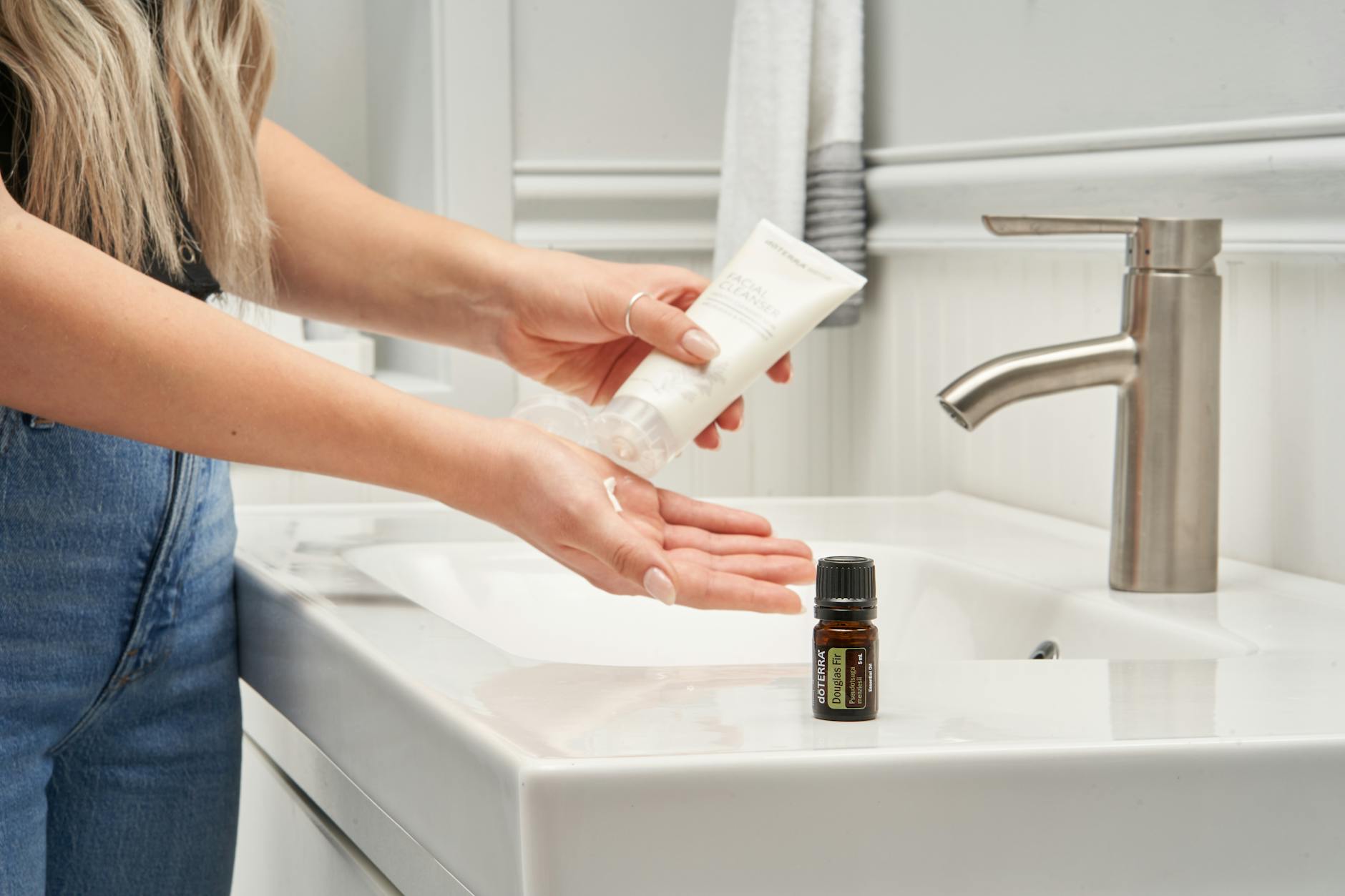
Lifestyle Changes to Help Manage Eczema
While medical treatments are essential for managing eczema, lifestyle changes can significantly help reduce symptoms and improve overall skin health. Here, we’ll explore practical steps you can take in your daily life to manage eczema more effectively.
Diet and Nutrition
The connection between diet and eczema is an area of ongoing research, but certain dietary choices may help manage symptoms. While no specific diet is guaranteed to alleviate eczema, some individuals find relief by making thoughtful changes to their eating habits.
Consider incorporating the following into your diet:
- Anti-inflammatory foods: Foods rich in omega-3 fatty acids, such as salmon, flaxseeds, and walnuts, may help reduce inflammation.
- Probiotics: Yogurt, kefir, and fermented foods can support gut health, which may influence skin conditions.
- Antioxidant-rich foods: Berries, leafy greens, and nuts can help combat oxidative stress that may exacerbate eczema.
It’s also important to identify and avoid potential eczema triggers in your diet. Common culprits include dairy, gluten, and certain nuts. Keeping a food diary can help you pinpoint which foods may be worsening your symptoms.
Stress Management
Stress is a well-known trigger for eczema flare-ups. Finding effective ways to manage stress can be a crucial part of your eczema management plan.
Consider these stress-reduction techniques:
- Mindfulness and meditation: Practicing mindfulness or meditation can help you stay calm and reduce stress levels.
- Yoga: Yoga combines physical postures, breathing exercises, and meditation to promote relaxation.
- Deep breathing exercises: Simple breathing techniques can help you relax and reduce stress on the go.
- Hobbies and interests: Engaging in activities you enjoy can serve as a healthy distraction from stress.
It’s also beneficial to establish a consistent sleep routine. Quality sleep is essential for overall health and can help your body manage stress more effectively.
Regular Exercise
Regular physical activity is beneficial for overall health and can play a role in managing eczema. Exercise helps reduce stress, improve circulation, and boost your immune system.
Here are some tips for incorporating exercise into your routine:
- Choose activities you enjoy: Whether it’s walking, swimming, cycling, or dancing, find an activity that you look forward to.
- Start slowly: If you’re new to exercise, begin with short sessions and gradually increase the duration and intensity.
- Stay hydrated: Drink plenty of water before, during, and after exercise to keep your skin hydrated.
- Wear breathable clothing: Opt for moisture-wicking, breathable fabrics to prevent sweat from irritating your skin.
- Shower after exercise: Rinse off sweat and apply moisturizer to keep your skin hydrated.
While exercise is generally beneficial, be mindful of your skin’s reaction. If you notice increased irritation or flare-ups after exercising, consider adjusting your routine or consulting a healthcare professional for advice.
Incorporating these lifestyle changes can complement your medical treatment plan and help you better manage eczema symptoms. Remember, what works for one person may not work for another, so it’s important to find the combination of strategies that best suits your needs.
When to Seek Professional Help for Eczema
Eczema can be a challenging condition to manage, and while many people find relief through various self-care strategies, there are times when professional help is necessary. Knowing when to seek medical advice can make a significant difference in managing your eczema effectively.
Severe Symptoms
If you experience severe symptoms, it’s crucial to consult a healthcare professional. Severe symptoms may include intense itching, widespread rashes, and significant skin thickening. These symptoms can be more than just uncomfortable; they can impact your daily life and overall well-being.
For example, if your itching becomes so severe that it disrupts your sleep or causes you to scratch until your skin bleeds, it’s time to seek help. A healthcare provider can offer treatments that go beyond over-the-counter options, providing relief and preventing further skin damage.
Frequent Flare-Ups
Experiencing frequent eczema flare-ups can be frustrating and exhausting. If you find that your eczema is constantly returning despite your best efforts to manage it, it may be time to consult a dermatologist.
A healthcare professional can help identify potential triggers that you might not be aware of. They can also provide stronger medications or recommend new management strategies to help reduce the frequency and severity of your flare-ups. For instance, if you notice that your eczema worsens during certain seasons or after using specific products, a dermatologist can help you pinpoint these triggers and develop a plan to avoid them.
Lack of Improvement
If you’ve been following a recommended eczema management plan but haven’t seen any improvement, it’s important to seek professional help. Sometimes, what works for one person may not work for another, and a healthcare provider can offer personalized advice.
For example, if you’ve been using moisturizers and avoiding known irritants but your skin irritation persists, a dermatologist can evaluate your situation and suggest alternative treatments. They might recommend prescription-strength creams, ointments, or other therapies that can provide the relief you need.
Practical Steps to Take
- Keep a Symptom Diary: Document your symptoms, including when they occur, how severe they are, and any potential triggers. This information can be invaluable during your appointment.
- List Your Current Treatments: Make a note of all the products and strategies you’ve tried, including any over-the-counter medications and home remedies. This will help your healthcare provider understand what has and hasn’t worked for you.
- Prepare Questions: Write down any questions or concerns you have about your eczema. This ensures you don’t forget anything important during your appointment.
- Follow Up: After your appointment, follow the recommended treatment plan and schedule follow-up visits as needed to monitor your progress.
Remember, managing eczema is a journey, and it’s okay to seek help when you need it. Professional guidance can provide you with the tools and support necessary to better manage your condition and improve your quality of life.
Myths and Facts About Eczema
Eczema is often surrounded by a cloud of misconceptions and myths. These misunderstandings can lead to confusion and ineffective management of the condition. In this section, we will debunk some of the most common myths about eczema and provide scientifically grounded facts to help you better understand and manage this condition.
Myth 1: Eczema is Contagious
One of the most pervasive myths about eczema is that it is contagious. This is entirely false. Eczema is not caused by a virus or bacteria and cannot be spread from one person to another through contact. It is an inflammatory skin condition that arises from a combination of genetic and environmental factors.
Myth 2: Eczema Only Affects Children
While it is true that eczema often begins in childhood, it can affect individuals of all ages. Many people continue to experience eczema throughout their lives, and some adults may even develop it for the first time. Understanding that eczema is not just a childhood condition is crucial for ongoing management and seeking appropriate care.
Myth 3: Eczema is Just Dry Skin
Although dry skin can be a symptom of eczema, the condition is much more complex. Eczema involves inflammation and a compromised skin barrier, which leads to symptoms like intense itching, redness, and sometimes oozing or crusting. Managing eczema requires more than just moisturizing; it often involves a multifaceted approach including topical treatments and lifestyle changes.
Myth 4: Eczema Can Be Completely Prevented
While certain triggers can exacerbate eczema, it is not something that can be entirely prevented. Genetic predisposition plays a significant role in the development of eczema. However, identifying and avoiding specific triggers can help reduce the frequency and severity of flare-ups.
Myth 5: All Soaps and Detergents Worsen Eczema
Not all soaps and detergents are created equal. While some may indeed irritate eczema-prone skin, others are specifically formulated to be gentle and moisturizing. Look for products labeled as “fragrance-free,” “hypoallergenic,” or recommended by dermatologists for sensitive skin. Testing a small area first can help determine if a product is suitable.
Myth 6: Eczema is purely a cosmetic issue
Eczema is far more than a cosmetic concern. The intense itching and discomfort can significantly affect quality of life. Chronic scratching can lead to skin damage, infections, and scarring. Managing eczema is essential not just for appearance but for overall health and well-being.
Myth 7: You Can Outgrow Eczema
While some children may see a reduction in symptoms as they grow older, many continue to experience eczema into adulthood. It is important to manage eczema throughout life, even if symptoms seem to lessen over time. Regular follow-ups with a healthcare provider can help adjust treatment plans as needed.
Myth 8: Sun Exposure Will Clear Eczema
Sun exposure can sometimes provide temporary relief due to the drying effect of the sun, but it is not a long-term solution. Moreover, excessive sun exposure can lead to skin damage and increase the risk of skin cancer. It is essential to use sunscreen and protect the skin, especially during flare-ups.
Myth 9: Eczema is Caused by Poor Hygiene
Eczema is not caused by poor hygiene. In fact, over-washing can strip the skin of its natural oils, worsening symptoms. Gentle cleansing with mild, fragrance-free soaps and adequate moisturizing are key components of managing eczema.
Myth 10: Diet Alone may help support eczema-prone skin
While diet can play a role in managing eczema, it is not a standalone long-term control. Some individuals may find that certain foods trigger flare-ups, but this varies from person to person. A balanced diet rich in anti-inflammatory foods can support overall skin health, but it should be part of a comprehensive management plan.
Practical Steps to Manage Eczema Based on Facts
Understanding the facts about eczema can empower you to take practical steps for better management. Here are some evidence-based strategies:
- Identify Triggers: Keep a diary to note any potential triggers such as certain foods, environmental factors, or stress. This can help you avoid these triggers in the future.
- Moisturize Regularly: Use a fragrance-free, hypoallergenic moisturizer to keep your skin hydrated. Apply it immediately after bathing to lock in moisture.
- Gentle Skin Care: Opt for mild, fragrance-free soaps and detergents. Avoid hot water when bathing, as it can strip the skin of natural oils.
- Avoid Scratching: Keep nails short and consider wearing gloves at night to prevent scratching during sleep. Use cool compresses to soothe itching.
- Use Prescribed Treatments: Follow your healthcare provider’s recommendations for topical treatments, which may include corticosteroids or other medications. These are designed to reduce inflammation and manage symptoms effectively.
- Wear Protective Clothing: Choose soft, breathable fabrics like cotton to reduce irritation. Avoid wool and synthetic materials that can exacerbate symptoms.
- Stay Informed: Educate yourself about eczema and its management. Join support groups or online communities to share experiences and tips with others who understand what you’re going through.
By debunking these myths and focusing on scientifically supported facts, you can take a more effective approach to managing eczema. Remember, each person’s experience with eczema is unique, so it’s important to work closely with healthcare professionals to develop a personalized management plan.
The Future of Eczema Research
Eczema is a complex condition that affects millions of people worldwide. While current treatments can help manage symptoms, researchers are continually working to understand the condition better and develop more effective treatments. This section will explore the ongoing research, potential future treatments, and the hopes for the future of eczema management.
Current Research
Research into eczema is ongoing, with scientists exploring various aspects of the condition. One major area of focus is understanding the genetic and environmental factors that contribute to eczema. Studies are examining how certain genes may make individuals more susceptible to eczema and how environmental triggers can lead to flare-ups.
Another critical area of research is the skin barrier. The skin barrier is the outermost layer of the skin that protects against external irritants and helps retain moisture. In people with eczema, this barrier is often compromised, leading to dry, itchy skin and increased susceptibility to infections. Researchers are investigating ways to strengthen the skin barrier and improve its function.
Immune system responses are also a significant focus of current research. Eczema is often associated with an overactive immune response, leading to inflammation and skin irritation. Studies are looking into how the immune system contributes to eczema and how it can be modulated to reduce symptoms.
Potential Treatments
Several potential treatments are being explored to offer better management of eczema. One promising area is the development of new topical treatments. These treatments aim to provide more effective relief from symptoms such as itching and inflammation. Some of these new topicals are designed to target specific pathways involved in the immune response, offering more precise treatment options.
Biologic therapies are another exciting area of research. Biologics are medications made from living organisms and are designed to target specific parts of the immune system. Some biologics have already shown promise in treating severe eczema by reducing inflammation and improving skin barrier function. Researchers are continuing to develop and test new biologics to offer more options for those with severe or treatment-resistant eczema.
Microbiome research is also gaining traction. The skin microbiome consists of the microorganisms that live on our skin. An imbalance in the skin microbiome can contribute to eczema. Researchers are studying how to restore a healthy balance of microorganisms on the skin to improve eczema symptoms.
Hopes for the Future
The future of eczema research holds great promise. With advancements in technology and a deeper understanding of the condition, researchers hope to develop more personalized treatment plans. These plans would consider an individual’s genetic makeup, environmental exposures, and specific triggers to offer tailored management strategies.
Wearable technology is another area of interest. Devices that can monitor skin hydration levels, inflammation, and environmental triggers in real-time could help individuals with eczema better manage their condition. These devices could provide alerts when a flare-up is likely, allowing for proactive management.
Education and awareness are also crucial. As research progresses, there is hope that better education about eczema will lead to earlier diagnosis and more effective management. This includes raising awareness about the differences between eczema and dry skin, understanding common triggers, and knowing when to seek professional help.
In conclusion, the future of eczema research is bright. With ongoing studies into the genetic, environmental, and immunological factors contributing to eczema, there is hope for more effective treatments and better management strategies. As research progresses, individuals with eczema can look forward to more personalized and precise treatment options, improved quality of life, and a greater understanding of this complex condition.
Frequently asked questions
Can eczema be effectively managed?
While there is no long-term control for eczema, it can be effectively managed with the right strategies. Management typically involves identifying and avoiding triggers, using prescribed medications, and maintaining a consistent skincare routine. It’s important to work closely with healthcare professionals to develop a personalized management plan.
Effective management often includes lifestyle adjustments and regular monitoring of symptoms. Keeping a journal of daily activities and symptoms can help identify patterns and triggers, leading to better control of eczema. Support from healthcare providers, along with education and awareness, plays a crucial role in managing this condition.
What are the most common triggers for eczema?
Common triggers for eczema include allergens such as pollen, pet dander, and certain foods. Irritants like soaps, detergents, and fabrics can also provoke symptoms. Environmental factors, such as cold weather or low humidity, may exacerbate eczema. Stress and hormonal changes are additional triggers that can affect the condition.
Identifying specific triggers is essential for managing eczema. This can be achieved through observation and, in some cases, allergy testing. Once triggers are identified, steps can be taken to minimize exposure and reduce the likelihood of flare-ups. Consultation with a healthcare professional can provide further guidance on managing triggers.
How can I tell if I have eczema or just dry skin?
Eczema often presents with symptoms such as intense itching, redness, and inflammation, whereas dry skin typically lacks these characteristics. Eczema patches may appear scaly, crusty, or blistered, and can be found in specific areas like the hands, feet, or face. Dry skin, on the other hand, is usually uniform and may feel rough or flaky without significant inflammation.
To differentiate between eczema and dry skin, observe the severity and location of symptoms. Eczema tends to be more localized and persistent, while dry skin is generally more widespread and less severe. If in doubt, consulting a healthcare professional for a proper evaluation is recommended.
Are there any natural remedies for eczema?
Natural remedies can play a supportive role in managing eczema symptoms. These may include the use of moisturizers with natural ingredients, such as aloe vera or coconut oil, which can help soothe and hydrate the skin. Oatmeal baths are another popular remedy, known for their anti-inflammatory properties.
It’s important to approach natural remedies with caution and to seek professional advice before trying them. While some natural treatments may offer relief, they should not replace prescribed medications or professional care. A healthcare provider can offer guidance on integrating natural remedies into a comprehensive management plan.
Can diet affect eczema?
Diet can influence eczema symptoms for some individuals. Certain foods may trigger or exacerbate symptoms, while others might help alleviate them. Common trigger foods include dairy, eggs, nuts, and wheat. On the other hand, anti-inflammatory foods like fatty fish, fruits, and vegetables may help reduce inflammation associated with eczema.
It’s important to note that dietary triggers can vary from person to person. Keeping a food diary and noting any changes in symptoms can help identify potential triggers. Consulting with a healthcare professional or a registered dietitian can provide personalized advice on dietary modifications to manage eczema effectively.
What should I do during an eczema flare-up?
During an eczema flare-up, it’s important to focus on soothing the skin and reducing inflammation. Apply prescribed medications as directed by your healthcare provider. Use gentle, fragrance-free moisturizers to hydrate the skin and reduce itching. Avoid scratching, as this can worsen symptoms and lead to infection.
Wear loose, breathable clothing to minimize irritation. Keep the environment humidified to prevent skin dryness. If symptoms are severe or do not improve with home care, seek medical advice promptly. A healthcare professional can offer additional treatments or adjustments to your management plan to help control the flare-up.
Use MyEczema.app to track your eczema patterns and daily triggers.
This article is for educational purposes only and is not medical advice. If symptoms are severe, spreading, painful, infected-looking, or affecting sleep and daily life, speak with a qualified healthcare professional.
Sources and further reading
For medical guidance, always rely on a qualified healthcare professional. These educational resources may help readers learn more:
Image credit: Photo by Sora Shimazaki on Pexels. Used under the Pexels License.
Image credit: Photo by doTERRA International, LLC on Pexels. Used under the Pexels License.