
MyEczema.app guide
First Signs of Eczema: Practical Guide
first signs of eczema: Learn the first signs that a rash might be eczema and what steps to take next. Understand symptoms, causes, and management tips.

Table of contents
Use this guide as a practical reference and jump to the sections most relevant to you.
- Quick answer
- Key takeaways
- Practical comparison table
- Visual chart
- Related MyEczema.app tool
- Understanding Eczema: An Overview
- Initial Signs: What to Look For
- Common Triggers of Eczema
- How Eczema is Diagnosed
- Effective Management Strategies for Eczema
- Medications and Treatments for Eczema
- Lifestyle Adjustments to Manage Eczema
- When to Seek Professional Help
- Living with Eczema: Tips for Daily Life
- Future Research and Developments in Eczema Treatment
- Frequently asked questions
- Sources and further reading
Recognizing the first signs of eczema can make a significant difference in managing this often misunderstood skin condition. Many people experience eczema differently, but understanding the early indicators can help you take timely steps to manage symptoms and seek appropriate care. Eczema, also known as atopic dermatitis, is a chronic condition characterized by inflamed, itchy, and often broken skin. While it can’t be improved, early recognition and proper management can significantly improve your quality of life.
Eczema-prone skin is particularly sensitive and can be easily affected by various factors. These include disruptions in the skin barrier, exposure to irritants, changes in climate, certain cleansing habits, allergens, and individual triggers. Each of these elements can contribute to the development or worsening of eczema symptoms. By being aware of these factors, you can take proactive steps to protect your skin and minimize flare-ups.
One of the most common first signs of eczema is persistent itching. This itching can be relentless and often leads to scratching, which can further irritate the skin and create a vicious cycle. Alongside itching, you might notice red, inflamed patches on your skin. These patches can vary in size and may appear anywhere on the body, though they are commonly found on the face, hands, and behind the knees.
It’s important to note that while recognizing these signs can be helpful, a healthcare professional should always provide an accurate diagnosis. They can offer tailored advice and treatment options to manage your symptoms effectively. In the meantime, understanding the early signs of eczema and knowing how to respond can make a world of difference in your daily comfort and skin health.
Quick answer
Recognizing early signs of eczema can help manage symptoms effectively. Common initial signs include persistent itching and red patches on the skin.
Key takeaways
- Persistent itching is often the first sign of eczema.
- Red, inflamed patches on the skin may indicate eczema.
- Early recognition and management can help reduce discomfort.
- Avoid common triggers to prevent eczema flare-ups.
- Consult a healthcare professional for accurate diagnosis and treatment.
Common Early Signs of Eczema and What They May Indicate
| Situation | What it may mean | Practical next step |
|---|---|---|
| Persistent itching without visible rash | Early stage of eczema or a reaction to an irritant | Identify and avoid potential triggers |
| Red, inflamed patches on the skin | Possible eczema flare-up | Apply a gentle moisturizer and avoid scratching |
| Dry, scaly skin | Eczema or general skin dryness | Use a humidifier and apply a rich moisturizer |
| Small, fluid-filled blisters | Severe eczema or a secondary infection | Consult a healthcare professional for evaluation |
| Thickened, leathery skin | Chronic eczema | Seek professional advice for long-term management |
Effectiveness of Common Eczema Management Strategies
This chart is an educational visual guide, not a diagnostic score. Use it to think about what may be worth tracking more consistently.
Highly effective in maintaining skin hydration
Significantly reduces flare-ups
Minimizes skin irritation
Helps in reducing stress-induced flare-ups
Ensures proper management and early intervention
Related MyEczema.app tool
Use the Eczema Trigger Identifier
The Eczema Trigger Identifier helps users organize recent changes and possible flare-related patterns such as weather, stress, sweat, sleep, foods, products, and irritants.
For this topic, this tool can help you organize information in a more structured way and turn daily observations into clearer patterns to review over time.
Understanding Eczema: An Overview
Eczema, also known as atopic dermatitis, is a common skin condition that many people experience at some point in their lives. Recognizing the first signs of eczema can help you seek appropriate care and management strategies. This section will provide a comprehensive introduction to eczema, including its definition, different types, and common misconceptions.
Definition of Eczema
Eczema is a broad term that describes a group of skin conditions characterized by inflammation and irritation. The most common type is atopic dermatitis, but other forms exist, each with unique characteristics. Eczema often manifests as dry, itchy, and sometimes broken skin. It can appear anywhere on the body, though certain areas are more commonly affected, such as the hands, face, and behind the knees.
The symptoms of eczema can vary widely from person to person. Some individuals may experience mild, occasional flare-ups, while others might have persistent, severe symptoms. Understanding these variations is crucial for effective management and seeking timely help when needed.
Different Types of Eczema
There are several types of eczema, each with distinct features and triggers. Here are the most common types:
- Atopic Dermatitis: The most common form, often starting in childhood. It is associated with other allergic conditions like asthma and hay fever.
- Contact Dermatitis: This type occurs when the skin comes into direct contact with an irritant or allergen. Common triggers include certain metals, chemicals, and fabrics.
- Dyshidrotic Eczema: Characterized by small, itchy blisters on the hands and feet. It often appears seasonally and can be triggered by stress or allergens.
- Nummular Eczema: This form presents as coin-shaped spots on the skin, often on the arms and legs. It can be triggered by dry skin or insect bites.
- Seborrheic Dermatitis: Commonly affects the scalp, causing dandruff, and can also appear on the face and other oily areas of the skin.
- Stasis Dermatitis: Typically occurs in the lower legs and is associated with poor circulation.
Identifying the specific type of eczema can help in understanding its triggers and appropriate management strategies. If you suspect you have eczema, consulting a healthcare professional for a proper diagnosis is a practical step.
Common Misconceptions About Eczema
There are several myths and misconceptions about eczema that can lead to misunderstandings and improper care. Let’s debunk some of these myths:
- Myth: Eczema is contagious.
Eczema is not contagious. It is a non-infectious condition caused by a combination of genetic and environmental factors.
- Myth: Eczema only affects children.
While it is true that many people develop eczema in childhood, it can affect individuals of all ages. Adults can also experience eczema for the first time or have it persist from childhood.
- Myth: Eczema is just a minor skin irritation.
Eczema can be a significant health concern, causing severe itching, pain, and discomfort. It can also lead to skin infections if the skin barrier is compromised.
- Myth: You can outgrow eczema.
While some children may see their eczema symptoms improve as they grow older, many continue to experience symptoms into adulthood. Proper management is key regardless of age.
- Myth: Eczema is caused by poor hygiene.
Eczema is not caused by poor hygiene. It is a complex condition influenced by genetics, immune system responses, and environmental factors.
Understanding these misconceptions can help you approach eczema with a more informed perspective. It’s important to rely on accurate information and seek guidance from healthcare professionals when managing this condition.
Recognizing the first signs of eczema is the first step toward effective management. Whether you are experiencing dry, itchy skin or noticing red, inflamed patches, being aware of these early signs can prompt you to seek the right kind of help and start appropriate eczema care. Remember, managing eczema often involves a combination of avoiding triggers, using proper skincare, and sometimes medical treatment to relieve symptoms.
In the next sections, we will delve deeper into the early signs of eczema, common triggers, and practical steps you can take for eczema relief. Stay tuned for more detailed guidance on how to navigate this condition effectively.
Initial Signs: What to Look For
Identifying the first signs of eczema is crucial for managing the condition effectively. Eczema, also known as atopic dermatitis, often presents with specific symptoms that can help distinguish it from other skin conditions. Let’s explore these initial signs in detail.
Persistent Itching as a Primary Symptom
One of the most common early eczema signs is persistent itching. This itching can be intense and often leads individuals to scratch the affected areas, which can further irritate the skin. The itchiness associated with eczema is not just a mild discomfort; it can significantly impact daily activities and sleep quality.
For example, imagine noticing that your child frequently scratches their arms or legs, especially during quiet moments like reading or watching TV. This could be an early indicator that the rash might be eczema. It’s important to pay attention to these behaviors, as persistent itching is a key symptom to watch for.
Red, Inflamed Patches on the Skin
Another hallmark of the first signs of eczema is the appearance of red, inflamed patches on the skin. These patches can vary in size and may be more noticeable on certain parts of the body, such as the face, hands, or behind the knees.
Consider a scenario where you or a family member notices red, irritated areas on the skin that seem to come and go. These patches might feel warm to the touch and look slightly swollen. This inflammation is a typical sign of eczema and should be monitored closely.
Dryness and Scaling of the Skin
Dryness and scaling are also common early signs of eczema. The affected skin may appear rough, scaly, or flaky. This dryness can make the skin feel tight and uncomfortable.
For instance, if you find that your skin feels unusually dry and starts to peel or flake, especially in areas prone to eczema, it’s worth considering whether these could be early eczema signs. Keeping the skin moisturized is a practical step in managing these symptoms and providing some relief.
Practical Steps for Identifying Early Eczema Signs
When trying to determine if a rash might be eczema, it’s helpful to follow a few practical steps:
- Observe the Itching: Note if the itching is persistent and if it worsens at certain times of the day or in specific environments.
- Check for Red Patches: Look for red, inflamed areas on the skin, particularly in common eczema hotspots like the face, hands, and behind the knees.
- Assess Skin Dryness: Feel the skin for dryness, roughness, or scaling. Moisturisers can help, but persistent dryness may indicate eczema.
- Monitor Triggers: Keep a journal of potential eczema triggers, such as certain fabrics, soaps, or environmental factors, to see if they correlate with flare-ups.
Real-Life Example: Sarah’s Story
Sarah, a 30-year-old teacher, started noticing persistent itching on her arms and hands. At first, she thought it was just dry skin from frequent hand washing. However, the itching didn’t go away with regular moisturisers. She then noticed red, inflamed patches appearing on her arms. Concerned, she visited a dermatologist who confirmed it was eczema. By identifying these early signs, Sarah was able to start a treatment plan that included moisturisers and avoiding known triggers like wool fabrics.
Scientifically Cautious Explanation
It’s important to understand that while these symptoms can strongly suggest eczema, they are not definitive diagnoses. Eczema can mimic other skin conditions, and only a healthcare professional can provide a accurate diagnosis. However, being aware of these initial signs can prompt you to seek the right kind of help and start appropriate eczema care early.
Eczema is a complex condition influenced by genetic and environmental factors. The persistent itching, red patches, and dry skin are all part of the body’s inflammatory response. Managing these symptoms with proper skincare and avoiding known triggers can help in finding relief and maintaining healthier skin.
Decision Points: When to Seek Help
If you notice these early signs of eczema, consider the following decision points:
- If the itching is severe and disrupts daily activities or sleep, it may be time to consult a healthcare provider.
- If red, inflamed patches persist despite using over-the-counter moisturisers, seek professional advice.
- If the skin becomes extremely dry, cracked, or starts to bleed from scratching, immediate medical attention is necessary.
Early intervention can make a significant difference in managing eczema and preventing more severe flare-ups. Always err on the side of caution and consult a healthcare professional if you’re unsure about the nature of your symptoms.
Common Triggers of Eczema
Understanding the first signs of eczema is only part of managing this condition effectively. Equally important is recognizing the various triggers that can cause eczema flare-ups. By identifying and avoiding these triggers, individuals can significantly reduce the frequency and severity of their symptoms.
Allergens
Allergens are substances that can provoke an allergic reaction in certain individuals. Common allergens that may trigger eczema include:
- Pollen: During the spring and fall, pollen from trees, grasses, and weeds can exacerbate eczema symptoms. Keeping windows closed and using air purifiers can help minimize exposure.
- Pet Dander: Skin flakes from pets, especially those with fur or feathers, can be a significant trigger. Regular cleaning and grooming of pets, as well as limiting their access to certain areas of the home, can help reduce symptoms.
If you suspect that an allergen is triggering your eczema, consider keeping a symptom diary. Note down when your symptoms flare up and any potential exposures to allergens. This can help you and your healthcare provider identify specific triggers.
Environmental Factors
Environmental factors play a crucial role in eczema management. Changes in weather, humidity levels, and even the water you use can impact your skin.
- Weather Changes: Cold, dry winter air can strip moisture from the skin, leading to flare-ups. Conversely, hot and humid weather can cause sweating, which may irritate the skin. Using a humidifier in dry climates and staying hydrated in humid conditions can help maintain skin moisture.
- Water Hardness: Hard water, which contains high levels of minerals, can be drying to the skin. If you live in an area with hard water, consider using a water softener or taking shorter showers to reduce skin irritation.
It’s also beneficial to wear protective clothing in extreme weather conditions. In cold weather, layers can help retain body heat and moisture. In hot weather, loose, breathable fabrics can prevent excessive sweating.
Common Household Irritants
Many everyday household items can act as irritants and trigger eczema symptoms. Being mindful of these can make a significant difference in managing the condition.
- Detergents and Soaps: Harsh chemicals in some detergents and soaps can strip the skin of its natural oils. Opt for fragrance-free, hypoallergenic products to reduce the risk of irritation.
- Cleaning Products: Many cleaning agents contain strong chemicals that can be harsh on the skin. When cleaning, wear gloves to protect your hands and consider using natural or eczema-friendly cleaning solutions.
- Fabrics: Certain fabrics, like wool or synthetic materials, can be itchy and irritating to the skin. Choose soft, breathable fabrics like cotton for clothing and bedding.
In addition to avoiding irritants, it’s essential to maintain a consistent skincare routine. This includes using a gentle moisturizer regularly to keep the skin hydrated and create a protective barrier against irritants.
Recognizing the first signs of eczema and being aware of common triggers can empower individuals to take proactive steps in managing their condition. By making informed choices about allergens, environmental factors, and household irritants, it’s possible to reduce the frequency and severity of eczema flare-ups and improve overall skin health.
How Eczema is Diagnosed
Understanding the first signs of eczema is crucial, but accurately diagnosing the condition is equally important. The process of diagnosing eczema involves healthcare professionals who specialize in skin conditions. This section will guide you through the steps involved in diagnosing eczema, emphasizing the role of dermatologists and common diagnostic methods.
Role of Dermatologists in Diagnosis
Dermatologists play a vital role in diagnosing eczema. These medical professionals are trained to identify various skin conditions, including eczema. When you suspect that a rash might be eczema, visiting a dermatologist is a practical step.
During your visit, the dermatologist will examine your skin closely. They will look for specific signs and symptoms that are characteristic of eczema. These may include red, itchy patches, dry skin, and small bumps. The dermatologist will also ask about your medical history and any family history of skin conditions.
It’s important to provide detailed information about your symptoms and when they started. This helps the dermatologist make an accurate diagnosis. Remember, early detection and diagnosis can lead to more effective eczema care.
Common Diagnostic Methods
There is no single test to definitively diagnose eczema. Instead, dermatologists use a combination of methods to confirm the condition. Here are some common diagnostic approaches:
- Physical Examination: The dermatologist will visually inspect the affected areas of your skin. They will look for typical eczema signs such as redness, swelling, and scaling.
- Patient History: Your dermatologist will ask about your symptoms, their duration, and any factors that seem to trigger or worsen them. This includes discussing your lifestyle, environment, and any known allergies.
- Patch Testing: In some cases, patch testing may be conducted to rule out allergic contact dermatitis, which can mimic eczema. Small amounts of potential allergens are applied to your skin, and your reaction is monitored.
- Skin Biopsy: Rarely, a skin biopsy may be necessary. This involves taking a small sample of skin tissue to examine under a microscope. This method is typically used when the diagnosis is uncertain or if there are unusual symptoms.
Importance of Accurate Diagnosis
An accurate diagnosis is crucial for effective eczema management. Misdiagnosing eczema can lead to inappropriate treatment and prolonged discomfort. Here’s why accurate diagnosis matters:
- Tailored Treatment Plans: Each type of eczema may require different treatment approaches. An accurate diagnosis allows healthcare providers to create a personalized treatment plan that addresses your specific needs.
- Avoiding Unnecessary Treatments: Without a correct diagnosis, you might undergo treatments that are ineffective or even harmful. Accurate diagnosis helps avoid such scenarios.
- Identifying Triggers: Knowing the exact type of eczema can help in identifying specific triggers. This knowledge is vital for avoiding factors that exacerbate your symptoms.
- Emotional Well-being: A confirmed diagnosis can provide peace of mind. It helps you understand your condition better and reduces anxiety about unknown skin issues.
In real-life scenarios, accurate diagnosis can make a significant difference. For example, someone with early eczema signs might initially think they have a simple rash. However, a dermatologist can identify it as eczema and provide appropriate eczema relief strategies. This could include recommending specific moisturizers, avoiding certain triggers, or using prescribed medications.
Moreover, accurate diagnosis is essential for long-term eczema care. It enables you to work closely with healthcare professionals to manage your condition effectively. This might involve regular check-ups, adjustments to your treatment plan, and ongoing education about eczema triggers and relief methods.
In summary, when you notice the first signs of eczema, seeking a professional diagnosis is a crucial step. Dermatologists use various methods to accurately diagnose eczema, ensuring you receive the right care and management strategies. This approach not only helps in alleviating symptoms but also in understanding and managing the condition better in the long run.
Effective Management Strategies for Eczema
When it comes to managing eczema, understanding the first signs of eczema is just the beginning. Effective management strategies are essential to maintain skin health, reduce flare-ups, and improve overall quality of life. Here, we will explore practical steps you can take, from daily skincare routines to lifestyle changes, to help manage eczema effectively.
Daily Skincare Routines
A consistent skincare routine is crucial for managing eczema. This routine should be tailored to your specific needs but generally includes gentle cleansing, proper moisturization, and the use of prescribed topical treatments.
Start by choosing a mild, fragrance-free cleanser. Harsh soaps can strip the skin of its natural oils, exacerbating eczema symptoms. After cleansing, pat your skin dry with a soft towel—don’t rub—to avoid irritation.
Moisturization is a key component of your daily routine. Apply a thick, fragrance-free moisturizer immediately after bathing to lock in moisture. Look for products containing ceramides, which help repair the skin barrier. Using a humidifier in your home can also add moisture to the air, benefiting your skin.
If your healthcare provider has prescribed topical treatments, such as corticosteroids or calcineurin inhibitors, incorporate these into your routine as directed. These medications can help reduce inflammation and itching associated with eczema.
Lifestyle Changes to Reduce Flare-Ups
Making certain lifestyle changes can significantly reduce the frequency and severity of eczema flare-ups. Identifying and avoiding triggers is a critical part of this process.
Common triggers of eczema include certain fabrics, such as wool, which can irritate the skin. Opt for soft, breathable materials like cotton instead. Additionally, be mindful of environmental factors such as extreme temperatures and low humidity, which can dry out your skin.
Diet can also play a role in managing eczema. While food allergies are not a direct cause of eczema for everyone, some individuals may find that certain foods exacerbate their symptoms. Keeping a food diary can help you identify any potential dietary triggers.
Stress is another factor that can worsen eczema. Incorporating stress-management techniques such as yoga, meditation, or even simple breathing exercises can be beneficial. Regular physical activity can also help reduce stress levels and improve overall well-being.
Importance of Hydration and Moisturization
Hydration is not just about drinking water; it’s also about keeping your skin moisturized. Proper hydration helps maintain the skin’s barrier function, which is often compromised in individuals with eczema.
Drinking plenty of water throughout the day is essential. Aim for at least eight glasses of water daily, though individual needs may vary. In addition to internal hydration, external moisturization is equally important.
Use a moisturizer that is suitable for your skin type and eczema severity. For those with severe eczema, thicker ointments may be more effective than lotions. Applying moisturizer multiple times a day, especially after washing your hands or face, can help keep your skin hydrated.
Incorporate hydrating ingredients into your skincare routine, such as hyaluronic acid, which can hold up to 1,000 times its weight in water. This helps to plump the skin and improve its overall appearance and health.
Lastly, consider the timing of your moisturizer application. Applying it while your skin is still slightly damp after a bath or shower can help lock in moisture more effectively.
By following these management strategies, you can better control your eczema symptoms and improve your skin’s health. Remember, it’s important to work closely with your healthcare provider to develop a personalized plan that meets your specific needs.
Medications and Treatments for Eczema
Managing eczema effectively often involves a combination of medications and treatments. Understanding the options available can help individuals take proactive steps towards relief. This section reviews common medications and treatments for managing eczema symptoms, providing practical insights and considerations.
Topical Creams and Ointments
Topical treatments are often the first line of defense against eczema. These medications are applied directly to the skin and can help reduce inflammation and relieve itching.
Corticosteroids
Corticosteroids, commonly known as steroids, are a staple in eczema care. They come in various strengths, from mild to potent, and are prescribed based on the severity of the eczema.
For mild cases, over-the-counter hydrocortisone creams may suffice. For more severe symptoms, a healthcare provider might prescribe a stronger corticosteroid. It’s important to use these medications as directed to avoid potential side effects.
Non-Steroid Creams
For those who prefer to avoid steroids or have experienced side effects, non-steroid creams are available. These include calcineurin inhibitors like tacrolimus and pimecrolimus, which work by reducing inflammation without the use of steroids.
These creams are typically prescribed for short-term use on sensitive areas like the face and can be an effective alternative for managing eczema symptoms.
Moisturizers
Keeping the skin hydrated is crucial in managing eczema. Regular use of moisturizers can help prevent flare-ups and soothe irritated skin. Look for fragrance-free, hypoallergenic options to minimize the risk of irritation.
Some moisturizers contain additional ingredients like ceramides, which help restore the skin’s natural barrier. Using a moisturizer immediately after bathing can lock in moisture and provide relief.
Oral Medications
In cases where topical treatments are not sufficient, oral medications may be prescribed. These can help manage more severe or widespread eczema.
Antihistamines
Antihistamines can be useful in reducing itching, especially if eczema symptoms are exacerbated by allergies. They are available over-the-counter and by prescription.
It’s important to note that while antihistamines can help with itching, they do not address the inflammation associated with eczema. They are often used in conjunction with other treatments.
Immunomodulators
For more severe cases, immunomodulators like cyclosporine may be prescribed. These medications work by suppressing the immune system to reduce inflammation.
Due to potential side effects, these medications are typically used for short periods and under close medical supervision. They are often considered when other treatments have not provided relief.
Biologics
Biologic medications target specific parts of the immune system involved in eczema. These are usually reserved for severe cases that do not respond to other treatments.
Biologics are administered via injection and require careful monitoring by a healthcare provider. They represent a newer approach to managing severe eczema and offer hope for those with persistent symptoms.
Emerging Treatments and Therapies
Research into eczema treatments is ongoing, and several emerging therapies show promise for the future.
Phototherapy
Phototherapy involves exposing the skin to controlled amounts of natural or artificial light. This treatment can help reduce inflammation and itching.
It is typically administered in a healthcare setting and requires multiple sessions. Phototherapy can be an effective option for those who do not respond well to topical or oral medications.
Wet-Wrap Therapy
Wet-wrap therapy involves applying a topical treatment to the skin, covering it with a damp bandage, and then applying a dry layer on top. This method helps the medication penetrate the skin more effectively and provides additional moisture.
It is often used in combination with other treatments and can be particularly beneficial during severe flare-ups.
Dietary and Lifestyle Changes
While not a medication, making certain dietary and lifestyle changes can complement medical treatments and help manage eczema symptoms.
Identifying and avoiding triggers, maintaining a healthy diet, and practicing good skin care are all important aspects of comprehensive eczema management.
For example, some individuals find that certain foods exacerbate their symptoms. Keeping a food diary can help identify potential triggers and guide dietary adjustments.
Additionally, stress management techniques such as mindfulness, yoga, and regular exercise can help reduce the frequency and severity of eczema flare-ups.
In conclusion, a variety of medications and treatments are available to help manage eczema symptoms. Working closely with a healthcare provider to find the right combination of treatments is key to achieving relief. Whether through topical creams, oral medications, or emerging therapies, there are options to help individuals with eczema lead more comfortable lives.
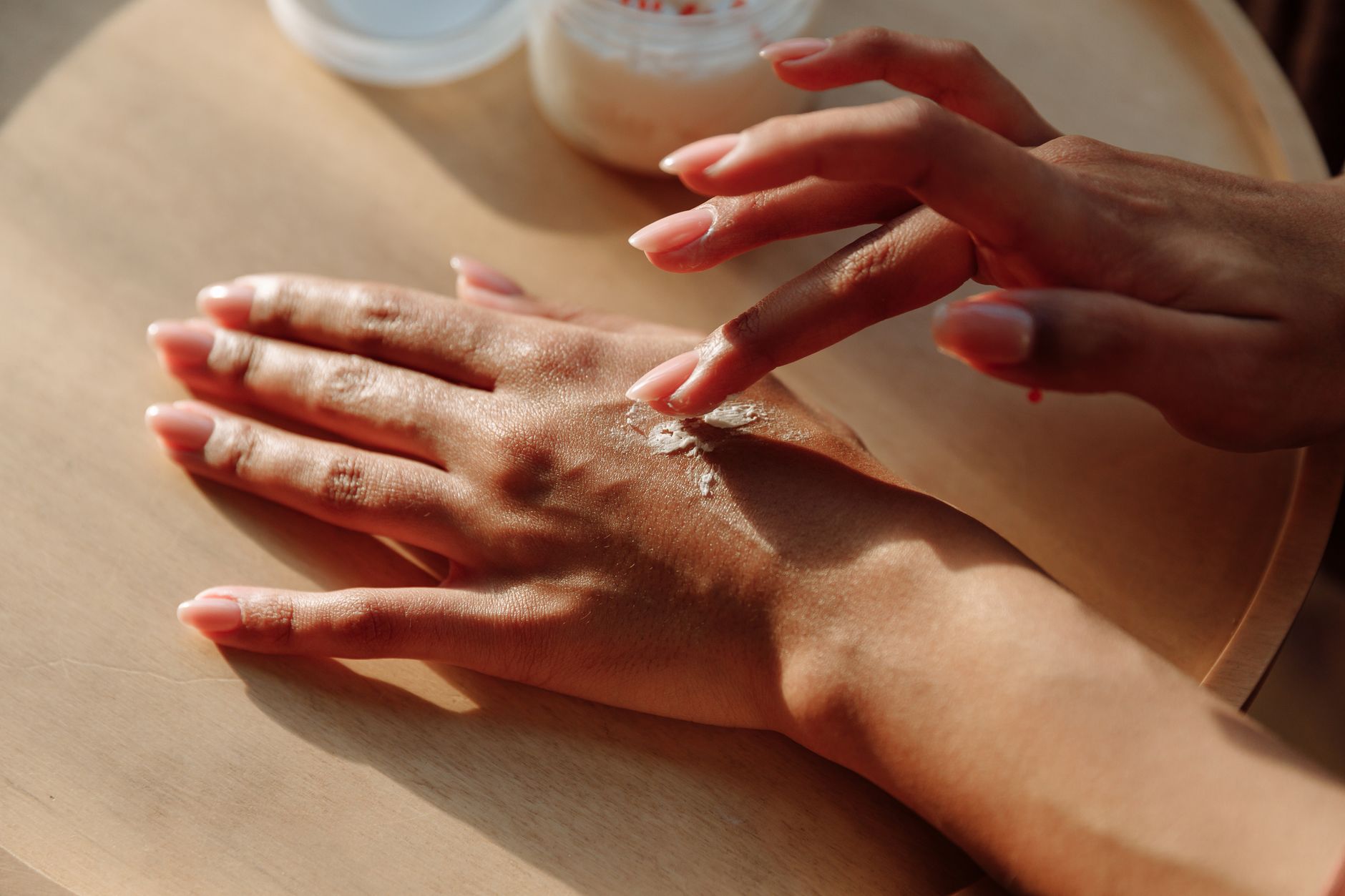
Lifestyle Adjustments to Manage Eczema
Recognizing the first signs of eczema is crucial for effective management. Once you identify these signs, making certain lifestyle adjustments can significantly improve your quality of life. This section will explore practical steps you can take, including dietary considerations, stress management techniques, and the importance of regular exercise.
Dietary Considerations
While there is no one-size-fits-all diet for eczema, certain foods can either trigger or alleviate symptoms. Paying attention to your diet can be a valuable part of managing eczema.
Identifying Trigger Foods
Common trigger foods include dairy, eggs, nuts, and wheat. Keeping a food diary can help you identify which foods might be exacerbating your symptoms. Note down everything you eat and any changes in your skin condition.
Incorporating Anti-Inflammatory Foods
Foods rich in omega-3 fatty acids, such as salmon, flaxseeds, and walnuts, have anti-inflammatory properties that may help reduce skin inflammation. Additionally, fruits and vegetables high in antioxidants, like berries and spinach, can support overall skin health.
Hydration
Staying well-hydrated is essential. Drinking plenty of water helps maintain the skin’s moisture barrier, which can be compromised in eczema. Aim for at least eight glasses of water a day.
Stress Management Techniques
Stress is a well-known trigger for eczema. Learning to manage stress effectively can help reduce the frequency and severity of flare-ups.
Mindfulness and Meditation
Practices like mindfulness and meditation can be incredibly beneficial. Even a few minutes a day can help you stay calm and reduce stress levels. Apps like Headspace or Calm offer guided sessions that are easy to follow.
Regular Breaks
If your job or daily activities are particularly stressful, take regular breaks to rest and recharge. Short walks, deep breathing exercises, or simply stepping away from your work for a few minutes can make a significant difference.
Hobbies and Interests
Engaging in hobbies you enjoy can serve as a great stress reliever. Whether it’s reading, gardening, or playing a musical instrument, find activities that help you unwind.
Importance of Regular Exercise
Regular physical activity is another crucial aspect of managing eczema. Exercise helps reduce stress, improve circulation, and boost your overall mood.
Choosing the Right Activities
Opt for low-impact exercises like walking, swimming, or yoga. These activities are gentle on the skin and less likely to cause irritation. Avoid high-intensity workouts that may lead to excessive sweating, which can exacerbate eczema symptoms.
Post-Exercise Care
After exercising, take a lukewarm shower to cleanse your skin without stripping it of natural oils. Pat your skin dry gently and apply a moisturizer immediately to lock in hydration.
Real-Life Example: Jane’s Journey
Jane, a 32-year-old marketing professional, noticed the first signs of eczema on her arms and face. Initially, she tried various creams without much success. After consulting with a dermatologist, she decided to make some lifestyle adjustments.
Jane started by keeping a food diary. She discovered that dairy products seemed to worsen her symptoms. She gradually reduced her dairy intake and incorporated more omega-3-rich foods into her diet. She also began practicing mindfulness meditation for 10 minutes each morning.
Incorporating regular exercise into her routine was another game-changer. Jane chose yoga, which not only helped her manage stress but also improved her flexibility and overall well-being. By making these changes, Jane noticed a significant reduction in her eczema flare-ups.
Decision Points: What Works for You?
Everyone’s experience with eczema is unique, and what works for one person may not work for another. The key is to experiment and find what lifestyle adjustments best help you manage your symptoms. Here are some decision points to consider:
- Diet: Are there specific foods that seem to trigger your eczema? Experiment with eliminating them for a few weeks to see if there’s an improvement.
- Stress: What stress management techniques resonate with you? Try different methods like meditation, exercise, or hobbies to find what helps you relax.
- Exercise: What type of physical activity do you enjoy? Choose exercises that are gentle on your skin and fit into your daily routine.
By making informed lifestyle adjustments, you can better manage the first signs of eczema and improve your overall skin health. Remember, it’s all about finding what works best for you.
When to Seek Professional Help
Recognizing the first signs of eczema is crucial, but understanding when to seek professional help is equally important. Eczema can often be managed with home care and over-the-counter treatments. However, there are times when professional intervention is necessary to prevent complications and ensure effective management.
Severe or Persistent Symptoms
If you or a loved one experiences severe or persistent symptoms, it’s time to consult a healthcare professional. Severe symptoms may include intense itching, widespread redness, and thick, leathery patches of skin. Persistent symptoms that don’t improve with home management or over-the-counter treatments also warrant a visit to the doctor.
For instance, imagine a child who constantly scratches their skin, disrupting their sleep and daily activities. Or an adult whose eczema flares up frequently, affecting their quality of life. In such cases, a dermatologist can offer more targeted treatments and advice.
Signs of Infection
Eczema can compromise the skin’s barrier function, making it more susceptible to infections. If you notice signs of infection, such as increased redness, swelling, warmth, or pus, seek medical attention promptly. Infections can worsen eczema and require specific treatment.
For example, if an eczema patch becomes suddenly more painful, starts oozing, or develops a yellow crust, these could be signs of a bacterial infection. A healthcare provider can prescribe appropriate antibiotics or other treatments to address the infection and manage the eczema.
When Home Management Isn’t Effective
Despite your best efforts, sometimes home management strategies aren’t enough to control eczema. If you’ve tried various moisturizers, gentle cleansers, and lifestyle adjustments without significant improvement, it’s time to seek professional help.
Consider a scenario where an individual has been diligently following an eczema care routine but still experiences frequent flare-ups. A dermatologist can evaluate the situation, identify potential triggers, and recommend more effective treatments, such as prescription medications or specialized therapies.
Practical Steps to Take
- Keep a Symptom Diary: Document your symptoms, triggers, and the effectiveness of any treatments you’ve tried. This information can be invaluable during your appointment.
- Schedule an Appointment: Contact a dermatologist or your primary care physician to schedule an appointment. Be prepared to discuss your symptoms and any concerns you have.
- Follow Professional Advice: Once you receive a professional diagnosis and treatment plan, adhere to it diligently. This may include using prescribed medications, avoiding certain triggers, and attending follow-up appointments.
- Educate Yourself: Take advantage of eczema education resources to better understand your condition and how to manage it effectively.
Remember, seeking professional help is a proactive step towards better eczema management. With the right care and support, you can find relief and improve your quality of life.
Living with Eczema: Tips for Daily Life
Living with eczema can present unique challenges, especially when trying to maintain a normal, active lifestyle. Recognizing the first signs of eczema early and understanding how to manage them is crucial. However, it’s equally important to address the day-to-day aspects of living with this condition. This section provides practical tips for navigating social situations, maintaining confidence, and utilizing support networks.
Managing Social Situations
Social interactions can sometimes feel daunting when living with eczema. The visible nature of the condition might lead to questions or even misunderstandings. Here are some strategies to help manage these situations:
- Open Communication: Consider being open about your condition with friends and family. Explaining what eczema is and how it affects you can foster understanding and reduce awkward moments.
- Clothing Choices: Wearing comfortable, breathable clothing can help manage symptoms and boost your confidence. Long sleeves or loose-fitting garments can cover affected areas if needed.
- Plan Ahead: If you know you’ll be in a situation where your eczema might be visible, take a moment to apply moisturizer or a light cover-up. This can help you feel more at ease.
Maintaining Confidence and Self-Esteem
Eczema can impact self-esteem, especially during flare-ups. It’s important to remember that eczema is a common condition and does not define you. Here are some ways to maintain confidence:
- Focus on Strengths: Remind yourself of your strengths and accomplishments. Eczema is just one aspect of your life, not the entirety of who you are.
- Skincare Routine: Establishing a consistent skincare routine can help manage symptoms and improve the appearance of your skin. This can lead to increased confidence in social settings.
- Positive Affirmations: Practice positive affirmations. Remind yourself daily of your worth and capabilities, irrespective of your skin condition.
Support Networks and Resources
Having a strong support network is invaluable when living with eczema. Connecting with others who understand your experiences can provide comfort and practical advice. Here’s how to build and utilize your support network:
- Join Support Groups: Look for local or online support groups for people with eczema. Sharing experiences and tips can be incredibly reassuring.
- Educate Yourself: Stay informed about eczema through reliable sources. Knowledge is empowering and can help you make informed decisions about your care.
- Professional Help: Don’t hesitate to seek professional help when needed. Dermatologists and counselors can provide valuable support and guidance.
- Family and Friends: Lean on your loved ones for support. They can offer emotional comfort and practical help, such as accompanying you to appointments.
Living with eczema requires a multifaceted approach. By managing social situations thoughtfully, maintaining your confidence, and leveraging support networks, you can lead a fulfilling life despite the challenges posed by eczema. Remember, recognizing the first signs of eczema early and seeking appropriate management strategies are key steps in effectively living with this condition.
Future Research and Developments in Eczema Treatment
As we continue to learn more about eczema, researchers are exploring new avenues for treatment and management. Understanding the first signs of eczema is just one piece of the puzzle. Future developments promise to offer more effective and personalized approaches to managing this chronic condition.
Current Research Trends
Researchers are currently investigating various aspects of eczema to better understand its causes and develop more effective treatments. One significant trend is the study of the skin’s microbiome—the community of microorganisms that live on our skin. Scientists are examining how imbalances in these microorganisms might contribute to eczema and exploring ways to restore balance.
Another area of focus is the genetic factors that predispose individuals to eczema. By identifying specific genes associated with the condition, researchers hope to develop targeted therapies that can address the root causes rather than just the symptoms.
Additionally, there is growing interest in the role of environmental factors and lifestyle choices in triggering eczema flare-ups. Studies are looking at how diet, stress, and exposure to allergens can impact eczema, with the goal of providing more comprehensive guidance for eczema care.
Potential Future Treatments
The future of eczema treatment looks promising, with several potential advancements on the horizon. One exciting area is the development of biologic drugs, which are designed to target specific parts of the immune system that contribute to eczema. These treatments offer the potential for more precise and effective management of symptoms.
Another promising direction is the use of gene therapy. Although still in the experimental stages, gene therapy holds the potential to correct the genetic mutations that lead to eczema, offering long-term relief for sufferers.
Researchers are also exploring the use of probiotics and prebiotics to support a healthy skin microbiome. Early studies suggest that these supplements may help reduce inflammation and improve skin barrier function, offering a natural approach to eczema relief.
The Role of Technology in Eczema Management
Technology is playing an increasingly important role in the management of eczema. Wearable devices that monitor skin moisture and temperature can help individuals track their symptoms and identify patterns that may indicate an impending flare-up. This real-time data allows for more proactive management of the condition.
Mobile apps are also becoming valuable tools for eczema care. These apps can help users log their symptoms, track triggers, and even provide reminders for medication schedules. Some apps offer educational resources and community support, making it easier for individuals to manage their eczema effectively.
Telemedicine is another technological advancement that is transforming eczema care. Virtual consultations allow patients to receive expert advice and treatment plans without the need for in-person visits. This is particularly beneficial for those living in remote areas or with mobility issues.
Practical Steps for Staying Informed
Staying informed about the latest research and developments in eczema treatment can empower you to make better decisions about your care. Here are some practical steps you can take:
- Join Support Groups: Online and in-person support groups can provide valuable insights and updates on the latest research. They also offer a sense of community and shared experience.
- Follow Reputable Sources: Keep an eye on trusted websites, journals, and organizations that focus on eczema research and education. Websites like the National Eczema Association offer reliable information and updates.
- Consult Your Healthcare Provider: Regular check-ins with your dermatologist or allergist can ensure you are up-to-date with the latest treatments and management strategies. They can also guide you on participating in clinical trials if appropriate.
- Utilize Technology: Take advantage of apps and wearable devices that can help you monitor your symptoms and stay on top of your eczema management plan.
By staying informed and engaged, you can play an active role in your eczema care and benefit from the latest advancements in treatment and management.
Frequently asked questions
What are the most common early signs of eczema?
The most common early signs of eczema include persistent itching and red patches on the skin. These patches can be dry, scaly, and sometimes blister or weep. The itchiness often leads to scratching, which can further irritate the skin and potentially cause it to crack or bleed. Recognizing these first signs of eczema is crucial for early management.
In addition to itching and red patches, early eczema may also present as rough, leathery skin, particularly in areas where the rash has been chronic. It’s important to monitor these symptoms closely and consider seeking professional advice if they persist or worsen.
Can stress trigger eczema flare-ups?
Yes, stress can indeed trigger eczema flare-ups. Stress is known to weaken the immune system and increase inflammation, which can exacerbate eczema symptoms. Many people with eczema report that their symptoms worsen during periods of high stress.
Managing stress through relaxation techniques, such as mindfulness, yoga, or even simple breathing exercises, can help reduce the frequency and severity of eczema flare-ups. It’s also beneficial to identify and address the sources of stress in your life to maintain better overall health.
Are there any foods that can worsen eczema?
While the relationship between diet and eczema is complex and varies from person to person, certain foods can indeed worsen eczema symptoms in some individuals. Common food triggers include dairy, eggs, nuts, and wheat.
It’s important to keep a food diary to identify any potential triggers and discuss them with a healthcare professional. Eliminating suspected trigger foods under medical supervision can help manage symptoms more effectively.
How can I manage eczema at home?
Managing eczema at home involves a combination of skincare routines and lifestyle changes. Regularly moisturizing the skin with fragrance-free lotions or creams can help keep it hydrated and reduce itching. Using mild, hypoallergenic soaps and avoiding hot water during baths can also protect the skin barrier.
Incorporating anti-inflammatory foods into your diet and avoiding known triggers can further help manage symptoms. It’s also beneficial to wear soft, breathable fabrics and avoid scratching to prevent skin damage.
When should I see a doctor for my eczema?
You should see a doctor for your eczema if the symptoms are severe, spreading rapidly, or if there are signs of infection such as increased redness, swelling, or pus. If eczema is affecting your sleep or daily activities, professional help is also advisable.
A healthcare professional can provide a proper diagnosis, recommend treatments, and offer guidance on managing your condition effectively. Early intervention can prevent complications and improve your quality of life.
What are the latest treatments for eczema?
The latest treatments for eczema include topical corticosteroids, which reduce inflammation and itching, and calcineurin inhibitors, which are non-steroidal options. For more severe cases, biologic medications that target specific pathways in the immune system are now available.
Phototherapy, which involves exposing the skin to controlled amounts of natural or artificial light, is another effective treatment. Always consult with a healthcare professional to determine the best treatment plan for your specific needs.
Use MyEczema.app to track your eczema patterns and daily triggers.
This article is for educational purposes only and is not medical advice. If symptoms are severe, spreading, painful, infected-looking, or affecting sleep and daily life, speak with a qualified healthcare professional.
Sources and further reading
For medical guidance, always rely on a qualified healthcare professional. These educational resources may help readers learn more:
Image credit: Photo by www.kaboompics.com on Pexels. Used under the Pexels License.
Image credit: Photo by Thirdman on Pexels. Used under the Pexels License.