
MyEczema.app guide
Reduce Nighttime Scratching Eczema: Practical Guide
reduce nighttime scratching eczema: Learn how to reduce nighttime scratching without worsening eczema skin with practical, medically cautious strategies.
Table of contents
Use this guide as a practical reference and jump to the sections most relevant to you.
- Quick answer
- Key takeaways
- Practical comparison table
- Visual chart
- Related MyEczema.app tool
- The Importance of a Nighttime Skincare Routine for Eczema
- Creating a Soothing Sleep Environment to Reduce Scratching
- Choosing the Right Moisturizers to Reduce Nighttime Itching
- Wearing the Right Clothing to Minimize Nighttime Scratching
- Behavioral Strategies to Prevent Scratching During Sleep
- Medications and Treatments to Aid in Reducing Nighttime Scratching
- Diet and Lifestyle Changes to Support Eczema Management
- Tracking Your Progress and Adjusting Your Routine
- Reducing everyday irritation without overcomplicating care
- Common Mistakes to Avoid When Managing Nighttime Eczema
- Frequently asked questions
- Sources and further reading
If you’re dealing with eczema, you know how challenging it can be to get a good night’s sleep. Nighttime scratching can disrupt your rest and leave you feeling exhausted. But there are practical steps you can take to reduce nighttime scratching without making your eczema worse. In this article, we’ll explore how to implement a consistent nighttime skincare routine and create a soothing sleep environment to help manage your symptoms effectively.
Eczema-prone skin is often sensitive and easily irritated. Factors like skin barrier disruption, irritants, climate, cleansing habits, allergens, and individual triggers can all play a role in exacerbating symptoms. Understanding these factors is crucial for managing eczema, especially when it comes to reducing nighttime scratching.
The key to reducing nighttime scratching eczema lies in a balanced approach that addresses both your skin’s needs and your sleep environment. By focusing on gentle, effective skincare practices and creating a calm, comfortable space for sleep, you can significantly improve your quality of rest and overall well-being.
Let’s dive into some practical, medically cautious tips to help you manage nighttime scratching and get the restful sleep you deserve.
Quick answer
Implement a consistent nighttime skincare routine and create a soothing sleep environment to reduce scratching without worsening eczema.
Key takeaways
- A consistent nighttime skincare routine is essential for managing eczema.
- Creating a soothing sleep environment can significantly reduce nighttime scratching.
- Avoid common mistakes like using harsh soaps or scratching, which can worsen eczema.
- Incorporate practical tips like wearing soft clothing and using moisturizers.
- Monitor and adjust your routine based on what works best for your skin.
Effective Nighttime Strategies for Reducing Eczema Scratching
| Situation | What it may mean | Practical next step |
|---|---|---|
| Experiencing severe nighttime itching | Your eczema may be flaring up due to environmental triggers or insufficient moisture. | Apply a thick moisturizer before bed and consider using a humidifier in your bedroom. |
| Waking up with scratched skin | You may be scratching in your sleep without realizing it. | Wear soft, loose-fitting clothing to bed and consider using anti-scratch gloves. |
| Noticing patterns in your eczema symptoms | Certain triggers may be exacerbating your eczema. | Keep a symptom diary to identify and avoid these triggers. |
| Feeling anxious or stressed before bed | Stress can worsen eczema symptoms. | Practice relaxation techniques like deep breathing or meditation before sleep. |
| Experiencing dry skin in the morning | Your skin may not be retaining moisture overnight. | Use a heavier moisturizer or ointment before bed and avoid long, hot showers. |
Related MyEczema.app tool
Use the Daily Trigger Tracker
The Daily Trigger Tracker helps users record symptoms, possible triggers, skin routine, photos, notes, and trends over time.
For this topic, this tool can help you organize information in a more structured way and turn daily observations into clearer patterns to review over time.
The Importance of a Nighttime Skincare Routine for Eczema
Managing eczema is an ongoing process, and one of the most effective strategies is establishing a consistent nighttime skincare routine. This routine not only helps in reducing nighttime scratching eczema but also promotes overall skin health. Let’s explore the benefits of a consistent nighttime routine, how the skin repairs itself at night, and common mistakes to avoid in your nighttime care.
Benefits of a Consistent Routine
A consistent nighttime skincare routine offers several benefits for those dealing with eczema:
- Moisturization: Applying moisturizers before bed helps lock in hydration, reducing the urge to scratch.
- Barrier Repair: Using products that support the skin’s natural barrier can prevent moisture loss and protect against irritants.
- Reduced Inflammation: Certain ingredients can help calm inflammation, making the skin less reactive and itchy.
- Predictability: A regular routine creates a sense of normalcy and control, which can be comforting for those with chronic conditions.
How Skin Repairs at Night
The skin has a natural repair process that is more active during the night. Understanding this can help you maximize the benefits of your nighttime routine:
- Cell Turnover: At night, the skin goes through a process called cell turnover, where old cells are shed and new ones are produced.
- Hydration: The skin’s ability to absorb moisture is heightened at night, making it an ideal time for deep hydration.
- Barrier Function: The skin’s barrier function, which protects against external irritants, is strengthened during nighttime repair.
By applying the right products before bed, you can support these natural processes and enhance your skin’s ability to heal and protect itself.
Common Mistakes in Nighttime Care
While establishing a nighttime routine is crucial, there are common mistakes that can undermine your efforts:
- Skipping Moisturizer: Even if your skin feels oily, skipping moisturizer can lead to dryness and increased itching.
- Using Harsh Products: Avoid products with fragrances, alcohol, or other potential irritants that can exacerbate eczema.
- Inconsistent Application: Inconsistency in your routine can lead to fluctuating skin conditions. Aim for regularity.
- Neglecting Ingredients: Not paying attention to the ingredients in your products can result in using something that worsens your eczema.
To illustrate, consider Jane, who has eczema. She noticed that her skin felt better on days she followed her nighttime routine strictly. On nights she skipped moisturizer or used a new product, she experienced more itching and discomfort. By sticking to her routine and avoiding common mistakes, Jane was able to significantly reduce nighttime scratching eczema.
In summary, a consistent nighttime skincare routine is essential for managing eczema and reducing nighttime scratching. By understanding the benefits, leveraging the skin’s natural repair processes, and avoiding common mistakes, you can create a routine that supports your skin’s health and minimizes the urge to scratch.
Creating a Soothing Sleep Environment to Reduce Scratching
The environment where you sleep plays a significant role in managing eczema and reducing nighttime scratching. A well-designed sleep space can help alleviate symptoms and promote better rest. Here are some key factors to consider when creating a soothing sleep environment to help reduce nighttime scratching eczema.
Importance of Temperature and Humidity
Temperature and humidity levels in your bedroom can greatly influence your eczema symptoms. Both overly dry and overly humid conditions can exacerbate itching and irritation.
To maintain an optimal environment:
- Use a Humidifier: In dry climates or during winter months, a humidifier can add moisture to the air, preventing your skin from becoming too dry. Aim for a humidity level between 40-50%.
- Avoid Overheating: Keep your bedroom cool but comfortable. A temperature between 60-67°F (15-19°C) is often ideal. Overheating can cause sweating, which may irritate eczema-prone skin.
- Ventilation: Ensure your bedroom is well-ventilated. Stagnant air can trap allergens and increase humidity levels, both of which can worsen eczema symptoms.
Choosing the Right Bedding
The materials and types of bedding you use can either soothe or irritate your skin. Selecting the right bedding is crucial for reducing nighttime scratching eczema.
Consider these tips when choosing your bedding:
- Soft, Breathable Fabrics: Opt for bedding made from soft, breathable materials like cotton or bamboo. These fabrics allow air circulation and reduce friction against the skin.
- Avoid Rough Textures: Stay away from rough or synthetic materials that can irritate the skin. Polyester and other synthetic fabrics may cause more friction and heat buildup.
- Hypoallergenic Pillowcases: Use hypoallergenic pillowcases to minimize exposure to dust mites and other allergens that can aggravate eczema.
- Regular Washing: Wash your bedding frequently in hypoallergenic detergent to remove allergens and irritants. Hot water is generally more effective at killing dust mites.
Reducing Allergens in the Bedroom
Allergens in your bedroom can trigger eczema flare-ups and increase itching. Taking steps to reduce these allergens can help create a more soothing sleep environment.
Here are some practical steps to reduce allergens:
- Dust Mite-Proof Covers: Use dust mite-proof covers for your mattress, pillows, and duvet. These covers create a barrier that prevents dust mites from coming into contact with your skin.
- Regular Cleaning: Keep your bedroom clean and dust-free. Regularly vacuum and dust surfaces, including furniture, to reduce allergen buildup.
- Pet-Free Zone: If you have pets, try to keep them out of the bedroom. Pet dander is a common allergen that can worsen eczema symptoms.
- Air Purifiers: Consider using an air purifier with a HEPA filter to remove airborne allergens like pollen, dust, and pet dander from the air you breathe.
Creating a soothing sleep environment is an essential part of managing eczema and reducing nighttime scratching. By paying attention to temperature and humidity, choosing the right bedding, and reducing allergens, you can create a calming space that promotes better sleep and helps manage eczema symptoms effectively. Remember, small changes in your sleep environment can make a big difference in your overall comfort and well-being.
Choosing the Right Moisturizers to Reduce Nighttime Itching
One of the most effective ways to reduce nighttime scratching due to eczema is by choosing the right moisturizers. Proper moisturizing helps maintain the skin’s barrier, reducing dryness and itchiness. Let’s delve into the types of moisturizers, when to apply them, and common mistakes to avoid.
Types of Moisturizers
When it comes to moisturizers for eczema, not all products are created equal. Here are some types you might consider:
- Creams: These are semi-solid and provide a good balance of moisture and protection. They are often suitable for moderate eczema.
- Ointments: These are thicker and greasier, providing a more intensive barrier against moisture loss. They are ideal for severe eczema or very dry skin.
- Lotions: These are lighter and easier to apply but may not be as effective for severe eczema as they can sometimes dry out the skin.
- Gels: These are water-based and can be soothing, but they may not provide enough moisture for very dry skin.
For those looking to reduce nighttime scratching eczema, ointments and creams are usually the best options due to their higher efficacy in locking in moisture.
When to Apply Moisturizers
Timing is crucial when it comes to applying moisturizers. Here’s a practical guide:
- After Bathing: Apply moisturizer immediately after bathing while the skin is still damp. This helps to lock in moisture.
- Before Bed: A thick layer of moisturizer before bedtime can help keep the skin hydrated throughout the night, reducing the urge to scratch.
- Throughout the Day: Reapply as needed, especially if you notice your skin feeling dry or itchy.
For instance, imagine taking a lukewarm bath before bed, patting your skin dry, and then applying a generous amount of ointment. This routine can significantly help in eczema itch relief during the night.
Common Mistakes in Moisturizer Use
Even with the right product, mistakes in application can hinder your efforts to reduce nighttime scratching eczema. Here are some pitfalls to avoid:
- Using Too Little: A thin layer won’t provide enough moisture. Apply generously to ensure full coverage.
- Choosing the Wrong Type: As mentioned, lotions may not be sufficient for severe eczema. Opt for creams or ointments if your skin is very dry.
- Skipping Reapplication: Moisturizers wear off over time. Reapply throughout the day as needed to maintain skin hydration.
- Ignoring Ingredients: Some moisturizers contain fragrances or other irritants that can worsen eczema. Look for fragrance-free, hypoallergenic options.
For example, if you find that your skin still feels dry and itchy after applying a lotion, it might be time to switch to a richer cream or ointment. Paying attention to these details can make a significant difference in your nighttime eczema care.
In summary, selecting the appropriate type of moisturizer, applying it at the right times, and avoiding common mistakes can greatly help in managing eczema-related itching at night. This, combined with other itch management techniques and a consistent eczema nighttime routine, can lead to better sleep and reduced scratching.
Wearing the Right Clothing to Minimize Nighttime Scratching
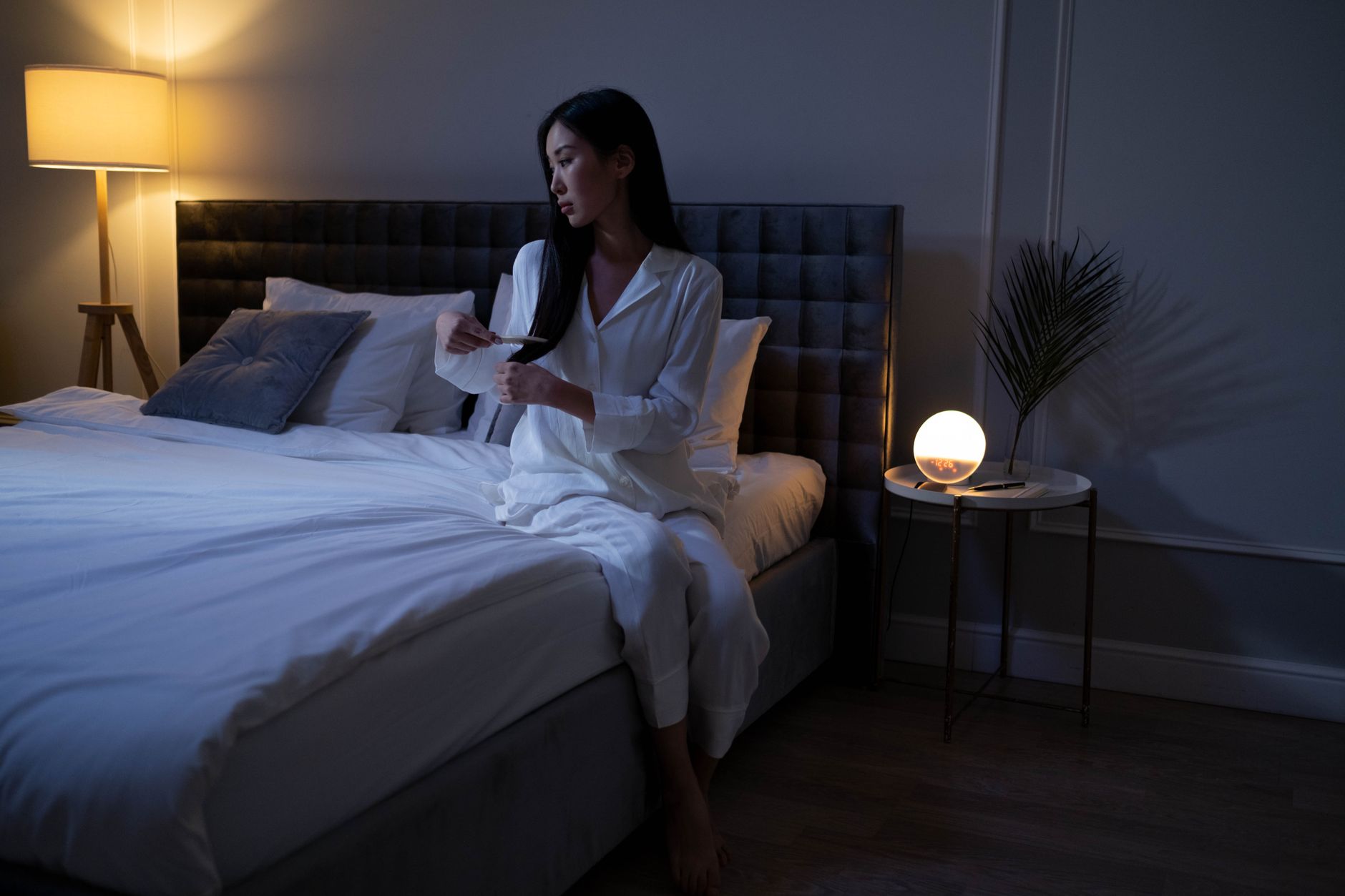
The right clothing choices can play a significant role in managing eczema, especially when it comes to reducing nighttime scratching. Eczema-prone skin is sensitive, and the wrong fabric or fit can exacerbate irritation and itching. This section will delve into the importance of soft, breathable fabrics, avoiding tight or scratchy clothing, and tips for layering without causing irritation.
The Importance of Soft, Breathable Fabrics
Fabrics you wear against your skin can either soothe or irritate eczema. Soft, breathable materials are crucial for reducing nighttime scratching and promoting better sleep. Here’s why:
- Reduced Irritation: Soft fabrics like cotton and bamboo are less likely to irritate sensitive skin. They provide a gentle touch that minimizes friction and potential scratching.
- Better Air Circulation: Breathable fabrics allow air to circulate more freely, which helps keep the skin cool and reduces sweating. Overheating can exacerbate itching, so keeping the skin at a comfortable temperature is vital.
- Moisture Management: Some fabrics, like merino wool, are excellent at wicking moisture away from the skin. This can be particularly beneficial for those who experience nighttime sweating.
When selecting pajamas or sleepwear, look for tags that indicate 100% cotton, bamboo, or other soft, natural fibers. Avoid synthetic materials like polyester, which can trap heat and moisture, leading to increased itching.
Avoiding Tight or Scratchy Clothing
Tight or scratchy clothing can aggravate eczema and lead to increased nighttime scratching. Here’s what to avoid and why:
- Tight Fits: Clothing that is too tight can rub against the skin, causing irritation. Opt for loose-fitting garments that allow your skin to breathe.
- Scratchy Materials: Fabrics like wool or rough cotton can feel itchy against sensitive skin. Always check the texture of the fabric before purchasing.
- Elastic and Tags: Elastic bands and tags can cause friction and irritation. Look for sleepwear with minimal seams and consider cutting out tags if they bother you.
Real-life example: Sarah, who has eczema, noticed that her itching worsened when she wore tight-fitting sleepwear. Switching to loose-fitting cotton pajamas made a significant difference in her sleep quality and reduced her nighttime scratching.
Tips for Layering Without Irritation
Layering can be a practical way to stay warm without overheating, but it requires careful consideration to avoid irritation. Here are some tips:
- Start with a Base Layer: Begin with a soft, breathable base layer made from cotton or bamboo. This layer should be comfortable against your skin.
- Add Loose Layers: If you need additional warmth, add loose-fitting layers on top. Avoid tight-fitting garments that could cause friction.
- Use a Lightweight Blanket: Instead of heavy, scratchy blankets, use a lightweight cotton or bamboo blanket. This allows for better air circulation while keeping you warm.
- Avoid Synthetic Materials: When layering, stick to natural fibers to minimize the risk of irritation. Synthetic materials can trap heat and moisture, leading to increased itching.
Decision point: If you live in a cold climate, consider using a sleepwear set designed specifically for eczema-prone skin. These sets often include a base layer and a loose outer layer, both made from soft, breathable materials.
In summary, the clothing you choose to wear at night can significantly impact your eczema and the urge to scratch. By opting for soft, breathable fabrics, avoiding tight or scratchy clothing, and layering carefully, you can create a more comfortable sleep environment that helps reduce nighttime scratching and promotes better sleep.
Behavioral Strategies to Prevent Scratching During Sleep
When dealing with eczema itch relief, it’s essential to address the behavioral aspects that contribute to nighttime scratching. Reducing the urge to scratch during sleep can significantly improve your comfort and skin condition. Here are some practical behavioral strategies to help you manage and reduce nighttime scratching eczema.
Distraction Techniques
Distraction can be an effective way to reduce the urge to scratch. Engaging your mind in other activities can help divert your attention away from the itch. Here are a few distraction techniques you can try:
- Reading: Choose a light, engaging book that captures your interest. This can help take your mind off the itching sensation.
- Listening to Music or Podcasts: Create a calming playlist or find a soothing podcast. Audio distractions can be particularly effective in reducing the focus on itching.
- Meditation Apps: Use guided meditation apps to help you relax and focus on your breath rather than the itch.
- Puzzles or Brain Games: Engage in puzzles or brain games on your phone or computer. These activities require concentration, helping you forget about the itch.
Mindfulness and Relaxation Practices
Mindfulness and relaxation practices can help you manage the stress and anxiety that often accompany eczema, which in turn can reduce the urge to scratch. Here are some practices to incorporate into your routine:
- Deep Breathing Exercises: Practice deep breathing techniques to calm your mind and body. Inhale deeply through your nose, hold for a few seconds, and exhale slowly through your mouth.
- Progressive Muscle Relaxation: This involves tensing and then slowly relaxing each muscle group in your body. It can help reduce overall tension and the urge to scratch.
- Yoga or Tai Chi: These practices combine physical movement with mindfulness, helping to reduce stress and promote relaxation.
- Guided Imagery: Visualize a peaceful scene, such as a beach or a forest, to help distract your mind from the itch.
Creating a Pre-Sleep Routine
Establishing a consistent pre-sleep routine can signal to your body that it’s time to wind down, making it easier to fall asleep and stay asleep. A well-structured routine can also incorporate strategies to reduce eczema itching. Here’s how to create an effective pre-sleep routine:
- Set a Regular Bedtime: Going to bed and waking up at the same time every day helps regulate your body’s internal clock.
- Limit Screen Time: Reduce exposure to screens (phones, tablets, computers, TVs) at least an hour before bed. The blue light emitted by screens can interfere with your sleep.
- Engage in Relaxing Activities: Take a warm bath, practice gentle stretching, or read a book. These activities can help relax your body and mind.
- Apply Moisturizers: As part of your nighttime skincare routine, apply a thick moisturizer to keep your skin hydrated throughout the night.
- Use Essential Oils: Consider using a diffuser with calming essential oils like lavender to promote relaxation and reduce stress.
Incorporating these behavioral strategies into your nighttime routine can significantly help in reducing the urge to scratch, leading to better sleep and improved skin condition. Remember, consistency is key. It may take some time to see results, but persistence with these techniques can lead to noticeable improvements in managing nighttime scratching eczema.
Medications and Treatments to Aid in Reducing Nighttime Scratching
When managing eczema, especially when aiming to reduce nighttime scratching, understanding the available medications and treatments is crucial. These options can significantly help in managing symptoms and improving sleep quality. This section will explore various types of medications, when to seek medical advice, and how to integrate these treatments with your skincare routine.
Types of Medications
Several types of medications can help manage eczema and reduce nighttime itching. These include topical treatments, oral medications, and injectables. Each has its role and benefits.
Topical Treatments
Topical treatments are often the first line of defense against eczema. They include:
- Corticosteroids: These anti-inflammatory creams or ointments reduce itching and inflammation. They are available in various strengths, from mild to very potent. For nighttime scratching, a mild to moderate strength may be sufficient.
- Calcineurin inhibitors: Such as tacrolimus and pimecrolimus, these medications suppress the immune system’s response that causes inflammation and itching. They are particularly useful for sensitive areas like the face and can be applied before bed.
- Emollients and moisturizers: While not medications per se, these are crucial in managing eczema. They help maintain the skin’s barrier and reduce itching. Using a thick, fragrance-free moisturizer before bed can be particularly beneficial.
Oral Medications
When topical treatments are insufficient, oral medications may be necessary. These include:
- Antihistamines: These can help reduce itching, especially if it’s allergy-related. Some antihistamines also have a sedative effect, which can aid in sleep.
- Immunomodulators: Medications like cyclosporine can be prescribed for severe cases of eczema. They work by suppressing the immune system to reduce inflammation and itching.
Injectables
For severe eczema that doesn’t respond to other treatments, injectable biologics may be an option. These target specific parts of the immune system involved in eczema.
When to Seek Medical Advice
It’s important to consult a healthcare professional if you’re struggling to manage your eczema symptoms, especially if they significantly impact your sleep. Signs that you should seek medical advice include:
- Severe or persistent itching that disrupts sleep
- Signs of infection, such as increased redness, swelling, or pus
- No improvement with over-the-counter treatments
- Side effects from current medications
A healthcare provider can offer personalized advice and may prescribe stronger medications or recommend additional treatments.
Integrating Treatments with Skincare Routines
Effectively managing eczema, especially to reduce nighttime scratching, involves integrating medications with a consistent skincare routine. Here’s how you can do it:
- Timing is key: Apply topical treatments as directed, often after a bath or shower when the skin is moist. This can enhance absorption and effectiveness.
- Layering products: Use emollients or moisturizers after applying topical medications to lock in moisture and further soothe the skin.
- Consistency: Stick to your treatment plan even when symptoms improve. Eczema is a chronic condition, and consistent care is essential to prevent flare-ups.
- Monitoring and adjusting: Keep track of what works and what doesn’t. If a particular treatment isn’t helping or causes side effects, discuss it with your healthcare provider.
Remember, while medications can be a vital part of managing eczema and reducing nighttime scratching, they work best when combined with a comprehensive eczema care plan that includes proper skincare, a soothing sleep environment, and behavioral strategies.
Diet and Lifestyle Changes to Support Eczema Management
Managing eczema involves more than just topical treatments and medications. Diet and lifestyle changes can play a significant role in reducing symptoms, including the urge to scratch at night. This section explores practical diet and lifestyle adjustments that can help you reduce nighttime scratching eczema and improve overall skin health.
Foods That May Trigger Eczema
Certain foods can exacerbate eczema symptoms, leading to increased itching and discomfort. While triggers can vary from person to person, some common culprits include:
- Dairy: Some individuals find that dairy products can worsen their eczema. Experimenting with dairy-free diets may help identify if this is a trigger for you.
- Gluten: For those with gluten sensitivities, consuming gluten can lead to increased inflammation and eczema flare-ups.
- Nuts and Seeds: These can be common allergens that trigger eczema symptoms in some people.
- Processed Foods: High levels of sugar, salt, and preservatives in processed foods can contribute to inflammation.
- Soy: Like dairy and gluten, soy can be a trigger for some individuals.
Keeping a food diary can help you identify specific triggers. Note what you eat and any changes in your eczema symptoms. This can provide valuable insights and help you make informed dietary choices to reduce eczema itching.
Importance of Hydration
Staying hydrated is crucial for maintaining healthy skin. Water helps to keep your skin moisturized from the inside out, which can reduce the urge to scratch. Aim to drink at least eight glasses of water a day. Additionally, incorporating hydrating foods like cucumbers, watermelon, and oranges into your diet can further support skin health.
Hydration is especially important at night. Drinking a glass of water before bed can help keep your skin hydrated throughout the night, potentially reducing nighttime scratching eczema.
Lifestyle Changes for Better Skin Health
Incorporating certain lifestyle changes can significantly impact your eczema management and help reduce nighttime scratching eczema.
- Stress Management: Stress can exacerbate eczema symptoms. Practices such as yoga, meditation, and deep-breathing exercises can help manage stress levels and improve skin health.
- Regular Exercise: Engaging in regular physical activity can improve circulation and reduce stress, both of which can help manage eczema symptoms. However, be mindful of your skin’s reaction to sweat and choose gentle, hydrating post-workout routines.
- Consistent Sleep Routine: Establishing a regular sleep schedule can help improve the quality of your sleep. Better sleep can lead to reduced stress and inflammation, which may reduce eczema itching.
- Avoiding Irritants: Be mindful of environmental irritants such as harsh detergents, strong perfumes, and smoke. These can aggravate eczema and increase the urge to scratch.
Making these diet and lifestyle changes can create a supportive environment for your skin, helping you reduce nighttime scratching eczema and improve your overall quality of life. Remember, it’s important to consult with a healthcare provider before making significant changes to your diet or lifestyle, especially if you have other health conditions.
Incorporating these changes doesn’t have to be overwhelming. Start with small, manageable steps and gradually build upon them. For example, begin by identifying and eliminating one potential food trigger at a time, or start a short meditation practice before bed to help manage stress. These small changes can add up and make a significant difference in your eczema management.

Tracking Your Progress and Adjusting Your Routine
Effectively managing nighttime scratching due to eczema involves more than just implementing a series of strategies. It requires ongoing observation, evaluation, and adaptation of your routine. This section will guide you through the process of tracking your progress and making informed adjustments to your nighttime routine to help reduce nighttime scratching eczema.
Keeping a Symptom Diary
One of the most practical steps you can take is to maintain a symptom diary. This simple tool can provide invaluable insights into your eczema patterns and the effectiveness of your strategies.
Here’s how to get started:
- Record Daily Symptoms: Note the severity of your itching and scratching each night. Use a scale from 1 to 10, where 1 is mild and 10 is severe.
- Track Triggers: Identify any potential triggers that may have contributed to your symptoms that day. This could include stress, certain foods, environmental factors, or changes in your skincare routine.
- Log Interventions: Document the specific strategies you used to manage your symptoms, such as moisturizers applied, clothing worn, or medications taken.
- Note Sleep Quality: Record how well you slept and whether you woke up due to itching.
By consistently recording this information, you’ll begin to see patterns emerge. For example, you might notice that your symptoms worsen after eating certain foods or when you skip your moisturizer routine.
Identifying Triggers
Understanding your triggers is crucial for managing eczema and reducing nighttime scratching. Triggers can vary widely from person to person, so it’s important to pay close attention to what affects you.
Common triggers include:
- Environmental Factors: Dry air, pollen, or pet dander can exacerbate eczema symptoms.
- Stress: Emotional stress can lead to increased itching and scratching.
- Diet: Certain foods, such as dairy or gluten, might trigger flare-ups in some individuals.
- Skincare Products: Harsh soaps or fragrances can irritate the skin.
Once you’ve identified potential triggers through your symptom diary, you can take steps to minimize exposure to these factors. For instance, if you notice that your symptoms worsen after using a certain lotion, try switching to a fragrance-free, hypoallergenic alternative.
Making Informed Adjustments
Based on the insights gained from your symptom diary and trigger identification, you can make informed adjustments to your nighttime routine. Here are some practical steps you can take:
- Modify Your Skincare Routine: If you find that your current moisturizer isn’t providing enough relief, consider trying a thicker, more occlusive option. Conversely, if you’re experiencing breakouts, you might need a lighter moisturizer.
- Adjust Your Environment: If dry air is a trigger, consider using a humidifier in your bedroom. If dust mites are an issue, invest in allergen-proof covers for your pillows and mattress.
- Incorporate Stress-Relief Techniques: If stress is a significant trigger, incorporate relaxation techniques into your evening routine, such as meditation, deep breathing exercises, or gentle yoga.
- Experiment with Clothing: If certain fabrics irritate your skin, try wearing 100% cotton pajamas or sleepwear made from soft, breathable materials.
It’s important to approach these adjustments with a trial-and-error mindset. What works for one person may not work for another, and it might take some time to find the combination of strategies that best reduces nighttime scratching eczema for you.
For example, Sarah, a 35-year-old eczema sufferer, noticed through her symptom diary that her itching worsened on nights when she ate spicy food. By eliminating spicy foods from her diet in the evenings, she experienced a significant reduction in nighttime scratching. Similarly, John found that using a humidifier in his bedroom helped to keep his skin moisturized and reduced his urge to scratch.
Remember, managing eczema is an ongoing process. Regularly reviewing your symptom diary and being willing to make adjustments to your routine will help you find the most effective strategies to reduce nighttime scratching eczema and improve your overall quality of life.
Reducing everyday irritation without overcomplicating care
Managing eczema is a daily challenge that requires a balance between effective care and simplicity. Overcomplicating your routine can lead to frustration and inconsistency, which may worsen your symptoms. Here, we offer simple practical steps and reader-friendly troubleshooting to help you reduce nighttime scratching eczema without making your skin worse.
Simple Practical Steps
Incorporating straightforward, manageable steps into your daily routine can significantly help in reducing nighttime scratching eczema. These steps focus on minimizing irritation and promoting skin health.
- Consistent Moisturizing: Apply moisturizers regularly, especially after bathing and before bed. Look for fragrance-free, hypoallergenic options to avoid additional irritation.
- Gentle Skin Care: Use mild, eczema-friendly soaps and detergents. Avoid hot water when bathing, as it can strip the skin of natural oils.
- Avoid Triggers: Identify and minimize exposure to common eczema triggers such as certain fabrics, allergens, and environmental factors.
- Healthy Diet: Incorporate anti-inflammatory foods into your diet, such as omega-3 fatty acids found in fish, flaxseeds, and walnuts.
- Stay Hydrated: Drink plenty of water to keep your skin hydrated from the inside out.
Reader-Friendly Troubleshooting
Even with the best intentions, challenges can arise. Here are some common issues and how to address them:
- Itch Flare-Ups: If you experience sudden itching, try applying a cool compress to the affected area. Keeping a journal of when and where itching occurs can help identify patterns and triggers.
- Dry Skin: If your skin feels excessively dry, consider increasing the frequency of your moisturizing routine. Using a humidifier in your bedroom can also help maintain skin hydration.
- Sleep Disruption: If scratching is disrupting your sleep, try wearing cotton gloves to bed. This can prevent you from scratching without waking up.
- Clothing Irritation: If certain fabrics cause irritation, switch to soft, breathable materials like cotton. Avoid wool and synthetic fabrics that can exacerbate symptoms.
When to Speak with a Healthcare Professional
While many eczema management strategies can be handled at home, there are times when professional advice is necessary. Consider reaching out to a healthcare provider if:
- Symptoms Worsen: If your eczema symptoms become more severe despite your efforts, it may be time to consult a dermatologist.
- New Symptoms Appear: Any new or unusual symptoms should be evaluated by a professional to rule out other conditions.
- Medication Concerns: If you have questions or concerns about your current medications, a healthcare provider can offer guidance and adjustments.
- Emotional Impact: Eczema can take a toll on your mental health. If you find yourself feeling overwhelmed or depressed, seek support from a mental health professional.
By following these simple practical steps and knowing when to seek professional help, you can effectively manage your eczema and reduce nighttime scratching without overcomplicating your care routine. Remember, consistency and patience are key in finding what works best for you.
Common Mistakes to Avoid When Managing Nighttime Eczema
Managing nighttime scratching due to eczema requires careful consideration and informed choices. Despite your best efforts, certain common mistakes can inadvertently worsen your symptoms and disrupt your sleep. Recognizing and avoiding these pitfalls is essential for effective eczema itch relief and better nighttime eczema care.
Using Harsh Soaps
One of the most frequent mistakes people make is using harsh soaps or cleansers. While it may seem logical to scrub away the itch, many soaps contain irritants that can strip your skin of its natural oils, leading to increased dryness and itchiness.
Instead, opt for gentle, fragrance-free cleansers specifically designed for sensitive skin. Look for products labeled as “eczema-friendly” or recommended by dermatologists. These cleansers are formulated to maintain your skin’s natural barrier while effectively cleaning.
For example, a person with eczema might find that switching from a popular bar soap to a mild, moisturizing cleanser makes a significant difference in their nighttime itching. This simple change can help reduce eczema itching and improve overall skin comfort.
Over-Moisturizing
While moisturizing is crucial for eczema skin care, over-moisturizing can lead to problems. Applying too much moisturizer can create a slippery surface that might feel uncomfortable and even lead to increased friction, potentially worsening the itch.
The key is to find the right balance. Apply a sufficient amount of moisturizer to keep your skin hydrated without making it overly slick. Using a thick, ointment-based moisturizer at night can provide long-lasting hydration without the excess greasiness.
Imagine someone who applies a heavy layer of lotion before bed, only to wake up with a greasy feeling and persistent itching. By switching to a thicker, ointment-based moisturizer and applying a moderate amount, they might find their skin feels more comfortable and the urge to scratch is reduced.
Neglecting Medical Advice
Another significant mistake is neglecting medical advice and prescribed treatments. While natural remedies and home care are valuable, they should complement, not replace, professional medical guidance.
If your healthcare provider has prescribed a topical steroid or another medication to manage your eczema, it’s important to use it as directed. Skipping doses or stopping treatment prematurely can lead to a flare-up of symptoms, making it harder to reduce nighttime scratching eczema.
Consider the case of someone who stops using their prescribed eczema cream because they believe it’s not working. By consistently following their healthcare provider’s instructions and communicating any concerns, they might find better control over their symptoms and less nighttime itching.
Practical Steps to Avoid These Mistakes
- Read Labels Carefully: When choosing skincare products, read the labels to ensure they are free from potential irritants like fragrances, dyes, and alcohol.
- Test New Products: Before fully incorporating a new product into your routine, test it on a small area of your skin to ensure it doesn’t cause irritation.
- Follow Prescribed Treatments: Adhere to your healthcare provider’s recommendations for medications and treatments. If you have concerns about your treatment plan, discuss them with your provider rather than making changes on your own.
- Maintain a Consistent Routine: Consistency is key in managing eczema. Stick to a regular nighttime skincare routine to help keep your skin in the best possible condition.
By avoiding these common mistakes, you can enhance your efforts to reduce nighttime scratching eczema and achieve better itch management. Remember, the goal is to create a balanced and effective nighttime routine that supports your skin’s health and minimizes discomfort.
Frequently asked questions
What are the best moisturizers for nighttime eczema care?
To reduce nighttime scratching from eczema, using the right moisturizers is crucial. Look for products that are fragrance-free, hypoallergenic, and specifically designed for sensitive skin. Creams and ointments are often more effective than lotions because they provide a thicker barrier to lock in moisture. Some recommended options include ceramide-based creams, petroleum jelly, and products containing ingredients like colloidal oatmeal or shea butter. Applying a generous amount before bed can help keep your skin hydrated throughout the night, reducing the urge to scratch.
How can I create a calming sleep environment for eczema?
Creating a soothing sleep environment can significantly help in reducing nighttime scratching from eczema. Start by keeping your bedroom cool and well-ventilated, as heat can exacerbate itching. Use a humidifier to maintain optimal humidity levels, which can prevent your skin from becoming too dry. Choose soft, breathable fabrics for your bedding, such as cotton or bamboo, and consider using silk pillowcases to reduce friction against your skin. Additionally, dimming the lights and playing soft, relaxing music can help you unwind and fall asleep more easily.
Are there any foods I should avoid to reduce eczema symptoms?
While food triggers can vary from person to person, some common culprits that may exacerbate eczema symptoms include dairy, eggs, nuts, and gluten. Keeping a food diary can help you identify any potential triggers in your diet. Additionally, incorporating anti-inflammatory foods like fatty fish, fruits, vegetables, and whole grains may help reduce inflammation and improve your skin’s condition. Always consult with a healthcare provider before making significant changes to your diet.
What medications can help reduce nighttime itching from eczema?
Several medications can help alleviate nighttime itching from eczema. Over-the-counter options include antihistamines, which can reduce itching and promote better sleep. Prescription medications, such as topical corticosteroids or calcineurin inhibitors, may be recommended by a healthcare provider for more severe cases. In some instances, oral medications like immunosuppressants or biologics might be prescribed. It’s important to consult with a healthcare provider to determine the best treatment plan for your specific needs.
How can I track my eczema symptoms effectively?
Tracking your eczema symptoms can provide valuable insights into your condition and help identify patterns or triggers. Keep a symptom diary where you note the date, time, severity of itching, any scratching episodes, and any potential triggers you encountered that day. Additionally, record any changes in your environment, diet, or medications. This information can be discussed with your healthcare provider to develop a more effective management plan. Using apps designed for tracking eczema can also make this process easier and more organized.
What are some behavioral techniques to prevent scratching at night?
Incorporating behavioral techniques can help you reduce nighttime scratching from eczema. Practice relaxation methods such as deep breathing, meditation, or progressive muscle relaxation before bed to calm your mind and body. Distract yourself with a soothing activity, like reading a book or listening to calming music, to take your mind off the itching. Wearing cotton gloves or using anti-scratch sleeves can physically prevent you from scratching in your sleep. Establishing a consistent bedtime routine can also signal your body that it’s time to wind down and sleep.
Use MyEczema.app to track your eczema patterns and daily triggers.
This article is for educational purposes only and is not medical advice. If symptoms are severe, spreading, painful, infected-looking, or affecting sleep and daily life, speak with a qualified healthcare professional.
Sources and further reading
For medical guidance, always rely on a qualified healthcare professional. These educational resources may help readers learn more:
Image credit: Photo by Los Muertos Crew on Pexels. Used under the Pexels License.
Image credit: Photo by cottonbro studio on Pexels. Used under the Pexels License.
Image credit: Photo by Yaroslav Shuraev on Pexels. Used under the Pexels License.