
MyEczema.app guide
Moisturizing Makes Eczema Redder: Practical Guide
moisturizing makes eczema redder: Learn why moisturizing can temporarily make eczema flares appear redder and how to manage this effect.
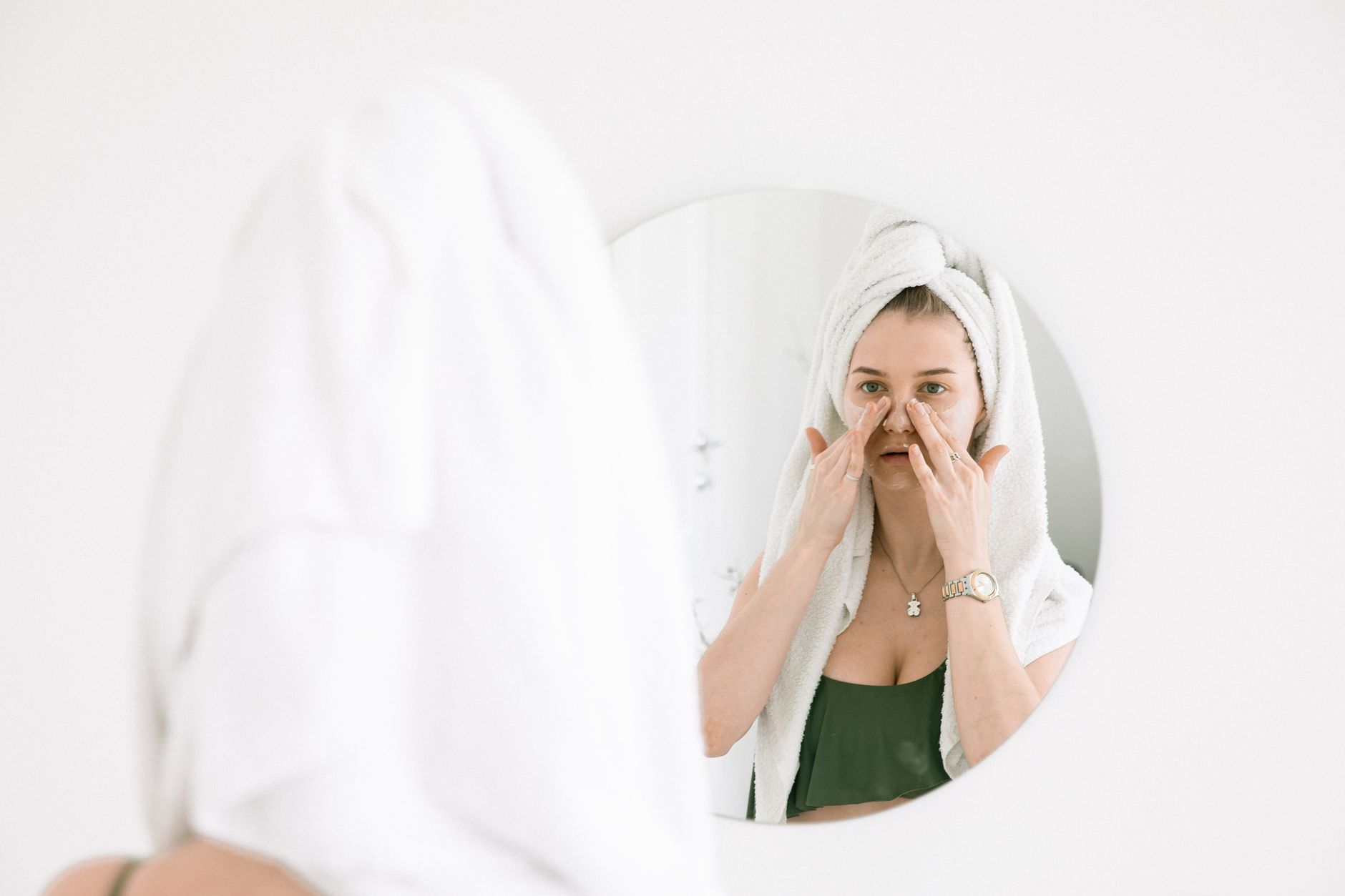
Table of contents
Use this guide as a practical reference and jump to the sections most relevant to you.
- Quick answer
- Key takeaways
- Practical comparison table
- Visual chart
- Related MyEczema.app tool
- Understanding Eczema and Its Flares
- The Role of Moisturizers in Eczema Care
- Why Moisturizing Can Initially Make Flares Redder
- Choosing the Right Moisturizer for Eczema
- Proper Application Techniques to Minimize Redness
- Gradually Introducing Moisturizers to Your Routine
- Complementary Treatments to Use Alongside Moisturizers
- Lifestyle Adjustments to Support Eczema Management
- When to Seek Professional Help for Eczema
- Real-Life Stories: Managing Redness with Moisturizers
- Frequently asked questions
- Sources and further reading
Moisturizing is a cornerstone of eczema management. Yet, it’s not uncommon for individuals to notice that their skin appears redder after applying moisturizer, especially during a flare-up. This phenomenon can be confusing and concerning, but understanding why it happens can help you manage it more effectively. In this article, we will delve into the reasons why moisturizing can sometimes make eczema appear redder and provide practical tips to navigate this challenge.
Eczema-prone skin is often sensitive and easily irritated. The skin barrier is compromised, making it more susceptible to external irritants and changes in climate. Cleansing habits, exposure to allergens, and individual triggers can all exacerbate eczema symptoms. Moisturizing is essential to restore the skin barrier and retain hydration, but it can sometimes lead to temporary redness. This article will explore the specific reasons behind this reaction and offer guidance on how to minimize its occurrence.
If you’ve ever wondered why your eczema seems to get redder after applying moisturizer, you’re not alone. Many people experience this and may feel discouraged about continuing their moisturizing routine. However, with the right approach and understanding, you can effectively manage this issue and continue to benefit from the protective effects of moisturizers. Let’s dive into the details of why this happens and what you can do about it.
Quick answer
Moisturizing can temporarily increase redness in eczema flares due to skin barrier reactions and increased blood flow. Understanding this can help manage the effect.
Key takeaways
- Moisturizing can initially increase redness due to skin barrier reactions.
- Increased blood flow from inflammation can make redness more noticeable.
- Choosing the right moisturizer and application technique is crucial.
- Gradual introduction of moisturizers can help minimize redness.
- Consulting a dermatologist can provide personalized advice for managing eczema.
Managing Redness from Moisturizers
| Situation | What it may mean | Practical next step |
|---|---|---|
| New moisturizer causes immediate redness | Possible allergic reaction or irritant | Discontinue use and consult a dermatologist |
| Redness appears after a few applications | Skin adjusting to new product | Continue use and monitor for improvement |
| Redness persists for several days | Possible sensitivity or incorrect product | Switch to a different moisturizer and observe |
| Redness accompanied by itching or swelling | Severe allergic reaction | Seek immediate medical attention |
| Redness reduces with continued use | Skin adapting to moisturizer | Continue use as directed |
Related MyEczema.app tool
Use the Eczema Skincare Routine Planner
The Eczema Skincare Routine Planner helps users organize morning, daytime, and evening routine steps for eczema-prone skin.
For this topic, this tool can help you organize information in a more structured way and turn daily observations into clearer patterns to review over time.
Understanding Eczema and Its Flares
Eczema, also known as atopic dermatitis, is a chronic skin condition characterized by inflamed, itchy, and often broken skin. It affects people of all ages, though it often begins in childhood. The symptoms can range from mild to severe, and they tend to come and go in cycles known as flares.
Definition of Eczema
Eczema is primarily a dysfunction of the skin barrier. This barrier is responsible for keeping moisture in and irritants out. When the barrier is compromised, the skin becomes dry, sensitive, and prone to inflammation. Eczema manifests as red, itchy patches that can appear anywhere on the body but are commonly found on the hands, feet, ankles, neck, and inside the elbows and knees.
Causes of Flares
Flares can be triggered by a variety of factors, including environmental allergens, stress, certain fabrics, and even specific foods. When a flare occurs, the skin becomes more inflamed and irritated. This is where the role of moisturizing becomes crucial, yet sometimes perplexing.
Importance of Moisturizing
Moisturizing is a cornerstone of eczema care. It helps to hydrate the skin, repair the skin barrier, and reduce itching and inflammation. However, some individuals notice that applying moisturizer during a flare can initially make the redness and irritation appear worse. Understanding why this happens is key to managing eczema effectively.
The Initial Redness: A Closer Look
When you apply moisturizer to inflamed eczema-prone skin, you might notice an increase in redness. This can be disconcerting, especially if you’re aiming to soothe your skin. But what’s actually happening?
Firstly, it’s important to understand that eczema-prone skin is highly sensitive. The compromised skin barrier allows external substances to penetrate more easily, which can cause a temporary increase in inflammation. This is often referred to as a “stinging” sensation. The redness you see is a sign that your skin is reacting to the moisturizer.
Hydration and the Skin Barrier
Moisturizers work by providing hydration and creating a protective layer over the skin. This helps to lock in moisture and prevent further water loss. However, during a flare, the skin is already inflamed and may react more strongly to these ingredients. The increased blood flow to the area can make the redness more pronounced.
It’s also worth noting that some moisturizers contain ingredients that can cause a temporary flare in sensitivity. For example, certain fragrances, preservatives, or even natural oils can irritate the skin. If you notice that your eczema gets redder after moisturizing, it might be worth trying a different product.
Practical Steps to Minimize Redness
If you find that moisturizing makes your eczema redder, there are several steps you can take to minimize this effect:
- Choose the Right Moisturizer: Opt for fragrance-free, hypoallergenic moisturizers. Look for products specifically designed for sensitive skin or those recommended by dermatologists.
- Patch Test New Products: Before applying a new moisturizer all over your body, do a patch test on a small area of skin to see how it reacts.
- Apply Moisturizer When Skin is Calm: If possible, apply moisturizer when your skin is not actively flaring. This can help reduce the initial redness and irritation.
- Use Lukewarm Water: When washing your skin, use lukewarm water instead of hot water, which can strip the skin of its natural oils.
- Moisturize Immediately After Bathing: Apply moisturizer within three minutes of getting out of the bath or shower to lock in moisture.
Real-Life Example
Consider Jane, who has eczema on her arms and legs. During a flare, she noticed that her skin became extremely red and itchy. When she applied her usual moisturizer, the redness seemed to worsen. After consulting with a dermatologist, Jane switched to a fragrance-free, hypoallergenic moisturizer and started applying it when her skin was less inflamed. Over time, she noticed a significant reduction in the initial redness and found that her skin felt more soothed.
Decision Points
When dealing with eczema, it’s essential to make informed decisions about your skincare routine. If you find that moisturizing makes your eczema redder, don’t be discouraged. Experiment with different products and application techniques. Keep a journal of what works and what doesn’t, and consult with a healthcare professional if needed.
Remember, the goal of moisturizing is to hydrate and protect your skin, even if it appears redder initially. With patience and the right approach, you can find a routine that helps manage your eczema effectively.
The Role of Moisturizers in Eczema Care
Moisturizers are a cornerstone of eczema care. They help to hydrate the skin, repair the skin barrier, and reduce inflammation. Understanding why moisturizing makes eczema redder sometimes is essential for effective management.
Benefits of Moisturizing
The primary benefit of using moisturizers in eczema care is their ability to hydrate the skin. Eczema often results in dry, itchy skin, and moisturizers can provide much-needed relief. They work by locking in moisture, creating a protective barrier that prevents water loss and shields the skin from irritants.
Moisturizers also help to repair the skin barrier. A compromised skin barrier is a hallmark of eczema, making the skin more susceptible to irritants and allergens. Regular use of moisturizers can strengthen this barrier, reducing the frequency and severity of flares.
Additionally, moisturizers can reduce inflammation. Many moisturizers contain ingredients that have anti-inflammatory properties, which can help calm irritated skin and reduce redness and itching.
Types of Moisturizers
There are several types of moisturizers available, each with its own set of benefits. The most common types include:
- Lotions: These are light and easy to apply but may not provide as much hydration as other types.
- Creams: Creams are thicker than lotions and provide more hydration. They are a good choice for moderate eczema.
- Ointments: Ointments are the thickest and most hydrating. They are ideal for severe eczema but can be greasy.
- Gels: Gels are lightweight and often used for sensitive or oily skin. They can be cooling and soothing.
It’s important to choose a moisturizer that suits your skin type and the severity of your eczema. For some, a simple, fragrance-free lotion may be sufficient, while others may need a heavier ointment.
Common Misconceptions
One common misconception is that all moisturizers are the same. In reality, the effectiveness of a moisturizer can vary widely depending on its ingredients and formulation. Some moisturizers may contain fragrances or other additives that can irritate the skin, making eczema worse.
Another misconception is that you should only moisturize when your skin is dry. In fact, regular moisturizing is crucial, even when your skin appears normal. This helps to maintain the skin barrier and prevent flares.
Some people believe that moisturizing makes eczema redder because it’s causing an allergic reaction. While it’s true that some individuals may be allergic to certain ingredients in moisturizers, this is relatively rare. More commonly, the redness is a temporary reaction as the skin adjusts to the increased hydration.
Why Moisturizing Makes Eczema Redder
When you apply a moisturizer to eczema-prone skin, you might notice that the area becomes redder for a short period. This can be disconcerting, but it’s usually a normal part of the healing process.
One reason for this temporary redness is the increased blood flow to the area. When you moisturize, your skin absorbs the ingredients, which can cause blood vessels to dilate. This increased blood flow can make the skin appear redder.
Another reason is the hydration effect. Dry skin can appear pale or dull, and as it becomes hydrated, it may look redder. This is a sign that the moisturizer is working to restore the skin’s natural moisture balance.
Additionally, some moisturizers contain active ingredients that can cause a mild stinging or burning sensation. This is usually temporary and indicates that the moisturizer is penetrating the skin and working to repair the barrier.
Practical Steps to Minimize Redness
If you find that moisturizing makes your eczema redder, there are several steps you can take to minimize this effect:
- Patch Test: Before applying a new moisturizer all over your body, do a patch test on a small area of skin. This can help you identify any potential irritants.
- Choose the Right Moisturizer: Opt for fragrance-free, hypoallergenic moisturizers. Look for products specifically designed for sensitive or eczema-prone skin.
- Apply Gently: Use a gentle, patting motion to apply the moisturizer rather than rubbing it in. This can reduce irritation.
- Layering: If you’re using a moisturizer with active ingredients, consider layering it with a simple, fragrance-free lotion to reduce the intensity of the active ingredients.
- Consistency: Regular, consistent moisturizing is key. Don’t skip days, even if your skin looks fine. This helps maintain the skin barrier and reduces the likelihood of flares.
Remember, moisturizing is a crucial part of eczema care. While it may cause temporary redness, this is often a sign that the moisturizer is working to hydrate and repair your skin. With the right approach, you can minimize this effect and enjoy the long-term benefits of a well-moisturized skin barrier.
Why Moisturizing Can Initially Make Flares Redder
When you apply a moisturizer to an eczema flare, you might notice that the area appears redder for a while. This can be concerning, but it’s important to understand what’s happening beneath the surface of your skin. Let’s dive into the science behind why moisturizing makes eczema redder initially and what you can do about it.
Skin Barrier Reaction
Eczema compromises the skin’s natural barrier, making it more sensitive and reactive. When you apply a moisturizer, especially if it contains certain ingredients or is applied in large amounts, your skin may react. This reaction can cause temporary redness as the skin barrier attempts to adapt to the new substance.
Think of your skin barrier like a damaged wall. When you start repairing it with moisturizer, the wall may seem unstable for a short period. This instability can manifest as redness or increased sensitivity.
Increased Blood Flow
Applying a moisturizer can also lead to increased blood flow to the affected area. This is a natural response as your body tries to heal and protect the skin. Increased blood flow can make the area appear redder, even if the moisturizer itself isn’t causing direct irritation.
Imagine you have a small cut on your finger. When you clean and dress the wound, you might notice it looks redder for a while. This is because blood is rushing to the area to aid in the healing process. Similarly, your skin reacts to moisturizers by increasing blood flow to help repair the damaged barrier.
Inflammatory Response
Eczema is characterized by inflammation. When you apply a moisturizer, especially if it contains active ingredients or if your skin is particularly sensitive, it can trigger a mild inflammatory response. This inflammation can cause the skin to appear redder as your immune system reacts to the new substance.
For example, if you have sensitive skin and use a moisturizer with fragrances or certain preservatives, your skin might react with increased redness. This is your body’s way of signaling that it’s trying to manage the new input.
Practical Steps to Minimize Initial Redness
While initial redness after applying a moisturizer is common, there are steps you can take to minimize this reaction:
- Patch Test New Products: Before applying a new moisturizer to a large area, do a patch test on a small section of skin. This can help you identify any potential irritants before widespread application.
- Choose Gentle Ingredients: Opt for moisturizers with simple, gentle ingredients. Look for products labeled “fragrance-free,” “hypoallergenic,” and “for sensitive skin.”
- Apply in Thin Layers: Instead of applying a thick layer of moisturizer, start with a thin layer. You can always add more if needed, but this approach reduces the likelihood of overwhelming your skin.
- Use Lukewarm Water: When cleansing your skin before applying moisturizer, use lukewarm water instead of hot water. Hot water can strip the skin of its natural oils, making it more reactive.
- Be Patient: Give your skin time to adjust to the moisturizer. Initial redness might subside after a few applications as your skin becomes accustomed to the product.
Remember, moisturizing makes eczema redder initially for many people, but this is often a temporary reaction. By understanding the science behind it and taking practical steps, you can manage this response effectively.
If you continue to experience significant redness or discomfort after moisturizing, it may be helpful to consult a dermatologist. They can provide personalized recommendations and ensure that your eczema care plan is tailored to your specific needs.
Choosing the Right Moisturizer for Eczema
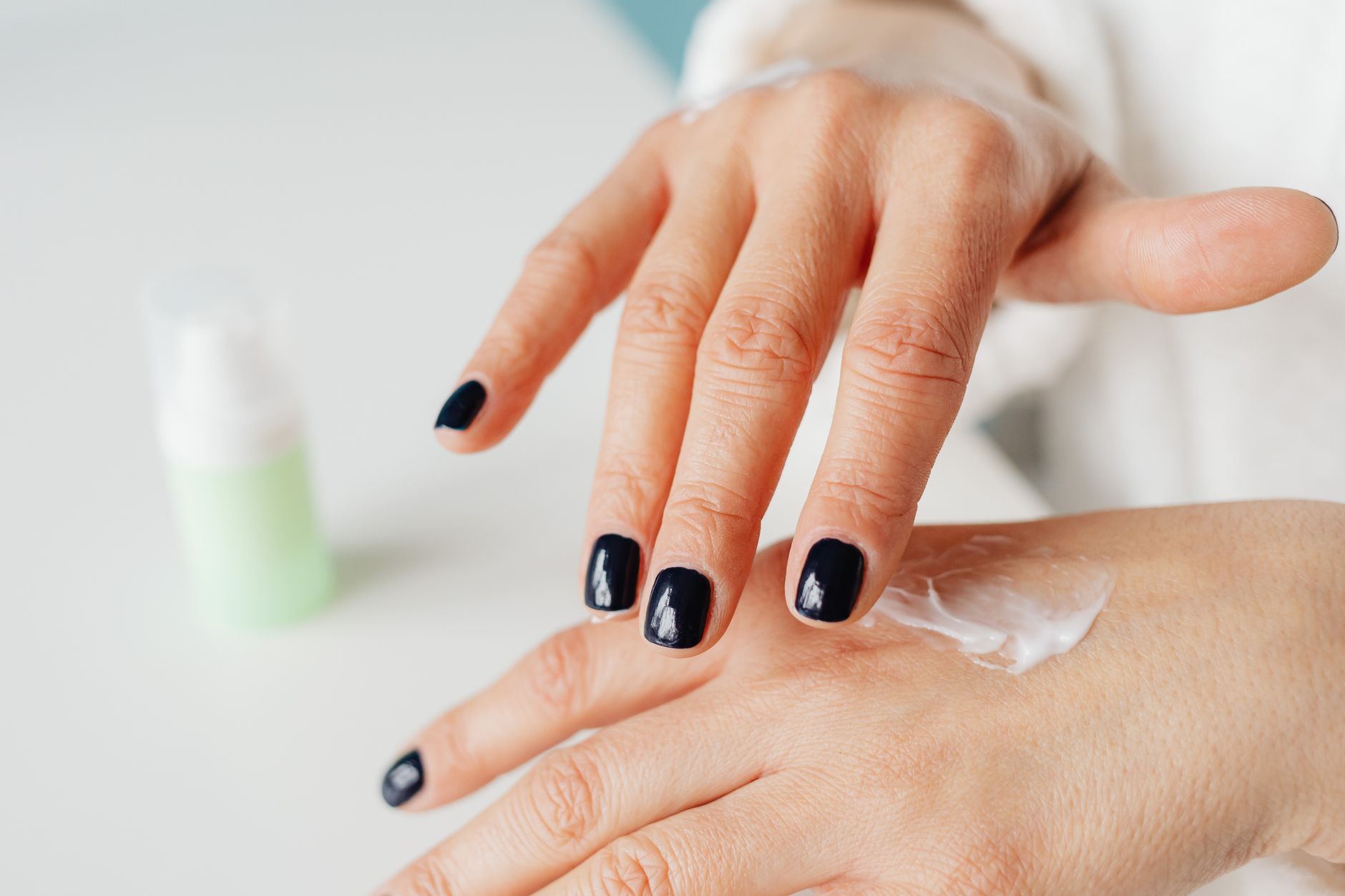
When dealing with eczema, finding the right moisturizer is crucial. The right product can help soothe irritated skin, support the skin barrier, and reduce the frequency of flares. However, it’s essential to understand that moisturizing makes eczema redder temporarily for some people. This section will guide you through selecting an effective moisturizer, focusing on ingredients to look for, avoiding irritants, and providing some product recommendations.
Ingredients to Look For
Choosing a moisturizer with the right ingredients can make a significant difference in managing eczema. Here are some key components to consider:
- Ceramides: These lipids are vital for maintaining the skin barrier. They help lock in moisture and protect the skin from external irritants.
- Hyaluronic Acid: This humectant attracts moisture to the skin, helping to keep it hydrated.
- Glycerin: Another humectant, glycerin draws moisture from the environment into the skin, enhancing hydration.
- Aloe Vera: Known for its soothing properties, aloe vera can help calm irritated skin.
- Colloidal Oatmeal: This ingredient helps relieve itching and inflammation while providing moisture.
- Niacinamide: This form of vitamin B3 can help strengthen the skin barrier and reduce inflammation.
Avoiding Irritants
Even the best moisturizers can cause issues if they contain irritants. People with eczema often have sensitive skin, making it essential to avoid certain ingredients that can trigger a flare-up. Here are some common irritants to watch out for:
- Fragrances: Both natural and synthetic fragrances can irritate the skin. Opt for fragrance-free products whenever possible.
- Dyes: Colored moisturizers may contain dyes that can cause irritation. Stick to white or off-white products.
- Alcohol: Some moisturizers contain alcohol, which can be drying and irritating to the skin.
- Parabens: These preservatives can cause allergic reactions in some individuals.
- SLS (Sodium Lauryl Sulfate): Though more commonly found in cleansers, some moisturizers may contain this ingredient, which can be irritating.
When in doubt, look for products labeled “eczema-friendly” or “for sensitive skin.”
Product Recommendations
Here are some moisturizer recommendations that are generally well-tolerated by those with eczema:
- Cetaphil Moisturizing Cream: This fragrance-free cream is gentle and effective for dry, sensitive skin.
- Vanicream Moisturizing Skin Cream: Free from dyes, fragrances, and parabens, this cream is a popular choice for eczema-prone skin.
- Aveeno Skin Relief Moisturizing Cream: Contains colloidal oatmeal to soothe and hydrate the skin.
- Eucerin Eczema Relief Cream: Formulated with ceramides to help restore the skin barrier.
- First Aid Beauty Ultra Repair Cream: Rich in ceramides and other hydrating ingredients, this cream is great for intense moisture.
It’s important to note that what works for one person may not work for another. It might take some trial and error to find the perfect moisturizer for your skin. Start with a small amount and apply it to a small area to see how your skin reacts before using it more broadly.
In summary, selecting the right moisturizer involves looking for beneficial ingredients, avoiding potential irritants, and trying out different products to see what works best for your skin. Remember, even though moisturizing makes eczema redder temporarily for some, consistent use of the right moisturizer can lead to improved skin health and fewer flares in the long run.
Proper Application Techniques to Minimize Redness
When dealing with eczema, the way you apply moisturizer can make a big difference. Proper application techniques can help minimize the initial redness that sometimes occurs when moisturizing makes eczema redder. Let’s dive into step-by-step application, timing, and common mistakes to avoid.
Step-by-Step Application
Applying moisturizer correctly can significantly impact how your skin reacts. Follow these steps for the best results:
- Cleanse Gently: Before applying moisturizer, gently cleanse the affected area with a mild, fragrance-free cleanser. Pat the skin dry with a soft towel.
- Apply Immediately After Bathing: Moisturize your skin while it’s still slightly damp. This helps lock in hydration.
- Use Enough Product: Apply a generous amount of moisturizer. A little goes a long way, but you need enough to cover the entire affected area thoroughly.
- Massage Gently: Use gentle, circular motions to massage the moisturizer into your skin. Avoid rubbing too hard, as this can irritate the skin.
- Reapply as Needed: Depending on the severity of your eczema, you may need to reapply moisturizer several times a day. Keep a travel-size bottle handy for on-the-go applications.
Timing of Application
The timing of when you apply your moisturizer can influence how your skin reacts. Here are some tips on the best times to moisturize:
- After Bathing: As mentioned, applying moisturizer immediately after bathing is crucial. This practice helps seal in moisture while your skin is still damp.
- Before Bed: Moisturize before bedtime to keep your skin hydrated throughout the night. This can help reduce itching and discomfort that may wake you up.
- After Washing Hands: If you have eczema on your hands, make sure to moisturize them after washing. Use a fragrance-free hand cream for best results.
- Throughout the Day: Keep an eye on your skin throughout the day. If you notice it feeling dry or itchy, reapply your moisturizer.
Common Mistakes to Avoid
Even with the best intentions, there are common mistakes people make when applying moisturizer that can lead to increased redness and irritation. Here’s what to avoid:
- Using Too Little Product: Skimping on moisturizer won’t provide the hydration your skin needs. Make sure to use enough to cover the affected areas completely.
- Rubbing Too Hard: Vigorous rubbing can irritate your skin and make redness worse. Always use gentle, circular motions.
- Waiting Too Long After Bathing: If you wait too long after bathing to apply moisturizer, your skin may lose the beneficial moisture it absorbed during your bath.
- Choosing the Wrong Product: Not all moisturizers are created equal. Make sure you’re using a product specifically designed for eczema-prone skin.
- Ignoring Ingredients: Some moisturizers contain fragrances, dyes, or other potential irritants. Always check the ingredient list and avoid products with known irritants.
By following these proper application techniques, you can help minimize the redness that sometimes occurs when moisturizing makes eczema redder. Remember, patience and consistency are key. It may take some time to find the right routine that works best for your skin.
Gradually Introducing Moisturizers to Your Routine
One of the most effective ways to manage eczema is through consistent moisturizing. However, if you’ve noticed that moisturizing makes eczema redder initially, you’re not alone. This temporary redness can be concerning, but understanding why it happens and how to manage it can make a big difference in your eczema care routine.
To avoid exacerbating redness when you start using a new moisturizer, it’s important to introduce it gradually. This approach allows your skin to adjust without overwhelming it, helping to minimize the initial redness that can occur.
Start with Small Amounts
When you begin using a new moisturizer, especially if you have sensitive skin, start with a very small amount. Apply just a pea-sized drop to a small area of affected skin. This minimal application helps you gauge your skin’s reaction without risking a widespread flare-up.
For example, if you’re trying a new cream, apply it to a small patch on your forearm or behind your knee. Wait to see how your skin reacts over the next 24 to 48 hours. If there’s no adverse reaction, you can slowly increase the amount you use.
Monitor Skin Reaction
After applying a small amount of moisturizer, keep a close eye on your skin. Look for any signs of increased redness, itching, or irritation. If you notice any adverse reactions, discontinue use immediately and consult with a healthcare professional.
If your skin tolerates the moisturizer well, you can gradually increase the amount you apply. Continue to monitor your skin each time you increase the dosage to ensure there are no negative reactions.
Adjusting Frequency
In addition to adjusting the amount of moisturizer you use, you may also need to adjust how often you apply it. If moisturizing makes eczema redder, you might start by applying the moisturizer once a day instead of multiple times.
For instance, begin with a single application in the evening after a bath or shower when your skin is still slightly damp. This can help lock in moisture without overloading your skin. As your skin becomes more accustomed to the moisturizer, you can slowly increase the frequency to twice a day if needed.
Practical Steps for Gradual Introduction
- Step 1: Choose a moisturizer recommended for eczema-prone skin. Ensure it is fragrance-free and hypoallergenic.
- Step 2: Apply a pea-sized amount to a small, inconspicuous area.
- Step 3: Wait 24-48 hours to check for any adverse reactions.
- Step 4: If no reaction occurs, gradually increase the amount applied.
- Step 5: Start with one application per day, then increase to twice daily if your skin tolerates it.
By taking these careful steps, you can effectively introduce a new moisturizer into your routine without causing your eczema to become redder. Remember, patience is key. Your skin needs time to adjust, and gradual introduction can help you find the right balance for your eczema care.
In summary, the goal is to find a moisturizer that works well with your skin without causing unnecessary redness or irritation. This process may take some time, but the effort is worth it for long-term eczema management.
Complementary Treatments to Use Alongside Moisturizers
When dealing with eczema, moisturizing is a crucial part of your routine. However, it’s equally important to understand that moisturizers alone might not always suffice, especially during severe flares. This is where complementary treatments come into play. These treatments can help manage symptoms more effectively and reduce the redness and irritation that might temporarily occur when moisturizing makes eczema redder.
Topical Steroids
Topical steroids are a common treatment prescribed by healthcare providers to manage eczema flares. They work by reducing inflammation and itching, which can be particularly helpful when moisturizing alone doesn’t seem to be enough.
When using topical steroids, it’s important to follow your healthcare provider’s instructions carefully. These medications are typically applied to the affected areas after moisturizing. The moisturizer helps to hydrate the skin, making it more receptive to the steroid. This can help in reducing the redness and irritation that might occur initially when you start moisturizing.
For example, if you notice that your skin gets redder after applying a moisturizer, using a mild topical steroid as directed by your healthcare provider can help calm the inflammation. This combination approach can make your moisturizing routine more effective.
Emollients
Emollients are another valuable addition to your eczema care routine. These are thicker than typical moisturizers and provide an extra layer of protection and hydration to the skin.
Emollients can be particularly useful when moisturizing makes eczema redder because they help to lock in moisture and create a barrier against irritants. This can reduce the likelihood of your skin reacting negatively to moisturizers.
For instance, after taking a bath, applying an emollient immediately can help seal in the moisture and protect your skin. This can be especially beneficial if you notice that your skin tends to get redder after moisturizing. Using an emollient as a final step can provide an added layer of protection and help your skin retain hydration without the initial redness.
Bath Additives
Bath additives are another complementary treatment that can enhance your eczema care routine. These additives, which can include oils, salts, or oatmeal, are added to your bathwater to soothe and hydrate the skin.
Using bath additives can be particularly helpful if you find that moisturizing makes eczema redder. By incorporating these additives into your bath routine, you can provide your skin with extra hydration and relief before applying any moisturizers.
For example, adding a few drops of an oil-based bath additive can help to soothe irritated skin and create a protective barrier. After your bath, pat your skin dry gently and immediately apply a moisturizer. This can help reduce the redness and irritation that might otherwise occur.
Additionally, bath additives can help to remove scales and crusts from the skin, making it smoother and more receptive to moisturizers. This can be particularly beneficial during severe flares when your skin might be more sensitive.
- Practical Tip: Always read the instructions on bath additives and start with a small amount to see how your skin reacts. If you have any concerns, consult with your healthcare provider before using new products.
Incorporating these complementary treatments into your routine can help manage eczema more effectively, especially when you notice that moisturizing makes eczema redder. By using topical steroids, emollients, and bath additives, you can create a comprehensive care plan that addresses both the symptoms and the underlying causes of your eczema.
Remember, it’s important to work closely with your healthcare provider to find the right combination of treatments for your specific needs. What works for one person might not work for another, so it’s essential to tailor your eczema care routine to your individual skin type and symptoms.

Lifestyle Adjustments to Support Eczema Management
Managing eczema effectively goes beyond applying moisturizers. Lifestyle adjustments can significantly impact the frequency and severity of flares. By making informed choices about diet, stress management, and environmental factors, individuals with eczema can create a supportive environment for their skin. These adjustments can help minimize the instances where moisturizing makes eczema redder and support overall skin health.
Diet and Eczema
While the relationship between diet and eczema is complex and varies from person to person, certain dietary choices can influence skin health. Some individuals find that specific foods trigger or exacerbate their eczema symptoms. Common culprits include dairy, gluten, and highly processed foods.
To identify potential triggers, consider keeping a food diary. Record what you eat and any changes in your eczema symptoms. Over time, patterns may emerge, helping you pinpoint foods that could be contributing to your flares. Additionally, incorporating anti-inflammatory foods like fruits, vegetables, and omega-3 fatty acids may support skin health.
Hydration is another critical aspect. Drinking plenty of water helps maintain the skin’s moisture balance, which is essential when dealing with eczema. Well-hydrated skin is more resilient and less likely to react adversely to moisturizers.
Stress Management
Stress is a well-known trigger for eczema flares. When the body is under stress, it releases cortisol, a hormone that can exacerbate inflammation and weaken the skin barrier. This weakened barrier makes the skin more susceptible to irritants and increases the likelihood of experiencing redness and irritation after applying moisturizers.
Incorporating stress management techniques into your daily routine can help mitigate these effects. Practices such as mindfulness meditation, yoga, and deep-breathing exercises can reduce stress levels. Regular physical activity is also beneficial, as it releases endorphins, the body’s natural stress relievers.
Additionally, ensuring you get adequate sleep is crucial. Poor sleep can increase stress and inflammation, making eczema symptoms worse. Establish a calming bedtime routine to improve sleep quality, such as reading a book, taking a warm bath, or listening to soothing music.
Environmental Factors
The environment plays a significant role in eczema management. Certain environmental factors can either exacerbate or alleviate symptoms. Understanding and controlling these factors can help reduce the instances where moisturizing makes eczema redder.
Humidity levels are particularly important. Low humidity can dry out the skin, making it more prone to irritation and redness when moisturizers are applied. Using a humidifier in your home, especially during dry winter months, can help maintain optimal moisture levels in the air and on your skin.
Temperature is another factor to consider. Extreme temperatures, whether hot or cold, can stress the skin and trigger flares. In cold weather, wear layers to protect your skin from the elements. In hot weather, avoid excessive sweating, which can irritate the skin. Opt for loose, breathable clothing to allow your skin to breathe.
Be mindful of household irritants, such as harsh detergents, strong fragrances, and certain fabrics. These can all contribute to skin irritation. Choose gentle, fragrance-free detergents and opt for soft, breathable fabrics like cotton.
Lastly, be aware of your surroundings when applying moisturizers. Ensure you are in a clean, comfortable environment free from potential irritants. This can help minimize the risk of adverse reactions and make the moisturizing process more effective.
By making these lifestyle adjustments, you can create a supportive environment for your skin, reducing the likelihood of experiencing redness and irritation when moisturizing. Remember, everyone’s eczema is unique, so it may take some trial and error to find the combination of adjustments that work best for you.
When to Seek Professional Help for Eczema
Managing eczema often involves trial and error, especially when it comes to finding the right moisturizer and understanding how it affects your skin. While moisturizers are a cornerstone of eczema care, there are times when moisturizing makes eczema redder and more irritated. Knowing when to seek professional help is crucial for effective management.
Signs of Severe Eczema
If you notice that your eczema is becoming increasingly severe despite your efforts, it may be time to consult a dermatologist. Severe eczema can manifest in several ways:
- Persistent Redness and Inflammation: If your skin remains red and inflamed for extended periods, it could indicate a more severe form of eczema.
- Intense Itching and Scratching: Severe itching that leads to scratching can worsen eczema and increase the risk of infection.
- Blisters and Oozing: The presence of blisters, oozing, or crusting can be a sign of infected eczema, requiring medical attention.
- Spreading Rashes: If the rash is spreading rapidly or covering large areas of your body, professional evaluation is necessary.
- Impact on Daily Life: Eczema that significantly impacts your daily activities, sleep, or mental well-being should be addressed by a healthcare professional.
When Moisturizers Aren’t Enough
While moisturizers play a vital role in managing eczema, there are scenarios where they may not be sufficient:
- Moisturizer Causes Increased Redness: If you find that moisturizing makes eczema redder and more irritated, it may be time to seek professional advice. A dermatologist can help you identify the right products and techniques.
- Lack of Improvement: If you’ve been consistent with your moisturizer routine but see no improvement, a dermatologist can offer alternative treatments.
- Frequent Flare-Ups: If you experience frequent flare-ups despite moisturizing, a healthcare professional can help you develop a more comprehensive management plan.
- Sensitivity to Ingredients: If you suspect you’re sensitive to certain ingredients in your moisturizer, a dermatologist can conduct patch testing to identify allergens.
Real-life example: Jane had been using a popular moisturizer for weeks, but her eczema kept getting redder. After consulting a dermatologist, she discovered she was allergic to a common ingredient in the product. With professional guidance, she found a suitable alternative and her eczema improved.
Finding the Right Specialist
Choosing the right healthcare professional is essential for effective eczema management. Here are some steps to help you find the right specialist:
- Research Dermatologists: Look for dermatologists with experience in treating eczema. Check their credentials, reviews, and patient testimonials.
- Consult Your Primary Care Physician: Your primary care doctor can provide recommendations and referrals to reputable dermatologists.
- Ask for Recommendations: Seek recommendations from friends, family, or support groups who have experience with eczema.
- Check for Specialization: Some dermatologists specialize in eczema and other skin conditions, so look for professionals with specific expertise in eczema care.
- Evaluate Communication: Choose a dermatologist who listens to your concerns, explains treatments clearly, and involves you in the decision-making process.
Practical step: Before your appointment, make a list of your symptoms, the moisturizers you’ve tried, and any questions you have. This will help you have a productive discussion with your dermatologist.
In summary, while moisturizers are a crucial part of eczema care, there are times when professional help is necessary. If you notice signs of severe eczema, find that moisturizers aren’t enough, or experience increased redness and irritation after moisturizing, it’s important to seek guidance from a dermatologist. With the right professional support, you can develop a tailored plan to manage your eczema effectively.
Real-Life Stories: Managing Redness with Moisturizers
When it comes to managing eczema, real-life experiences can be incredibly valuable. Many people with eczema have faced the challenge of moisturizing making eczema redder. Here, we share personal anecdotes, tips from eczema warriors, and the importance of community support in navigating this issue.
Personal Anecdotes
Emma, a 28-year-old teacher, recalls her first experience with moisturizers. “I remember applying a thick layer of cream, and within minutes, my skin turned even redder. I was so frustrated and confused. It took me a while to understand that this initial reaction is normal for many people with eczema.”
Similarly, Mark, a 35-year-old software developer, shares his story: “I tried several moisturizers before finding one that worked for me. The redness was discouraging at first, but I learned to be patient and persistent. Now, my skin is much better, and I rarely experience that initial redness.”
Tips from Eczema Warriors
Experienced eczema sufferers often have valuable insights. Here are some tips they’ve shared:
- Start Slow: Gradually introduce moisturizers into your routine. Begin with a small amount and see how your skin reacts before applying more.
- Patch Test: Always do a patch test with new products. Apply a small amount to a discreet area and wait 24 hours to check for any adverse reactions.
- Choose the Right Time: Apply moisturizers when your skin is slightly damp, such as after a lukewarm bath. This can help lock in moisture and reduce irritation.
- Layer Up: If your skin gets red after applying moisturizer, try layering it with a gentle, fragrance-free lotion first. This can create a barrier and reduce the initial redness.
Community Support
Finding support from others who understand your struggles can make a significant difference. Online forums, social media groups, and local support groups offer a space to share experiences and gain advice.
Lisa, a member of an eczema support group, explains: “Being part of a community has been a game-changer for me. When I felt discouraged by the redness after moisturizing, others shared their stories and tips. It reminded me that I’m not alone, and there are solutions out there.”
Joining these communities can provide emotional support and practical advice. Hearing how others manage moisturizing makes eczema redder can offer new perspectives and strategies to try.
In conclusion, while the experience of moisturizing making eczema redder can be frustrating, learning from others can provide valuable insights and support. By sharing personal anecdotes, tips from eczema warriors, and the benefits of community support, we can navigate this challenge more effectively.
Frequently asked questions
Can all moisturizers cause redness in eczema?
Not all moisturizers will cause redness in eczema. Fragrance-free, hypoallergenic moisturizers are less likely to irritate sensitive skin. Ingredients like lanolin, certain preservatives, and dyes can trigger redness. It’s important to choose products specifically designed for eczema-prone skin to minimize the risk of irritation.
If moisturizing makes eczema redder, it may be due to specific ingredients in the product. Reading labels carefully and opting for products with a minimal ingredient list can help avoid potential irritants.
How long does the redness last after applying moisturizer?
The duration of redness after applying moisturizer can vary. For some, the redness may subside within a few minutes as the skin adjusts to the product. For others, it might take several hours. Factors such as the severity of eczema, the specific moisturizer used, and individual skin sensitivity can influence how long the redness persists.
If the redness lasts for an extended period or worsens, it may be a sign that the moisturizer is not suitable for your skin. In such cases, trying a different product or consulting a healthcare professional is advisable.
Are there any moisturizers that won’t make my eczema redder?
Yes, there are moisturizers formulated to be gentle on eczema-prone skin. Look for products that are labeled as “fragrance-free,” “hypoallergenic,” and “suitable for sensitive skin.” Ingredients like ceramides, glycerin, and oatmeal can be beneficial. Brands like Vanicream, CeraVe, and Eucerin offer options that are often well-tolerated by those with eczema.
Patch testing a new moisturizer on a small area of skin before full application can help determine if it will cause redness or irritation.
Should I stop using moisturizer if it makes my eczema redder?
If a moisturizer causes significant redness or discomfort, it’s reasonable to discontinue its use. However, it’s important to maintain a regular moisturizing routine to keep the skin hydrated. Try switching to a different moisturizer that is known to be gentle on eczema-prone skin.
If redness persists or worsens despite trying different products, seeking advice from a healthcare professional is recommended. They can provide personalized recommendations and ensure there are no underlying issues contributing to the reaction.
Can diet affect how my skin reacts to moisturizers?
While diet primarily affects eczema through internal inflammation, certain foods can exacerbate skin sensitivity. Common triggers include dairy, gluten, and highly processed foods. Maintaining a balanced diet rich in anti-inflammatory foods like fruits, vegetables, and omega-3 fatty acids can support overall skin health.
Although diet may not directly influence how your skin reacts to moisturizers, a healthy diet can improve your skin’s resilience and reduce the likelihood of flare-ups, making it more receptive to topical treatments.
What other treatments can I use if moisturizers make my eczema worse?
If moisturizers exacerbate your eczema, consider alternative treatments such as prescription topical corticosteroids, calcineurin inhibitors, or barrier repair creams. These can help reduce inflammation and improve skin barrier function without the irritation some moisturizers may cause.
Additionally, practices like avoiding hot showers, using mild soaps, and keeping the environment humid can support skin health. Consulting a dermatologist can provide tailored treatment options based on your specific needs.
Use MyEczema.app to track your eczema patterns and daily triggers.
This article is for educational purposes only and is not medical advice. If symptoms are severe, spreading, painful, infected-looking, or affecting sleep and daily life, speak with a qualified healthcare professional.
Sources and further reading
For medical guidance, always rely on a qualified healthcare professional. These educational resources may help readers learn more:
Image credit: Photo by KATRIN BOLOVTSOVA on Pexels. Used under the Pexels License.
Image credit: Photo by www.kaboompics.com on Pexels. Used under the Pexels License.
Image credit: Photo by Andrea Piacquadio on Pexels. Used under the Pexels License.