
MyEczema.app guide
Choosing the Best Moisturizer for Baby Eczema-Prone Skin
Learn how to choose the best moisturizer for baby eczema-prone skin with our comprehensive guide. Discover key factors, ingredients, and practical tips.
Table of contents
Use this guide as a practical reference and jump to the sections most relevant to you.
- Quick answer
- Key takeaways
- Practical comparison table
- Visual chart
- Related MyEczema.app tool
- Understanding Baby Eczema and Its Impact on Skin
- Why Moisturizing Is Crucial for Eczema-Prone Skin
- Key Factors to Consider When Choosing a Moisturizer
- Types of Moisturizers: Ointments, Creams, and Lotions
- Essential Ingredients in Baby Eczema Moisturizers
- Practical Tips for Applying Moisturizer to Baby’s Skin
- The Importance of Patch Testing New Moisturizers
- Frequently Asked Questions About Baby Eczema Moisturizers
- Creating a Consistent Moisturizing Routine for Eczema-Prone Skin
- Tracking patterns in a simple and useful way
- Frequently asked questions
- Sources and further reading
Choosing the right moisturizer for a baby with eczema-prone skin can feel overwhelming. Eczema, a condition characterized by dry, itchy, and inflamed skin, requires careful attention to skincare. When it comes to babies, the stakes are even higher, as their skin is more sensitive and delicate. Understanding how to select the best moisturizer for baby eczema is essential for keeping their skin comfortable and reducing flare-ups.
Eczema-prone skin is often affected by a disrupted skin barrier, which makes it more susceptible to irritants, allergens, and environmental factors. For babies, this means their skin can react strongly to certain ingredients in moisturizers, making it crucial to choose products that are gentle and effective. Climate, cleansing habits, and individual triggers can also play a significant role in managing eczema, so finding the right moisturizer is a key part of a comprehensive skincare routine.
In this article, we’ll dive into the specifics of choosing a moisturizer for baby eczema. We’ll explore the types of moisturizers available, key ingredients to look for, and practical tips for application. By the end, you’ll have a clear understanding of how to select and use a moisturizer that works best for your baby’s sensitive skin.
Remember, while moisturizers can significantly help manage eczema symptoms, they are part of a broader skincare strategy. It’s important to continue any prescribed treatments and consult with a healthcare provider for personalized advice. Now, let’s get started on finding the best moisturizer for your baby’s eczema-prone skin.
Quick answer
Choose a hypoallergenic, fragrance-free moisturizer and apply it generously after bathing to lock in moisture. This simple step can make a big difference in managing your baby’s eczema symptoms.
Key takeaways
- Select a hypoallergenic and fragrance-free moisturizer to minimize irritation.
- Apply moisturizer immediately after bathing to lock in moisture.
- Consider ointments for severe eczema and creams for milder cases.
- Patch test new products to ensure they are suitable for your baby’s skin.
- Consistency in moisturizing is crucial for managing eczema-prone skin.
Comparing Moisturizer Types for Baby Eczema
| Situation | What it may mean | Practical next step |
|---|---|---|
| Mild eczema | Creams or lotions may be sufficient. | Try a gentle, fragrance-free cream. |
| Severe eczema | Ointments provide better moisture retention. | Use a thick ointment for better hydration. |
| Sensitive skin | Hypoallergenic and fragrance-free products are essential. | Choose a moisturizer labeled hypoallergenic. |
| Frequent flare-ups | A more intensive moisturizing routine is needed. | Apply moisturizer multiple times a day. |
| New moisturizer | Patch testing is crucial to avoid adverse reactions. | Conduct a patch test before full application. |
Effectiveness of Different Moisturizer Types for Baby Eczema
This visual is an educational guide, not a diagnostic score. Use it to decide what may be worth tracking more consistently for this specific topic.
Ointments
Highly effective for severe eczema due to thick consistency.
Creams
Good for moderate eczema with a balanced moisture level.
Lotions
Suitable for mild eczema but may not provide enough hydration.
Gels
Lightweight but may not be sufficient for dry, eczema-prone skin.
Sprays
Convenient but often less effective for deep moisture.
Related MyEczema.app tool
Use the Daily Trigger Tracker
The Daily Trigger Tracker helps users record symptoms, possible triggers, skin routine, photos, notes, and trends over time.
For this topic, this tool can help you organize information in a more structured way and turn daily observations into clearer patterns to review over time.
Understanding Baby Eczema and Its Impact on Skin
Eczema, also known as atopic dermatitis, is a chronic skin condition that causes dry, itchy, and inflamed skin. When it comes to babies, eczema can be particularly challenging due to their delicate and sensitive skin. Understanding what eczema is and how it affects infant skin is crucial for choosing the right moisturizer for baby eczema.
Definition of Eczema
Eczema is a common skin condition that results from a combination of genetic and environmental factors. It is characterized by an impaired skin barrier, which allows moisture to escape and irritants to penetrate more easily. This compromised barrier function leads to inflammation and the typical symptoms of eczema.
How Eczema Affects Infant Skin
Baby skin is thinner and more sensitive than adult skin, making it more susceptible to irritation and inflammation. Eczema in infants often appears as red, scaly patches that can ooze and crust over. These patches are usually found on the face, scalp, and extremities. The constant itching and scratching can further damage the skin, leading to a vicious cycle of inflammation and irritation.
Common Symptoms in Babies
Recognizing the symptoms of eczema in babies is the first step in managing the condition effectively. Common symptoms include:
- Red, inflamed skin: The affected areas may appear red and swollen.
- Dry, scaly patches: The skin may become rough and scaly.
- Itching and scratching: Babies with eczema often scratch the affected areas, which can worsen the condition.
- Oozing and crusting: In severe cases, the skin may ooze fluid and develop crusts.
- Sleep disturbances: The constant itching can disrupt a baby’s sleep, leading to irritability and fussiness.
Given these symptoms, it’s clear why choosing the right moisturizer for baby eczema is so important. A good moisturizer can help soothe the skin, reduce inflammation, and prevent further irritation. When selecting a moisturizer, look for products that are hypoallergenic and fragrance-free to minimize the risk of allergic reactions.
For babies with eczema, it’s often recommended to use thicker moisturizers like ointments rather than creams. Ointments create a protective barrier on the skin, which can help lock in moisture and protect against irritants. However, it’s essential to consult with a pediatrician before introducing any new product into your baby’s skincare routine.
In addition to choosing the right moisturizer, establishing a gentle skincare routine is vital for managing baby eczema. This routine should include:
- Gently cleansing the skin with a mild, fragrance-free cleanser
- Applying moisturizer immediately after bathing to lock in moisture
- Avoiding harsh soaps and detergents that can strip the skin of its natural oils
- Using soft, breathable fabrics for clothing to reduce irritation
By understanding the impact of eczema on baby skin and selecting an appropriate moisturizer for baby eczema, parents can help manage the condition more effectively and provide relief for their little ones. Remember, every baby is different, so it may take some trial and error to find the best moisturizer and skincare routine that works for your baby.
Why Moisturizing Is Crucial for Eczema-Prone Skin
When it comes to managing baby eczema, one of the most essential steps is regular moisturizing. A moisturizer for baby eczema plays a pivotal role in maintaining the skin’s barrier function, which is often compromised in individuals with eczema. Let’s delve into how moisturizers help eczema, the benefits of regular moisturizing, and common mistakes to avoid.
How Moisturizers Help Eczema
Eczema-prone skin is typically dry, itchy, and prone to inflammation. Moisturizers work by providing a layer of hydration that helps to:
- Restore Moisture: They replenish the skin’s natural oils, which are often deficient in eczema-prone skin.
- Protect the Skin Barrier: Moisturizers create a protective layer that helps prevent moisture loss and shields the skin from irritants.
- Reduce Itching and Inflammation: By keeping the skin hydrated, moisturizers can alleviate itching and reduce the likelihood of inflammation.
Benefits of Regular Moisturizing
Consistent use of a hypoallergenic moisturizer or fragrance-free moisturizer can significantly improve the condition of eczema-prone skin. Here are some key benefits:
- Prevents Flare-Ups: Regular moisturizing can help prevent eczema flare-ups by maintaining skin hydration and integrity.
- Enhances Skin Appearance: Moisturized skin appears smoother and less irritated.
- Supports Treatment Efficacy: When used alongside other treatments, moisturizers can enhance their effectiveness.
Common Mistakes in Moisturizing
While moisturizing is vital, there are common mistakes parents might make that can hinder its effectiveness:
- Choosing the Wrong Product: Not all moisturizers are suitable for eczema-prone skin. It’s important to select a hypoallergenic and fragrance-free option to avoid irritation.
- Infrequent Application: Moisturizing should be done regularly, ideally multiple times a day, to maintain skin hydration.
- Using Harsh Ingredients: Avoid moisturizers with alcohol, dyes, or strong fragrances, as these can exacerbate eczema symptoms.
To illustrate, consider a baby with mild eczema who experiences dry patches and occasional itching. By incorporating a gentle, fragrance-free moisturizer into their skincare routine, parents can help soothe the skin and reduce the frequency of flare-ups. On the other hand, using a moisturizer with harsh chemicals might lead to increased irritation and discomfort.
In summary, choosing the right moisturizer for baby eczema and applying it consistently is a fundamental part of managing eczema. It not only provides immediate relief but also contributes to long-term skin health. As you navigate the myriad of options available, keep in mind the specific needs of eczema-prone skin and the importance of a gentle, effective skincare routine.
Key Factors to Consider When Choosing a Moisturizer
When selecting a moisturizer for baby eczema, several critical factors should guide your decision. These factors can make a significant difference in managing your baby’s eczema-prone skin and preventing flare-ups.
Hypoallergenic Properties
A hypoallergenic moisturizer is formulated to minimize the risk of allergic reactions. For babies with eczema, this is particularly important because their skin is more sensitive and prone to irritation. Look for products that are labeled “hypoallergenic” or “suitable for sensitive skin.”
Consider products that have been dermatologically tested and are free from common allergens. This can help reduce the likelihood of an adverse reaction. When introducing a new moisturizer, apply a small amount to a patch of skin and wait 24 hours to check for any signs of irritation.
Fragrance-Free Formulations
Fragrances, whether natural or synthetic, can be potent irritants for eczema-prone skin. Opt for a fragrance-free moisturizer to avoid potential triggers that could exacerbate your baby’s condition. Many brands offer fragrance-free options specifically designed for sensitive skin.
Be cautious of terms like “unscented” or “fragrance-free,” as some products may still contain masking fragrances. Reading the ingredient list carefully can help you ensure that the product is truly free from added scents.
Ingredients to Avoid
Certain ingredients can aggravate eczema symptoms. When choosing a moisturizer, it’s essential to be aware of these potential irritants:
- Parabens: These preservatives can cause skin irritation in some individuals. Look for paraben-free formulations.
- Dyes: Artificial colors can be irritating to sensitive skin. Choose products without added dyes.
- Alcohol: Alcohol-based moisturizers can be drying and may worsen eczema. Avoid products that list alcohol as an ingredient.
- Essential Oils: While some essential oils are beneficial, others can be irritating. Steer clear of products containing essential oils unless specifically recommended by a healthcare provider.
Additionally, be mindful of ingredients that may cause allergic reactions in some babies, such as lanolin or certain plant extracts. Reading labels thoroughly and understanding the ingredients can help you make a safer choice.
Ointment vs. Cream
Moisturizers come in various forms, including ointments, creams, and lotions. For babies with eczema, ointments are often recommended because they provide a thicker barrier and are more hydrating. Ointments are less likely to contain water, which can be a potential source of bacteria.
Creams are also a good option, offering a balance between hydration and ease of application. They are lighter than ointments but still provide good moisture retention. Lotions, while easier to apply, may not be as effective for very dry or eczema-prone skin due to their lower oil content.
Experiment with different types to see what works best for your baby. Some parents find that using a combination of ointments and creams throughout the day provides the best results.
Practical Steps for Choosing the Right Moisturizer
Here are some practical steps to help you choose the best moisturizer for baby eczema:
- Start with a small amount: Apply a small amount of moisturizer to a patch of skin and observe for any reactions over 24 hours.
- Consult with a pediatrician: If you’re unsure about which product to choose, seek advice from your pediatrician. They can recommend brands that are known to be safe and effective for eczema-prone skin.
- Read reviews: Look for reviews from other parents who have used the product for their babies with eczema. Real-life experiences can provide valuable insights.
- Keep it consistent: Once you find a moisturizer that works well, stick with it to maintain consistency in your baby’s skincare routine.
Choosing the right moisturizer is a crucial part of managing baby eczema. By considering hypoallergenic properties, fragrance-free formulations, and avoiding harmful ingredients, you can help keep your baby’s skin healthy and comfortable.
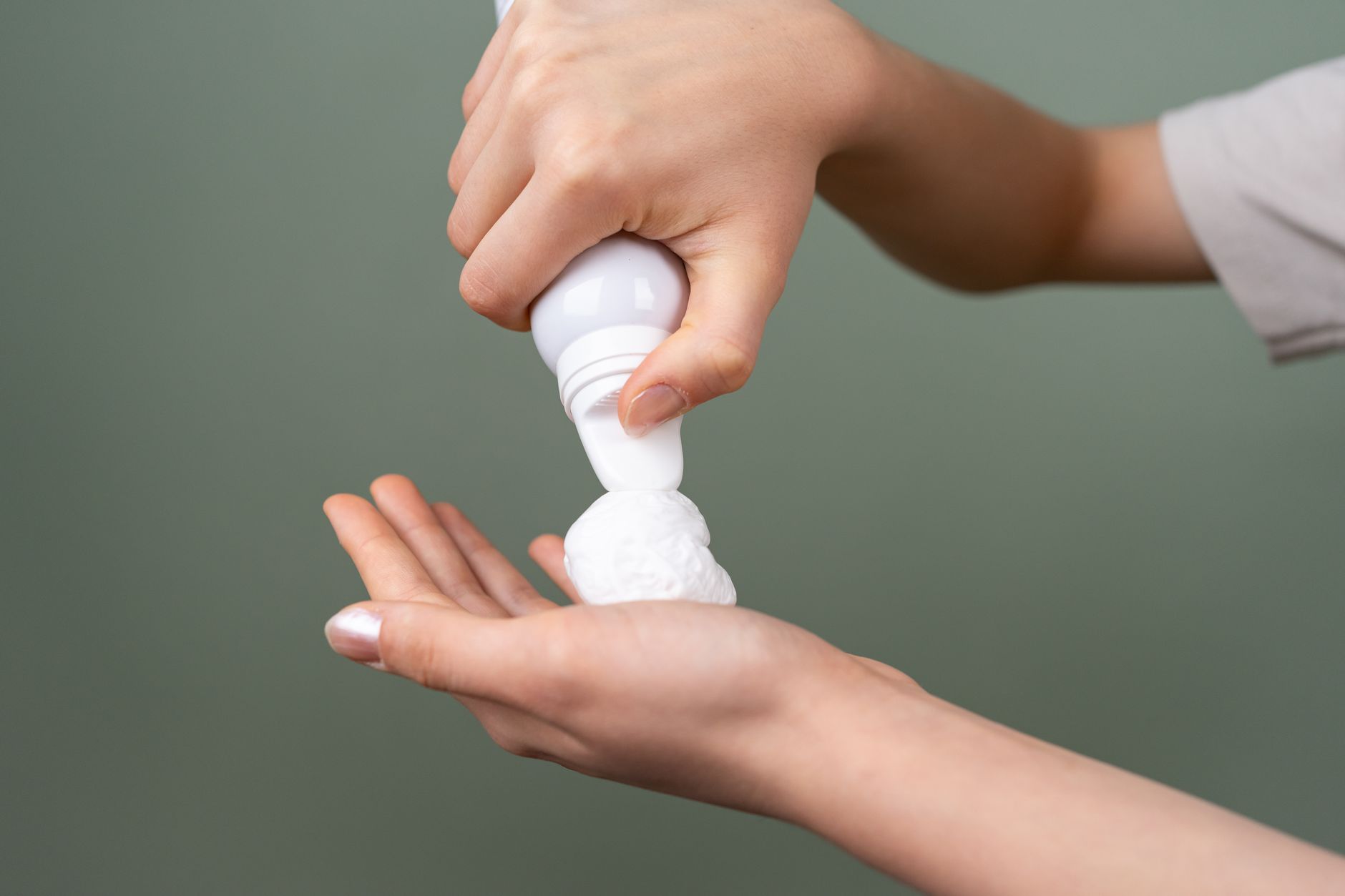
Types of Moisturizers: Ointments, Creams, and Lotions
When choosing a moisturizer for baby eczema, it’s essential to understand the different types available. Each type—ointments, creams, and lotions—has unique characteristics and benefits that can impact how well they work for eczema-prone skin.
Characteristics of Ointments
Ointments are thick, greasy formulations that create a protective barrier on the skin. They are often made from petroleum jelly, mineral oil, or lanolin. Here are some key points about ointments:
- High Occlusion: Ointments lock in moisture by forming a barrier that prevents water loss. This makes them highly effective for dry, eczema-prone skin.
- Long-Lasting: Because of their thick consistency, ointments tend to stay on the skin longer, providing prolonged hydration.
- Minimal Ingredients: Many ointments are simple formulations with fewer ingredients, reducing the risk of allergic reactions.
For babies with severe eczema, ointments can be particularly beneficial. They offer intense hydration and protection, which can help soothe irritated skin and prevent flare-ups. However, their greasy texture might be less appealing for everyday use, especially in warmer climates.
Benefits of Creams
Creams are a middle ground between ointments and lotions. They are emulsions that contain both water and oil, making them lighter than ointments but more hydrating than lotions. Here’s what you need to know about creams:
- Moderate Occlusion: Creams provide a good balance of moisture retention without being as heavy as ointments.
- Ease of Application: Their creamy texture makes them easy to spread, which can be a plus for parents applying moisturizer to a wiggly baby.
- Versatile Use: Creams can be used on various parts of the body, including the face, making them a versatile option for eczema care.
For babies with mild to moderate eczema, a hypoallergenic cream can be an excellent choice. Look for fragrance-free options to minimize the risk of irritation. Creams are often well-tolerated and can be part of a gentle skincare routine that helps manage eczema symptoms effectively.
When to Use Lotions
Lotions are the lightest form of moisturizer, consisting mostly of water with a small amount of oil. They are quickly absorbed into the skin but offer the least amount of occlusion. Here are some scenarios where lotions might be appropriate:
- Mild Eczema: For babies with very mild eczema or during periods when the skin is not severely irritated, a lightweight lotion might suffice.
- Warm Weather: In hot climates or during summer months, a lotion can be more comfortable than heavier formulations.
- Everyday Use: For general skin hydration without the need for intense moisturization, a gentle, fragrance-free lotion can be a good option.
While lotions are less effective for severe eczema, they can still play a role in a comprehensive eczema treatment plan. They are often used in combination with other moisturizers to maintain overall skin health.
In summary, the choice between ointments, creams, and lotions depends on the severity of your baby’s eczema and your specific needs. Ointments offer the most intense hydration and protection, making them ideal for severe cases. Creams provide a balanced option for moderate eczema, while lotions are best for mild symptoms or as a supplementary moisturizer. Always opt for hypoallergenic, fragrance-free products to reduce the risk of irritation and flare-ups.
When selecting a moisturizer for baby eczema, consider the unique needs of your baby’s skin. Experiment with different types to find what works best, and remember that a consistent, gentle skincare routine is key to managing eczema effectively.
Essential Ingredients in Baby Eczema Moisturizers
When selecting a moisturizer for baby eczema, it’s vital to pay close attention to the ingredients. Not all moisturizers are created equal, and certain components can significantly impact the effectiveness of the product for eczema-prone skin. Let’s delve into some essential ingredients you should look for when choosing a moisturizer for baby eczema.
Ceramides and Their Role
Ceramides are a type of lipid (fat) that naturally occurs in the skin. They play a crucial role in maintaining the skin’s barrier function, which is often compromised in individuals with eczema. For babies with eczema-prone skin, incorporating a moisturizer that contains ceramides can help strengthen this barrier.
A moisturizer with ceramides can aid in retaining moisture, protecting the skin from irritants, and reducing the likelihood of flare-ups. When scanning the ingredient list, look for ceramides or terms like “ceramide NP” or “pseudoceramides.”
Benefits of Glycerin
Glycerin, also known as glycerol, is a humectant, meaning it attracts moisture from the environment and helps keep the skin hydrated. This ingredient is particularly beneficial for eczema-prone skin as it can help alleviate dryness and itchiness.
In a moisturizer for baby eczema, glycerin works by drawing moisture into the skin, creating a hydrating environment that supports healing and reduces the urge to scratch. It’s a common and safe ingredient found in many hypoallergenic moisturizers.
Importance of Natural Oils
Natural oils can provide an extra layer of hydration and nourishment for eczema-prone skin. Oils like coconut oil, olive oil, and jojoba oil are often included in moisturizers designed for sensitive skin.
- Coconut Oil: Known for its anti-inflammatory properties, coconut oil can help soothe irritated skin and provide a protective barrier.
- Olive Oil: Rich in antioxidants and vitamins, olive oil can help repair the skin and reduce inflammation.
- Jojoba Oil: Closely resembling the skin’s natural oils, jojoba oil is easily absorbed and can help maintain the skin’s moisture balance.
When choosing a moisturizer with natural oils, ensure it is fragrance-free to avoid potential irritants that could trigger an eczema flare-up.
Other Beneficial Ingredients
In addition to ceramides, glycerin, and natural oils, other ingredients can enhance the effectiveness of a moisturizer for baby eczema:
- Aloe Vera: Known for its soothing and anti-inflammatory properties, aloe vera can help calm irritated skin.
- Colloidal Oatmeal: This fine powder derived from oats can help relieve itching and improve the skin’s barrier function.
- Niacinamide: A form of vitamin B3, niacinamide can help reduce inflammation and strengthen the skin barrier.
It’s important to read the ingredient list carefully and opt for products that are explicitly labeled as hypoallergenic and fragrance-free. This ensures that the moisturizer is gentle and less likely to cause irritation or allergic reactions.
Practical Steps for Choosing the Right Moisturizer
Here are some practical steps to help you choose the best moisturizer for your baby’s eczema-prone skin:
- Start with a Patch Test: Before applying any new moisturizer all over your baby’s body, perform a patch test. Apply a small amount to a tiny area of skin and wait 24 hours to check for any adverse reactions.
- Read Labels Carefully: Look for moisturizers that are specifically formulated for sensitive or eczema-prone skin. Check for the presence of ceramides, glycerin, and natural oils.
- Consult with a Pediatrician: If you’re unsure about which moisturizer to choose, consult with your pediatrician. They can provide recommendations based on your baby’s specific skin condition.
- Incorporate into a Gentle Skincare Routine: Use the moisturizer as part of a consistent, gentle skincare routine. Apply it after bathing while the skin is still slightly damp to lock in moisture.
By focusing on these essential ingredients and following these practical steps, you can find a moisturizer that effectively supports your baby’s eczema-prone skin, helping to keep it hydrated, soothed, and protected.
Practical Tips for Applying Moisturizer to Baby’s Skin
Applying moisturizer effectively is a critical part of managing baby eczema. The right application technique can help maximize the benefits of your chosen moisturizer for baby eczema and contribute to preventing flare-ups. Here are some practical tips to ensure you’re getting the most out of your moisturizer.
Best Times to Apply Moisturizer
Timing is crucial when it comes to applying moisturizer. Here are some optimal times:
- After Bathing: The skin is most receptive to moisture right after a bath. Pat your baby’s skin dry gently with a soft towel, leaving it slightly damp, and then apply the moisturizer.
- Before Bedtime: Applying moisturizer before bedtime can help keep the skin hydrated throughout the night.
- After Changing Diapers: Use a hypoallergenic moisturizer to protect the skin from irritation.
- When You Notice Dry Patches: If you see dry or irritated areas, apply moisturizer immediately to soothe and hydrate the skin.
How to Apply Moisturizer Effectively
The way you apply the moisturizer can make a big difference. Follow these steps for the best results:
- Clean Hands: Always wash your hands before applying moisturizer to avoid introducing any bacteria or irritants to your baby’s skin.
- Use Enough Product: Don’t skimp on the amount. Apply a generous layer of moisturizer to ensure full coverage.
- Massage Gently: Use circular motions to massage the moisturizer into the skin. This helps improve absorption and provides a soothing effect.
- Focus on Dry Areas: Pay extra attention to areas that are particularly dry or prone to eczema flare-ups, such as the cheeks, elbows, and knees.
- Layer If Necessary: If your baby’s skin is extremely dry, you may need to apply multiple layers of moisturizer. Allow each layer to absorb before applying the next.
Common Application Mistakes
Even well-meaning parents can make mistakes when applying moisturizer. Here are some pitfalls to avoid:
- Using Too Little Product: Skimping on moisturizer won’t provide the necessary hydration. Always use a generous amount.
- Rubbing Too Hard: Vigorous rubbing can irritate the skin. Always use gentle, circular motions.
- Skipping Problem Areas: Don’t forget to apply moisturizer to all dry or irritated areas, even if they are small.
- Not Applying Frequently Enough: Moisturizer needs to be applied regularly to be effective. Don’t wait until the skin is severely dry to apply it.
- Using the Wrong Type of Moisturizer: Make sure you’re using a fragrance-free, hypoallergenic moisturizer suitable for baby eczema.
By following these practical tips, you can make the most out of your chosen moisturizer for baby eczema, helping to keep your baby’s skin soft, smooth, and well-hydrated. Remember, consistency is key in managing eczema, so incorporate these application tips into your daily gentle skincare routine.
The Importance of Patch Testing New Moisturizers
When it comes to selecting a moisturizer for baby eczema, patience and careful testing are crucial. Introducing a new product to eczema-prone skin can sometimes lead to unexpected reactions. This is why patch testing is an essential step in the process. Let’s delve into how to conduct a patch test, what to look for, and why patience is vital.
How to Conduct a Patch Test
Patch testing is a simple yet effective way to determine if a new moisturizer is suitable for your baby’s sensitive skin. Here’s a step-by-step guide to conducting a patch test:
- Choose a Small Area: Select a small, inconspicuous area of your baby’s skin, such as the inner forearm or behind the ear.
- Apply a Small Amount: Using clean hands or a cotton swab, apply a pea-sized amount of the moisturizer to the chosen area.
- Wait and Observe: Allow the moisturizer to sit on the skin for 24 to 48 hours. During this time, keep an eye on the area for any signs of reaction.
- Assess the Results: After the waiting period, check the skin for any redness, itching, swelling, or other signs of irritation.
What to Look for During Testing
While conducting a patch test, it’s important to be vigilant and look for specific signs that may indicate a reaction. Here are some things to watch for:
- Redness: Any unusual redness beyond normal skin tone could be a sign of irritation.
- Itching or Burning: If your baby seems uncomfortable or starts scratching the area, it may indicate a negative reaction.
- Swelling or Bumps: Look for any swelling, hives, or bumps that weren’t present before applying the moisturizer.
- Rash or Breakouts: Any new rash or breakouts in the tested area should be noted.
If you notice any of these signs, it’s best to discontinue use of the moisturizer and consult with a healthcare provider for further advice.
Importance of Patience in Testing
Patience is key when patch testing a new moisturizer for baby eczema. It can be tempting to rush the process, especially if your baby’s skin is flaring up, but taking the time to properly test a product can save you from potential discomfort and complications down the line.
Remember, not all reactions are immediate. Some may take a few days to manifest. This is why observing the test area for at least 48 hours is crucial. Even if the initial 24 hours show no signs of irritation, continuing to monitor for another day ensures you catch any delayed reactions.
Additionally, it’s important to understand that what works for one baby may not work for another. Each child’s skin is unique, and what might be a perfect fit for one may cause irritation for another. This is why individualized testing is so important.
Incorporating patch testing into your skincare routine demonstrates a commitment to your baby’s comfort and health. By taking the time to carefully test new products, you can help prevent eczema flare-ups and find the best moisturizer for baby eczema that suits your little one’s sensitive skin.
Frequently Asked Questions About Baby Eczema Moisturizers
Choosing the right moisturizer for baby eczema can be overwhelming. Here, we answer some of the most common questions parents have about moisturizers for baby eczema-prone skin. This will help you make informed decisions for your baby’s skincare routine.
Can I use adult moisturizers on my baby?
It’s generally not recommended to use adult moisturizers on babies, especially those with eczema-prone skin. Adult skin has different needs compared to baby skin. Adult moisturizers may contain ingredients that are too harsh or irritating for a baby’s delicate skin. Instead, opt for moisturizers specifically formulated for babies. Look for products labeled as hypoallergenic and fragrance-free to minimize the risk of irritation. These moisturizers are designed to be gentler and more suitable for sensitive skin.
How often should I moisturize my baby’s skin?
Moisturizing your baby’s skin regularly is crucial for managing eczema. The frequency will depend on the severity of your baby’s eczema and the type of moisturizer you use. For mild eczema, applying moisturizer twice a day—morning and night—is usually sufficient. For more severe cases, you may need to moisturize more frequently, possibly after every bath or as directed by your pediatrician. Using an ointment may provide longer-lasting hydration compared to a cream or lotion, but it’s important to follow your healthcare provider’s advice on the best routine for your baby.
Incorporating moisturizer into your baby’s skincare routine right after bathing is especially effective. Bathing can strip the skin of natural oils, so applying moisturizer while the skin is still damp helps lock in moisture. This step is a key part of eczema flare-up prevention.
What if the moisturizer stings or burns?
If a moisturizer stings or burns when applied to your baby’s skin, it’s a sign that the product may be too harsh or contain ingredients your baby is sensitive to. This is one of the reasons why patch testing new moisturizers is so important. If you experience this reaction, stop using the product immediately.
First, gently wash the area with lukewarm water to remove any remaining moisturizer. Then, apply a gentle, fragrance-free moisturizer to soothe the skin. Look for ingredients like ceramides, glycerin, or colloidal oatmeal, which are known to be soothing and hydrating.
It’s also a good idea to consult your pediatrician if your baby experiences persistent stinging or burning. They can offer recommendations for alternative products or additional treatments to help manage your baby’s eczema.
Remember, finding the right moisturizer for baby eczema may take some trial and error. Be patient and observant, noting how your baby’s skin reacts to different products. Keeping a gentle skincare routine and regularly moisturizing are essential steps in managing eczema and keeping your baby’s skin healthy.
Creating a Consistent Moisturizing Routine for Eczema-Prone Skin
When it comes to managing baby eczema, consistency is key. Establishing a regular moisturizing routine can significantly help in maintaining the skin’s barrier function and reducing the frequency of flare-ups. This section will guide you through the importance of consistency, how to incorporate a moisturizer into your baby’s daily routine, and tips for maintaining that routine.
Importance of Consistency
Consistency in applying a moisturizer for baby eczema is crucial for several reasons. First, it helps to keep the skin hydrated, which is essential for preventing dryness and irritation—common triggers for eczema flare-ups. Second, a consistent routine can help in building a barrier on the skin, protecting it from external irritants. Lastly, regular application ensures that the beneficial ingredients in the moisturizer are continuously working to soothe and heal the skin.
Incorporating Moisturizer into Daily Routine
Integrating a moisturizer into your baby’s daily routine doesn’t have to be complicated. Here are some practical steps to help you get started:
- Morning Application: After bath time, gently pat your baby’s skin dry and apply a generous amount of moisturizer while the skin is still slightly damp. This helps to lock in moisture.
- Evening Routine: Before bedtime, reapply the moisturizer. This is especially important if your baby tends to wake up with dry skin.
- Post-Diaper Change: Use a hypoallergenic moisturizer after each diaper change to protect the delicate skin in that area.
- Throughout the Day: If you notice your baby’s skin becoming dry, don’t hesitate to reapply the moisturizer. Carry a small travel-size bottle with you for convenience.
Tips for Maintaining Routine
Sticking to a consistent moisturizing routine can sometimes be challenging, but with a few tips, it can become a seamless part of your day:
- Set Reminders: Use alarms or reminders on your phone to prompt you to apply moisturizer at specific times.
- Make it Fun: Turn moisturizer application into a fun activity. Sing a song or tell a story to make the process enjoyable for your baby.
- Involve Your Baby: As your baby grows, involve them in the process. Let them help you apply the moisturizer, which can make them more cooperative.
- Choose the Right Environment: Apply moisturizer in a calm, comfortable environment. A relaxed baby is more likely to sit still and enjoy the process.
- Be Patient: It may take some time for your baby to get used to the routine. Be patient and consistent, and eventually, it will become a natural part of your day.
Remember, the goal is to create a gentle skincare routine that your baby looks forward to. By choosing the right moisturizer for baby eczema and applying it consistently, you can help keep their skin healthy and comfortable.
Tracking patterns in a simple and useful way
When caring for a baby with eczema, understanding the patterns and triggers of their skin condition can make a significant difference. By tracking these patterns, you can better identify what works and what doesn’t when it comes to using a moisturizer for baby eczema. Here are some simple, practical steps to help you keep track and make informed decisions.
Start a Skin Care Journal
One of the most effective ways to track patterns is by maintaining a skin care journal. This journal can be a simple notebook where you record daily observations about your baby’s skin. Note the following:
- Time of day you apply the moisturizer
- Type of moisturizer used (e.g., hypoallergenic moisturizer, fragrance-free moisturizer)
- Any changes in skin condition after application
- Possible triggers (e.g., new laundry detergent, changes in diet)
Use a Calendar or App
If writing in a notebook feels overwhelming, consider using a calendar or a smartphone app to track patterns. Many apps are designed specifically for tracking eczema flare-ups and can provide useful insights over time. Look for apps that allow you to log:
- Moisturizer types and brands
- Frequency of application
- Severity of eczema symptoms
- Potential triggers
Identify Triggers and Patterns
As you consistently log information, patterns may start to emerge. For example, you might notice that your baby’s skin worsens after using a certain type of moisturizer or during specific times of the day. Identifying these patterns can help you make more informed choices about the moisturizer for baby eczema.
Reader-Friendly Troubleshooting
If you notice that a particular moisturizer isn’t working well, don’t panic. Here are some troubleshooting tips:
- Switch Types: If you’ve been using a cream, try switching to an ointment. Ointments are generally more occlusive and can provide better hydration.
- Patch Test: Before fully committing to a new moisturizer, perform a patch test on a small area of your baby’s skin to ensure there are no adverse reactions.
- Consult Ingredients: Check the ingredient list for potential irritants. Opt for fragrance-free moisturizers and those labeled as hypoallergenic.
When to Speak with a Healthcare Professional
While tracking patterns can be incredibly helpful, it’s essential to know when to seek professional advice. If you notice any of the following, it’s time to consult a healthcare professional:
- Severe or worsening eczema symptoms
- Signs of infection, such as increased redness, swelling, or pus
- No improvement after trying multiple moisturizers
- Any adverse reactions to a moisturizer
A healthcare professional can offer personalized advice and may recommend prescription moisturizers or other treatments to help manage your baby’s eczema.
Practical Example
Let’s say you’ve been using a fragrance-free cream moisturizer for your baby’s eczema but notice that the skin seems to flare up in the evenings. You decide to switch to an ointment and apply it in the morning and evening. After a week of tracking, you observe that the skin is calmer and less irritated. This simple change has made a noticeable difference.
By tracking patterns in a simple and useful way, you can better understand what works best for your baby’s eczema-prone skin. This proactive approach not only helps in managing flare-ups but also contributes to a more effective and gentle skincare routine.
Frequently asked questions
Can I use natural oils as a moisturizer for my baby’s eczema?
Using natural oils as a moisturizer for baby eczema can be a good option, but it’s important to choose the right ones. Oils like coconut oil, olive oil, and avocado oil are often gentle and hydrating. However, some natural oils can cause irritation or allergic reactions. Always perform a patch test before applying any new oil to your baby’s skin. If you notice any redness or irritation, discontinue use immediately.
For the best results, opt for moisturizers specifically formulated for eczema-prone skin. These products are usually free from common irritants and are designed to provide long-lasting hydration without causing adverse reactions.
How do I know if a moisturizer is working for my baby’s eczema?
To determine if a moisturizer is effective for your baby’s eczema, look for signs of improvement such as reduced redness, less itching, and smoother skin. You may also notice that flare-ups become less frequent or less severe. Keep a daily log of your baby’s skin condition and any changes you observe after using the moisturizer.
If you don’t see any improvement after a couple of weeks, it may be time to reassess the moisturizer. Consider trying a different product or consulting with a healthcare professional for personalized recommendations.
Is it okay to use moisturizers with colorants on my baby’s skin?
It’s generally best to avoid moisturizers with colorants for babies with eczema. Colorants can potentially cause irritation or allergic reactions, especially on sensitive skin. Opt for moisturizers that are free from artificial colors, fragrances, and other potential irritants.
Look for products labeled as “hypoallergenic” or “fragrance-free” to minimize the risk of adverse reactions. These moisturizers are often gentler and better suited for eczema-prone skin.
Can I mix different moisturizers to create a custom blend for my baby?
It’s not recommended to mix different moisturizers for your baby’s eczema. Combining products can lead to unpredictable reactions and may introduce new irritants to the skin. Stick to one moisturizer that is specifically designed for eczema-prone skin to ensure consistency and safety.
If you feel the need to switch moisturizers, do so gradually and monitor your baby’s skin closely for any signs of irritation. This approach helps you identify which product works best for your baby without risking adverse reactions.
What should I do if my baby’s eczema worsens after using a new moisturizer?
If your baby’s eczema worsens after using a new moisturizer, discontinue use immediately and consult with a healthcare professional. They can help you determine if the moisturizer is the cause and recommend alternative products that may be better suited for your baby’s skin.
In the meantime, use a gentle, fragrance-free moisturizer to soothe the skin. Keep an eye on your baby’s skin and note any changes or improvements. This information can be valuable when discussing treatment options with your healthcare provider.
Are there any long-term effects of using moisturizers on baby’s skin?
Using moisturizers on baby’s skin is generally safe and beneficial, especially for those with eczema. Long-term use of gentle, hypoallergenic moisturizers can help maintain skin hydration and reduce the frequency of flare-ups. However, it’s important to choose products that are free from harsh chemicals and potential irritants.
Regularly assess your baby’s skin condition and adjust the moisturizer as needed. If you have any concerns about the long-term effects of a specific product, consult with a healthcare professional for personalized advice.
Use MyEczema.app to track your eczema patterns and daily triggers.
This article is for educational purposes only and is not medical advice. If symptoms are severe, spreading, painful, infected-looking, or affecting sleep and daily life, speak with a qualified healthcare professional.
Sources and further reading
For medical guidance, always rely on a qualified healthcare professional. These educational resources may help readers learn more:
Image credit: Photo by RDNE Stock project on Pexels. Used under the Pexels License.
Image credit: Photo by Beyzanur K. on Pexels. Used under the Pexels License.
Image credit: Photo by https://kaboompics.com/ on Pexels. Used under the Pexels License.