
MyEczema.app guide
Ceramides for Eczema: Practical Guide
ceramides for eczema: practical tips for tracking triggers, building routines, and supporting eczema-prone skin.

Table of contents
Use this guide as a practical reference and jump to the sections most relevant to you.
- Quick answer
- Key takeaways
- Practical comparison table
- Visual chart
- Related MyEczema.app tool
- Understanding Ceramides and Their Role in Skin Health
- The Importance of the Skin Barrier in Eczema
- How Ceramides Benefit Eczema-Prone Skin
- Choosing the Right Ceramide-Rich Products for Eczema
- Incorporating Ceramides into Your Eczema Care Routine
- Evaluating the Effectiveness of Ceramides for Eczema
- Debunking Myths About Ceramides and Eczema
- Current Research on Ceramides and Eczema
- Expert Advice on Using Ceramides for Eczema
- Tracking patterns in a simple and useful way
- Frequently asked questions
- Sources and further reading
Living with eczema can be a daily challenge, especially when it comes to managing the constant itch and inflammation. One promising avenue for improving eczema symptoms involves understanding and supporting the skin’s barrier function. Among the various ingredients that can help, ceramides stand out as particularly beneficial. Ceramides are a type of lipid that plays a crucial role in maintaining the integrity of the skin barrier. For those dealing with eczema, incorporating ceramides into your skincare routine could make a significant difference.
Eczema-prone skin often struggles with a disrupted skin barrier, making it more susceptible to irritants, allergens, and environmental factors. This disruption can lead to increased inflammation and frequent flare-ups. By focusing on ceramides for eczema, we can better understand how these essential lipids contribute to a stronger, more resilient skin barrier. This article will explore the benefits of ceramides, how they work, and practical tips for incorporating them into your eczema management plan.
It’s important to note that while ceramides can be incredibly helpful, they are just one piece of the puzzle. Eczema management often requires a multifaceted approach, including proper skincare, avoiding triggers, and following medical advice. Always consult with a dermatologist before making significant changes to your skincare routine, especially if you have severe or persistent symptoms.
Now, let’s dive deeper into the world of ceramides and discover how they can support your journey towards better eczema management.
Quick answer
Ceramides can significantly help in supporting the skin barrier in eczema, improving hydration and reducing flare-ups. Incorporating ceramide-rich products into your skincare routine can lead to noticeable improvements in skin health and comfort.
Key takeaways
- Ceramides are essential lipids that help maintain the skin’s barrier function.
- Using ceramide-rich moisturizers can improve hydration and reduce eczema symptoms.
- Consistent use of ceramide-based products is crucial for long-term eczema management.
- Ceramides work best when combined with other barrier-supporting ingredients.
- Consult a dermatologist for personalized advice on incorporating ceramides into your eczema care routine.
Comparing Ceramide-Rich Products for Eczema
| Situation | What it may mean | Practical next step |
|---|---|---|
| Mild eczema symptoms | May benefit from a gentle, ceramide-rich moisturizer. | Try a lightweight ceramide cream. |
| Severe eczema flare-ups | May require a more intensive ceramide-based treatment. | Consult a dermatologist for a prescription ceramide product. |
| Sensitive skin | May need a hypoallergenic ceramide moisturizer. | Look for products labeled ‘fragrance-free’ and ‘hypoallergenic’. |
| Dry, cracked skin | May benefit from a ceramide-rich ointment for deep hydration. | Use a thick, ceramide-based ointment at night. |
| Frequent eczema flare-ups | May need consistent use of ceramide-rich products. | Incorporate ceramide moisturizers into your daily routine. |
Related MyEczema.app tool
Use the Eczema Skincare Routine Planner
The Eczema Skincare Routine Planner helps users organize morning, daytime, and evening routine steps for eczema-prone skin.
For this topic, this tool can help you organize information in a more structured way and turn daily observations into clearer patterns to review over time.
Understanding Ceramides and Their Role in Skin Health
Ceramides are a crucial component of healthy skin, particularly for those managing eczema. Understanding what ceramides are and how they function can help you make informed choices about your skincare routine. Let’s delve into the basics of ceramides and their significant role in maintaining skin health.
Definition of Ceramides
Ceramides are a type of lipid, or fat molecule, that naturally occurs in the skin. They are a vital part of the skin’s outermost layer, known as the stratum corneum. This layer acts as a protective barrier, preventing moisture loss and shielding the skin from external irritants.
In simple terms, think of ceramides as the “glue” that holds skin cells together. They help create a strong, flexible barrier that maintains skin hydration and protects against environmental aggressors. When it comes to eczema, maintaining this barrier is essential for managing symptoms and promoting skin health.
Role of Ceramides in the Skin Barrier
The skin barrier is your body’s first line of defense. It keeps moisture in and harmful substances out. Ceramides play a pivotal role in this barrier function. Here’s how they contribute:
- Moisture Retention: Ceramides help lock in moisture by preventing transepidermal water loss (TEWL). This is particularly important for individuals with eczema, as their skin tends to be drier and more prone to dehydration.
- Protection Against Irritants: By forming a tight barrier, ceramides protect the skin from environmental irritants such as pollutants, bacteria, and allergens. This is crucial for reducing the risk of eczema flare-ups.
- Skin Integrity: Ceramides help maintain the structural integrity of the skin. They ensure that skin cells are properly aligned and connected, which is essential for a robust barrier.
For those with eczema, the skin barrier is often compromised. This means that ceramides are particularly important for restoring and maintaining this barrier. Using products rich in ceramides can help reinforce the skin’s natural defenses and improve overall skin health.
Common Misconceptions About Ceramides
Despite their importance, there are several misconceptions about ceramides that can lead to confusion. Let’s address some of these myths:
- Myth: Ceramides are only for dry skin. While ceramides are excellent for hydrating dry skin, they are beneficial for all skin types. Even oily skin can benefit from ceramides, as they help balance oil production and maintain a healthy skin barrier.
- Myth: All moisturizers contain ceramides. Not all moisturizers are created equal. Many standard moisturizers do not contain ceramides. It’s important to look for products specifically labeled as ceramide-rich to ensure you’re getting the benefits.
- Myth: Ceramides may help support eczema-prone skin. While ceramides can significantly improve eczema symptoms by strengthening the skin barrier and retaining moisture, they are not a long-term control. Managing eczema often requires a comprehensive approach, including proper skincare, avoiding triggers, and sometimes medical treatment.
Understanding these misconceptions can help you make better-informed decisions when choosing skincare products. Look for ceramide-rich moisturizers and treatments to support your skin’s barrier and manage eczema more effectively.
Incorporating ceramides into your skincare routine can make a noticeable difference in managing eczema. By understanding what ceramides are and how they work, you can choose the right products to support your skin’s health and reduce the frequency and severity of eczema flare-ups.
The Importance of the Skin Barrier in Eczema
To understand how ceramides for eczema can be beneficial, it’s crucial to grasp the role of the skin barrier. This section will delve into the functions of the skin barrier, how eczema affects it, and why repairing this barrier is essential for effective eczema management.
Functions of the Skin Barrier
The skin barrier serves as the body’s first line of defense. Its primary functions include:
- Protection: Shields the body from external aggressors such as bacteria, viruses, and environmental pollutants.
- Hydration: Helps retain moisture within the skin, preventing dryness and dehydration.
- Regulation: Controls the loss of water and the entry of foreign substances.
A healthy skin barrier is crucial for maintaining skin integrity and overall health. In individuals with eczema, this barrier is often compromised, leading to increased sensitivity and susceptibility to triggers.
How Eczema Affects the Skin Barrier
Eczema, also known as atopic dermatitis, significantly impacts the skin barrier. Here’s how:
- Reduced Ceramide Levels: People with eczema often have lower levels of ceramides, essential lipids that help maintain the skin’s barrier function.
- Increased Permeability: The skin barrier becomes more permeable, allowing irritants and allergens to penetrate more easily.
- Heightened Inflammation: The compromised barrier leads to increased inflammation, exacerbating eczema symptoms.
When the skin barrier is weakened, it becomes more difficult for the skin to retain moisture, leading to dryness, itching, and flare-ups. This is where the use of ceramide-rich products can make a significant difference.
Importance of Barrier Repair in Eczema Management
Repairing the skin barrier is a cornerstone of effective eczema management. Here’s why it’s so important:
- Reduced Flare-Ups: A strengthened barrier can help reduce the frequency and severity of eczema flare-ups.
- Improved Hydration: Better barrier function leads to improved skin hydration, reducing dryness and itchiness.
- Enhanced Protection: A repaired barrier offers better protection against environmental triggers and irritants.
Incorporating ceramides into your eczema management routine can support these goals. Ceramides help to restore the lipid matrix of the skin, enhancing its barrier function. This, in turn, can lead to more resilient skin that is better equipped to handle the challenges of eczema.
For example, using a ceramide-rich moisturizer can help to:
- Restore lipid levels in the skin
- Improve skin hydration
- Strengthen the skin barrier
- Reduce the need for frequent application of other treatments
When choosing eczema moisturizers, look for products that are specifically formulated with ceramides. These can be particularly beneficial for individuals with eczema, as they help to mimic the natural lipids found in healthy skin.
In summary, understanding the importance of the skin barrier in eczema is crucial for effective management. By focusing on barrier repair with the help of ceramide-rich products, individuals can experience improved skin health and reduced eczema symptoms.
How Ceramides Benefit Eczema-Prone Skin
When it comes to managing eczema, understanding the benefits of ceramides can make a significant difference. Ceramides play a crucial role in maintaining the integrity of the skin barrier, which is often compromised in individuals with eczema. Let’s delve into the specific benefits of ceramides for eczema-prone skin, focusing on hydration, inflammation reduction, and scientific evidence supporting their use.
Hydration Benefits of Ceramides
One of the primary benefits of ceramides for eczema is their ability to enhance skin hydration. The skin barrier, composed largely of lipids including ceramides, acts as a shield to retain moisture and protect against external irritants. In eczema, this barrier is often weakened, leading to dry, flaky skin.
Ceramides help to restore this barrier by filling in the gaps between skin cells. This not only prevents water loss but also allows the skin to retain moisture more effectively. When choosing moisturizers, look for products that are ceramide-rich. These can significantly improve hydration levels, making the skin feel softer and more comfortable.
For example, incorporating a ceramide-rich moisturizer into your daily routine can help maintain skin hydration throughout the day. Apply it after bathing when your skin is still slightly damp to lock in moisture. This practice can be particularly beneficial for individuals with eczema, as it helps to mitigate the dryness and itching often associated with the condition.
How Ceramides Reduce Inflammation
Inflammation is a common symptom of eczema, and reducing it is key to managing the condition. Ceramides can help by strengthening the skin barrier, which in turn reduces the penetration of irritants that can trigger inflammation.
A robust skin barrier means fewer allergens and irritants can reach the deeper layers of the skin, leading to less inflammation. Additionally, some studies suggest that ceramides may have anti-inflammatory properties themselves, further contributing to reduced redness and swelling.
To leverage these benefits, consider using products that combine ceramides with other anti-inflammatory ingredients. For instance, moisturizers containing ceramides and niacinamide can provide a dual approach to managing eczema symptoms. Niacinamide is known for its anti-inflammatory effects, making it a valuable addition to a ceramide-rich product.
Scientific Studies Supporting Ceramide Use in Eczema
The use of ceramides in eczema management is backed by scientific research. Numerous studies have investigated the role of ceramides in skin health and their specific benefits for individuals with eczema.
One study published in the Journal of Dermatological Science found that topical application of ceramides significantly improved skin barrier function in patients with atopic dermatitis, a common form of eczema. The study highlighted that ceramide-containing creams led to a noticeable reduction in transepidermal water loss, indicating better hydration and barrier integrity.
Another research article in the British Journal of Dermatology demonstrated that ceramide-based treatments could reduce the severity of eczema symptoms. Participants using ceramide-rich moisturizers experienced less itching, redness, and overall discomfort compared to those using standard moisturizers.
These findings underscore the importance of incorporating ceramides into your eczema management routine. When selecting products, look for those specifically formulated with ceramides and other beneficial ingredients. Reading product labels and consulting with a dermatologist can help you choose the most effective options for your skin.
In summary, ceramides offer multiple benefits for eczema-prone skin, from enhancing hydration and reducing inflammation to being supported by scientific research. By understanding these benefits and incorporating ceramide-rich products into your skincare routine, you can better manage your eczema symptoms and improve your overall skin health.

Choosing the Right Ceramide-Rich Products for Eczema
Selecting the right ceramide-rich products can significantly enhance your eczema management routine. Ceramides are essential for maintaining skin hydration and barrier repair, making them a crucial component in eczema care. However, not all ceramide products are created equal. Here’s a practical guide to help you choose effective ceramide-based products for your eczema-prone skin.
Key Ingredients to Look for in Ceramide Products
When browsing for ceramide-rich products, it’s important to look beyond just the presence of ceramides. Other ingredients can complement ceramides and enhance their benefits. Here are some key ingredients to consider:
- Hyaluronic Acid: This ingredient is known for its exceptional hydration properties. It helps to attract and retain moisture in the skin, which is crucial for eczema management.
- Niacinamide (Vitamin B3): Niacinamide helps to strengthen the skin barrier and reduce inflammation. It can also improve the overall texture and appearance of the skin.
- Glycerin: Glycerin is a humectant that draws moisture from the environment into the skin, providing additional hydration.
- Aloe Vera: Known for its soothing properties, aloe vera can help calm irritated skin and reduce redness.
- Colloidal Oatmeal: This ingredient is excellent for soothing itchy, inflamed skin and providing a protective barrier.
How to Read Product Labels for Ceramide Content
Understanding product labels can be tricky, but it’s essential for ensuring you’re getting the most benefit from your ceramide products. Here’s how to read labels effectively:
- Check the Ingredient List: Look for products where ceramides are listed near the top of the ingredient list. This indicates a higher concentration of ceramides in the product.
- Look for Specific Types of Ceramides: Products may list specific ceramide types, such as Ceramide NP, Ceramide AP, or Ceramide EOP. These different types can have varying benefits, so it’s good to know which ones are included.
- Read the Product Description: Many brands will highlight the presence of ceramides and other beneficial ingredients in the product description. Pay attention to any claims about skin barrier repair and hydration.
- Consider Certifications and Seals: Look for products with certifications from reputable organizations, such as the National Eczema Association (NEA) Seal of Acceptance. These products have been reviewed and approved for their efficacy and safety in eczema care.
Common Mistakes When Choosing Ceramide Moisturizers
While selecting ceramide-rich products, there are some common pitfalls to avoid to ensure you’re getting the best possible care for your eczema:
- Assuming All Ceramide Products Are the Same: Not all ceramide products are created equal. The concentration and type of ceramides can vary significantly between products. Always check the ingredient list and product descriptions.
- Ignoring Other Beneficial Ingredients: While ceramides are crucial, other ingredients like hyaluronic acid, niacinamide, and glycerin can enhance their effects. Don’t overlook these complementary ingredients.
- Choosing Products with Harsh Chemicals: Some ceramide-rich products may contain fragrances, dyes, or other potential irritants. Opt for products labeled as fragrance-free and dye-free to minimize the risk of irritation.
- Not Patch Testing New Products: Always perform a patch test with new products to ensure they don’t cause an adverse reaction. Apply a small amount to a discreet area of skin and wait 24-48 hours to check for any signs of irritation.
- Over-Relying on One Product: Eczema management often requires a combination of products. Don’t rely solely on a ceramide moisturizer; consider incorporating other treatments as recommended by your healthcare provider.
By being mindful of these key ingredients, reading labels carefully, and avoiding common mistakes, you can choose ceramide-rich products that effectively support your skin’s barrier and help manage eczema symptoms. Remember, consistency is key, and finding the right products may take some trial and error. Always consult with a dermatologist if you’re unsure about which products are best for your skin.
Incorporating Ceramides into Your Eczema Care Routine
Incorporating ceramides into your eczema care routine can significantly enhance skin barrier function and overall skin health. This section will provide you with a step-by-step guide on how to effectively use ceramide-rich products, maximize their benefits, and combine them with other eczema treatments.
Daily Routine for Applying Ceramide-Rich Moisturizers
A consistent daily routine is key to reaping the benefits of ceramides for eczema. Here’s a simple yet effective routine:
- Morning and Night Application: Apply ceramide-rich moisturizers twice daily—once in the morning and once at night. This helps maintain a continuous layer of hydration and protection.
- After Washing: Use ceramide-rich moisturizers immediately after washing your skin. This locks in moisture and helps repair the skin barrier.
- Gentle Pat Dry: After bathing, gently pat your skin dry with a soft towel. Avoid rubbing, which can irritate the skin.
- Layering: If your skin is very dry, consider layering a ceramide-rich serum under a heavier moisturizer. This can provide extra hydration and barrier support.
Tips for Maximizing Ceramide Benefits
To get the most out of ceramides for eczema, consider these additional tips:
- Choose the Right Formulation: Look for ceramide-rich products that are specifically designed for sensitive or eczema-prone skin. Creams and ointments are often more effective for dry, eczema-prone skin compared to lotions.
- Avoid Harsh Ingredients: Steer clear of products containing alcohol, fragrances, and other potential irritants. These can compromise the skin barrier and exacerbate eczema symptoms.
- Consistency is Key: Use ceramide-rich moisturizers consistently, even when your eczema symptoms are mild. This helps maintain skin barrier integrity and prevents flare-ups.
- Patch Test New Products: Before incorporating a new ceramide-rich product into your routine, perform a patch test. Apply a small amount to a discreet area of skin and wait 24-48 hours to ensure there is no adverse reaction.
Combining Ceramides with Other Eczema Treatments
Ceramides can be a valuable addition to your existing eczema management plan. Here’s how to combine them with other treatments:
- Topical Steroids: If your healthcare provider has prescribed topical steroids, apply them as directed. Follow up with a ceramide-rich moisturizer to help soothe the skin and maintain hydration.
- Emollients and Humectants: Combine ceramides with other moisturizing ingredients like glycerin (a humectant) and petrolatum (an emollient). This creates a comprehensive moisturizing effect.
- Prescription Medications: If you are using prescription eczema medications, consult your healthcare provider before adding ceramide-rich products to your routine. They can provide guidance on the best approach.
- Lifestyle Adjustments: Incorporate lifestyle changes that support skin health, such as avoiding harsh soaps, using lukewarm water for bathing, and wearing breathable fabrics. These adjustments complement the use of ceramides for eczema.
By following these steps and tips, you can effectively incorporate ceramides into your eczema care routine. Remember, everyone’s skin is different, so it may take some trial and error to find the perfect combination of products and routines that work best for you. Patience and consistency are key to seeing improvements in your skin’s health and eczema symptoms.
Evaluating the Effectiveness of Ceramides for Eczema
When it comes to managing eczema, incorporating ceramides into your skincare routine can be a game-changer. But how do you know if ceramides are effectively supporting your skin barrier? This section will guide you through practical steps to evaluate the effectiveness of ceramides for eczema, helping you make informed decisions about your skincare regimen.
Signs of Improved Skin Barrier Function
One of the primary goals of using ceramides is to enhance the skin barrier function. Here are some signs that your skin barrier may be improving:
- Reduced Redness and Inflammation: If you notice less redness and inflammation, it may indicate that your skin barrier is becoming stronger.
- Decreased Itching: A reduction in itching can be a positive sign that your skin is healing and the barrier is repairing.
- Improved Hydration: Better skin hydration often means your skin barrier is more effective at retaining moisture.
- Fewer Flare-Ups: If you experience fewer eczema flare-ups, it could be a sign that ceramides are helping to maintain a healthier skin barrier.
These signs can vary from person to person, so it’s essential to pay attention to your skin’s unique responses.
Tracking Eczema Symptoms Over Time
To accurately assess the effectiveness of ceramides, it’s crucial to track your eczema symptoms over time. Here’s a practical approach:
- Keep a Symptom Diary: Record your symptoms daily, noting the severity of itching, redness, and any flare-ups. This will help you identify patterns and changes over time.
- Photograph Your Skin: Take regular photos of affected areas to visually track improvements or setbacks. This can provide clear evidence of changes in your skin condition.
- Use a Symptom Scale: Rate your symptoms on a scale from 1 to 10 each day. This quantitative approach can help you see gradual improvements more clearly.
Consistency is key. Tracking your symptoms for at least a few weeks will give you a better understanding of how ceramides are impacting your eczema.
Adjusting Your Routine Based on Results
Based on your observations and tracking, you may need to adjust your skincare routine. Here are some steps you can take:
- Increase Ceramide Use: If you see positive changes, consider incorporating more ceramide-rich products into your routine. This might mean using a ceramide-rich moisturizer more frequently or adding a ceramide serum.
- Experiment with Different Products: Not all ceramide-rich products are created equal. If one product isn’t yielding the results you want, try another. Look for products with a high concentration of ceramides and other beneficial ingredients like hyaluronic acid and niacinamide.
- Combine with Other Treatments: Ceramides can work well in conjunction with other eczema management strategies. For example, using ceramide-rich moisturizers alongside prescribed topical treatments can enhance overall skin health.
- Consult a Dermatologist: If you’re unsure about the effectiveness of ceramides or need personalized advice, consult a dermatologist. They can provide insights and recommend specific products tailored to your skin’s needs.
Remember, everyone’s skin is different, and what works for one person may not work for another. Be patient and persistent in finding the right combination of products and routines that work best for you.
In summary, evaluating the effectiveness of ceramides for eczema involves observing signs of improved skin barrier function, tracking symptoms over time, and being willing to adjust your routine based on results. By taking a proactive and informed approach, you can better manage your eczema and support your skin’s health with ceramides.
Debunking Myths About Ceramides and Eczema
When it comes to managing eczema, understanding the role of ceramides is crucial. However, there are several myths surrounding ceramides that can lead to confusion and misinformation. Let’s debunk some of the most common myths about ceramides and eczema.
Myth: Ceramides are only for dry skin
One of the most pervasive myths is that ceramides are only beneficial for those with dry skin. In reality, ceramides play a vital role in maintaining the skin barrier, which is essential for all skin types, especially for those dealing with eczema. Eczema often results in a compromised skin barrier, leading to increased moisture loss and vulnerability to irritants. Incorporating ceramides into your skincare routine can help reinforce this barrier, regardless of your skin type.
For example, someone with eczema may experience severe dryness, but even those with oily skin can benefit from ceramides. The key is to choose the right ceramide-rich products that suit your specific skin needs. Look for moisturizers that contain ceramides along with other hydrating ingredients to support overall skin health.
Myth: All ceramide products are the same
Another common misconception is that all ceramide products are created equal. In truth, the efficacy of ceramide-rich products can vary significantly based on their formulation, concentration, and additional ingredients. Not all ceramide products will provide the same benefits for eczema-prone skin.
When selecting ceramide-rich products, it’s important to read labels carefully. Look for products that specify the types and concentrations of ceramides they contain. Additionally, consider the presence of other beneficial ingredients such as hyaluronic acid, niacinamide, and natural oils, which can enhance the ceramides’ effectiveness.
For instance, a ceramide-rich moisturizer that also includes hyaluronic acid can offer both barrier repair and intense hydration, making it a more comprehensive choice for eczema management. On the other hand, a product with low ceramide concentration may not provide the desired barrier support.
Myth: Ceramides may help support eczema-prone skin
Perhaps the most dangerous myth is the belief that ceramides may help support eczema-prone skin. While ceramides are incredibly beneficial for supporting the skin barrier and improving symptoms, they are not a long-term control-all solution. Eczema is a complex condition influenced by genetic, environmental, and immunological factors.
Ceramides can significantly help in managing eczema by improving skin hydration and barrier function, which can reduce flare-ups and enhance the effectiveness of other treatments. However, it’s essential to approach eczema management holistically. This includes using ceramide-rich products as part of a broader skincare routine that may also involve prescribed medications, avoiding triggers, and maintaining a healthy lifestyle.
For example, someone with eczema might use a ceramide-rich moisturizer daily to support their skin barrier, alongside a prescribed topical corticosteroid to manage inflammation during flare-ups. Combining these approaches can lead to better eczema management than relying solely on ceramides.
Practical Steps to Incorporate Ceramides Effectively
To maximize the benefits of ceramides for eczema, consider the following practical steps:
- Choose the Right Products: Opt for ceramide-rich moisturizers and creams specifically designed for eczema-prone skin. Look for products that list ceramides as a key ingredient and check for additional hydrating and soothing components.
- Consistency is Key: Use ceramide-rich products consistently as part of your daily skincare routine. Apply them to clean, damp skin to lock in moisture and strengthen the skin barrier.
- Combine with Other Treatments: Use ceramides in conjunction with other eczema management strategies, such as avoiding known triggers, using prescribed medications, and practicing good skincare habits.
- Patch Test New Products: Before incorporating a new ceramide product into your routine, perform a patch test to ensure you don’t have an adverse reaction. Apply a small amount to a discreet area of skin and wait 24-48 hours to check for any irritation.
By debunking these myths and understanding the true role of ceramides in eczema management, you can make more informed decisions about your skincare routine. Remember, while ceramides are a valuable tool, they work best as part of a comprehensive approach to managing eczema.
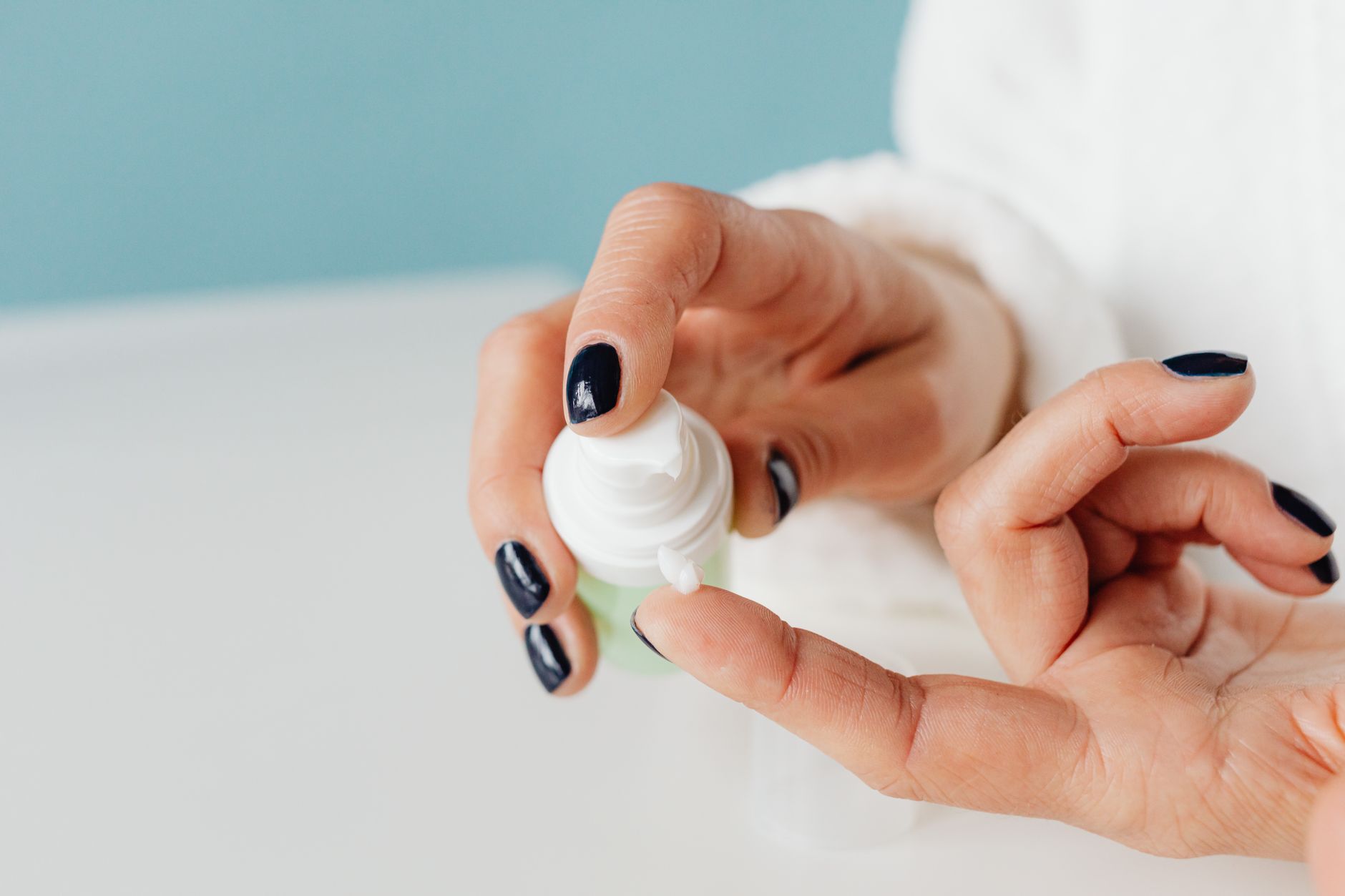
Current Research on Ceramides and Eczema
Recent scientific investigations have been shedding light on the role of ceramides in managing eczema. Understanding these findings can help individuals make informed decisions about incorporating ceramide-rich products into their eczema care routines.
Overview of Recent Studies
Several recent studies have focused on the efficacy of ceramides for eczema. Researchers have been examining how ceramides interact with the skin barrier, their impact on skin hydration, and their potential to alleviate eczema symptoms. These studies often involve clinical trials where participants use ceramide-rich moisturizers and their skin condition is monitored over time.
Key Findings and Their Implications
One significant finding from recent research is that ceramides can help restore the skin barrier in individuals with eczema. A study published in the Journal of Dermatological Science found that ceramide-rich moisturizers significantly improved skin barrier function in eczema patients. This improvement was measured by a reduction in transepidermal water loss (TEWL), indicating better retention of moisture in the skin.
Another important discovery is the role of ceramides in reducing inflammation. Eczema is often accompanied by inflammation, which can exacerbate symptoms like itching and redness. Research has shown that ceramides can help modulate the skin’s inflammatory response, leading to a calmer and more comfortable skin surface.
Additionally, studies have highlighted the benefits of ceramides in combination with other ingredients. For instance, a ceramide-rich moisturizer combined with filaggrin-enhancing agents showed superior results in improving skin hydration and reducing eczema flare-ups compared to ceramides alone. This suggests that a multifaceted approach may be more effective for eczema management.
Practical Steps Based on Research
Given these findings, individuals with eczema can take practical steps to incorporate ceramides into their skincare routines. Here are some actionable tips:
- Choose ceramide-rich moisturizers: Look for products that list ceramides as a key ingredient. These can be found in various forms, including creams, lotions, and ointments.
- Combine with other beneficial ingredients: Opt for moisturizers that also contain ingredients like hyaluronic acid, niacinamide, or filaggrin-enhancing agents for added benefits.
- Use consistently: Apply ceramide-rich moisturizers regularly, especially after bathing when the skin is still damp. This helps lock in moisture and strengthen the skin barrier.
- Monitor your skin: Keep track of how your skin responds to ceramide-rich products. Note any improvements in hydration, reduction in flare-ups, or changes in skin texture.
Future Directions in Ceramide Research
The field of ceramide research is continually evolving. Future studies aim to explore the long-term effects of ceramide use in eczema management, the optimal concentrations of ceramides for maximum benefit, and the potential of personalized ceramide-based treatments.
Researchers are also investigating the role of ceramides in conjunction with other emerging treatments, such as microbiome-modulating therapies. Understanding how ceramides interact with the skin’s microbial environment could open new avenues for eczema management.
As science progresses, we can expect more targeted and effective ceramide-based products to become available, offering hope for better eczema management and improved quality of life for those affected by this condition.
Expert Advice on Using Ceramides for Eczema
Understanding the role of ceramides in eczema management can be complex. To shed light on best practices and common questions, we reached out to dermatologists who specialize in treating eczema. Their insights offer practical tips and expert advice on using ceramides effectively.
Interviews with Dermatologists
We spoke with Dr. Emily Watson, a board-certified dermatologist, and Dr. James Lee, a specialist in pediatric dermatology, to gather their expert opinions on ceramides for eczema.
Dr. Emily Watson emphasizes, “Ceramides play a crucial role in maintaining the skin barrier, which is often compromised in eczema. Incorporating ceramide-rich products can significantly improve skin hydration and reduce flare-ups.”
Dr. James Lee adds, “For children with eczema, it’s important to choose gentle, ceramide-rich moisturizers. These products help repair the skin barrier and provide long-lasting hydration, which is essential for managing eczema in young patients.”
Practical Tips from Experts
Based on their extensive experience, here are some practical tips from dermatologists on using ceramides for eczema:
- Choose the Right Product: Opt for moisturizers that list ceramides as a key ingredient. Look for products specifically designed for eczema-prone skin.
- Apply Regularly: Consistency is key. Apply ceramide-rich moisturizers at least twice a day, or more frequently if your skin feels dry.
- Combine with Other Treatments: Ceramides work best when used in conjunction with other eczema management strategies, such as avoiding triggers and using prescribed medications as directed.
- Patch Test New Products: Before incorporating a new ceramide-rich product into your routine, perform a patch test to ensure you don’t have an adverse reaction.
- Moisturize After Bathing: Apply moisturizer within three minutes of stepping out of the bath or shower to lock in hydration.
Common Questions About Ceramides Answered by Professionals
Dermatologists often encounter common questions about ceramides and their role in eczema management. Here are some of the most frequently asked questions, along with expert answers:
- Are all ceramide-rich products the same? Dr. Watson explains, “No, ceramide-rich products can vary significantly in their formulation and effectiveness. It’s important to choose products that are specifically designed for eczema and have been clinically tested.”
- Can ceramides replace prescribed medications? Dr. Lee clarifies, “Ceramides are a valuable addition to your eczema care routine, but they should not replace prescribed medications. Always follow your dermatologist’s recommendations for a comprehensive treatment plan.”
- How long does it take to see results? Dr. Watson notes, “Results can vary depending on the severity of your eczema and the specific product used. Some people notice improvements within a few days, while others may take several weeks to see significant changes.”
- Are there any side effects of using ceramides? Dr. Lee reassures, “Ceramides are generally safe for most people. However, if you experience any irritation or adverse reactions, discontinue use and consult your dermatologist.”
By following these expert recommendations and incorporating ceramide-rich products into your eczema care routine, you can enhance your skin’s barrier function and achieve better management of eczema symptoms. Remember, consistency and patience are key when it comes to improving your skin’s health with ceramides.
Tracking patterns in a simple and useful way
Identifying patterns in your eczema symptoms can be a powerful tool for managing the condition. By tracking how your skin responds to different treatments and environmental factors, you can make more informed decisions about your care routine. This section will provide you with simple, practical steps to effectively track patterns related to ceramides for eczema and overall skin health.
Start with a Simple Journal
One of the easiest ways to begin tracking patterns is by keeping a simple journal. This can be a physical notebook or a digital app. The key is to record consistent information each day. Here’s what to include:
- Date and Time: Note when you apply ceramide-rich products and when you notice any changes in your skin.
- Products Used: List the specific ceramide-rich products you use, including brand names and ingredients.
- Symptoms: Describe your skin condition before and after applying the products. Use terms like “itchy,” “red,” “flaky,” or “calm.”
- Environmental Factors: Record any changes in weather, humidity, or exposure to irritants.
- Other Activities: Note any other activities that might affect your skin, such as swimming, exercising, or changes in diet.
Use a Rating System
To make your journal more effective, consider using a rating system to quantify your symptoms. For example:
- 0: No symptoms
- 1: Mild symptoms
- 2: Moderate symptoms
- 3: Severe symptoms
This will help you see patterns more clearly over time.
Identify Triggers and Relief Factors
As you track your symptoms, look for patterns that indicate potential triggers or relief factors. For example, you might notice that your skin improves after using a specific ceramide-rich moisturizer but worsens after exposure to certain fabrics. Identifying these patterns can help you make adjustments to your routine.
Regular Review and Adjustment
Set a regular schedule to review your journal, such as once a week. During these reviews, look for trends and consider making adjustments to your routine based on what you’ve observed. For instance, if you notice that your skin consistently improves after using a particular ceramide-rich product, you might want to incorporate it more regularly into your regimen.
Reader-Friendly Troubleshooting
If you’re not seeing the results you hoped for, don’t get discouraged. Here are some troubleshooting tips:
- Consistency is Key: Ensure you’re using ceramide-rich products consistently as part of your daily routine.
- Patch Test New Products: Before fully integrating a new product into your routine, perform a patch test to ensure it doesn’t cause adverse reactions.
- Combine with Other Treatments: Ceramides work best when combined with other eczema management strategies, such as avoiding triggers and maintaining good skin hydration.
- Consult a Professional: If you’re unsure about which products to use or if your symptoms persist, consider speaking with a healthcare professional for personalized advice.
When to Speak with a Healthcare Professional
While tracking patterns can provide valuable insights, it’s important to know when to seek professional help. Consider consulting a healthcare professional if:
- Your symptoms worsen despite using ceramide-rich products.
- You experience severe flare-ups that disrupt your daily life.
- You have questions about specific products or ingredients.
- You need guidance on combining ceramides with other treatments.
A healthcare professional can offer personalized advice and may recommend additional treatments to complement your use of ceramides for eczema.
By tracking patterns in a simple and useful way, you can gain a better understanding of how ceramides and other factors affect your eczema. This proactive approach can lead to more effective management of your symptoms and improved skin health.
Frequently asked questions
What are ceramides and why are they important for eczema?
Ceramides are a type of lipid, or fat molecule, that naturally occurs in the skin’s outer layer. They play a crucial role in maintaining the skin’s barrier function, which is often compromised in individuals with eczema. Ceramides help to lock in moisture and protect the skin from external irritants, making them an essential component in managing eczema symptoms.
For those dealing with eczema, incorporating ceramides into your skincare routine can significantly improve the skin’s ability to retain moisture and resist irritants, leading to reduced inflammation and a more comfortable skin condition.
How do ceramides improve the skin barrier in eczema?
Ceramides work by reinforcing the lipid matrix within the skin’s outermost layer, known as the stratum corneum. This layer acts as a barrier, preventing water loss and protecting against environmental aggressors. In eczema, this barrier is often weakened, leading to dryness, irritation, and increased sensitivity.
By replenishing ceramides, you help to restore the integrity of this barrier, allowing the skin to better retain moisture and defend against external irritants. This can lead to a noticeable improvement in eczema symptoms over time.
What should I look for when choosing a ceramide-rich moisturizer?
When selecting a moisturizer containing ceramides for eczema, it’s important to look for products that list ceramides as a key ingredient. Opt for formulations that are fragrance-free and hypoallergenic to minimize the risk of irritation. Additionally, consider moisturizers that also contain other beneficial ingredients like hyaluronic acid or niacinamide, which can further support skin health.
It’s also beneficial to choose products that are specifically designed for sensitive skin or those marketed towards individuals with eczema, as these are often formulated to be gentle and effective.
Can ceramides manage eczema-prone skin?
While ceramides can significantly improve the symptoms of eczema by strengthening the skin barrier and reducing inflammation, they do not offer a long-term control. Eczema is a chronic condition that requires ongoing management.
Incorporating ceramides into your skincare routine is a valuable strategy for managing eczema, but it’s important to combine this with other treatments and lifestyle adjustments recommended by healthcare professionals to effectively manage the condition.
How long does it take to see results from using ceramides?
The timeline for noticing improvements in eczema symptoms with the use of ceramides can vary from person to person. Some individuals may experience relief within a few days of consistent use, while others may take several weeks to see significant changes.
It’s important to be patient and consistent with your skincare routine. If you don’t see improvements after a few weeks, consider consulting with a healthcare professional for further guidance and possible adjustments to your treatment plan.
Are there any side effects of using ceramide-rich products?
Most people tolerate ceramide-rich products well, especially those formulated for sensitive skin. However, as with any skincare product, there is a potential for side effects, such as mild irritation or allergic reactions, though these are rare.
To minimize the risk of side effects, start by using the product on a small area of skin to test for any adverse reactions. If you experience any discomfort, discontinue use and consult with a healthcare professional.
Use MyEczema.app to track your eczema patterns and daily triggers.
This article is for educational purposes only and is not medical advice. If symptoms are severe, spreading, painful, infected-looking, or affecting sleep and daily life, speak with a qualified healthcare professional.
Sources and further reading
For medical guidance, always rely on a qualified healthcare professional. These educational resources may help readers learn more:
Image credit: Photo by KATRIN BOLOVTSOVA on Pexels. Used under the Pexels License.
Image credit: Photo by Suki Lee on Pexels. Used under the Pexels License.
Image credit: Photo by www.kaboompics.com on Pexels. Used under the Pexels License.