
MyEczema.app guide
What to Know Before Trying Bleach Baths for Eczema
Learn everything you need to know before trying bleach baths for eczema, including benefits, risks, preparation, and practical tips.
Table of contents
Use this guide as a practical reference and jump to the sections most relevant to you.
- Quick answer
- Key takeaways
- Practical comparison table
- Visual chart
- Related MyEczema.app tool
- Understanding Bleach Baths for Eczema
- Benefits of Bleach Baths for Eczema
- Risks and Side Effects of Bleach Baths
- How to Prepare for a Bleach Bath
- Step-by-Step Guide to Taking a Bleach Bath
- How Often Should You Take Bleach Baths?
- Alternative Treatments to Bleach Baths
- When to Consult a Healthcare Provider
- Monitoring Your Skin’s Reaction to Bleach Baths
- Integrating Bleach Baths into Your Eczema Management Plan
- Frequently asked questions
- Sources and further reading
Managing eczema can be a complex journey, filled with various treatments and strategies to find what works best for you. One such strategy that has gained attention is the use of bleach baths for eczema. While bleach baths can offer relief for some individuals, it’s essential to approach this treatment with careful consideration and understanding. This article will guide you through what you need to know before trying bleach baths for eczema, ensuring you’re well-informed and prepared.
Eczema, also known as atopic dermatitis, is a chronic skin condition characterized by inflamed, itchy, and often broken skin. The exact cause of eczema is not fully understood, but it is believed to involve a combination of genetic and environmental factors. Eczema-prone skin can be affected by skin barrier disruption, irritants, climate, cleansing habits, allergens, and individual triggers. This makes managing eczema a nuanced process, requiring a tailored approach for each person.
Bleach baths for eczema have been suggested as a way to reduce bacteria on the skin, which can help alleviate some symptoms. However, it’s crucial to understand the process, potential risks, and how to use them safely. This article will delve into the specifics of bleach baths, offering practical insights and guidelines to help you make an informed decision.
Quick answer
Bleach baths can help reduce eczema symptoms, but it’s important to understand the process and potential risks before trying them. Proper dilution, frequency, and consultation with a healthcare provider are essential for safe and effective use.
Key takeaways
- Bleach baths can reduce bacteria on the skin and alleviate eczema symptoms.
- Proper dilution and frequency are crucial for safe use.
- Consult a healthcare provider before starting bleach baths.
- Monitor skin reactions and adjust accordingly.
- Combine bleach baths with other eczema management strategies for best results.
Bleach Bath Dilution Guide
| Situation | What it may mean | Practical next step |
|---|---|---|
| Mild eczema | Use a lower concentration of bleach. | Start with 1/4 cup of bleach per full bathtub. |
| Moderate eczema | A moderate concentration may be needed. | Use 1/2 cup of bleach per full bathtub. |
| Severe eczema | A higher concentration might be required, but consult a doctor first. | Consider 1 cup of bleach per full bathtub under medical guidance. |
| Sensitive skin | Use the lowest possible concentration to avoid irritation. | Start with 1/8 cup of bleach per full bathtub. |
| Children | Use a very low concentration due to sensitive skin. | Use 1/4 cup of bleach per full bathtub for children. |
Effectiveness of Bleach Baths for Different Eczema Severities
This visual is an educational guide, not a diagnostic score. Use it to decide what may be worth tracking more consistently for this specific topic.
Mild Eczema
Bleach baths can provide noticeable relief.
Moderate Eczema
Significant improvement with regular use.
Severe Eczema
May require higher concentration and medical supervision.
Sensitive Skin
Lower concentration needed to avoid irritation.
Children
Effective but requires careful monitoring.
Related MyEczema.app tool
Use the Daily Trigger Tracker
The Daily Trigger Tracker helps users record symptoms, possible triggers, skin routine, photos, notes, and trends over time.
For this topic, this tool can help you organize information in a more structured way and turn daily observations into clearer patterns to review over time.
Understanding Bleach Baths for Eczema
Bleach baths for eczema have gained attention as a potential treatment option. However, it’s crucial to understand what they are, how they work, and what to consider before trying them. This section will delve into the definition of bleach baths, their mechanism for helping with eczema, and common misconceptions surrounding their use.
Definition of Bleach Baths
Bleach baths involve adding a small amount of household bleach to bathwater. The active ingredient in bleach, sodium hypochlorite, is believed to help reduce bacteria on the skin, which can be beneficial for individuals with eczema. The concentration used is very low, typically about half a cup of bleach for a standard bathtub full of water.
How Bleach Baths Work for Eczema
Eczema, also known as atopic dermatitis, is a chronic skin condition characterized by inflammation and itching. One of the challenges with eczema is that the skin barrier is often compromised, making it more susceptible to bacterial infections. These infections can exacerbate eczema symptoms and lead to flare-ups.
Bleach baths are thought to help by reducing the bacterial load on the skin. By lowering the number of bacteria, particularly Staphylococcus aureus, which is commonly found on the skin of individuals with eczema, bleach baths may help prevent infections and reduce inflammation. This, in turn, can lead to fewer eczema flare-ups and improved skin condition.
Practical Steps for Trying Bleach Baths
If you’re considering trying bleach baths for eczema, here are some practical steps to keep in mind:
- Consult with a Healthcare Provider: Before starting bleach baths, it’s important to discuss this option with a healthcare provider. They can offer guidance based on your specific eczema symptoms and overall health.
- Use the Right Bleach: Only use unscented, regular household bleach that contains 5.25% to 6.75% sodium hypochlorite. Do not use concentrated bleach or other types of bleach, such as those used for cleaning.
- Measure Accurately: For a standard bathtub, use half a cup of bleach. For a smaller tub, such as one for a child, use one tablespoon of bleach per gallon of water.
- Soak for the Right Duration: The recommended soak time is about 5 to 10 minutes. Longer soaks are not necessary and may increase the risk of skin irritation.
- Rinse After the Bath: After the bleach bath, it’s a good idea to rinse off with clean water to remove any remaining bleach from the skin.
- Moisturize: Apply a fragrance-free moisturizer immediately after the bath to help lock in moisture and support the skin barrier.
Common Misconceptions
There are several misconceptions about bleach baths that are important to address:
- Bleach Baths Are Dangerous: When used correctly and in the recommended concentrations, bleach baths are generally safe for most people with eczema. However, it’s crucial to follow the guidelines to avoid skin irritation.
- Bleach Baths manage eczema-prone skin: Bleach baths are not a long-term control for eczema. They are one of many potential treatments that can help manage symptoms and reduce flare-ups.
- Bleach Baths Are for Everyone: Bleach baths may not be suitable for everyone. Individuals with certain skin conditions or sensitivities may experience adverse reactions. Always consult with a healthcare provider before trying bleach baths.
Real-Life Example
Consider the case of a young child with severe eczema. After discussing with their pediatrician, the family decides to try bleach baths. They start with a low concentration of bleach and monitor the child’s skin closely. Over time, they notice a reduction in eczema flare-ups and improved skin condition. However, they continue to use other eczema care practices, such as regular moisturizers and avoiding known triggers, to maintain the improvement.
Decision Points
When considering bleach baths for eczema, think about the following:
- Have you consulted with a healthcare provider?
- Are you using the correct type and amount of bleach?
- Are you monitoring your skin for any signs of irritation?
- Are you combining bleach baths with other eczema care practices?
By understanding these key points, you can make an informed decision about whether bleach baths might be a helpful addition to your eczema care routine.
Benefits of Bleach Baths for Eczema
Bleach baths for eczema have gained attention for their potential benefits in managing this often challenging condition. While it’s important to approach any treatment with caution and under the guidance of a healthcare professional, understanding the possible advantages can help you make informed decisions about your eczema care routine.
Reduction of Bacterial Infections
One of the primary benefits of using bleach baths for eczema is the reduction of bacterial infections. Eczema-prone skin is often colonized by bacteria, particularly Staphylococcus aureus, which can exacerbate symptoms and lead to flare-ups. The active ingredient in bleach baths, sodium hypochlorite, has antimicrobial properties that can help lower the bacterial load on the skin.
For individuals who experience frequent infections or severe flare-ups, incorporating bleach baths into their routine may provide relief. It’s crucial, however, to use the correct concentration of bleach to avoid skin irritation. Typically, a ratio of ¼ to ½ cup of household bleach (6% sodium hypochlorite) per full bathtub of water is recommended. Always test a small area of skin first to ensure there is no adverse reaction.
Soothing Irritated Skin
Bleach baths can also help soothe irritated skin. The anti-inflammatory properties of sodium hypochlorite may reduce redness, itching, and overall skin inflammation. This can be particularly beneficial during an eczema flare-up when the skin is highly sensitive and uncomfortable.
To maximize the soothing effect, it’s important to follow proper bath techniques. Soak in the bleach solution for about 5 to 10 minutes, ensuring the water is lukewarm, not hot, to prevent further irritation. After the bath, gently pat your skin dry with a soft towel and immediately apply a moisturizer to lock in hydration.
Improving Overall Skin Health
Regular use of bleach baths, when done correctly, can contribute to improved overall skin health. By reducing bacterial colonization and soothing inflammation, bleach baths may help create a more stable environment for the skin. This can lead to fewer flare-ups and a better quality of life for those managing eczema.
It’s essential to maintain a consistent skincare routine alongside bleach baths. This includes using gentle, fragrance-free cleansers, avoiding known triggers, and keeping the skin well-moisturized. Combining bleach baths with these practices can enhance their effectiveness and promote long-term skin health.
Practical Steps for Incorporating Bleach Baths
If you’re considering bleach baths for eczema, here are some practical steps to follow:
- Consult a Healthcare Professional: Before starting bleach baths, discuss with your dermatologist or healthcare provider to ensure it’s suitable for your specific condition.
- Use the Correct Concentration: Mix ¼ to ½ cup of household bleach per full bathtub of water. Ensure the bleach is unscented and contains 6% sodium hypochlorite.
- Test for Sensitivity: Apply a small amount of the bleach solution to a patch of skin and wait 24 hours to check for any adverse reactions.
- Soak Properly: Soak in the bath for 5 to 10 minutes, ensuring the water is lukewarm. Avoid hot water, which can further irritate the skin.
- Moisturize Immediately: After the bath, gently pat your skin dry and apply a fragrance-free moisturizer to retain hydration.
- Maintain a Consistent Routine: Incorporate bleach baths into your regular eczema care routine, alongside other recommended treatments and skincare practices.
While bleach baths for eczema offer several potential benefits, it’s vital to approach them with care and under professional guidance. By understanding the advantages and following proper techniques, you can effectively integrate bleach baths into your eczema management plan.
Risks and Side Effects of Bleach Baths
While bleach baths for eczema have shown promise for some individuals, it’s crucial to be aware of the potential risks and side effects before incorporating them into your eczema care routine. Understanding these risks can help you make an informed decision and ensure safe usage.
Skin Irritation
One of the most common risks associated with bleach baths is skin irritation. Sodium hypochlorite, the active ingredient in bleach, can be harsh on the skin, especially for those with sensitive skin or severe eczema. Symptoms of skin irritation may include redness, itching, burning, or a stinging sensation during or after the bath.
To minimize the risk of skin irritation, it’s important to use the correct concentration of bleach. Typically, a ratio of 1/4 to 1/2 cup of household bleach (containing 6% sodium hypochlorite) per full bathtub of water is recommended. It’s also beneficial to:
- Test a small area of skin before a full bath to check for adverse reactions.
- Limit the duration of the bath to 5-10 minutes.
- Moisturize the skin immediately after the bath to help lock in hydration.
If you experience significant irritation, discontinue use and consult a healthcare provider.
Allergic Reactions
Although rare, some individuals may have an allergic reaction to sodium hypochlorite. Signs of an allergic reaction can include hives, swelling, severe itching, or difficulty breathing. If you notice any of these symptoms after a bleach bath, seek medical attention immediately.
To reduce the risk of an allergic reaction:
- Perform a patch test before trying a full bleach bath. Apply a small amount of diluted bleach to a patch of skin and wait 24 hours to see if any reaction occurs.
- Avoid using bleach baths if you have a known allergy to chlorine or sodium hypochlorite.
Overuse Concerns
Overusing bleach baths can lead to several issues, including increased skin dryness, irritation, and potential disruption of the skin’s natural barrier. It’s essential to follow recommended guidelines for frequency and duration.
Generally, bleach baths should be used no more than twice a week. Overuse can strip the skin of its natural oils, leading to:
- Increased dryness and flakiness.
- Heightened sensitivity to eczema triggers.
- Worsened eczema symptoms in some cases.
To avoid overuse:
- Stick to the recommended frequency of once or twice a week.
- Monitor your skin’s response and adjust the frequency if necessary.
- Combine bleach baths with other eczema care practices, such as regular moisturizing and avoiding known triggers.
It’s also important to note that bleach baths are not a standalone treatment for eczema. They should be part of a comprehensive eczema care plan that includes proper skin hydration, avoiding triggers, and following any prescribed treatments from a healthcare provider.
Practical Steps for Safe Usage
To ensure the safe and effective use of bleach baths for eczema, consider the following practical steps:
- Consult a Healthcare Provider: Before starting bleach baths, discuss with a dermatologist or healthcare provider to ensure it’s suitable for your specific condition.
- Use the Correct Concentration: Dilute bleach properly—typically 1/4 to 1/2 cup of household bleach per full bathtub of water.
- Limit Bath Duration: Keep baths short, around 5-10 minutes, to minimize skin exposure.
- Moisturize Immediately: Apply a fragrance-free moisturizer right after the bath to help retain skin hydration.
- Monitor for Reactions: Pay close attention to your skin’s reaction during and after the bath. Discontinue use if you experience any adverse effects.
- Avoid Overuse: Limit bleach baths to no more than twice a week to prevent skin dryness and irritation.
By being mindful of these risks and following practical steps, you can safely incorporate bleach baths into your eczema care routine, potentially helping to manage symptoms and reduce the frequency of eczema flare-ups.
How to Prepare for a Bleach Bath
Before trying bleach baths for eczema, it’s crucial to understand the preparation process thoroughly. This section will guide you through the essential steps to ensure a safe and effective experience. We’ll cover choosing the right bleach, diluting it safely, and gathering all necessary supplies.
Choosing the Right Bleach
Not all bleaches are suitable for eczema care. When selecting bleach for a bleach bath, it’s important to choose a product that contains sodium hypochlorite as the active ingredient. This is the type of bleach commonly found in household cleaning supplies.
Avoid bleaches that contain added scents, colors, or other chemicals. These additives can irritate the skin and exacerbate eczema symptoms. Look for unscented, pure bleach with a concentration of 5-6% sodium hypochlorite.
For example, a common household bleach brand like Clorox Regular Bleach 2 is a good choice. It is unscented and contains the right concentration of sodium hypochlorite.
Diluting Bleach Safely
Bleach is a potent chemical, and it must be diluted properly before use in a bath. The goal is to create a safe concentration that can help reduce bacteria on the skin without causing irritation.
The recommended dilution for bleach baths is:
- For a standard bathtub: Use ½ cup (4 ounces) of bleach per full tub of water.
- For a smaller tub or a basin: Use 1 tablespoon of bleach per gallon of water.
To dilute the bleach safely:
- Fill the bathtub with warm water. The water temperature should be comfortable, not hot.
- Measure the appropriate amount of bleach using a measuring cup.
- Slowly pour the bleach into the running water. This helps to distribute the bleach evenly.
- Stir the water gently to ensure the bleach is well mixed.
It’s important to use the correct amount of bleach. Too much can cause skin irritation, while too little may not be effective in reducing bacteria.
Gathering Necessary Supplies
To make the process of taking a bleach bath as smooth as possible, gather all necessary supplies beforehand. Here’s a checklist of items you’ll need:
- Bleach: Unscented, with 5-6% sodium hypochlorite.
- Measuring cup: To accurately measure the bleach.
- Towels: Have clean, soft towels ready for drying off.
- Moisturizer: A fragrance-free, eczema-friendly moisturizer to apply immediately after the bath.
- Timer: A timer to keep track of the bath duration, which should be about 5-10 minutes.
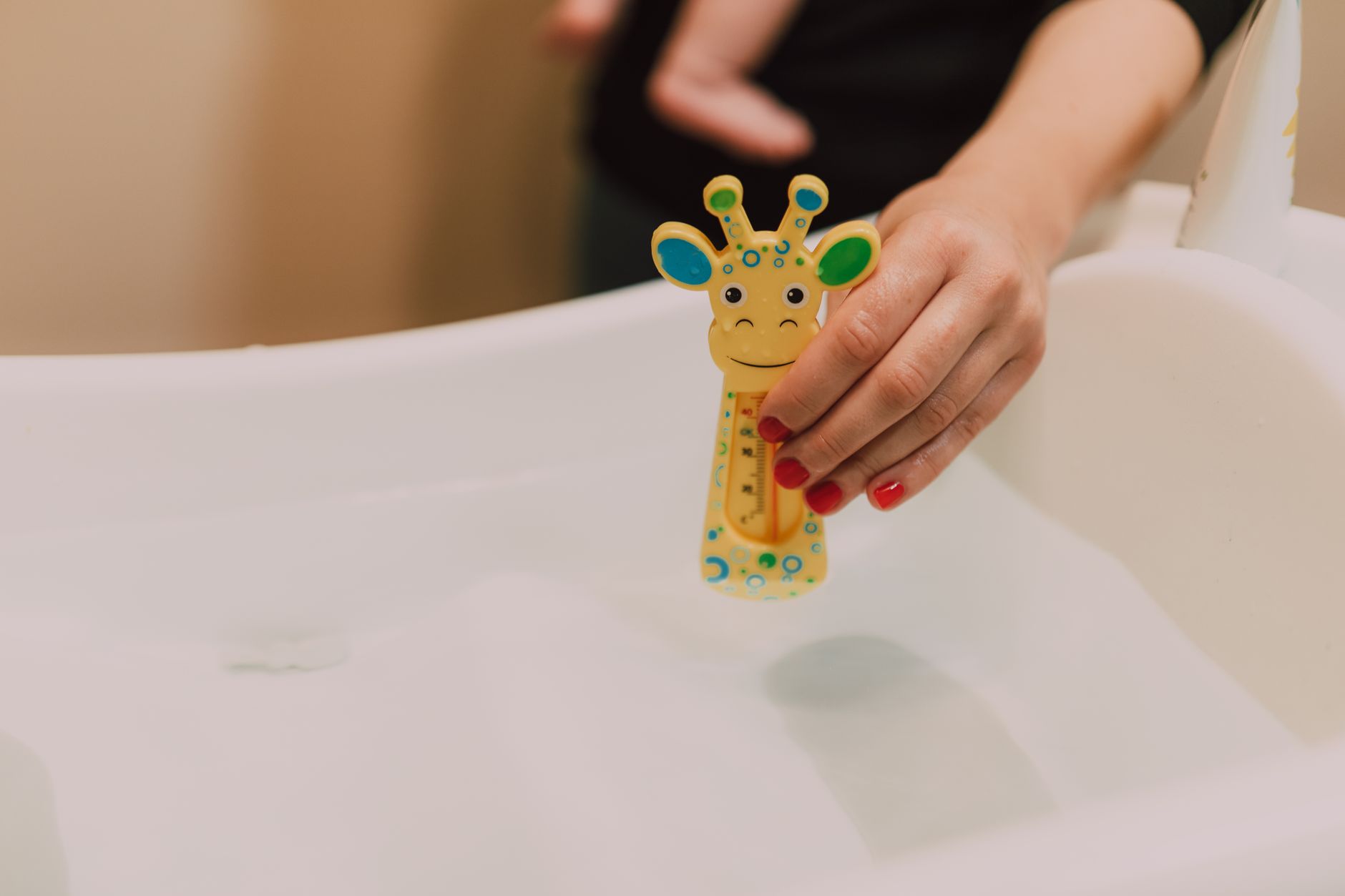
- Bath toys (optional): For children, having bath toys can make the experience more enjoyable.
Having these supplies ready will help ensure that the bleach bath process goes smoothly and that you can moisturize the skin promptly after the bath, which is crucial for maintaining skin hydration and preventing flare-ups.
Preparing for a bleach bath involves careful selection of the right bleach, proper dilution to avoid skin irritation, and gathering all necessary supplies. By following these steps, you can help ensure a safe and effective bleach bath experience that may offer relief from eczema symptoms.
Step-by-Step Guide to Taking a Bleach Bath
Taking a bleach bath for eczema involves specific steps to ensure safety and effectiveness. This guide provides a detailed, step-by-step process for incorporating bleach baths into your eczema care routine. Remember, it’s important to consult with a healthcare provider before starting any new treatment, including bleach baths.
Preparing the Bath
Before you begin, gather all necessary items: a bathtub, household bleach (sodium hypochlorite solution, typically 5-6% concentration), a measuring cup, and a towel. Ensure the bathroom is well-ventilated.
Filling the Tub
Fill the bathtub with warm water. The water should be comfortably warm, not hot, to avoid irritating the skin further. Aim for a depth that allows the water to cover the affected areas comfortably.
Adding the Bleach
For a standard-sized bathtub, add ½ cup of household bleach. This amount is generally safe for adults and older children. For smaller baths or younger children, reduce the amount proportionally. For example, use ¼ cup for a half-sized tub.
Stir the water gently to ensure the bleach is evenly distributed. It’s important not to exceed the recommended amount of bleach, as too much can lead to skin irritation.
Bath Duration
Soak in the bleach bath for about 5 to 10 minutes. This duration is usually sufficient to help reduce bacteria on the skin without causing irritation. If this is your first time trying a bleach bath, start with the shorter duration and observe how your skin reacts.
During the bath, try to relax and let the water work. Avoid vigorous scrubbing or scratching, as this can exacerbate eczema symptoms.
Rinsing Off
After the recommended soak time, it’s not necessary to rinse off the bleach. Simply step out of the bath and pat your skin dry with a clean towel. Rinsing is generally not advised, as it can wash away the beneficial effects of the bleach.
Post-Bath Skincare Routine
Immediately after your bleach bath, apply a fragrance-free, hypoallergenic moisturizer to your skin while it’s still slightly damp. This helps lock in moisture and can soothe eczema symptoms. Choose a moisturizer recommended by your healthcare provider for best results.
What to Avoid During and After the Bath
During the bath, avoid adding any other substances to the water, such as soaps, bubble baths, or Epsom salts, as these can irritate the skin. After the bath, avoid harsh fabrics, such as wool, which can aggravate eczema. Stick to soft, breathable materials like cotton.
It’s also important to avoid scratching or picking at your skin, even if it feels itchy. This can lead to further irritation and potential infection. If itching is severe, consider using an anti-itch cream recommended by your healthcare provider.
Frequency of Bleach Baths
Bleach baths are typically recommended 2-3 times per week. However, the exact frequency can vary based on individual needs and the severity of eczema symptoms. It’s important to follow your healthcare provider’s advice on how often to use bleach baths.
Monitoring Your Skin
Pay close attention to how your skin reacts to bleach baths. If you notice increased redness, irritation, or any other adverse reactions, discontinue use and consult your healthcare provider. It’s crucial to find a routine that works for you without causing additional discomfort.
Combining Bleach Baths with Other Eczema Care Practices
Bleach baths can be a helpful addition to your overall eczema care routine. However, they work best when combined with other eczema management strategies, such as regular moisturizing, avoiding known triggers, and following any prescribed treatments. A comprehensive approach often yields the best results in managing eczema symptoms.
Remember, while bleach baths can be beneficial for some individuals with eczema, they are not a one-size-fits-all solution. Always consult with a healthcare provider before starting bleach baths or making any changes to your eczema care routine.
How Often Should You Take Bleach Baths?
When considering bleach baths for eczema, one of the most critical aspects to understand is how often you should take them. This section will delve into the recommended frequency, how to adjust it based on your skin’s response, and considerations for long-term use.
Guidelines from Dermatologists
Dermatologists generally recommend starting with bleach baths once or twice a week. This frequency is often enough to help manage eczema symptoms without causing excessive skin irritation. The concentration of sodium hypochlorite (the active ingredient in household bleach) should be carefully measured. A common guideline is to use ½ cup of household bleach per full bathtub of water for standard baths, or about 2 tablespoons per gallon for smaller baths, such as those in a baby bath.
It’s essential to follow these guidelines closely. Overuse of bleach baths can lead to skin irritation and other side effects, which may exacerbate eczema symptoms rather than alleviate them. Always consult with a healthcare provider before starting bleach baths to ensure they are appropriate for your specific situation.
Adjusting Frequency Based on Skin Response
Every individual’s skin reacts differently to treatments, including bleach baths. It’s important to monitor your skin’s response closely when starting bleach baths. If you notice improvements in your eczema symptoms without any adverse effects, continuing with the initial frequency might be suitable. However, if you experience increased skin irritation or other negative reactions, it may be necessary to reduce the frequency.
For instance, if you start with twice-weekly baths and find your skin becoming too dry or irritated, try reducing to once a week. Conversely, if you don’t see significant improvement, you might consider increasing the frequency slightly, but never exceed the recommended maximum of three times a week without consulting a dermatologist.
Here’s a practical approach:
- Week 1-2: Begin with one bleach bath per week and observe your skin’s reaction.
- Week 3-4: If there are no adverse effects and your eczema symptoms are improving, you might try increasing to twice a week.
- Ongoing: Continue to monitor your skin. If symptoms flare up or irritation occurs, revert to the previous, more tolerable frequency.
Long-Term Use Considerations
While bleach baths can be an effective part of an eczema care routine, long-term use requires careful consideration. Prolonged exposure to sodium hypochlorite can potentially lead to skin dryness, irritation, and other complications. Therefore, it’s crucial to incorporate other moisturizing and skin-care practices alongside bleach baths.
For long-term management, consider the following steps:
- Moisturize Regularly: After each bleach bath, apply a fragrance-free moisturizer to help lock in hydration and protect the skin barrier.
- Rotate Treatments: Alternate bleach baths with other soothing bath additives, such as oatmeal or baking soda, to give your skin a break from the bleach.
- Monitor Symptoms: Keep a journal of your eczema symptoms and any changes you notice after bleach baths. This can help you and your dermatologist make informed decisions about continuing or adjusting the frequency.
Additionally, it’s wise to have regular check-ins with your dermatologist, especially if you plan to use bleach baths for an extended period. They can provide personalized advice and ensure that your eczema management plan is effective and safe.
In summary, the frequency of bleach baths for eczema should be tailored to your individual skin response and guided by professional recommendations. Starting slow, monitoring closely, and making adjustments as needed will help you find the right balance for managing your eczema symptoms effectively.
Alternative Treatments to Bleach Baths
While bleach baths for eczema can be beneficial for some individuals, they may not be the right choice for everyone. It’s important to explore alternative treatments that can help manage eczema symptoms effectively. This section will discuss three primary alternatives: topical creams and ointments, moisturizers, and lifestyle changes. Each option offers unique benefits and can be tailored to fit individual needs and preferences.
Topical Creams and Ointments
Topical creams and ointments are a cornerstone of eczema care. These products are applied directly to the skin and can help reduce inflammation, itching, and other symptoms. There are several types of topical treatments available, each with its own set of benefits.
- Corticosteroids: These are anti-inflammatory medications that can quickly reduce redness and itching. They come in various strengths, from mild to very strong, and should be used according to a healthcare provider’s recommendations.
- Calcineurin inhibitors: These medications, such as tacrolimus and pimecrolimus, work by suppressing the immune system’s response in the skin. They are particularly useful for sensitive areas like the face and are often prescribed for long-term use.
- Emollients: These are moisturizing creams that help to hydrate the skin and create a barrier to protect it from irritants. While they don’t have anti-inflammatory properties, they are essential for maintaining skin health.
When considering topical treatments, it’s important to follow the guidance of a healthcare provider. They can help determine the best type and strength of medication for your specific needs. It’s also crucial to use these treatments consistently to manage eczema symptoms effectively.
Moisturizers
Moisturizers play a critical role in eczema management. Keeping the skin well-hydrated can help prevent flare-ups and reduce the severity of symptoms. There are many types of moisturizers available, each with different ingredients and benefits.
- Creams: These are versatile and can be used on most areas of the body. They provide a good balance of moisture and are often easy to apply.
- Ointments: These are thicker and provide more intense hydration. They are particularly useful for very dry or cracked skin.
- Lotions: These are lighter and easier to apply but may not provide as much moisture as creams or ointments. They are often used for less severe cases of eczema.
It’s important to choose a moisturizer that is free from fragrances, dyes, and other potential irritants. Applying moisturizer immediately after a bath or shower can help lock in moisture and protect the skin. Consistency is key; regular use of moisturizers can significantly improve the condition of eczema-prone skin.
Lifestyle Changes
In addition to medical treatments, certain lifestyle changes can help manage eczema symptoms and reduce the frequency of flare-ups. These changes can be simple yet effective in improving overall skin health.
- Avoid triggers: Identifying and avoiding triggers that exacerbate eczema is crucial. Common triggers include certain fabrics, soaps, and environmental factors like pollen or pet dander. Keeping a journal can help track what triggers your symptoms.
- Maintain a healthy diet: While no specific diet may help support eczema-prone skin, eating a balanced diet rich in vitamins and minerals can support overall skin health. Foods high in omega-3 fatty acids, like fish and flaxseeds, may have anti-inflammatory properties.
- Manage stress: Stress can worsen eczema symptoms. Incorporating stress-management techniques such as yoga, meditation, or regular exercise can help keep symptoms in check.
- Stay hydrated: Drinking plenty of water helps keep the skin hydrated from the inside out. Aim for at least eight glasses of water a day.
Making these lifestyle changes can complement other treatments and contribute to better eczema management. It’s important to approach eczema care holistically, considering both medical treatments and lifestyle adjustments.
In conclusion, while bleach baths for eczema can be an effective treatment for some, they are not the only option available. Topical creams and ointments, moisturizers, and lifestyle changes offer alternative ways to manage eczema symptoms. By exploring these options and working closely with a healthcare provider, individuals can find a treatment plan that works best for them.
When to Consult a Healthcare Provider
When considering bleach baths for eczema, it is crucial to involve a healthcare provider in your decision-making process. This ensures that the treatment is appropriate for your specific condition and helps to minimize potential risks.
Signs You Need Professional Help
While bleach baths can be beneficial for some individuals with eczema, they are not a one-size-fits-all solution. It’s important to recognize when professional help is needed. Here are some signs that you should consult a healthcare provider before trying bleach baths:
- Severe eczema symptoms: If your eczema is severe, characterized by extensive redness, oozing, or crusting, a healthcare provider can offer more targeted treatments.
- Frequent flare-ups: If you experience frequent eczema flare-ups, a healthcare provider can help identify triggers and develop a comprehensive management plan.
- Skin infections: Signs of infection, such as increased redness, warmth, pus, or fever, require immediate medical attention.
- Allergic reactions: If you have a known allergy to sodium hypochlorite or any other ingredients in bleach, it’s essential to discuss alternative treatments with your doctor.
- No improvement with current treatments: If your current eczema care regimen isn’t providing relief, a healthcare provider can evaluate whether bleach baths might be an effective addition.
What to Discuss with Your Doctor
When you meet with your healthcare provider to discuss bleach baths for eczema, be prepared to cover several important topics:
- Your eczema history: Provide a detailed history of your eczema, including when it started, its severity, and any previous treatments you’ve tried.
- Current symptoms: Describe your current eczema symptoms, including any recent flare-ups and their frequency.
- Previous treatments: Discuss any treatments you’ve used, including topical creams, ointments, and other bath techniques, and their effectiveness.
- Potential triggers: Identify any known triggers that worsen your eczema, such as certain fabrics, soaps, or environmental factors.
- Concerns about bleach baths: Express any concerns you have about using bleach baths, including fears of skin irritation or other side effects.
- Alternative options: Ask about other treatment options if bleach baths are not suitable for you.
Getting a Personalized Treatment Plan
A healthcare provider can help you create a personalized treatment plan that may include bleach baths as one component of your eczema care regimen. Here’s how they can assist:
- Tailored advice: Your doctor can provide specific guidance on how to safely incorporate bleach baths into your routine, including the appropriate concentration of sodium hypochlorite and frequency of baths.
- Monitoring progress: Regular follow-ups with your healthcare provider allow for ongoing assessment of your eczema symptoms and the effectiveness of bleach baths.
- Adjusting treatments: If you experience any adverse reactions or if bleach baths aren’t providing the desired relief, your doctor can adjust your treatment plan accordingly.
- Combination therapies: Your healthcare provider may recommend combining bleach baths with other treatments, such as moisturizers, topical steroids, or antihistamines, to achieve the best results.
Involving a healthcare provider in your decision to try bleach baths ensures that you receive safe, evidence-based care tailored to your individual needs. This collaborative approach can help you manage your eczema more effectively and improve your overall quality of life.
Monitoring Your Skin’s Reaction to Bleach Baths
Before trying bleach baths for eczema, it’s important to understand the benefits and risks. Now that you’ve started, the next crucial step is to monitor how your skin reacts to these baths. Proper monitoring helps ensure that bleach baths are beneficial and not causing additional skin irritation.
Tracking Skin Changes
One of the first things to do when starting bleach baths is to keep a detailed record of your skin’s condition before, during, and after the baths. This can be done through a simple journal or a smartphone app designed for tracking health symptoms.
Here are some specific things to note:
- Baseline Condition: Record the state of your eczema before starting bleach baths. Note the severity, location, and any symptoms like itching or redness.
- Immediate Reaction: After each bleach bath, observe your skin for any immediate changes. Look for signs of improvement such as reduced redness or itching, but also be alert for any adverse reactions like increased irritation or a burning sensation.
- Long-Term Changes: Over the course of several weeks, track any gradual improvements or worsening of your eczema. This long-term view can help you understand the overall effectiveness of bleach baths for your specific condition.
Adjusting Bleach Concentration
The concentration of sodium hypochlorite (the active ingredient in bleach) can significantly affect how your skin reacts to bleach baths. It’s essential to start with a low concentration and gradually increase it if needed, while closely monitoring your skin’s response.
Here’s a practical approach:
- Initial Concentration: Begin with a very dilute solution. A common starting point is ¼ cup of household bleach (6% sodium hypochlorite) in a standard bathtub full of water.
- Incremental Increases: If your skin tolerates the initial concentration well and you notice improvements in your eczema symptoms, you may gradually increase the amount of bleach. However, do this slowly, adding only a small amount more per bath.
- Signs to Decrease Concentration: If you experience any skin irritation, such as increased redness, itching, or a burning sensation, reduce the bleach concentration in your next bath. Sometimes, going back to the previous, lower concentration can help your skin adjust.
Remember, the goal is to find the minimum effective concentration that helps manage your eczema without causing discomfort.
When to Stop Using Bleach Baths
While bleach baths can be beneficial for many people with eczema, they are not a one-size-fits-all solution. There are situations where it may be necessary to stop using bleach baths:
- Severe Skin Irritation: If you experience severe skin irritation, such as intense burning, stinging, or worsening of eczema symptoms, discontinue the baths immediately and consult a healthcare provider.
- No Improvement: If you don’t notice any improvement in your eczema symptoms after several weeks of consistent bleach baths, it may be time to reassess this treatment option. Discuss with your healthcare provider about alternative treatments.
- Development of New Symptoms: If you start experiencing new symptoms that you suspect are related to the bleach baths, such as respiratory issues or unusual skin reactions, stop the baths and seek medical advice.
It’s also important to regularly reassess the need for bleach baths. If your eczema is well-managed with other treatments, you may not need to continue bleach baths indefinitely.
In conclusion, monitoring your skin’s reaction to bleach baths is a critical part of using this treatment effectively and safely. By tracking changes, adjusting the bleach concentration as needed, and knowing when to stop, you can help ensure that bleach baths are a positive part of your eczema care routine.
Integrating Bleach Baths into Your Eczema Management Plan
Incorporating bleach baths into your eczema care routine requires a thoughtful approach. While bleach baths can be beneficial, they are most effective when used as part of a comprehensive eczema management strategy. Here are some tips on how to integrate bleach baths with other treatments and create a well-rounded plan for managing your eczema.
Creating a Comprehensive Skincare Routine
A consistent skincare routine is essential for managing eczema symptoms. When adding bleach baths for eczema to your regimen, consider the following steps:
- Moisturize Regularly: Apply a gentle, fragrance-free moisturizer immediately after your bath to lock in moisture. This helps to soothe dry, irritated skin and create a barrier against triggers.
- Use Mild Cleansers: Opt for mild, soap-free cleansers to avoid stripping your skin of natural oils. Harsh soaps can exacerbate eczema symptoms.
- Avoid Hot Water: Keep bath water lukewarm to prevent further drying and irritation of the skin. Hot water can worsen eczema flare-ups.
Balancing Bleach Baths with Other Treatments
Bleach baths should complement, not replace, other eczema treatments. Here’s how to balance them effectively:
- Topical Medications: Continue using prescribed topical medications as directed by your healthcare provider. These can include corticosteroids or other anti-inflammatory creams.
- Oral Medications: If your healthcare provider has prescribed oral medications, such as antihistamines or immunosuppressants, continue taking them as directed.
- Avoid Over-Reliance: While bleach baths can be helpful, relying solely on them may not address all aspects of eczema. Combine them with other treatments for the best results.
Long-Term Eczema Management
Managing eczema is an ongoing process that requires patience and consistency. Here are some strategies for long-term eczema management:
- Identify Triggers: Keep a journal to track your eczema symptoms and potential triggers. Common triggers include certain fabrics, allergens, stress, and environmental factors.
- Regular Check-Ups: Schedule regular appointments with your healthcare provider to monitor your eczema and adjust your treatment plan as needed.
- Healthy Lifestyle: Maintain a healthy lifestyle by eating a balanced diet, staying hydrated, and managing stress. These factors can influence your overall skin health.
Real-life Example: Jane, a 35-year-old mother, incorporated bleach baths into her eczema management plan. She noticed significant improvement in her symptoms when she combined bleach baths with daily moisturizing, mild cleansers, and prescribed topical medications. By identifying her triggers and maintaining a consistent routine, Jane was able to keep her eczema under control.
Decision Point: If you’re considering adding bleach baths to your eczema care routine, start by consulting with your healthcare provider. They can help you create a personalized plan that includes bleach baths and other appropriate treatments. Remember, the goal is to find a balanced approach that works best for your unique needs.
In summary, integrating bleach baths into your eczema management plan requires a holistic approach. By creating a comprehensive skincare routine, balancing bleach baths with other treatments, and committing to long-term management, you can effectively manage your eczema symptoms and improve your overall skin health.
Frequently asked questions
Are bleach baths safe for all types of eczema?
Bleach baths can be beneficial for certain types of eczema, particularly atopic dermatitis, which is the most common form. They may help reduce bacterial infections on the skin, which can exacerbate eczema symptoms. However, it’s important to consult with a healthcare provider before starting bleach baths, as they may not be suitable for all types of eczema or skin conditions.
How often can I take a bleach bath?
The frequency of bleach baths can vary depending on the severity of your eczema and your skin’s tolerance. Generally, bleach baths are recommended once or twice a week. However, it’s crucial to monitor your skin’s reaction and adjust the frequency as needed. If you experience any discomfort or irritation, reduce the frequency or discontinue use and consult a healthcare provider.
What concentration of bleach should I use?
For bleach baths, it’s recommended to use a very dilute solution. A common ratio is 1/4 to 1/2 cup of household bleach (6% sodium hypochlorite) per full bathtub of water. This concentration is safe and effective for most people. Always use unscented bleach and ensure the bathwater is comfortably warm, not hot.
Can bleach baths cause skin irritation?
While bleach baths are generally safe for most people with eczema, there is a potential for skin irritation, especially if the bleach concentration is too high or if the baths are taken too frequently. To minimize the risk of irritation, use the recommended bleach-to-water ratio, limit the duration of each bath to about 10 minutes, and moisturize your skin afterward.
Do I need to moisturize after a bleach bath?
Yes, moisturizing after a bleach bath is crucial. Bleach baths can dry out the skin, so applying a gentle, fragrance-free moisturizer immediately after the bath can help lock in moisture and soothe the skin. Look for products specifically designed for sensitive or eczema-prone skin.
Can children use bleach baths?
Children with eczema can use bleach baths, but it’s important to follow safety guidelines. Use the recommended bleach-to-water ratio, ensure the water is comfortably warm, and limit the bath time to about 10 minutes. Always supervise children during the bath and monitor their skin for any signs of irritation. Consult with a pediatrician before starting bleach baths for your child.
Use MyEczema.app to track your eczema patterns and daily triggers.
This article is for educational purposes only and is not medical advice. If symptoms are severe, spreading, painful, infected-looking, or affecting sleep and daily life, speak with a qualified healthcare professional.
Sources and further reading
For medical guidance, always rely on a qualified healthcare professional. These educational resources may help readers learn more:
Image credit: Photo by SHVETS production on Pexels. Used under the Pexels License.
Image credit: Photo by RDNE Stock project on Pexels. Used under the Pexels License.
Image credit: Photo by Max Vakhtbovych on Pexels. Used under the Pexels License.