
MyEczema.app guide
Baby Eczema Medical Attention: Practical Guide
baby eczema medical attention: practical tips for tracking triggers, building routines, and supporting eczema-prone skin.

Table of contents
Use this guide as a practical reference and jump to the sections most relevant to you.
- Quick answer
- Key takeaways
- Practical comparison table
- Visual chart
- Related MyEczema.app tool
- Understanding Baby Eczema
- When to Seek Medical Attention for Baby Eczema
- Common Triggers of Baby Eczema
- Home Care Tips for Managing Baby Eczema
- Creating a Skincare Routine for Baby Eczema
- Recognizing Signs of Infection in Baby Eczema
- Consulting a Pediatrician for Baby Eczema
- Lifestyle Changes for Managing Baby Eczema
- Tracking Eczema Patterns in Babies
- Tracking patterns in a simple and useful way
- Frequently asked questions
- Sources and further reading
Welcoming a new baby into the world is a joyous occasion, but it can also come with its share of challenges, including baby eczema. This common skin condition can be distressing for both babies and their caregivers. Understanding when baby eczema needs medical attention is crucial for ensuring your little one’s comfort and health. In this guide, we’ll explore the signs that indicate it’s time to seek professional help, offer practical tips for managing eczema at home, and provide insights into common triggers and preventive measures.
Baby eczema, also known as atopic dermatitis, manifests as dry, itchy, and inflamed skin. It can be triggered by various factors, including skin barrier disruption, irritants, climate, cleansing habits, allergens, and individual triggers. While many cases of baby eczema can be managed with proper care and attention, there are instances where medical intervention is necessary. Recognizing these signs early can make a significant difference in your baby’s comfort and overall well-being.
In this article, we’ll delve into the specific indicators that suggest your baby’s eczema may need medical attention. We’ll also cover essential background information on eczema to help you better understand this condition. Our goal is to equip you with the knowledge and confidence to care for your baby’s skin effectively, ensuring they stay as comfortable as possible.
Let’s start by addressing a critical question: how do you know if baby eczema needs medical attention? Understanding this can help you make informed decisions and provide the best care for your baby.
Quick answer
If baby eczema symptoms worsen, spread rapidly, or show signs of infection, seek medical attention promptly. Early intervention can help manage the condition more effectively and prevent complications.
Key takeaways
- Recognize severe eczema symptoms that require medical attention.
- Understand common triggers and how to avoid them.
- Learn practical steps for managing baby eczema at home.
- Know when to consult a pediatrician for professional advice.
- Implement a consistent skincare routine to prevent flare-ups.
When to Seek Medical Attention for Baby Eczema
| Situation | What it may mean | Practical next step |
|---|---|---|
| Mild redness and itching | Mild eczema that can often be managed at home. | Continue home care and monitor symptoms. |
| Severe itching leading to broken skin | Risk of infection and need for medical evaluation. | Consult a pediatrician immediately. |
| Rapid spread of rash | Possible severe reaction or infection. | Seek medical attention promptly. |
| Yellow or honey-colored crusting | Sign of bacterial infection. | Visit a doctor for treatment. |
| Fever or general unwellness | Possible systemic infection. | Seek urgent medical care. |
Common Triggers of Baby Eczema
This visual is an educational guide, not a diagnostic score. Use it to decide what may be worth tracking more consistently for this specific topic.
Allergens (e.g., pollen, pet dander)
High impact on eczema flare-ups.
Environmental factors (e.g., dry air, heat)
Moderate impact, manageable with adjustments.
Dietary triggers (e.g., dairy, nuts)
Variable impact, depends on individual sensitivity.
Irritants (e.g., soaps, detergents)
Common trigger, avoid harsh products.
Stress and emotional factors
Lower impact, but can exacerbate symptoms.
Related MyEczema.app tool
Use the Daily Trigger Tracker
The Daily Trigger Tracker helps users record symptoms, possible triggers, skin routine, photos, notes, and trends over time.
For this topic, this tool can help you organize information in a more structured way and turn daily observations into clearer patterns to review over time.
Understanding Baby Eczema
Baby eczema, also known as atopic dermatitis, is a common skin condition that affects many infants. It’s important for parents to understand what baby eczema is, recognize its common symptoms, and know the differences between mild and severe cases. This knowledge is crucial for determining when baby eczema needs medical attention.
Definition of Eczema
Eczema is a chronic skin condition characterized by inflammation and irritation. It often appears as dry, itchy, and red patches on the skin. Eczema can flare up periodically, and while it is not contagious, it can be uncomfortable and distressing for both babies and their caregivers.
The exact cause of eczema is not fully understood, but it is believed to involve a combination of genetic and environmental factors. For babies, eczema often appears in the first six months of life and may persist into childhood.
Common Symptoms in Babies
Recognizing the symptoms of baby eczema is the first step in managing the condition. Common symptoms include:
- Red, Inflamed Skin: Patches of skin may become red and inflamed, especially on the face, scalp, hands, feet, and behind the knees.
- Itching and Scratching: Babies with eczema often scratch or rub the affected areas, which can worsen the condition.
- Dry, Scaly Skin: The skin may become dry and scaly, leading to further irritation.
- Small Bumps: Sometimes, small, raised bumps may appear on the skin.
- Oozing or Crusting: In severe cases, the skin may ooze fluid and develop crusts.
It’s important to monitor these symptoms closely, as they can indicate the need for baby eczema medical attention.
Differences Between Mild and Severe Cases
Baby eczema can range from mild to severe, and understanding these differences is key to knowing when to seek medical help.
Mild Cases
In mild cases of baby eczema, symptoms are usually manageable with basic care routines. These may include:
- Frequent moisturizing with gentle, fragrance-free lotions.
- Using mild, hypoallergenic detergents and soaps.
- Avoiding known triggers, such as certain fabrics or environmental allergens.
- Keeping the baby’s nails short to prevent scratching.
Mild eczema may cause occasional discomfort but does not typically require immediate medical intervention. However, if symptoms persist or worsen, it’s important to consult a healthcare provider.
Severe Cases
Severe baby eczema requires more intensive management and often necessitates medical attention. Signs that eczema may be severe include:
- Widespread Rash: The rash covers large areas of the body.
- Intense Itching: The baby experiences severe itching that disrupts sleep and daily activities.
- Skin Infections: The skin may become infected, showing signs of oozing, crusting, or increased redness and swelling.
- Failure to Improve: Despite consistent care, the eczema does not show signs of improvement.
In severe cases, a healthcare provider may recommend prescription medications, such as topical steroids or other treatments, to help manage the symptoms and prevent complications.
Understanding the differences between mild and severe baby eczema is crucial for determining when to seek baby eczema medical attention. If you notice any signs of severe eczema or if your baby’s symptoms are not improving with basic care, it’s important to consult a healthcare professional for further evaluation and treatment.
By staying informed and vigilant about your baby’s skin condition, you can ensure they receive the appropriate care and support needed to manage eczema effectively.
When to Seek Medical Attention for Baby Eczema
Baby eczema can often be managed at home with proper care, but there are times when baby eczema medical attention is necessary. Knowing when to seek help can make a significant difference in your baby’s comfort and health. This section will guide you through the signs that indicate it’s time to consult a healthcare professional.
Signs of Infection
One of the most critical reasons to seek medical attention for baby eczema is the presence of signs of infection. Eczema can create breaks in the skin, making it easier for bacteria, viruses, or fungi to enter. Here are some indicators that an infection may be present:
- Increased Redness and Swelling: If the affected areas become more red and swollen than usual, it could signal an infection.
- Yellow or Green Pus: Any discharge from the rash, especially if it’s yellow or green, is a strong indicator of bacterial infection.
- Warmth and Tenderness: If the skin feels warmer to the touch or is particularly tender, it may be infected.
- Fever: A fever accompanying the rash can indicate that the body is fighting an infection.
- Constant Scratching: If your baby is scratching incessantly, it may indicate that the eczema is not well-managed.
- Bleeding or Oozing: Scratching can cause the skin to break, leading to bleeding or oozing, which increases the risk of infection.
- Sleep Disturbances: If your baby is waking up frequently at night due to itching, it’s time to seek medical advice.
- Allergic Reaction: A sudden spread could indicate an allergic reaction to something your baby has come into contact with.
- Change in Environment: Sometimes, a change in environment, such as moving to a new home or starting daycare, can trigger a widespread flare-up.
- Underlying Condition: In rare cases, a rapid spread might indicate an underlying condition that needs to be addressed.
- Keep a Diary: Note down when the symptoms started, how they’ve progressed, and any potential triggers. This information can be invaluable for your healthcare provider.
- Take Photos: If it’s safe and comfortable for your baby, take photos of the rash. These can help the healthcare provider assess the severity and spread.
- Follow Up: After your visit, follow any recommendations or prescriptions given by the healthcare provider. Regular follow-ups may be necessary to monitor the condition.
If you notice any of these signs, it’s important to contact your healthcare provider promptly. Infections can worsen quickly and may require prescription medications like antibiotics or antivirals.
Severe Itching and Scratching
Eczema is often accompanied by intense itching, which can lead to scratching. While some scratching is normal, severe itching that disrupts your baby’s daily activities or sleep is a cause for concern. Here’s what to look for:
Healthcare providers can offer additional treatments to help manage severe itching, such as stronger moisturizers, prescription creams, or even oral medications in some cases.
Rapid Spread of Rash
Eczema rashes can come and go, but a rapid spread of the rash can be alarming. If you notice that the rash is quickly covering more areas of your baby’s skin, it’s essential to get medical attention. Here’s why:
A healthcare provider can help determine the cause of the rapid spread and recommend appropriate treatments. They may also suggest changes in your baby’s environment or routine to help manage the condition better.
Practical Steps to Take
When you decide that your baby’s eczema needs medical attention, here are some practical steps you can take:
Remember, while it’s important to seek medical attention when necessary, many aspects of baby eczema care can be managed at home with proper routines and products. However, when in doubt, it’s always better to err on the side of caution and consult a healthcare professional.
Common Triggers of Baby Eczema
Understanding the common triggers of baby eczema is crucial for effective management and knowing when to seek baby eczema medical attention. Identifying and avoiding these triggers can help reduce the frequency and severity of eczema flare-ups, making life more comfortable for both babies and their caregivers.
Allergens
Allergens are substances that can provoke an allergic reaction, worsening baby eczema. Common allergens include:
- Pet dander: If you have pets, their fur and dander can irritate your baby’s skin. Regularly cleaning and grooming pets, and keeping them out of your baby’s sleeping area, can help.
- Dust mites: These microscopic creatures thrive in warm, humid environments. Using hypoallergenic bedding and frequently washing bedding in hot water can reduce dust mite exposure.
- Pollen: During high pollen seasons, limit outdoor activities and keep windows closed to minimize exposure.
If you notice that your baby’s eczema worsens after exposure to certain allergens, it may be time to consult a healthcare provider for further guidance on baby eczema medical attention.
Environmental Factors
The environment plays a significant role in triggering baby eczema. Some common environmental factors include:
- Dry air: Low humidity can dry out your baby’s skin, exacerbating eczema. Using a humidifier in your baby’s room can help maintain optimal moisture levels.
- Extreme temperatures: Both hot and cold weather can irritate your baby’s skin. Dress your baby in layers to regulate their body temperature and protect their skin.
- Harsh chemicals: Avoid using soaps, detergents, and cleaning products with strong fragrances or chemicals. Opt for gentle, hypoallergenic alternatives.
If environmental factors seem to be triggering your baby’s eczema, making some changes at home can help. However, if the eczema persists or worsens, seeking baby eczema medical attention is important.
Dietary Triggers
Certain foods can trigger eczema in babies, especially those with food allergies. Common dietary triggers include:
- Dairy: Some babies may react to dairy products. If you suspect a dairy allergy, consult a pediatrician before making any dietary changes.
- Eggs: Egg allergies are common in babies and can exacerbate eczema. Introduce eggs gradually and monitor for any reactions.
- Nuts: Though less common, nut allergies can trigger eczema. Introduce nuts under medical supervision if there’s a family history of allergies.
If you notice that your baby’s eczema flare-ups coincide with the introduction of certain foods, it may be worth discussing this with a healthcare provider. They can guide you on the best approach for baby eczema medical attention and dietary management.
Recognizing and avoiding these common triggers is a vital part of baby eczema care. By taking proactive steps to minimize exposure to allergens, environmental factors, and dietary triggers, you can help manage your baby’s eczema more effectively. However, if you find that your efforts are not sufficient and the eczema persists or worsens, it’s important to seek baby eczema medical attention. A healthcare provider can offer additional strategies and treatments to help manage your baby’s condition.
In addition to avoiding triggers, consistent eczema management practices such as regular moisturizing, gentle skin care routines, and using recommended topical treatments can further help in managing baby eczema. Remember, every baby is different, and what works for one may not work for another. Patience and persistence are key in finding the right combination of strategies for your baby.

Home Care Tips for Managing Baby Eczema
When dealing with baby eczema, consistent and careful home care can make a significant difference in managing symptoms and preventing flare-ups. This section provides practical tips on moisturizing techniques, gentle bathing practices, and appropriate clothing choices to help you navigate baby eczema care effectively.
Moisturizing Techniques
Moisturizing is a cornerstone of baby eczema management. Keeping your baby’s skin well-hydrated can help reduce itching and prevent flare-ups. Here are some effective moisturizing techniques:
- Choose the Right Moisturizer: Opt for fragrance-free, hypoallergenic moisturizers designed for sensitive skin. Look for products containing ceramides and emollients, which help restore the skin’s natural barrier.
- Apply Frequently: Moisturize your baby’s skin at least twice a day, and more often if there are signs of dryness. After bathing is an ideal time, as the skin is still damp and can better absorb the moisturizer.
- Use Gentle Strokes: Apply moisturizer using gentle, circular motions. Avoid rubbing, which can irritate the skin further.
- Target Problem Areas: Pay extra attention to areas commonly affected by eczema, such as the cheeks, scalp, and limbs. These areas may require more frequent application.
Real-life example: Sarah noticed that her baby’s skin became dry and irritated in the evenings. By incorporating an extra moisturizing session before bedtime, she saw a significant improvement in her baby’s comfort and reduced eczema flare-ups.
Gentle Bathing Practices
Bathing can be both soothing and potentially irritating for babies with eczema. Adopting gentle bathing practices can help maintain skin health and prevent flare-ups:
- Limit Bath Time: Keep bath sessions short, around 5-10 minutes, to prevent the skin from drying out.
- Use Lukewarm Water: Avoid hot water, which can strip the skin of its natural oils. Lukewarm water is gentler and helps preserve moisture.
- Choose Mild Soaps: Use mild, fragrance-free soaps or cleansers specifically formulated for sensitive skin. Avoid harsh soaps and detergents that can irritate the skin.
- Moisturize Immediately After Bathing: Apply moisturizer within three minutes of patting the skin dry to lock in moisture.
- Avoid Bubble Baths: Bubble baths and other additives can be irritating. Stick to plain water or a gentle, additive-free cleanser.
Real-life example: After switching to a fragrance-free cleanser and moisturizing immediately after baths, Jake’s baby experienced fewer eczema flare-ups and smoother skin.
Clothing Choices
The right clothing can play a crucial role in managing baby eczema. Here are some tips for selecting and using clothing to support eczema management:
- Choose Soft Fabrics: Opt for soft, breathable fabrics like cotton. Avoid rough materials such as wool, which can irritate the skin.
- Avoid Tight Clothing: Loose-fitting clothes reduce friction and irritation. Ensure that clothing is not too tight around the neck, wrists, or ankles.
- Layer When Necessary: In colder weather, use layers to keep your baby warm without overdressing. This helps prevent overheating, which can lead to sweating and potential irritation.
- Wash New Clothes: Before wearing, wash new clothing items to remove any chemicals or dyes that might irritate the skin.
- Use Gentle Detergents: When washing clothes, use a mild, hypoallergenic detergent. Rinse thoroughly to ensure no residue is left behind.
Real-life example: Emily found that switching her baby to cotton onesies and avoiding synthetic materials significantly reduced skin irritation and eczema symptoms.
By incorporating these home care tips into your routine, you can create a supportive environment that helps manage baby eczema effectively. Remember, every baby is unique, so it may take some trial and error to find the best combination of techniques that work for your little one. If you notice persistent or severe symptoms, seeking baby eczema medical attention from a healthcare professional is crucial to ensure proper management and support.
Creating a Skincare Routine for Baby Eczema
Establishing an effective skincare routine is crucial when dealing with baby eczema. This routine helps manage symptoms, reduce eczema flare-ups, and improve the overall health of your baby’s skin. Here, we will guide you through a step-by-step routine, recommend suitable products, and discuss the frequency of application.
Step-by-Step Routine
A consistent skincare routine can significantly impact baby eczema management. Follow these steps to create a routine that works for your baby:
- Bathing: Bathe your baby once a day using lukewarm water. Avoid hot water as it can strip the skin of its natural oils. Use a gentle, fragrance-free cleanser to prevent further irritation. Limit bath time to about 10-15 minutes.
- Moisturizing: Immediately after bathing, gently pat your baby’s skin dry with a soft towel. While the skin is still damp, apply a thick, fragrance-free moisturizer. This locks in moisture and helps prevent dryness and itching.
- Clothing: Dress your baby in soft, breathable fabrics like cotton. Avoid wool and synthetic materials that can irritate the skin. Use loose-fitting clothes to prevent chafing.
- Environment: Keep your baby’s environment cool and humid. Use a humidifier in the nursery to maintain moisture in the air, which can help prevent skin dryness.
- Avoid Triggers: Identify and avoid common triggers that can exacerbate baby eczema. These may include certain foods, detergents, or environmental allergens.
Recommended Products
Choosing the right products is essential for managing baby eczema. Here are some recommendations:
- Cleansers: Opt for mild, fragrance-free cleansers. Look for products labeled “hypoallergenic” or “for sensitive skin.” Examples include Cetaphil Baby Wash and Creamy Wash or Aveeno Baby Daily Moisture Wash.
- Moisturizers: Use thick, fragrance-free moisturizers. Products like Vanicream Moisturizing Skin Cream or CeraVe Baby Moisturizing Cream are good options. For extra dry skin, consider petroleum-based ointments like Vaseline.
- Clothing: Choose soft, cotton clothing. Brands like Burt’s Bees Baby and Cotton Citizens offer gentle, eczema-friendly apparel.
Frequency of Application
The frequency of applying skincare products depends on your baby’s specific needs and the severity of their eczema. Here’s a general guideline:
- Bathing: Daily baths are usually sufficient. However, if your baby’s skin is very dry, you may need to reduce the frequency to every other day to prevent over-drying.
- Moisturizing: Apply moisturizer at least twice a day, more if needed. After baths and whenever the skin appears dry, it’s important to reapply.
- Cleansers: Use gentle cleansers during every bath. Avoid using soaps or cleansers more than once a day to prevent skin irritation.
Remember, every baby is different. What works for one may not work for another. Pay attention to your baby’s skin and adjust the routine as needed. If you notice persistent or worsening symptoms despite your efforts, it may be time to seek baby eczema medical attention. A healthcare provider can offer additional guidance and recommend treatments if necessary.
Creating a consistent skincare routine is a proactive step in managing baby eczema. By following these steps and using the right products, you can help keep your baby’s skin healthy and reduce the frequency of eczema flare-ups.
Recognizing Signs of Infection in Baby Eczema
When it comes to baby eczema, recognizing signs of infection is crucial. Infections can exacerbate symptoms and complicate eczema management. Understanding what to look for and when to contact a doctor can make a significant difference in your baby’s health and comfort.
Symptoms of Infection
Baby eczema can sometimes lead to secondary infections, especially if the skin is broken from scratching. Here are some common symptoms of infection to watch for:
- Increased Redness and Swelling: If the eczema patches become more red and swollen than usual, it might indicate an infection.
- Oozing or Crusting: Look for any fluid oozing from the eczema patches or the formation of yellow crusts. This can be a sign of a bacterial infection.
- Warmth: An infected area may feel warmer to the touch compared to the surrounding skin.
- Pus or Blisters: The presence of pus or small blisters can indicate a bacterial or viral infection.
- Increased Itching and Discomfort: If your baby seems more irritable and is scratching more than usual, it could be a sign of an underlying infection.
- Fever: A fever, especially if accompanied by other symptoms, may indicate that an infection is present.
When to Contact a Doctor
If you notice any of the above symptoms, it’s important to contact a doctor promptly. Early intervention can prevent the infection from worsening and help manage your baby’s eczema more effectively. Here are some specific scenarios when you should seek medical attention:
- Persistent Symptoms: If the eczema doesn’t improve with home care or over-the-counter treatments, it’s time to consult a doctor.
- Signs of Infection: Any signs of infection, such as increased redness, oozing, or fever, warrant a call to the doctor.
- Severe Flare-Ups: If your baby experiences severe eczema flare-ups that are difficult to manage, professional help is needed.
- New Symptoms: Any new or unusual symptoms should be evaluated by a healthcare provider.
- Concerns About Medication: If you have concerns about the effectiveness or side effects of prescribed medications, discuss them with your doctor.
Real-life example: Sarah noticed that her baby’s eczema patches were becoming increasingly red and swollen, with some areas oozing fluid. She immediately contacted her pediatrician, who prescribed an antibiotic cream to address the infection. With proper treatment, the infection cleared up, and the eczema improved significantly.
Preventive Measures
Preventing infections in baby eczema is just as important as recognizing and treating them. Here are some practical steps you can take to reduce the risk of infection:
- Keep the Skin Clean and Moisturized: Regularly clean your baby’s skin with gentle, fragrance-free cleansers and apply moisturizer to keep the skin barrier strong.
- Avoid Scratching: Use soft clothing and consider mittens to prevent your baby from scratching, which can break the skin and lead to infections.
- Use Prescribed Treatments: Follow your doctor’s instructions for using topical treatments and medications to manage eczema effectively.
- Identify and Avoid Triggers: Keep a diary to identify potential triggers that worsen your baby’s eczema and take steps to avoid them.
- Maintain a Healthy Environment: Keep your baby’s environment clean and free from irritants. Use a humidifier to maintain optimal humidity levels.
- Regular Check-Ups: Schedule regular check-ups with your pediatrician to monitor your baby’s eczema and address any concerns promptly.
For instance, after experiencing a few infection episodes, Mike started using a humidifier in his baby’s room and ensured the skin was well-moisturized. These changes helped reduce the frequency of infections and improved his baby’s overall skin condition.
Recognizing signs of infection in baby eczema and knowing when to seek medical attention are vital components of effective eczema management. By staying vigilant and taking preventive measures, you can help keep your baby’s skin healthy and reduce the risk of complications.
Consulting a Pediatrician for Baby Eczema
When managing baby eczema, consulting a pediatrician is a crucial step. Pediatricians are trained to diagnose and manage infant dermatitis, providing tailored advice and treatment plans. This section will guide you through the process of consulting a pediatrician for baby eczema, focusing on when to make an appointment, questions to ask, and the importance of follow-up care.
When to Make an Appointment
Knowing when to seek baby eczema medical attention is essential for effective management. Here are some indicators that it’s time to consult a pediatrician:
- Persistent Symptoms: If your baby’s eczema symptoms do not improve with home care, it’s time to see a pediatrician. Persistent redness, itching, and inflammation may require medical intervention.
- Frequent Flare-Ups: If your baby experiences frequent eczema flare-ups, a pediatrician can help identify triggers and provide a more effective management plan.
- Signs of Infection: Look out for signs of infection such as increased redness, swelling, warmth, or pus. These symptoms require immediate medical attention.
- Severe Itching: If your baby is excessively scratching, leading to broken skin or bleeding, consult a pediatrician for stronger treatments.
- Sleep Disturbances: Eczema can disrupt sleep for both the baby and the parents. If eczema is affecting your baby’s sleep, a pediatrician can offer solutions to improve rest.
Questions to Ask
Preparing questions before your appointment can help you make the most of your time with the pediatrician. Here are some important questions to consider:
- What is causing my baby’s eczema? Understanding the potential triggers can help you avoid them in the future.
- What treatment options are available? Discuss the various treatments, including topical creams, ointments, and any necessary medications.
- How can I prevent eczema flare-ups? Learn about preventive measures and lifestyle changes that can reduce the frequency of flare-ups.
- What are the signs of an infection? Knowing the signs of infection can help you seek timely medical attention.
- Are there any side effects of the treatments? Understanding potential side effects can help you make informed decisions about your baby’s care.
- How often should we follow up? Regular follow-up appointments are crucial for monitoring your baby’s condition and adjusting the treatment plan as needed.
Follow-Up Care
Follow-up care is a vital part of managing baby eczema. Regular check-ups with your pediatrician ensure that your baby’s condition is monitored and that the treatment plan is effective. Here’s why follow-up care is important:
- Monitoring Progress: Regular appointments allow the pediatrician to assess the effectiveness of the current treatment plan and make necessary adjustments.
- Preventing Complications: Follow-up care helps in early detection of potential complications, such as infections or adverse reactions to treatments.
- Providing Support: Pediatricians can offer ongoing support and advice, helping you navigate the challenges of managing baby eczema.
- Educating Parents: Follow-up appointments provide an opportunity for pediatricians to educate parents about new developments in eczema care and management.
In conclusion, consulting a pediatrician is a critical component of baby eczema care. By knowing when to seek medical attention, asking the right questions, and committing to follow-up care, you can ensure that your baby receives the best possible management for their eczema.
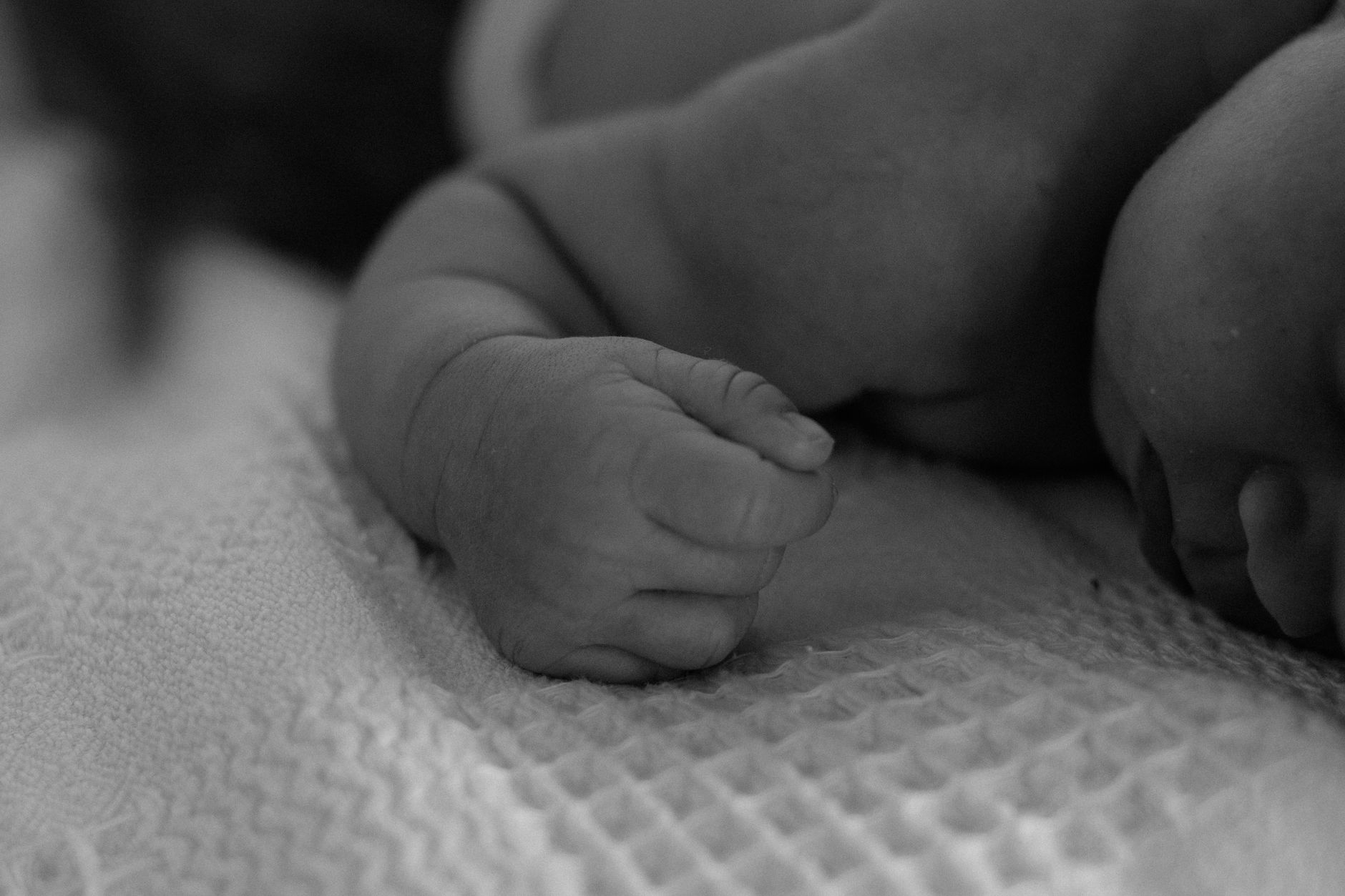
Lifestyle Changes for Managing Baby Eczema
Making lifestyle changes can significantly help in managing baby eczema. These adjustments aim to reduce flare-ups, improve overall skin health, and enhance the baby’s comfort. Here, we will explore three key areas: dietary adjustments, environmental modifications, and stress reduction techniques.
Dietary Adjustments
Diet plays a crucial role in managing baby eczema. While food allergies are not the sole cause of eczema, certain foods can trigger flare-ups in some infants. Identifying and avoiding these triggers can help in reducing the frequency and severity of eczema symptoms.
Introducing Solid Foods
When introducing solid foods to your baby, it’s important to do so gradually. Start with single-ingredient foods and wait a few days between introducing new foods to monitor for any adverse reactions. Common allergens like dairy, eggs, nuts, and wheat should be introduced one at a time.
Breastfeeding and Formula
If you are breastfeeding, consider your own diet. Some studies suggest that maternal diet can influence eczema in breastfed infants. Avoiding common allergens like dairy and nuts might help, although this varies from baby to baby. If you are using formula, hypoallergenic formulas are available and may be beneficial for babies with eczema.
Environmental Modifications
Creating a suitable environment is essential for managing baby eczema. This involves making changes to the baby’s surroundings to minimize exposure to triggers and irritants that can exacerbate eczema symptoms.
Humidity Control
Dry air can worsen eczema. Using a humidifier in your baby’s room can help maintain optimal humidity levels, preventing the skin from becoming too dry. Aim for a humidity level between 40-50%.
Temperature Regulation
Extreme temperatures can irritate eczema-prone skin. Keep your baby’s environment at a comfortable temperature, avoiding both overheating and overcooling. Dress your baby in layers to easily adjust their clothing as needed.
Avoiding Irritants
Be mindful of potential irritants in your baby’s environment. This includes harsh detergents, scented products, and rough fabrics. Opt for gentle, fragrance-free detergents and soft, breathable clothing materials like cotton.
Stress Reduction Techniques
Stress can exacerbate eczema symptoms. While it might seem challenging to manage stress in a baby, there are several techniques that can help create a calm and soothing environment.
Consistent Routine
Babies thrive on routine. Establishing a consistent daily schedule for feeding, sleeping, and playtime can help reduce stress. A predictable routine provides a sense of security and stability.
Gentle Handling
Handle your baby with care, especially during eczema flare-ups. Gentle touch and minimal handling can prevent further irritation of the skin. Use soft, soothing strokes during massages or baths.
Calming Activities
Incorporate calming activities into your baby’s day. This can include soft music, gentle rocking, or quiet time with a favorite toy. These activities can help your baby relax and reduce stress levels.
Practical Steps for Implementing Lifestyle Changes
Implementing these lifestyle changes requires patience and consistency. Here are some practical steps to help you get started:
- Keep a Journal: Track your baby’s diet, environmental factors, and stress levels to identify potential triggers. This can help you make informed decisions about necessary changes.
- Consult a Pediatrician: Before making significant dietary changes, consult with a pediatrician. They can provide guidance and recommend appropriate tests if needed.
- Gradual Changes: Implement changes gradually to observe their impact on your baby’s eczema. This approach allows you to identify what works best for your baby without overwhelming them.
- Seek Support: Join support groups or online communities for parents dealing with baby eczema. Sharing experiences and tips can provide valuable insights and emotional support.
By making these lifestyle changes, you can create a more eczema-friendly environment for your baby. Remember, every baby is unique, and what works for one may not work for another. Patience and persistence are key in finding the right balance for your baby’s eczema management.
Tracking Eczema Patterns in Babies
When it comes to baby eczema medical attention, understanding and tracking eczema patterns is crucial. This practice helps you and your pediatrician make informed decisions about treatment and care. Let’s explore the importance of tracking eczema patterns and how it can make a significant difference in managing your baby’s condition.
Keeping a Symptom Diary
One of the most effective ways to track baby eczema is by maintaining a symptom diary. This simple tool can provide valuable insights into your baby’s condition. Here’s how to get started:
- Record Daily Observations: Note the time of day when symptoms appear, their severity, and their location on the baby’s body. Use terms like mild, moderate, or severe to describe the intensity.
- Document Triggers: Write down any potential triggers such as new foods, environmental changes, or exposure to irritants. This helps in identifying patterns over time.
- Track Treatments: Log the medications or topical treatments applied, including the time and type of product used. This helps in assessing the effectiveness of different treatments.
For example, if you notice that your baby’s eczema flares up every time you use a new laundry detergent, this information can be crucial in avoiding future flare-ups.
Identifying Triggers
Identifying triggers is a key component of tracking eczema patterns. Triggers can vary widely from one baby to another, making it essential to pay close attention to what might be causing flare-ups. Common triggers include:
- Foods: Certain foods like dairy, eggs, or nuts can trigger eczema in some babies.
- Environmental Factors: Pollen, pet dander, and dust mites can exacerbate eczema symptoms.
- Weather Changes: Cold, dry air in winter or hot, humid conditions in summer can affect your baby’s skin.
- Irritants: Harsh soaps, detergents, and fabrics can irritate sensitive skin.
By consistently recording observations in your symptom diary, you can start to see patterns emerge. For instance, if your baby’s skin worsens after a family outing to a park with high pollen counts, pollen might be a trigger.
Monitoring Progress
Monitoring your baby’s progress is another critical aspect of tracking eczema patterns. This involves observing how your baby’s skin responds to different treatments and lifestyle changes. Here’s how you can effectively monitor progress:
- Regular Check-ins: Schedule regular times to check your baby’s skin, perhaps once in the morning and once in the evening. Take photos if it helps you see changes more clearly.
- Assess Treatment Effectiveness: Evaluate whether the current treatment plan is working. If there’s no improvement or if symptoms worsen, it may be time to consult your pediatrician for a re-evaluation.
- Adjust Care Routine: Based on your observations, you might need to tweak the skincare routine or avoid certain triggers. For example, if you notice that your baby’s skin improves when you switch to a gentle, fragrance-free detergent, continue using it.
Real-life example: Suppose you start using a new moisturizer recommended by your pediatrician. After a week, you notice that the redness and itching have significantly reduced. This positive change indicates that the new moisturizer is beneficial and should be continued.
In conclusion, tracking eczema patterns is an essential part of managing baby eczema and ensuring it receives the appropriate medical attention when needed. By keeping a detailed symptom diary, identifying triggers, and monitoring progress, you can work more effectively with your pediatrician to find the best care plan for your baby. This proactive approach not only helps in managing current symptoms but also in preventing future flare-ups.
Tracking patterns in a simple and useful way
Tracking patterns of baby eczema can be a valuable tool in managing this condition. By noting when and where flare-ups occur, you can identify potential triggers and make informed decisions about baby eczema medical attention. Here are some simple, practical steps to help you track patterns effectively.
Step 1: Keep a Daily Log
Start by maintaining a daily log of your baby’s eczema symptoms. Note the date, time, and specific areas affected. This log will help you spot any recurring patterns or triggers.
- Use a notebook or a digital app designed for tracking health conditions.
- Be consistent with your entries to ensure accurate tracking.
Step 2: Record Environmental Factors
Environmental factors can significantly impact eczema flare-ups. Record details about your baby’s surroundings, such as temperature, humidity, and exposure to potential irritants.
- Note if your baby was exposed to pets, pollen, or other allergens.
- Record any changes in laundry detergents or skincare products.
Step 3: Monitor Diet and Nutrition
Diet can play a role in eczema management. Keep track of what your baby eats and any subsequent changes in their skin condition.
- Note the introduction of new foods and any reactions.
- Record breastfeeding or formula changes and their effects on eczema.
Step 4: Observe Behavioral Patterns
Sometimes, behavioral patterns can influence eczema flare-ups. Pay attention to your baby’s activities and routines.
- Note if eczema worsens after specific activities like bathing or playing outdoors.
- Observe if stress or excitement seems to trigger flare-ups.
Step 5: Use Visual Aids
Photographs can be a helpful addition to your log. Take pictures of your baby’s skin during flare-ups to compare with periods of calm.
- Ensure you have consent to take and store these images.
- Use these visuals to discuss patterns with healthcare professionals.
Step 6: Identify Triggers and Patterns
After a few weeks of consistent logging, review your entries to identify any common triggers or patterns.
- Look for correlations between specific activities, environmental factors, or foods and eczema flare-ups.
- Use this information to make adjustments in your baby’s routine or environment.
Step 7: Consult a Healthcare Professional
If you notice consistent patterns or severe flare-ups, it’s important to speak with a healthcare professional. They can provide guidance based on your observations and may suggest additional steps for baby eczema medical attention.
- Share your log and photographs with your pediatrician.
- Discuss any identified triggers and the effectiveness of current management strategies.
Practical Tips for Reader-Friendly Troubleshooting
When troubleshooting baby eczema, keep these practical tips in mind:
- Be Patient: Identifying patterns and triggers can take time. Stay consistent with your logging.
- Stay Organized: Use a dedicated app or notebook to keep all your entries in one place.
- Communicate Clearly: When discussing your findings with a healthcare professional, be clear and concise about your observations.
By tracking patterns in a simple and useful way, you can gain valuable insights into your baby’s eczema. This proactive approach not only helps in managing the condition but also ensures you know when to seek baby eczema medical attention. Remember, effective tracking and communication with healthcare professionals are key to successful eczema management.
Frequently asked questions
What are the first signs of baby eczema?
The initial symptoms of baby eczema often include red, itchy patches on the skin. These patches may appear on the face, scalp, or body. You might notice your baby scratching or rubbing the affected areas more than usual. In some cases, the skin may become dry, scaly, or bumpy. If you observe these signs, it’s important to monitor the condition closely and consider seeking baby eczema medical attention if symptoms persist or worsen.
How can I tell if my baby’s eczema is severe?
Severe baby eczema may present with intense redness, swelling, and oozing or crusting of the skin. The affected areas might become thicker and leathery. If your baby’s eczema is severe, they may experience significant discomfort, leading to frequent scratching and disrupted sleep. Look for signs of infection, such as increased redness, warmth, or pus. If you suspect severe eczema, it’s crucial to seek medical attention promptly.
What should I do if my baby’s eczema gets worse?
If your baby’s eczema worsens, start by reviewing their current skincare routine and any recent changes in their environment or diet. Increase the frequency of moisturizing and consider using a gentle, fragrance-free moisturizer. Avoid harsh soaps and detergents. If symptoms persist, consult a healthcare professional for further evaluation and possible prescription treatments. Keeping a detailed record of symptoms and triggers can help in discussing baby eczema medical attention needs with your doctor.
Can diet affect my baby’s eczema?
Diet can play a role in baby eczema, though its impact varies from child to child. Some babies may experience flare-ups after consuming certain foods, such as dairy, eggs, or nuts. If you suspect a food allergy or sensitivity, consider keeping a food diary to track any correlations between diet and eczema symptoms. Consult with a healthcare professional before making any significant dietary changes, especially if you are considering eliminating common allergens from your baby’s diet.
How often should I moisturize my baby’s skin?
For babies with eczema, moisturizing should be a regular part of their skincare routine. Aim to moisturize your baby’s skin at least twice a day, or more frequently if the eczema is severe. Apply moisturizer immediately after bathing while the skin is still damp to lock in moisture. Choose a fragrance-free, hypoallergenic moisturizer to avoid irritating the skin further. Consistent moisturizing helps to manage symptoms and prevent flare-ups, making it a crucial aspect of baby eczema medical attention.
What are common mistakes parents make with baby eczema?
Common mistakes include using harsh soaps or detergents, over-bathing, and neglecting to moisturize regularly. Some parents may also delay seeking medical advice, assuming the eczema will clear up on its own. It’s important to use gentle, fragrance-free products and limit bath time to avoid drying out the skin. Regularly moisturizing and seeking timely medical advice when needed are essential steps in managing baby eczema effectively.
Use MyEczema.app to track your eczema patterns and daily triggers.
This article is for educational purposes only and is not medical advice. If symptoms are severe, spreading, painful, infected-looking, or affecting sleep and daily life, speak with a qualified healthcare professional.
Sources and further reading
For medical guidance, always rely on a qualified healthcare professional. These educational resources may help readers learn more:
Image credit: Photo by Ivan S on Pexels. Used under the Pexels License.
Image credit: Photo by Sourabh Narwade on Pexels. Used under the Pexels License.
Image credit: Photo by Catalina Herrera on Pexels. Used under the Pexels License.