
MyEczema.app guide
Bathe Toddler Eczema: Practical Guide
bathe toddler eczema: practical tips for tracking triggers, building routines, and supporting eczema-prone skin.
Table of contents
Use this guide as a practical reference and jump to the sections most relevant to you.
- Quick answer
- Key takeaways
- Practical comparison table
- Visual chart
- Related MyEczema.app tool
- Understanding Eczema in Toddlers
- Preparing for Bath Time
- Choosing the Right Bath Products
- Effective Bathing Techniques for Eczema
- Post-Bath Care for Eczema
- Creating a Consistent Bath Routine
- Common Mistakes to Avoid When Bathing a Toddler with Eczema
- Soothing Eczema Flare-Ups After Bathing
- Involving Toddlers in Their Bath Routine
- Additional Tips for Managing Eczema in Toddlers
- Frequently asked questions
- Sources and further reading
Bathing a toddler with eczema can feel like walking a tightrope. On one hand, keeping the skin clean is essential. On the other, you want to avoid irritating their sensitive skin. It’s a delicate balance, but with the right approach, you can make bath time a soothing experience that helps manage your toddler’s eczema. This guide will walk you through the steps of how to bathe a toddler with eczema, offering practical tips and expert advice to keep their skin as comfortable as possible.
Eczema, or atopic dermatitis, is a chronic skin condition that causes dry, itchy, and inflamed skin. For toddlers, this can be particularly challenging, as their skin is more sensitive and prone to irritation. Understanding how to bathe a toddler with eczema is crucial for managing their symptoms and keeping their skin healthy. This article will focus specifically on bathing practices that can help soothe eczema-prone skin, while also providing some general background on eczema to give you a well-rounded understanding.
When it comes to bathe toddler eczema, the goal is to cleanse the skin gently while minimizing irritation. This involves using lukewarm water, choosing the right cleansers, and moisturizing immediately after bathing. By following these steps, you can help maintain your toddler’s skin barrier, reduce inflammation, and keep their skin hydrated. Let’s dive into the details of how to effectively bathe a toddler with eczema.
Quick answer
To bathe a toddler with eczema, use lukewarm water to avoid skin irritation, choose gentle, fragrance-free cleansers to protect the skin barrier, and moisturize immediately after bathing to lock in hydration. Limit bath time to prevent skin dryness and create a consistent bath routine to manage eczema effectively.
Key takeaways
- Use lukewarm water to prevent skin irritation.
- Choose gentle, fragrance-free cleansers to protect the skin barrier.
- Moisturize immediately after bathing to lock in hydration.
- Limit bath time to prevent skin dryness.
- Create a consistent bath routine to manage eczema effectively.
Bath Time Tips for Toddlers with Eczema
| Situation | What it may mean | Practical next step |
|---|---|---|
| Using hot water | Hot water can strip the skin of its natural oils, leading to dryness and irritation. | Always use lukewarm water for bathing. |
| Skipping moisturizer | Failing to moisturize can leave the skin dry and prone to flare-ups. | Apply a gentle, fragrance-free moisturizer immediately after bathing. |
| Over-bathing | Frequent bathing can disrupt the skin’s moisture barrier. | Limit bath time to 5-10 minutes and bathe no more than once a day. |
| Using harsh soaps | Harsh soaps can irritate eczema-prone skin. | Choose fragrance-free, hypoallergenic cleansers. |
| Ignoring flare-ups | Unaddressed flare-ups can worsen and lead to infection. | Soothe flare-ups with cool compresses and consult a dermatologist if needed. |
Effectiveness of Bath Time Practices for Eczema
This visual is an educational guide, not a diagnostic score. Use it to decide what may be worth tracking more consistently for this specific topic.
Using Lukewarm Water
Helps maintain skin’s natural oils.
Immediate Moisturization
Locks in hydration and prevents dryness.
Gentle Cleansers
Protects the skin barrier from irritation.
Limited Bath Time
Prevents over-drying of the skin.
Consistent Routine
Helps manage eczema effectively over time.
Related MyEczema.app tool
Use the Eczema Skincare Routine Planner
The Eczema Skincare Routine Planner helps users organize morning, daytime, and evening routine steps for eczema-prone skin.
For this topic, this tool can help you organize information in a more structured way and turn daily observations into clearer patterns to review over time.
Understanding Eczema in Toddlers
Eczema, also known as atopic dermatitis, is a common skin condition that often affects toddlers. It is characterized by dry, itchy, and inflamed skin. Understanding eczema is crucial for parents and caregivers who are learning how to bathe a toddler with eczema effectively. This section will delve into the definition of eczema, common symptoms in toddlers, and the importance of skincare in managing this condition.
Definition of Eczema
Eczema is a chronic skin condition that causes the skin to become itchy, red, and cracked. It often appears in patches and can be quite uncomfortable for toddlers. The exact cause of eczema is not fully understood, but it is believed to be a combination of genetic and environmental factors. Eczema tends to run in families with a history of allergies, asthma, or hay fever.
Common Symptoms in Toddlers
Toddlers with eczema may exhibit a range of symptoms. These can include:
- Itchy Skin: One of the most prominent symptoms is severe itching. Toddlers may scratch their skin incessantly, leading to further irritation.
- Red or Darkened Patches: Eczema often appears as red patches on lighter skin tones and darker, purple, or gray patches on darker skin tones.
- Dry Skin: The skin may feel rough and dry, which can exacerbate itching.
- Blisters or Oozing: In some cases, the skin may develop small blisters that can ooze fluid when scratched.
- Thickened Skin: Chronic scratching can lead to thickened, leathery skin in affected areas.
Recognizing these symptoms is the first step in managing eczema and determining the best way to bathe a toddler with eczema.
Importance of Skincare
Effective skincare is essential for managing eczema in toddlers. A well-maintained skin care routine can help reduce symptoms and prevent flare-ups. When it comes to bathing a toddler with eczema, the goal is to keep the skin moisturized and free from irritants. Here are some key points to consider:
Gentle Cleansing
Using a mild, fragrance-free soap is crucial. Harsh soaps can strip the skin of its natural oils, worsening eczema symptoms. Opt for eczema-friendly bath products specifically designed for sensitive skin.
Lukewarm Water
Hot water can dry out the skin, so it’s best to use lukewarm water when bathing a toddler with eczema. This helps preserve the skin’s natural moisture barrier.
Short Bath Time
Limit bath time to about 5-10 minutes. Prolonged exposure to water can lead to dry skin, which is counterproductive for eczema management.
Moisturizing Immediately After Bathing
Apply a fragrance-free, hypoallergenic moisturizer right after bathing while the skin is still damp. This locks in moisture and helps prevent dryness.
Avoiding Irritants
Be mindful of potential irritants in bath products, clothing, and even certain fabrics. Choose soft, breathable fabrics for your toddler’s clothing to minimize irritation.
Real-Life Example
Imagine a toddler named Lily who has eczema. Her parents noticed that her skin became particularly dry and itchy after using a strongly scented body wash. They switched to a gentle, fragrance-free cleanser and saw a significant improvement in her symptoms. This example underscores the importance of choosing the right products when learning how to bathe a toddler with eczema.
Decision Points
When deciding how to bathe a toddler with eczema, consider the following:
- Consult with a pediatrician or dermatologist for personalized advice.
- Keep a journal to track which products and routines work best for your toddler.
- Be patient and consistent with the skincare routine.
Understanding eczema in toddlers is the foundation for effective management. By recognizing the symptoms and prioritizing gentle, eczema-friendly skincare, parents and caregivers can make informed decisions on how to bathe a toddler with eczema, ultimately helping to alleviate discomfort and improve skin health.
Preparing for Bath Time
Bathe toddler eczema involves more than just filling the tub with water. Preparing the bath environment is crucial for ensuring a soothing and effective bath experience. Let’s explore how to set the right water temperature, gather eczema-friendly products, and create a calm atmosphere for your little one.
Setting the Right Water Temperature
The water temperature plays a significant role in bathe toddler eczema effectively. Water that is too hot can strip the skin of its natural oils, exacerbating eczema symptoms. Conversely, water that is too cold may not provide the necessary cleansing and relaxation benefits.
Aim for a lukewarm bath, ideally between 90°F and 95°F (32°C and 35°C). You can test the water with your elbow or use a bath thermometer to ensure it’s at the right temperature. Remember, what feels warm to an adult may be too hot for a toddler’s sensitive skin.
Real-life example: Before starting bath time, dip your elbow into the water. If it feels comfortably warm without being hot, it’s likely a good temperature for your toddler.
Gathering Eczema-Friendly Products
Choosing the right products is essential when you bathe toddler eczema. Harsh soaps and shampoos can irritate the skin, leading to flare-ups. Instead, opt for gentle, eczema-friendly alternatives.
- Mild cleansers: Look for fragrance-free, hypoallergenic cleansers specifically designed for sensitive skin. These products are less likely to cause irritation.
- Moisturizers: Have a thick, fragrance-free moisturizer ready to apply immediately after the bath. This helps lock in moisture and strengthen the skin’s barrier.
- Colloidal oatmeal: Adding colloidal oatmeal to the bath can soothe irritated skin. It forms a protective layer on the skin, reducing inflammation and itching.
Practical tip: Keep all eczema-friendly products within reach to streamline the bath process and minimize your toddler’s time in the tub, reducing the risk of skin drying out.
Creating a Calm Atmosphere
A calm and relaxing environment can make bathe toddler eczema a more enjoyable experience for both you and your child. Stress and anxiety can worsen eczema symptoms, so it’s important to create a soothing atmosphere.
- Dim lighting: Soft, warm lighting can help create a relaxing environment. Avoid bright, harsh lights that may cause discomfort.
- Quiet space: Minimize noise by choosing a quiet time for bath time. Soft, calming music or nature sounds can also help create a serene atmosphere.
- Comforting routine: Establish a consistent bath time routine. This predictability can help your toddler feel more secure and relaxed.
Real-life example: Consider incorporating a favorite bath toy or a gentle song into the routine to make bath time more enjoyable for your toddler.
By setting the right water temperature, gathering eczema-friendly products, and creating a calm atmosphere, you can make bathe toddler eczema a positive and effective part of your skincare routine. These preparations not only help manage eczema symptoms but also contribute to a more pleasant bath time experience for your little one.
Choosing the Right Bath Products
When it comes to bathe toddler eczema, the products you choose can make a significant difference. Eczema-prone skin requires special care to maintain its moisture barrier and prevent flare-ups. Here’s a detailed guide on selecting the safest and most effective bath products for your toddler.
Fragrance-Free Cleansers
One of the most crucial steps in your eczema-friendly bath routine is selecting a gentle cleanser. Fragrances and dyes can irritate sensitive skin, leading to flare-ups. Opt for fragrance-free cleansers specifically designed for eczema-prone skin.
Look for cleansers that are labeled “hypoallergenic” and “fragrance-free.” These products are formulated to be gentle and less likely to cause irritation. For example, products like Cetaphil Baby Wash & Shampoo or Aveeno Baby Calming Wash are popular choices among parents.
When using a cleanser, apply it gently with your hands rather than a washcloth to avoid further irritation. After cleansing, pat your toddler’s skin dry with a soft towel. Avoid rubbing, as this can exacerbate eczema symptoms.
Hypoallergenic Moisturizers
Moisturizing is a vital part of any eczema bath routine. After bathing, it’s essential to lock in moisture to prevent the skin from drying out. Choose a hypoallergenic moisturizer that is free from fragrances, dyes, and other potential irritants.
Products like Vanicream Moisturizing Skin Cream and Eucerin Eczema Relief Cream are excellent choices. These moisturizers are designed to strengthen the skin’s moisture barrier without causing irritation. Apply the moisturizer immediately after bathing while the skin is still damp to maximize hydration.
For added protection, consider using a moisturizer with ceramides. Ceramides are lipids that help repair and maintain the skin’s natural barrier. This can be particularly beneficial for eczema-prone skin.
Avoiding Harsh Chemicals
When selecting bath products for a toddler with eczema, it’s important to avoid harsh chemicals that can strip the skin of its natural oils. Ingredients like sulfates, parabens, and alcohol can be particularly irritating.
Check the ingredient list carefully. Look for products that are labeled “sulfate-free” and “paraben-free.” For instance, brands like Mustela and La Roche-Posay offer gentle, eczema-friendly options that are free from these harsh chemicals.
In addition to avoiding harsh chemicals in cleansers and moisturizers, be mindful of other bath products you might use. Bubble baths, for example, often contain dyes and fragrances that can irritate eczema-prone skin. Stick to simple, gentle products to keep your toddler’s skin calm and comfortable.
Real-Life Example: Building a Bath Routine
Imagine you’re preparing to bathe your toddler who has eczema. You start by filling the tub with lukewarm water—not too hot, as hot water can dry out the skin. You add a small amount of a fragrance-free cleanser and gently wash your toddler, focusing on areas prone to eczema flare-ups.
After the bath, you pat your toddler’s skin dry with a soft towel and immediately apply a hypoallergenic moisturizer. You choose a product with ceramides to help strengthen the skin’s barrier. Throughout this routine, you avoid any products with harsh chemicals, ensuring that your toddler’s skin remains soothed and hydrated.
By carefully selecting the right bath products, you can help manage your toddler’s eczema more effectively. This thoughtful approach to bathing a toddler with eczema can make a significant difference in their comfort and skin health.
Effective Bathing Techniques for Eczema
When it comes to bathe toddler eczema, the way you bathe your child can significantly impact their skin condition. Proper bathing techniques can help maintain the skin’s moisture barrier and reduce the risk of flare-ups. Here, we’ll explore some effective bathing techniques that can help manage eczema in toddlers.
Gentle Washing Methods
The first step in bathing a toddler with eczema is to use gentle washing methods. Avoid scrubbing or rubbing the skin, as this can irritate and damage the delicate skin. Instead, use a soft washcloth or your hands to gently pat the skin clean. This method is kinder to the skin and helps preserve the natural oils that protect the skin.
When washing, focus on areas that are prone to eczema flare-ups, such as the elbows, knees, and behind the ears. These areas often need a bit more attention to remove dirt and bacteria that can exacerbate eczema. However, always be gentle and avoid harsh motions.
Focusing on Problem Areas
Eczema often appears in specific areas of the body, and these problem areas may require a bit more care during bath time. Pay close attention to these spots, but remember to be gentle. Use lukewarm water and mild, fragrance-free soap to clean these areas. After washing, pat the skin dry with a soft towel and immediately apply a moisturizer to lock in hydration.
For example, if your toddler has eczema on their elbows, after gently washing and patting dry, apply a thick layer of moisturizer. This step is crucial in maintaining the skin’s moisture barrier and preventing dryness, which can lead to flare-ups.
Rinsing Thoroughly
When you bathe a toddler with eczema, it’s essential to rinse thoroughly to remove all soap residues. Soap residues can be irritating to sensitive skin and may trigger eczema flare-ups. Make sure to rinse all areas, especially those that were washed more thoroughly.
After rinsing, gently pat the skin dry with a soft towel. Avoid rubbing the skin, as this can cause irritation. Once the skin is patted dry, apply a generous amount of moisturizer. Moisturizing immediately after bathing helps to lock in moisture and protect the skin.
Real-Life Example: Bath Time Routine
Let’s consider a real-life example to illustrate these techniques. Imagine you are preparing to bathe your toddler who has eczema. You fill the bathtub with lukewarm water, ensuring it’s not too hot, as hot water can strip the skin of its natural oils.
You add a small amount of mild, fragrance-free soap to the water and gently wash your toddler, focusing on problem areas like the elbows and knees. You avoid scrubbing and instead use a soft washcloth to pat the skin clean. After washing, you rinse thoroughly to remove all soap residues.
Once your toddler is rinsed and patted dry, you apply a thick layer of moisturizer to their skin. This step is crucial in maintaining the skin’s moisture barrier and preventing dryness, which can lead to eczema flare-ups.
Decision Points: When to Seek Additional Help
While these bathing techniques can be effective in managing eczema, it’s important to recognize when you may need additional help. If your toddler’s eczema is severe or if you notice signs of infection, such as increased redness, swelling, or oozing, it’s important to consult a healthcare professional.
A healthcare professional can provide guidance on additional treatments and help you develop a comprehensive eczema-friendly bath routine. They may also recommend specific moisturizers or medications to help manage your toddler’s eczema.
In conclusion, effective bathing techniques are a crucial part of managing eczema in toddlers. By using gentle washing methods, focusing on problem areas, and rinsing thoroughly, you can help maintain your toddler’s skin health and reduce the risk of eczema flare-ups. Remember, every child is different, and what works for one may not work for another. It’s important to find a routine that works best for your toddler and to seek professional help when needed.
Post-Bath Care for Eczema
Bathe toddler eczema is only half the battle; post-bath care is equally crucial. Proper post-bath care can significantly help manage eczema symptoms and maintain skin health. This section will delve into the essential steps you should take after bathing your toddler to ensure their skin remains moisturized and protected.
Immediate Moisturization
One of the most critical steps in post-bath care for eczema is immediate moisturization. The moment you step out of the bath, your toddler’s skin is in a prime condition to absorb moisture. This is because bathing temporarily opens up the skin’s pores, allowing moisturizers to penetrate more effectively.
To make the most of this window, apply an eczema-friendly lotion within three minutes of drying off. Look for lotions that are fragrance-free, hypoallergenic, and specifically designed for sensitive skin. Products containing ceramides or other skin barrier-repairing ingredients can be particularly beneficial.
For example, if your toddler has a flare-up, you might choose a thicker, more occlusive moisturizer to help lock in moisture. On the other hand, during periods when their eczema is well-managed, a lighter lotion might suffice.
Using a Soft Towel
The type of towel you use can make a significant difference in post-bath care for eczema. Opt for a soft, absorbent towel that is gentle on the skin. Avoid rough or scratchy materials that can irritate eczema-prone skin.
After bathing, gently pat your toddler’s skin dry rather than rubbing it. Rubbing can cause friction, which may exacerbate eczema symptoms. Patting allows the skin to retain some moisture, making it easier for the subsequent moisturizer to be absorbed.
If you find traditional towels too rough, consider investing in a microfiber towel. These towels are incredibly soft and gentle, making them an excellent choice for sensitive skin.
Applying Eczema-Friendly Lotions
Choosing the right lotion is another vital aspect of post-bath care for eczema. Eczema-friendly lotions are formulated to be gentle and non-irritating, making them suitable for sensitive skin.
When applying lotion, use a circular motion to massage it into the skin. This helps the moisturizer penetrate more effectively and also provides a soothing effect. Pay extra attention to areas where eczema is most prevalent, such as the elbows, knees, and behind the ears.
If your toddler has particularly severe eczema, you might need to apply moisturizer multiple times a day. Keep a travel-sized bottle of lotion handy for on-the-go applications.
Real-life example: Sarah, a mom of a toddler with eczema, noticed that her son’s skin would often feel tight and itchy after bathing. By switching to a soft microfiber towel and applying a ceramide-rich lotion immediately after drying off, she saw a noticeable improvement in his skin’s condition.
In summary, post-bath care is a crucial component of managing eczema in toddlers. By focusing on immediate moisturization, using a soft towel, and applying eczema-friendly lotions, you can help keep your toddler’s skin healthy and comfortable. These steps not only alleviate current symptoms but also contribute to long-term skin health.
Remember, every toddler is different, and what works for one may not work for another. It’s essential to observe your toddler’s skin and adjust your post-bath routine as needed. Consulting with a dermatologist can also provide you with personalized advice tailored to your toddler’s specific needs.
Creating a Consistent Bath Routine
Establishing a consistent bath routine is essential for managing eczema in toddlers. This routine helps maintain the skin’s moisture barrier, reduces flare-ups, and promotes overall skin health. Here’s how you can create an effective and eczema-friendly bath routine for your toddler.
Setting a Bath Schedule
Consistency is key when it comes to bathe toddler eczema. Set a regular bath schedule that fits into your daily routine. Aim for bath time at the same time each day, whether it’s in the morning or evening. This helps your toddler’s skin adjust to a predictable routine, which can minimize eczema flare-ups.
For example, if your toddler enjoys a calm evening routine, consider scheduling bath time right before bedtime. This not only helps relax your toddler but also allows you to apply moisturizers while their skin is still slightly damp, locking in moisture more effectively.
Incorporating Skincare Steps
A well-rounded bath routine for a toddler with eczema should include specific skincare steps designed to protect and nourish the skin. Here’s a step-by-step guide:
- Pre-Bath Preparation: Gather all necessary products—mild, fragrance-free soap, eczema-friendly moisturizer, a soft towel, and any prescribed medications—before starting the bath. This ensures a smooth process and minimizes the time your toddler spends in the bath, which can be drying.
- Fill the Tub: Use lukewarm water, not hot, to fill the tub. Hot water can strip the skin of its natural oils, worsening eczema symptoms. Test the water temperature with your elbow to ensure it’s comfortable.
- Bathing Technique: Gently wash your toddler’s skin with a mild, fragrance-free soap. Use a soft washcloth or your hands to cleanse the skin, being careful to avoid scrubbing, which can irritate eczema-prone skin. Pay extra attention to areas commonly affected by eczema, such as the elbows, knees, and behind the ears.
- Rinsing: Thoroughly rinse off all soap to prevent any residue from causing irritation. Use a gentle stream of water to avoid disturbing the skin.
- Post-Bath Moisturizing: Pat your toddler’s skin dry with a soft towel, leaving it slightly damp. Immediately apply an eczema-friendly moisturizer to lock in moisture. Look for products containing ceramides or other hydrating ingredients. Massaging the moisturizer into the skin helps it absorb better and provides an additional soothing effect.
Tracking Eczema Patterns
Keeping a record of your toddler’s eczema patterns can help you identify triggers and adjust your bath routine accordingly. Use a journal or a smartphone app to note the following:
- Flare-Up Frequency: Record when and how often eczema flare-ups occur. This can help you spot patterns related to bath time, specific products, or other activities.
- Severity: Note the severity of each flare-up. This could be mild, moderate, or severe, based on the redness, itching, and overall discomfort your toddler experiences.
- Triggers: Identify potential triggers such as certain foods, environmental factors, or changes in routine. For instance, if your toddler had a flare-up after a particularly long bath, you might consider shortening future bath times.
- Effectiveness of Products: Keep track of which bath products and moisturizers seem to work best for your toddler’s skin. This can guide your choices in the future and help you avoid products that may cause irritation.
By creating a consistent bath routine and tracking eczema patterns, you can better manage your toddler’s eczema and promote healthier skin. Remember, every toddler is different, so be patient and willing to adjust your routine as needed to find what works best for your child.
Common Mistakes to Avoid When Bathing a Toddler with Eczema
Bathing a toddler with eczema requires careful attention to detail to avoid common mistakes that can worsen their condition. Understanding these pitfalls can help you create a more effective and soothing bath routine that promotes healthy skin and reduces the risk of eczema flare-ups.
Using Hot Water
One of the most common mistakes when learning how to bathe a toddler with eczema is using hot water. Hot water can strip the skin of its natural oils, leading to dryness and irritation. This can exacerbate eczema symptoms and make the skin more prone to flare-ups.
To avoid this, always use lukewarm water when bathing your toddler. Test the water temperature with your elbow or wrist to ensure it’s comfortable. Aim for a temperature that feels warm but not hot. This gentle approach helps maintain the skin’s moisture barrier, which is crucial for managing eczema.
Over-Bathing
Another mistake is over-bathing. While it might seem like frequent baths would keep the skin cleaner, too much bathing can actually harm the skin, especially for a toddler with eczema.
Bathing your toddler every day, or even multiple times a day, can strip the skin of its natural oils and lead to dryness. Instead, aim for 2-3 baths per week. If your toddler gets very dirty or sweaty, you can use a damp cloth to clean their face and hands instead of a full bath. This approach helps preserve the skin’s natural oils and reduces the risk of irritation.
Skipping Moisturizer
Perhaps the most critical mistake is skipping the moisturizer after a bath. Moisturizing is a vital step in any eczema-friendly bath routine. It helps lock in moisture and strengthen the skin’s barrier, which is often compromised in individuals with eczema.
After bathing, pat your toddler’s skin dry with a soft towel, leaving it slightly damp. Then, apply a fragrance-free, hypoallergenic moisturizer within three minutes to seal in the moisture. Look for products specifically designed for sensitive skin or those recommended by dermatologists for eczema care.
Other Mistakes to Watch For
Aside from the main culprits, there are other common mistakes to be aware of when learning how to bathe a toddler with eczema:
- Using Harsh Soaps: Avoid using regular soap or body wash, as these can be too harsh for sensitive skin. Opt for eczema-friendly, pH-balanced cleansers instead.
- Long Baths: Keep bath time short, around 5-10 minutes. Prolonged exposure to water can dry out the skin.
- Rough Toweling: Avoid rubbing the skin dry with a towel. Instead, gently pat the skin to remove excess water.
- Neglecting to Rinse Thoroughly: Ensure all soap or cleanser is rinsed off completely to prevent residue from irritating the skin.
By avoiding these common mistakes, you can create a more effective and soothing bath routine for your toddler with eczema. Remember, the goal is to keep the skin moisturized and protected, which helps prevent flare-ups and promotes overall skin health.
For example, imagine you’ve just given your toddler a bath. You’ve used lukewarm water and a gentle, eczema-friendly cleanser. After patting them dry, you reach for their favorite moisturizer. You apply it quickly, ensuring their skin is well-protected. This simple routine, done correctly, can make a significant difference in managing their eczema.
Always be mindful of your toddler’s skin and adjust your routine as needed. If you notice any signs of irritation or worsening eczema, consult with a healthcare provider for personalized advice.

Soothing Eczema Flare-Ups After Bathing
Even with the best efforts to bathe a toddler with eczema gently and effectively, flare-ups can still occur. Knowing how to soothe these flare-ups is crucial for maintaining your child’s comfort and skin health. This section provides practical tips and techniques to help manage and alleviate eczema symptoms after bathing.
Using Cool Compresses
One of the simplest and most effective ways to soothe eczema flare-ups is by using cool compresses. A cool compress can help reduce inflammation and provide immediate relief from itching.
To use a cool compress:
- Soak a clean cloth in cool water.
- Wring out the excess water.
- Apply the cloth to the affected area for 10-15 minutes.
- Repeat as needed throughout the day.
Avoid using ice directly on the skin, as it can cause further irritation. Instead, opt for cool water, which is gentler and still effective in reducing inflammation.
Oatmeal Baths for Continued Relief
Oatmeal has long been known for its soothing properties, making it an excellent option for managing eczema symptoms. Colloidal oatmeal, in particular, can be added to bathwater to provide continued relief after the initial bath.
To prepare an oatmeal bath:
- Purchase colloidal oatmeal from a pharmacy or online.
- Add the recommended amount to a lukewarm bath.
- Allow your toddler to soak for 10-15 minutes.
- Pat the skin dry with a soft towel after the bath.
Oatmeal baths can be particularly beneficial if your toddler experiences frequent flare-ups. They help to moisturize the skin and reduce itching, making them a valuable addition to your eczema-friendly bath routine.
Consulting a Dermatologist
While home remedies like cool compresses and oatmeal baths can be effective, it’s important to consult a dermatologist if your toddler’s eczema symptoms persist or worsen. A dermatologist can provide a more comprehensive evaluation and recommend treatments tailored to your child’s specific needs.
During your visit, be prepared to discuss:
- The frequency and severity of flare-ups.
- Any triggers you’ve noticed.
- The bathing routine you’ve been following.
- Any products you’ve been using.
A dermatologist may suggest prescription creams, ointments, or other treatments to help manage your toddler’s eczema. They can also provide guidance on adjusting your bathing routine to better suit your child’s skin.
Additional Tips for Soothing Flare-Ups
In addition to cool compresses and oatmeal baths, there are several other strategies you can use to soothe eczema flare-ups:
- Moisturize Immediately: Apply a gentle, fragrance-free moisturizer right after bathing while the skin is still damp. This helps lock in moisture and strengthen the skin’s barrier.
- Avoid Scratching: Encourage your toddler to avoid scratching, as this can worsen inflammation and lead to infection. Consider using soft mittens or socks on their hands to prevent scratching during sleep.
- Keep Nails Trimmed: Regularly trim your toddler’s nails to reduce the risk of skin damage from scratching.
- Create a Calm Environment: A stressful environment can exacerbate eczema symptoms. Create a calm and soothing atmosphere to help your toddler relax.
By incorporating these strategies into your routine, you can effectively manage and soothe eczema flare-ups, ensuring your toddler remains comfortable and their skin stays healthy.
Remember, every child’s eczema is unique, and what works for one may not work for another. It’s important to be patient and persistent, trying different methods to find what best suits your toddler’s needs. With the right approach, you can help your child navigate the challenges of eczema and enjoy a better quality of life.
Involving Toddlers in Their Bath Routine
Bath time can be a challenging task, especially when dealing with eczema. However, involving toddlers in their bath routine can make the process more enjoyable and effective. By using fun bath toys, making bath time a positive experience, and encouraging independence, you can help your toddler develop a healthy attitude towards bath time and eczema care.
Using Fun Bath Toys
One of the best ways to make bath time more enjoyable for toddlers is by incorporating fun bath toys. These toys can help distract your child from any discomfort they may feel during the bath, making the experience more pleasant for everyone involved.
When selecting bath toys for a toddler with eczema, it’s important to choose toys that are gentle on the skin and easy to clean. Look for toys made from non-toxic, BPA-free materials that won’t irritate your child’s sensitive skin. Additionally, opt for toys that are simple to rinse off and dry, as moisture can exacerbate eczema symptoms.
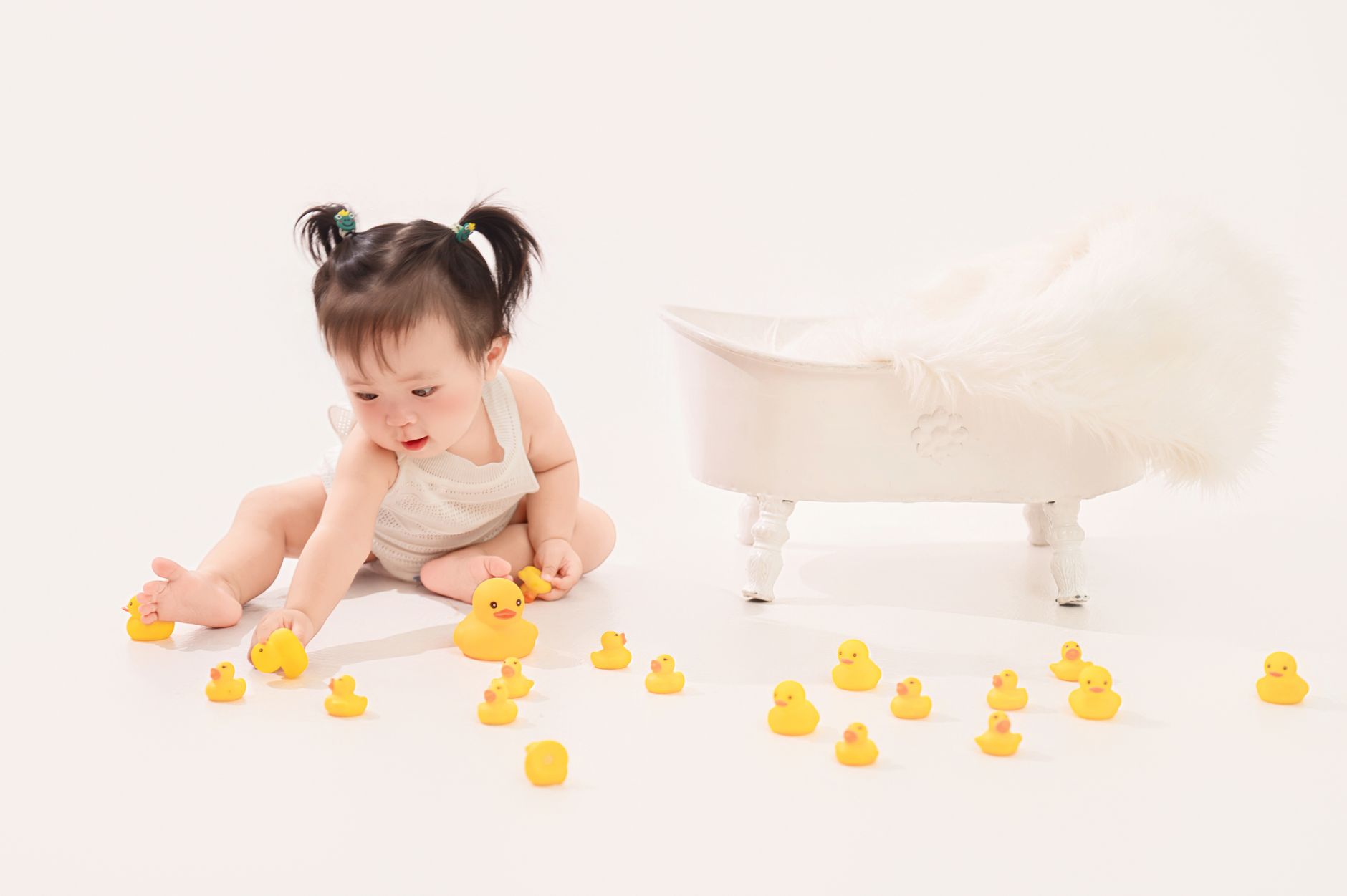
Some popular bath toy options include rubber ducks, squirt toys, and floating rings. You can also consider adding a small handheld showerhead or a cup for pouring water, which can help your toddler feel more involved in the bathing process.
Making Bath Time a Positive Experience
Creating a positive atmosphere during bath time is crucial for helping your toddler develop a healthy attitude towards bathing and eczema care. By focusing on the fun aspects of bath time and avoiding negative language or emotions, you can help your child associate bathing with enjoyment rather than discomfort.
Try to establish a consistent bath time routine that your toddler can rely on. This predictability can help reduce anxiety and make the process feel more familiar and comfortable. Additionally, consider playing soothing music or singing fun songs during bath time to create a relaxing and enjoyable environment.
It’s also important to be patient and understanding during bath time. If your toddler resists or becomes upset, take a break and try again later. Remember that building a positive association with bath time may take some time and effort, but it’s well worth it in the long run.
Encouraging Independence
As your toddler grows and develops, it’s important to encourage their independence during bath time. This not only helps them feel more in control of the process but also promotes their overall development and self-confidence.
Start by allowing your toddler to help with simple tasks, such as turning on the water or adding bath products. As they become more comfortable, you can gradually introduce more responsibilities, such as washing their own hands or rinsing off their toys.
To further encourage independence, consider investing in a low stool or bath seat that allows your toddler to sit safely in the tub without your direct assistance. This can help them feel more empowered and capable during bath time.
Remember to always supervise your toddler during bath time, even as they take on more responsibilities. Safety should always be your top priority, especially when bathing a toddler with eczema.
By involving your toddler in their bath routine, you can help make the process more enjoyable and effective. Using fun bath toys, creating a positive atmosphere, and encouraging independence can all contribute to a successful bathe toddler eczema experience. With patience, understanding, and a little creativity, you can help your toddler develop a healthy attitude towards bath time and eczema care.
Additional Tips for Managing Eczema in Toddlers
While bathing is a critical component in managing eczema, there are other important aspects to consider. Beyond the bath, dietary considerations, clothing choices, and seeking professional help can significantly impact your toddler’s eczema management. Here are some additional tips to help you create a holistic approach to managing eczema in toddlers.
Dietary Considerations
Diet plays a role in overall health, and for some toddlers, certain foods may trigger eczema flare-ups. While not all children with eczema will have food allergies, it’s essential to be mindful of potential triggers.
- Identify Potential Triggers: Common food allergens include dairy, eggs, nuts, wheat, soy, and fish. If you suspect a food allergy, keep a food diary to track what your toddler eats and any subsequent eczema flare-ups.
- Consult a Pediatrician or Allergist: If you notice a pattern, discuss your findings with a healthcare professional. They may recommend allergy testing to confirm any suspicions.
- Introduce New Foods Gradually: When introducing new foods, do so one at a time and wait a few days to observe any reactions. This approach can help pinpoint specific triggers.
- Maintain a Balanced Diet: Ensure your toddler’s diet is rich in fruits, vegetables, whole grains, and lean proteins to support overall health and skin integrity.
Clothing Choices
The right clothing can make a significant difference in managing eczema. The goal is to keep your toddler’s skin comfortable and protected without causing irritation.
- Choose Soft, Breathable Fabrics: Opt for cotton or other soft, breathable fabrics that allow air circulation. Avoid rough or synthetic materials that can irritate the skin.
- Loose-Fitting Clothes: Tight clothing can rub against the skin and exacerbate eczema. Choose loose-fitting clothes to minimize friction.
- Layer Up: In colder weather, use layers to keep your toddler warm without overdressing. This approach helps regulate body temperature and reduces the need for frequent changes.
- Avoid Harsh Detergents: When washing clothes, use a gentle, fragrance-free detergent. Rinse thoroughly to ensure no residue is left behind, which could irritate the skin.
Seeking Professional Help
While at-home care is essential, professional guidance can provide additional support and ensure you’re on the right track.
- Regular Check-Ups: Schedule regular appointments with your pediatrician to monitor your toddler’s eczema. They can offer advice tailored to your child’s specific needs.
- Dermatologist Referral: If your toddler’s eczema is severe or doesn’t improve with at-home care, your pediatrician may refer you to a dermatologist. A dermatologist can provide specialized treatment options and further guidance.
- Allergist Consultation: If food allergies or environmental allergens are suspected, an allergist can perform tests and recommend appropriate management strategies.
- Join Support Groups: Connecting with other parents who have children with eczema can provide emotional support and practical tips. Look for local or online support groups.
By incorporating these additional tips into your routine, you can create a comprehensive approach to managing eczema in toddlers. Remember, every child is unique, and what works for one may not work for another. Stay observant, be patient, and don’t hesitate to seek professional help when needed. With the right strategies, you can help your toddler manage eczema effectively and enjoy a better quality of life.
Frequently asked questions
How often should I bathe my toddler with eczema?
Bathing your toddler with eczema should be done with care. Generally, it is recommended to bathe your toddler every 2-3 days. Over-bathing can strip the skin of its natural oils, exacerbating eczema symptoms. When you do bathe your toddler, keep the sessions short (around 5-10 minutes) and use lukewarm water to avoid drying out the skin.
After bathing, it’s crucial to moisturize your toddler’s skin immediately to lock in moisture. Using a gentle, fragrance-free moisturizer can help maintain the skin barrier and reduce eczema flare-ups. Consistency in your bathing routine can help manage eczema symptoms effectively.
Can I use soap on my toddler’s eczema-prone skin?
When it comes to bathing a toddler with eczema, choosing the right soap is essential. Avoid using traditional soaps that can be harsh and drying. Instead, opt for gentle, fragrance-free cleansers specifically designed for sensitive skin. Look for products that are labeled “eczema-friendly” or recommended by dermatologists.
These cleansers are formulated to be mild and non-irritating, helping to cleanse the skin without stripping it of essential moisture. Always rinse thoroughly to ensure no residue is left behind, which can irritate the skin. Using the right soap can make a significant difference in managing eczema symptoms.
What is the best time to moisturize after bathing?
Moisturizing your toddler’s skin immediately after bathing is crucial for managing eczema. The best time to apply moisturizer is within 3 minutes of getting out of the bath. This helps to lock in moisture while the skin is still damp, enhancing the effectiveness of the moisturizer.
Choose a thick, fragrance-free moisturizer to provide a protective barrier for the skin. Applying moisturizer at this critical time can help reduce dryness, itching, and inflammation associated with eczema. Consistency in post-bath moisturizing is key to keeping eczema under control.
Are there any natural remedies I can use during bath time?
Incorporating natural remedies into your toddler’s bath routine can be beneficial for eczema-prone skin. Oatmeal baths are a popular choice, as they can soothe irritated skin and reduce itching. Simply add colloidal oatmeal to the bathwater and let your toddler soak for a few minutes.
Another option is using a few drops of essential oils like lavender or chamomile, known for their calming properties. However, always dilute essential oils properly and consult with a healthcare professional before use. These natural remedies can complement your bathing routine and provide additional relief for eczema symptoms.
How can I tell if my toddler’s eczema is getting worse?
Monitoring your toddler’s eczema is essential for early intervention. Look for signs that the eczema is worsening, such as increased redness, swelling, or intense itching. If you notice broken skin, oozing, or crusting, it may indicate a flare-up or infection.
Other signs to watch for include sleep disturbances due to itching and changes in behavior, such as increased irritability. If you observe any of these symptoms, it’s important to consult a healthcare professional for guidance. Early detection and treatment can help manage eczema more effectively.
What should I do if my toddler has a severe eczema flare-up after bathing?
If your toddler experiences a severe eczema flare-up after bathing, it’s important to act quickly. First, gently pat the skin dry with a soft towel and apply a thick layer of moisturizer to soothe and protect the skin. Avoid any potential irritants, such as harsh soaps or rough fabrics, that may have triggered the flare-up.
If the symptoms persist or worsen, seek medical advice from a healthcare professional. They can provide additional treatments or recommend changes to your bathing routine to better manage your toddler’s eczema. Keeping a close eye on your toddler’s skin and responding promptly to flare-ups can help maintain better control over eczema symptoms.
Use MyEczema.app to track your eczema patterns and daily triggers.
This article is for educational purposes only and is not medical advice. If symptoms are severe, spreading, painful, infected-looking, or affecting sleep and daily life, speak with a qualified healthcare professional.
Sources and further reading
For medical guidance, always rely on a qualified healthcare professional. These educational resources may help readers learn more:
Image credit: Photo by KATRIN BOLOVTSOVA on Pexels. Used under the Pexels License.
Image credit: Photo by Foden Nguyen on Pexels. Used under the Pexels License.
Image credit: Photo by Yaroslav Shuraev on Pexels. Used under the Pexels License.