
MyEczema.app guide
Why Does Neck Eczema Flare After Sweating? Explained
neck eczema flare after sweating: practical tips for tracking triggers, building routines, and supporting eczema-prone skin.

Table of contents
Use this guide as a practical reference and jump to the sections most relevant to you.
- Quick answer
- Key takeaways
- Practical comparison table
- Visual chart
- Related MyEczema.app tool
- Understanding Neck Eczema
- The Relationship Between Sweat and Eczema
- Why Sweating Triggers Neck Eczema Flare-Ups
- Identifying Specific Triggers for Neck Eczema
- Effective Sweat Management Techniques
- Developing a Skincare Routine for Neck Eczema
- Best Moisturizers and Treatments for Neck Eczema
- Lifestyle Changes to Reduce Neck Eczema Flare-Ups
- When to Seek Professional Help for Neck Eczema
- Case Studies and Success Stories
- Frequently asked questions
- Sources and further reading
If you’ve ever experienced a neck eczema flare after sweating, you’re not alone. Many individuals with eczema find that physical activity or hot weather can trigger uncomfortable flare-ups, especially around the neck area. Understanding why this happens can help you manage your symptoms more effectively. This article delves into the specific reasons why neck eczema flares after sweating and offers practical tips to help you keep your skin calm and comfortable.
Eczema, also known as atopic dermatitis, is a chronic skin condition characterized by inflamed, itchy, and often broken skin. The skin barrier of individuals with eczema is typically more sensitive and prone to irritation. Factors such as skin barrier disruption, exposure to irritants, climate conditions, cleansing habits, allergens, and individual triggers can all play a role in causing flare-ups. When it comes to neck eczema, sweating can be a significant trigger due to the increased moisture and potential for skin irritation.
Sweating itself is a natural process that helps regulate body temperature. However, for those with eczema, sweat can exacerbate symptoms. The neck is a particularly sensitive area because it is often exposed to friction from clothing, increased heat, and moisture accumulation. These factors can combine to create an environment where eczema is more likely to flare.
Quick answer
Neck eczema flares after sweating due to skin irritation and increased moisture. Managing sweat and maintaining a proper skincare routine can help prevent flare-ups.
Key takeaways
- Sweating can exacerbate neck eczema due to skin irritation and increased moisture.
- Proper sweat management is crucial in preventing neck eczema flare-ups.
- Consistent use of moisturizers and gentle skincare routines can help manage symptoms.
- Identifying and avoiding specific triggers can reduce the frequency of flare-ups.
- Consulting a dermatologist for personalized advice is important for severe cases.
Effective Strategies to Manage Neck Eczema After Sweating
| Situation | What it may mean | Practical next step |
|---|---|---|
| Experiencing frequent flare-ups after exercise | Sweat may be a significant trigger | Try wearing moisture-wicking clothing and apply a gentle moisturizer post-exercise |
| Notice flare-ups in hot, humid weather | Increased perspiration could be a factor | Use a mild antiperspirant and stay in air-conditioned environments when possible |
| Flare-ups after wearing certain fabrics | Fabric irritation may be contributing | Switch to breathable, hypoallergenic fabrics like cotton or bamboo |
| Flare-ups after consuming specific foods | Dietary triggers could be involved | Keep a food diary to identify and avoid potential triggers |
| Increased stress levels correlate with flare-ups | Stress may exacerbate symptoms | Incorporate stress-reducing activities like yoga or meditation into your routine |
Related MyEczema.app tool
Use the Eczema Skincare Routine Planner
The Eczema Skincare Routine Planner helps users organize morning, daytime, and evening routine steps for eczema-prone skin.
For this topic, this tool can help you organize information in a more structured way and turn daily observations into clearer patterns to review over time.
Understanding Neck Eczema
Neck eczema, a specific form of eczema that affects the skin around the neck, can be particularly troublesome. Understanding what neck eczema is, its common symptoms, and how it differs from other types of eczema is crucial for effective management, especially when dealing with issues like neck eczema flare after sweating.
Definition of Neck Eczema
Neck eczema, also known as cervical eczema, is a localized form of eczema that primarily affects the skin on and around the neck. Eczema, or atopic dermatitis, is a chronic skin condition characterized by inflammation and irritation of the skin. When this condition manifests on the neck, it is referred to as neck eczema.
Common Symptoms
The symptoms of neck eczema can vary in intensity but often include:
- Redness: The skin around the neck may appear red and inflamed.
- Itching: Intense itching is a hallmark symptom, often leading to scratching and further irritation.
- Dryness: The skin may feel dry, scaly, or rough.
- Rash: Small, red, and sometimes oozing blisters may form.
- Thickening of the Skin: Chronic scratching can lead to thickened, leathery skin, a condition known as lichenification.
How it Differs from Other Types of Eczema
While neck eczema shares many symptoms with other forms of eczema, there are some distinctions:
- Location: Neck eczema is specifically localized to the neck area, whereas other types of eczema can appear on various parts of the body.
- Triggers: The triggers for neck eczema may differ. For example, sweating, which is common during physical activity or in hot weather, can exacerbate neck eczema more than other types.
- Environmental Factors: The neck is often exposed to different environmental factors, such as friction from clothing or exposure to sweat, which can trigger or worsen symptoms.
Understanding these differences helps in tailoring management strategies. For instance, someone dealing with neck eczema flare after sweating might need to pay extra attention to keeping the neck area dry and using specific moisturizers or treatments recommended by a healthcare professional.
In the next section, we will delve deeper into why sweating can trigger neck eczema and what steps can be taken to manage and prevent these flares.
The Relationship Between Sweat and Eczema
Sweating is a natural process that helps regulate body temperature. However, for individuals with eczema, sweating can often lead to uncomfortable flare-ups, particularly on the neck. Understanding the relationship between sweat and eczema can help manage symptoms more effectively.
How Sweat Affects the Skin
Sweat itself is mostly water, but it also contains salts, proteins, and other substances. When sweat accumulates on the skin, it can cause several issues:
- Moisture: Excessive moisture from sweat can soften the outer layer of the skin, making it more susceptible to irritation and infection.
- Salts and Minerals: The salts and minerals in sweat can be irritating to sensitive skin, leading to inflammation and itching.
- Bacterial Growth: Warm, moist environments are ideal for bacterial growth. Increased bacteria on the skin can exacerbate eczema symptoms.
Scientific Explanation of Sweat-Induced Irritation
The skin’s barrier function is crucial for protecting against external irritants. In individuals with eczema, this barrier is often compromised. When sweat accumulates, it can further weaken the skin barrier, leading to:
- Increased Sensitivity: The compromised barrier allows irritants to penetrate more easily, triggering inflammation and itching.
- Itch-Scratch Cycle: The irritation from sweat can lead to scratching, which further damages the skin and worsens eczema.
- Inflammatory Response: The skin may react to the irritation by producing more inflammatory chemicals, leading to redness and swelling.
Common Misconceptions About Sweat and Eczema
There are several misconceptions about how sweat affects eczema. Clearing these up can help in managing symptoms more effectively:
- Myth: Sweating Worsens Eczema for Everyone. While many people with eczema find that sweating exacerbates their symptoms, this is not universal. Some individuals may not experience a significant impact from sweat.
- Myth: Avoiding Sweat Altogether Will Prevent Flare-Ups. Completely avoiding sweat is impractical and unnecessary. The key is managing sweat effectively to minimize its impact on eczema.
- Myth: All Sweat is Equally Irritating. The composition of sweat can vary based on diet, hydration, and other factors. Some people may find that their sweat is more irritating than others.
Practical Steps to Manage Neck Eczema Flare-Ups After Sweating
Managing neck eczema flare-ups caused by sweating involves a combination of preventive measures and immediate actions. Here are some practical steps:
- Stay Cool and Dry: Use breathable fabrics and avoid tight clothing that traps sweat. Consider using moisture-wicking materials to keep the neck area dry.
- Frequent Washing: Gently wash the neck area with a mild, fragrance-free soap after sweating to remove salts and bacteria. Pat the skin dry rather than rubbing it.
- Moisturize: Apply a fragrance-free moisturizer to the neck after washing to help restore the skin barrier. Look for products containing ceramides or other barrier-repairing ingredients.
- Avoid Irritants: Be mindful of products that come into contact with the neck, such as deodorants, perfumes, and certain fabrics, which can further irritate the skin.
- Use Anti-Inflammatory Treatments: If prescribed by a healthcare provider, use topical treatments like corticosteroids or other anti-inflammatory medications to manage flare-ups.
Real-Life Examples and Decision Points
Consider the following scenarios to understand how to apply these steps in daily life:
- During Exercise: If you notice your neck eczema flaring up after a workout, take a cool shower immediately afterward to remove sweat and apply a gentle moisturizer.
- In Hot Weather: On particularly hot days, wear loose, breathable clothing and use a fan or air conditioning to stay cool. Frequently check and gently clean the neck area if it feels damp.
- At Work: If your job involves physical activity or exposure to heat, take breaks to cool down and clean the neck area as needed. Keep a small bottle of moisturizer at your workstation for quick application.
By understanding the relationship between sweat and eczema and taking proactive steps to manage it, individuals can reduce the frequency and severity of neck eczema flare-ups caused by sweating.
Why Sweating Triggers Neck Eczema Flare-Ups
Understanding why neck eczema flare after sweating is crucial for effective management and prevention. When sweat accumulates on the skin, it can lead to irritation and exacerbate existing eczema symptoms. Let’s delve into the specific reasons behind this phenomenon.
Moisture and Skin Irritation
Sweat is primarily composed of water, salts, and other substances. When it accumulates on the skin, especially in areas like the neck where it may not evaporate quickly, it creates a moist environment. This moisture can cause skin irritation, making eczema symptoms worse.
The neck is a common area for eczema because it is often exposed to friction from clothing and is a site where sweat can pool. The constant dampness can break down the skin’s natural barrier, leading to increased sensitivity and inflammation.
To mitigate this, it’s important to keep the neck area dry. Using breathable fabrics like cotton can help wick away sweat. Additionally, gently patting the skin dry after sweating, rather than rubbing, can reduce irritation.
Role of Bacteria and Fungi
Sweat provides an ideal environment for bacteria and fungi to thrive. When these microorganisms proliferate on the skin, they can exacerbate eczema symptoms. The neck, being a warm and moist area, is particularly susceptible to such infections.
Bacteria like Staphylococcus aureus are commonly found on the skin and can worsen eczema by triggering inflammation. Fungal infections, such as those caused by Malassezia, can also contribute to flare-ups. These infections can cause additional itching and discomfort, leading to a vicious cycle of scratching and further irritation.
Maintaining good hygiene is essential in preventing the growth of bacteria and fungi. Regularly washing the neck with a gentle, fragrance-free soap can help keep the area clean. Avoiding tight-fitting clothing that traps sweat can also reduce the risk of infections.
Impact of Sweat on Skin Barrier
The skin barrier is a crucial defense against external irritants and pathogens. Sweat can compromise this barrier, making the skin more vulnerable to eczema flare-ups. The salts and other components in sweat can strip the skin of its natural oils, leading to dryness and increased sensitivity.
When the skin barrier is weakened, it becomes easier for allergens and irritants to penetrate the skin, triggering eczema symptoms. This is particularly problematic in the neck area, where sweat can accumulate and linger.
To strengthen the skin barrier, it’s important to moisturize regularly. Using a fragrance-free, hypoallergenic moisturizer can help restore the skin’s natural oils and protect against moisture loss. Applying moisturizer immediately after sweating can also help lock in hydration and reinforce the skin barrier.
Practical Steps to Manage Neck Eczema Flare-Ups After Sweating
Managing neck eczema flare after sweating involves a combination of keeping the area dry, maintaining good hygiene, and strengthening the skin barrier. Here are some practical steps you can take:
- Wear Breathable Fabrics: Choose clothing made from cotton or other breathable materials to allow sweat to evaporate more easily.
- Pat Dry: After sweating, gently pat the neck area dry with a soft towel to avoid further irritation.
- Use Gentle Cleansers: Wash the neck with a mild, fragrance-free soap to keep the area clean without stripping the skin of its natural oils.
- Apply Moisturizer: Regularly moisturize the neck with a hypoallergenic, fragrance-free product to maintain the skin barrier and prevent dryness.
- Avoid Tight Clothing: Wear loose-fitting clothing to reduce friction and allow the skin to breathe.
- Monitor for Infections: Keep an eye out for signs of bacterial or fungal infections, such as increased redness, swelling, or oozing, and seek medical advice if necessary.
By understanding the specific reasons why sweating triggers neck eczema flare-ups, you can take proactive steps to manage and prevent symptoms. Keeping the neck area dry, maintaining good hygiene, and strengthening the skin barrier are key strategies in managing sweat-induced eczema.

Identifying Specific Triggers for Neck Eczema
Recognizing the specific triggers that cause neck eczema to flare after sweating can significantly help in managing the condition. By understanding what exacerbates your symptoms, you can take proactive steps to minimize exposure and reduce the frequency of flare-ups. This section will guide you through the process of identifying these triggers, keeping a trigger diary, and finding patterns that can inform your eczema management strategy.
Common Triggers
While everyone’s eczema is unique, there are common triggers that frequently contribute to neck eczema flare-ups after sweating. These include:
- Allergens: Certain substances like pollen, pet dander, or specific fabrics can irritate the skin.
- Irritants: Harsh soaps, detergents, and even some skincare products can exacerbate eczema.
- Environmental factors: Humidity, temperature changes, and pollution can all play a role.
- Stress: Emotional stress is a well-known trigger for many eczema sufferers.
- Diet: Specific foods, such as dairy or gluten, might trigger flare-ups in some individuals.
For those experiencing neck eczema flare after sweating, it’s crucial to consider how these common triggers interact with perspiration. Sweat itself can act as an irritant, especially when it mixes with allergens or irritants.
How to Keep a Trigger Diary
A trigger diary is an invaluable tool for identifying what causes your neck eczema to flare after sweating. Here’s how to get started:
- Record Daily Activities: Note down your daily routines, including what you ate, the products you used, and any environmental exposures.
- Track Symptoms: Document when and how severe your eczema symptoms are. Pay special attention to flare-ups that occur after sweating.
- Identify Patterns: Look for correlations between your activities and symptom severity. For instance, did you notice a flare-up after using a new laundry detergent?
- Review Regularly: Periodically review your diary to identify consistent triggers. This might take a few weeks to a few months.
An example entry might look like this:
- “Date: June 15. Activities: Went for a run in the morning, ate lunch with dairy, used new shampoo. Symptoms: Severe itching and redness on the neck after running.”
Over time, patterns will emerge, helping you pinpoint specific triggers that cause neck eczema to flare after sweating.
Tips for Identifying Patterns
Identifying patterns in your trigger diary can be challenging, but here are some tips to make the process easier:
- Be Consistent: Make entries daily, even on days when you don’t experience a flare-up. Consistency will help you identify what truly triggers your eczema.
- Use a Template: Create a simple template with columns for date, activities, products used, environmental factors, and symptom severity. This will make it easier to spot trends.
- Involve Others: If you live with others, ask them to help you note any changes in your environment or routine that might be contributing to your flare-ups.
- Consult a Professional: Share your trigger diary with a dermatologist. They can offer insights and suggest additional steps to manage your condition.
For instance, you might notice that your neck eczema flare after sweating is more severe when you wear certain types of clothing or use specific skincare products. By eliminating these triggers, you can significantly reduce the frequency and severity of your flare-ups.
In conclusion, identifying specific triggers for neck eczema is a crucial step in managing the condition, especially when it flares after sweating. By keeping a detailed trigger diary and looking for patterns, you can take control of your eczema and make informed decisions about your neck care routine. Remember, understanding your unique triggers is key to effective eczema management.
Effective Sweat Management Techniques
Managing sweat is crucial for those dealing with neck eczema flare-ups after sweating. Reducing the amount of sweat that comes into contact with sensitive skin can significantly decrease the likelihood of irritation and flare-ups. Here are some practical techniques to help manage sweat effectively and keep neck eczema under control.
Wearing Breathable Clothing
One of the most effective ways to manage sweat is by wearing breathable clothing. Fabrics like cotton, linen, and moisture-wicking materials allow air to circulate and help keep the skin dry.
- Choose Cotton: Cotton is a natural fiber that allows the skin to breathe. It absorbs sweat and helps keep the skin dry.
- Opt for Moisture-Wicking Fabrics: These materials are designed to pull sweat away from the skin, keeping it dry and reducing the chances of irritation.
- Avoid Synthetic Materials: Fabrics like polyester and nylon can trap heat and moisture, leading to increased sweating and potential flare-ups.
For example, if you know you’ll be in a warm environment or engaging in physical activity, choose loose-fitting, breathable clothing to help manage sweat and reduce the risk of neck eczema flare-ups.
Using Antiperspirants Safely
Antiperspirants can be a helpful tool in managing excessive sweating, but it’s important to use them cautiously, especially on sensitive skin.
- Patch Test First: Before applying antiperspirant to your neck, do a patch test on a small area of skin to ensure you don’t have an adverse reaction.
- Choose Sensitive Formulas: Look for antiperspirants labeled for sensitive skin. These are often formulated to be gentler and less irritating.
- Apply Sparingly: Use a small amount of antiperspirant and apply it to clean, dry skin. Over-application can lead to irritation.
For instance, if you notice that your neck eczema flares up after using a particular antiperspirant, try switching to a different brand or formulation that is specifically designed for sensitive skin.
Cooling Techniques
Keeping the body cool can help reduce sweating and, consequently, the risk of neck eczema flare-ups. Here are some cooling techniques that can be effective:
- Stay Hydrated: Drinking plenty of water helps regulate body temperature and can reduce the amount you sweat.
- Use Cooling Towels: Cooling towels or ice packs can help lower body temperature and reduce sweating. Wrap a cooling towel around your neck during hot weather or after exercise.
- Take Cool Showers: A cool shower can help lower your body temperature and remove sweat from the skin, reducing the risk of irritation.
- Avoid Hot Environments: When possible, avoid spending extended periods in hot, humid environments that can cause excessive sweating.
For example, if you’re going to be outdoors in the heat, consider bringing a cooling towel or ice pack to use as needed. This can help manage sweat and prevent neck eczema flare-ups.
By incorporating these sweat management techniques into your daily routine, you can help reduce the frequency and severity of neck eczema flare-ups triggered by sweating. Remember, it’s important to find what works best for your skin and to be consistent with these practices to see the best results.
Developing a Skincare Routine for Neck Eczema
Managing neck eczema, especially after sweating, requires a tailored skincare routine. A consistent and well-thought-out regimen can significantly reduce the frequency and severity of neck eczema flare after sweating. This section will guide you through choosing the right moisturizers, employing gentle cleansing methods, and understanding the importance of regular application.
Choosing the Right Moisturizers
Selecting the appropriate moisturizer is crucial for managing neck eczema. The skin on the neck is sensitive and prone to irritation, making it essential to choose products that are gentle yet effective.
- Ingredients to Look For: Opt for moisturizers containing ceramides, hyaluronic acid, and glycerin. These ingredients help to restore the skin’s natural barrier and retain moisture.
- Avoid Irritants: Steer clear of products with fragrances, dyes, and alcohol, as these can exacerbate eczema symptoms.
- Ointments vs. Creams: Ointments are generally more effective for dry, thick skin, while creams might be better for less severe cases. Experiment to see what works best for your skin.
For instance, after a workout, applying a fragrance-free, ceramide-rich ointment can help soothe and protect the skin, reducing the likelihood of a neck eczema flare after sweating.
Gentle Cleansing Methods
Cleansing the neck area requires a delicate approach to avoid stripping the skin of its natural oils, which can worsen eczema.
- Use Lukewarm Water: Hot water can dry out the skin. Opt for lukewarm water when cleansing to maintain the skin’s moisture balance.
- Mild, pH-Balanced Cleansers: Choose cleansers specifically formulated for sensitive skin. These are less likely to cause irritation and are gentle on the eczema-prone skin.
- Pat Dry: After cleansing, gently pat the skin dry with a soft towel. Avoid rubbing, as this can cause further irritation.
For example, after sweating, a mild, pH-balanced cleanser can effectively remove sweat and bacteria without aggravating the skin, helping to prevent a neck eczema flare after sweating.
Importance of Regular Application
Consistency is key when it comes to managing neck eczema. Regular application of moisturizers and cleansers ensures that the skin remains hydrated and protected.
- Morning and Night Routine: Establish a routine that includes cleansing and moisturizing both in the morning and at night. This helps maintain a consistent moisture level in the skin.
- Post-Sweat Care: Immediately after sweating, whether from exercise or hot weather, cleanse and moisturize the neck area. This quick action can prevent the skin from becoming dry and irritated, thus reducing the risk of a neck eczema flare after sweating.
- Layering Products: If needed, layer a lightweight moisturizer under a heavier ointment for added protection, especially in severe cases.
Consider carrying a small travel-sized moisturizer to apply after a workout or during a hot day. This proactive approach can significantly mitigate the effects of perspiration on your skin, helping to keep eczema under control.
In summary, developing a skincare routine tailored to neck eczema involves careful selection of moisturizers, gentle cleansing methods, and consistent application. By adhering to these practices, you can better manage the condition and reduce the likelihood of experiencing a neck eczema flare after sweating.
Best Moisturizers and Treatments for Neck Eczema
Managing neck eczema flare-ups, especially those triggered by sweating, involves a combination of effective moisturizers and targeted treatments. Selecting the right products can make a significant difference in maintaining skin health and reducing the frequency and severity of flare-ups.
Types of Moisturizers
Choosing the right type of moisturizer is crucial for managing neck eczema. The primary goal is to keep the skin hydrated and protected. Here are the main types of moisturizers to consider:
- Lotions: Lightweight and easy to apply, lotions are ideal for daily use. They are less greasy and absorb quickly, making them suitable for daytime use.
- Creams: Creams offer a balance between hydration and protection. They are thicker than lotions and provide more moisture, making them a good choice for regular use.
- Ointments: Ointments are the most occlusive and provide the highest level of hydration. They are excellent for severe flare-ups and night-time use.
Ingredients to Look For
When selecting moisturizers for neck eczema, it’s important to pay attention to the ingredients. Certain components can enhance skin barrier function and reduce inflammation:
- Ceramides: These lipids help restore the skin’s natural barrier, reducing moisture loss and protecting against irritants.
- Hyaluronic Acid: Known for its hydrating properties, hyaluronic acid can hold up to 1,000 times its weight in water, providing intense hydration.
- Aloe Vera: This soothing ingredient has anti-inflammatory properties and can help calm irritated skin.
- Colloidal Oatmeal: Oatmeal has anti-inflammatory and anti-itch properties, making it beneficial for sensitive skin.
- Niacinamide: This form of vitamin B3 can help strengthen the skin barrier and reduce inflammation.
Over-the-Counter Treatments
In addition to moisturizers, several over-the-counter (OTC) treatments can help manage neck eczema, particularly when dealing with sweat-induced flare-ups:
- Hydrocortisone Cream: A mild topical corticosteroid, hydrocortisone cream can reduce inflammation and itching. It is available in various strengths and is suitable for short-term use.
- Antihistamines: Oral antihistamines can help reduce itching and are particularly useful during flare-ups. Look for non-drowsy formulas if you need to stay alert during the day.
- Calamine Lotion: This soothing lotion can help relieve itching and reduce inflammation. It’s especially useful for cooling the skin after sweating.
- Aveeno Skin Relief Moisturizing Cream: This cream contains colloidal oatmeal and is designed to soothe and hydrate dry, irritated skin.
- Cetaphil Moisturizing Cream: A gentle, fragrance-free moisturizer that helps restore the skin’s natural barrier.
When using these treatments, it’s important to follow the instructions carefully and consult with a healthcare provider if you experience any adverse reactions or if your symptoms persist.
For those dealing with neck eczema flare-ups after sweating, incorporating these moisturizers and treatments into your skincare routine can provide relief and help manage symptoms more effectively. Remember, consistency is key, and finding the right combination of products may take some trial and error.
Additionally, it’s beneficial to pair these treatments with good neck care practices, such as avoiding tight clothing that can irritate the skin, using gentle, fragrance-free detergents for your clothes, and keeping the neck area clean and dry. By taking a comprehensive approach to managing neck eczema, you can reduce the impact of sweat-induced flare-ups and maintain healthier skin.
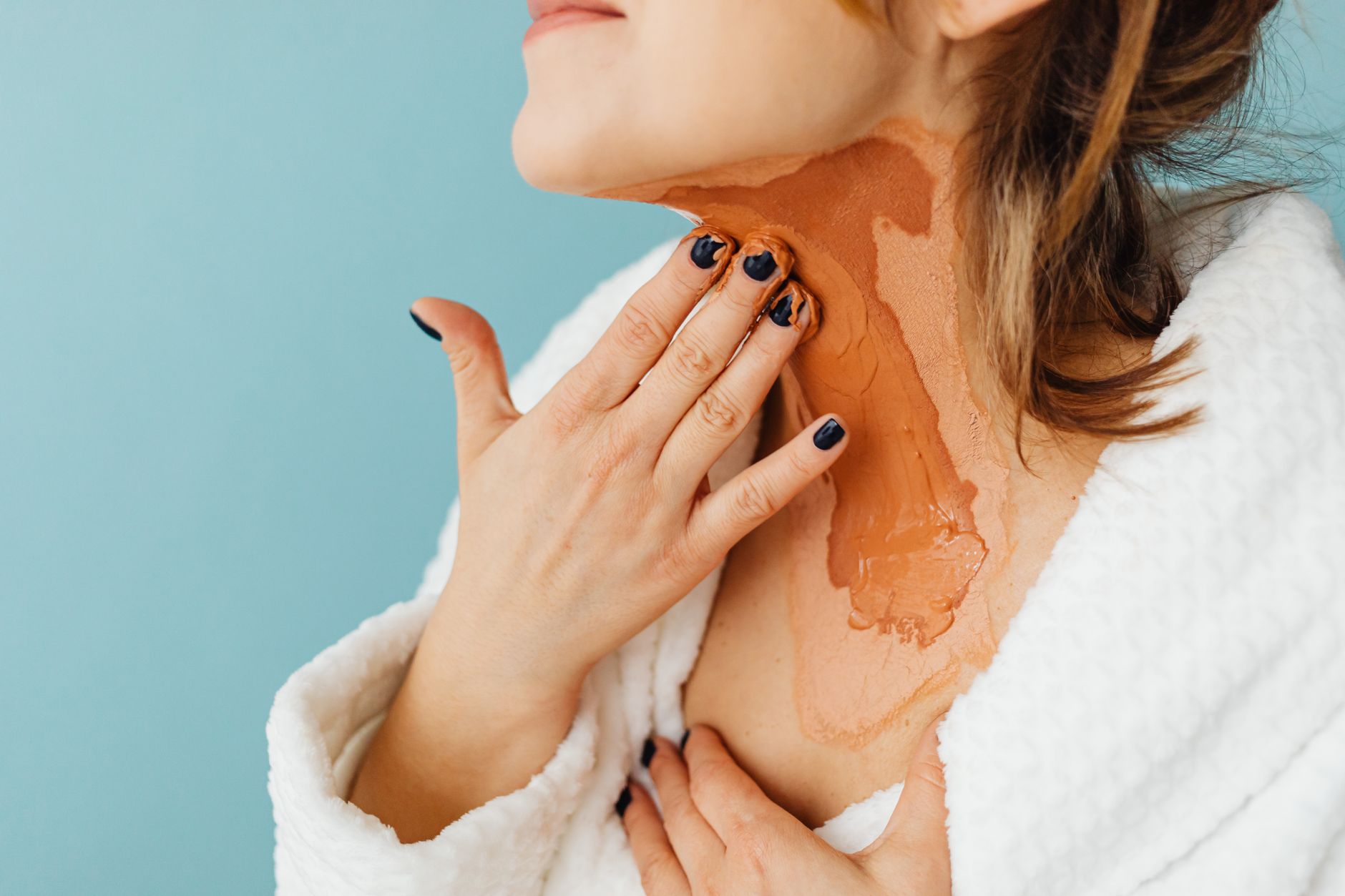
Lifestyle Changes to Reduce Neck Eczema Flare-Ups
Making certain lifestyle changes can significantly help in reducing the frequency and severity of neck eczema flare-ups, especially those triggered by sweating. This section explores dietary considerations, stress management, and environmental adjustments that can play a crucial role in managing neck eczema flare-ups after sweating.
Dietary Considerations
What you eat can influence your skin’s health, including the likelihood of experiencing neck eczema flare-ups after sweating. While there is no one-size-fits-all diet for eczema, certain dietary choices may help reduce inflammation and support skin health.
- Anti-inflammatory foods: Incorporate foods rich in omega-3 fatty acids, such as salmon, flaxseeds, and walnuts, which have anti-inflammatory properties. These can help reduce the overall inflammation in your body, potentially lessening the severity of eczema flare-ups.
- Hydration: Drinking plenty of water is essential. Proper hydration helps maintain skin moisture and can reduce the irritation caused by sweat. Aim for at least eight glasses of water a day.
- Avoid potential triggers: Some individuals may find that certain foods, like dairy or gluten, exacerbate their eczema. Keeping a food diary can help identify specific triggers. If you notice a correlation between certain foods and neck eczema flare-ups, consider reducing or eliminating those items from your diet.
Stress Management
Stress is a well-known trigger for eczema flare-ups. Managing stress effectively can help reduce the frequency of neck eczema flare-ups, particularly those exacerbated by sweating.
- Mindfulness and meditation: Practices such as mindfulness, meditation, and yoga can help reduce stress levels. Even a few minutes a day can make a significant difference in how your body handles stress.
- Regular exercise: Engaging in regular physical activity can help manage stress. However, be mindful of the type of exercise you choose. High-intensity workouts may cause excessive sweating, which can trigger eczema flare-ups. Opt for moderate activities like walking, swimming, or cycling.
- Adequate sleep: Ensure you get enough restful sleep each night. Poor sleep can increase stress levels and weaken your immune system, making your skin more susceptible to flare-ups.
Environmental Adjustments
Creating an environment that minimizes triggers can help prevent neck eczema flare-ups after sweating. Here are some practical steps you can take:
- Temperature control: Keep your living space at a comfortable temperature. Extreme heat or cold can exacerbate eczema. Use air conditioning or heating as needed to maintain a stable environment.
- Humidity levels: Use a humidifier in dry climates to keep the air moist. Dry air can strip moisture from your skin, leading to increased irritation and flare-ups. Aim for a humidity level between 40-50%.
- Wear breathable clothing: Choose fabrics that allow your skin to breathe, such as cotton or moisture-wicking materials. Avoid tight-fitting clothes that can trap sweat against your skin.
- Avoid harsh chemicals: Be cautious with cleaning products, detergents, and personal care items that may contain harsh chemicals. Opt for fragrance-free and hypoallergenic products to reduce the risk of irritation.
By incorporating these lifestyle changes, you can create a supportive environment that helps manage neck eczema flare-ups triggered by sweating. Remember, it’s important to work with healthcare professionals to develop a comprehensive management plan tailored to your specific needs.
When to Seek Professional Help for Neck Eczema
While managing neck eczema flare-ups after sweating can often be handled with home remedies and lifestyle changes, there are times when professional help becomes necessary. Recognizing when to seek the expertise of a dermatologist is crucial for effective eczema management, especially if you notice persistent or worsening symptoms.
Signs of Severe Eczema
Severe neck eczema may present with more intense symptoms than mild or moderate cases. Look out for the following signs that may indicate a need for professional intervention:
- Intense Itching and Discomfort: If the itching becomes unbearable and disrupts your daily activities or sleep, it may be time to consult a dermatologist.
- Widespread Rash: If the rash spreads beyond the neck to other parts of your body, professional evaluation is advisable.
- Thickened or Leathery Skin: Chronic scratching can lead to skin thickening, a condition known as lichenification, which requires medical attention.
- Oozing or Crusting: If your eczema starts to ooze fluid or form crusts, it could indicate an infection that needs treatment.
- Changes in Skin Color: Persistent redness, darkening, or lightening of the skin can be a sign of severe eczema.
When Home Remedies Aren’t Enough
If you’ve tried various home remedies and lifestyle changes to manage your neck eczema flare-ups after sweating but haven’t seen improvement, it’s time to consider professional help. Home remedies can be effective for many, but they may not address the underlying causes or provide sufficient relief for everyone.
For instance, if you’ve been diligent about moisturizing, avoiding triggers, and practicing good sweat management techniques but still experience frequent and severe flare-ups, a dermatologist can offer more targeted treatments.
Importance of Professional Diagnosis
A dermatologist can provide a thorough evaluation to determine the specific type of eczema you have and any contributing factors. This professional diagnosis is essential for several reasons:
- Accurate Treatment Plan: Based on the diagnosis, a dermatologist can recommend a tailored treatment plan that may include prescription medications, specialized moisturizers, or other therapies.
- Identifying Underlying Conditions: Sometimes, neck eczema can be a symptom of an underlying condition, such as an allergy or hormonal imbalance. A dermatologist can help identify and address these issues.
- Preventing Complications: Severe eczema can lead to complications like infections or permanent skin changes. Early intervention by a professional can help prevent these outcomes.
- Education and Support: Dermatologists can provide valuable education on managing neck eczema, including tips on avoiding triggers, proper skincare routines, and lifestyle adjustments.
Real-Life Example: When to Act
Consider the case of Jane, who noticed her neck eczema flare-ups becoming more frequent and severe after sweating. Initially, she tried over-the-counter creams and home remedies but saw little improvement. The itching was relentless, and the rash began to spread. Concerned about the worsening symptoms, Jane decided to visit a dermatologist.
During her appointment, the dermatologist conducted a detailed examination and discussed Jane’s symptoms and lifestyle. The dermatologist diagnosed her with a specific type of eczema and prescribed a treatment plan that included a topical steroid cream and an oral antihistamine. Additionally, the dermatologist provided Jane with personalized advice on managing her condition, including how to handle sweat-induced flare-ups more effectively.
Within a few weeks of following the dermatologist’s recommendations, Jane noticed significant improvement in her symptoms. The itching subsided, and the rash began to clear up. This experience highlighted the importance of seeking professional help when home remedies aren’t enough.
Decision Points for Seeking Help
If you’re unsure whether to seek professional help for your neck eczema, consider these decision points:
- Have your symptoms persisted for more than two weeks despite home care?
- Are your flare-ups becoming more frequent or severe?
- Do you notice signs of infection, such as oozing, crusting, or increased redness?
- Is the eczema affecting your quality of life, causing discomfort or embarrassment?
- Have you tried multiple home remedies without success?
If you answer yes to any of these questions, it may be time to schedule an appointment with a dermatologist. Professional help can provide the relief and management strategies you need to better handle neck eczema flare-ups after sweating.
Case Studies and Success Stories
Real-life experiences can offer invaluable insights into managing neck eczema flare after sweating. By examining personal stories, we can uncover practical strategies and emotional resilience that contribute to successful management.
Personal Stories
Let’s delve into the journeys of three individuals who have faced the challenge of neck eczema flare after sweating.
Case Study 1: Emma’s Journey
Emma, a 28-year-old fitness enthusiast, noticed her neck eczema would worsen after her intense workout sessions. She experimented with various approaches to manage her condition:
- Identifying triggers: Emma realized that certain fabrics aggravated her eczema. She switched to moisture-wicking, breathable materials.
- Post-workout routine: She established a consistent post-workout routine that included a gentle cleanse and immediate application of a soothing moisturizer.
- Hydration: Emma ensured she stayed well-hydrated, both during and after her workouts, to maintain skin moisture levels.
Through these changes, Emma significantly reduced the frequency and severity of her neck eczema flare after sweating.
Case Study 2: Mark’s Strategy
Mark, a 35-year-old office worker, struggled with neck eczema during the summer months. His job required him to wear a collared shirt, which exacerbated his condition. Mark took the following steps to manage his eczema:
- Loose-fitting clothing: Mark opted for loose-fitting, lightweight shirts to minimize friction and irritation.
- Frequent breaks: He took short breaks throughout the day to apply a light moisturizer, keeping his skin hydrated.
- Desk fan: Mark kept a small desk fan at his workspace to promote air circulation and reduce sweat accumulation.
These adjustments allowed Mark to maintain better control over his neck eczema flare after sweating during the warmer months.
Case Study 3: Sophie’s Approach
Sophie, a 40-year-old mother, found that her neck eczema would flare up after carrying her young child, leading to increased perspiration. She adopted the following strategies:
- Supportive gear: Sophie used a supportive baby carrier that distributed weight evenly, reducing strain and sweat on her neck.
- Frequent changes: She changed her baby’s carrier position regularly to prevent prolonged pressure on one area of her neck.
- Gentle cleansing: After carrying her child, Sophie gently cleansed her neck with a mild, fragrance-free cleanser and applied a soothing balm.
By implementing these measures, Sophie effectively managed her neck eczema flare after sweating while caring for her child.
Lessons Learned
These case studies highlight several key lessons for managing neck eczema flare after sweating:
- Identify individual triggers: Each person’s eczema triggers may vary. It’s essential to identify what exacerbates your condition and take steps to mitigate those factors.
- Establish a consistent routine: Developing a regular skincare routine, especially after sweating, can help maintain skin health and reduce flare-ups.
- Experiment with clothing: Wearing breathable, moisture-wicking fabrics can minimize irritation and promote better air circulation.
- Stay hydrated: Proper hydration is crucial for maintaining skin moisture levels and overall skin health.
Encouragement and Motivation
Managing neck eczema flare after sweating can be challenging, but these success stories demonstrate that it’s possible to find effective strategies. Remember, everyone’s journey is unique, and what works for one person may not work for another. Stay patient, persistent, and open to trying different approaches. With the right combination of strategies, you can achieve better control over your neck eczema and enjoy a more comfortable, confident life.
Frequently asked questions
Can certain foods trigger neck eczema flare-ups after sweating?
While individual triggers can vary, some people may find that certain foods can exacerbate eczema symptoms, including neck eczema flare-ups after sweating. Common dietary triggers include dairy, eggs, nuts, and gluten. Keeping a food diary can help identify potential triggers and inform dietary adjustments.
It’s important to note that dietary triggers are not universal and may only affect a subset of individuals with eczema. Consulting with a healthcare professional or a registered dietitian can provide personalized guidance on managing eczema through diet.
Is it safe to use antiperspirants on eczema-prone skin?
Using antiperspirants on eczema-prone skin can be a delicate balance. Some antiperspirants contain ingredients that may irritate sensitive skin, potentially worsening neck eczema flare-ups after sweating. Look for fragrance-free, hypoallergenic options specifically designed for sensitive skin.
Patch testing a small area of skin before widespread use is advisable to ensure there is no adverse reaction. If irritation occurs, discontinue use and consult a healthcare professional for alternative sweat management strategies.
How often should I moisturize my neck to prevent flare-ups?
Regular moisturizing is crucial for managing neck eczema, especially after sweating. Aim to moisturize your neck at least twice daily, or more frequently if experiencing flare-ups. Use a gentle, fragrance-free moisturizer suitable for eczema-prone skin.
Apply moisturizer immediately after bathing or sweating to lock in moisture and create a protective barrier. This can help reduce the likelihood of neck eczema flare-ups after sweating and maintain skin hydration.
What are the best types of clothing to wear to minimize sweat-induced eczema?
Choosing the right clothing can significantly impact the management of neck eczema, particularly after sweating. Opt for breathable fabrics like cotton or moisture-wicking materials that allow air circulation and reduce sweat accumulation.
Avoid tight-fitting clothing that may rub against the skin and exacerbate irritation. Loose-fitting, soft garments can help minimize friction and allow the skin to breathe, reducing the risk of neck eczema flare-ups after sweating.
Can stress worsen neck eczema after sweating?
Stress is a well-known trigger for eczema flare-ups, including those that occur after sweating. When stressed, the body releases hormones that can increase inflammation and exacerbate eczema symptoms.
Incorporating stress management techniques such as mindfulness, exercise, and adequate sleep can help mitigate the impact of stress on eczema. Identifying and addressing stress triggers can contribute to better overall eczema management, including reducing the frequency of neck eczema flare-ups after sweating.
Are there any natural remedies that can help with neck eczema?
Several natural remedies may offer relief for neck eczema, though their effectiveness can vary among individuals. Oatmeal baths, coconut oil, and aloe vera are commonly recommended for their soothing and moisturizing properties.
It’s essential to approach natural remedies with caution and consult a healthcare professional before trying new treatments, especially if you have sensitive skin or are prone to allergic reactions. While natural remedies can be beneficial, they should complement, not replace, conventional eczema management strategies.
Use MyEczema.app to track your eczema patterns and daily triggers.
This article is for educational purposes only and is not medical advice. If symptoms are severe, spreading, painful, infected-looking, or affecting sleep and daily life, speak with a qualified healthcare professional.
Sources and further reading
For medical guidance, always rely on a qualified healthcare professional. These educational resources may help readers learn more:
Image credit: Photo by Sora Shimazaki on Pexels. Used under the Pexels License.
Image credit: Photo by Ryan Lansdown on Pexels. Used under the Pexels License.
Image credit: Photo by https://kaboompics.com/ on Pexels. Used under the Pexels License.