
MyEczema.app guide
Why is Hand Eczema So Common and Hard to Clear?
Discover why hand eczema is so common and hard to clear. Learn practical tips and scientifically accurate information to manage hand eczema effectively.
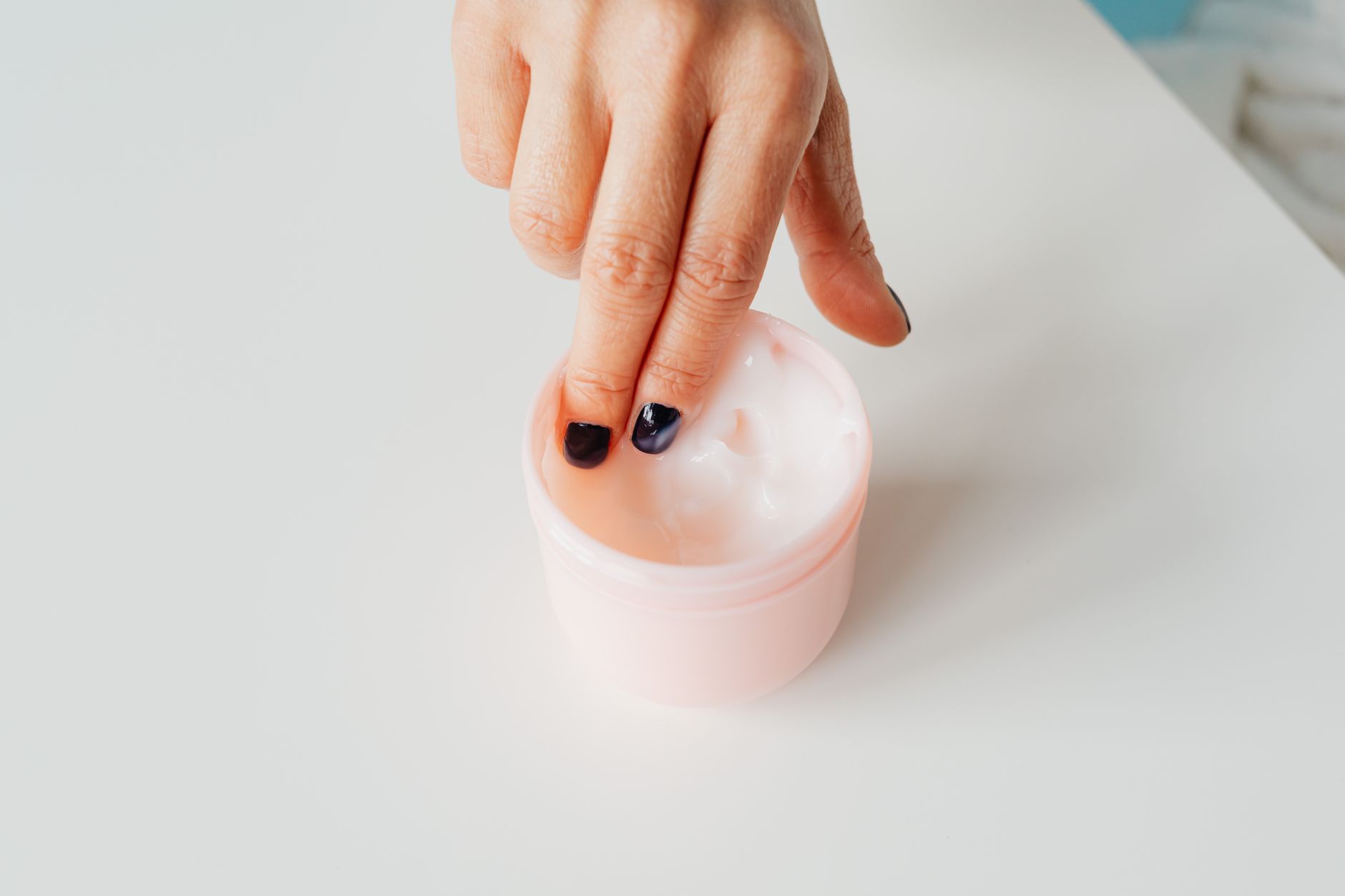
Table of contents
Use this guide as a practical reference and jump to the sections most relevant to you.
- Quick answer
- Key takeaways
- Practical comparison table
- Visual chart
- Related MyEczema.app tool
- Understanding Hand Eczema
- Common Causes of Hand Eczema
- Identifying Hand Eczema Triggers
- Recognizing Hand Eczema Symptoms
- Diagnosing Hand Eczema
- Effective Treatments for Hand Eczema
- Preventing Hand Eczema Flare-Ups
- The Role of Moisturization in Hand Eczema
- Lifestyle Changes to Manage Hand Eczema
- Seeking Professional Help for Hand Eczema
- Frequently asked questions
- Sources and further reading
Hand eczema is a common and often frustrating condition that many people face. If you’ve ever dealt with itchy, red, and sometimes painful hands, you know how challenging it can be to find relief. But why is hand eczema so prevalent, and why does it seem so hard to clear up? Let’s dive into the specifics of hand eczema, exploring the reasons behind its commonality and the difficulties in managing it. By understanding the unique challenges of hand eczema, we can better navigate its management and find ways to alleviate its symptoms.
Our hands are constantly in use, whether we’re washing dishes, gardening, or simply going about our daily routines. This frequent use, combined with exposure to various irritants and allergens, makes our hands particularly susceptible to eczema. The skin on our hands is thinner and more exposed than on other parts of our body, which means it can react more readily to environmental factors. Additionally, the skin barrier on our hands can become compromised more easily, leading to inflammation and irritation.
Clearing hand eczema is often a complex process due to the persistent nature of triggers and the challenges in repairing the skin barrier. Unlike other forms of eczema, hand eczema is frequently exacerbated by daily activities and exposures, making it difficult to avoid triggers completely. Furthermore, the skin on our hands is constantly subjected to washing, drying, and re-exposure to irritants, which can perpetuate the cycle of inflammation.
Quick answer
Hand eczema is common due to frequent hand use and exposure to irritants. Clearing it is challenging because of persistent triggers and skin barrier issues.
Key takeaways
- Hand eczema is often caused by frequent hand washing and exposure to irritants.
- Persistent triggers and a compromised skin barrier make hand eczema hard to clear.
- Consistent moisturization and avoiding irritants are key to managing hand eczema.
- Professional guidance is crucial for effective hand eczema treatment.
- Understanding personal triggers can help in preventing flare-ups.
Common Hand Eczema Triggers and Prevention Tips
| Situation | What it may mean | Practical next step |
|---|---|---|
| Frequent hand washing | Strips natural oils from the skin, leading to dryness and irritation. | Use a gentle, fragrance-free soap and moisturize after washing. |
| Exposure to chemicals | Chemicals can irritate the skin and cause flare-ups. | Wear protective gloves when handling chemicals. |
| Cold weather | Cold air can dry out the skin, exacerbating eczema. | Keep hands covered with gloves in cold weather. |
| Stress | Stress can trigger or worsen eczema symptoms. | Practice stress-reducing activities like yoga or meditation. |
| Allergens | Allergens can cause an immune response leading to eczema. | Identify and avoid known allergens. |
Effectiveness of Hand Eczema Treatments
This visual is an educational guide, not a diagnostic score. Use it to decide what may be worth tracking more consistently for this specific topic.
Highly effective for reducing inflammation and itching.
Essential for maintaining skin hydration and barrier function.
Helpful for reducing itching but not as effective for inflammation.
Effective for some patients but requires professional supervision.
Can be effective but may have more side effects.
Related MyEczema.app tool
Use the Daily Trigger Tracker
The Daily Trigger Tracker helps users record symptoms, possible triggers, skin routine, photos, notes, and trends over time.
For this topic, this tool can help you organize information in a more structured way and turn daily observations into clearer patterns to review over time.
Understanding Hand Eczema
Hand eczema is a common skin condition that many people experience at some point in their lives. It is a type of eczema that specifically affects the hands, leading to symptoms such as redness, itching, dryness, and sometimes painful cracking or blistering. Understanding hand eczema is the first step toward managing it effectively.
Definition of Hand Eczema
Hand eczema, also known as hand dermatitis, is an inflammatory skin condition that causes the skin on the hands to become irritated, dry, and itchy. It can manifest in various forms, including as small blisters, redness, scaling, or thickened skin. The symptoms can range from mild to severe and may come and go over time.
The condition is not contagious and is often triggered by a combination of genetic and environmental factors. People with hand eczema may find that their symptoms flare up in response to certain triggers, which can vary from person to person.
Statistics on Hand Eczema Prevalence
Hand eczema is surprisingly common. Studies have shown that a significant percentage of the population will experience some form of hand eczema at least once in their lifetime. It affects both men and women, although some research suggests that it may be more prevalent in women. Occupations that require frequent hand washing or exposure to irritants, such as healthcare workers, hairdressers, and cleaners, are particularly at risk.
While exact numbers can vary, it is clear that hand eczema is a widespread issue. This prevalence underscores the importance of understanding the condition, identifying triggers, and seeking appropriate care to manage symptoms effectively.
Common Misconceptions About Hand Eczema
There are several misconceptions about hand eczema that can hinder effective management and relief. One common myth is that hand eczema is simply a result of poor hygiene. In reality, frequent hand washing can actually exacerbate the condition by stripping the skin of its natural oils.
Another misconception is that hand eczema is purely a cosmetic issue. In truth, the symptoms can be quite painful and debilitating, affecting one’s ability to perform daily tasks and impacting overall quality of life. It is also not uncommon for people to believe that hand eczema is contagious, which it is not.
Understanding these misconceptions is crucial. It helps individuals with hand eczema seek the right kind of support and treatment, rather than feeling embarrassed or misunderstood. Education about the condition can lead to better self-care practices and more effective management strategies.
Identifying Hand Eczema Triggers
One of the challenges of managing hand eczema is identifying specific triggers that exacerbate the condition. Common triggers include exposure to irritants like detergents, solvents, and certain metals. Allergens such as nickel, found in jewelry and everyday items, can also trigger flare-ups.
Environmental factors play a significant role as well. Cold weather can dry out the skin, making it more susceptible to eczema. Similarly, hot water and harsh soaps can strip the skin of its natural oils, leading to increased irritation.
Recognizing these triggers is a vital part of hand eczema care. Keeping a diary of when symptoms flare up can help identify patterns and potential triggers. Once identified, steps can be taken to avoid or minimize exposure to these triggers.
Practical Steps for Hand Eczema Prevention
Prevention is a key aspect of managing hand eczema. Simple steps can make a significant difference in reducing the frequency and severity of flare-ups. Using mild, fragrance-free soaps and moisturizers is a good start. Applying moisturizer immediately after washing hands can help lock in moisture.
Wearing gloves when doing household chores or working with irritants can provide a protective barrier for the skin. Cotton gloves under rubber or vinyl gloves can help absorb sweat and reduce irritation.
It’s also important to avoid scratching, as this can worsen inflammation and lead to infection. Keeping nails short can help prevent accidental scratching.
Seeking Hand Eczema Relief
When hand eczema symptoms do flare up, seeking relief is paramount. Over-the-counter creams and ointments can help soothe irritated skin. For more severe cases, a dermatologist may prescribe stronger medications.
In addition to topical treatments, lifestyle adjustments can provide relief. Stress management techniques, such as mindfulness or yoga, can help, as stress is known to exacerbate eczema symptoms. A balanced diet rich in anti-inflammatory foods may also support overall skin health.
Hand Eczema Tips for Daily Care
Incorporating a few hand eczema tips into daily routines can make a world of difference. Regularly applying moisturizer is crucial, even when symptoms are not active. Choosing the right type of moisturizer—one that is thick and occlusive—can help keep the skin hydrated.
Avoiding hot showers and limiting bath time can prevent the skin from drying out. Using a humidifier in dry environments can also help maintain skin moisture.
Lastly, being mindful of hand eczema triggers and taking steps to avoid them is essential. This might mean switching to gentler household products, wearing gloves in certain situations, or making other adjustments to daily habits.
Understanding hand eczema, identifying triggers, and taking proactive steps for prevention and relief are all part of effectively managing this common condition. With the right care and attention, it is possible to keep symptoms under control and maintain healthy, comfortable skin.
Common Causes of Hand Eczema
Hand eczema, a form of eczema that specifically affects the hands, is a prevalent and often persistent condition. Understanding the primary causes of hand eczema is crucial for managing and mitigating its symptoms. In this section, we will explore the key factors that contribute to the development and exacerbation of hand eczema.
Frequent Hand Washing
One of the most common triggers for hand eczema is frequent hand washing. While regular hand hygiene is essential, especially in our current health climate, excessive washing can strip the skin of its natural oils, leading to dryness and irritation. This is particularly true when using harsh soaps or detergents.
For those prone to hand eczema, it’s important to use mild, fragrance-free soaps and to moisturize hands thoroughly after washing. Consider using a gentle, soap-free cleanser if traditional soaps exacerbate your symptoms. Additionally, minimizing hand washing frequency when possible and using hand sanitizers can help reduce exposure.
Exposure to Irritants and Allergens
Hands are frequently exposed to a variety of irritants and allergens, which can trigger or worsen hand eczema. Common irritants include household cleaning products, detergents, and solvents. Allergens might include certain metals (like nickel), latex, and various chemicals found in personal care products.
To protect your hands, wear gloves when handling cleaning agents or working with potentially irritating substances. Choose gloves made from materials that are less likely to cause allergic reactions, such as cotton-lined rubber or vinyl. If you suspect an allergy, consider patch testing to identify specific triggers.
Occupational Hazards
Certain occupations pose a higher risk for developing hand eczema due to regular exposure to irritants and allergens. Jobs that require frequent hand washing, wet work (prolonged contact with water), or contact with chemicals are particularly hazardous. Examples include healthcare workers, hairdressers, cleaners, and food service workers.
If your job puts you at risk, take proactive steps to protect your hands. Use appropriate gloves for your specific tasks, ensure they fit well to avoid irritation, and change them frequently. Regular use of hand creams and moisturizers can also help maintain the skin’s barrier function. Employers should provide adequate protective equipment and training on hand care practices.
In conclusion, understanding and identifying the causes of hand eczema is the first step in managing this challenging condition. By being mindful of frequent hand washing, avoiding irritants and allergens, and taking occupational hazards seriously, individuals can take significant steps towards alleviating the symptoms of hand eczema and improving their overall hand health.
Remember, while these strategies can help manage hand eczema, it’s important to consult with a healthcare professional for personalized advice and treatment options. Everyone’s skin is different, and what works for one person may not work for another.
Identifying Hand Eczema Triggers
Hand eczema can be particularly challenging to manage because it often involves exposure to numerous potential triggers. Identifying these triggers is crucial for effective hand eczema care and relief. Let’s explore some common environmental, dietary, and stress-related triggers that can exacerbate hand eczema.
Common Environmental Triggers
Environmental factors are among the most common triggers for hand eczema. These can include:
- Allergens: Substances like pollen, pet dander, and certain chemicals can trigger allergic reactions that worsen hand eczema. For instance, some people may find their symptoms flare up during spring when pollen counts are high.
- Irritants: Harsh chemicals found in cleaning products, detergents, and even water can irritate the skin. People who frequently wash their hands or work in environments where they are exposed to these irritants are at higher risk.
- Climate: Cold, dry weather can strip the skin of its natural oils, leading to dryness and irritation. Conversely, high humidity can cause sweat to accumulate, leading to maceration and potential infection.
To mitigate these triggers, consider the following steps:
- Use hypoallergenic, fragrance-free products.
- Wear gloves when handling irritants or performing household chores.
- Apply moisturizers regularly to keep the skin hydrated.
Dietary Triggers
While less commonly discussed, dietary factors can also play a role in hand eczema. Certain foods may trigger or worsen symptoms in some individuals. Common dietary triggers include:
- Dairy: Some people with hand eczema find that dairy products exacerbate their symptoms.
- Gluten: For those with gluten sensitivity, consuming gluten-containing foods can lead to skin flare-ups.
- Nuts and Seeds: These can be potent allergens for some individuals.
To identify dietary triggers, consider keeping a food diary. Note what you eat and any subsequent changes in your hand eczema symptoms. This can help you pinpoint specific foods that may be contributing to your condition.
Stress as a Trigger
Stress is a well-known trigger for many skin conditions, including hand eczema. When you’re stressed, your body releases cortisol, a hormone that can exacerbate inflammation and immune responses.
Practical steps to manage stress include:
- Engaging in regular physical activity.
- Practicing relaxation techniques such as yoga or meditation.
- Ensuring you get adequate sleep.
- Seeking support from friends, family, or a mental health professional.
Real-life example: Jane, a healthcare worker, noticed her hand eczema worsened during particularly stressful shifts at the hospital. By incorporating short meditation breaks and ensuring she took time to rest, she found her symptoms became more manageable.
Identifying and avoiding your personal hand eczema triggers is a vital part of managing the condition. By taking a proactive approach to understanding what exacerbates your symptoms, you can make informed decisions to improve your hand eczema care and find relief.

Recognizing Hand Eczema Symptoms
Recognizing the symptoms of hand eczema is crucial for effective management and relief. Hand eczema can manifest in various ways, making it essential to be aware of both visible and sensory symptoms, as well as potential complications that may arise if left untreated.
Visible Symptoms
The visible symptoms of hand eczema can vary widely from person to person. Common visible signs include:
- Redness: Affected areas may appear red and inflamed.
- Dryness: Skin on the hands may become excessively dry, rough, and scaly.
- Cracking: Severe cases can lead to deep cracks in the skin, which can be painful and prone to infection.
- Blisters: Small fluid-filled blisters may develop, which can break open and crust over.
- Thickening: Chronic hand eczema can cause the skin to thicken, a condition known as lichenification.
- Patches: Some individuals may experience patchy areas of discoloration.
It’s important to note that these symptoms can fluctuate in severity and may appear differently depending on individual skin types and the specific triggers involved.
Sensory Symptoms
In addition to visible changes, hand eczema often presents with various sensory symptoms that can significantly impact daily life. These include:
- Itching: Persistent itching is one of the most common sensory symptoms. The urge to scratch can be overwhelming and may worsen the condition.
- Burning: Some individuals report a burning sensation in the affected areas.
- Tingling: A tingling or pins-and-needles feeling may occur.
- Pain: Especially in severe cases, pain can be a prominent symptom, particularly if cracks or blisters are present.
These sensory symptoms can make it challenging to focus on everyday tasks, affecting both work and personal life. Recognizing these sensations early can help in seeking timely relief and management strategies.
Complications of Untreated Hand Eczema
If hand eczema is left untreated, it can lead to several complications that may exacerbate the condition and impact overall health. Potential complications include:
- Infections: Open cracks and blisters are susceptible to bacterial or fungal infections. Signs of infection include increased redness, swelling, warmth, and pus. Seeking medical attention is crucial if an infection is suspected.
- Chronic Skin Changes: Prolonged hand eczema can result in permanent skin changes, such as thickening and discoloration, which may be difficult to reverse even with treatment.
- Impact on Daily Activities: Severe hand eczema can make it difficult to perform daily tasks, affecting one’s ability to work, cook, clean, or engage in hobbies.
- Emotional Distress: The visible and sensory symptoms of hand eczema can lead to emotional distress, including anxiety and depression. The constant discomfort and appearance of the hands can affect self-esteem and social interactions.
Early recognition and management of hand eczema symptoms are vital to prevent these complications. If you notice any of these symptoms, consider consulting a healthcare professional for an appropriate treatment plan. Additionally, adopting preventive measures and being mindful of potential triggers can help manage hand eczema more effectively.
For instance, regularly applying moisturizers can help combat dryness, while avoiding known irritants and allergens can reduce the risk of flare-ups. Wearing gloves during household chores or when exposed to harsh chemicals can also provide a protective barrier for the skin.
In summary, being vigilant about the symptoms of hand eczema and taking proactive steps to address them can make a significant difference in managing this common and often challenging condition.
Diagnosing Hand Eczema
Diagnosing hand eczema can be a nuanced process that requires careful evaluation and consideration of various factors. Unlike some conditions with straightforward symptoms, hand eczema can mimic other skin issues, making accurate diagnosis crucial for effective management. Here, we’ll explore the primary methods used to diagnose hand eczema, including clinical examination, patch testing, and differential diagnosis.
Clinical Examination
The first step in diagnosing hand eczema typically involves a thorough clinical examination by a dermatologist or healthcare provider. During this examination, the provider will look for specific signs and symptoms characteristic of hand eczema. These may include:
- Redness and inflammation: The skin on the hands may appear red, swollen, and irritated.
- Dryness and scaling: The skin might be dry, rough, and flaky.
- Blisters and weeping: In more severe cases, blisters may form, and the skin may ooze fluid.
- Cracking and fissures: The skin can develop deep cracks, especially in chronic cases.
- Lichenification: Thickened, leathery skin can develop from persistent scratching and rubbing.
The healthcare provider will also ask about the patient’s medical history, including any personal or family history of eczema, allergies, or other skin conditions. They will inquire about symptoms, their duration, and any potential triggers that exacerbate the condition.
Patch Testing
Patch testing is a crucial diagnostic tool used to identify specific allergens that may be triggering hand eczema. This test involves applying small amounts of various allergens to patches, which are then placed on the skin, usually on the back. The patches remain in place for 48 hours, after which they are removed, and the skin is examined for any reactions.
Common allergens tested include:
- Nickel
- Fragrances
- Preservatives
- Rubber chemicals
- Cobalt
If a reaction occurs, it indicates that the patient is allergic to that specific substance. Identifying these allergens is vital for developing an effective hand eczema care plan, as it allows patients to avoid these triggers in their daily lives.
Differential Diagnosis
Hand eczema can resemble other skin conditions, making differential diagnosis an essential part of the process. Healthcare providers must rule out other potential causes of hand symptoms to ensure an accurate diagnosis. Conditions that may mimic hand eczema include:
- Psoriasis: Psoriasis can cause red, scaly patches on the hands, similar to eczema. However, psoriasis often presents with well-defined, silvery scales.
- Dyshidrotic eczema: This condition causes small, itchy blisters on the hands and fingers. While it is a type of eczema, it has distinct characteristics that differentiate it from other forms of hand eczema.
- Contact dermatitis: Contact dermatitis can result from irritants or allergens and may present with symptoms similar to hand eczema. Patch testing can help distinguish between allergic contact dermatitis and hand eczema.
- Fungal infections: Fungal infections, such as tinea manuum, can cause redness, scaling, and itching on the hands. A skin scraping or culture may be necessary to diagnose a fungal infection.
- Pompholyx: Pompholyx, or dyshidrotic eczema, causes small, itchy blisters on the palms and sides of the fingers. It is often seasonal and can be mistaken for hand eczema.
To differentiate these conditions, healthcare providers may use a combination of clinical examination, patient history, and additional tests, such as skin biopsies or cultures, when necessary.
Practical Steps for Patients
If you suspect you have hand eczema, taking proactive steps can help in the diagnostic process:
- Keep a symptom diary: Record when symptoms occur, their severity, and any potential triggers. This information can be valuable during your appointment.
- Avoid known irritants: While waiting for a diagnosis, try to minimize exposure to common irritants and allergens that may exacerbate symptoms.
- Moisturize regularly: Keeping the skin hydrated can help alleviate some symptoms and prevent further irritation.
- Seek professional help: If symptoms persist or worsen, consult a dermatologist or healthcare provider for a thorough evaluation.
Accurate diagnosis is the first step toward effective hand eczema management. By understanding the diagnostic process, patients can work closely with their healthcare providers to identify triggers, develop a personalized care plan, and find relief from the discomfort of hand eczema.
Effective Treatments for Hand Eczema
Managing hand eczema can be challenging, but various treatments can help alleviate symptoms and improve the condition of your skin. This section explores different treatment options available for hand eczema, including topical treatments, oral medications, and light therapy. Each method has its own benefits and considerations, and understanding them can help you make informed decisions about your care.
Topical Treatments
Topical treatments are often the first line of defense against hand eczema. These treatments are applied directly to the skin and can include moisturizers, corticosteroids, calcineurin inhibitors, and other medications.
- Moisturizers: Regular use of moisturizers is crucial for managing hand eczema. Look for products that are fragrance-free and designed for sensitive skin. Applying moisturizers after washing your hands and before bed can help keep your skin hydrated and reduce dryness and itching.
- Corticosteroids: Topical corticosteroids are commonly prescribed to reduce inflammation and itching. They come in various strengths, and your healthcare provider will recommend the appropriate potency based on the severity of your hand eczema. It’s important to use them as directed to avoid potential side effects.
- Calcineurin inhibitors: These medications, such as tacrolimus and pimecrolimus, are alternatives to corticosteroids. They work by suppressing the immune response that causes inflammation. They are particularly useful for areas of thin skin, like the face and hands.
- Other topical medications: In some cases, your healthcare provider might prescribe other topical treatments, such as coal tar or crisaborole, to help manage symptoms.
Oral Medications
When topical treatments are not sufficient, oral medications may be necessary to control hand eczema. These medications work from within the body to reduce inflammation and manage symptoms.
- Antihistamines: These medications can help relieve itching and are often used for hand eczema that causes significant discomfort. They are available over-the-counter and by prescription.
- Corticosteroids: In severe cases, oral corticosteroids may be prescribed for a short period to quickly reduce inflammation. Long-term use is generally avoided due to potential side effects.
- Immunomodulators: Medications like cyclosporine and methotrexate can be prescribed for severe hand eczema that does not respond to other treatments. These drugs work by suppressing the immune system to reduce inflammation.
Light Therapy
Light therapy, also known as phototherapy, involves exposing the skin to specific types of light to reduce inflammation and itching. This treatment can be effective for hand eczema, especially when other treatments have not provided relief.
- Narrowband UVB: This type of light therapy uses a specific wavelength of ultraviolet light to treat eczema. Sessions are typically conducted in a healthcare provider’s office, and the frequency of treatments will depend on the severity of your hand eczema.
- PUVA therapy: Psoralen plus ultraviolet A (PUVA) therapy combines a medication called psoralen with UVA light. The psoralen makes the skin more sensitive to light, enhancing the effectiveness of the treatment. PUVA is usually reserved for severe cases of hand eczema.
It’s important to work closely with your healthcare provider to determine the best treatment plan for your hand eczema. Combining different treatments, such as using topical medications along with light therapy, may provide the best results. Additionally, identifying and avoiding triggers, maintaining good hand hygiene, and regularly moisturizing can help manage symptoms and prevent flare-ups.
Remember, everyone’s experience with hand eczema is unique, and what works for one person may not work for another. Patience and persistence are key when finding the right combination of treatments to manage your hand eczema effectively.
Preventing Hand Eczema Flare-Ups
Preventing hand eczema flare-ups is crucial for managing this common and often stubborn condition. By taking proactive steps, individuals can reduce the frequency and severity of outbreaks. This section will explore practical strategies for preventing hand eczema, focusing on avoiding known triggers, maintaining proper hand hygiene, and using protective gloves.
Avoiding Known Triggers
One of the most effective ways to prevent hand eczema is by identifying and avoiding known triggers. Triggers can vary widely from person to person, but common ones include:
- Allergens: Substances like nickel, fragrances, and certain preservatives can provoke an allergic reaction leading to eczema.
- Irritants: Harsh chemicals in cleaning products, detergents, and solvents can irritate the skin and cause flare-ups.
- Environmental factors: Cold weather, low humidity, and frequent hand washing can exacerbate hand eczema.
To avoid these triggers, consider the following steps:
- Read product labels carefully to identify potential allergens and irritants.
- Use fragrance-free and hypoallergenic products whenever possible.
- Limit exposure to known irritants by wearing protective gloves when handling chemicals.
- Keep your hands moisturized to protect against environmental factors.
For example, if you notice that your hand eczema worsens after using a particular hand soap, switch to a gentle, fragrance-free alternative. Similarly, if cold weather is a trigger, ensure your hands are well-protected with gloves and moisturizers during the winter months.
Proper Hand Hygiene
Maintaining proper hand hygiene is essential, especially for those prone to hand eczema. However, frequent hand washing can strip the skin of its natural oils, leading to dryness and irritation. Here are some tips for balancing hygiene with skin care:
- Use lukewarm water instead of hot water when washing your hands.
- Limit the duration of hand washing to 20 seconds, which is the recommended time for effective cleaning.
- Choose a mild, moisturizing soap that is free from harsh chemicals and fragrances.
- Pat your hands dry gently with a soft towel instead of rubbing them vigorously.
- Apply a thick moisturizer immediately after washing to lock in moisture.
Incorporating these practices into your daily routine can help maintain cleanliness without compromising your skin’s health. For instance, carrying a small bottle of moisturizer in your bag can ensure you reapply it promptly after washing your hands, keeping your skin hydrated and less prone to eczema flare-ups.
Use of Protective Gloves
Protective gloves are a vital tool in preventing hand eczema, especially for those who frequently come into contact with irritants and allergens. Here’s how to make the most of them:
- Wear gloves when performing household chores, such as cleaning or gardening.
- Use gloves when handling chemicals, like cleaning solutions or solvents.
- Opt for gloves made from materials that are less likely to cause irritation, such as cotton-lined rubber or nitrile gloves.
- Avoid wearing gloves for extended periods, as this can lead to sweat accumulation and skin irritation. Take breaks to allow your skin to breathe.
For example, if you enjoy gardening but notice that your hand eczema worsens afterward, wear gloves to protect your skin from soil, plants, and any gardening chemicals you might use. Similarly, if your job involves frequent hand washing or exposure to cleaning products, make it a habit to wear gloves to shield your skin.
In summary, preventing hand eczema flare-ups involves a combination of avoiding known triggers, maintaining proper hand hygiene, and using protective gloves. By incorporating these strategies into your daily routine, you can significantly reduce the likelihood of experiencing uncomfortable and disruptive outbreaks. Remember, consistency is key, and small changes can make a big difference in managing hand eczema effectively.

The Role of Moisturization in Hand Eczema
Managing hand eczema involves understanding the critical role that moisturization plays. Moisturizers are not just about keeping your skin soft; they are essential in creating a protective barrier that helps retain moisture and protect against irritants. Let’s delve into the types of moisturizers, when to apply them, and which ingredients to avoid for effective hand eczema care.
Types of Moisturizers
When it comes to hand eczema, not all moisturizers are created equal. The two main types are:
- Lotions: These are lightweight and easy to apply but may not be sufficient for severe hand eczema. They are best for mild cases or as a daily moisturizer.
- Creams and Ointments: These are thicker and provide more intense hydration. Creams are a good middle ground, while ointments are the most occlusive and offer the best protection for severely dry or cracked skin.
For those with hand eczema, creams and ointments are usually more effective. Products containing ceramides can be particularly beneficial as they help restore the skin’s natural barrier.
When to Apply Moisturizers
Timing is crucial when it comes to moisturizing for hand eczema. Here are some practical tips:
- After Washing Hands: Apply moisturizer immediately after washing your hands to lock in moisture. This is especially important if you frequently wash your hands, as water can strip the skin of its natural oils.
- Before Bed: Applying a thick ointment or cream before bed can help your skin retain moisture overnight. This is a good time to use heavier products that might feel greasy during the day.
- Throughout the Day: Keep a travel-sized moisturizer with you to reapply as needed, especially if your hands are exposed to irritants or if you notice your symptoms flaring up.
Consistency is key. Even if your hands don’t feel dry, regular moisturizing can help prevent flare-ups and maintain the skin’s barrier function.
Moisturizer Ingredients to Avoid
While moisturizers are beneficial, certain ingredients can exacerbate hand eczema. Here are some common culprits to avoid:
- Fragrances: Many moisturizers contain added fragrances, which can be irritating to sensitive skin. Look for fragrance-free options.
- Dyes: Similar to fragrances, dyes can cause irritation. Opt for products that are free from artificial colors.
- Alcohol: Some moisturizers contain alcohol, which can be drying and irritating. Check the ingredient list for alcohol or alcohol derivatives.
- Propylene Glycol: This ingredient can be a hidden irritant in some moisturizers. If you notice a reaction, it might be worth avoiding products that contain it.
Reading ingredient labels carefully can help you choose the right moisturizer for your hand eczema. If you’re unsure, consulting a dermatologist can provide personalized recommendations.
In summary, effective moisturization is a cornerstone of managing hand eczema. By choosing the right type of moisturizer, applying it at the right times, and avoiding potentially irritating ingredients, you can help keep your symptoms under control and improve the overall health of your skin. Remember, consistency and careful selection are your best allies in the fight against hand eczema.
Lifestyle Changes to Manage Hand Eczema
Managing hand eczema requires a holistic approach, which includes making certain lifestyle changes. These changes can help reduce the frequency and severity of flare-ups, making your hands more comfortable and less prone to irritation. In this section, we will explore three key lifestyle changes that can make a significant difference: dietary changes, stress management techniques, and a regular skin care routine.
Dietary Changes
While there is no one-size-fits-all diet for managing hand eczema, certain dietary changes may help reduce inflammation and improve overall skin health. Here are some practical steps you can take:
- Identify Food Triggers: Keep a food diary to track what you eat and any subsequent hand eczema flare-ups. Common triggers include dairy, gluten, and highly processed foods. If you notice a pattern, consider reducing or eliminating these items from your diet.
- Increase Omega-3 Fatty Acids: Foods rich in omega-3 fatty acids, such as salmon, flaxseeds, and walnuts, have anti-inflammatory properties that may help reduce eczema symptoms.
- Stay Hydrated: Drinking plenty of water helps keep your skin hydrated from the inside out, which can be beneficial for managing hand eczema.
- Avoid Excessive Sugar and Caffeine: Both sugar and caffeine can contribute to inflammation, so try to limit your intake of these substances.
Remember, dietary changes should be made in consultation with a healthcare provider, especially if you have other health conditions or are on medication.
Stress Management Techniques
Stress is a well-known trigger for hand eczema. Learning to manage stress effectively can help reduce the frequency and severity of flare-ups. Here are some techniques you can try:
- Mindfulness and Meditation: Practices like mindfulness and meditation can help you stay present and reduce anxiety. Even a few minutes a day can make a difference.
- Exercise: Regular physical activity can help reduce stress levels. Activities like walking, yoga, or swimming are excellent choices.
- Deep Breathing Exercises: Simple deep breathing exercises can help calm your mind and reduce stress. Try inhaling for a count of four, holding for four, and exhaling for four.
- Journaling: Writing down your thoughts and feelings can be a therapeutic way to manage stress. It allows you to process emotions and gain clarity.
- Seek Support: Talking to friends, family, or a mental health professional can provide emotional support and help you manage stress more effectively.
Incorporating these stress management techniques into your daily routine can make a significant difference in managing hand eczema.
Regular Skin Care Routine
A consistent skin care routine is crucial for managing hand eczema. Here are some steps you can take to keep your hands in the best possible condition:
- Gentle Cleansing: Use a mild, fragrance-free soap to clean your hands. Avoid hot water, as it can strip the skin of its natural oils.
- Moisturize Frequently: Apply a thick, fragrance-free moisturizer to your hands several times a day. Look for products containing ceramides or hyaluronic acid for added hydration.
- Protect Your Hands: Wear gloves when doing household chores or working with irritants. Cotton gloves under rubber or latex gloves can provide an extra layer of protection.
- Avoid Harsh Chemicals: Be cautious with hand sanitizers, detergents, and other chemicals that can irritate the skin. Opt for gentle, eczema-friendly alternatives whenever possible.
- Nail Care: Keep your nails trimmed and clean to avoid scratching, which can exacerbate hand eczema.
By incorporating these lifestyle changes into your daily routine, you can better manage hand eczema and improve the overall health of your skin. Remember, it’s essential to consult with a healthcare provider before making significant changes to your diet or skin care routine, especially if you have other health conditions or are on medication.
Seeking Professional Help for Hand Eczema
Managing hand eczema can be challenging, and while self-care strategies are important, professional help often plays a critical role in effectively managing this condition. Knowing when to see a dermatologist, the importance of follow-up appointments, and utilizing support groups and resources can make a significant difference in your journey to find relief.
When to See a Dermatologist
If you suspect you have hand eczema, it’s essential to consult a dermatologist for an accurate diagnosis and tailored treatment plan. Here are some signs that it’s time to seek professional help:
- Persistent Symptoms: If your hand eczema symptoms don’t improve with over-the-counter treatments or home remedies, it’s time to see a dermatologist.
- Severe Symptoms: Severe itching, pain, or bleeding requires immediate professional attention.
- Frequent Flare-Ups: If you experience frequent flare-ups that disrupt your daily life, a dermatologist can help identify triggers and provide effective management strategies.
- Secondary Infections: Signs of infection, such as increased redness, swelling, warmth, or pus, should be evaluated by a healthcare professional.
Importance of Follow-Up Appointments
Once you start treatment for hand eczema, regular follow-up appointments with your dermatologist are crucial. These visits allow your healthcare provider to:
- Monitor Progress: Track the effectiveness of your treatment plan and make necessary adjustments.
- Address New Symptoms: Identify and address any new symptoms or complications that may arise.
- Provide Ongoing Support: Offer continued guidance and support to help you manage your condition effectively.
- Prevent Relapse: Discuss strategies to prevent future flare-ups and maintain healthy skin.
For example, Sarah, a 35-year-old teacher, noticed her hand eczema worsening despite using recommended moisturizers and avoiding known triggers. After consulting her dermatologist, she learned that her condition required a stronger prescription treatment. Regular follow-up appointments helped her dermatologist adjust her treatment plan, leading to significant improvement in her symptoms.
Support Groups and Resources
In addition to professional medical care, support groups and resources can provide valuable emotional and practical support. Here’s how they can help:
- Shared Experiences: Connecting with others who have hand eczema can provide comfort and reassurance. Hearing about their experiences and coping strategies can be incredibly helpful.
- Practical Tips: Support groups often share practical tips and advice on managing hand eczema, from product recommendations to lifestyle changes.
- Emotional Support: Living with hand eczema can be emotionally challenging. Support groups offer a safe space to express your feelings and receive encouragement from others who understand what you’re going through.
- Educational Resources: Many support groups provide access to educational materials and workshops that can help you better understand and manage your condition.
For instance, John, a 45-year-old mechanic, joined an online support group for hand eczema. Through the group, he discovered new moisturizers that worked better for his skin and learned stress-management techniques that helped reduce his flare-ups. The emotional support he received from the group also helped him feel less isolated in his struggle with hand eczema.
In conclusion, seeking professional help for hand eczema is a vital step in managing this challenging condition. Dermatologists can provide accurate diagnoses, effective treatments, and ongoing support. Additionally, support groups and resources offer valuable emotional and practical assistance, helping you navigate the ups and downs of living with hand eczema. Remember, you don’t have to face this journey alone—professional help and community support can make a world of difference.
Frequently asked questions
What are the first signs of hand eczema?
The first signs of hand eczema often include redness, itching, and dryness. You might notice small, red, itchy bumps or patches on your hands. These areas can become scaly or cracked over time. Early intervention is important to prevent the condition from worsening.
Can hand eczema be managed effectively?
Yes, hand eczema can be managed effectively with the right approach. Treatment options include topical creams and ointments, avoiding known irritants, and keeping the skin well-moisturized. In some cases, a healthcare professional may recommend additional treatments to help control symptoms.
How can I prevent hand eczema at work?
To prevent hand eczema at work, it’s important to wear gloves when handling irritants or allergens. Choose gloves made from materials that are gentle on the skin, such as cotton-lined rubber gloves. Regularly moisturize your hands, even when wearing gloves, and try to minimize exposure to harsh chemicals.
Are there any natural remedies for hand eczema?
While there are some natural remedies that may help soothe hand eczema, it’s important to approach them with caution. Common natural remedies include applying aloe vera, coconut oil, or oatmeal baths. However, always test a small area first to ensure you don’t have an allergic reaction. Consult with a healthcare professional before trying any new treatment.
How often should I moisturize my hands if I have eczema?
If you have hand eczema, it’s important to moisturize your hands frequently. Aim to apply a thick, fragrance-free moisturizer at least twice a day, and more often if your hands feel dry or itchy. Moisturizing after washing your hands and before bed can help keep your skin hydrated and reduce symptoms.
What should I avoid if I have hand eczema?
If you have hand eczema, it’s important to avoid common irritants and allergens. This includes harsh soaps, detergents, and cleaning products. Try to minimize exposure to water by wearing gloves when doing dishes or gardening. Additionally, avoid scratching or picking at your skin to prevent further irritation.
This article is for educational purposes only and is not medical advice. If symptoms are severe, spreading, painful, infected-looking, or affecting sleep and daily life, speak with a qualified healthcare professional.
Sources and further reading
For medical guidance, always rely on a qualified healthcare professional. These educational resources may help readers learn more:
Image credit: Photo by https://kaboompics.com/ on Pexels. Used under the Pexels License.
Image credit: Photo by Andrea Piacquadio on Pexels. Used under the Pexels License.
Image credit: Photo by Pragyan Bezbaruah on Pexels. Used under the Pexels License.